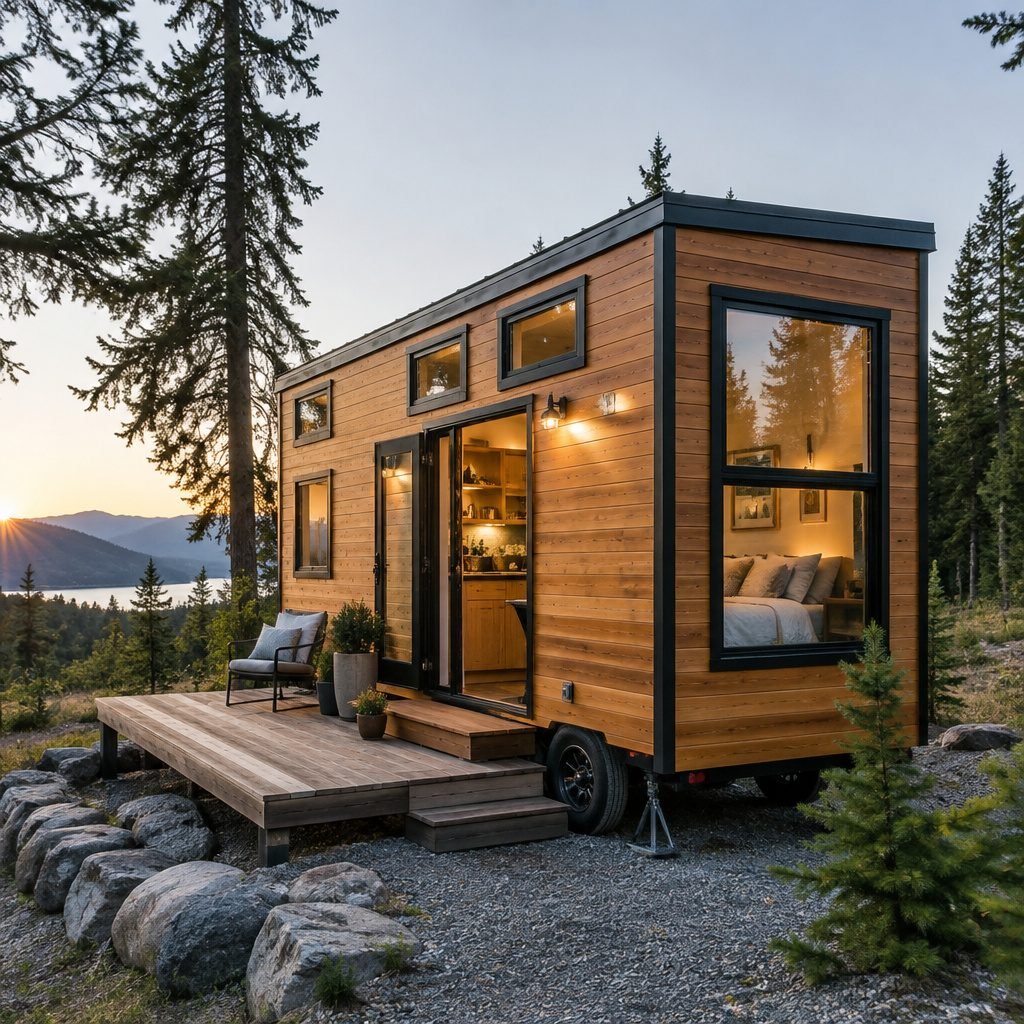
The smallest spaces can still feel deeply calm. A meditation nook turns daily life into a gentle reset.
With smart design choices, you can create a quiet corner that feels safe, warm, and practical. Read on for tiny home ideas that make room for breath, stillness, and comfort.
1. Window-Seat Breathing Nook

Picture a built-in seat by a sunny window with soft cushions and a low backrest that hugs your shoulders. When the light shifts through the blinds, the room feels like it’s slowing down with you.
Choose a light fabric in warm tones like oatmeal or sage, and keep the seat height easy to use for sitting cross-legged. Add a small tray for a timer, a candle-safe light, or a simple journal, so you can start right away. For a tidy look, tuck a thin blanket in a hinged cabinet under the seat.
2. Corner Shelf Zen Stack

Turn a spare corner into a calming display of books, stones, and a small water cup. A gentle arrangement on floating shelves makes the space feel intentional rather than cluttered.
Keep the meditation setup simple by placing a slim cushion on the floor and a small rug beneath it. Use neutral colors and leave some empty shelf space so your eyes can rest. Rotate items by season, such as adding a seashell during summer or a pine branch in winter.
For cost control, start with two shelves and add pieces slowly as you find what feels right. This style matches the current trend toward quiet décor with natural textures and fewer, better objects.
3. Lofted Quiet Cupboard

Imagine climbing into a tiny loft space where the walls feel close, like a private tent. Inside, a built-in cupboard door opens to reveal a padded mat and a tiny meditation space.
Use soft insulation and a rug to reduce echo, because quiet rooms feel deeper when the sound stays calm. Install warm LED lighting with a dimmer so you can create a gentle glow for evening practice. Personalize it with a small curtain at the entry so you can close the space when you need a full reset.
Even in a small build, this nook can feel special without huge renovations. It’s also a practical way to hide accessories and keep the main living area clear.
4. Bath-Foam Calm Micro-Spa Nook

Build a nook near the bathroom that feels like a soft retreat with steam-friendly surfaces. Think of a small bench, a hook wall, and a gentle scent shelf where you can store bath-safe essentials.
Use moisture-resistant wood or sealed panels, and keep your meditation items in a covered container so humidity stays controlled. Add a small towel ladder or hanging organizer to keep everything off the floor. This helps you practice mindful breathing while you wait for the water to warm, turning routine into calm.
5. Hideaway Under-Stair Stillness

Under-stair areas can look awkward, but with the right layout they become a peaceful hideaway. Create a narrow alcove with a sliding door and a cushioned bench at the right depth.
Line the space with sound-dampening panels or cork sheets to reduce noise from the rest of the home. Add a tiny fan outlet or ventilation gap so air stays fresh during longer sessions. For personalization, choose a calming mural sticker or a small framed print that matches your mood.
Keep costs manageable by using leftover plywood, affordable fabric, and easy-to-install tracks for the sliding door. This idea also fits today’s love for smart storage that doubles as comfort.
6. Fold-Out Table and Floor Mat Practice

Set up a fold-out table in the main room that can become a meditation desk in seconds. When you close it, the tiny home looks open again, which feels good for everyday living.
Place a thin floor mat nearby so you can sit comfortably even when the table is closed. Choose a table surface you love touching, like smooth birch or bamboo, and keep a small set of items in a drawer for easy access. Try adding a cloth drawer liner in a calming color, so your nook feels soft even when it’s minimal.
To keep the budget friendly, use off-the-shelf organizers and focus your spending on the cushion and lighting. The modern trend toward flexible furniture makes this approach especially practical for tiny homes.
7. Radiant Wall Planter for Quiet Focus

Create a meditation nook that feels alive with a vertical planter wall and a small bench beneath it. Watching leaves and tiny sprouts can turn breathing exercises into something that feels natural and comforting.
Choose plants that handle indoor light well, and place a shallow tray behind the planters to manage watering. Add a dim warm light above the bench so the greenery still looks gentle at night. Personalize the mood by selecting planters in matte colors that match your décor.
For cost considerations, start with low-cost cuttings or hardy herbs instead of rare plants. This aligns with current wellness trends that connect calm spaces with nature inside the home.
8. Curtain-Guarded Reading and Silence Alcove

Enclose a small nook with a breathable curtain that softens the whole room. The moment you pull the fabric closed, your brain gets a clear signal that it’s time to slow down.
Use a simple curtain rod or tension pole and pair it with a small floor cushion and a warm lamp. Keep the light gentle and avoid harsh overhead glare, since softer lighting supports relaxed focus. Add one meaningful item, like a small bell or a meditation card set, so you feel guided without feeling cluttered.
This idea is unique because it creates privacy without building expensive walls. You can set it up quickly in a rented tiny home too, making it a flexible option.
9. Minimalist Light Shelf and Seated Corner

Design a corner with a low shelf that holds a single warm lamp and one small object of your choice. The simplicity makes the space feel like it belongs only to you, not to the whole house.
Place a seat cushion against the wall and keep the shelf just high enough to avoid visual clutter. Use warm-toned bulbs and consider a slight backlight so your eyes rest instead of strain. For personalization, swap the object seasonally, like a smooth river stone or a small ceramic bowl for incense if you use it safely.
To manage costs, start with lighting and a cushion, then add storage only when you notice what’s missing. Many people now prefer clean lines and fewer items, so this style stays current while still feeling cozy.
10. Sauna-Style Aroma and Bench Calm Zone

Even without a full sauna, you can create a steam-like vibe with an aroma corner. Picture a small bench, a towel rack, and a safe scent diffuser that turns everyday time into a calming ritual.
Choose materials that handle heat and humidity, like sealed wood or moisture-tolerant panels. Keep a small waste basket and a covered container for used wipes, so the nook stays neat and fresh. Add a timer for your breathing practice that matches how long you usually wait during warm-ups.
This nook feels unique because it blends relaxation with mindful timing. It’s also practical, since the setup can support stretching, breathwork, and gentle rest without needing extra room.
11. Laundry-to-Lounge Mindfulness Bay

Turn a functional laundry area into a peaceful bay by adding a soft seat and a small meditation kit. When you finish washing, you can sit down for a short pause and reset your mind before moving on.
Use a wall-mounted organizer to keep detergent tools tidy, and reserve the floor space for a small cushion and rug. Add a privacy screen if the laundry is visible from the living area, since feeling shielded helps you focus. Personalize with a scent-safe spray and a small notebook you can fill with gratitude notes or simple breathing counts.
For cost considerations, reuse what you already have and upgrade only the cushion, lighting, and storage. This matches the current trend of making every room serve multiple purposes in tiny homes.
12. Rooftop-View Sunset Zen Platform

If your tiny home has a loft window or a view opening, build a small platform where you can watch sunsets. A low bench with a backrest can make the sky feel close, like a calm painting you can sit beside.
Use weather-resistant materials if the nook is near an opening, and add a removable cushion so it’s easy to bring inside. Add a small side shelf for a thermos and a folded throw, because comfort helps you stay present longer. Personalize the experience with a simple color palette based on the sky, like dusty blues, warm tans, and soft grays.
When budgeting, focus on the seating and secure anchoring rather than expensive extras. This idea feels unique because it turns natural light and time of day into part of your meditation practice.