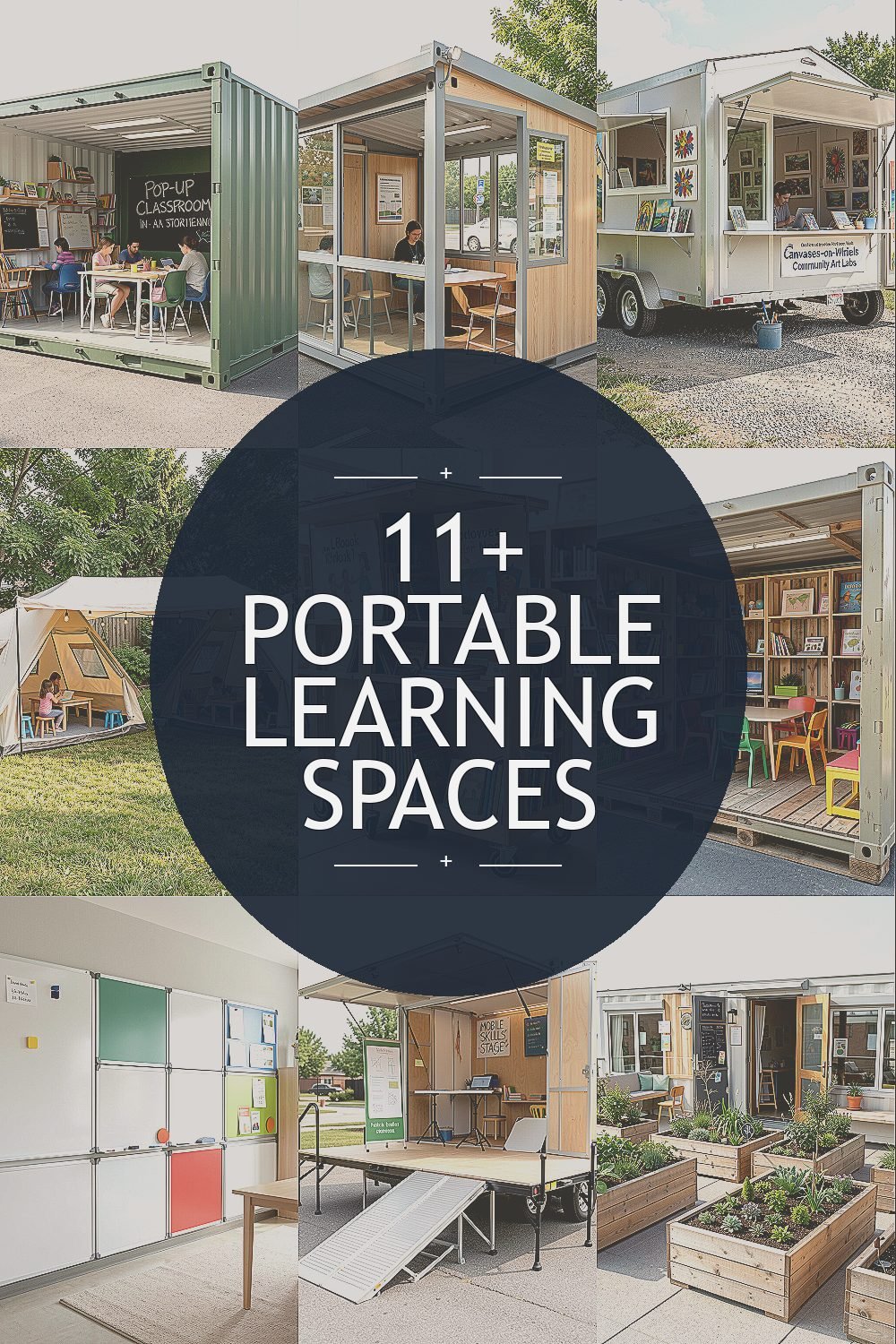
Learning can happen almost anywhere when the space is ready. Good community programs turn ordinary corners into welcoming classrooms.
1. Pop-Up Classroom in a Storage Container
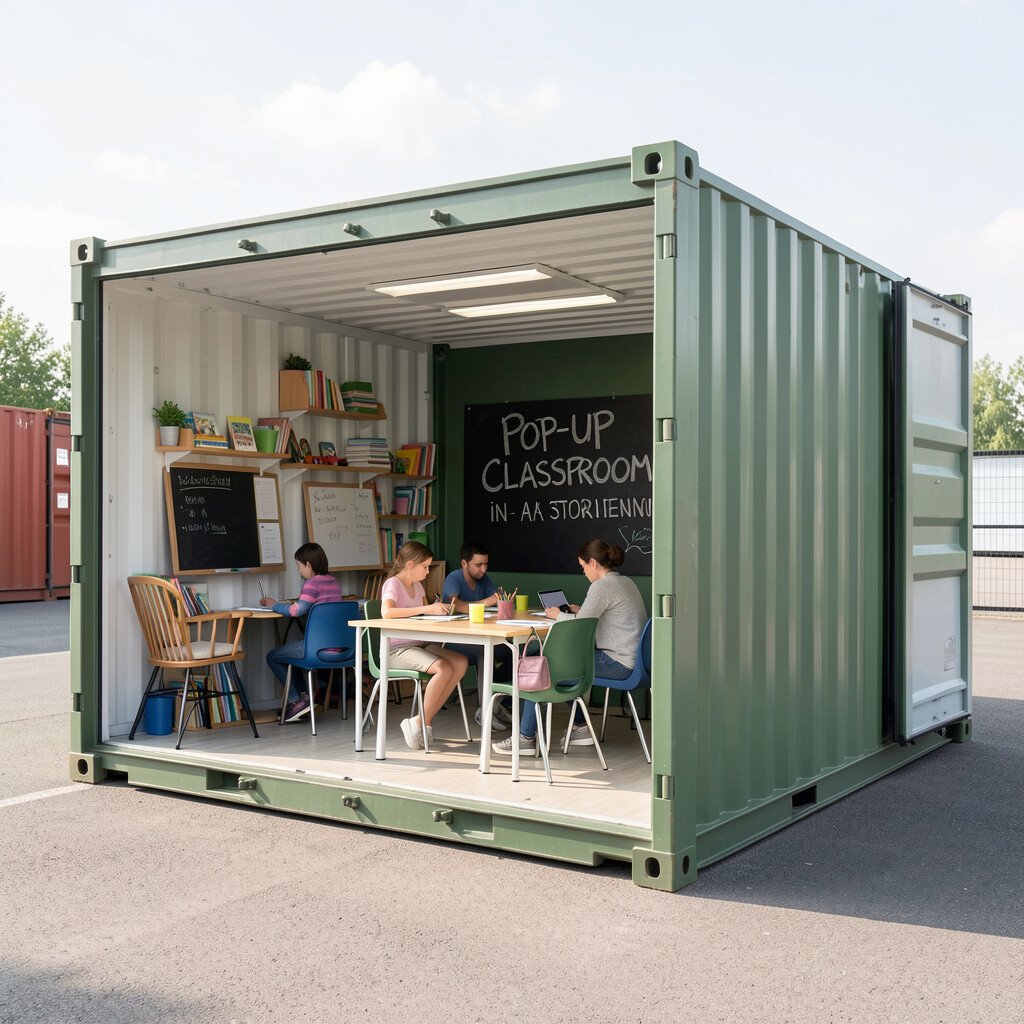
A repurposed storage container can become a compact learning nook with bright posters and tidy shelving. You can paint the interior in warm colors and add fold-down desks so the room feels calm and focused.
For hands-on lessons, line one wall with magnetic boards and simple tool holders so materials stay organized. Add soft lighting and ventilation for comfort during longer sessions. Keep entry safe with anti-slip flooring and clearly marked access steps.
2. Bus-Stop Style Micro Learning Shelters
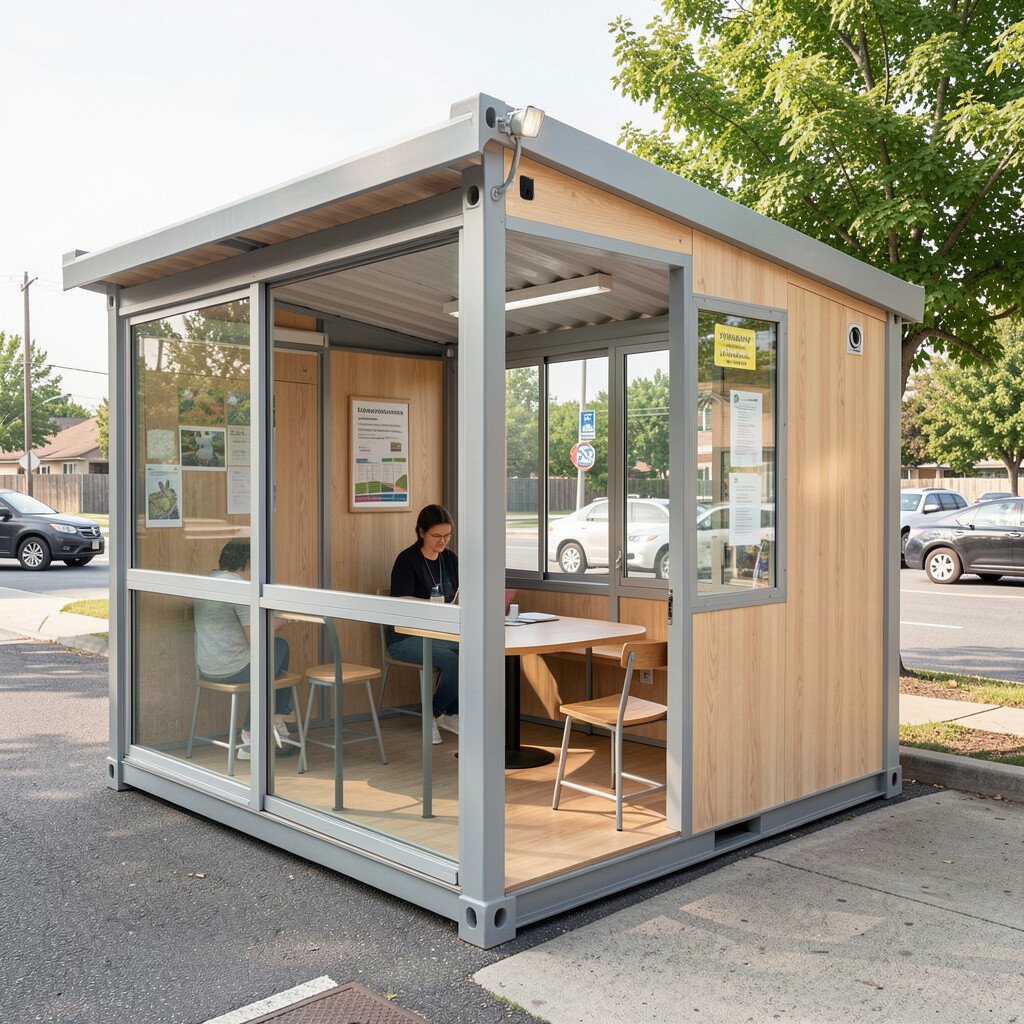
Small shelters inspired by bus stops can host quick skill sessions like reading help, math practice, or language chat. Glass panels or clear doors let people see what is happening and invite passersby to join.
Mount a writable wall and a set of removable seats so the shelter can switch from tutoring to group discussions fast. Use weatherproof bins to store books, flash cards, and beginner kits, which reduces prep time.
To personalize, paint each shelter with the neighborhood story or local symbols so residents feel ownership. For current trends, many towns are pairing street-friendly education with informal gatherings, which makes learning feel social instead of stiff. Plan for cost by choosing durable parts first, then adding colorful upgrades over time.
3. Canvases-on-Wheels Community Art Labs
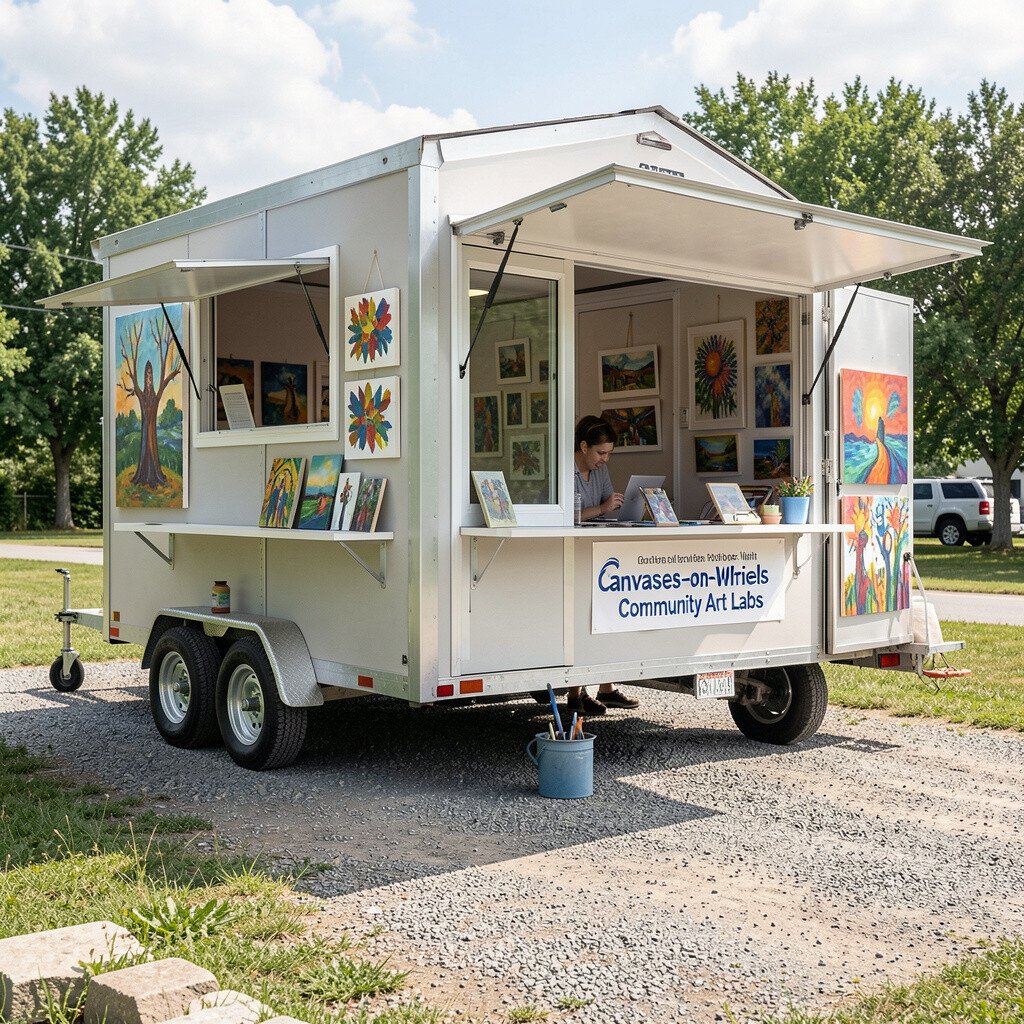
Roll-out art stations can arrive like a friendly parade, with canvas panels, clipboards, and supplies stacked neatly in carts. Each station looks bright and ready, which sparks curiosity before anyone even speaks.
Arrange the carts in a semicircle so learners can share work and get quick feedback from neighbors. Add washable table covers and labeled compartments so cleanup is quick and mess stays contained. When the group is finished, slide everything away and leave the space looking orderly.
For personalization, swap themes each month, such as community history, building murals, or poster design for local events. Choose affordable supplies like paper, non-toxic markers, and paint pens, then upgrade to better brushes when budgets allow. This mobile format fits the trend of makerspaces that travel to people instead of asking people to travel.
Practical planning matters too, so bring sample projects that match the lesson goal. Keep a simple checklist taped inside the cart so volunteers can set up in minutes. Add clear storage labels so learners can take materials home when appropriate.
4. Backyard Tent Classrooms With Adjustable Lighting
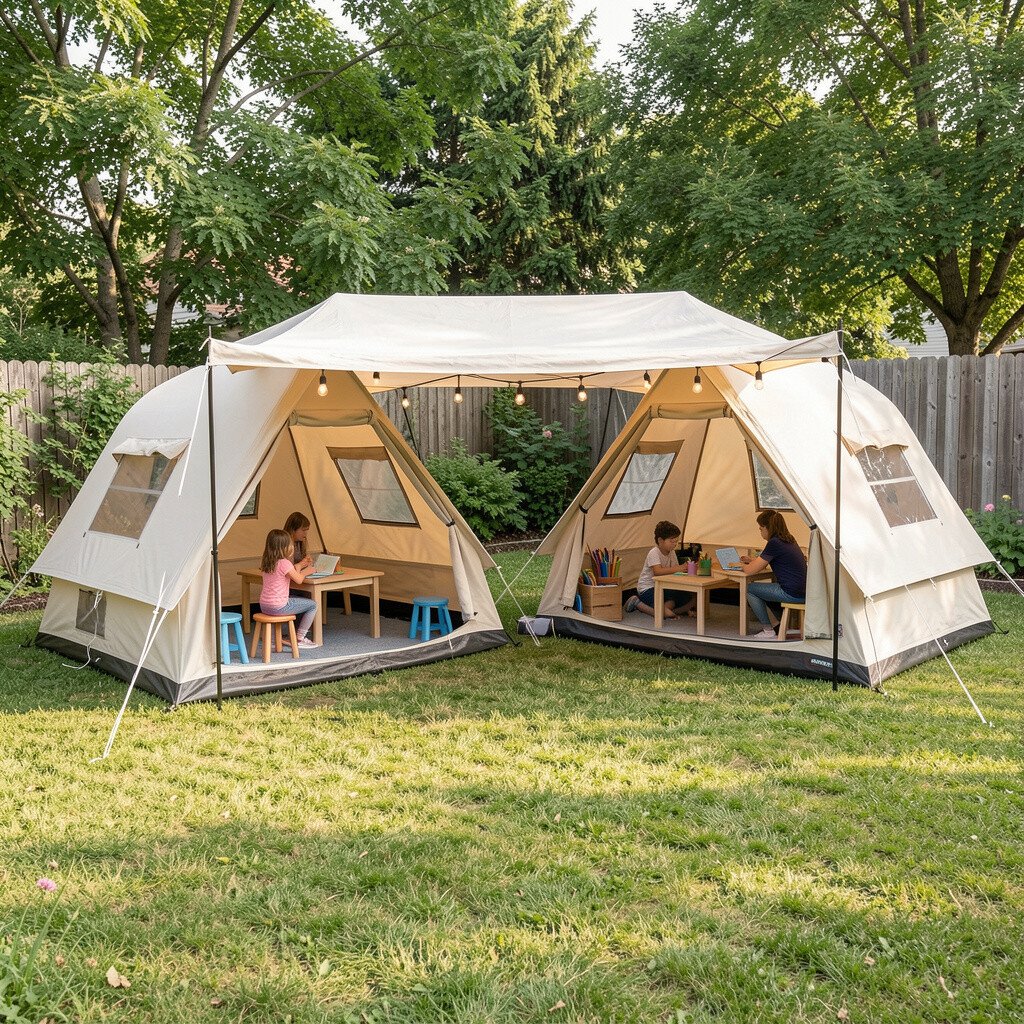
A sturdy event tent can turn a community yard into a cozy classroom with curtains, rugs, and wall-mounted organizer pockets. Warm string lights and task lamps create a welcoming glow that makes evening sessions feel safe.
Use modular table sizes and folding chairs so the layout fits the number of learners. Store books in labeled crates under side tables to keep the tent tidy during lessons. For learning variety, hang a whiteboard sheet and a reading curtain so the same space supports lessons and quiet practice.
5. Library Cart “Book Nook” Popovers
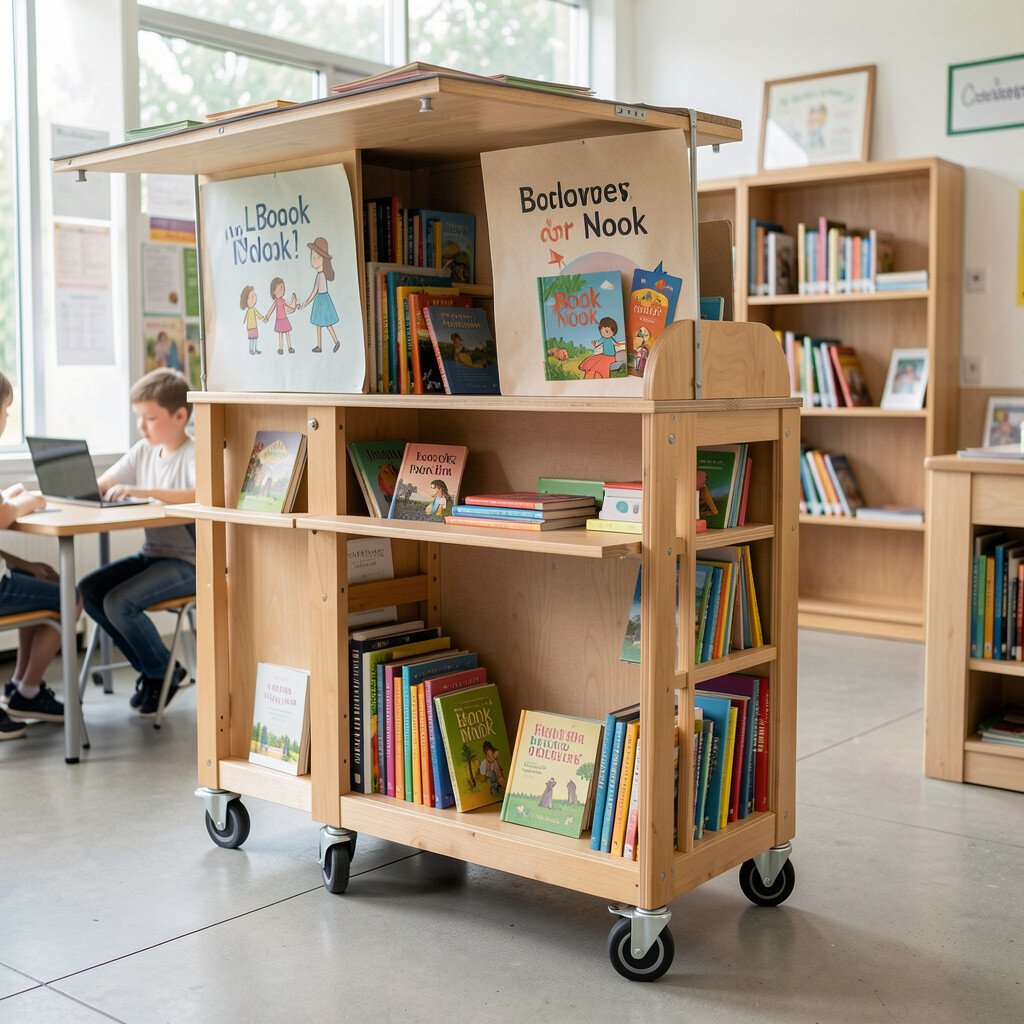
A wheeled book cart can become a rolling “book nook” that shows up at parks, community centers, and after-school programs. When the cart is decorated with themed covers and bright bookmarks, it feels like a mini event.
Set up a small reading circle around the cart with comfy cushions and a low shelf for returned books. Rotate featured topics weekly to match what kids and adults are currently talking about. Keep extra copies of popular titles so you can serve multiple readers at once without delays.
For practical tips, use a clipboard sign-in sheet and a simple checkout method that volunteers can handle quickly. Personalize the cart with local authors, bilingual book labels, and neighborhood language spelling guides. Cost stays manageable because you can start with a small collection and add books through donations, grants, or library partnerships.
6. Shipping Pallet Classroom With Shelves and Seating
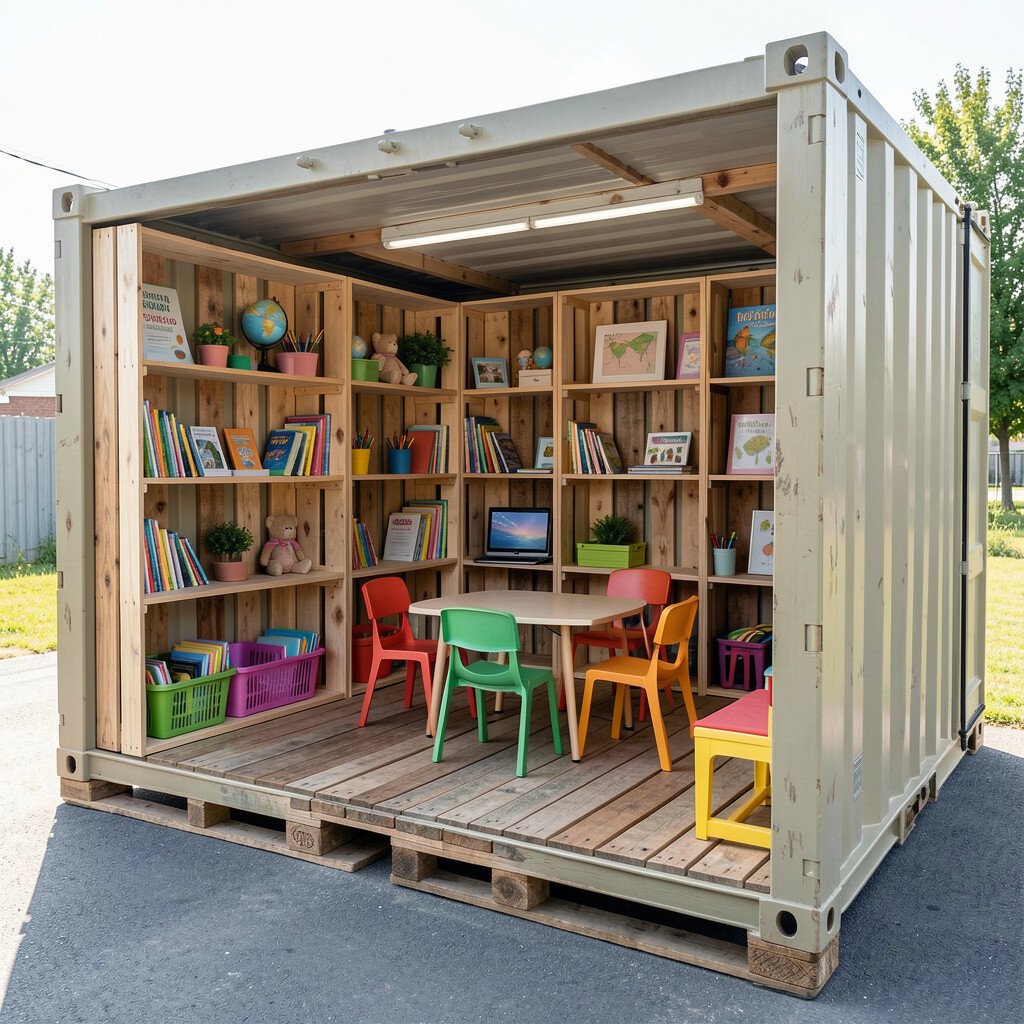
Rebuilt shipping pallets can form a low-cost classroom platform with built-in shelves and seating. Picture slatted benches painted in cheerful colors and a wall of storage that makes materials visible.
Secure the pallets with safe hardware, then add a smooth tabletop for writing, games, and craft work. Install removable storage boxes so volunteers can lift supplies out without scrambling. When you pair it with portable canvas walls, the space gains privacy while still feeling open.
To personalize, carve or paint community landmarks onto the front panels so the classroom feels like a local landmark too. Current trends favor reuse and repair, and this kind of structure fits that mindset while reducing waste. Keep cost considerations in mind by budgeting for sanding, sealant, and durable fasteners first, then adding art afterward.
For practical success, measure your available area and test how many learners can work comfortably. Add a simple sign with rules for safe movement, and keep cords and small parts tucked away during transitions.
7. Modular Whiteboard Wall With Magnetic Zones

A portable whiteboard wall on folding frames can turn any community space into a shared thinking hub. When you split the surface into magnetic zones, it visually guides learners through steps without needing constant explanation.
Build pockets for story cards, word strips, number tiles, and shape pieces so lessons become hands-on. Use bright markers and laminated guides so learners can follow along even when the group size changes. For practical tips, store magnets in labeled containers by grade level and skill type.
Personalize the wall for different subjects by swapping themes like weather, careers, or community maps. This approach also matches current trends in interactive classrooms where visuals support quicker understanding. Keep costs controlled by starting with one main board, then adding panels as funding and demand grow.
8. Mobile Skills Stage Using Foldable Ramps and Stands
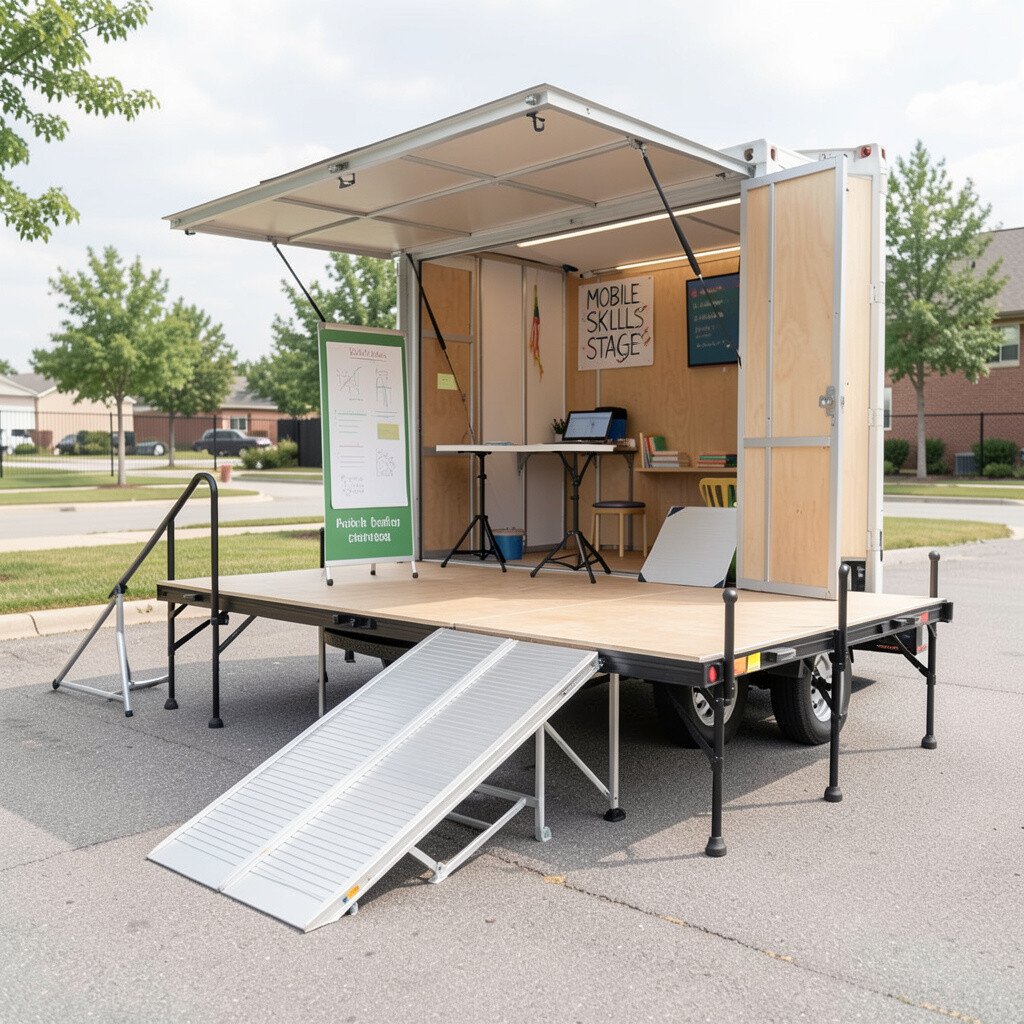
A small mobile stage with foldable stands can host presentations, short workshops, and practice interviews. The bright front panel and stage curtains make it feel special, even when it is set up in a parking lot or hallway.
Pair the stage with a portable sound option and a small lighting clip, then teach skills like public speaking, performance skills, or demo-based science. Keep props in labeled bins so learners can move quickly from rehearsal to demonstration. This also supports accessibility by planning a ramp route and clear seating lines.
Uniqueness comes from letting learners customize the backdrop with community photos or student art. For cost, choose durable basics such as sturdy stands and a simple backdrop roll, then decorate with donated materials. Personalize the stage agenda each session so groups can practice short talks that match their interests.
9. Rooftop or Courtyard Garden Learning Beds

Raised garden beds in a shared courtyard can become living classrooms for science, nutrition, and teamwork. Imagine rows of herbs with labeled stakes, plus shaded seats for reading and journaling.
Schedule lessons around real tasks like planting, watering, and measuring growth, which makes learning feel grounded. Use portable soil sample kits and simple rulers so learners can track progress week by week. Practical tips include using clear pathways to prevent stepping into beds and keeping gloves organized in labeled containers.
To personalize, let residents pick plant themes based on local diets, cultural traditions, or pollinator goals. Cost can be managed by starting with a small number of beds and using compost from community collections. This supports current trends in local resilience and climate-minded education because gardening naturally connects to everyday choices.
Keep lessons friendly by inviting families to join planting days and sharing harvest notes at the end of each cycle. A garden also offers an inviting visual that draws people in long before the first instruction begins.
10. Community “Living Room” Floor Seating With Portable Walls

Portable walls made of lightweight panels can create a cozy learning nook that feels like a neighborhood living room. The visual warmth comes from rugs, soft cushions, and a hanging organizer for books and activity cards.
Arrange floor seating in small clusters so discussions stay easy and nobody feels lost in a crowd. Use a portable low table for supplies and keep quiet corners available for reading or reflection. For practical tips, bring simple timers so groups can rotate without confusion.
Personalize the setup with seasonal colors, local photos, and learner-generated bookmarks. Cost considerations are friendly here because you can start with panels and reuse donated cushions, then add new pieces only when needed. This format matches the current trend of informal learning spaces that reduce pressure and encourage belonging.
11. Popcorn-Box STEM Workstations With Prepped Kits
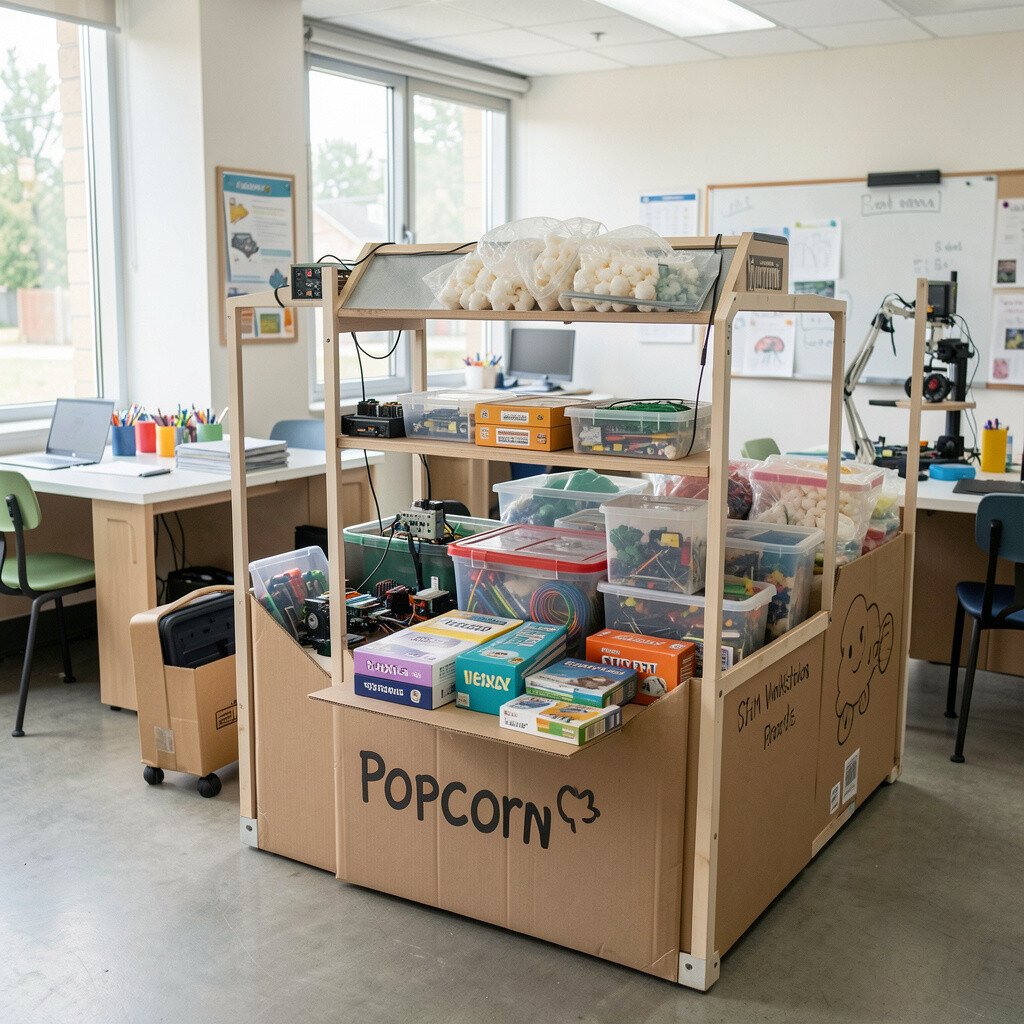
Bright snack-box style STEM kits can serve as portable workstations that fit on small folding tables. When each kit contains simple parts, visual instructions, and a clear goal, learners feel ready to build right away.
Set up stations with step-by-step cards and a shared supply tray so volunteers can assist without sorting. Use washable mats and capped containers to keep small pieces from getting lost. Practical tips include checking kit counts before each session and creating a “finished project” basket so everyone can show results.
Uniqueness comes from tailoring kits to local interests, like bridge building for community history, recycling machines for environmental themes, or simple electronics for job skills. Personalize the cards with learner names and community photos so each session feels connected to real life. Cost can stay low by reusing parts, partnering with local hardware stores, and designing activities around safe, affordable materials.
12. Weatherproof Mobile Classroom With Roll-Down Side Curtains
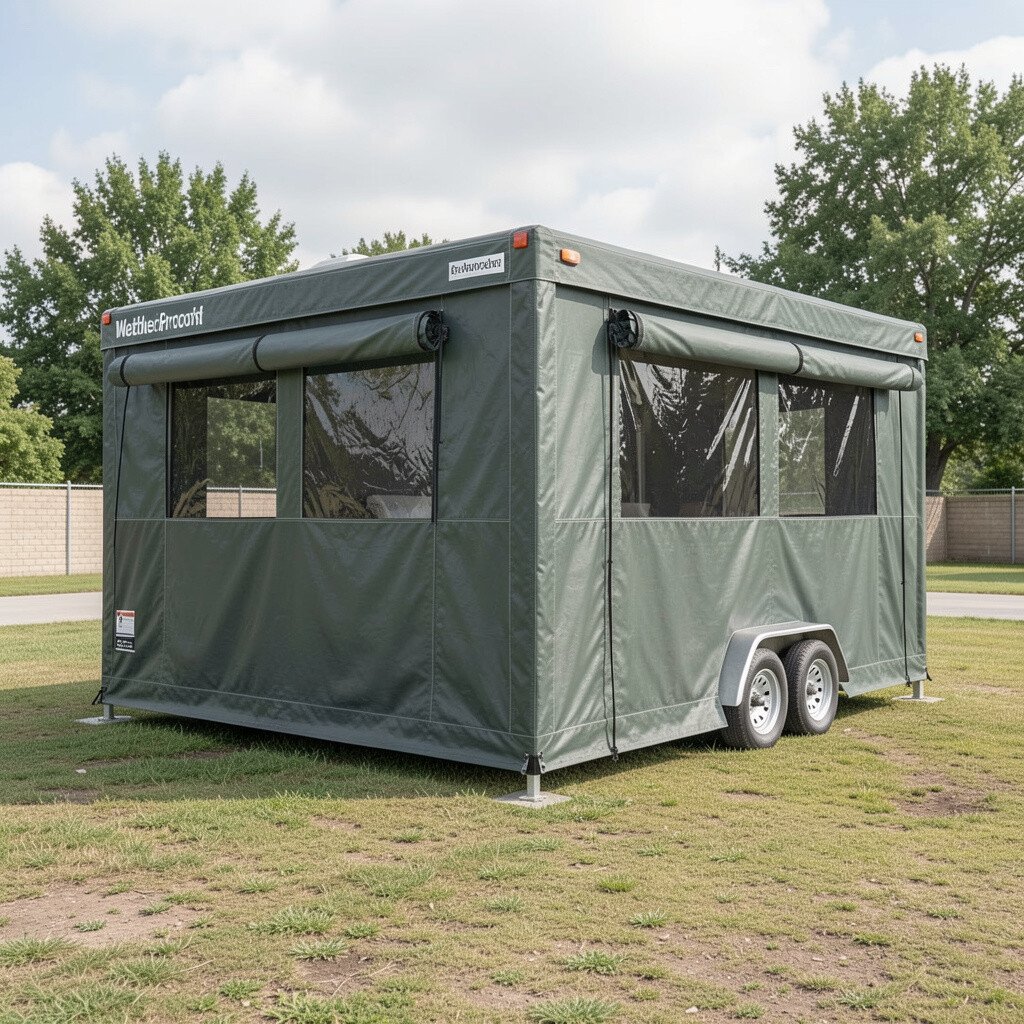
A compact weatherproof learning unit can be set up outdoors with roll-down side curtains that handle wind and sun. Think of a bright teaching area with transparent panels for visibility and zipped storage pockets that keep supplies protected.
Use foldable desks along the walls and a central open area for group activities. Add a small heater for cool months and a fan for warmer days, then create a simple plan for breaks to keep everyone comfortable. Practical tips include anchoring the unit securely and using slip-resistant mats to prevent accidents.
To personalize, print community announcements and seasonal learning themes on the outer panels so the space becomes a familiar landmark. Current trends show more interest in hybrid-style learning that can happen outdoors with structured schedules, and this unit supports that idea well. Cost considerations include budgeting for weatherproof materials first, then layering in colorful signage and learning displays as funds allow.
Make the program feel inviting by welcoming learners with a consistent routine, such as a quick greeting circle and a simple “show and share” moment. When the space always looks ready, people trust it and return with confidence.