The new school year can feel exciting and stressful at the same time. A few smart choices can keep your budget calm and your kids ready.
1. Set a Spending Ceiling for School Stuff

Pick a simple amount you will spend, and treat it like a seatbelt for your money. When you have a limit, every purchase becomes easier to judge fast.
Shop with your list in hand and leave extra room for small surprises like missing crayons. Let your child help decide what matters most, since involvement usually leads to better choices. If you start with one clear ceiling, you will waste less and feel more confident when school gets busy.
2. Reuse Last Year’s Supplies with a Fresh Reset

Take everything out like you are laying out a science experiment. Old folders, binders, and pencil boxes can look brand-new with a quick wipe and a tidy organization.
Replace only the things that truly ran out, like thin markers or blank paper. Use a label system with friendly colors so your kid can find supplies without asking every time.
Try a “one bin for replenishing” idea so you can track what needs restocking. This helps you avoid buying duplicates, and it also feels good to use what you already own.
3. Shop Off-Season Sales for the Next Big Need
Watch for backpack, lunch gear, and winter accessory deals while stores are clearing room. Even if the item is not needed yet, you can stash it safely and feel ahead.
Look for practical bundles during promotional weeks, especially for items your child uses every year. Compare unit prices when possible, because two packs can cost less than one single item.
Store your extras in a labeled bin and add a note about what it is for. That way, you avoid “I forgot we bought that” moments later.
4. Build a Home “Supply Bar” Instead of Constant Runs
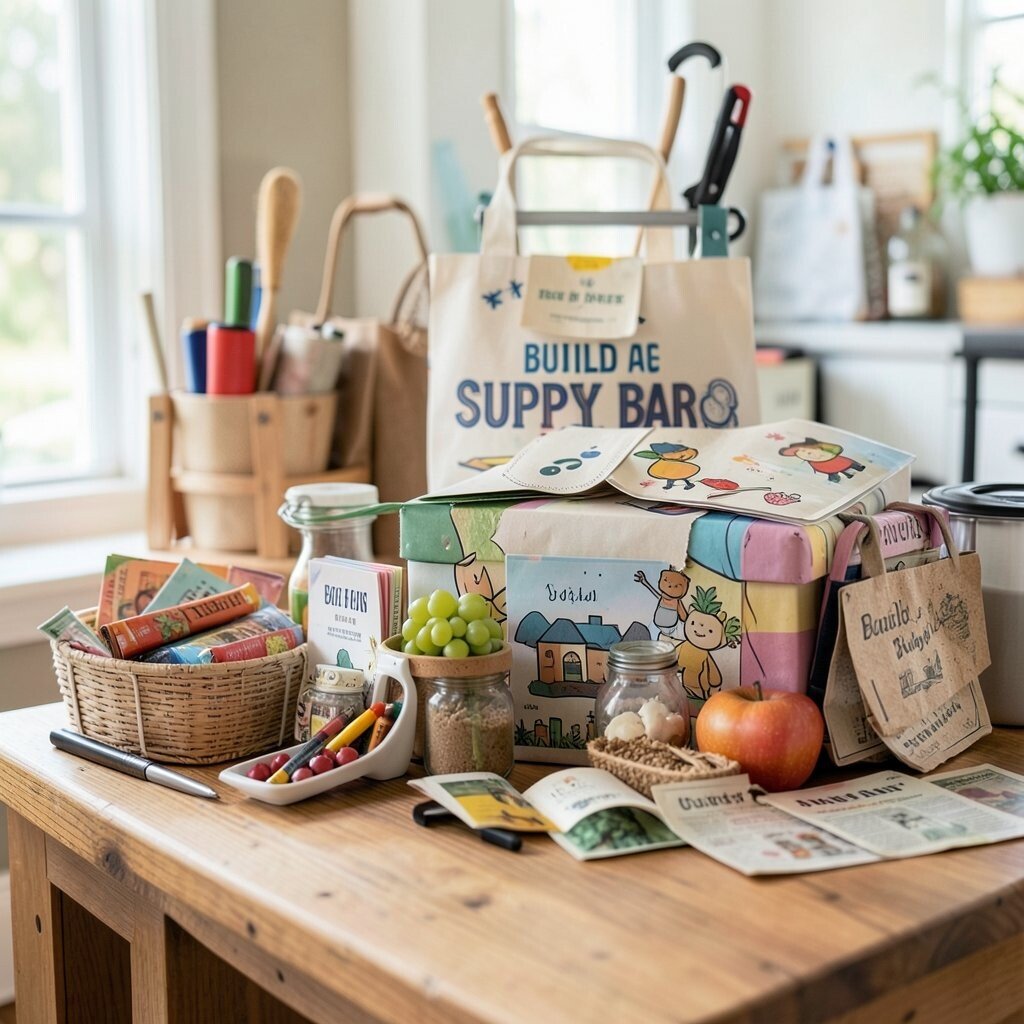
Design a simple area where pencils, paper, tape, and glue are easy to grab. A clear bin on a shelf lets kids see what is left, like a mini convenience store at home.
Set it up near the place where homework happens, so supplies do not wander around the house. When you restock on weekends, you can buy thoughtfully and save on last-minute shopping.
5. Trade or Borrow with Friends for Specialty Items

If a friend has a project kit, art set, or science tool you do not need often, ask to borrow it. Many families rotate supplies during the year, and it is a kind way to reduce waste.
Make borrowing simple by agreeing on a return date and keeping items in a labeled bag. You can also swap gently used folders or books, as long as everything stays clean and complete.
This creates community while keeping costs lower, and kids often enjoy using something new-to-them. Add a small checklist so both families know what comes back.
6. Choose Uniform-Style Staples That Mix Easily

Pick a small set of tops and bottoms that mix into many outfits. When clothes match in color and style, you save time and your cart stays smaller.
Prioritize easy fabrics that wash well, because busy mornings need clothes that behave. Look for sales on basics like socks, belts, and simple layers that last.
Let your child help select options from your approved color range. That small choice makes the uniforms feel personal without overbuying.
7. Make a Lunch Routine Using What You Already Have
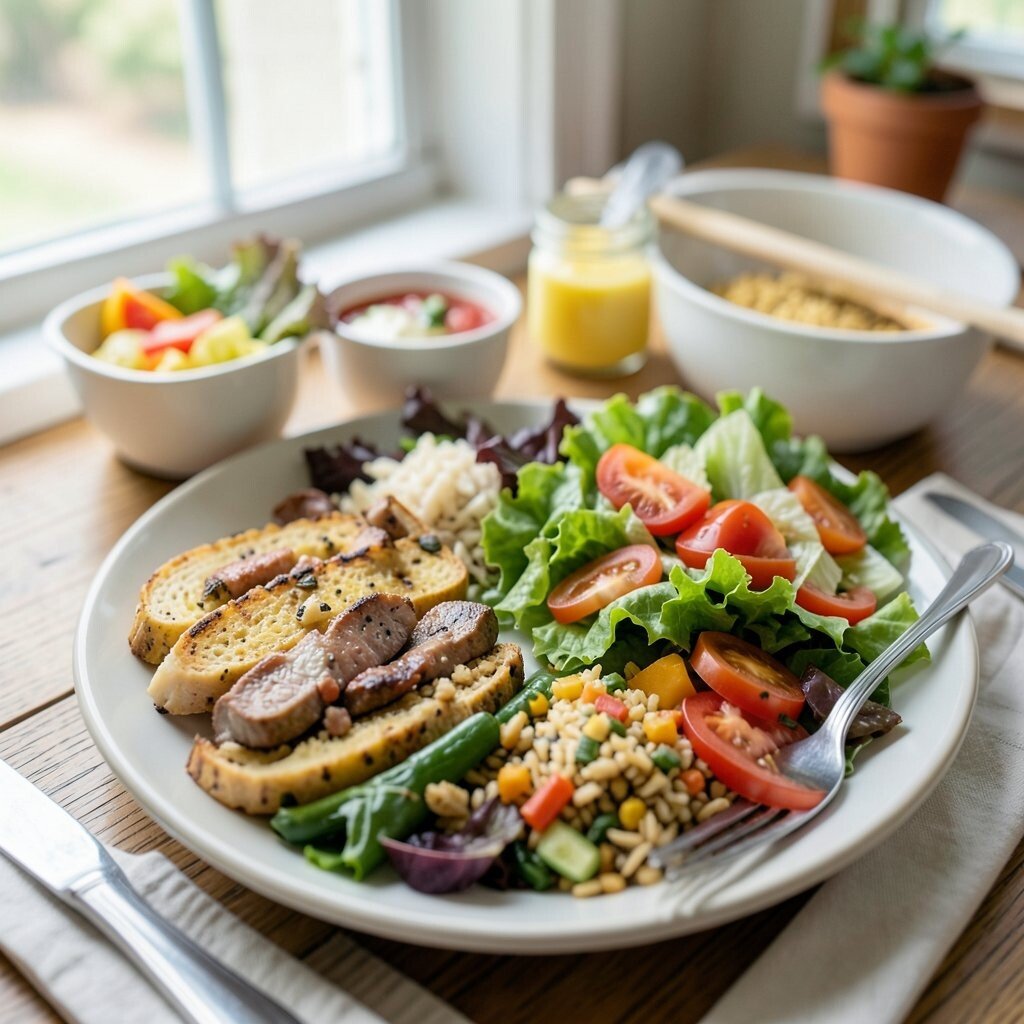
Start with a “grab and go” plan built around pantry staples. When you use familiar items like wraps, pasta, fruit, and yogurt, you avoid surprise spending.
Pack lunch in reusable containers and add a small snack variety, like pretzels and dried fruit. This keeps kids interested while keeping costs steady.
For practical flavor, rotate sauces or spreads that you already own. A little change can make the same ingredients feel fresh and exciting.
8. Rebrand Boring Notebooks with Stickers and Tape

Give plain notebooks a makeover so kids want to open them. A few colorful stickers, washi tape, and a simple name label can make the book feel like theirs.
This helps with organization because kids tend to treat personalized items with more care. It is usually cheaper than buying brand-new themed notebooks every time.
9. Create a “Wish List” for Later Purchases

When you see something you might need, do not buy it right away. Add it to a list so you can wait until sales or until you confirm the actual requirement.
Parents often find that some items only show up once teachers ask for them. Waiting a short time can prevent accidental duplicates and reduce impulse buys.
Review the list at a weekly pace and buy one or two items at a time. Your budget stays calmer, and your choices become more thoughtful.
10. Buy Bulk for Shared Classroom-Style Items at Home
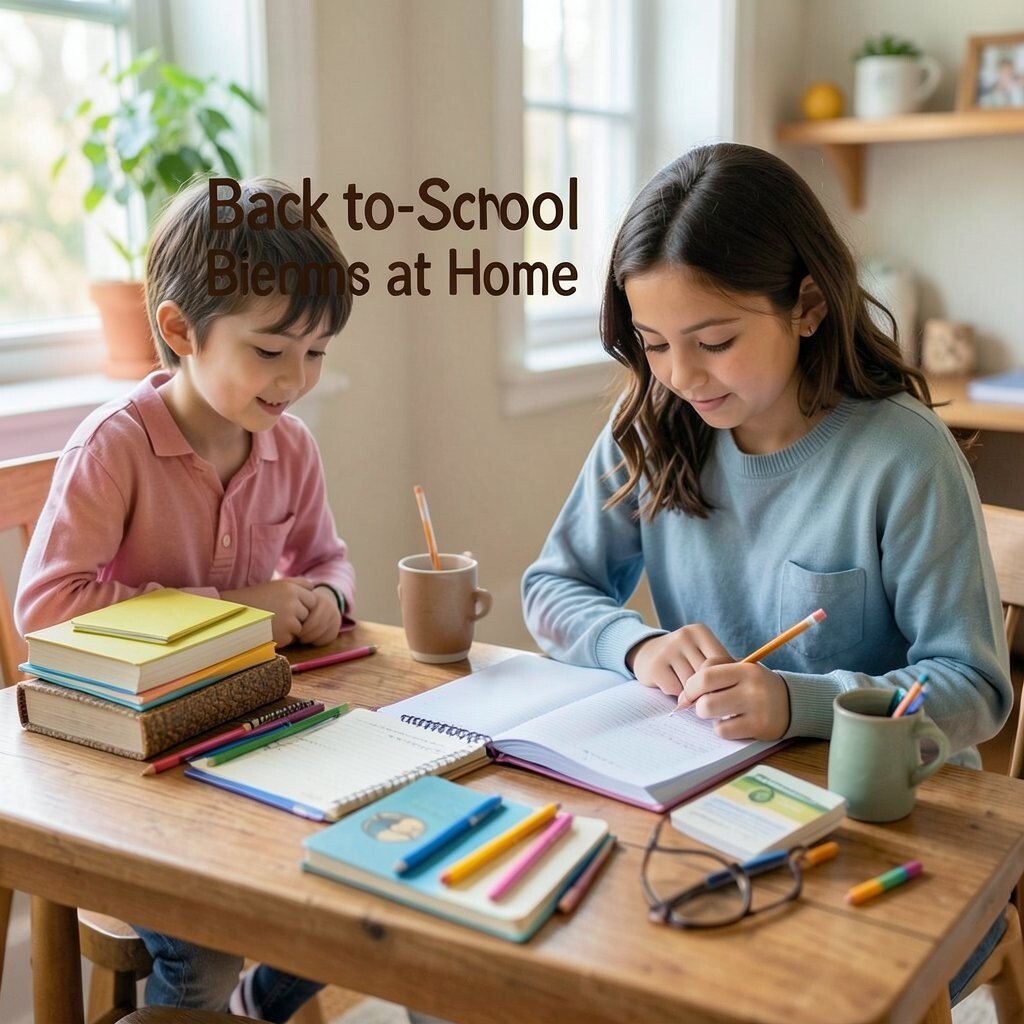
Consider buying larger packs for items that get used fast, like paper, pencils, and erasers. When you have a shared stash, you can refill quickly without running to the store every time.
This can be especially helpful if your household has multiple students. Many bulk deals are tied to current promotions, so timing your purchase can matter.
Keep bulk items in labeled bins by grade or subject so supplies stay organized. Kids will grab what they need and you will reduce the “where did it go” search.
11. Make a DIY Planner Page for Any Calendar
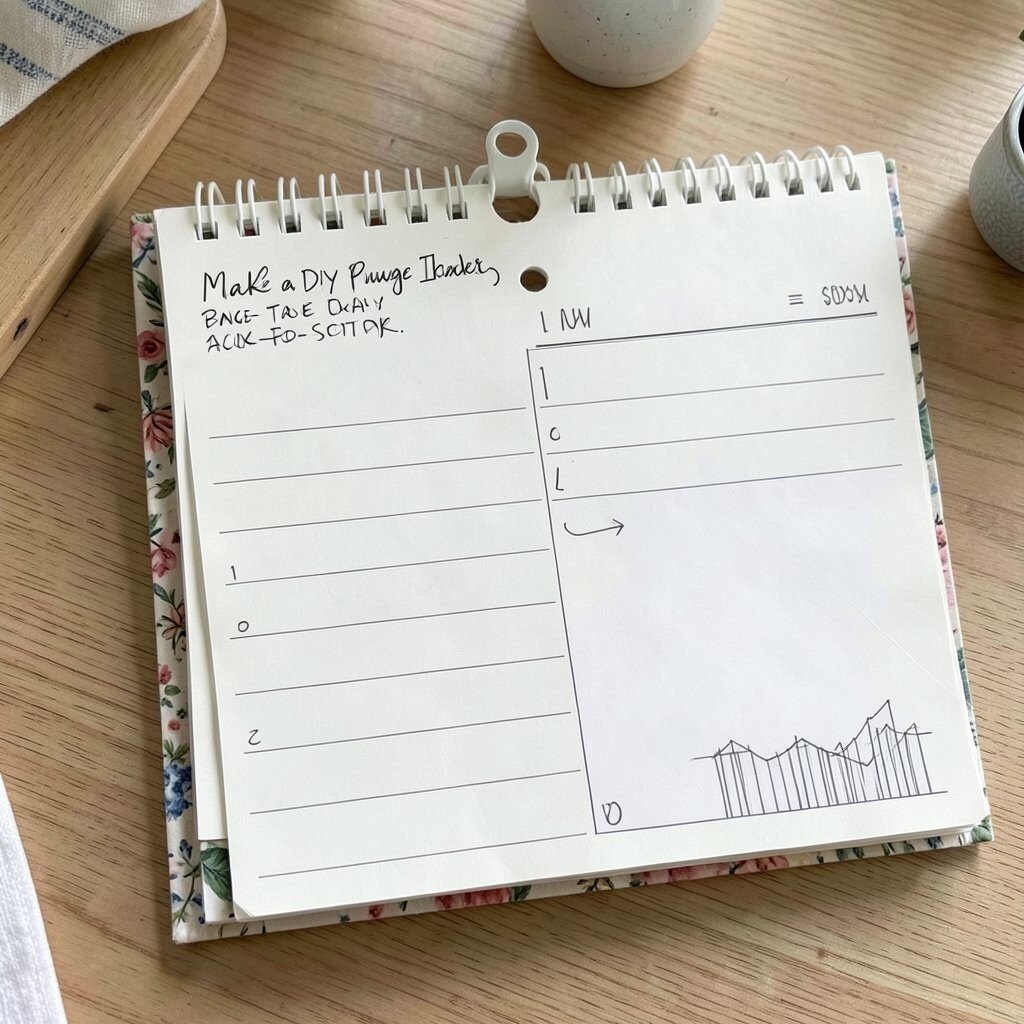
You do not need an expensive planner to stay organized. Create a simple weekly page with a pencil and a few boxes for homework, activities, and due dates.
Use colored markers so important days stand out visually. This is a practical trend in many homes, since minimalist planning helps families see the schedule at a glance.
Personalize each week by adding a small reward box, like a sticker for completing tasks. When planning feels fun, kids follow through more often.
12. Use Library Cards for Books and Reading Growth

Libraries are a goldmine for school reading without the heavy price tag. Graphic novels, reference books, and summer skill guides can all show up with a quick visit.
Borrow audiobooks too, especially for long car rides and busy evenings. Listening supports comprehension, and it can feel more engaging for many students.
Keep a simple “check out schedule” so you rotate genres and avoid late fees. A little routine turns the library into an affordable learning habit.
13. Shop the Clearance Rack with a Simple Checklist

Clearance racks can be fun, like treasure hunting with grown-up goals. Bring a short list so you only buy items that match what your child needs.
Check sizing carefully and look for wear on straps, zippers, and seams. A practical idea is to test backpacks and lunch bags by feeling the material and checking the closure.
When you buy for durability, the item lasts longer and you get more value. This is a smart way to take advantage of seasonal sales while staying realistic.
14. Replace Ink and Paper Before Buying More Gear
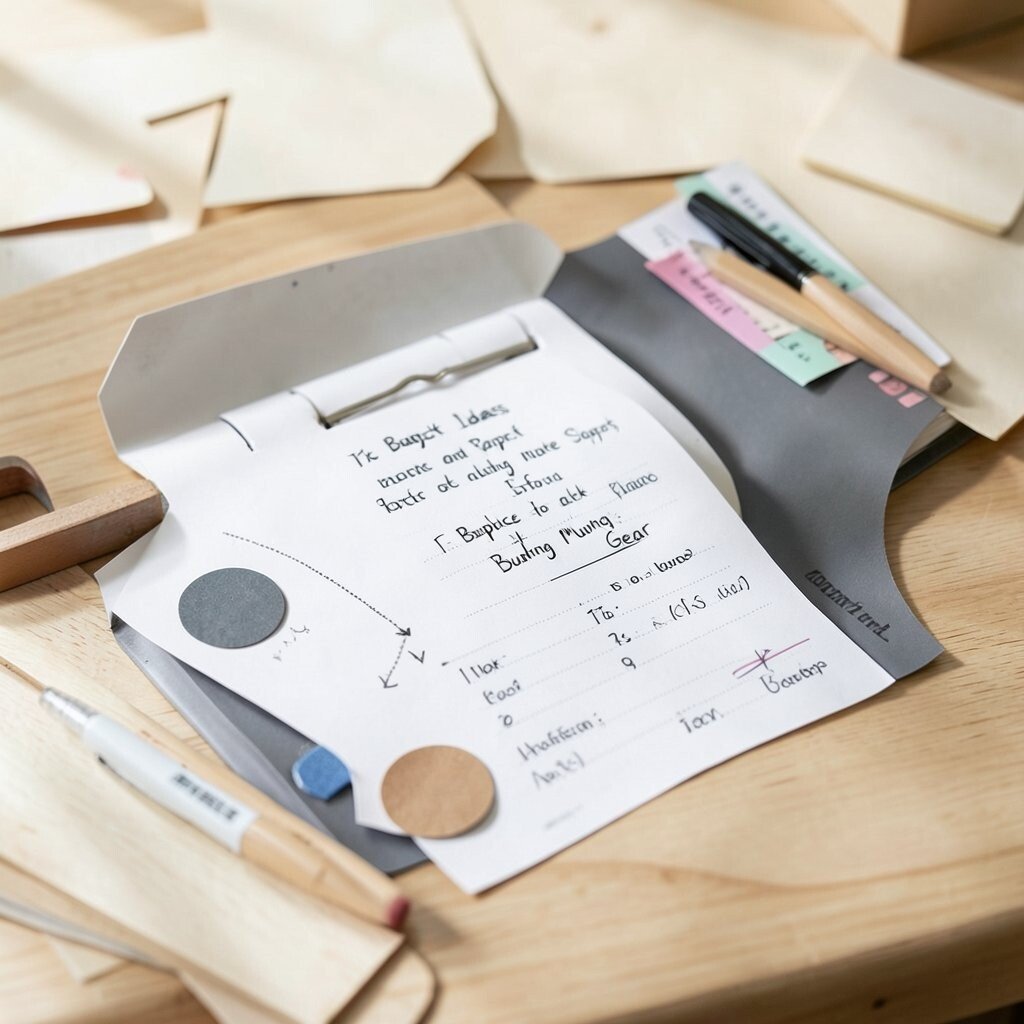
If your child’s pencils seem fine but writing tools fail, check ink levels and paper quality first. Sometimes a simple refilling or swapping to smoother paper fixes the whole problem.
Look for affordable refills for pens, highlighters, and markers so you do not toss usable tools. This keeps waste lower and helps you stay on budget.
Test supplies at the start of the week and keep the best set in the supply bar. Kids often work harder when their tools actually feel good to use.
15. Label Everything with Durable Tags

Use sturdy labels on lunch boxes, water bottles, and backpacks so items do not disappear during the school day. Clear labeling also saves time at pick-up when everyone is rushing.
Choose labels that survive washing and scrubbing, since peel-and-fade labels do not last. This small effort reduces replacement purchases later.
Let your child decorate the label area with a small picture or color dot. Visual cues make it easier for them to recognize their own things quickly.
16. Plan for Sports or Clubs with Practical Gear Strategy
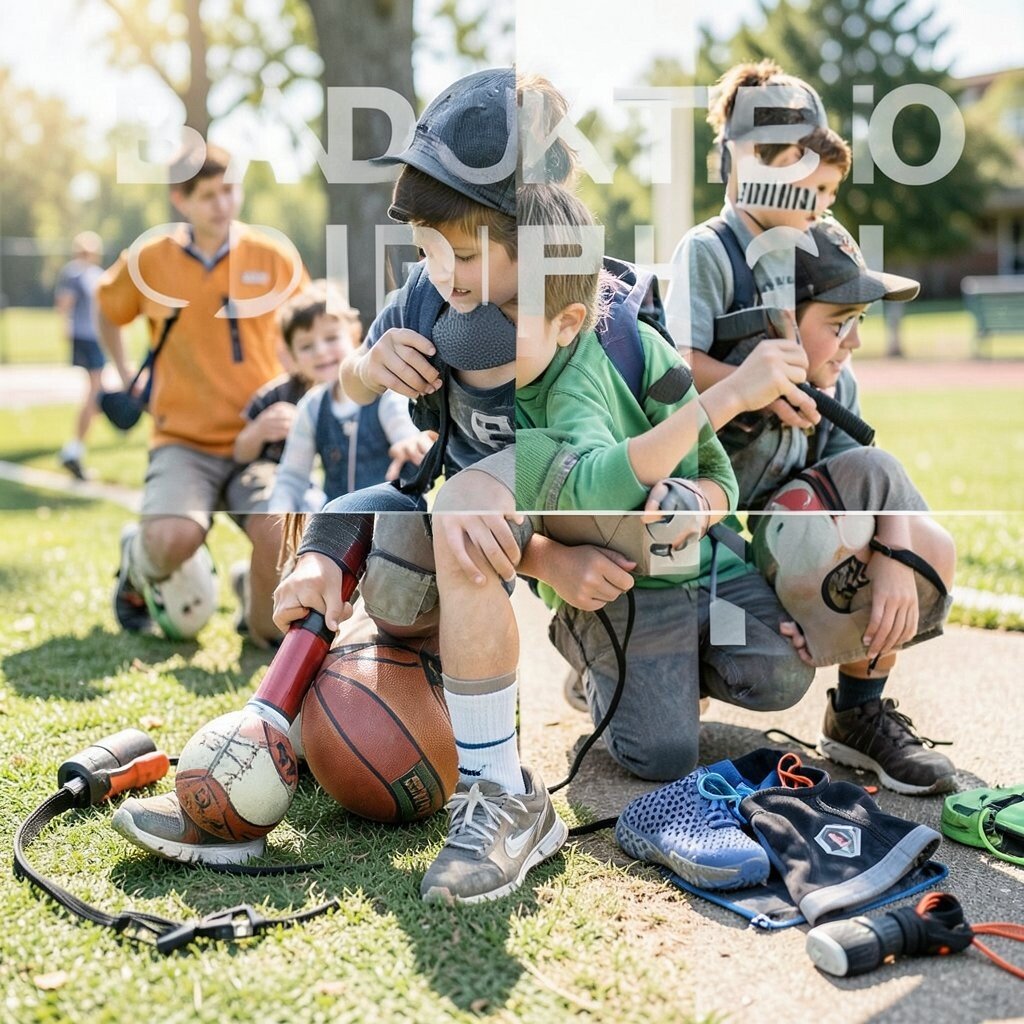
If your child joins a club, you can plan gear in stages instead of buying everything at once. Start with what is required, then wait on accessories after you learn the real rules and schedules.
Borrow uniforms and practice items when possible, especially during the first weeks. Many schools and local groups have a rotation system for gear or guidance on what to purchase.
Stick to versatile basics, like a simple water bottle, comfortable socks, and a reliable small towel. This approach saves money while still supporting participation and confidence.
17. Turn Old Towels and Shirts into Cleaning Cloths

Before school starts, cut or repurpose old towels and worn shirts into cleaning cloths. They work well for wiping desks, erasing crayon marks, and keeping lunch items fresh.
This helps you avoid buying paper towels for small messes, which adds up quickly. You will also appreciate having handy cloths when art days or science experiments get messy.
Personalize each cloth bundle by giving them a purpose, like “lunch mess,” “desk wipe,” or “art station.” It keeps the home organized and reduces the urge to buy convenience items.
18. Make a Small “Reward Shelf” for Homework Completion
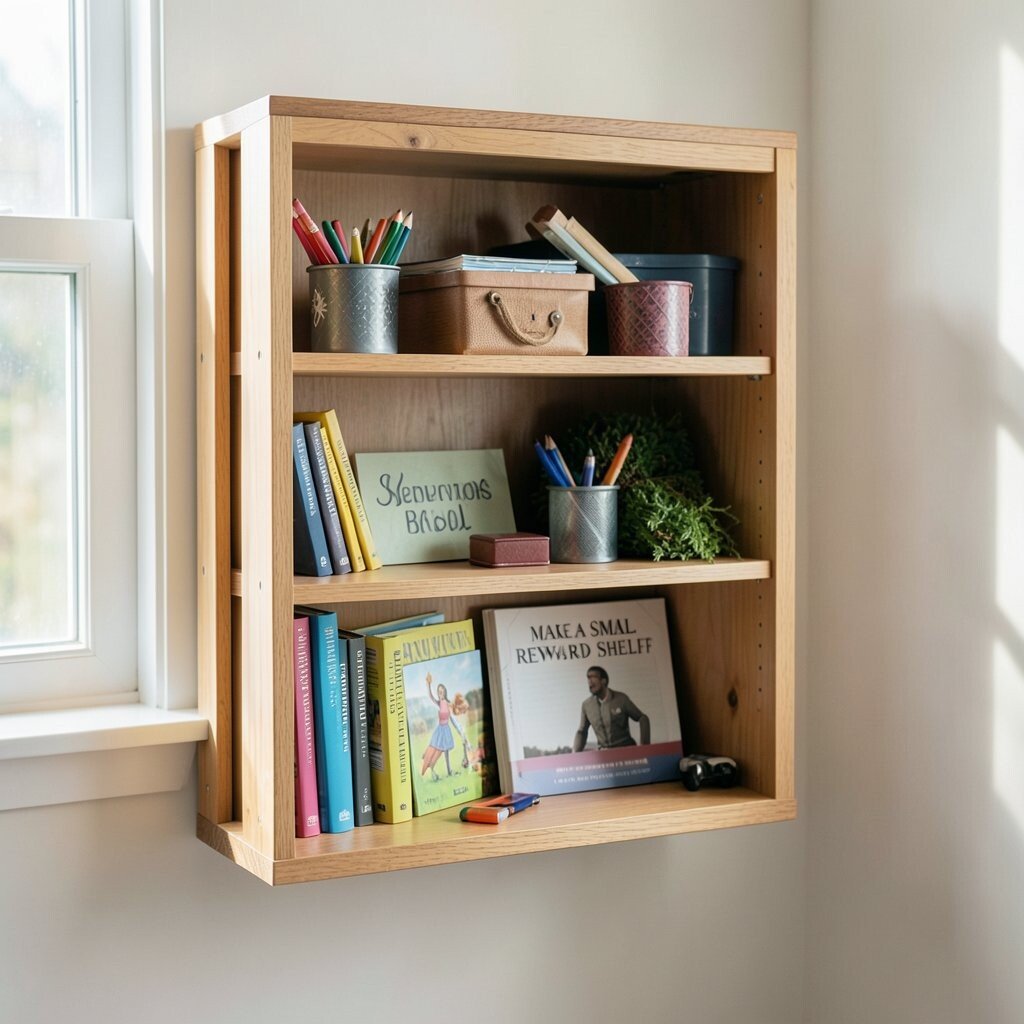
Create a shelf with low-cost rewards, such as stickers, small cards, or extra screen time rules. Visual rewards motivate many kids more than large prizes do.
Keep the shelf consistent so kids know what to expect, and avoid sudden changes that lead to more bargaining. This budget-friendly system can feel like a fun ritual after homework.
You can personalize the rewards based on your child’s interests, like sports mini-cards or creative stamp art. When rewards match their personality, the system works better.
19. Print and Organize Worksheets at Home When Allowed
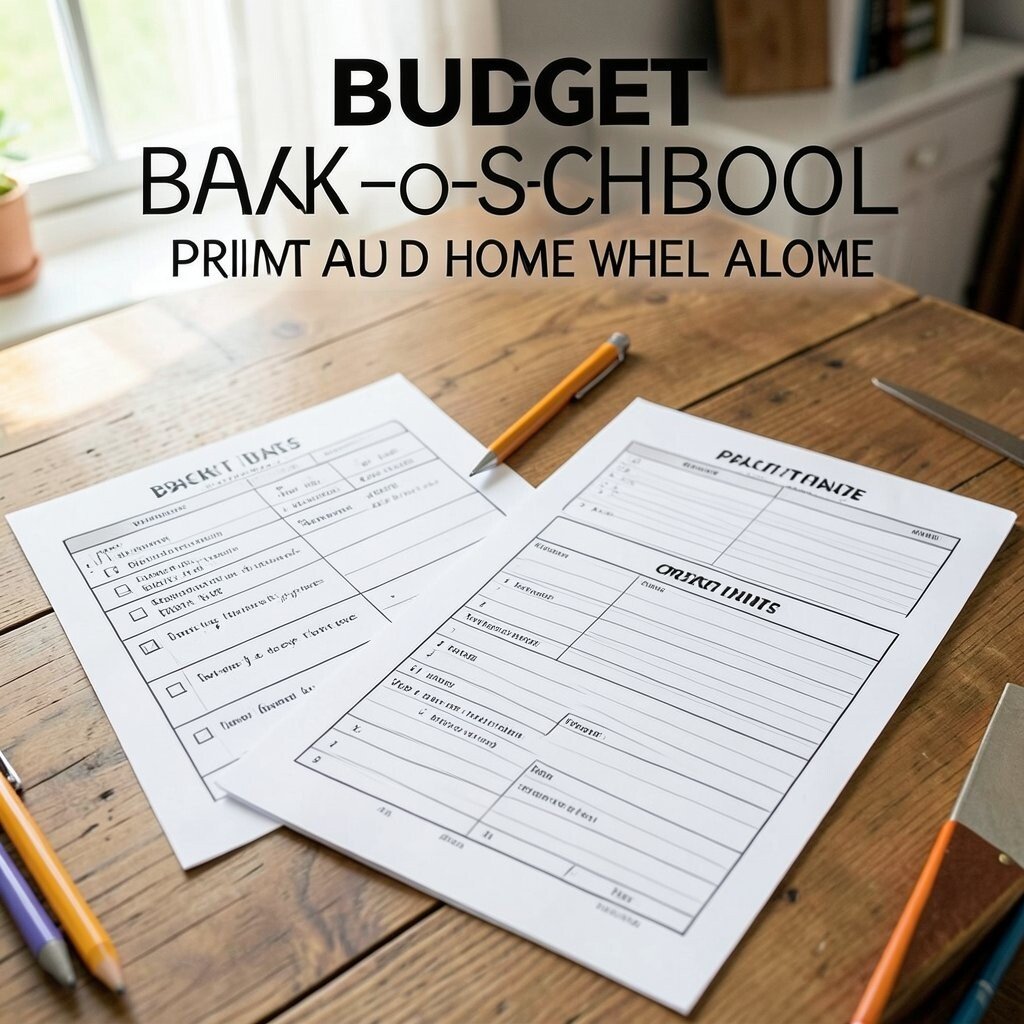
If your school allows digital or printable homework packets, organizing at home can save time and extra paper. Keep a folder for each subject so you can find sheets quickly.
Use double-sided printing when possible and choose darker settings only when needed. This helps your printer ink last longer and reduces the number of replacement cartridges.
For a visual approach, place a clear plastic sleeve for completed work so the progress looks exciting. Kids feel proud when they can flip through their own improvements.
20. Create a Month-by-Month Budget Plan with One Review Day
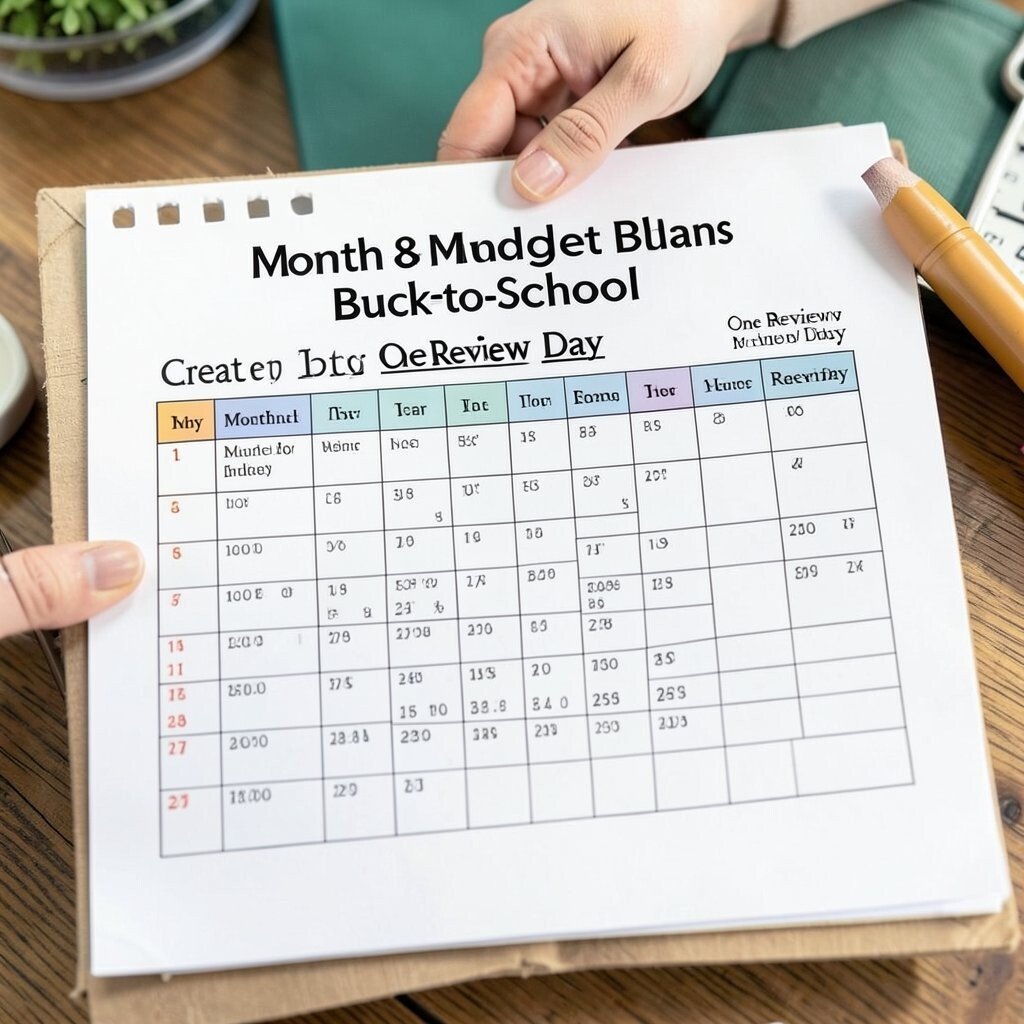
Set one day each month to look at what you bought and what is still needed. A quick check helps you spot patterns, like overspending on snacks or impulse supplies.
Adjust your next shopping plan based on what is actually used, not just what looked tempting in stores. This approach feels modern because many families now prefer small steady decisions over big stressful trips.
Involve your child by letting them help with the review and the next list. When they understand the plan, they are more likely to choose wisely and care for what they have.