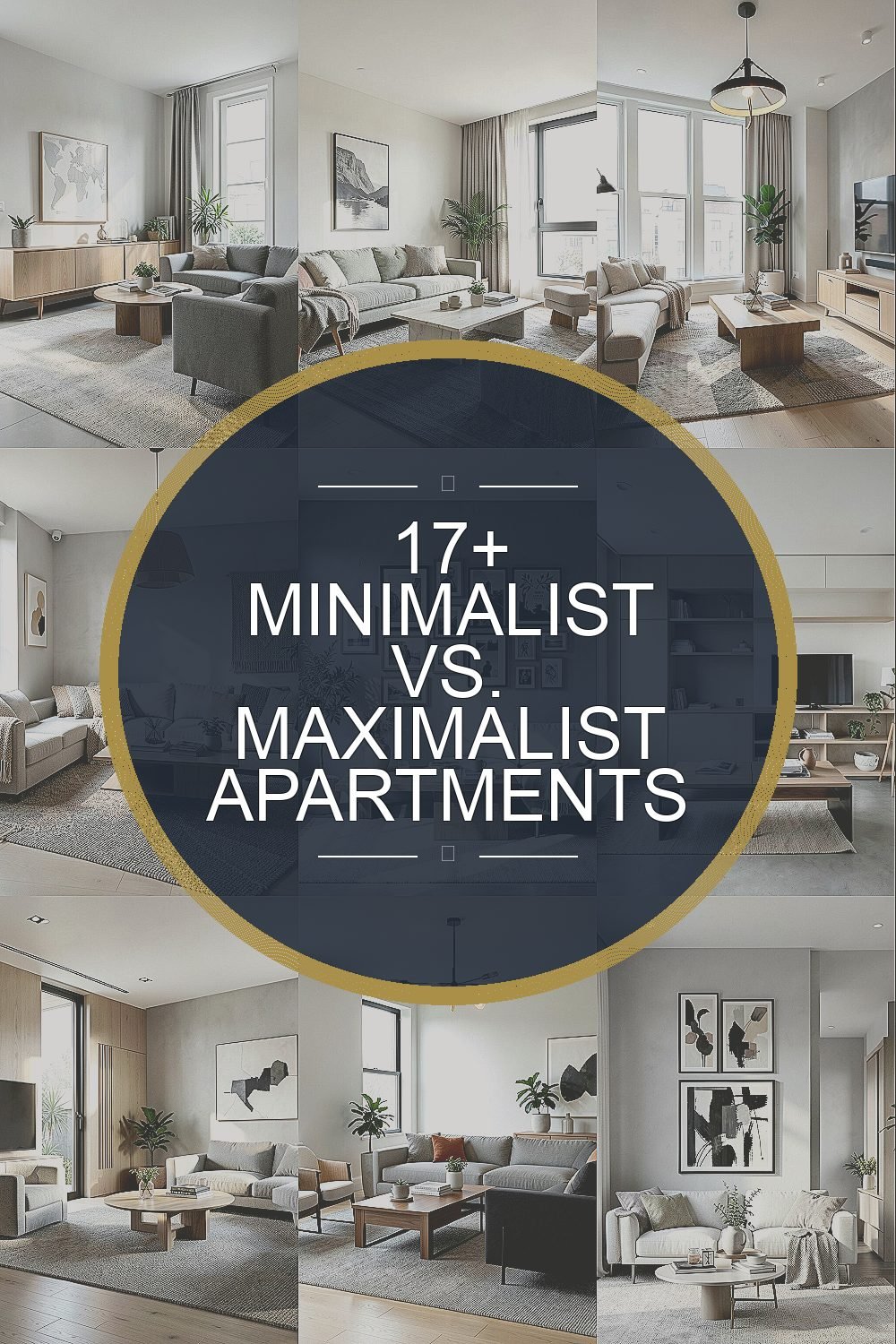
Two apartment styles can both feel like home. The trick is choosing what your space should say every day.
1. Start With a Mood Map
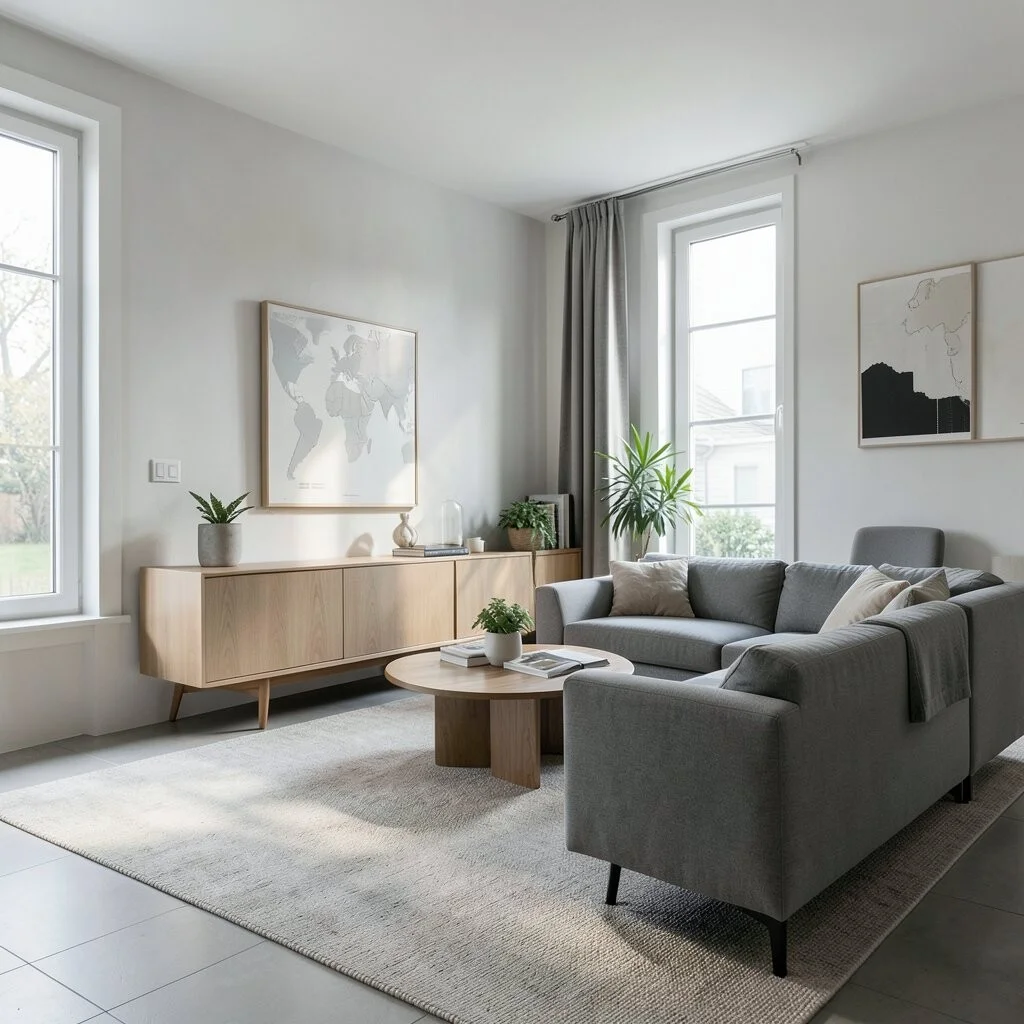
Picture your apartment like a small movie set. Before buying anything, notice how you want to feel when you step inside.
A minimalist mood map might focus on calm lines, soft light, and fewer objects. A maximalist mood map can welcome bold color, layered textures, and meaningful clutter that tells a story.
2. Pick a Color Strategy That Won’t Stress You Out
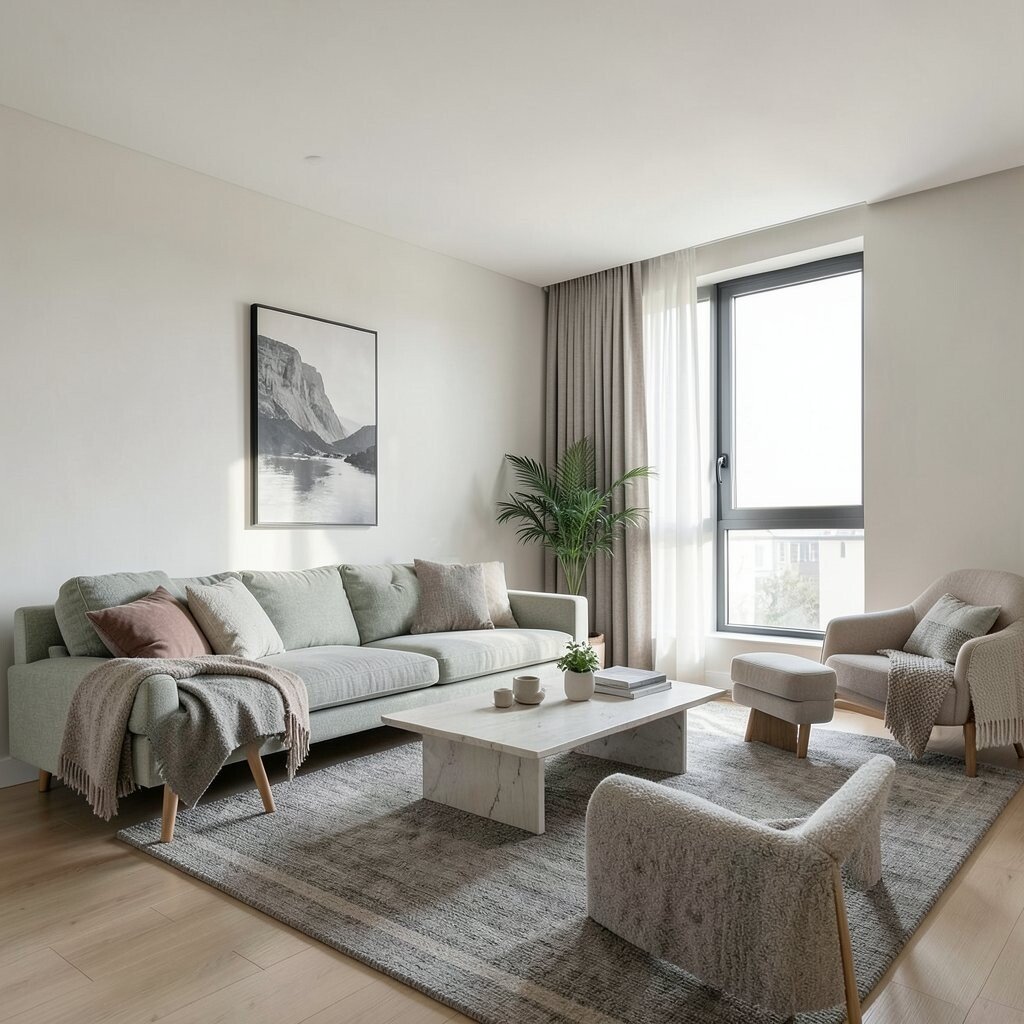
Choose a color plan you can live with for seasons, not just weekends. In a minimalist look, limit the palette so the room breathes and walls feel clean.
In a maximalist look, repeat a few strong colors so the energy feels intentional. Try painting one accent wall or picking a patterned rug that pulls the rest of the tones together.
For personalization, select a “favorite color moment” like a pillow, lamp, or art print that makes you smile. Keep the plan flexible by testing swatches in different daylight.
3. Choose Lighting That Makes Everything Feel Better
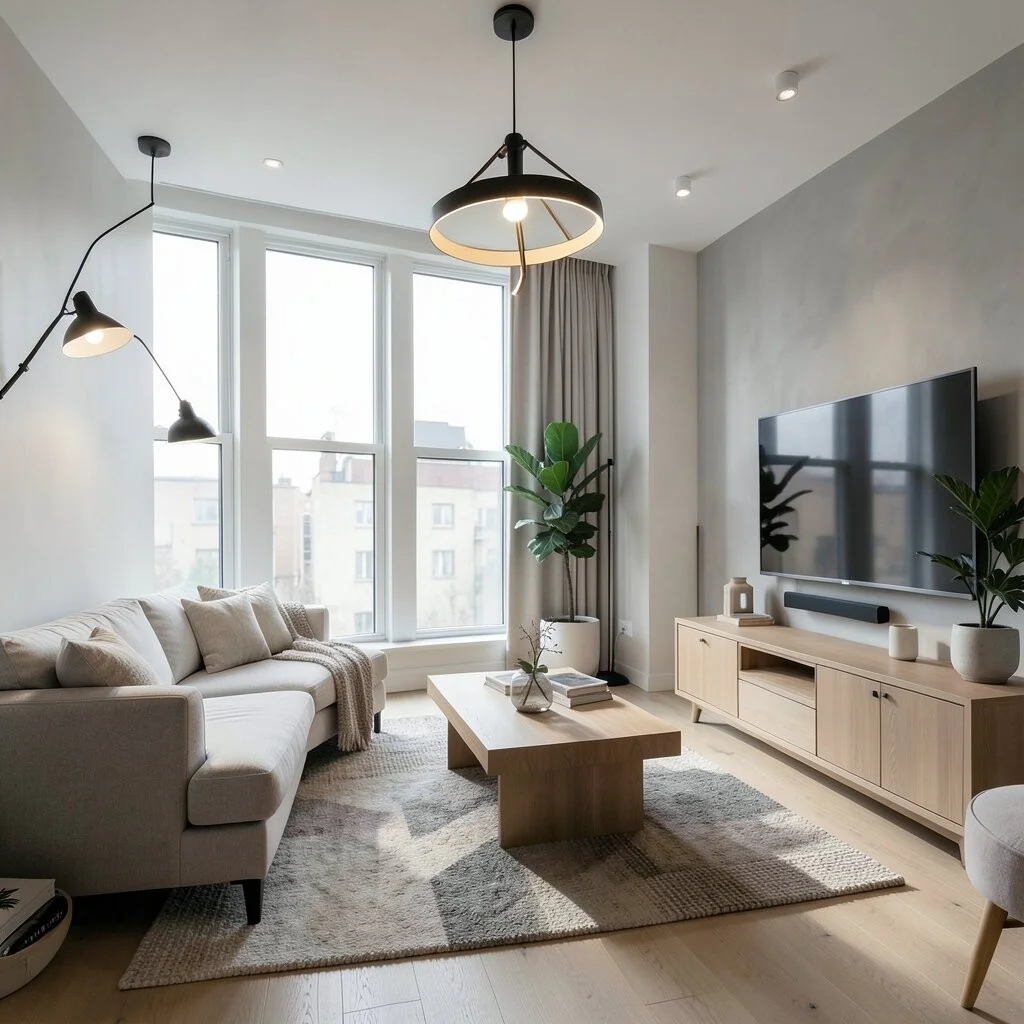
Lighting can turn a plain room into a cozy one fast. A minimalist apartment often looks best with warm bulbs and simple fixtures that don’t steal attention.
A maximalist apartment can shine with layered lamps, a statement chandelier, and even small string lights in a corner. When you mix light sources, aim for warm tones so patterns and textures don’t look harsh.
Try placing one lamp near a chair and one near a reading spot to guide your daily flow. If you rent, choose plug-in options and clip-on shades to stay practical.
4. Use Textiles to Set the Personality

Textiles are the easiest way to add comfort without changing your whole layout. Minimalist apartments can use solid curtains, smooth throws, and neutral bedding with a nice texture.
Maximalist apartments can go for layered rugs, quilted throws, and bold curtains that look like they belong in a magazine. You can still stay organized by grouping textiles by color family and keeping them in tidy stacks when you’re not using them.
5. Create a Display Wall With Meaning
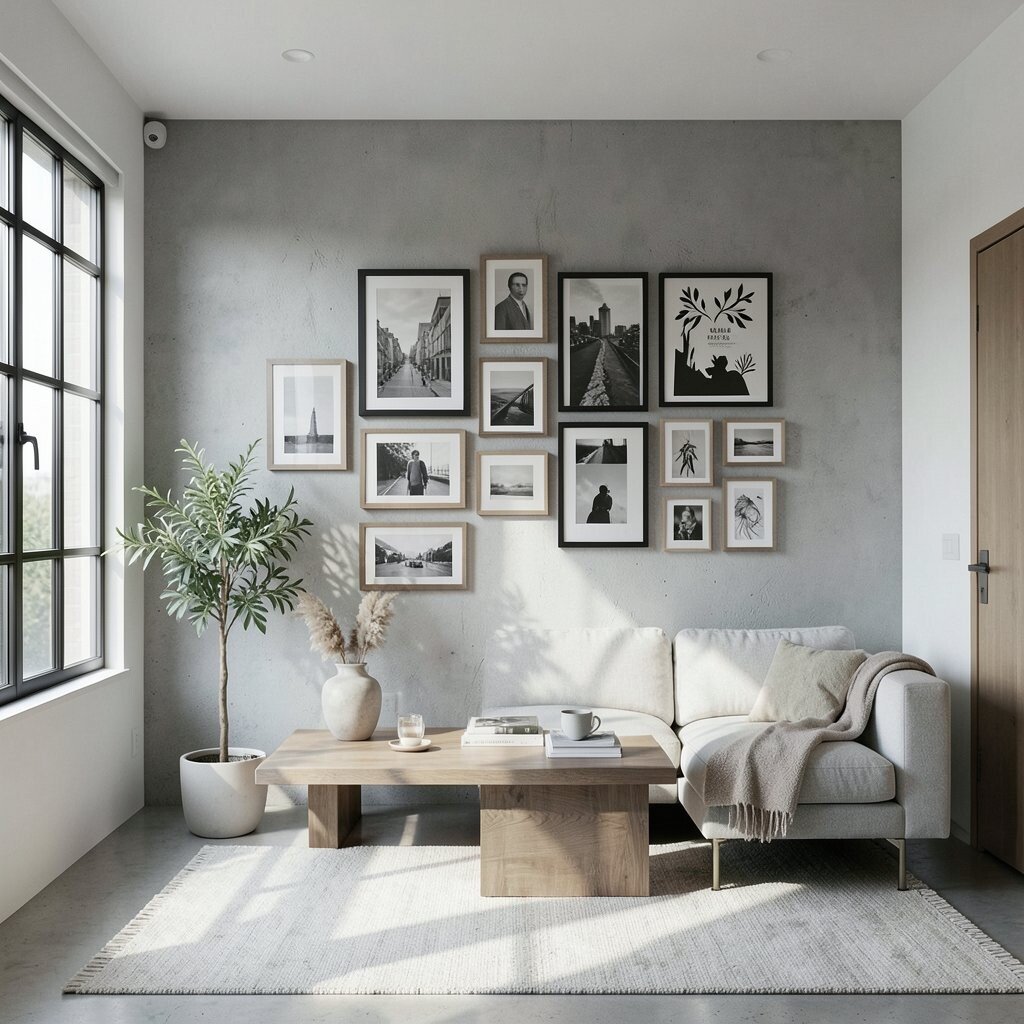
A display wall works for both styles, but it looks different each way. Minimalism often favors one large piece of art or a few framed photos arranged with lots of space around them.
Maximalism loves a gallery wall with varied sizes, different frames, and extra details like small mirrors or postcards. Make it feel personal by including items from trips, family photos, or artwork you actually own.
To keep it practical, measure the wall before you buy frames and use paper templates to plan spacing. Set a budget by choosing either frames first or prints first, then fill in the rest later.
6. Go Minimal With Storage That Disappears
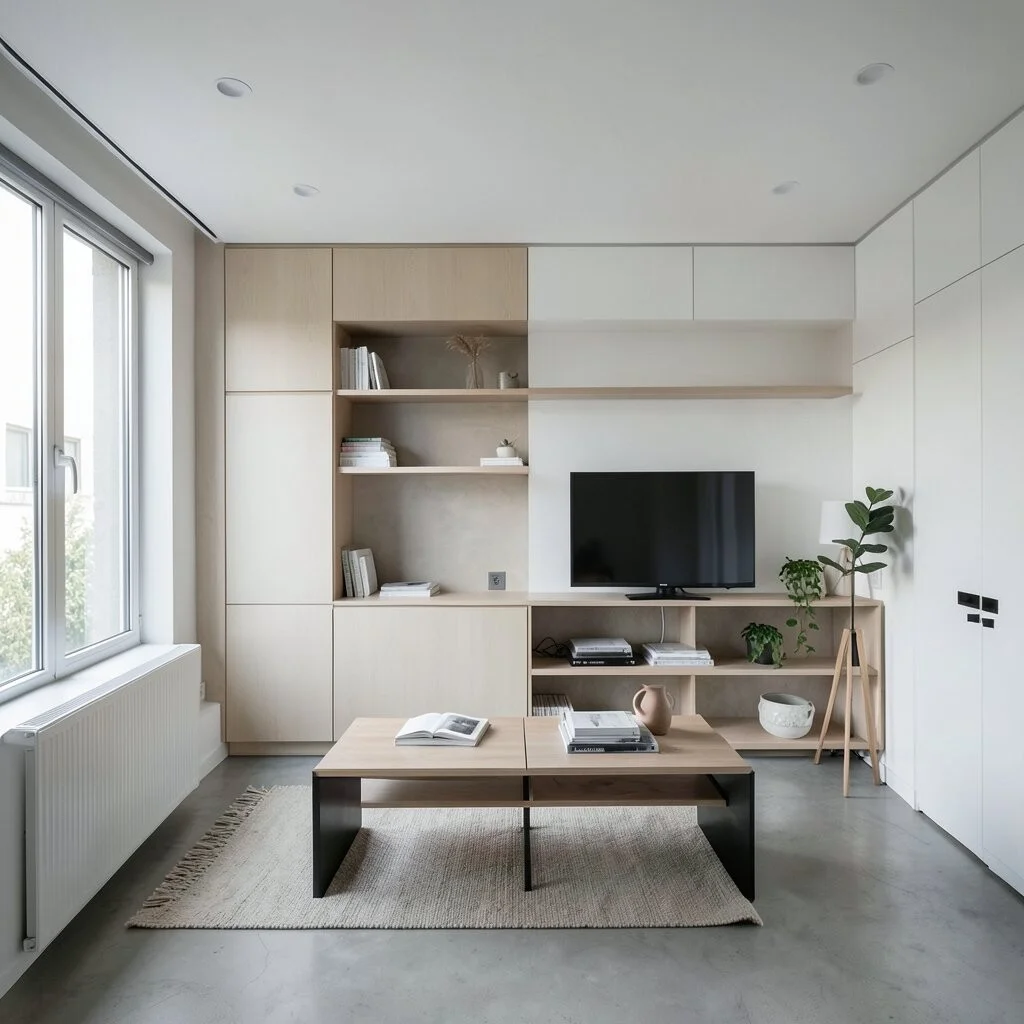
Minimalism often wins when storage looks calm instead of bulky. Think of closed cabinets, sleek bins, and furniture with hidden space so surfaces stay clear.
When you want fewer visual distractions, keep daily items inside drawers and label bins with simple tags. For cost, search for secondhand dressers or flat-pack cabinets that match your measurements.
To personalize without clutter, add one decorative tray inside an open shelf or one framed quote at eye level. The space can still feel warm even when it’s quiet.
7. Go Maximal With Flexible “Zones”

Maximalism feels easier when your room is broken into zones that make sense. Place your seating in a clear conversation area, then add a reading nook or a craft corner nearby.
Use rugs to mark each zone since they visually separate busy elements. The benefit is that the room feels lively but not chaotic.
For practical personalization, hang a small curtain or use a tall plant as a soft divider. Even in a small apartment, zoning helps you enjoy the details without losing function.
8. Pick Furniture With Clean Lines or Bold Statements
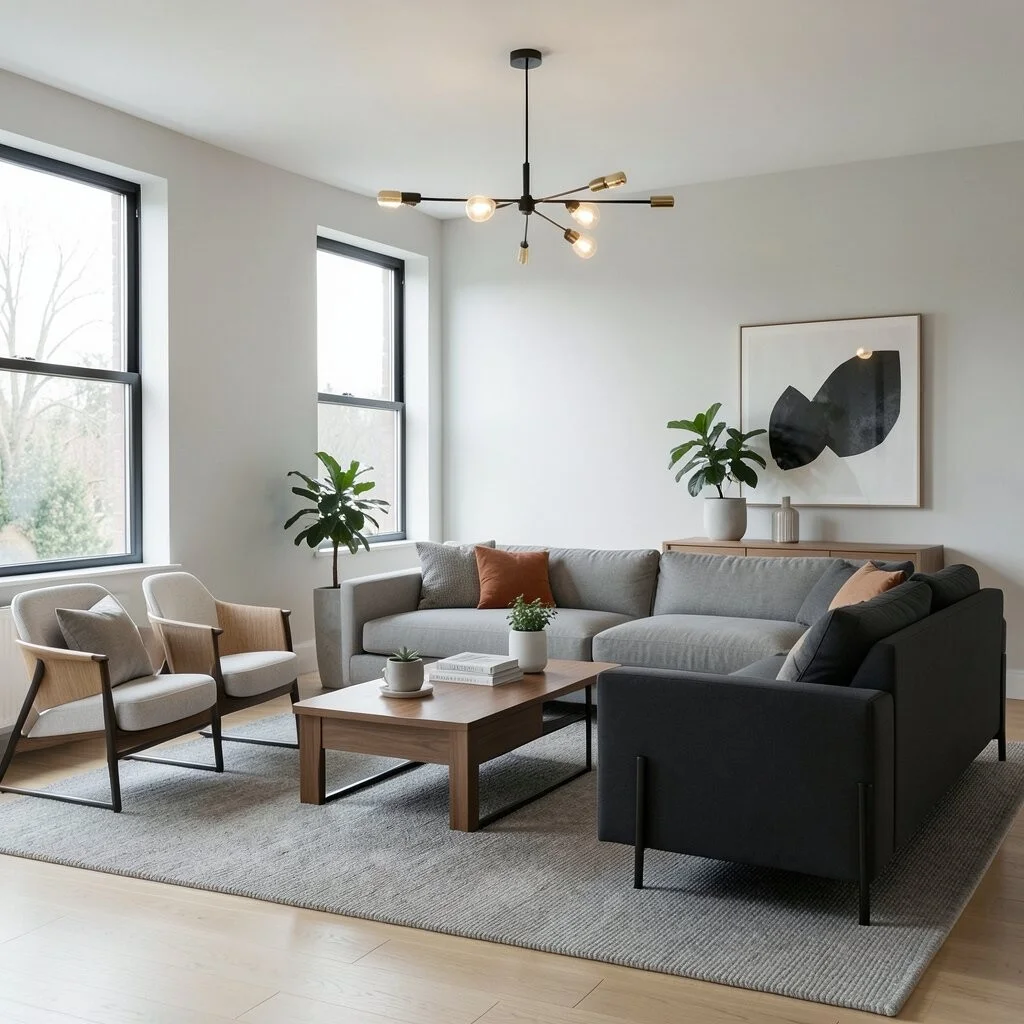
Furniture choice decides how your apartment “reads” from the doorway. Minimalist spaces often use simple silhouettes like low-profile sofas, straight-backed chairs, and smooth wood tables.
Maximalist spaces can feature one statement piece, such as a rounded velvet chair or a patterned armchair. If you’re worried about cost, focus your budget on one hero item and pair it with simpler side pieces.
9. Use Wall Space for Art and Vertical Life
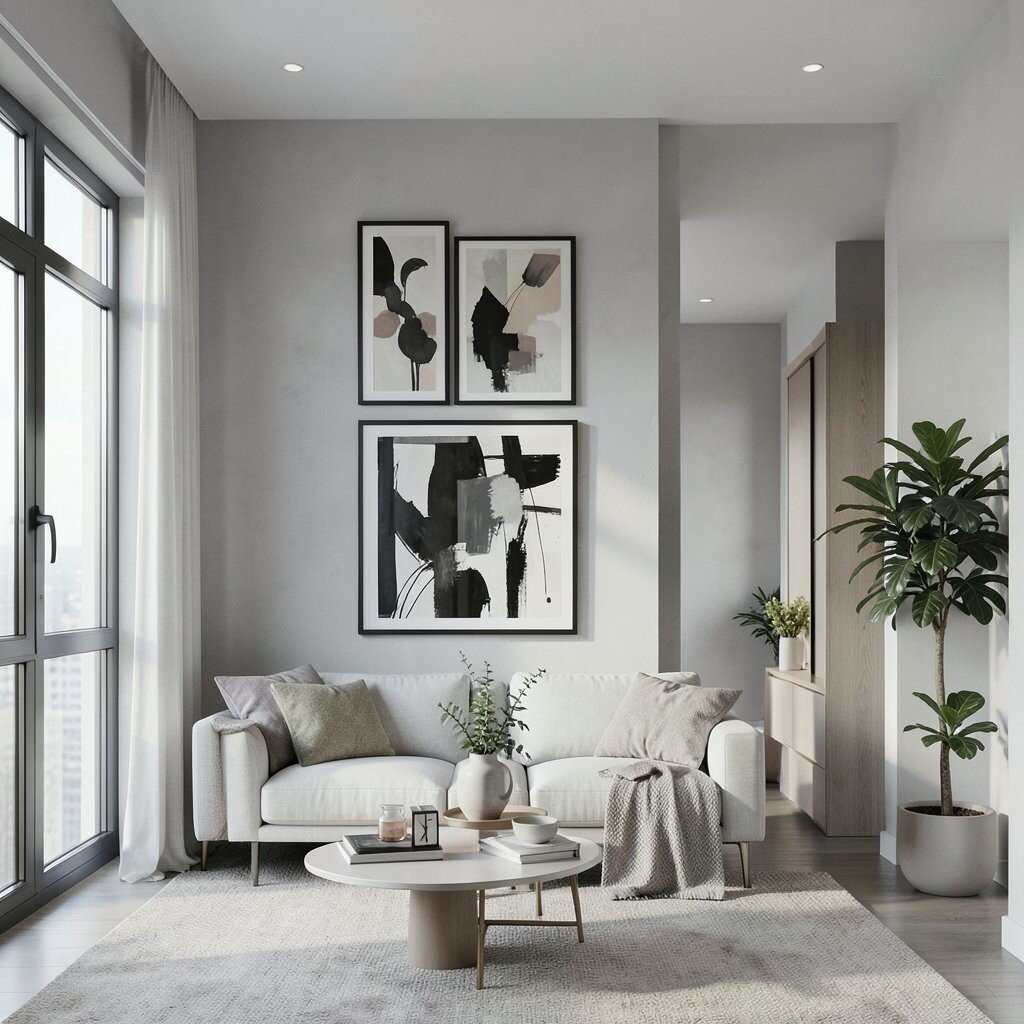
When floors stay clear, your apartment feels bigger and calmer. Minimalist walls often show fewer frames, placed with careful spacing and a consistent style.
Maximalist walls can go vertical with shelves, hanging planters, and mixed artwork. The uniqueness comes from the “climb” of objects that feels like a living collage.
To keep it practical, anchor heavier frames into studs and use level tools so everything stays straight. If you rent, use removable hanging hooks designed for your wall type.
10. Choose Plants Based on Your Real Schedule
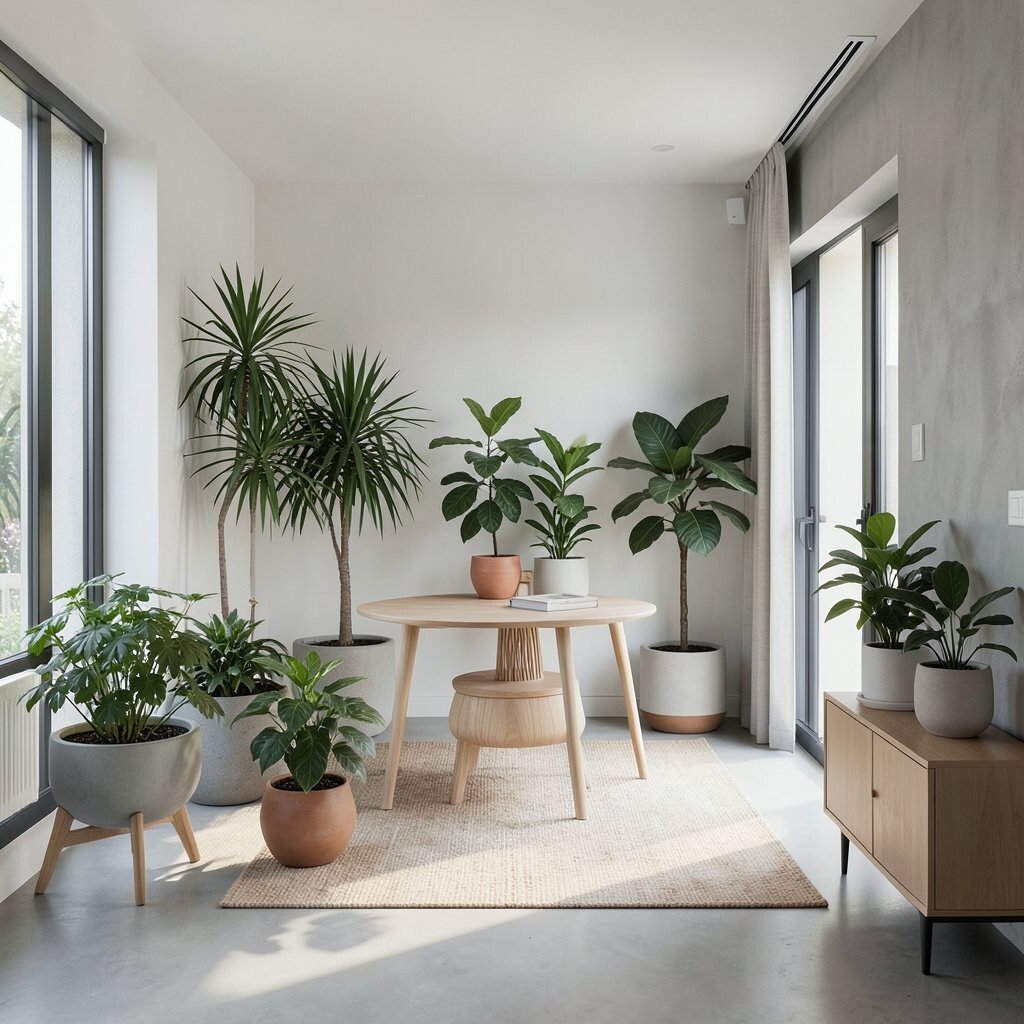
Plants add life instantly, and they work for both minimalist and maximalist vibes. A minimalist apartment can use one or two statement plants in simple pots that match your color palette.
A maximalist apartment can stack plant stands, vary pot styles, and place greenery next to art and textiles. This creates a rich layer of color and texture without buying more furniture.
For practical tips, pick easy plants like pothos, snake plant, or ZZ plant. If you travel often, choose self-watering planters to protect your budget and peace of mind.
11. Make Surfaces Useful With a “Daily Grab” Rule
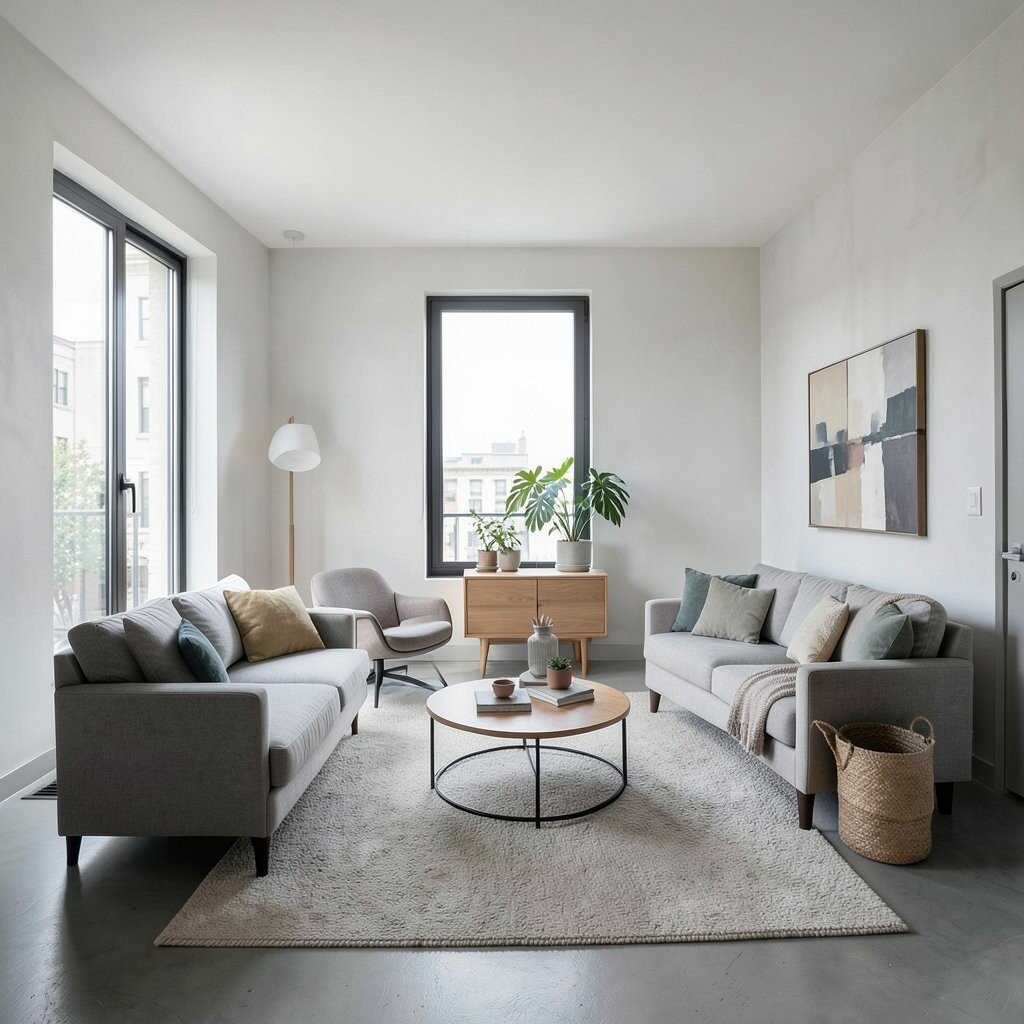
Surfaces feel calmer when you keep only what you use often. Minimalist setups may limit countertops to a tray, a soap dispenser, and one small dish.
Maximalist setups can still be tidy by keeping items grouped, like all small kitchen tools in one container. The uniqueness comes from having beautiful objects that earn their place.
To personalize, add a small vintage find on your table or a colorful canister near the coffee. For cost, focus on one or two upgrades per room instead of outfitting everything at once.
12. Build a Theme Basket for Each Room
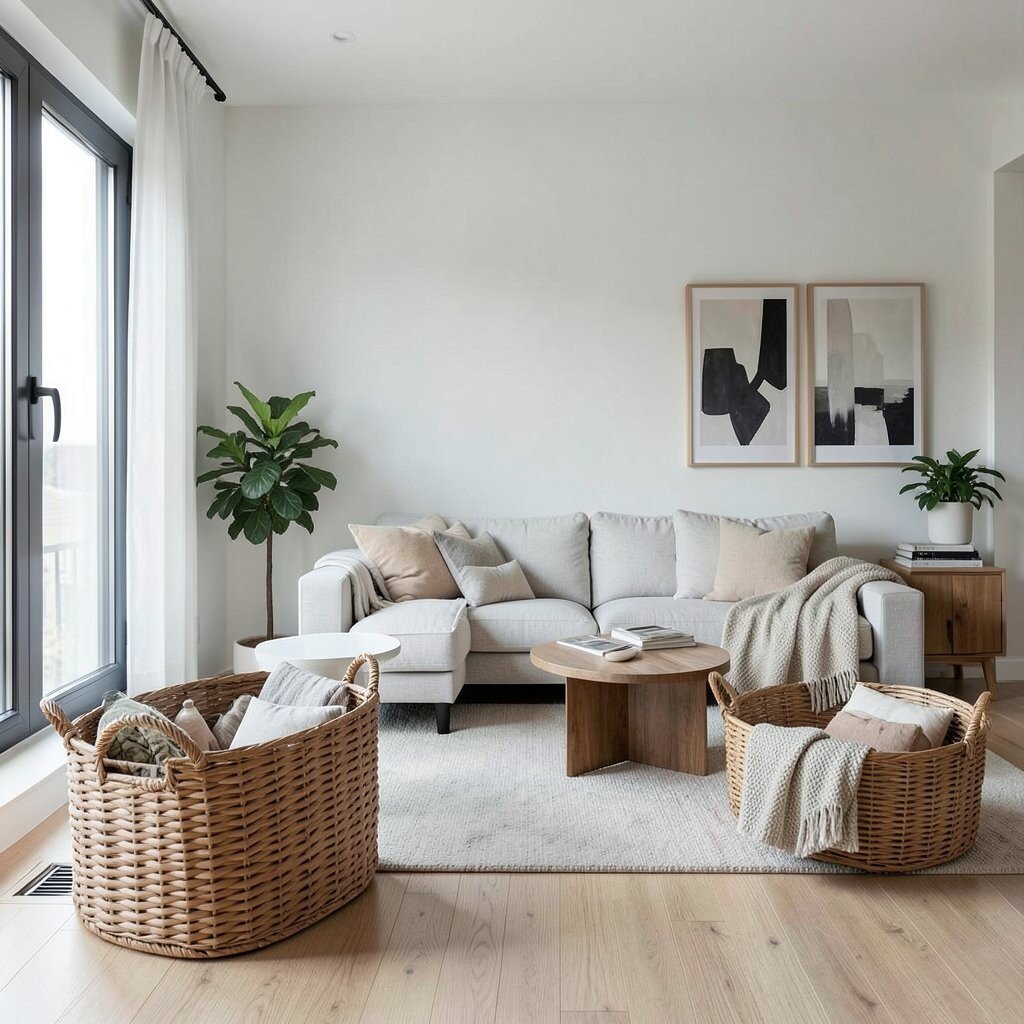
Themed baskets keep maximalist style from turning into random piles. In a minimalist apartment, baskets can be simple and matching, used to store chargers, remotes, or extra linens.
In a maximalist apartment, baskets can be woven, patterned, and stacked in corners to hold items that fit your look. When you hide the mess in a stylish container, the room stays visually exciting.
Try rotating what’s inside based on the season so your space feels fresh. It’s an easy personalization habit that doesn’t cost much.
13. Use Mirrors to Adjust Light and Shape

Mirrors can make rooms feel brighter and more open. Minimalist apartments often use one clean, framed mirror with a simple shape and a calm finish.
Maximalist apartments can stack mirrors, choose ornate frames, or place a mirror near a textured wall for extra depth. This is a fun way to create uniqueness without buying many new items.
For practical tips, place mirrors where they reflect warm light or a pleasant view. If you’re budget-minded, consider finding one good mirror secondhand and cleaning it up for a fresh look.
14. Add Pattern Like You Mean It
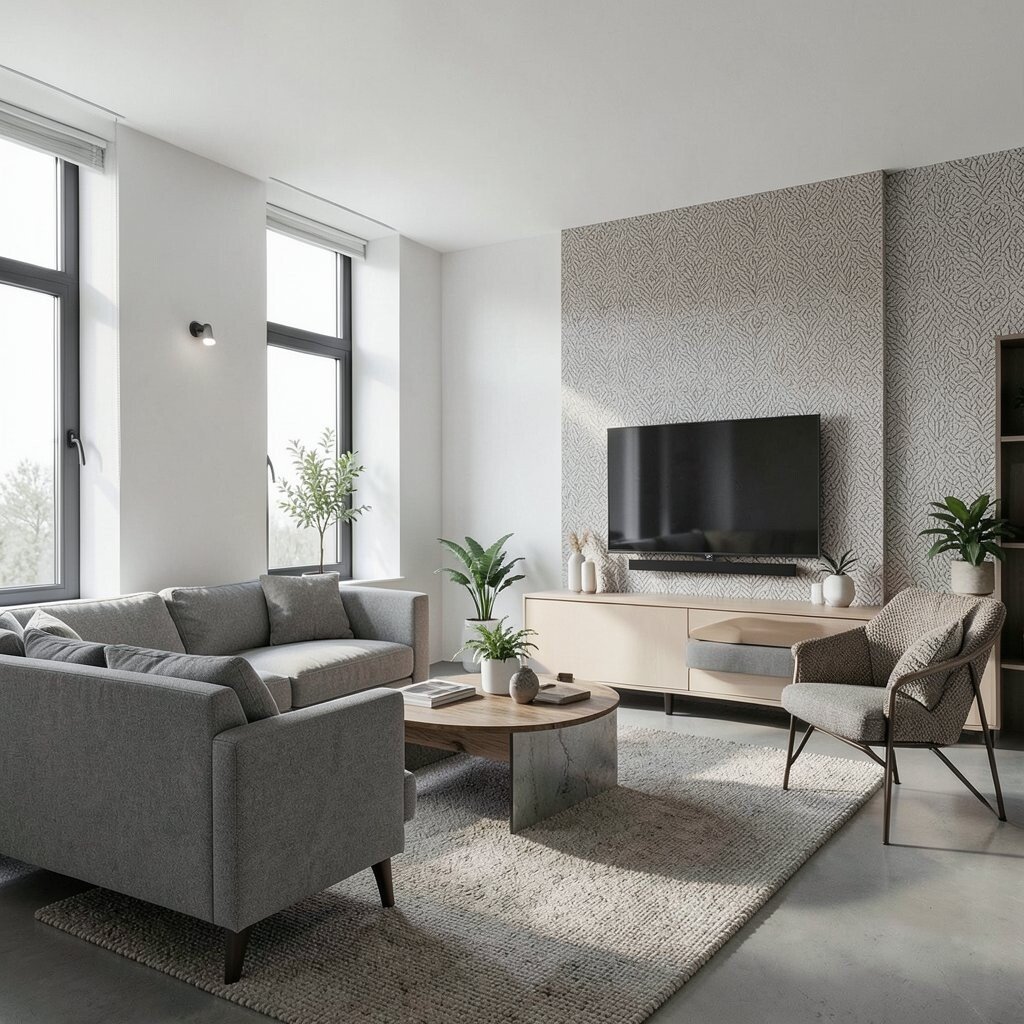
Pattern can be playful, but it works best when it has a job. Minimalist rooms can add one patterned element, like a rug or a single set of curtains, while keeping the rest simple.
Maximalist rooms can use multiple patterns, as long as they share colors or styles. The visual benefit is that patterns create movement and make the room feel collected over time.
To personalize, pick a pattern that matches your hobbies, like botanical prints for a plant lover or travel motifs for a daydreamer. Start with one pattern item so you can build outward safely.
15. Choose the Right Kind of Clutter
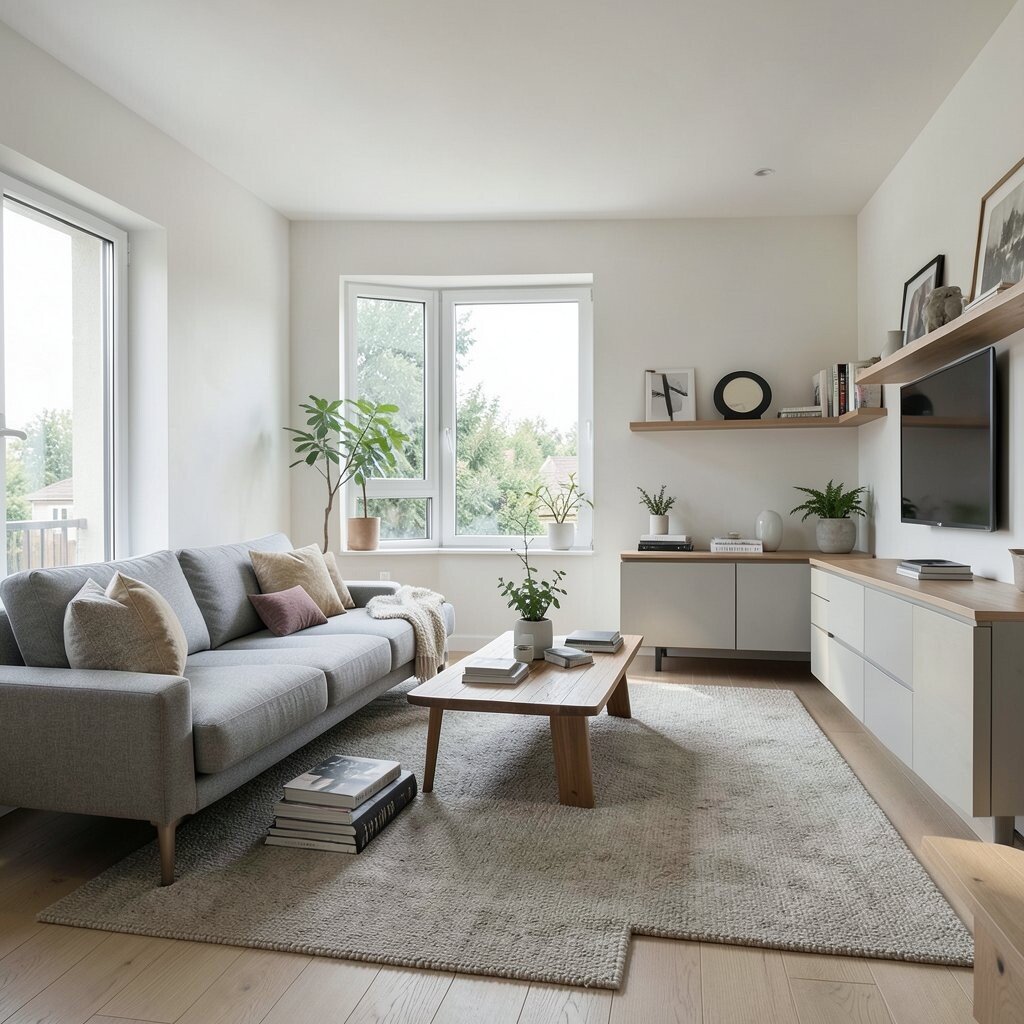
Not all clutter ruins a room, especially when it’s chosen on purpose. Minimalist apartments use “intentional empty space” so objects stand out and breathing room feels calm.
Maximalist apartments welcome decorative clutter, but it should feel curated and connected. A practical trick is to keep categories together, like books on one shelf, candles on one tray, and small art on a single wall section.
This approach supports uniqueness while reducing the stress of constant organizing. If you’re watching cost, swap in old family items or thrift finds instead of buying brand-new decorations.
16. Upgrade Hardware and Small Details

Small upgrades create a big mood shift without heavy renovation. Minimalist apartments benefit from simple handles, matching drawer pulls, and clean faucets that look neat.
Maximalist apartments can make details shine with colorful knobs, brass accents, or patterned drawer fronts. The uniqueness grows from the “surprise” small moments you notice up close.
For practical tips, check what changes are allowed in your home before drilling or painting. If you rent, look for peel-and-stick options or hardware replacements that are easy to remove.
17. Plan a Seating Setup for Real Life

Seating is where your style becomes daily comfort. Minimalist apartments can use one cozy sofa, a simple ottoman, and a minimal coffee table that keeps the center open.
Maximalist apartments can add extra seating like accent chairs, floor cushions, and a dramatic rug that invites people to stay. The benefit is a room that feels social and welcoming.
To personalize, choose seat covers and cushions that match your color mood. Budget-wise, concentrate spending on comfort first, then add decorative touches later.
18. Keep the Style Going With a Simple Rotation Habit

Apartment style improves when it changes with you, not against you. Minimalist spaces stay fresh by swapping out one or two items, like a throw blanket or a single piece of art.
Maximalist spaces stay exciting by rotating small collections, like changing which books sit on display or swapping decorative accessories. This helps uniqueness feel intentional, not random.
For practical tips, set a small “swap shelf” where you store extras so the transition stays easy. You can also watch for current trends like earthy neutrals, warm lighting, and nature-inspired textures while still keeping your own signature.