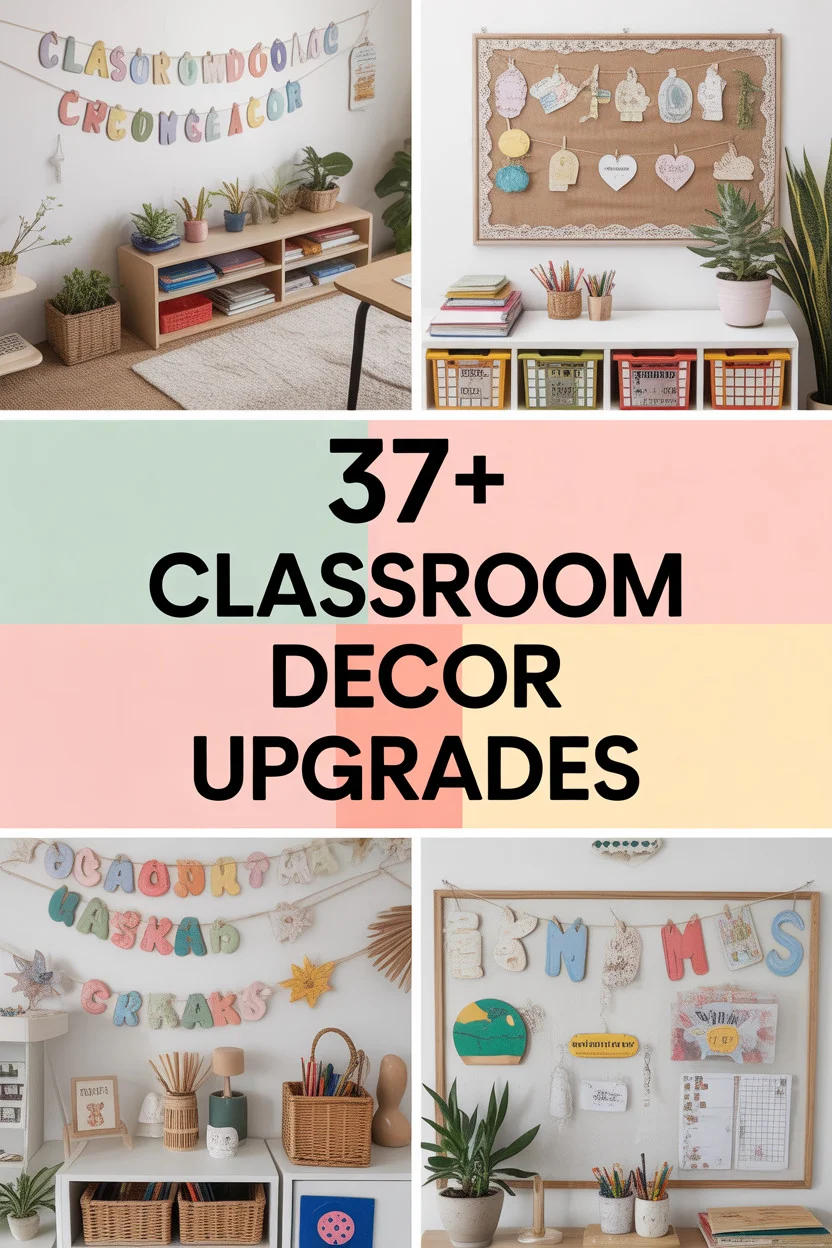
Imagine walking into a classroom that feels like a haven for creativity and curiosity. A place where every corner invites you to learn something new. These simple decor ideas can turn any classroom into such a magical place.
1. Colorful Bulletin Boards
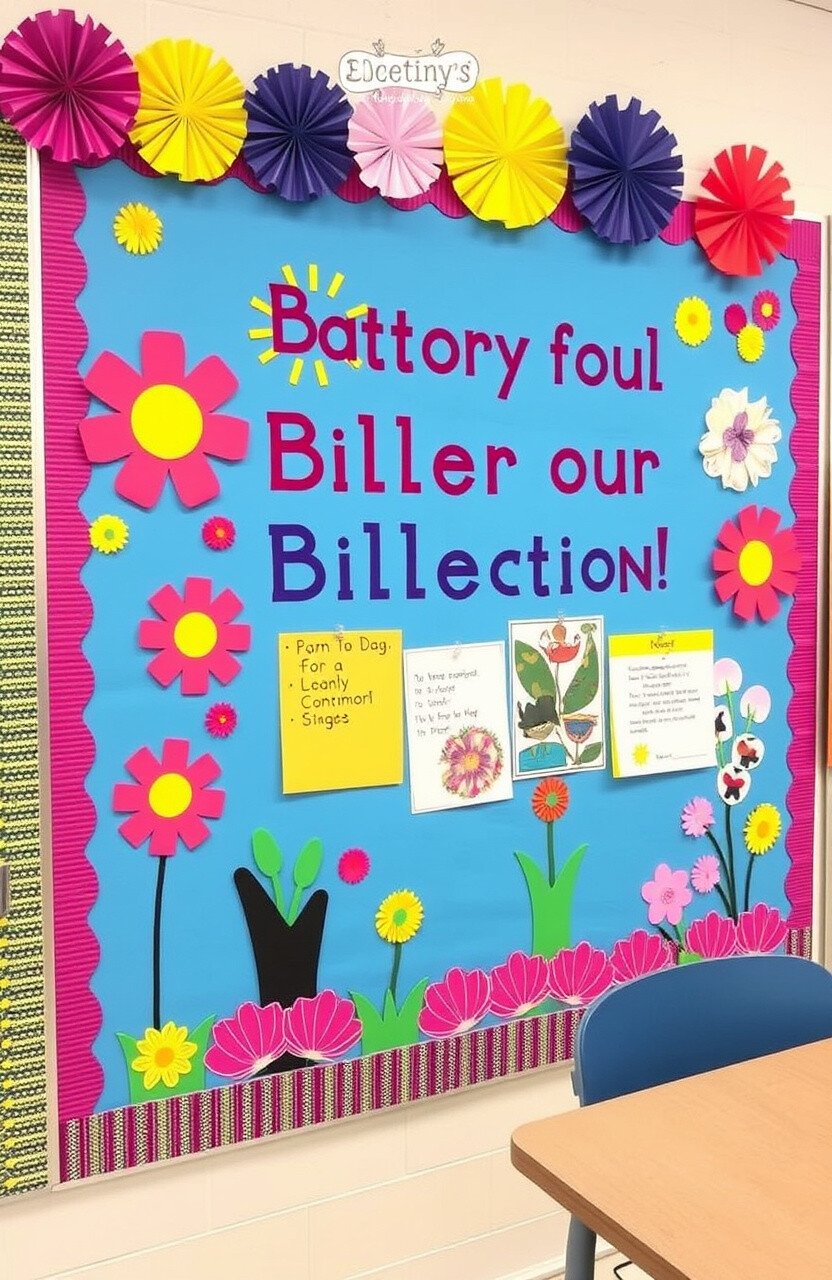
Bulletin boards can be more than just a place for announcements. Use vibrant colors that pop and draw attention.
Changing the themes regularly keeps it fresh and exciting. Try seasonal themes or subject-related displays for a touch of variety.
Personalize them with student work to create a sense of pride. Students will love seeing their work showcased.
Cost-wise, it’s quite affordable. Use colored paper, borders, and creativity to make it stand out.
2. Inspirational Quote Wall
Quotes can motivate and inspire students every day. Choose quotes that resonate with the values you want to instill.
Rotate quotes weekly or monthly to keep the interest alive. Use a mix of famous sayings and student-contributed ideas.
Personalization is key; let students contribute their favorite quotes. This gives them a sense of ownership.
Creating a quote wall is cost-effective. Use colorful paper and markers, or print them out in fancy fonts.
3. Cozy Reading Nook
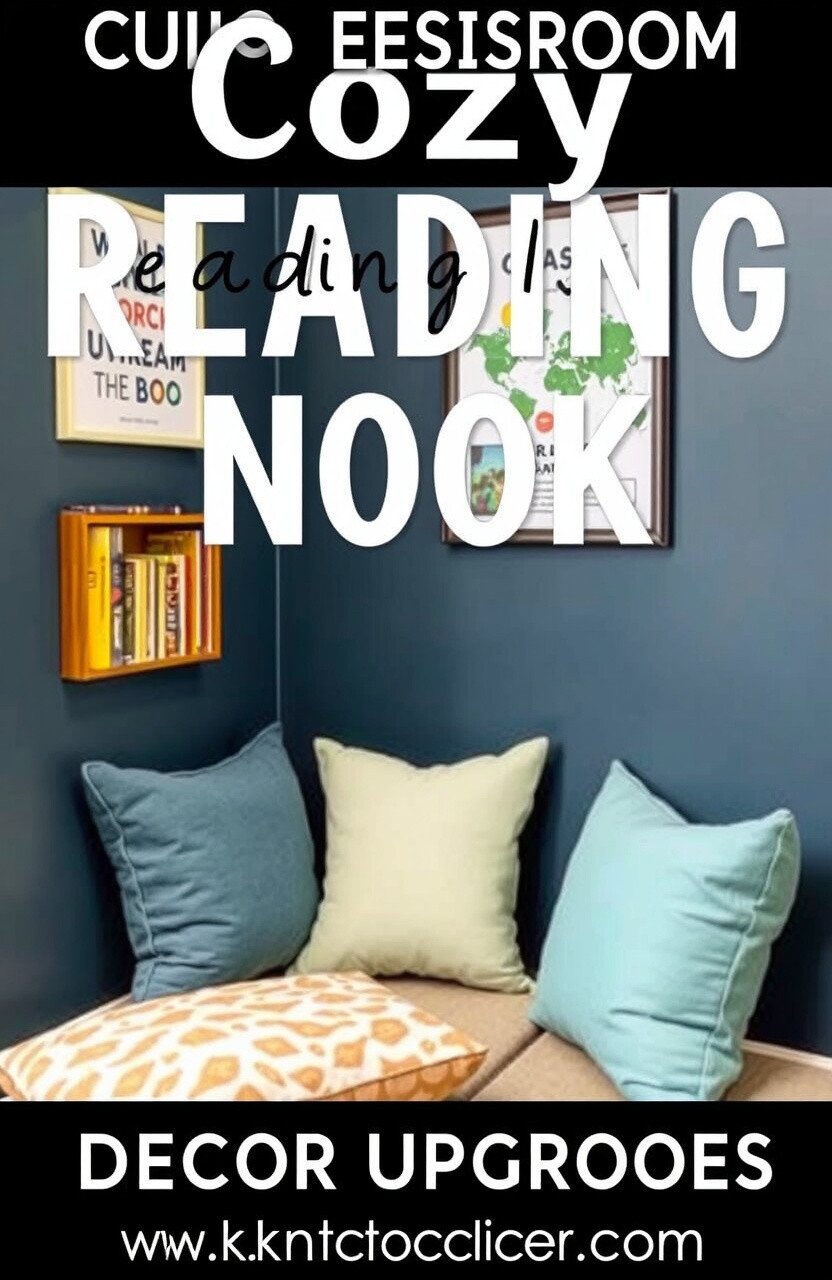
Transform a corner with comfy cushions and a small bookshelf. It becomes a little escape for book lovers.
A cozy nook encourages reading and imagination. Students will enjoy having a special place to dive into books.
Personalize with student-made bookmarks or posters about their favorite books. It adds a personal touch.
Look for budget-friendly cushions and bookshelves. You can even DIY some elements to save money.
4. Nature Corner
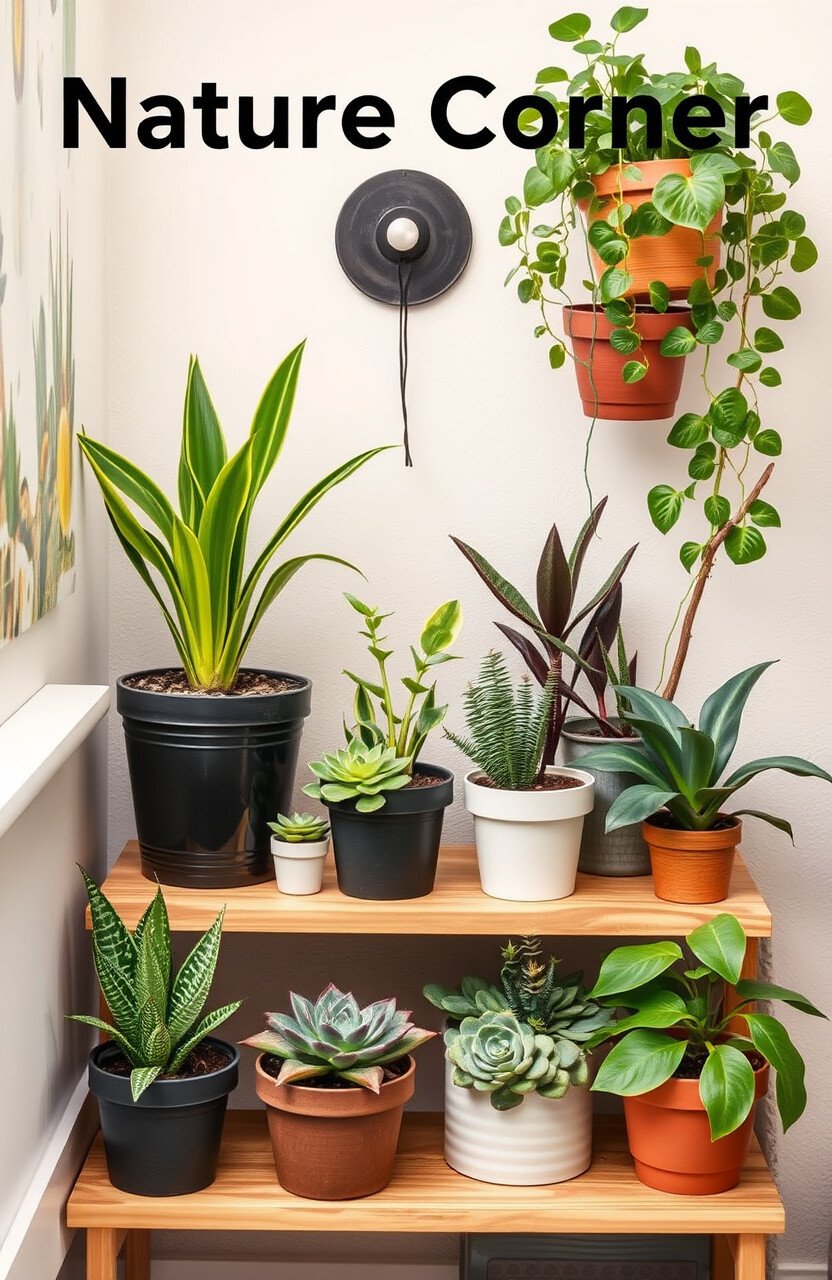
Bring the outside in with plants and natural elements. It’s a great way to teach responsibility through plant care.
Plants can improve air quality and mood. Students may find the greenery soothing and refreshing.
Let students name the plants or draw pictures of them. This adds a personal connection to the corner.
Start with easy-to-care-for plants like succulents. They’re inexpensive and perfect for beginners.
5. Interactive World Map
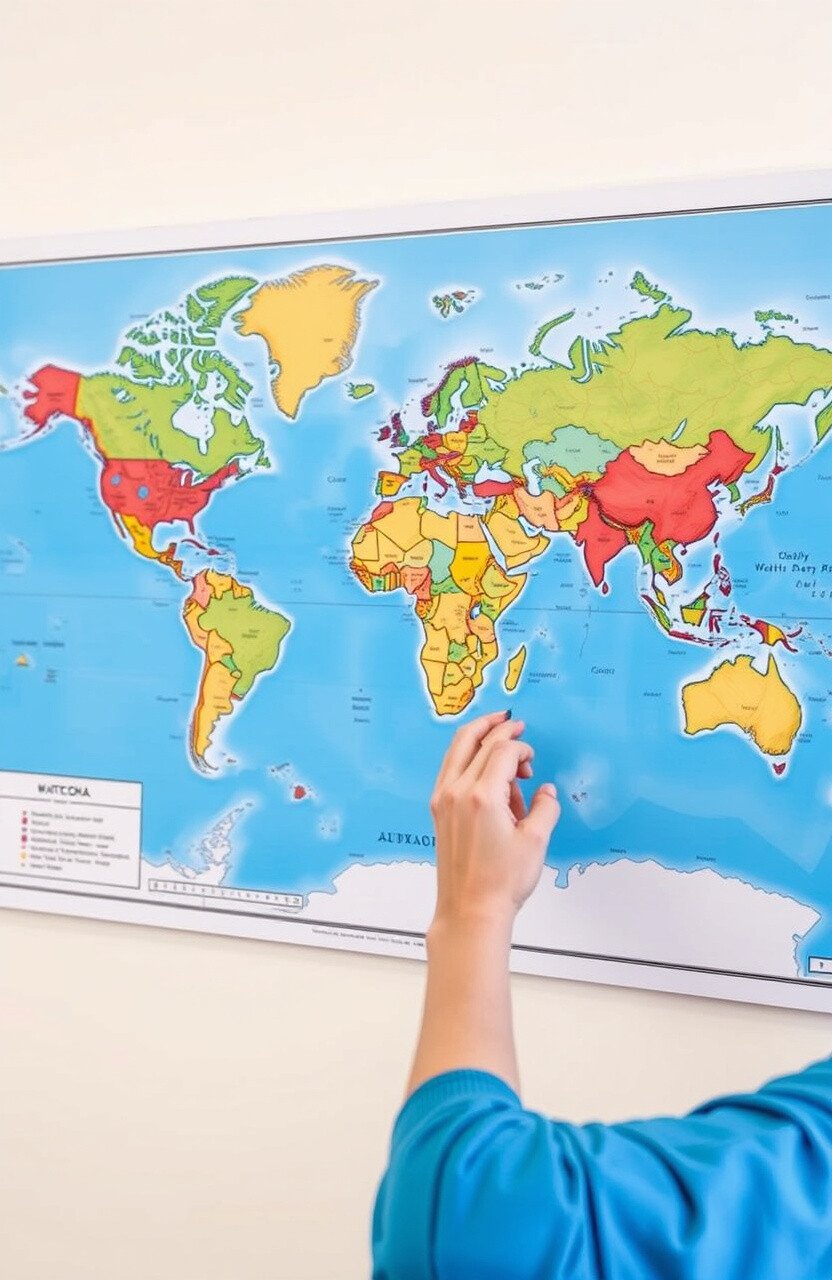
A world map can spark curiosity about geography. Use pins or stickers to mark places you’ve discussed in class.
Interactive maps make learning about the world fun. Students can see real connections to what they’re learning.
Personalize by letting students add pins for places they’ve been. It makes the map more relatable.
Find a large map at a local store or online. It’s a worthwhile investment for global learning.
6. DIY Pencil Holders
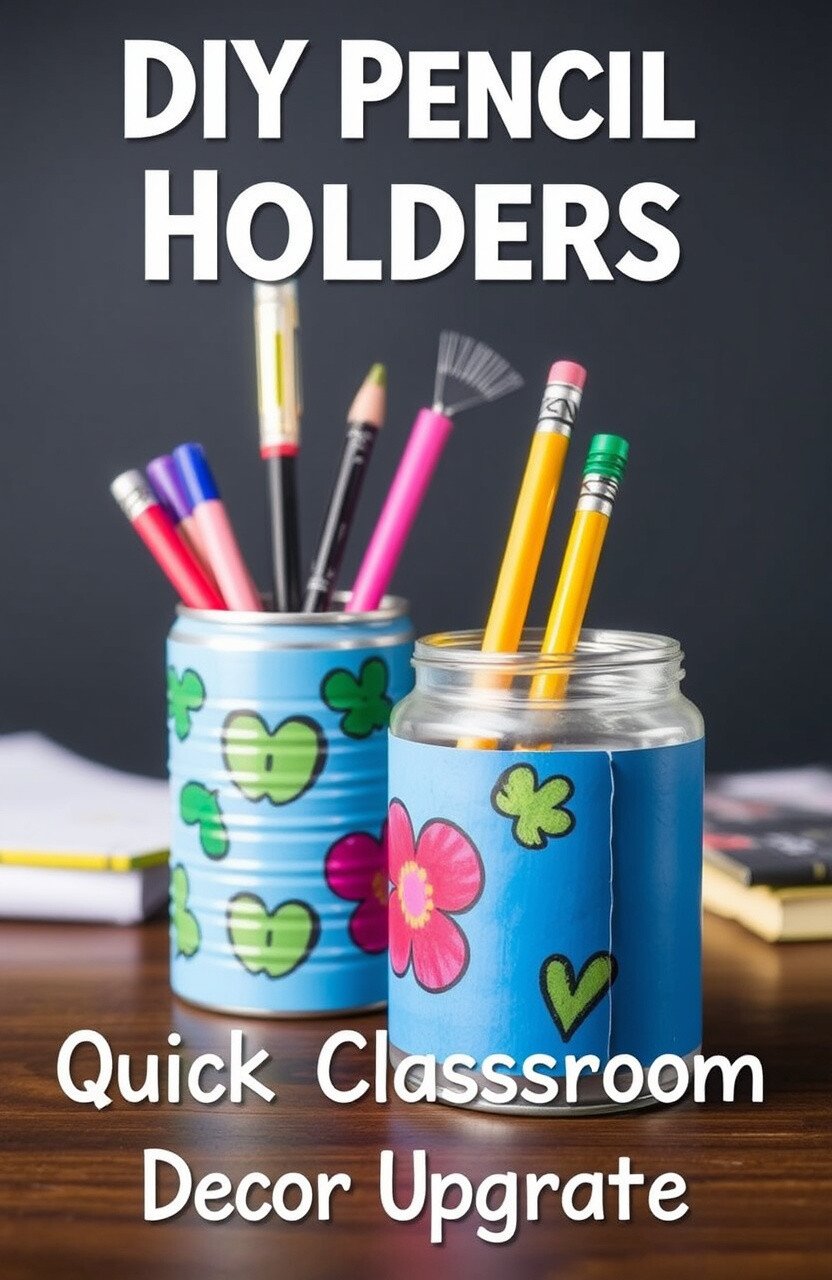
Make pencil holders out of recycled materials. It’s an eco-friendly and fun craft project for the class.
These holders can teach students about recycling. Plus, they add a colorful, personalized touch to desks.
Each student can design their own holder. This makes it uniquely theirs and adds a personal connection.
Use materials like cans, paper rolls, or jars. It’s cost-effective and encourages creativity.
7. Themed Door Decor
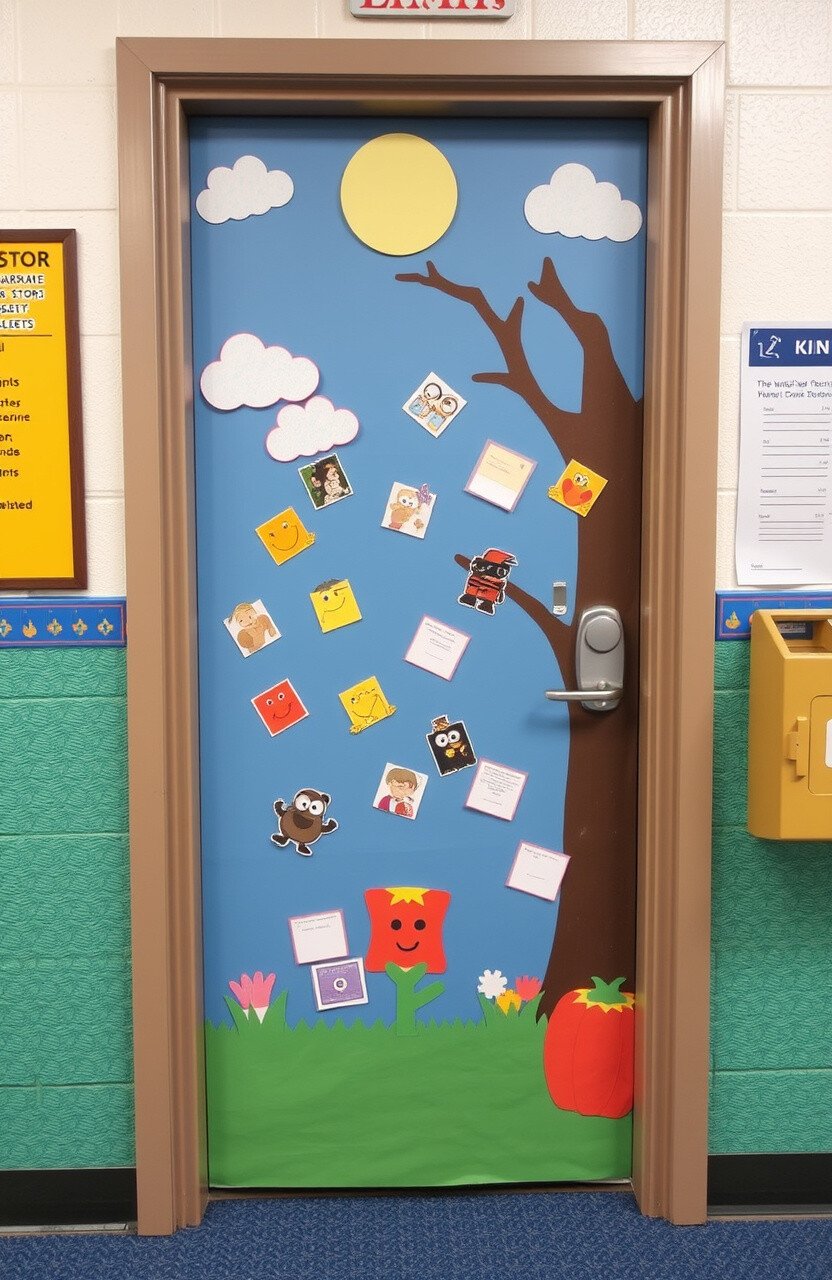
Decorate the classroom door with a theme. It sets the mood before students even enter the room.
Change themes monthly to keep it interesting. Students will look forward to seeing the new design.
Involve students in the decorating process. It becomes a team effort and reflects their collective ideas.
Use paper, cutouts, and markers for a low-cost makeover. It’s a small change with a big impact.
8. Art Gallery Wall
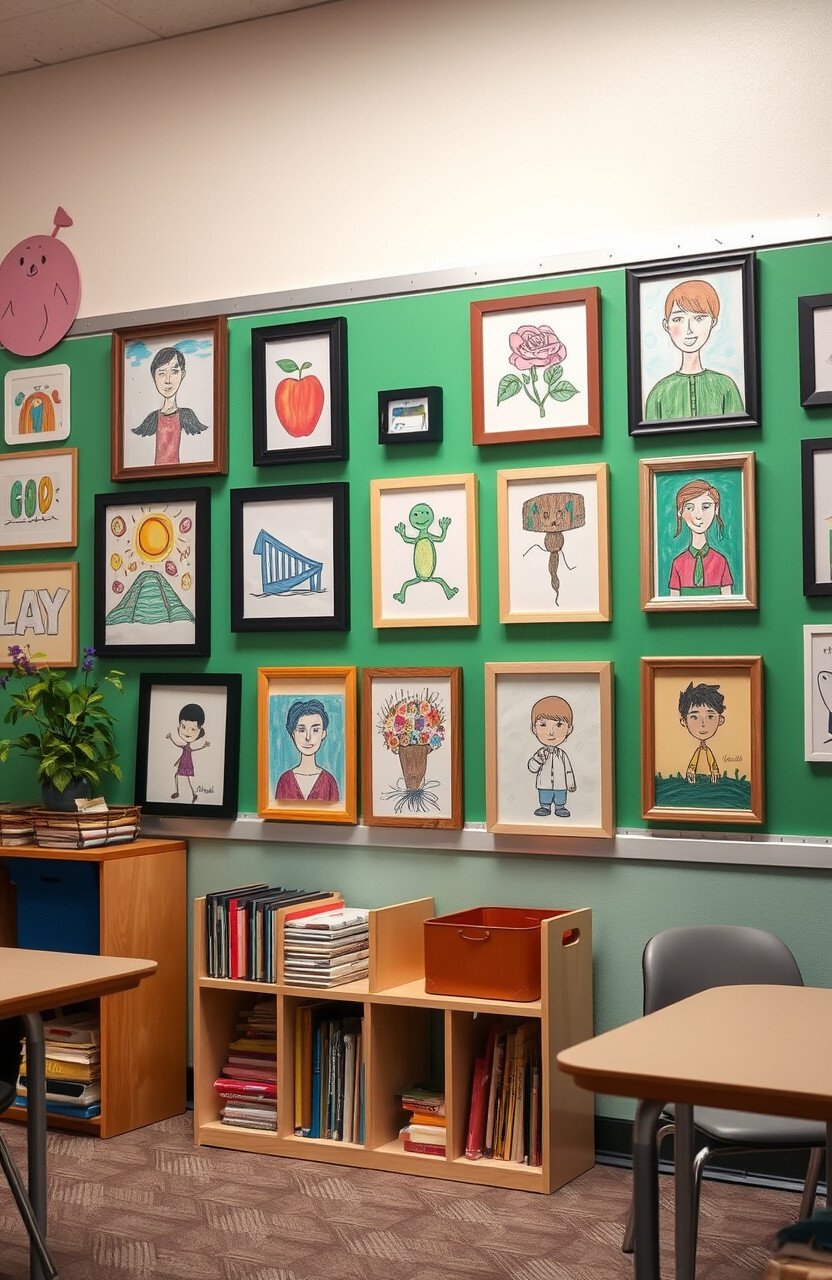
Dedicate a wall to displaying student artwork. It boosts confidence and creativity among students.
Rotate the artwork regularly to showcase different talents. This keeps the gallery fresh and inclusive.
Encourage students to frame their art. It gives the wall a professional look and makes them feel valued.
Use inexpensive frames or make simple ones with cardboard. This is a budget-friendly way to enhance the wall.
9. Classroom Job Board
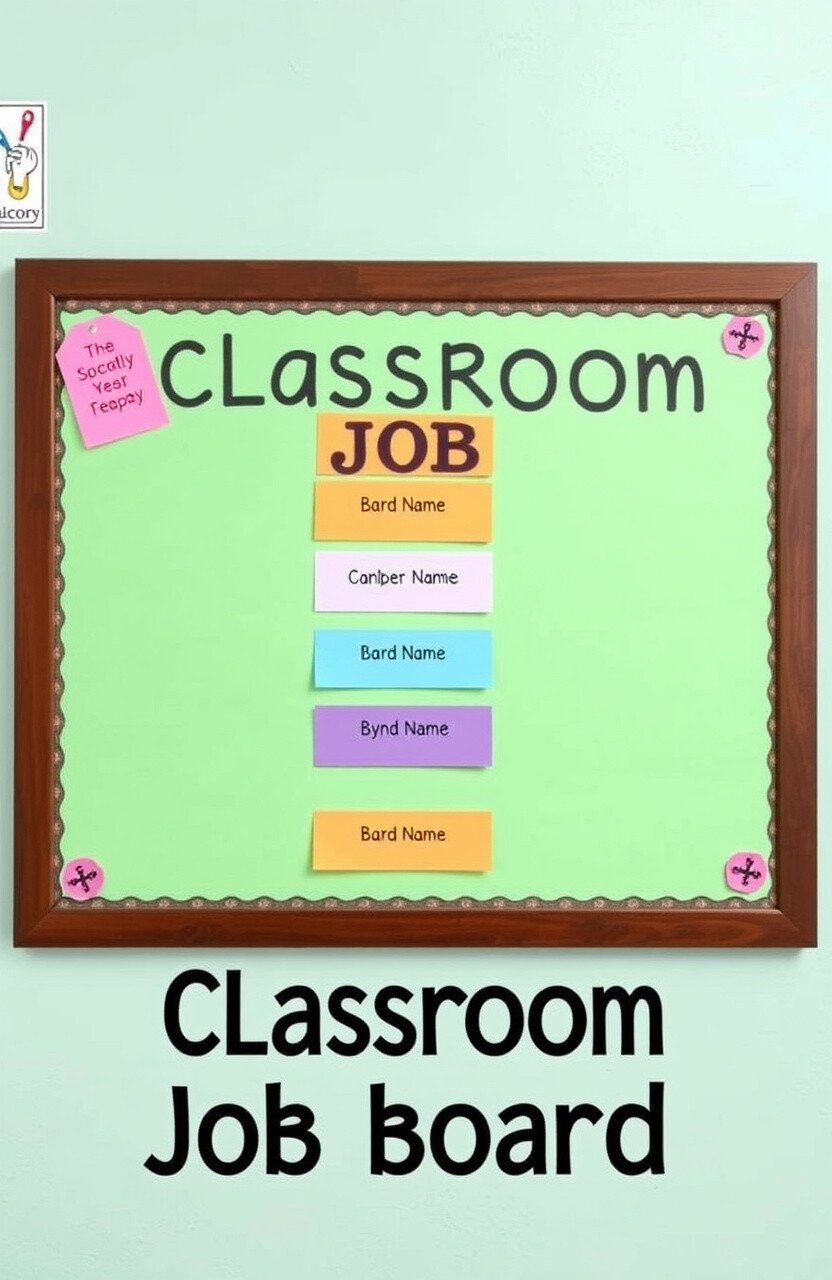
Create a board that lists classroom jobs. It teaches responsibility and helps the classroom run smoothly.
Rotate jobs weekly to give everyone a chance. This system keeps students engaged and accountable.
Let students personalize the job board. They can add their names and decorate it with stickers.
Use colorful paper and markers to create the board. It’s a simple yet effective way to manage tasks.
10. Bright Rugs
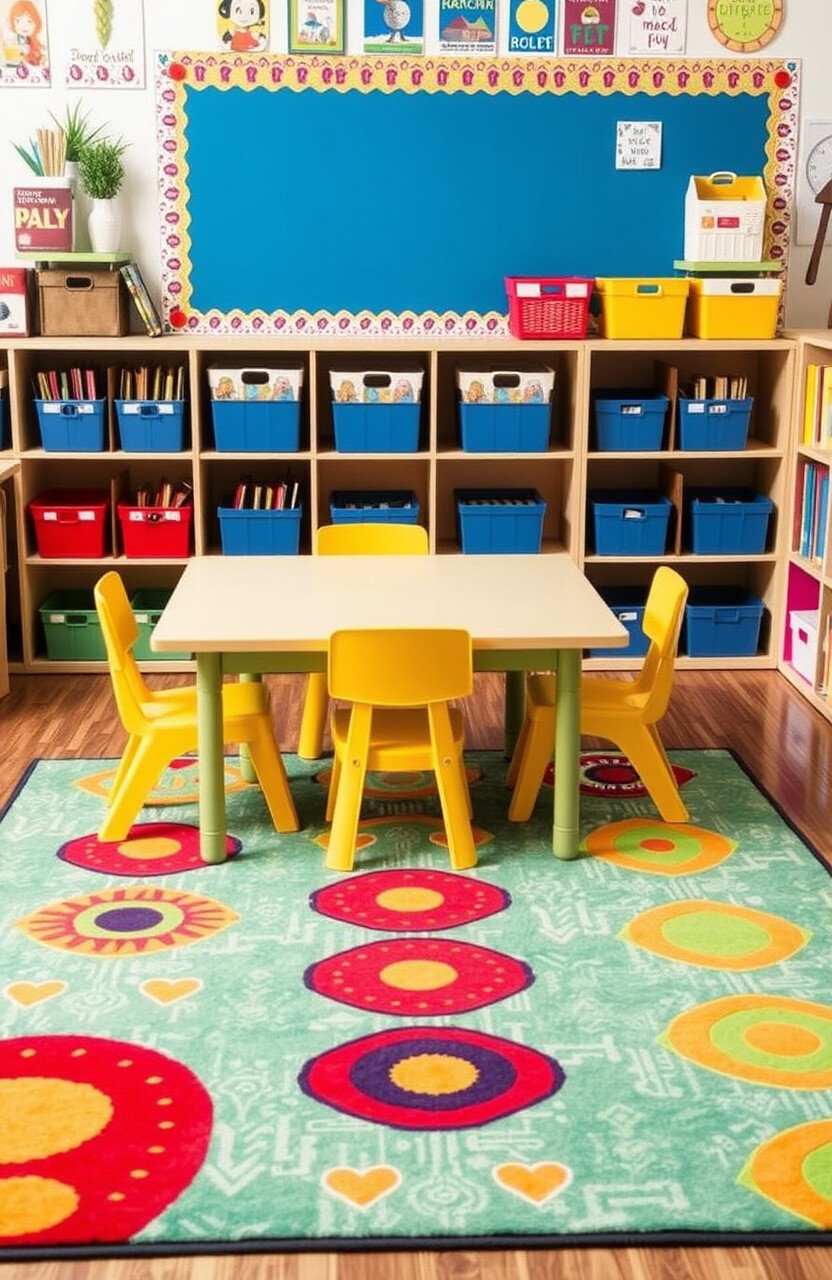
Add a vibrant rug to the classroom floor. It can define a space and make it feel cozy and inviting.
Rugs can be used for storytime or group activities. They provide a soft and comfortable area for sitting.
Choose patterns and colors that match the classroom theme. This adds to the room’s overall style.
Look for budget-friendly options online. Or check local stores for sales and discounts.
11. DIY Wall Murals
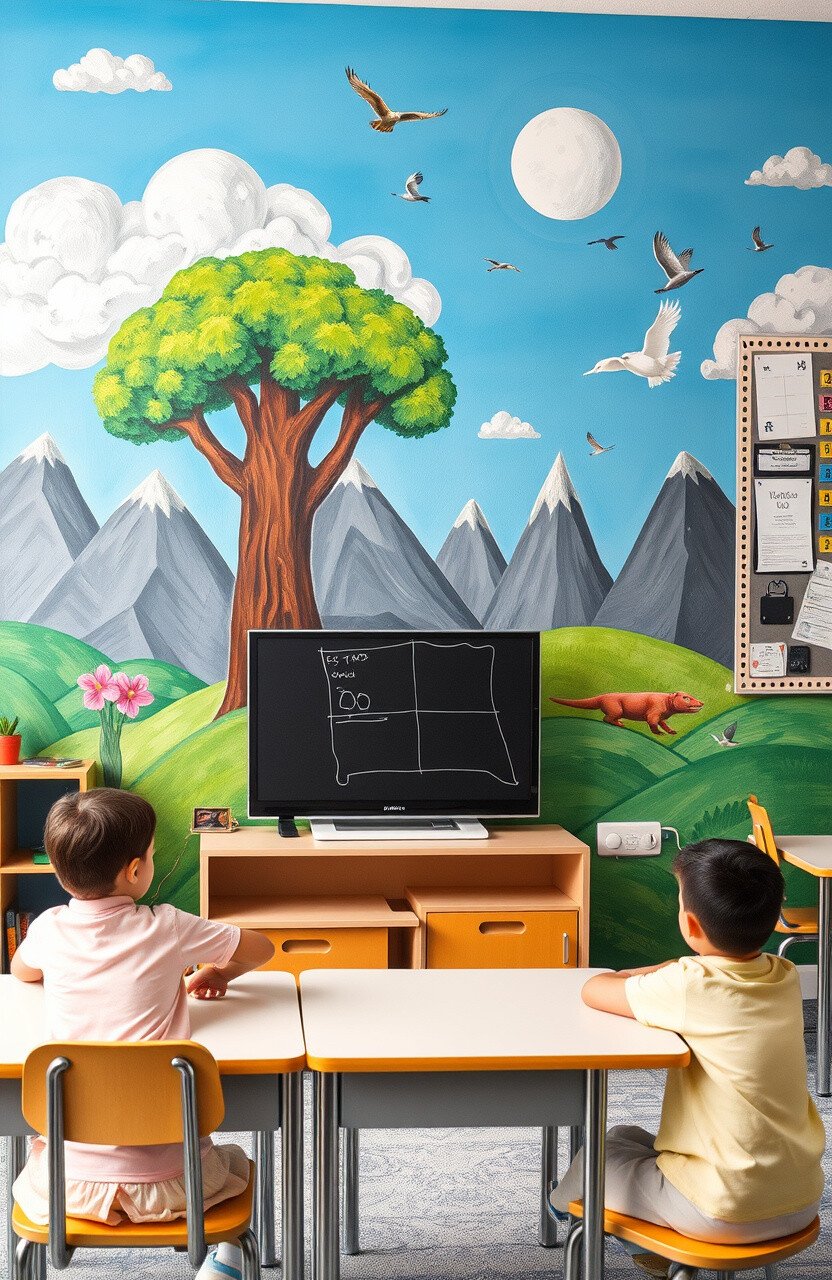
Paint a mural on a classroom wall. It becomes a focal point and sparks imagination.
Choose a theme that resonates with the class. It could be a scene from a favorite book or subject.
Involve students in the painting process. It’s a fun project that fosters teamwork and creativity.
Use low-cost paints and brushes. This makes the mural both affordable and unique.
12. Magnetic Wall
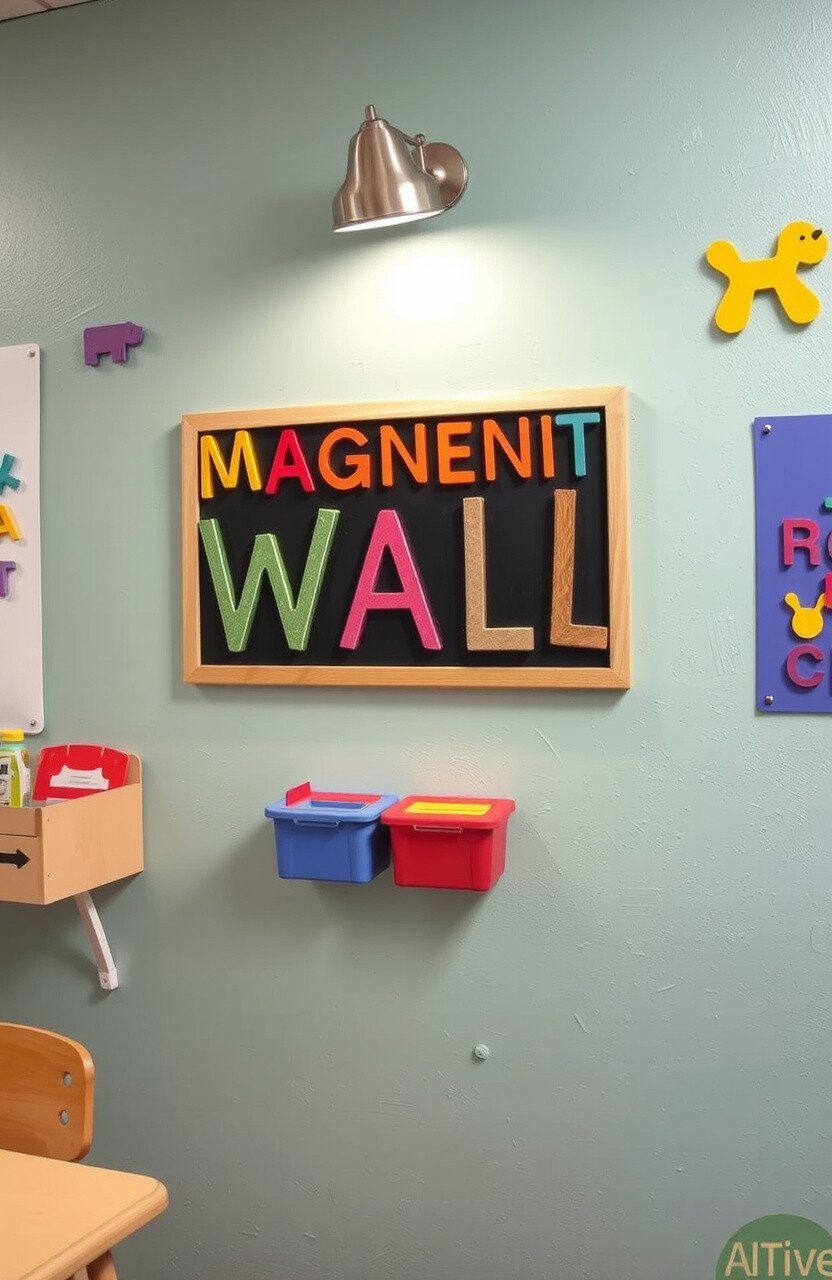
Turn a wall into a magnetic surface. It becomes a versatile space for learning and creativity.
Use magnetic letters and shapes for spelling and math. It’s a hands-on way for students to engage with the material.
Let students create magnetic artwork. They can change it up whenever they feel inspired.
Magnetic paint is available at most hardware stores. It’s a clever way to add an interactive element to the classroom.
13. Seasonal Decor
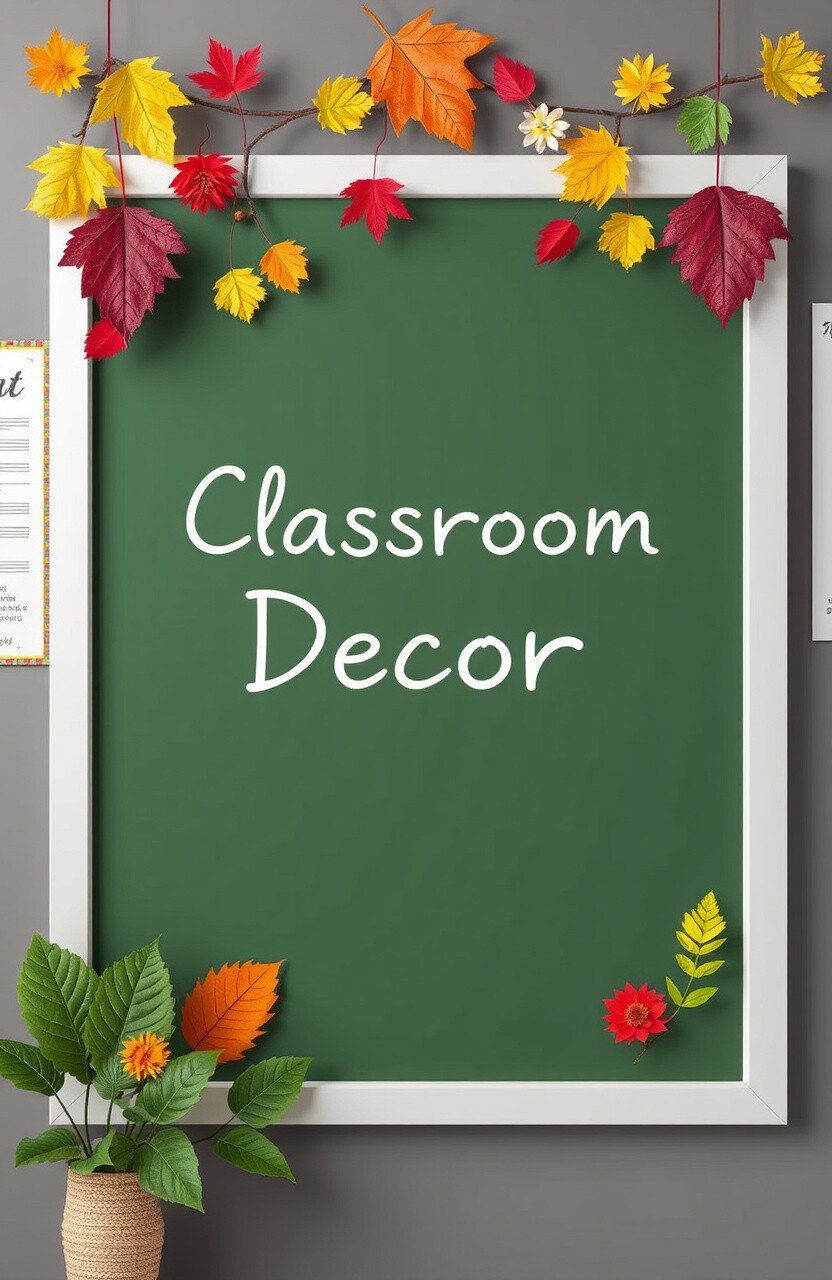
Decorate the classroom according to the seasons. This brings a fresh feel to the space throughout the year.
Use natural elements like leaves in fall or flowers in spring. These decorations can also be part of a lesson.
Get students involved in making the decorations. This adds a personal touch and makes them feel included.
Gather materials from nature or use craft supplies. It’s an affordable way to celebrate the seasons.
14. Classroom Library
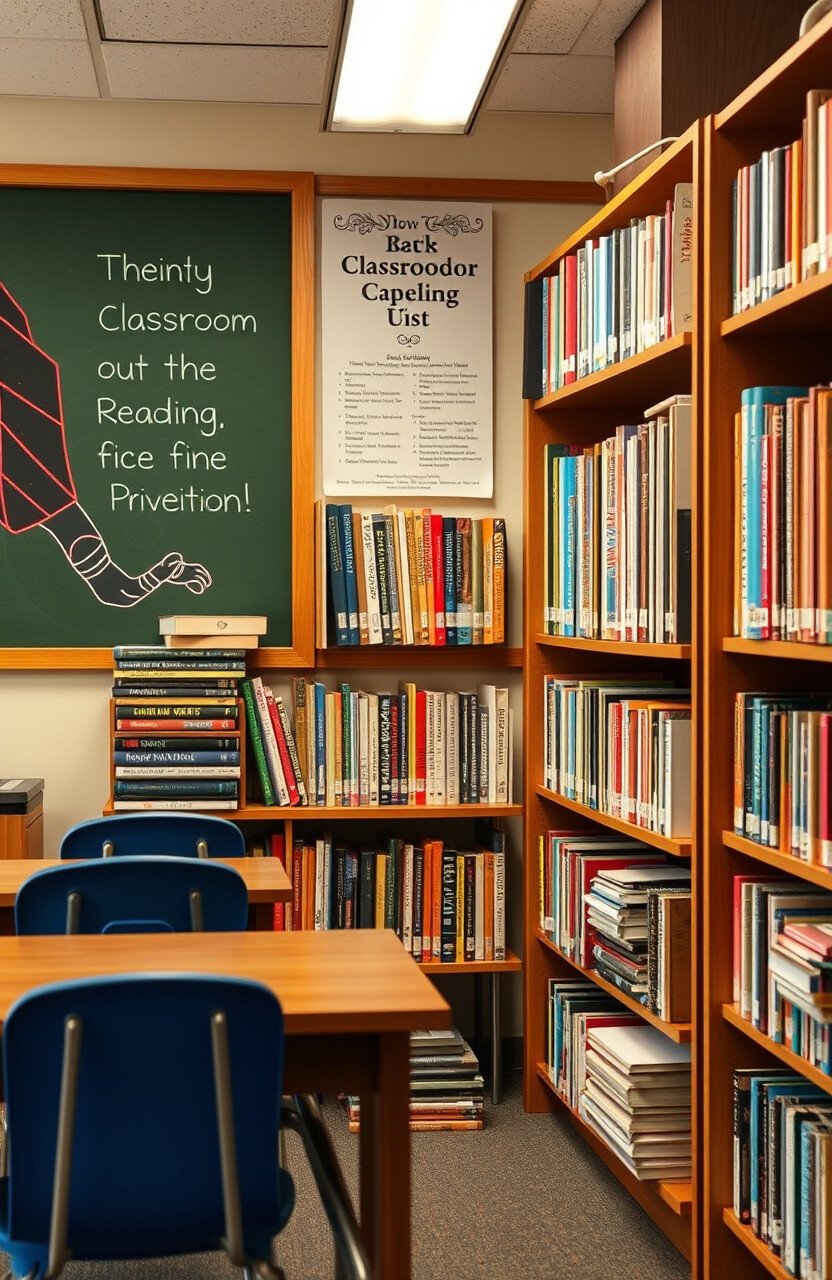
Set up a dedicated space for books. A classroom library encourages reading and exploration.
Organize books by genre or reading level. This makes it easy for students to find what interests them.
Let students recommend books for the library. This personalizes the selection and shows their input is valued.
Find gently used books at thrift stores or sales. It’s a cost-effective way to stock the library.
15. Fun Lighting
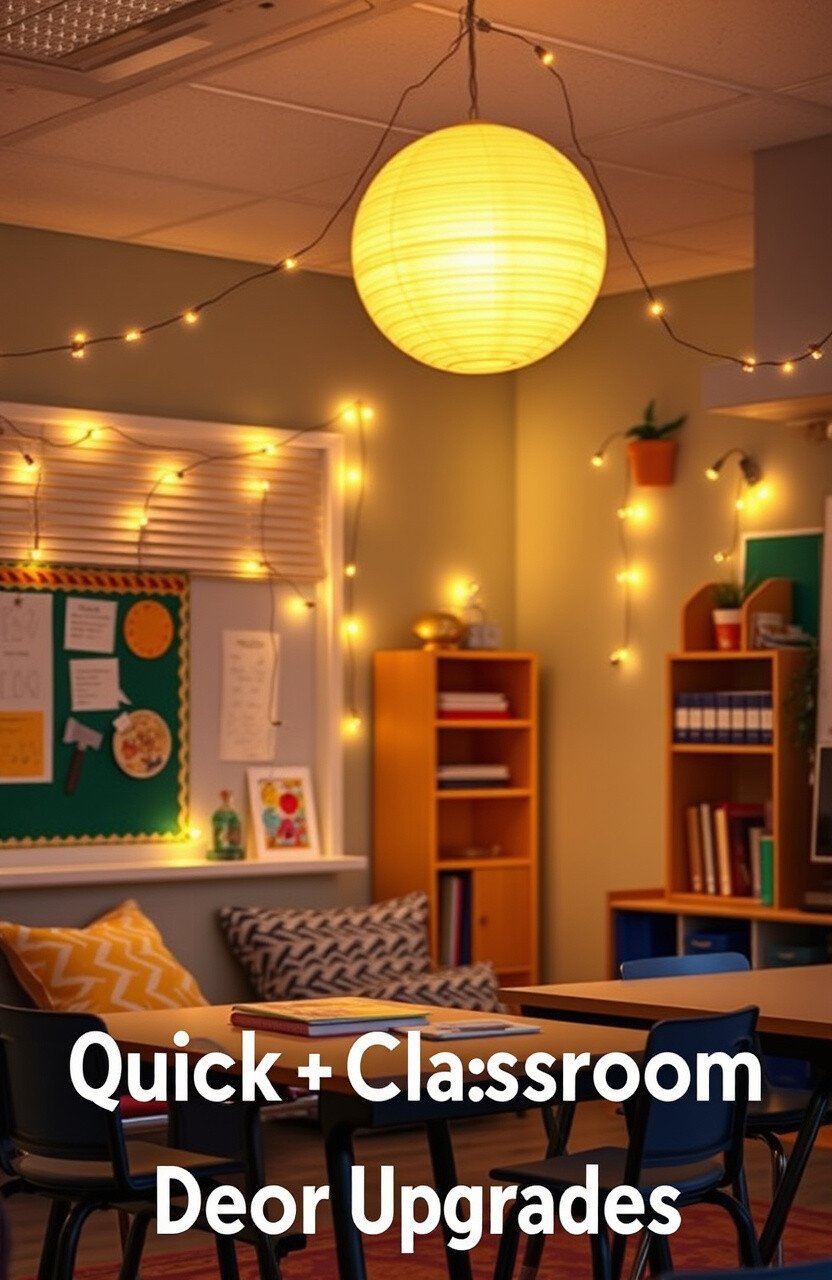
Use string lights or lamps to add warmth to the room. Lighting can drastically change the atmosphere.
Lights can be used to define areas like reading nooks. They create cozy and inviting spaces.
Choose lights that match the classroom theme. This adds a cohesive look to the decor.
Find affordable lighting options online. Even simple fairy lights can make a big difference.
16. Student Work Display
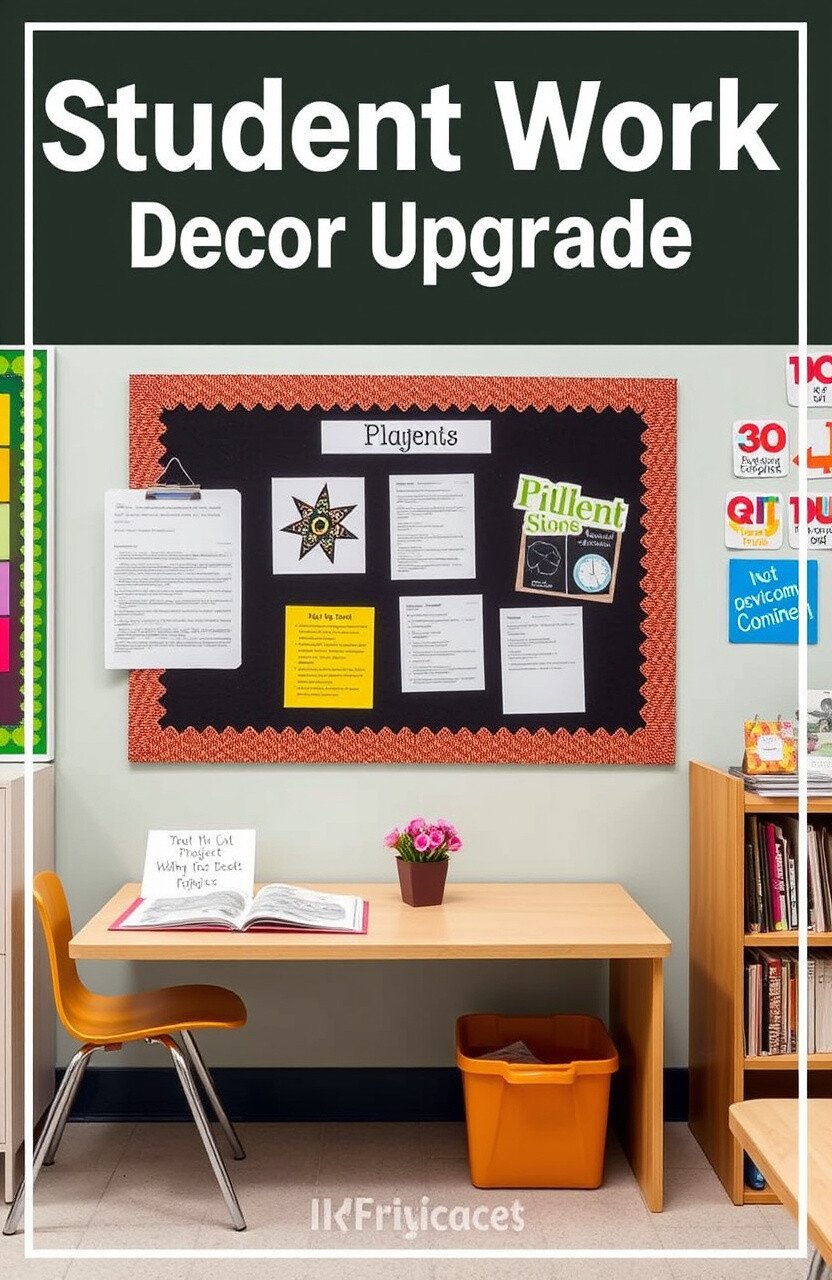
Create a space to showcase student projects. It fosters a sense of pride and accomplishment.
Rotate the work regularly to feature different students. This ensures everyone gets a chance to shine.
Encourage students to present their work. It builds confidence and allows them to share their ideas.
Use bulletin boards or wall space for displays. It’s an inexpensive way to celebrate student achievements.
17. Themed Learning Centers
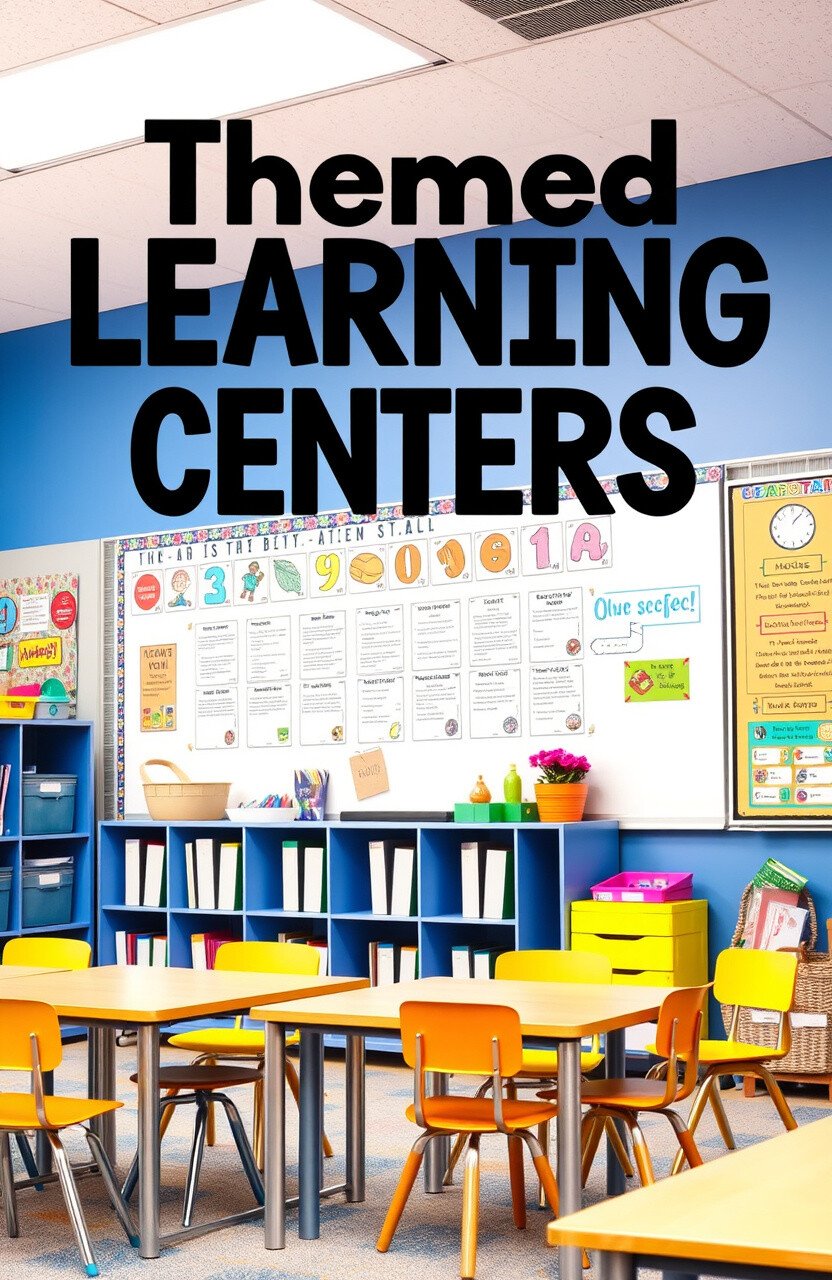
Set up themed stations around the classroom. Each center can focus on a different subject or skill.
Themed centers make learning interactive and fun. Students can explore topics in a hands-on way.
Let students help design the centers. This gives them a sense of ownership and encourages creativity.
Use everyday materials to create the centers. It’s a budget-friendly approach to interactive learning.
18. Personalized Desks
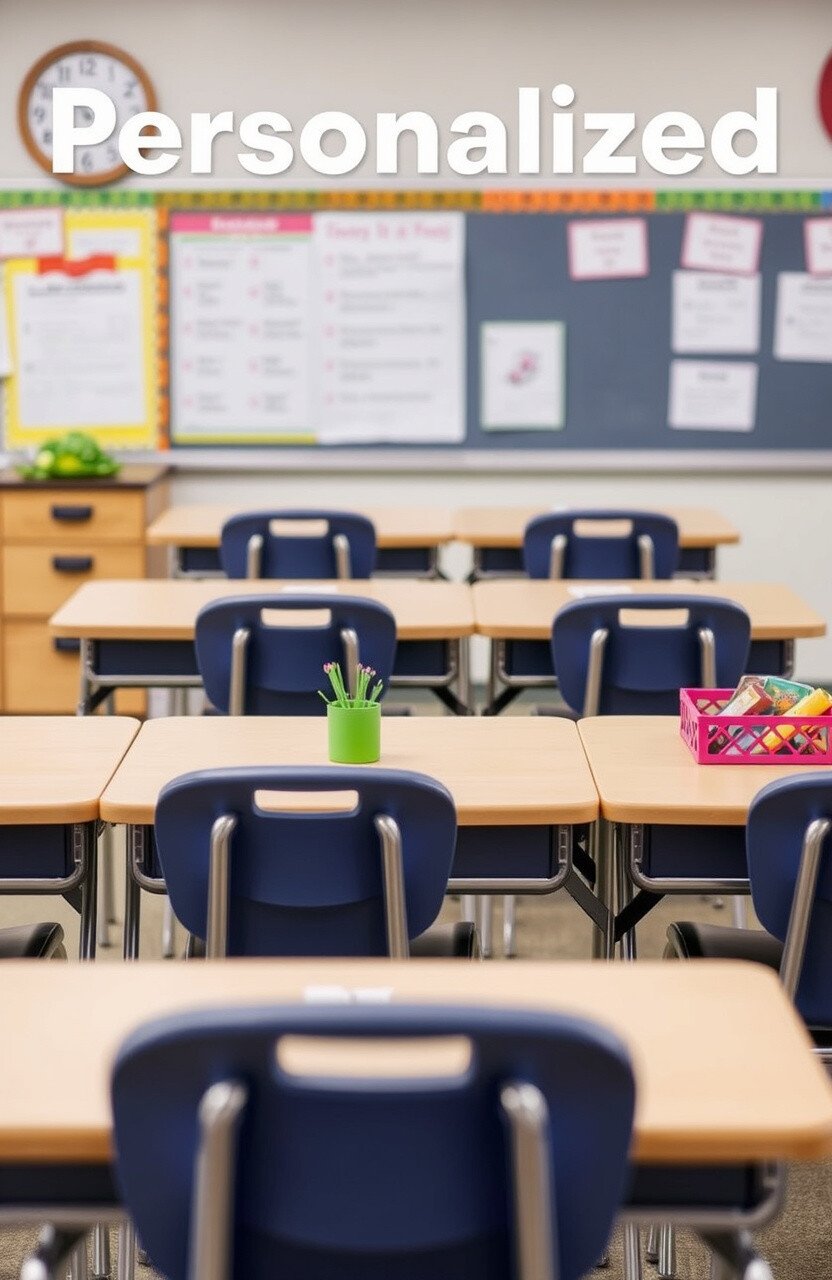
Allow students to personalize their desks. It makes the space feel like their own.
Personal touches can include name tags or small decorations. This helps students feel more comfortable and at home.
Encourage students to keep their desks tidy. A clean space promotes focus and productivity.
Use inexpensive materials for personalization. It’s a simple way to make a big impact.
19. DIY Chalkboard
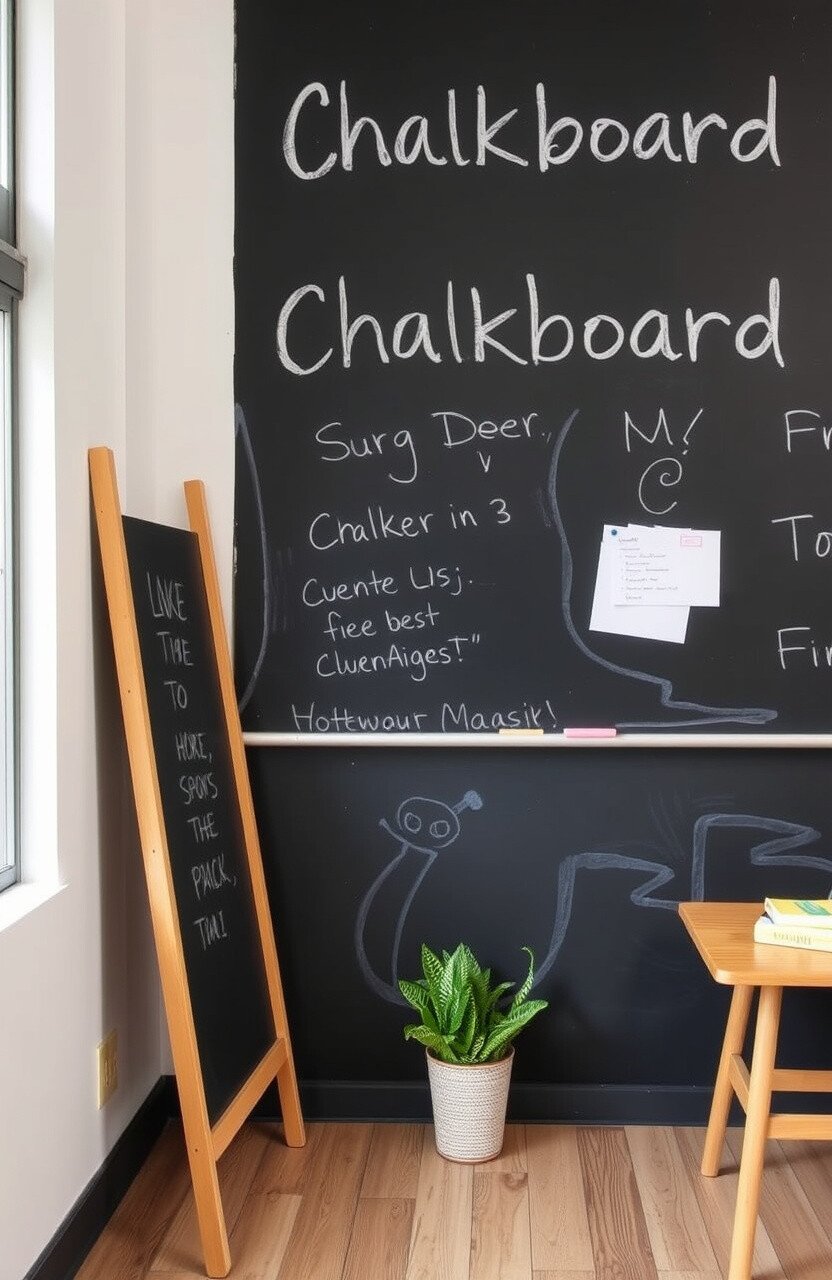
Paint a section of the wall with chalkboard paint. It becomes a place for notes, doodles, and creativity.
Students love having a space to express themselves. They can write messages or solve problems on the board.
Encourage students to update the board regularly. This keeps the area dynamic and engaging.
Chalkboard paint is affordable and easy to apply. It’s a fun addition to any classroom.
20. Puzzle Corner

Set up a corner with puzzles and brainteasers. It’s a great way to challenge students and stimulate their minds.
Puzzles can teach problem-solving and critical thinking. Students enjoy the challenge and satisfaction of completing them.
Let students bring in puzzles from home. This adds variety and personal connection to the corner.
Find puzzles at thrift stores or online sales. It’s an affordable way to enrich the classroom environment.
21. Interactive Whiteboard
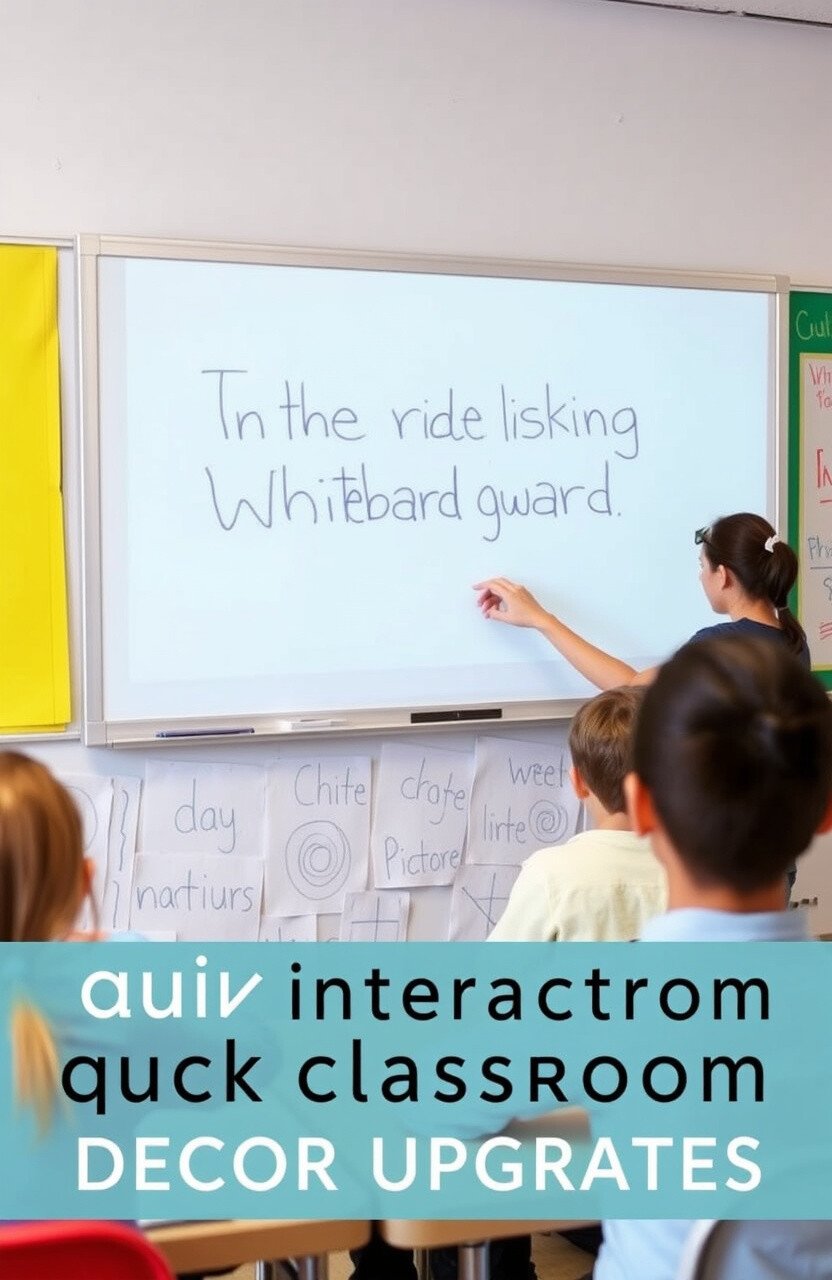
Use an interactive whiteboard for lessons. It makes learning more dynamic and engaging.
Students can participate more actively. They enjoy the chance to write or draw on the board.
Incorporate games and quizzes on the board. This makes learning feel more like play.
There are budget-friendly options available. Look for deals or consider second-hand boards.
22. Craft Supply Station
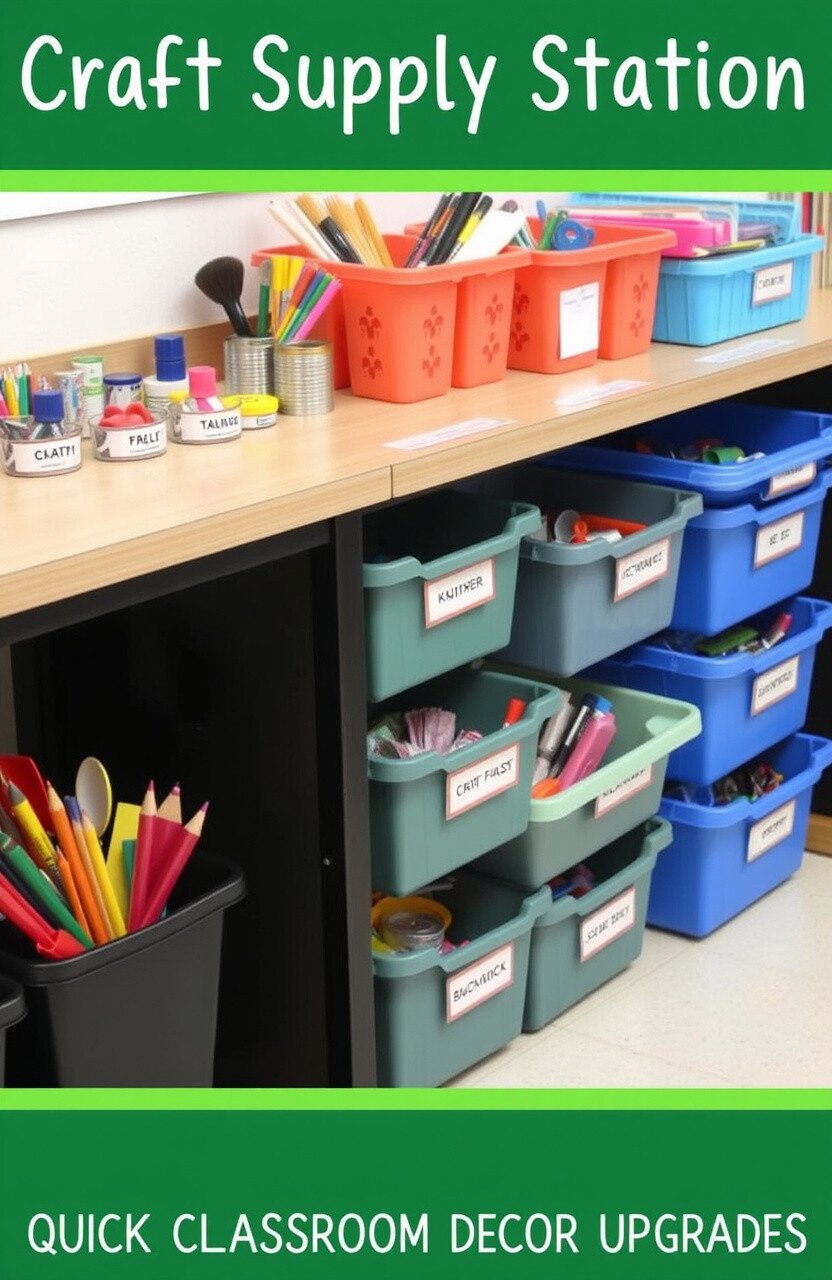
Set up an organized area for craft supplies. It encourages creativity and hands-on learning.
Students can access materials easily for projects. This promotes independence and resourcefulness.
Label bins and containers clearly. This keeps the area tidy and easy to navigate.
Use recycled containers to store supplies. It’s an eco-friendly and cost-effective solution.
23. Wall of Achievements
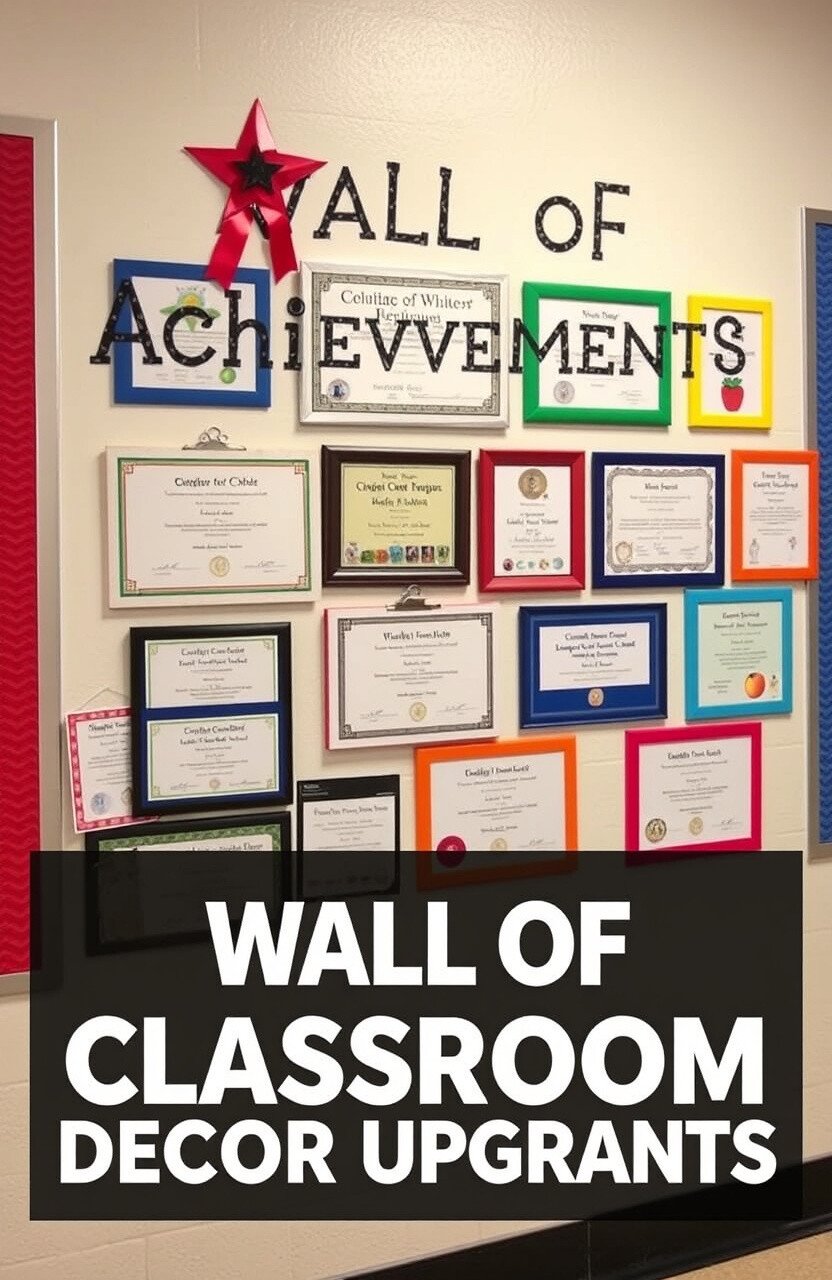
Create a wall to celebrate student achievements. It boosts morale and motivation among students.
Display certificates, awards, and accomplishments. This gives recognition and inspires others to strive for success.
Encourage students to share their achievements. It builds a supportive and positive classroom community.
Use colorful frames or borders for a vibrant display. It’s a simple yet powerful way to acknowledge hard work.
24. Sensory Space
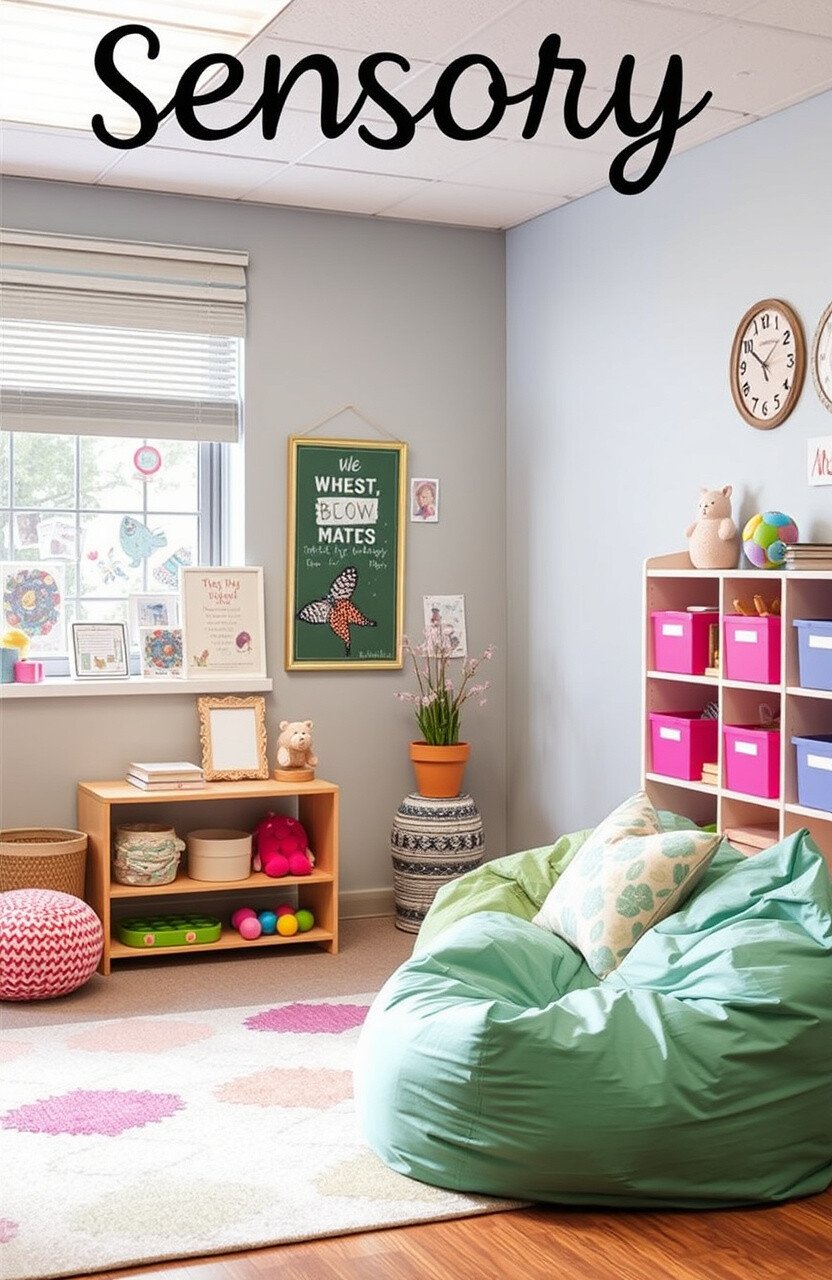
Designate a corner as a sensory space. It provides a calming area for students to relax and refocus.
Include items like fidget toys, soft fabrics, and calming visuals. These elements can help reduce stress and anxiety.
Allow students to suggest sensory items. This ensures the space meets their needs and preferences.
Use affordable items like bean bags and stress balls. It’s an effective way to support student well-being.
25. Innovative Seating
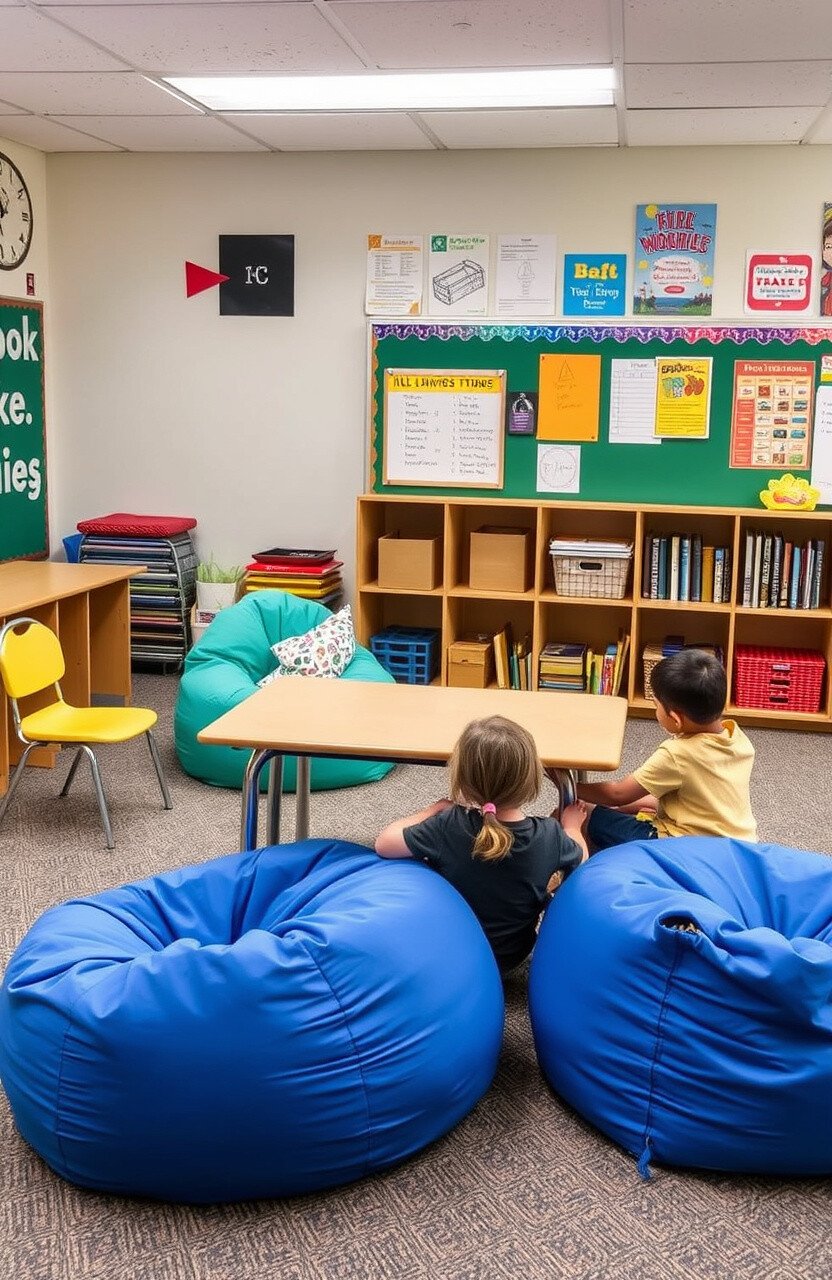
Introduce alternative seating options. It adds variety and comfort to the learning environment.
Options like bean bags and floor cushions can help students focus. They provide a break from traditional desks.
Let students choose their seating. This gives them a sense of autonomy and keeps them more engaged.
Look for budget-friendly seating options. Even DIY seating can be a fun and cost-effective project.
26. Cultural Corner
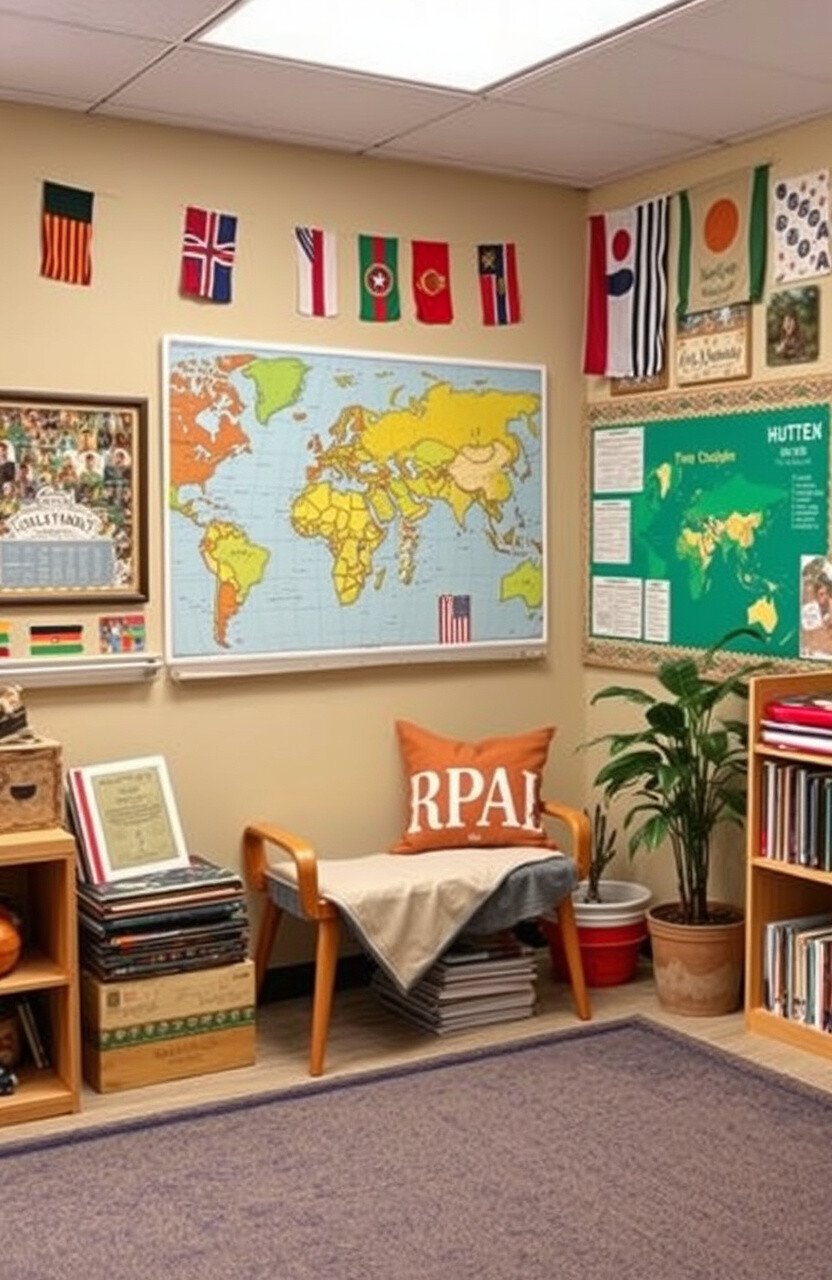
Create a corner dedicated to learning about different cultures. It fosters inclusivity and broadens perspectives.
Include items like maps, flags, and cultural artifacts. These can spark discussions and curiosity.
Invite students to share about their own cultures. This personalizes the corner and promotes diversity.
Use inexpensive items from thrift stores or donations. It’s a meaningful way to celebrate multiculturalism.
27. Music Zone
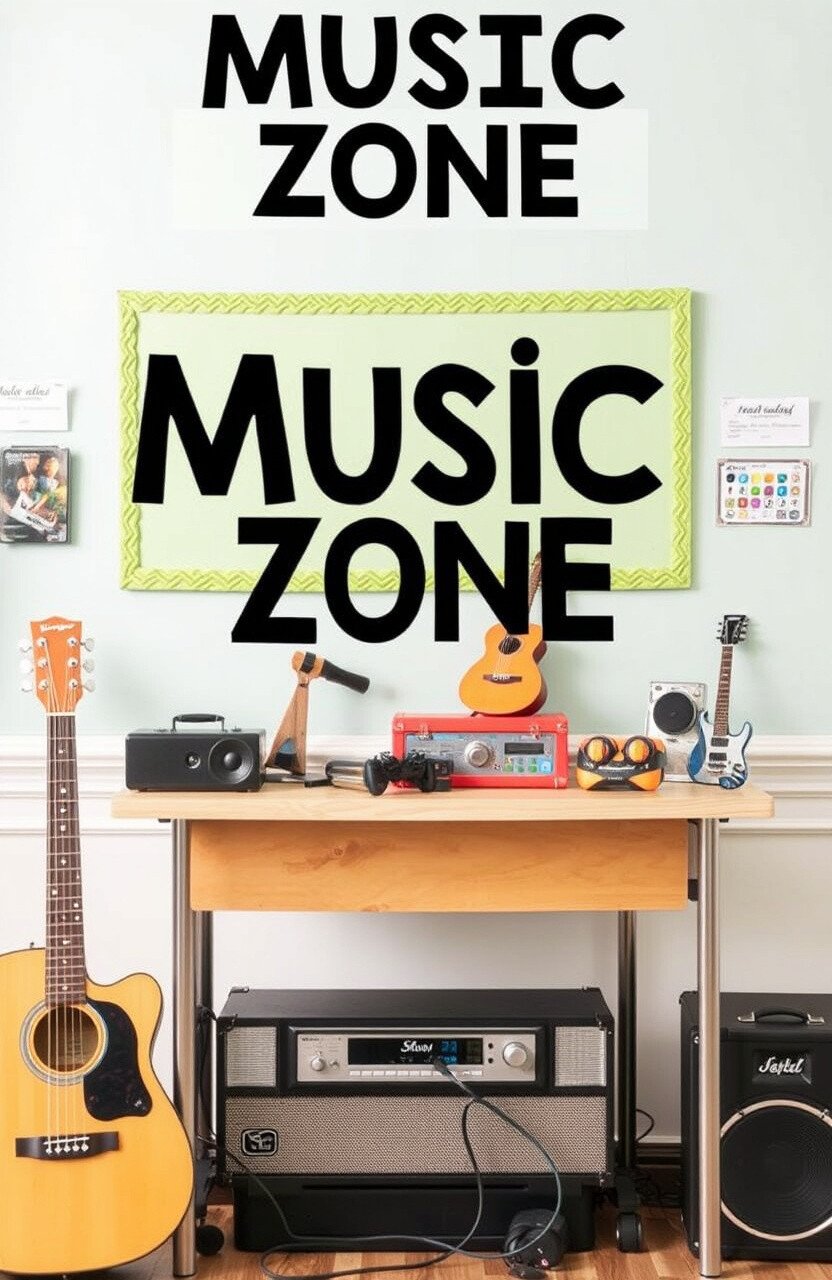
Set up a music zone with instruments and audio equipment. It encourages musical exploration and creativity.
Music can enhance learning and focus. Students enjoy the chance to experiment with sounds.
Let students share their favorite music or instruments. This personalizes the zone and encourages expression.
Use affordable instruments or homemade options. It’s a budget-friendly way to enrich the classroom.
28. Science Lab Corner
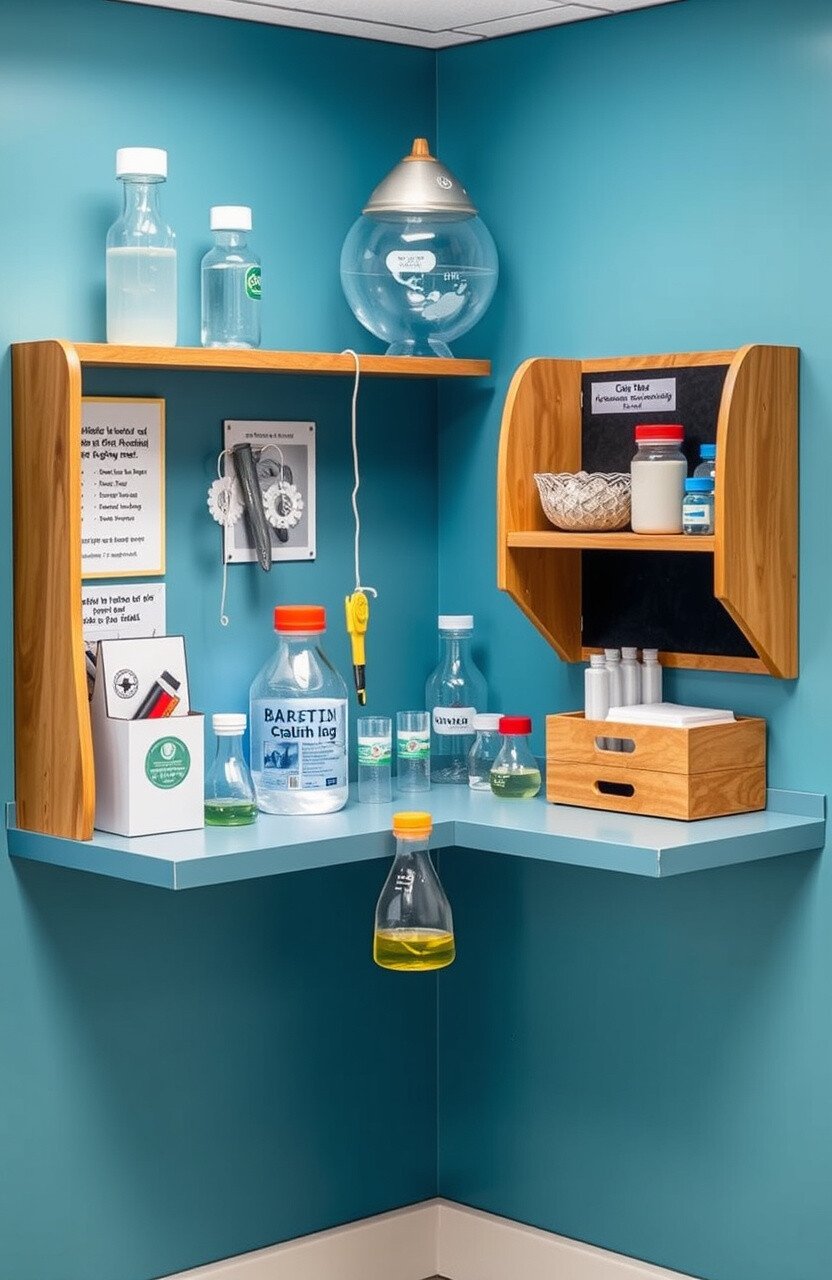
Create a mini science lab in a corner. It encourages curiosity and hands-on learning in science.
Include simple experiments and materials. Students can explore scientific concepts in an interactive way.
Invite students to suggest experiments. This keeps them engaged and involved in their learning.
Use common household items for experiments. It’s an affordable way to bring science to life.
29. Art Supply Wall
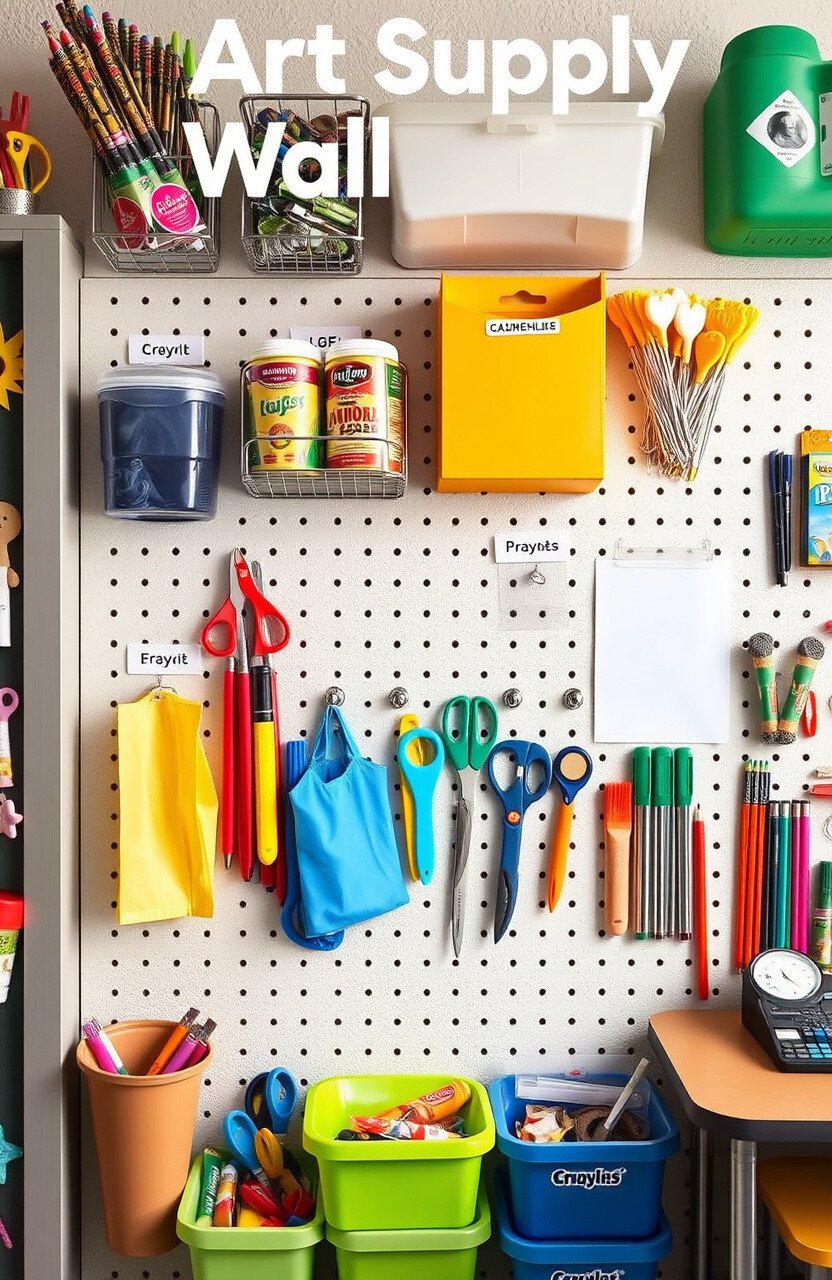
Hang art supplies on a wall for easy access. It encourages creativity and spontaneous art projects.
Students can see all the supplies available. This inspires them to use different materials in their art.
Label each section clearly. This keeps the area organized and easy to navigate.
Use pegboards or hooks for hanging supplies. It’s a cost-effective way to display and organize materials.
30. DIY Plant Pots
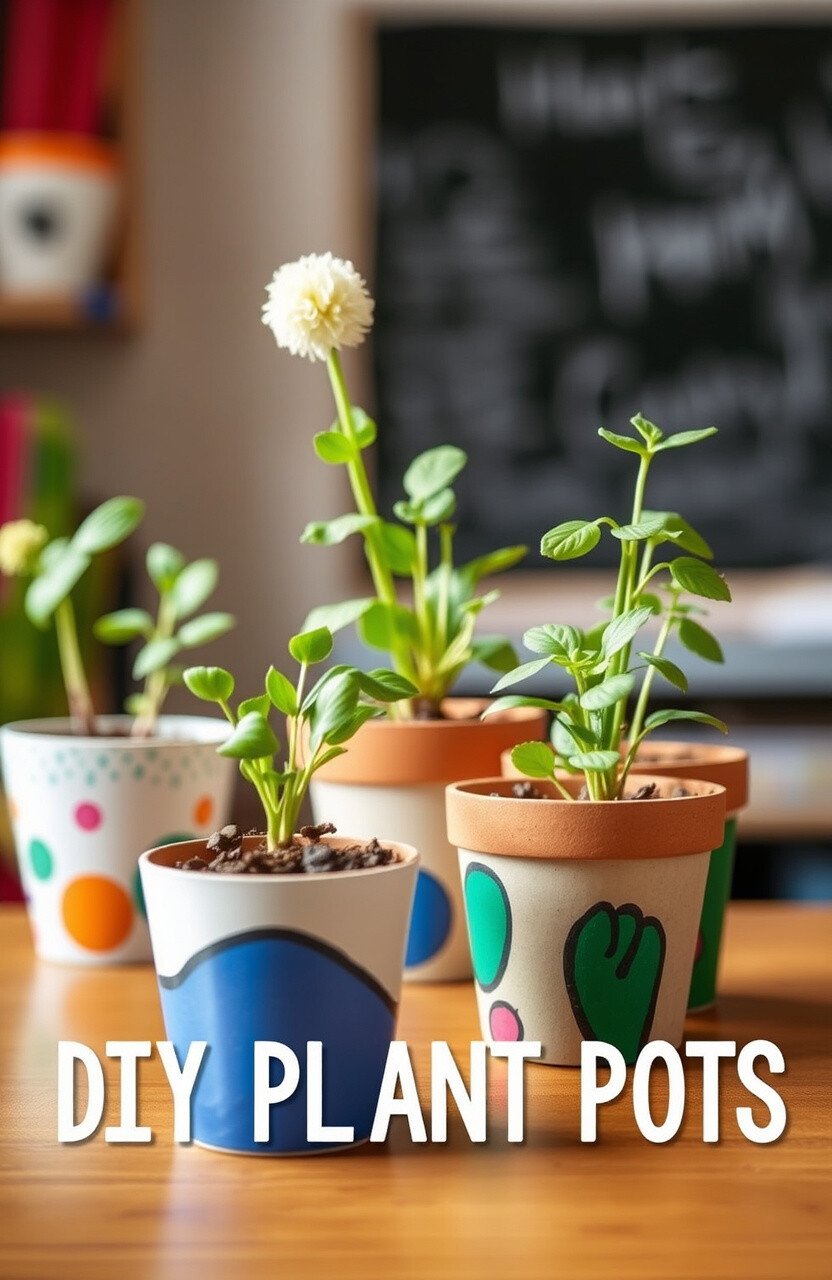
Have students decorate plant pots for the classroom. It’s a fun and creative project that adds greenery.
Plants can brighten the room and improve air quality. Students enjoy watching their plants grow over time.
Let students personalize their pots. This makes the project more meaningful and fun.
Use inexpensive pots or recycled containers. It’s an affordable way to add life to the classroom.
31. Storytelling Chair
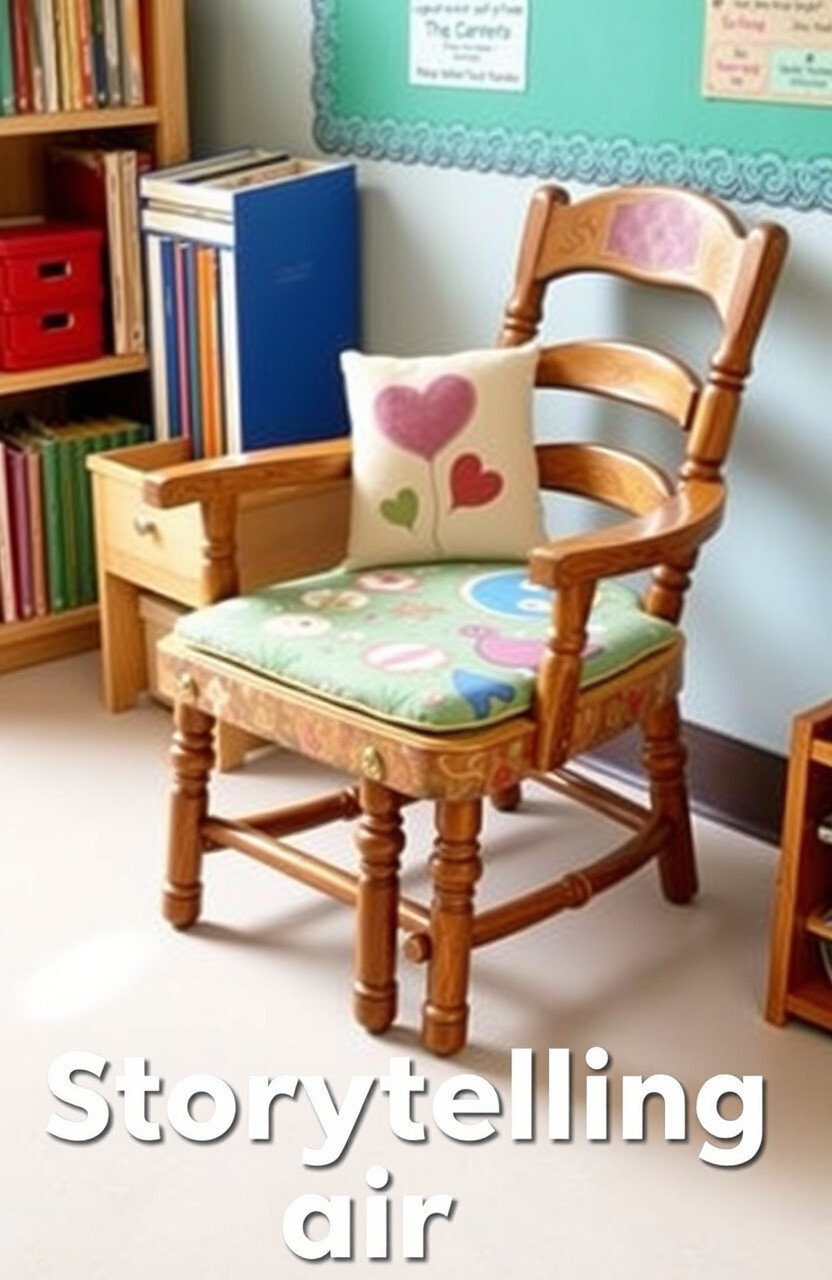
Designate a special chair for storytelling. It becomes a focal point for reading and sharing stories.
A storytelling chair can make storytime feel special. Students will look forward to sitting in it.
Let students decorate the chair. This personalizes it and adds to its charm.
Find a chair at a thrift store or use one from home. It’s an easy way to create a memorable storytelling experience.
32. History Timeline

Create a timeline of historical events on a wall. It makes history visual and easier to understand.
Use pictures and captions for key events. This helps students connect with the material more deeply.
Let students add events they find interesting. This personalizes the timeline and engages their curiosity.
Use colorful paper and markers for a vibrant display. It’s a cost-effective way to bring history to life.
33. Drama Corner
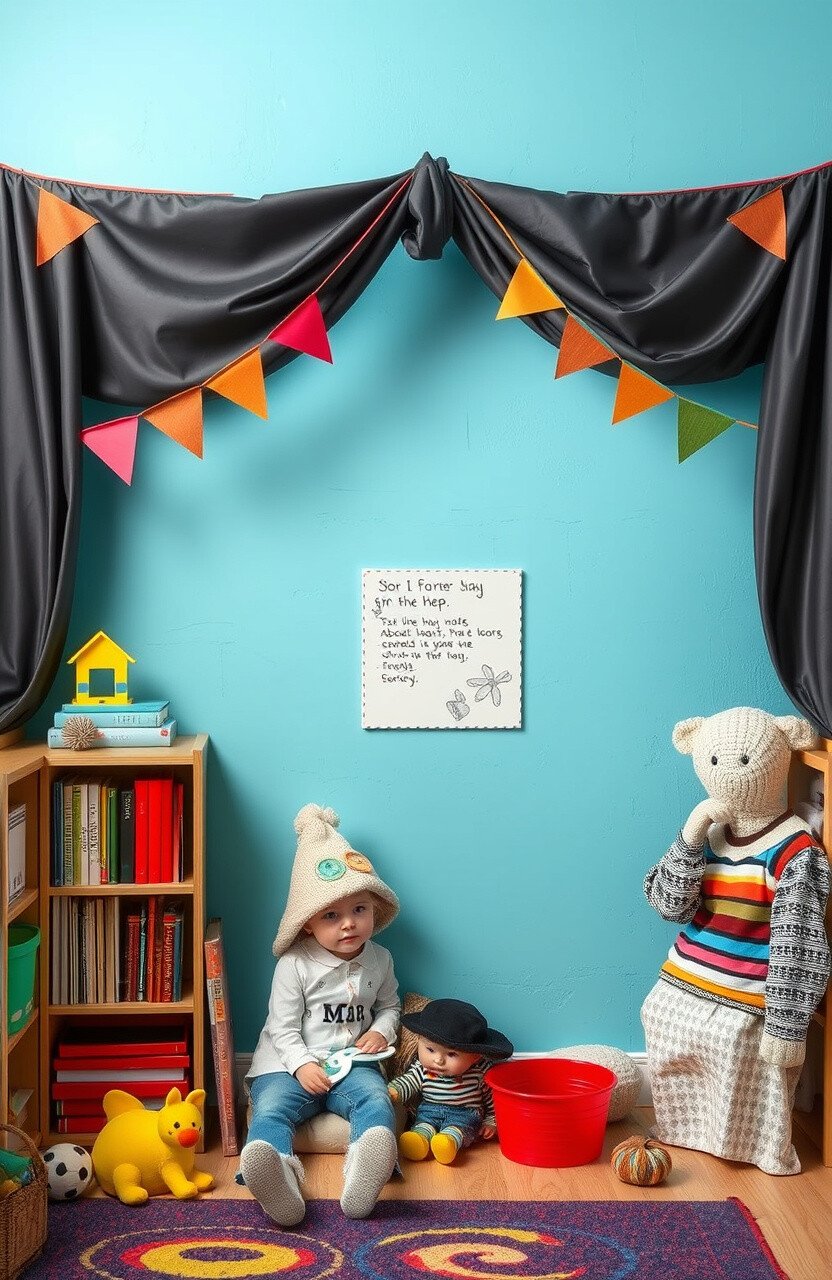
Set up a corner with costumes and props for drama. It encourages role-playing and storytelling.
Drama activities can boost confidence and creativity. Students enjoy expressing themselves through play.
Let students contribute costumes or props. This personalizes the corner and adds variety.
Use inexpensive or homemade items. It’s a fun and affordable way to encourage imaginative play.
34. Geography Globe
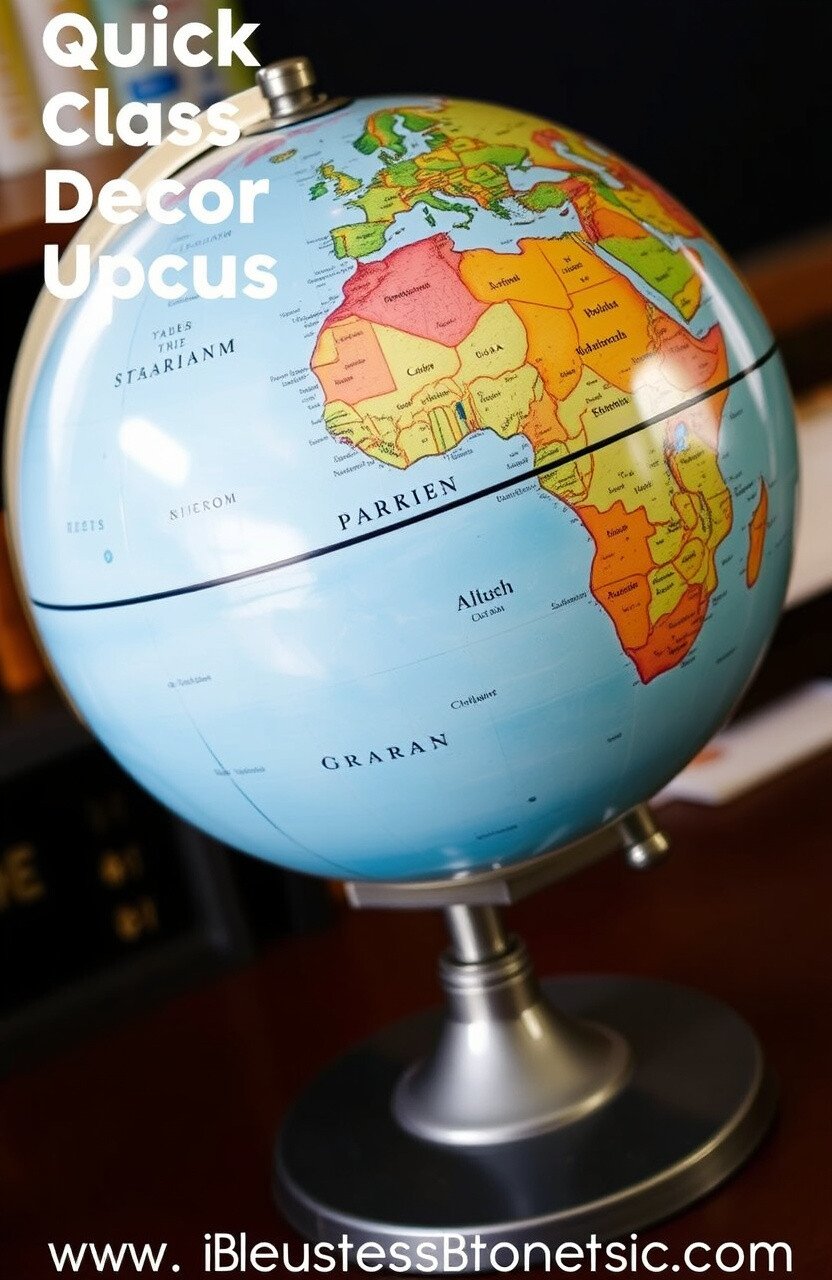
Add a globe to the classroom for geography lessons. It makes learning about the world more tangible.
Students can spin the globe and explore different regions. It sparks curiosity and interest in global topics.
Let students mark places they’ve studied. This personalizes the globe and makes it interactive.
Find a globe at a thrift store or on sale. It’s a valuable tool for any classroom.
35. Classroom Mascot
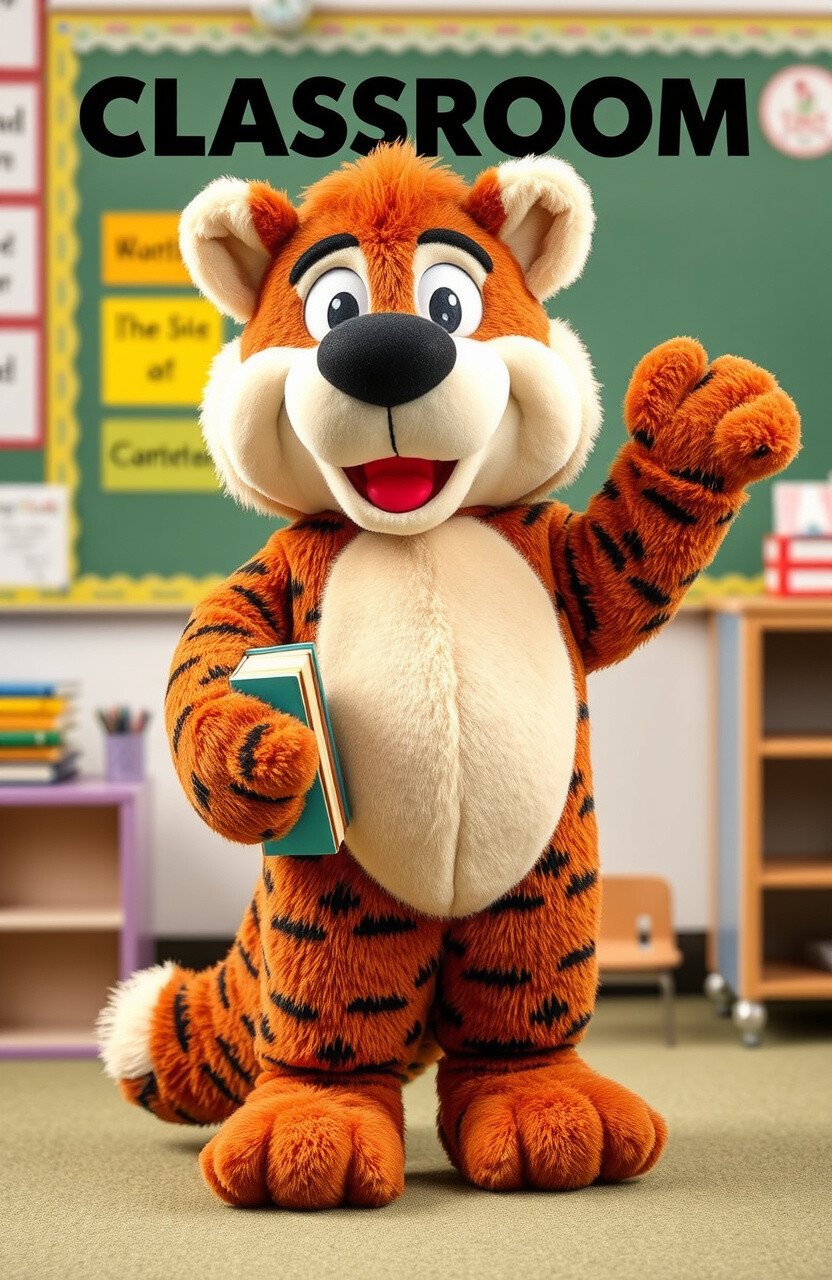
Introduce a classroom mascot for fun and motivation. It becomes a beloved character for the students.
Mascots can encourage teamwork and school spirit. Students enjoy having a friendly mascot to cheer them on.
Let students help create or name the mascot. This personalizes it and builds a sense of community.
Use a stuffed animal or create one from materials. It’s an affordable way to add character to the classroom.
36. Exploration Table
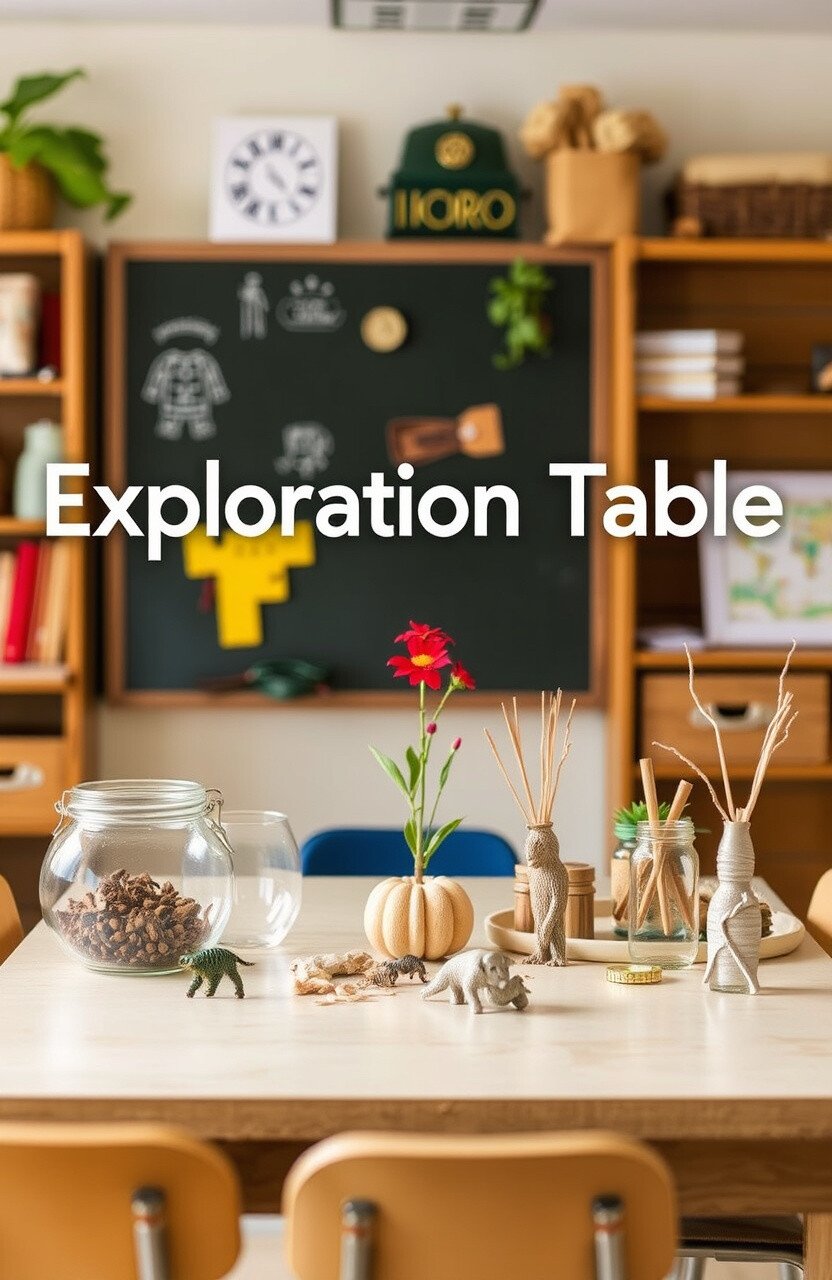
Set up a table with objects to explore. It encourages curiosity and hands-on learning.
Include items related to current lessons. Students can investigate and ask questions about them.
Let students suggest items for the table. This personalizes the experience and fosters engagement.
Use everyday objects and natural materials. It’s an inexpensive way to create an interactive learning space.
37. Mindfulness Corner

Create a corner for mindfulness and relaxation. It provides a space for students to unwind and refocus.
Include items like cushions, calming music, and visual aids. These help students practice mindfulness and relaxation techniques.
Encourage students to use the corner when they need a break. It supports their emotional well-being.
Use affordable materials like soft fabrics and calming visuals. It’s a simple way to promote mindfulness in the classroom.
38. Language Wall
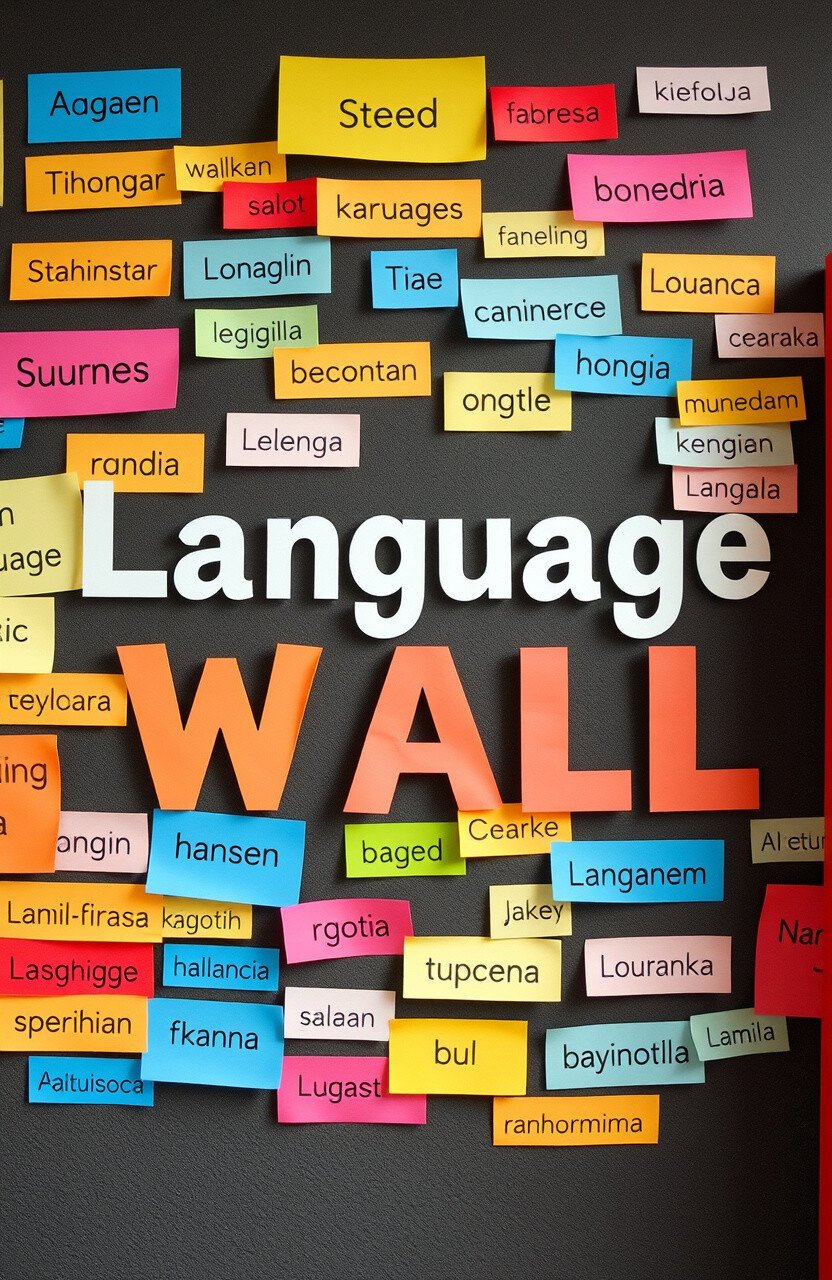
Create a wall with words and phrases in different languages. It promotes inclusivity and language learning.
Students can learn new words and phrases. It sparks interest in different cultures and languages.
Let students contribute words from their own languages. This personalizes the wall and celebrates diversity.
Use colorful paper and markers for a vibrant display. It’s an affordable way to encourage language exploration.