
The classroom is more than just a room; it’s a vibrant space where ideas come alive. Imagine stepping into a place that sparks creativity and joy each day. With these tips, your classroom will become a favorite place for learning and fun.
1. Colorful Wall Murals

Brighten up the classroom with colorful wall murals that transport students to a world of imagination. Murals can depict anything from a lush jungle to outer space, sparking curiosity.
These murals are a fantastic way to create an engaging environment. They encourage students to dream big and explore new ideas.
Try using removable wallpaper for easy installation and updates. Choose themes that align with the subjects being taught for added relevance.
Wall murals can be affordable and easily changed, making them a cost-effective way to refresh the classroom. They add a unique touch that feels personal and inviting.
2. Cozy Reading Nook

Create a cozy reading nook with comfy pillows and beanbags. This space invites students to curl up with a good book and escape into stories.
Reading nooks provide a quiet retreat, encouraging a love for reading. They also offer a comfortable spot for students who need a break.
Incorporate soft lighting and a small bookshelf to complete the nook. Personalize with students’ favorite books to make it feel special.
The cost is minimal, using items like cushions and a small lamp. It’s a small investment for a big impact on reading habits.
3. Interactive Whiteboards

Interactive whiteboards are an exciting addition to any classroom. They allow students to engage with lessons in a dynamic way.
These boards make learning more interactive and fun. They’re perfect for visual learners who benefit from seeing concepts come to life.
Look for models with multi-touch capabilities and easy connectivity. This ensures they’re user-friendly for both students and teachers.
While they can be a bit pricey, the educational benefits make them worthwhile. Consider grants or fundraising to help with costs.
4. Flexible Seating Arrangements

Swap traditional desks for flexible seating options like stools, cushions, and standing desks. This setup caters to different learning styles.
Flexible seating encourages collaboration and communication among students. It also helps them stay focused and engaged.
Experiment with different seating options to see what works best. Ask students for feedback to ensure everyone’s needs are met.
The cost varies depending on the seating choices. It’s a customizable option that can be adapted over time.
5. Inspiring Bulletin Boards

Bulletin boards can be more than just a place for announcements. Use them to showcase student work and inspirational quotes.
These boards highlight achievements and motivate students to do their best. They’re a great way to build a positive classroom culture.
Change the themes regularly to keep things fresh and exciting. Use colorful paper and borders to make them stand out.
Bulletin boards are an inexpensive way to add personality to the classroom. They create a sense of pride and community among students.
6. Nature-Inspired Decor

Bring the outdoors inside with nature-inspired decor like plants and natural textures. This creates a calming, soothing environment.
Plants improve air quality and reduce stress, making the classroom a healthier place. They also teach students about responsibility and care.
Choose low-maintenance plants like succulents or ferns. Use baskets and wood accents to enhance the natural theme.
Nature-inspired decor is affordable and easy to incorporate. It brings life and energy to the classroom without overwhelming the budget.
7. Tech-Friendly Zones

Create tech-friendly zones with charging stations and device storage. These areas keep technology organized and accessible.
Tech zones support digital learning and ensure devices are always ready to use. They help students develop tech skills for the future.
Label charging cords and create a sign-out system for devices. This keeps everything neat and reduces the risk of lost items.
The initial setup may require some investment, but it pays off in efficiency. Look for deals on chargers and storage solutions to save money.
8. Artistic Expression Corners

Set up corners dedicated to artistic expression with art supplies and easels. This encourages creativity and self-expression.
Art corners provide a creative outlet, helping students develop problem-solving skills. They also boost confidence and self-esteem.
Include a variety of supplies like paints, crayons, and clay. Change the projects often to keep students engaged and excited.
Art supplies can be found at reasonable prices, especially during sales. Encourage donations from parents to expand the collection.
9. Collaborative Workstations

Design collaborative workstations with tables and group seating. These areas encourage teamwork and communication.
Collaboration stations foster a sense of community and shared learning experiences. They’re ideal for group projects and discussions.
Arrange tables in clusters and provide ample seating. Use whiteboards or flip charts for brainstorming sessions.
Costs can be minimized by repurposing existing furniture. These stations are a versatile addition to any classroom layout.
10. Quiet Zones

Create quiet zones for students who need a peaceful place to focus. These areas are perfect for independent study or reflection.
Quiet zones help students concentrate and recharge. They’re especially beneficial for introverted students who thrive in calm settings.
Use soft colors and comfortable seating to create a serene atmosphere. Add noise-canceling headphones for added tranquility.
The setup is simple and cost-effective, using existing resources. Quiet zones offer a much-needed respite in busy classrooms.
11. Educational Game Areas

Incorporate educational game areas to make learning fun and interactive. These spaces encourage students to engage with subjects in new ways.
Game areas promote critical thinking and problem-solving. They’re a fun way to reinforce concepts and skills.
Include games that align with the curriculum, such as math puzzles or geography challenges. Rotate games to maintain interest.
Many educational games are budget-friendly and can be used repeatedly. They add excitement and variety to the classroom routine.
12. Personalized Student Spaces

Offer personalized spaces where students can keep their belongings and showcase their work. This creates a sense of ownership and pride.
Personalized spaces help students feel valued and respected. They encourage responsibility and organization.
Use cubbies or lockers for storage, and allow students to decorate them. Display student artwork and projects prominently.
The cost is minimal, relying on organizational tools and creativity. These spaces foster a sense of belonging and community.
13. Vibrant Rugs

Add vibrant rugs to define different areas and bring warmth to the classroom. Rugs can be both functional and decorative.
Rugs create cozy spots for activities and discussions. They also help reduce noise and add visual interest.
Choose durable, easy-to-clean materials that can withstand classroom wear and tear. Opt for bright colors to energize the space.
Rugs are available in a range of prices, making them accessible for any budget. They’re an easy way to refresh the classroom’s look.
14. Motivational Wall Art

Hang motivational wall art to inspire and uplift students. Positive messages create a supportive and encouraging environment.
Wall art can boost morale and motivate students to reach their goals. It’s a simple way to add positivity to the classroom.
Select quotes and imagery that resonate with students. Rotate the artwork to keep the inspiration fresh.
Wall art is affordable, especially if you create your own prints. It’s a creative way to enhance the classroom’s atmosphere.
15. Multifunctional Furniture

Invest in multifunctional furniture that serves multiple purposes. This maximizes space and adds versatility to the classroom.
Pieces like storage benches or convertible desks are practical and efficient. They help keep the classroom organized and clutter-free.
Look for furniture that’s durable and easy to reconfigure. Consider the needs of the students when selecting pieces.
While the initial cost may be higher, the long-term benefits are significant. Multifunctional furniture is a smart investment in flexibility.
16. Sensory-Friendly Spaces

Create sensory-friendly spaces for students who need a calming environment. These areas are beneficial for students with sensory needs.
Sensory spaces offer a break from overstimulation, helping students refocus. They’re equipped with tools that aid in relaxation.
Include items like stress balls, fidget tools, and soft lighting. Design the space to minimize distractions and noise.
The cost is manageable, focusing on sensory aids and comfort. These spaces make the classroom inclusive and accommodating.
17. Themed Learning Areas

Set up themed learning areas that align with current lessons. These spaces make learning interactive and engaging.
Themed areas transport students into the subject matter, enhancing understanding. They’re perfect for immersive learning experiences.
Decorate with related props and materials that support the theme. Change themes with each unit or lesson for variety.
Costs can be kept low by using reusable materials and props. Themed areas add excitement and depth to everyday lessons.
18. Student-Created Displays

Encourage students to create displays that showcase their learning. This promotes creativity and ownership of the classroom.
Student displays celebrate achievements and foster a sense of pride. They make the classroom feel more personal and welcoming.
Provide materials and guidelines for creating displays. Rotate displays to highlight different students and subjects.
The cost is minimal, focusing on basic supplies and creativity. Student displays are a fun way to personalize the classroom.
19. Dynamic Lighting

Introduce dynamic lighting options to set the mood for different activities. Lighting can influence focus and energy levels.
Adjustable lighting creates a comfortable atmosphere for learning. It helps students stay engaged and attentive.
Use a combination of overhead lights, lamps, and natural light. Consider dimmable options for flexibility.
Lighting solutions can be affordable and energy-efficient. They’re a simple way to enhance the classroom environment.
20. Inspirational Quotes Corner

Dedicate a corner to inspirational quotes that motivate students daily. Words have the power to uplift and encourage.
Quotes can spark positive thinking and perseverance. They’re a constant source of encouragement for students.
Create a rotating display of quotes that resonate with students. Encourage them to contribute their favorite sayings.
This corner is inexpensive, relying on creativity and inspiration. It’s a meaningful addition to any classroom setting.
21. Learning Stations

Set up learning stations focused on different subjects or skills. These stations provide hands-on, interactive learning experiences.
Learning stations encourage exploration and curiosity. They’re perfect for fostering independent learning and critical thinking.
Equip each station with relevant materials and activities. Rotate stations to cover a variety of topics and interests.
Stations can be created using existing resources, keeping costs low. They add variety and depth to the classroom curriculum.
22. Wall of Achievements

Celebrate student successes with a Wall of Achievements. This display boosts confidence and motivation.
Recognizing achievements fosters a positive classroom culture. It encourages students to strive for their best.
Include certificates, ribbons, and photos on the wall. Update it regularly to include new accomplishments.
The cost is minimal, focusing on paper and printing. This wall creates a supportive and encouraging environment.
23. Creative Storage Solutions

Implement creative storage solutions to keep the classroom organized. Clutter-free spaces enhance focus and productivity.
Innovative storage helps manage supplies and materials efficiently. It ensures everything has a place, reducing distractions.
Use bins, shelves, and labels to organize items. Encourage students to take responsibility for keeping the space tidy.
Storage solutions are cost-effective and easy to implement. They make the classroom a more functional and pleasant place to learn.
24. Seasonal Decor

Change up the decor with the seasons to keep the classroom fresh and exciting. Seasonal touches add a festive atmosphere.
Seasonal decor keeps students engaged and interested. It brings a sense of anticipation and celebration to the classroom.
Incorporate elements like holiday decorations or seasonal colors. Let students contribute ideas for each season.
Decor can be reused year after year, making it an economical choice. It adds warmth and charm to the classroom environment.
25. Mindfulness Area

Create a mindfulness area for students to practice relaxation and focus. This space promotes mental well-being and self-awareness.
Mindfulness practices reduce stress and improve concentration. They help students develop emotional regulation skills.
Include resources like meditation guides, yoga mats, and calming music. Encourage regular use for maximum benefits.
The cost is minimal, focusing on simple tools and practices. This area supports students’ emotional and mental health.
26. Rotating Art Gallery

Establish a rotating art gallery to showcase student artwork. This encourages creativity and artistic expression.
Art galleries boost confidence and pride in artistic abilities. They make the classroom visually appealing and inviting.
Change the artwork regularly to feature different students. Use frames or display boards to highlight each piece.
Cost is low, relying on existing materials and creativity. The gallery enriches the classroom with color and inspiration.
27. Engaging Science Corners

Create engaging science corners with experiments and displays. These areas spark curiosity and a love for discovery.
Science corners offer hands-on learning experiences. They’re perfect for students who thrive on exploration and inquiry.
Include materials for simple experiments and informative displays. Rotate activities to cover a range of scientific topics.
Costs can be minimized by using everyday materials and donations. Science corners make learning dynamic and exciting.
28. Storytelling Spaces

Designate storytelling spaces for sharing tales and experiences. These areas foster communication and imagination.
Storytelling encourages creativity and language skills. It’s a fun way for students to connect and share ideas.
Use comfortable seating and props to enhance storytelling sessions. Encourage students to take turns leading the stories.
The setup is simple and cost-effective, using existing resources. Storytelling spaces create a sense of community and engagement.
29. Inviting Entryways

Transform the classroom entryway into an inviting space. First impressions set the tone for the learning environment.
Welcoming entryways create a positive start to the day. They make students feel excited and eager to enter the classroom.
Decorate with bright colors, welcome signs, and student artwork. Use a bulletin board for announcements and greetings.
Entryway decor is affordable and easy to update. It’s a wonderful way to make everyone feel welcome and valued.
30. Language Learning Zones

Set up language learning zones for practicing new languages. These areas support language acquisition and cultural awareness.
Language zones offer immersive experiences that enhance learning. They encourage students to explore new words and phrases.
Include resources like flashcards, books, and audio recordings. Rotate languages to expose students to diverse cultures.
Costs can be kept low by using free resources and donations. Language zones enrich the classroom with global perspectives.
31. DIY Art Projects

Incorporate DIY art projects that students can create and display. These projects inspire creativity and individuality.
DIY projects boost confidence and problem-solving skills. They allow students to express themselves through art.
Provide a variety of materials and project ideas. Encourage students to explore different techniques and styles.
Art supplies can be inexpensive and reused. DIY projects add personal touches and vibrant colors to the classroom.
32. Relaxation Zones

Introduce relaxation zones with comfortable seating and calming decor. These areas provide a break from the hustle and bustle.
Relaxation zones help students recharge and manage stress. They’re especially beneficial during busy or challenging times.
Use beanbags, pillows, and soft lighting to create a soothing atmosphere. Encourage quiet activities like reading or drawing.
The cost is low, focusing on comfort and simplicity. Relaxation zones contribute to a balanced and supportive classroom.
33. Positive Affirmation Wall

Create a positive affirmation wall with uplifting messages. This wall promotes self-esteem and a growth mindset.
Affirmations encourage positive thinking and resilience. They help students build confidence and self-worth.
Invite students to contribute their own affirmations. Change the messages regularly to keep the inspiration fresh.
The cost is minimal, relying on paper and creativity. This wall creates a supportive and empowering environment.
34. Interactive Learning Tools

Use interactive learning tools like smart boards and tablets. These tools make lessons engaging and dynamic.
Interactive tools support diverse learning styles and needs. They enhance understanding through hands-on experiences.
Choose user-friendly devices that integrate with the curriculum. Provide training for students and teachers to maximize benefits.
While the initial investment may be higher, the impact is significant. Interactive tools prepare students for a tech-savvy future.
35. Outdoor Learning Areas

Utilize outdoor spaces for classes and activities. Fresh air and nature inspire creativity and engagement.
Outdoor learning supports physical and mental well-being. It offers a change of scenery and a breath of fresh air.
Set up seating and shade for comfort. Plan lessons that incorporate the natural environment.
The cost is low, using existing outdoor spaces. Outdoor learning areas offer endless opportunities for exploration.
36. Cultural Corner

Establish a cultural corner to celebrate diversity and inclusion. This space promotes understanding and respect for different cultures.
Cultural corners broaden students’ perspectives and appreciation for diversity. They create a welcoming and inclusive environment.
Feature artifacts, books, and art from various cultures. Encourage students to share their own cultural backgrounds.
The cost is manageable, focusing on borrowed or donated items. Cultural corners enrich the classroom with global insights.
37. Green Classroom Initiatives

Implement green initiatives to promote sustainability and eco-friendliness. These efforts teach students about environmental responsibility.
Green initiatives foster a sense of stewardship and care for the planet. They encourage sustainable habits and practices.
Start recycling programs and use eco-friendly materials. Incorporate lessons on conservation and sustainability.
Costs are low, focusing on reducing waste and reusing materials. Green initiatives create a healthier and more sustainable classroom.
38. Pet-Friendly Spaces
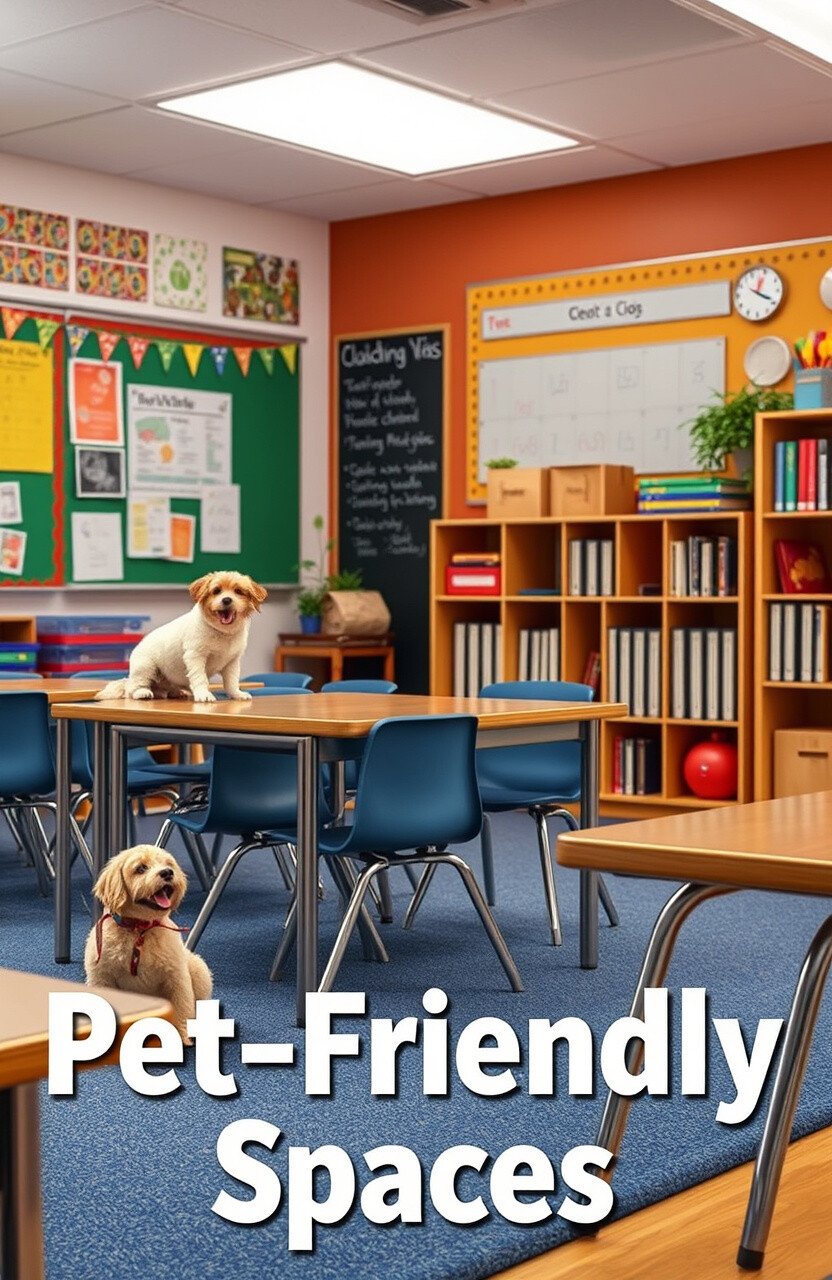
Consider pet-friendly spaces for classroom pets or visiting animals. Pets provide comfort and teach responsibility.
Interacting with animals can reduce stress and increase happiness. Pets also offer valuable lessons in empathy and care.
Ensure the space is safe and suitable for the pet. Involve students in caring for the animal to build responsibility.
Costs vary depending on the pet, but the benefits are rewarding. Pet-friendly spaces add warmth and companionship to the classroom.
39. Science and Nature Displays

Create science and nature displays to ignite curiosity and wonder. These exhibits showcase the beauty and complexity of the natural world.
Displays enhance learning with visual and tactile experiences. They encourage students to explore and ask questions.
Use natural specimens, models, and informational posters. Change displays regularly to align with the curriculum.
Costs can be minimized by using found or borrowed materials. Science and nature displays make learning engaging and interactive.
40. Creative Writing Corners

Set up creative writing corners with prompts and tools. These spaces inspire students to express themselves through words.
Writing corners encourage imagination and storytelling. They’re a great outlet for emotions and creativity.
Provide notebooks, pens, and inspiring prompts. Change themes to keep students motivated and challenged.
The cost is low, focusing on writing materials and creativity. Writing corners nurture a love for language and self-expression.
41. Student Feedback Stations

Introduce feedback stations where students can share thoughts and suggestions. This empowers students to contribute to the classroom.
Feedback stations encourage open communication and collaboration. They create a sense of agency and involvement.
Use suggestion boxes or digital platforms for collecting feedback. Review and discuss suggestions regularly with the class.
The setup is simple and cost-effective, using available resources. Feedback stations foster a collaborative and responsive environment.
42. Themed Classroom Days

Plan themed classroom days that focus on specific topics or events. These days bring excitement and enthusiasm to learning.
Themed days make learning memorable and fun. They encourage students to delve deeper into subjects with curiosity.
Coordinate activities, decorations, and lessons around the theme. Involve students in planning for added engagement.
The cost is manageable, using creativity and existing resources. Themed days create lasting memories and a love for learning.