
Exterior shutters can change the whole face of a home in a snap. The right pair can look sharp, work well, and feel like they truly belong.
1. Start With Your Home’s Style
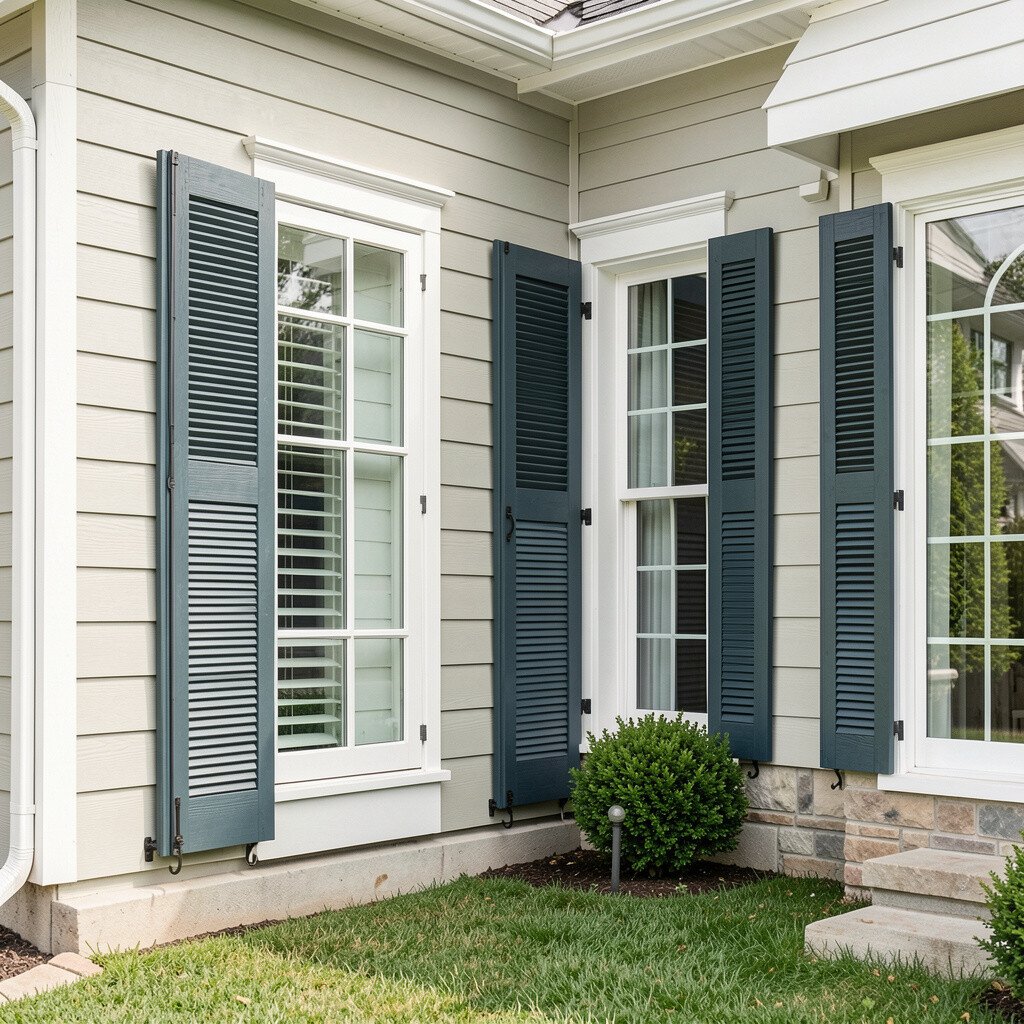
Look at the shape, trim, and roofline before you pick a shutter style. A cottage may suit board-and-batten shutters, while a colonial home often looks best with raised panel designs.
The visual match matters because shutters should feel like part of the house, not an afterthought. When the style fits, the home looks more finished and the curb appeal feels stronger, which is a nice gain if you plan to sell later. It also helps you avoid spending money on a look that feels off, and that saves time as well as stress.
2. Pick The Right Material

Wood, vinyl, composite, and aluminum each bring a different feel to the front of a house. Wood looks warm and rich, vinyl is often budget-friendly, and composite can give a neat look with less upkeep.
Material choice also changes how the shutters age and how much work they need. If you want a bold painted finish with a custom feel, wood may stand out, while a low-care option may fit a busy family better. Prices can vary a lot, so it helps to compare long-term value, not just the first bill.
Current trends lean toward materials that hold color well and keep their shape in hot or damp weather. A good material can make the shutters feel sturdy and special while still being practical for daily life.
3. Measure Carefully Before You Buy
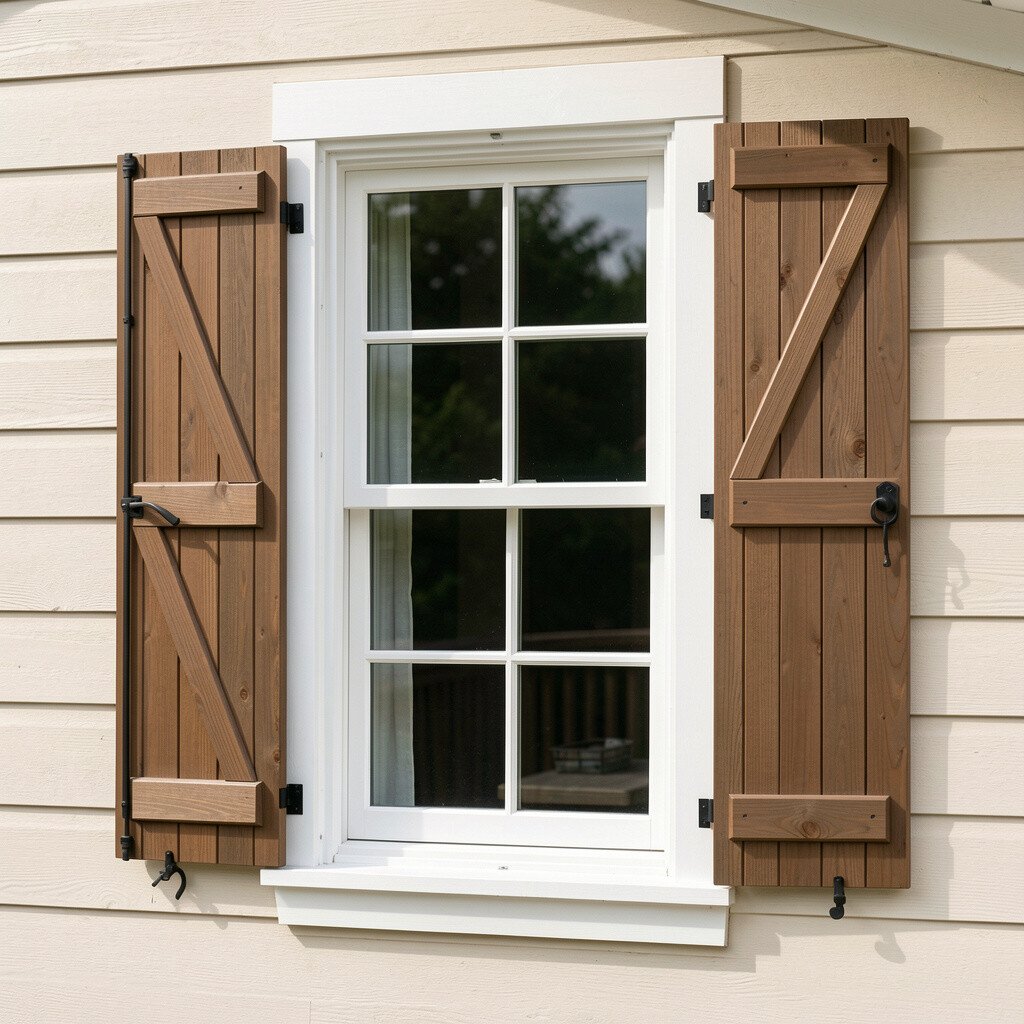
Shutters look best when their size feels balanced with the windows beside them. Too small can look awkward, and too large can feel heavy, so a tape measure is your best friend here.
Check each window instead of guessing, because even homes with the same front openings can have small differences. A proper fit makes the shutters look custom and can help avoid returns or extra hardware costs. If you are unsure, bring photos and measurements to the store so you can compare styles with confidence.
Taking time at this step can keep the whole project smoother. It also gives you room to personalize the look, since the right size opens the door for the shape, color, and details you really want.
4. Match The Color To The Rest Of The House
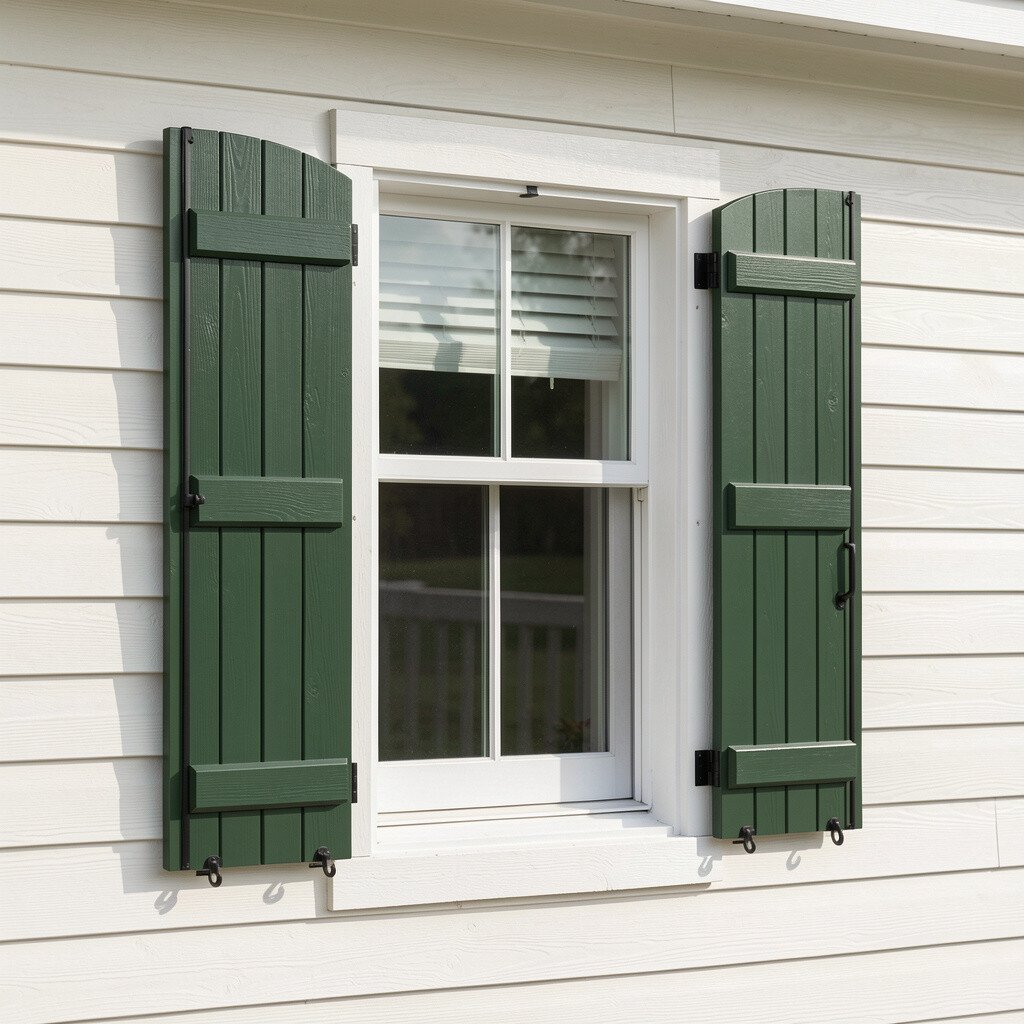
Color can make shutters blend in or stand out, so think about siding, brick, trim, and roof color together. Deep black, crisp white, and rich green are still popular, but warm wood tones and soft muted shades are getting more attention too.
A strong color choice can make windows pop and bring life to a plain wall. If you want a calm look, choose a shade close to the trim, and if you want more drama, use a bolder contrast that still feels natural. Custom paint can cost more, but it also gives your home a look that feels personal and cared for.
5. Choose A Shape That Fits The Windows

Not all windows call for the same shutter shape, and that is part of the fun. Arched windows, tall narrow windows, and wide picture windows each need a different visual balance.
Shutters that echo the window shape can make the whole front of the house feel smooth and neat. For a more unique look, some homeowners mix classic panels with louvered styles on different sides of the home, though the result should still feel tied together. If you are watching your budget, simple shapes often cost less and still look clean and attractive.
6. Think About How Much Care You Want
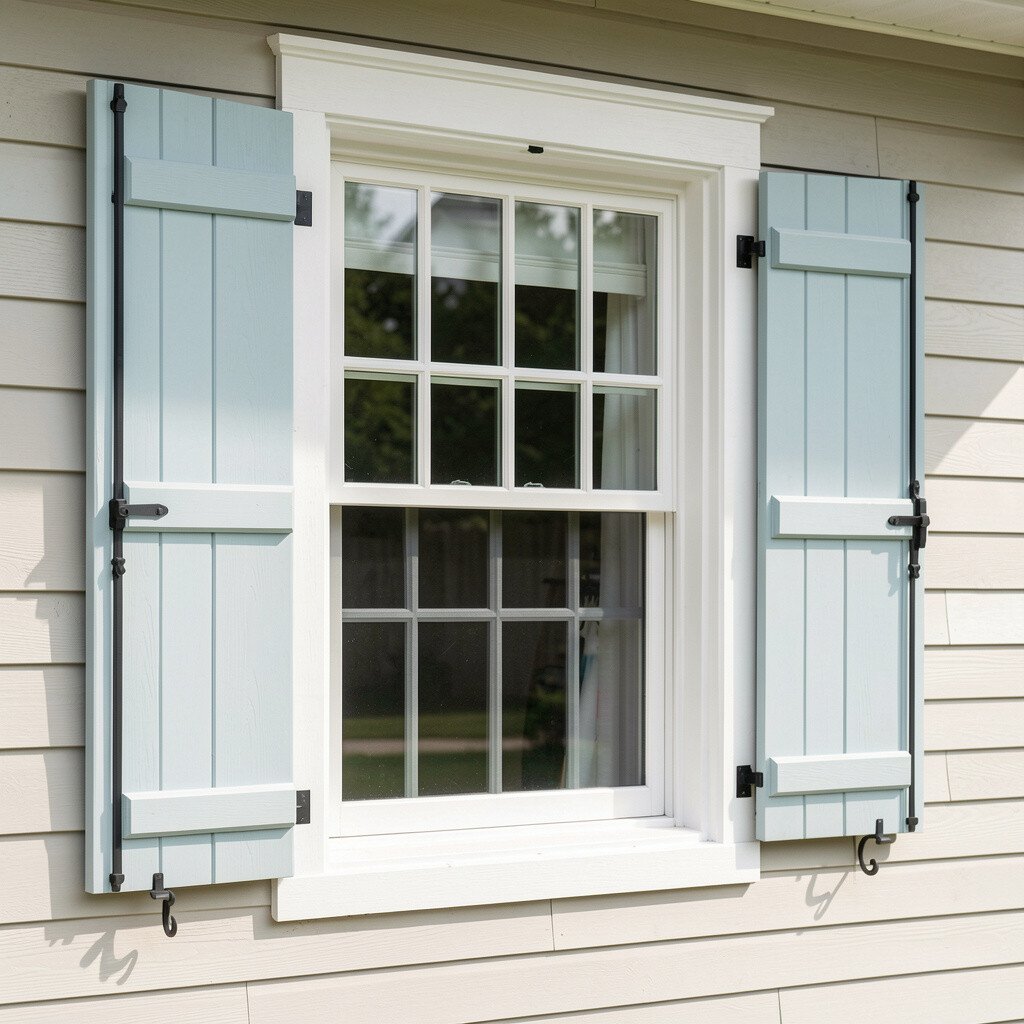
Some shutters need regular painting or sealing, while others only need a quick wash now and then. If you like weekend projects, wood may be a good fit, but if you want less work, vinyl or composite may suit you better.
The right choice can save time for years, which is a big benefit for busy homes. A low-care shutter can still look sharp and stylish, especially when the surface has a nice finish and the hardware feels solid. It is smart to think past the first season and ask how the shutters will look after sun, rain, and changing weather.
7. Pay Attention To Hardware And Mounting Style
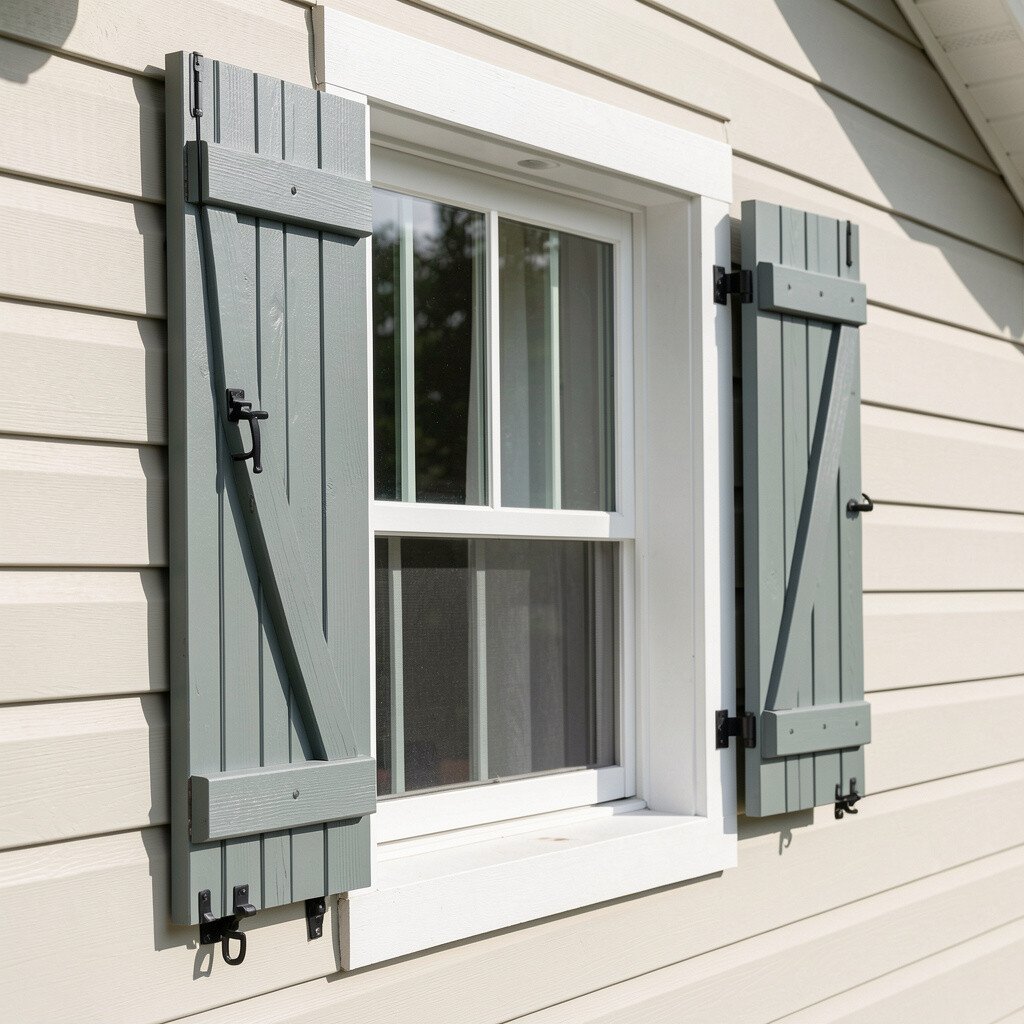
Hinges, shutter dogs, and mounting pieces can change the whole look in a small but important way. Even simple shutters can seem more polished when the hardware matches the home and is placed with care.
Some people like the old-fashioned charm of decorative hardware, while others want a cleaner, more modern look with hidden fasteners. Either way, the details should feel sturdy and not flimsy, because weak mounting can make the shutters look cheap. Spending a little more on good hardware often pays off in safety, better fit, and a neater finish.
It also helps to think about how the shutters will sit against the wall. When the mounting style is chosen well, the shutters look built for the home rather than added as a last-minute extra.
8. Balance Real Function With Good Looks
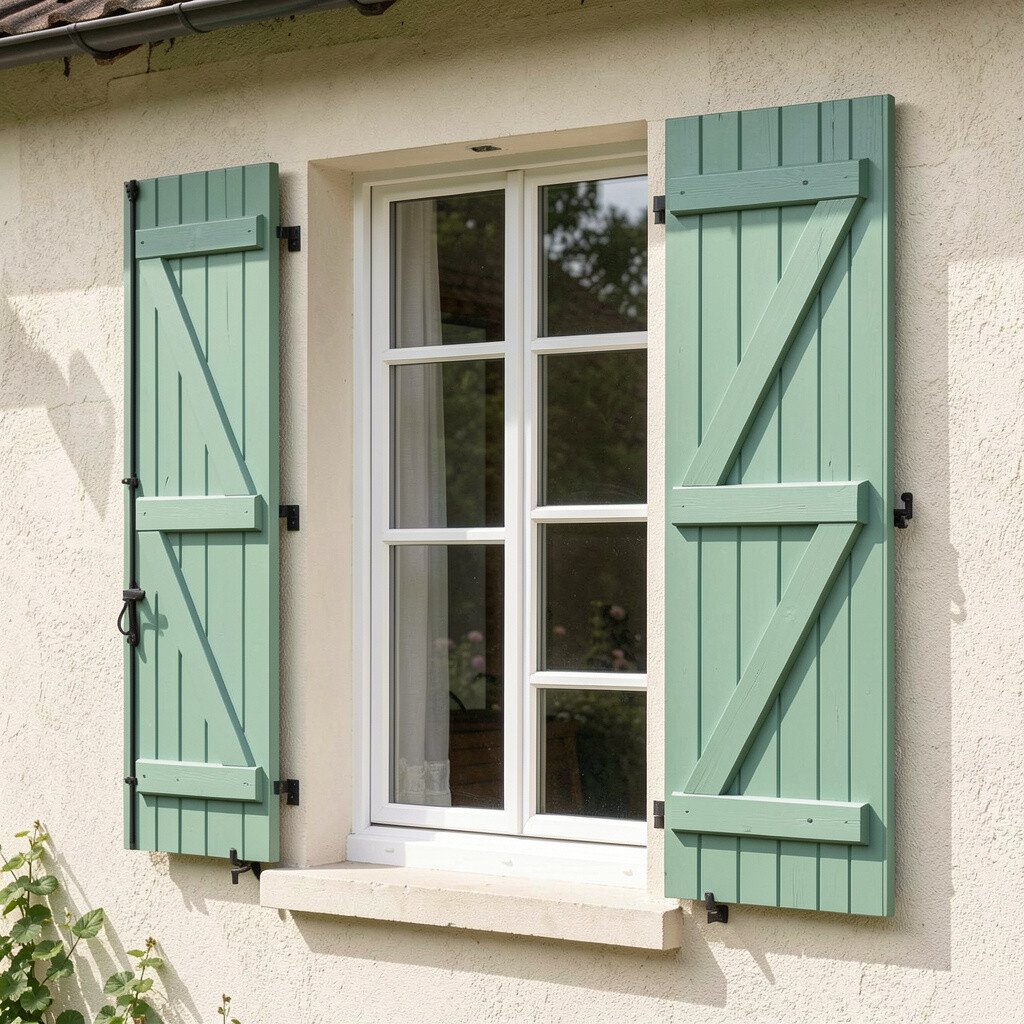
Some shutters are made to close, and some are only for show, so decide what you really need before you shop. If you want extra shade, storm support, or privacy, working shutters can offer real value.
A decorative pair can still add beauty if function is not the goal, and this can keep costs lower. The key is honesty about your needs, since buying a working style when you only want appearance may waste money. Many homeowners now choose a look that feels classic on the outside while using materials that are simple to handle and maintain.
9. Think About Window Proportions And House Scale
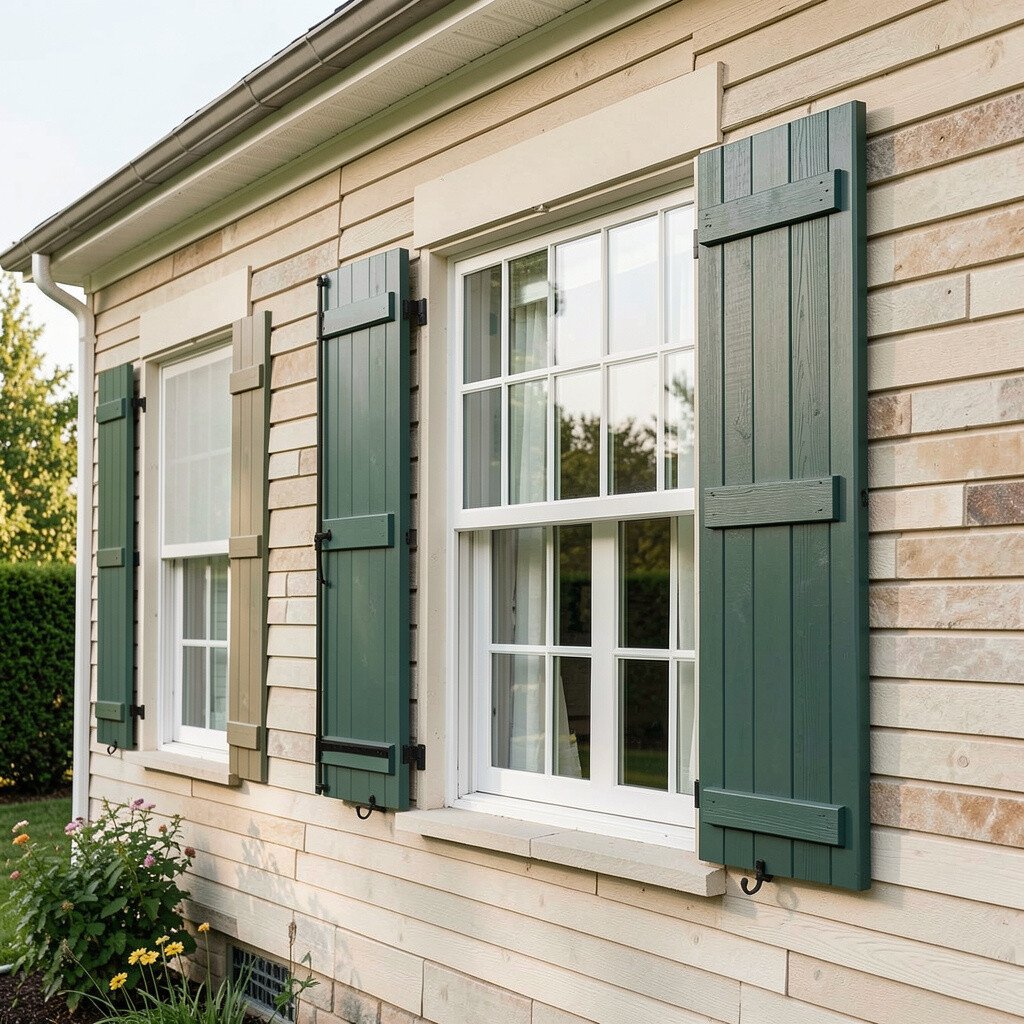
Shutters should look like they belong on the size of the home, not just on the window alone. A large house can handle bolder shutter shapes, while a smaller home often looks best with slimmer, lighter designs.
The right scale gives the front of the house a balanced and pleasing look. If the shutters are too wide or too tiny, the windows can seem out of place, which hurts the overall charm. A little extra care here can help your home look custom without forcing you into expensive changes.
This is also a great place to add a personal touch. For example, you might choose wider boards for a farmhouse feel or neat panels for a more formal front entry.
10. Compare Price With Long-Term Value
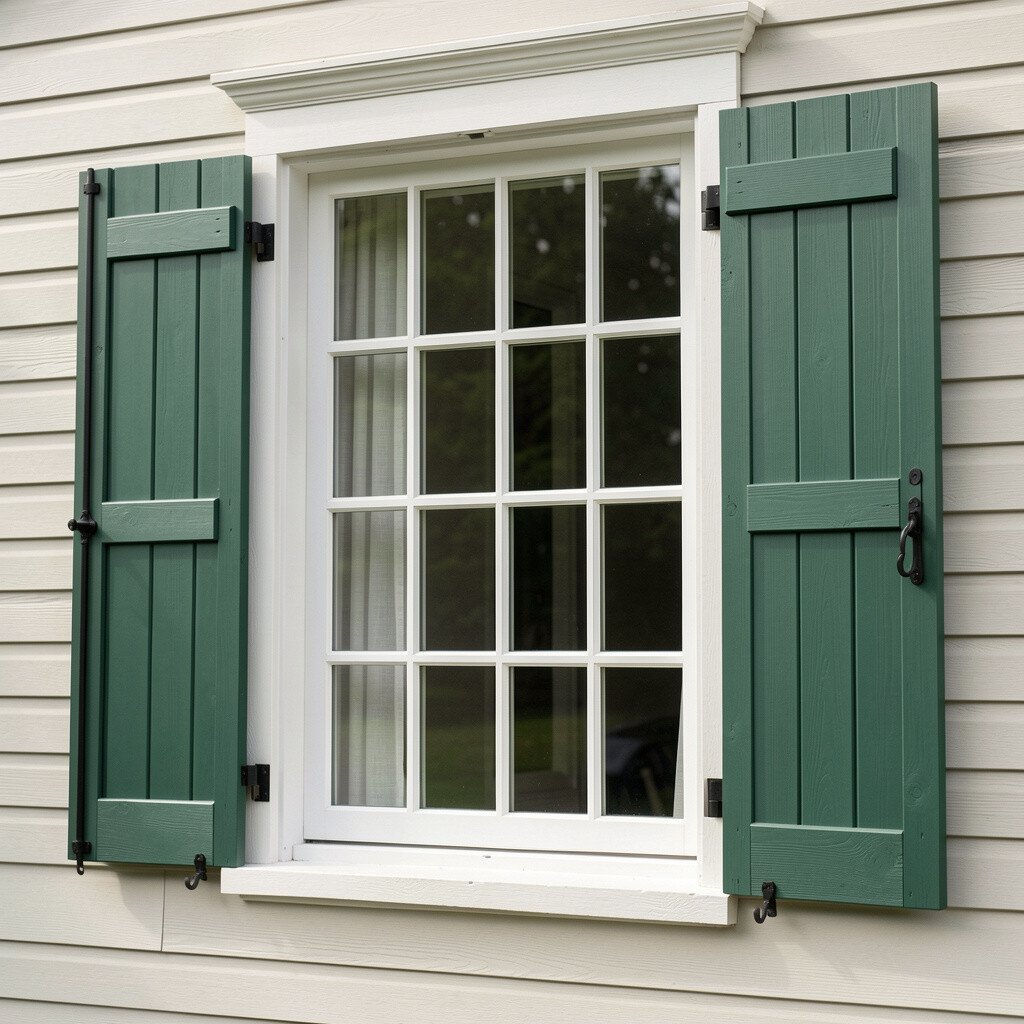
A low price can be tempting, but it does not always mean a good deal. A shutter that fades, warps, or cracks too soon may end up costing more than a better-made one.
Look at the full picture, including care, life span, and how often you may need to replace parts. Shutters that keep their shape and color can protect your budget over time and keep the home looking fresh. This is where reading labels, asking questions, and checking warranty details can really help.
Smart buyers often choose a midrange option that looks nice and lasts well. That balance can give you the beauty you want without making the project feel too costly.
11. Use Shutters To Show Your Personal Style

Exterior shutters are a simple way to add personality without changing the whole house. You can lean classic, rustic, coastal, modern, or even a mix that feels just right for your family.
Small choices can make a big difference, such as a deeper shade, a matte finish, or a more detailed panel design. These touches can help a home feel warm and welcoming, and they make the front view more memorable. If you like fresh trends, try a soft earthy color or a clean simple shape that still feels special.
Personal style does not have to mean loud or flashy. It can be as easy as choosing a finish that works with your porch light, front door, or garden beds.
12. Shop With The Whole Curb Appeal Plan In Mind
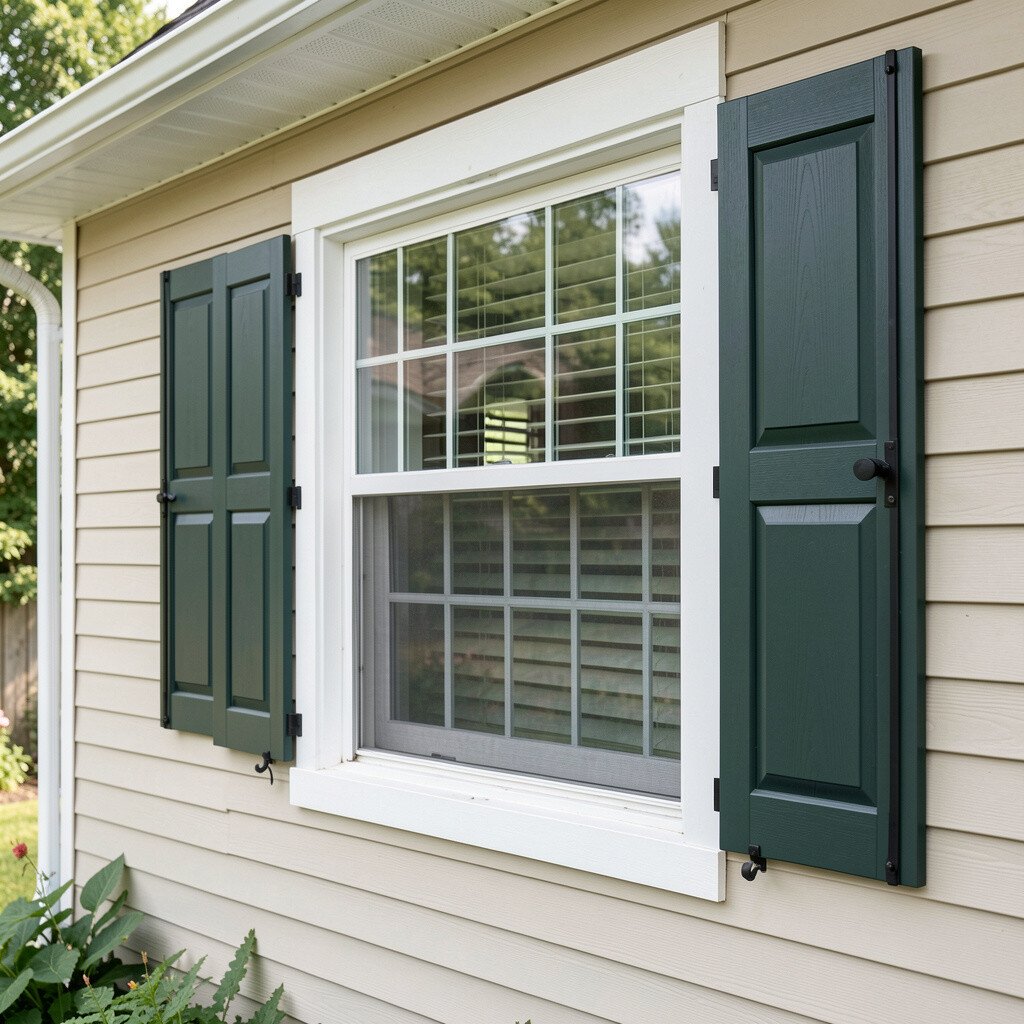
Shutters look best when they work with the door, trim, plants, and walk path as one complete scene. If the whole front of the house has a clear plan, the shutters can help tie everything together in a way that feels calm and polished.
Think about how the shutters will look in daytime sun, evening light, and different seasons. This can help you choose a finish that stays attractive year-round and avoids surprise regrets after installation. A well-planned choice can lift the home’s look, support resale value, and make you feel proud every time you pull into the driveway.
It also gives you room to keep things fresh over time. Maybe you start with a classic look now and later add new porch decor or landscaping that matches the shutters, creating a front yard that feels alive and well cared for.