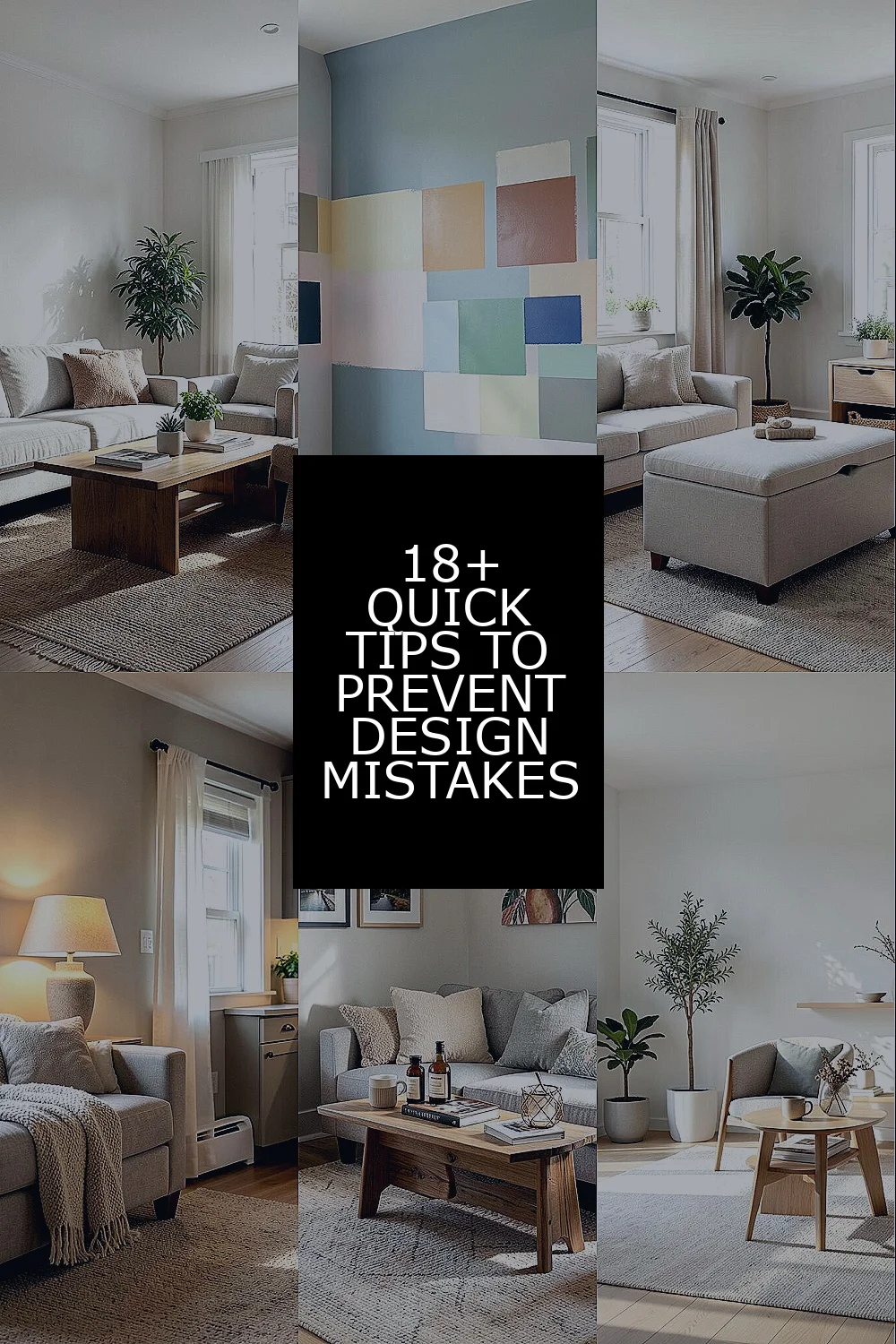
Design can be a thrilling journey full of creativity and self-expression. Yet, the path is dotted with potential pitfalls that can turn excitement into frustration.
1. Understand Your Space
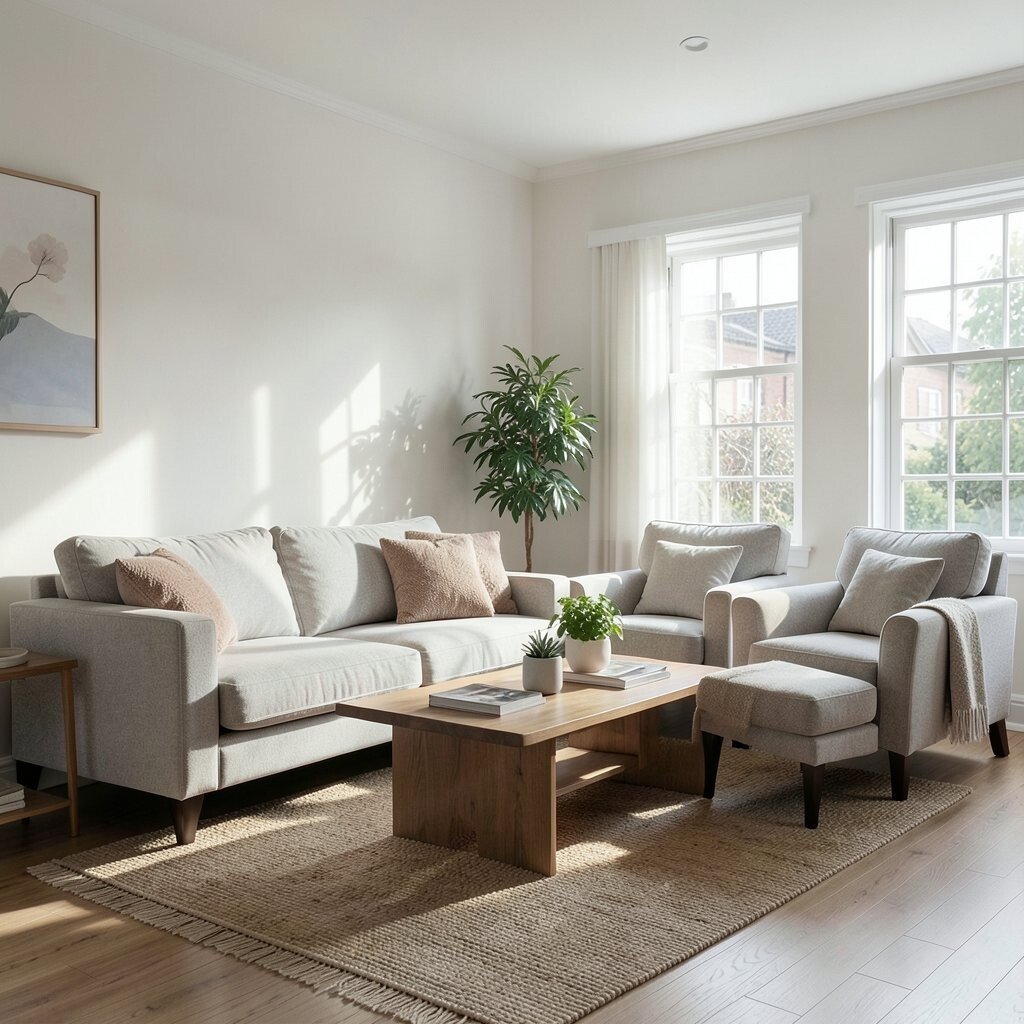
Before picking up that paintbrush or buying a new sofa, take a moment to understand the space you’re working with. Measure the dimensions and notice the light patterns.
It helps avoid buying furniture that’s too big or too small. This understanding will guide all your design choices. It’s like having a map before a treasure hunt.
Imagine the relief of knowing everything will fit perfectly. And guess what? Measuring is free!
2. Color Coordination
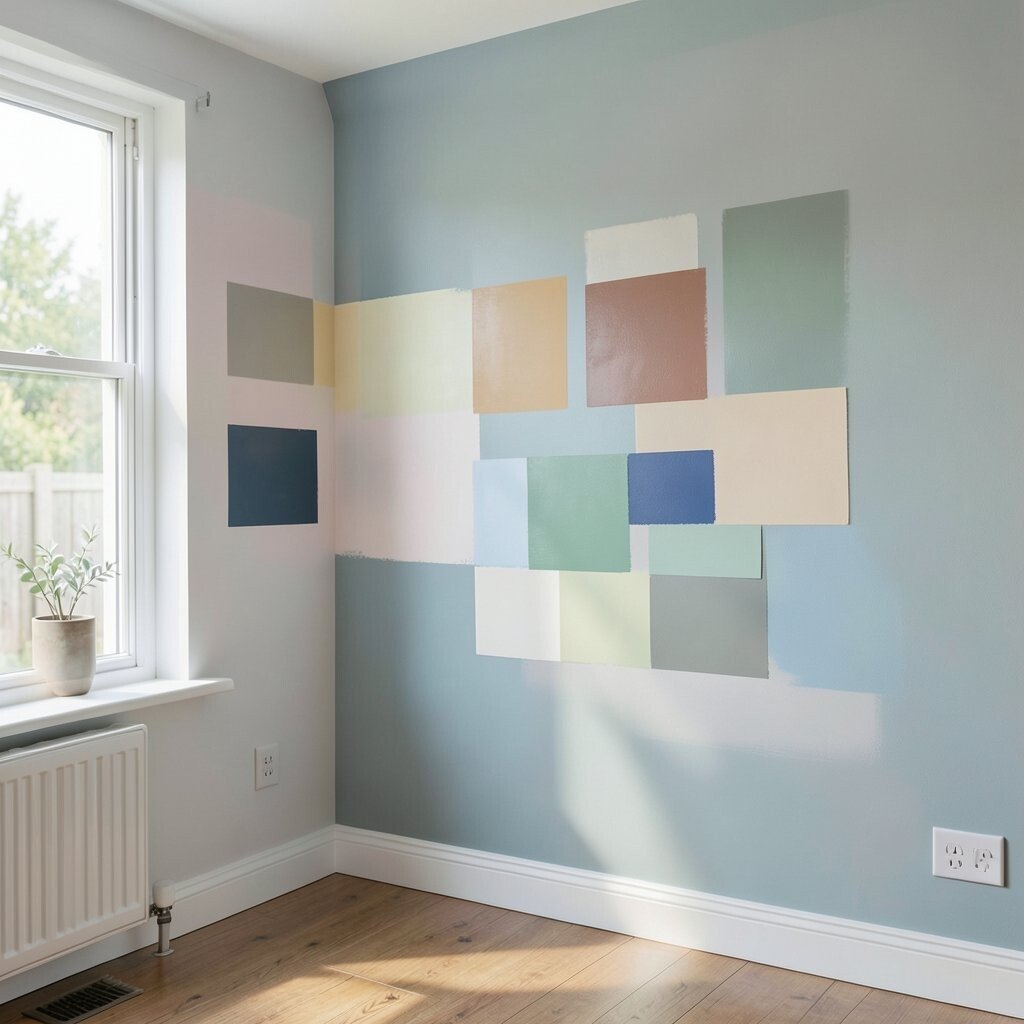
Colors can make or break a room’s vibe. Consider a color palette that speaks to your heart and matches your style.
Using complementary colors can make your space pop without being overwhelming. Try testing small paint samples on your walls first.
You’ll love the way the right colors can transform your mood. Experimenting with paint samples is affordable and fun.
3. Balance Between Function and Beauty
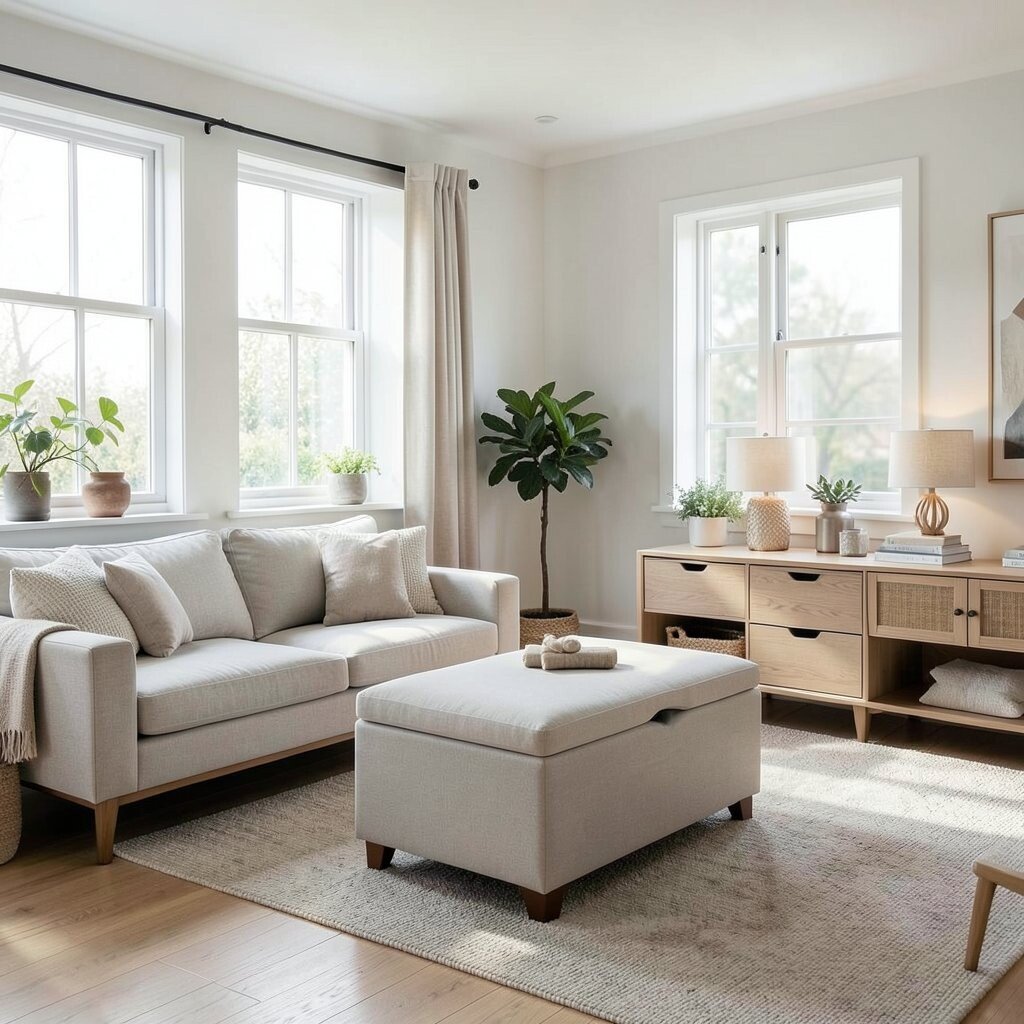
A beautiful room is great, but can you live in it? Ensure your design is practical for your daily needs.
Think about storage solutions that are stylish yet functional. Imagine a chic ottoman that doubles as a storage chest.
Finding this balance will make your space both comfortable and stunning. Multi-functional furniture can be a cost saver too!
4. Lighting Matters
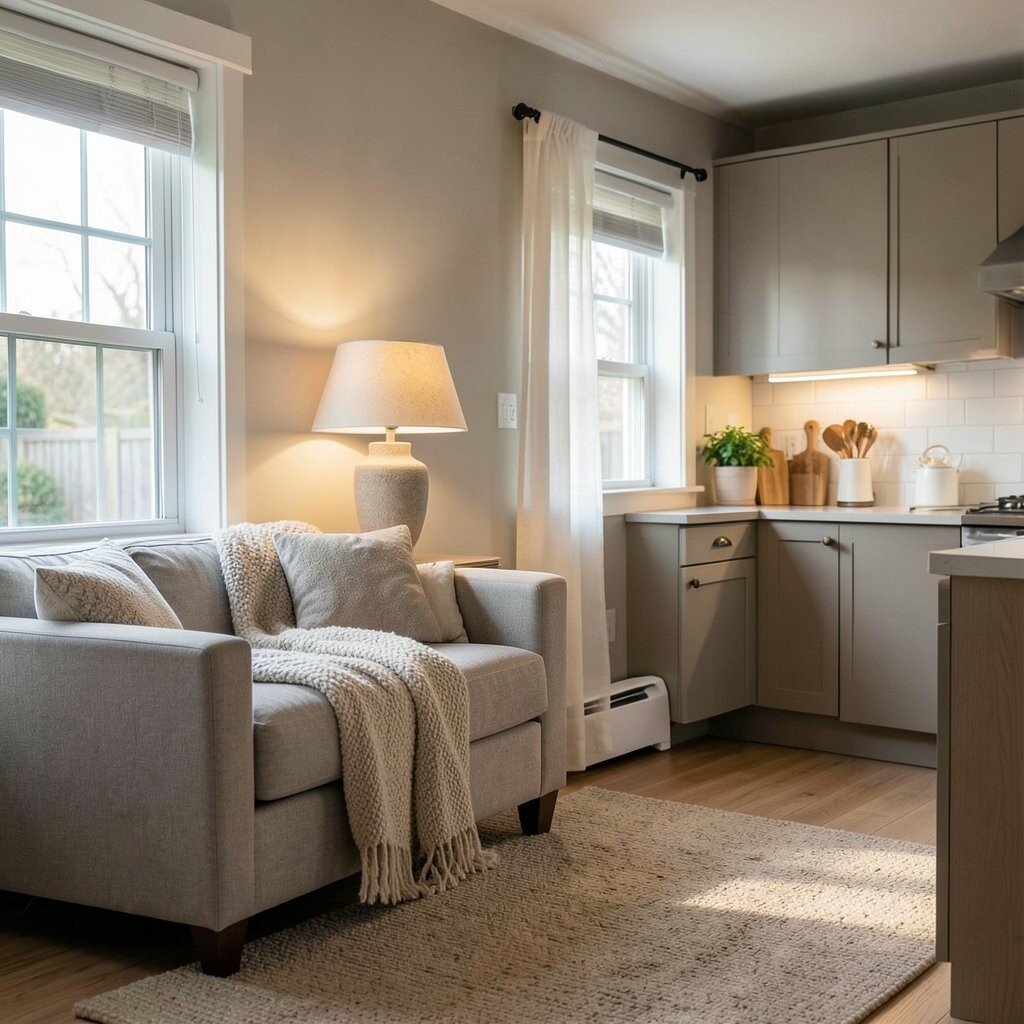
Good lighting can change a room’s entire atmosphere. Consider layering different types of lighting, like ambient, task, and accent lighting.
Picture a cozy reading nook with a soft lamp, or a kitchen with bright task lighting. The right lighting can make your design shine.
Investing in quality lighting can be a game-changer. It’s worth budgeting for those perfect fixtures.
5. Personalize Your Space
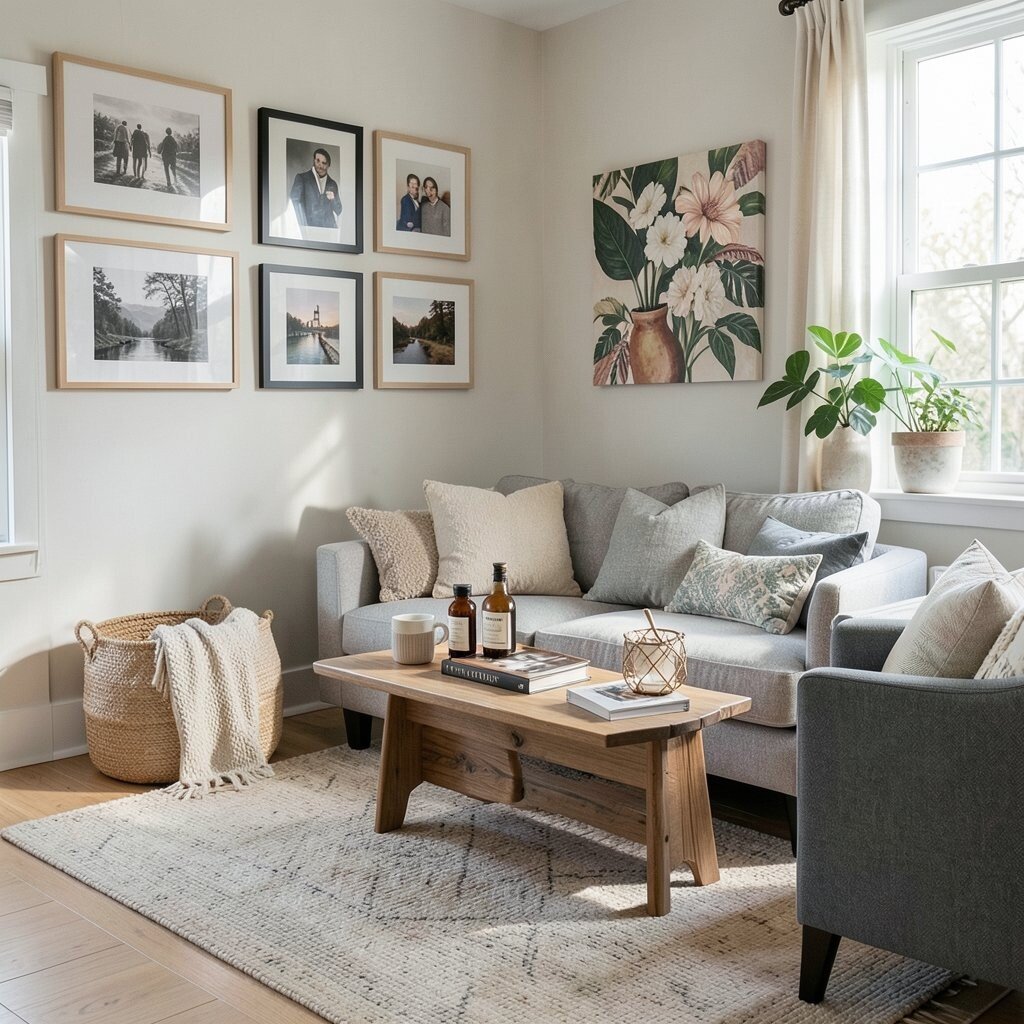
Your home should reflect who you are. Add personal touches like artwork, family photos, or travel souvenirs.
These elements tell your story and make your space uniquely yours. It’s like a gallery of your life on display.
Best of all, personal items are usually things you already own. They add value without extra cost.
6. Embrace Minimalism
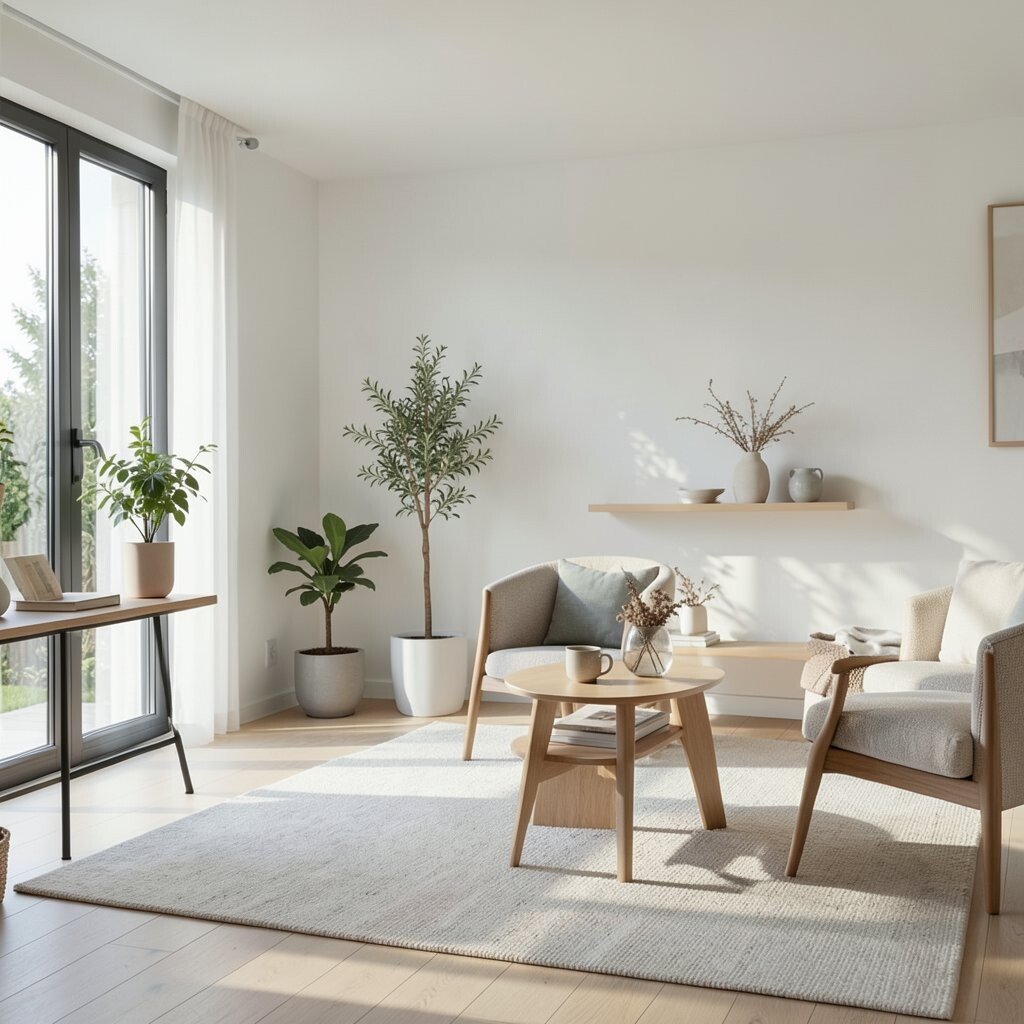
Sometimes, less is more. A clutter-free environment can provide peace and clarity.
Focus on quality over quantity with your decor pieces. Open spaces can feel more inviting and serene.
Decluttering is free and incredibly satisfying. Plus, it makes cleaning so much easier!
7. Play With Textures
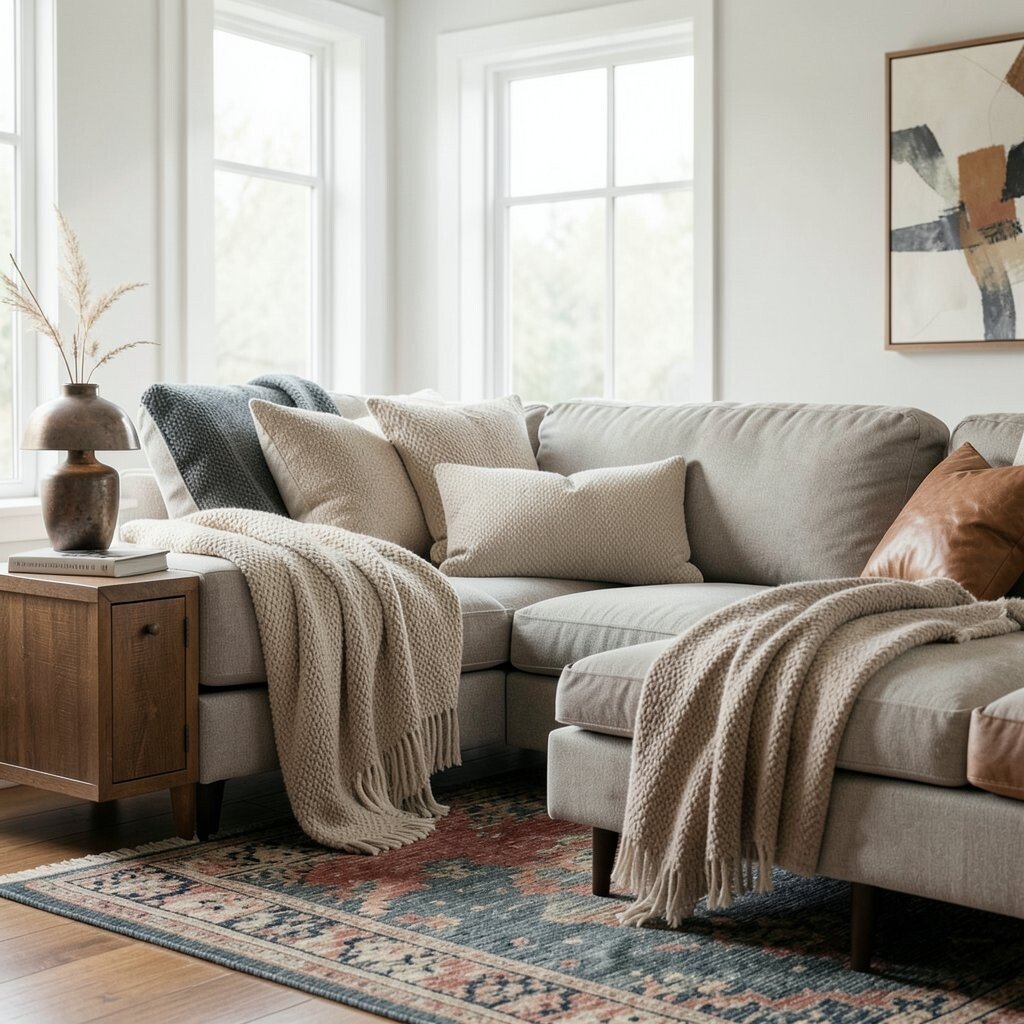
Mixing different textures adds depth and interest to any room. Think about combining soft throws with leather or metal accents.
Textures can create a warm and inviting atmosphere. They can make your home feel cozy and lived-in.
Trying new textures can be a fun and inexpensive way to refresh your space. Swap out pillow covers or add a new rug.
8. Don’t Ignore the Ceiling
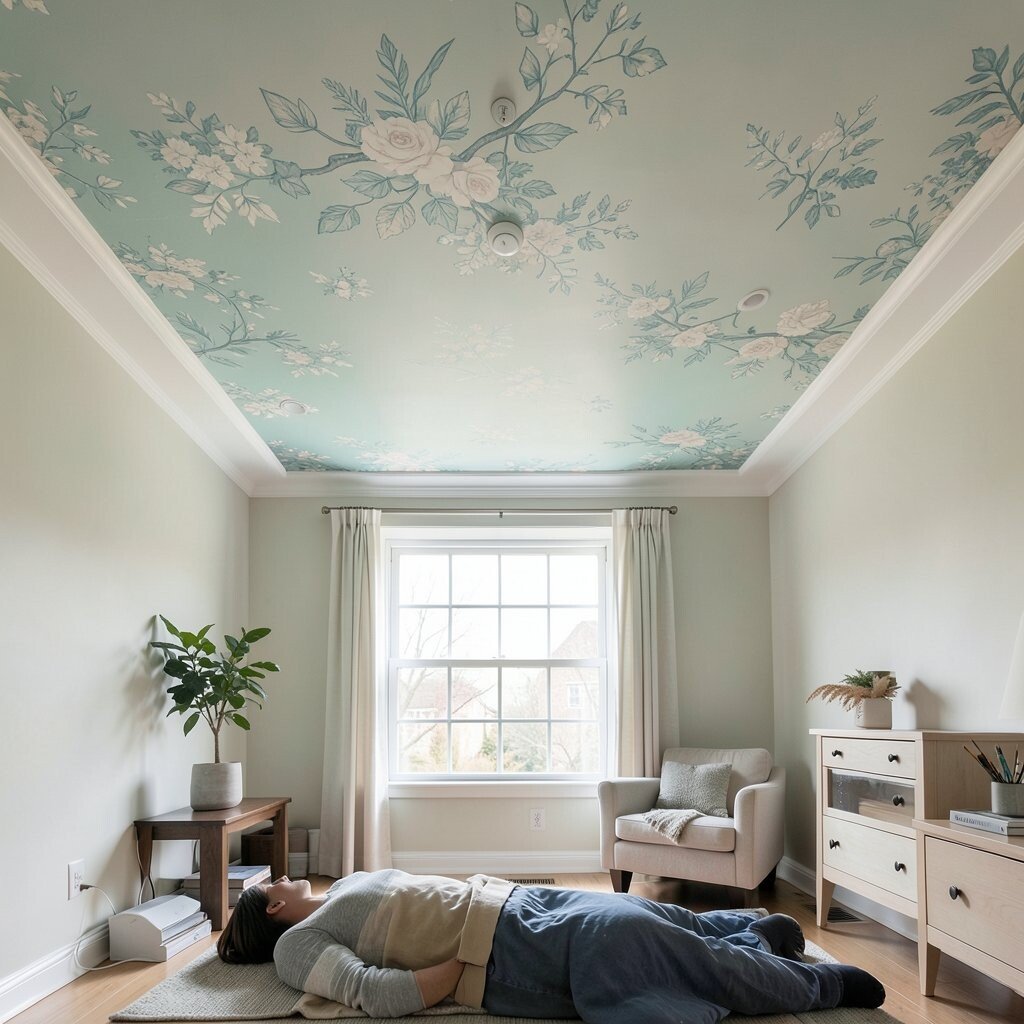
The ceiling is often called the fifth wall. Give it some attention with paint or wallpaper.
A unique ceiling can add height and drama to a room. Imagine lying down and looking up at something beautiful.
Painting a ceiling is a simple DIY project. It can be an affordable way to add character.
9. Go Green
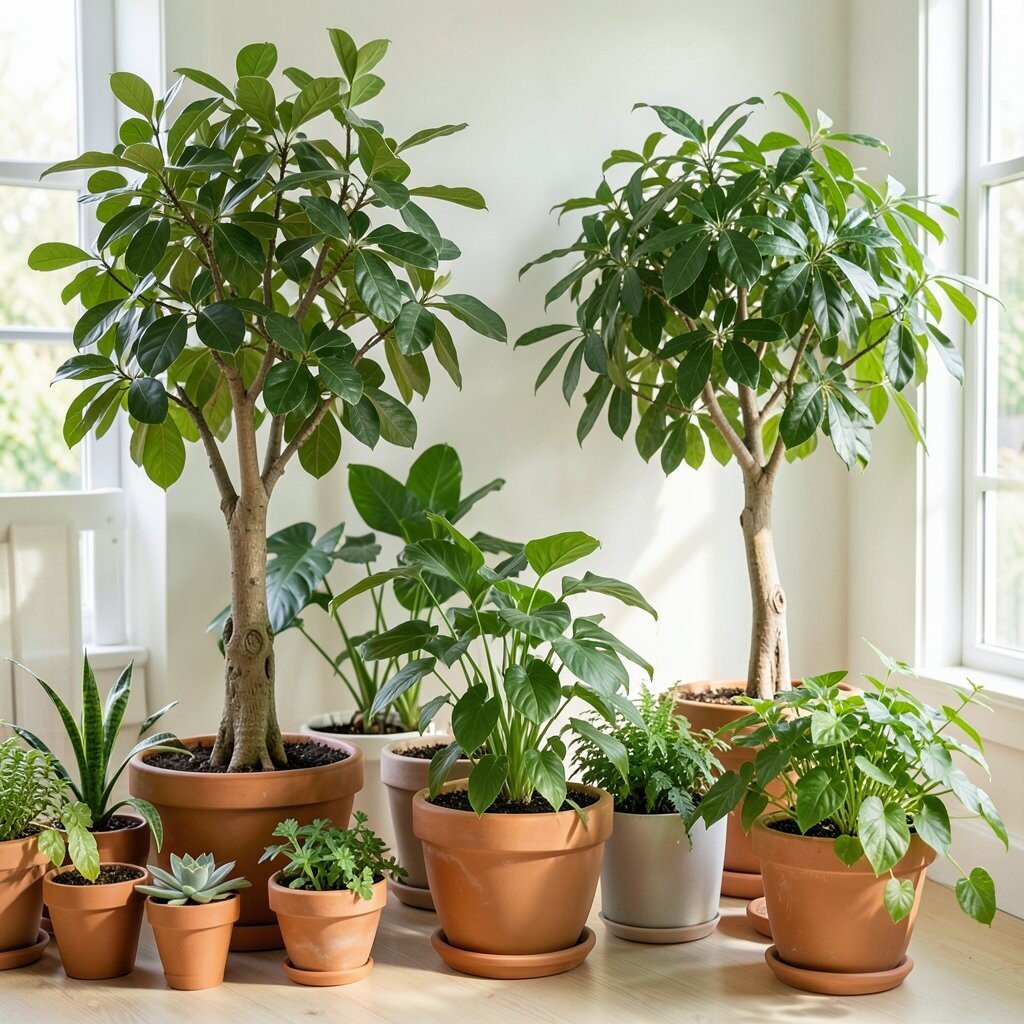
Plants can breathe life into any room. They add color, texture, and a touch of nature.
From tiny succulents to large potted trees, plants are versatile decor elements. They also improve air quality.
Many plants are inexpensive and easy to care for. They make any space feel fresh and vibrant.
10. Create Zones
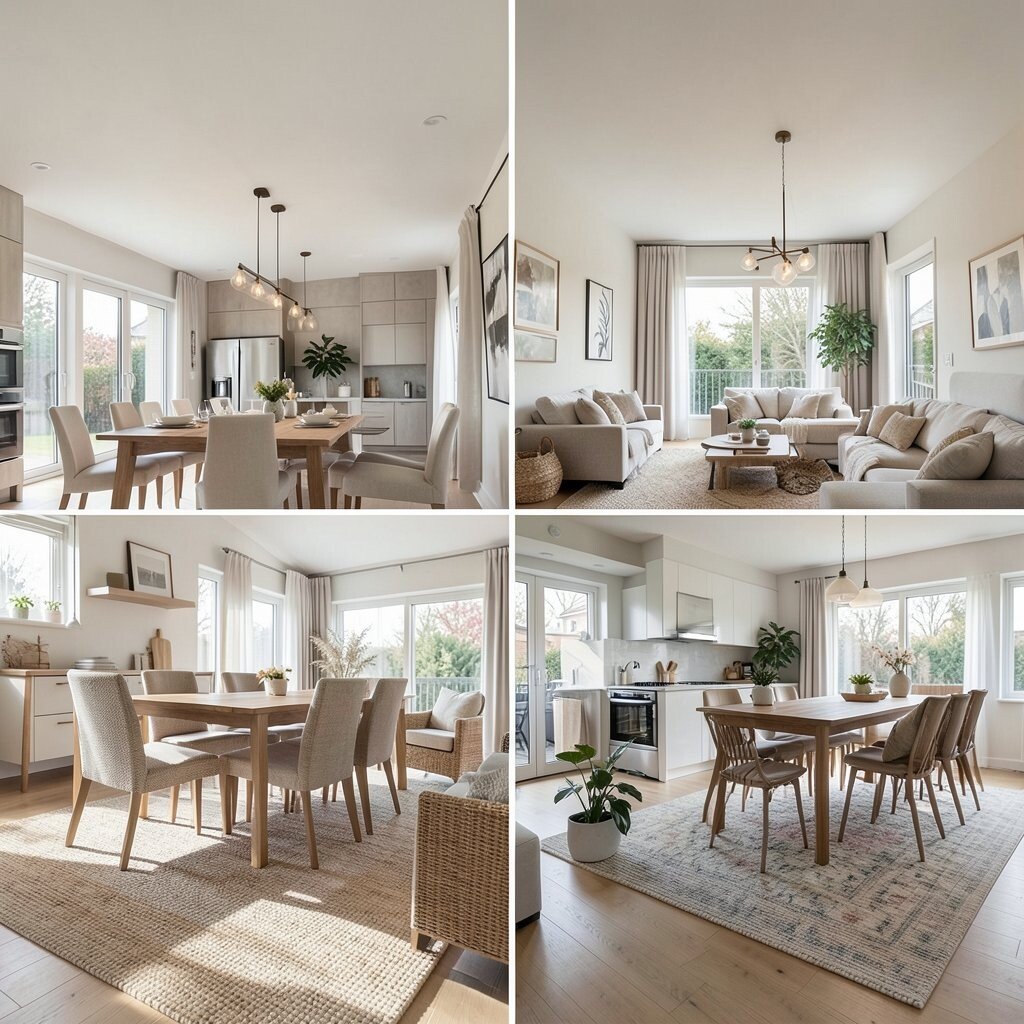
Especially in open-plan spaces, creating distinct zones can help with flow and function. Use rugs, furniture placement, or partitions.
Zones can help define areas for different activities, like dining or relaxing. They make a space feel organized and purposeful.
Rearranging furniture is a cost-free way to experiment with zones. It’s like giving your room multiple personalities.
11. Statement Pieces
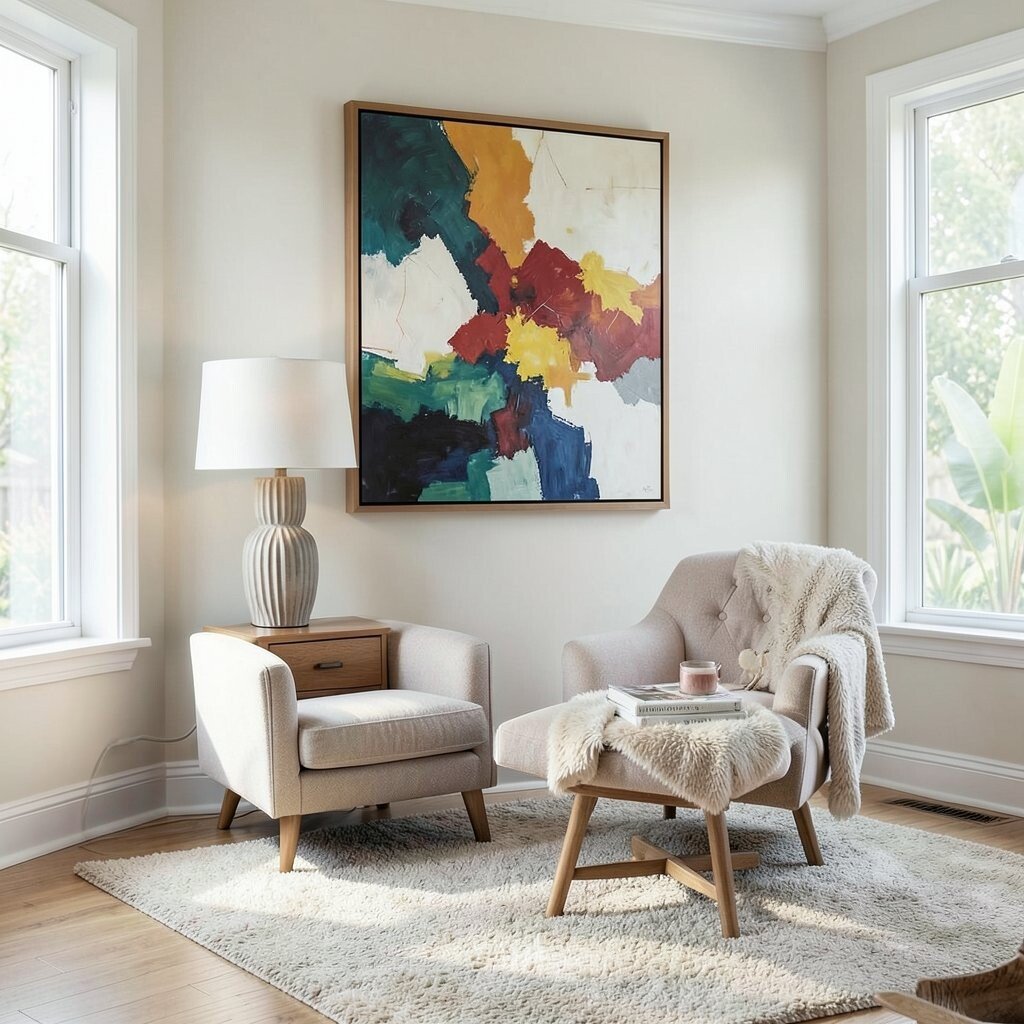
Choose a statement piece that draws attention and anchors your design. This could be a bold artwork or a unique piece of furniture.
It gives your space a focal point and showcases your style. It’s like the cherry on top of your design sundae.
Investing in one standout piece can elevate the entire room. Look for sales or thrift stores for unique finds.
12. Mind the Scale
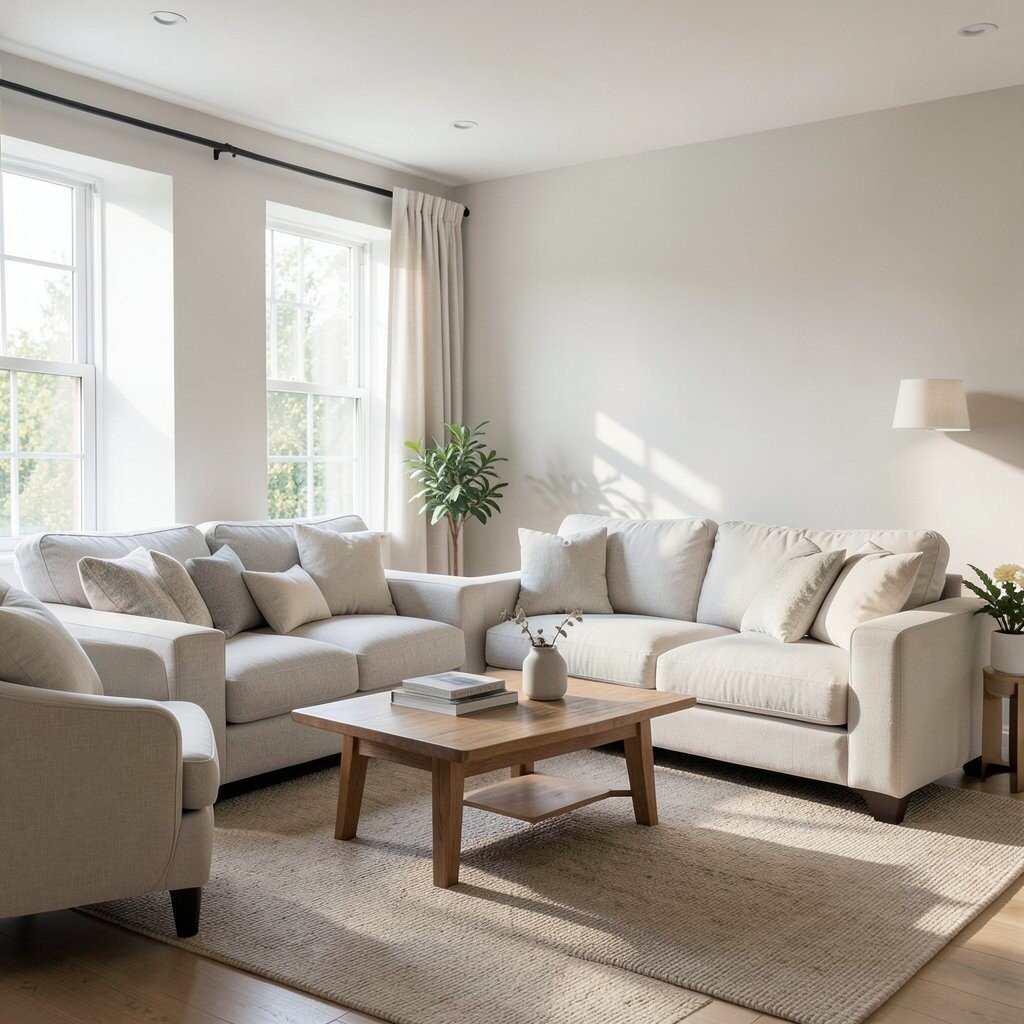
Proper scale ensures that everything in the room feels balanced. Avoid furniture that’s too big or too small.
Consider the size of your furniture relative to the room and each other. It’s like making sure all the pieces fit perfectly in a puzzle.
Measuring before buying can prevent costly mistakes. It’s a little effort for a big payoff.
13. Be Bold with Patterns
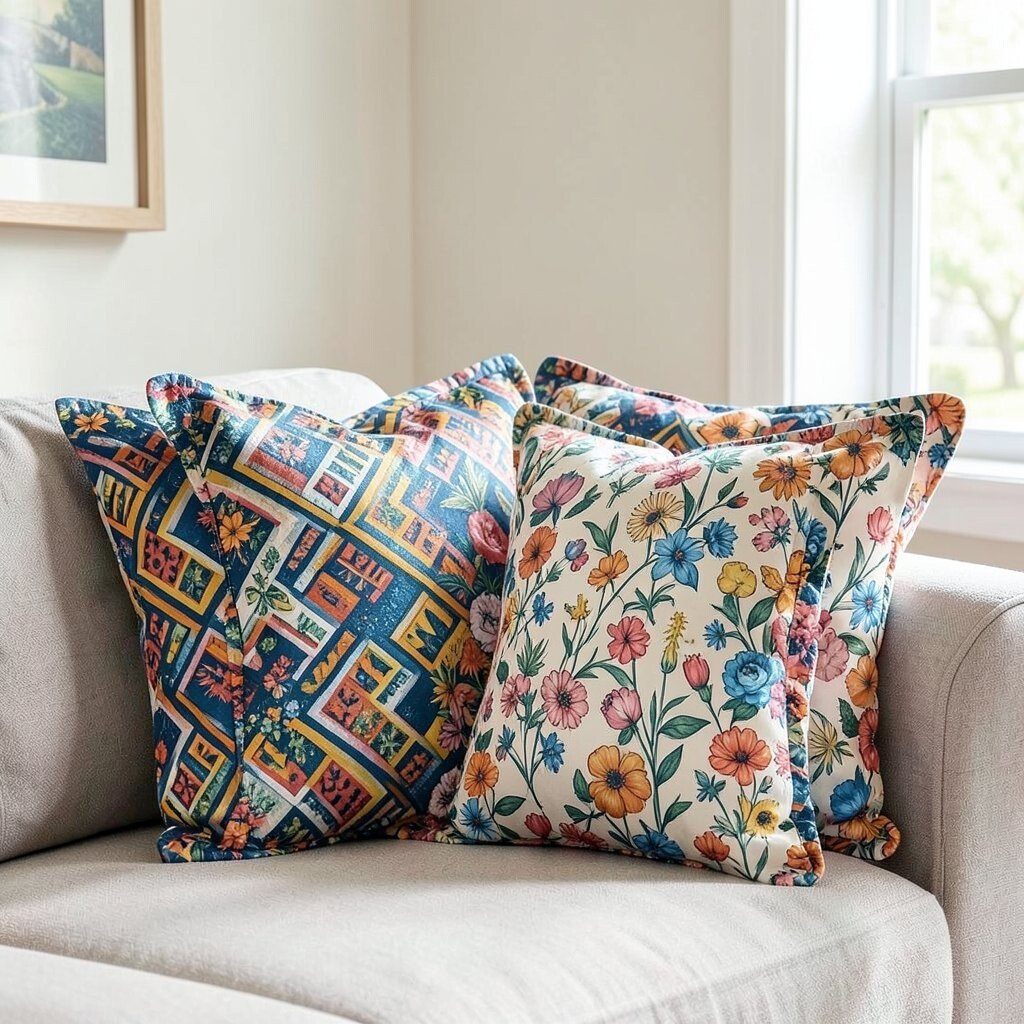
Patterns can add personality and excitement to your space. From geometric shapes to floral designs, they can be playful or elegant.
Mixing patterns can create a dynamic look. Just be sure to balance bold patterns with solid colors to avoid overwhelm.
Experimenting with patterns can be as simple as changing cushion covers. It’s a fun way to refresh a room without breaking the bank.
14. Layer Your Textiles
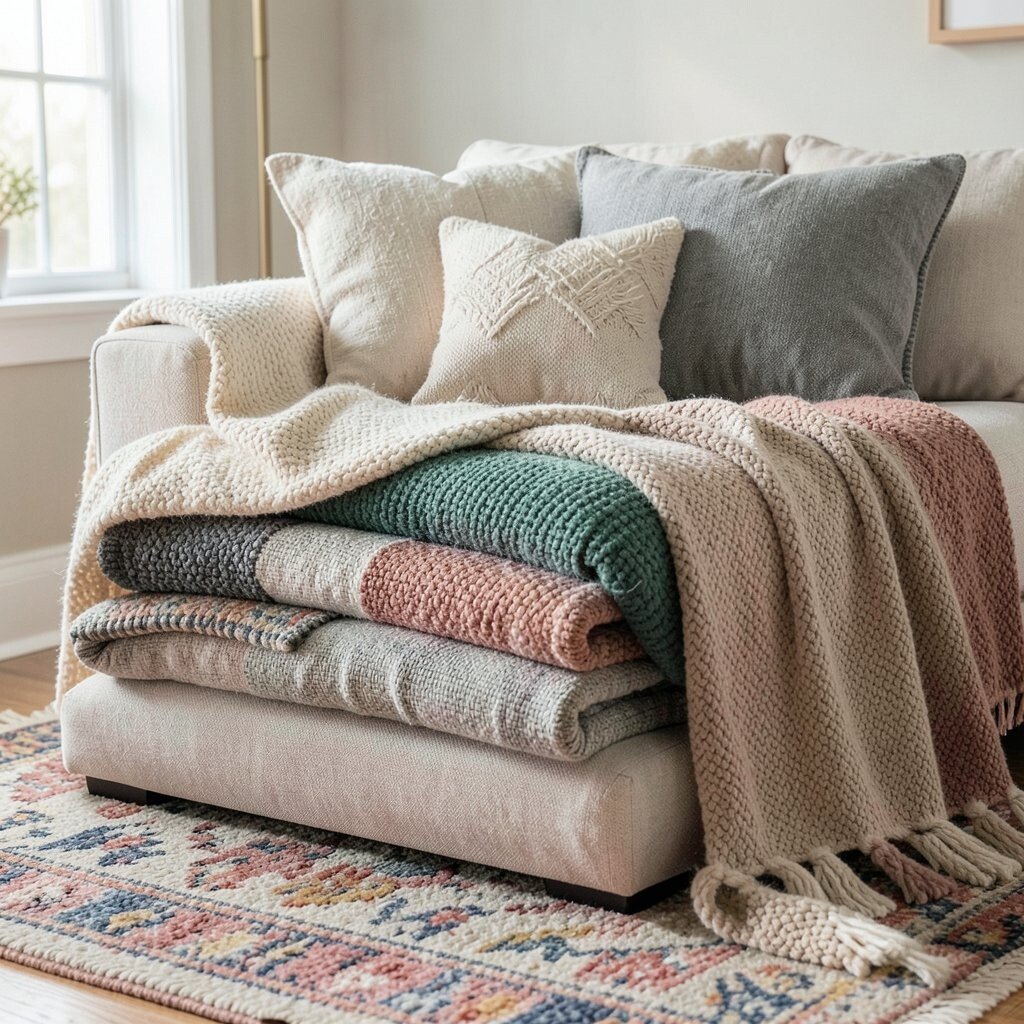
Layering textiles like rugs, blankets, and pillows can add warmth and texture. It’s like dressing your room in cozy layers.
Different textures and fabrics create a rich and inviting atmosphere. They make a space feel comfortable and lived-in.
Switching out textiles seasonally can keep your design fresh and exciting. It’s a budget-friendly way to update your decor.
15. Mix Old and New
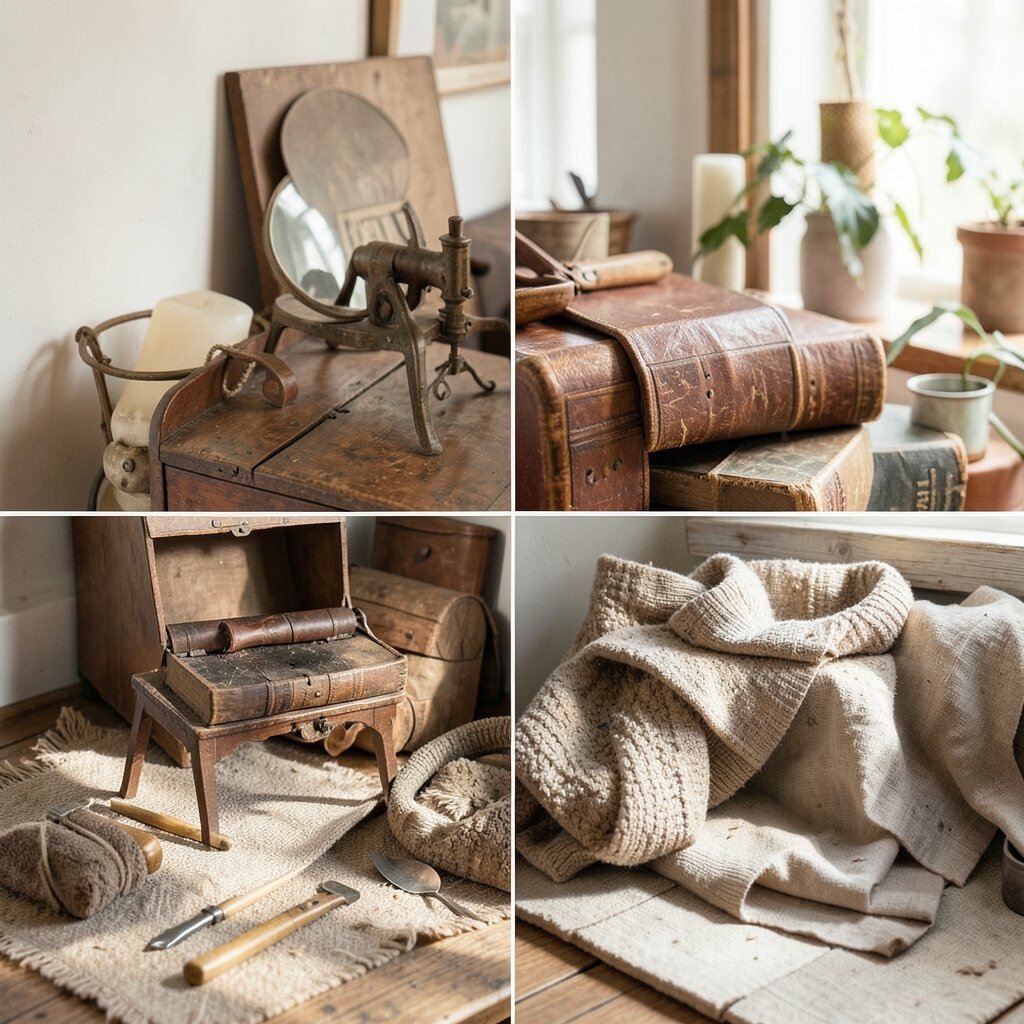
Combining vintage and modern pieces creates a unique and personalized look. It’s like blending the best of both worlds.
Old pieces add character, while new ones bring freshness. Together, they tell a story of time and style.
Thrift stores and flea markets are treasure troves for finding one-of-a-kind items. Mixing styles is a creative way to design on a budget.
16. Use Mirrors
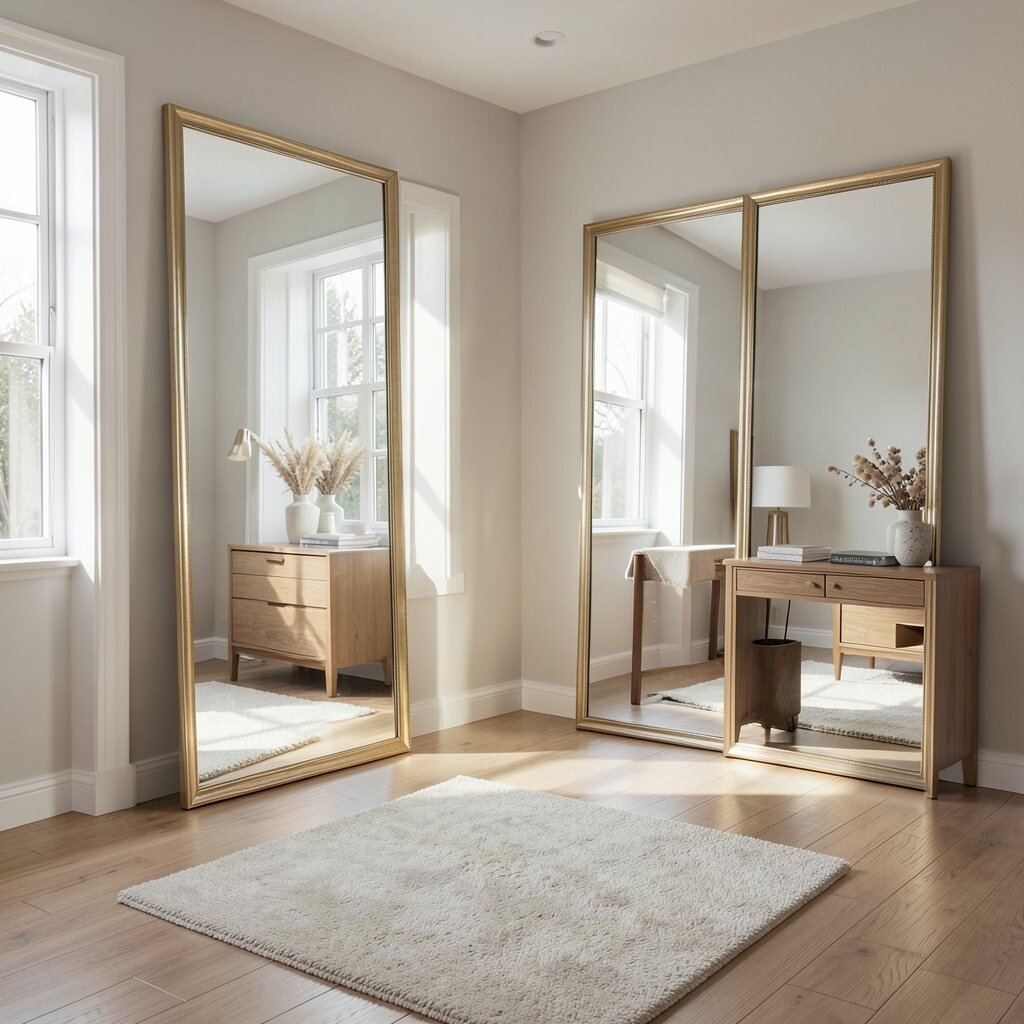
Mirrors can make small spaces feel larger and brighter. They reflect light and add a touch of elegance.
Strategically placing mirrors can enhance the natural light in a room. It’s like adding a window without the renovation.
Mirrors come in all price ranges and styles, making them an affordable design tool. They can instantly elevate a room’s look.
17. Add a Pop of Color
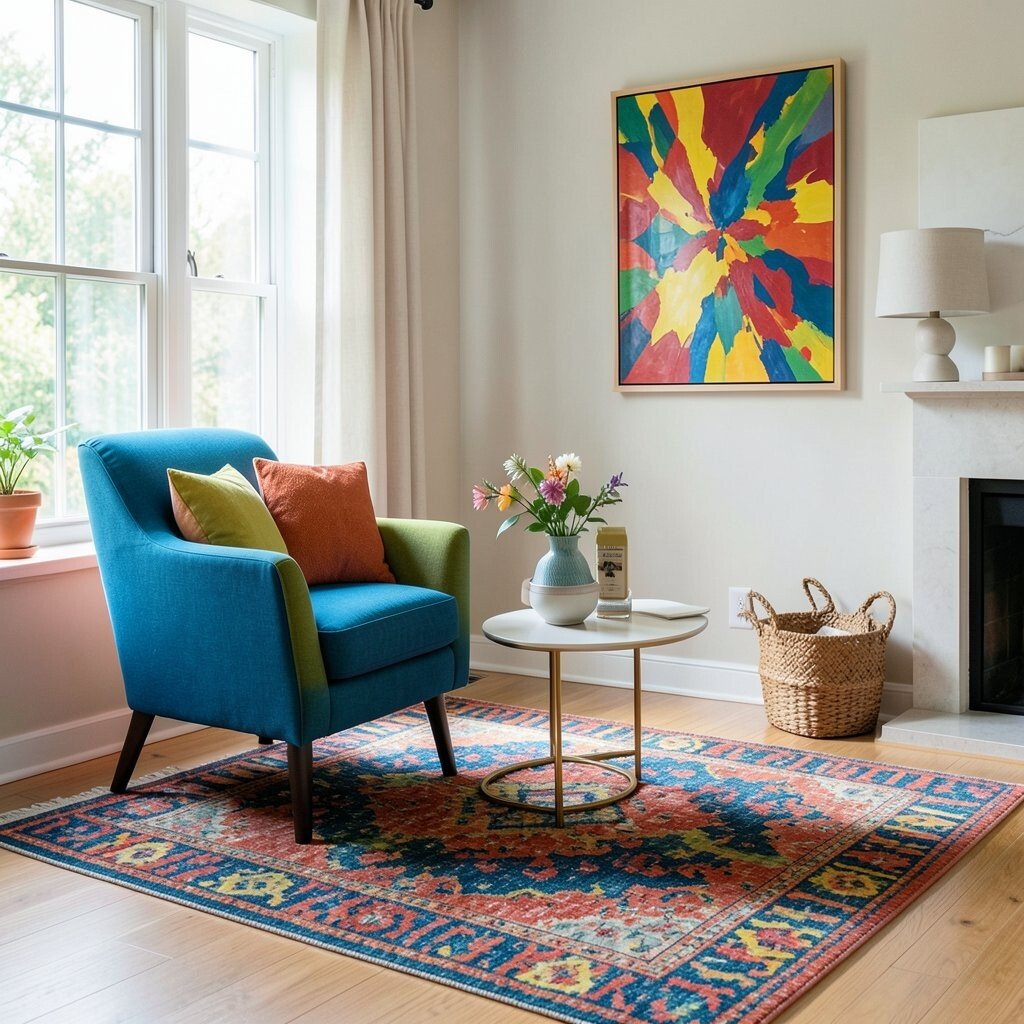
A pop of color can bring energy and fun to a space. It could be a vibrant chair, a bold rug, or colorful artwork.
This splash of color can wake up a neutral palette. It’s like adding a dash of spice to a recipe.
Adding color with accessories is an easy, low-cost way to refresh your room. It’s a simple yet powerful design trick.
18. Consider Acoustics
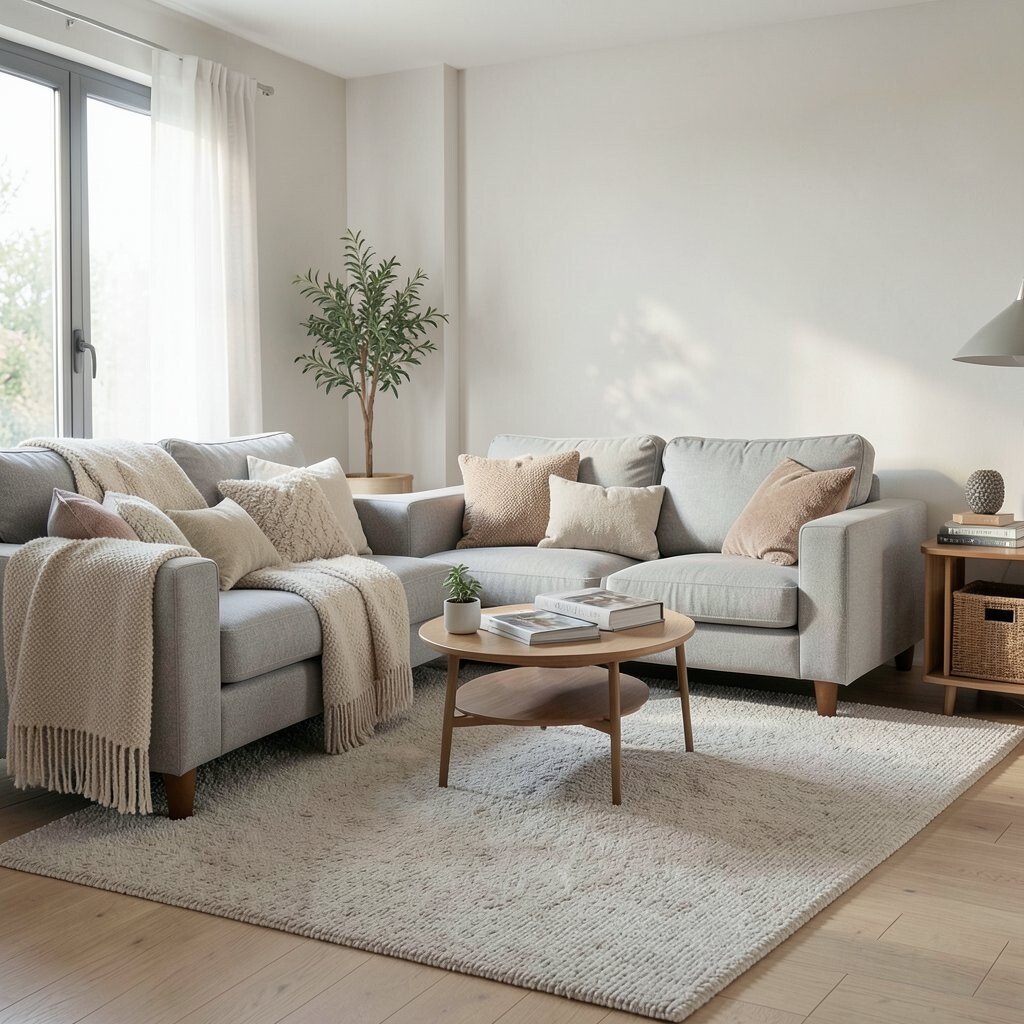
Sound is an often-overlooked element of design. Soft fabrics and rugs can help absorb noise and create a peaceful environment.
Consider how sound travels in your space. It’s like tuning your home for the perfect audio experience.
Adding textiles or soft furnishings can improve acoustics without major expense. It’s a hidden gem of design that enhances comfort.
19. Trust Your Instincts
At the end of the day, your home should make you happy. Trust your instincts and choose what feels right for you.
Following your gut can lead to a space that truly reflects you. It’s like having a personal design compass.
There’s no cost to following your heart. It’s the most authentic way to create a space you’ll love.