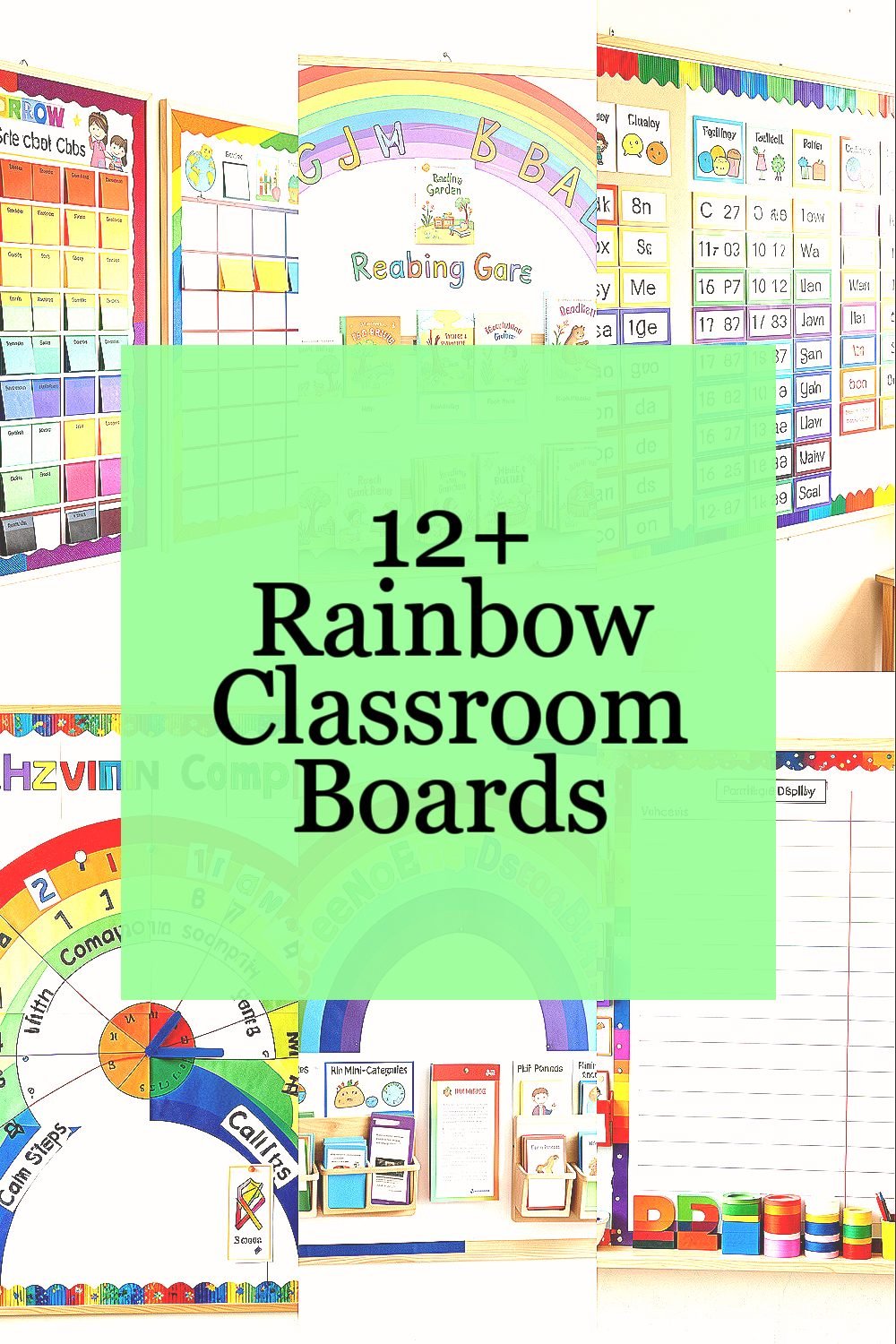
Color on a wall can make learning feel lighter and more welcoming. The right rainbow display also helps students notice patterns, remember routines, and stay proud of their work.
When you plan thoughtfully, these boards become more than decoration. They can guide students during the day, support different learning needs, and turn class space into a “we’re doing this together” place.
1. Spectrum Schedule Board With Student-Owned Color Tabs
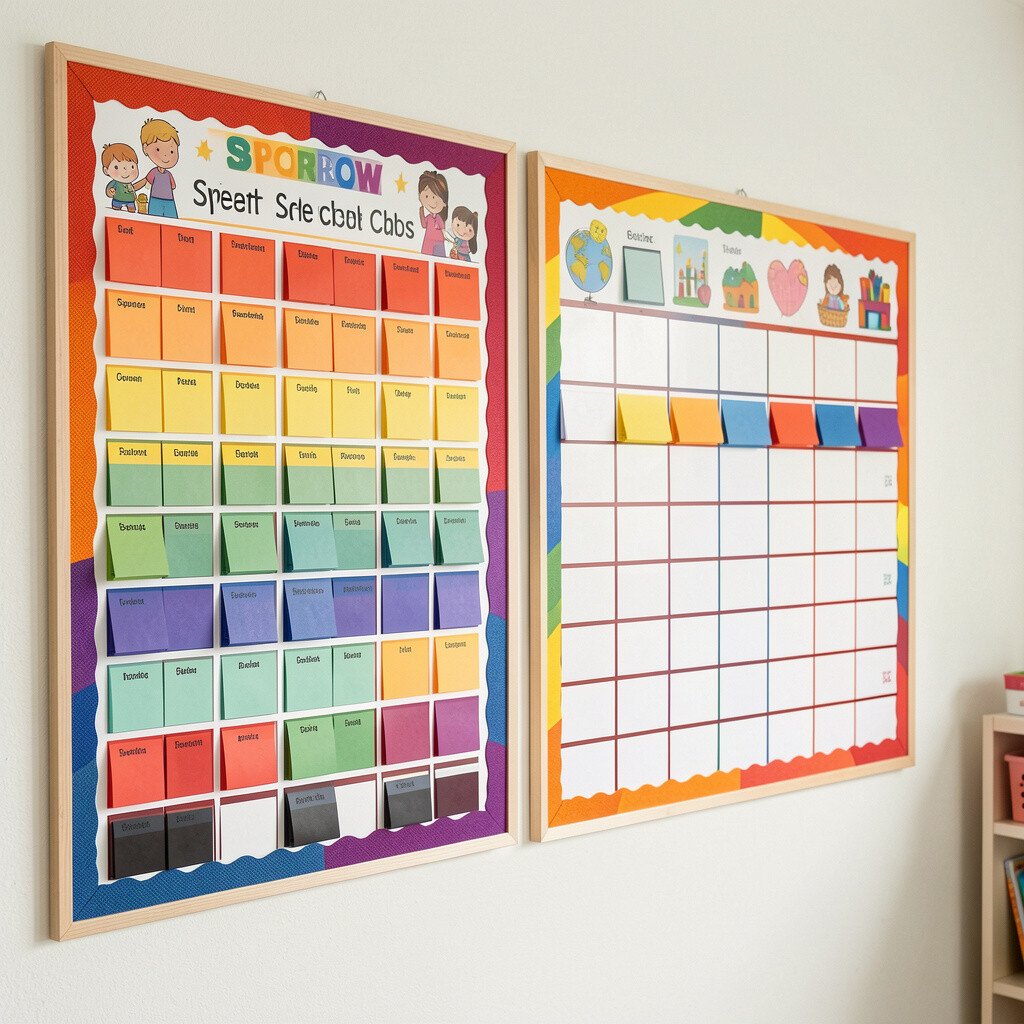
Picture a wide display board split into rainbow bands, each one holding a clear day plan. Students love seeing their tasks matched to a color, and the whole room feels more organized when movement between activities is visual.
Use removable paper tabs or Velcro strips so learners can move their own cards when they finish a step. That little action builds ownership, reduces time spent asking, and supports students who benefit from visual timelines. For a practical tip, keep the top portion for the day’s plan and reserve the bottom for quick reminders like materials and homework expectations.
2. Pastel Reading Garden Board With Book Routes
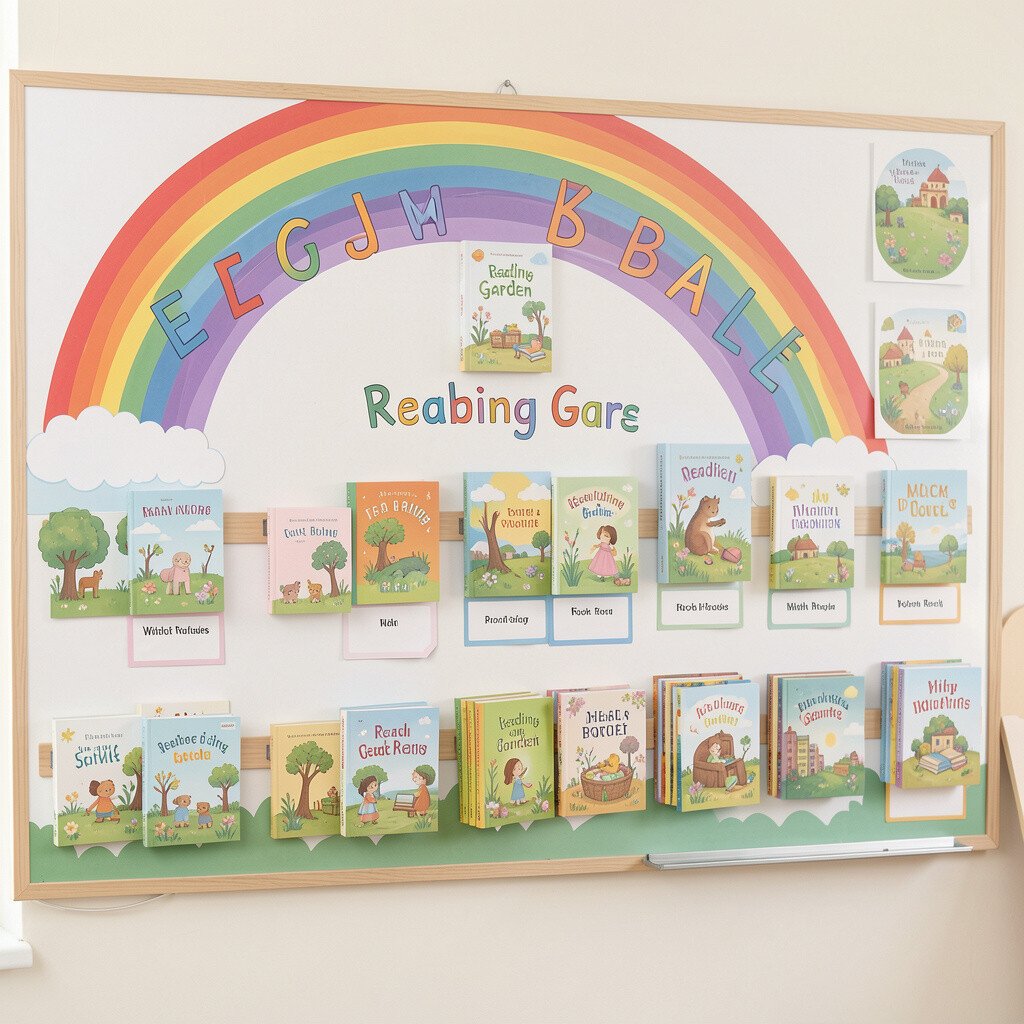
Imagine a gentle rainbow “garden” where each color band holds a book route to read. The board can look like stepping stones, with titles and small icons that make choosing a story feel like fun.
To make it truly useful, add sentence stems on each color band that help students talk about characters, settings, and favorite moments. When kids can point to the band that matches their reading goal, discussions start faster and feel less stressful. A personalization idea is to let students place small sticky notes showing what they learned after reading, so the board grows with your class.
For cost considerations, you can print icons and letters on regular paper and laminate key pieces if you want them to last. Current classroom trends favor flexible, student-updated displays, so this garden style fits right in. If you want uniqueness, use one color band each month for a themed mini-challenge, like “main character clues” or “new vocabulary finds.”
3. Color-Coded Math Gallery Board for Practice and Progress
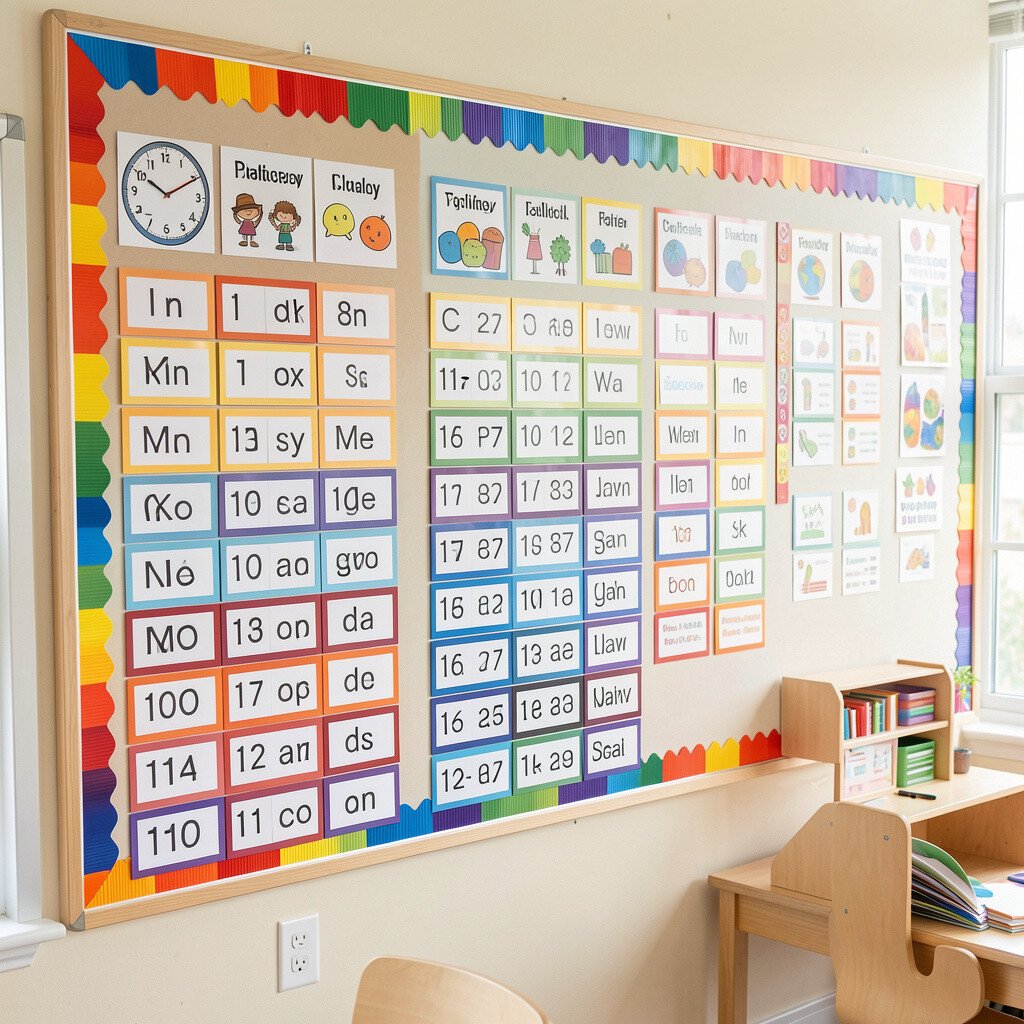
Visualize a math board where each rainbow color holds a mini gallery of work samples. Bright borders and neat labels make it easy to see which skill is being practiced without digging through folders.
Include a space for “today’s strategy” with a short, student-friendly phrase that changes weekly. This helps students remember the steps for solving problems and also gives you a quick way to review what to focus on. A practical tip is to keep the examples small and consistent so students learn what “good work” looks like and can mimic the process.
To keep costs down, use paper templates and reuse the background. You can also rotate student samples on a monthly schedule to reduce printing and copying. For uniqueness, try adding a tiny scoreboard style in the corner where students collect stickers for effort, not only correctness.
When the board reflects real progress, it supports confidence and encourages students to keep trying. That emotional lift is a real benefit, especially for learners who need steady reminders that practice leads to growth.
4. Rainbow Behavior Compass Board With Calm Steps
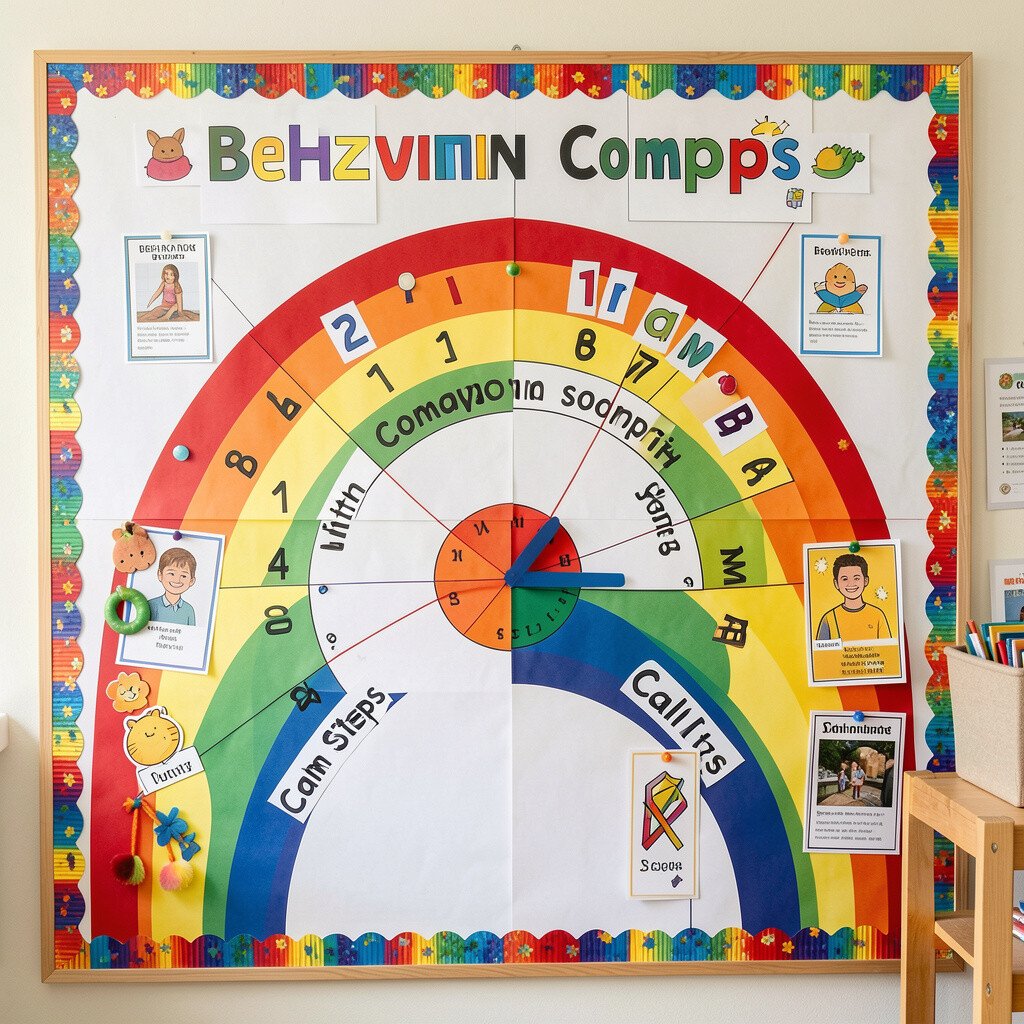
Think of a rainbow compass shape that sits on the wall, with each direction representing a calm step. The bright colors catch attention, and the message stays steady even when the classroom is busy.
Write simple steps students can follow, like “take a breath,” “use a quiet voice,” or “ask for help kindly,” and keep them short enough to read quickly. Pair the board with a small matching card system so students can choose the next step that fits their moment. For personalization, let students help select the exact words, since that makes the board feel like it belongs to them.
5. Science Rainbow Wall With Mini-Categories and Flip Panels
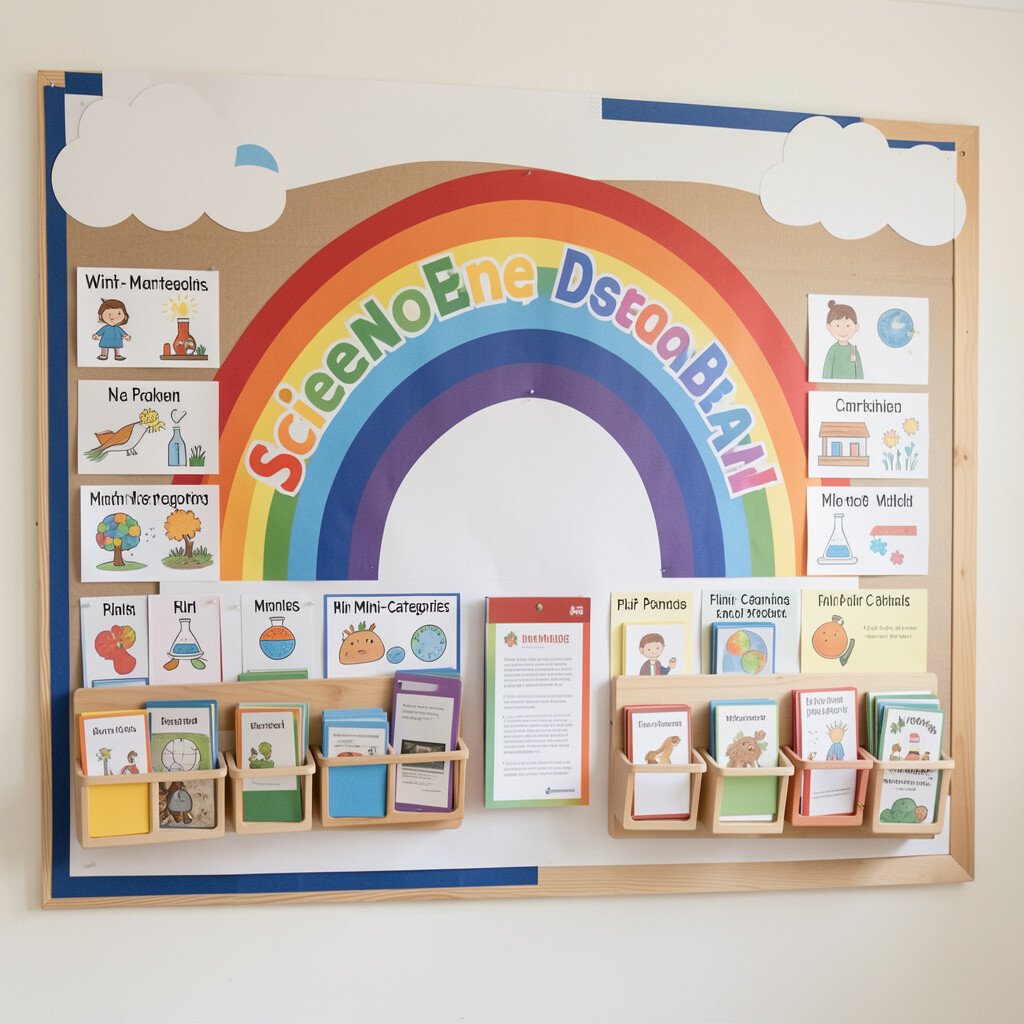
Imagine a rainbow science wall where each color band holds a mini category, like plants, weather, magnets, or animals. Flip panels can cover labels so the board can change as your lessons move forward.
You can add simple sentence frames under each band to guide observations, like “I notice…” or “I wonder…” so students record facts in a consistent way. The visual structure reduces confusion and makes it easier for you to check understanding quickly. A practical tip is to use clear pockets for student notes and photos, so you can pull and replace items without mess.
For cost considerations, recycled cardboard, poster board, and printed icons can keep it budget friendly. Current classroom trends lean toward interactive displays, and flip panels are a fun way to add that movement. To make it unique, use real labels written in student handwriting for one color band each unit so the board shows the human side of learning.
6. Writing Studio Board With Rainbow Paragraph Lenses
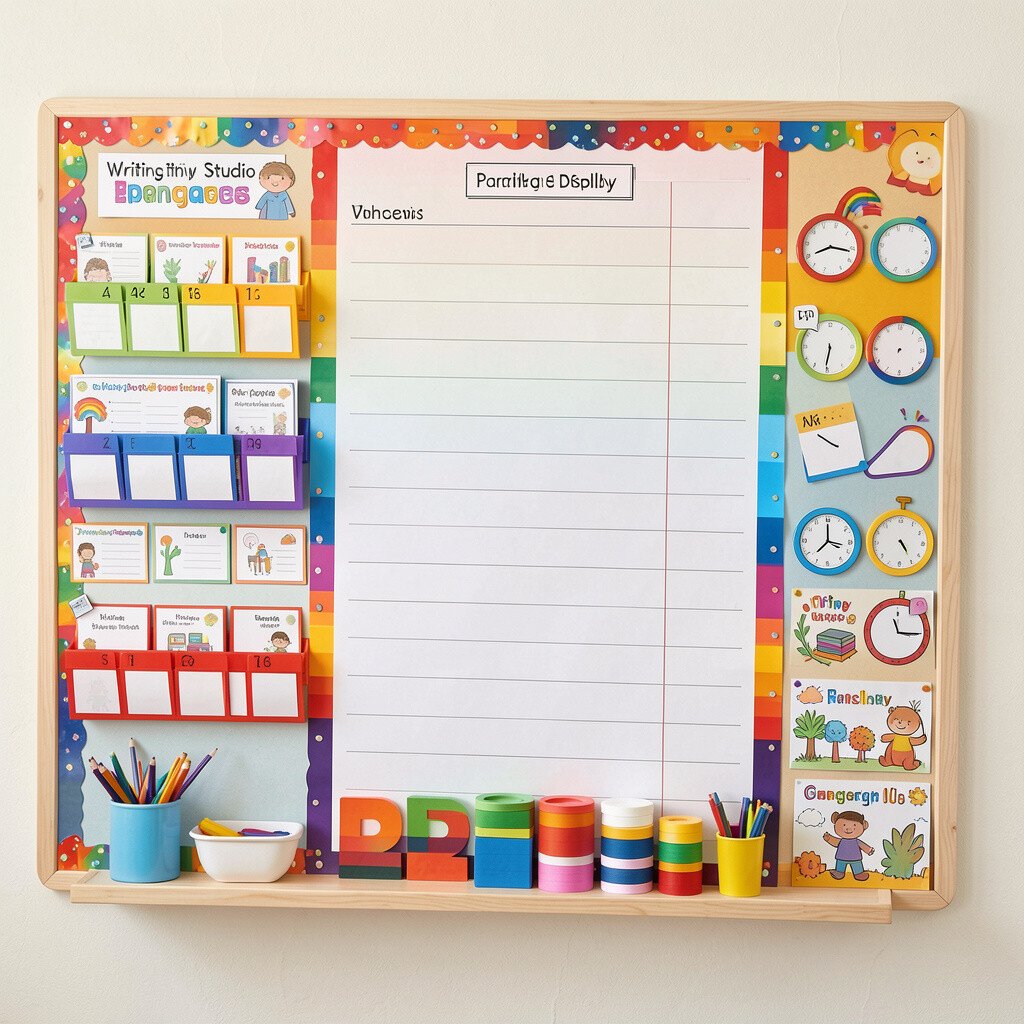
Picture a display that uses rainbow lenses to focus on writing parts like introduction, evidence, and wrap-up. Each color lens can be a semi-transparent sheet placed over example paragraphs, making the structure feel concrete.
This board helps students see how a good piece of writing fits together, especially when you change the example text each week. Students can also add their own drafts in colored strips that match each writing part. A practical tip is to include one clear “success statement” for each color, so students know exactly what to aim for.
7. Art Supplies Rainbow Inventory Board With Student Check-Offs
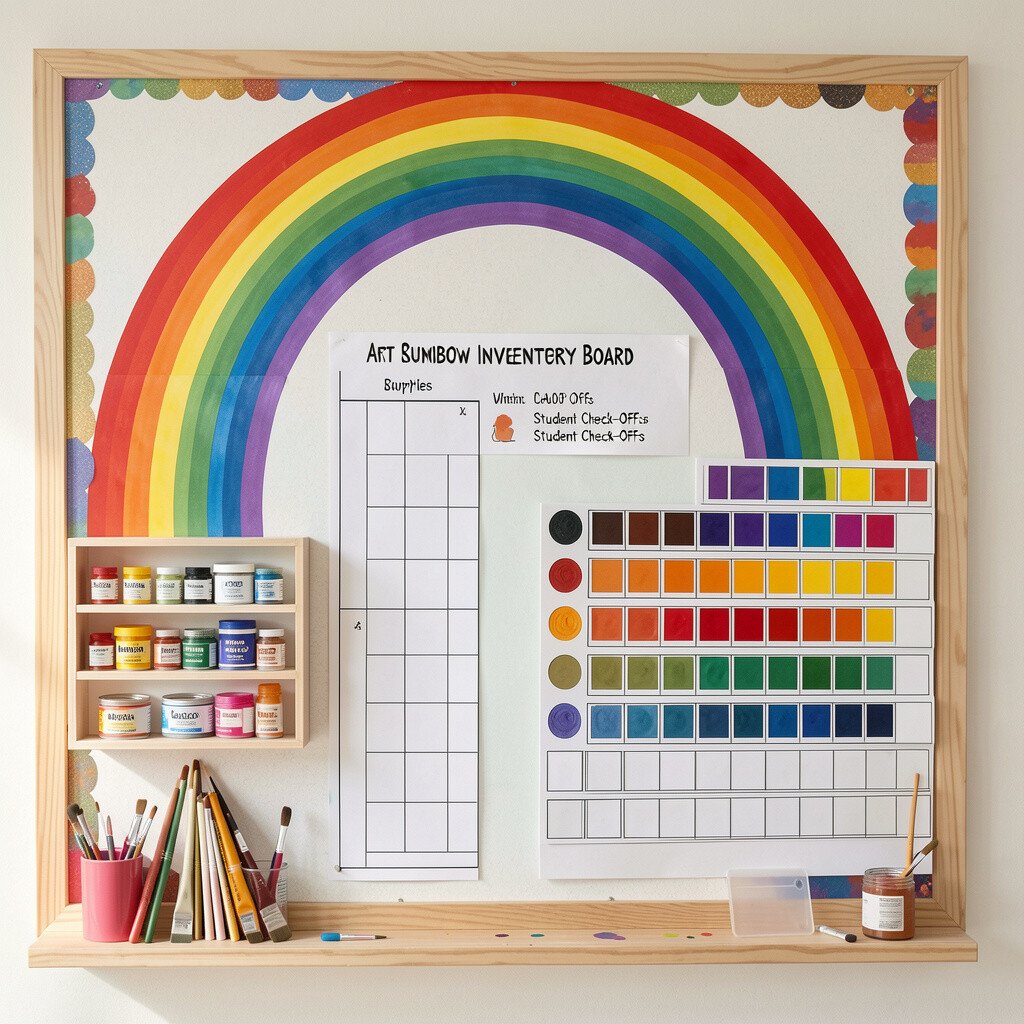
Visualize a neat rainbow board with labeled sections for crayons, markers, scissors, and glue. Each item has a color-coded card holder, and students check in and out supplies by matching colors.
This setup brings a practical benefit right away, since fewer items go missing and routines run smoother. It also teaches responsibility because learners can see what belongs to the class and what is currently in use. To personalize, add small pictures of students using each tool safely, since that keeps expectations friendly and clear.
For cost considerations, you can reuse old plastic organizers and mount them to a poster board. A trend many classrooms love is using display systems that double as management tools, and this one does that beautifully. For uniqueness, add a “most-loved tool” ribbon that students rotate each month based on their favorite art moment.
When routines feel effortless, students spend more time creating and less time waiting. That improved flow is one of the biggest wins of a well-designed display.
8. Geography Rainbow World Map Board With Sticker Regions
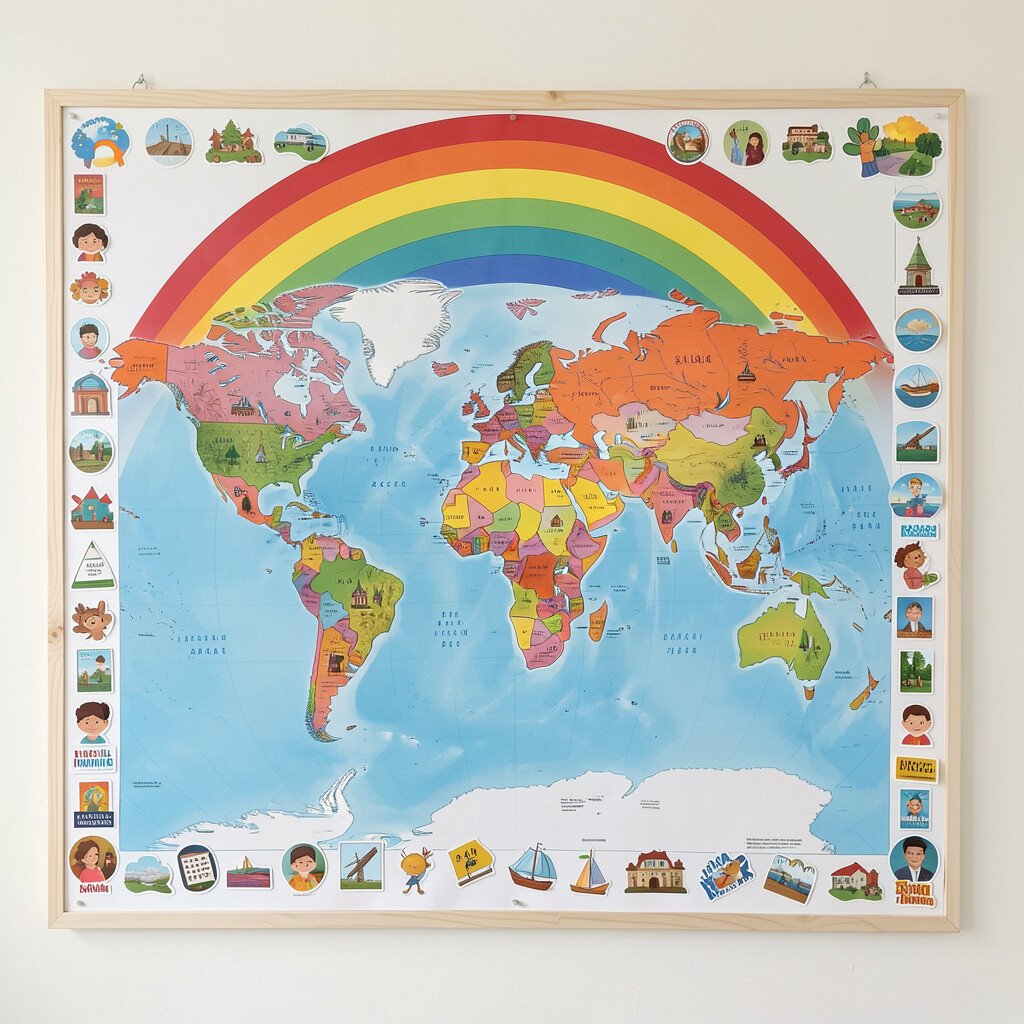
Imagine a rainbow world map where each major region is tinted in a different color band. Students add stickers or paper labels to mark what they learned, and the map slowly becomes a class story.
The visual connection between location and facts helps memory, especially for students who learn best through images. You can also add short “travel questions” under each color band so students practice speaking and writing. A practical tip is to keep the sticker set in a small tray so students can add them during a set time, reducing interruptions.
To personalize, let students choose an animal or symbol that represents their learning region and place it on the board. Cost considerations are simple here because you can print maps from free resources, then cover key labels with laminate for durability. For uniqueness, consider using different rainbow shades each unit so students can look back and spot how themes change over time.
9. Language Learning Rainbow Word Wall With Picture Cards
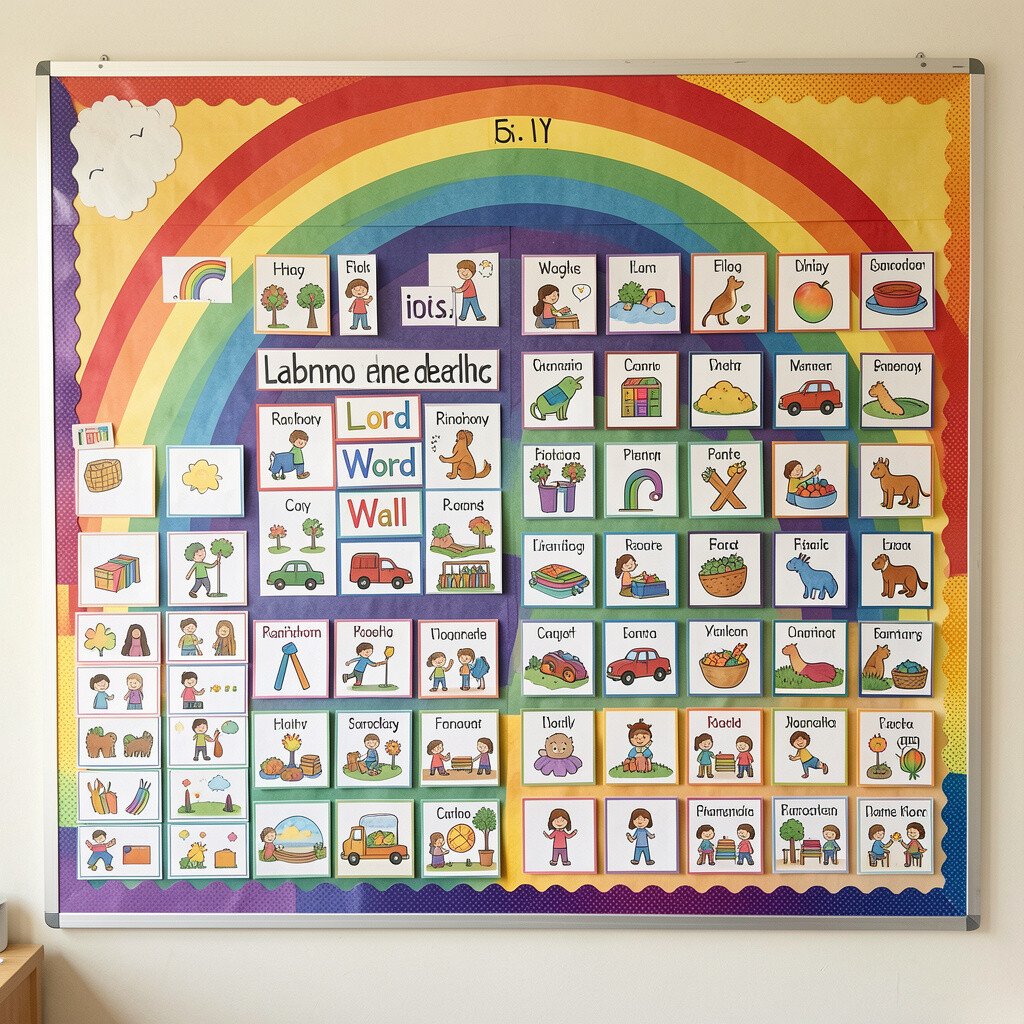
Picture a rainbow word wall where vocabulary is grouped by color and supported with small picture cards. The board feels welcoming, and students can find words fast without scanning the whole room.
This is helpful for language learners and for any student building confidence with new terms. When students can tap a color band, they can quickly choose the right word for speaking or writing. A practical tip is to include a couple of example sentences next to each word so learners see how it’s used, not only how it looks.
For personalization, invite students to bring in family word ideas or community photos that match a few color groups. Cost can stay low if you print pictures in batches and store them in a binder for reuse. Current trends include multimodal learning, and picture cards support that perfectly while keeping the wall bright and engaging.
10. Rainbow Growth Mindset Board With “Yet” Prompts and Progress Circles
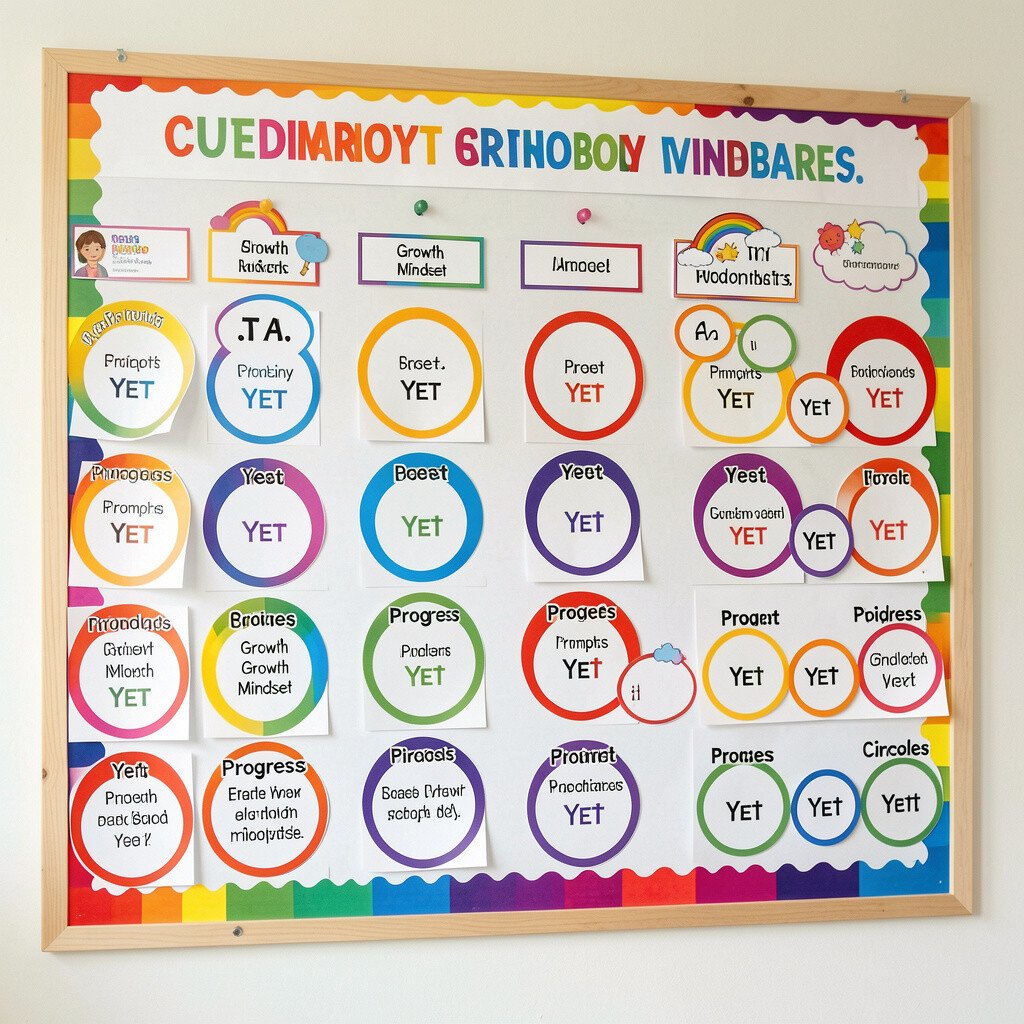
Think of a rainbow board filled with progress circles that move from red to purple as students practice skills. Each circle can hold a short “yet” prompt, like “I can do it with practice” or “I’m learning how.”
This board is designed to reduce the fear of mistakes, because students can see growth as a process. Students add a new sticker or write a quick reflection when they try again, not only when they get it right. For a practical tip, keep the prompts calm and encouraging, and rotate them so students stay curious.
11. Classroom Community Rainbow Board With Kindness Paths
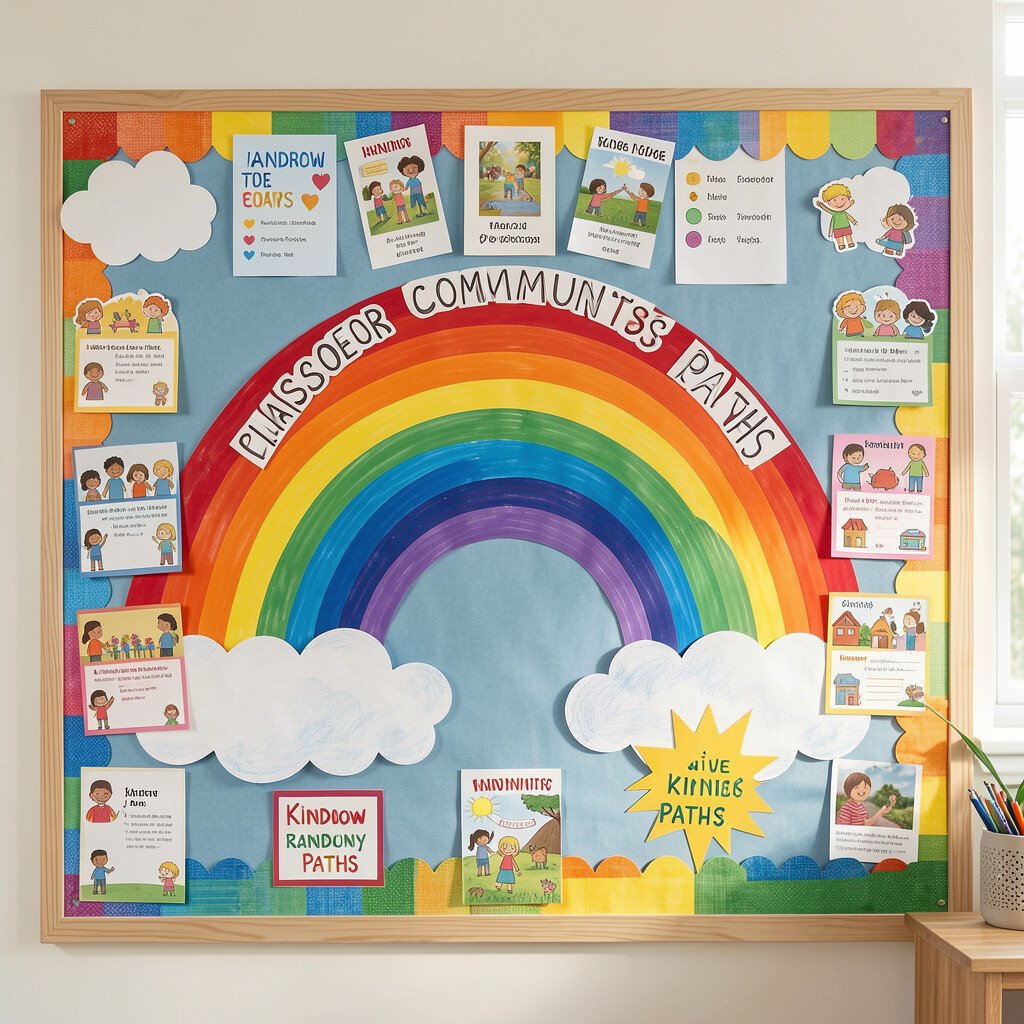
Imagine a rainbow pathway across the wall where students place small tokens for acts of kindness. Each token can be a sticky note that briefly explains what happened, creating a living record of classroom care.
This kind of display builds a strong culture, and it makes positive behavior visible in a warm way. When students read each other’s notes, they learn specific examples of how kindness looks, which helps them copy it. A personalization idea is to let students choose the token shape each month, like stars, hearts, or paper leaves, so the board’s style feels fresh.
For cost considerations, you can make tokens from colored cardstock scraps and use a simple string or ribbon path. Current trends often highlight social-emotional learning, and this board supports that through everyday moments, not special events only. To keep it unique, add one rainbow color reserved for “brave tries,” so students can celebrate effort and persistence even when something is hard.
When the board is full, classroom energy shifts toward teamwork and encouragement. That’s the benefit that quietly changes the whole day.
12. Daily STEM Challenge Rainbow Board With Rotating Problem Cards
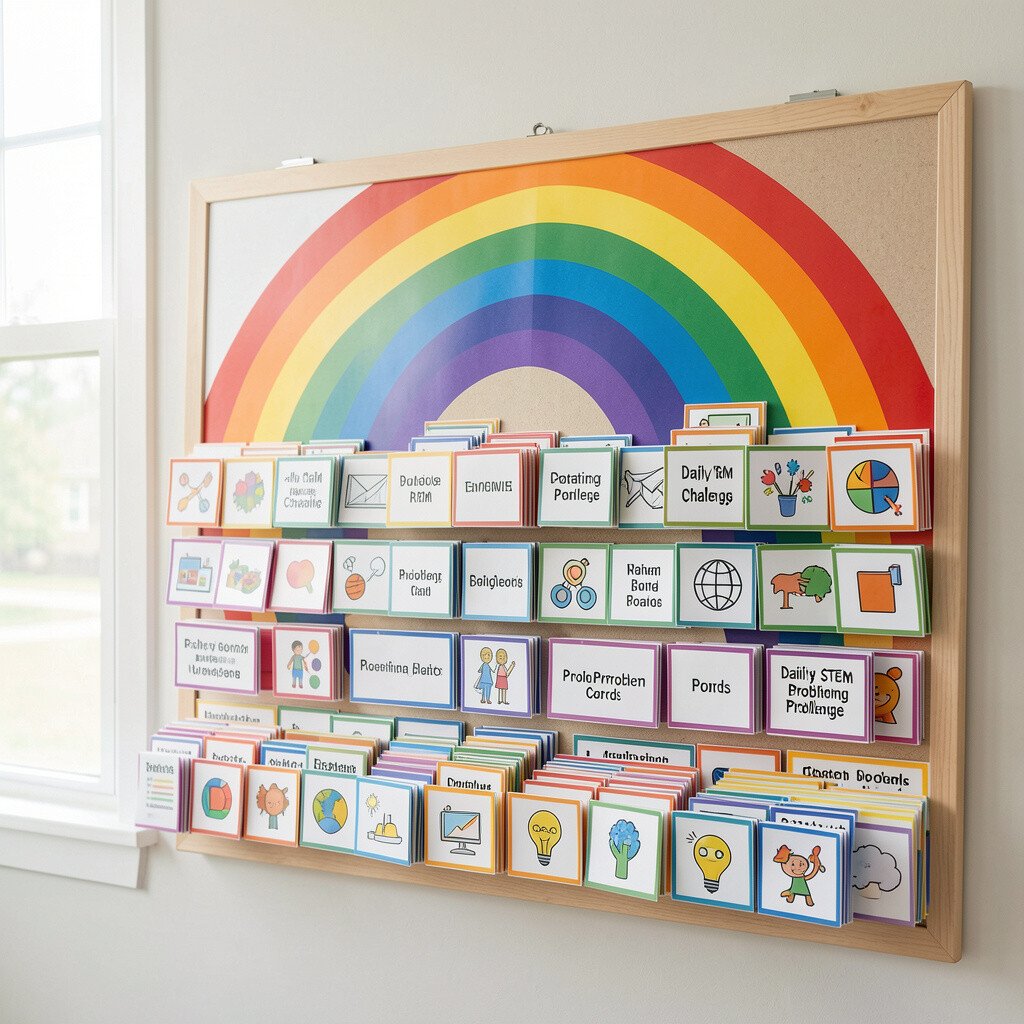
Picture a rainbow board with pockets that hold STEM challenge cards for different difficulty levels and topics. Each color can match an engineering skill, like building, testing, measuring, or coding basics.
Students pick a card during a certain time, attempt the challenge, and return their results with a quick checklist. This boosts problem-solving habits and gives you a clear way to track engagement without heavy grading. A practical tip is to include a small “tools needed” strip so students can grab materials quickly and start right away.
For cost considerations, use reusable card sleeves and print challenges in batches. You can also borrow ideas from common makerspace activities, like paper bridges and simple circuits, and adapt them to your grade level. A trend in many classrooms is hands-on learning with short, repeatable stations, and this rainbow board turns that into a smooth routine.
To personalize, let students co-create a few cards with drawings of what worked best. That student-made input makes the board feel authentic and keeps the activities fresh.
13. Holiday and Theme Rainbow Display Board With Changeable Backdrops
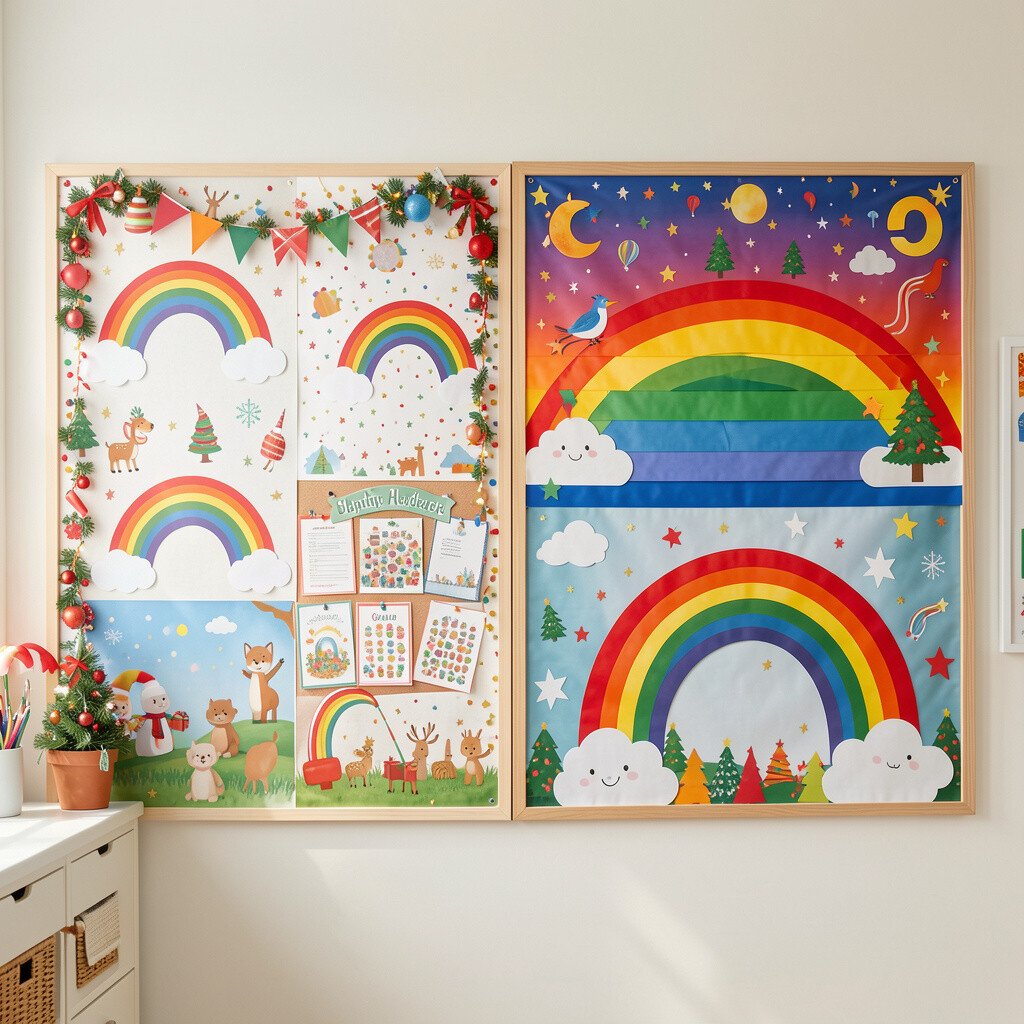
Imagine a rainbow base board that stays up all year while the background changes to match seasons and themes. You could keep the rainbow bands constant and swap only the central artwork, so the display never feels abandoned.
This approach keeps maintenance manageable and supports creativity because students can help craft each new backdrop. When the board matches what you’re learning, it strengthens attention and makes transitions smoother during special units. A practical tip is to design the center area as a removable panel using cardboard frames, so you can switch themes in minutes.
For personalization, add a small “class date” corner where you document what you studied and who helped build the theme. Cost considerations are friendly because most changes can be made from paper crafts, reused art supplies, and student drawings. For uniqueness, choose one signature style each time, like paper quilling for one month or painted silhouettes for another, so the board becomes a recognizable classroom tradition.
When displays can shift without breaking, students feel a steady sense of excitement. That balance of consistency and surprise helps learning stay bright.