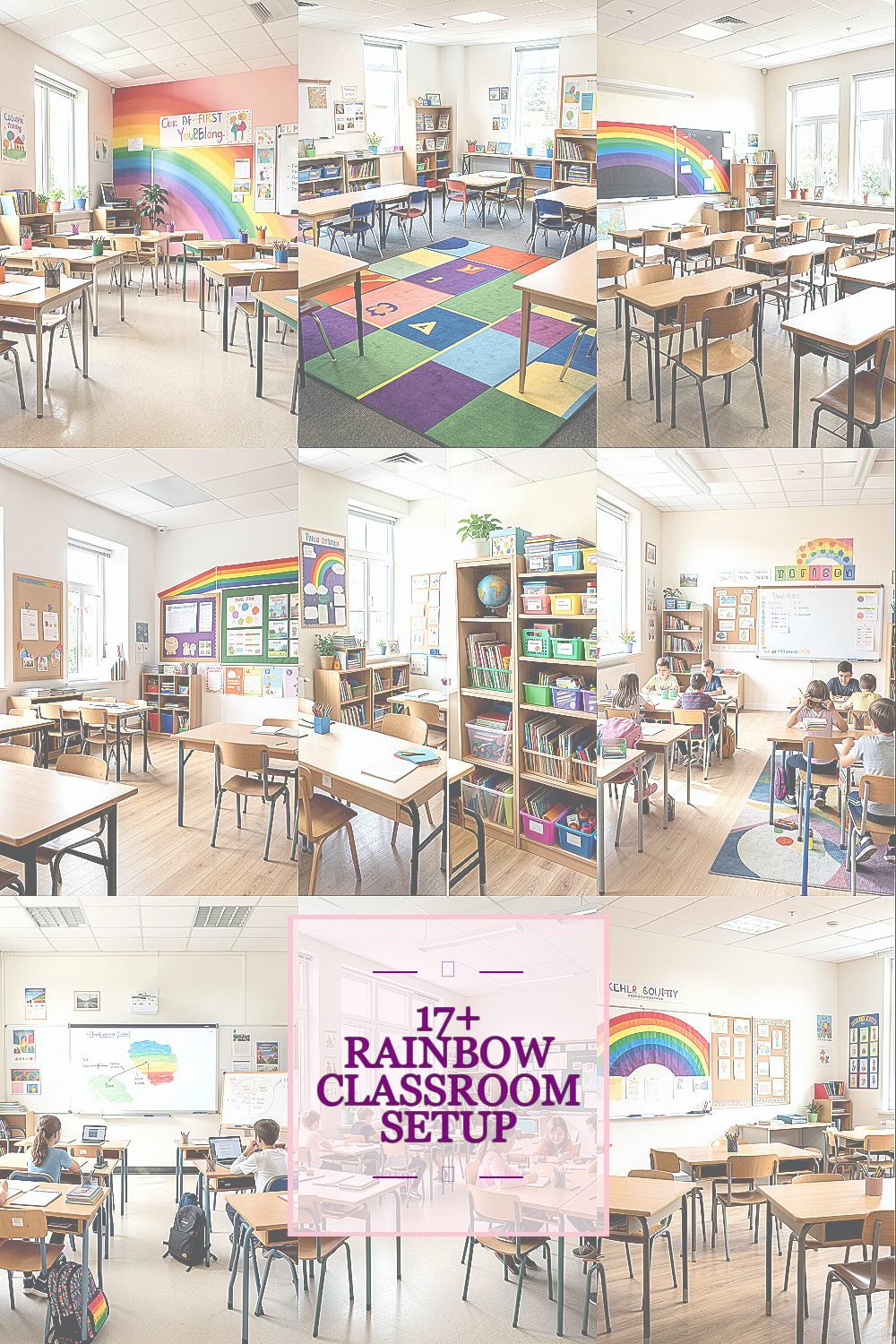
The classroom mood can change how students feel in their seats. A few color choices can make learning feel friendlier and clearer.
When you compare a rainbow classroom with a traditional one, you start to see more than just decoration. You see focus, comfort, and better routines forming all day long.
1. Color-First Atmosphere That Signals “You Belong”
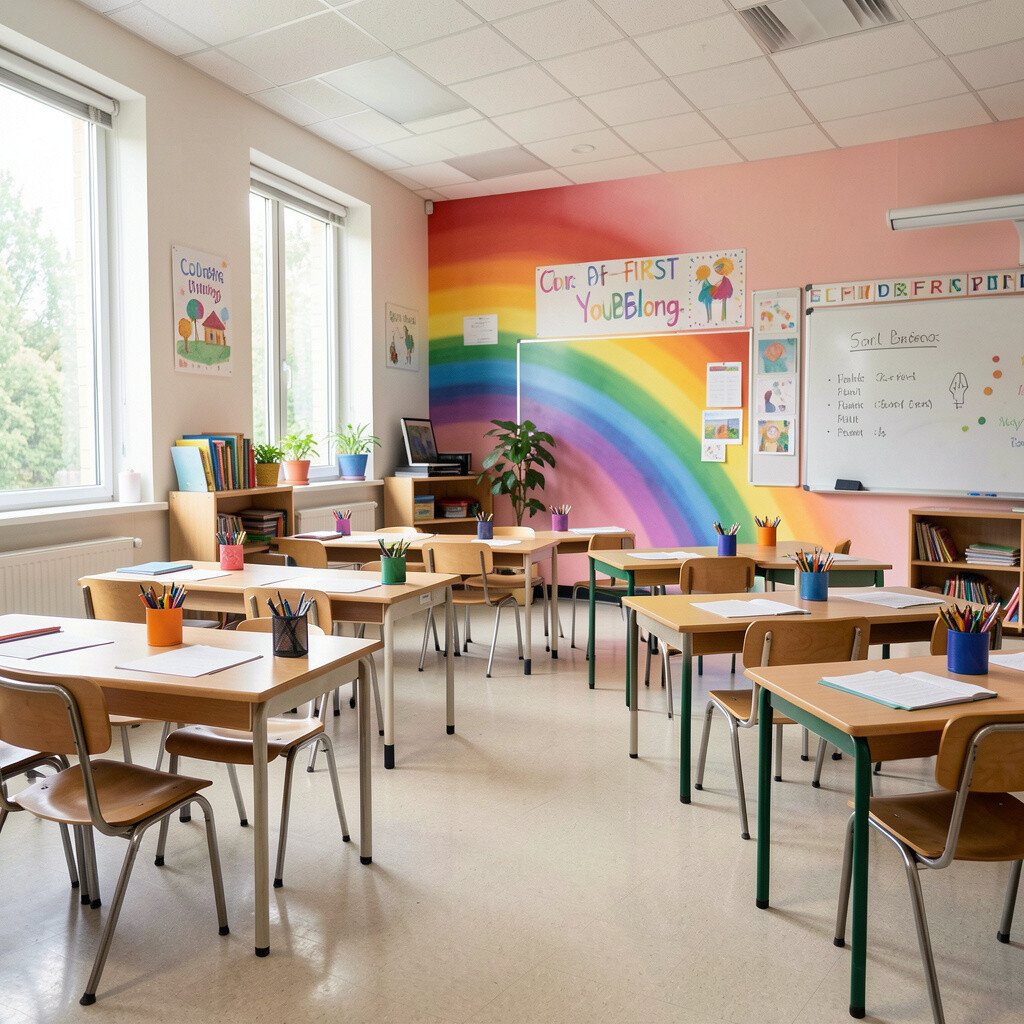
In a rainbow classroom, walls, bins, and learning spots often use bright bands of color that feel welcoming. Students can look around and quickly sense where they fit and what they should do.
That visual calm helps many kids settle faster, especially during transitions. In a traditional classroom, colors may be limited and the room can feel more uniform and quiet. A rainbow setup adds warmth without adding clutter, so energy stays useful instead of scattered.
2. Clear Learning Zones That Make Directions Easy
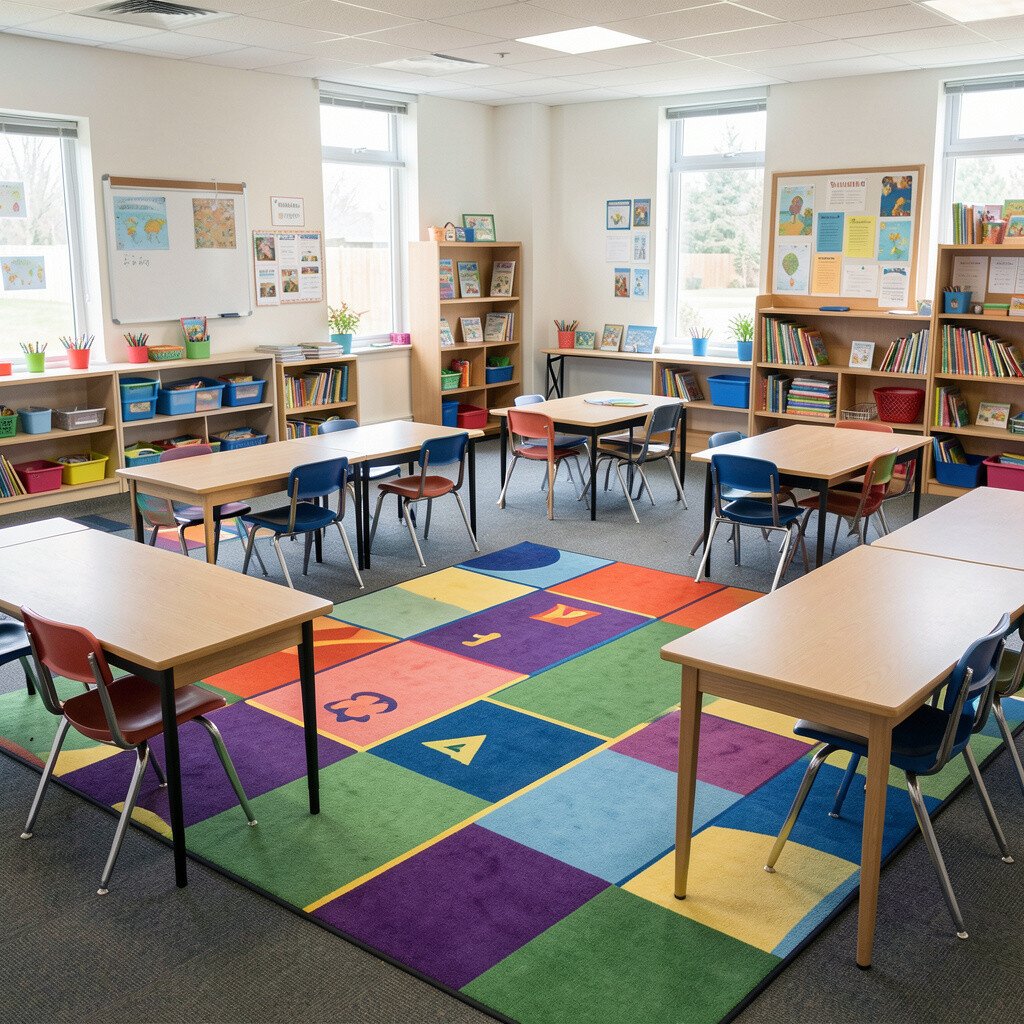
Rainbow classrooms often use color-coded areas for reading, writing, math practice, and group work. A child walking in can spot where materials belong just by looking.
Traditional classrooms usually rely on signs and verbal reminders, which can get missed during busy moments. With color zones, directions become simpler to follow and less stressful for shy learners.
Try using matching color labels on desks, floor markers, and storage shelves so everything has one obvious home. When students can predict what comes next, they spend more time learning and less time asking, “Where do I put this?”
3. Better Focus Through Visual Rhythm
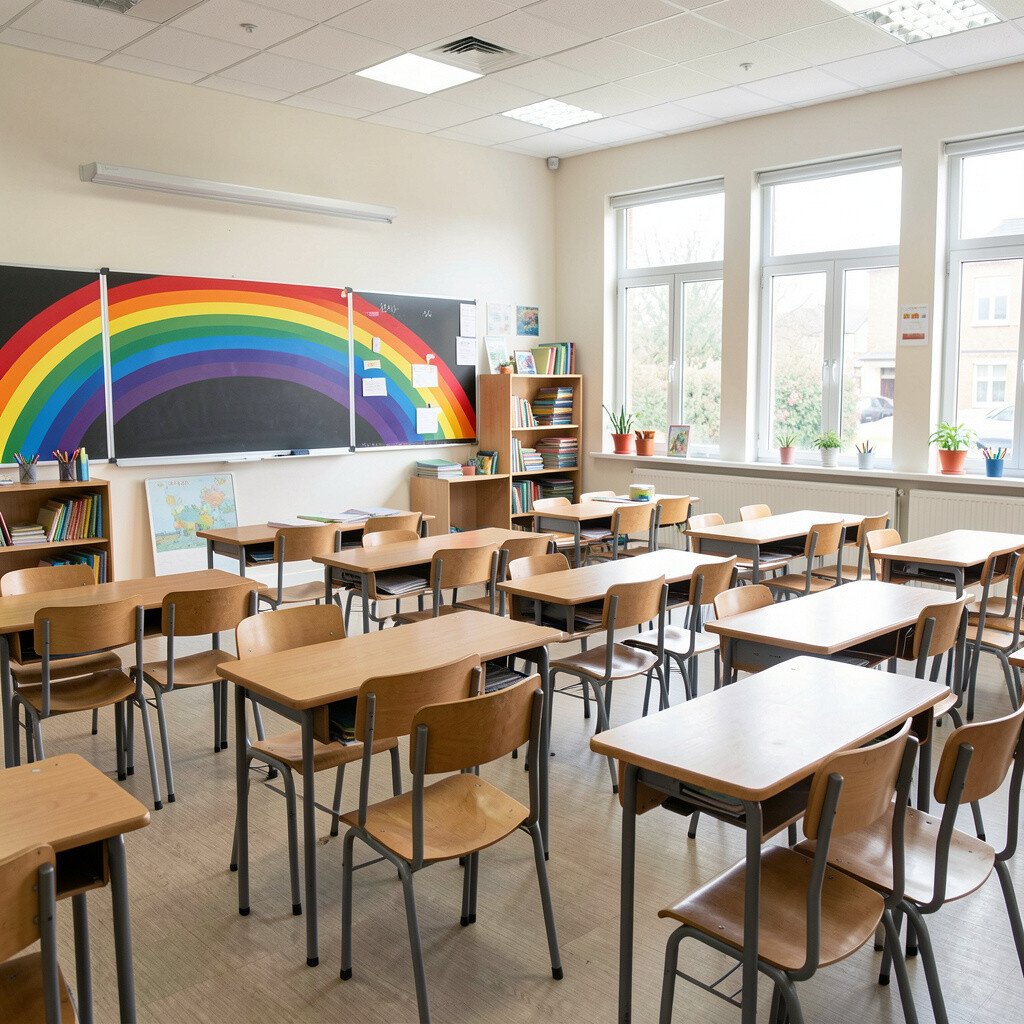
A rainbow classroom often creates a gentle visual rhythm using repeated colors across the room. That pattern can help students stay oriented, even when lessons shift often.
In many traditional classrooms, everything blends into one look, and students may need to work harder to track where to look. When learners have a consistent visual map, attention can shift smoothly from teacher talk to student tasks.
Consider choosing a small rainbow palette and sticking to it across supplies. If you personalize the colors for your grade level, your room will feel consistent and easy to read.
To keep it manageable, pick just a few dominant hues for each area rather than covering everything at once. You’ll get the calming effect without overwhelming the room.
4. Engaging Displays That Turn Work Into Motivation
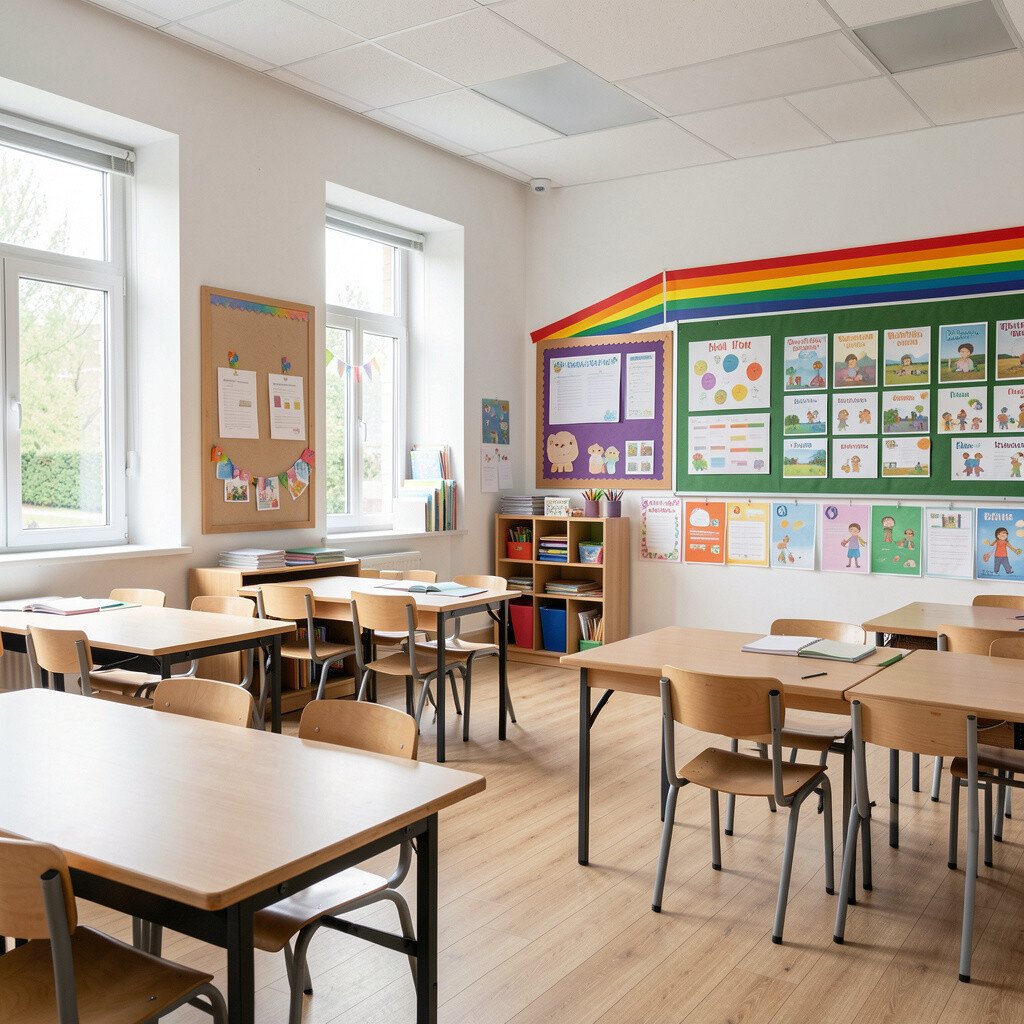
Rainbow classrooms often feature student work in bright frames or color-matched display folders. Seeing their ideas highlighted by fun colors can make effort feel worth it.
In a traditional setup, displays can be limited to bulletin boards with plain borders. Students may not feel the same sense of celebration when their work is tucked into one neutral space.
5. Supply Organization That Reduces Lost Time
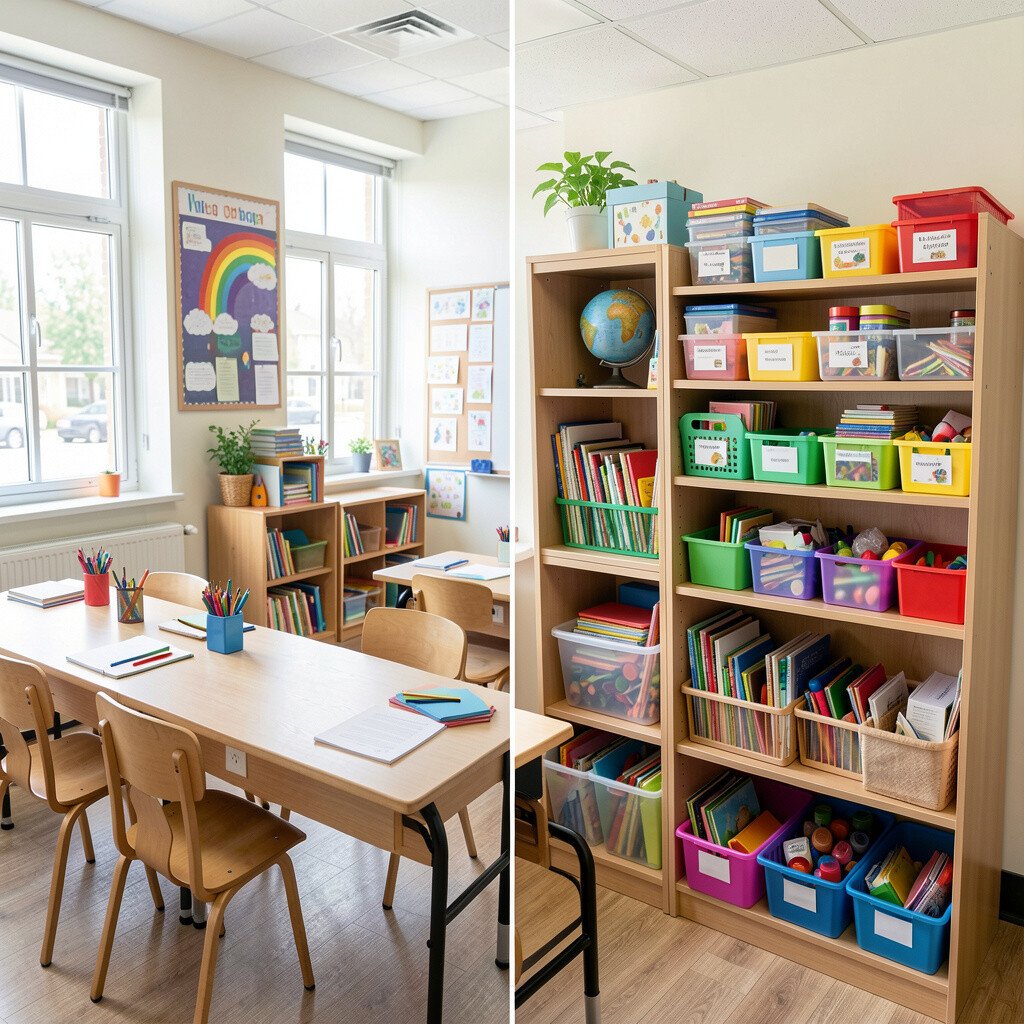
When every bin and container follows a color plan, cleanup becomes faster and less emotional. Students can quickly match items to the right color without waiting for help.
In a traditional classroom, organization may depend on memory, handwriting, or detailed labels. Those can fade, peel, or get mixed during the day, which leads to extra searching.
You can start small by color-coding just markers, scissors, and paper trays. Over time, the room runs smoother and students get back to learning quicker.
6. Easier Differentiation for Different Learners
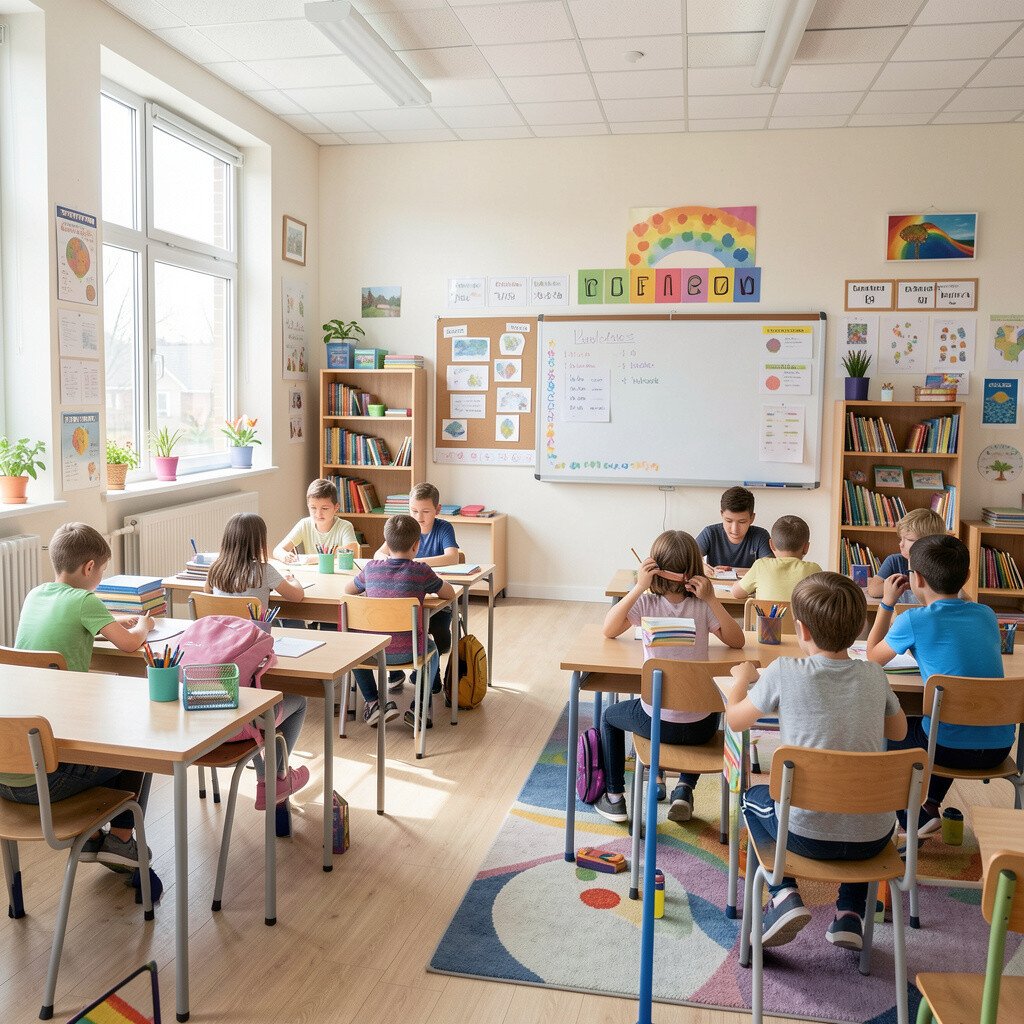
Rainbow classrooms can support different reading levels and learning paths using color-coded task cards. A student can pick the right challenge without feeling singled out.
Traditional classrooms often use one-size-fits-all worksheets, with adjustments happening only after students struggle. Color grouping can make support feel built in, not added later.
7. Stronger Engagement With Subjects That Need Energy
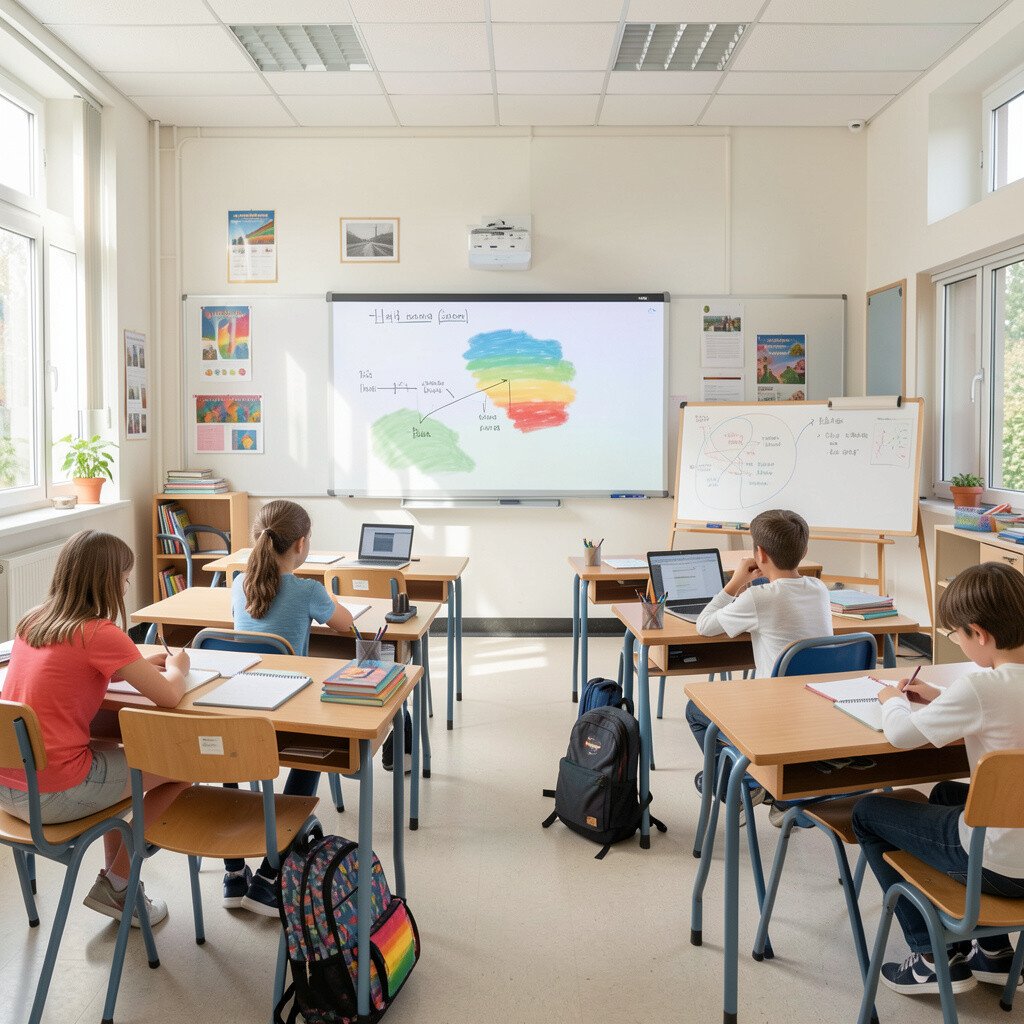
When science, art, and math materials come in rainbow sets, lessons often feel more alive. Students may try harder because the materials look inviting and ready.
Traditional classrooms sometimes keep science tools or math practice in the same plain packaging. That can make tasks seem more serious and less playful, even when the topic is exciting.
8. Student Choice That Builds Ownership
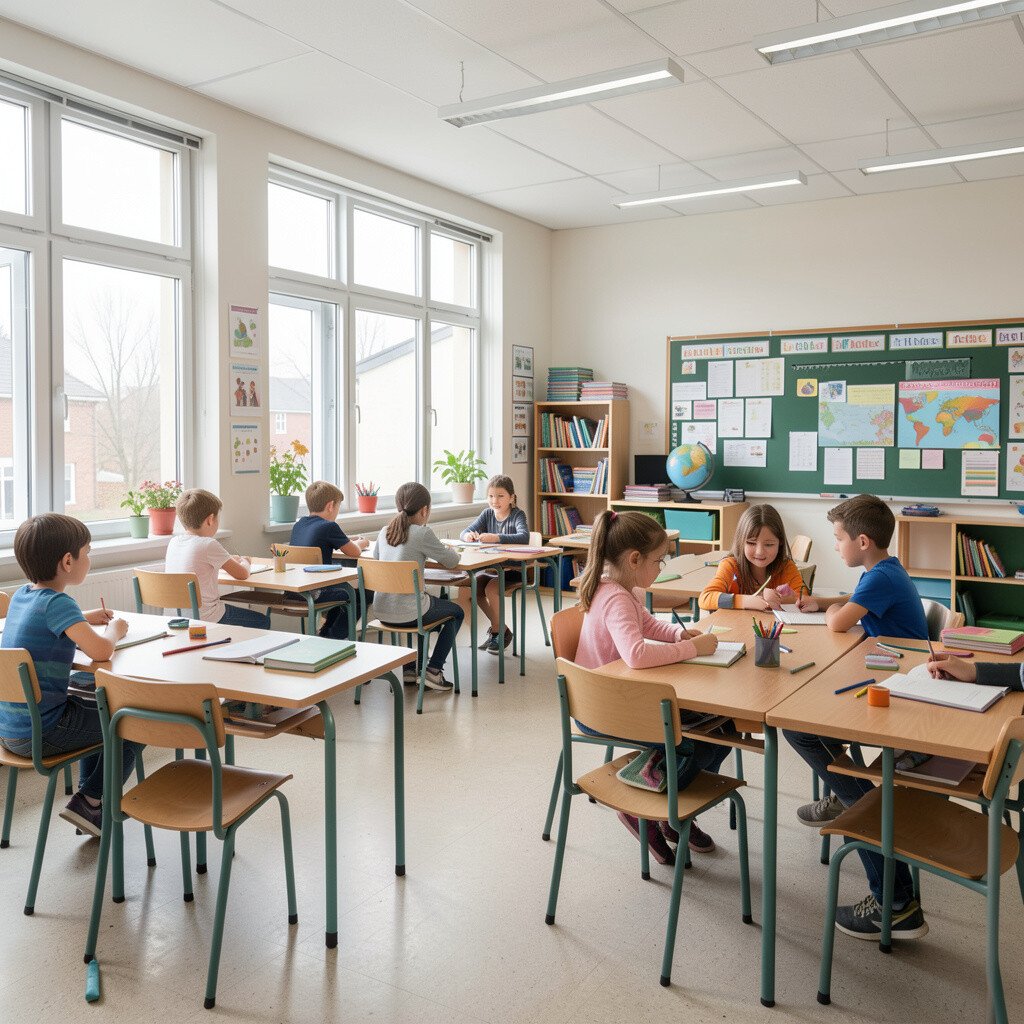
Rainbow setups work well when students can choose among color-coded activity options. Choice can encourage independence and help students feel trusted.
In a traditional classroom, choices may be limited to what the teacher offers in the moment. With color options, students can make safe decisions that match their needs.
Try using a “choose your color” system for reading stations or learning centers. You can personalize it by letting students help name the colors and routines, which builds a sense of community.
9. Visual Support for Emotional Regulation
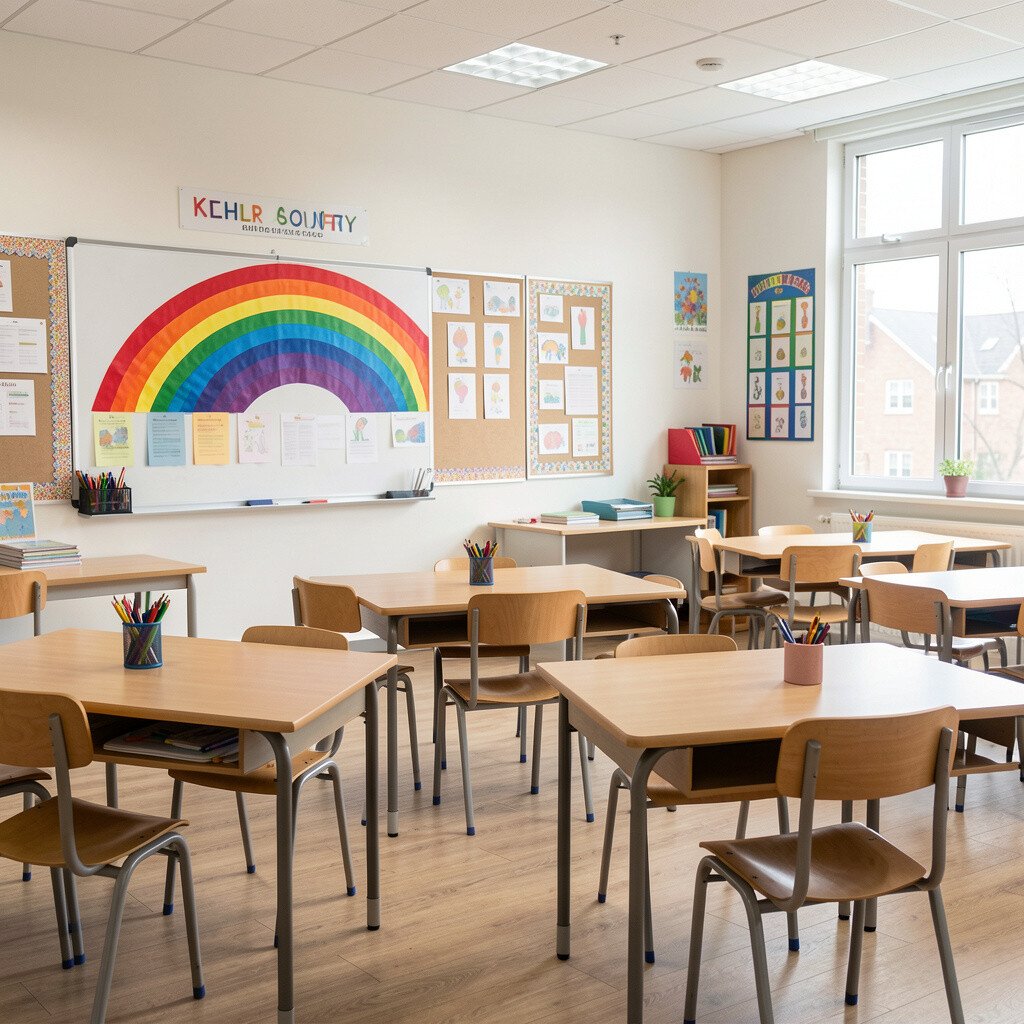
A rainbow classroom can include color cues for calm-down routines and feelings. Soft color zones can tell students that it’s okay to breathe, pause, and reset.
Traditional classrooms often rely on verbal reminders like “take a break” without consistent visual anchors. Visual signals can help students, especially younger ones, understand what to do next.
Use gentle, non-scary colors for calming corners and keep the routine the same every time. When students see the same cues, they learn faster and feel more secure.
10. Cost-Smart Options Using What You Already Have
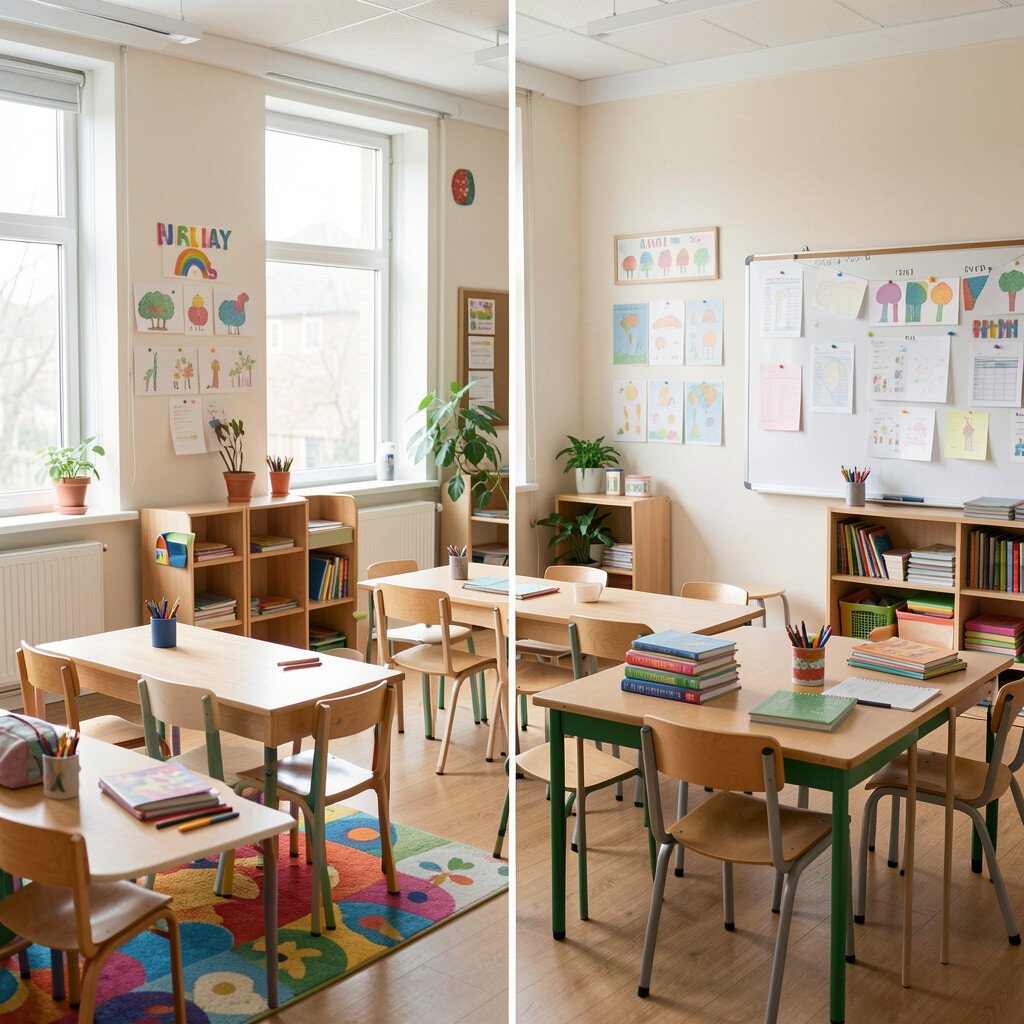
You don’t need to buy a brand-new room to start a rainbow setup. Many upgrades use sticky labels, colored folders, thrifted bins, and printable color tags.
Traditional classrooms can also use those tools, but rainbow planning makes them work together as a system. When you choose affordable materials in a consistent color theme, the classroom looks intentional without expensive purchases.
Consider asking families for colored paper donations or reusing packaging like colored cardboard. Small shared contributions can add up quickly, and students love seeing their classroom community help.
11. Easier Transitions With Color-Linked Timing
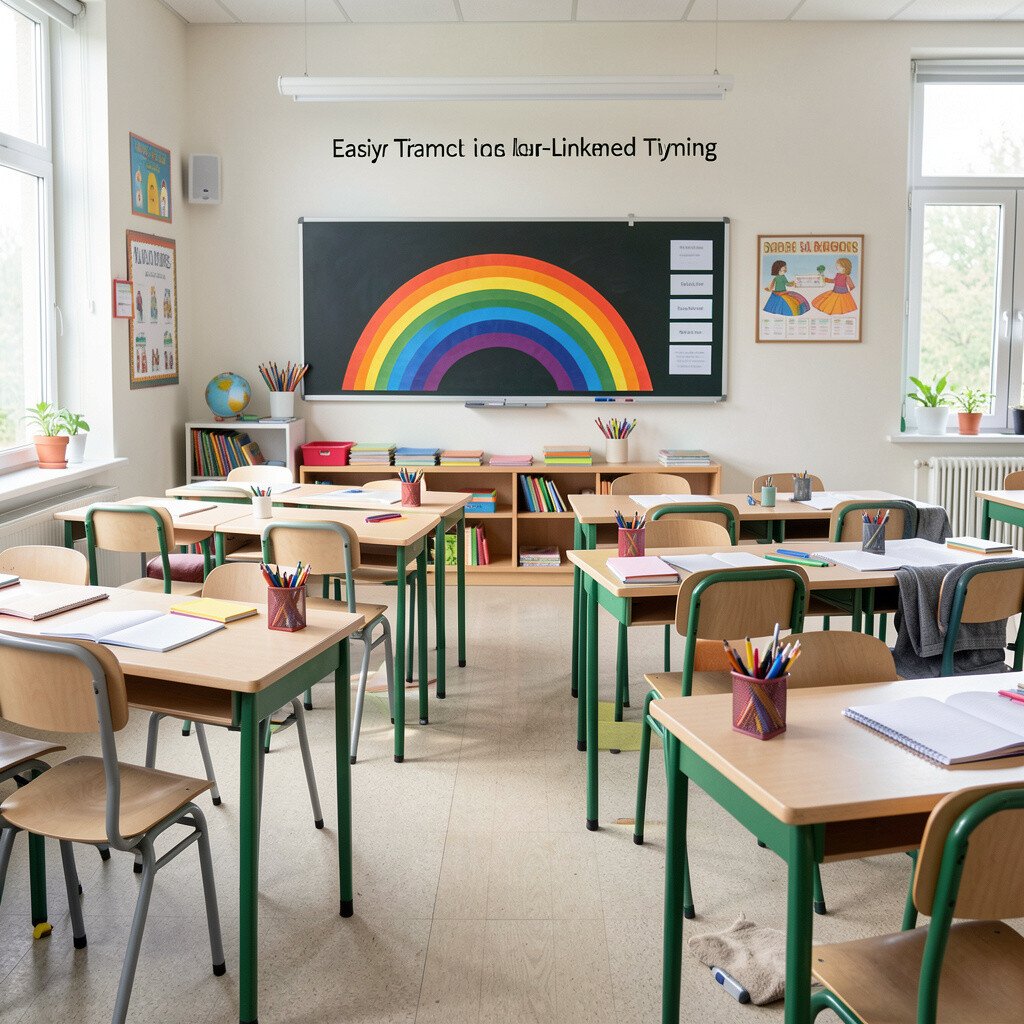
Rainbow classrooms often use color-linked cues for routines like line up, cleanup, and work time. Students can shift gears by noticing the color cue change.
In a traditional classroom, timing might rely only on the teacher’s voice or a clock display. Some students miss those signals, especially when they are excited about a task.
Try placing a color timer or chart on the wall and match it to the room’s color zones. Personalize the schedule so your students quickly learn the flow of the day without constant reminders.
12. Clear Rubrics and Feedback That Feel Friendlier
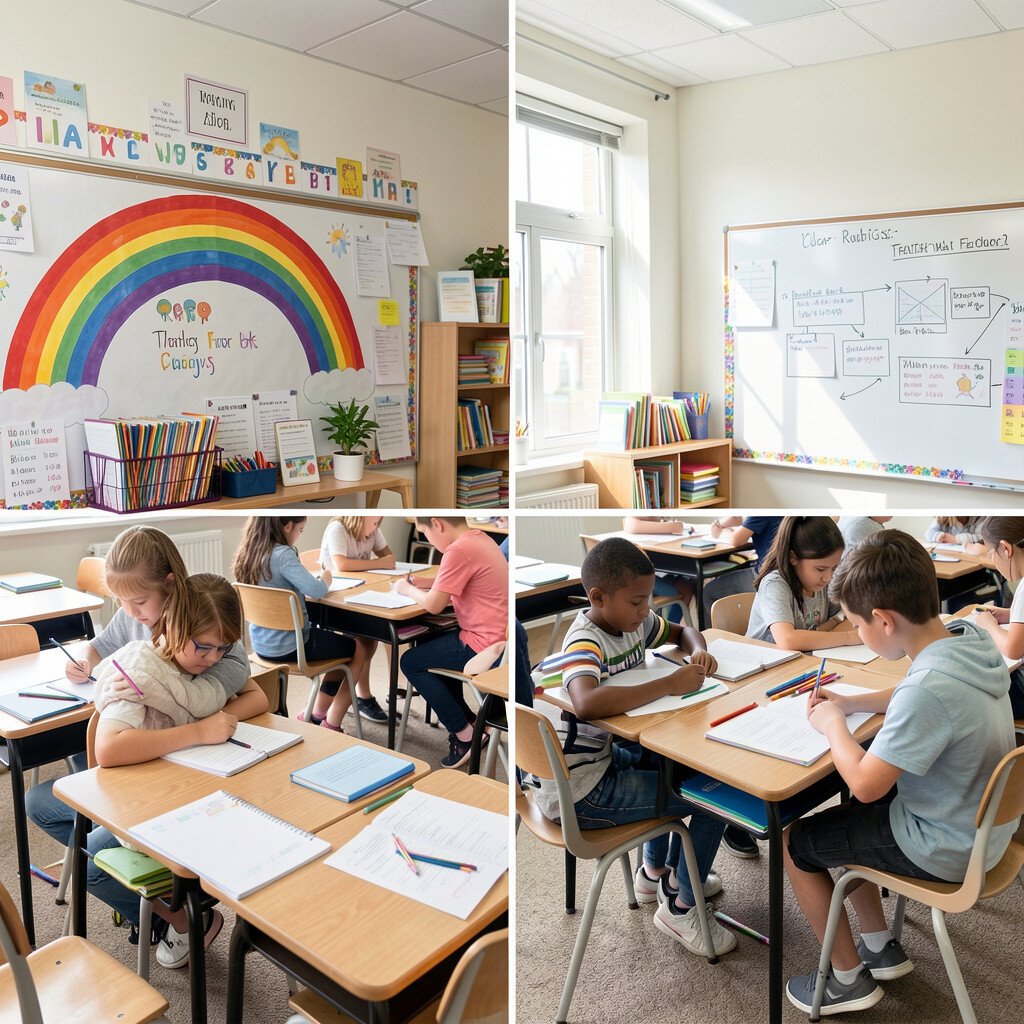
When feedback is color-coded, students can understand progress at a glance. A rainbow system can match skill areas like reading fluency, writing clarity, or math reasoning.
Traditional classrooms often use one-color red ink or generic marks that can feel discouraging. Color variety can make feedback feel less like a “grade” and more like directions for growth.
13. Stronger Memory Through Color Association
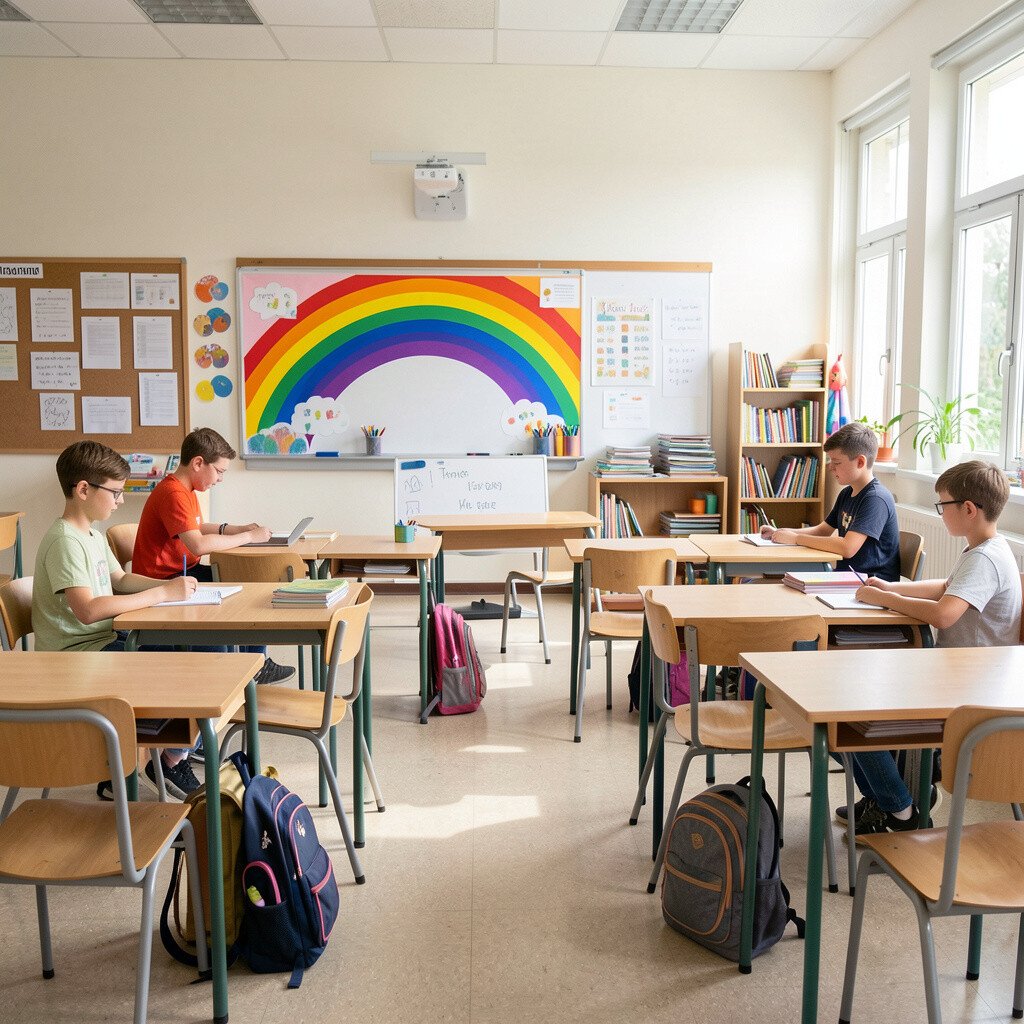
Color can help learning stick because the brain often remembers visuals better than plain lists. In rainbow classrooms, key terms, steps, and anchor charts can each have a color link.
Traditional setups may include one big anchor chart that mixes everything together. When information competes for attention, students may remember fragments instead of the full idea.
Choose one color for each concept category and keep that choice consistent for weeks. Students will start to anticipate where to find help, which builds confidence.
14. Inclusive Spaces for Visual and Language Support
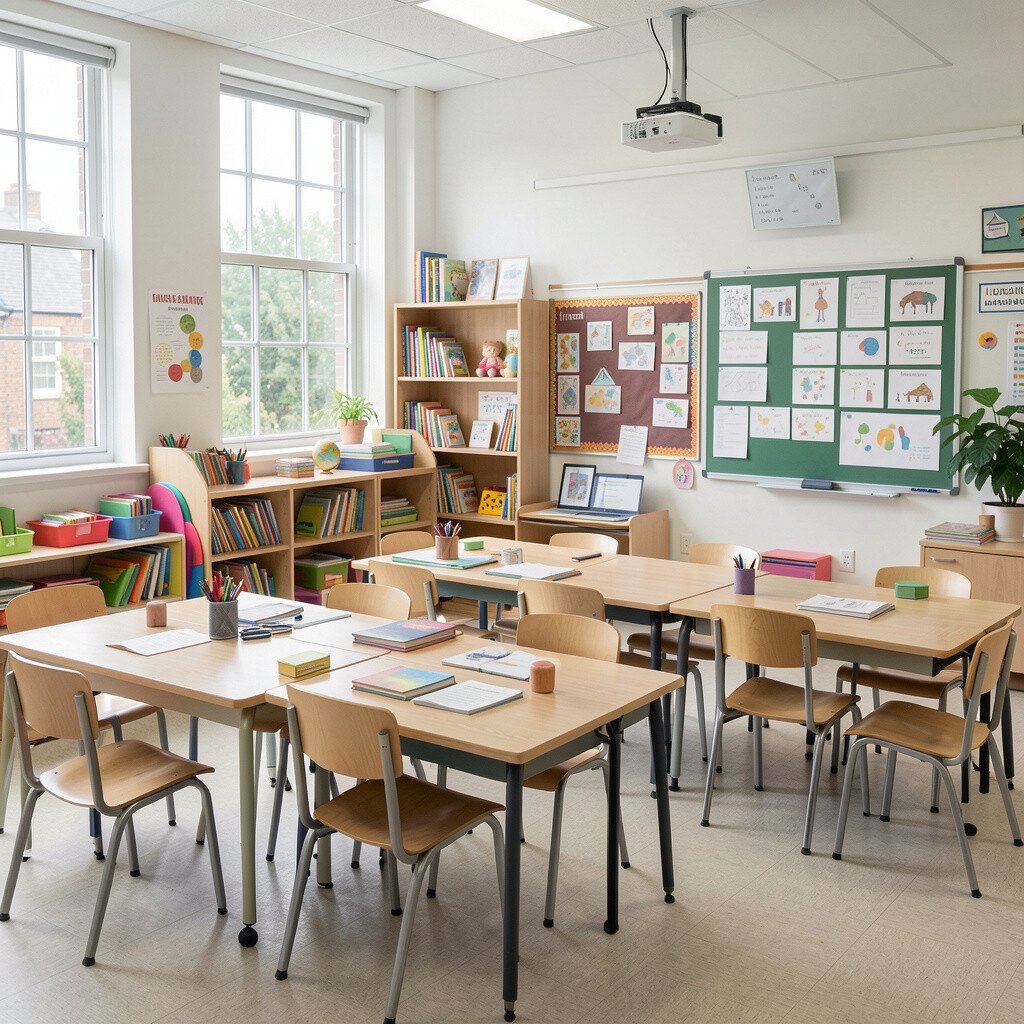
A rainbow classroom can support learners who benefit from visual and language scaffolding. Color-coded examples can help students follow steps in a simpler way.
In a traditional classroom, students may need more time translating a page of text into actions. With color cues, the “what to do” part becomes easier to catch.
Try pairing colors with picture supports on worksheets and checklists. Personalize materials so students who use different learning strategies still feel included.
15. Group Work That Stays Organized and Fair
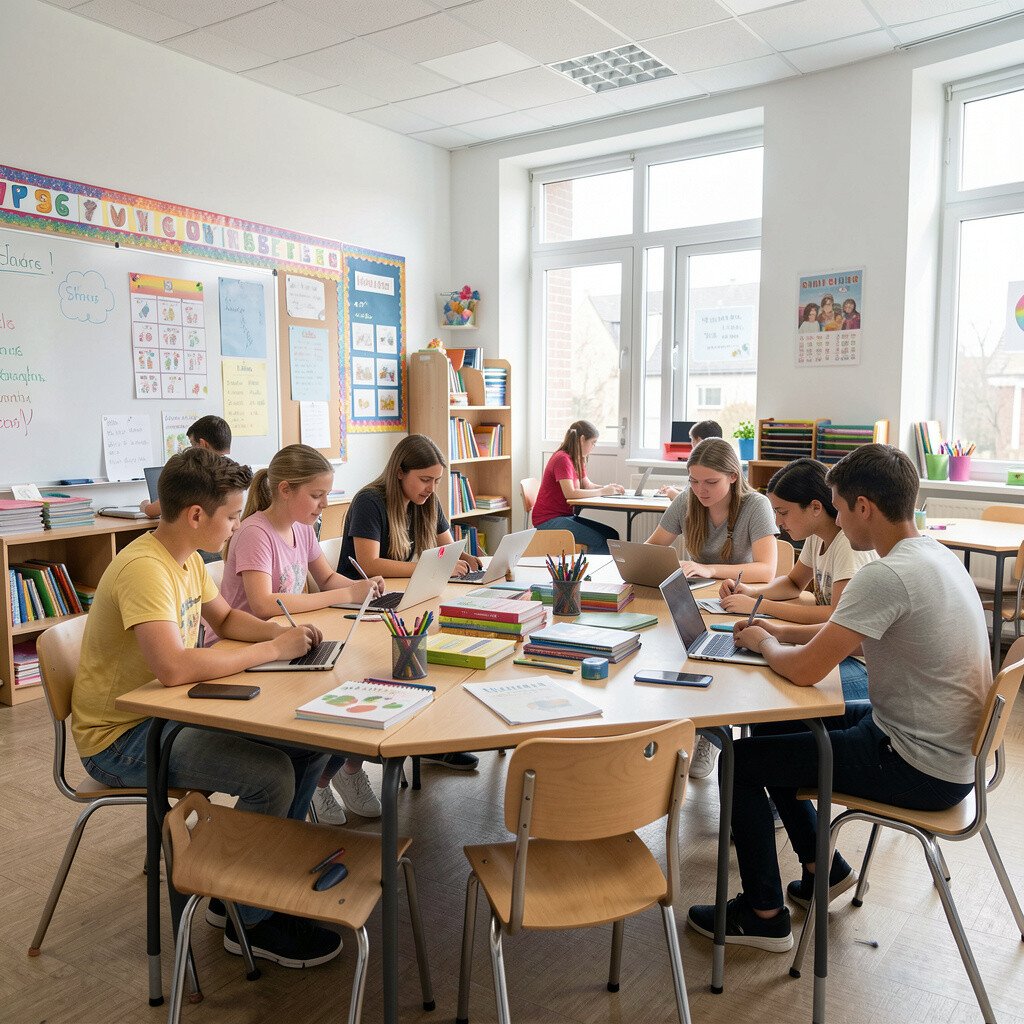
Rainbow classrooms can assign group roles using color groups or color cards. That makes it easier to balance participation and keep groups from drifting off-task.
Traditional classrooms often rely on verbal role assignments, and those can blur during busy group time. Color roles give students a simple structure they can follow independently.
Use color names for roles like “materials,” “reader,” “recorder,” and “presenter” to keep the process light. You can rotate the colors weekly so everyone gets multiple experiences, not the same job each time.
16. Cleaner Materials That Look Nice Longer
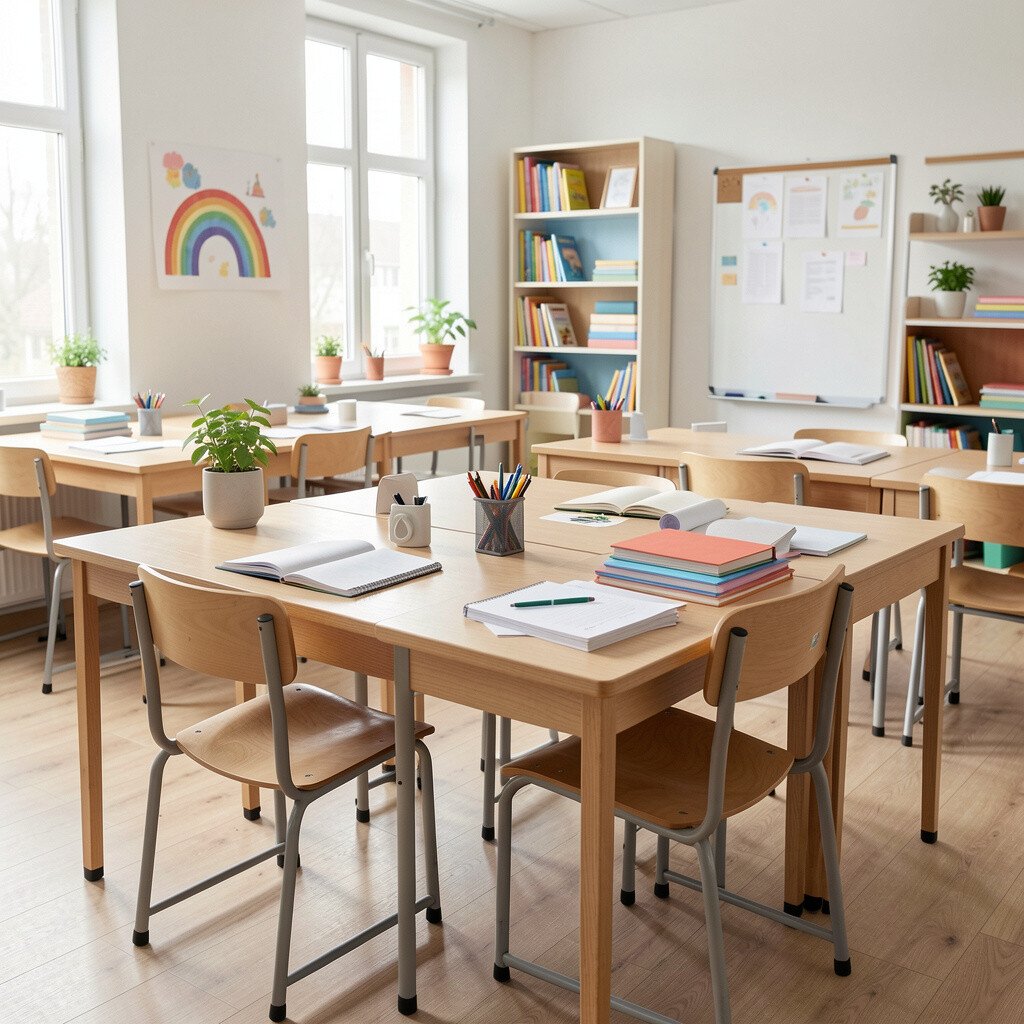
When supplies are sorted by color, students handle them with more care. It’s easier to see what’s missing and return items to the right place.
In traditional classrooms, mixed bins can lead to searching and hurried cleanup. That rush often causes wear and tear, like lost glue sticks or crumpled worksheets.
Keep a color checklist for shared materials and update it after major lessons. Students can help run the check, which also teaches responsibility in a simple way.
17. Modern Classroom Trends That Match Rainbow Learning
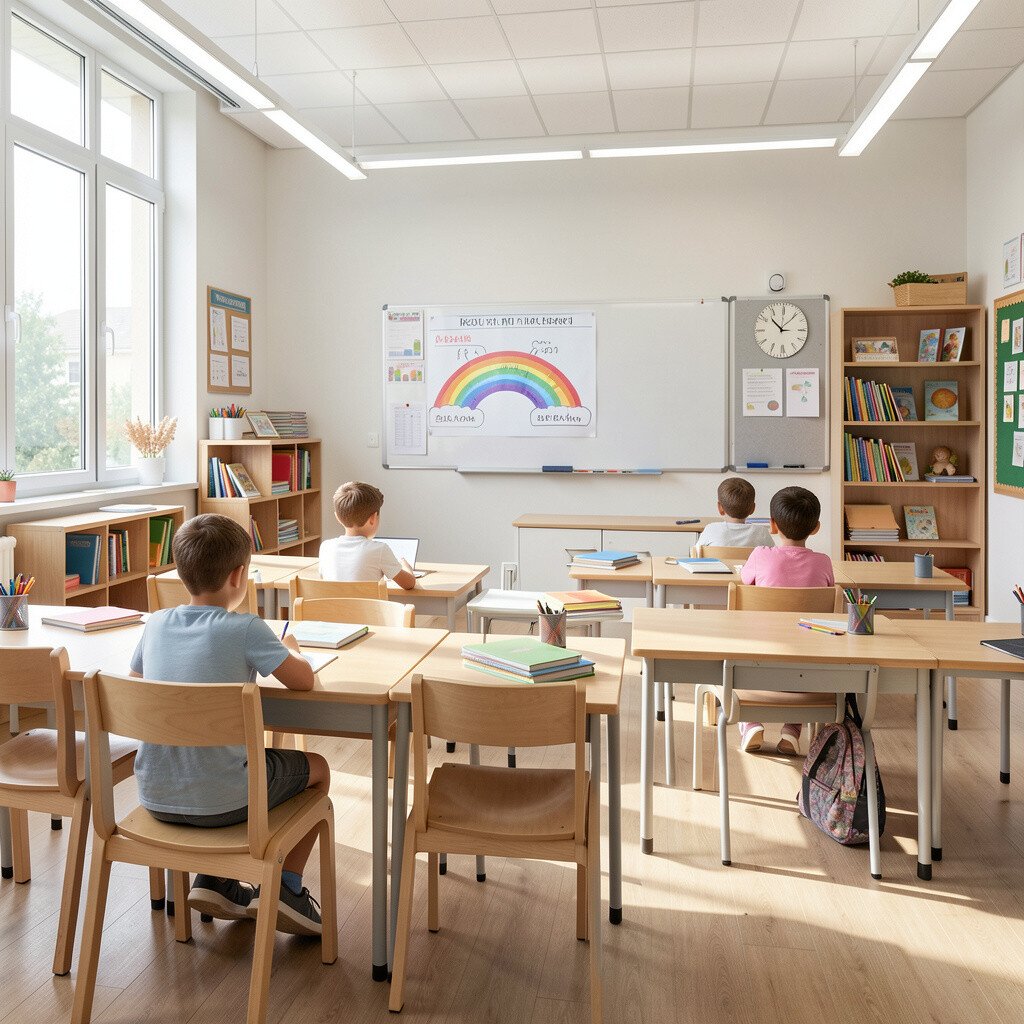
Many current classroom trends emphasize student-centered stations, flexible grouping, and clear routines. Rainbow setups fit naturally because they support station organization and independent movement.
Traditional classrooms can still use these ideas, but color systems make the structure easier to maintain. Teachers often find that the room stays calmer when students understand the setup quickly.
You can align rainbow color plans with tech station workflows too, like color folders for devices and charging areas. Pair it with quiet movement breaks and you’ll see a smoother learning rhythm across the day.
18. Choosing the Right Mix for Your Space and Budget
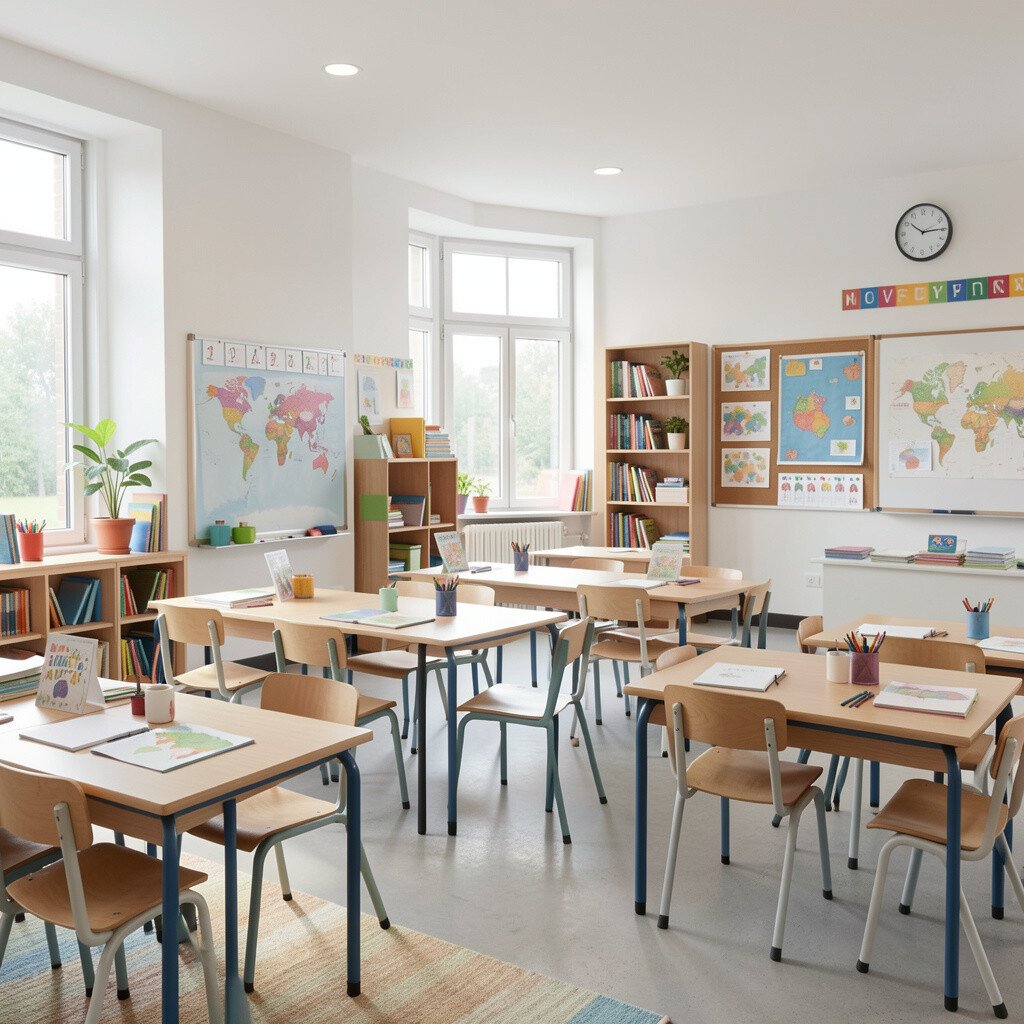
The best rainbow classroom isn’t the one with the most color, it’s the one with the clearest system. Start by picking the areas where students struggle most, then color-code those first.
Traditional classrooms can also benefit from this approach by adding a rainbow layer only where it helps. When you match colors to your teaching style and your students’ needs, the room feels purposeful instead of just bright.
Plan for cost by using low-cost materials like colored tape, printable labels, and paper organization. Personalize the setup with student input, such as letting learners choose the final color theme for display areas.
As you refine the room over time, keep the colors consistent and avoid too many variations. When your rainbow system stays simple, bright learning becomes a daily habit.