
Great restaurants feel unforgettable before the first bite arrives. Their design can make people stay longer, smile more, and come back again.
Small choices in color, light, and layout can change the whole mood. The best spaces feel warm, clear, and full of personality.
1. Warm Lighting That Flatters Every Table
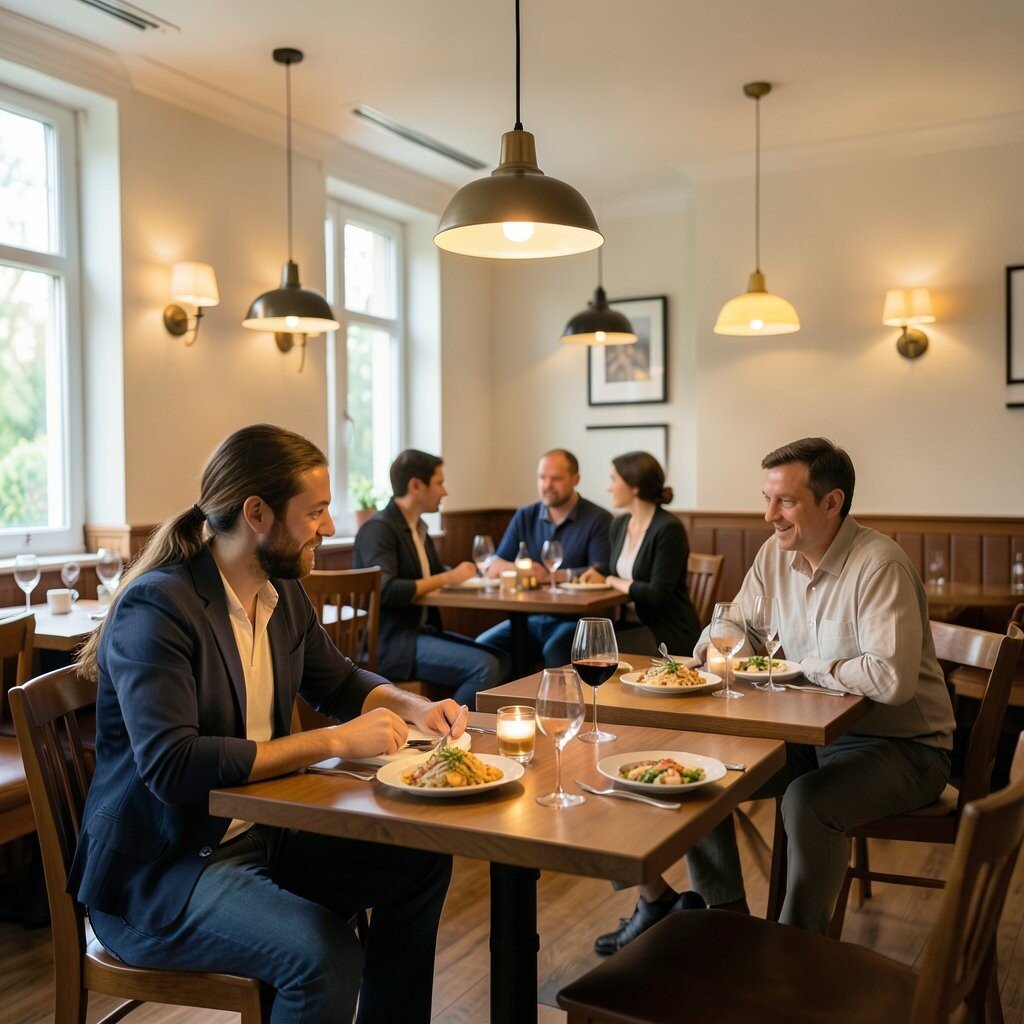
Soft light can make a restaurant feel calm and welcoming right away. It helps food look richer and people look more relaxed.
Use lamps, shaded fixtures, and dimmable bulbs to build a gentle glow. Warm lighting also hides small flaws and creates a cozy mood that many guests love. For a personal touch, mix pendant lights with wall sconces so the room feels layered instead of flat.
2. A Strong Entry Moment

The front door is the first chance to make a memory. A bold entry with plants, art, or a pretty host stand can set the tone fast.
This feature helps guests feel excited before they even sit down. It also gives staff a clear welcome point, which makes service smoother and faster.
Keep the entry simple enough to move through easily, but add one standout detail that feels special. A painted door, a glowing sign, or a textured wall can do a lot without a huge cost. If the budget is tight, small touches like fresh greenery or a framed menu can still make the entrance feel polished.
3. Comfortable Seating With Style
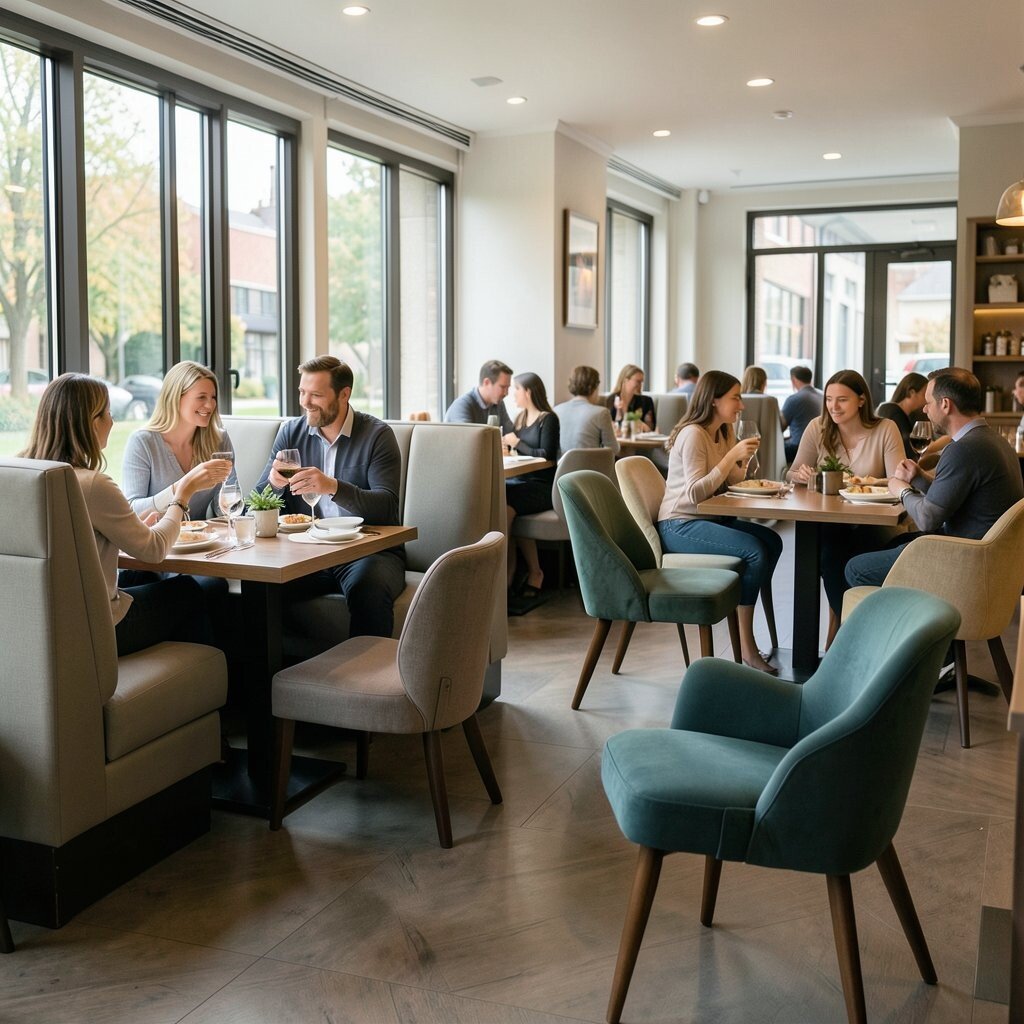
Seats should look good and feel good at the same time. When chairs and booths are comfy, guests stay longer and enjoy the meal more.
Mix booth seating, stools, and chairs to fit different groups. This gives the room a more custom feel and helps the space work for quick lunches, date nights, and family meals.
Choose fabrics and finishes that can handle daily use, since beauty should last. Soft cushions, rounded edges, and good back support can make a big difference. For a unique look, use one special chair style as a signature piece and repeat it in a few spots.
Cost can vary a lot here, so plan for both style and strength. A smart owner may spend more on the seats guests touch most and save on simple side chairs elsewhere.
4. Natural Materials That Feel Real
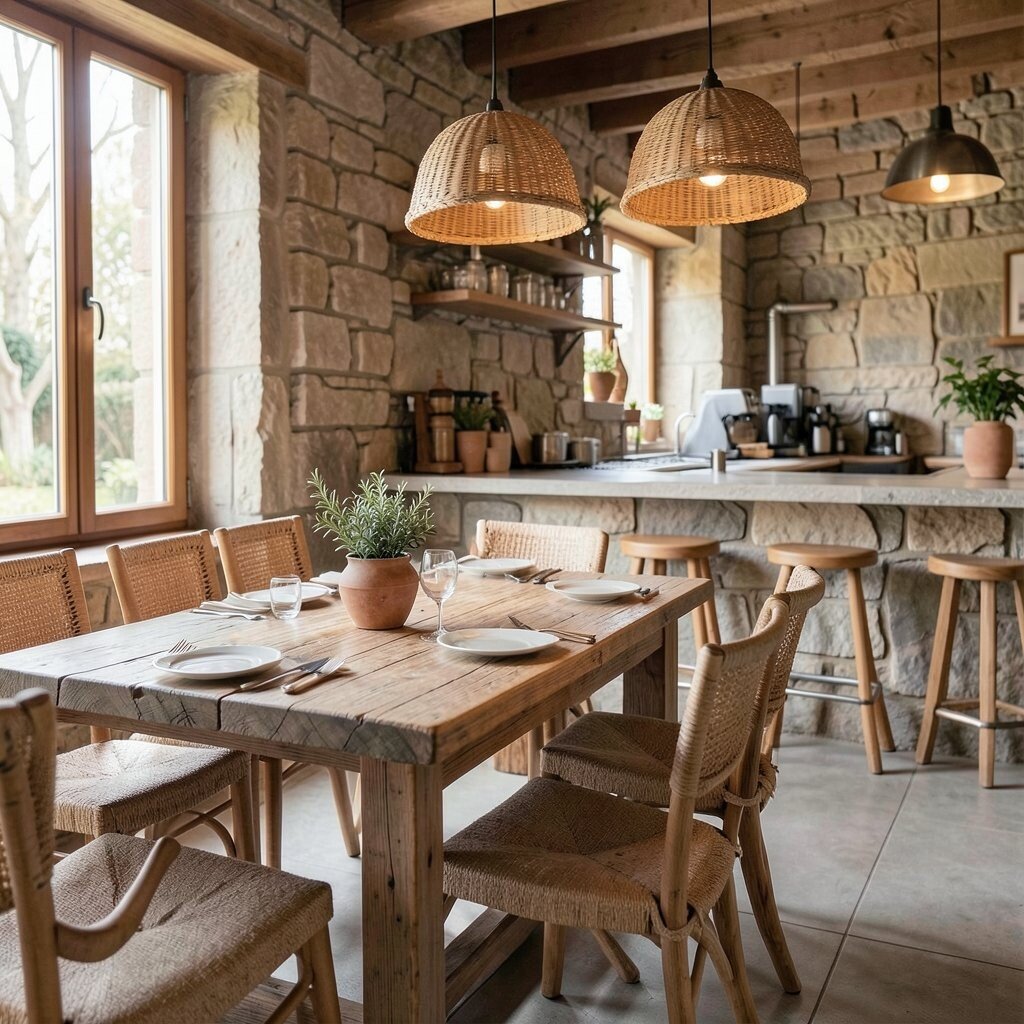
Wood, stone, clay, and linen bring a space down to earth. These materials make a restaurant feel honest, calm, and easy to trust.
They also age well, which is helpful in busy places. Scratches and marks can even add charm when the materials are chosen with care.
Natural finishes fit many current looks, from rustic to modern. Try a wood table, a stone bar top, or woven shades to add texture without making the room busy. If you want a custom feel, choose materials that connect to the food or the local area.
Some natural pieces cost more at first, but they often last longer. That can save money over time and keep the space looking fresh.
5. Open Kitchen Views
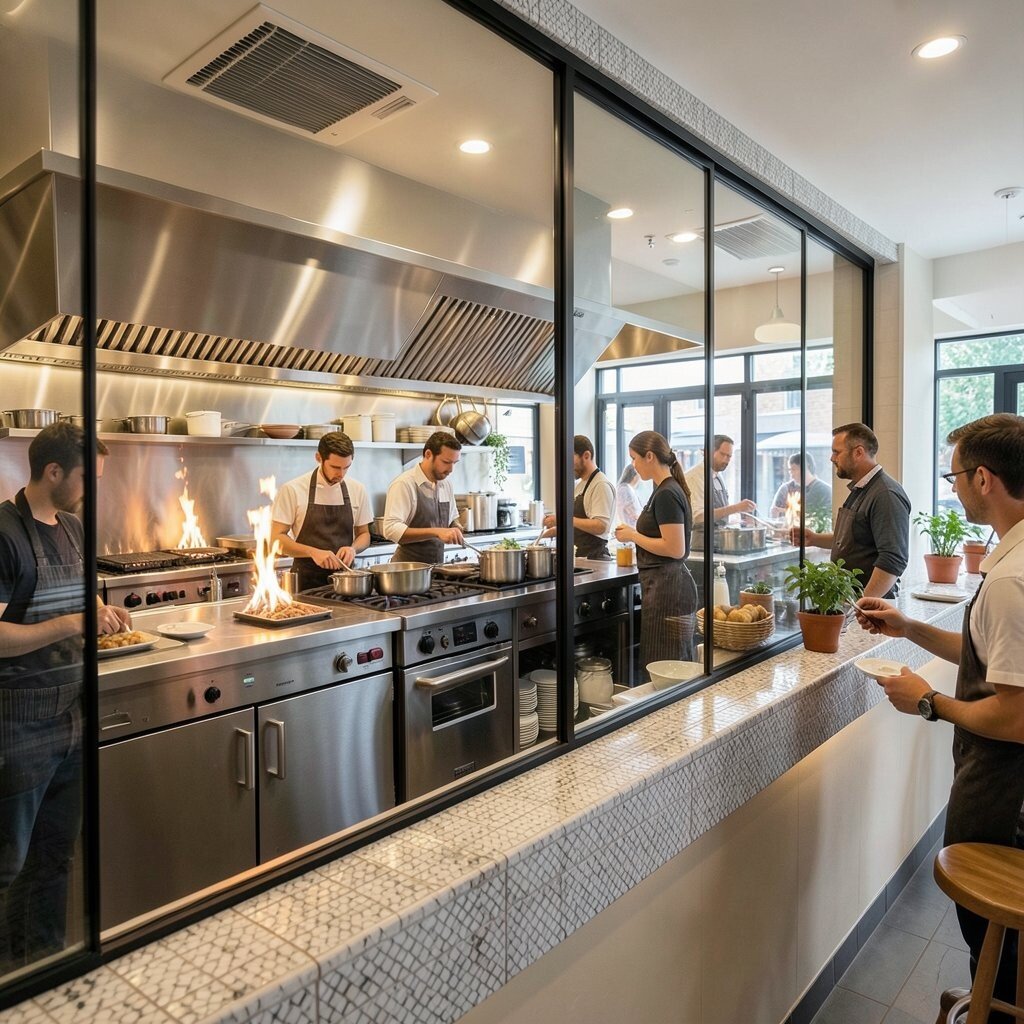
An open kitchen can turn cooking into part of the show. Guests enjoy seeing the flames, the movement, and the teamwork behind each plate.
This feature builds trust because people can watch the care that goes into the meal. It also adds energy to the room and makes the restaurant feel lively.
Keep the kitchen tidy and well lit so it feels exciting, not messy. Glass panels, pass-through windows, or a chef counter can give a similar effect if a full open plan is too costly. For a personal touch, frame the view with a special tile edge or a unique counter finish.
Ventilation and noise control matter here, so plan carefully. Good design makes the kitchen beautiful and practical at the same time.
6. Art That Tells a Story
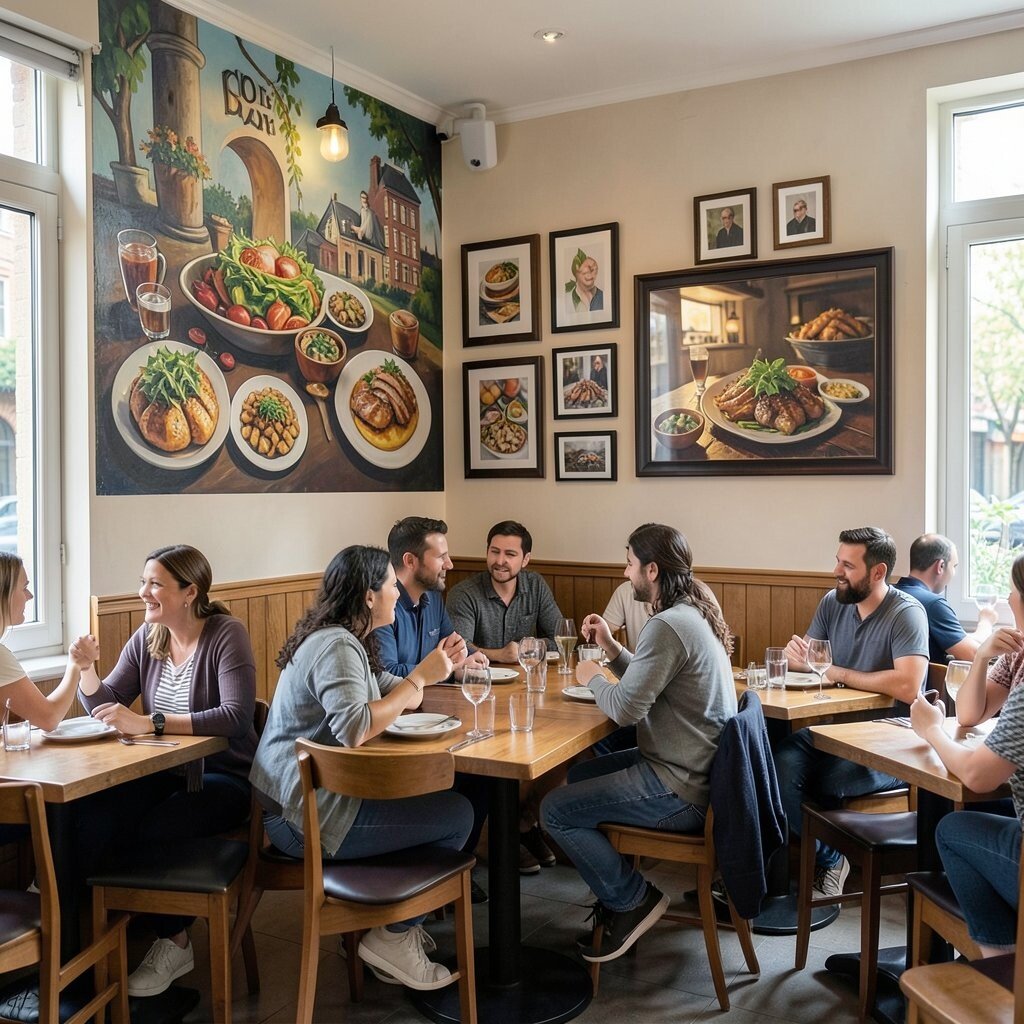
Art gives a restaurant its own voice. A mural, photo wall, or local painting can make the room feel alive and memorable.
It also gives guests something to talk about while they wait. That can make the time feel shorter and the visit feel richer.
Choose pieces that match the food, the neighborhood, or the brand mood. A bold mural can create a strong photo spot, while smaller framed works can make the room feel thoughtful and layered. If the budget is limited, support local artists or use one large piece instead of many small ones.
Art can also be changed with the seasons, which keeps the space fresh. That is a simple way to stay current without a full redesign.
7. Textures That Invite Touch
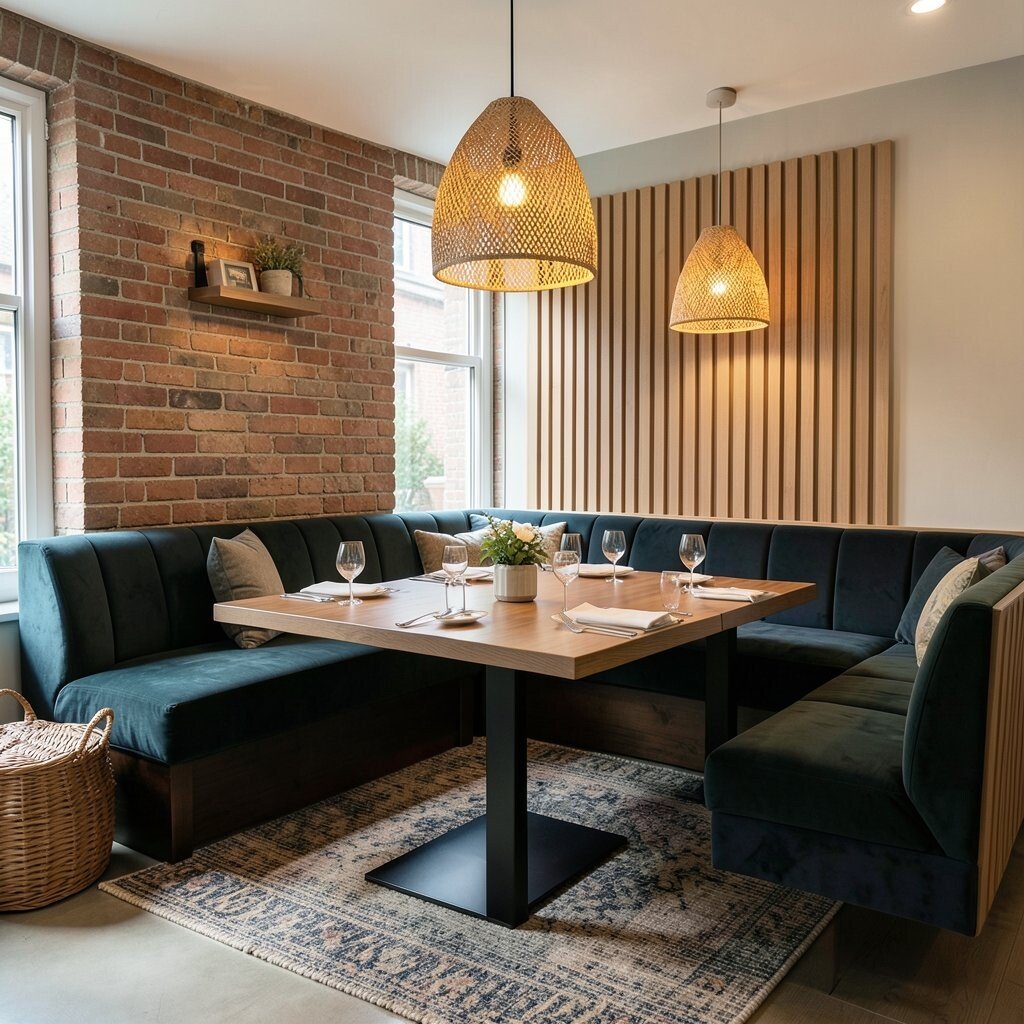
Rooms with only smooth surfaces can feel cold. Adding texture through rugs, wall panels, baskets, or fabric makes the space feel richer.
Texture helps break up large rooms and gives the eye more to enjoy. It can also soften noise, which is a big plus in busy dining spaces.
Mix rough and smooth finishes for balance. A brick wall beside a velvet banquette or a wood table under a woven pendant can feel stylish and warm. Personalize the mix by choosing textures that fit the cuisine, like earthy materials for a farm-style menu or sleek ones for a modern tasting room.
Some textured pieces are inexpensive, like fabric shades or simple wall slats. Small changes can still make a big visual impact.
8. Smart Layout and Easy Flow
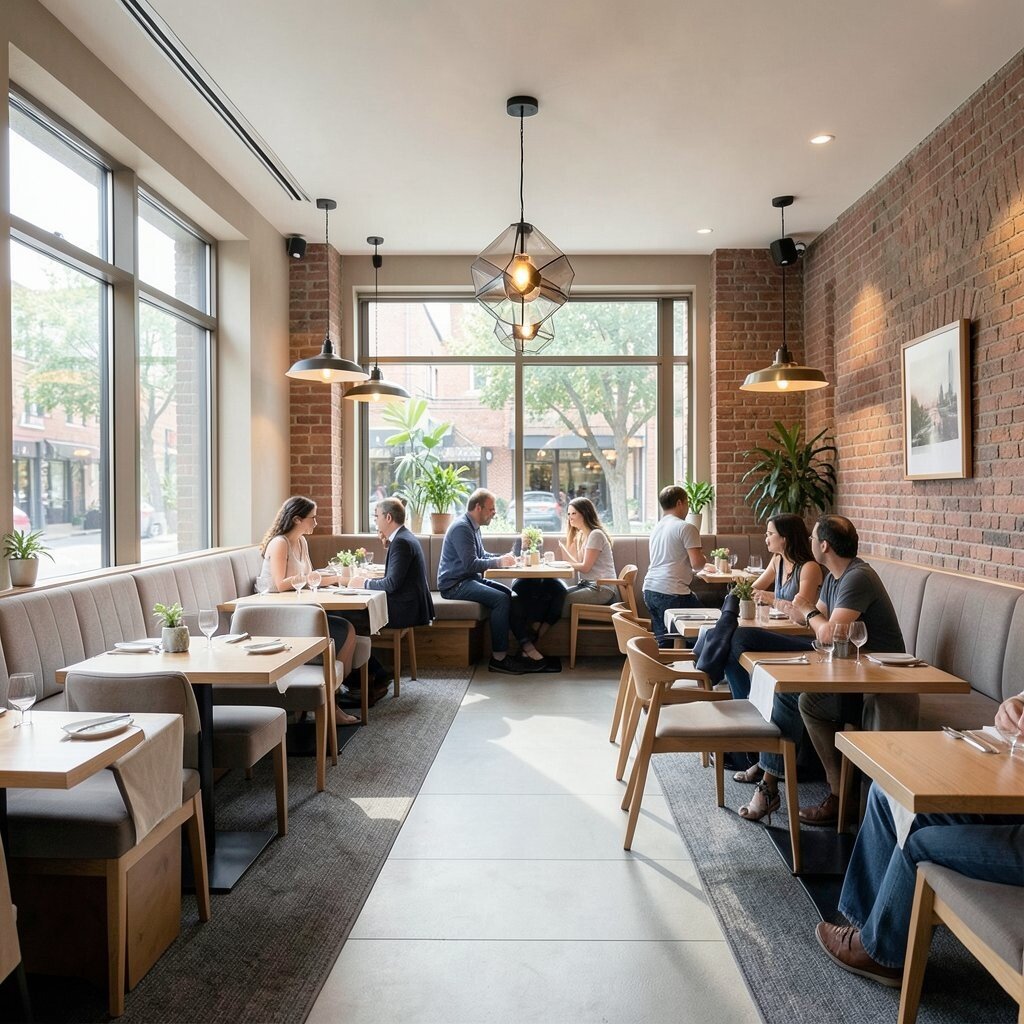
A beautiful restaurant must also move well. Guests should know where to walk, where to wait, and where to sit without confusion.
Good flow helps staff work faster and keeps the room from feeling crowded. It also makes the whole experience smoother and more pleasant.
Leave clear paths between tables and avoid squeezing too many seats into one area. Use rugs, lighting, or furniture placement to guide people naturally through the space. If the room is small, built-in benches and corner seating can save space and still look polished.
This feature is less about decoration and more about comfort and calm. Still, when layout is done well, the room feels more beautiful right away.
9. Statement Bar Areas
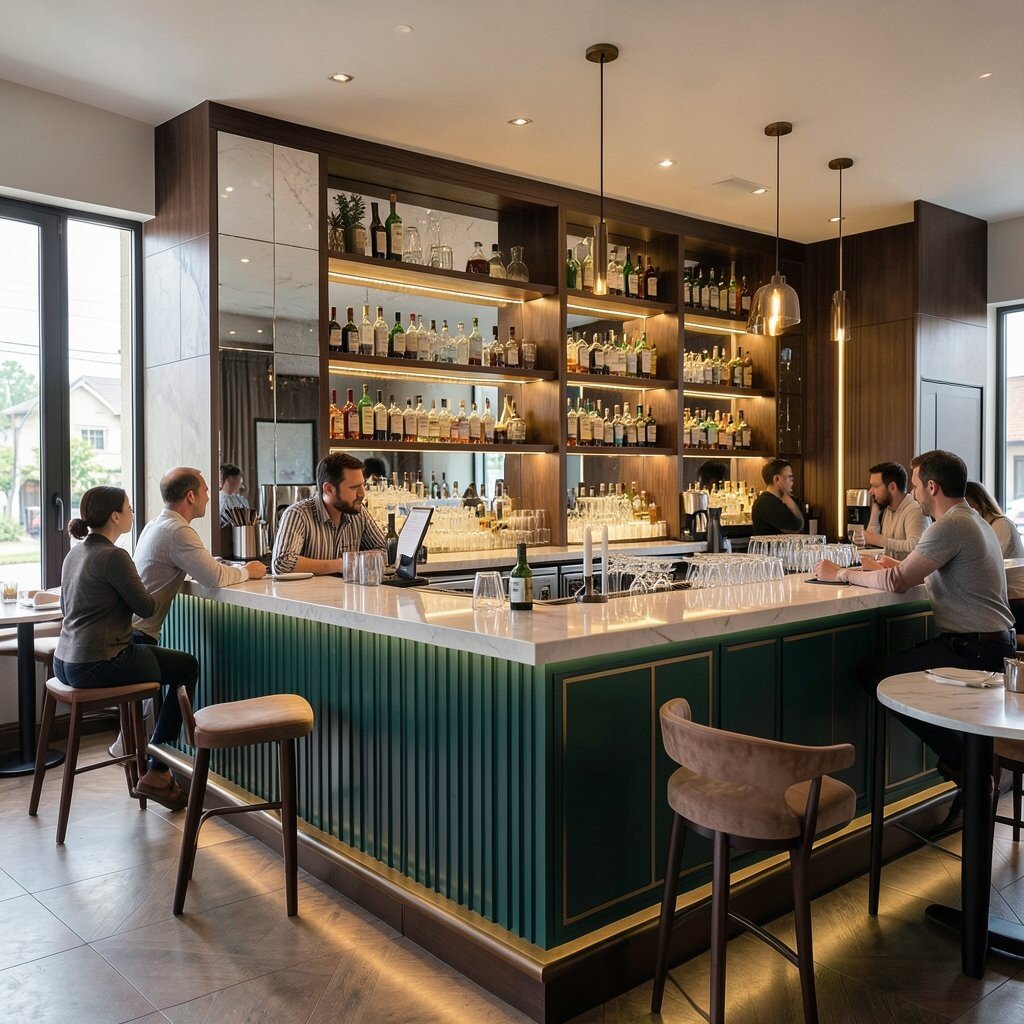
A bar can become the heart of the restaurant. With the right design, it can draw the eye and make the whole room feel more exciting.
Use a special back bar, glowing shelves, or a bold counter finish to give it presence. Guests often remember the bar first, especially in places that serve drinks or small plates.
Try mirrored tiles, rich wood, or stone with strong color for a standout look. Add under-lighting to make bottles and glassware sparkle without feeling flashy. If you want a personal touch, feature one signature color or a custom bar front that reflects the brand.
Bar design can be a smart place to spend money because it creates a strong focal point. Even a modest bar can feel upscale with careful lighting and neat display.
10. Indoor Plants and Living Greenery
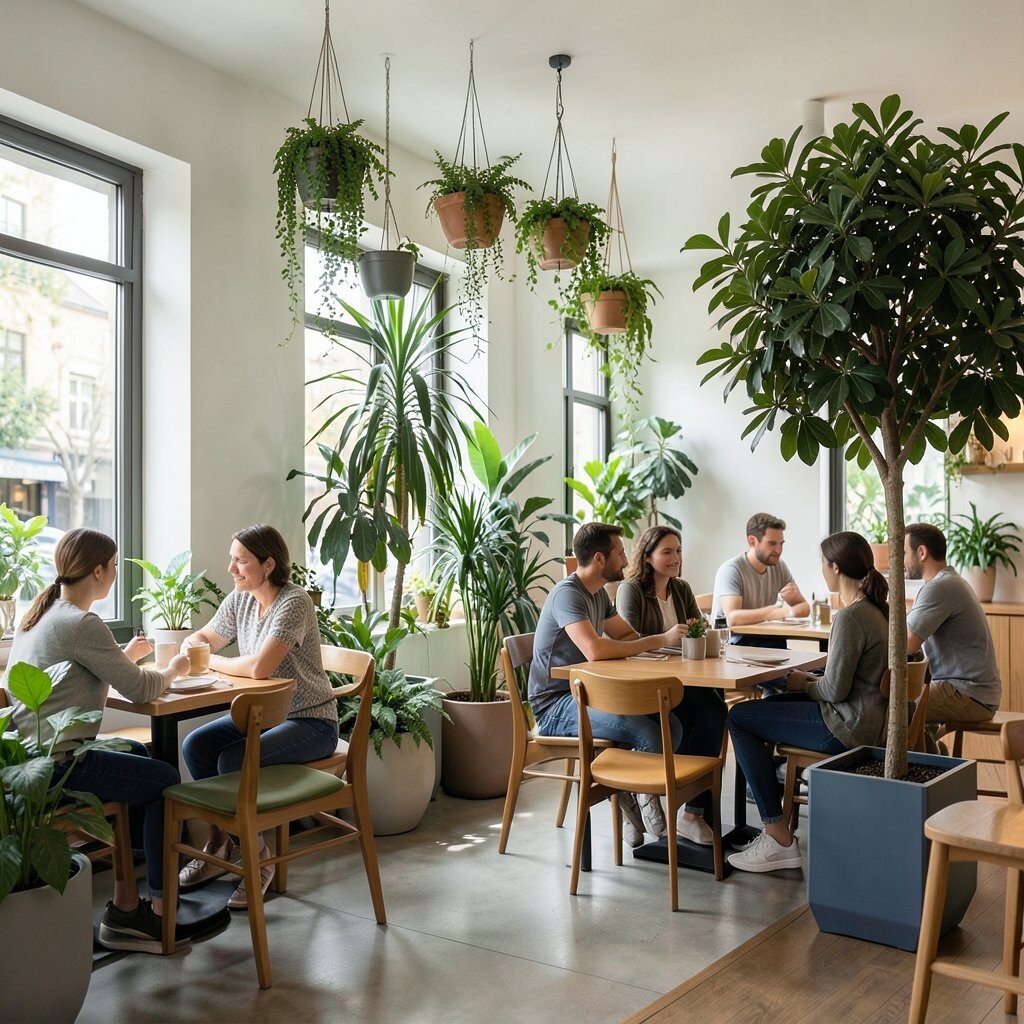
Plants bring life into a room in a very simple way. Their color and shape soften hard edges and make the space feel fresh.
They also help a restaurant feel more relaxed and natural. Guests often enjoy sitting near greenery because it gives the room a calmer mood.
Use tall plants, hanging plants, or small table pots depending on the size of the space. Pick low-care types if the team is busy, so the look stays nice without extra stress. For a custom feel, choose planters that match the brand colors or the dining style.
Fresh plants can be a low-cost way to improve a room quickly. Even one well-placed tree can change the whole feel of a corner.
11. Signature Color Palettes
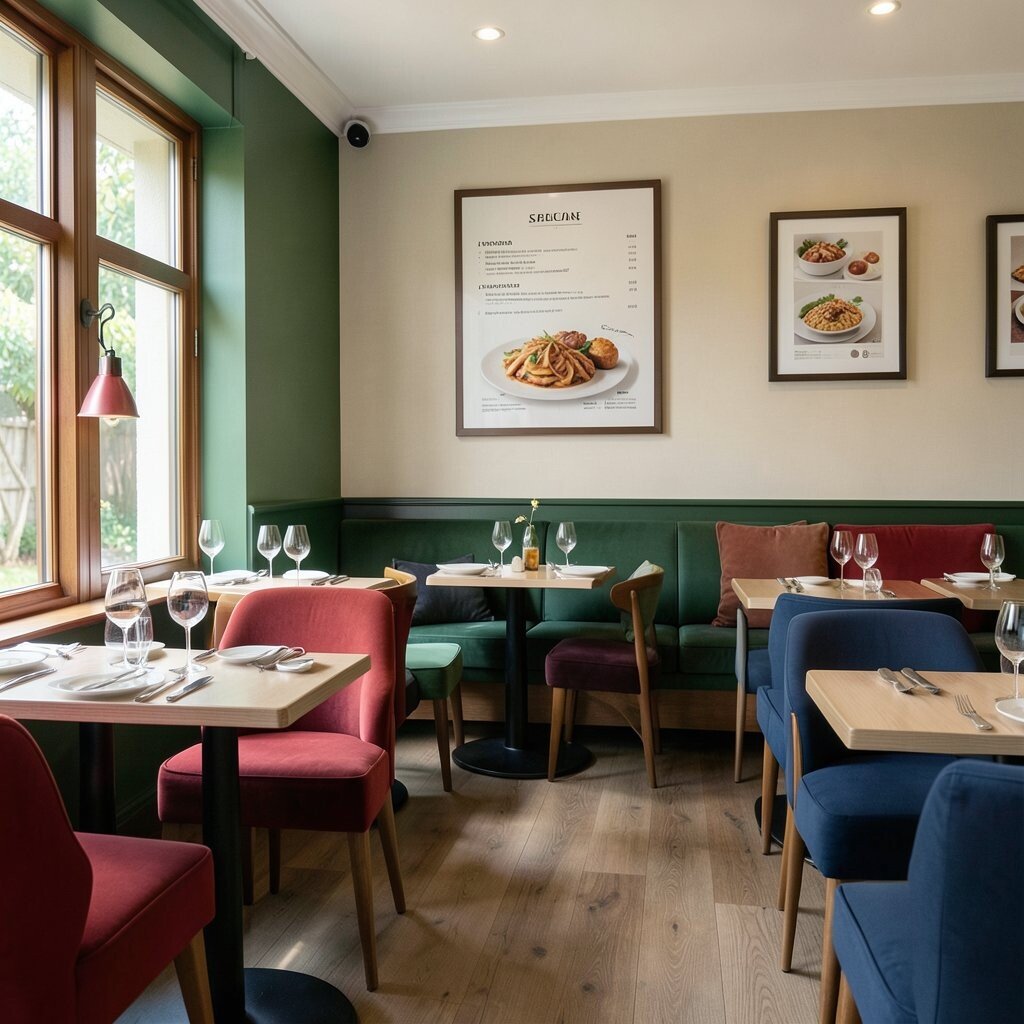
Color sets the emotional tone before guests notice any details. Warm reds, deep greens, soft creams, or dark blues can all send a different message.
A clear palette makes the space feel planned and polished. It also helps menus, furniture, and wall decor work together instead of competing.
Pick colors that fit the food and the mood you want. Bright shades can feel lively, while muted tones can feel calm and elegant. To make the room personal, use one accent color in small places like trim, cushions, or menus.
Current trends often favor earthy tones and rich neutrals because they feel timeless. These choices can also be easier on the budget since they pair well with many finishes.
12. Open Shelving With Careful Styling
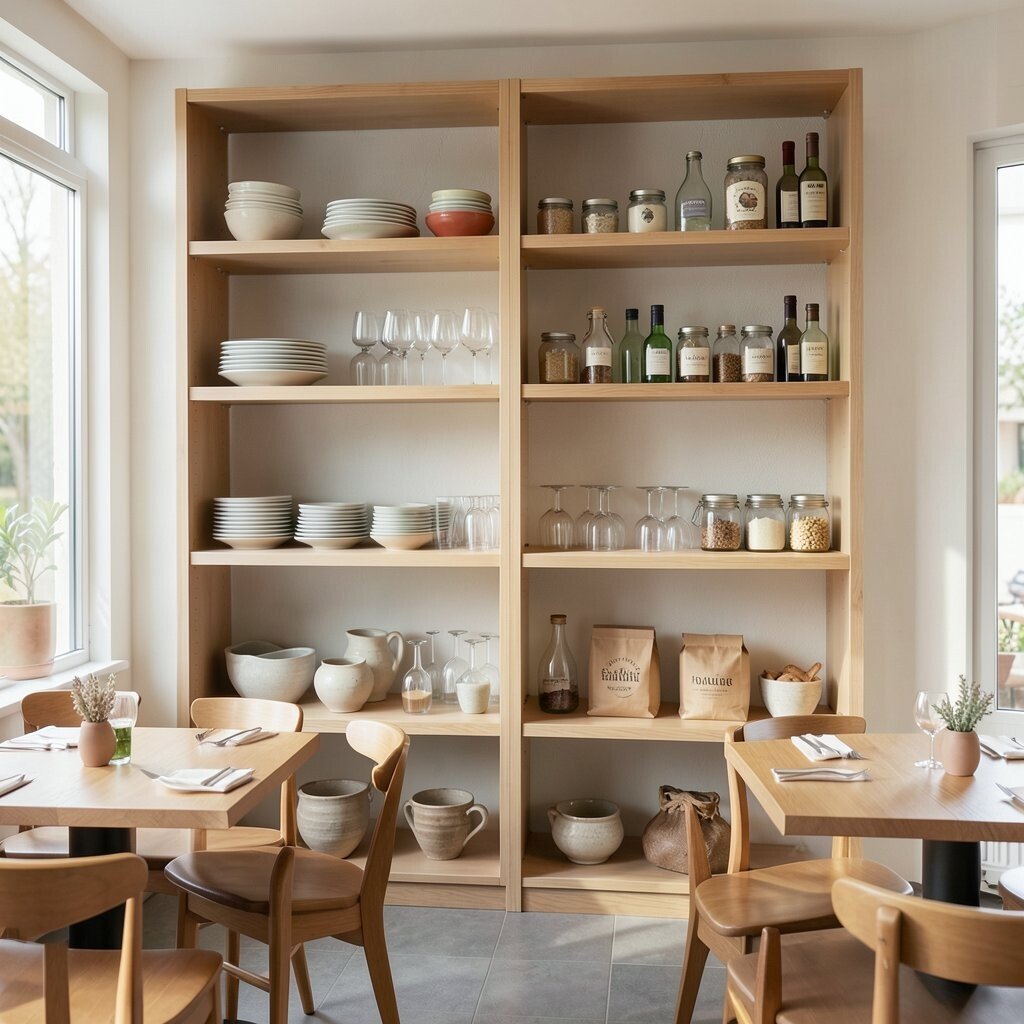
Open shelves can make a restaurant feel airy and thoughtful. They show off dishes, glasses, bottles, or decor in a way that feels curated.
This feature works best when it stays neat and simple. It gives the room a sense of order and can make the space feel larger.
Use shelves to display items with shape and color, not clutter. A few stacked plates, a line of glasses, or a row of jars can look beautiful when arranged well. If you want a personal touch, include handmade ceramics, local goods, or items that tell the brand story.
Open shelving can be affordable compared with full cabinets or large built-ins. It still needs regular care, so choose it only if the team can keep it tidy.
13. Bold Ceiling Details
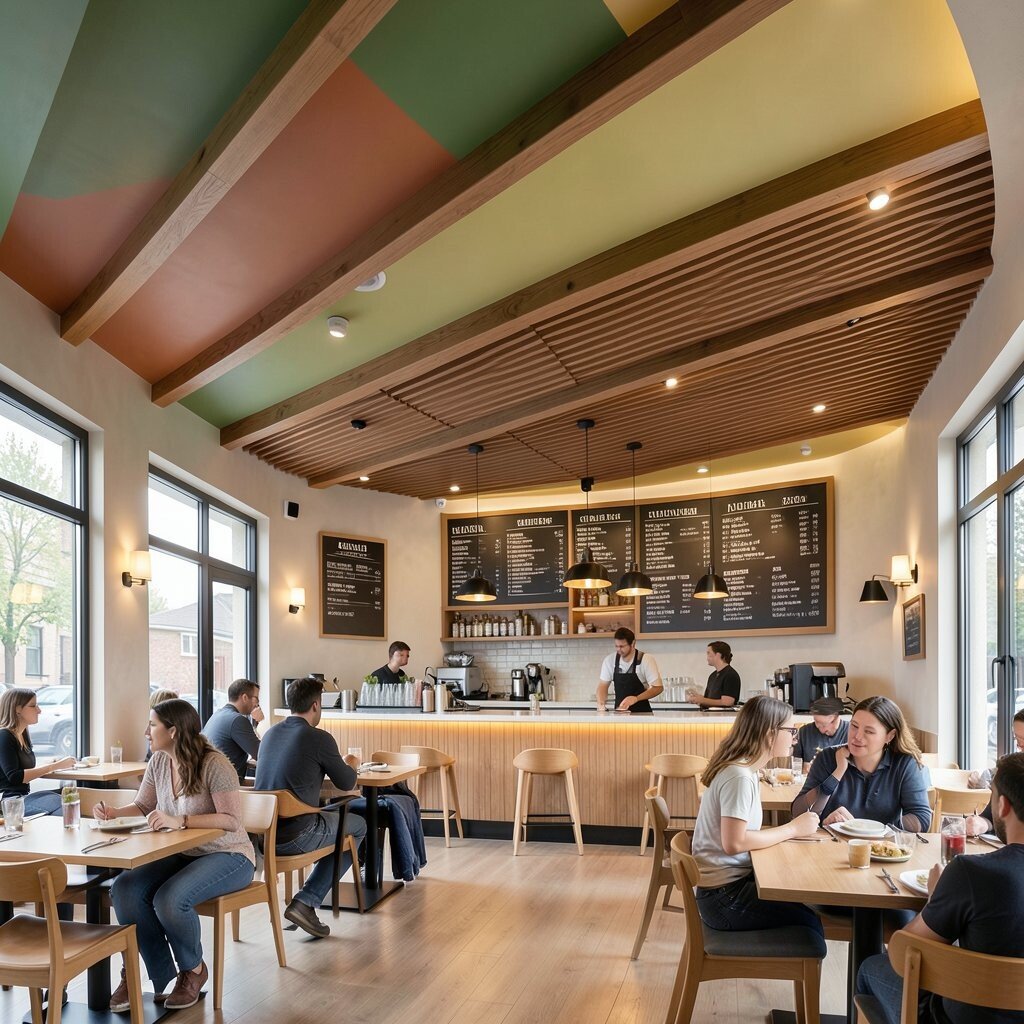
Many people forget to look up, but the ceiling can make a huge difference. A painted ceiling, wood beams, or a special light pattern can give the room a finished look.
Ceiling details help a restaurant feel complete from top to bottom. They also make even simple furniture feel more special.
Try adding color overhead, or use slats and panels to bring in texture. A dramatic ceiling can create a strong identity without taking up floor space. For a custom touch, echo the ceiling design in the menu or wall art so the whole room feels connected.
Some ceiling work can be costly, so choose carefully. Even a smaller accent area above the bar or host stand can make a big impression.
14. Booths and Nooks for Privacy
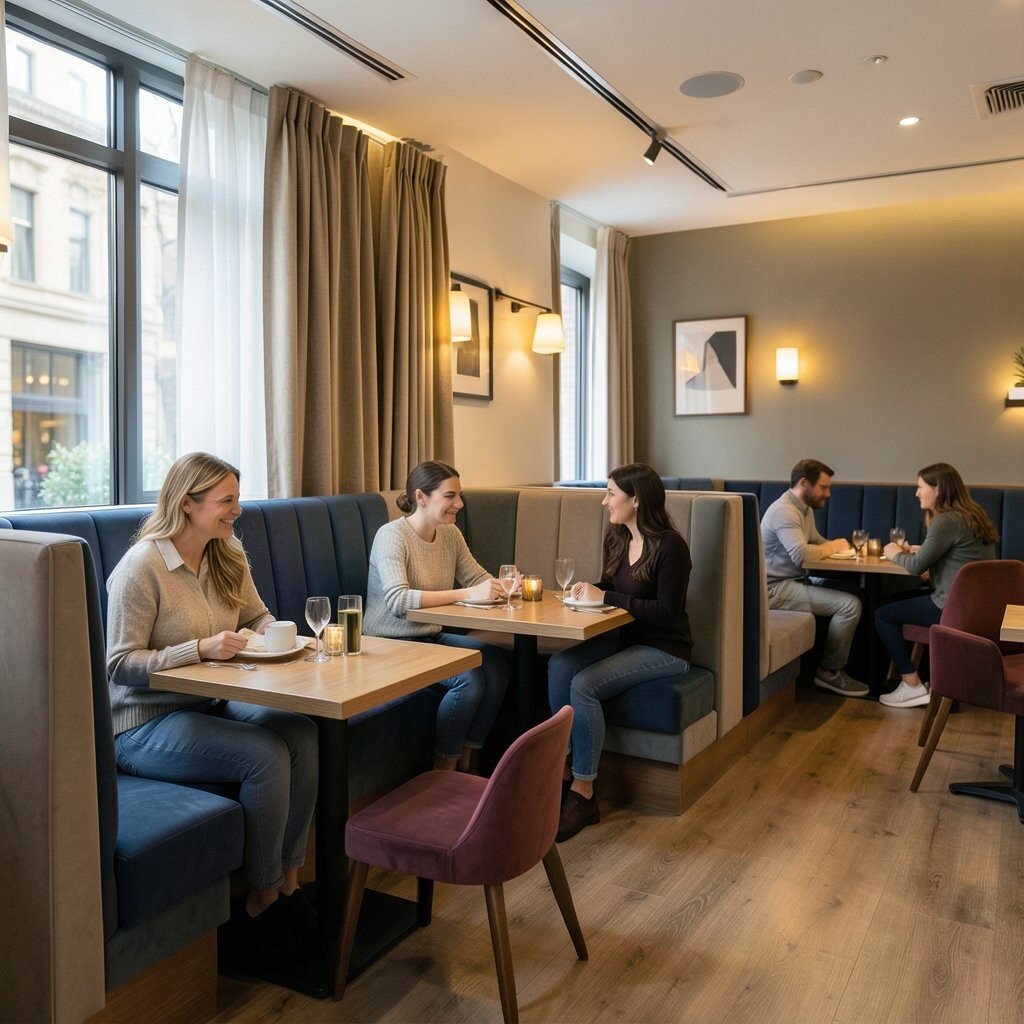
People often enjoy a little privacy while they eat. Booths, alcoves, and tucked-away corners can make guests feel comfortable and special.
This design choice works well for date nights, family meals, and quiet talks. It can also help a restaurant serve different kinds of guests at the same time.
Use high backs, curtains, or partial walls to create cozy zones. Add soft lighting and padded seats so each nook feels inviting. If you want a unique look, give each booth a small design twist, like different upholstery or a custom wall color.
These spaces can take more room, so plan with care. Still, they often pay off by making guests feel valued and at ease.
15. Local Details That Feel Authentic

Restaurants feel more meaningful when they connect to their place. Local art, regional materials, and neighborhood stories can make a space feel true.
Guests often like design that feels rooted in the area. It gives them a sense of being somewhere special, not just another dining room.
Use maps, photos, handmade items, or materials from nearby makers to bring in local flavor. This can be a great way to stand out from chain-style spaces. For a personal touch, tell the story of the chef, the building, or the community through small design choices.
Local details can fit many budgets, from simple framed prints to custom millwork. They often create lasting value because they give the restaurant a clear identity.
16. Flexible Lighting and Dimming Zones

Lighting that changes with the time of day can make a restaurant feel smart and elegant. Bright light works for lunch, while softer light suits dinner and late-night service.
Dimming zones help staff set the mood without much effort. They also let one room serve many uses, from fast meals to slow celebrations.
Place lights in groups so different parts of the room can shift on their own. This gives more control over the look and can save energy too. To make the design feel personal, match the lighting style to the restaurant brand, such as sleek fixtures for a modern space or vintage lamps for a classic one.
This feature may cost more at the start, but it adds flexibility every day. A well-lit restaurant feels polished, comfortable, and ready for many kinds of guests.