Old walls can still tell fresh stories. A historic place can make a meal feel magical.
1. Keep the Old Bones Visible
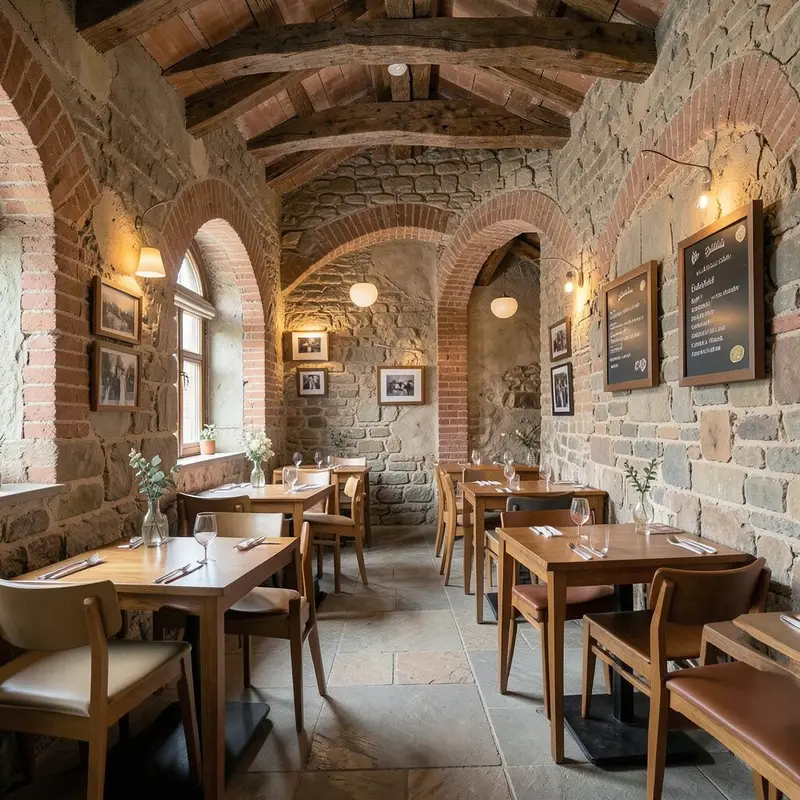
Stone walls, beams, and brick arches can become the star of the room. Their worn texture gives the space instant charm and helps guests feel the age of the site.
This style works well because it saves money on heavy changes and keeps the building’s spirit alive. Add soft lighting, simple chairs, and a few warm colors so the old parts stand out without feeling cold. A good tip is to clean and seal old surfaces instead of covering them, and you can personalize the look with menu boards, local art, or family photos that match the history.
2. Mix Antique Pieces With Clean Lines

Old tables, vintage lamps, and classic mirrors can sit beside smooth counters and plain seating. That mix makes the room feel rich, current, and easy to enjoy.
The contrast helps guests notice the historic details while still giving the restaurant a fresh feel. It can also keep costs in check, since you do not need every item to be rare or custom made. Try using one or two statement antiques, then pair them with simple modern finishes and a color palette that fits the site.
This idea is popular because it feels stylish without trying too hard. You can make it more personal by choosing pieces that connect to the neighborhood or the building’s past.
3. Use Local Materials and Crafts
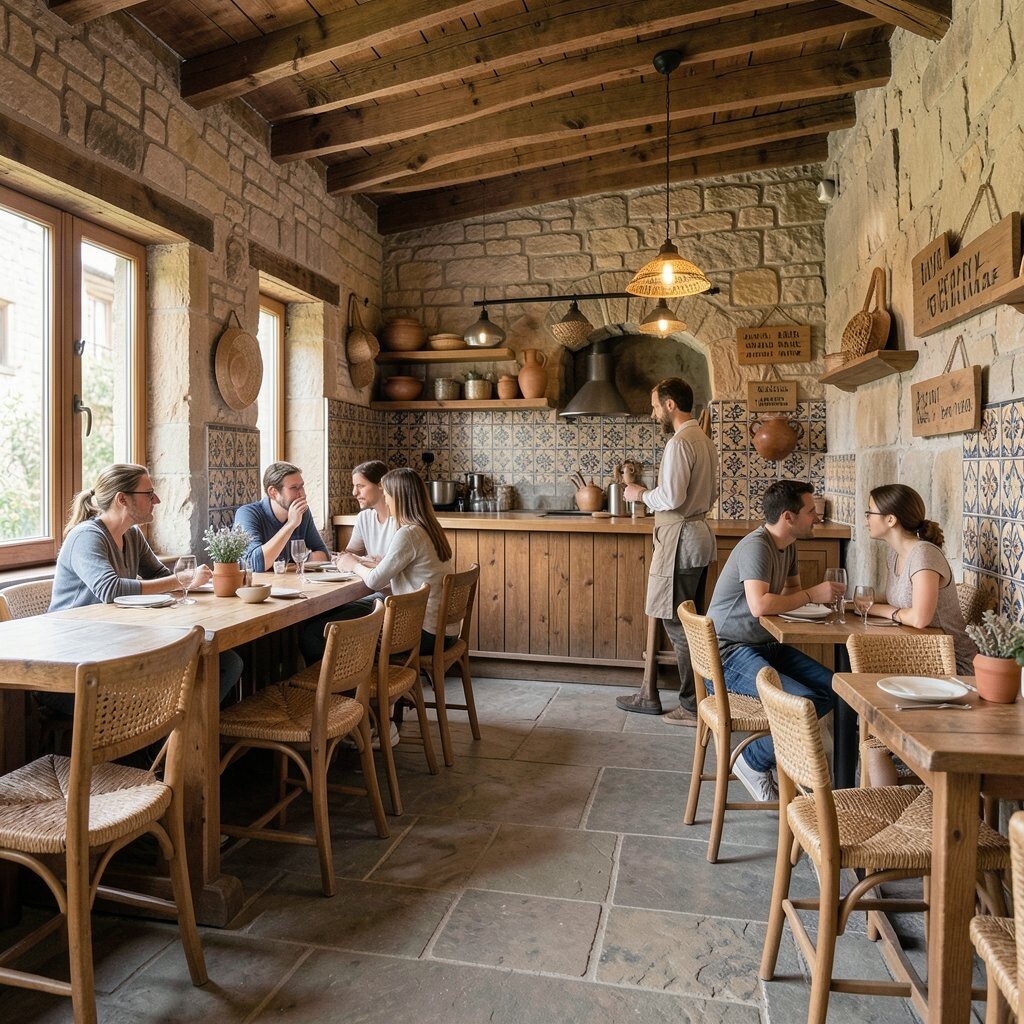
Wood from the region, handmade tile, and local stone can make the design feel rooted in place. These touches help the restaurant belong to the site instead of sitting on top of it.
Guests often notice when a space feels honest and tied to its surroundings. Local materials can also support nearby makers, which gives the project a nice community story. For a smart budget move, use these special materials in key spots like the bar, entry, or feature wall, then keep the rest simple.
Handmade details are very on trend because people like spaces with a real human touch. Add custom signs, woven seats, or pottery from local artists to make the room feel one of a kind.
If the historic site has a strong local story, let that story guide your choices. Small details can say a lot without making the room feel crowded.
4. Turn Old Rooms Into Cozy Dining Nooks

Small side rooms, alcoves, and former offices can become lovely dining spots. Their tucked-away feel makes guests feel special and comfortable.
These nooks are useful because they help break up a large site into smaller, warmer spaces. They can also be cheaper to furnish since each area needs only a few smart pieces. Use soft seats, low lights, and quiet colors, then add a personal touch with books, framed maps, or art tied to the building’s past.
5. Highlight the Entry With a Strong First Look
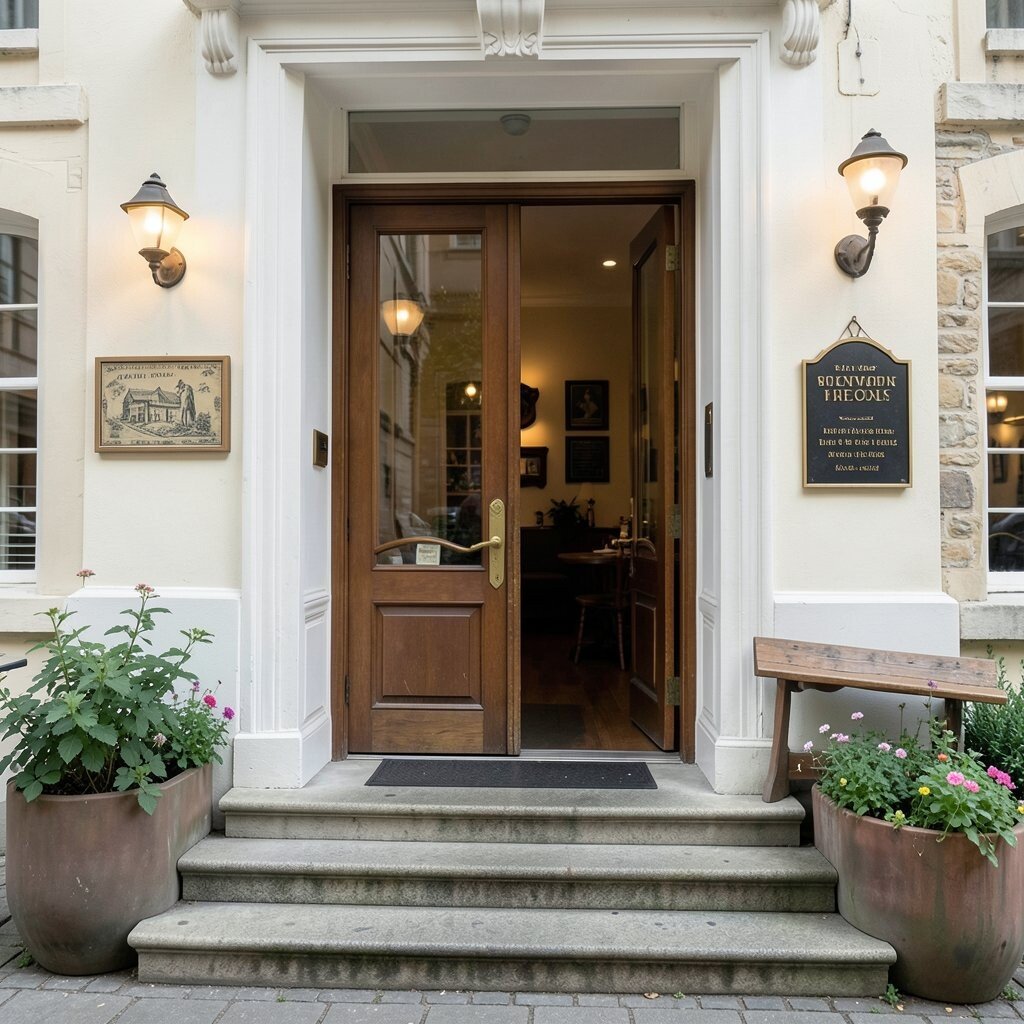
The entrance sets the mood before anyone sees the dining room. A grand door, old steps, or a restored sign can make the visit feel memorable right away.
A strong entry also helps guide guests and makes the place easier to find in busy areas. You do not need a huge budget to make it work; a fresh coat of paint, polished hardware, and good lighting can do a lot. Try adding a welcome bench, a planter, or a small display about the site’s history to make the space feel warm and personal.
Many current designs focus on the guest journey from the street to the table. When the entry feels clear and inviting, the whole restaurant feels more polished.
6. Create a Story Wall
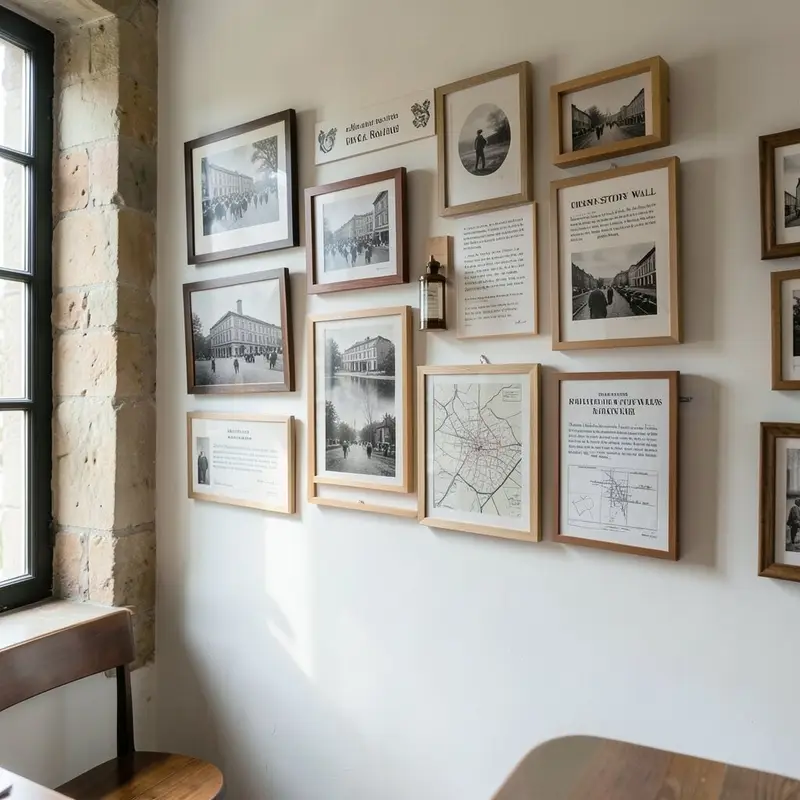
A story wall can show old photos, maps, permits, or facts about the site. It gives guests something fun to read while they wait and helps the building feel alive.
This idea is great for historic sites because it turns history into part of the meal. It can also be a low-cost way to fill a blank wall with meaning instead of just decoration. Keep the layout neat, use easy-to-read text, and add one or two personal items from the owner or chef to make it feel real.
People enjoy spaces that teach them something without being stiff. A story wall can also change over time, so you can refresh it with new finds or seasonal notes.
Use frames, shelves, or shadow boxes to keep the display organized. A little care goes a long way when you want history to feel stylish.
7. Let Natural Light Do the Work

Big windows, skylights, and open shutters can make historic spaces glow. Natural light brings out texture in wood, stone, and plaster in a very soft way.
This approach helps save energy and makes the restaurant feel open and cheerful. It can also lower the need for strong artificial lighting during the day, which helps with cost control. Use light curtains, pale walls, and reflective surfaces to spread the daylight, then add dim lamps for evening service.
Today, many guests love bright, airy rooms that still feel warm. If the site has old window frames, keep them visible so the charm stays in view.
8. Build Around a Signature Bar

A bar can become the heart of a historic restaurant when it is designed with care. Think of carved wood, old stone, or a front that echoes the building’s original style.
This feature can bring people in for drinks, snacks, and social time, which helps the business stay lively. A well-made bar may cost more at first, but it can pay off by becoming the most photographed spot in the room. Add bar stools that feel comfortable, then personalize the area with glassware, bottles, or a back shelf that reflects the site’s era.
Many trendy restaurants use bars as showpieces, but the best ones still feel useful. Keep the layout smooth so staff can work fast and guests can enjoy the view.
9. Use Soft Colors That Respect the Site

Gentle colors like cream, sage, clay, and dusty blue can calm a historic room. They help old features stand out without fighting for attention.
Soft tones are a smart choice because they work with many types of architecture and age well over time. They can also be less risky than bold colors, which may feel too loud in a protected building. Try painting only certain walls, then add color through cushions, menus, or artwork so you can change the mood more easily later.
This kind of palette fits today’s love of calm, natural spaces. It also gives you room to add personal accents without making the design feel busy.
When the color plan is simple, the history of the site can take center stage. That balance often feels elegant and easy to enjoy.
10. Make the Ceiling Part of the Design

Historic ceilings can be beautiful, from beams to tin panels to old plaster shapes. Guests often look up and feel amazed when the top of the room has character.
Using the ceiling well adds drama without taking up floor space, which is useful in older buildings. It can also save money if the original surface is in good shape and only needs cleaning or repair. Hang lights with care, keep wires neat, and use paint or stain that helps the ceiling details show clearly.
Ceiling-focused design is a strong trend because it gives a room a full, finished look. You can make it more personal with pendant styles that match the restaurant’s theme or local history.
11. Add Greenery With a Gentle Touch

Plants can soften hard old surfaces and make a historic room feel fresh. Ferns, vines, and potted herbs work especially well near brick, wood, and metal.
Greenery offers a nice balance between old and new, and it can improve the mood of the space. It may also be a budget-friendly way to fill corners and quiet spots without buying large decor pieces. Use planters that fit the building’s style, and choose plants that are easy to care for so the look stays neat.
Herbs near the kitchen or bar can add a useful and pretty touch. Guests like seeing living details, especially when they hint at the food on the menu.
Plant choices can also reflect the region or season. That makes the design feel thoughtful instead of random.
12. Celebrate the Building’s Original Use

If the site was once a bank, train station, school, or factory, keep a few clues from that past. Old signs, counters, tiles, or equipment can become fun design pieces.
This approach gives the restaurant a clear identity that guests will remember. It can also reduce costs because you are reusing what is already there instead of replacing everything. Make sure the old items are safe and clean, then place them where they can be seen and appreciated without getting in the way.
People love spaces with a strong story and a clear reason for being. You can add small menu details or naming ideas that tie back to the original use, which makes the whole experience feel connected.
When done well, this style feels honest and playful at the same time. It gives the site a fresh job while honoring its old life.
13. Use Lighting to Shape the Mood

Warm lamps, wall sconces, and hidden strip lights can make old spaces feel gentle and welcoming. Light can also guide the eye to arches, art, and other special parts of the building.
Good lighting matters in historic sites because some rooms can feel dark or uneven. A layered plan helps guests see clearly while keeping the charm of the old structure. For cost control, use energy-saving bulbs and place lights only where they do the most good.
Soft, warm lighting is still a big trend in restaurant design because it flatters both food and people. Add dimmers so the room can shift from lunch brightness to dinner calm with ease.
You can also personalize the lighting with fixtures that match the era of the site. Small choices like that can make the whole room feel more complete.
14. Create Open Views Into the Kitchen

An open kitchen can add energy and trust to a historic restaurant. Guests enjoy seeing the action, and the room feels lively and honest.
This design works well when the building has strong bones and enough space to keep the flow smooth. It may cost more to build proper screens, counters, and ventilation, but the payoff can be worth it because the kitchen becomes part of the show. Use glass, metal, or framed openings that fit the site, and keep the back-of-house look tidy so the scene stays attractive.
Open kitchens are very current because people like seeing how food is made. You can make the area feel personal by showing special tools, custom tiles, or a chef’s counter that fits the restaurant’s style.
When the kitchen is visible, the whole place feels more active. That sense of movement can make an old site feel full of life.
15. Design for Flexible Seating

Historic sites often have rooms with odd shapes, so flexible seating can be a smart fix. Banquettes, small tables, and movable chairs help the space work for many kinds of groups.
This setup improves comfort and makes the restaurant easier to use during busy hours. It can also help with cost because flexible pieces let you change the layout without major building work. Choose seats that match the site’s style, then add cushions or fabric in colors that feel friendly and easy on the eyes.
Flexible layouts are a big trend in restaurants that want both style and function. You can also personalize the plan by creating a quiet corner, a social table, or a window seat that suits your guests best.
Good seating plans make old spaces feel less tricky and more welcoming. When the room can adapt, it stays useful for a long time.
16. Make Small Details Feel Special

Little touches can carry a lot of weight in a historic restaurant. Door handles, menu holders, napkin rings, and coat hooks can all echo the building’s style.
These details help the whole design feel finished and thoughtful. They are often cheaper than large changes, yet they can make guests feel that every part of the place was planned with care. Pick details that match the site’s era or local story, and repeat them in a few areas so the look feels connected.
Small custom pieces are very popular right now because they make a space feel personal. You can work with local makers, reuse old parts, or add simple handmade items that give the room extra heart.
When the tiny things are right, the big room feels better too. That is often what makes a historic restaurant feel truly special.