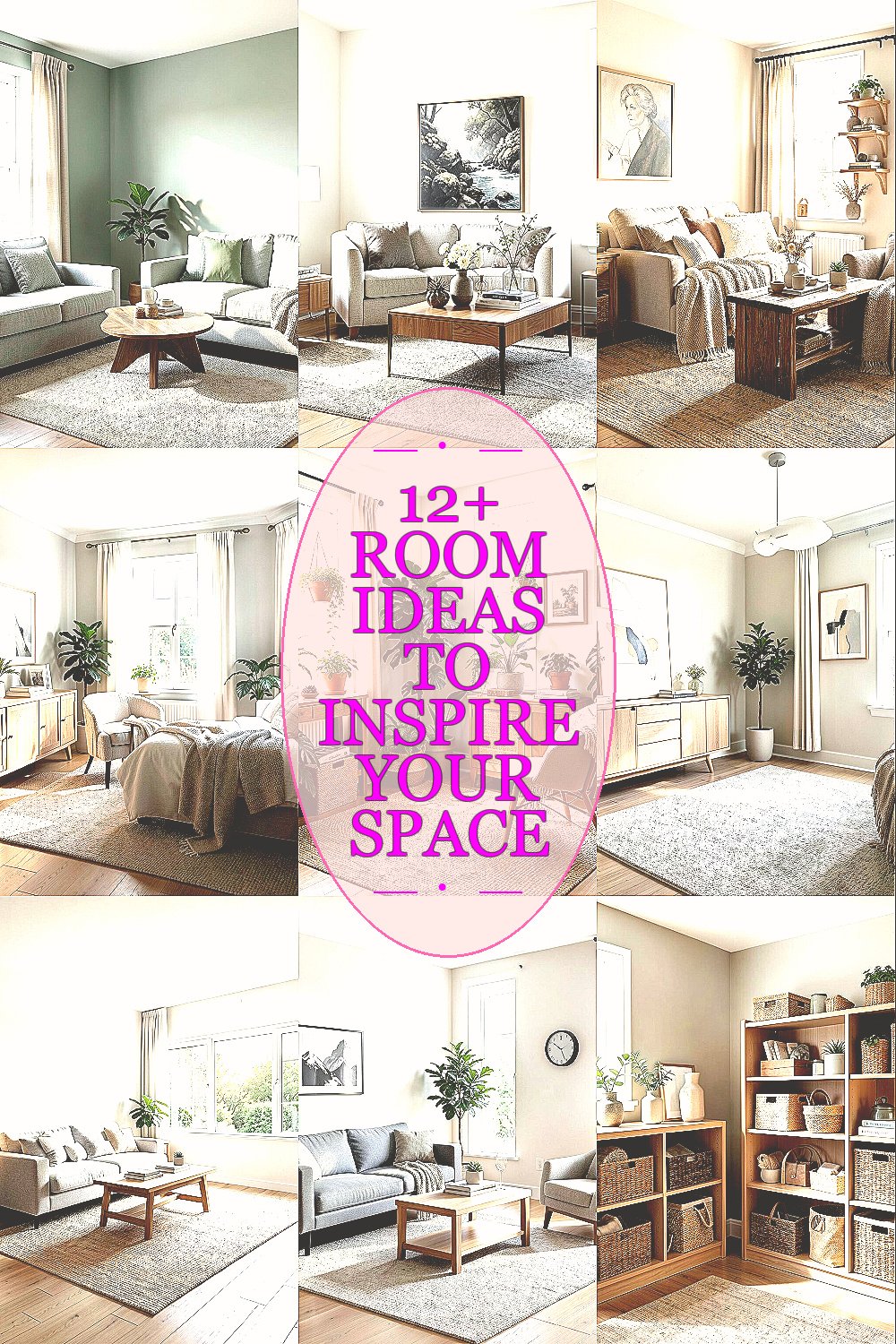
A room can change how a day feels. Small choices often make the biggest difference.
1. Start with a Calm Color Base
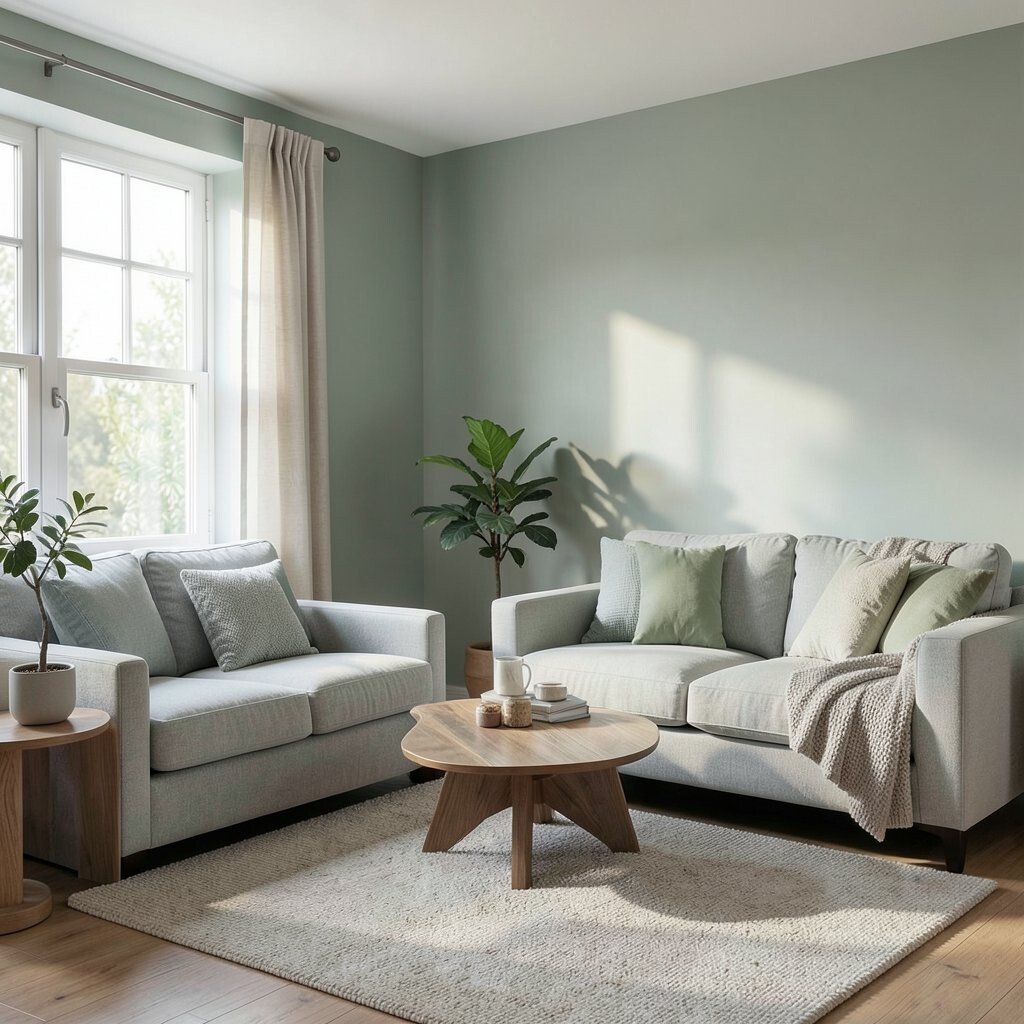
Soft colors can make a room feel open, bright, and easy on the eyes. Pale beige, warm white, and gentle gray work well because they let furniture and art stand out.
This kind of base is also friendly to changing styles, so you can swap pillows or curtains later without starting over. It is often a smart budget choice too, since paint usually costs less than a full room makeover, and one new wall color can freshen the whole space. If you want a personal touch, pick a shade that reminds you of a place you love, like sandy beaches or cloudy skies.
2. Add One Bold Focal Point
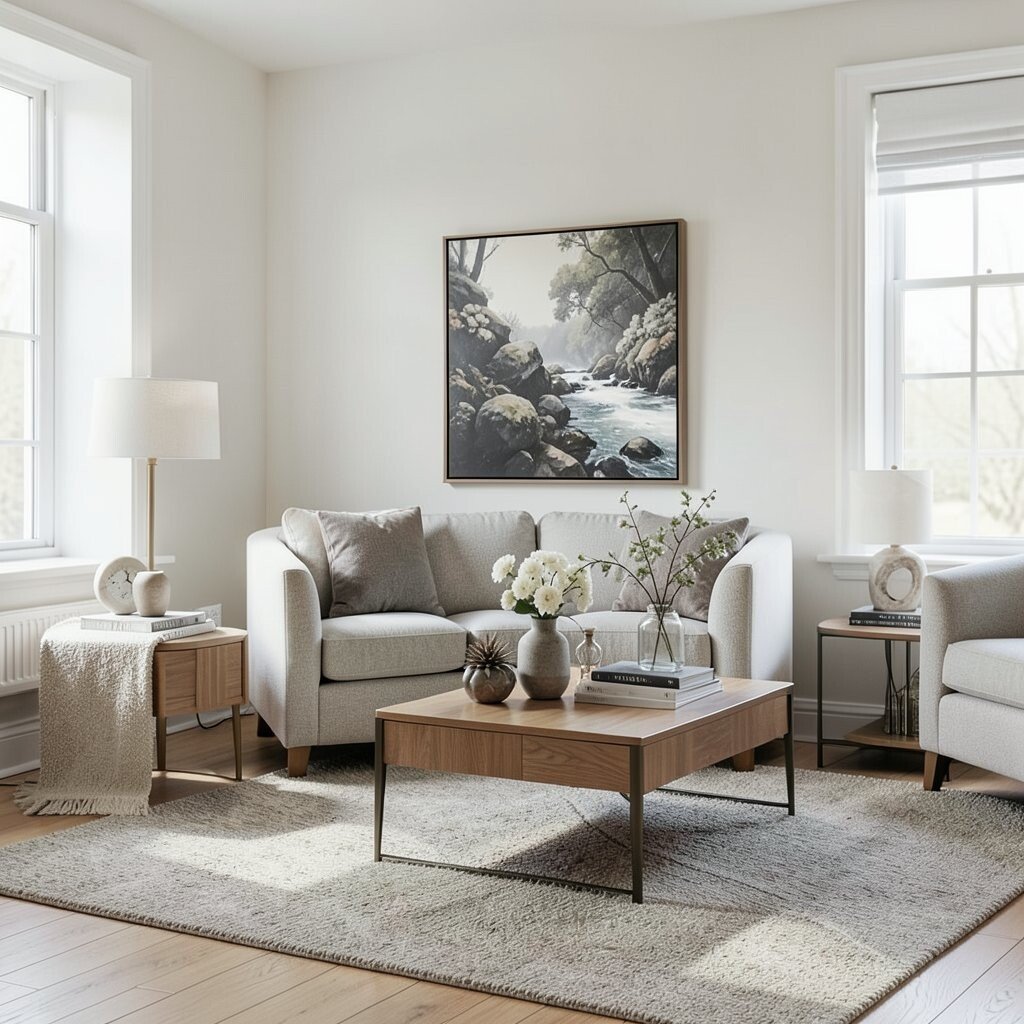
A room feels more alive when one thing catches the eye right away. That could be a bright chair, a big piece of art, or a patterned rug with strong color.
Keeping the rest of the room simple helps that special piece shine and makes the space feel planned, not crowded. It can also save money because one standout item often does the job of several smaller ones, and that is a helpful trend for people who want style without too much spending. Choose something that says a little about you, like a print from a favorite city or a chair in the color of your favorite fruit.
If the item is large, place it where the light hits it well so the room feels cheerful. You can even move a bold piece from room to room over time, which gives it more value.
3. Mix Textures for Extra Warmth

Rooms look richer when hard and soft surfaces sit together. Think smooth wood, cozy knit blankets, woven baskets, and a fluffy pillow or two.
The mix adds depth, so even simple furniture feels more interesting and welcoming. This is a great way to make a room feel special without buying expensive new pieces, and many current spaces use texture instead of lots of decor. Try pairing a budget lamp with a handmade-looking basket or an old chair with a fresh cushion cover.
Personal touches matter here, because the texture mix can reflect how you want a room to feel. A soft throw by the couch can make a reading corner feel calm, while a rough natural rug can bring in an earthy mood.
4. Use Lighting to Shape the Mood
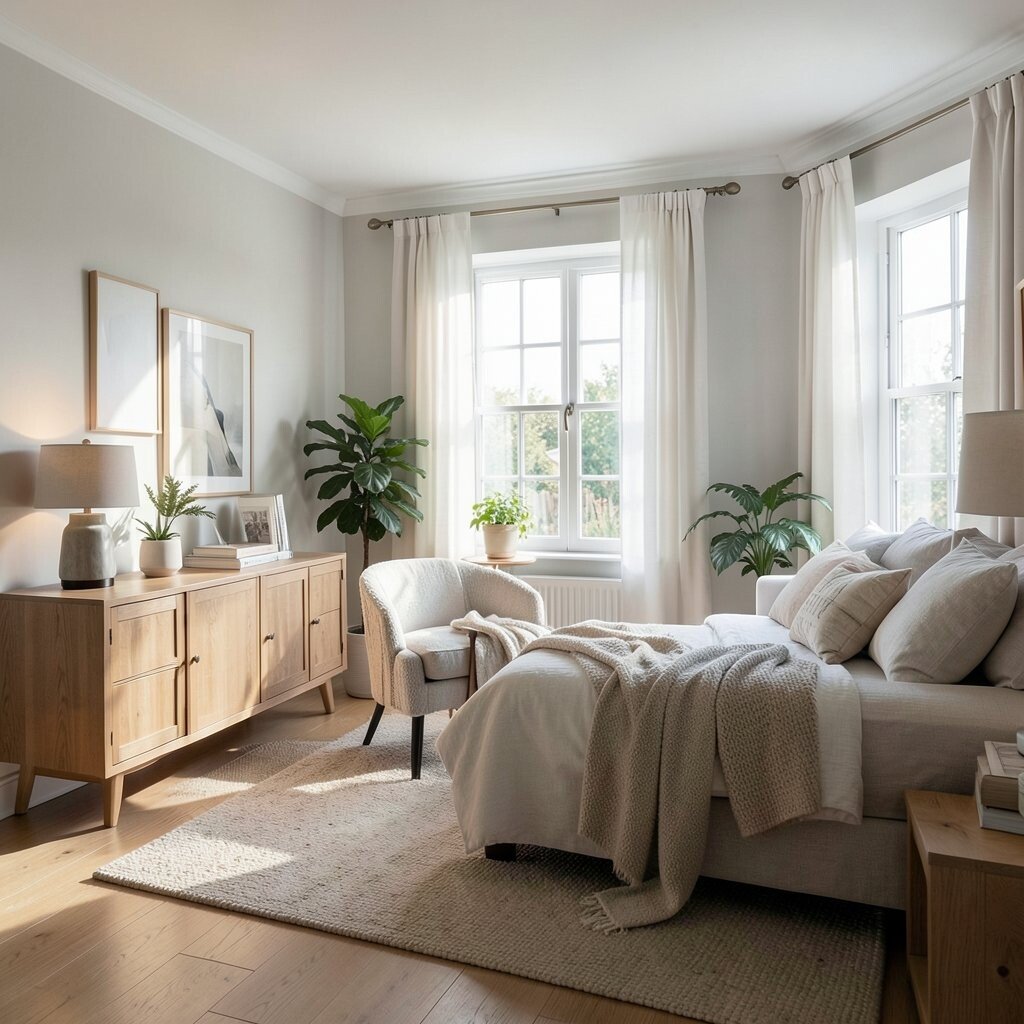
Good lighting can make a room feel friendly, cozy, and easy to use. A mix of ceiling light, lamp light, and a small accent light often works better than one bright bulb.
Warm light usually feels softer in the evening, while daylight bulbs can help in work areas and study spots. Swapping a lamp shade or adding a plug-in wall light is often cheaper than major electrical work, and layered lighting is a big trend because it makes rooms feel lived in.
Try placing a lamp near a chair or desk so the room has a clear purpose. You can also choose fixtures that match your style, from simple and modern to old-fashioned and charming.
5. Bring in Plants and Natural Touches
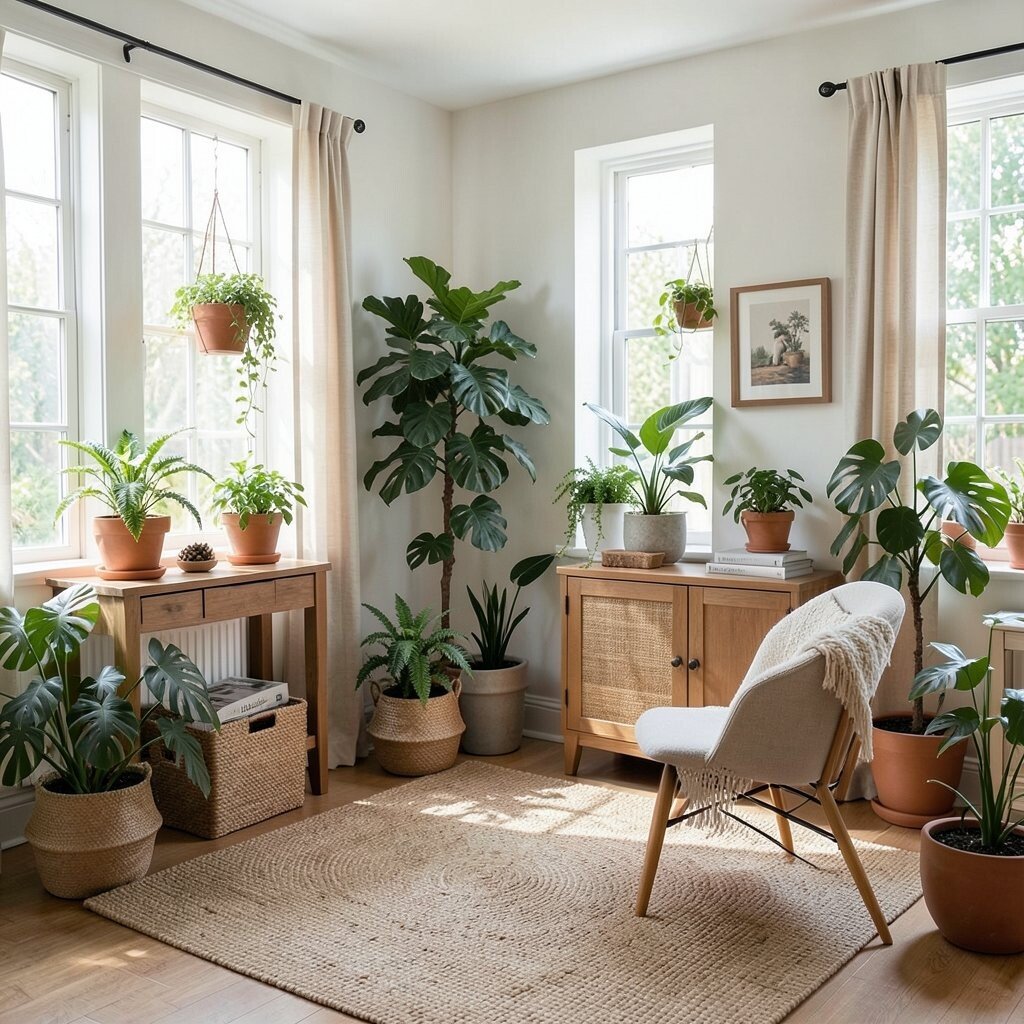
Green plants can make a room feel fresh in a way few other things can. Even one small plant on a shelf can soften sharp lines and make the space look more lively.
Natural items like wood trays, stone bowls, or dried stems can do the same job if you want lower upkeep. Plants can be a low-cost way to add color and shape, and many people like the current trend of filling homes with easy-care greenery. Pick a plant size that fits the room, since a tiny room may need just one small pot, while a bigger room can handle a tall leafy plant.
You can make the look personal by using a pot that matches your taste, such as ceramic, woven, or colorful painted styles. If caring for plants feels tricky, start with hardy ones that do not need much attention.
6. Make the Walls Work Harder
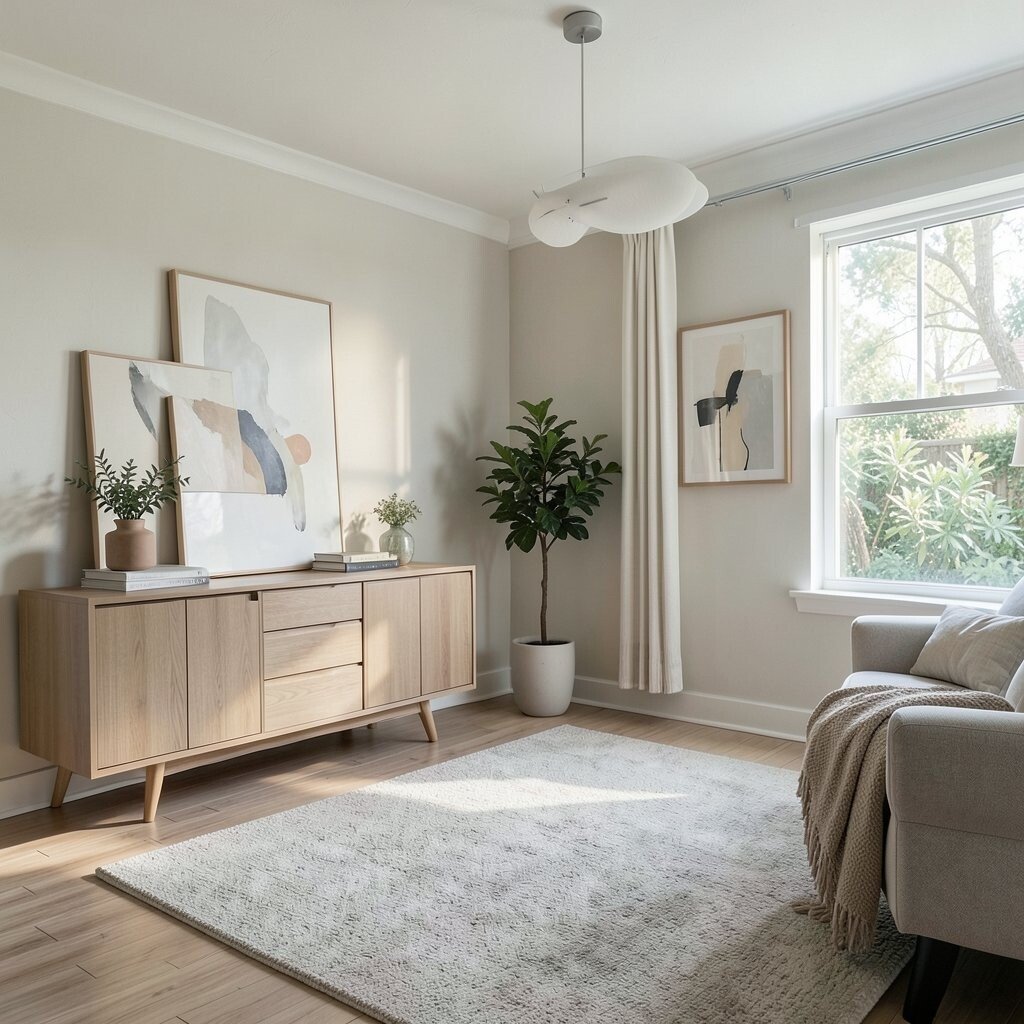
Walls are more than blank space, and they can carry a lot of style. A gallery wall, framed photo, mirror, or even a simple shelf can make the room feel more finished.
Mirrors are especially useful because they bounce light around and help small rooms feel larger and brighter. Wall decor does not have to cost a lot, since thrifted frames, printed photos, and homemade art can look very polished, and this kind of mix is a popular trend right now. Keep the layout balanced by placing larger pieces first and filling in the gaps with smaller ones.
Personal items work well here because walls tell a story about the people who live in the home. A few vacation photos, a child’s drawing, or a favorite quote can make the room feel warm and unique.
7. Create Clear Zones in One Room
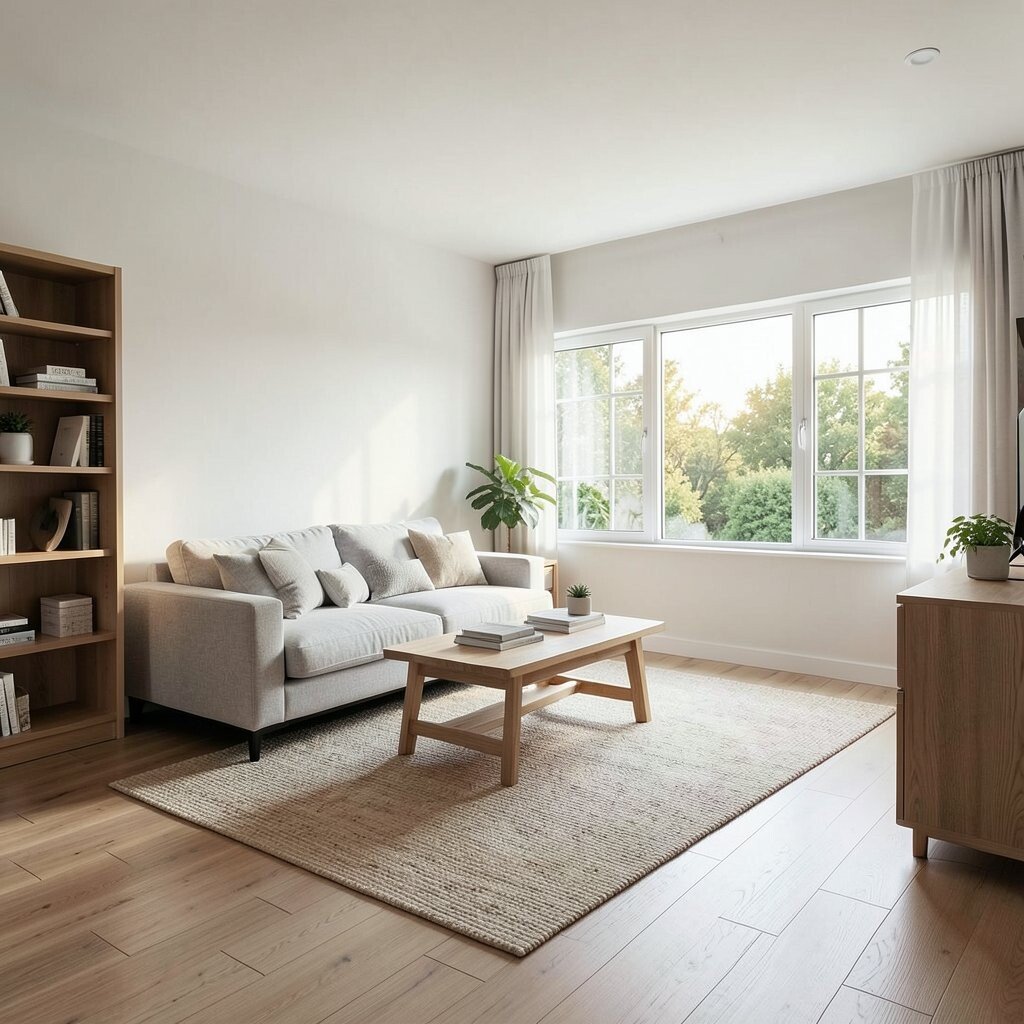
Even one room can hold more than one purpose when it is arranged with care. A sofa can mark a sitting area, a rug can define a reading spot, and a desk can claim a work corner.
This makes the space feel organized and easier to use, especially in small homes or apartments. You do not need to buy many new things to do it, since rugs, shelves, and furniture placement can create zones without a big price tag, and flexible layouts are a strong current trend. Try to keep walkways open so the room feels calm instead of crowded.
Adding a personal item to each zone helps the room feel complete. A favorite blanket in the reading corner or a family photo near the desk can make each part feel intentional.
8. Choose Furniture with Simple Lines
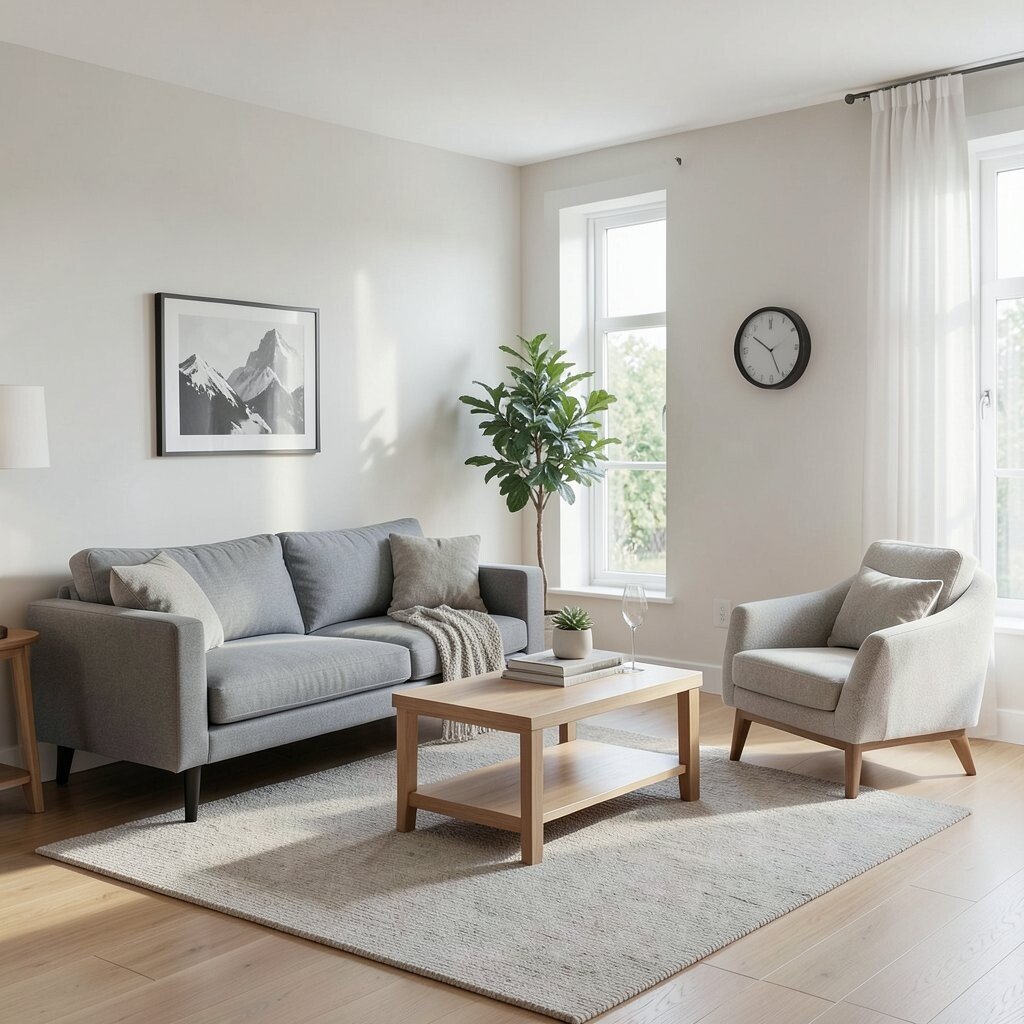
Furniture with clean shapes can make a room feel neat and easy to enjoy. Straight legs, smooth edges, and open bases often give the space a lighter look.
This style works well because it lets color, art, and texture stand out without fighting for attention. Simple pieces can also be easier to shop for on a budget, since many stores offer modern basics at fair prices, and the current interest in uncluttered rooms makes this a very useful choice. If you want a more personal feel, add a throw, cushion, or side table item that shows your favorite style.
Open-space furniture can help small rooms feel larger, which is a big practical win. You can still make it cozy by choosing wood tones, soft fabric, or one piece with a gentle curve.
9. Add Storage That Looks Good Too

Storage does not have to hide in the background. Pretty baskets, shelves, ottomans, and boxes can keep clutter down while adding charm to the room.
When things have a place, the room feels calmer and easier to clean. This can save money too, because a few smart storage pieces often work better than buying more furniture, and neat open storage is still a popular trend in many homes. Try choosing storage that matches the room colors so it blends in instead of shouting for attention.
Personal touches can make storage feel less plain, like fabric bins in a favorite pattern or labeled jars on a shelf. The room stays useful, but it also feels more like your own space.
10. Use Rugs to Anchor the Space
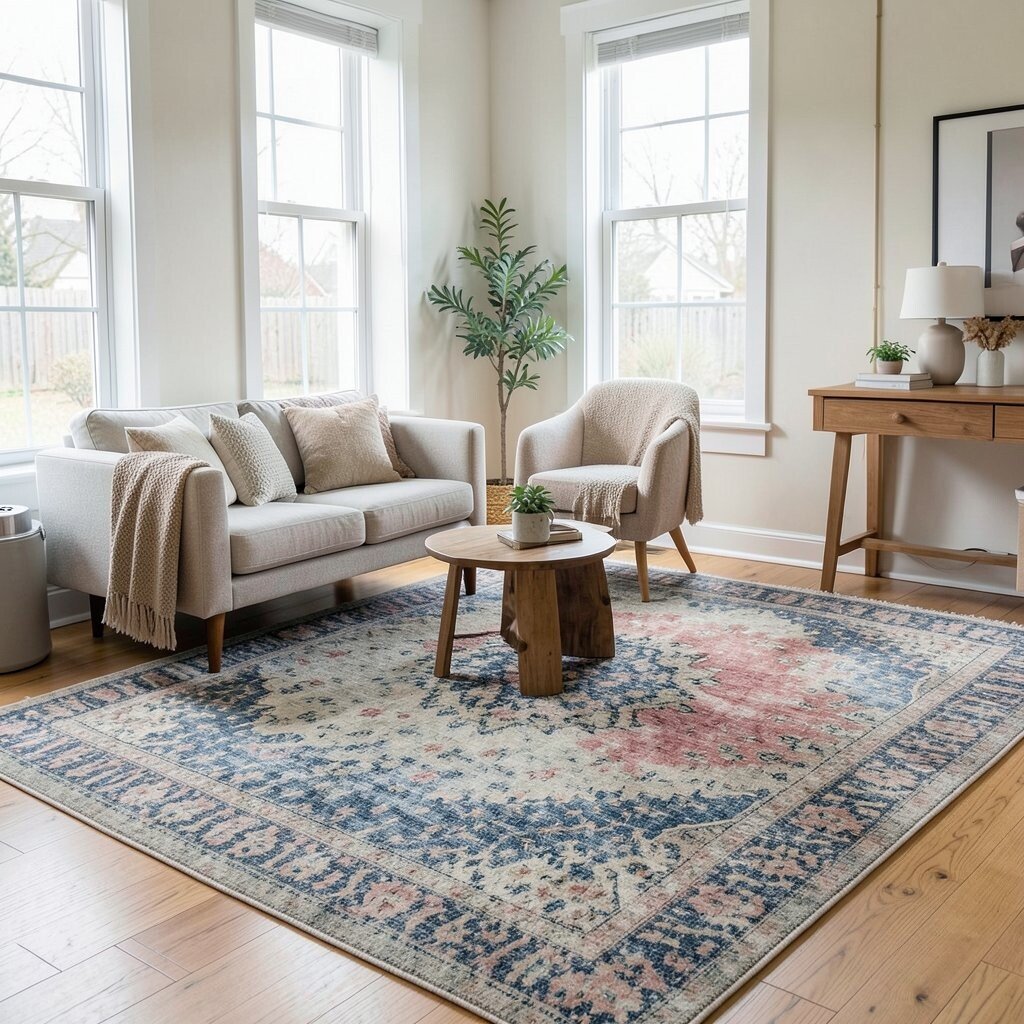
A rug can pull a room together in a very simple way. It adds color, softness, and a clear base that helps the furniture feel connected.
In a large room, a rug can make the layout feel more cozy, while in a smaller room it can add comfort without taking up much visual room. Rug prices vary a lot, so you can find something simple and affordable or choose a thicker one for more comfort, and layered rugs are a current trend for homes that want extra texture. Make sure the rug is large enough for the main furniture to sit on it or near it so the room feels balanced.
You can pick a pattern that fits your personality, from calm stripes to lively shapes. A rug is also easy to replace later, which makes it a flexible choice if your style changes.
11. Bring in Curves and Soft Shapes
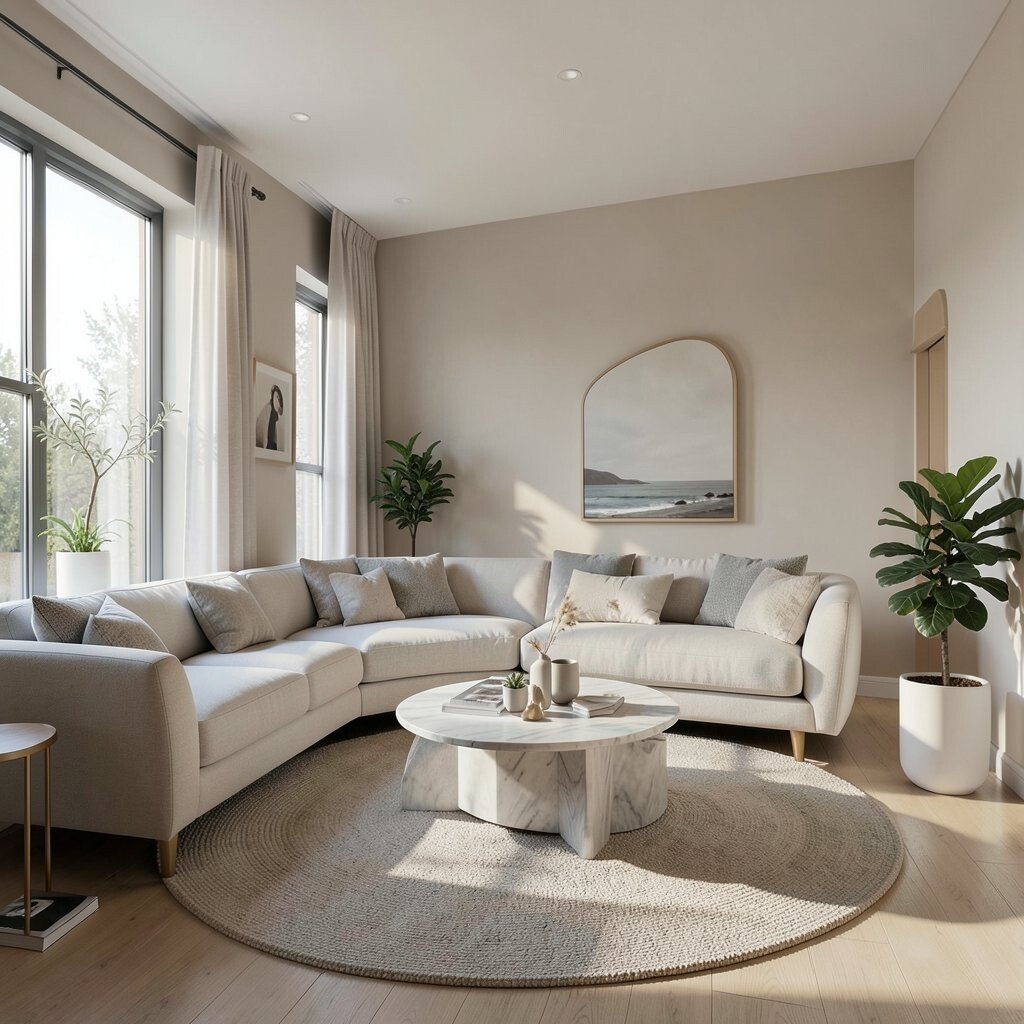
Curved shapes can make a room feel friendlier right away. Round mirrors, oval tables, arched lamps, and soft-edge chairs help break up all the straight lines in a home.
The effect is gentle and smooth, which can make a room feel more relaxed and less stiff. Many newer rooms use curves because they add style without needing lots of decor, and some curved pieces are now available at many price points, so they can work for a range of budgets. If you already own square furniture, a round pillow or circular tray can still bring in the look.
This is a nice way to show personality without making the room feel busy. A single curved piece can stand out in a calm, elegant way while still feeling easy to live with.
12. Layer in Personal Stories
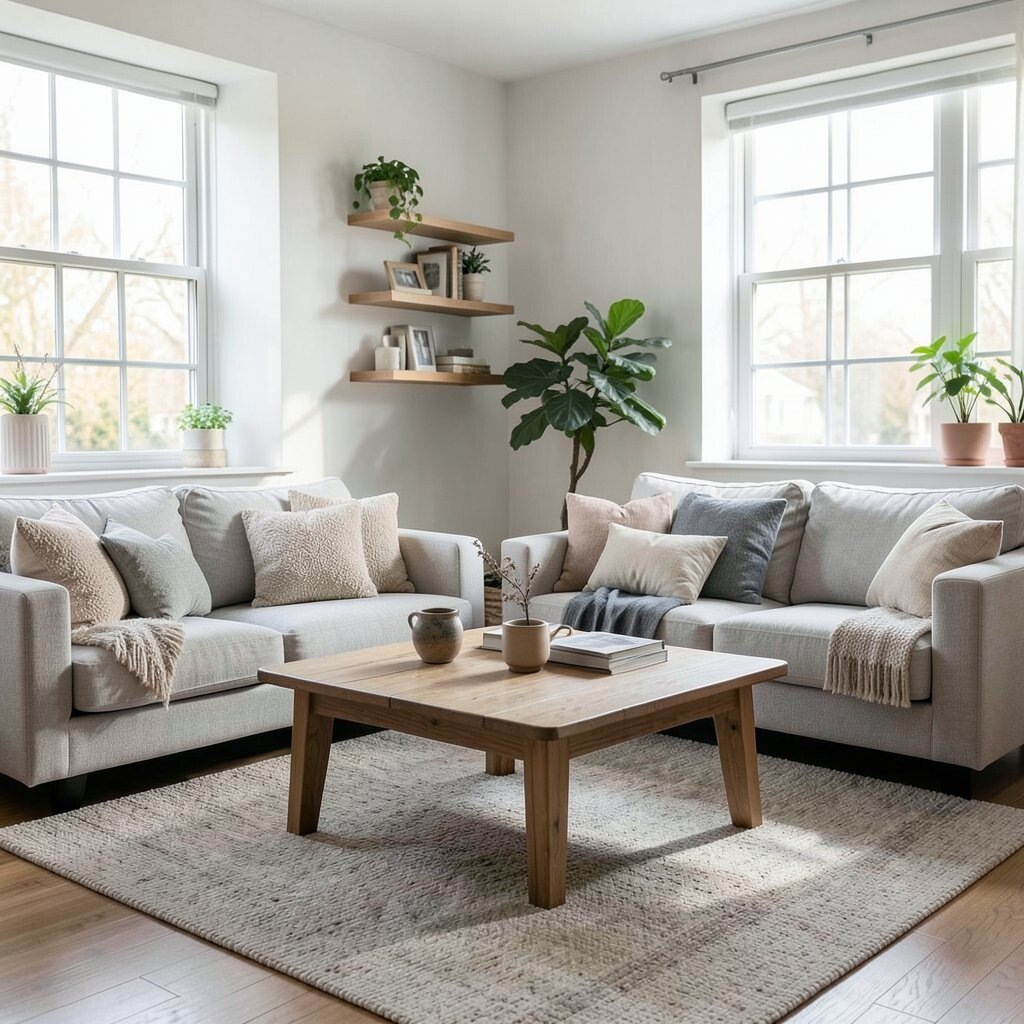
A room becomes memorable when it holds pieces that mean something. Family photos, travel finds, handmade objects, and favorite books all help tell your story.
This kind of mix makes the room feel honest and unique, not copied from a catalog. It can also be low cost, since meaningful items do not always need to be expensive, and many homes now lean toward personal spaces rather than perfect showroom looks. Try placing special items where you can enjoy them every day, like on a nightstand, shelf, or entry table.
When a room reflects your life, it becomes easier to love and use. Even a small stack of books or a handmade bowl can add warmth and make guests feel welcome.
13. Refresh with Small Swaps Over Time
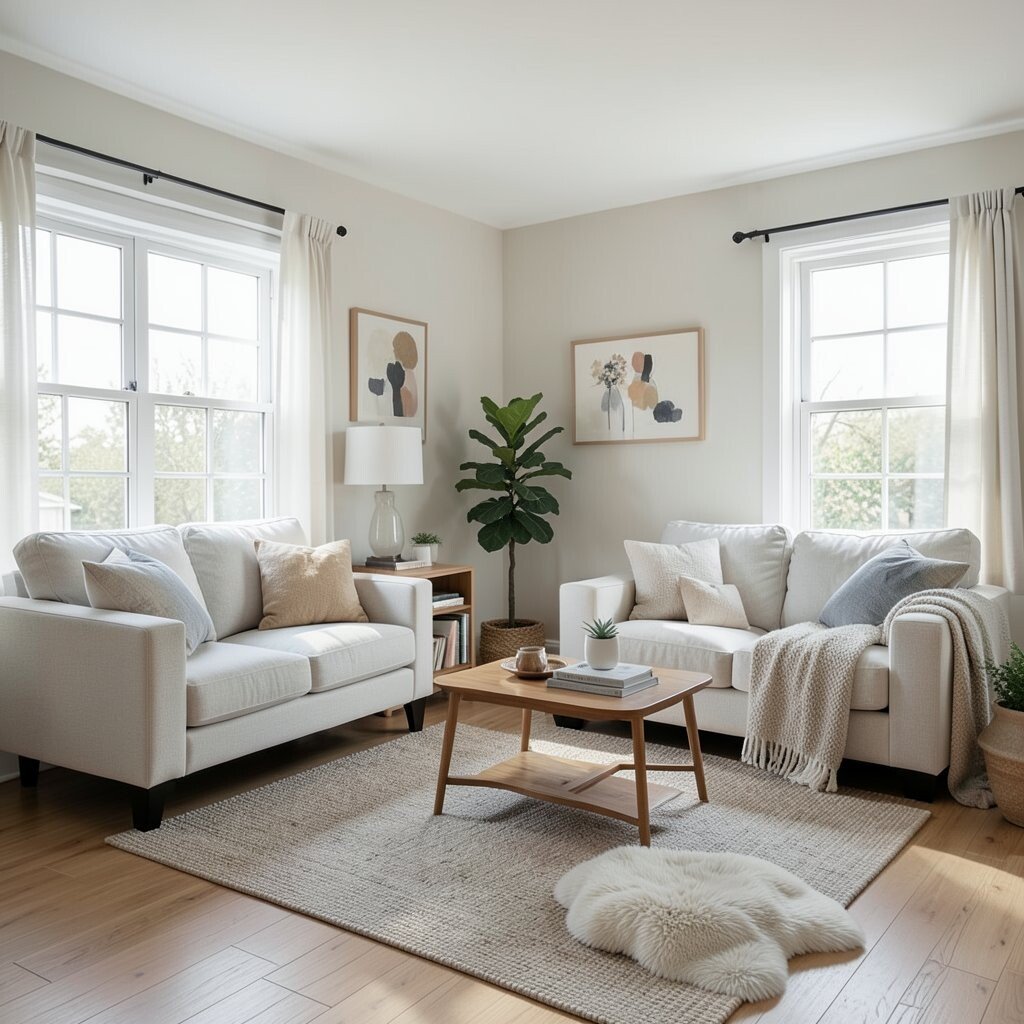
Big room changes are not always needed to make a space feel new. New pillow covers, fresh curtains, a different lamp, or a simple wall print can shift the whole mood.
This slow approach is easy on the wallet and lets you test what you like before spending more. It also fits current trends because many people now build rooms little by little, choosing items that last and work in more than one season. Start with one corner first, then add changes when the room needs a lift or when your taste changes.
The best part is that small swaps keep the room feeling current without losing comfort. You can make the space feel personal, practical, and fresh all at once, which is often the sweetest kind of room style.