The road can be boring when you run the same route every day. A creative project turns every mile into something you actually look forward to.
Pick an idea, start small, and let your momentum carry the rest. Your future self will thank you for the fun you built into your training.
1. Photo Sprint Storyboard

Run with a camera roll you care about, then plan a mini story made of snapshots. Each outing becomes a page in a visual diary you can review later and feel proud of.
Choose a theme like street art, seasonal colors, or funny signs, and aim to capture one clear image per run. For a practical twist, keep your phone in an easy-access pocket and take photos only at safe stops so you never rush your safety. You’ll enjoy how the images show your progress, while also training your eyes to notice details you might usually miss. Make it unique by using a consistent style, like black-and-white for weekdays and warm tones for weekends.
2. Soundtrack With Micro-Scenes
Pick a song that matches your effort, then write a short scene in your head as you jog. The rhythm becomes a movie in motion, and the miles feel less stretchy.
Use a simple method: one song for warm-up, one for steady pace, and one for the final push. To personalize it, create playlists for different moods like brave, calm, or silly, and let your run act like a soundtrack you control. This idea also fits current trends because runners love tempo-based playlists and story-driven reels. Keep costs low by using streaming apps you already have and saving voice notes for the tiny scenes you imagine.
If you want practical training value, match your “scene” changes to your intervals, like switching from slow to fast when the chorus hits. Visualize runners in your “movie,” even if you’re alone, and notice how it makes your body feel more confident. When you repeat the route, you’ll start comparing how your scene-writing grows with your fitness.
3. Neighborhood Myth Map

Turn your route into a made-up legend by imagining a “myth” for each landmark. A mural might become a dragon’s hiding place, and a bridge might be the hero’s path home.
Sketch a quick map on paper after each run, then add one sentence about what happened in your story world. You get visual variety from real streets while still building something unique that feels playful and yours. For practical tips, keep the story short so it doesn’t steal time from your recovery, and photograph the landmarks so you remember them easily.
Personalize your myth by using your interests, like sports teams, space themes, or ocean creatures. If you like trends, try a “series” format where every week has a new chapter like a cliffhanger at the same corner. Costs can stay near zero since you just need a pen and a phone camera, but the memories feel high-value.
4. Run-Time Almanac With Readable Notes
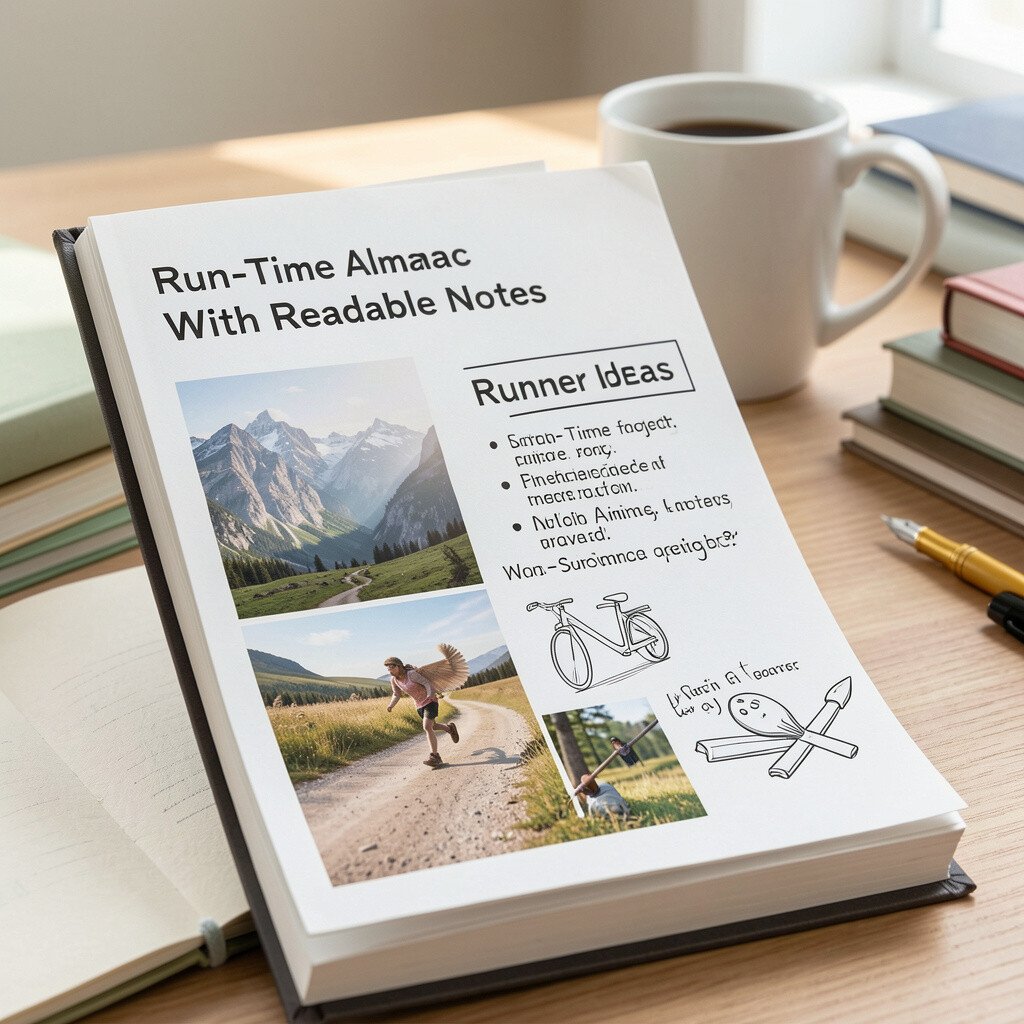
After each run, write a few lines like a mini weather report for your body. You’ll start to understand patterns, and that makes training feel smarter and less mysterious.
Use quick observations like energy level, sleep quality, and how your breathing felt on hills. Keep it practical by using one small notebook or a notes app and adding entries only when you’re calm enough to remember clearly. The visual benefit is seeing trends, like which days feel strong, so you can plan harder sessions with more confidence. Make it unique by adding a favorite symbol for each run, like a sun for easy days and a lightning bolt for hard ones.
5. Reusable Route Scavenger List

Make a list of small things you can spot while running, like a particular mailbox color or a mural shape. The goal turns your jog into a friendly hunt instead of a chore.
Keep your scavenger list reusable by choosing items that appear often enough, like window plants, street lamps, or sidewalk patterns. For personalization, set your list to match your style, like cute and funny, or calm and nature-based. This can support benefits like boosting attention, improving pacing because you stay engaged, and building motivation through tiny wins. Costs stay low since you only need memory and maybe a simple checklist on your phone.
If you want a modern twist, create a “no repeats” rule for certain categories each week. Visualize your route as a living gallery, and you’ll feel more connected to the place you run every day.
6. Hand-Drawn Badge Collection
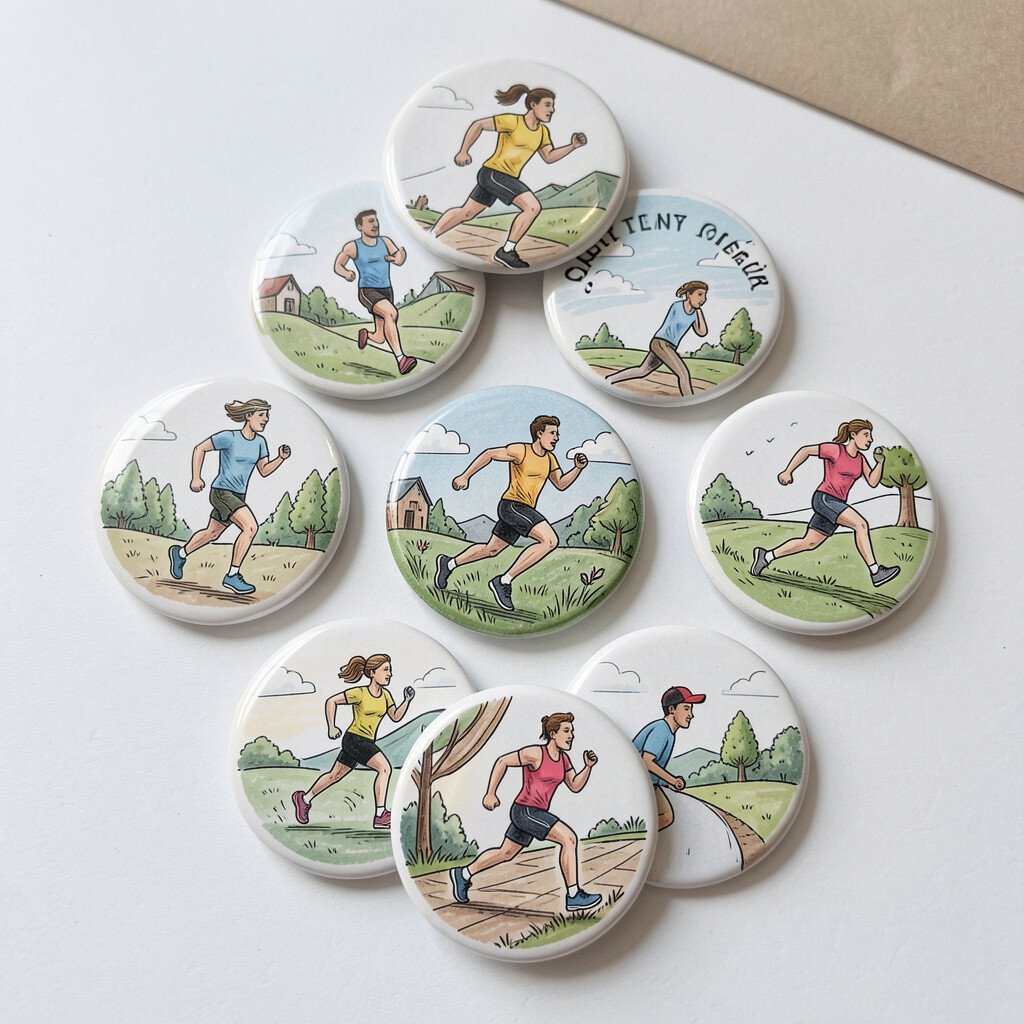
Design badges that represent your runs, like “Steady Miles” or “Hill Hero,” then collect them after each session. Seeing badges stack up makes effort feel rewarding and visible.
Use printable templates or draw your own with simple shapes, then add details like date, distance, and a tiny drawing of the route. The benefit is motivation, because your brain loves seeing progress in a colorful way. Keep it practical by making badge rules clear, like one badge per workout type, so it stays easy. For personalization, choose a style you like, such as cartoon animals, minimal icons, or watercolor-looking streaks.
Consider cost too, since you can use free printable art or plain paper and a basic set of markers. When you share your badges with friends, you’ll notice how creative projects are trending in fitness communities. You also create a personal timeline you can look back on when you need confidence.
7. Story Mode Interval Training

Give your workout a plot where each interval is a scene with an emotion. When your pace changes, your character changes too, and you stay focused on the next moment.
Start by deciding what kind of story you want, like a rescue mission or a comeback. Then assign each section of your run an action, like “escape,” “steady,” or “victory lap.” For benefits, this helps you mentally break up tough parts, which can lower the feeling of strain. Personalize by writing a sentence for each interval, and adjust your character’s mood based on how you feel that day.
8. Gratitude Postcard From the Trail
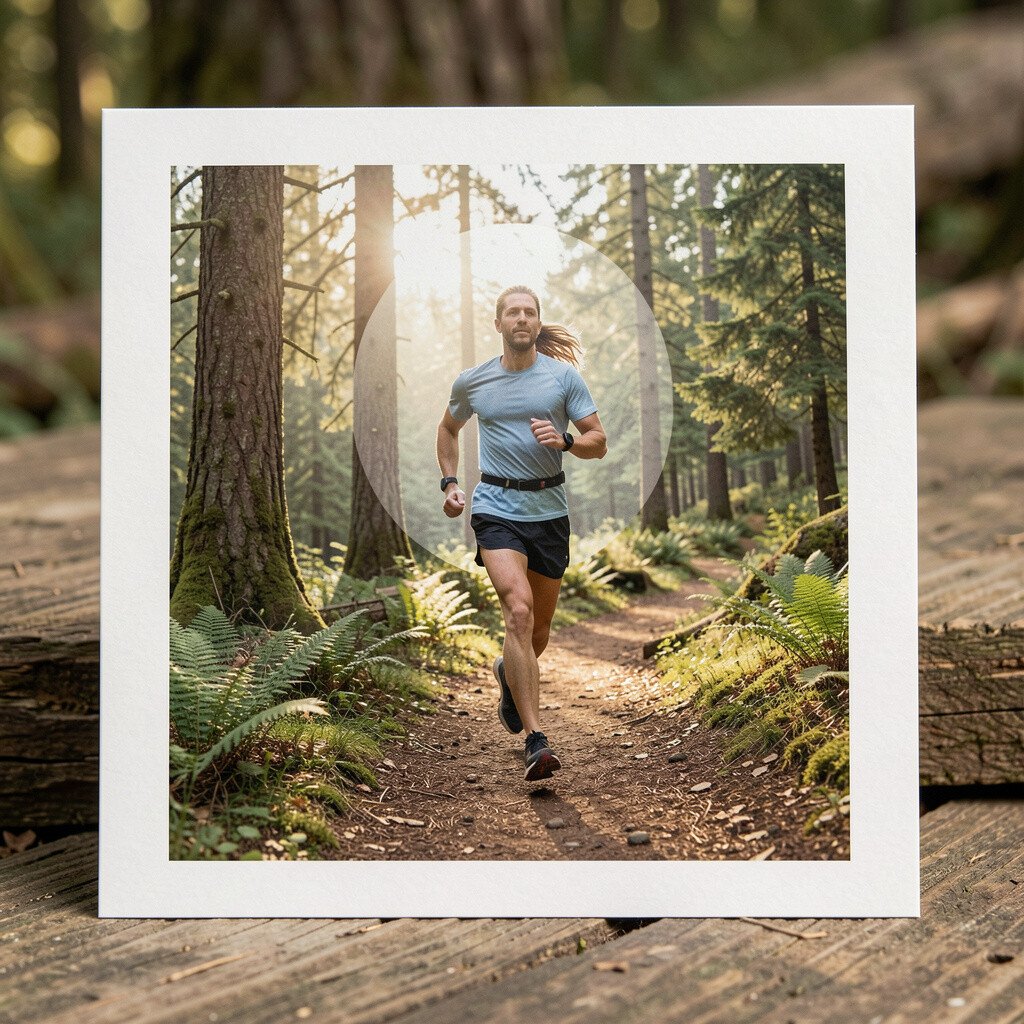
Carry a small list of prompts and use them to write a gratitude postcard each run. Even if you never mail it, the act of writing helps you notice good things around you and inside you.
Choose prompts like “something kind I saw,” “a smell I enjoyed,” or “a moment my body felt strong.” The visual side is vivid, because you’ll start recalling the exact corner of the street where you noticed something sweet. Keep it practical by writing two sentences only and saving the postcard idea for later in the day. Personalize by making your postcard match your neighborhood theme, like city lights for urban runs or pine air for park loops.
9. Tempo Lantern Path

Pick a route with places you can treat like “lantern stops,” and use them to guide your pace. Each stop becomes a cue that keeps your run organized without stress.
Choose landmarks like a specific tree, a street sign, or a building entrance, then set a tempo plan that fits them. This makes benefits feel practical because you learn what effort feels like at different segments. Keep costs low since you’re using existing landmarks, but make it unique by using your own color system, like green for easy, yellow for steady, and red for hard. Personalize by changing the plan as you improve, and add a tiny note at each lantern stop about breathing or posture.
10. Skyline Distance Doodles
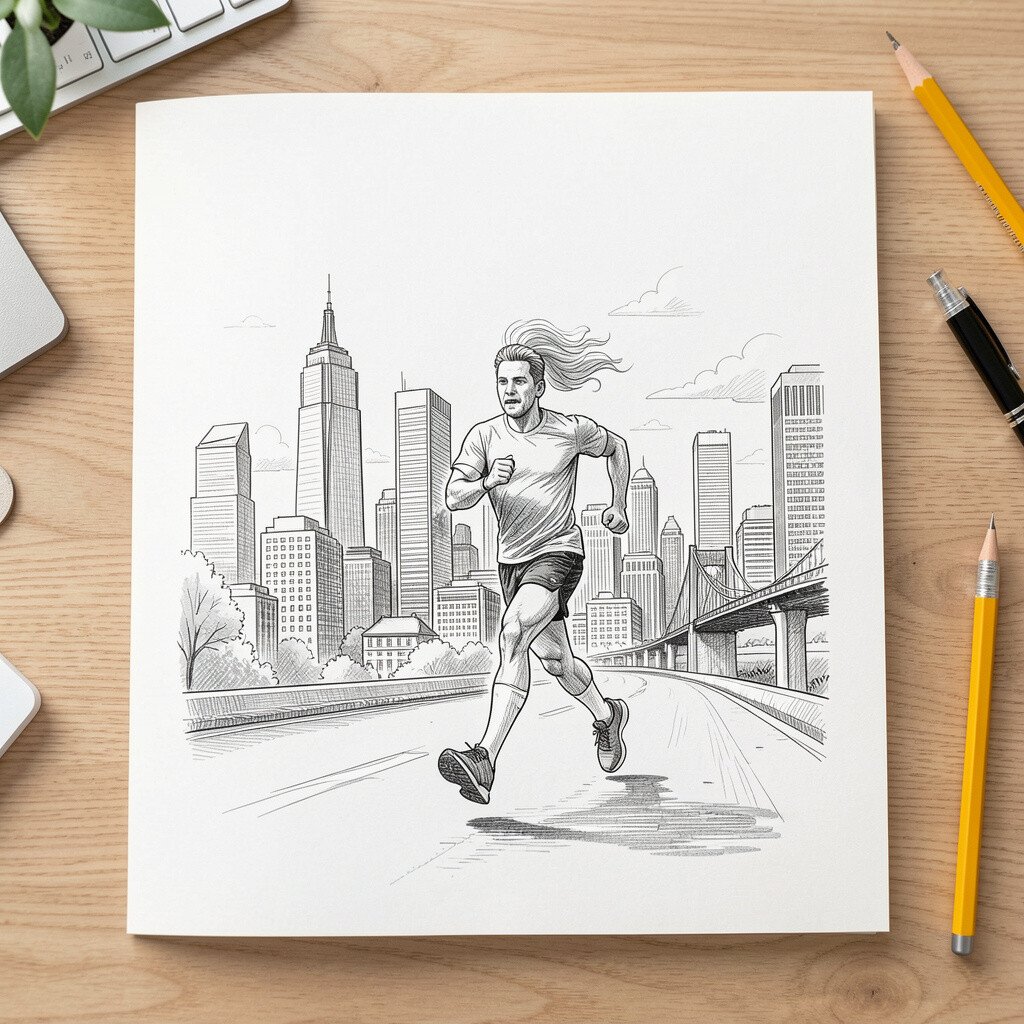
Draw your route as a skyline on a scrap of paper before you run. Hills become peaks, and flats become smooth lines, so you visually rehearse what’s coming.
After your run, compare the doodle to what actually happened and adjust your sketch for next time. This helps you see patterns, which supports training benefits like pacing awareness and better hill strategy. Keep it practical by making the sketch quick, using only a few lines and no perfect art skills required. For personalization, decorate it with tiny icons, like stars for rest spots or arrows for turns.
11. Recipe Runner Notes
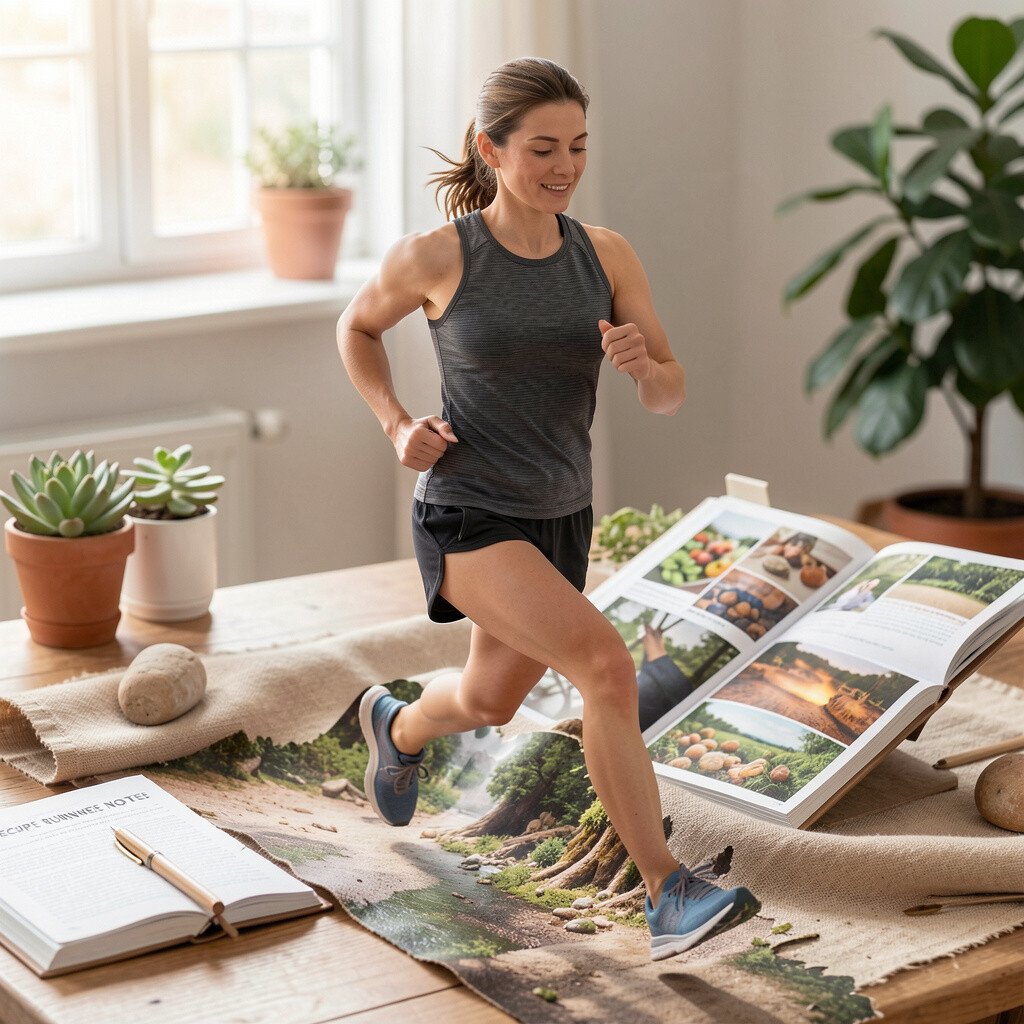
Pair your run with a simple food plan by writing the next meal you want and why it matches your effort. It turns recovery into a creative ritual instead of a random decision.
After you finish, note what sounds good and easy, like a smoothie recipe, a bowl of rice and veggies, or yogurt with fruit. The benefits show up because you’re more likely to fuel well, which supports energy for future workouts. Keep costs in mind by choosing ingredients you already buy, and try seasonal produce so prices feel fair. Personalize your notes by using your favorite cuisines or by making a “post-run comfort” section that always feels reassuring.
12. Weekly Theme Color Runs
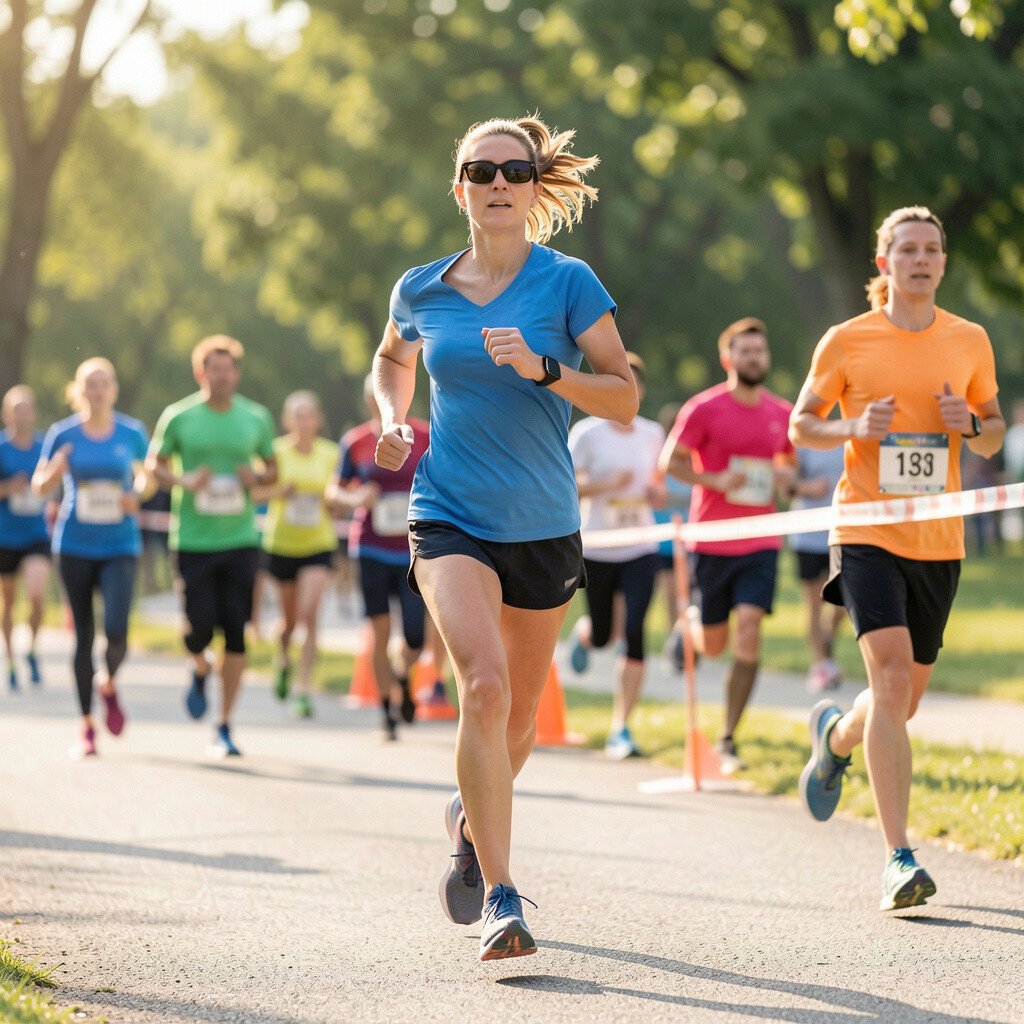
Choose a theme color each week and build it into your clothing and route choices. You’ll start noticing how fun details make even slow runs feel alive.
Wear something in that color, track one color detail you see outside, and take one photo that matches the theme. The benefit is motivation, because small goals keep your mind from drifting during longer sessions. Make it unique by setting a mini rule, like “blue week is calm breathing” or “green week is nature focus.” Costs can stay low since you can use what you already own and skip buying new gear by relying on socks, hats, or shoelaces.
This also fits current trends because visual challenges and social-friendly themes are popular in running communities. As you repeat routes, you’ll build a colorful archive of memory and progress.
13. Route Letters and Word Trails
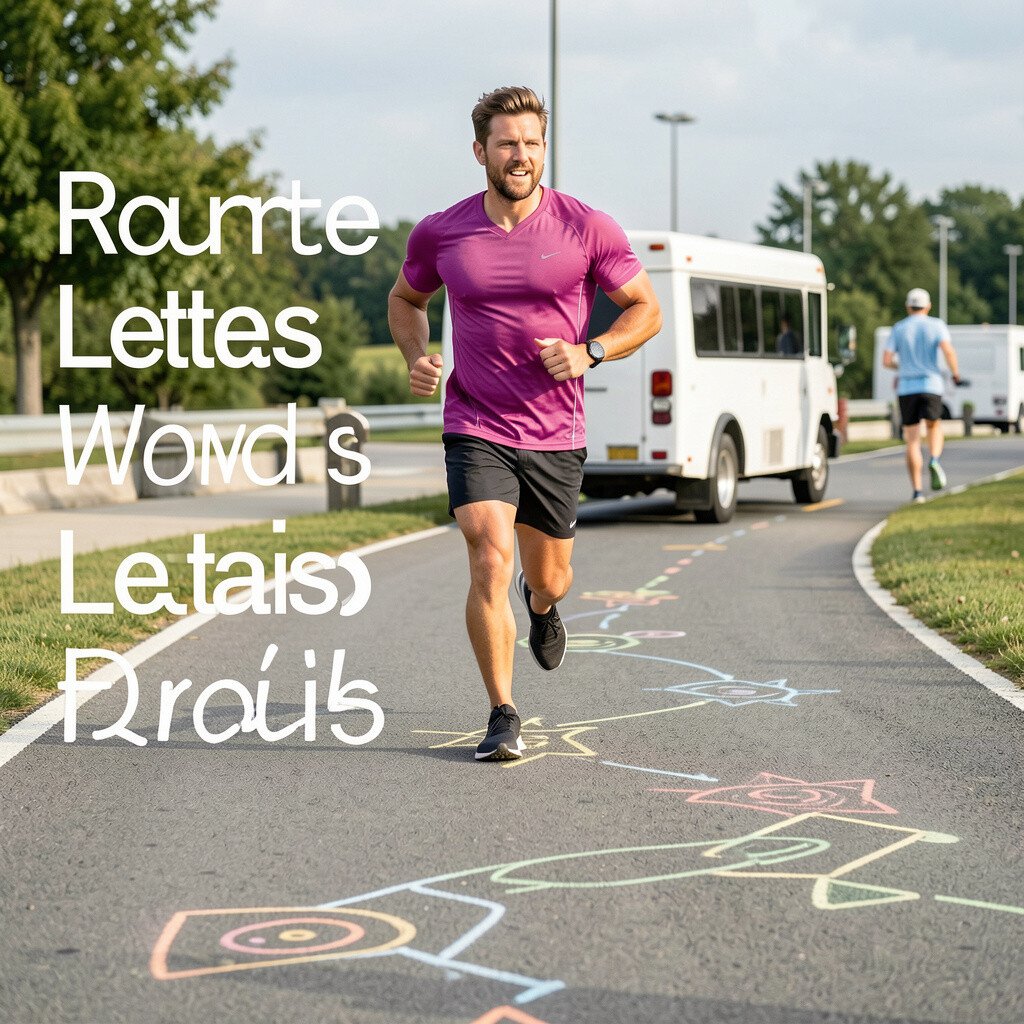
Turn your path into a word trail by finding signs, shapes, or store names that help you form a short sentence. The run becomes a puzzle you solve step by step.
Pick a word goal like ten letters or a specific phrase, then design your sentence based on what you spot safely. For practical tips, avoid stopping in traffic and keep the hunt to things you can see while moving. This idea improves attention and can even make you feel quicker mentally because you’re constantly scanning. Personalize the words to your interests, like quotes from sports, book titles, or your own affirmations.
14. Create a Micro Zine for Each Month
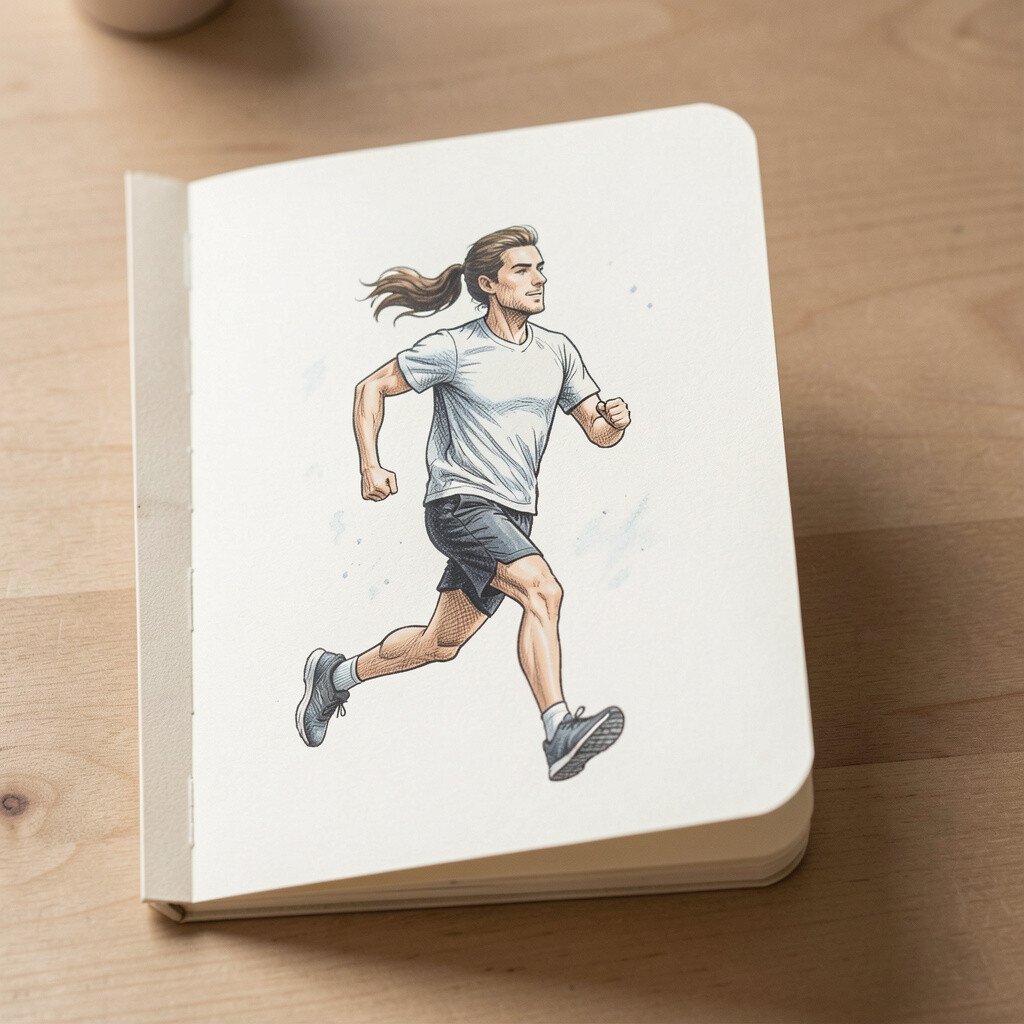
Collect small stories and photos, then assemble them into a tiny zine at the end of the month. It’s a creative project that turns running into something you can hold.
Include pages like “best moment,” “funny sign,” “what my body taught me,” and “one thing I’d do again.” The visual benefit is real, because you’ll see your journey laid out like artwork. Keep it practical by using a simple folding method and printing only a few copies, or using plain paper and staples if you prefer. Personalize your zine style with a consistent color palette, like warm paper for winter runs and bright inks for summer sessions.
Cost considerations are easy to manage since you can use free photo apps, recycle paper, and print only what you need. This creative trend is popular among hobby communities, and it pairs beautifully with fitness journaling.
15. Breath Painting With Markers on Paper
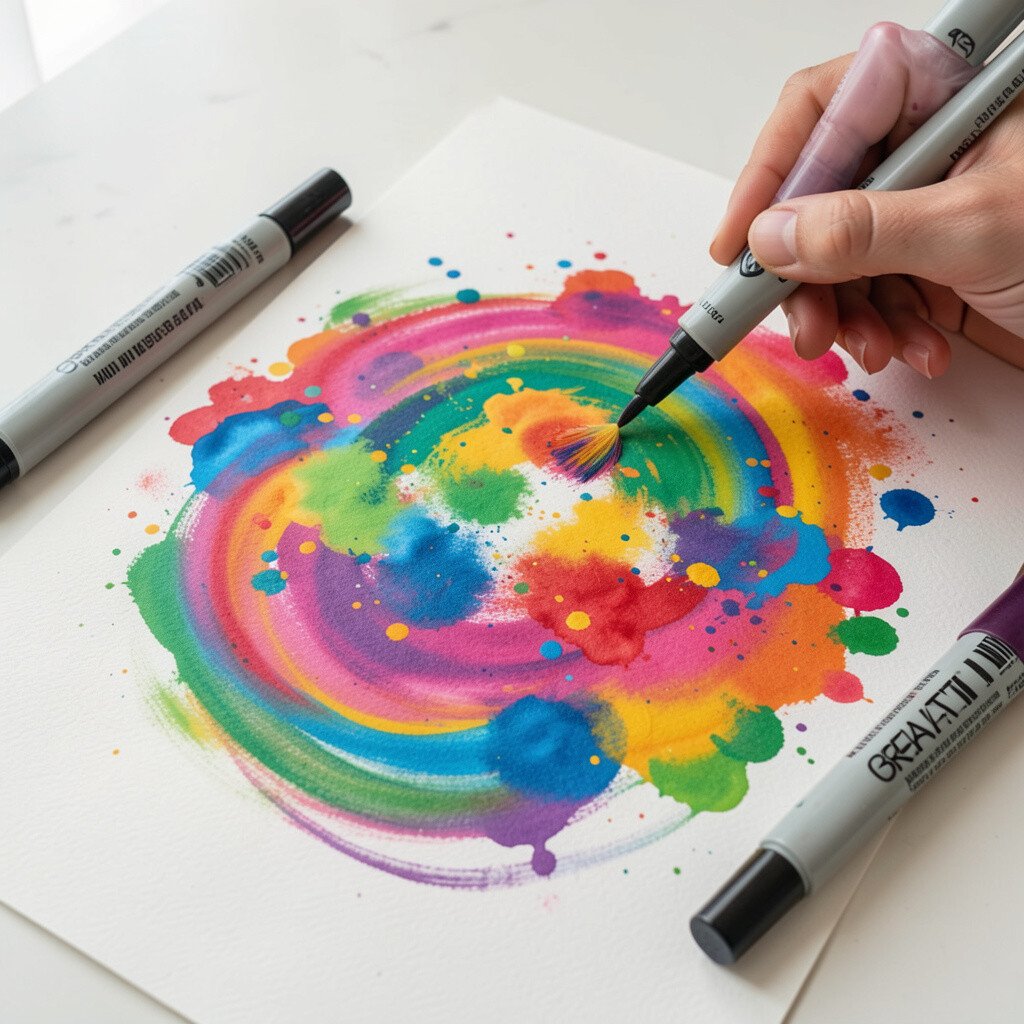
Before a run, draw a blank shape, and after the run, color it based on your breathing. Fast breathing becomes energetic lines, and calm breathing becomes smooth areas.
Use a simple rule like one color for warm-up, another for steady pace, and a third for the final push. The benefit is that you learn how your body feels in a visual way, which helps you adjust effort next time. Keep it practical by using just a few markers or colored pencils and drawing small shapes instead of detailed portraits. Personalize the art by tying it to emotions, like “brave red” for hard days and “quiet blue” for easy ones.
16. Wayfinding Scars and Fixes
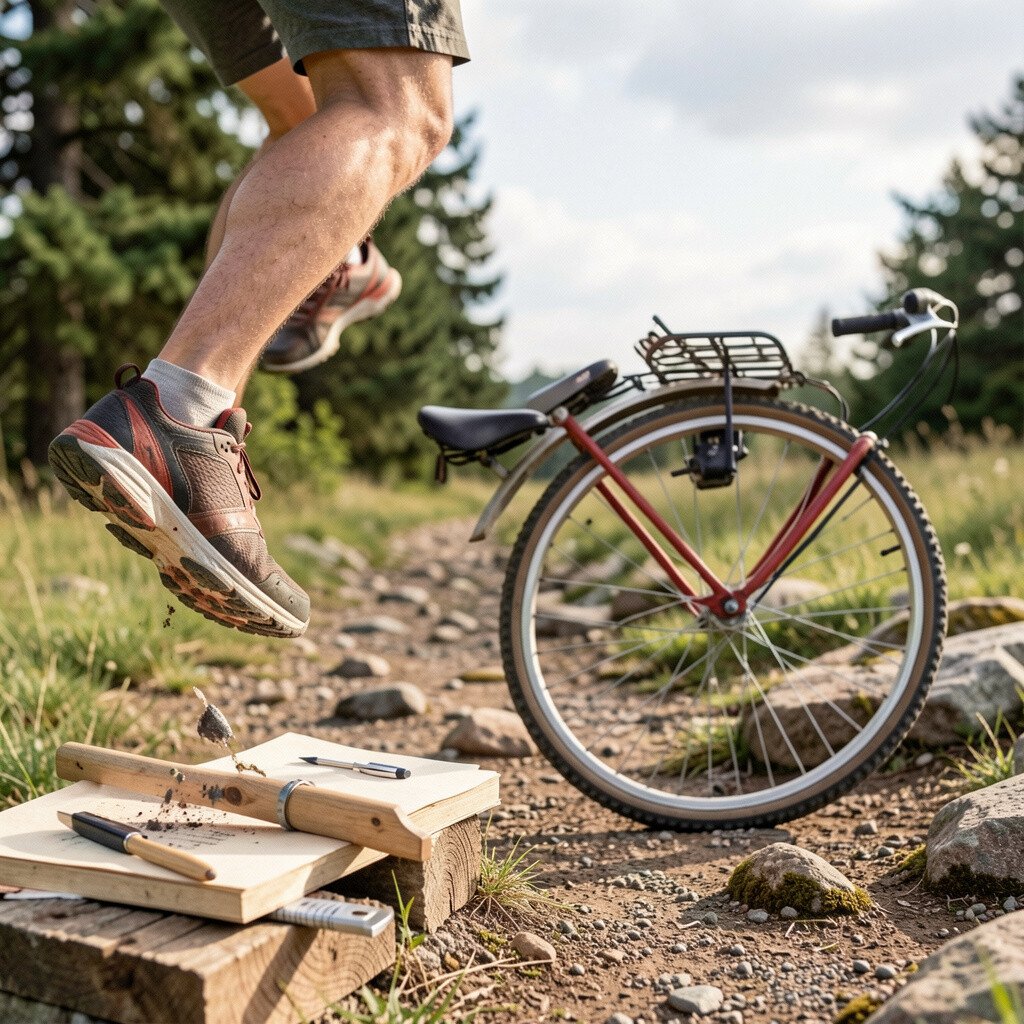
If something felt off during a run, treat it like a clue instead of a setback. You’ll build a personal system for noticing problems early and fixing them faster.
Write down what happened, like sore spots, tight calves, or shoe rub marks, then add one change you’ll try next time. The benefits are strong because you reduce repeat issues and improve recovery habits. Keep it practical by limiting the notes to a couple of items and doing the adjustment in a realistic way, like loosening laces or changing pace. Personalize your “fix list” based on your history, and consider talking to a coach if problems keep returning.
Cost considerations matter too, because sometimes the best fix is simple like socks that fit better rather than expensive gear. This approach aligns with current trends in injury prevention and smart training, especially as runners share technique and recovery advice.
17. Fitness Goal Fortune Cookie Messages
Write short fortune messages for your runs and store them in a small container. When you feel uncertain, you open one and use it as encouragement for that day.
Create fortunes like “Your pace is a promise” or “Small steps count,” and match them to workout types. The benefit is motivation that feels personal, not generic, because your own words support you. Keep it practical by making fortunes short enough to read quickly, so you don’t lose time before starting. Personalize the tone, like silly and playful on easy days and calm and focused on hard days.
18. Run-and-Rewrite Letters to Future You
Start a letter thread where each run adds one line to the same message for your future self. It becomes a growing story that shows how your mindset changes with your training.
After you run, add what you learned about patience, consistency, or courage, and include one concrete action you’ll take next. The benefits are emotional, since you build confidence and hope through real evidence. Keep it practical by writing one or two sentences only, then saving the file or notebook in a single place. Personalize it by using prompts that match your current life goals, like confidence at work or calmer mornings.
Cost is basically zero since it’s paper or notes, but the uniqueness is huge because nobody else has your exact words and memories.
19. Sticker Map of Landmarks
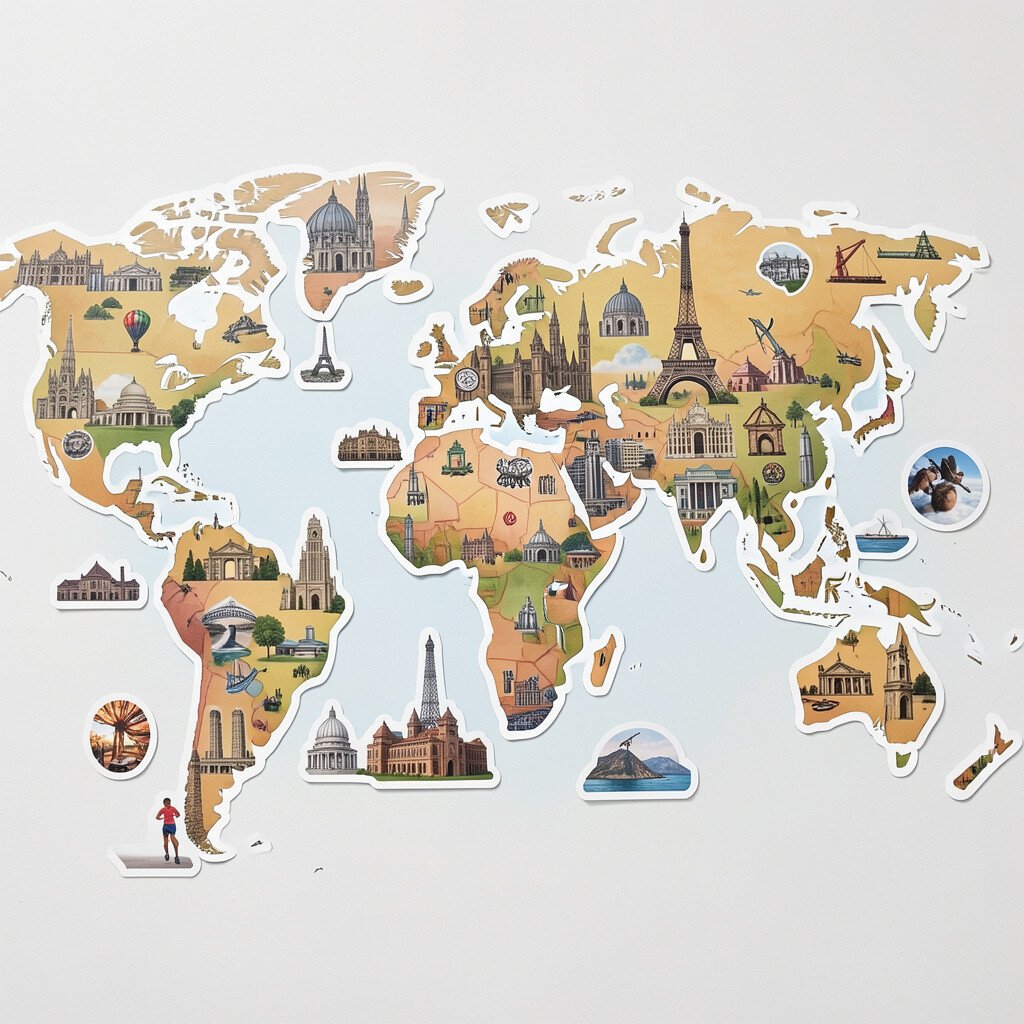
Create a sticker map of your running world by placing stickers where you’ve been. The visual payoff is instant, because your progress looks like a growing collection.
Use store-bought stickers or cut simple shapes from paper and label them with tiny dates. The benefit is motivation plus better memory, because you’ll remember routes by the landmarks you chose. Keep it practical by using a small map size so it’s easy to update, and choose locations you can access safely and repeatedly. Personalize your map by grouping stickers into categories like parks, downtown loops, and river paths.
Cost considerations are friendly since you can make stickers at home with free images or recycle packaging designs. This also matches a current trend in “map journaling,” where people use visuals to track life moments.
20. Zero-Waste Snack Challenge After Runs

Plan one small zero-waste snack plan for your post-run routine and track how it feels. It makes recovery more satisfying and helps you stay mindful beyond the workout.
Choose simple swaps like using a reusable container, bringing fruit you can peel, or packing a homemade snack that avoids extra packaging. The benefits show up because you’re more likely to eat consistently, and the routine reduces stress when you’re hungry. Keep it practical by starting with what’s easiest, like one item per day, so it doesn’t feel overwhelming. Personalize your challenge by choosing a theme like “no plastic,” “mostly local,” or “only homemade,” depending on what fits your life.
Cost considerations can be surprisingly positive since reusable items reduce waste over time. The uniqueness comes from combining health habits with creativity, and many fitness communities are sharing sustainability-friendly routines.
21. Themed Morning Pages and Movement
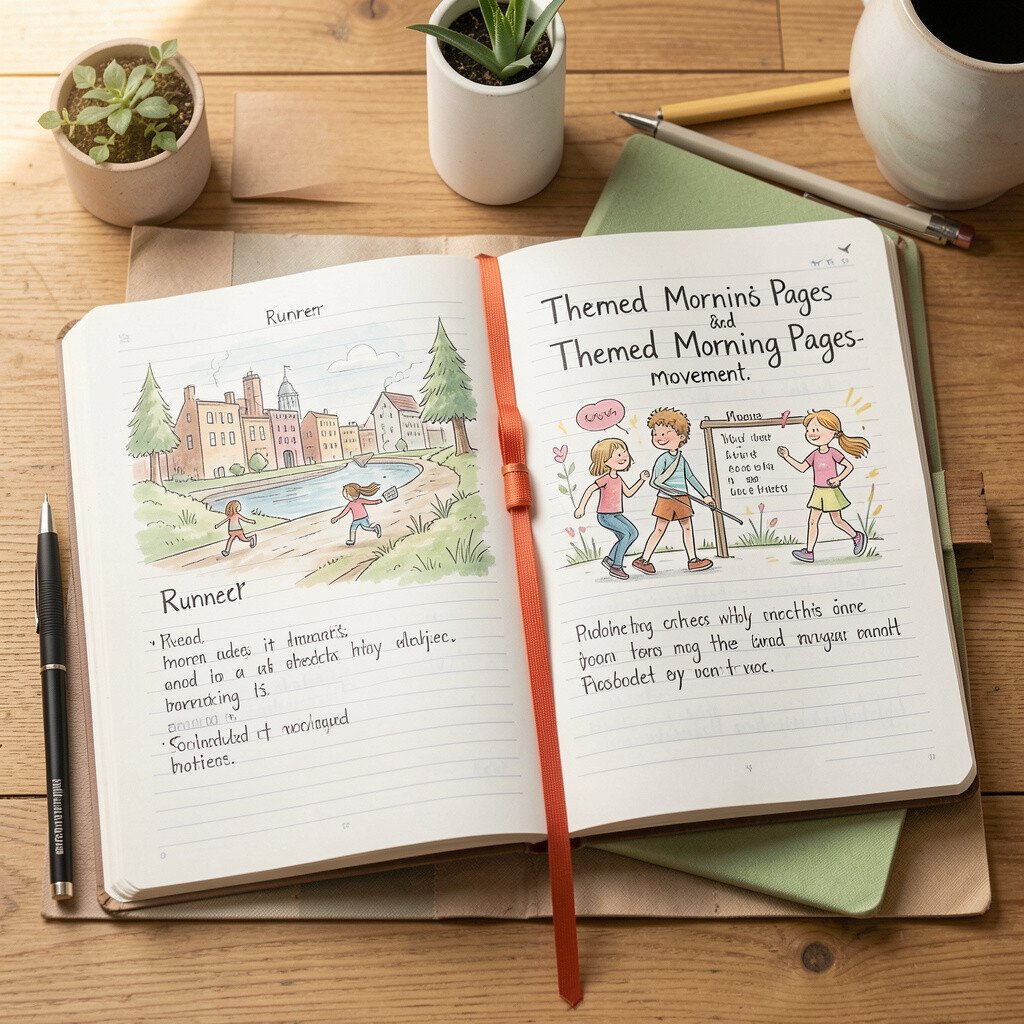
Before you run, write a few lines in a notebook based on a daily theme, then run with that theme in mind. The pages give your mind a starting point, and the workout becomes the next step in the same story.
Pick themes like courage, focus, gratitude, or curiosity, then write one sentence about what you want to practice that day. The benefit is mental clarity, which often makes pacing feel easier because you’re not trying to think from scratch. Keep it practical by limiting the writing to a short amount of time and choosing themes that match your workout, like calm for recovery runs. Personalize it by using your favorite handwriting style, doodles in the margins, or a small mantra you repeat while warming up.
22. Community Micro-Acts on Your Route

Turn your run into a series of small helpful acts, like picking up litter or leaving a note of encouragement for a neighbor. Your route becomes a place that improves because you passed through it.
Choose acts that are safe and realistic, like carrying a small bag for trash only when it’s comfortable to do so. The benefits are huge for your mindset, because you feel connected and useful, and your confidence grows with every good moment. Keep it practical by setting boundaries, like limiting the time you stop and choosing well-lit areas. Personalize the acts by matching them to your values, like kindness, creativity, or community support.
Cost is usually minimal, but you may want a pair of gloves or a small grabber depending on your environment. This feels aligned with current trends because many runners now share “good deed runs” and community challenges, and you’ll likely inspire others too.