
The feed can feel like a cheering crowd or a noisy blur. With a few smart moves, it can keep your legs moving when motivation dips.
1. Choose A Feed That Feels Like A Training Buddy

Pick accounts that post training logs, easy form cues, and real-life progress, not just highlight reels. When you scroll, aim for content that feels like a supportive friend standing next to you, pointing out small wins.
Curate your follow list by unfollowing anything that drains your energy or sparks comparison. Try searching for local running clubs, coach-led technique pages, and even hometown photographers who capture race day vibes. Keep an eye out for posts that show the “in-between” runs, like recovery jogs and short strides, because those make your routine feel normal and doable.
2. Turn Your Runs Into Visual Stories

Share a simple photo sequence that tells what your run felt like, from your shoes at the door to the final stretch near home. A cloudy sunrise, a misty sidewalk, or a glowing sunset trail can make your effort look meaningful even when you didn’t set a personal best.
Focus on one theme each week, like “early miles,” “rain days,” or “post-work reset,” so your page has a clear vibe. Captions can stay short and honest, like what your breath felt like or how your pace changed as your legs warmed up. This helps people relate to your journey and it helps you remember your own progress later.
When you post, choose visuals that you can create cheaply, such as phone photos, screenshot maps, or a quick shot of your watch screen. Many runners use screen grabs to show pace trends without needing fancy equipment. That’s a great way to stay consistent while keeping costs low.
3. Build A Mini Routine For Posting

Instead of posting randomly, set a small rhythm that matches your training week. For example, you might share a plan photo on a rest day and then one run recap after your workout.
When you keep it steady, social media stops feeling like extra homework. You also reduce the stress of trying to find the “perfect” caption right after a hard session. Consistency makes your audience expect your updates, and that expectation can boost your momentum.
Try batching content on calm evenings by taking a couple of photos and writing drafts while your thoughts are clear. You can even save caption ideas in your notes app so you don’t start from scratch. That tiny setup can save time and keep your posting habit from becoming a burden.
4. Use Story Features For Low-Effort Check-Ins
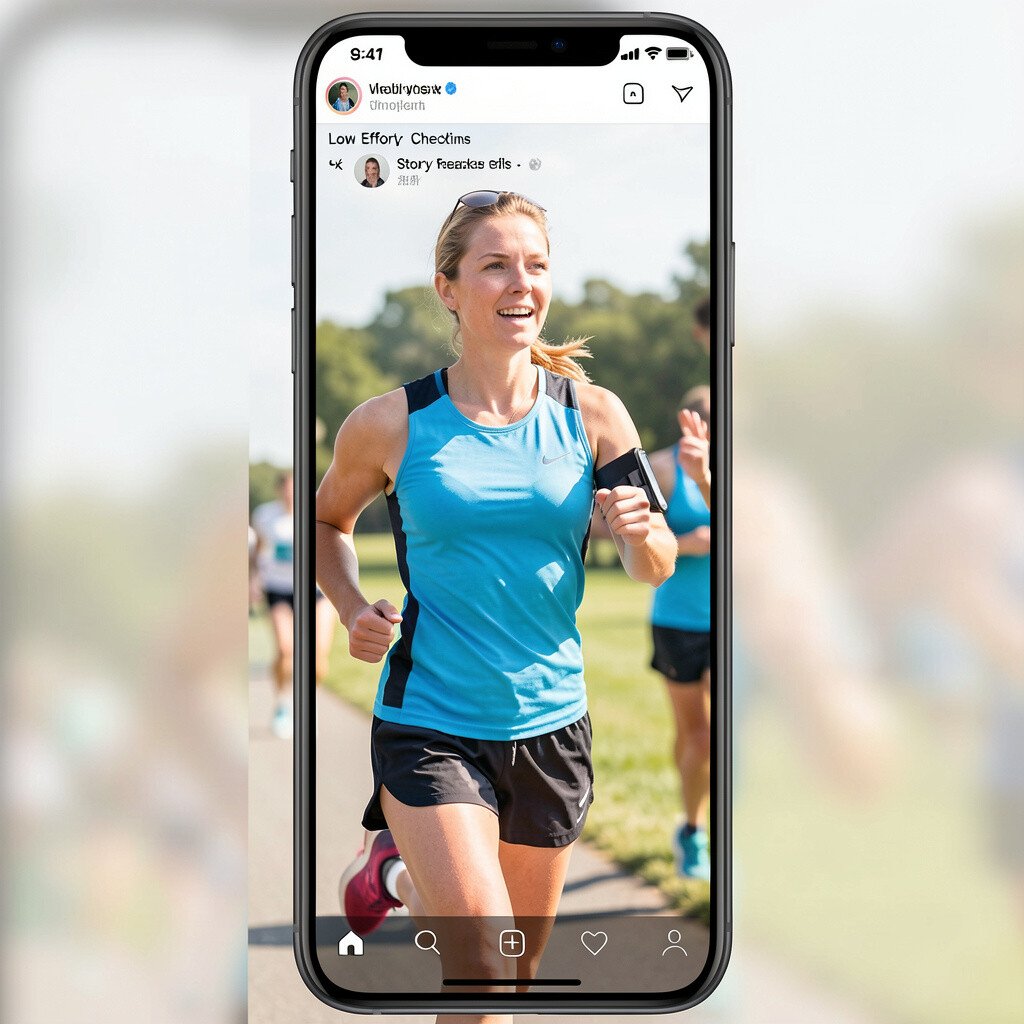
Stories are perfect when you want to share without turning every run into a big announcement. A quick clip of your feet on the path or a screenshot of your treadmill timer can feel like a warm tap on the shoulder.
Post short updates like “10 minutes done” or “easy miles underway,” and let your followers know you’re showing up. This kind of micro-sharing keeps you accountable in a gentle way because you’re letting people cheer you on while you’re still in the middle of the moment. It also gives you a place to talk about the boring parts, like steady pacing and simple hydration.
5. Follow Hashtags That Match Your Current Goal

Search for hashtags that align with what you’re working on, like “new runner,” “trail training,” “tempo day,” or “5k prep.” When your feed reflects your exact stage, motivation feels personal instead of generic.
Try mixing big tags with smaller community ones so you get both inspiration and helpful feedback. You’ll notice how runners in your niche share similar routes, similar fears, and similar wins. That makes it easier to imagine yourself succeeding because the examples look like your life.
Keep a small list of your favorite tags and revisit them before big sessions. If you’re training for a race, follow hashtag streams around event weeks because race-week posts are full of practical details, like warm-up ideas and what to eat before the start. You don’t need to buy anything extra to benefit from that shared wisdom.
6. Comment Like A Coach, Not Like A Judge

Your energy in the comments can shape your own mindset. When you leave kind, specific feedback, you’re practicing the same supportive voice you want in your head.
Instead of saying “nice job,” mention something concrete like the effort you could see in their stride or how consistent their posts have been. People respond to clarity, and you’ll notice that thoughtful comments often bring friendly conversation back to you. That social loop can make training feel like a team sport, even when you run solo.
7. Share Your Struggles Along With Your Wins

Posting only wins can make progress feel fragile, like you have to be impressive to be worthy. When you share the harder moments too, like a tough hill day or a run where you slowed down, your story becomes more real and more motivating.
Describe what you did to keep going, not just what went wrong. You can mention how you adjusted your breathing, changed your route, or used a “reach the next corner” focus. That realism helps your followers feel safe to be honest, and it helps you remember that setbacks are part of the training plan.
Try adding a small personal rule in your caption, like “I keep my promise to step outside even when it’s not perfect.” This turns your social media into a self-commitment space. Over time, those honest posts can build a steady audience that cheers effort, not perfection.
8. Make Your Progress Measurable In Simple Ways

It’s easier to stay motivated when you can see change, even if it’s small. Track one thing visually, like your longest weekly run photo, your weekly route map screenshot, or your favorite stretch spot.
Keep the measurement practical and low-cost. A free running app, your watch summaries, or even a simple notes list can show patterns like “I’m recovering faster” or “my easy pace is creeping up.” When you share these in a quick post, your audience gets a relatable picture of progress.
Personalize your tracking so it matches your life, not some perfect routine. If you can only run twice a week, celebrate consistency with a “two runs done” recap and highlight how you felt after. That kind of honesty makes your goals feel reachable.
9. Create A “Before & After” Pair Of Photos

Visual contrast can light up your motivation, especially when you’re running in the same places. Take one photo before you start, maybe showing your route in the morning quiet, and one after, showing the sunset glow or the tired return home.
This simple pair shows effort happening in real time, and it helps you notice how your mood changes. You can also use the pair to show gear wear, like a close-up of scuffed shoes or a towel hanging from your bag, because details make stories memorable. It reminds you that training is not just speed, it’s consistency and recovery.
If you want an extra personal touch, match the background each time, like always standing at the same corner before leaving. Your audience will recognize the “location story,” and you’ll feel the progress in a way that feels tangible.
10. Invite Friends With Gentle Challenges

Motivation grows faster when you share it with someone who can cheer back. Instead of a strict contest, invite a friend to join a low-pressure ritual like a short tempo session or a “walk-jog evening.”
Keep it friendly by choosing something that fits different fitness levels. You can suggest a shared playlist for warm-ups or a rotating route theme, like “best hill,” “best bridge,” or “coziest neighborhood loop.” When you coordinate in a simple way, social media becomes a bridge between people, not a scoreboard.
For cost savings, you can keep the challenge totally free, using public sidewalks and your phone timer. You can also use group chats to share updates, because chat messages cost nothing and feel more personal than public posts.
11. Post Your Warm-Up And Cool-Down So People Learn From You

Most runners focus on the main workout, but warm-up and cool-down are where confidence lives. When you share what you do before and after, you help your followers train smarter while also reinforcing your own routine.
You might post a short clip of dynamic leg swings, a photo of your foam roller setup, or a screenshot of your easy jog followed by gentle stretching. Visual details make your routine feel approachable, and people often copy what they can see. That shared learning creates a sense of purpose in your posts.
Personalize the routine based on what your body needs, like extra ankle mobility for older shoe wear or slower stretching on recovery days. When you show your adjustments, your page becomes a living guide rather than a one-size-fits-all script.
12. Keep Captions Small, But Make Them Specific

A long caption can be satisfying, but short and specific captions often perform better and feel easier to write. Try focusing on one moment, like the first mile where your breathing settled or the last two minutes when you pushed through fatigue.
Use sensory words to make your post vivid, like “heavy legs turned lighter” or “the hill felt steeper than last time.” Those phrases help readers picture your run and they help you anchor the memory. Specificity also keeps you from repeating the same generic phrases every time.
13. Watch Trends, Then Choose What Matches Your Style

Social media trends can either boost your energy or distract it from training. Look at what people are posting right now, like route reels, training streak visuals, or reaction clips after workouts, and then pick what fits your personality.
If you enjoy quick edits, try a simple montage of small moments, but keep it consistent with your real routine. If you prefer quieter posts, choose a single image with thoughtful writing instead of chasing flashy formats. The best trend is the one that helps you show up for the next run.
Stay aware of algorithm shifts too, because your posts may reach fewer people some weeks. When that happens, double down on community interaction by commenting and sharing someone else’s effort. That can keep your motivation strong even when reach changes.
14. Treat Your Account Like A Personal Training Journal

Your social media page can become a library of your effort, not just a place to impress strangers. When you store your runs, reflections, and lessons in one place, you can look back and feel proud of the work you’ve done.
Make personalization easy by using recurring themes, like a monthly “gear check” photo, a quarterly “lessons learned” reflection, or a weekly “one thing I improved” post. That pattern turns your feed into something you can use for future planning. It also helps you notice progress that might feel invisible day to day.
For cost considerations, remember that journaling can be fully phone-based and free. You don’t need paid tools to build a meaningful record, especially when your own photos, screenshots, and notes are already enough. The point is to keep your motivation close at hand, like a steady track light guiding you home after a tough run.