Green air hums with unseen life and the path feels like a living story. Take your curiosity outdoors and let the jungle answer back.
Every trip can be gentle, active, educational, and full of small surprises that stay with you for years.
1. Dawn Bird Listening Walk

At first light, the forest sounds like a million tiny instruments warming up. Stand still and listen as bright calls stitch through the mist.
This idea is great for building patience and attention, because your eyes learn to wait and your ears do the work. Bring a simple notebook, note the direction of calls, and try repeating one song style back to yourself later.
2. Canopy Sky-View by Safe Rope Platforms
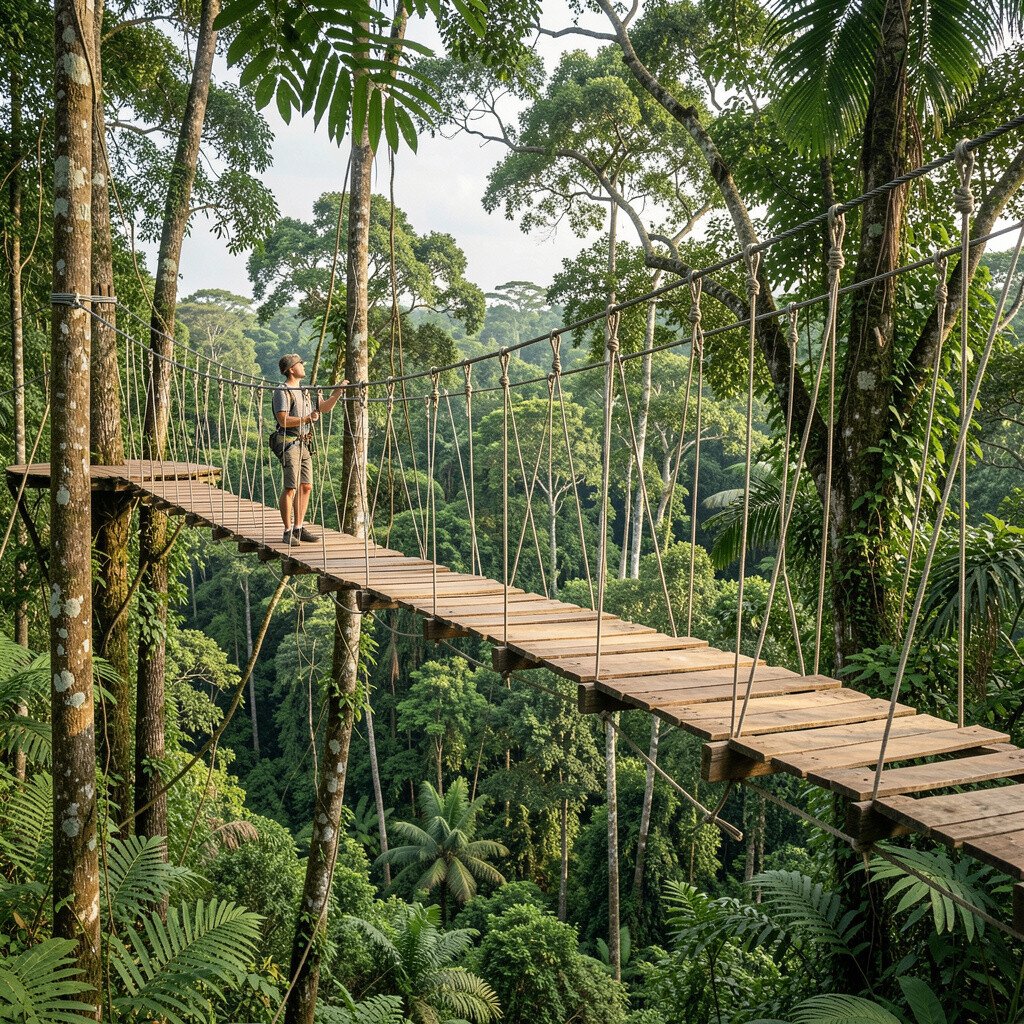
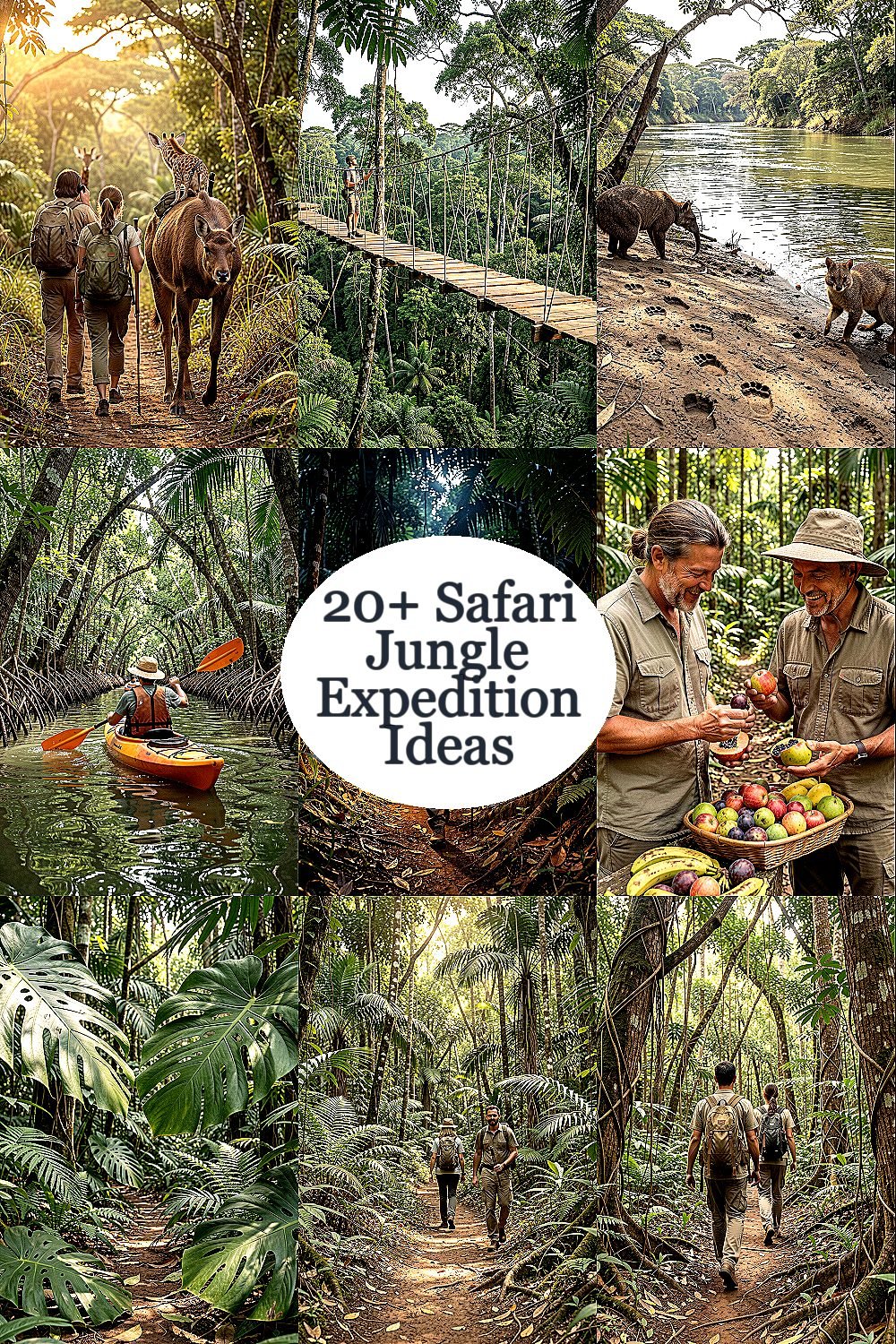
Golden light pools between leaves high above your head. If your route includes legal viewing platforms or trained guides, you can feel the jungle stretch wide from a new angle.
Seeing birds and lianas from above helps you understand how habitats connect. Wear breathable layers, bring a water bottle, and keep your phone settings ready for low light.
For personalization, set a “favorite shapes” goal, like spotting leaf umbrellas, twisted vines, or unusual canopy gaps. If costs are higher due to access fees or guiding, plan fewer paid extras and spend more time enjoying the viewpoints you choose.
3. Riverbank Footprints and Water-Edge Wildlife Watch
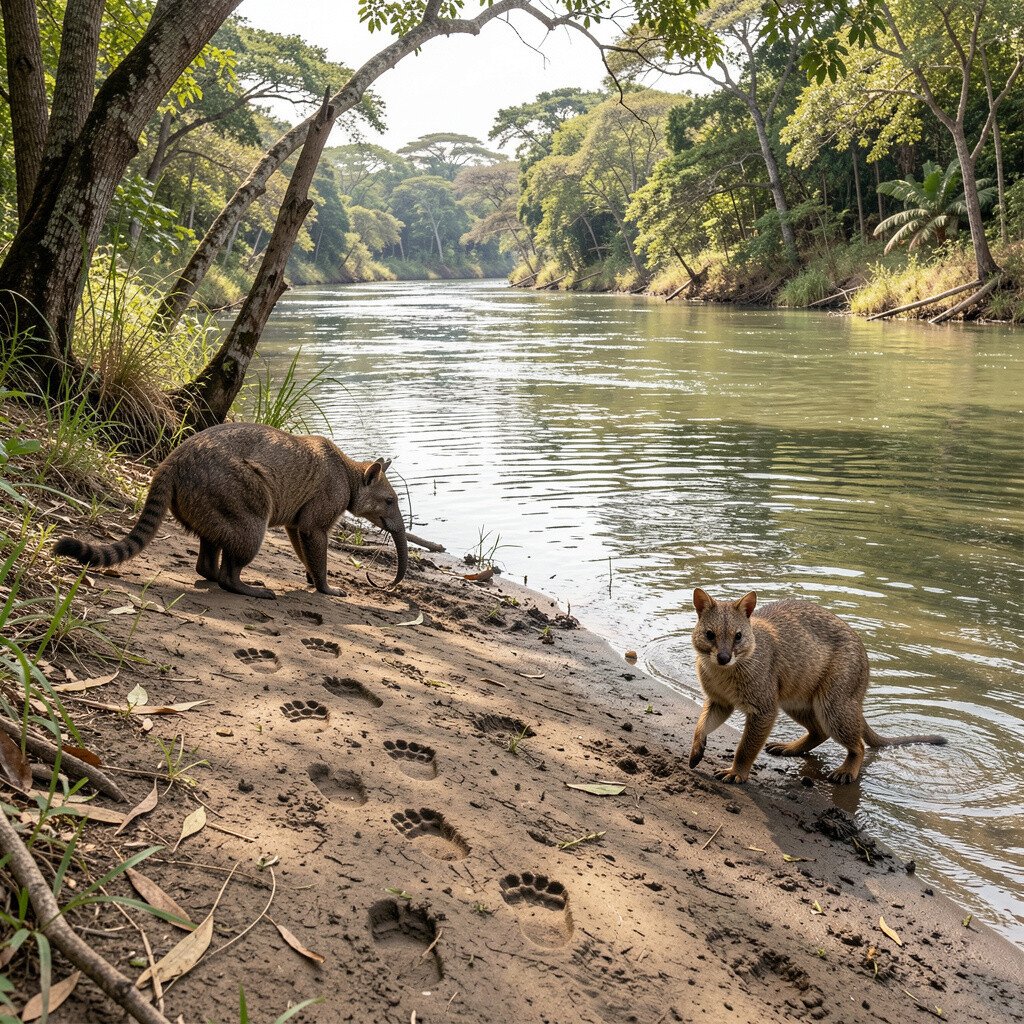
A slow river sends a cool breeze that smells like wet stone and green plants. Watch the muddy edges for tracks and listen for splashes that hint at hidden visitors.
This expedition style supports learning without rushing, and it can be surprisingly relaxing. Bring a small flashlight for later check-ins, and consider biodegradable insect repellent to keep comfort high.
Try timing your walk around changing light, since animal movement often shifts with sunrise and shade. To keep costs down, use a simple field guide app offline and pair it with free public trails near waterways.
If a guide is available, ask about common track types in that region so you can build confidence faster. Capture only what you can identify later, and always respect wildlife distance.
4. Mangrove Root Kayak Along Shaded Channels
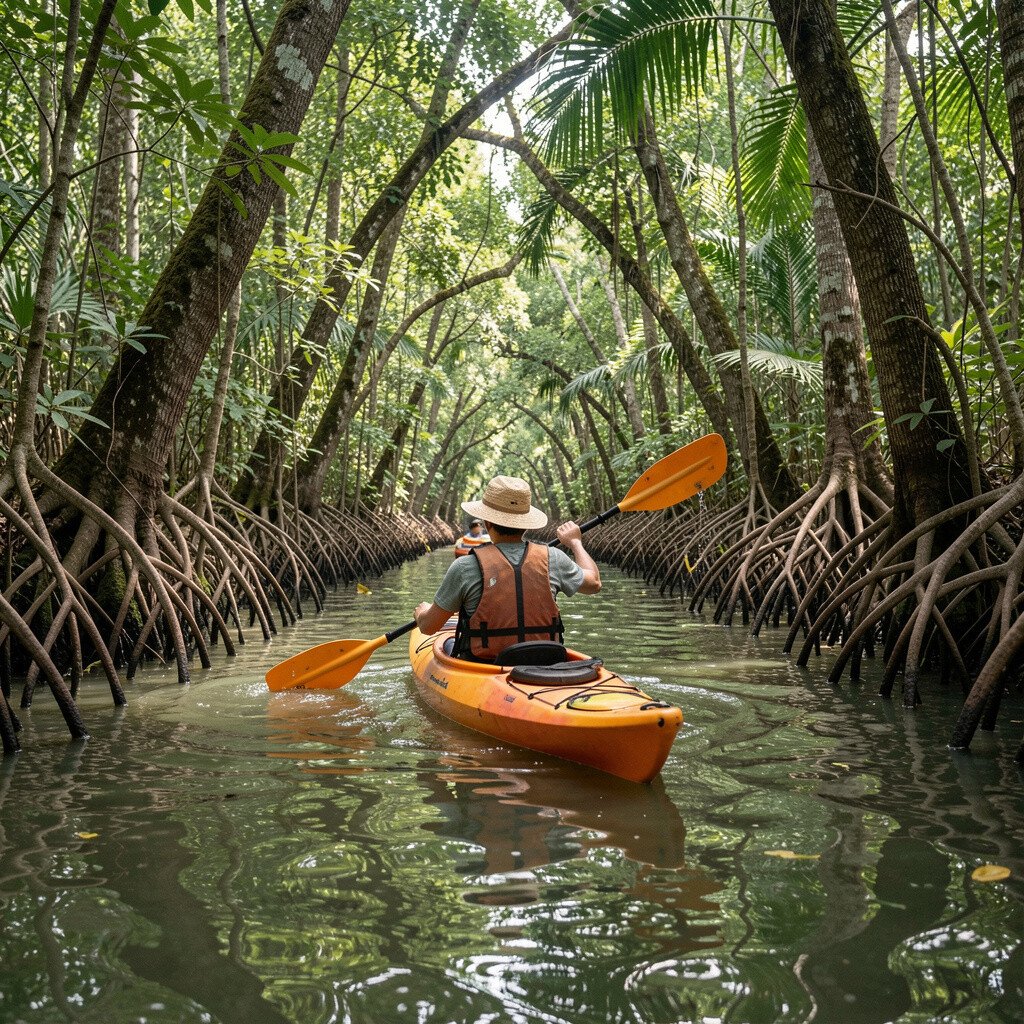
Low tide makes mangrove roots look like a city of tangled paths. From a kayak, you glide through dark water that mirrors the canopy like glass.
Kayaking here boosts balance, adds quiet time, and often leads to sightings of birds, fish, and crustaceans. Choose a rental with a good safety checklist, and wear a life jacket even if the water looks calm.
5. Night Jungle Lantern Walk With Etiquette Rules
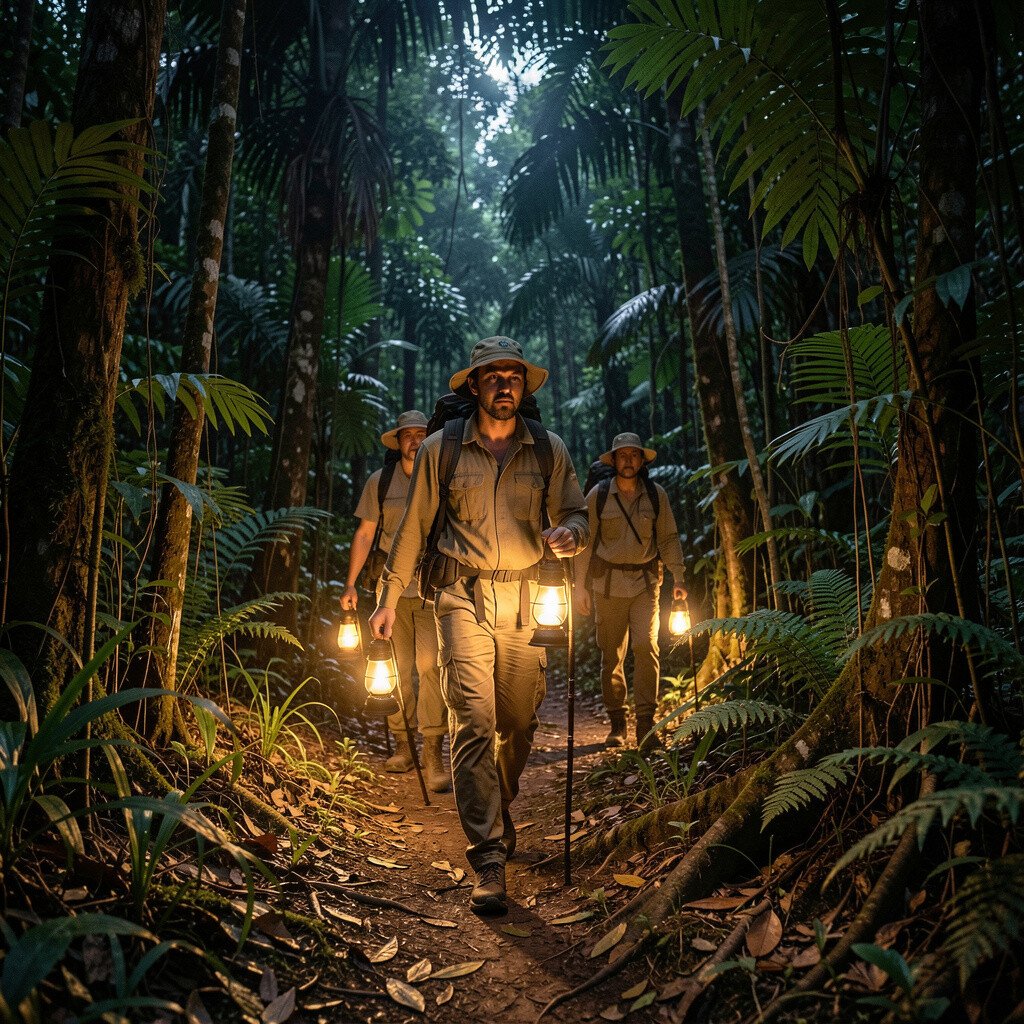
After sunset, the air changes and sounds feel closer to your skin. A careful lantern walk can reveal glowing insects, resting frogs, and curious night flyers.
Night outings improve your observation skills, because you rely on movement cues more than bright colors. Keep the lantern low and steady, cover up with light long sleeves, and pack a small dry bag for your phone.
For uniqueness, bring a “sound list” mindset and try to name each new call you hear. If guided tours cost more, compare group sizes and look for companies that teach safety and low-impact behavior.
6. Wild Fruit Tasting Session With a Local Guide
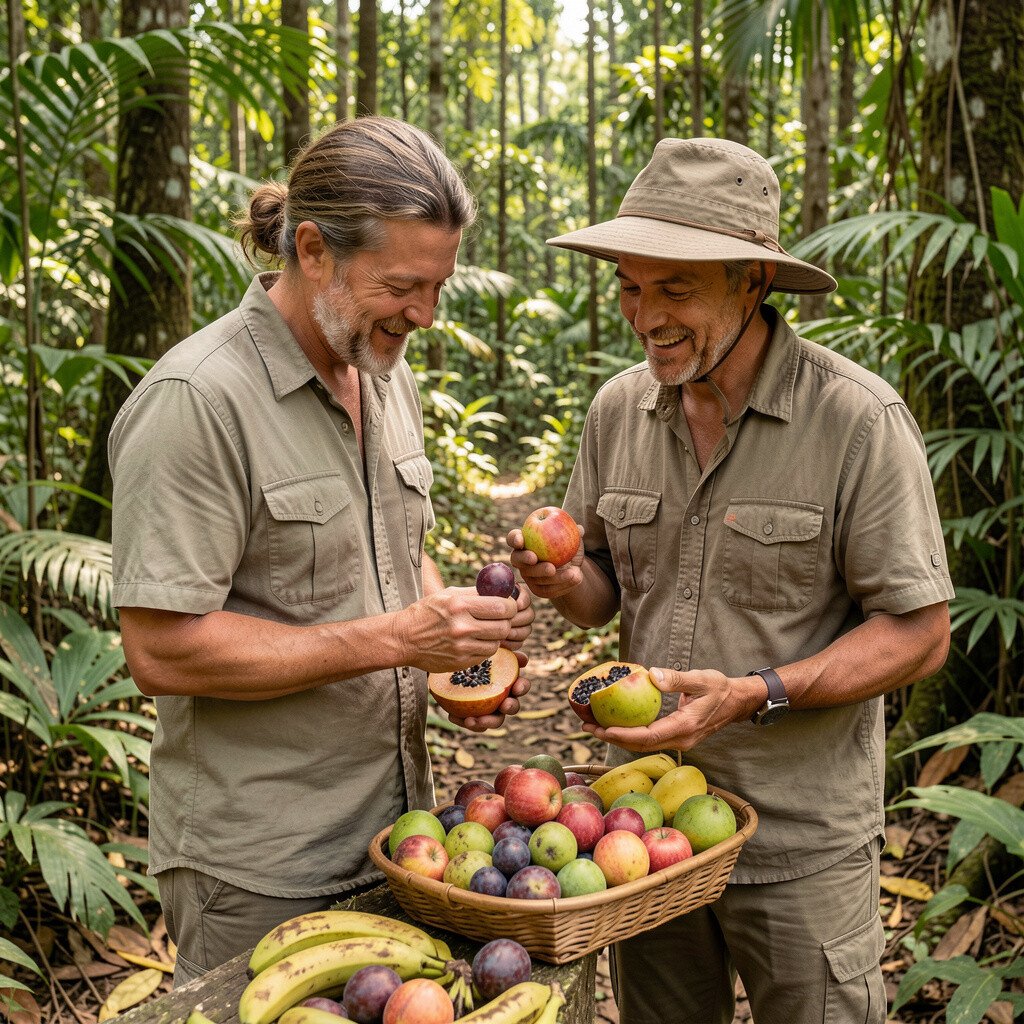
Some jungle fruits smell sweet and sharp even before you bite. The colors range from deep purple to bright yellow, and each one feels like a small lesson.
This idea can be both fun and educational when done responsibly with someone local. Focus on permitted tasting only, and ask about which fruits are safe, seasonal, and commonly eaten.
Bring a reusable container for leftovers and a hand-cleaning wipe for quick resets. Personalize your journal by recording taste notes like tangy, floral, or earthy, and compare them to what you notice later in the trail scents.
Costs can vary widely, but a guided food session often bundles logistics and interpretation. If you’re traveling on a budget, choose one tasting stop and skip extra add-ons that repeat the same activity.
7. Natural Geometry Photo Hunt for Leaves and Shadows
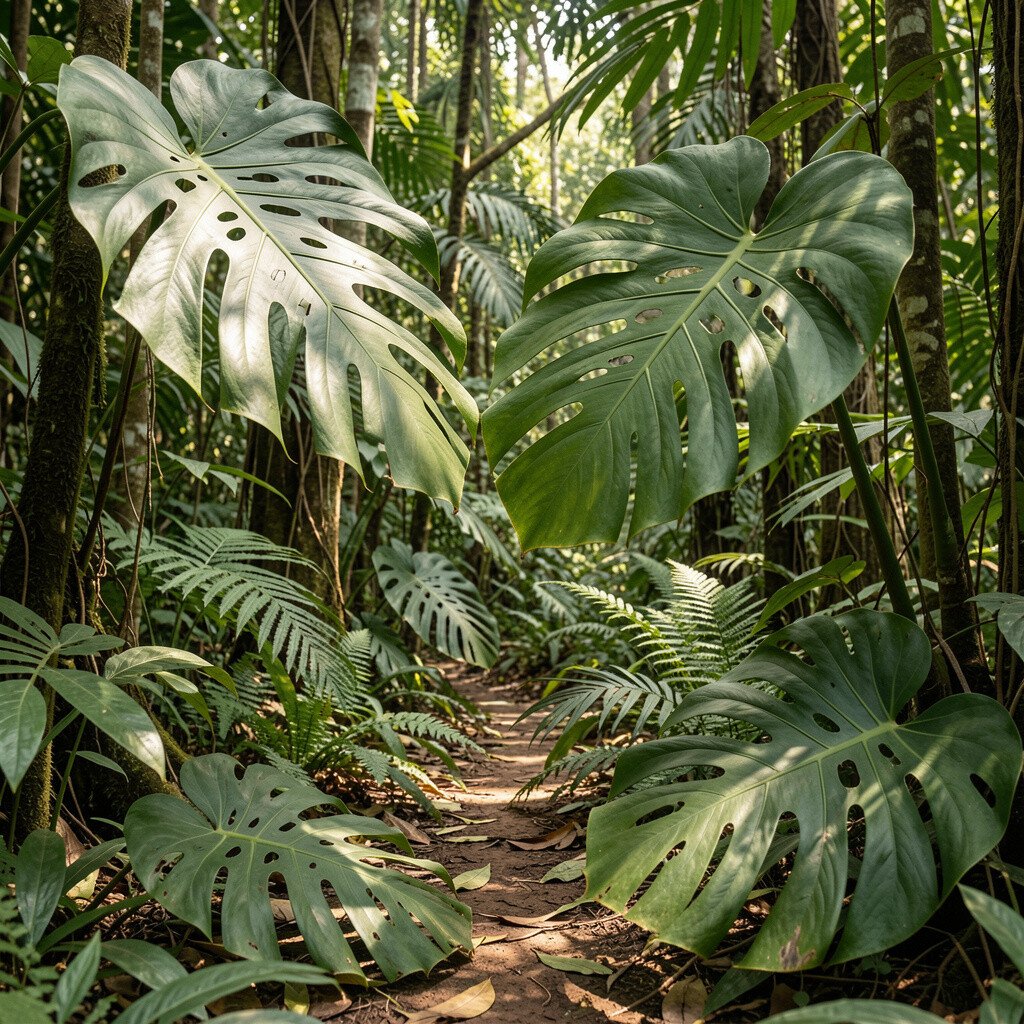
Look closely and you’ll start seeing patterns everywhere, from leaf veins to drifting shadow lines. The jungle turns simple light into a moving art gallery.
A photo hunt builds motivation and helps you notice details you would otherwise miss. Use your camera’s grid, and aim for consistent angles so your results look connected.
Keep it affordable by using your phone and downloading offline editing tools at home. For personalization, choose a theme like “bent lines,” “speckles,” or “symmetry,” and only capture images that match your theme.
If you travel with family or friends, assign each person a different pattern goal to reduce competition and increase teamwork.
Later, sort your images by place and date so you can remember which section of jungle produced which visual style.
8. Trail-Sketching With a Slow Looking Practice
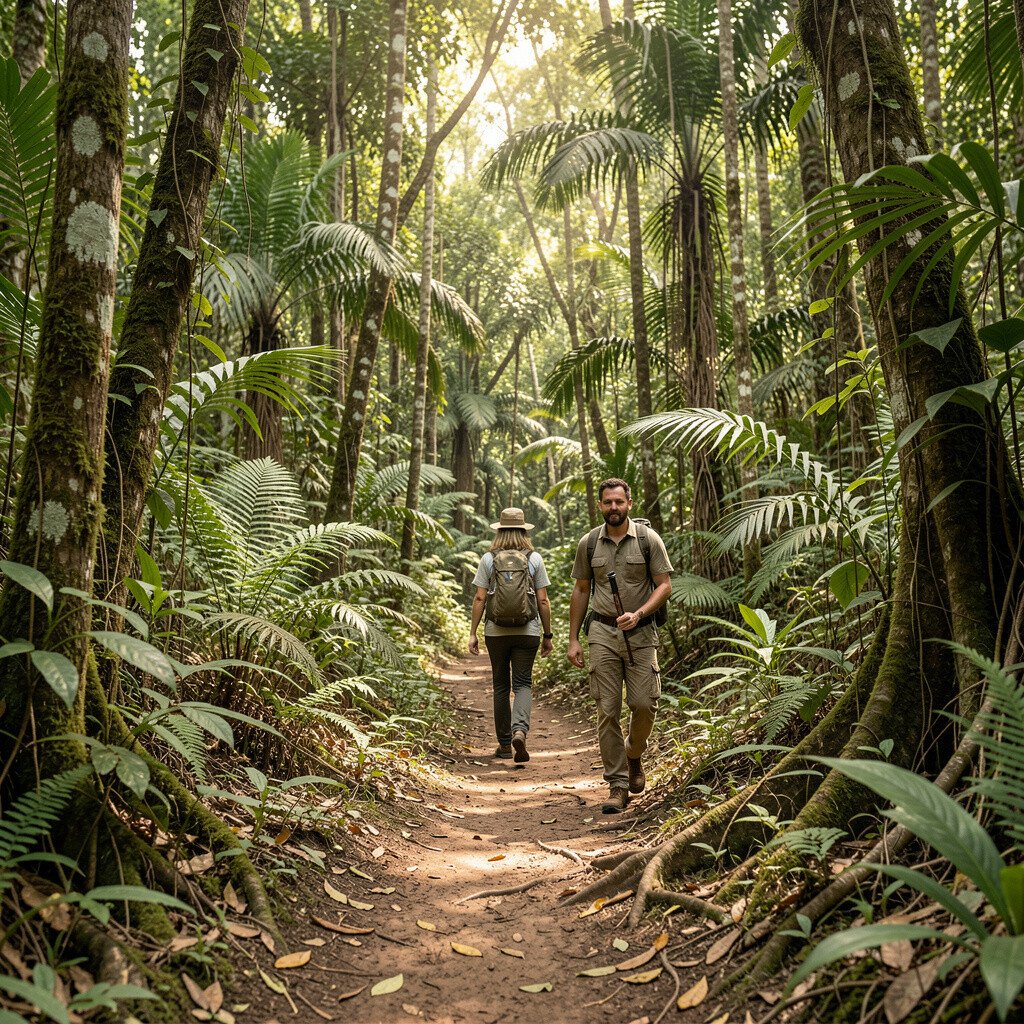
Even if you don’t think you can draw, sketching can make the jungle feel clearer. Sit under a shaded tree and draw what you notice first, then what you notice second.
This practice supports mindfulness and observation, and it helps you notice changing textures like bark roughness and moss softness. Carry a small sketch kit, and choose thick paper or a clipboard to keep pages dry.
Try personalizing by adding one “memory detail” to each sketch, like a sound you heard or a smell you noticed. If you want to cut costs, borrow supplies from a friend or buy a low-cost sketch pad and a single pencil that you sharpen once.
Ask local guides what plants have interesting leaf shapes, and draw those rather than forcing complex subjects.
9. Liana and Bark Study Walk With Gentle Texture Checks
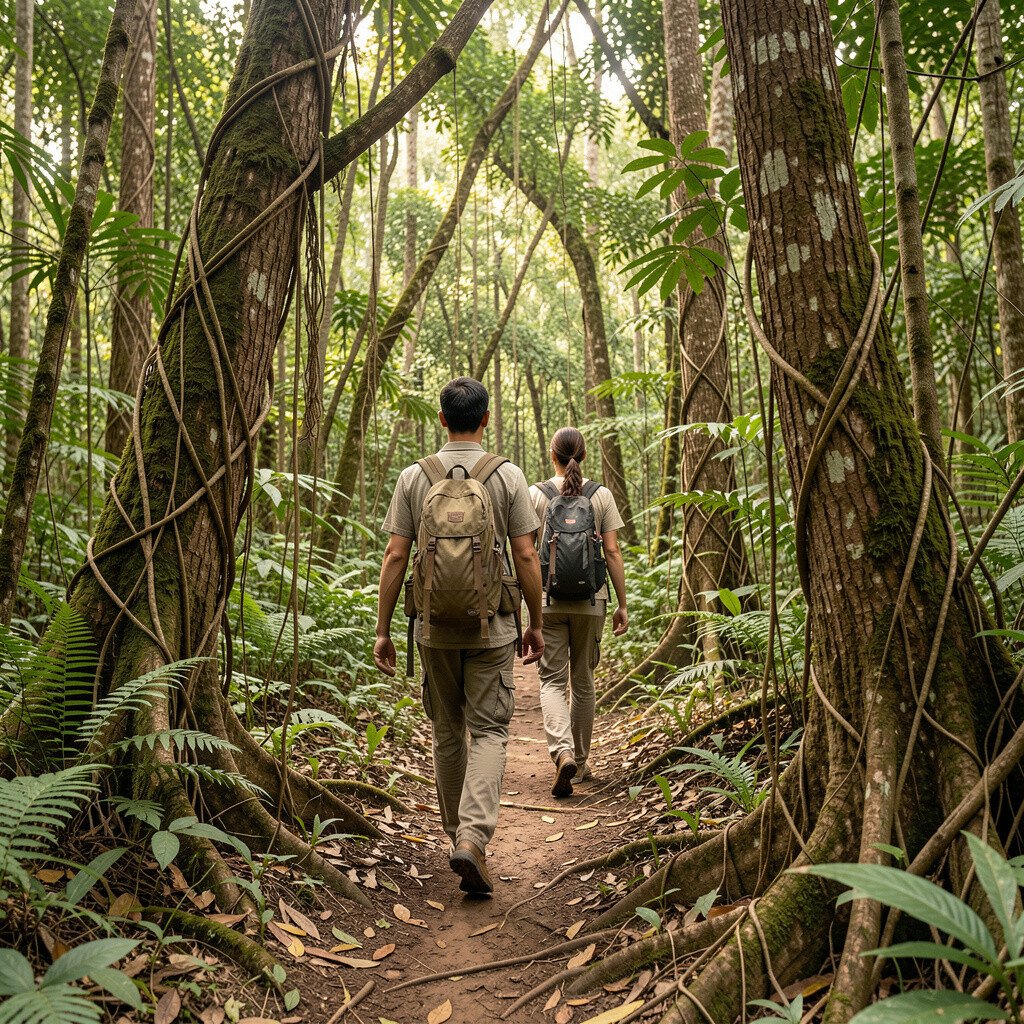
Lianas twist like natural ropes, and their grip makes the forest feel engineered. Bark can look smooth, cracked, or quilted, depending on the tree’s age.
Studying plant textures improves your respect for living systems and supports careful movement through the trail. Keep a safe distance, avoid breaking branches, and use a soft touch for observation.
Bring a small magnifying lens to see surface details, and keep notes on where you found each texture type. Personalize your learning by picking a “three textures” goal each outing, such as fuzzy, shiny, and ridged.
If you hire a naturalist, ask for easy-to-spot cues that match your local region, since learning works faster with real examples. Costs can rise with specialist guiding, so consider doing this once and then repeating your own texture walk on free days.
10. Thermal-Comfort Shade Circuit and Microclimate Lessons
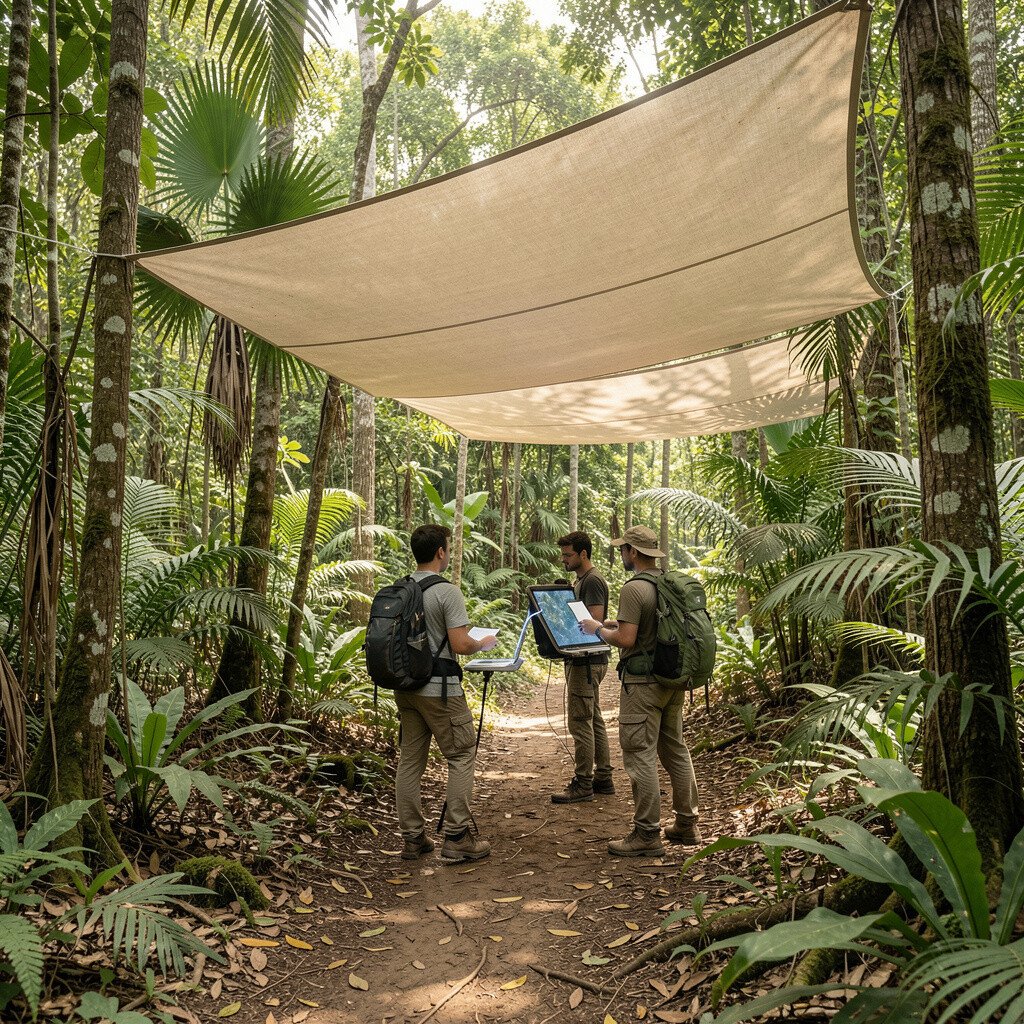
The jungle feels like many weather rooms stacked together. Some paths are cool and damp, while others bake in direct sun for short stretches.
Walking a shade circuit helps you plan better and avoid exhaustion. Bring a hat, choose breathable clothing, and take short breaks in cooler pockets rather than pushing through heat.
To personalize, set a “temperature story” plan, like noting how humidity feels at the river edge compared to the ridge path. If you track using a simple clock and water intake, you’ll learn your body’s rhythm quickly.
This style can stay low cost because it relies mostly on smart timing, not fancy equipment. In current travel trends, more people plan micro-breaks to prevent fatigue, and that approach makes your whole trip better.
11. Insect Watching for Camouflage Artists

Some insects vanish into leaf edges, and that trick looks like magic until you see it clearly. Move slowly and scan for tiny motion, especially near light-colored surfaces.
Insect watching builds patience and helps you appreciate how survival works in small ways. Use a gentle approach with binoculars if available, or zoom your phone camera from a safe distance.
For personalization, create a “camouflage category” list in your head, like leaf-matching, bark-matching, or flower-like patterns. Keep costs down by bringing one reusable container for observations only if your local rules allow it, and then always let creatures go.
If guided options exist, ask what insects are safe to observe and which ones to avoid. This reduces risk and helps you learn faster instead of guessing.
12. Waterfall Steps and Mist Trail Photography
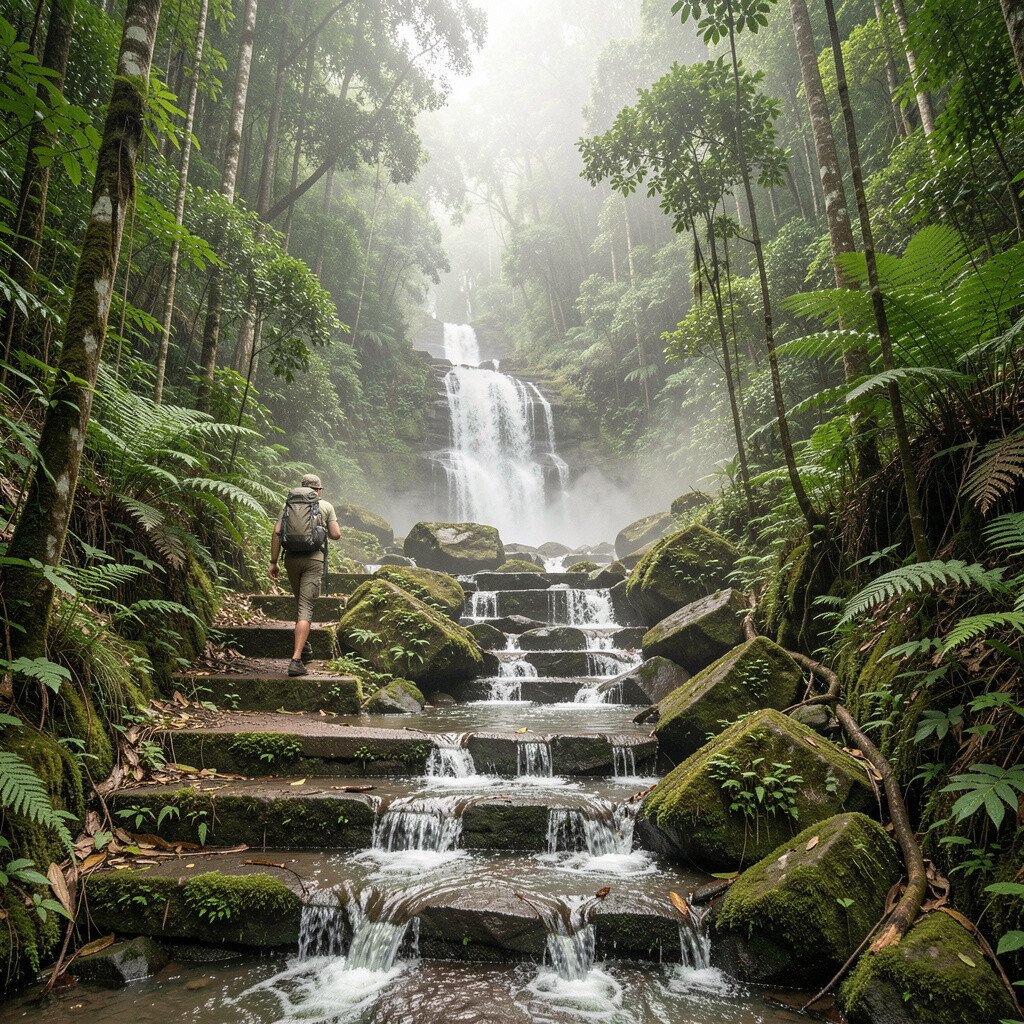
A waterfall can sound like steady rain even on a sunny day. The mist adds a soft blur, turning every plant nearby into a dreamy background.
This expedition helps with cardio in a gentle way, especially if you pace yourself on the trail steps. Bring quick-dry shoes, pack a dry bag, and keep your camera protected from spray.
Personalize by choosing one photo goal like “mist patterns” or “motion blur,” then take only a handful so you don’t rush. Costs are usually moderate since many waterfalls have accessible routes, but guided hikes can improve safety on slippery sections.
13. Naturalist Conversation Hour With a Field Notebook
When you talk with a local naturalist, the jungle feels like it has a voice. Questions about plants and animals turn ordinary scenes into meaningful connections.
This idea boosts learning and confidence, and it can make you notice details that weren’t obvious before. Bring a field notebook and write down short answers in your own words so it sticks.
For personalization, ask for one “story plant” and one “story animal” tied to the area you’re visiting. If you want to manage costs, book one guided conversation session and then use self-guided time for the rest of your day.
Current trends in nature travel often highlight community-led knowledge, and it’s a great way to support local expertise while getting clearer explanations.
14. Sensory Walk Using Smell, Sound, and Ground Feel
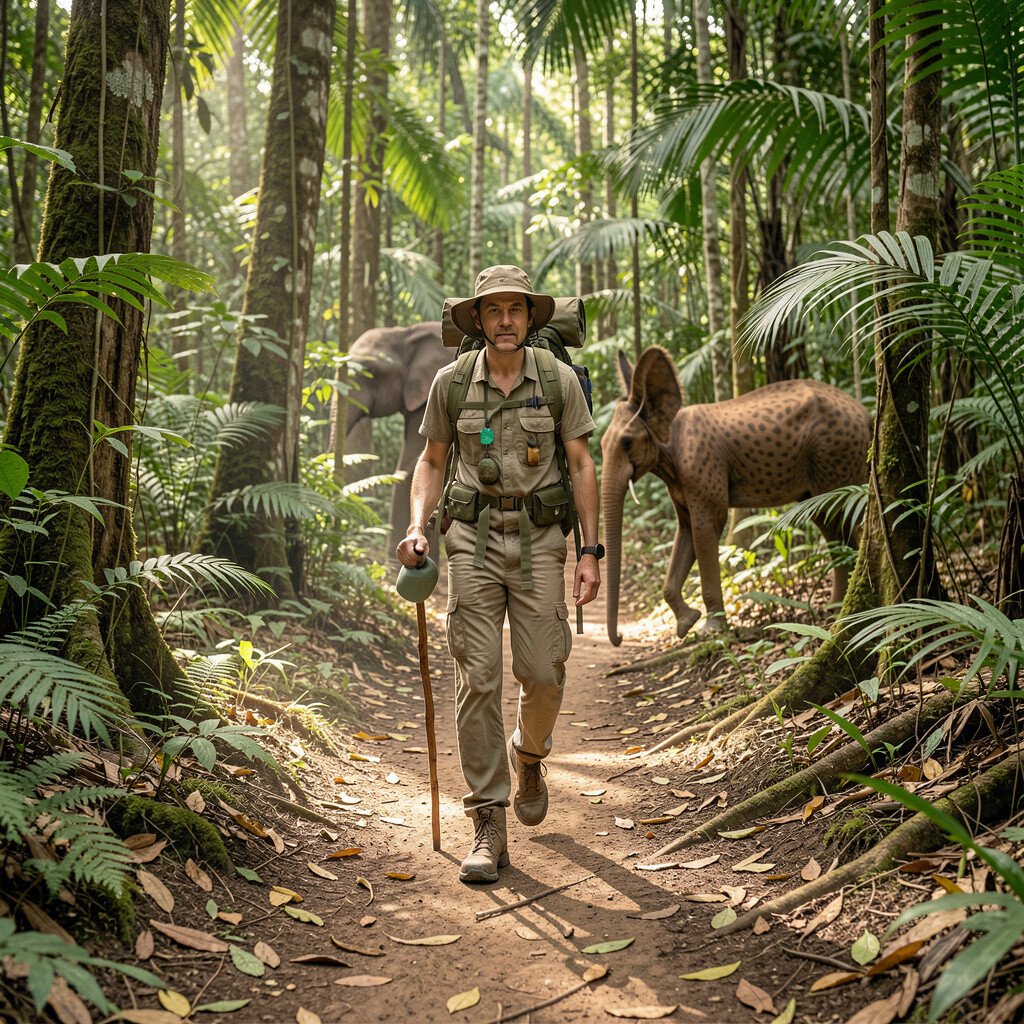
Close your eyes briefly and you’ll notice different plant scents like a soft map. The ground can shift from springy leaf litter to firmer soil with tiny ridges.
A sensory walk can reduce stress and make your brain settle into the present moment. Keep your safety first by watching where you step and returning your eyes to the trail often.
Personalize by picking one sense to focus on first, like smell, then sound, then touch, and compare how your attention changes. Costs are minimal since it uses what’s already around you, but comfort gear like good shoes makes a big difference.
If you’re traveling with kids or friends, turn it into a friendly challenge where everyone describes the same spot using different senses.
15. Jungle Market to Meal Planning With Seasonal Ingredients
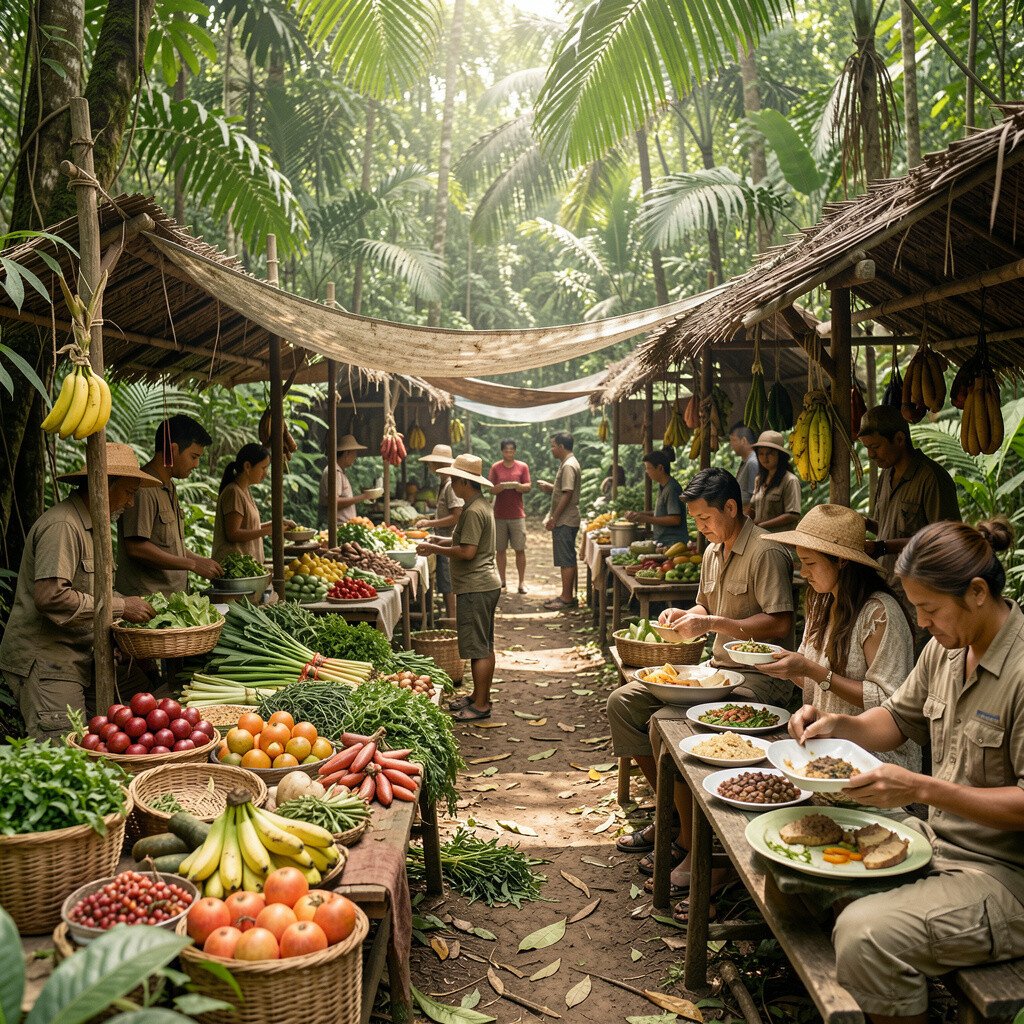
Fresh ingredients in a market glow under bright lights and smell warm and earthy. Planning a jungle-adjacent meal can connect your day outside with something nourishing afterward.
This idea supports cultural learning and gives your trip structure, since it encourages you to ask about seasonal produce. Keep costs under control by choosing one main dish ingredient theme and building simple sides around it.
Personalize your meal plan by choosing a “color count,” like using greens from herbs, reds from peppers, and yellows from fruit. If you have dietary needs, communicate early and ask what can be cooked without added items.
In many travel circles, people are swapping heavy souvenirs for experiences like local cooking, and market meal planning fits that trend nicely.
Bring a small reusable tote so you can carry items safely and keep plastic waste low.
16. Ridge Line Sun Path Walk With Simple Weather Checks
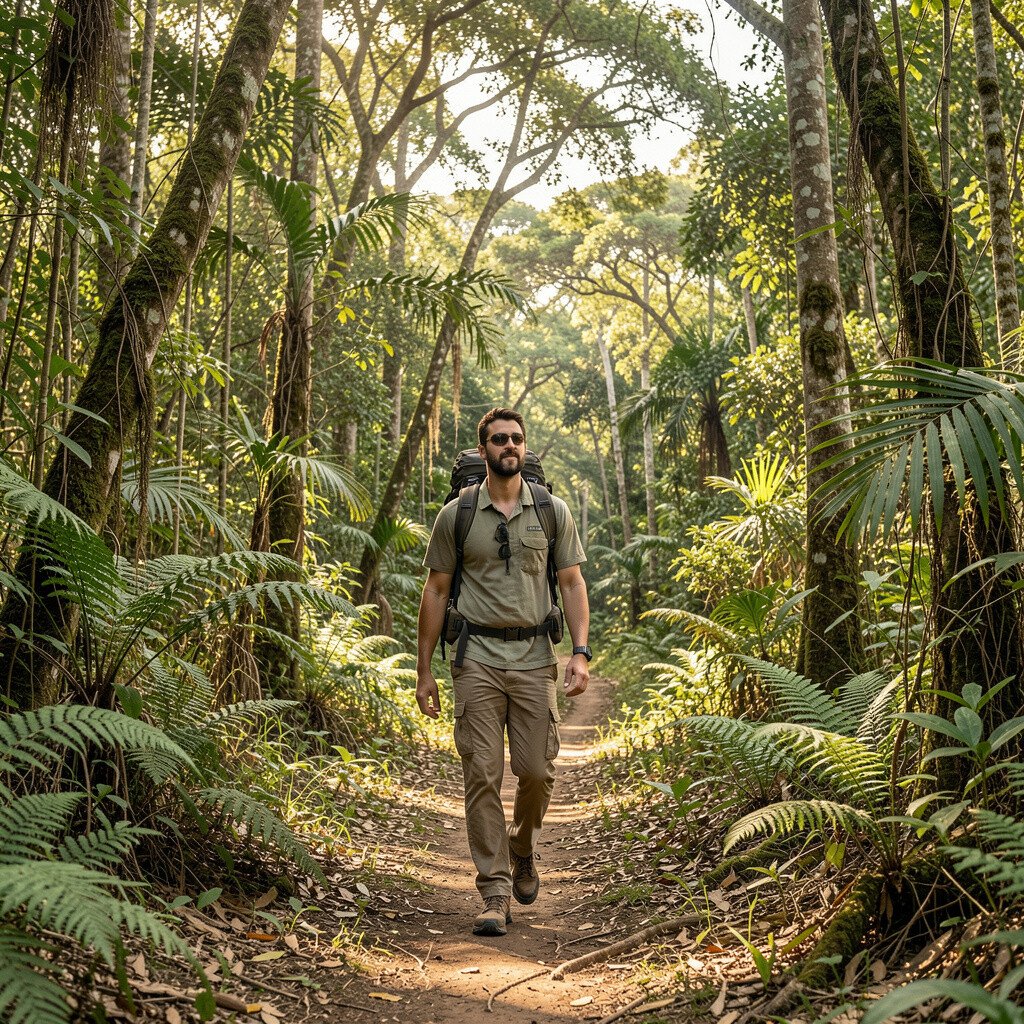
On a ridge, the jungle opens like a panorama and wind changes across your face. Tracking the sun path helps you feel how the day moves through the canopy.
This expedition improves planning skills and can prevent tired, late-day surprises. Bring a small notebook to record how temperature shifts, and check cloud cover before committing to longer routes.
For personalization, set a “view reward” system where you stop at set landmarks to enjoy a short rest and take a few photos. Costs are often low if the ridge walk starts from a public trailhead.
If you’re in a region with frequent rain, consider a lightweight poncho and water-resistant pack cover for comfort. Safety comes first, so turn back if storms roll in quickly.
17. Swamp Edge Bird and Reptile Spotting at Slow Pace
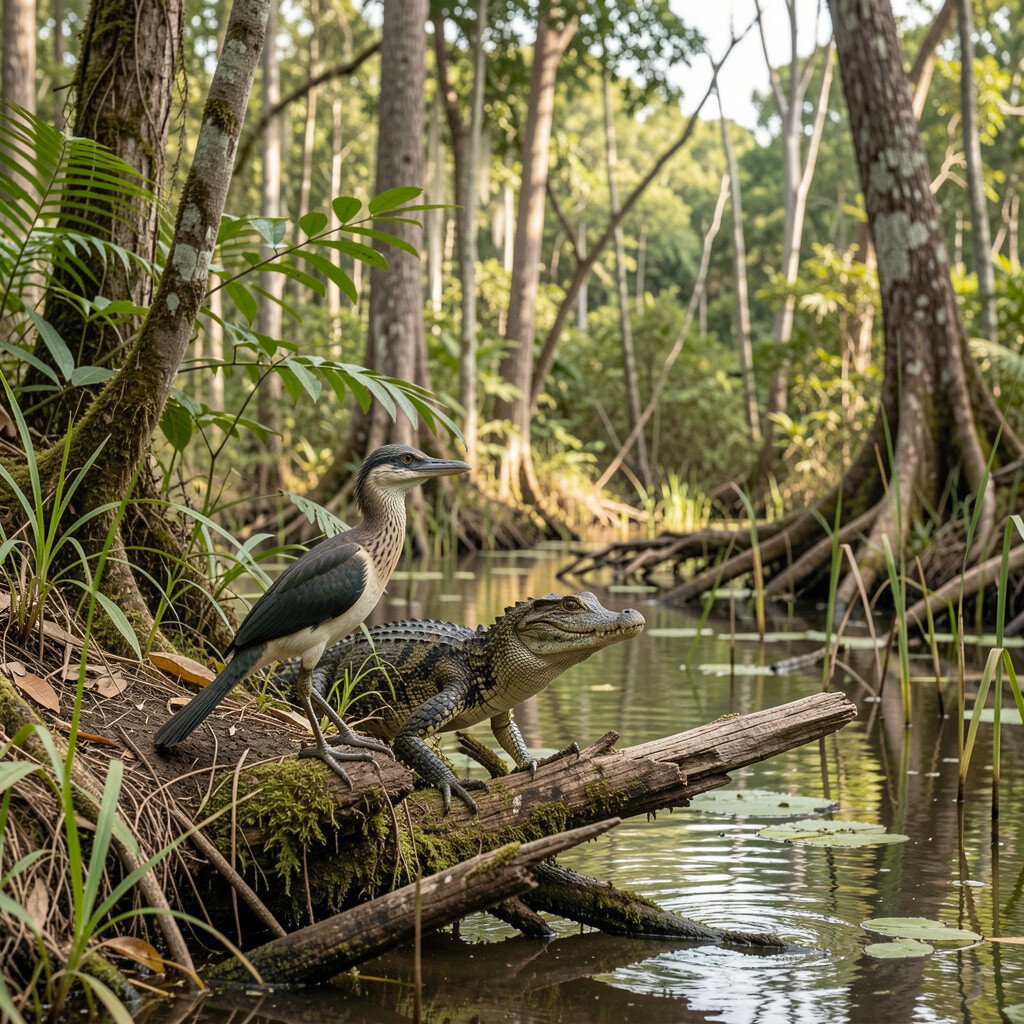
Swamp edges have a different rhythm, with deeper stillness and sharper movements. Birds may step lightly, and reptile sightings can happen suddenly near reeds.
This style encourages calm walking and respectful distance, both of which increase your chances of seeing wildlife. Use quiet footwear, avoid bright flashes, and keep your head up for eye-level motion.
Personalize by focusing on one group at a time, like “long necks” or “hidden reed bodies.” Keeping a simple tally in your notebook can make the session feel rewarding without spending extra money.
Guided swamp tours sometimes cost more, but they can be worth it if they offer local knowledge about safe viewing times and tides.
18. Night Rain Listen Session and Cloudwatch Notes
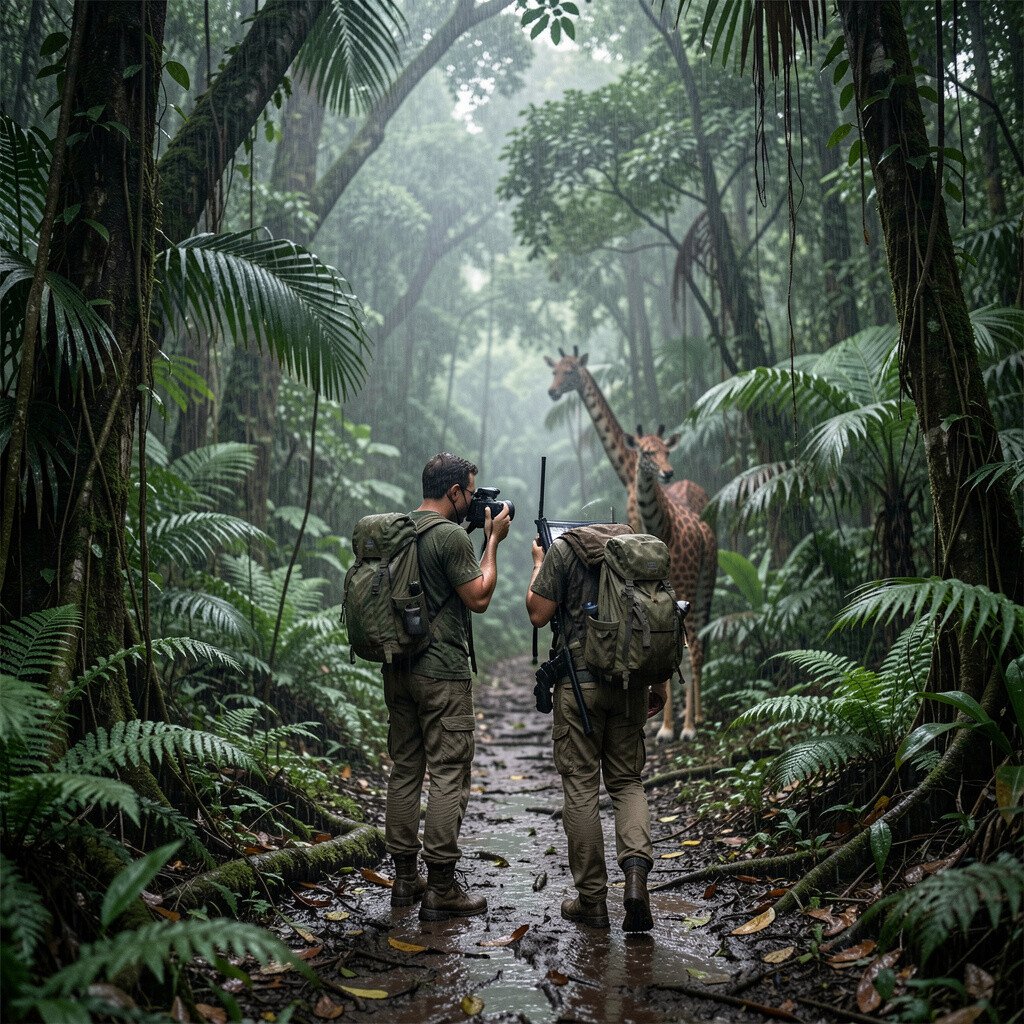
Rain in the jungle has layers of sound, from soft leaf taps to louder drops on thicker canopy. A sheltered spot can feel cozy while the forest keeps performing.
This idea helps you build calm awareness and supports better rest planning. Pack a small towel, wear a hooded jacket, and keep your notebook dry with a zip pouch.
For personalization, track weather cues by recording what you hear first, then what you see, like drifting mist or sudden changes in bird calls. Costs are minimal because you’re using the weather that already arrives.
In current travel trends, many people value micro-experiences like “rainy day learning,” which can make your trip feel full even when trails are wet.
If you’re camping, practice safe setup so cooking and charging stay protected from moisture.
19. Waterfall Basin Cooling Dip With Local Safety Guidance
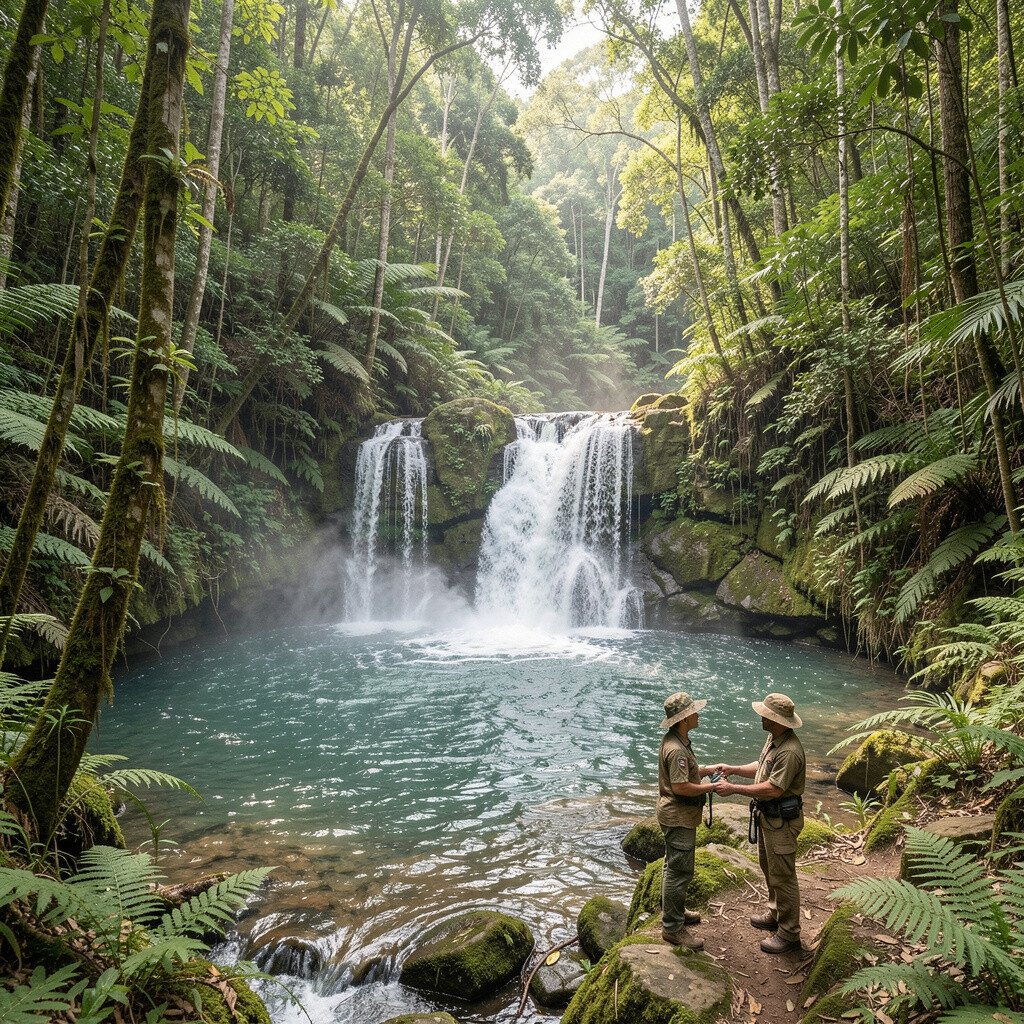
Deep in some jungle regions, waterfall basins offer cool relief after a long walk. The water can look inviting, but currents and rocks need respect.
This expedition can refresh your body and boost your mood, as long as you follow local safety advice. Ask about strong currents, keep an eye on water level changes, and wear shoes with grip if entry is allowed.
Personalize by planning a cooldown ritual, like drinking water slowly and stretching your legs after you exit. Consider the cost of guided access if it’s required, since safety-first options often prevent expensive mistakes.
Even when swimming isn’t recommended, you can still enjoy the basin from a safe ledge and take photos of mist patterns.
20. Lizard and Amphibian Study With Pond-Edge Focus
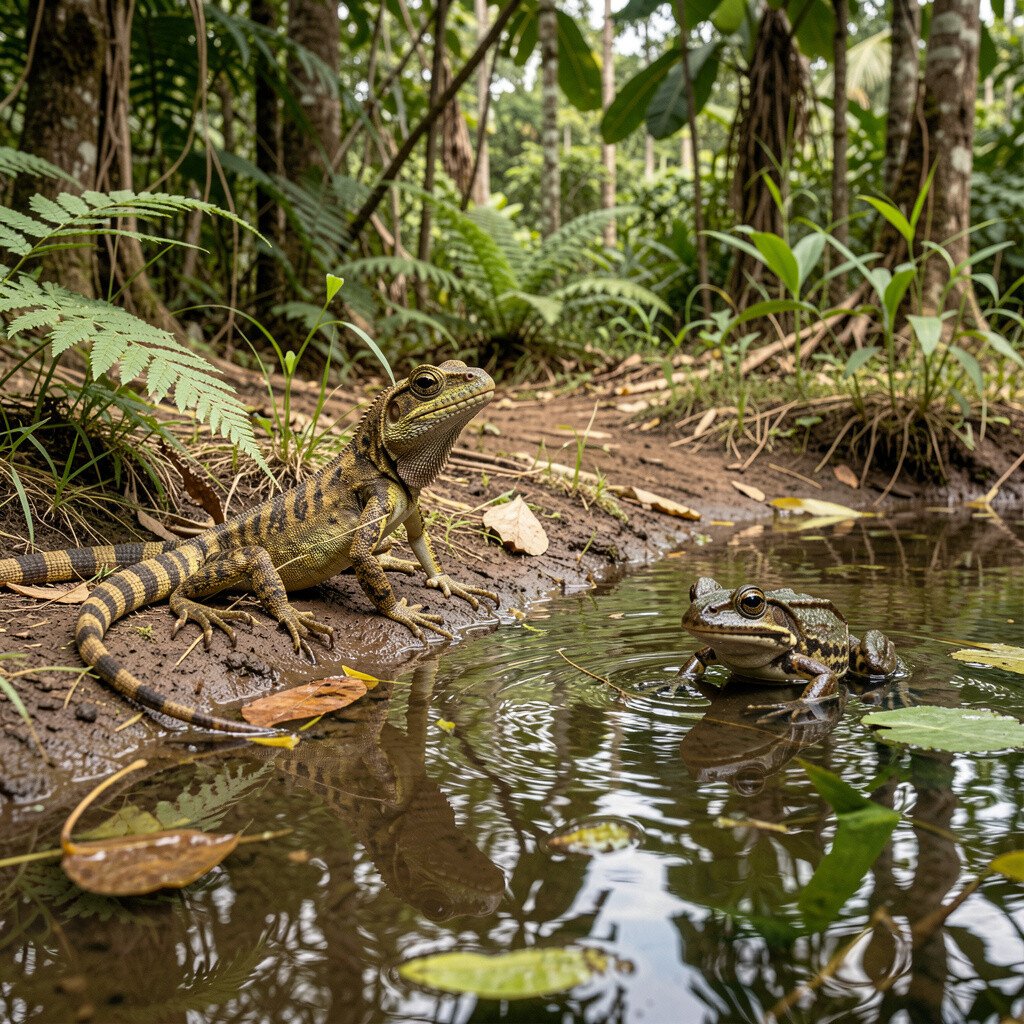
Pond edges can be alive with tiny movements that feel like whispers. Look for moist patches, leaf shadows, and spots where water meets soil.
This activity builds careful observation and helps you understand how amphibians rely on specific moisture levels. Bring a headlamp for early evening, but use it gently to avoid startling animals.
Personalize your learning by photographing textures near water, like smooth stones or floating leaves, then matching them later in your notes. Costs can stay low if you use offline references and avoid paid add-ons.
If you want extra value, hire a guide once and ask what behaviors are most common in that pond region. You’ll return to your self-guided time with clearer questions and better instincts.
21. Community Trail Building Day With Respectful Care
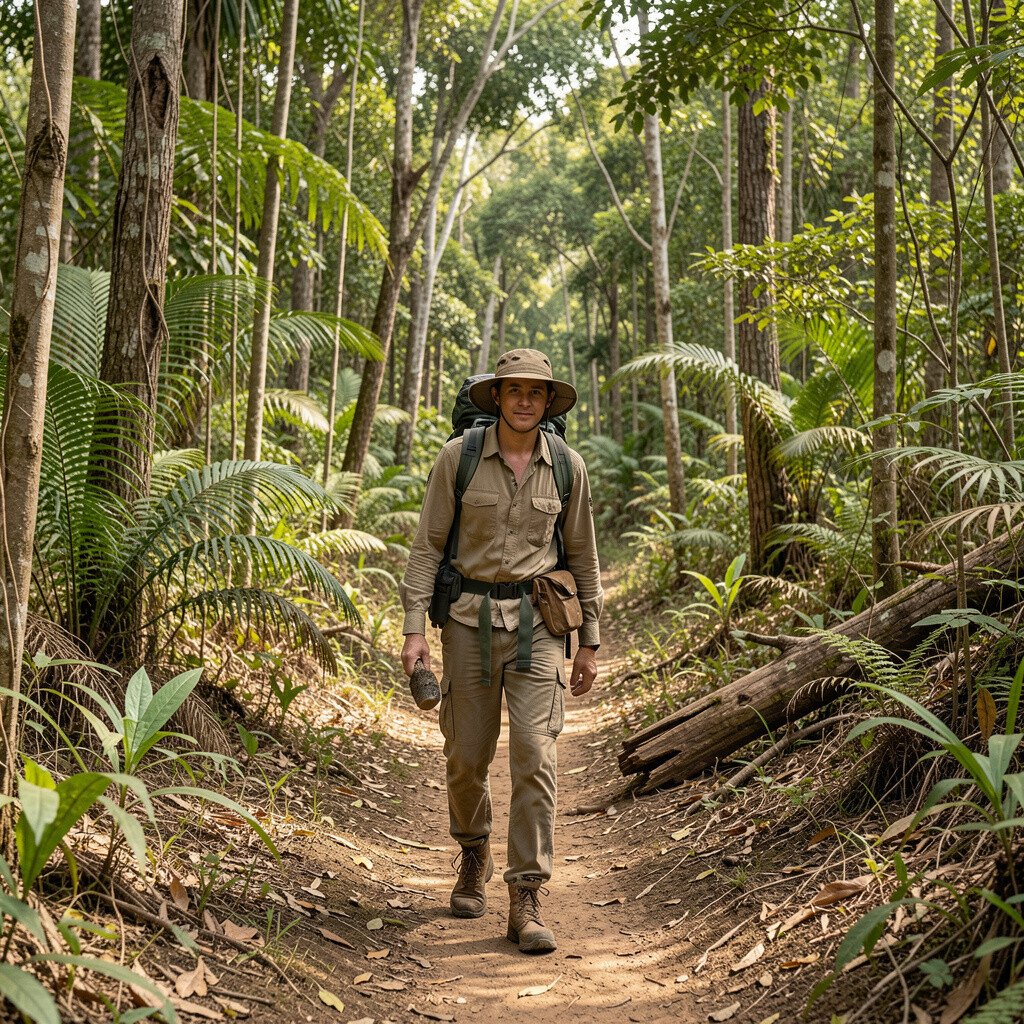
Some safari-style journeys include hands-on community conservation work, and it feels meaningful. You may help maintain trails, remove litter, or repair simple paths so others can walk more safely.
This expedition supports local stewardship and can deepen your sense of connection to the place you’re visiting. Bring work gloves if allowed, wear durable clothes, and pace yourself so you don’t burn out.
Personalize by choosing a small goal like “tidy one section” or “sort one pile,” then record what you accomplished afterward. Costs are usually reasonable because it’s often part of a program, but travel expenses still depend on how far you go and how long you stay.
Current trends favor travel with real contribution, and this idea fits that shift beautifully. Always follow the organizer’s rules and never disturb wildlife while you work.
When you finish, take a quiet walk on the repaired section and notice how the jungle feels when you treat it with care.