The heat can turn an outdoor hangout into a chore. Shade sails bring instant comfort with style.
They also give your yard or patio a look that feels fresh and personal.
1. Classic Triangle Canopy
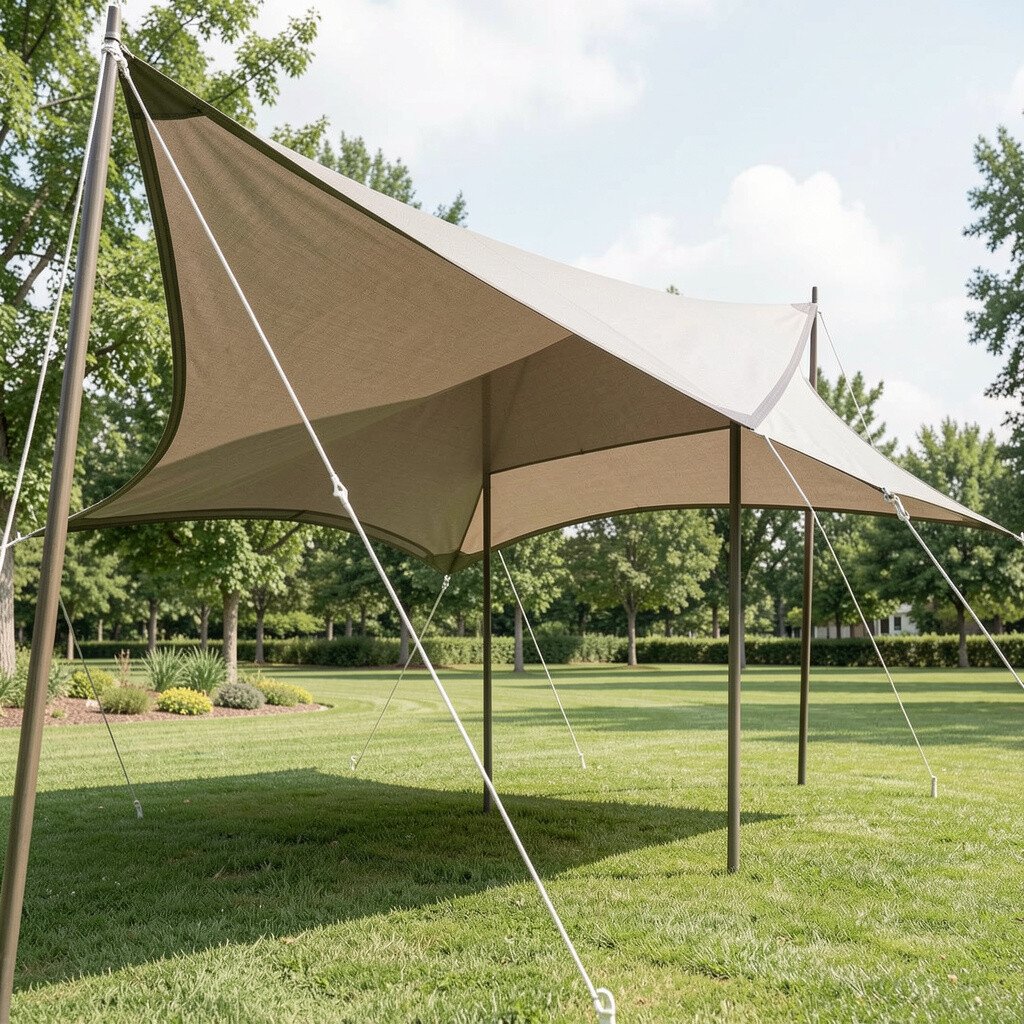
A clean triangle shade sail instantly gives a crisp, tailored look to any patio. You’ll notice how it softens harsh sun and makes seating feel more inviting.
Pick a size that covers the main lounge zone, like the area where you eat or read. For best results, anchor the corners using solid posts or existing structural points, then tension the fabric so water runs off instead of pooling.
2. Curved Wave Sail Over Seating
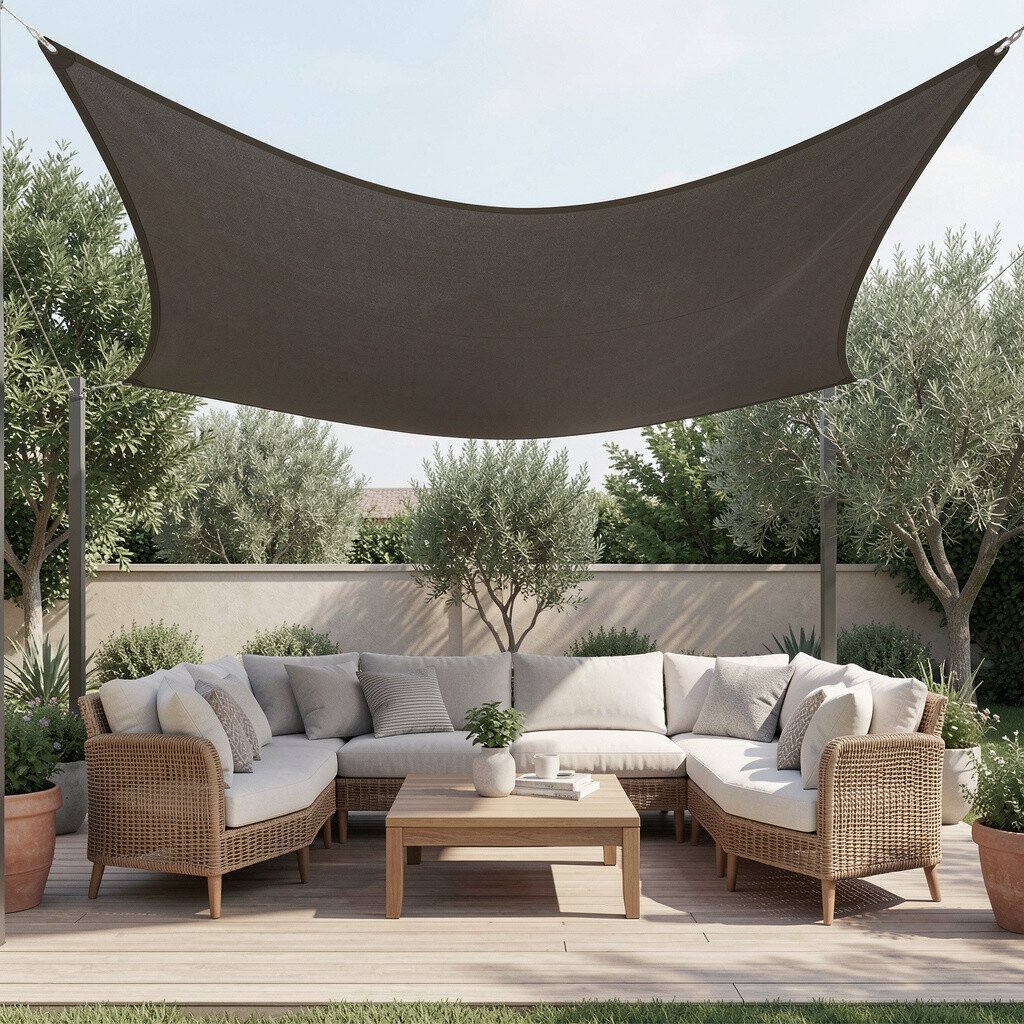
If you want a visual “wow,” choose a wave-shaped sail. The gentle curve looks playful while still blocking strong rays.
This style also helps guide airflow, so the space feels less stuffy. Use it above a conversation area, then layer lighting underneath for cozy evenings.
When selecting fabric, consider a high shade factor for afternoons and a breathable weave so it doesn’t feel clammy. Measure your span carefully, and plan for a few extra inches at each corner so installation stays smooth.
3. Multi-Sail Layered Look
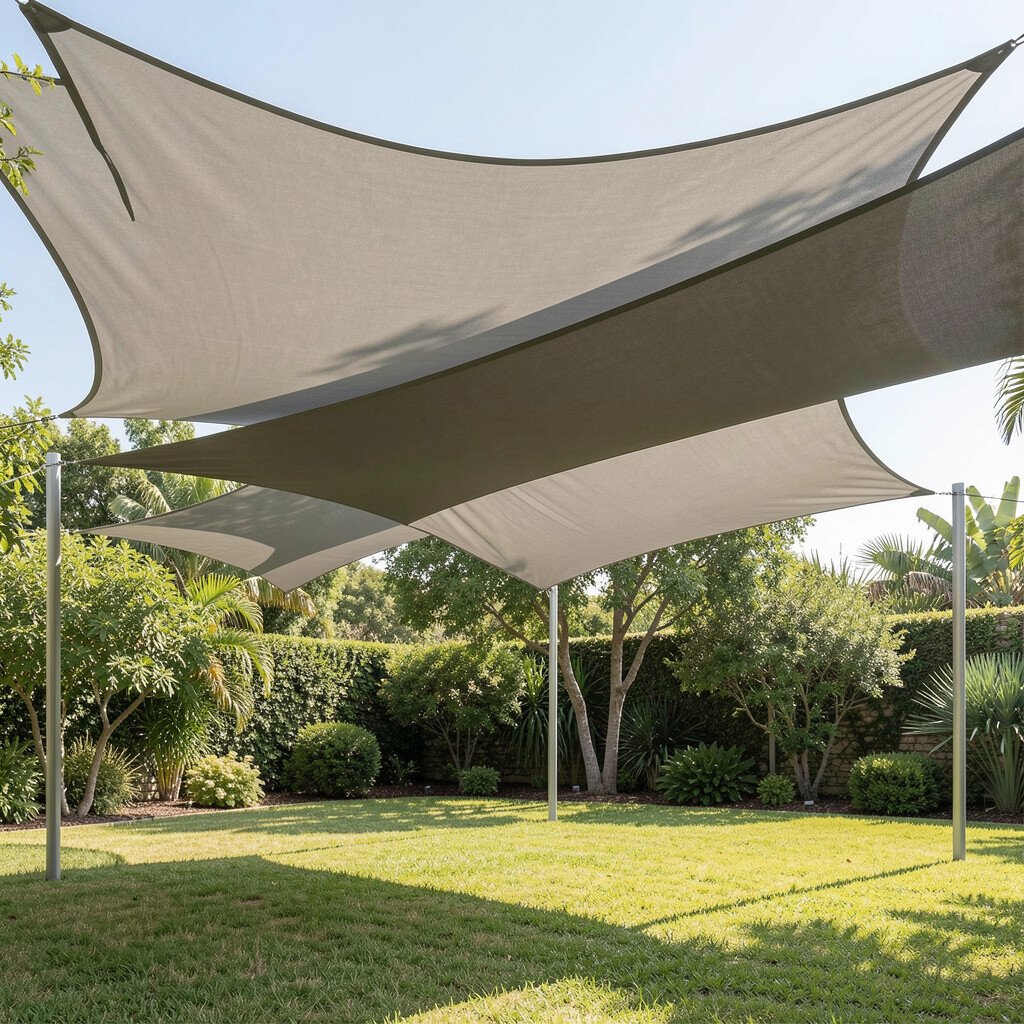
Stacking two or more sails creates a layered shade pattern that looks designed, not accidental. It’s a great way to cover a wide patio while adding depth.
Use overlapping sections to reduce bright spots where sun slips through. You can also create a “path” of shade from one seating area to another, which is handy for families who move around.
Choose colors that match your outdoor cushions, like sand, charcoal, or a muted blue-gray. For cost control, start with one sail for the biggest area, then add a second when your budget allows.
If you’re worried about installation, consider professional setup for the first sail and DIY for the next one. That way you learn the tensioning technique without taking on too much at once.
4. Pergola Style With Side Panels
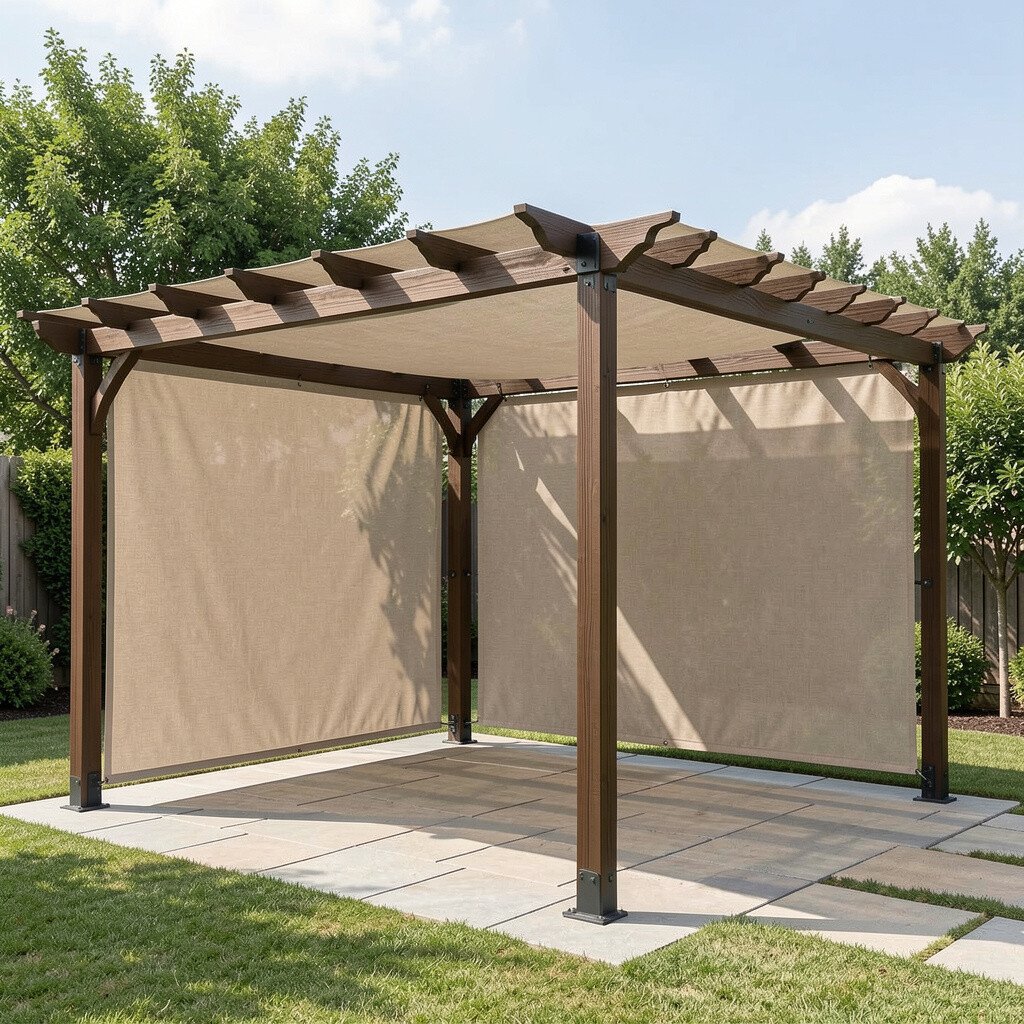
A shade sail set like a pergola gives a built-in feel without the heavy construction. Pair it with optional side panels so you also cut wind and glare.
This layout is especially nice for outdoor kitchens where you want stable comfort while cooking. Keep the panels a bit higher than shoulder level to maintain airflow, and you’ll stay cooler throughout the day.
When choosing hardware, use rust-resistant brackets and check tightening seasonally. Matching the sail hardware color to your fence or posts makes everything look intentional.
5. Cantilever Sail Off an Existing Wall
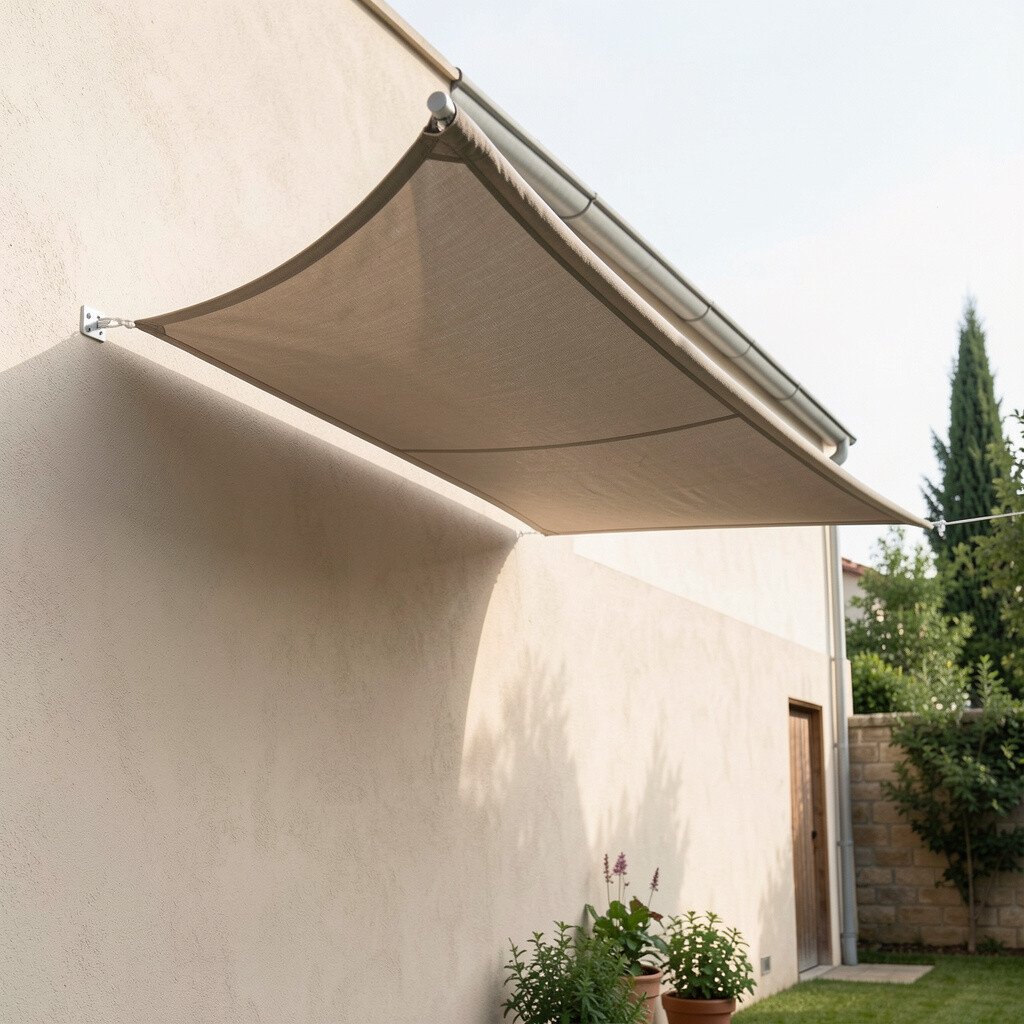
Mounting a sail to a wall and pulling it outward gives a practical, space-saving shade plan. It works well when you don’t want posts in the yard.
It also creates a clean line of coverage for a patio or walkway. Make sure the wall anchor points are strong enough, and use the recommended brackets for your siding type.
For a more custom look, vary the height slightly so the sail forms a gentle slope. That simple change helps rain run down and keeps the fabric from sagging.
6. Tight Courtyard Coverage
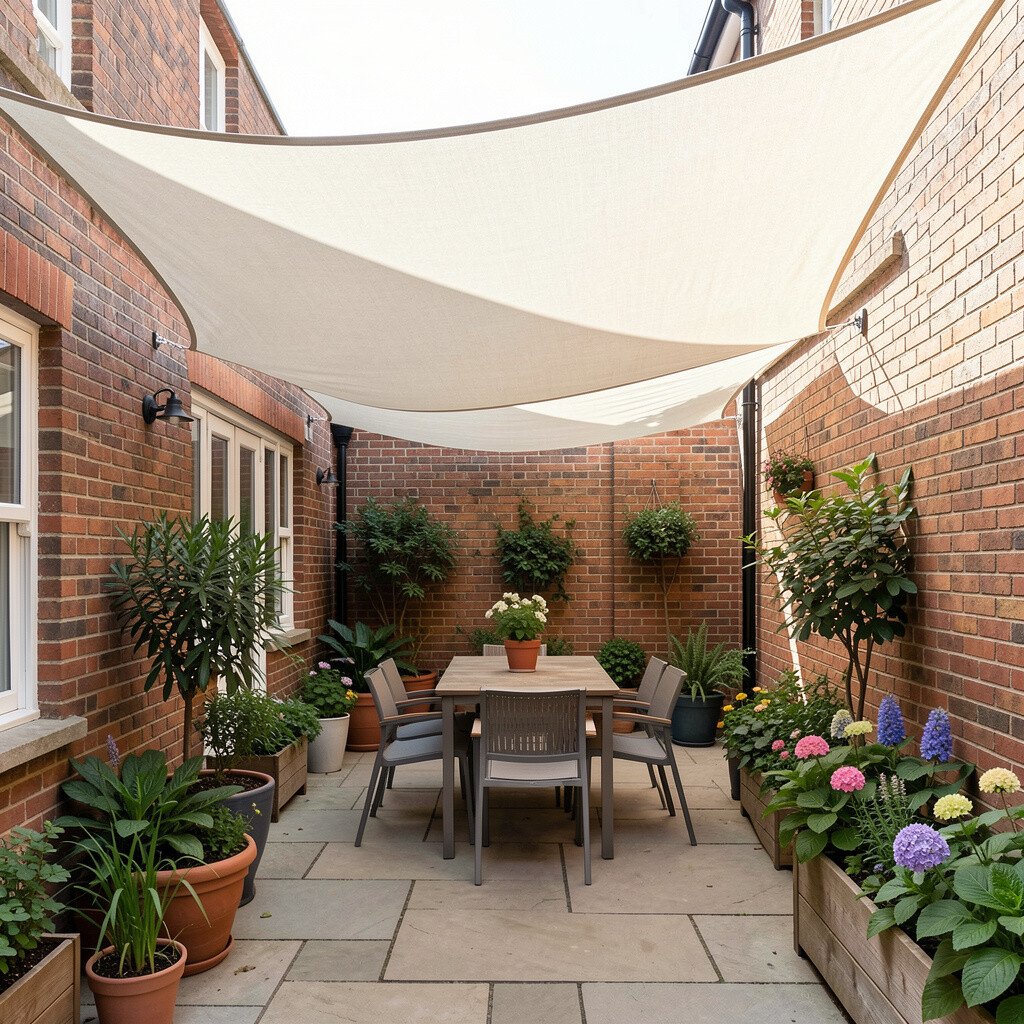
In smaller yards, a compact shade sail can feel like a cozy outdoor room. Think of it as a cover that makes the space usable even during peak sun.
Center it over a small table set, and you’ll notice the comfort boost right away. Choose a slightly darker shade tone to reduce glare on light-colored furniture.
If your courtyard is narrow, consider a sail that spans across two opposite points. This keeps the walkway open while still covering the spot where you relax.
7. Sunburst Shape for a Play Area
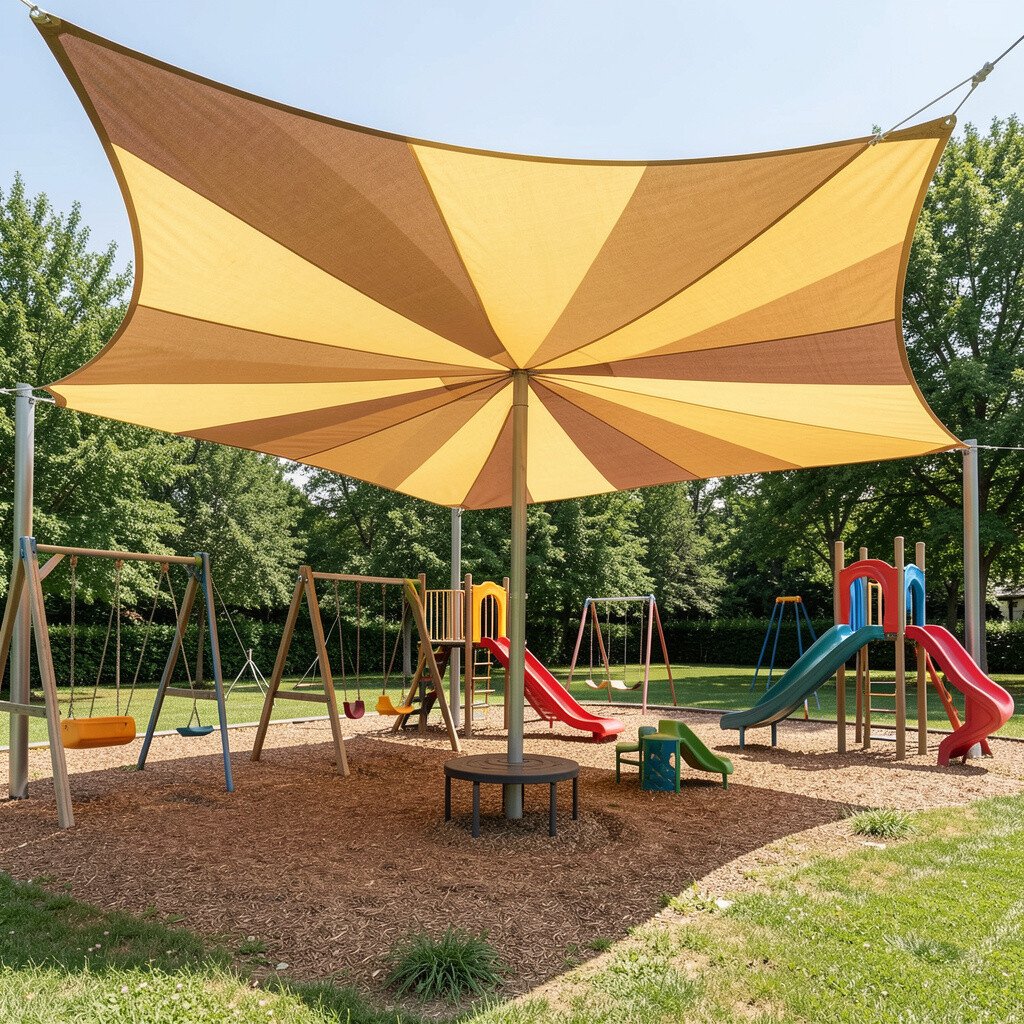
A sunburst sail brings fun energy to a kid play zone or a casual garden corner. The rays create a cheerful visual rhythm that looks great in photos.
Beyond looks, it keeps bright midday light off swings, toys, and activities. Pick a fabric shade that blocks UV well, and keep the sail height high enough for safe movement.
For personalization, match the sail color to your outdoor theme, like bright teal accents or warm sunset tones. If you’re worried about upkeep, look for stain-resistant fabric and plan quick rinses after dusty weeks.
8. Tall Boundary Sail for Yard Privacy
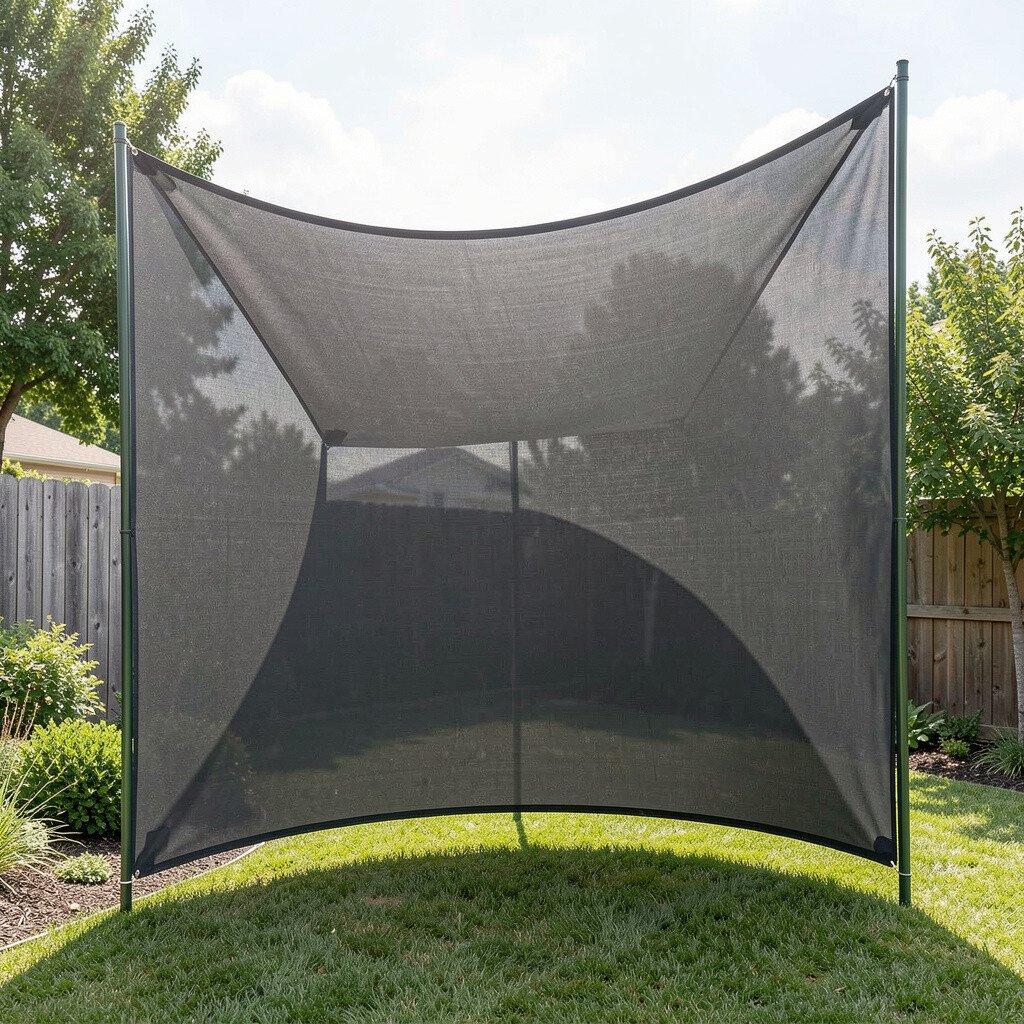
Shade sails aren’t only for overhead comfort. A taller boundary sail can soften sightlines and help you feel more at home in your yard.
This is a smart choice if you have nearby windows or a busy street. Pair it with planters along the base for a privacy look that feels lush instead of blank.
When you choose placement, leave a small gap below the fabric for airflow and easy cleaning. Durable outdoor hardware and weatherproof fasteners will keep it looking neat through changing seasons.
If you want a lighter feel, choose a semi-sheer option that blurs views while still letting some light through. It’s a gentle way to balance privacy and brightness.
9. Striped Sail Accent Over the Dining Table
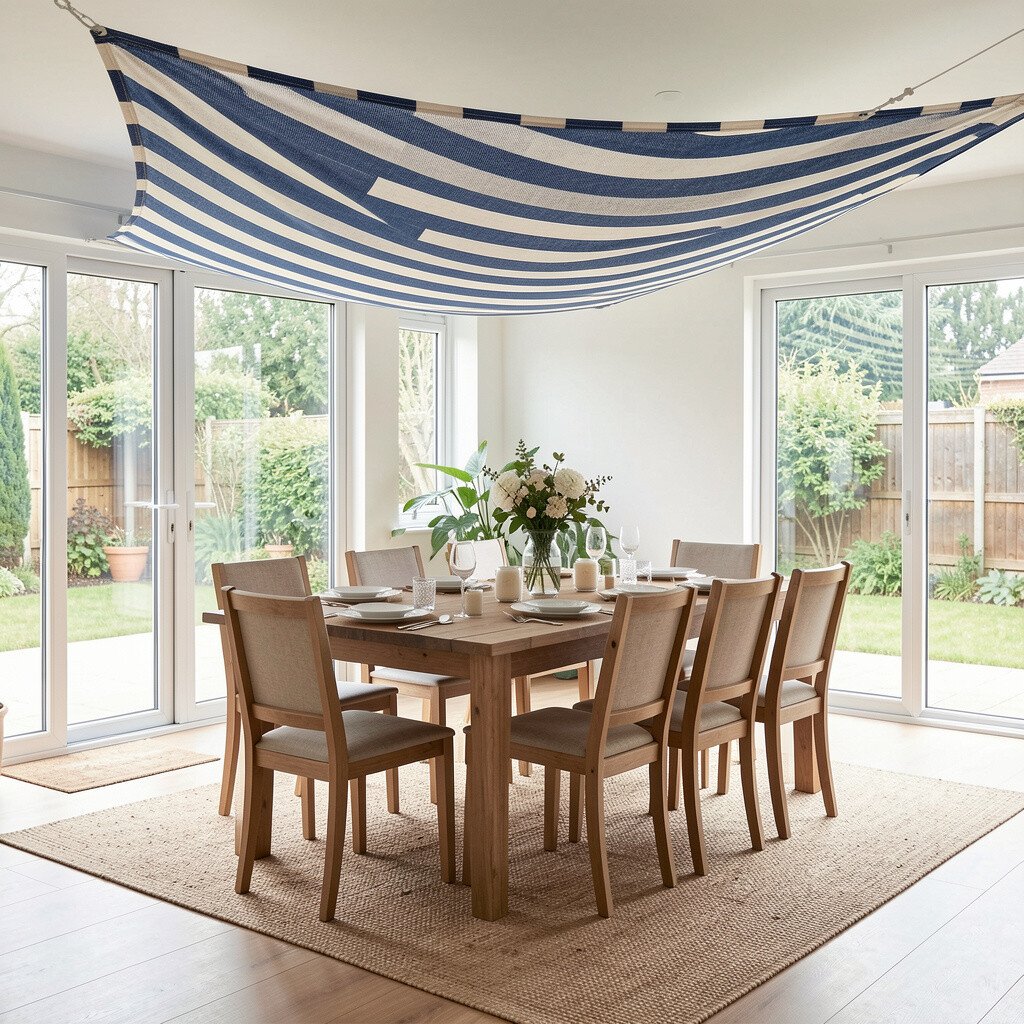
Stripes can make a simple sail look like part of your outdoor design plan. A diagonal or horizontal pattern also helps define the dining area visually.
That means your table looks more “set” even without extra decor. Choose stripe colors that blend with your table setting, like cream and terracotta for warm vibes.
For practicality, make sure the sail covers the seating enough that guests don’t squint while eating. Keep the sail slope steady so light rain doesn’t linger.
10. Clear Top and Side Blend for Soft Light
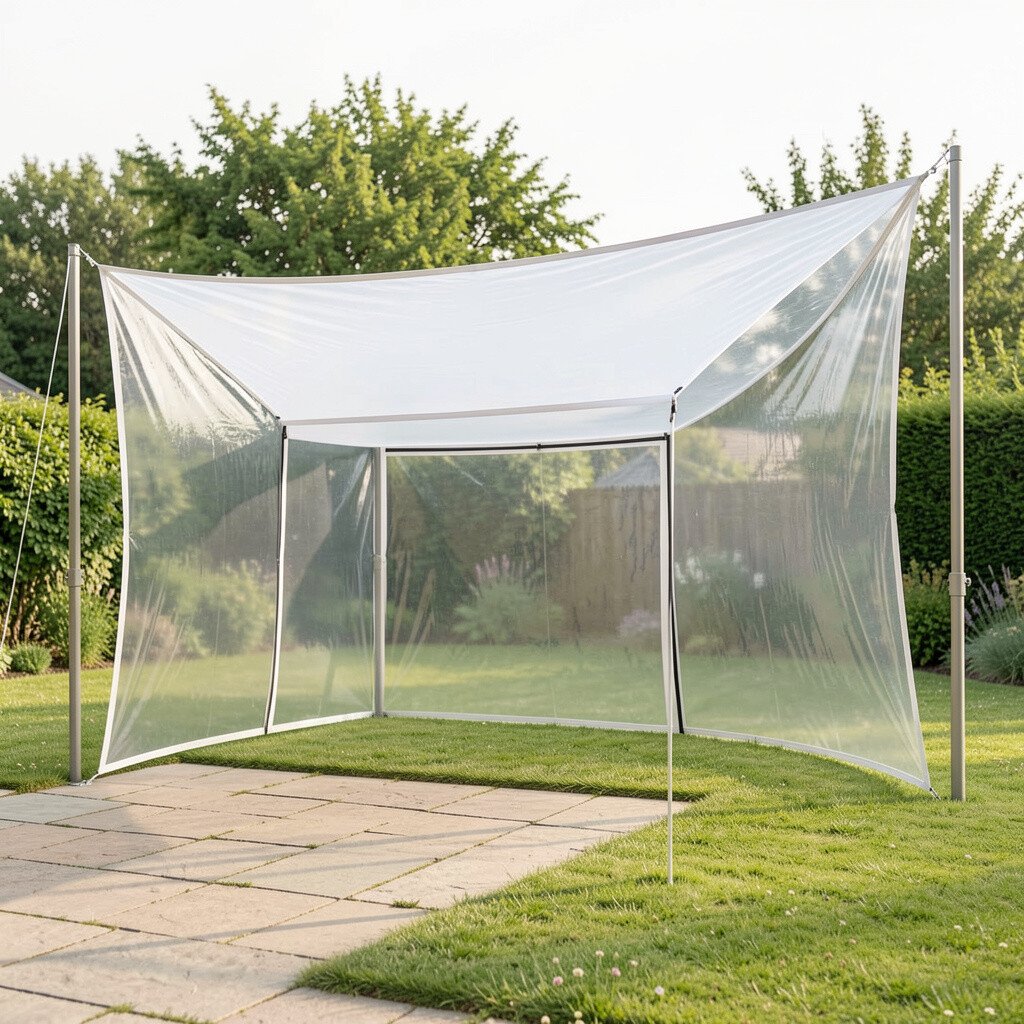
If you love daylight but still want shade, use a mix of materials. A clear or translucent panel can let some sun shine through while cutting the glare.
This kind of blended setup works nicely for green spaces where you want plants nearby. It’s also a great idea for shaded patios that feel too dark.
To keep it from feeling cold or sterile, pair the translucent area with a darker sail section. You’ll get comfort plus atmosphere without losing the open feel of your yard.
11. Elevated Corner Anchors for Dramatic Shade
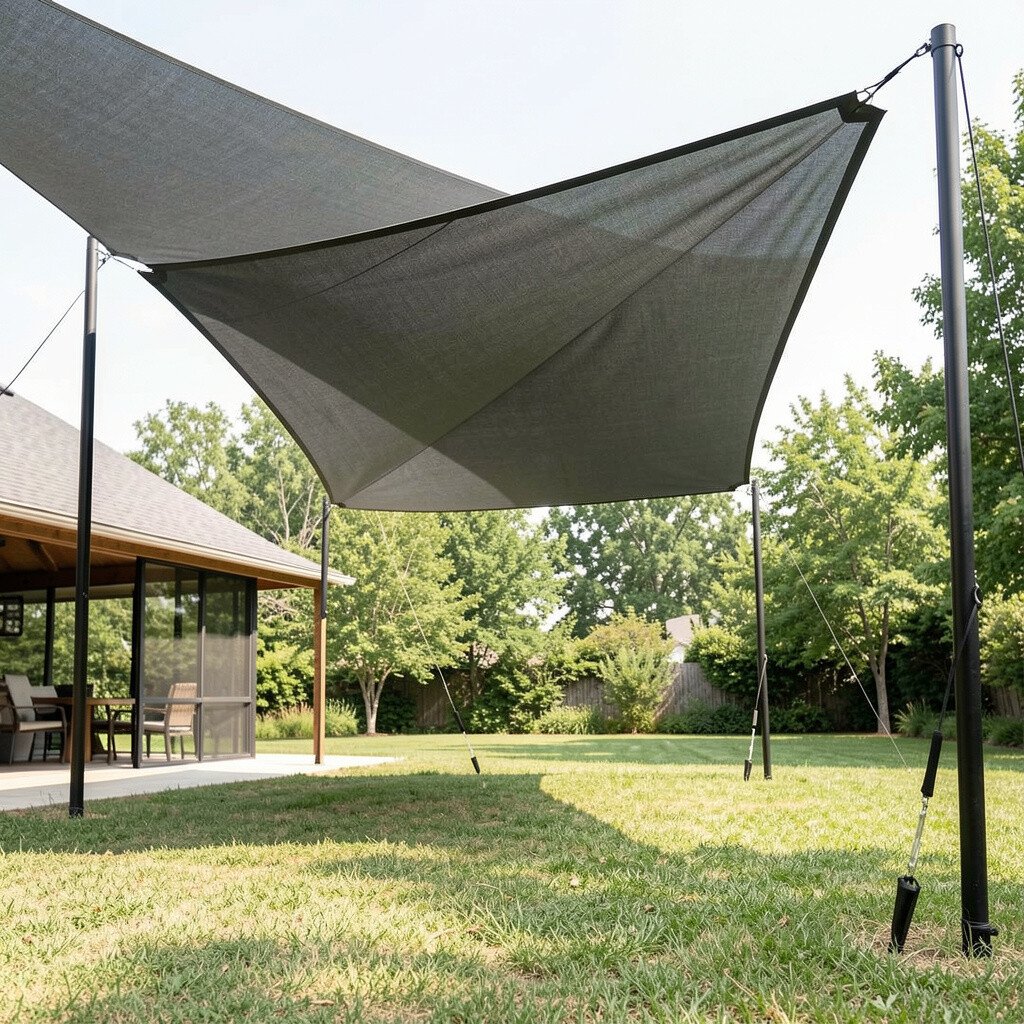
Elevating two corners creates a higher, more sculpted shade look. It can make a patio feel taller and more airy.
This style also prevents the fabric from sagging, since gravity helps pull tension down toward the lower points. Use sturdy posts and consider adding a tensioning kit for fine adjustments.
For personalization, choose a color that complements your flooring, like deep charcoal for stone patios. You can also add decorative finials to poles for a polished finish.
When planning, think about the sun path, because morning and afternoon angles can differ a lot. Position the sail so it covers the area when you use it most.
12. Freestanding Frame With Wheels for Seasonal Switching
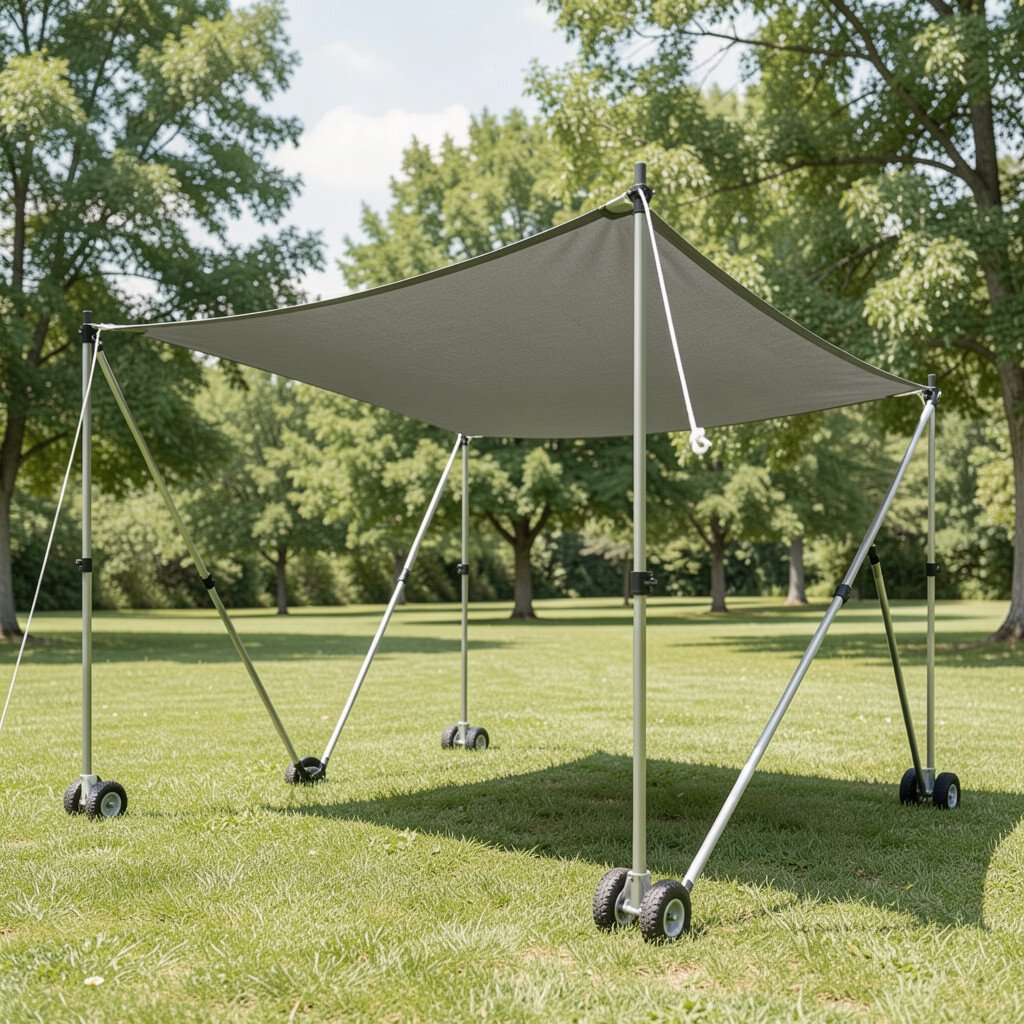
Want flexibility without permanent changes? A freestanding sail frame can move where you need it as the sun shifts.
This approach is especially useful if you rent or if your outdoor layout changes over time. Make sure the wheels lock securely so the sail stays stable during windy days.
For cost considerations, a freestanding system may cost more upfront, but it can save money on re-anchoring hardware later. Choose lightweight materials that are still strong enough to handle your sail fabric weight.
13. Fence-Edge Sail for Backyard Comfort
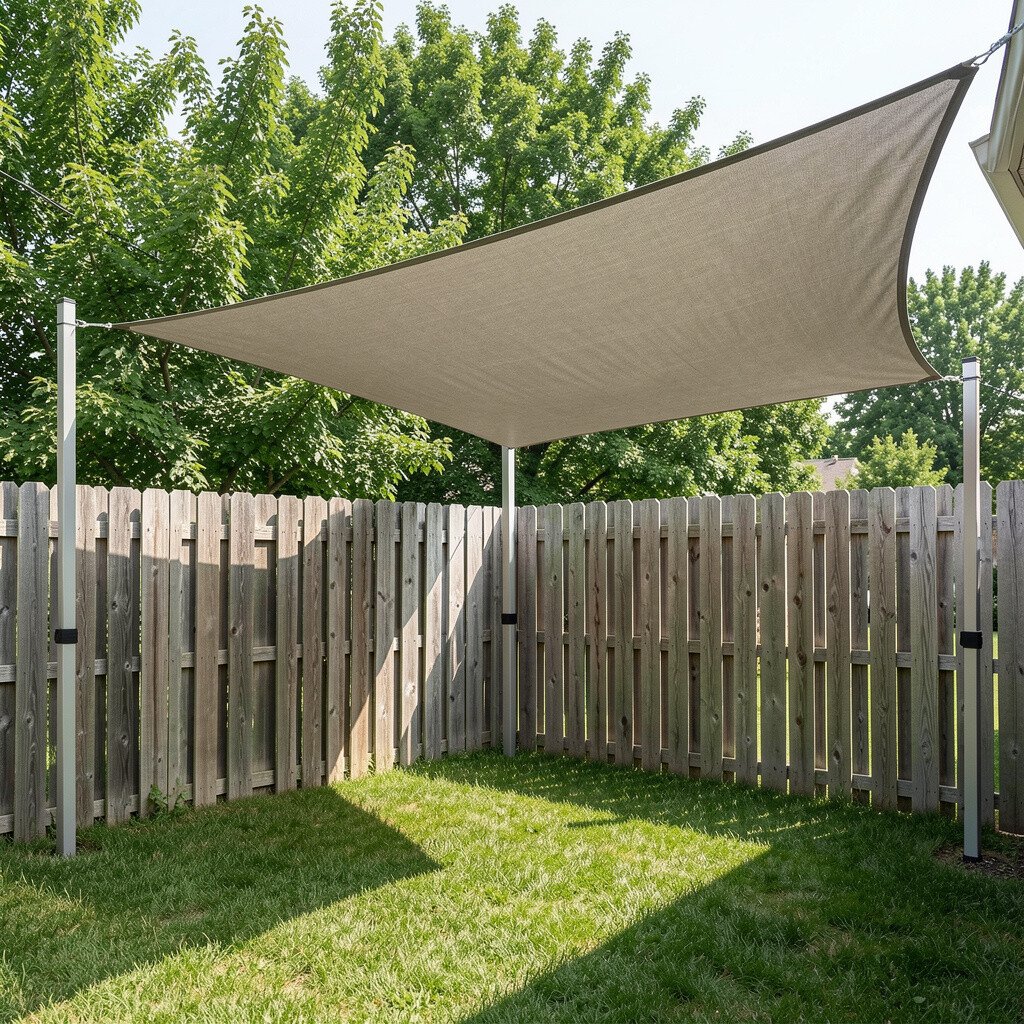
A fence-edge shade sail uses your existing boundary lines and saves space. It’s a practical option for side yards where you want shade but can’t add extra posts.
Run the sail along the fence line and anchor the opposite edge to a post or beam. This makes it easier to keep the fabric tension consistent.
For a more designed look, align the sail height with your fence height or patio railing. Matching colors makes the sail feel like part of the architecture instead of an added cover.
If you have pets, keep the sail secured properly and avoid sharp hardware ends. It keeps the area safe and neat for everyday use.
14. Rooftop Edge Sail for Upstairs Patios
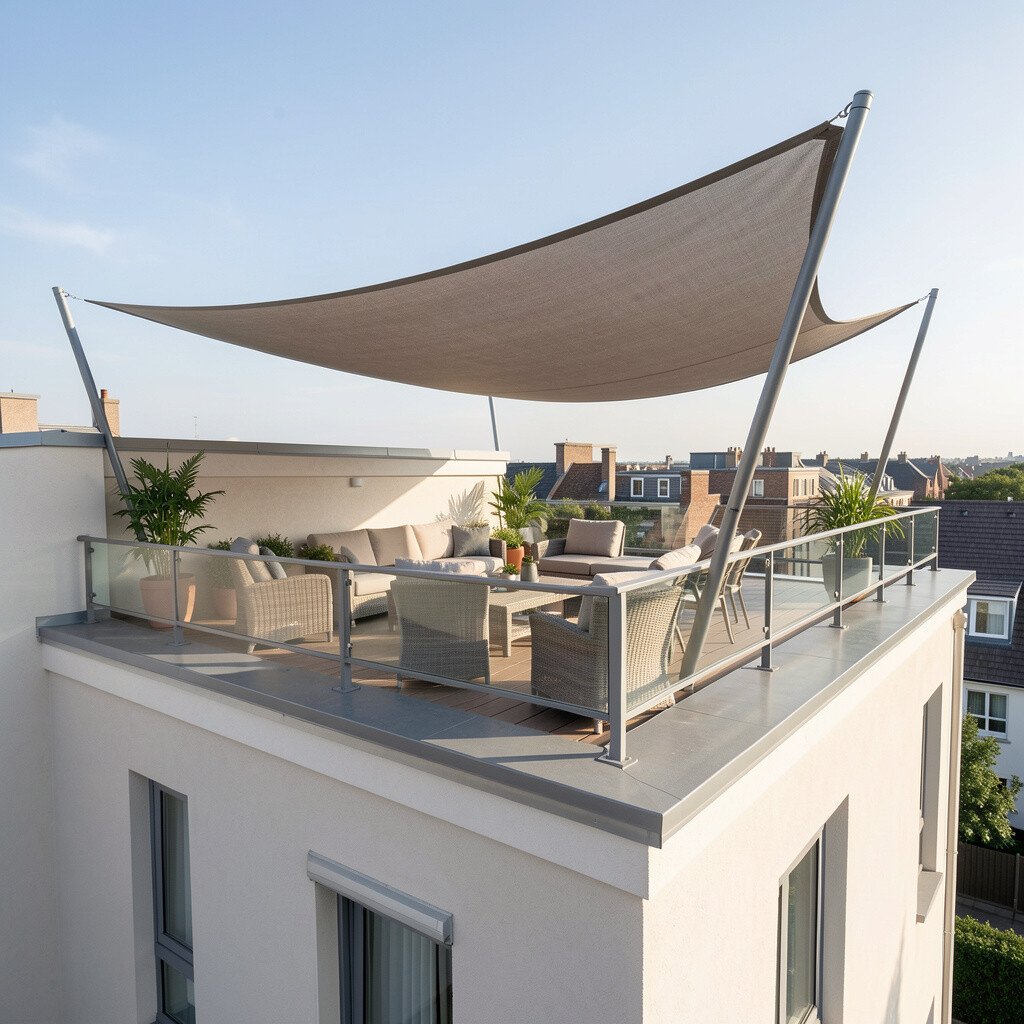
If you have a second-story balcony, a rooftop edge sail can turn it into a comfortable retreat. The view stays open, while the sun glare gets softened.
This is a nice match for morning coffee spots and evening hangouts. Keep the sail slope angled so rain doesn’t hang underneath.
For installation, use heavy-duty anchors rated for outdoor loads, and check local building rules. If you’re unsure, hiring help for the mounting can prevent costly mistakes.
To personalize the vibe, choose a color that matches your exterior trim. Then add string lights below for a warm glow that feels inviting.
15. Corner L-Shaped Setup for Outdoor Rooms
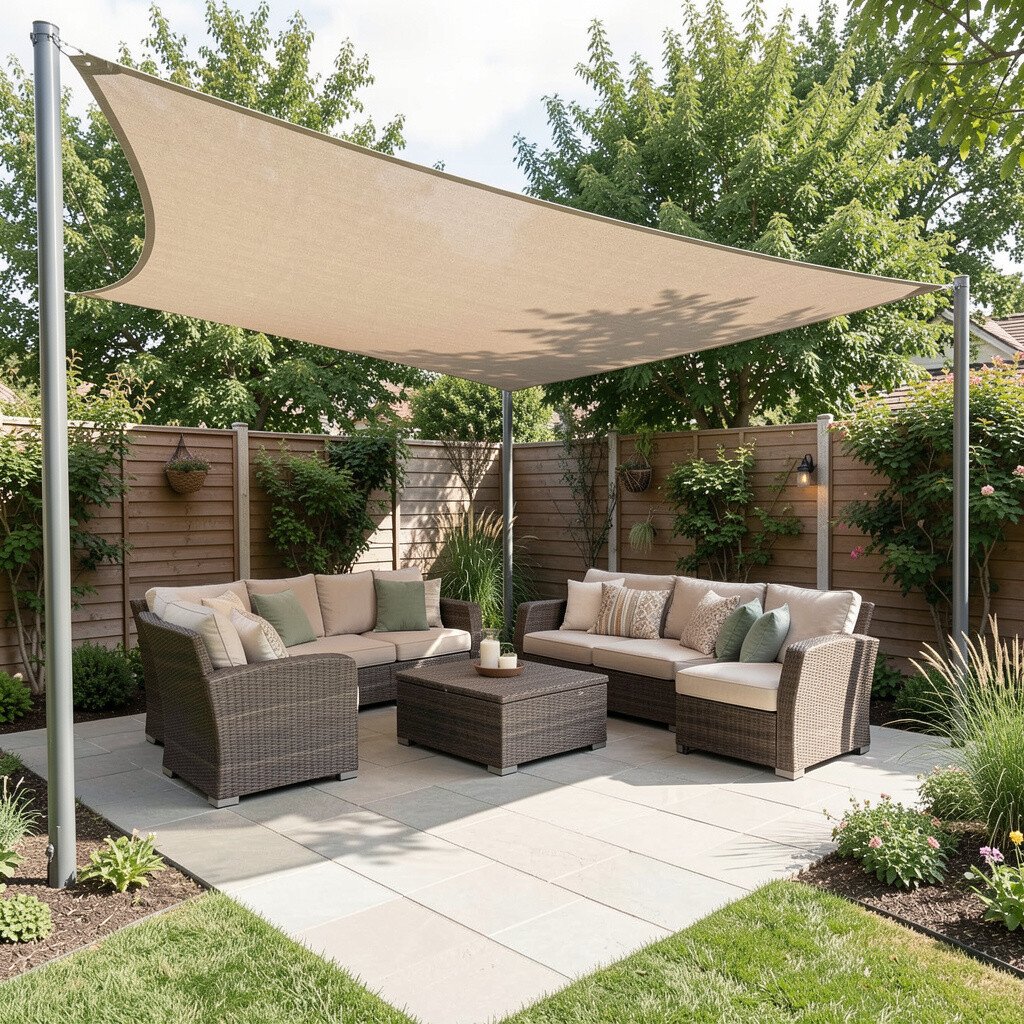
An L-shaped shade sail layout creates the feeling of an outdoor room. It offers coverage along two directions, which is great for open patios.
You’ll notice it helps define zones, like dining on one side and lounging on the other. This setup also gives you more shade options as the sun moves across the yard.
Use two sails that meet neatly at a corner, then plan the overlap so water flows away. That small detail keeps the fabric from pooling and helps it last longer.
16. Reversible Color Sail for Seasonal Mood
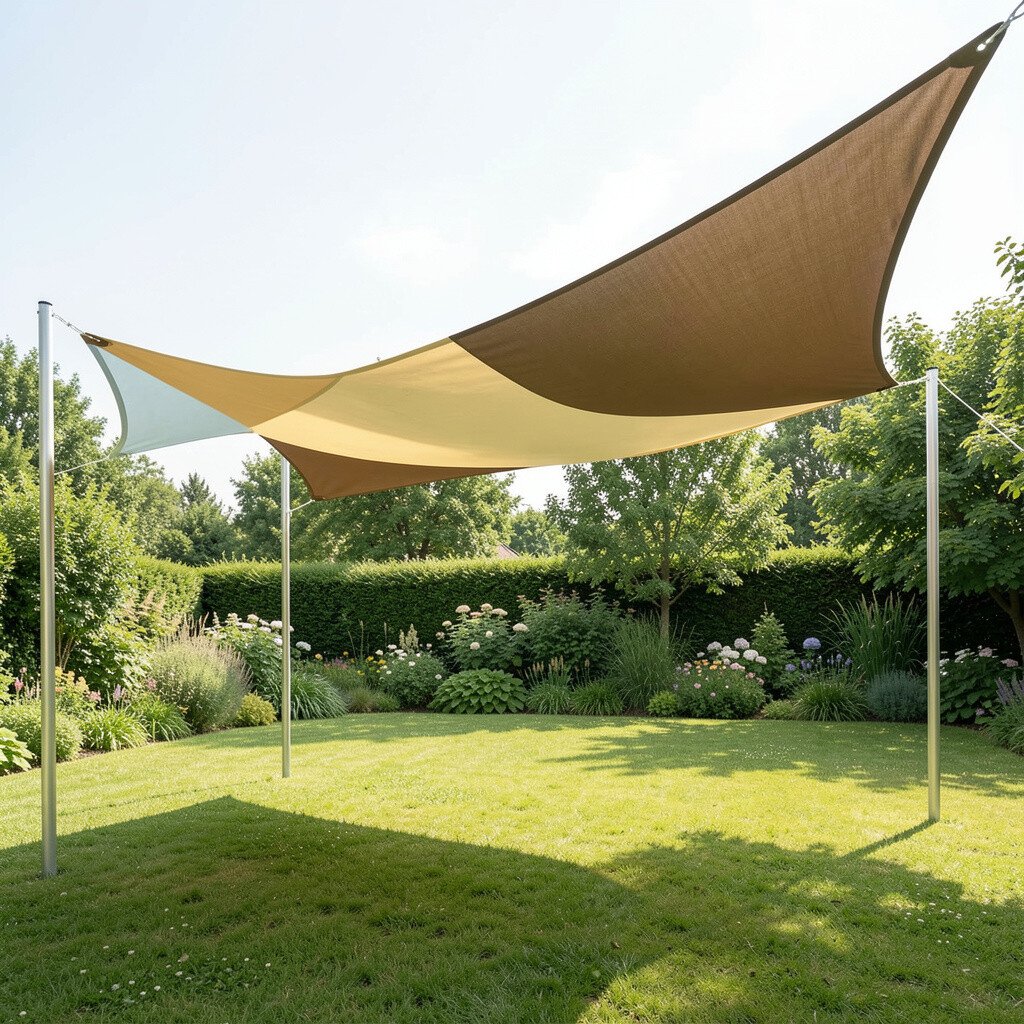
Some shade sails come with reversible colors, which makes seasonal styling easier. One side can look bright and airy, while the other side feels deeper and cooler.
This is an easy way to personalize your outdoor space without buying new hardware. Swap the orientation when the weather changes and you’ll get a fresh look instantly.
When choosing a reversible sail, look for durable stitching and strong grommets. It’s also smart to check how the fabric handles fading over time, especially if your space gets lots of sun.
17. Patterned Fabric for a Modern Artistic Twist
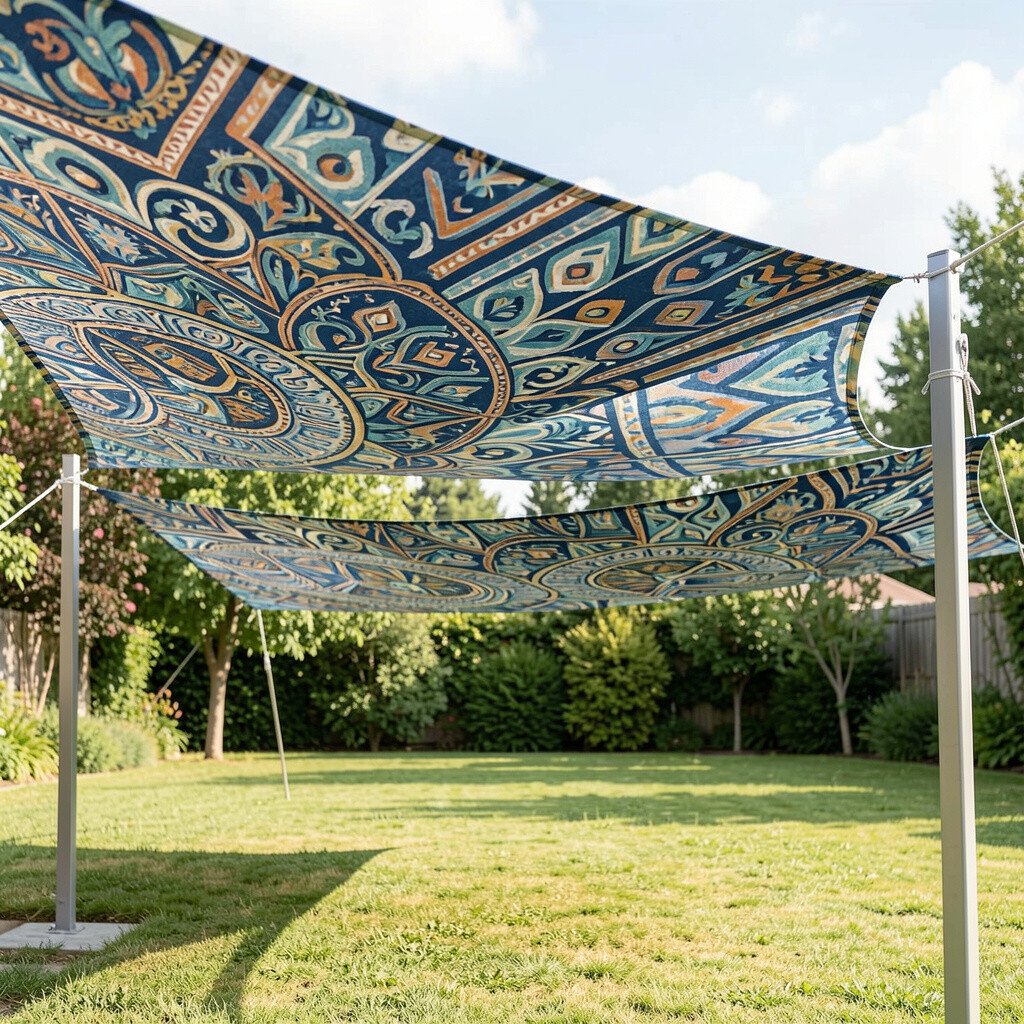
Patterned shade sails bring modern style with less effort than traditional outdoor decor. You can add subtle texture or bold shapes that make the whole area feel curated.
Patterns also help hide minor marks, which is a practical win for busy households. Choose a design that complements cushions and outdoor rugs so everything looks like a set.
For cost considerations, a patterned sail can be the “statement piece,” meaning you might buy fewer extras. Pair it with simple seating and let the shade fabric do the heavy lifting visually.
Make sure the pattern scale fits your space, because tiny prints can look busy up close. Larger motifs usually read better from a distance.
18. Minimal Blackout Shade Sail for Clean, Contemporary Lines
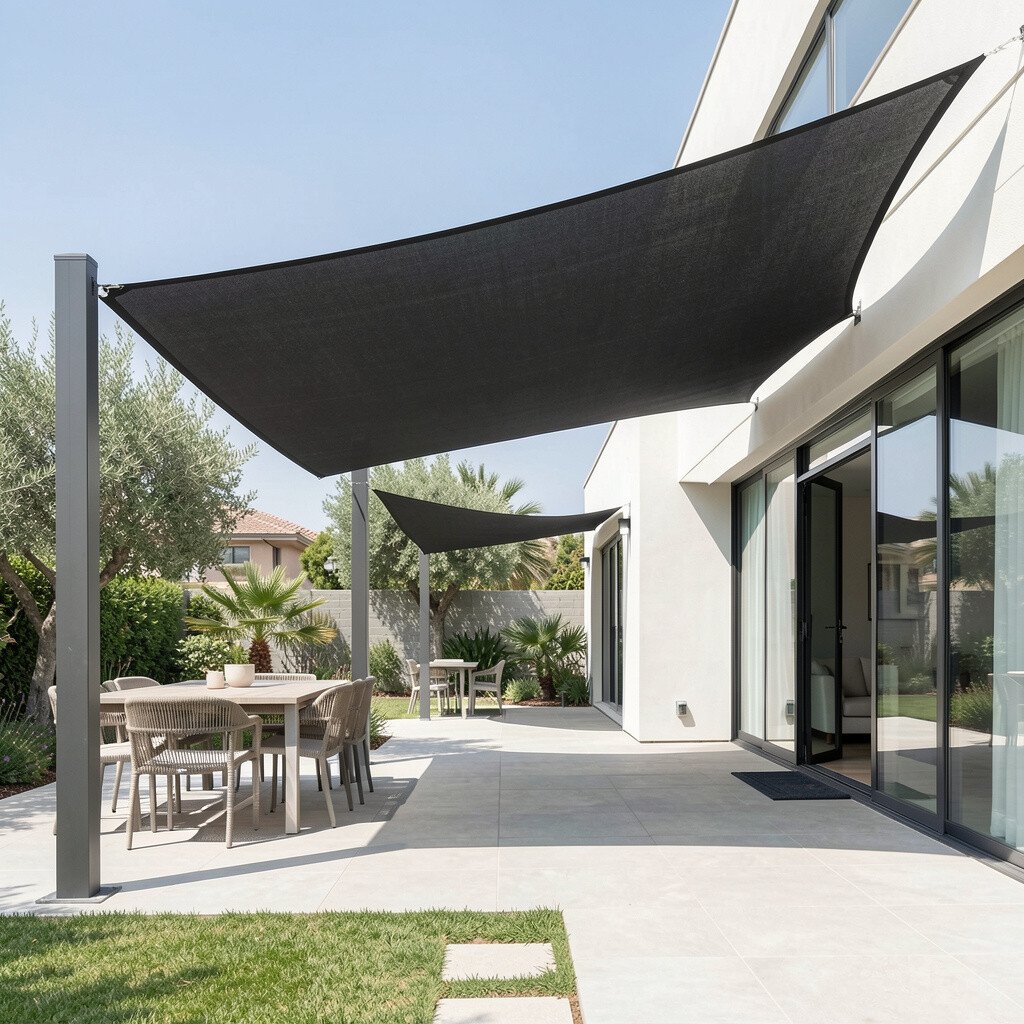
A near-black or deep charcoal shade sail gives a sleek, contemporary look. It also blocks a lot of glare, making afternoons feel calmer.
This is a strong choice for modern patios with clean furniture lines and simple planters. Keep surrounding colors light, like white cushions or pale wood, to avoid a heavy feel.
For practicality, choose a fabric designed for outdoor UV exposure and good drainage. Regular cleaning helps it stay crisp, and occasional tension checks keep it from sagging.
If you like variety, consider pairing a dark sail with one lighter accent sail nearby. The contrast creates a striking layout that still feels balanced and cozy.