The classroom feels calmer when the space works with you. Small changes can make learning feel smoother and more inviting.
1. Rearrange Desks Into Flexible Zones
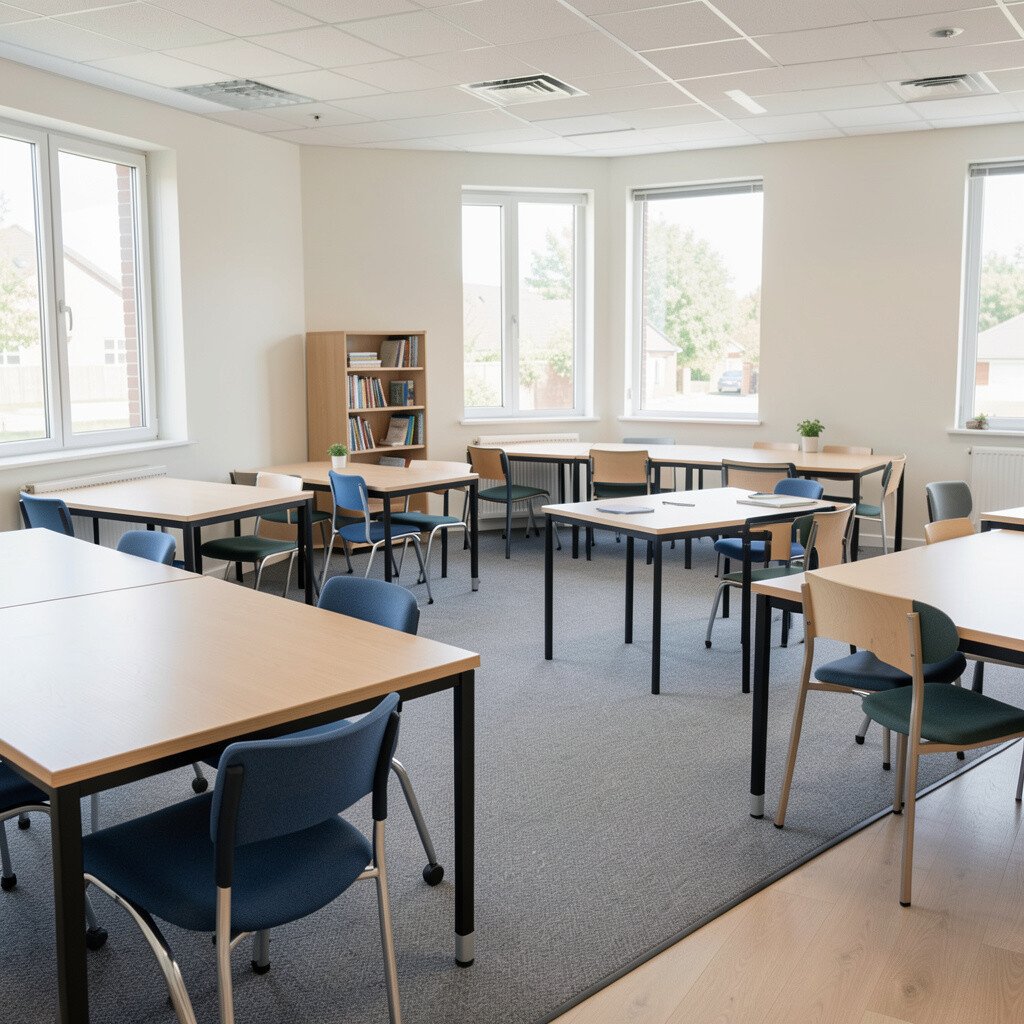
Start by imagining your room as a set of small learning neighborhoods. When desks can shift from quiet work to teamwork, students settle faster and waste less time.
Try a front zone for teacher-led lessons, a middle zone for group work, and a side zone for independent reading or writing. You can use floor tape, rugs, or even labeled bins so students know what each space is for. This kind of clear layout supports focus, lowers side conversations, and helps late arrivals find their spot quickly.
Choose one simple material to guide the layout, like removable tape that matches your color theme. If budget is tight, push desk clusters into “islands” using existing furniture and keep the zone idea only in your room routines. For personalization, let students decorate a small sign for their group area using crayons and markers.
2. Use Visual Schedules That Students Can Actually Follow
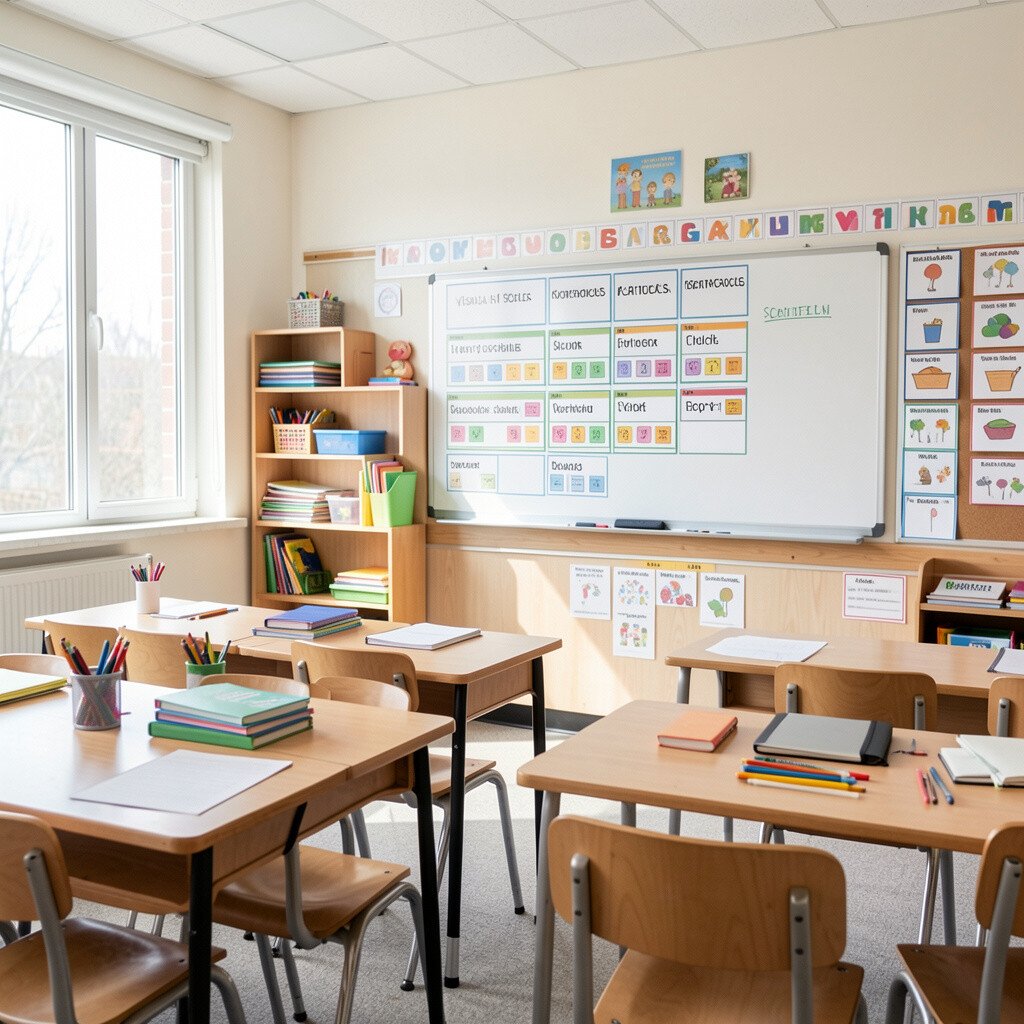
A visible plan helps students feel steady during busy days. When the routine is clear, students spend less energy guessing and more energy learning.
Keep a daily visual schedule at eye level with icons for subjects, transitions, and breaks. Use simple pictures, sticky notes, or printouts in a consistent order so even new students can catch on. Students benefit because they can prepare for changes and you benefit because transitions get smoother.
Involve learners by letting them move a magnet or clip when a step is finished. This taps into current classroom trends that value student agency and makes the board feel like part of the room, not a teacher display. For cost, reuse old folders and cut icons from craft paper, then protect them with clear contact paper.
3. Create a Dedicated “Calm Corner” With Choices
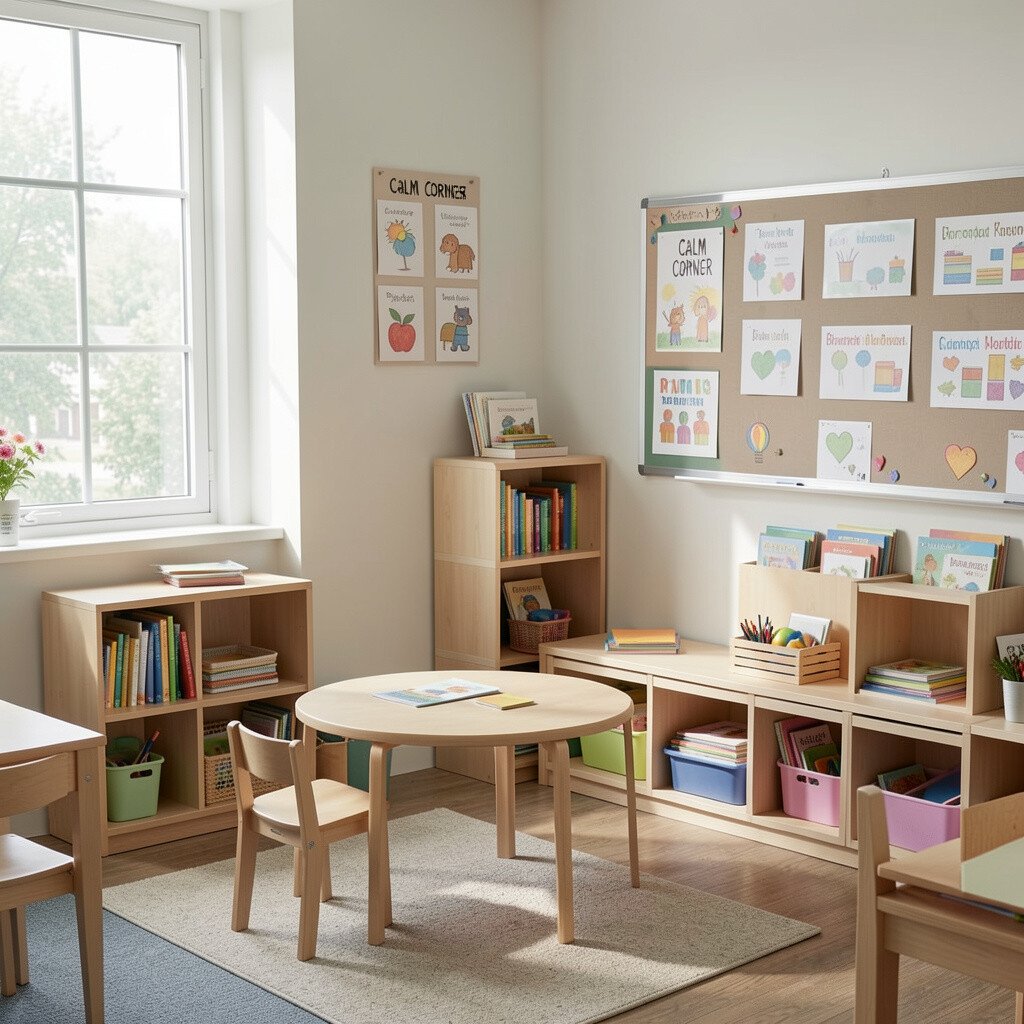
Some students need a soft place to reset when emotions run high. A calm corner gives them a safe option without disrupting the whole class.
Include a few items students can choose from, like a fidget, a stress ball, a breathing card, and a short book. Keep the setup visually tidy, with baskets that are easy to reach and labels that match the items. The benefit is big: students regulate faster, and the class keeps moving.
Make it unique by tailoring it to your community, such as adding a small “try again” sign or a calm playlist through a simple speaker. If you cannot buy new tools, use paper strips for calming prompts and repurpose items from home that are already clean and safe. Personalized corners feel welcoming, and students are more likely to use them responsibly.
4. Set Up Clear Supply Stations at Point of Use
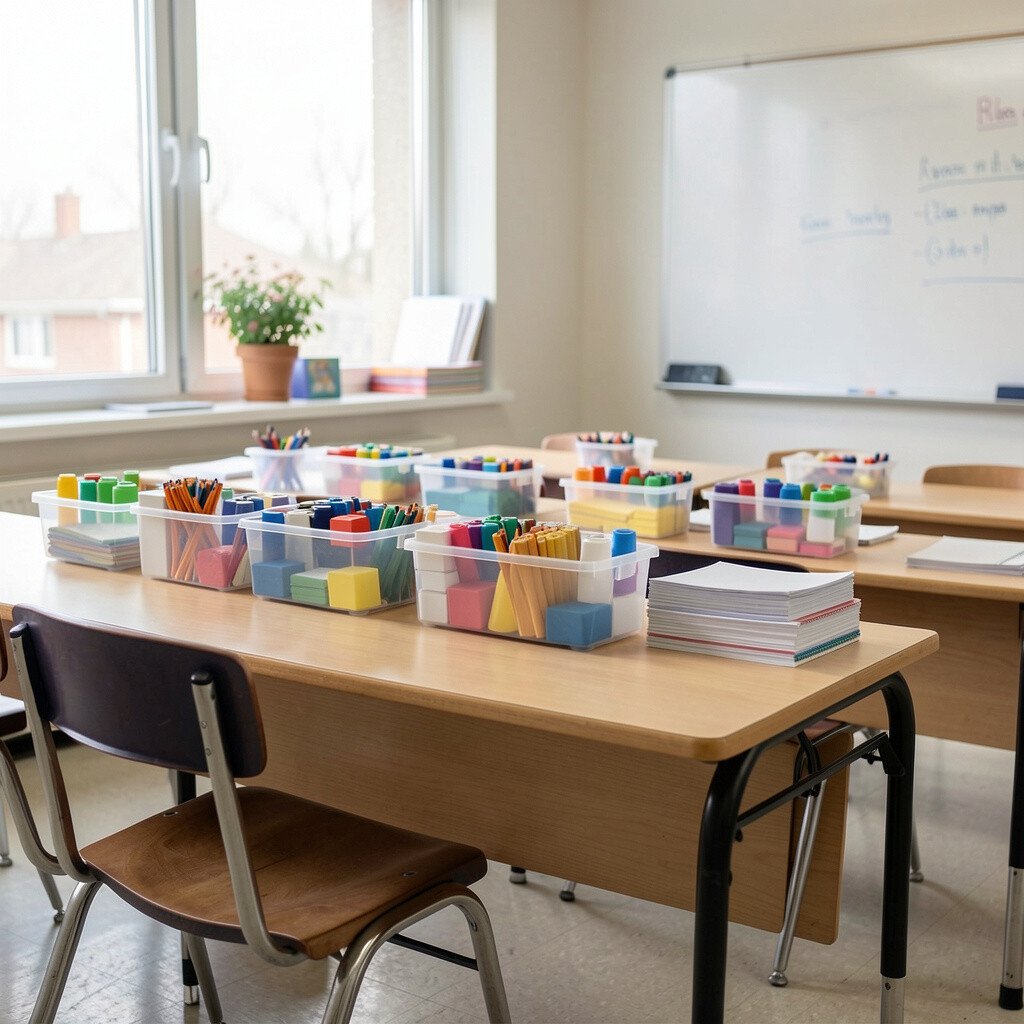
When supplies are hard to find, learning slows down. Placing tools where students use them removes extra walking and confusion.
Put materials near the work area, like pencils and paper at writing tables and markers near the art cart. Use shallow bins so students can see what is inside and grab what they need without digging. This helps students become more independent and reduces interruptions when you are busy with a group.
5. Add Student-Friendly Work Displays and Reference Charts
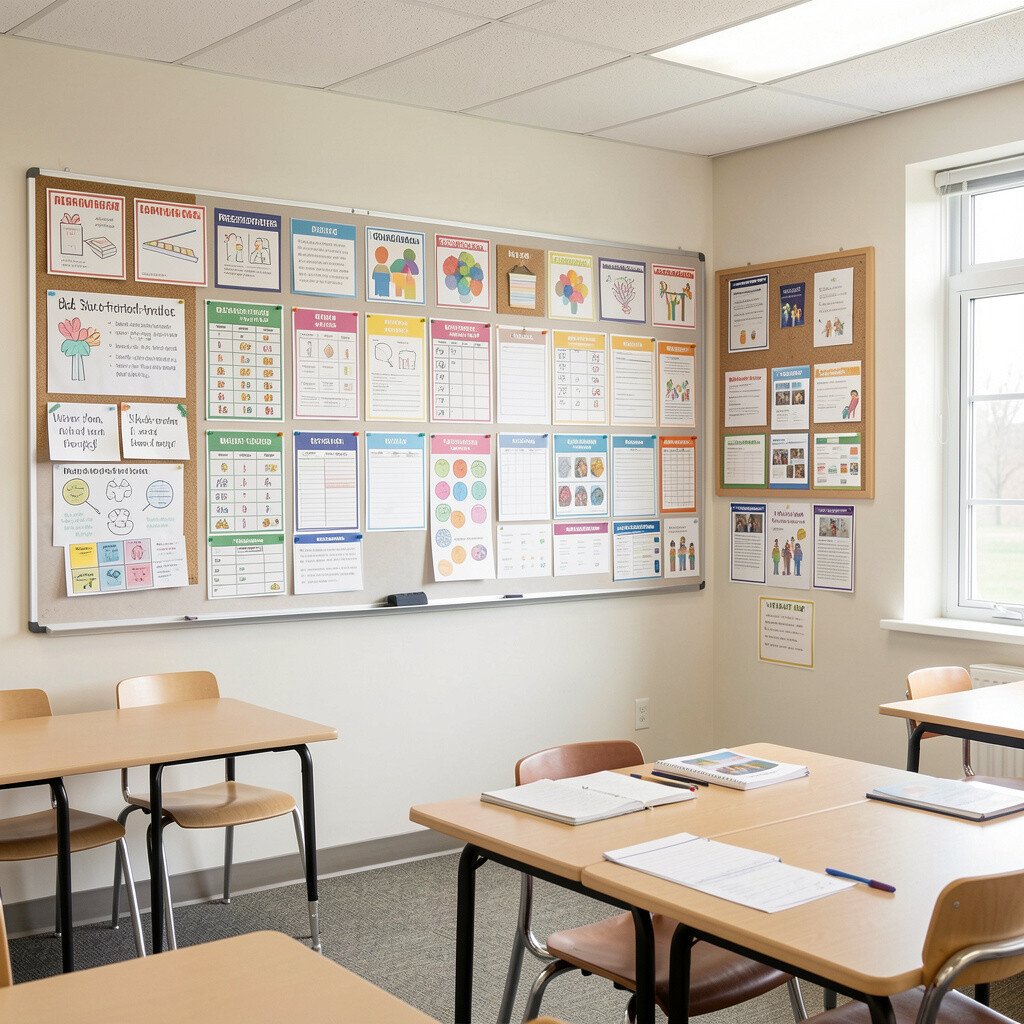
What students can see becomes what they remember. Displays that reference daily skills make students more confident during independent practice.
Show a small set of rotating references, such as a writing checklist, a number line, or sentence starters for discussions. Keep wording simple and consistent with what you teach, then place it where students naturally face during work. This supports learning because students can self-correct instead of waiting for help.
Make the displays unique by using student examples, not just teacher-made posters. If you want a low-cost approach, print charts you already have, then add color highlights with highlighters and tape. For personalization, let students vote on which examples deserve a spot each week.
6. Improve Light and Reduce Glare With Smart Placement
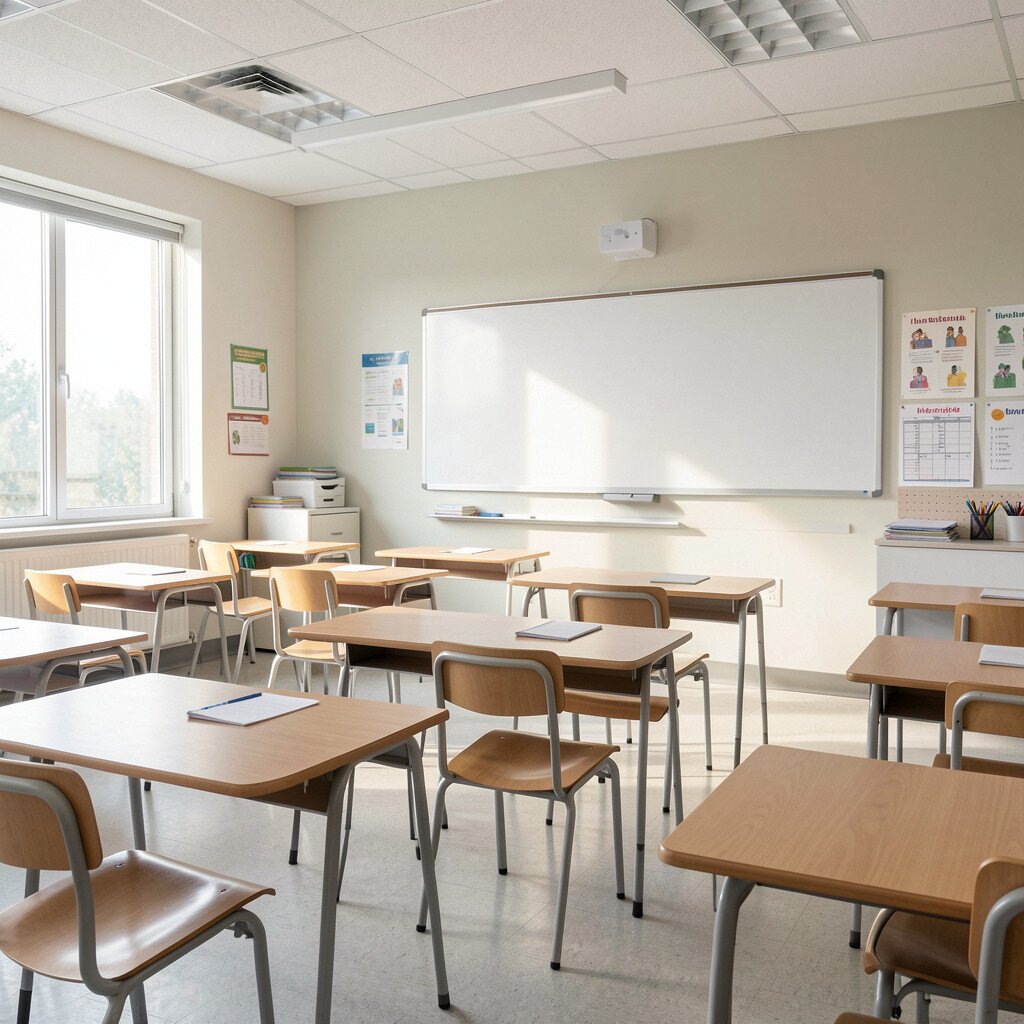
Good lighting changes everything about how a room feels. When students can see clearly, they read more easily and stay engaged.
If glare from windows or overhead lights bothers students, adjust seating so faces are not staring into bright reflections. Use curtains, reposition lamps, or add a matte screen where needed so writing and screens look steady. The visual comfort is a real benefit, especially during reading groups and video-based lessons.
For a practical fix with minimal cost, try different seat clusters until the view improves. Use a simple test by having students read a sentence from the board from each seat area. When the best spots are clear, set those zones for activities that require longer visual focus.
7. Build a Simple System for Turning In Work
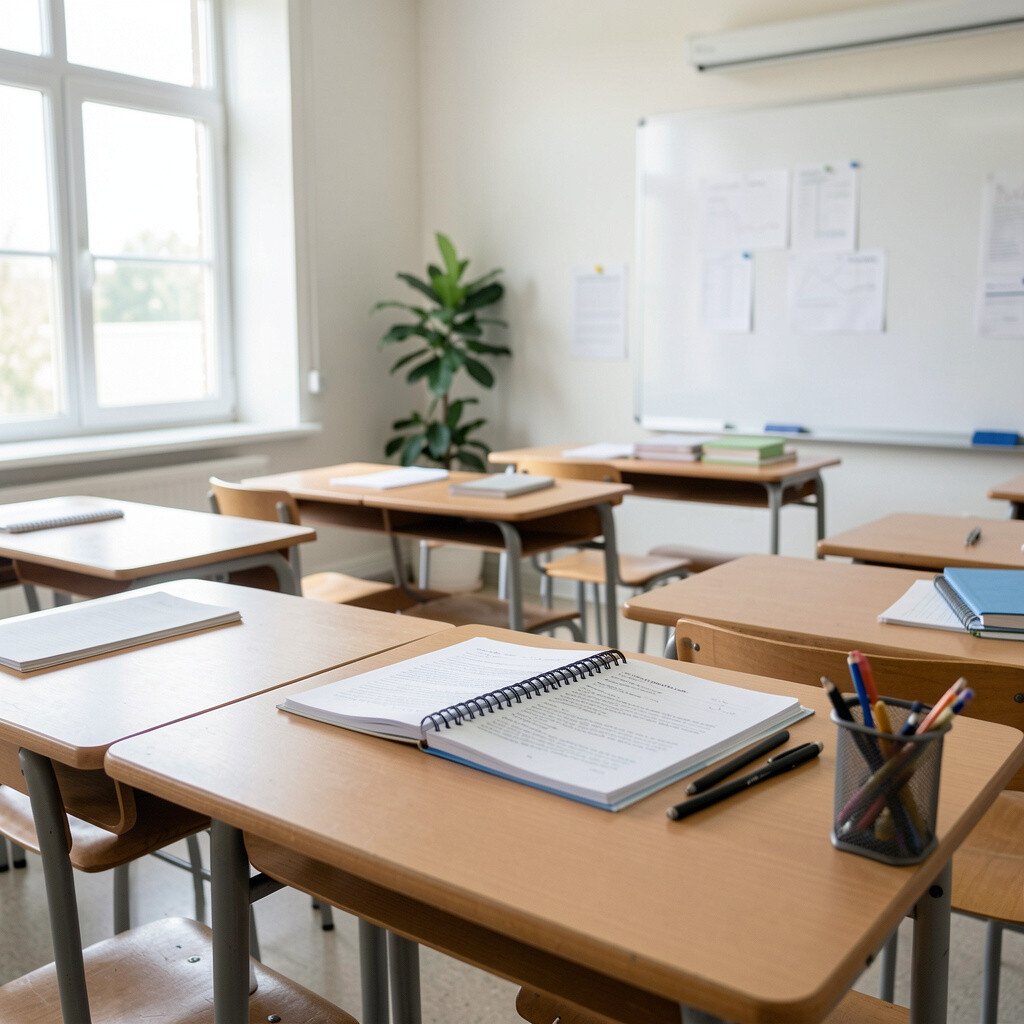
Paper chaos steals time, and students notice. A reliable submission routine helps everyone feel organized and respected.
Create a one-step drop-off system using bins or trays labeled by period, classwork and homework, or reading and writing. Keep the place consistent, and make sure it is visible from where students work. The benefit shows up as fewer questions, fewer lost sheets, and faster feedback cycles.
Personalize the system by using classroom themes, like “Rocket Turn-In” or “Garden Basket,” if it matches your style. If you are budgeting, you can use shoebox lids, file folders, or recycled food containers with masking tape labels. Students also tend to care more when the system feels intentionally designed.
8. Strengthen Listening With Footmarks and Seating Etiquette
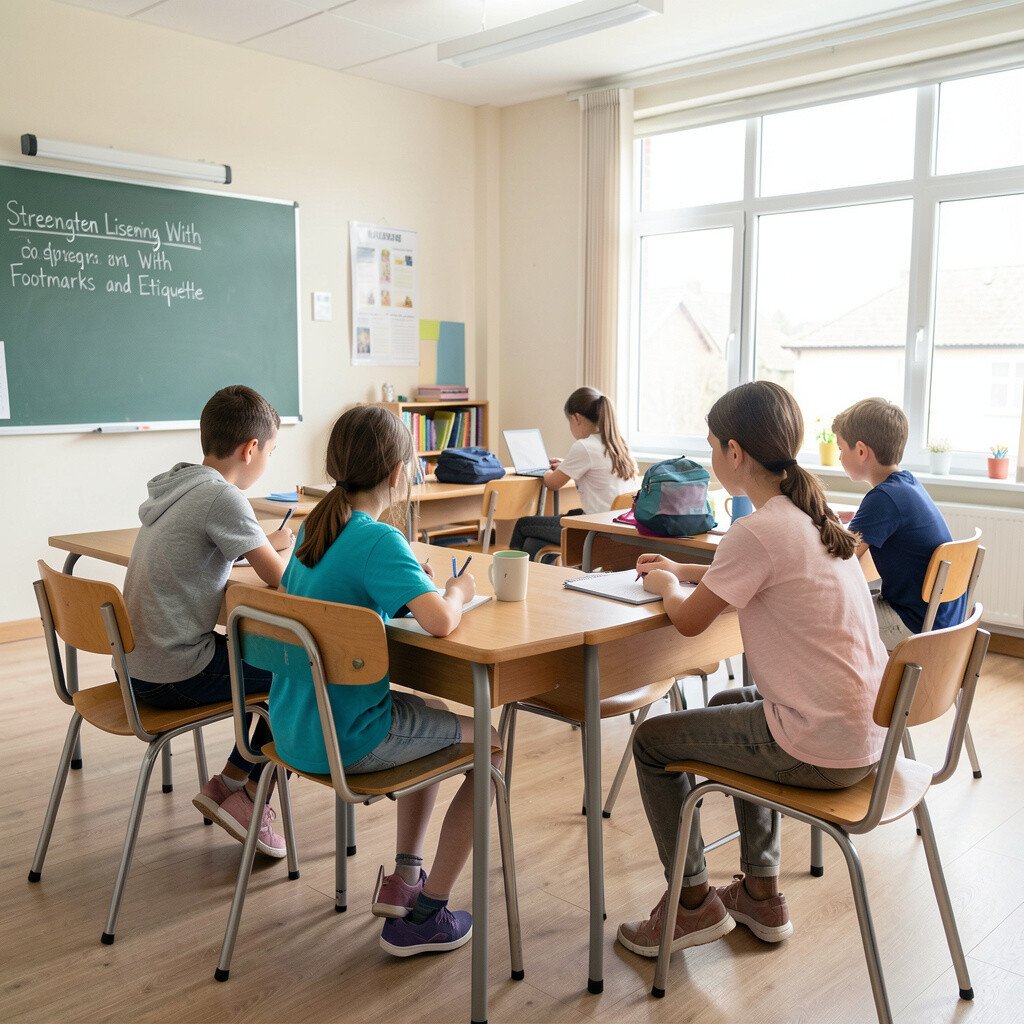
Listening becomes easier when students know what “good listening” looks like in your room. Small physical cues can guide behavior without constant reminders.
Place simple footmarks on the floor in spots where students sit during instruction. Use them for read-aloud time, whole-group mini-lessons, or transitions into discussion circles. Students benefit because their bodies know where to be, and you benefit because you spend less time negotiating seating.
Try different seating etiquette in a friendly way, like a “quiet body” signal or a hand on desk rule for certain lessons. This fits current trends that focus on proactive routines and body-based support for attention. For cost, you can make marks with painter’s tape and remove them easily later.
9. Make the Board Layout Predictable and Student-Centered
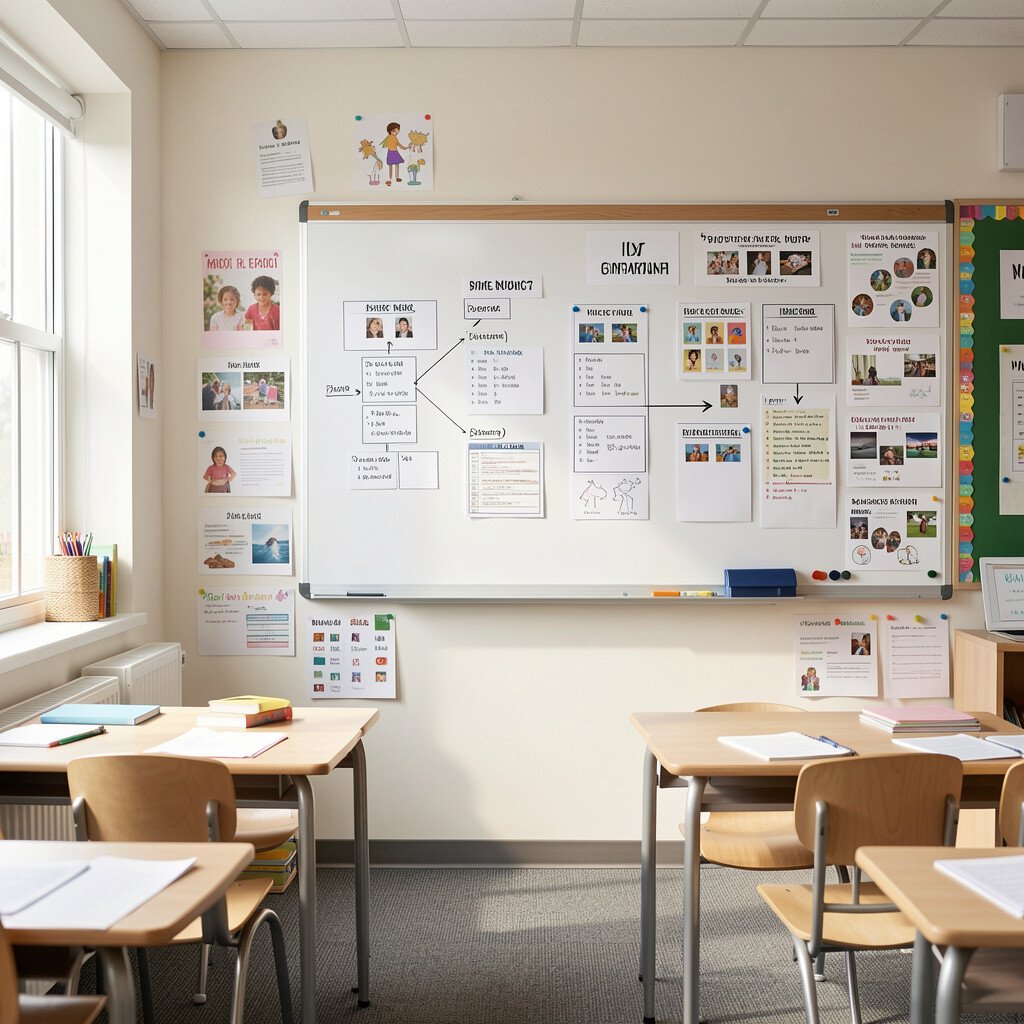
The board is your second voice, so it should be easy to read. A consistent layout reduces confusion and helps students follow along step by step.
Choose a routine such as agenda on one side, learning target in a corner, and work examples in the center. Keep markers, erasers, and highlighters in the same tray so you do not hunt mid-lesson. This creates a visual rhythm that benefits students and makes your teaching smoother.
For uniqueness, use color coding that matches your zones, like blue for reading, green for writing, and orange for math practice. If you are on a budget, use colored paper squares taped to the board edges as reminders. Personalization can happen by letting students help place sticky notes under the correct color during the lesson.
10. Stock a Lightweight “Teacher Toolkit” for Quick Fixes
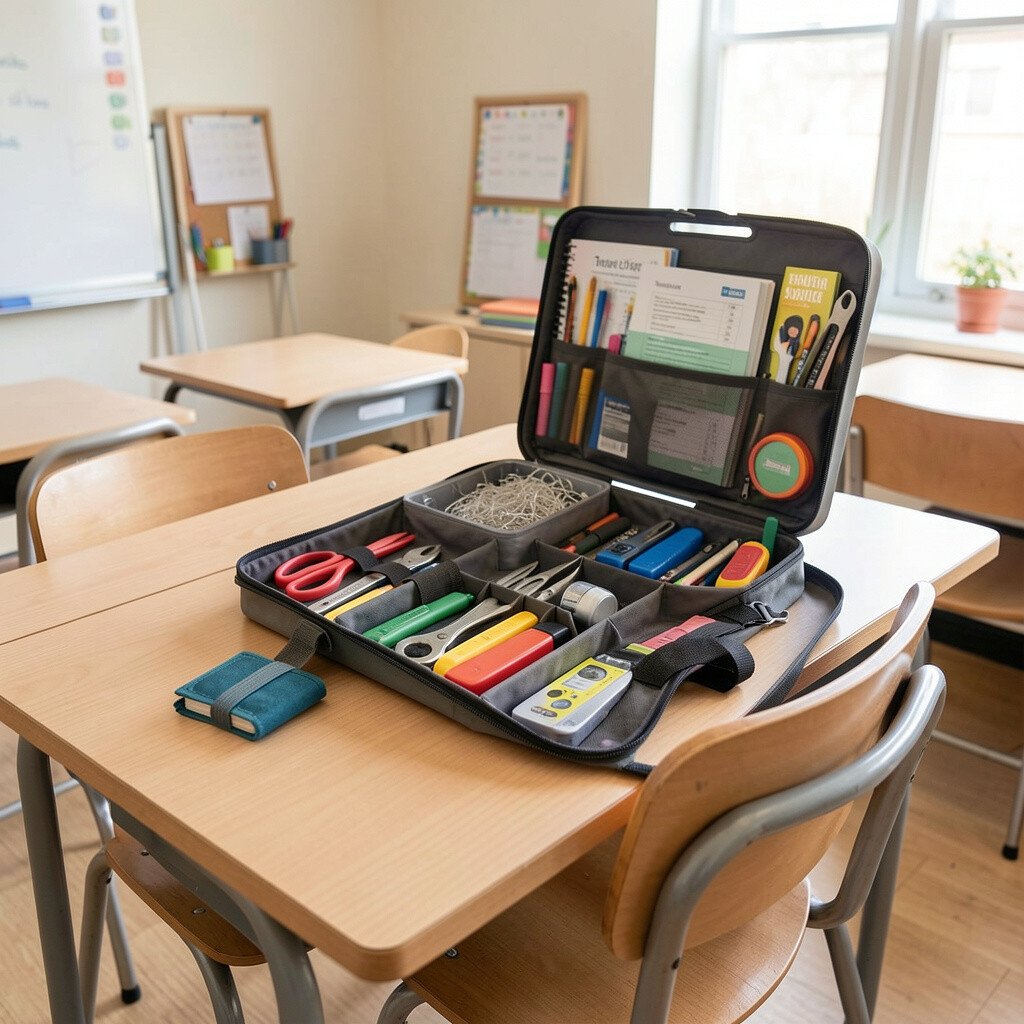
Small problems are easier to solve when your tools are ready. A toolkit keeps you from pausing learning again and again.
Keep a small cart or shelf with extra pencils, pens, paper scraps, staplers, tape, glue sticks, and a few backup activities. Store common items in labeled envelopes so you can grab them during class without searching. The benefit is immediate, because students stay on task while you handle issues fast.
Make the toolkit unique to your style by including items you actually use, like sentence frames, a timer, and a small set of movement cards. Current classroom trends show that flexible teaching plans reduce stress, and having backups supports that mindset. For cost, start with what you already have and add only the items that run out most often.
11. Plan Movement by Building Micro-Transitions Into the Space

Movement does not have to be loud to be helpful. When the room supports quick resets, students return ready to work.
Add a clear place for quick stretches or “switch tasks” activities, such as a small mat or open space near the wall. Use signals like a soft chime or a hand gesture so students know movement is part of the routine, not a disruption. The benefit is focus, because students get a brief body break that helps their brains reset.
Personalize micro-transitions with student input, like choosing a stretch theme connected to current units. If budget is tight, use simple cue cards and create movement routines with body-only actions. This also aligns with current interest in movement breaks that support attention and social-emotional learning.
12. Arrange Technology So Students Can Work Without Waiting
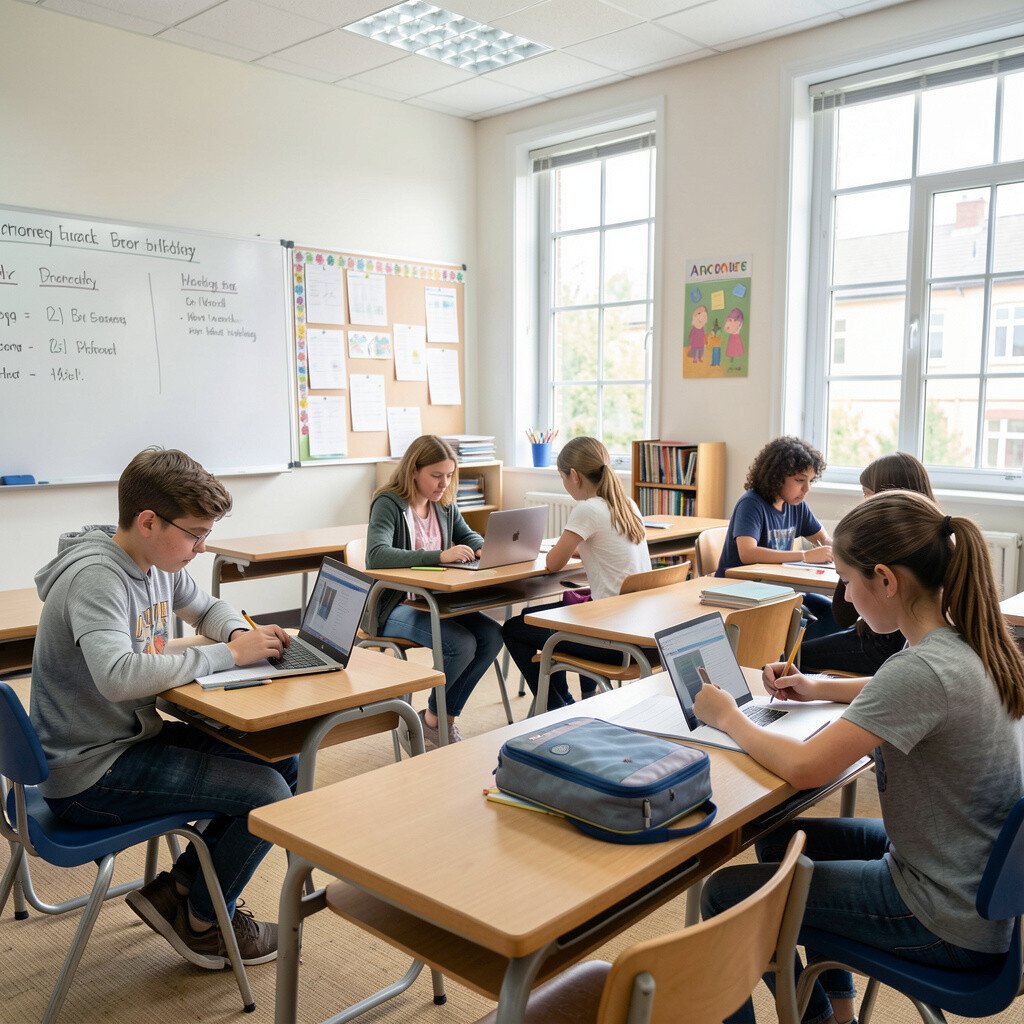
Technology can either unlock learning or slow it down. Smart placement helps students use devices confidently and keep momentum.
Create a predictable tech flow, such as chargers at one station, headsets in a labeled basket, and clear laptop spots. When students know where devices go and how they get started, waiting time shrinks and productivity grows. Students benefit because they spend more time practicing and less time troubleshooting.
Make the setup unique by using short, visual login steps posted next to the charging area. For cost considerations, focus on organization first, then add high-quality accessories later when you see repeat needs. Personalization can be as simple as student-created device rules that sound like them and feel fair to follow.
13. Use a Routine for Classroom Clean-Up That Teaches Care
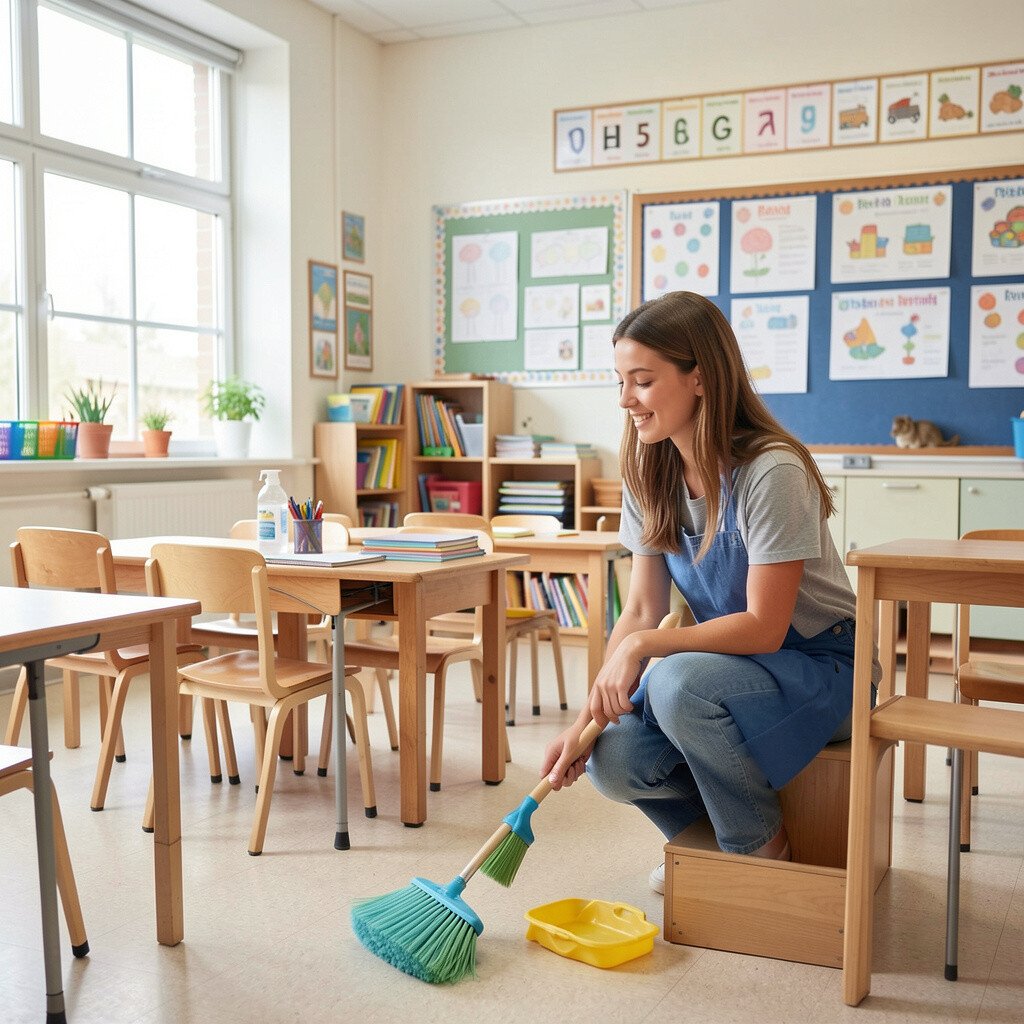
Clean-up can feel boring, but it can also be meaningful. When students help, the room becomes a shared space worth caring about.
Set up a simple end-of-class routine using stations for papers, materials, and chairs. Use a calm timer and a clear sequence so students know what comes first, second, and last. The benefit is responsibility, because students practice organization skills while the classroom stays ready for the next group.
Make it unique by turning clean-up into a team challenge with roles like supply check and floor sweep, then rotate roles weekly. If you are cost-conscious, rely on what you already own and add a few labeled bins with masking tape. Personalization can happen when students decorate the role cards with their favorite colors, making the routine feel like theirs.