
A small stair space can still feel stylish and calm. When you plan carefully, the stairs can look like part of your home’s personality.
With the right choices, even a tight corner can become a smooth, safe route upward. Today you’ll see practical ideas that fit real homes and real budgets.
1. Narrow Tread Steps With Bright Lighting
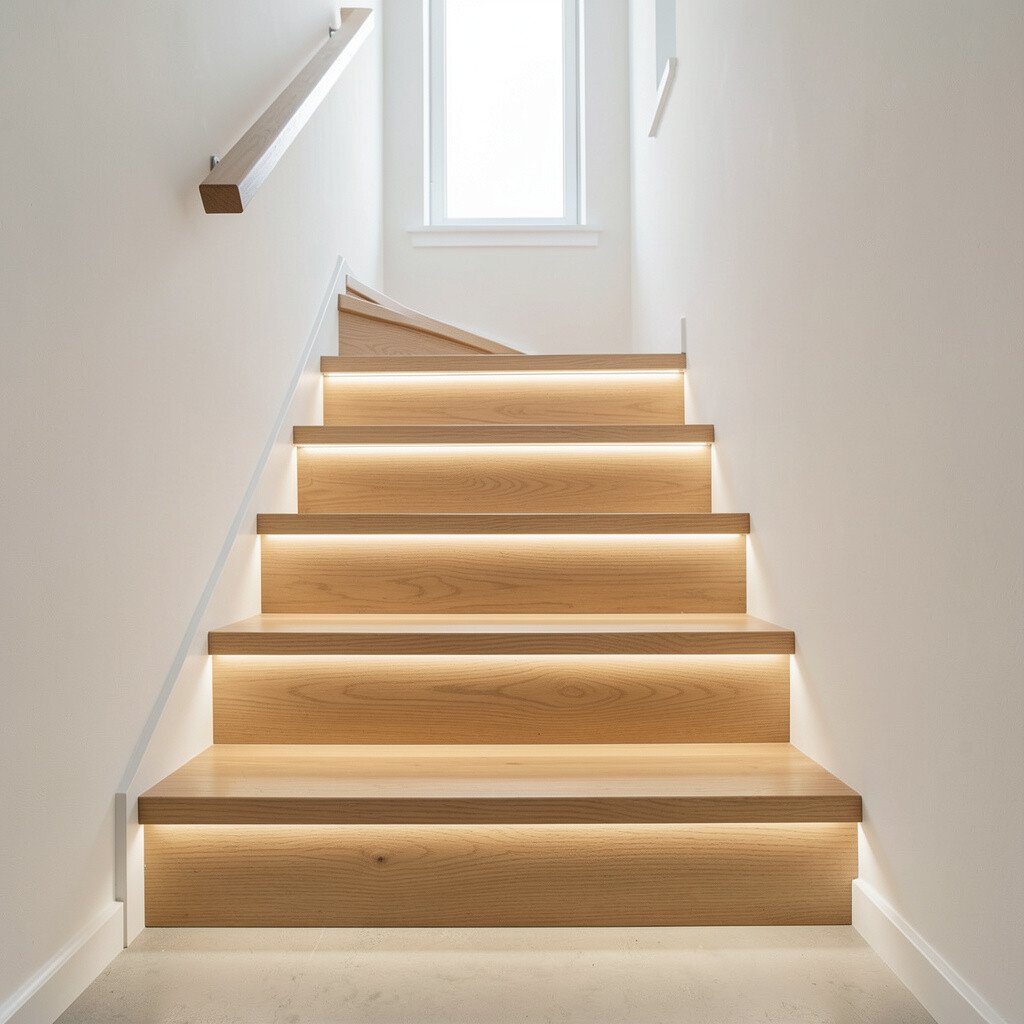
Picture slim steps that look crisp and airy, especially when light hits them from the side. You can use warm LED strips along the wall so each rise feels clear and inviting.
Bright lighting also makes small areas feel bigger, because shadows soften instead of piling up. Choose slip-resistant tread materials and keep edges slightly contrasty for easy visibility. If you rent, consider plug-in rail lights or battery strips to test the look before any work.
2. Floating Steps That Keep the Floor Feeling Open
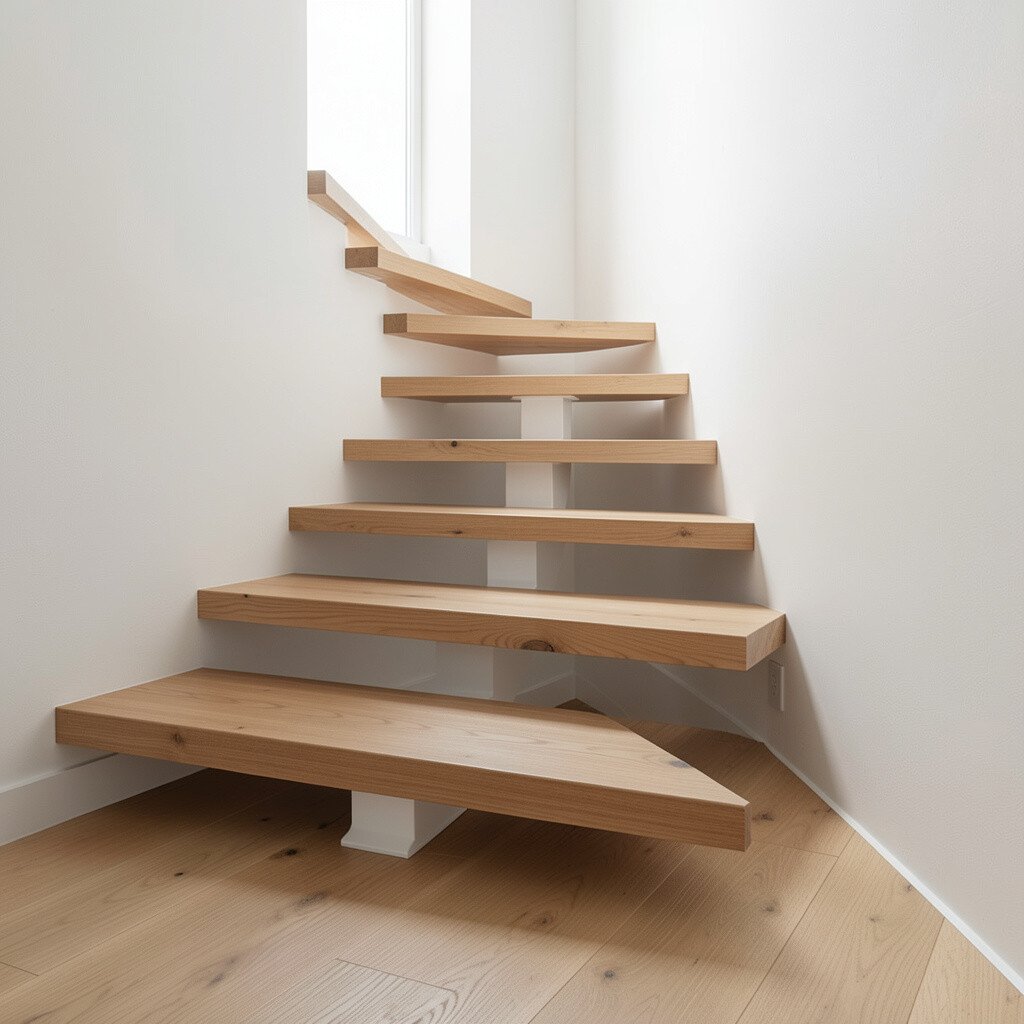
Floating steps feel like they are gently lifting off the wall, which is great for narrow hallways. You can see more of your floor, and that open look helps a small landing feel less crowded.
They also make cleaning simpler because dust and crumbs have fewer hidden pockets. For safety, make sure each step is securely anchored and use a finish that grips underfoot. Pair the wall with a light color so the steps become a clean focal point.
To personalize the style, stain the treads in a wood tone you already use in the room. In current home design, warm minimalism is popular, so simple lines often feel fresh. For cost, floating systems can vary, so price hardware and installation early and decide what you can DIY safely.
3. Staircase With a Built-In Storage Reveal
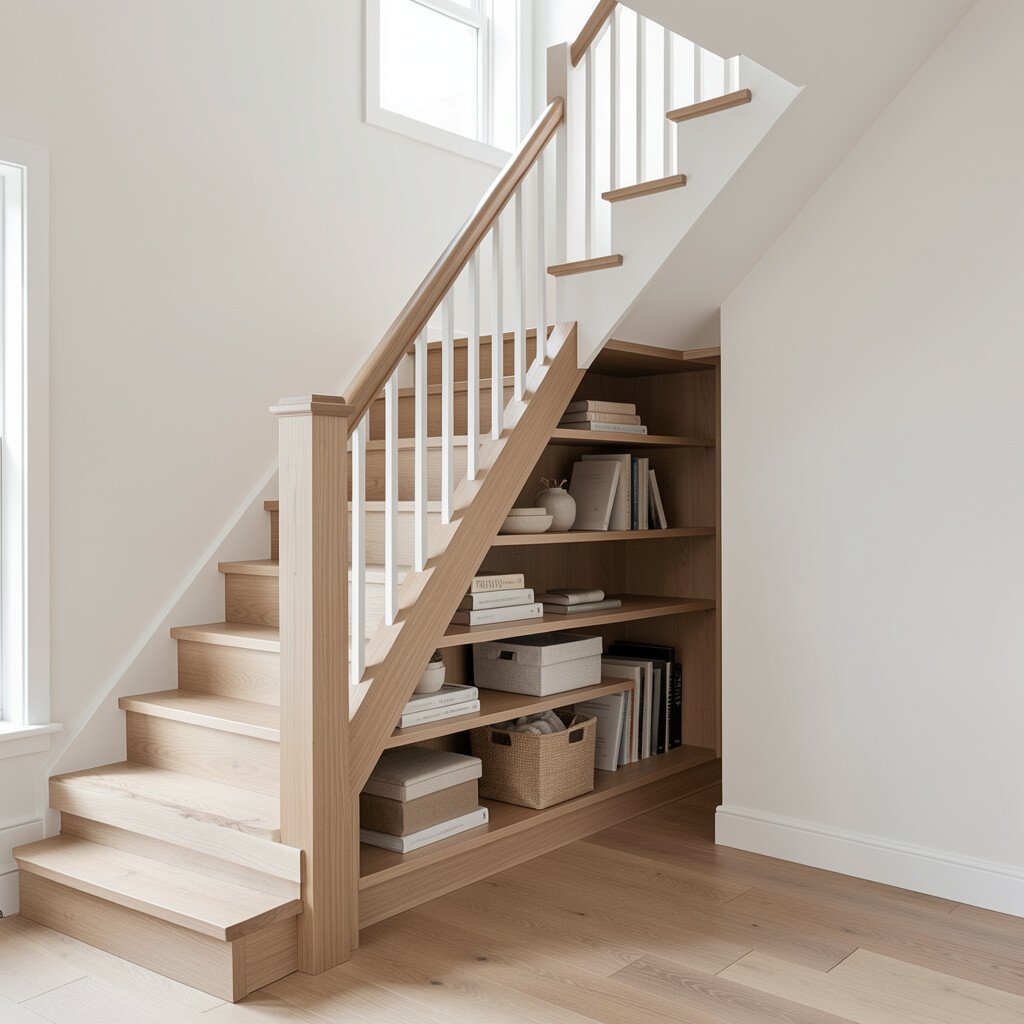
Imagine every step adding a little function, like shallow drawers tucked into the risers. In a tight space, storage under stairs can replace a bulky cabinet and keep the area tidy.
The visible benefit is fewer clutter piles near the stair, which makes movement safer and calmer. You’ll also save time because shoes, bags, and small items have a home right where you need them.
If you want uniqueness, choose drawer fronts in a different texture, like matte wood with a smooth painted frame. Keep the system personal by placing labels for family use, or leave it open for seasonal items. Budget-wise, you can build partial storage in only the steps you use most, reducing cost while still gaining function.
4. Curved Side Rail for a Softer Look
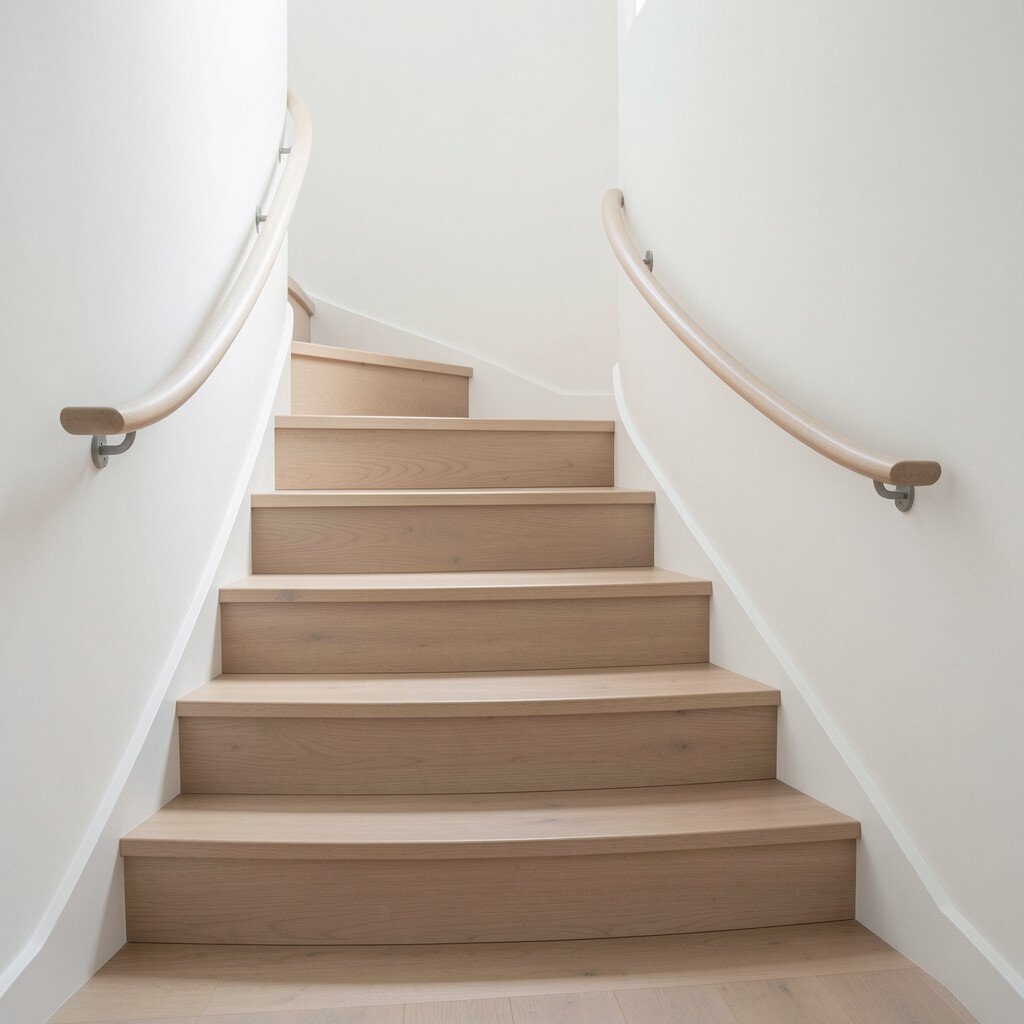
A curved side rail instantly softens the whole staircase, especially when the room feels tight. It can guide your hand smoothly and make the path feel more comfortable.
This choice also helps your stair look custom, because the rail shape feels like a design detail, not an afterthought. Try a light wood rail or a powder-coated metal in a gentle tone so it doesn’t dominate the space.
5. Cantilevered Steps With a Wide Landing Pause

Even if your stair is short, you can create a sense of breathing room with a landing that feels slightly wider than expected. When steps project outward, the area feels purposeful and less cramped.
A wide landing pause improves comfort, because you can stop and turn without squeezing. It also helps with moving items like laundry baskets, which matters more than people think.
For personalization, add a small runner or a textured floor finish that matches the rest of the home. Current trends favor cozy accents over harsh materials, so softer surfaces tend to look welcoming. Cost considerations are real here, so focus funds on high-quality finishes on the landing since that’s what you touch most.
6. Bookshelf Steps for a Cozy Library Wall
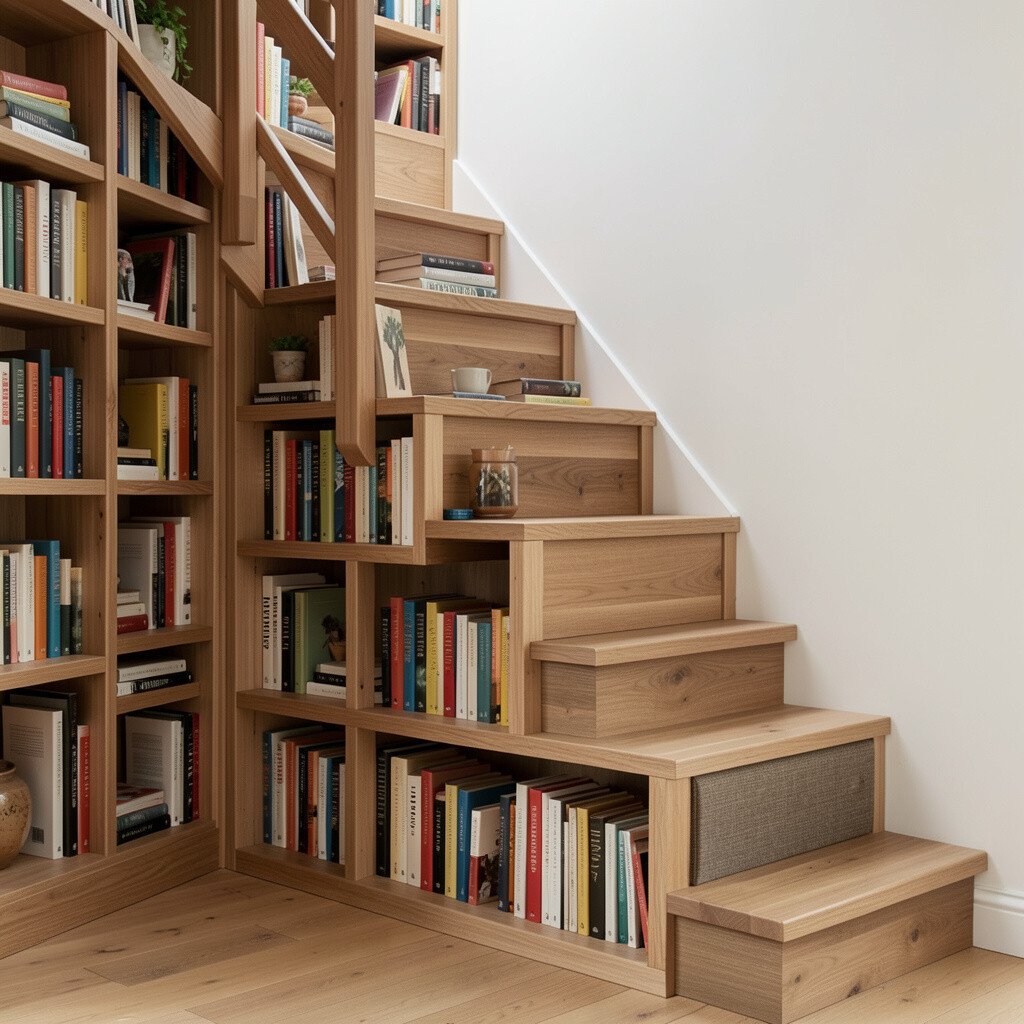
Visualize stairs that double as a bookshelf, where books sit inside each step opening. The wall becomes both a route upward and a reading nook, which feels special in small homes.
This setup brings everyday delight because you notice your shelves each time you climb. It also encourages organization, keeping books close while freeing up floor space.
For a practical approach, use adjustable shelving so you can fit different book sizes over time. Personalize the color by matching the shelf backing to your wall paint, so it looks built-in. When thinking cost, you can start with a simpler design that supports fewer books, then add sections later.
7. Lighter Color Treads for Instant Airiness
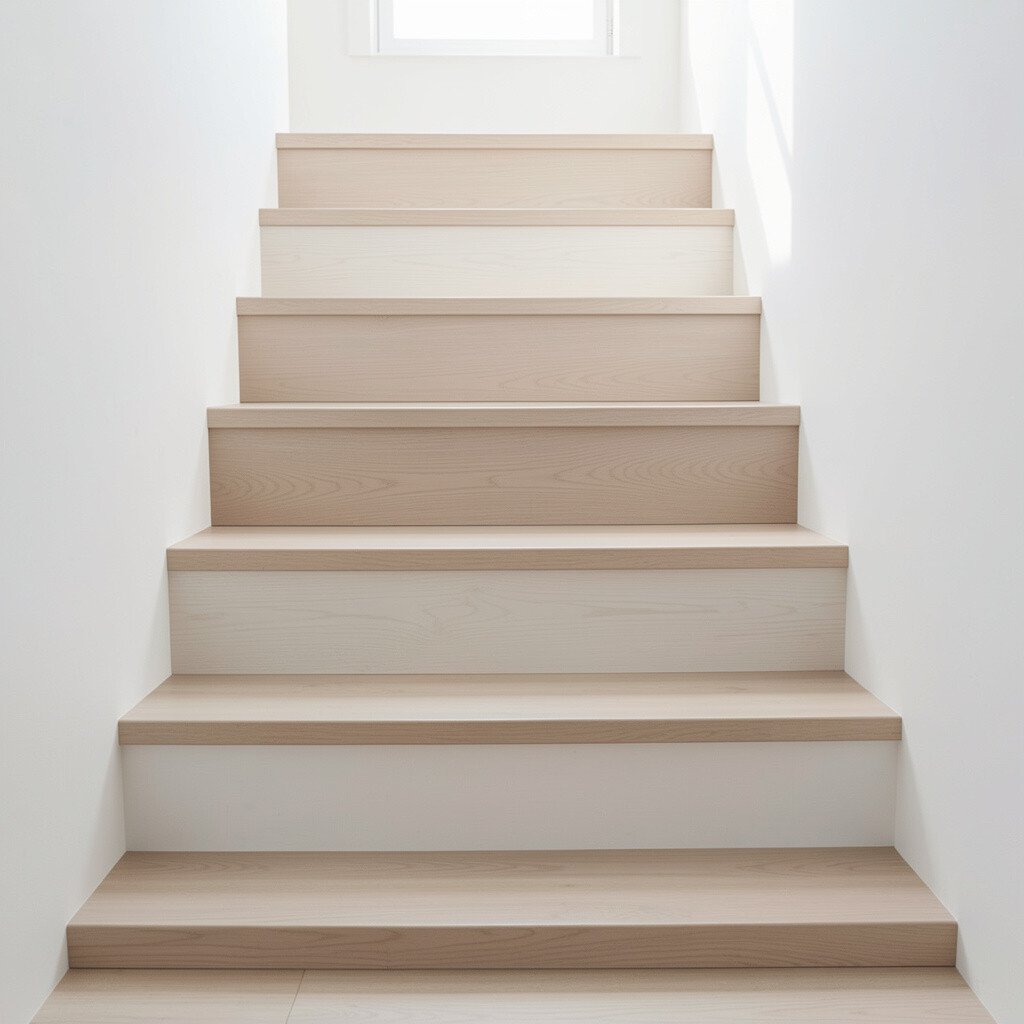
Light wood or pale finishes make steps look clean and calm, especially in rooms with limited daylight. When you choose a light tone, the stair visually blends with the room instead of boxing it in.
This benefit shows up right away in how the space photographs and how it feels in the morning. To keep the look durable, pick finishes designed for wear and use mats or rugs on the riskiest spots.
If you want uniqueness, add a darker strip along the edges for contrast and style. You can also personalize with subtle grain patterns, since natural wood varies in tone. For cost control, look for reclaimed or pre-finished boards that are easier to install without extra finishing work.
8. Step-Like Storage Nook Under a Small Stair
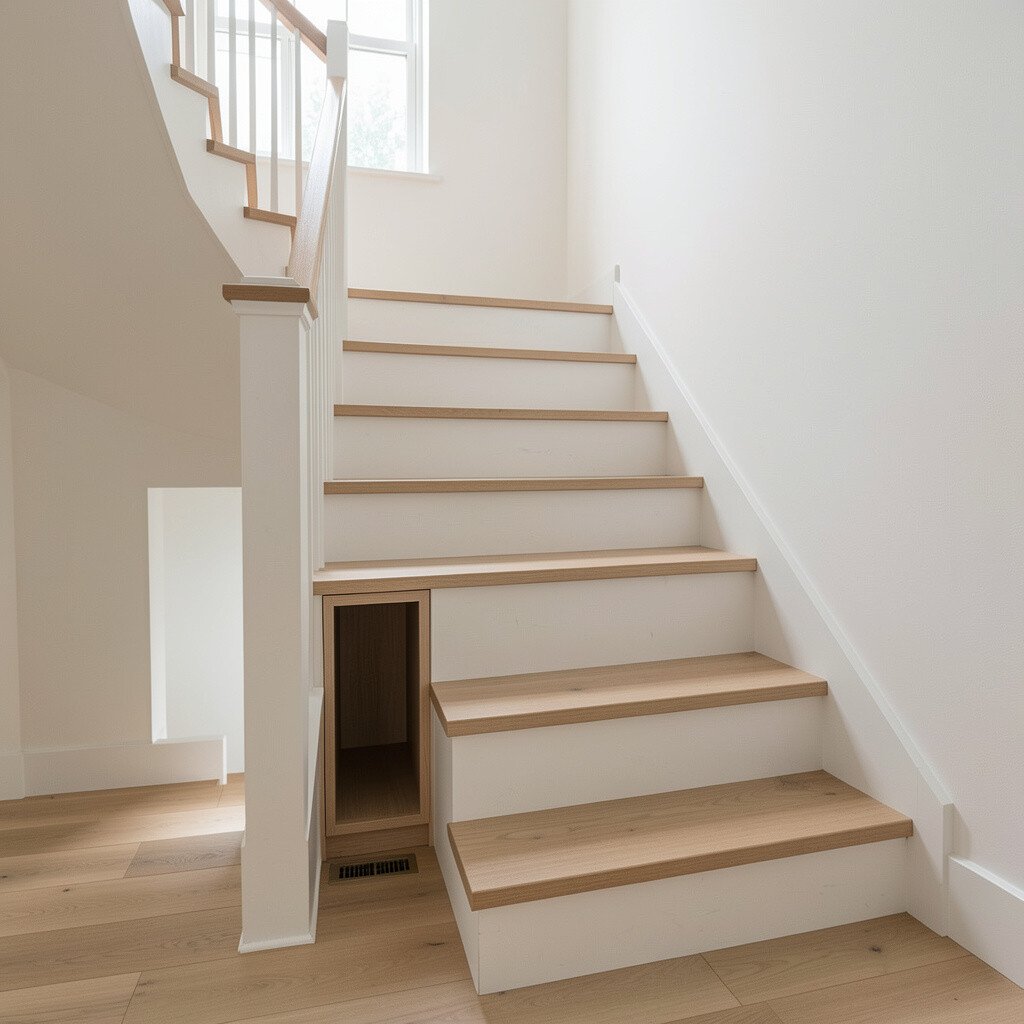
Think of the space beneath your stairs as a friendly hiding spot, not an unused void. You can create step-like platforms that hold baskets, seasonal decor, or cleaning supplies.
This design makes the area feel intentional and helps you keep essentials close. It also makes the staircase safer by reducing clutter that might block your path.
9. Skinny Stair With a Continuous Handrail
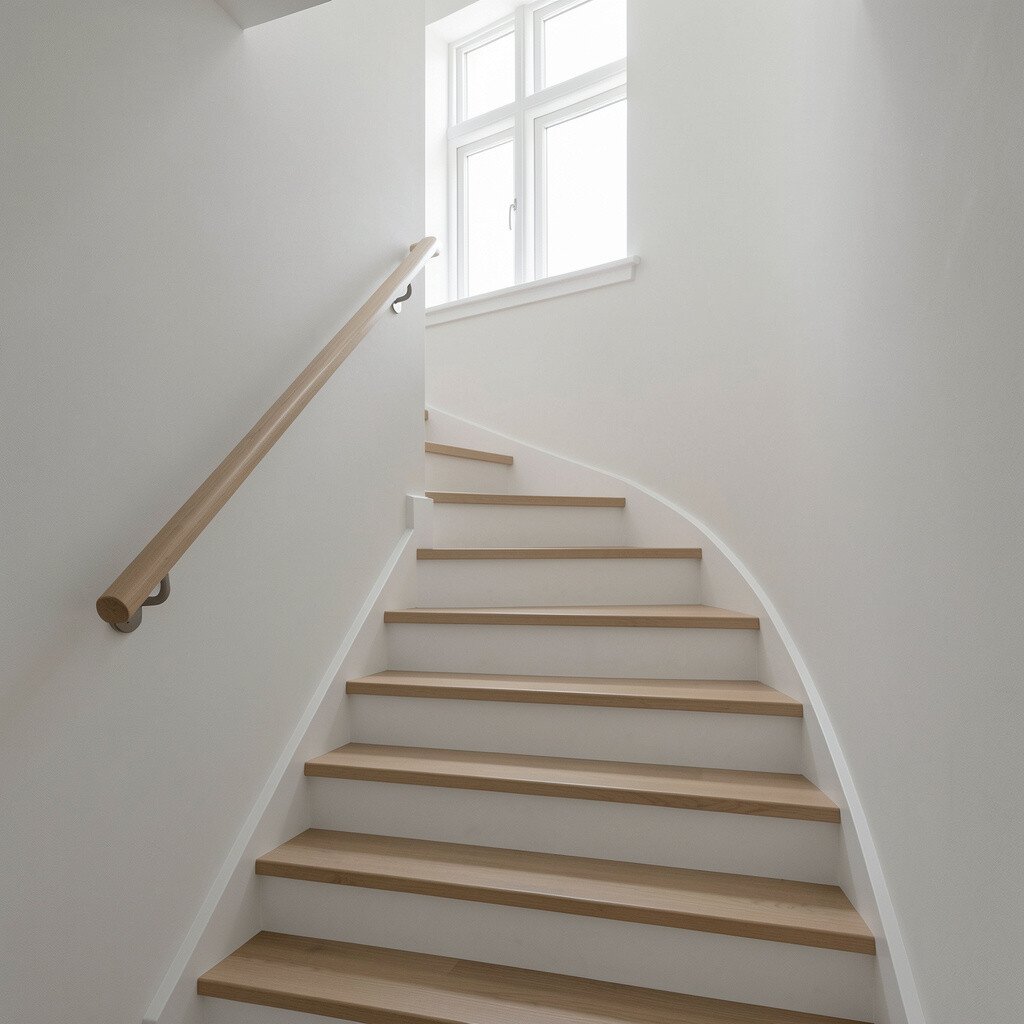
A skinny stair can feel neat and modern when paired with a continuous handrail that runs the full length. That smooth line visually guides you, which is helpful when the steps are tight.
The main benefit is comfort and stability, especially for kids or anyone carrying items. Choose a rail height that matches everyday users and confirm it’s secure into studs or proper anchors.
10. Open Riser Design for Extra Visual Space

Open risers let light pass through, and that floating look can make a small stair feel less heavy. You’ll see the floor beneath, which helps the whole area breathe.
Many people love this look because it feels airy and modern. For safety, use close spacing where needed and consider adding non-slip treatment on the treads.
Personalize the vibe with a wall color that pops, like soft green or warm gray, so the stair becomes a designed feature. Current trends often lean toward airy openness, so open risers can match what you see in newer homes. When thinking cost, this option can be simpler than building full risers, but you’ll still want quality treads for durability.
11. Fold-Down or Pull-Out Step for Occasional Use
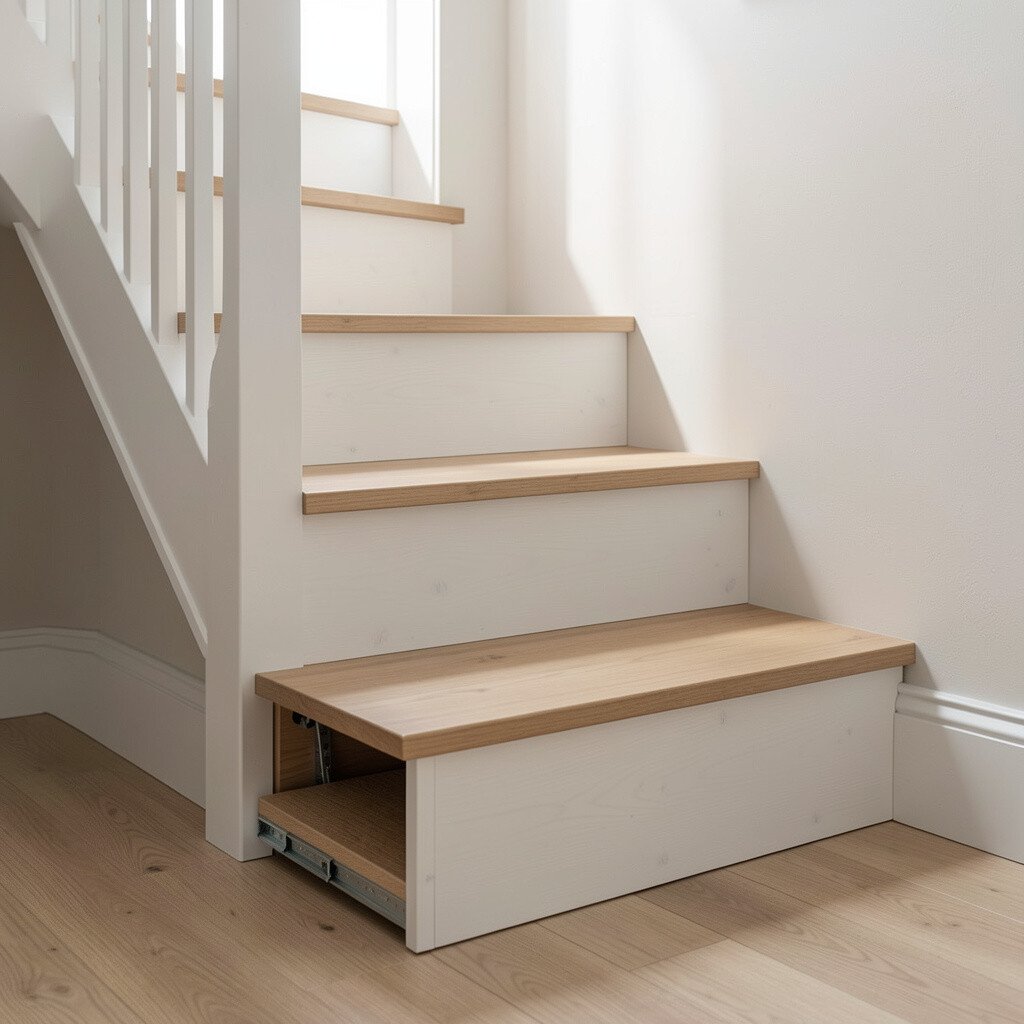
If the stair is only needed sometimes, a pull-out step can make the space smarter. Picture a hidden stair that slides out when you need it and tucks away when you don’t.
This can be perfect for attic access or a loft in a small room. It also keeps your floor clear, which is a big win when space is limited.
To personalize, choose a finish that matches your cabinetry so it doesn’t look out of place when stored. Make the practical part easy by placing good lighting where the step unfolds. Cost varies by mechanism, so compare parts and installation needs before committing.
12. Textured Runner on Treads for Grip and Style
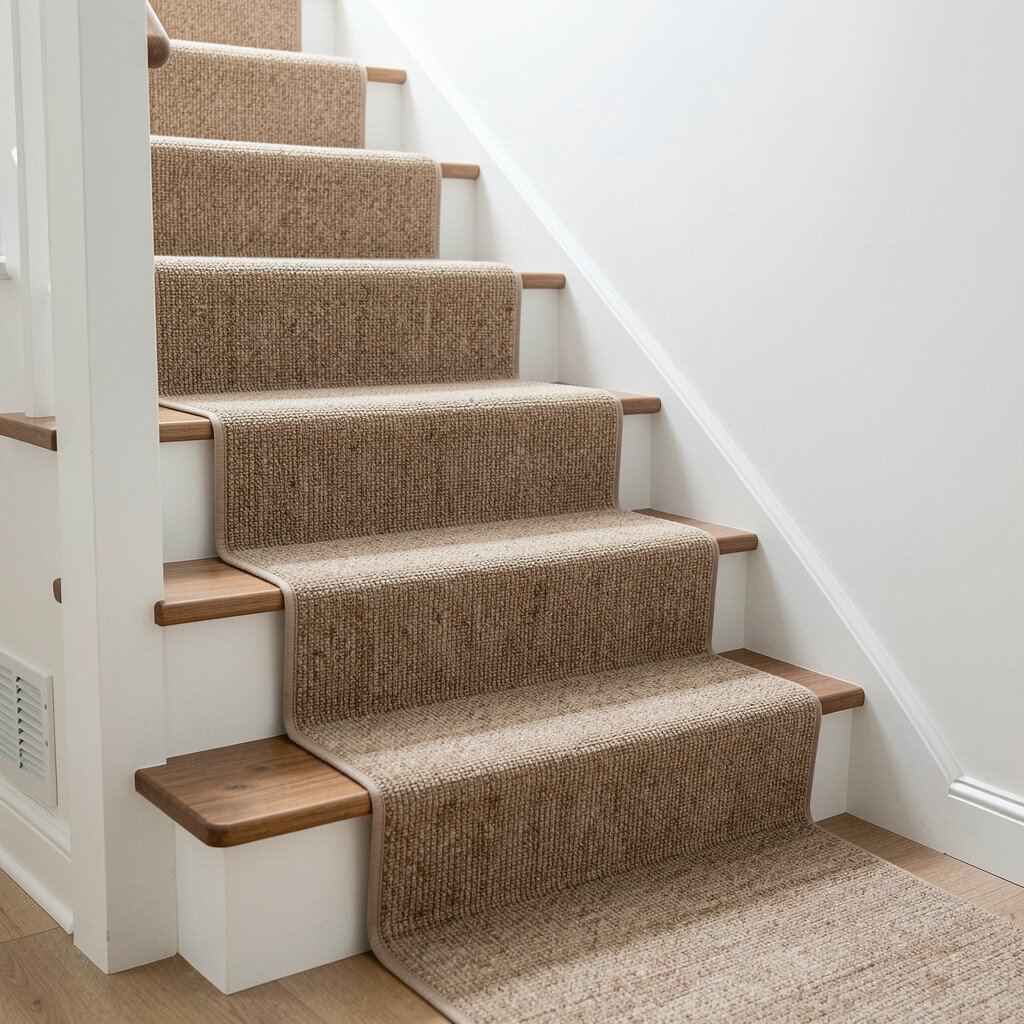
A runner placed across the treads can instantly change the look while improving safety. You’ll see a soft texture underfoot, and that comfort can make stairs feel less intimidating.
This benefit goes beyond looks, since grip helps prevent slips in busy households. Choose materials that shed less lint and are easy to vacuum so the stair stays neat.
For uniqueness, use a pattern that echoes your room’s decor, like subtle dots or gentle stripes. You can personalize with a color that shows your style, but keep it coordinated with walls and rail finishes. In terms of cost, runners are often more budget-friendly than replacing treads, so they’re a great way to upgrade quickly.
13. Corner Stair With a Clean Wraparound Wall Finish
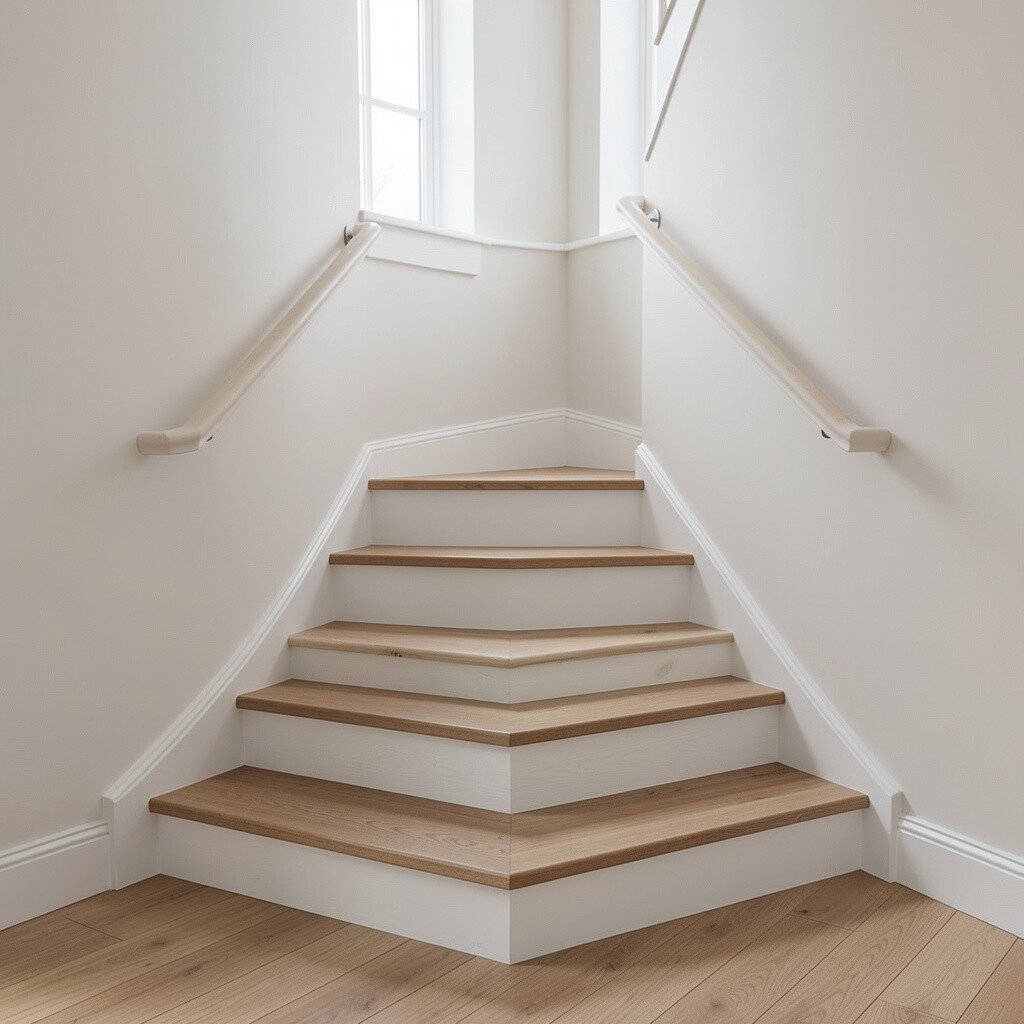
In a corner, stairs can feel dramatic when you wrap the surrounding wall with a consistent finish. Imagine smooth paint, matching trim, and a continuous rail that curves with the room.
This layout can make the stair feel like it belongs, not like it was squeezed in. It also helps with practical flow, because the corner design can reduce wasted space around doors.
To personalize, add a small ledge near the middle step for a plant or photo frame. Keep trends in mind by pairing matte paint with warm metals, which is popular right now. Cost considerations are mostly about finishing work, so plan your paint, trim, and rail materials early for a smoother budget.
14. Small Stair With a Glass Panel for a Light Screen
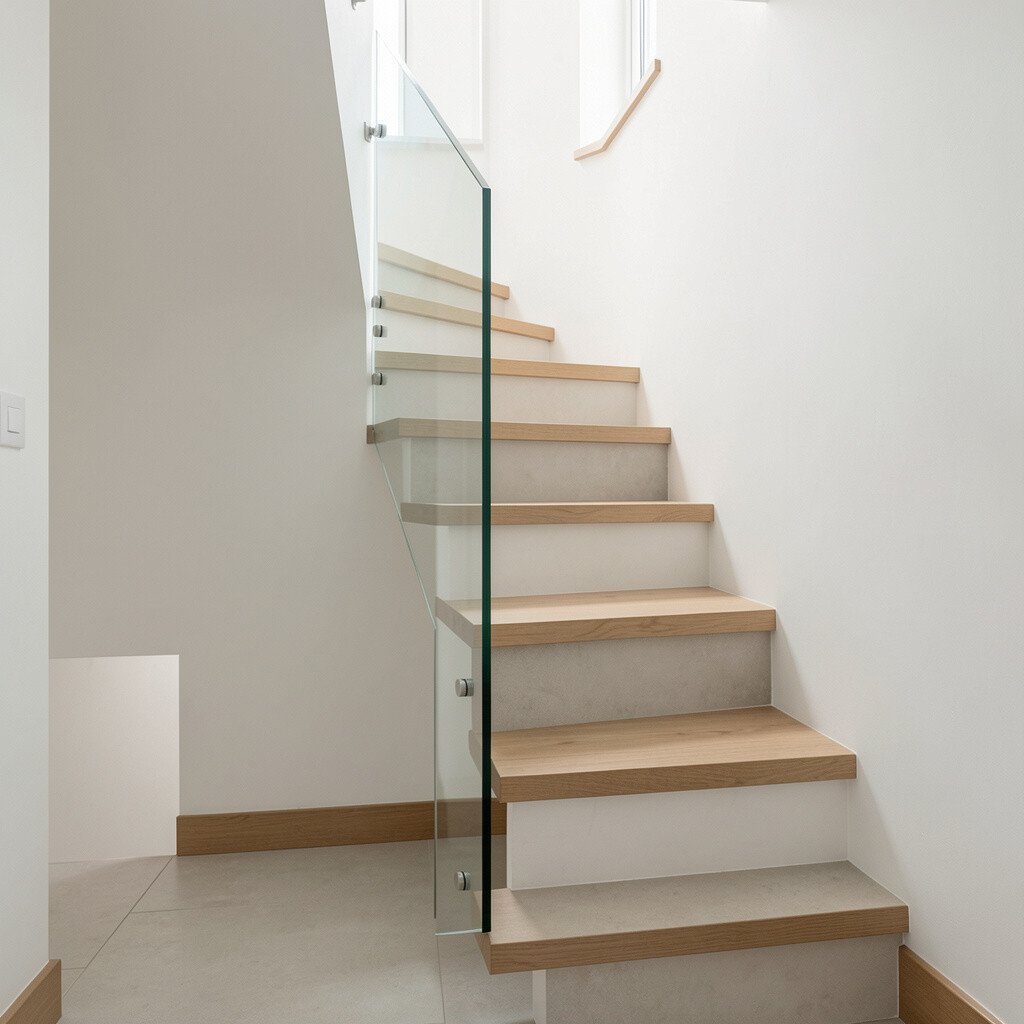
A glass panel beside a small stair can make the area feel open while adding a modern edge. Picture clear or lightly frosted glass that lets light travel and keeps lines neat.
The benefit is that you gain visual separation without closing off the space. It can also help with safety by adding a barrier near the handrail area.
For personalization, choose frosted sections for privacy or subtle etching patterns for character. If you have kids or pets, consider tempered glass and a durable frame for long-term peace of mind. Cost can be higher due to hardware, so you may start with a simpler panel size and expand later if needed.
15. Stairs With Color-Blocked Treads Using One Accent Shade
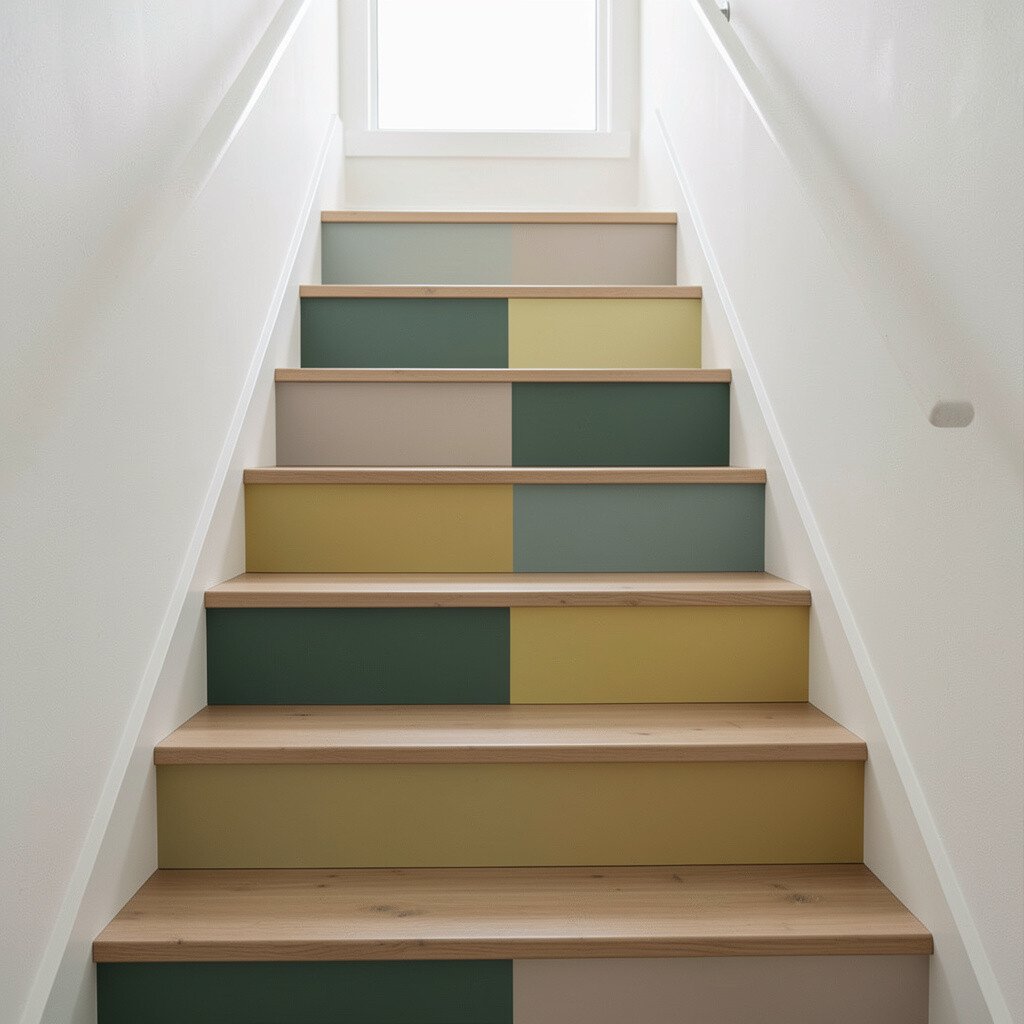
Color-blocked treads are a fun way to add character to a small stair while staying organized. Imagine most steps in a neutral finish, then one accent shade appearing on every other step for rhythm.
This approach helps the stair feel unique without becoming messy. It also supports practical visibility, because contrasting blocks guide your eyes as you move up and down.
To personalize, select the accent color from something you already own, like a rug or curtain tone. Current trends love confident pops of color, especially when paired with clean, simple lines. For cost considerations, painting existing treads can be cheaper than replacing them, but use a strong floor-rated paint or finish.
16. One-Step Entry Platform With a Ramp-Friendly Approach
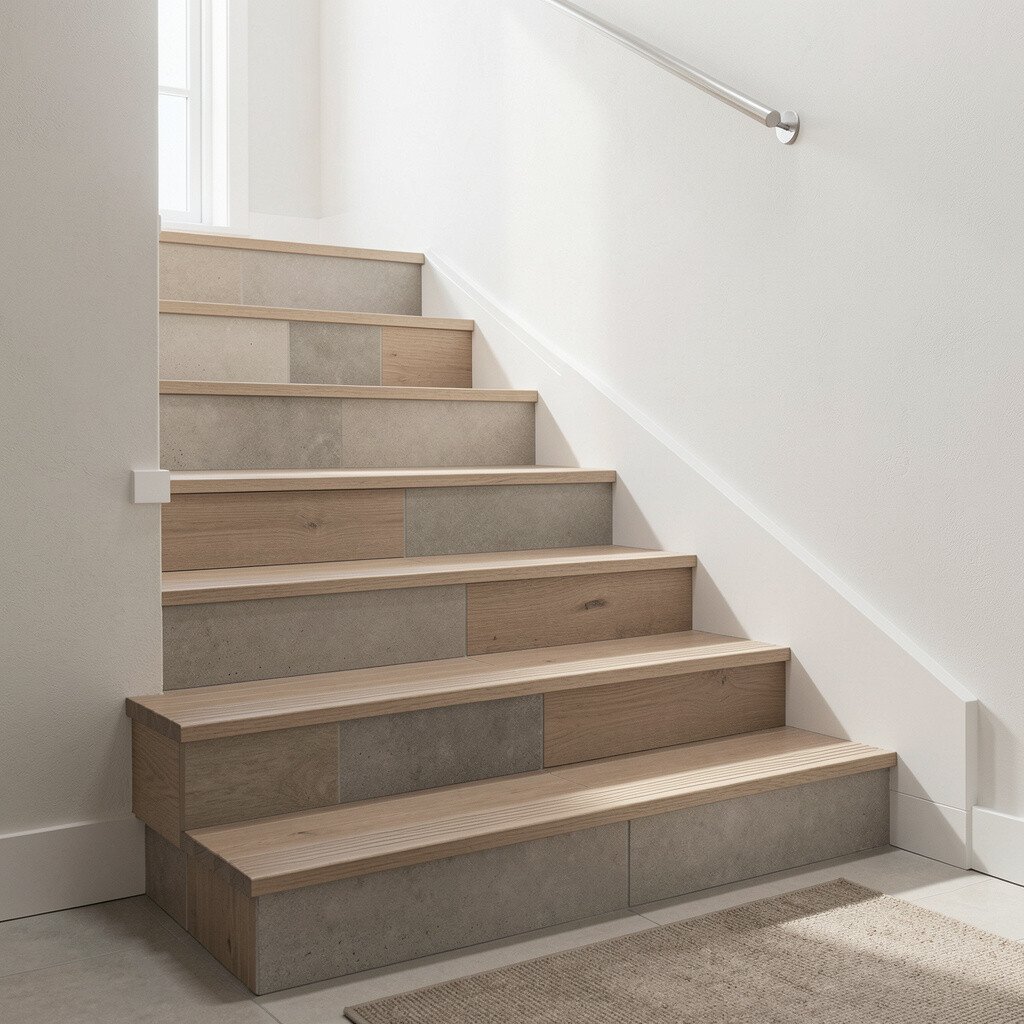
Sometimes you don’t need a full staircase, and a small platform can do the job. Picture a gentle entry step that feels stable, with a layout that supports a ramp-friendly path when needed.
The benefit is accessibility and ease, because you can move groceries, strollers, or tools with less effort. It also makes the area feel welcoming to guests who may be carrying things or using mobility aids.
For practical tips, choose a non-slip surface and keep the edges clearly defined. Personalize the platform by adding a matching rail or a small side planter that softens the hard lines. Cost can be controlled by focusing on sturdy materials for the surface while keeping rail design simple and aligned with your room style.