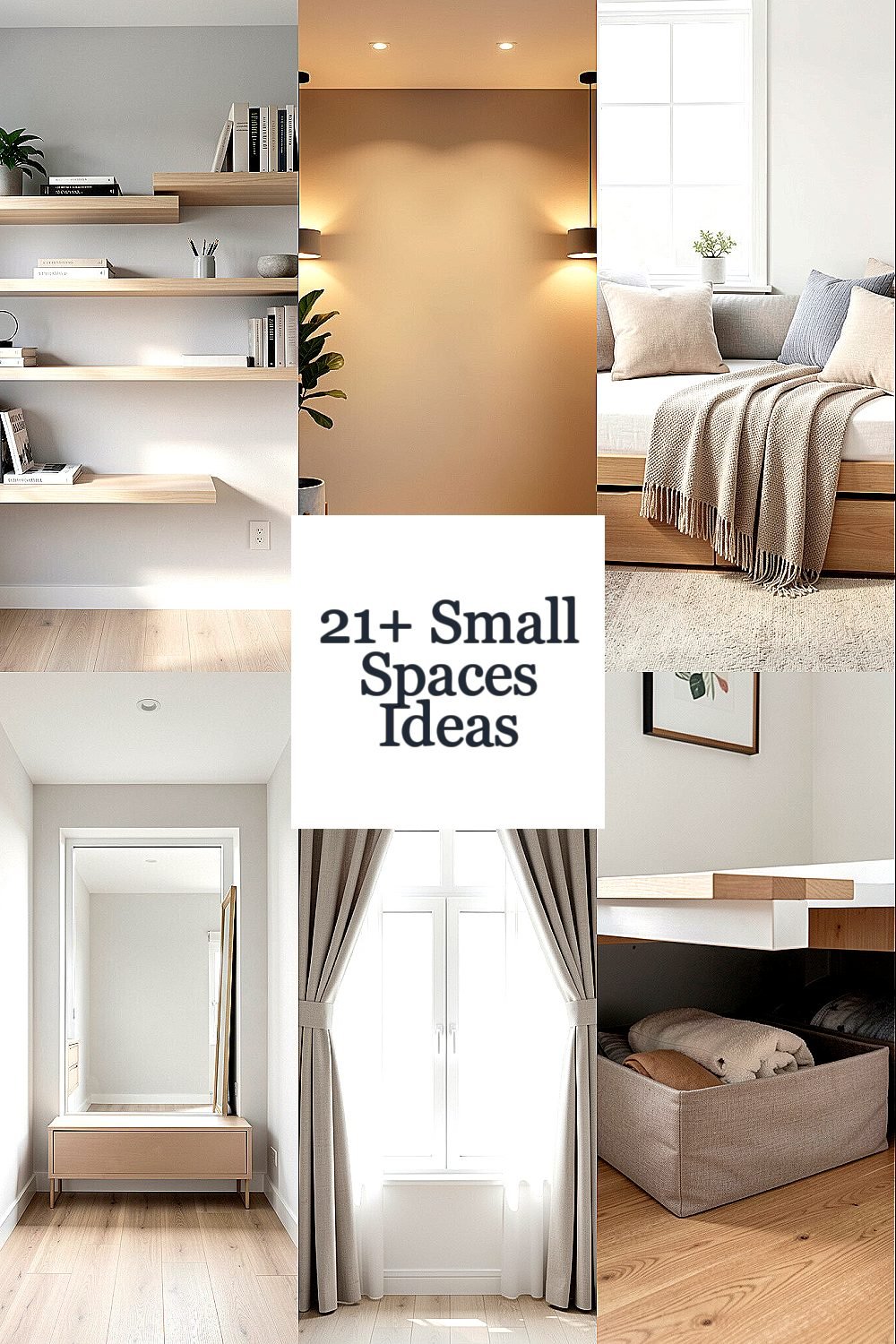
A tiny room can still feel welcoming and calm. The trick is using space in ways that look good and work hard.
When you treat every corner like a chance for comfort, your home starts to breathe. You’ll end up with a place that feels personal, not cramped.
1. Float-Effect Shelving That Looks Lighter
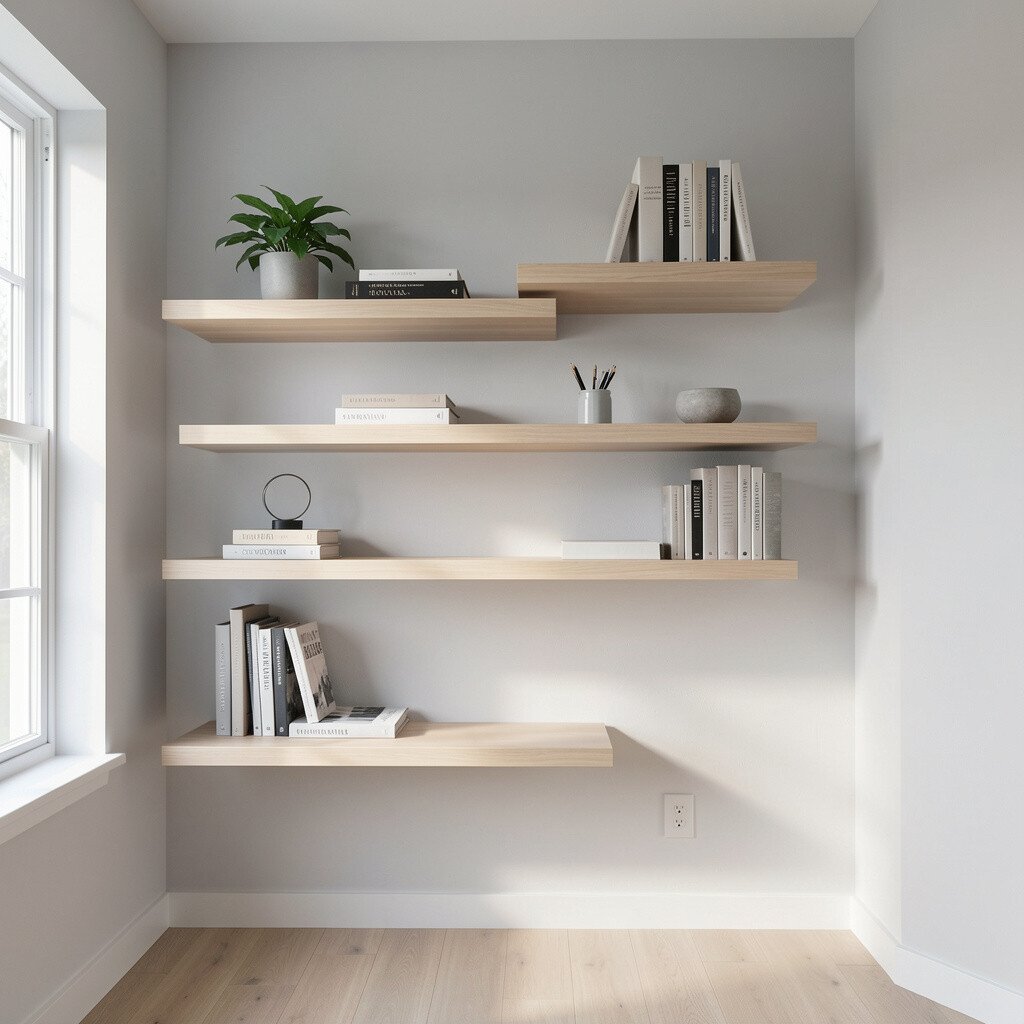
Instead of heavy bookshelves, use slim shelves mounted close to the wall so they feel like they are hovering. In the right light, your space looks airy while still showing off your favorite reads and mugs.
Choose narrow widths and strong brackets, then anchor the shelves into studs for safety. Keep the front edge neat and leave small gaps so the wall doesn’t feel crowded.
For a cozy touch, place warm-toned items up front, like a small framed print and a soft ceramic piece. If you live in a rented home, consider freestanding wall shelves that can be moved later.
2. Layered Lighting With Warm, Flattering Glow
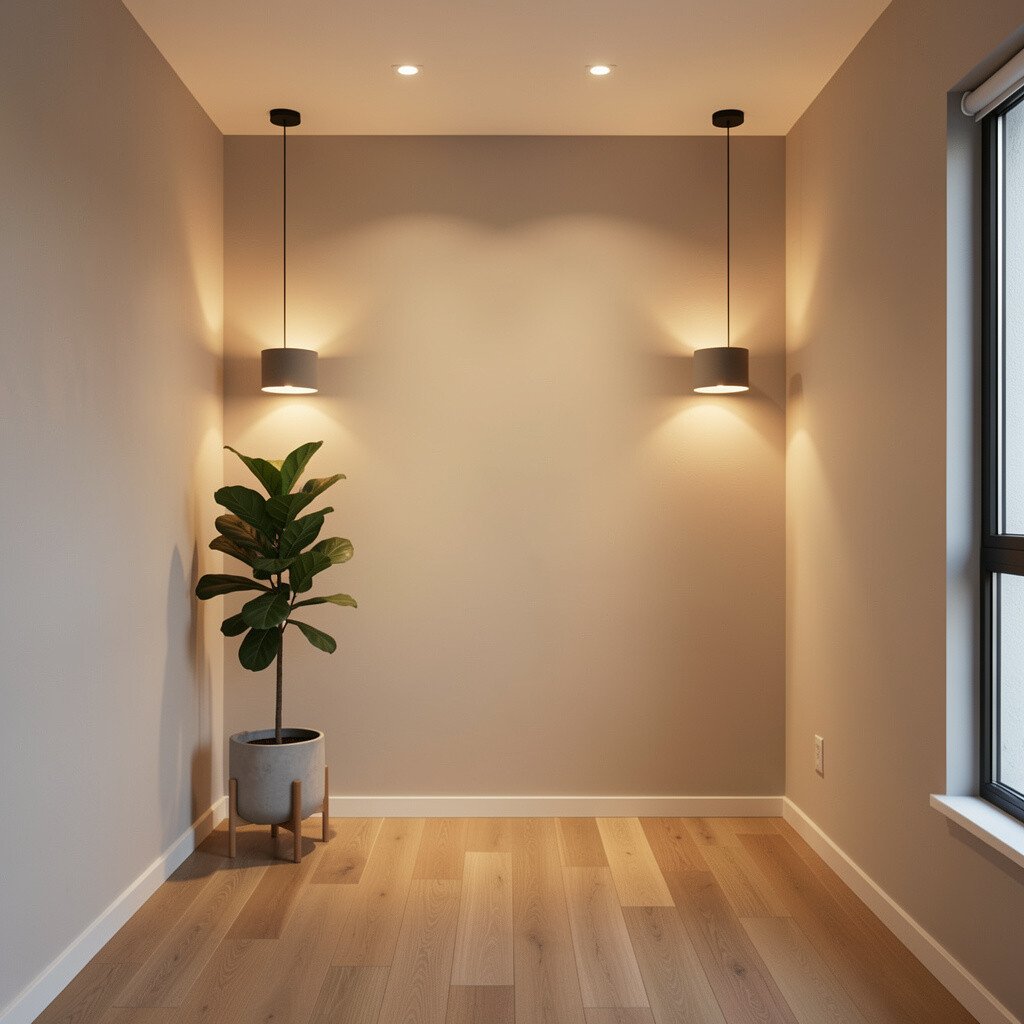
Good lighting can make even a studio feel soft and friendly. Try a mix of a small ceiling light, a warm lamp, and a subtle light source near where you relax.
Look for bulbs labeled warm white, and aim for dimmable fixtures when possible. This trend of “scene lighting” is popular because it lets you match the mood without changing the whole room.
Place one light at eye level and another lower by a chair or bed so shadows don’t make corners look deeper. You can personalize the look with shades in fabric or textured glass that add a cozy feel.
3. A Daybed That Doubles as a Seating Zone
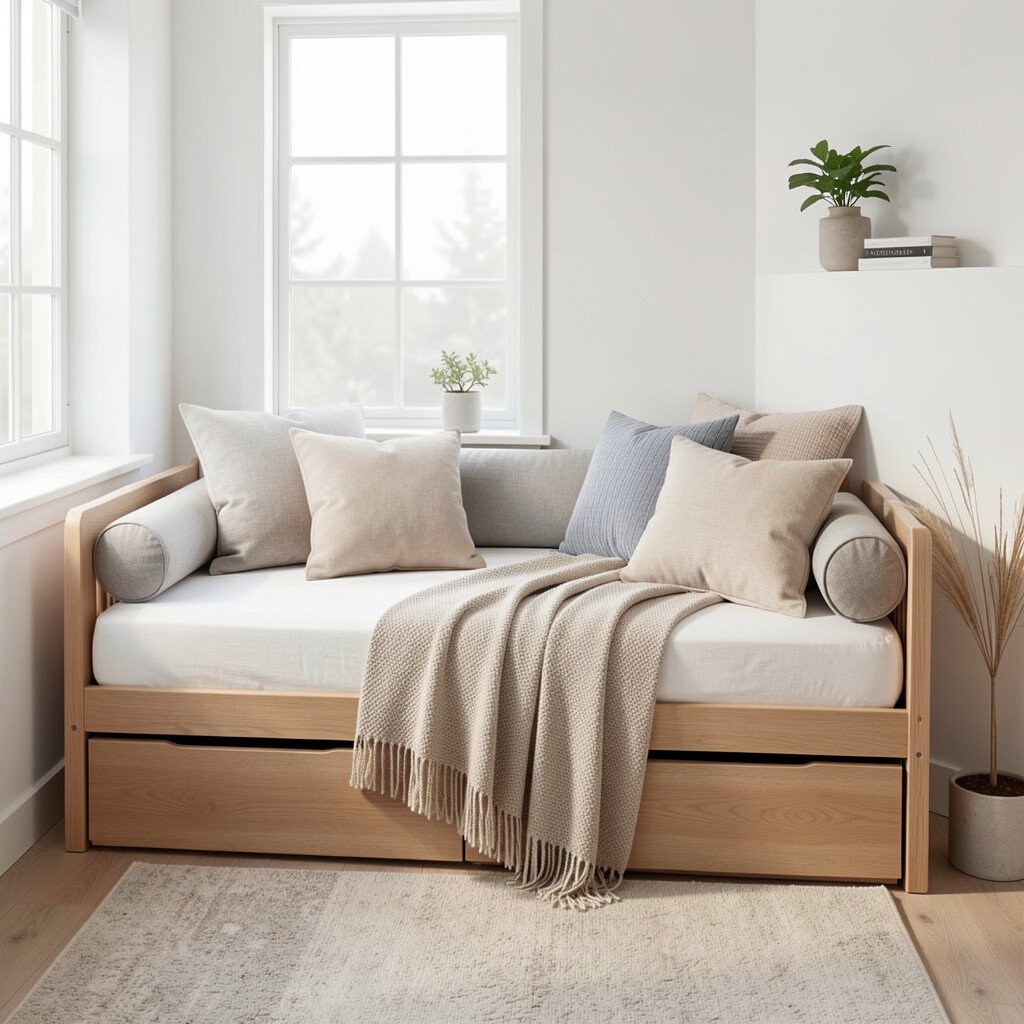
A daybed can handle lounging, reading, and overnight guests without taking over the room. When you style it like a sofa during the day, it visually softens the space.
Pick a coverlet in a calm color, then add two or three throw pillows for a lived-in look. Choose storage drawers beneath if your layout allows it.
Cost matters, so weigh a daybed with built-in storage against separate bins that you might buy later. If you want a budget route, look for secondhand frames and invest in new cushions.
To personalize, add a removable cover you can switch by season so the room always feels fresh. You can also hang a small curtain behind it to create a gentle “room within a room” feeling.
4. Mirror Placement That Makes Walls Feel Deeper
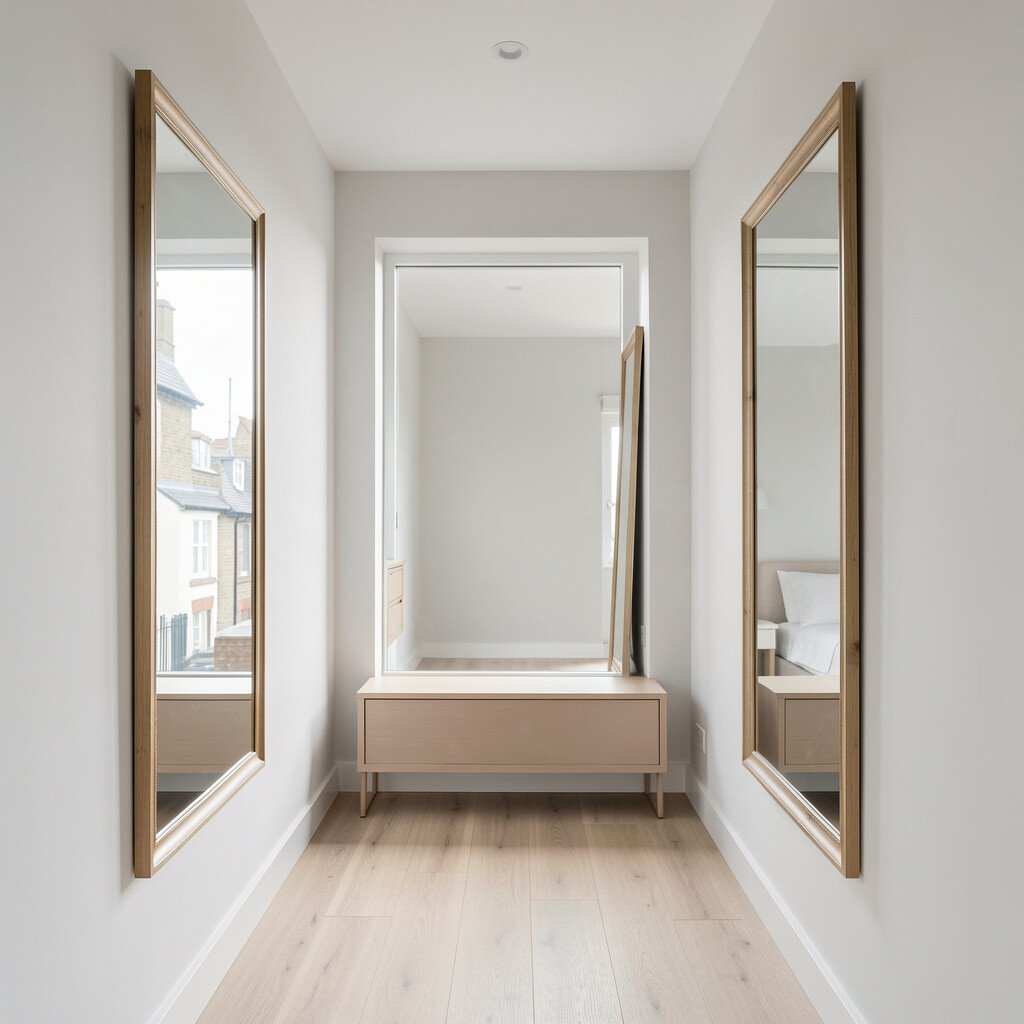
A well-placed mirror can make a small room feel larger without adding extra furniture. It also bounces light, so the whole area looks brighter and calmer.
Try hanging a tall mirror across from a window, or angle a smaller one near your reading spot. Use a frame that matches your decor so it feels intentional instead of random.
For visual comfort, avoid placing mirrors so they reflect clutter. If you must, organize the reflected area with a simple tray or a closed basket.
If you’re personalizing on a budget, you can repaint an inexpensive frame or add a thin decorative trim. This kind of “smart styling” is trending because it gives big payoff with minimal changes.
5. Curtains That Pull the Ceiling Up
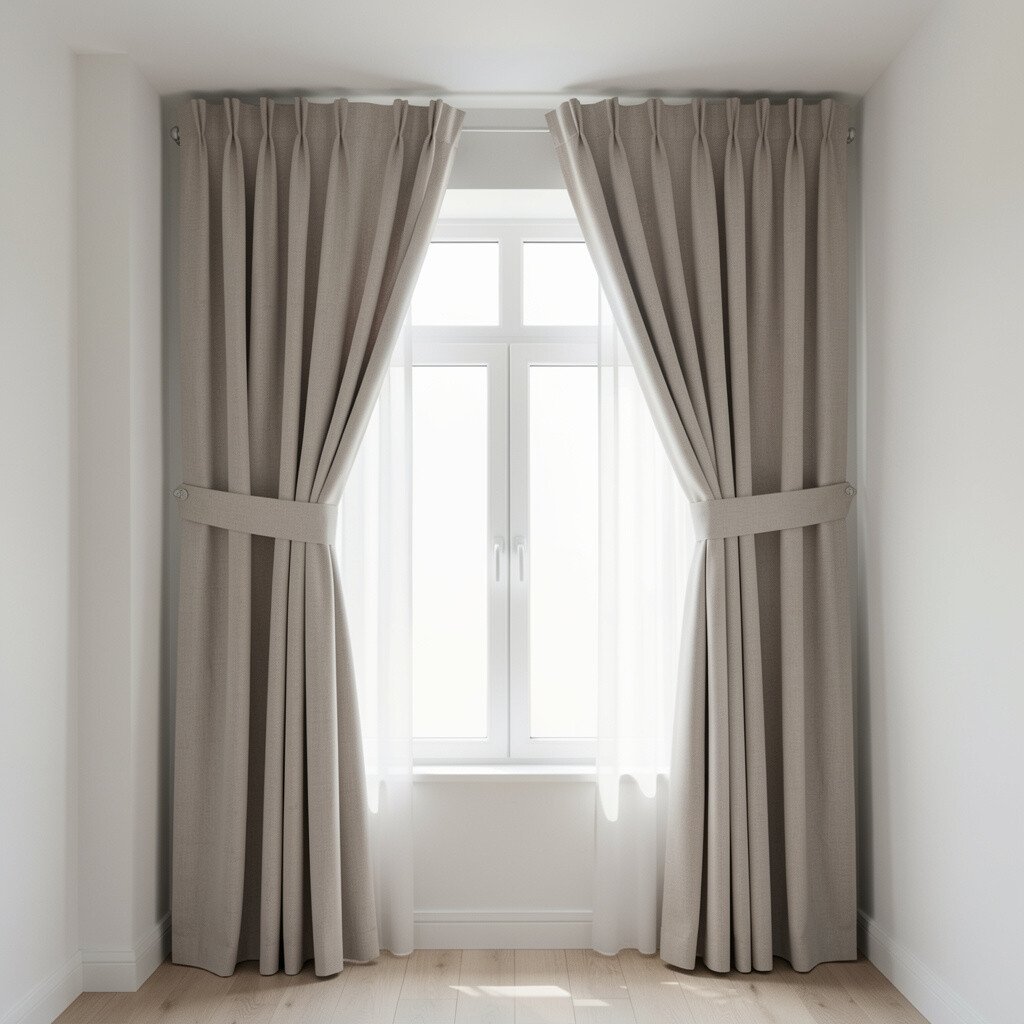
High-mounted curtains can trick your eyes into thinking the room is taller. When fabric falls from near the ceiling instead of sitting at the window sill, the whole space feels lifted.
Choose light-filtering panels for daytime and thicker ones for evening comfort. This practical shift helps with both privacy and sound, which matters in tight homes.
For cost considerations, you can use fewer panels and still get a full look by selecting wider fabric. If you love patterns, pick one bold print and keep the rest simple so the room doesn’t feel busy.
To personalize, add tiebacks in a matching color or swap in a seasonal fabric. People are also trending toward textured linens because they look cozy and hide minor wrinkles.
6. Under-Bed Storage That Actually Stays Hidden
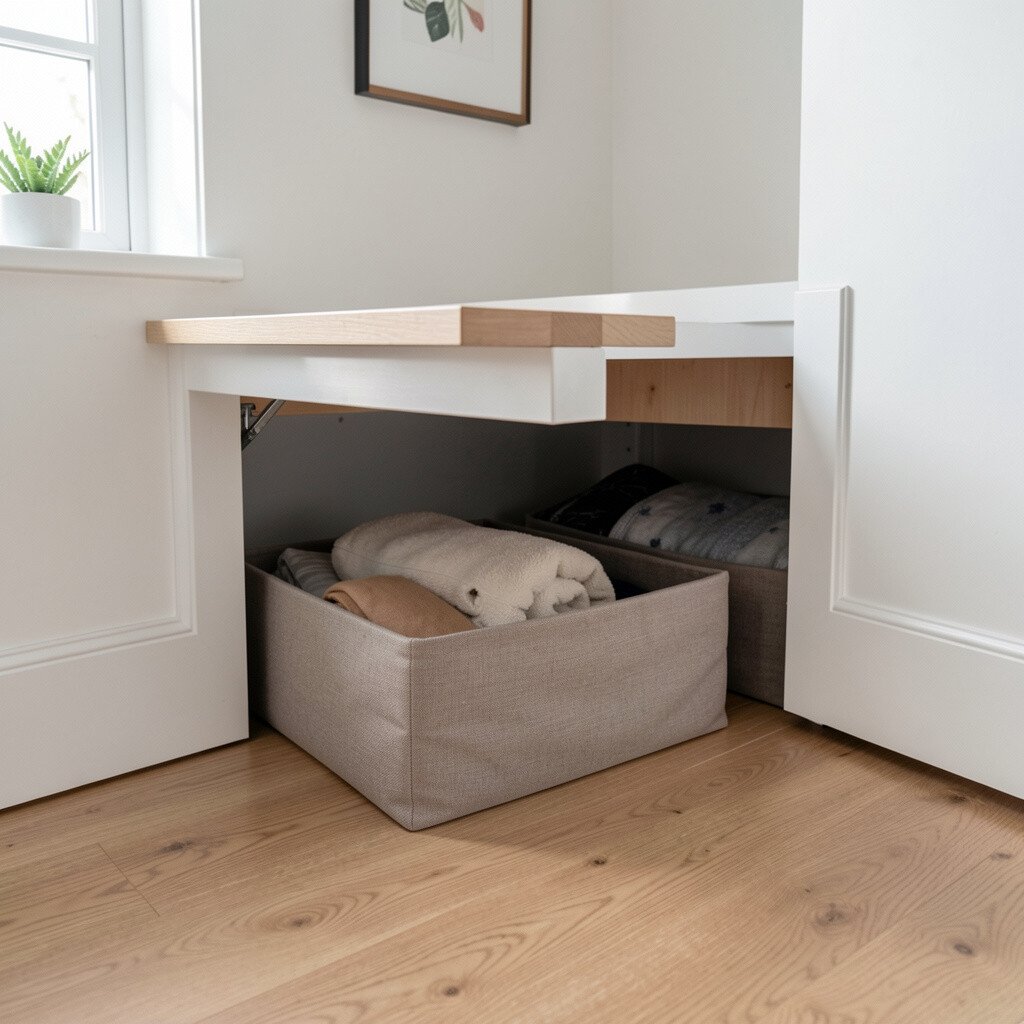
Under-bed storage turns unused space into a tidy system. Slide in bins for seasonal clothes, extra bedding, or bulky items you don’t reach often.
Use low-profile drawers or fabric bags so you don’t waste height. Labeling helps you find things quickly, but keep labels minimal so your room stays calm.
Consider fabric bins in soft neutral colors to keep the look cozy. For personalization, pick bins that match your bed frame tone or add a small fabric accent to tie the room together.
7. Compact Coffee Tables With Lift-Top Options
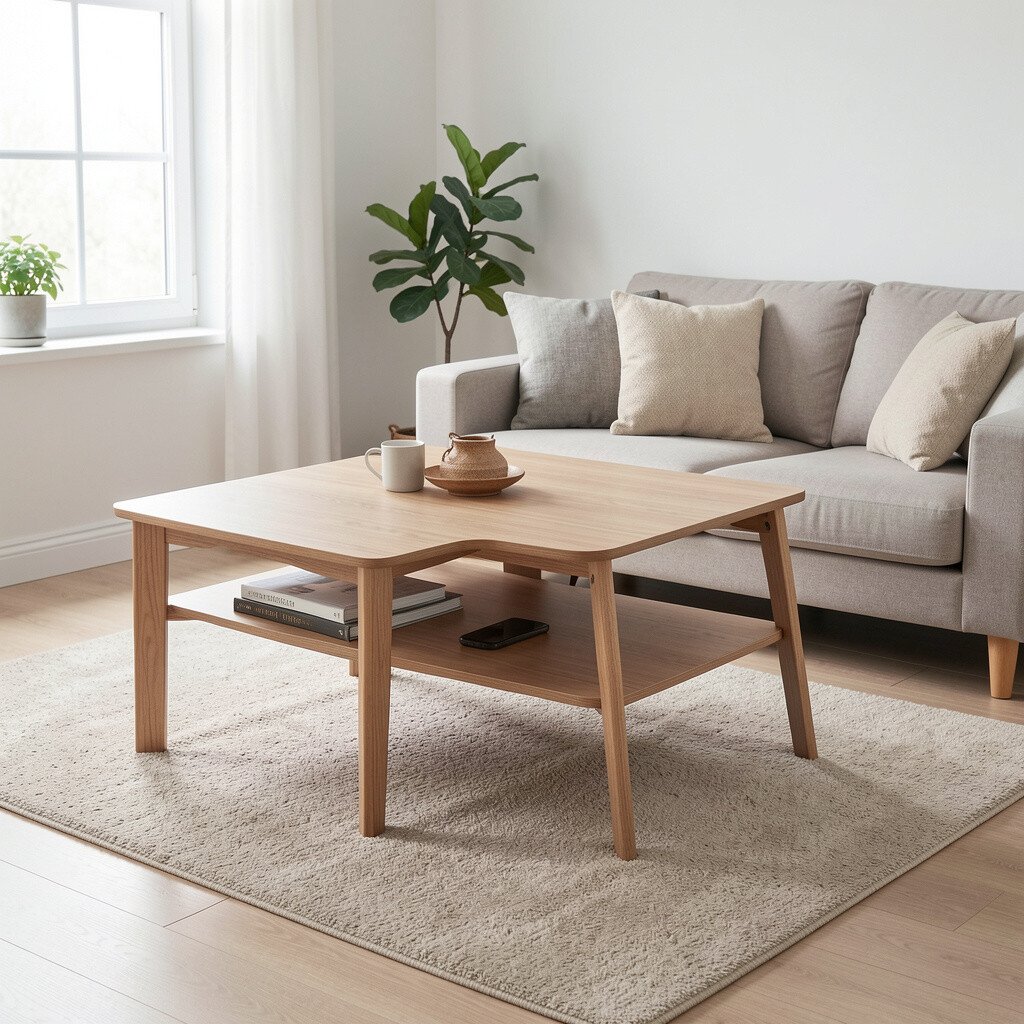
A lift-top table can replace a few items at once because it offers storage and a stable surface for snacks or laptops. When the top lifts, you gain a comfortable work area without needing a desk.
Look for rounded corners to keep the room safer and easier to move around. This small upgrade supports cozy living because it keeps clutter out of sight while you relax.
Cost-wise, lift-top pieces can vary a lot, so shop for a sturdy frame and good hinges first. If you’re on a tight budget, a simple used table with a new top surface can still feel great.
Personalize by choosing a finish that matches your floors, or add a tray so your daily items look styled. This trend of “multi-use” furniture is popular because it reduces visual noise.
8. Built-In-Looking Nooks With Tall Bookcases
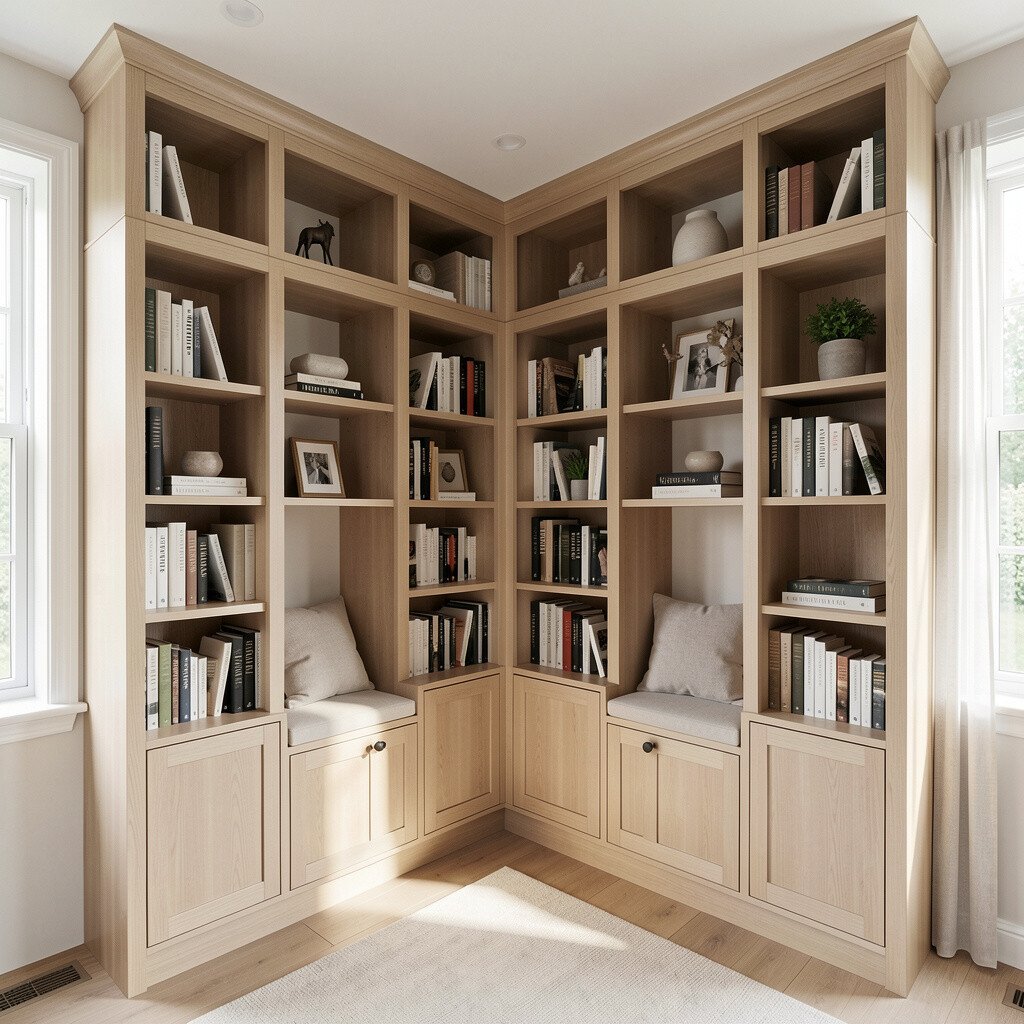
Even if you don’t have real built-ins, you can create the feel of them with a tall bookcase placed in the right spot. A tall, narrow unit helps guide the eye upward and gives structure to the room.
Arrange books vertically and add a few decorative objects like vases or small sculptures so it feels curated. Keep the top shelf simple and let a little negative space show, because that breathing room makes the nook feel intentional.
For practical tips, secure the unit to the wall and keep heavy items on lower shelves. If you have a small floor area, choose a slim depth model so you don’t block walking paths.
9. Cozy Rugs That Define Spaces Without Walls
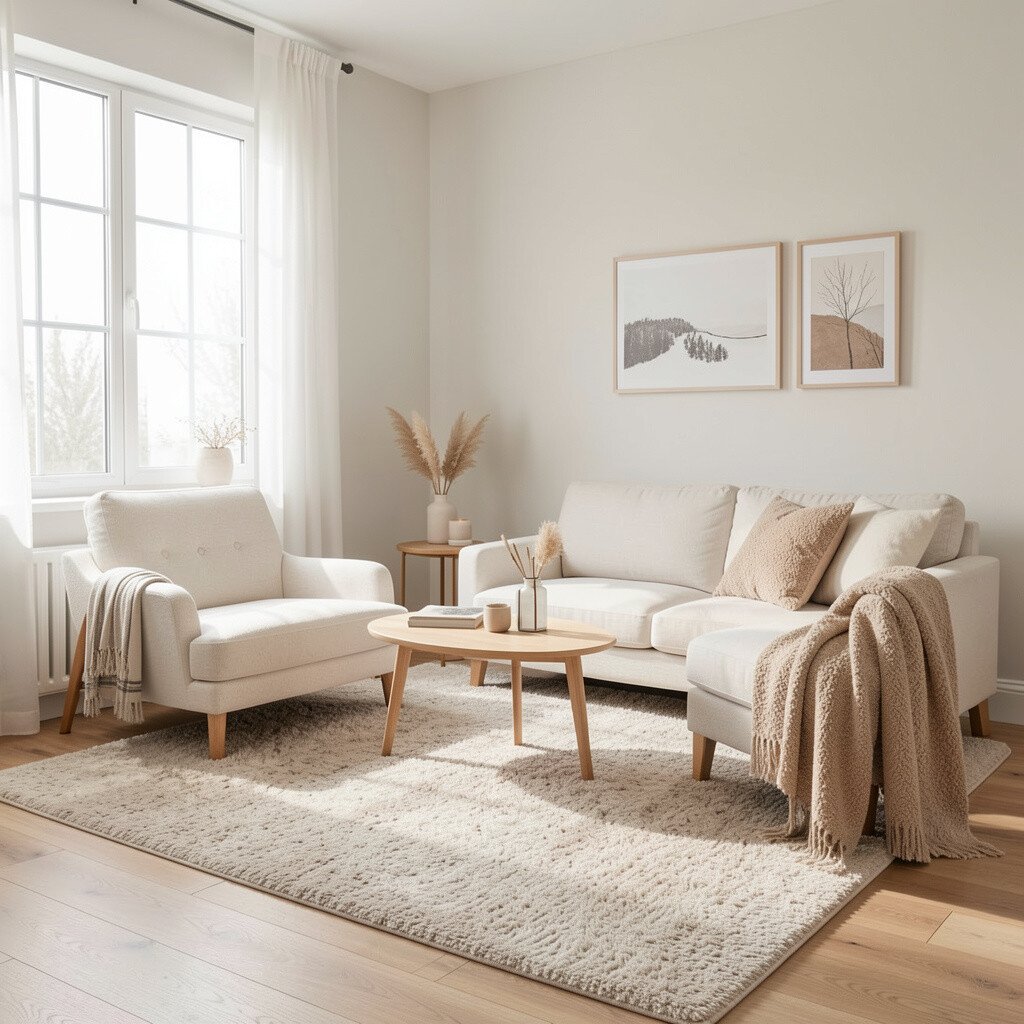
A rug can make a small living area feel defined even when you don’t have physical room dividers. It adds warmth underfoot and makes furniture look like it belongs together.
Pick a size that extends beyond the front legs of your sofa or chairs so the layout looks grounded. In current trends, people are using layered textures, but you can keep it simple with one plush, well-chosen rug.
For personalization, choose a pattern that you love, then repeat a color from the rug in pillows or wall art. Cost-wise, rugs can be pricey, so prioritize fibers you like and check for easy cleaning if you have pets.
A budget trick is to search for runners and smaller shapes that fit your layout. When the rug matches your walking path, the whole room feels smoother and more inviting.
10. Smart Accent Walls Using Color, Not Clutter
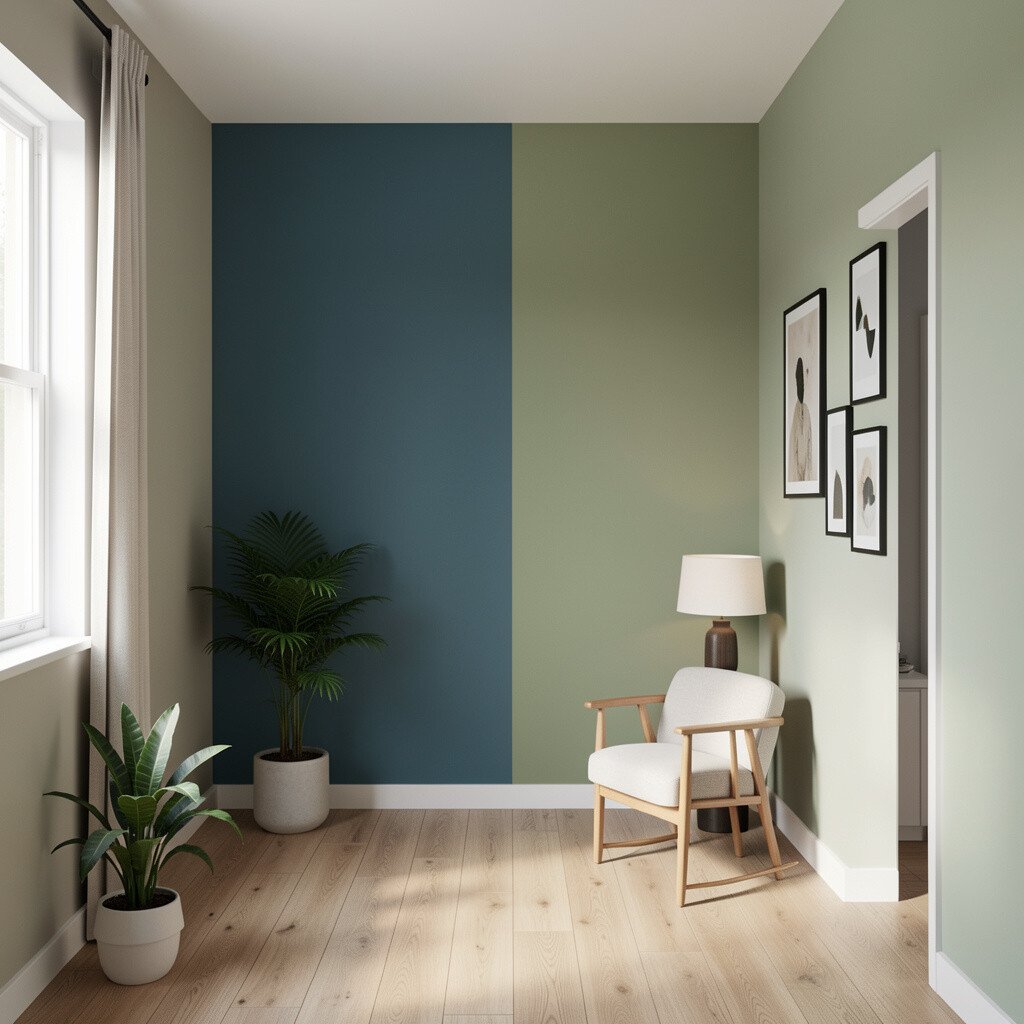
An accent wall adds personality without adding extra items. In a small space, bold color can work like a “frame” that makes the room feel designed.
Choose one wall and use a shade that fits your mood, like a soft sage for calm or a warm terracotta for coziness. For practicality, paint is often cheaper than buying new furniture, and it covers wear and tear.
Personalize by coordinating your decor colors with the accent wall rather than matching everything to the floor. Current trends favor soft, earthy tones because they feel warm and timeless.
11. Open Shelves Styled Like a Gallery Wall
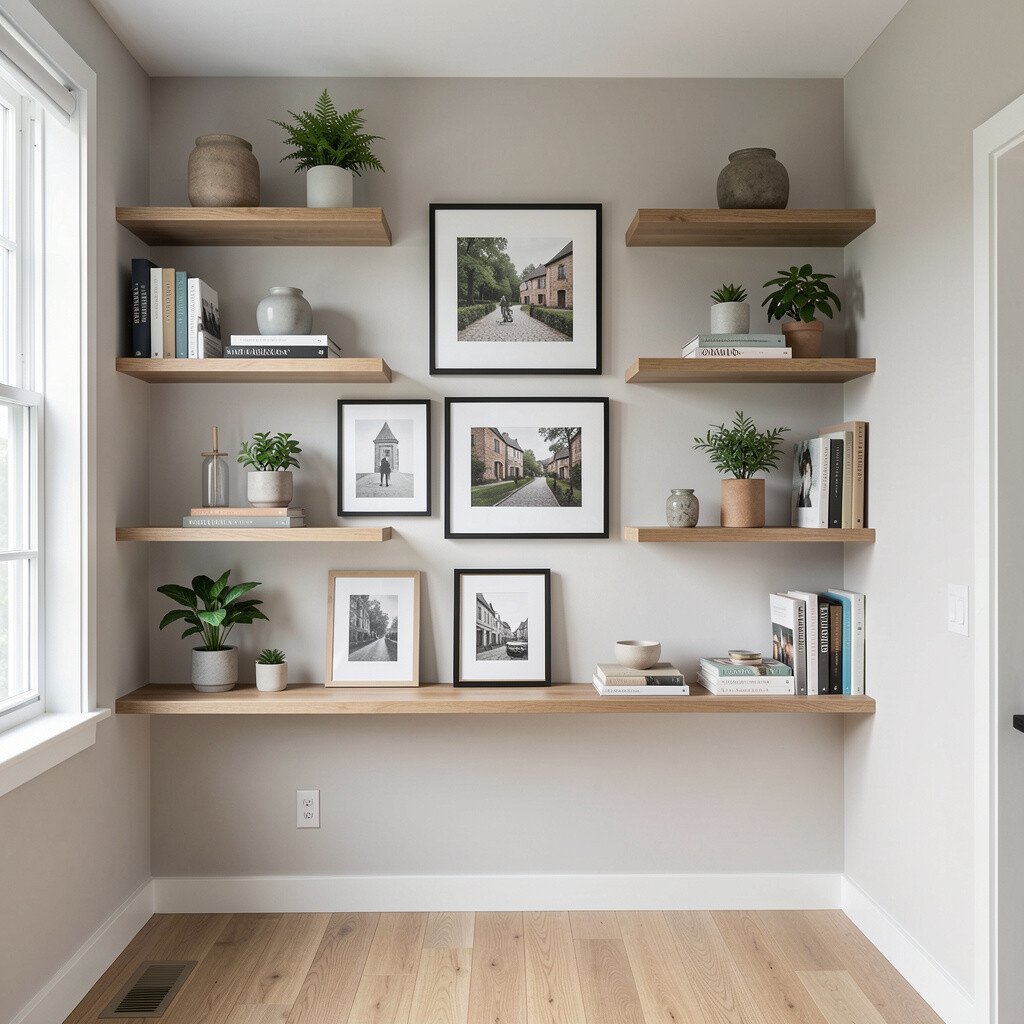
Open shelves can feel cozy when they’re styled with care instead of stuffed with random items. Think of it like a mini gallery where each piece has space to breathe.
Use a consistent color palette for the front row, such as warm whites, wood tones, and one accent color. This helps your eye move across the shelf smoothly, which reduces the cramped feel.
Keep your most-used items easy to grab and store less-used items in closed baskets. If you want a cost-friendly approach, start with two shelves and add more only when you know your rhythm.
To personalize, rotate seasonal pieces like small plants, books with matching covers, or a framed photo. This is a popular way to keep small homes feeling fresh without buying new furniture.
12. Seating That Fits the Room Like a Puzzle
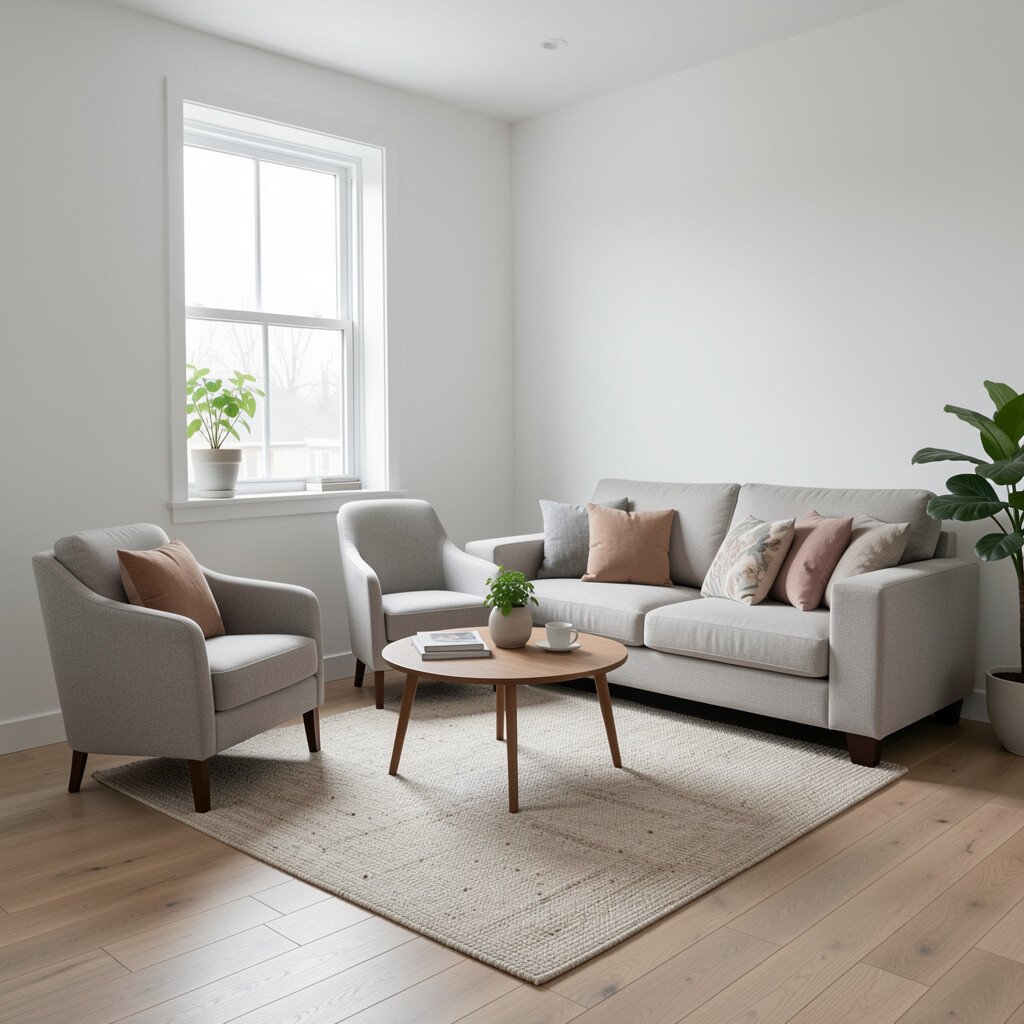
Choosing the right seating matters because narrow layouts need flexible shapes. Look for armless chairs, compact loveseats, or modular pieces that you can rearrange.
A great practical move is to leave a clear walkway between seating and other zones. When the path feels open, the room looks more spacious even if the square footage stays the same.
Personalize seating with cushions in textured fabrics like bouclé or corduroy for extra warmth. Cost considerations vary, so consider used furniture with fresh upholstery or slipcovers.
Trends currently favor modular and rounded silhouettes because they feel friendly and soften edges. If your room is tight, rounded seats often make corners feel less harsh.
13. Foldable Tables for Instant Flexibility
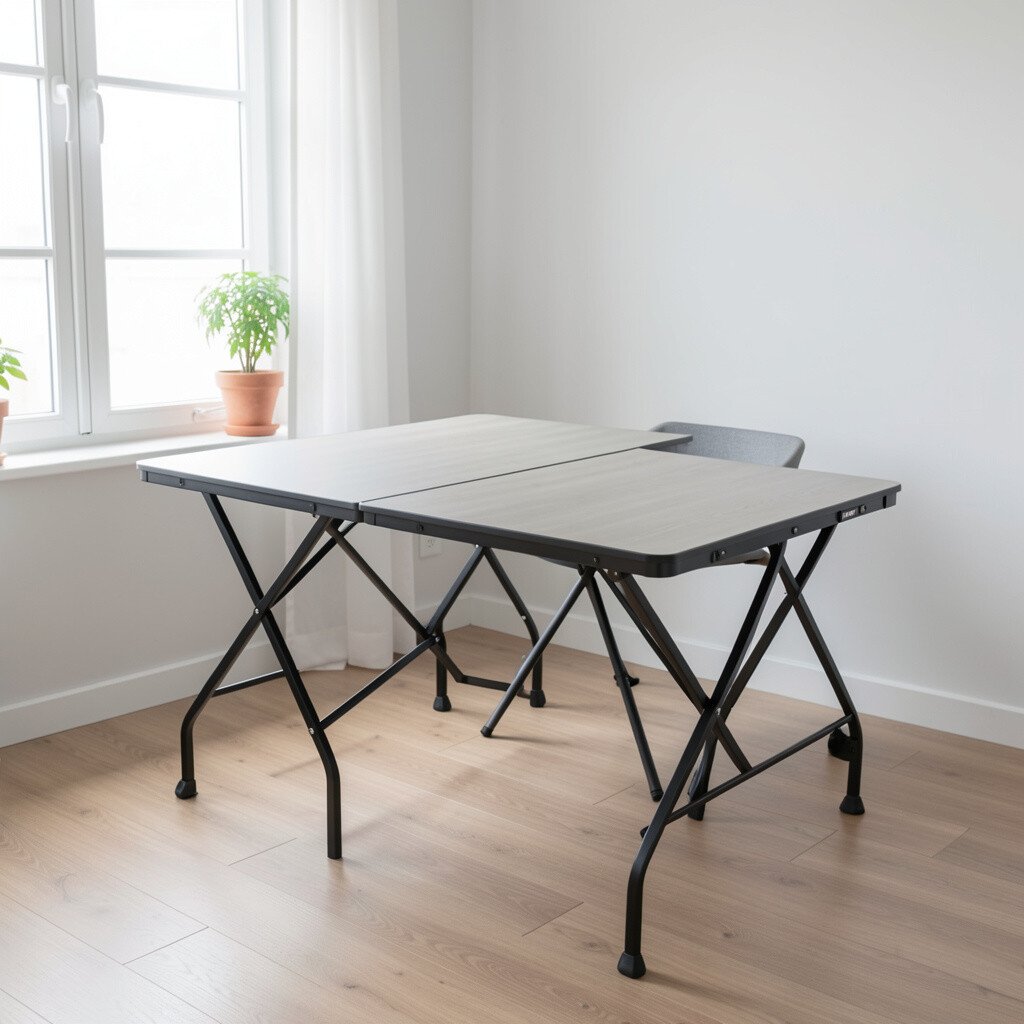
Foldable tables are a simple way to gain space when you need it and store it away when you don’t. They’re especially useful in multipurpose rooms like living-dining combos.
Choose a style that looks good even when it’s out, like a slim wood finish or a metal frame with a light color top. This way, the table supports daily life instead of feeling like a temporary fix.
For practical tips, keep a small storage hook or shelf nearby for a tray, chargers, or coasters so your tabletop doesn’t become clutter central. Personalize it with a washable table runner that matches your color scheme.
If you’re cost-conscious, check thrift shops for sturdy frames and add a top cover for comfort. This trend of flexible furniture works because it adapts to real routines.
14. Corner-Friendly Desks That Don’t Take Over
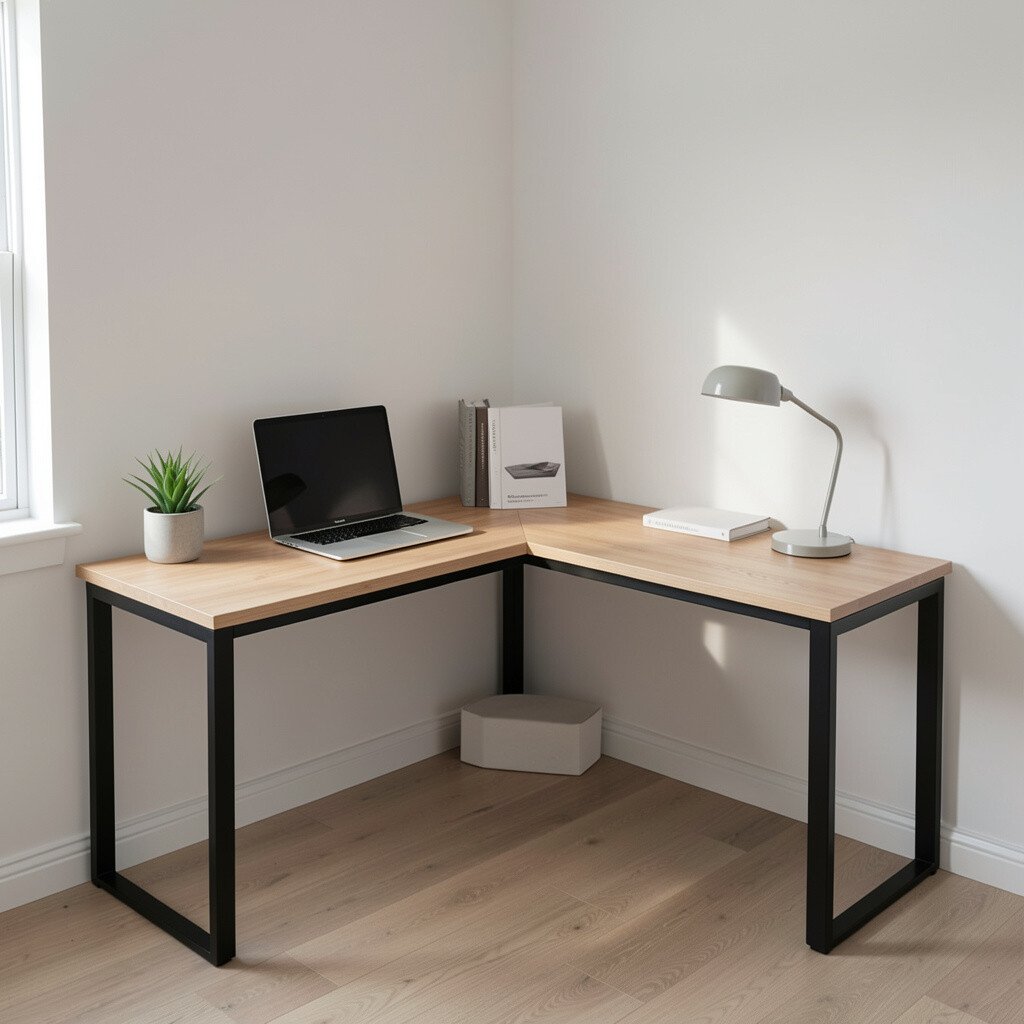
A desk in a corner can create focus without eating up your center space. When it’s tucked into a corner, you keep the room open for movement and lounging.
Pick a desk with a slim depth and add a wall-mounted shelf or a small peg rail for supplies. This keeps surfaces clear, which makes your space feel calmer.
Personalize your work area with a desk lamp, a small plant, and a tray for daily essentials. For cost considerations, you can use a sturdy table and pair it with a floating shelf, which often costs less than a full desk set.
Current trends include “cozy workstations,” where soft lighting and warm materials make studying feel less stressful. Even a small corner can feel inviting when it looks intentional.
15. Clothing Storage That Keeps the Room Looking Clean
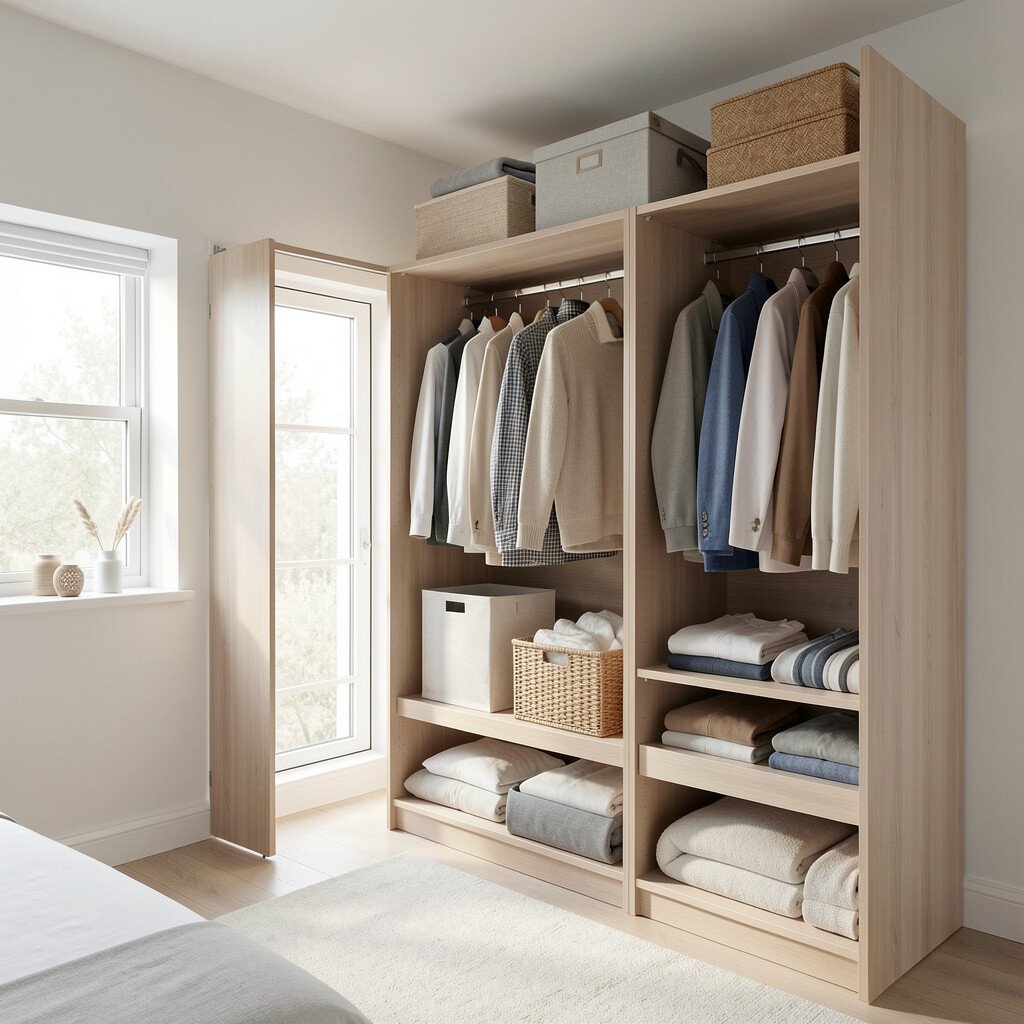
Clothes on chairs or the floor can make a small room feel instantly crowded. When you create a reliable storage plan, your home stays visually calm.
Consider a small wardrobe, a closet organizer system, or hanging shelves in a closet. Use slim hangers to save space, and fold smaller items in matching bins so the layout looks tidy.
Personalize storage with colors that blend into your decor, like light wood, white, or muted gray. Cost considerations are practical here because you can start with a few bins and build over time.
Trends in small-space organizing focus on “vertical clarity,” meaning you use height instead of spreading items across floors. That approach helps your room feel open and cozy at the same time.
16. Bedside Tables That Fit the Narrowest Side
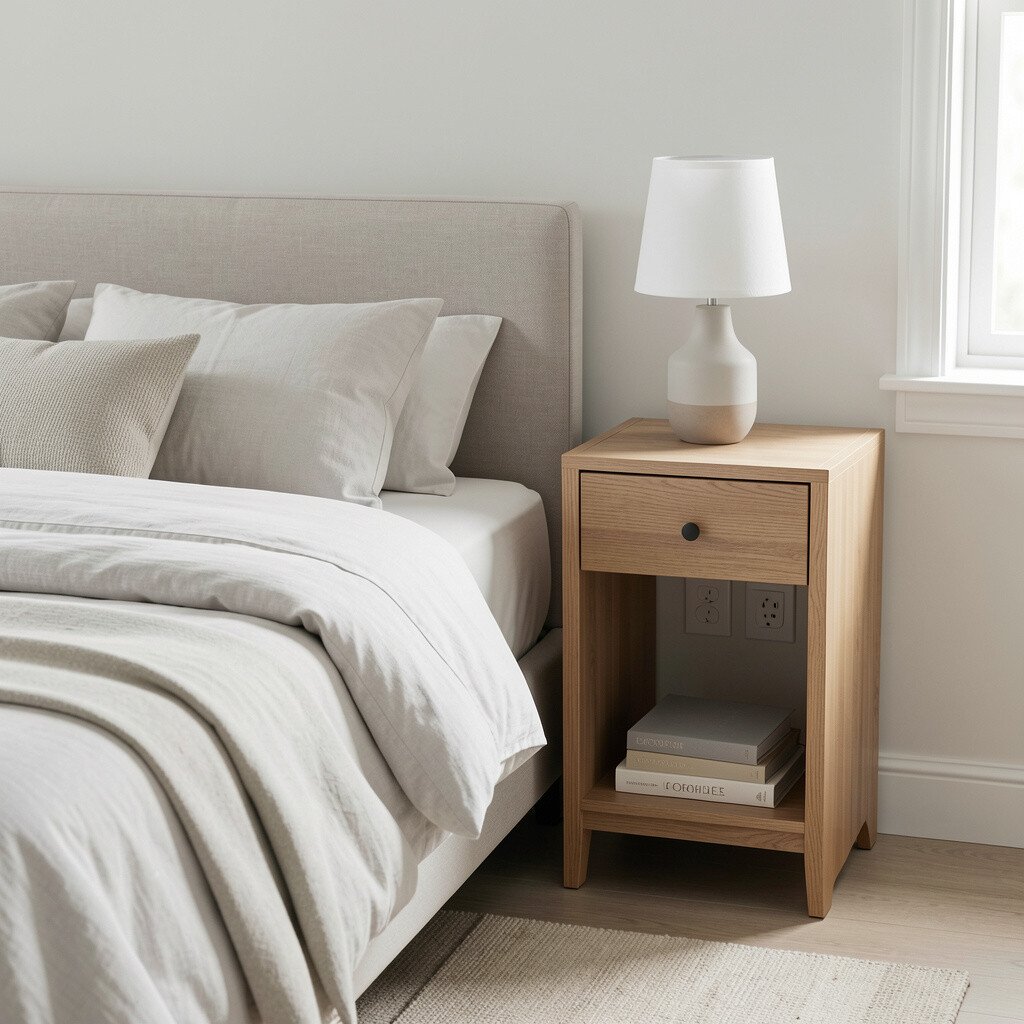
A tiny bedroom can still feel luxurious when the bedside setup is thoughtful. Instead of bulky tables, choose narrow nightstands or wall-mounted shelves.
Add a small tray to corral items like a glass, lip balm, or your favorite book so surfaces don’t turn messy. This is a practical way to keep the room feeling neat and relaxing.
Personalize the look with a lamp in a warm tone and a soft throw draped over the bed. For cost considerations, you can update an inexpensive nightstand with a fresh coat of paint or new handles.
Current trends favor mix-and-match nightstands because it adds personality while still keeping the footprint small. Even one unique piece can make your room feel special.
17. Wall Hooks and Peg Rails for Quick, Cozy Order
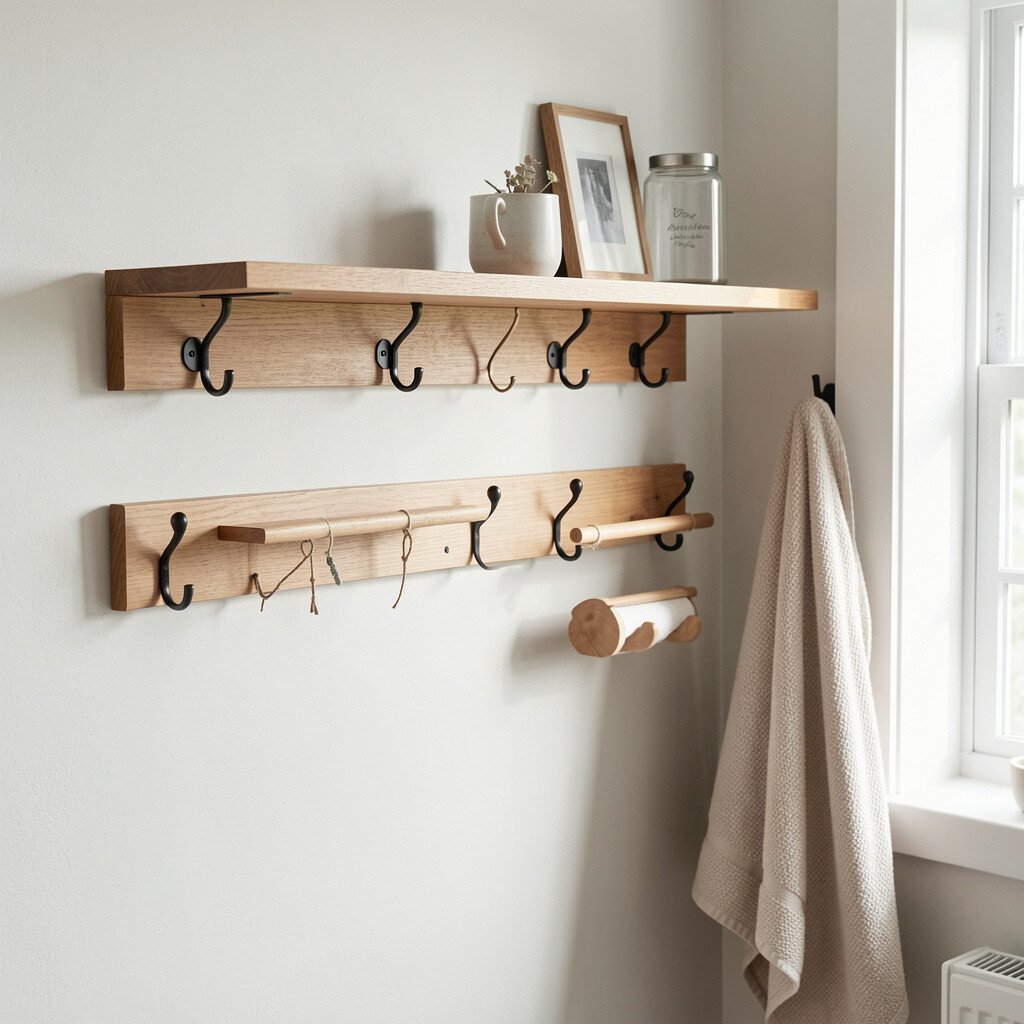
Hooks are amazing in small spaces because they keep daily items within reach without using floor space. Install them near entries, by the kitchen, or near a home office for bags and jackets.
Use a peg rail with a few matching hooks, then add a small bench or basket below if you have room. This setup creates a clear landing spot, which reduces clutter and stress.
For personalization, choose hooks with shapes you like or paint the rail a color that matches your decor. Cost considerations often favor hooks because they’re affordable and easy to install.
Trends lean toward “near-entry organization,” especially in small homes where every bag and coat needs a proper home. When your entry feels tidy, the rest of the house feels calmer too.
18. Lightweight Window Treatments for Instant Softness
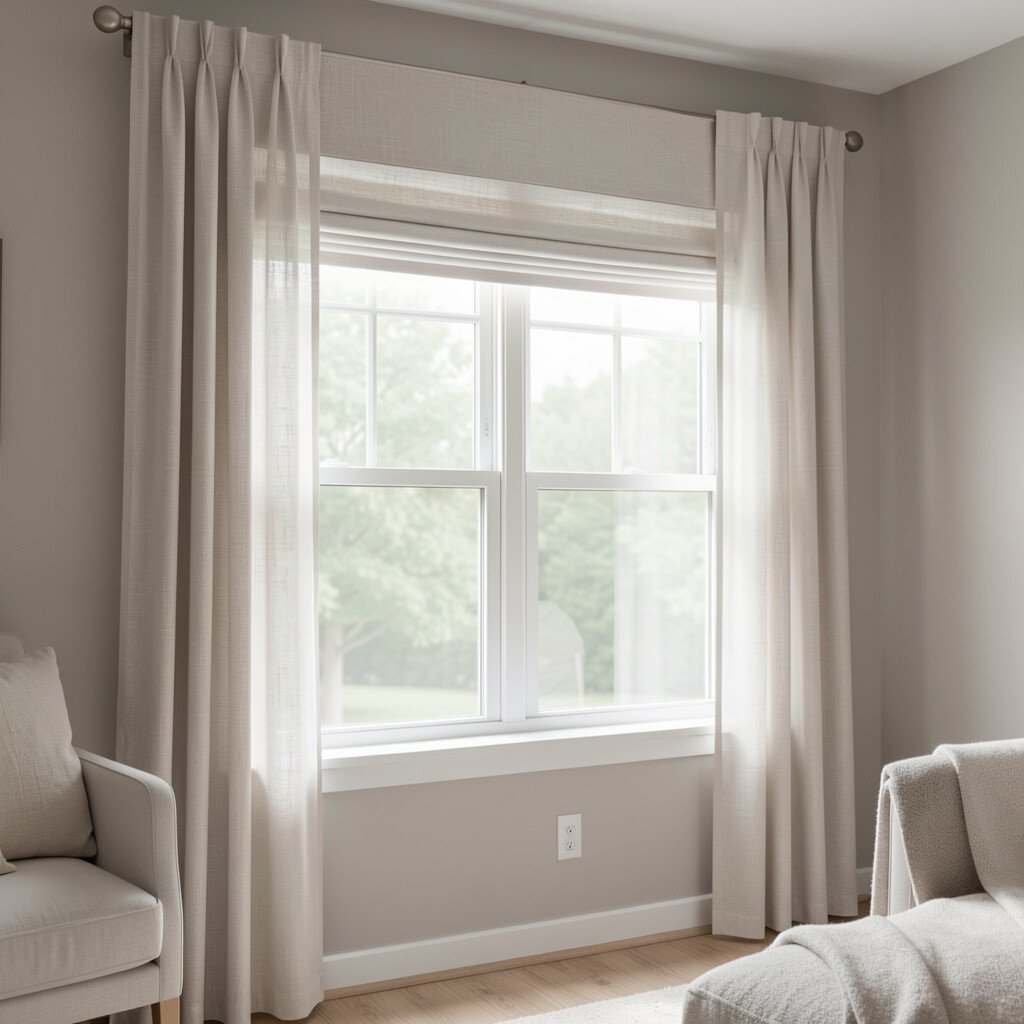
In small spaces, heavy window coverings can feel like they close in the room. Lighter treatments add softness while keeping the view and light feeling open.
Try sheer curtains, airy roller shades, or layered sheers that you can adjust. This practical flexibility helps you control glare and privacy without blocking the whole window.
Personalize with colors that match your bedding or wall accents so the room feels cohesive. Cost-wise, you can mix mid-range panels with a simple rod, and it still looks polished.
Current trends include calm, neutral tones and natural textures because they feel cozy and modern. When the fabric moves gently, it makes the space feel more alive.
19. Storage Benches That Create Seating and Calm
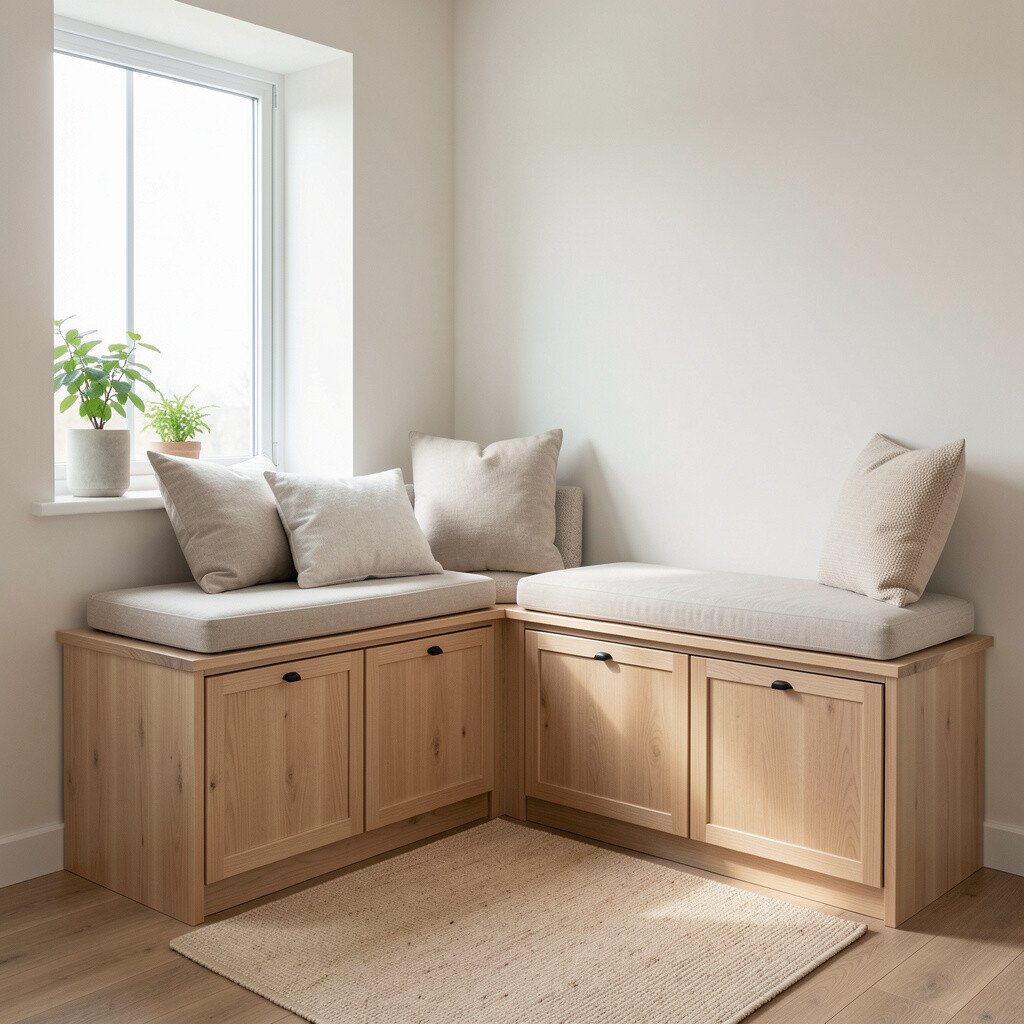
A storage bench is a cozy multipurpose piece that helps you sit comfortably and store items at the same time. It’s great for entries, at the foot of a bed, or along a dining wall.
Choose a bench with a hinged lid or drawers so blankets, games, or extra shoes stay out of view. This keeps clutter hidden, which is one of the fastest ways to stop a room from feeling cramped.
Personalize with a cushion in a pattern you love and add a small basket for frequently used items. Cost considerations vary, but benches are often easier to find than matching sets, especially secondhand.
Trends also favor “soft storage” with fabric bins inside structured benches. That look is friendly, and it hides mess without making the room feel heavy.
20. Color-Blocking With Small Objects to Guide the Eye
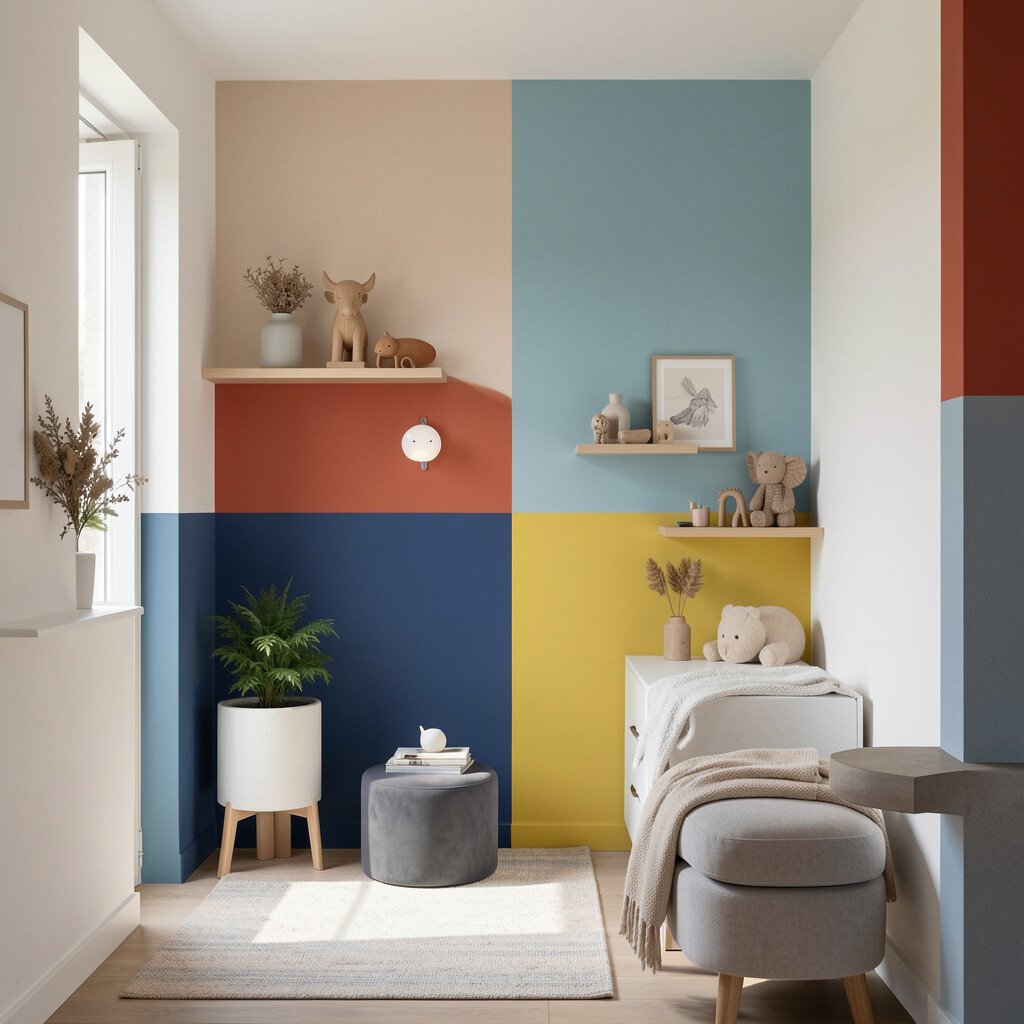
If you love playful style, color-blocking can make a small room feel intentional. It uses a few coordinated colors to guide your eye instead of letting everything compete.
Start with one base color for walls or large textiles, then add two accent colors through pillows, art, and small decor. This approach helps the room feel cohesive even when furniture is limited.
Personalize by choosing meaningful items, like a travel photo in an accent frame or a handmade piece that fits your palette. For cost considerations, focus on smaller upgrades first, like pillow covers and prints, because they’re budget-friendly.
Current trends favor warm neutrals paired with one bold accent, like deep green or terracotta. When the accents repeat, the room feels curated rather than cramped.
21. Declutter Routines That Keep Cozy Looking Effortless
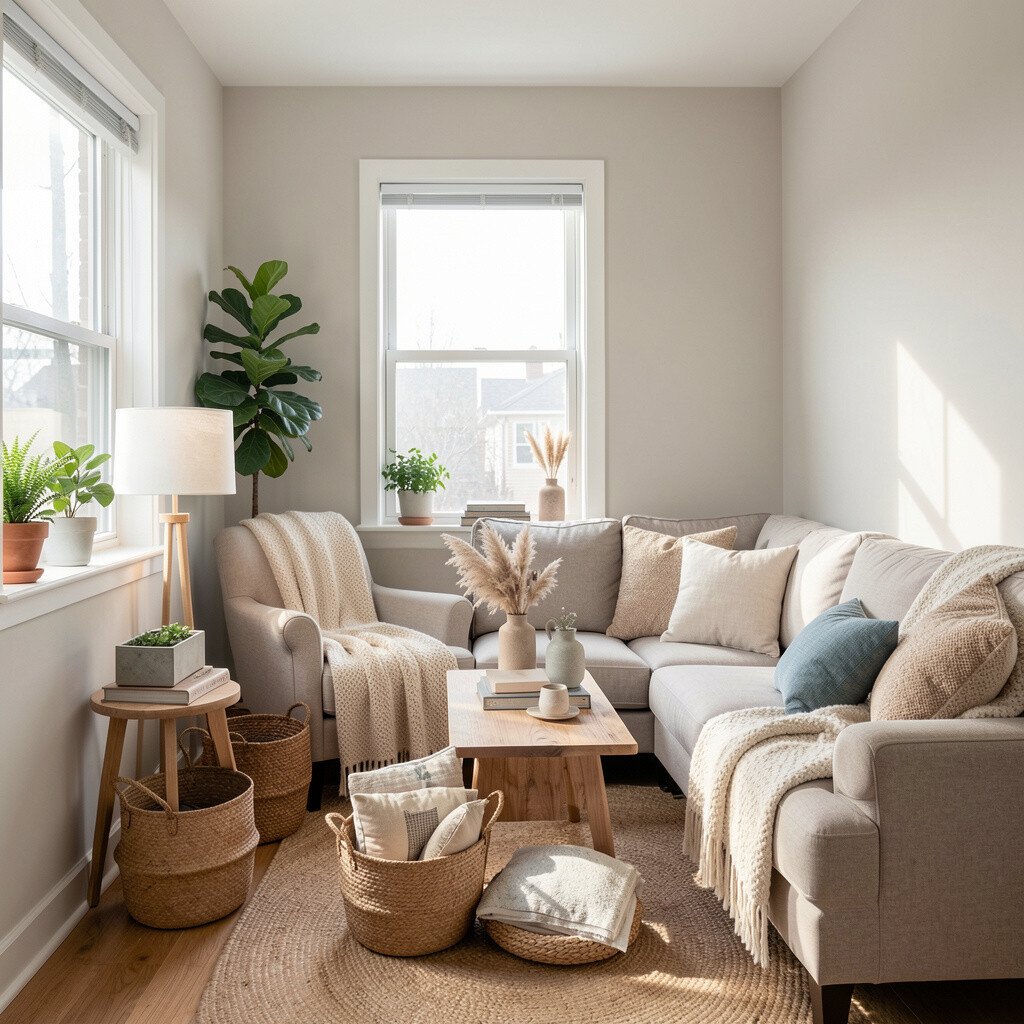
A small space needs a simple routine to stay cozy, not perfect. When you do quick resets, the room always looks ready for guests and relaxing nights.
Set a short daily habit, like clearing surfaces and returning items to their designated spots. You can also do a weekly check for things that keep migrating, like charging cords and mail.
Personalize your routine with a favorite basket for small items or a tray that fits your lifestyle. For cost considerations, you often don’t need new furniture, just a few well-chosen organizers.
Trends in home living focus on “small daily wins,” which makes organization feel realistic. The more consistent the reset, the less your room ever feels crowded.
22. Personal Photo Corners That Make the Room Feel Yours
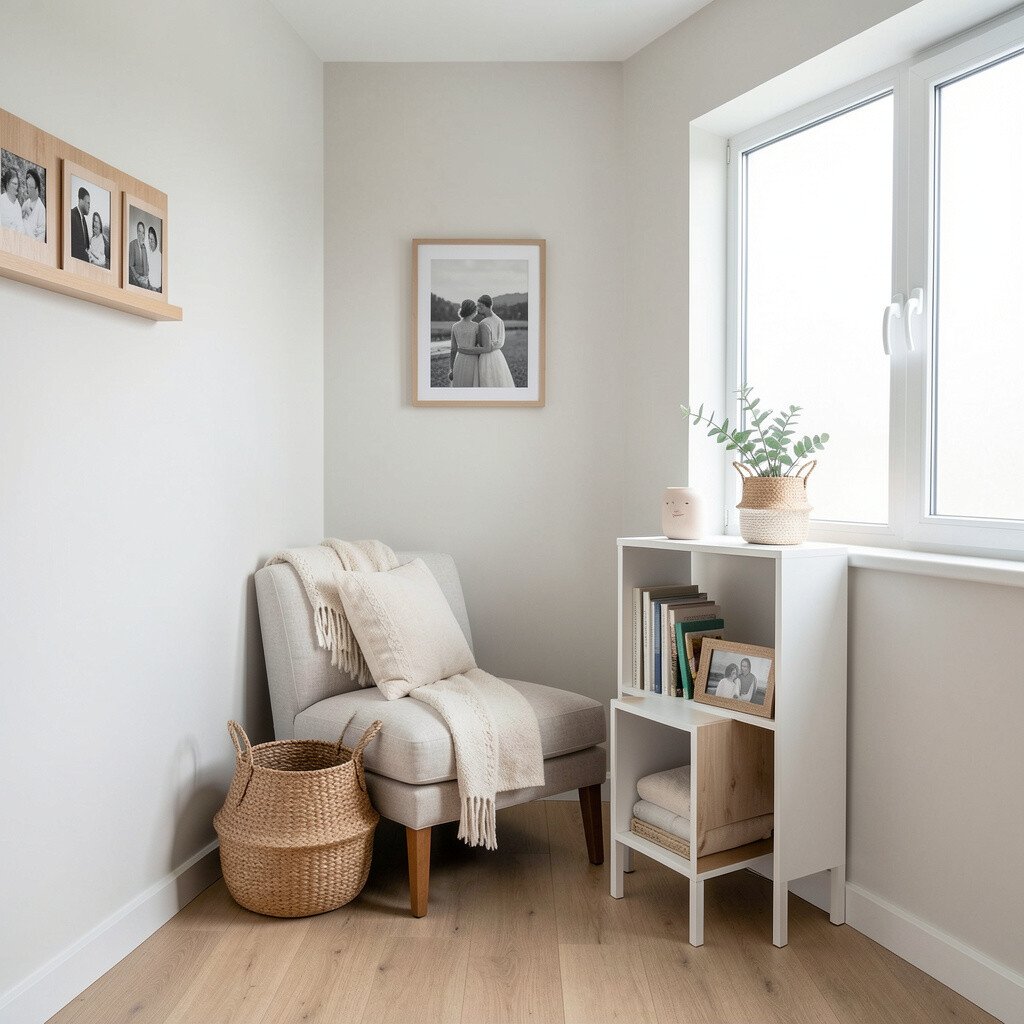
A small photo corner can turn a blank wall into a cozy, lived-in moment. Even in tight spaces, personal images add warmth and make the room feel like home.
Create a simple display with one larger frame and a couple smaller ones around it. Mix materials like wood frames and metal accents to add visual interest without filling every surface.
For practical tips, place the display at eye level and keep it away from heavy furniture shadows. If you want flexibility, use removable mounting strips so you can adjust the layout over time.
Cost considerations are easy here because you can print photos affordably and update the gallery seasonally. This personalization trend is popular because it keeps decor meaningful instead of generic.
To personalize further, add a small vase, a candle holder, or a tiny plant near the frames so the corner feels balanced. When your home has personal touches, it feels roomy in a different way.