
Your staircase can be more than a route between floors. The right stair flooring can make your home feel warmer, safer, and more you.
When design choices work together, every step looks intentional and feels comfortable.
1. Matching Wood Treads With Wall Warmth
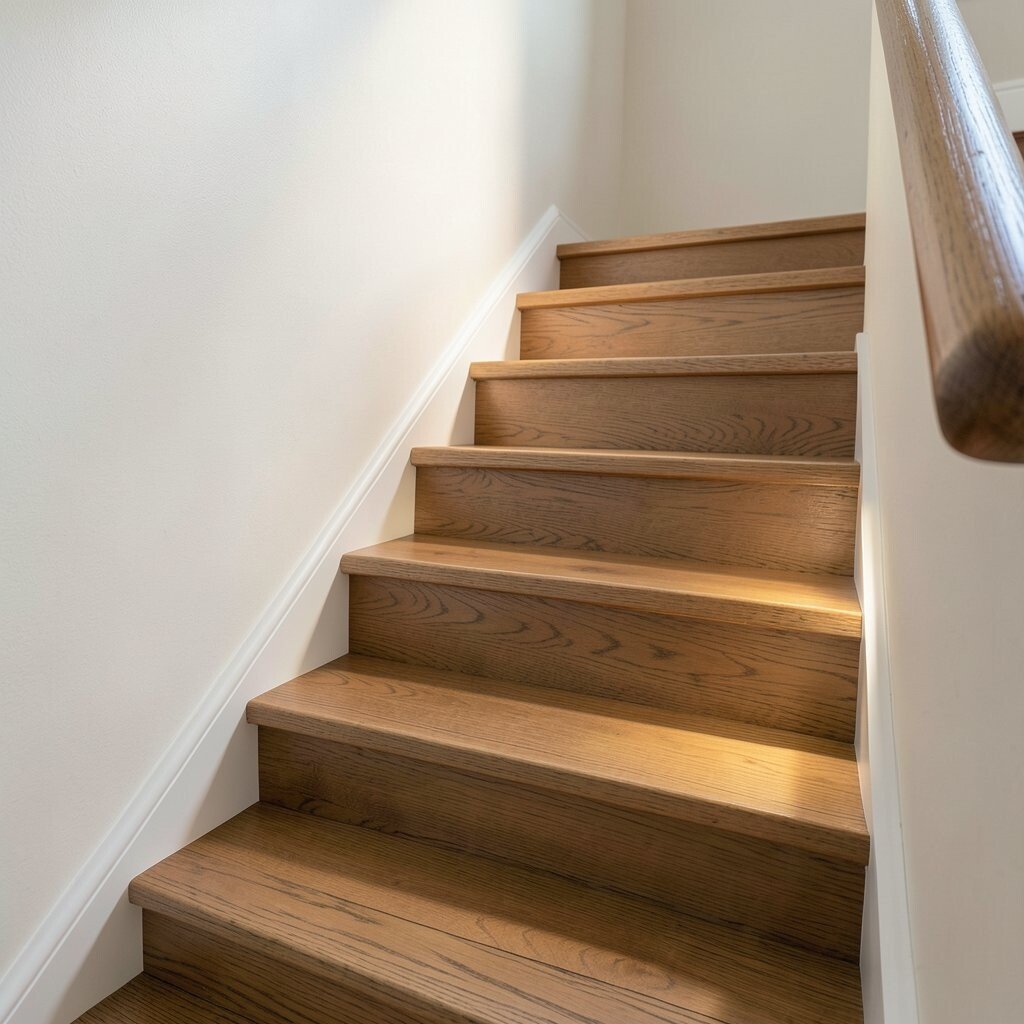
Wood treads that blend with your wall tones create a calm, seamless look. You can picture soft grains catching light as you move, like the staircase is part of the room’s style story.
Choose a wood species and finish that echo nearby trim, doors, or furniture for a polished flow. This approach helps your steps feel less “separate” and more built-in. For practical comfort, keep tread surfaces slightly textured so they don’t feel slippery when bare feet or socks are involved.
2. High-Contrast Flooring That Frames the Steps
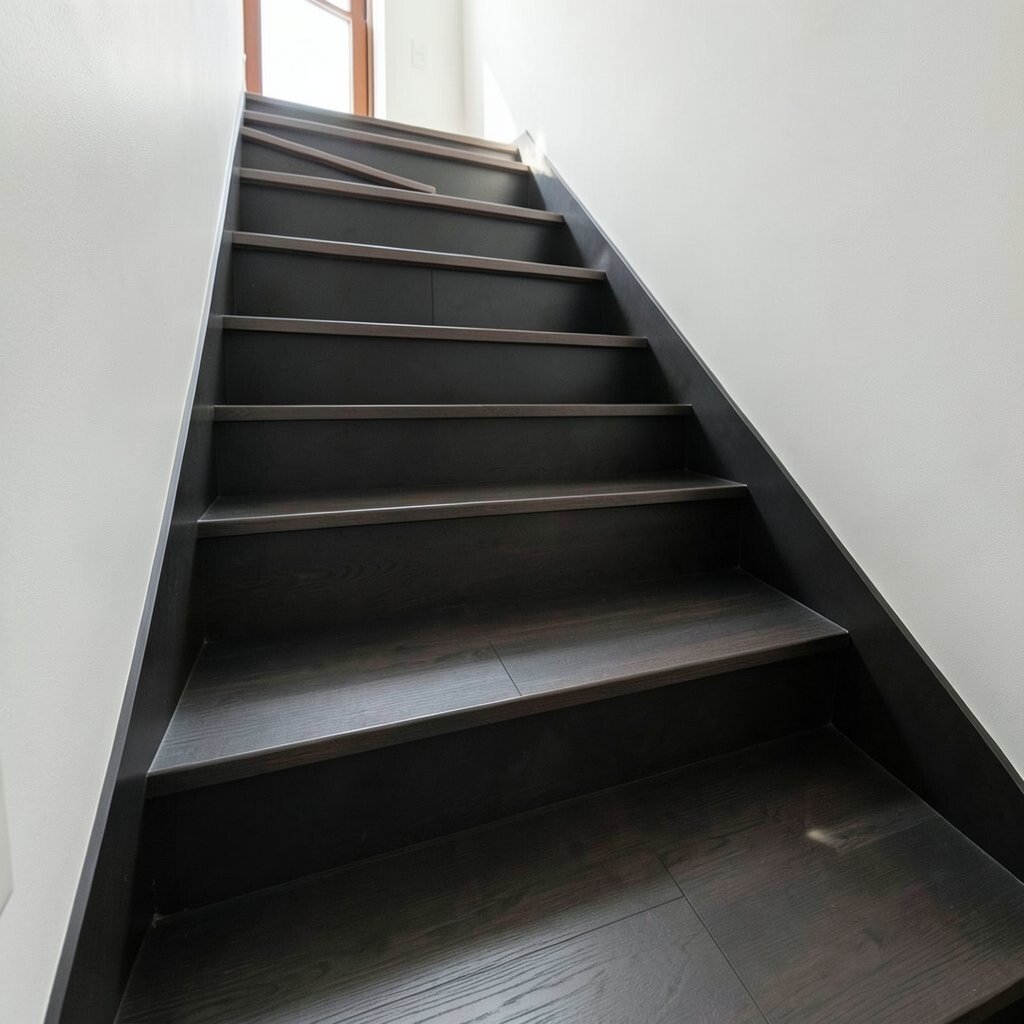
Pairing dark stair treads with lighter flooring around them creates a strong visual frame. It makes the staircase read clearly, even from the hallway.
Use a contrasting stair runner or a contrasting tread finish to guide the eye upward. People often feel more confident walking when edges are easy to see. If you want this look without high upkeep, choose durable finishes and add mats only where traffic is heavy.
To personalize the contrast, match the tone to your hardware, like black railings or brushed brass accents. If you’re working with an existing floor color, lean on a runner pattern that brings the contrast to life while protecting the stairs.
3. Slip-Resistant Texture With Matte Finishes

Matte textures on stair flooring hide scuffs and reduce glare, which feels great in everyday life. They also make each step look understated and modern.
Look for surfaces that resist slip, especially along the most used tread areas. Designers often steer clients toward finishes that feel grippy even when lighting changes through the day. You’ll enjoy safer footing, and your stairs stay visually fresh longer.
For practical upkeep, clean with gentle products that won’t strip the top layer. If your home has pets or kids, plan for quick spot cleaning since texture can trap dust less than glossy coatings in many setups. Consider adding a clear anti-slip treatment if you’re trying to keep the same look while improving traction.
4. Custom Runners That Add Style Without Full Replacement
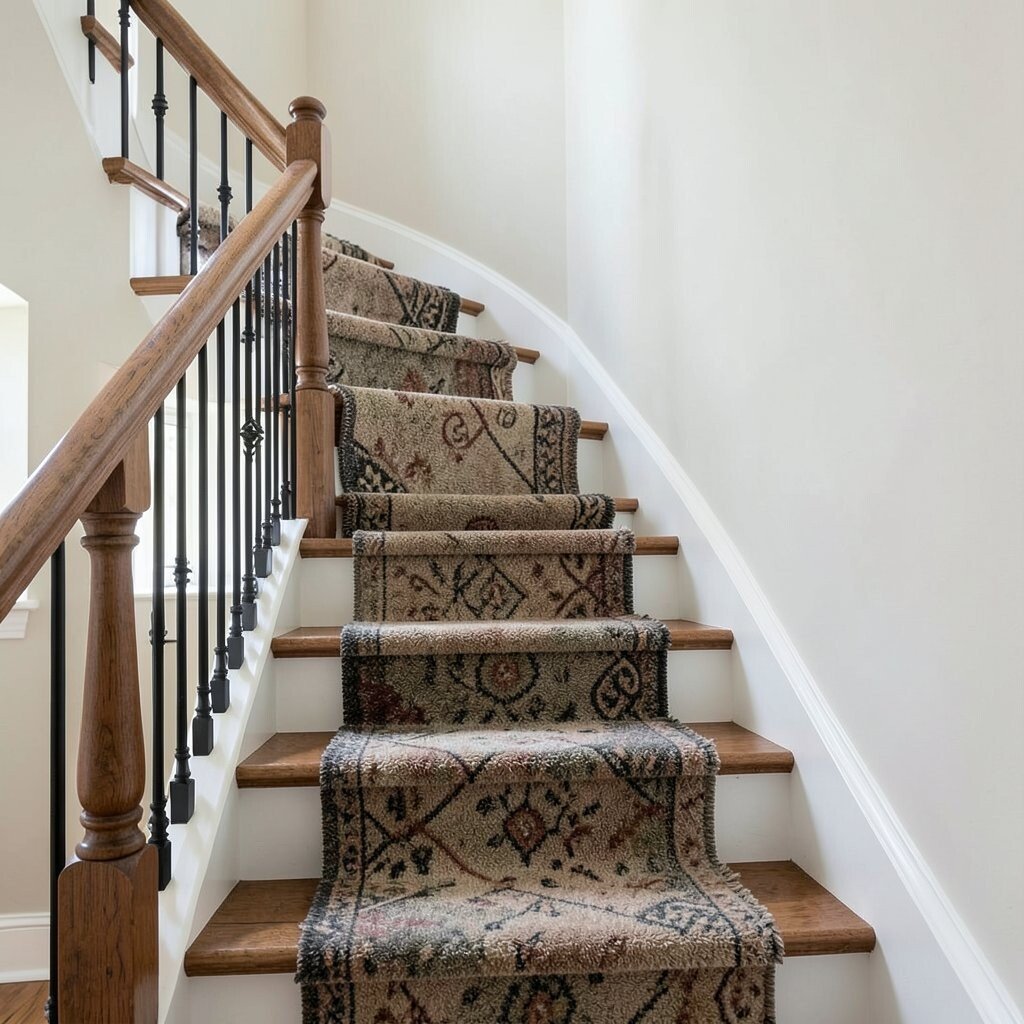
A runner can bring character to your staircase without requiring every tread to change. You can imagine the pattern flowing like fabric across each step, making the whole area feel curated.
Pick a runner width that leaves a little of the tread visible so the wood or base flooring still shines through. This makes your design feel richer while protecting the high-wear surfaces. For everyday practicality, choose materials that resist staining and are easier to vacuum.
5. Tile Treads For A Clean, Tailored Look
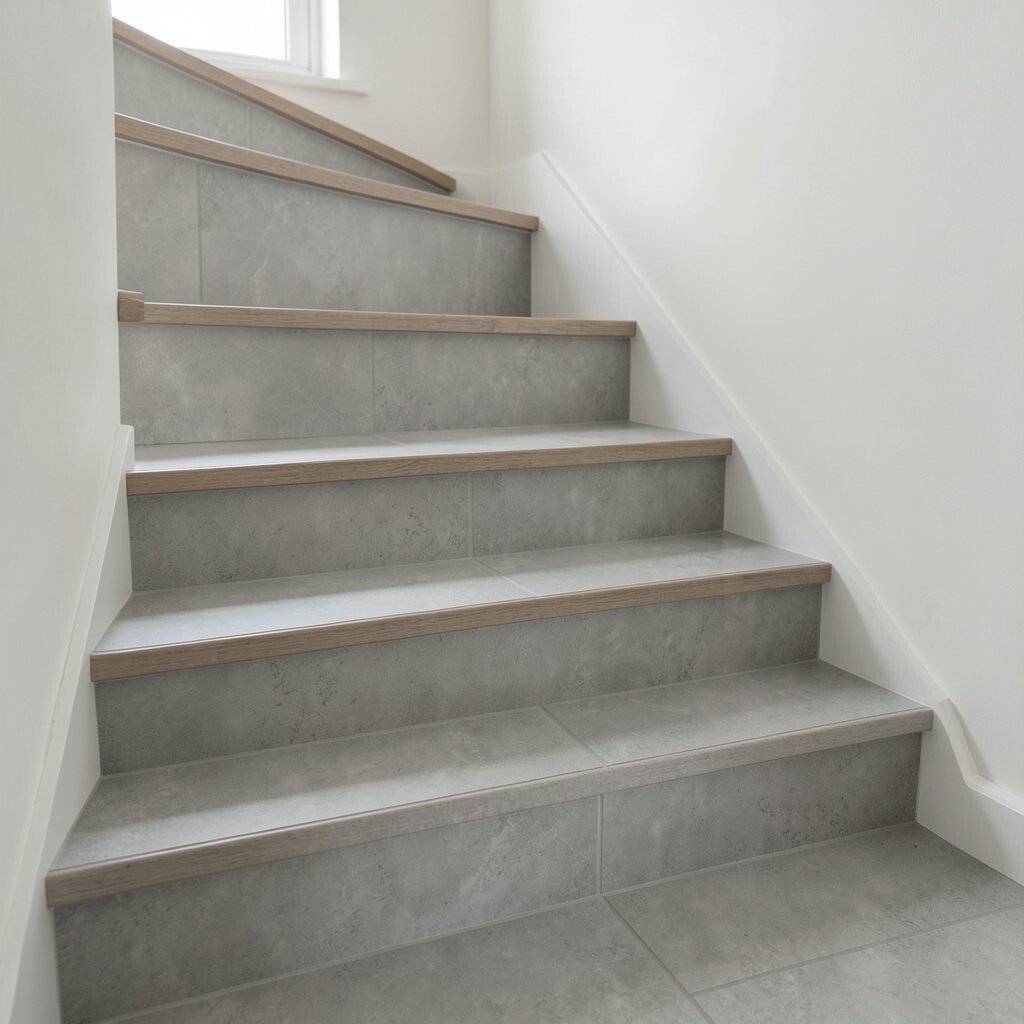
Tile stair flooring gives a crisp, structured look that many design experts love. From a distance, it can feel like a custom mosaic staircase even when you keep the pattern simple.
Use durable, slip-resistant tile and consider a subtle pattern in small-scale layouts to reduce visible wear. Tile is also friendly for homes where spills happen, since cleaning is usually straightforward. Choose grout colors that match or gently contrast so the stair lines stay sharp.
If you want personalization, select tile in a tone that echoes the rest of your home, like soft greige for calm or deep navy for bold. Pay attention to stair nose edges and ask about edge finishing so the look stays smooth and safe over time.
6. Vinyl Planks That Mimic Real Wood Naturally
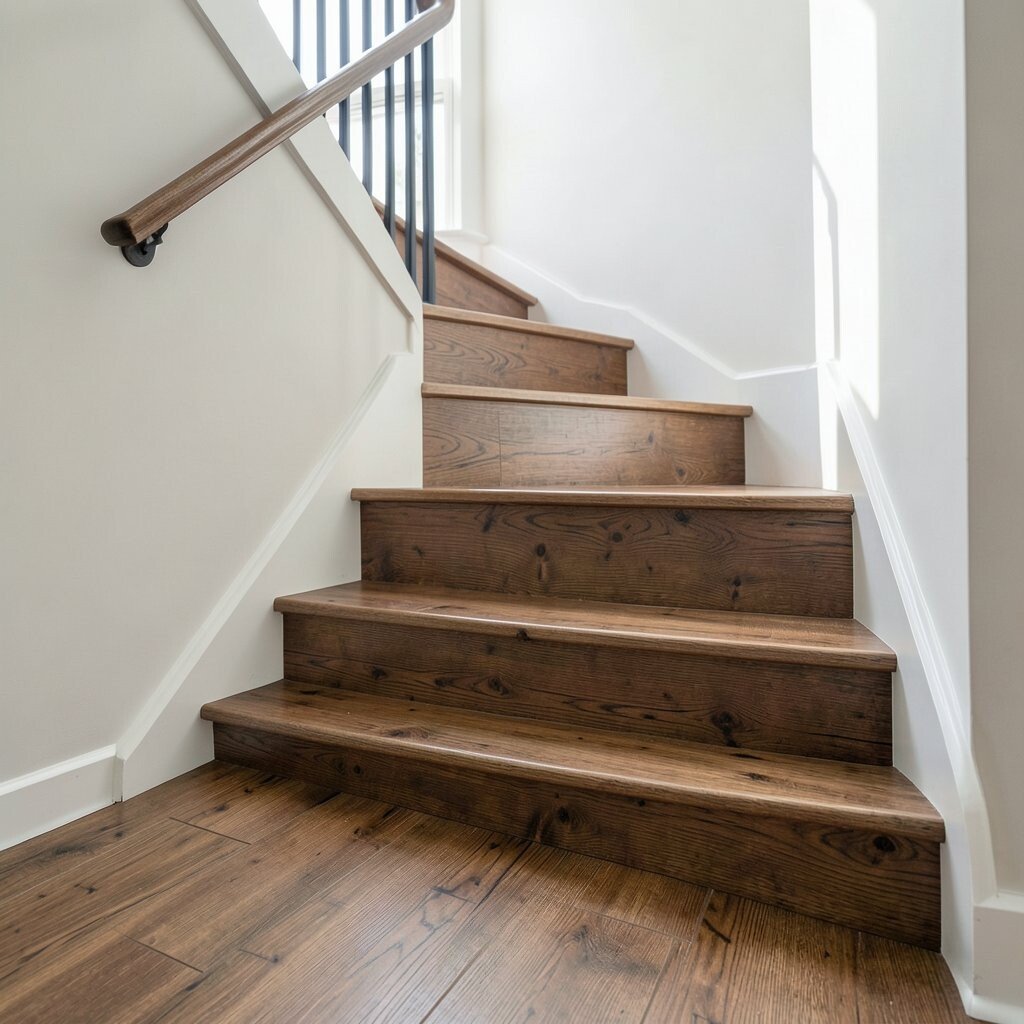
High-quality vinyl planks can look surprisingly close to real wood, especially on stairs. The visual warmth still shows, but the day-to-day maintenance is usually easier.
Go for planks with a realistic grain and a matte top layer. That helps the stairs feel cozy rather than shiny, and it can reduce the look of scratches from shoes. If you’re on a budget, vinyl often offers good value while still letting you personalize with your preferred wood tone.
For a practical upgrade, include underlayment or an appropriate stair backing if recommended for your installation method. The added cushioning can make steps feel more comfortable, especially during long walks between floors. To keep alignment crisp, measure each tread carefully and plan cuts so seams land cleanly.
7. Carpeted Stairs For Soft Comfort And Quiet Steps
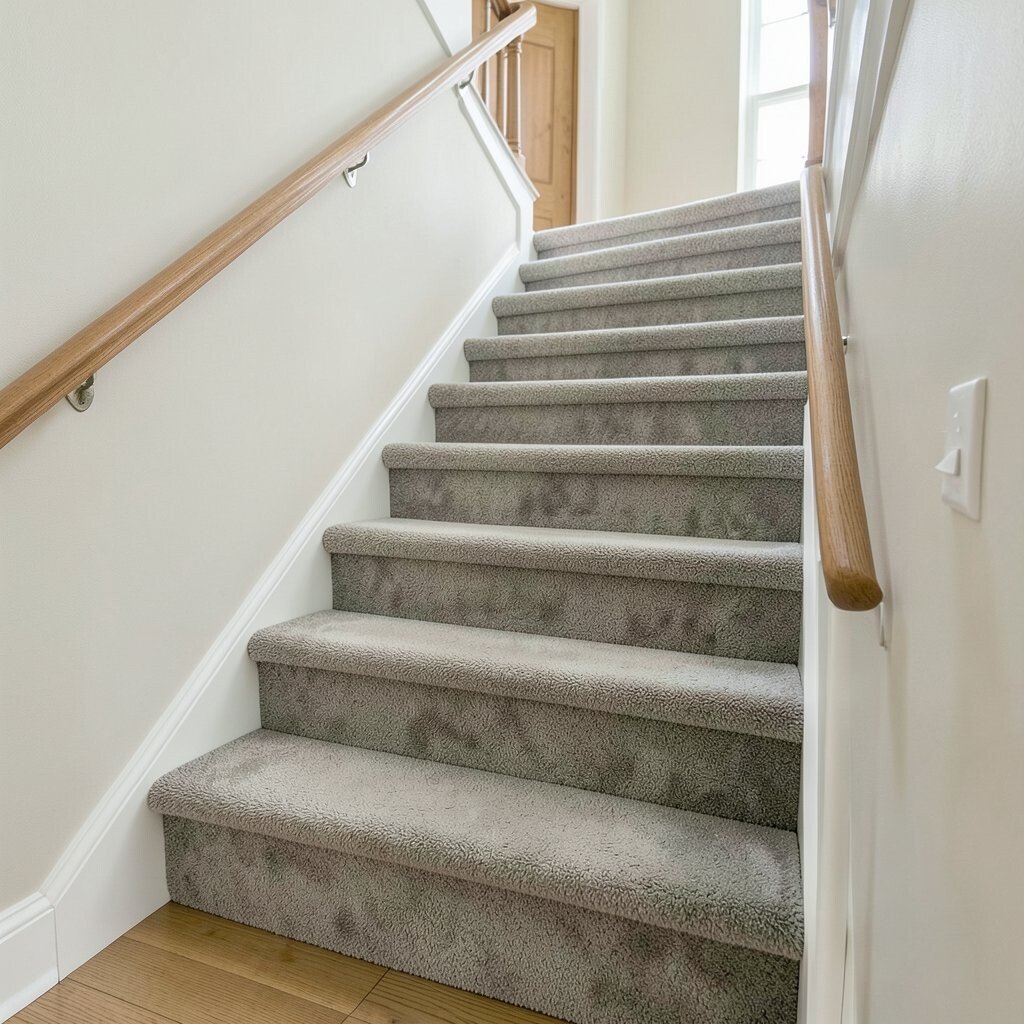
Carpet on stairs makes a home feel instantly softer and quieter. You can almost feel the difference the moment you step on it, since sound doesn’t echo the same way.
Choose a low-pile or tightly woven carpet for easier vacuuming and better tread stability. Carpet also helps with traction, which is a big comfort benefit for everyday movement. If you prefer a tidy look, consider a carpet that matches your hallway or nearby rooms.
To personalize, add a runner style that uses a pattern or tonal stripes, guiding the eye without overwhelming the space. When it’s time for care, use a carpet-safe cleaner and tackle stains quickly to prevent lasting marks. If cost is a concern, weigh the price of carpet versus durable coatings or tile by looking at long-term upkeep needs.
8. Painted Treads With A Color Story That Flows
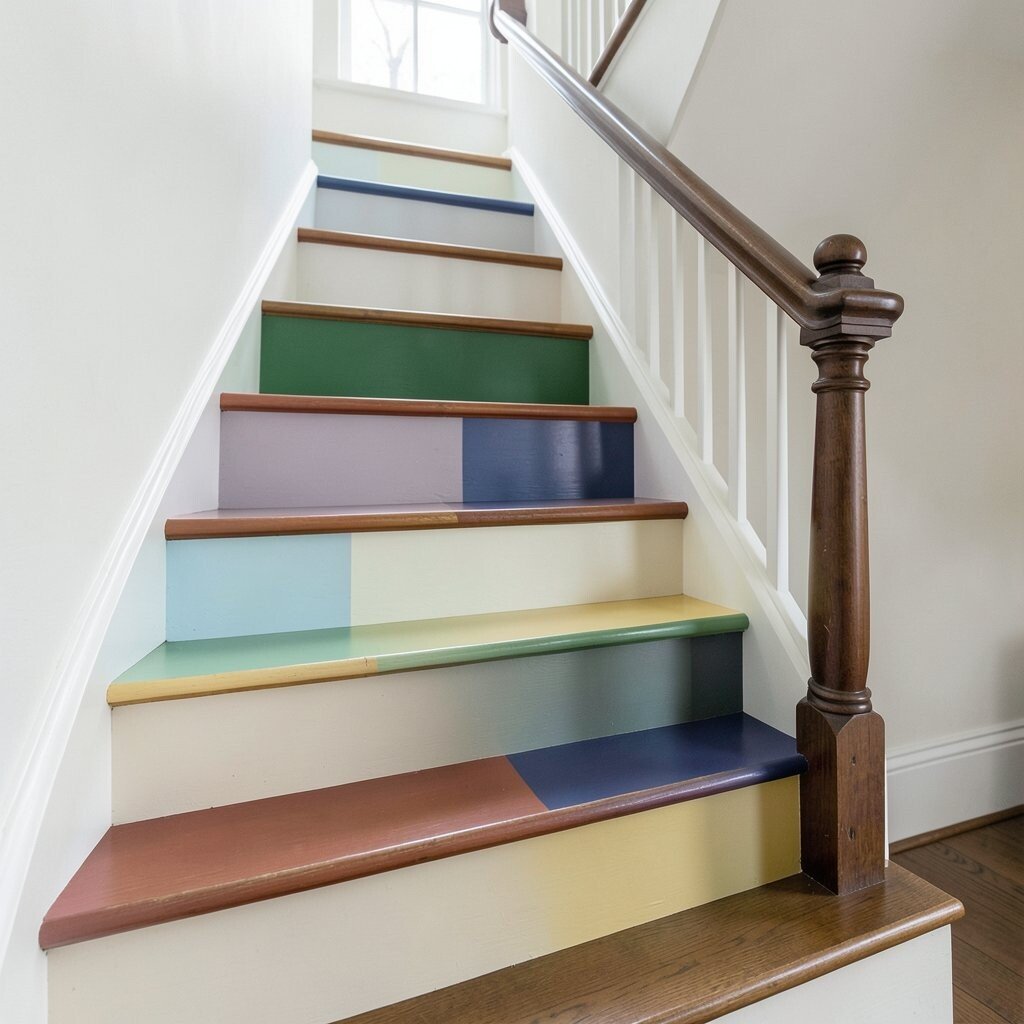
Painting stair treads can turn a plain staircase into a color moment. Even subtle shades can make the space feel designed rather than accidental.
Pick a palette that matches your rooms, such as warm whites with a gentle gray or a soft green with oak accents. Designers often recommend using paint made for floors and sealing it properly so it holds up to foot traffic. You’ll get a unique look, and the staircase becomes a focal point without needing full renovation.
For practicality, keep the design simple at first by painting only the treads and leaving the risers neutral. That keeps the home feeling light while still giving character. To manage cost, you can update step color without replacing the entire staircase structure.
9. Wide-Plank Floors That Make Staircases Feel Grand
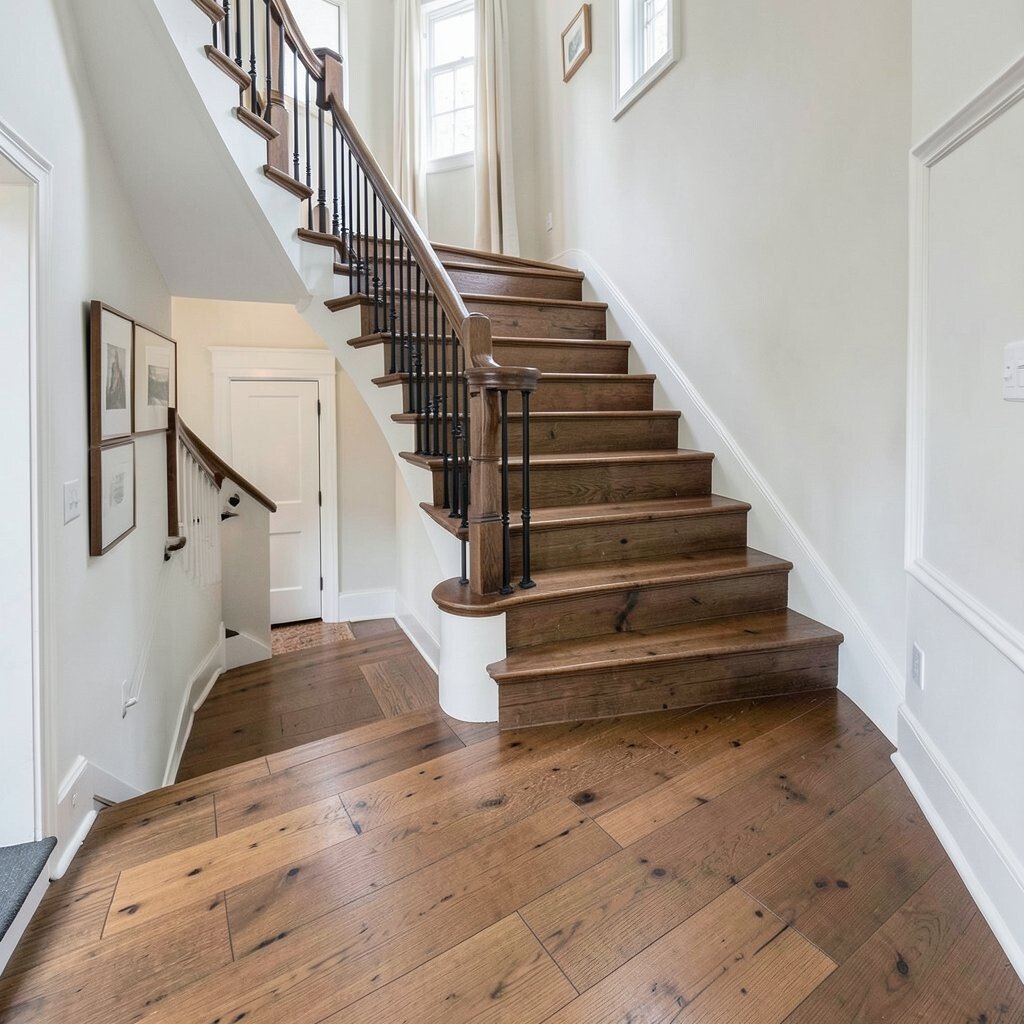
Wide-plank stair flooring has a way of making spaces feel more open and high-end. The planks add visual breadth, so your staircase looks intentional and substantial.
Choose planks that align with the direction of flooring in adjacent rooms to reduce visual breaks. This is a popular trend for modern homes because it helps the entire level feel connected. If your budget allows, prioritize planks with strong wear layers or solid construction since stairs take constant action.
For personalization, stain the planks to match your style, from light airy oak to deeper walnut tones. You can also add a simple runner or contrast nosing to emphasize step edges. Ask about installation options that minimize waste and protect the existing staircase base.
10. Glass-Mat Or Clear Runner Concepts For Modern Homes
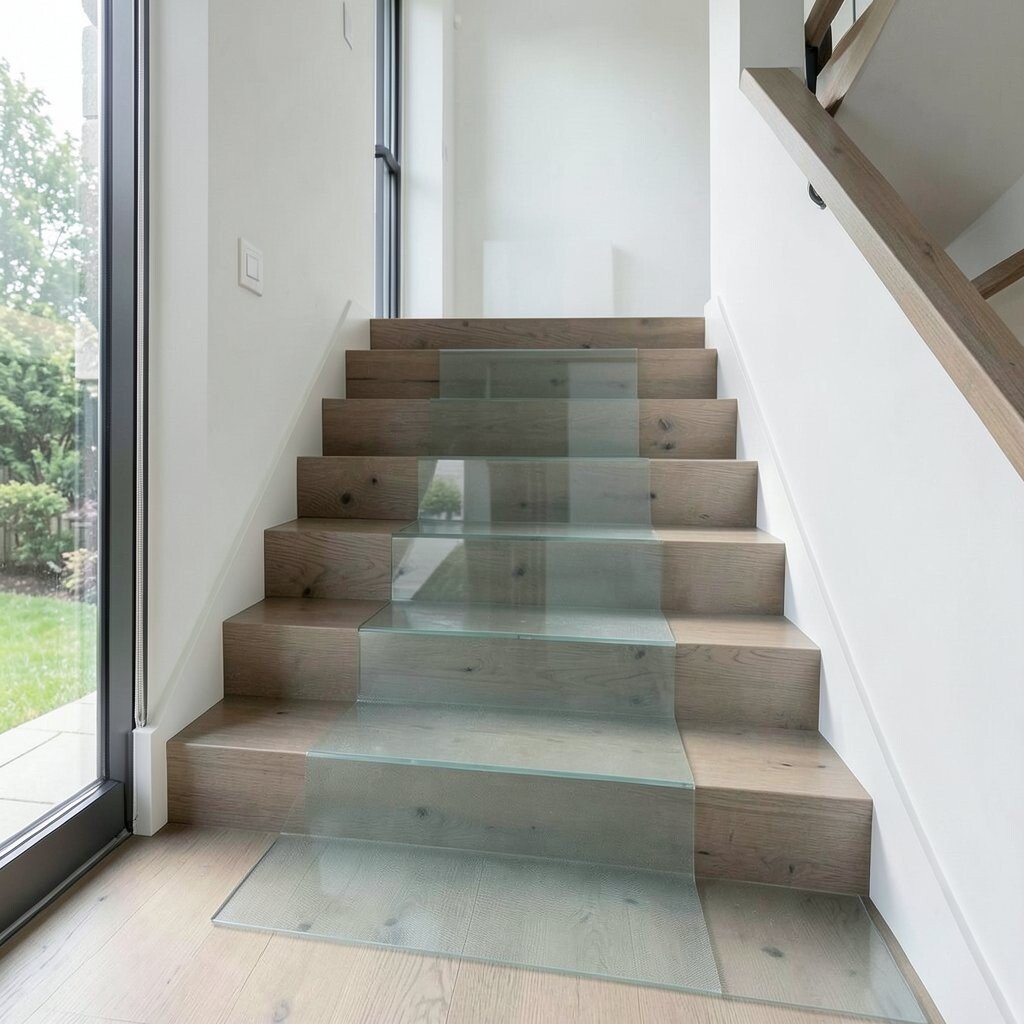
If you love a modern, airy look, a clear or near-clear runner concept can keep the staircase feeling light. It lets wood or tile shine while adding protection where you need it most.
Look for non-slip backing and edging that stays secure over time. This helps with safety and reduces the chance of shifting, which is important in busy households. The visual benefit is big, because the stairs keep their original design lines and textures.
To personalize, pair transparent materials with a dramatic railing finish like matte black or brushed metal. The combination can look gallery-like and clean. For cost considerations, clear runners can be less expensive than redoing everything, especially when you only need to protect and refine the tread surfaces.
11. Herringbone Or Chevron Patterns For High-End Energy

Herringbone and chevron patterns bring motion and a sense of craft to stair flooring. Even when the space is small, the pattern can make it feel like a designer intentionally planned every step.
Use a pattern that matches your home’s style, like a classic chevron in warm neutrals or a sharper contrast for modern spaces. Patterned flooring can also help hide minor scuffs since the visual rhythm breaks up wear. It’s a unique option that feels special without needing bold colors.
For practical planning, think about layout direction so the pattern lines look balanced across the risers and treads. If you’re working with tile, coordinate grout width and color for a crisp finish. Budget-wise, patterned work can cost more, so consider doing it only on key steps or using a runner that creates the same vibe at a lower price.
12. Stair Edging Details That Elevate Every Step
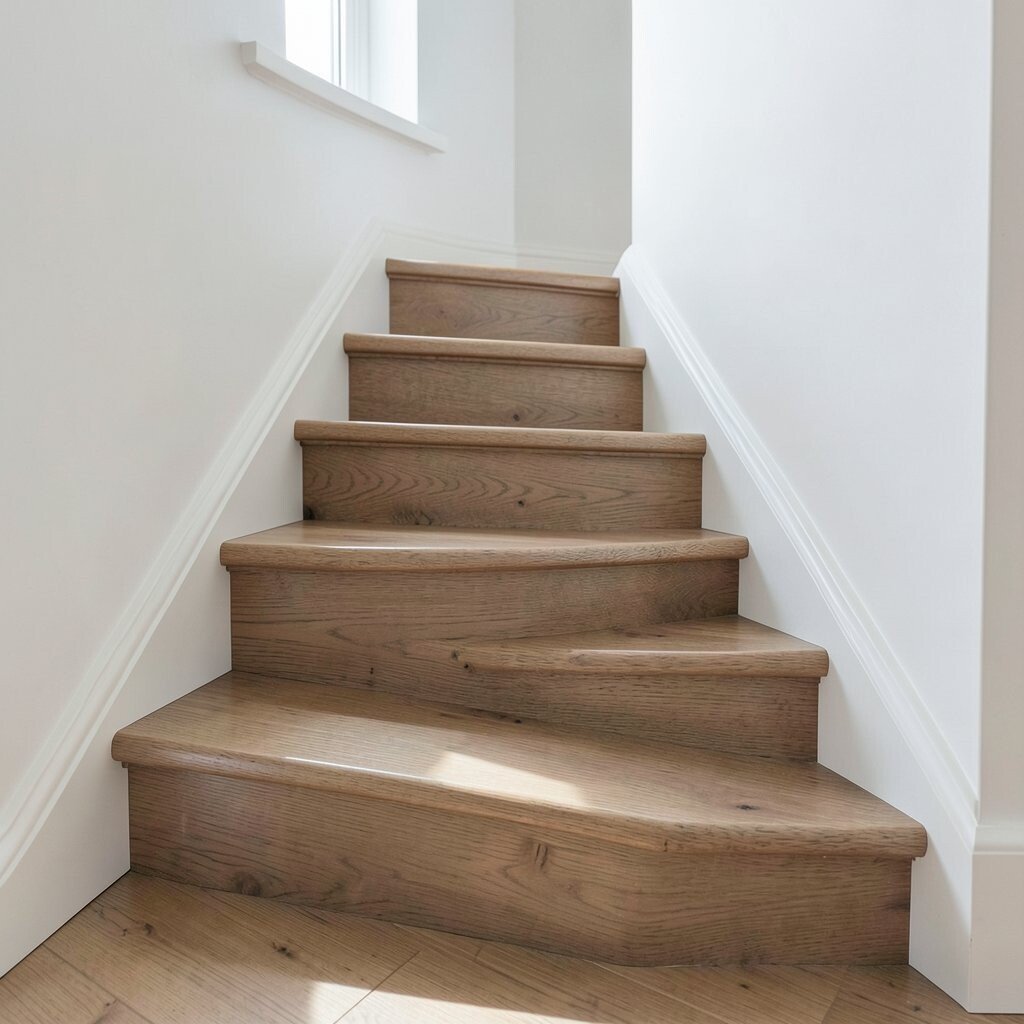
Small edging details can make stair flooring look custom, even when the main material stays simple. Think of clean metal strips or carefully finished wood edges that frame each tread.
This improves safety by defining the stair nose and reducing surprise slips at the edges. Many homeowners love how these details make the staircase look finished from every angle. For practical tips, choose edges that are durable and rated for foot traffic, and avoid flimsy trim that can lift over time.
To personalize, match edging to your hardware or lighting, like brushed steel for modern rooms or bronze tones for classic warmth. If you’re managing cost, edging upgrades are often easier than full replacement and can deliver a big visual payoff.
13. Natural Stone Looks With Practical Protection
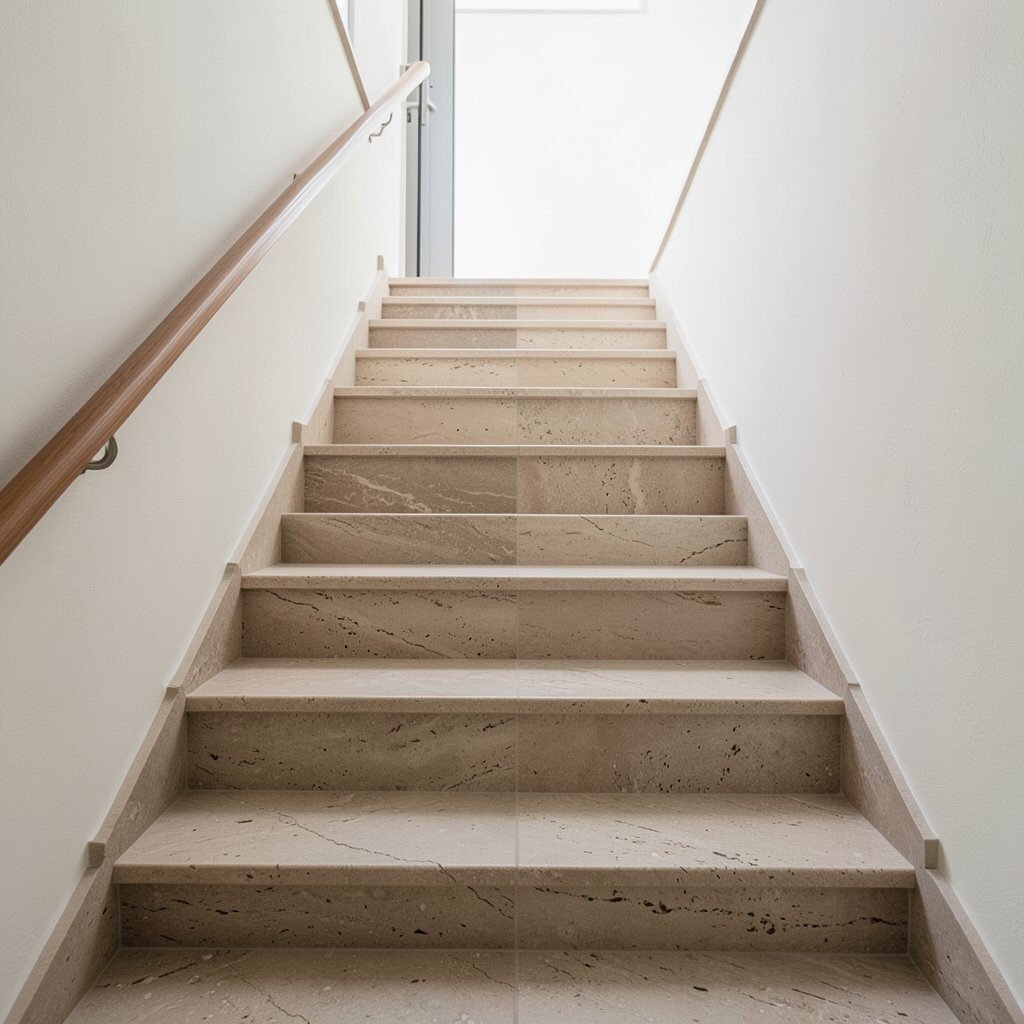
Stone-look flooring can make your staircase feel grounded and elegant. You get that timeless vibe, especially when the colors match your kitchen counters or fireplace surround.
To keep it practical, choose stone-look materials designed for slip resistance and everyday cleaning. Some families love porcelain options because they can mimic marble or travertine while handling traffic well. The benefit is a luxurious look that doesn’t demand extreme maintenance.
If you want personalization, select a stone tone that fits your home lighting, since cool light can make whites feel crisp and warm light can make beige tones feel richer. Consider sealing needs based on your chosen material, and ask for guidance so you don’t over-maintain. Cost can vary widely, so compare the price of true stone versus engineered or porcelain stone looks for the best fit.
14. Reclaimed Wood For A Story-Led Staircase
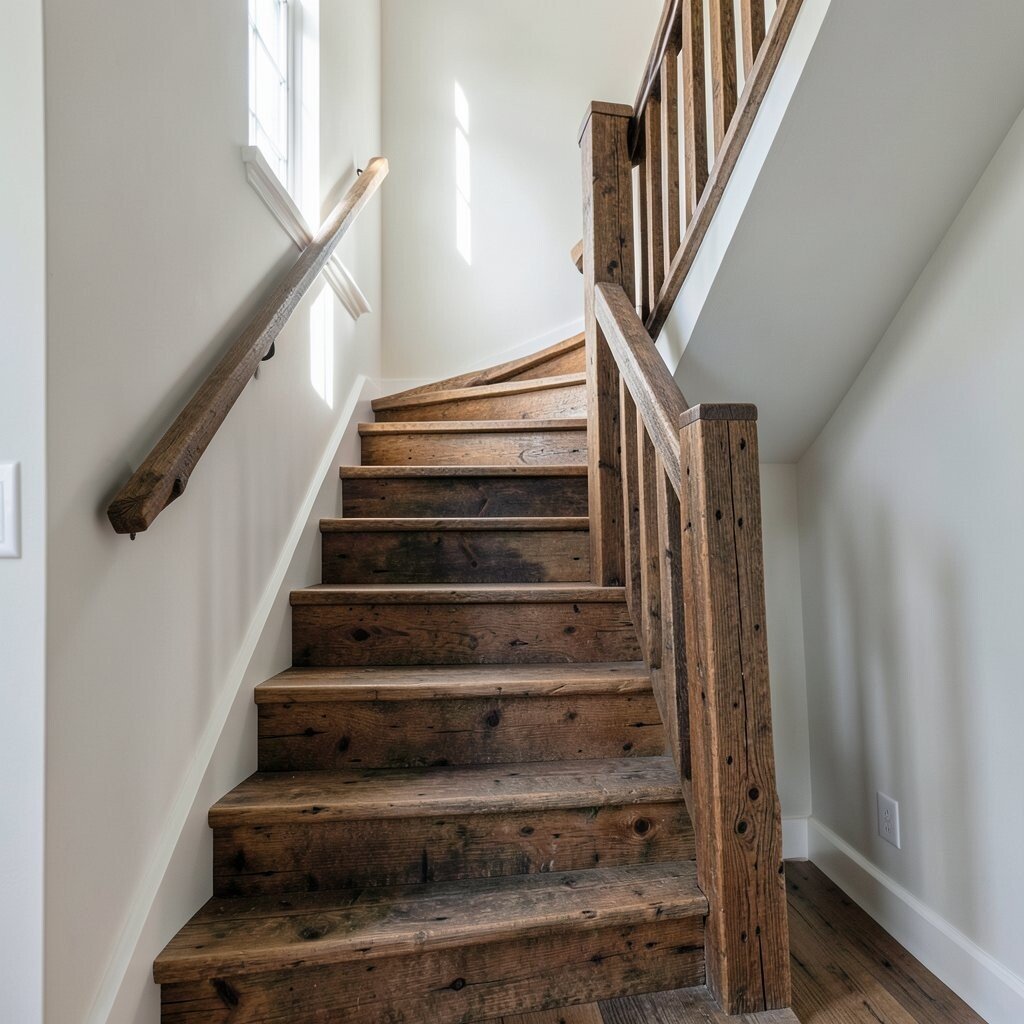
Reclaimed wood on stairs adds character you can’t fake with new materials. You might see subtle marks and color variations that feel like a history lesson built into your home.
This approach offers uniqueness and a warm, inviting mood, especially in rustic modern or farmhouse-inspired interiors. It also pairs beautifully with simple railings and natural light. For practical tips, confirm the wood is properly treated for interior flooring and that it’s installed securely with the right finish for high traffic.
Budget considerations depend on availability and quality, but reclaimed wood can sometimes be competitive with premium new options. To personalize, combine reclaimed treads with a fresh coat of sealant so the tone stays consistent. If you want a lighter feel, mix reclaimed planks into a brighter overall stain range.
15. Geometric Riser And Tread Combinations
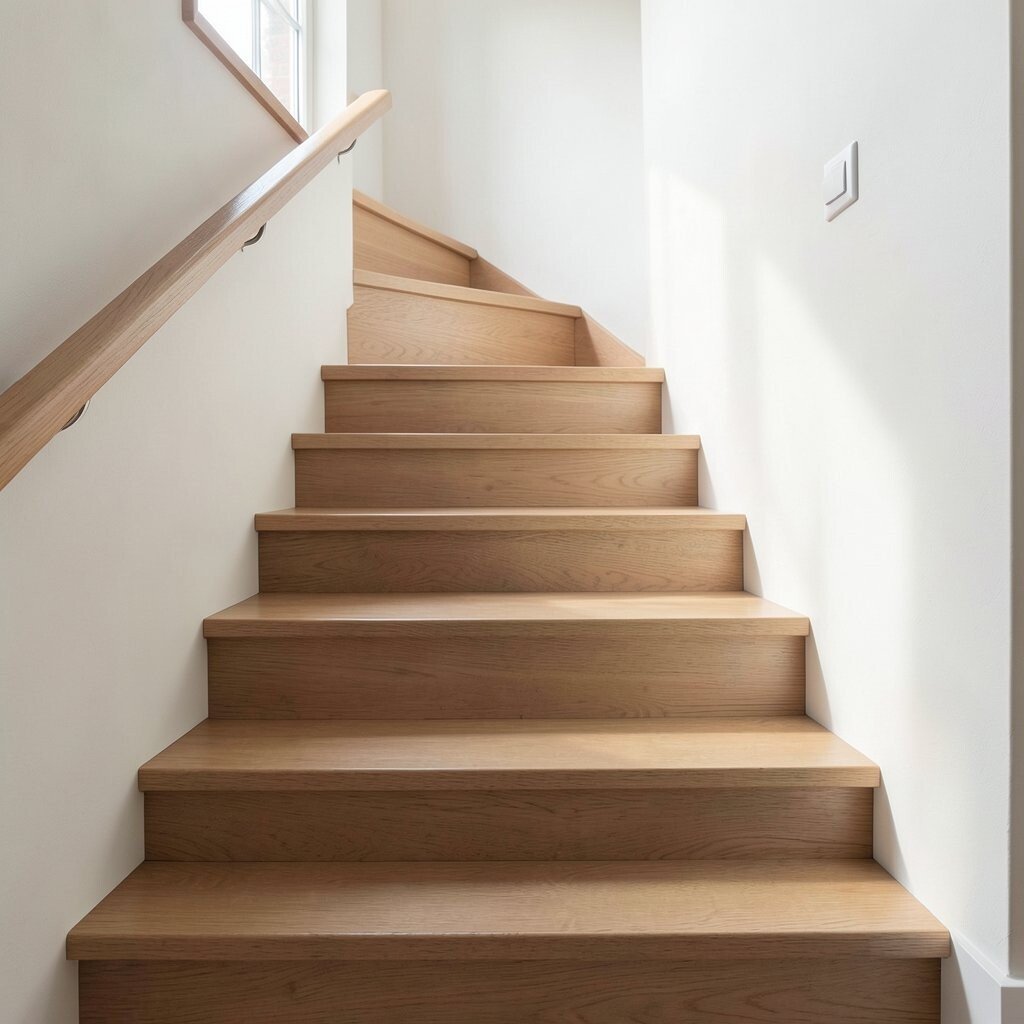
A creative stair floor isn’t only about the tread surface. Mixing simple geometric shapes on risers with coordinated tread flooring can make the staircase feel like modern art.
Choose a limited color palette so the design stays clean, like neutral risers with a single accent stripe. This can guide the eye and make stairs easier to navigate visually. The uniqueness comes from the rhythm of shapes, while the benefit is a clearer sense of step layout.
For personalization, match the geometry style to your home decor patterns, like subtle waves for coastal vibes or clean lines for contemporary spaces. When planning cost, consider that customizing risers can sometimes be less expensive than changing the entire tread material, depending on your current staircase setup.
16. Laminate Stair Flooring For Budget-Friendly Style
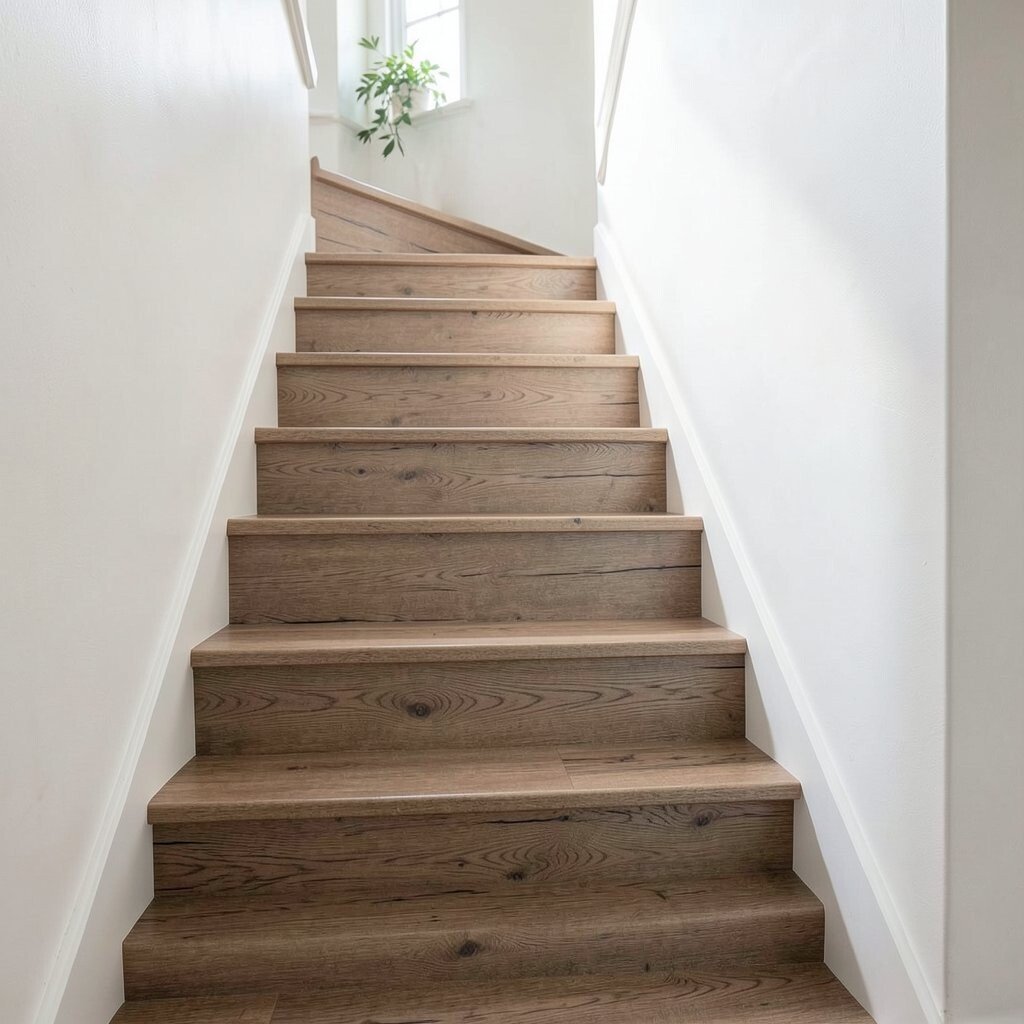
Laminate is a popular option because it can deliver a high-style look without the price shock. With today’s designs, the surface can convincingly mimic wood or stone.
Pick laminate that’s rated for heavy use and designed for stairs or floors with frequent traffic. It’s a practical choice for busy households, and the benefit is a durable surface that still looks sharp. For personalization, select a finish that matches your trim so your staircase doesn’t feel like a separate project.
If you want a safer feel, consider adding anti-slip strips at the stair nose. That small addition helps with traction and creates an organized visual line. For cost considerations, laminate often wins, especially when you can reuse parts of the existing stair structure.
17. Scandinavian Light Tones With Clean Lines
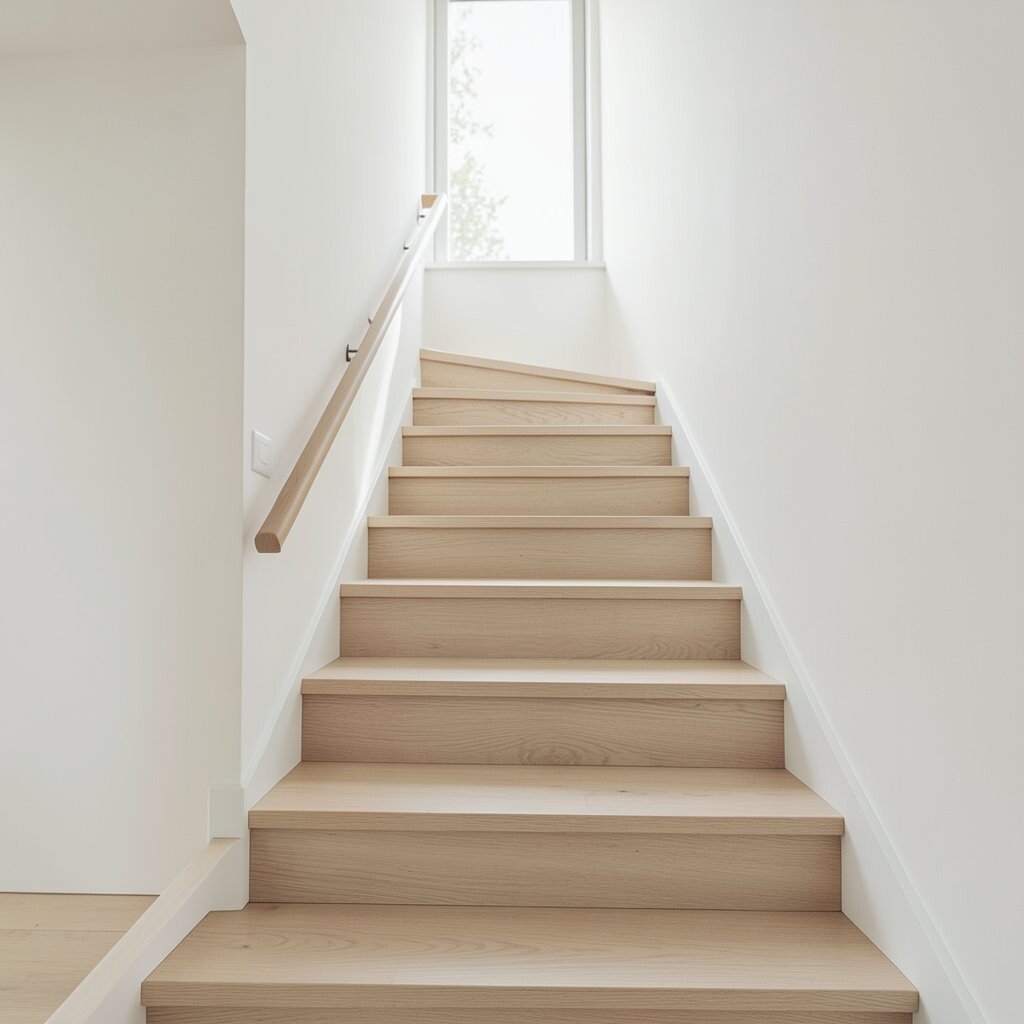
Light, Scandinavian-inspired stair flooring makes spaces feel bright and fresh. You’ll notice how the staircase blends with airy walls and calm furniture, creating an easy-flowing home look.
Use pale wood tones or light laminate with a matte finish for a modern, cozy vibe. The benefit is that stair flooring stays forgiving visually, since minor marks blend better into light surfaces. If you want extra warmth, add a runner in a muted pattern like soft gray or oatmeal.
For practical tips, keep the runner secured and choose a material that can handle regular vacuuming. Personalize with a railing finish that matches your room accents, such as light oak rails for a cohesive look. Cost can stay moderate, because light tones are often available in many flooring categories.
18. Dark Walnut Treads For Dramatic Contrast
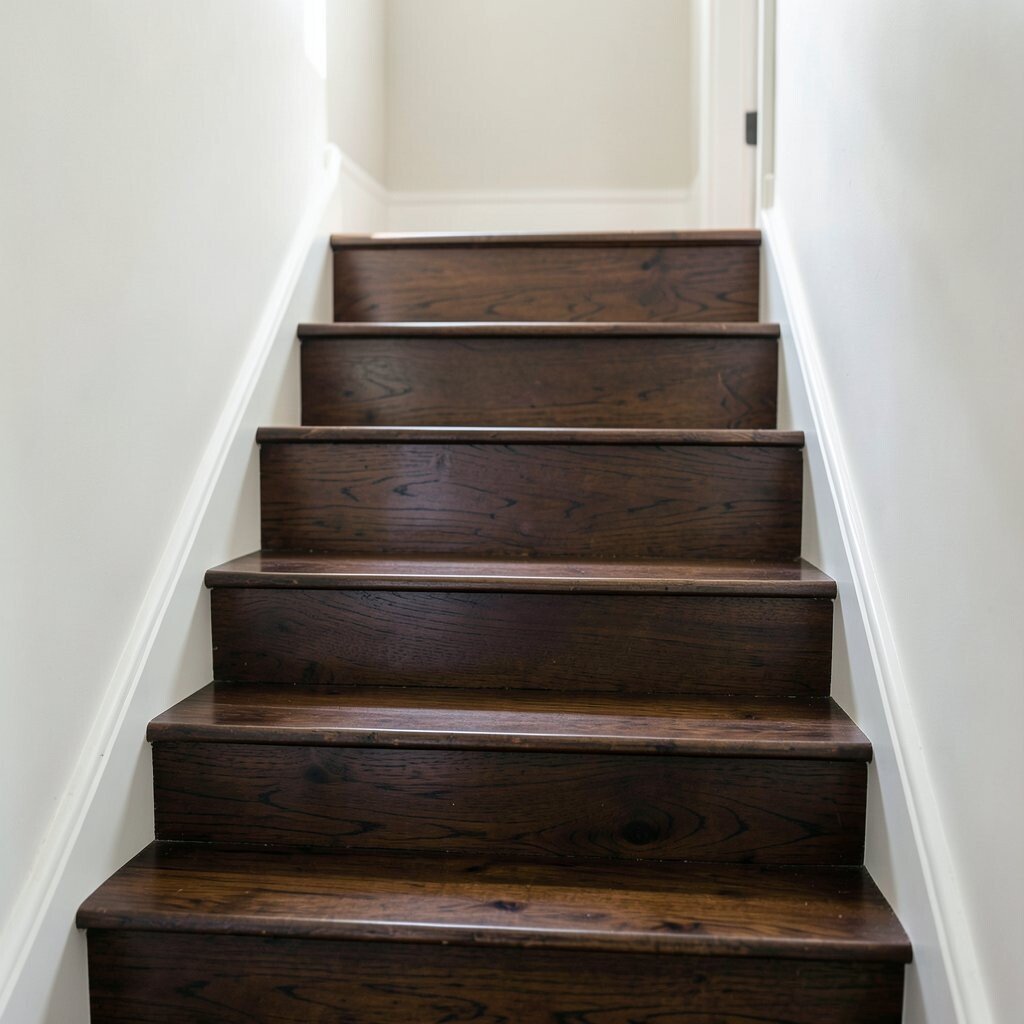
Dark walnut stair flooring can feel rich and luxurious without needing heavy decoration. The steps stand out like a deliberate design element rather than background texture.
This look works especially well when paired with light walls and bright lighting. The benefit is instant visual impact and a sense of depth as you move up the stairs. For practical concerns, choose a finish that resists scratches and maintains the dark tone over time.
To personalize, decide whether you want a warm brown vibe or a cooler, more modern near-black tone. You can also add a runner with subtle texture to soften the drama while keeping traction. Budget-wise, dark finishes may cost more in premium materials, so weigh the long-term durability benefits against upfront price.
19. Two-Tone Stairs With Risers And Treads Working Together

Two-tone stair flooring lets you shape the mood in a controlled way. When risers and treads coordinate, the staircase feels balanced, not busy.
Try light treads with slightly darker risers or the reverse, and keep the colors close enough to feel like they belong together. Many designers use this method because it adds dimension and helps define the step line clearly. You’ll also find it easier to match with changing decor since the tones are restrained.
For personalization, use a favorite accent color in small areas, like a thin stripe or a runner edge. That way you get individuality without overpowering the whole hallway. Cost can be manageable if you’re painting only risers or using a runner over existing surfaces.
20. Flooring That Matches The Hallway For A Seamless Journey

Matching your stair flooring to your hallway floor makes your home feel like one smooth pathway. The visual effect is calming, because you don’t keep hitting sudden material changes.
This approach can also help in open layouts where the staircase is visible from multiple rooms. The benefit is continuity, which often makes homes feel larger and more organized. For practical tips, make sure transitions at the landing are properly finished so there are no abrupt edges that catch shoes.
Personalize by adjusting sheen or adding a runner for comfort while still keeping the color family consistent. If you want cost control, choose one primary flooring type that can be used throughout and reuse supplies across projects. That strategy can reduce waste and labor planning.
21. Patterned Runners That Hide Wear And Add Motion
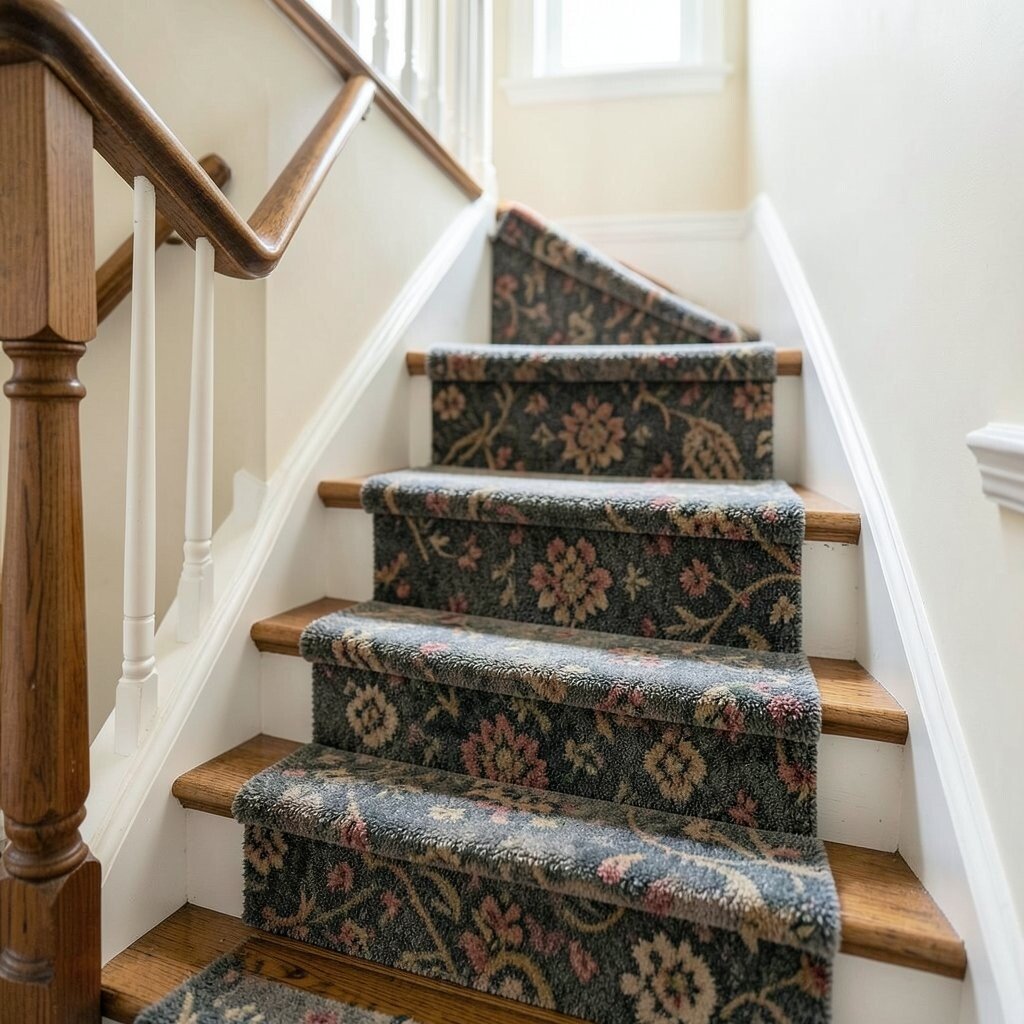
A patterned runner can hide wear while making the staircase feel lively. From the hallway, the pattern gives visual movement, and from the steps, it adds a consistent grip underfoot.
Choose patterns that suit your life, like smaller motifs for high traffic or simple stripes for a tidy look. The practical benefit is that stains and scuffs show less when the design already has visual variety. It’s also a flexible choice since you can change the runner later to refresh the whole space.
For personalization, match the runner colors to your throw pillows, art frames, or seasonal decor. If cost is a concern, measure carefully and select a size that fits without waste. A good runner can be a smart way to get designer energy without committing to full renovation.
22. Stairs Flooring Built Around Your Lifestyle
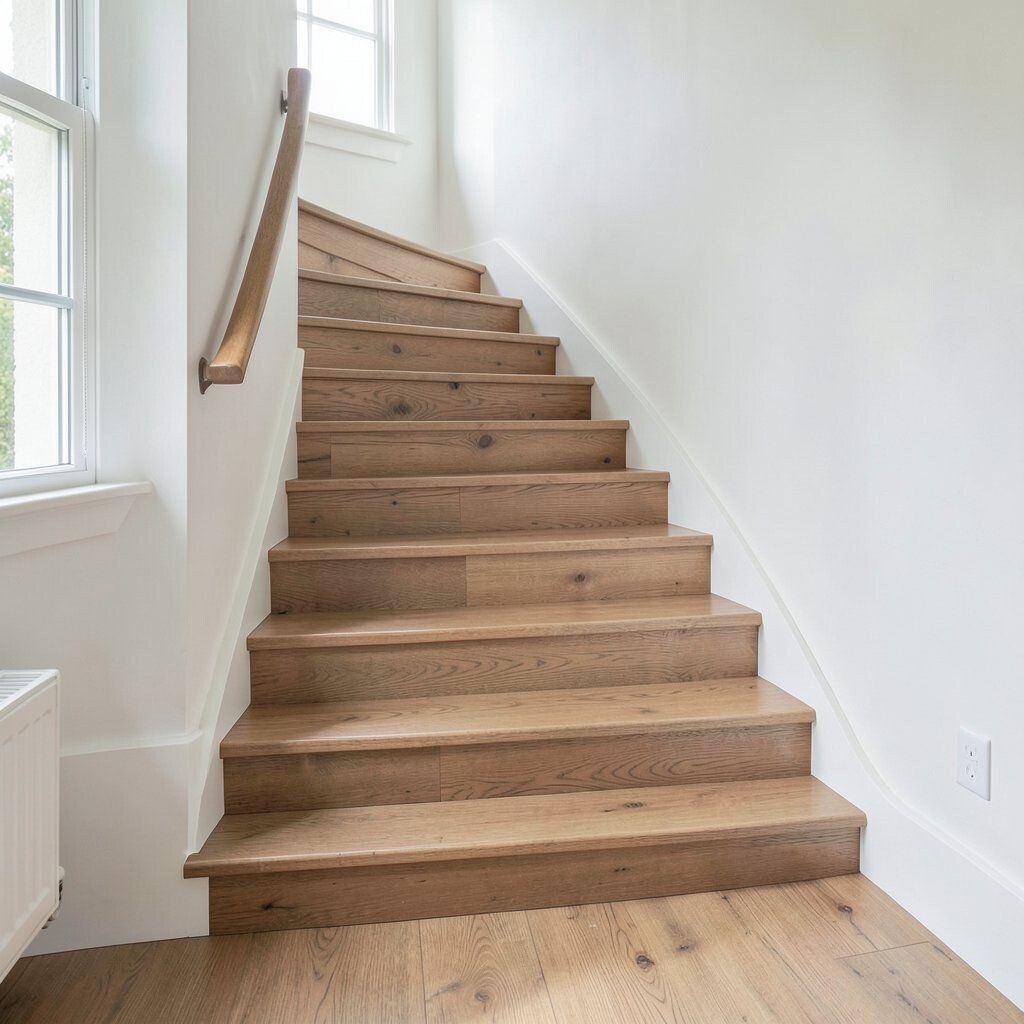
The best stair floor idea is the one that fits your daily routine. If your home is busy, your choices should support quick cleanups, comfort, and reliable grip.
Consider how you move through the space, like carrying groceries, walking barefoot, or dealing with pets. Flooring that feels great for one lifestyle might not work for another, so design experts often start by observing how stairs are actually used. This is where personalization becomes real, because your staircase should serve you, not fight you.
When thinking cost, balance upfront materials with long-term maintenance and replacement schedules. You can spend more on traction and durability in key areas, then save in spots that get less wear. If you’re unsure, choose a sensible base material and finish with details like edging, a runner, or a protective topcoat that you can adjust over time.