
The stairs are the hallway you can’t ignore. Small changes can make them feel sunny and welcoming.
Whether you prefer a sleek floor look or cozy carpet comfort, the right choice can brighten your whole home.
1. Light-Toned Flooring for a Breezy First Impression

Choose stair flooring in warm, light shades like oak, ash, or pale maple to reflect more daylight. The steps will visually lift the space, making landings feel less cramped and more open.
Go for a satin or low-sheen finish so light bounces around without glare. If you love a clean look, keep the treads the same tone and use minimal contrast on risers. Add a simple runner-style border using thin trim to guide the eye and make the staircase feel designed rather than plain.
2. Soft-Layer Carpet for Comfort and Quiet Steps
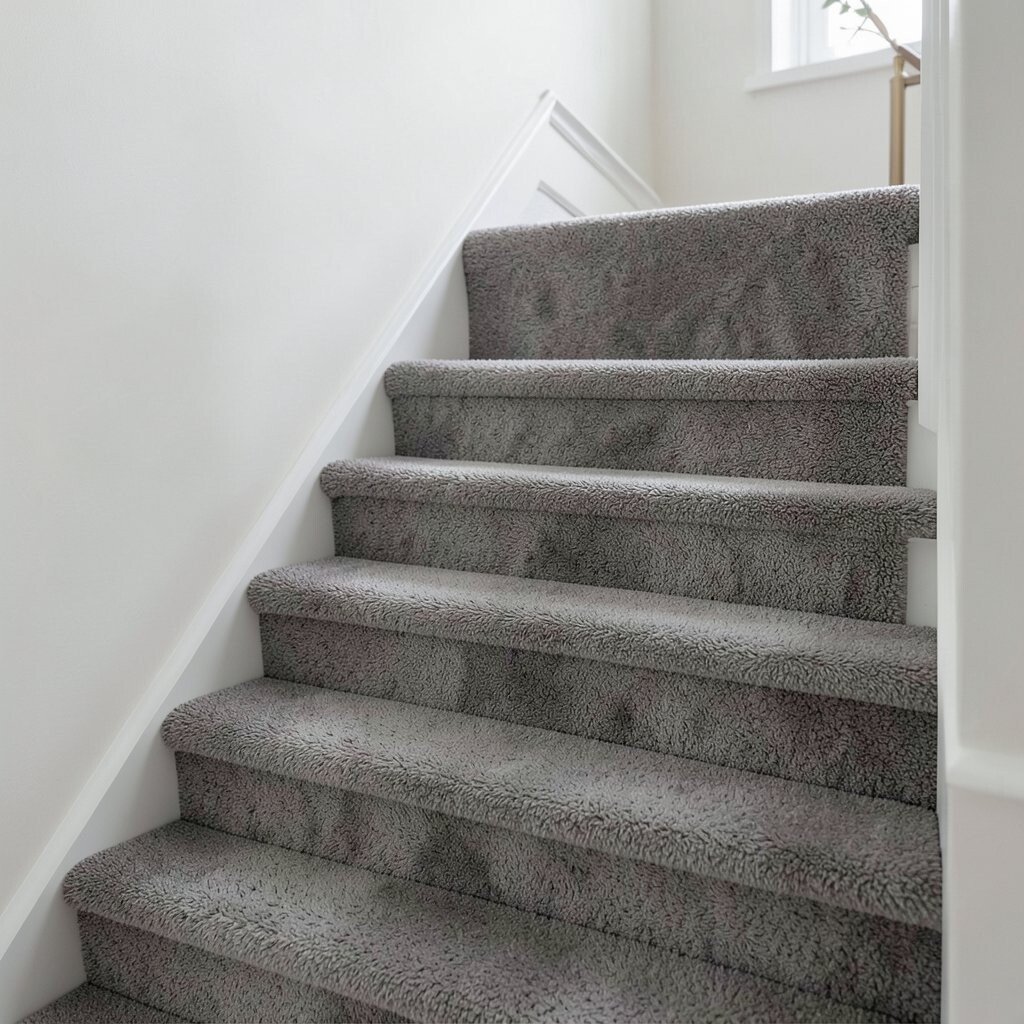
A stair carpet instantly adds comfort underfoot and reduces noise as you move through the home. You’ll notice it first in the evening when sound carries less and the space feels calmer.
Select a low-to-medium pile carpet that holds up well on foot traffic and doesn’t crush too quickly. Consider a pattern with subtle specks or a tight weave so everyday marks blend in. If your staircase gets sun, pick a carpet with good color fastness so it stays bright over time.
For practical styling, pair the carpet with sturdy stair rods or gripper edging that stays neat. You can also match the carpet color to your living room textiles so the whole home feels connected. If you’re trying to brighten on a budget, choose a lighter carpet base with a slightly darker edge for an easy, long-lasting look.
3. Contrast Treads and Risers for a High-End Glow

Try alternating tones between treads and risers to create a crisp, friendly rhythm. This kind of contrast makes the stairs feel more intentional, like a gallery wall for your feet.
If your floors are already warm, go for lighter treads with richer risers, or the reverse if you want a calmer vibe. Keep the contrast moderate for a soft brightening effect, especially if your hallway is narrow. Add slim black or brushed brass metal nosing for a modern touch that still feels welcoming.
When measuring, double-check tread depth so the visual lines stay balanced. You can personalize further by matching the metal finish to your door handles or light fixtures. For cost control, refinish only the parts you can do easily and focus upgrades where your eyes land first.
Carpet can also play into this idea with a runner that stops right at the edge of each tread. That creates the same “defined steps” look while keeping the comfort of carpet.
4. Patterned Runners That Make the Hallway Feel Taller
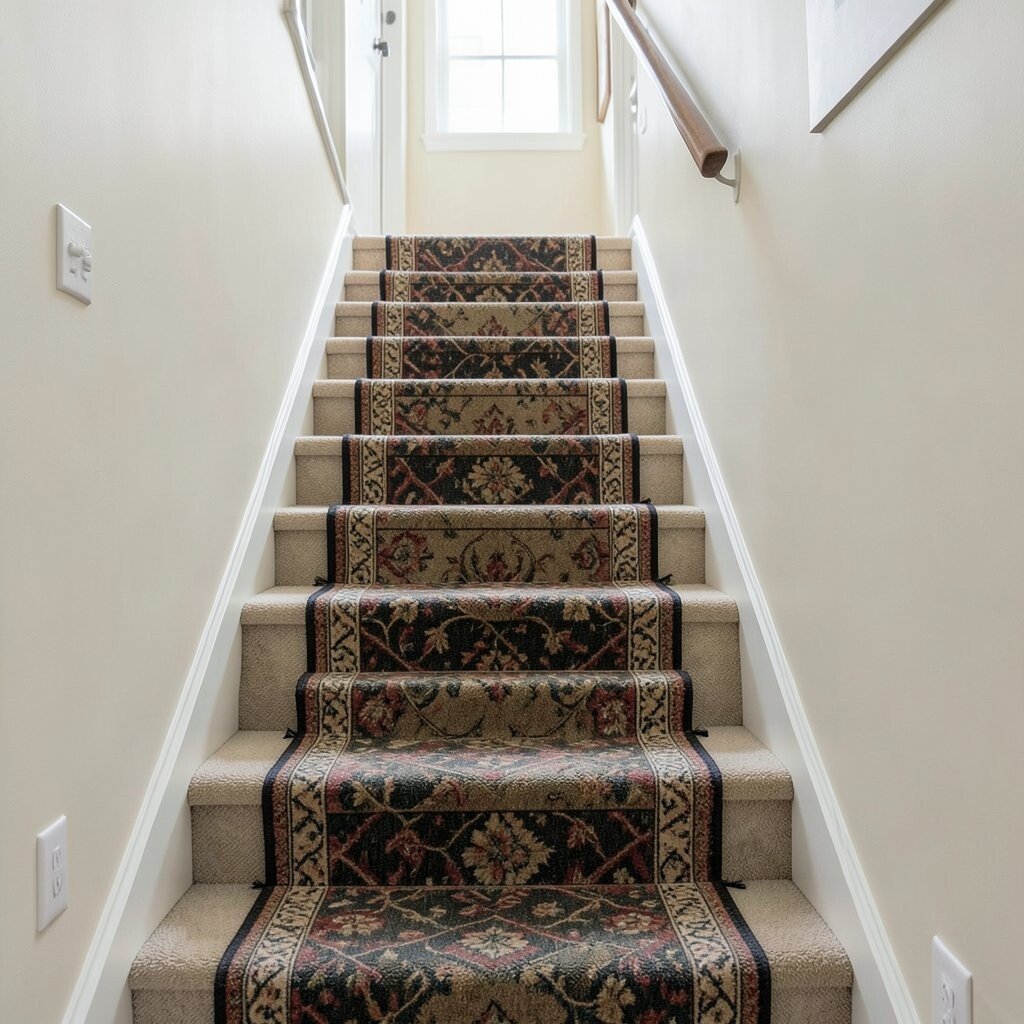
A runner with a gentle pattern can trick your eyes into seeing more height and more flow. Stripes, small geometric shapes, or a subtle tonal weave can make the staircase feel brighter without needing bold colors.
Go for vertical stripe effects if you want the staircase to look taller and more airy. Keep patterns tidy and not too busy, because the steps already have many visual edges. A runner in a light neutral with hints of warm color can tie into wall paint and upholstery.
If you’re worried about stains, choose a performance carpet designed for heavy use. You can also set expectations with proper underlay so the runner lies flat and looks neat each day. When you install, take time to align the pattern at the bottom tread so it feels crisp and high quality.
5. Glossy Floor Accents That Reflect Light Beautifully

Shiny or semi-gloss stair finishes can brighten your home by bouncing light across every step. Even in a dim hallway, reflections help the staircase feel more lively and less shadowy.
Look for clear coats designed for floors, not generic varnish, so the finish resists scuffs. Consider using a slightly darker edge trim to frame the reflections and keep the look sharp. If your home style is modern, pairing a sleek finish with clean metal balusters looks especially fresh.
For personalization, add a thin inlay detail on each nosing like a narrow band of a contrasting wood or laminate. This can be done gradually, letting you budget for upgrades over time. Just remember that glossy surfaces show dirt more easily, so a simple weekly routine keeps them looking bright.
6. Carpet Colors That Feel Sunny Without Being Too Loud
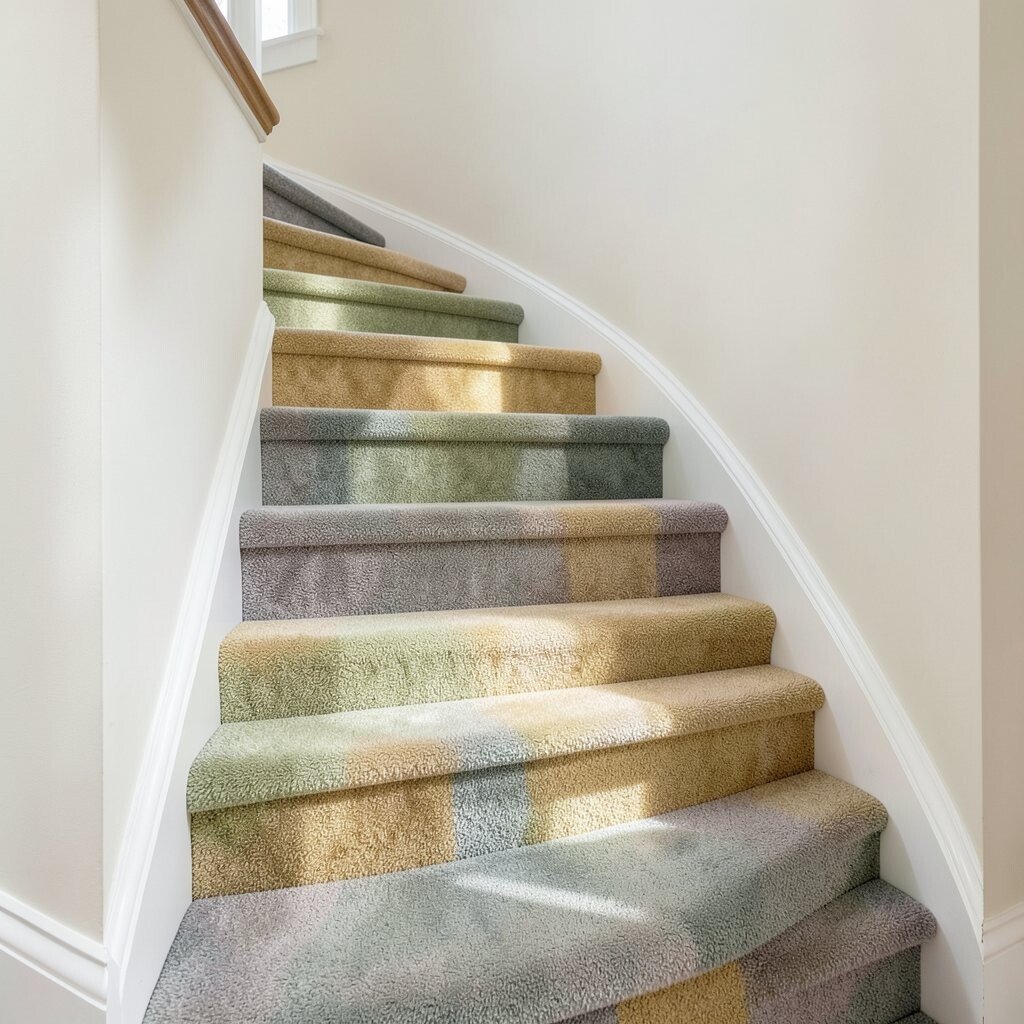
Pick carpet tones that feel like daylight even when the curtains are closed. Warm off-whites, creamy beiges, and soft greys with a gentle undertone can brighten the stairs while still feeling cozy.
To keep it from looking flat, choose carpet with dimension such as a heather texture or low-contrast pattern. That helps hide traffic marks and keeps the staircase looking clean day after day. If you have pets or kids, a practical stain-resistant fiber is a smart choice that saves stress.
Match the carpet to other textiles in the home, like area rugs or curtains, so the staircase feels like part of the same story. For a trendy look, think about neutral layering, where the runner is light but the banister details add contrast. You can also add a coordinating stair pad for extra comfort and better grip.
7. Wood Flooring With Bright Stair Edging and Lighting
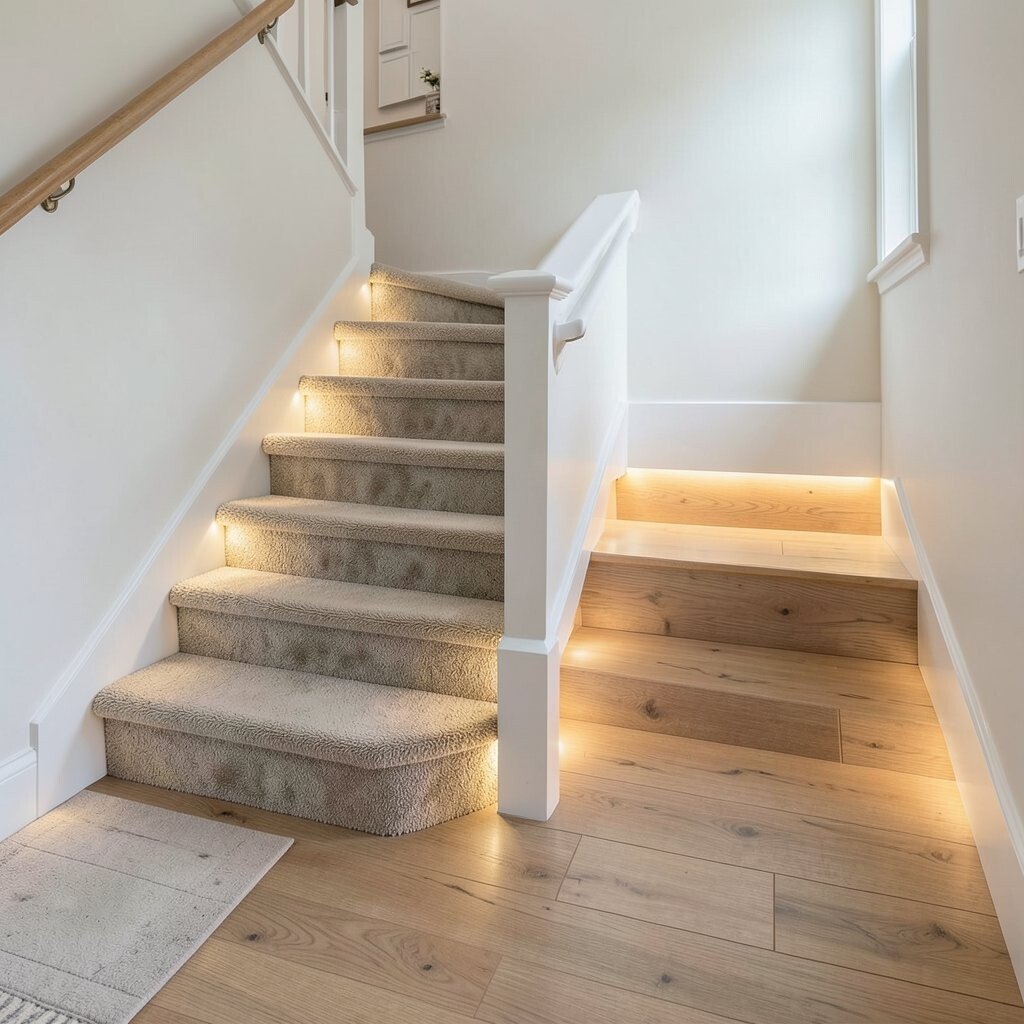
When you choose stairs floor instead of carpet, the edging matters a lot for how bright things feel. Light-colored nosing or pale trim along the step edge creates a clear highlight line that guides your eyes upward.
Install gentle lighting along the staircase, such as low-voltage step lights, to make the floor look warm at night. The combination of visible edges and subtle light makes the stairs feel safe and welcoming. If wiring is a hassle, consider battery-powered options or plug-in LED strips designed for stairs.
Personalize with a wood tone that matches your main flooring, then add trim that echoes your home’s hardware. You can also use a clear protective finish to preserve the wood’s bright look. For cost thinking, focus on the first few steps that people see most, and expand lighting or refinishing later.
This approach works especially well in modern homes because it feels clean, bright, and crisp.
8. Luxury Carpet Tiles for Easy Replacements
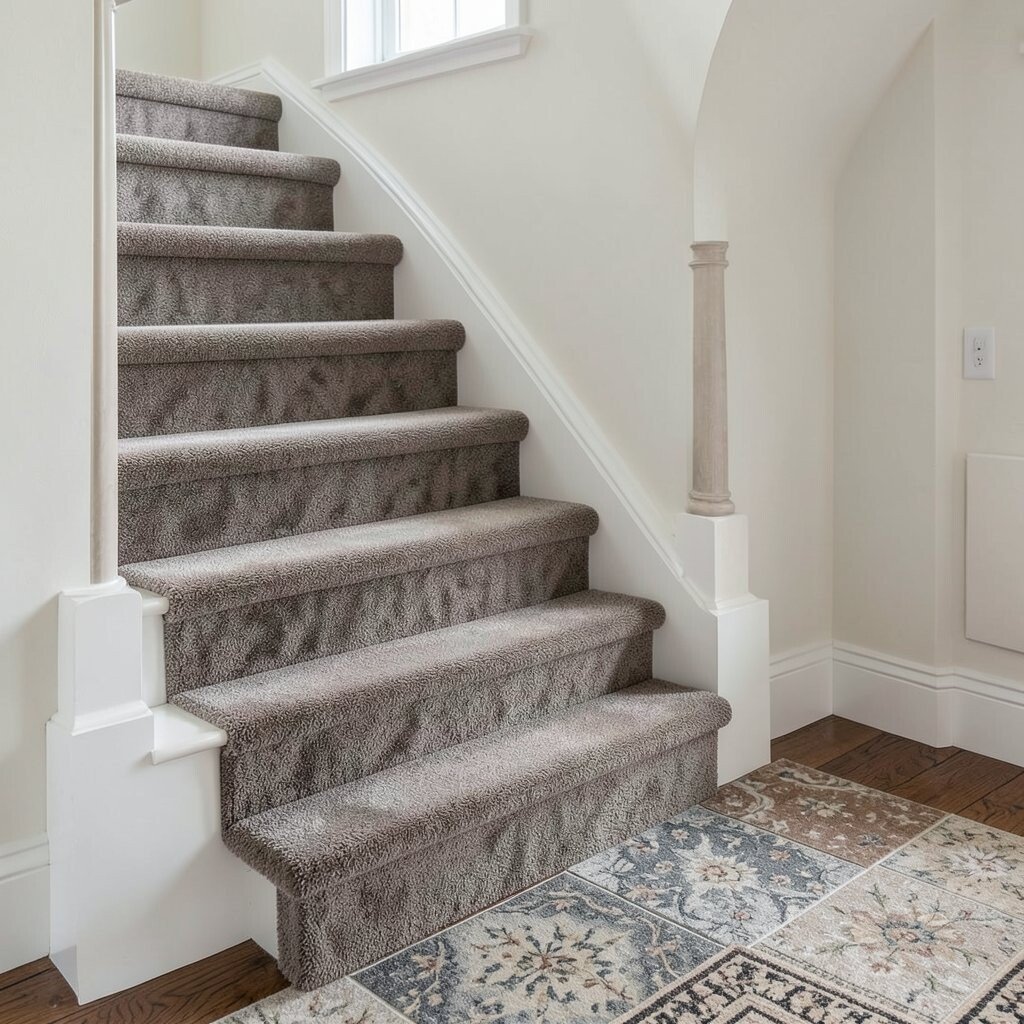
If you want carpet comfort with flexibility, consider carpet tile-style steps or modular runner pieces. You get the cozy feel while making future fixes simpler when spots appear.
Use consistent tones for a bright look, or mix two shades to create an “accent tread” feel. When one part wears out, replacing a small section is often cheaper than redoing everything. This also helps if you like experimenting, because you can refresh the staircase without a full overhaul.
Pick a stain-resistant fiber and add quality underlay for a smooth, even surface. A dense backing helps the tiles or runner sections stay in place as you step. For personalization, choose a texture that mimics woven fabric for a warm, modern look.
9. Stair Floor in Monochrome for a Clean, Bright Flow
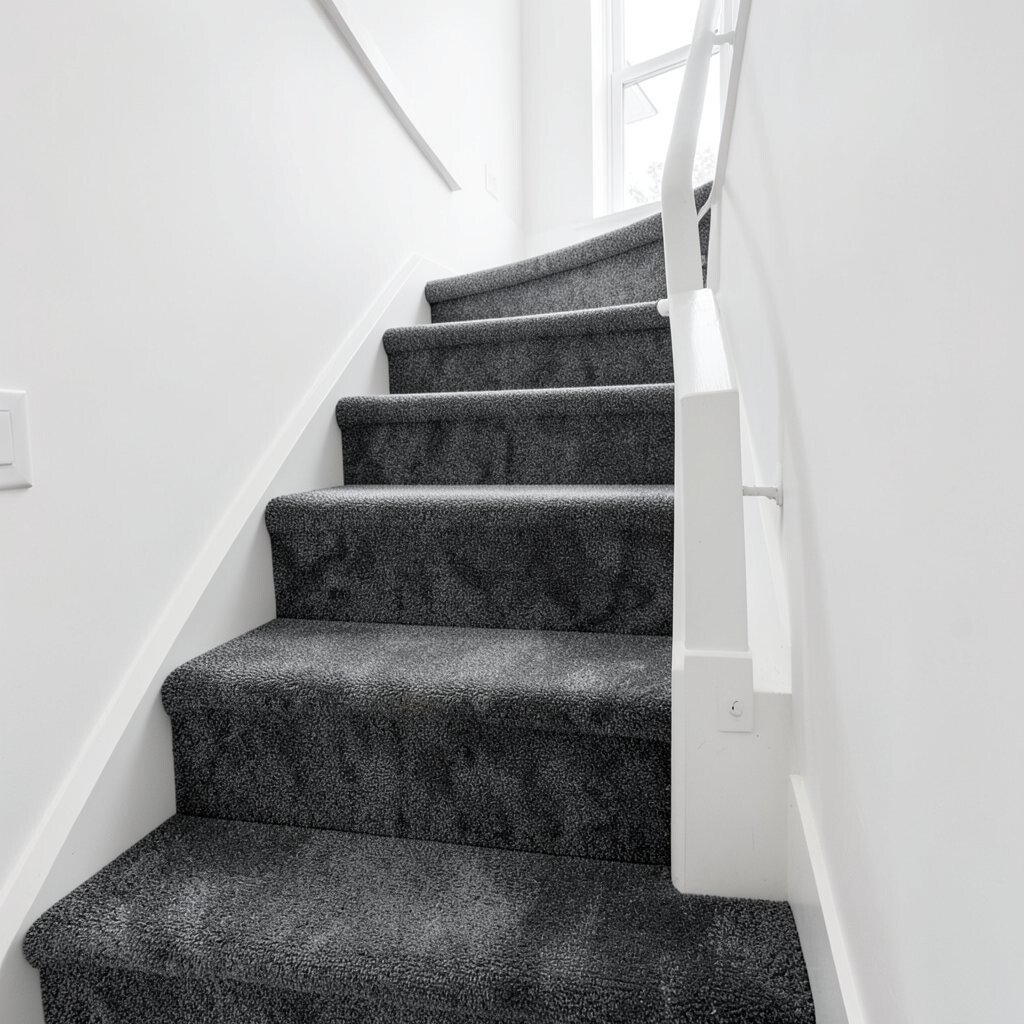
Monochrome stairs, using variations of one color family, can make your home feel calm and bright. Think soft whites, warm greiges, or light greys that blend with the hallway instead of fighting it.
Choose stair treads and risers in closely related tones so the staircase looks smooth from floor to landing. This reduces harsh contrast that can make narrow hallways feel busy. If you want a little drama, add metal balusters or matching handrail details in a single finish.
To keep the look polished, seal or finish your stairs well to prevent dullness. A simple cleaning routine with the right cleaner keeps the surface reflecting light. For cost considerations, you can refresh appearance by sanding and refinishing rather than replacing boards when the structure is sound.
10. Bold Runner Placement That Frames Artwork and Views

Carpet can brighten your home when it frames the staircase visually like a picture mat. Place a runner that lines up with eye level or creates a neat border so the stairs feel styled, not just covered.
If your hallway has wall art, match the runner’s color to one or two tones in the artwork. This makes everything feel connected and lifts the whole space. Keep the runner edges tidy with quality tack strips and a secure fit so it stays crisp after many steps.
For a trending look, consider a runner that’s slightly wider at the bottom and narrows toward the top. That creates a friendly perspective effect, especially in homes with an open entry. If you prefer a safer option, use a consistent width runner in a light base with a darker pattern.
To manage costs, choose a runner length that covers high-traffic areas well, then plan upgrades for the remaining parts as budget allows.
11. Stairs Floor With Natural Wood Grain for Warm Brightness

Natural wood grain looks bright in a gentle way, because it brings movement and warmth to each tread. Even a medium tone can feel airy when the finish is clear and well maintained.
Select a wood look that matches your lifestyle, like durable hickory for a busy home or smooth oak for a classic feel. A protective topcoat keeps the grain shiny enough to reflect light without turning slippery. If you want a modern touch, choose a uniform stain that brings out grain in a consistent pattern across steps.
Personalize by adding a thin contrasting edge strip or matching stair caps in the same wood family. This gives the stairs a custom look without needing complicated design work. For cost, compare refinishing and replacing; refinishing is often the smarter move when the stair structure is already strong.
12. Blended Look With a Small Carpet Over Wood Treads

You don’t have to choose one style completely. A blended approach uses wood flooring as the base while adding small carpet accents on treads for comfort and brightness.
Choose lightweight, removable tread covers in a light color, and keep them aligned for a tidy appearance. This lets you change the mood seasonally, like swapping in warmer tones during winter and cooler neutrals in summer. It’s also a practical solution if you want the beauty of stairs floor most of the time but want extra cushioning for everyday use.
For uniqueness, use covers in a subtle pattern that coordinates with your wall color or rug tones. Make sure the tread covers have a non-slip backing so the steps feel safe. When budgeting, prioritize covers for the steps you use most, then expand coverage later if you want more carpet coverage.
This idea feels modern and flexible, and it helps your home look brighter without committing to a full carpet install.