Fresh ideas often hide in plain sight. A few smart design moves can wake them up fast.
1. Build a Color Mood Wall
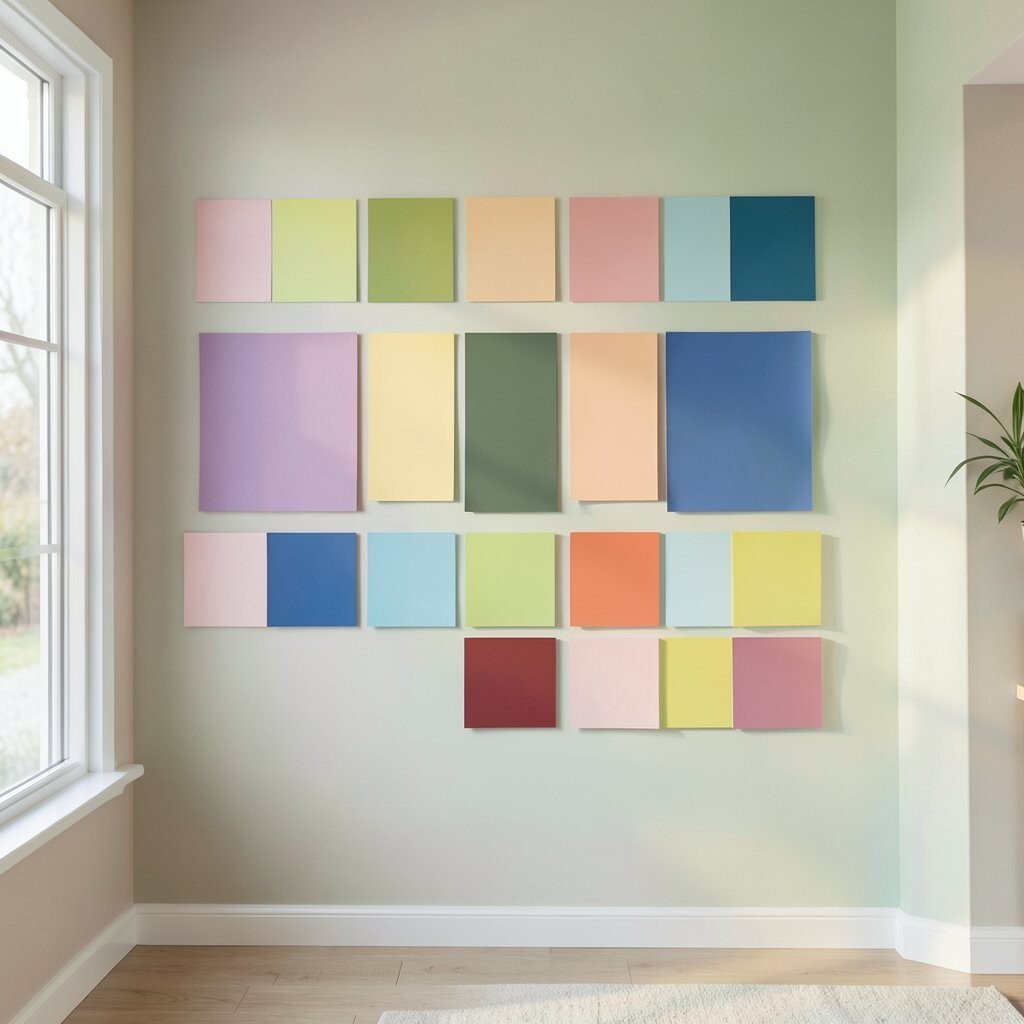
A color mood wall can turn a plain room into a lively spark zone. Bright swatches, soft tones, and bold accents give your eyes something fun to follow.
Start with paper samples, paint chips, fabric bits, or printed images from magazines. This idea works on a low budget, and you can swap pieces anytime your taste changes. Try adding your favorite colors, then mix in one surprise shade for a personal twist.
2. Create a Desk With Clear Zones
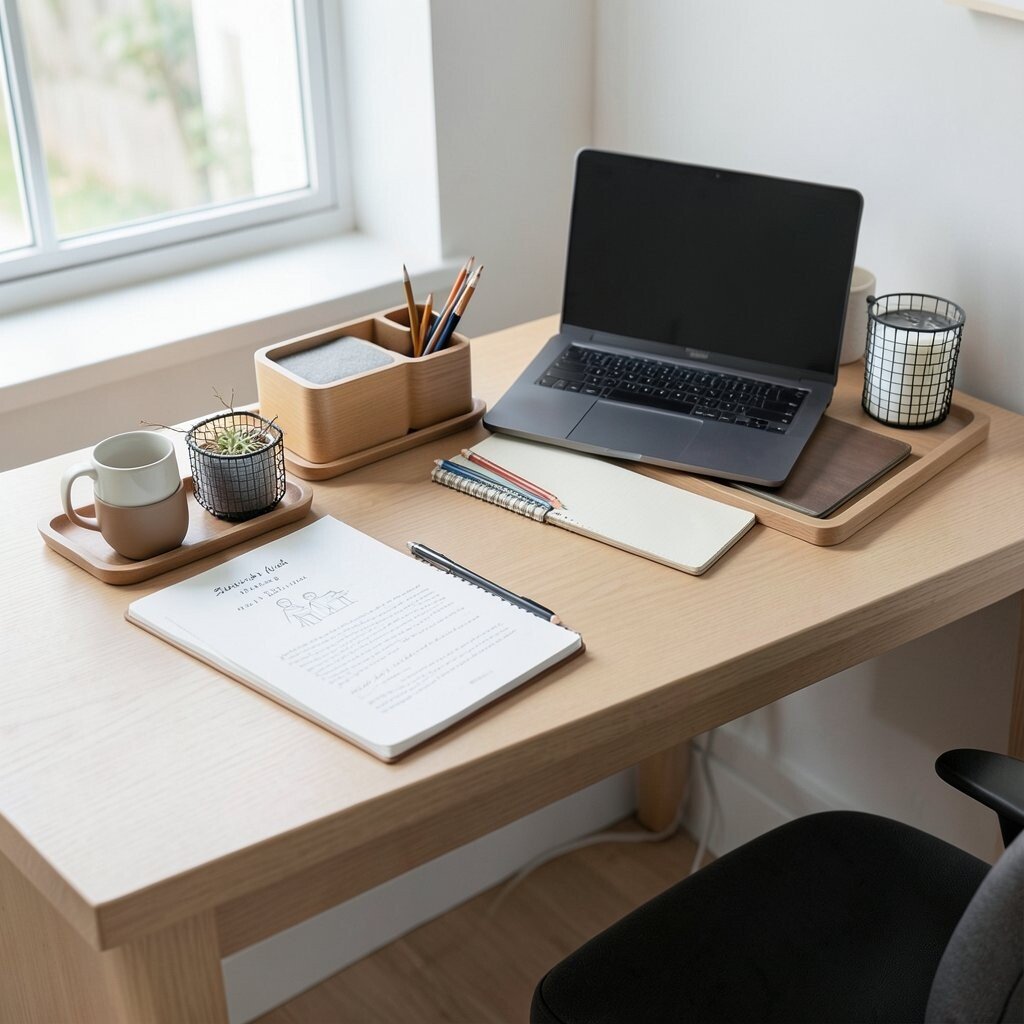
A tidy desk with clear zones helps the mind feel calm and ready. You can set one spot for tools, one for notes, and one for open space.
This setup looks neat and feels easy to use. It also saves time because you spend less energy hunting for things. Small trays, cups, and bins cost little, and they come in many trendy styles like wood, wire, and soft matte plastic.
Make the zones fit your own habits instead of copying a perfect photo. If you sketch often, keep pencils close; if you work on a laptop, leave room for a drink and a notebook. The best desk layout feels simple, personal, and easy to keep up each day.
3. Add One Big Statement Piece
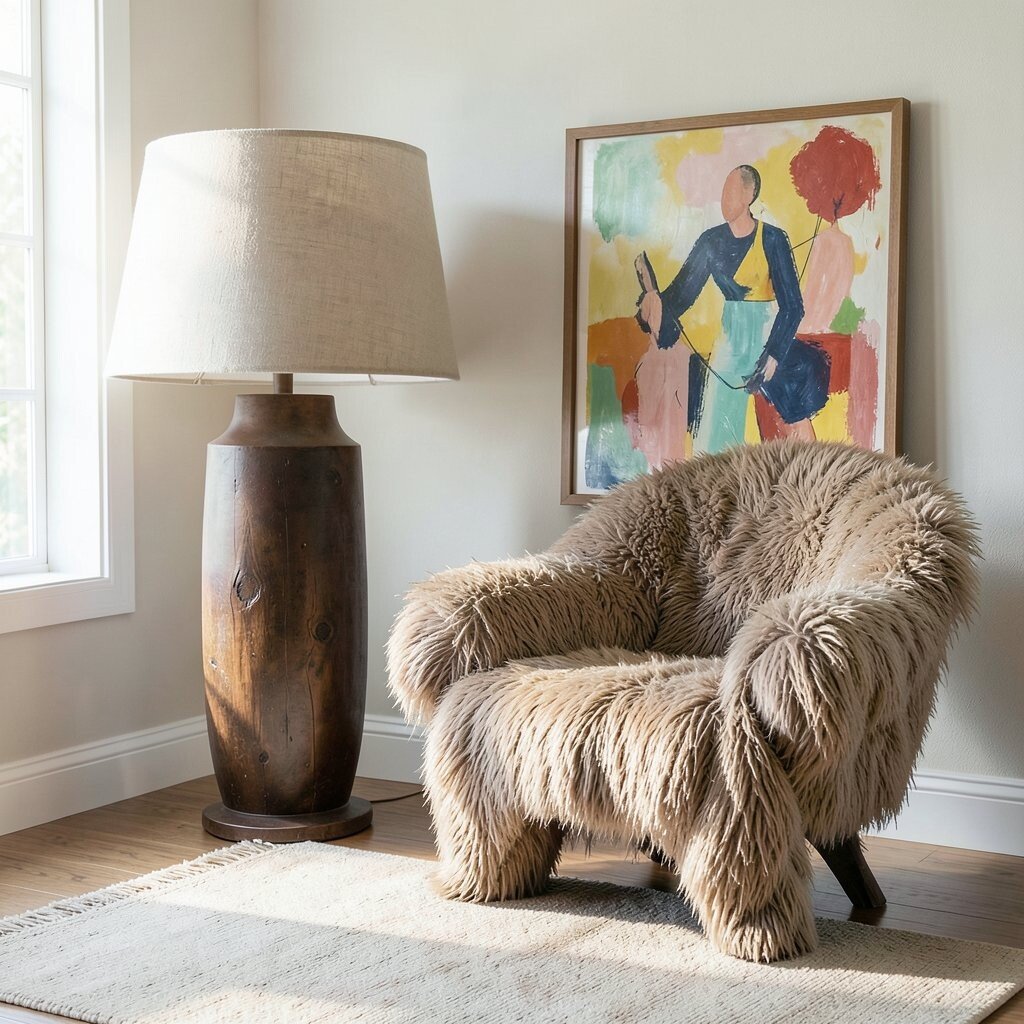
A single bold item can give a space a strong voice. Think of a large lamp, a wild chair, or a bright art print that pulls the eye right in.
This choice makes the room feel special without filling it with clutter. It can also be cheaper than buying many small decor items, since one standout piece does most of the work. Many people now like handmade items, thrift finds, and pieces with rough edges or unique shapes.
Pick something that matches your style, not just a trend. A statement piece should feel like you, and it should make you want to sit down and create. If you already own a favorite object, give it a new place where it can shine.
4. Mix Old and New Materials
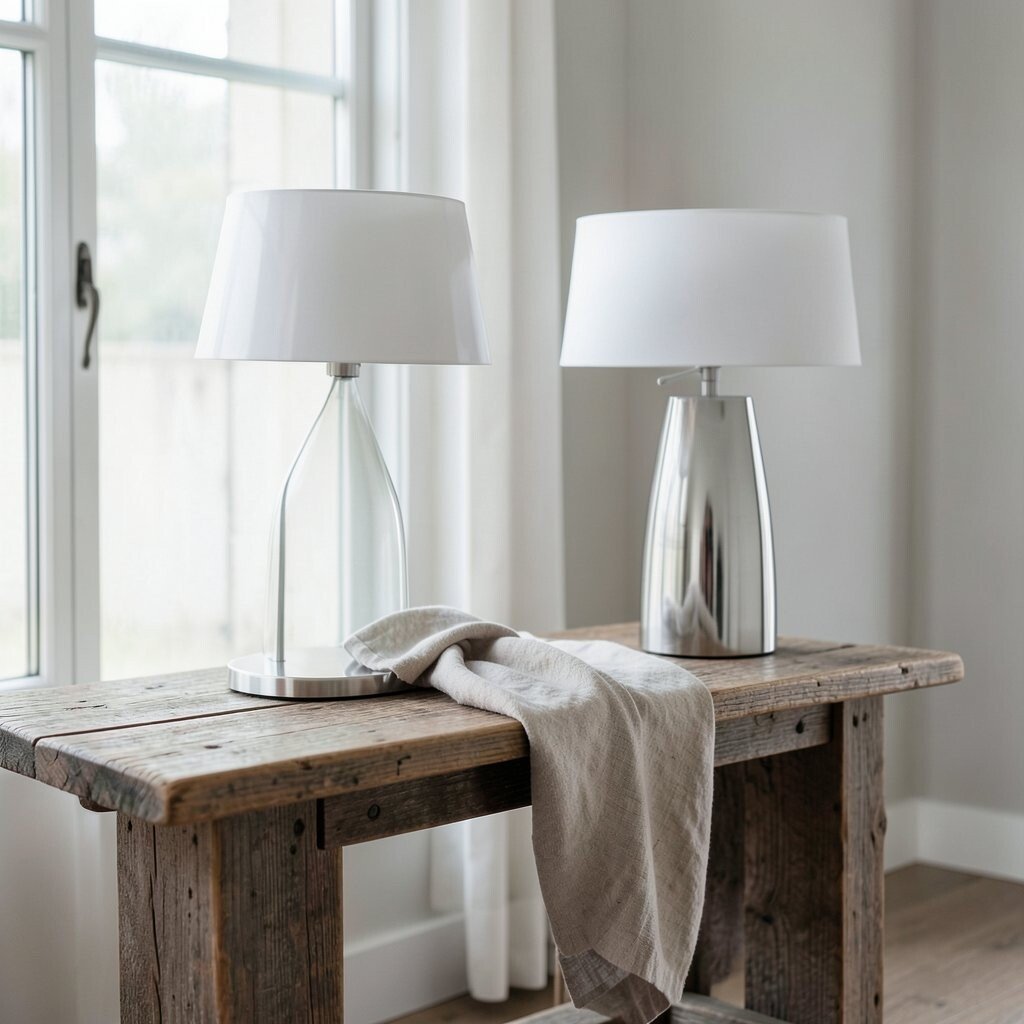
Old wood, smooth glass, soft fabric, and shiny metal can look amazing together. The mix adds depth and keeps the space from feeling flat.
This style is useful because it lets you reuse items you already have. A worn table can sit next to a clean modern lamp, and the contrast can feel rich and fresh. It is also a smart way to save money while still making the space look planned.
5. Use Wall Grids for Flexible Ideas
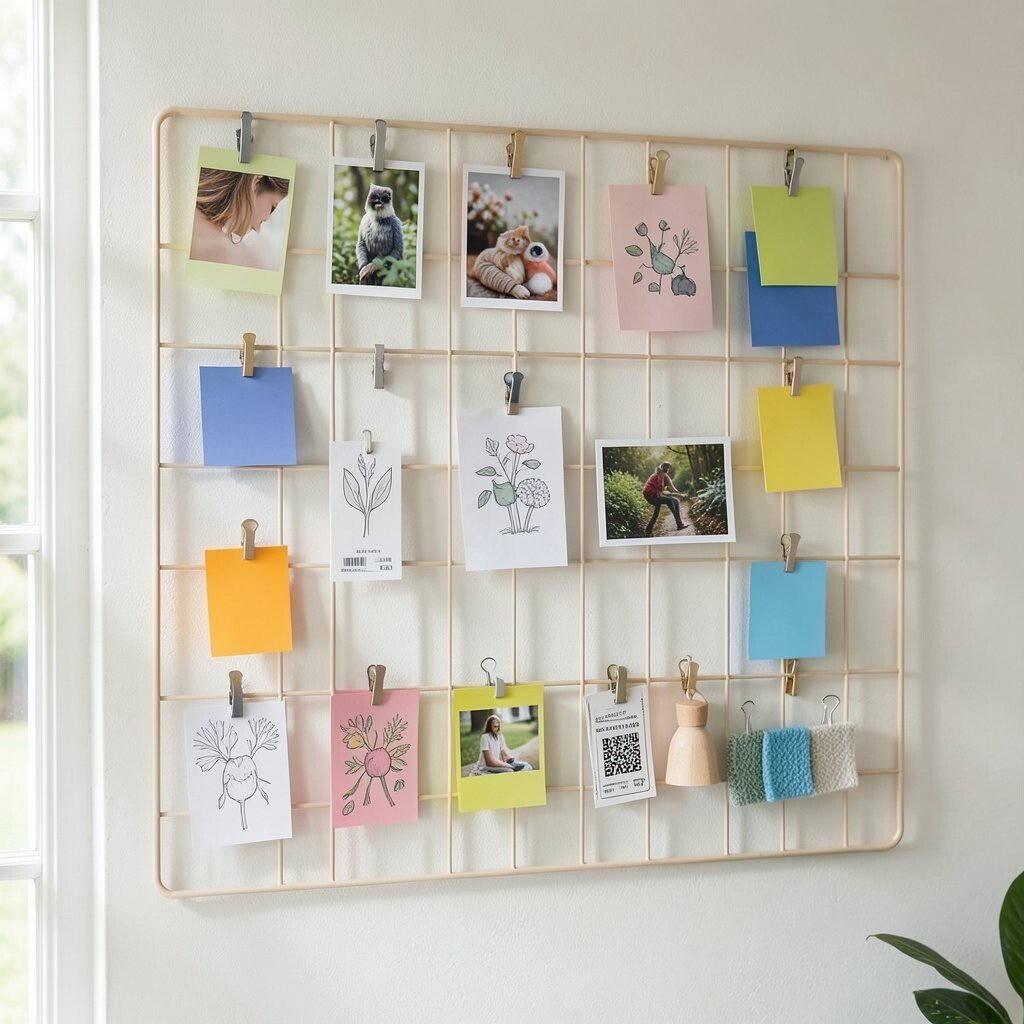
Wall grids are neat, light, and easy to change. They hold notes, photos, sketches, and tiny tools in a way that feels both useful and fun.
The open look keeps the wall from feeling heavy. You can clip on color cards today and inspiration photos tomorrow. Many people like this trend because it grows with their projects and does not cost much to set up.
Make the grid personal by adding your own drawings, ticket stubs, or tiny fabric samples. If you want more calm, use a few matching clips and keep the layout simple. If you want more energy, mix shapes, textures, and bright paper pieces.
6. Shape a Cozy Reading Corner
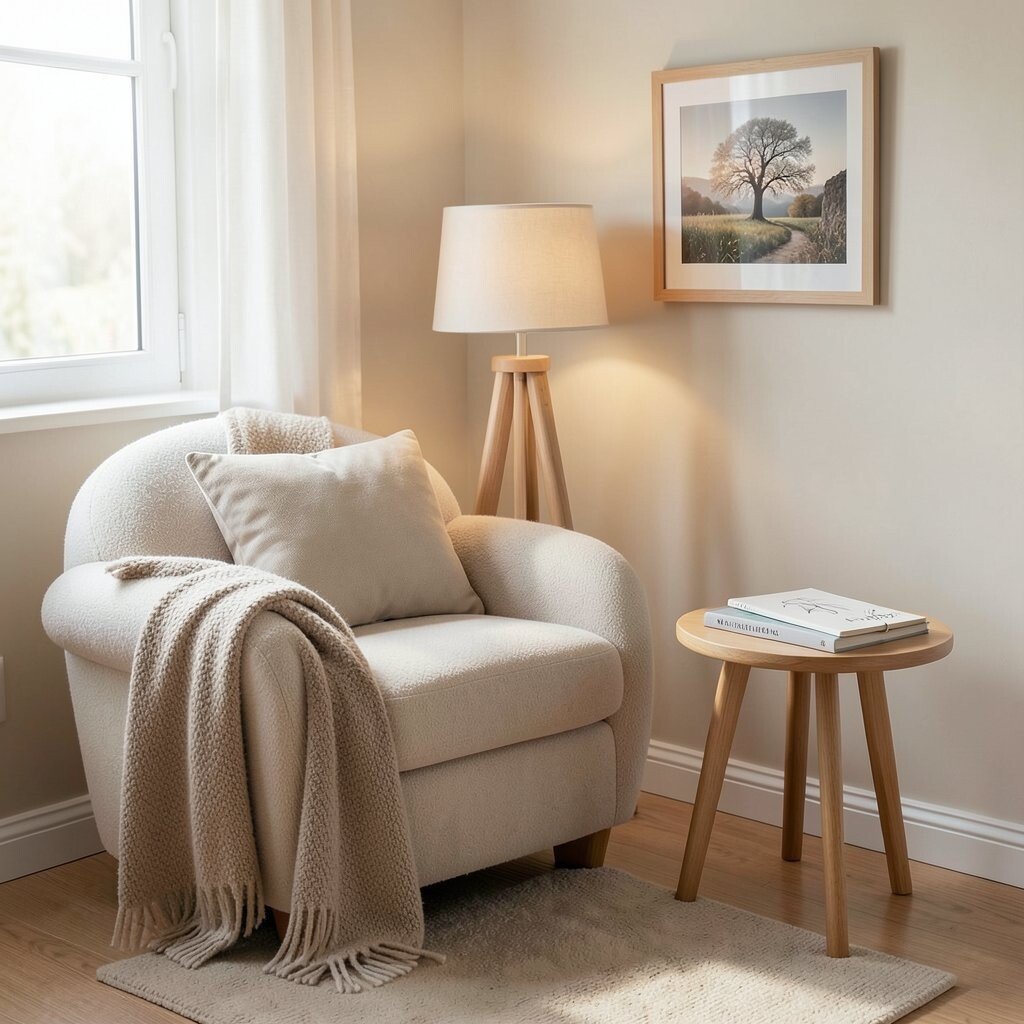
A small reading corner can become a quiet place for fresh thoughts. A soft chair, a warm light, and a few books can make the area feel like a tiny retreat.
This kind of spot helps the brain slow down and notice new links between ideas. It can be made on a low budget with a cushion, a blanket, and a lamp from another room. Soft layered looks are popular now, especially with rounded chairs, warm wood, and gentle colors.
Add a small side table for a notebook or sketch pad. That way, a good thought can turn into a quick note before it slips away. You can also hang one favorite picture nearby to make the corner feel more like yours.
7. Play With Shapes and Patterns
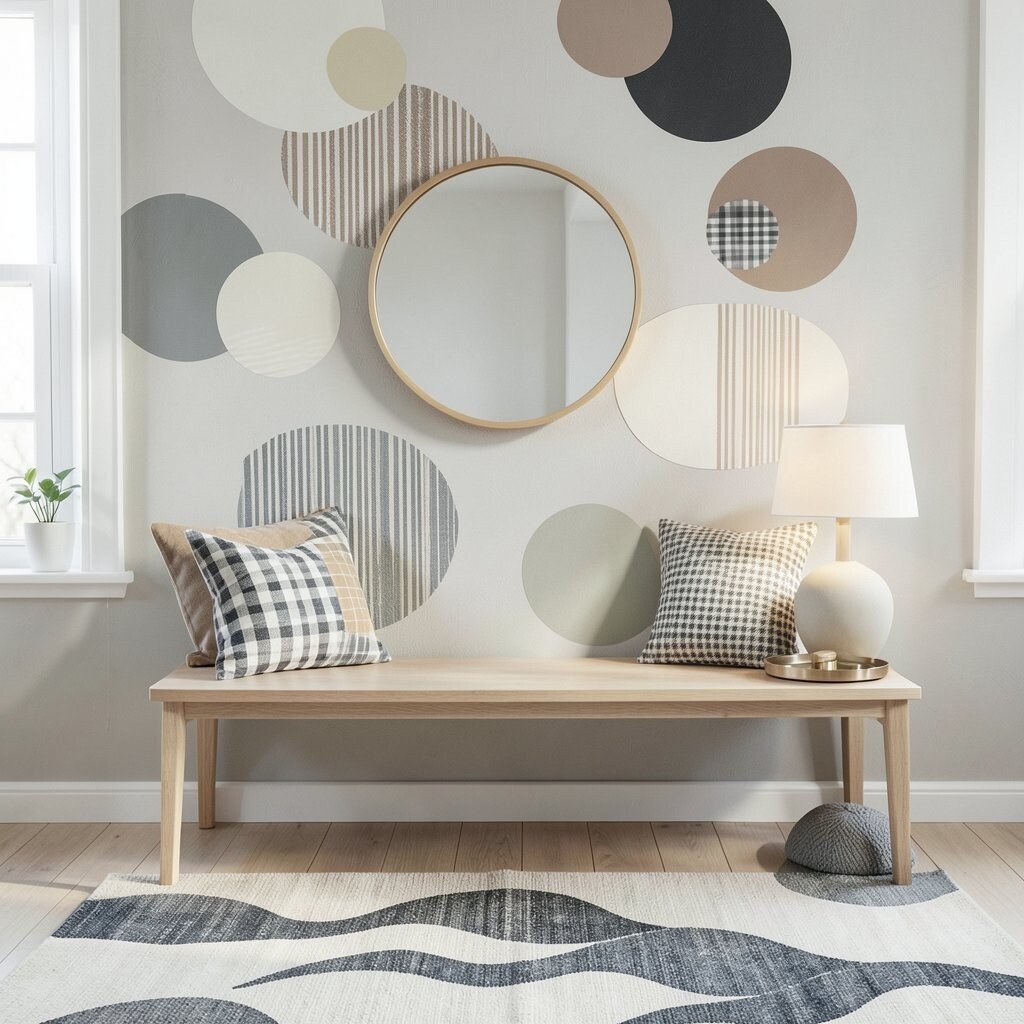
Shapes and patterns can make a room feel lively in a very simple way. Circles, stripes, checks, and waves give the eye a fun path to follow.
This idea is great for people who want energy without a full room redo. You can use patterned pillows, a rug, or even taped shapes on a wall. If you keep the base colors calm, the pattern can stand out without making the room feel busy.
Try choosing one shape theme and repeating it in small ways. A round mirror, a round tray, and a round lamp base can feel connected without looking too matchy. This kind of design helps the room feel clever, personal, and easy to remember.
8. Make a Nature-Inspired Corner
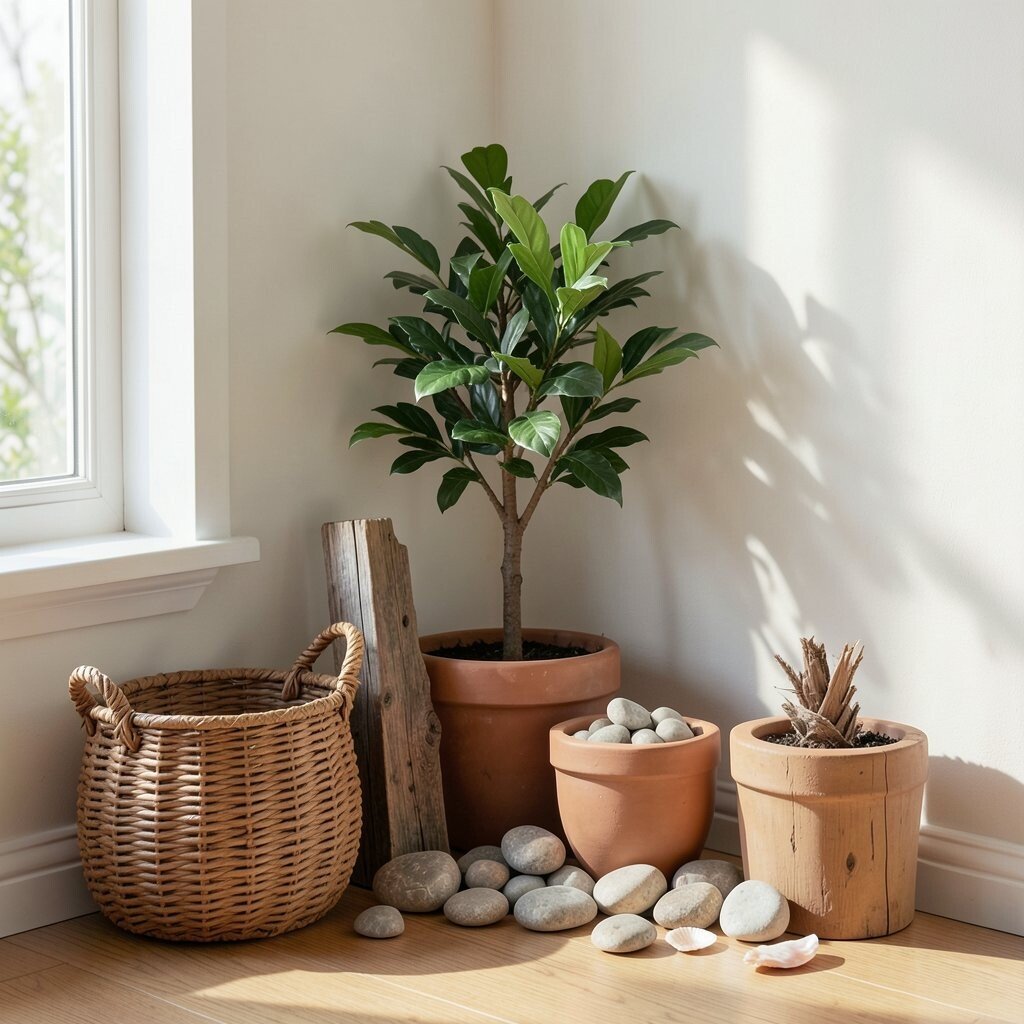
Plants, stones, shells, and wood bring a fresh outdoor feel inside. The look is peaceful, and it often makes the room seem brighter and more alive.
Natural pieces can help creativity because they add texture and gentle color. You do not need a big budget to start; even a small plant or a bowl of stones can change the mood. Many current spaces use earthy tones, woven baskets, and simple clay pots for a grounded style.
Choose items that feel easy to care for and fit your daily life. If you travel often, fake plants can still give the same green look with less work. To make the corner feel unique, add one object from a walk, a trip, or a family memory.
9. Design a Mobile Inspiration Cart
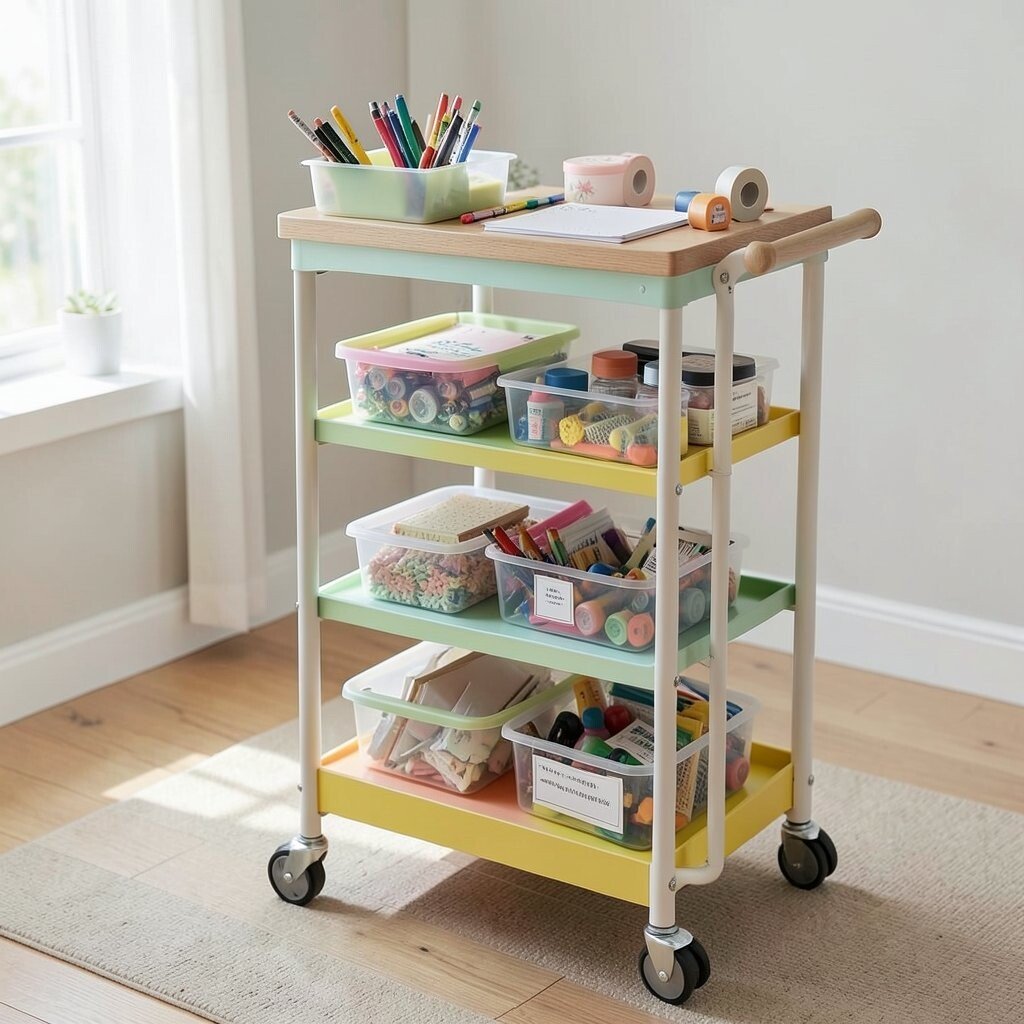
A rolling cart keeps your tools close and your ideas moving. It can hold markers, tape, paper, glue, and little treasures in one neat place.
This setup is handy because it can roll from room to room. It also works well in small homes where space matters a lot. Many carts are affordable, and many people style them with clear bins, soft colors, and simple labels.
Personalize the cart with a painted handle or a bright liner on one shelf. You can also sort supplies by project, so each level has a purpose. When your tools are easy to reach, starting a new idea feels much less hard.
10. Build a Gallery of Personal Wins
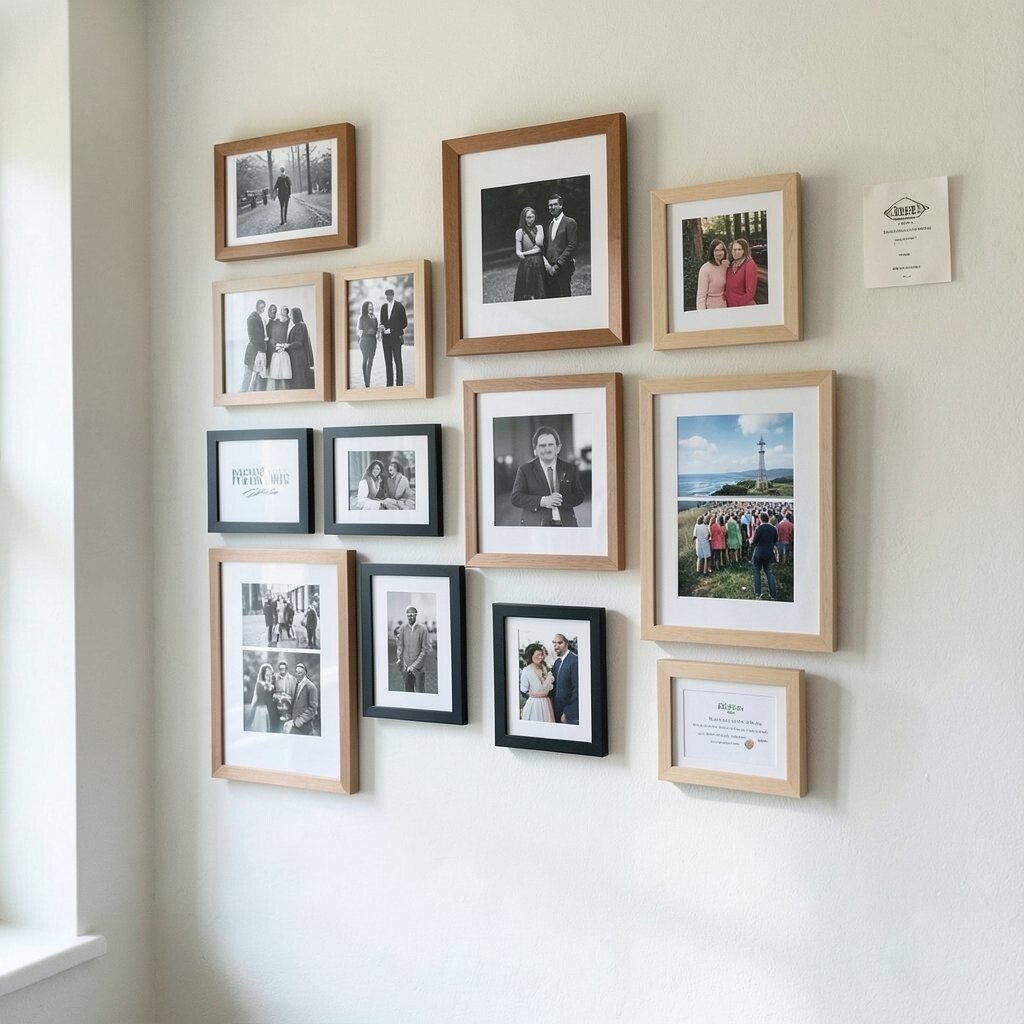
A gallery wall can hold more than art. It can show finished projects, kind notes, awards, and little moments that made you proud.
This kind of display gives a room heart and helps you remember what you can do. It can also be very low cost if you print your own photos or frame simple paper pieces. Right now, many people like mixed frames, black-and-white photos, and a few bold pops of color.
Arrange the pieces in a way that feels right to your eye, not just by strict rules. Some people like neat rows, while others like a loose and playful mix. The wall becomes more special when it tells your own story.
11. Use Light as a Design Tool
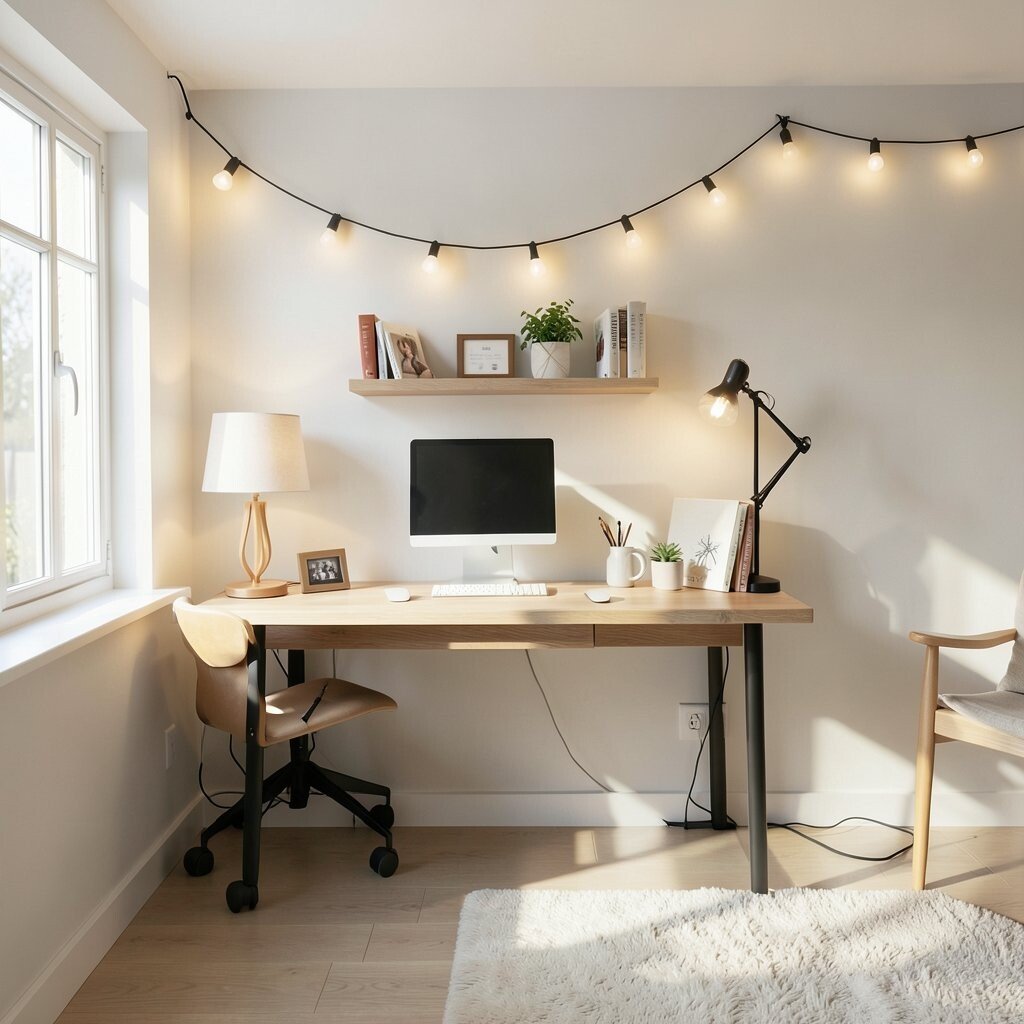
Light can change a room faster than almost anything else. Soft lamps, string lights, and daylight all make a space feel different in a big way.
Good lighting can help you focus, relax, or get excited to work. It can also make colors look richer and details easier to see. LED bulbs and simple lamps are often budget friendly, and warm light is still a favorite trend for cozy creative spaces.
Try placing a lamp beside your work area and another near a wall you want to highlight. If possible, let natural light come in during the day, since it gives the room a fresh and open look. A small change in light can make your ideas feel brighter too.
12. Keep a Hands-On Material Shelf
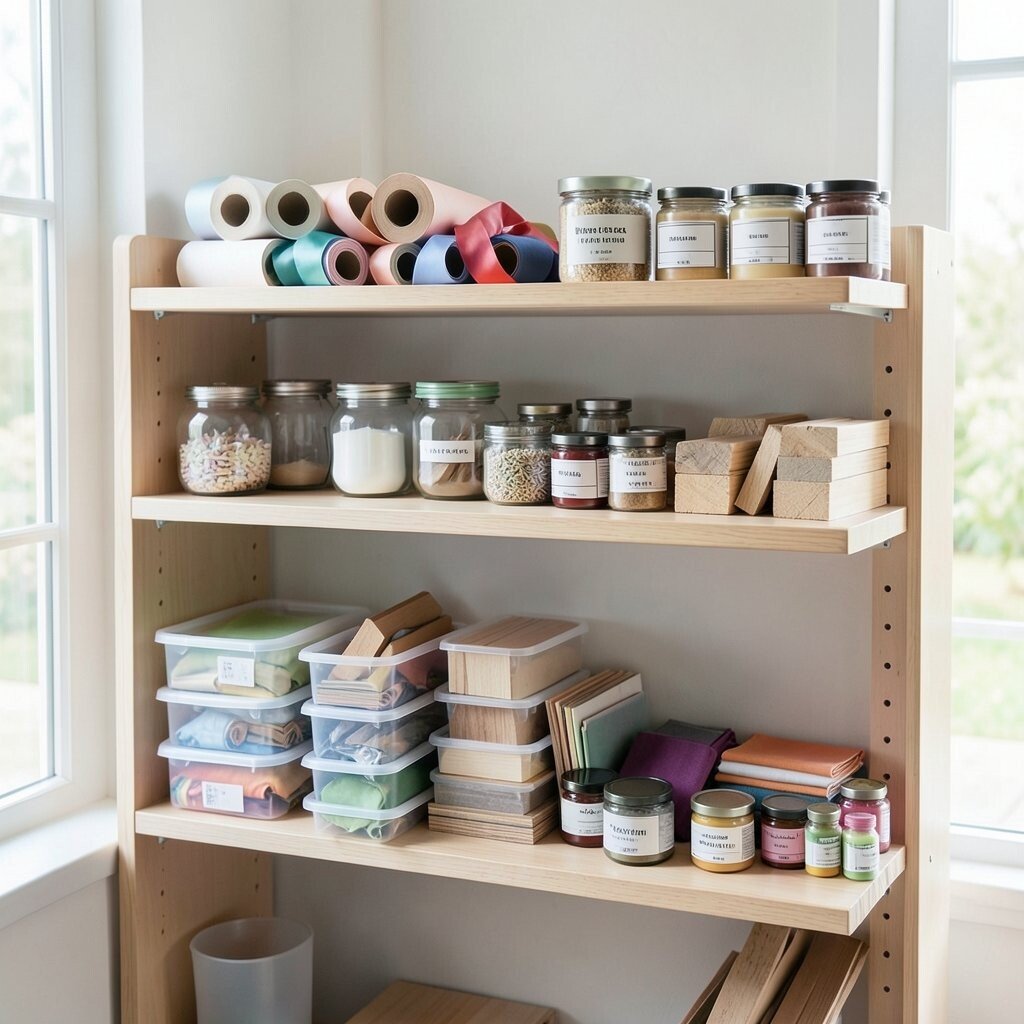
A material shelf gives you instant access to things you can touch, sort, and try. Paper rolls, ribbons, fabric, paint jars, and wood samples can all sit within easy reach.
Seeing materials out in the open can wake up new ideas fast. It also helps you notice colors and textures you may have forgotten about. Clear jars, open shelves, and labeled boxes are popular because they keep supplies neat while still easy to grab.
Choose a shelf size that fits your room and your habits. If you work with many small items, use containers that stack well and do not cost too much. You can also group items by color to make the shelf look calm and pretty.
13. Add a Chalkboard or Whiteboard Wall
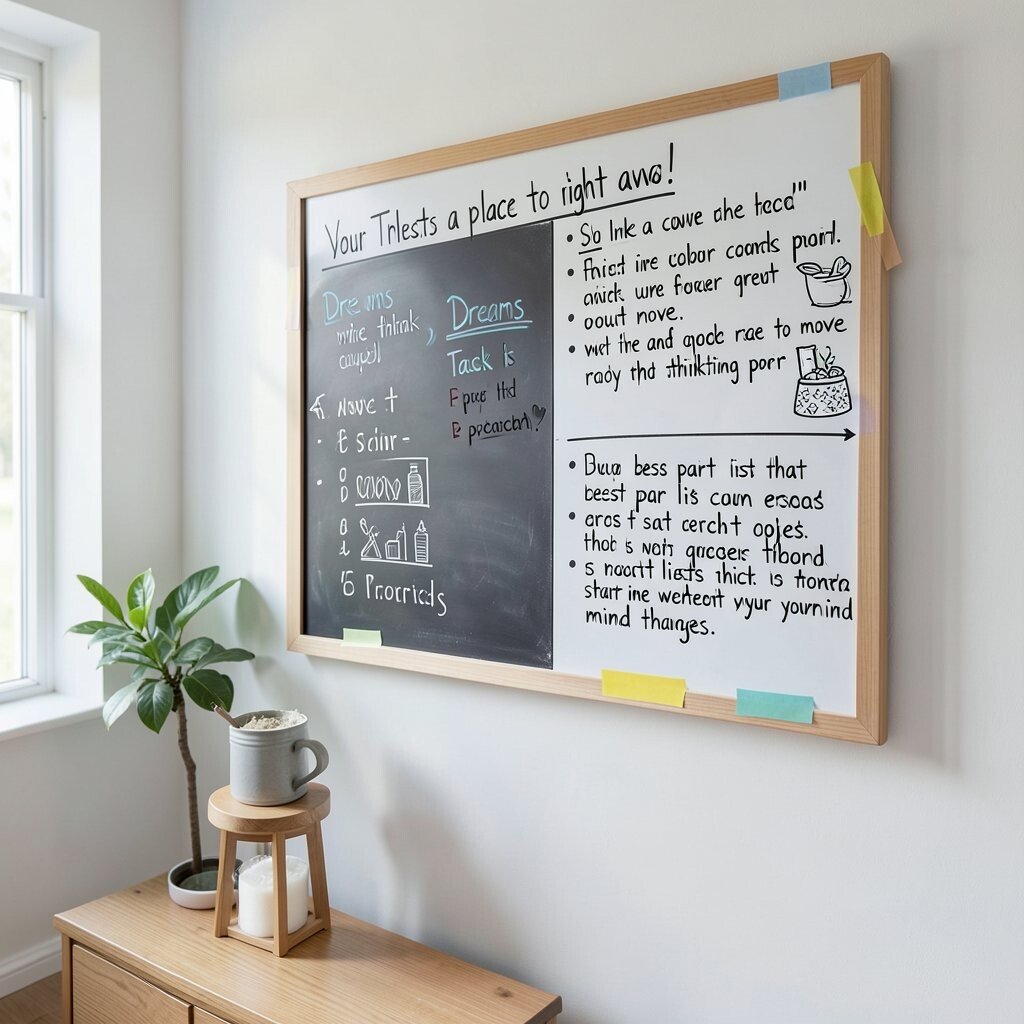
A writable wall gives your thoughts a place to land right away. You can sketch plans, write quotes, or make quick lists without wasting paper.
This idea is useful for kids, teens, and adults who like to think out loud. It keeps ideas visible, which can help them grow into real projects. Some people paint a whole wall, while others use a board panel, which is often cheaper and easier to move.
Make it personal by using your own color markers or adding small tape borders. You can also divide the board into sections for dreams, tasks, and rough sketches. The best part is that you can erase and start again whenever your mind changes.
14. Try a Soft Minimal Look
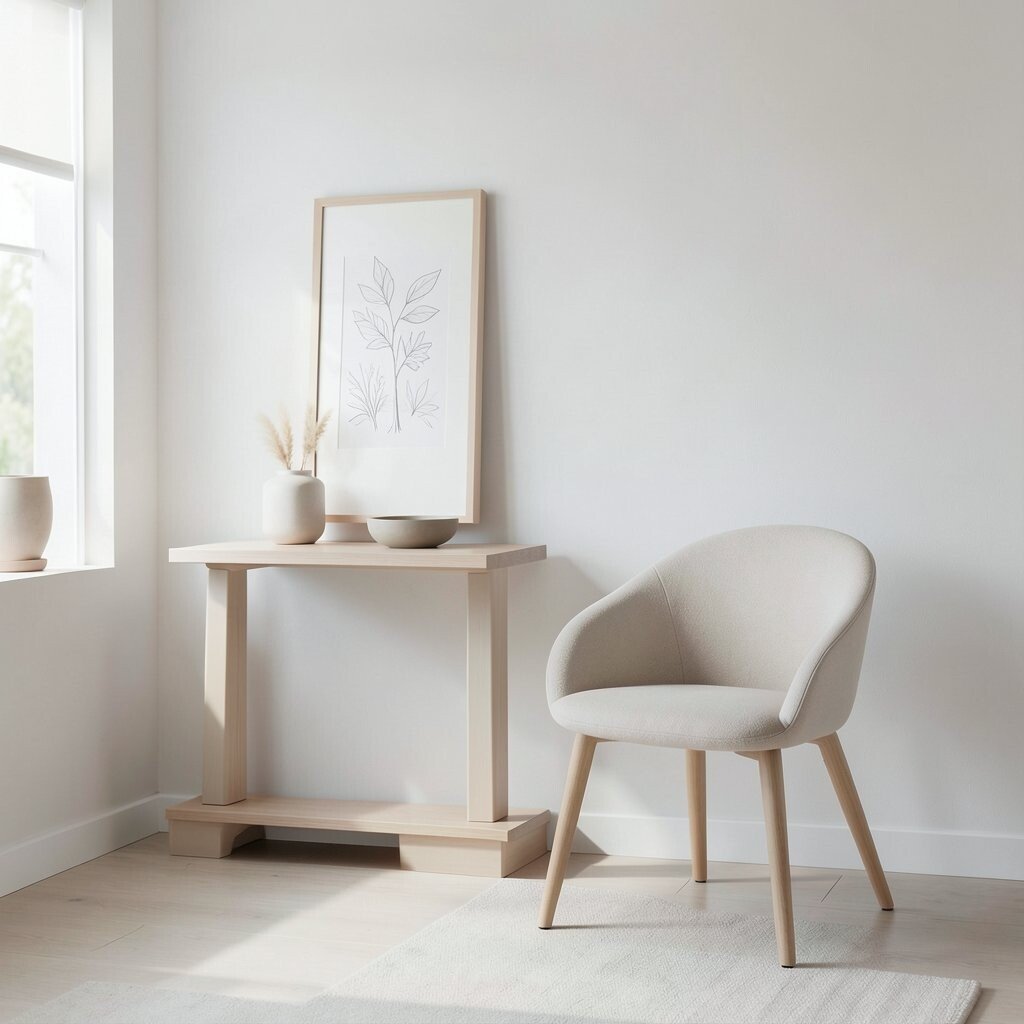
Soft minimal design keeps only what matters most. Clean lines, gentle colors, and a few well-chosen objects can make a room feel calm and smart.
This style gives the mind more room to think. It also cuts clutter, which can make creative work feel less stressful. Many current spaces use warm white, pale beige, and soft gray with one small accent color for a modern feel.
To make it yours, keep one or two favorite items on display instead of hiding everything. A simple bowl, a framed sketch, or a smooth chair can carry a lot of style on its own. This look can be low cost if you edit what you already own instead of buying more.
15. Make a Changeable Project Wall
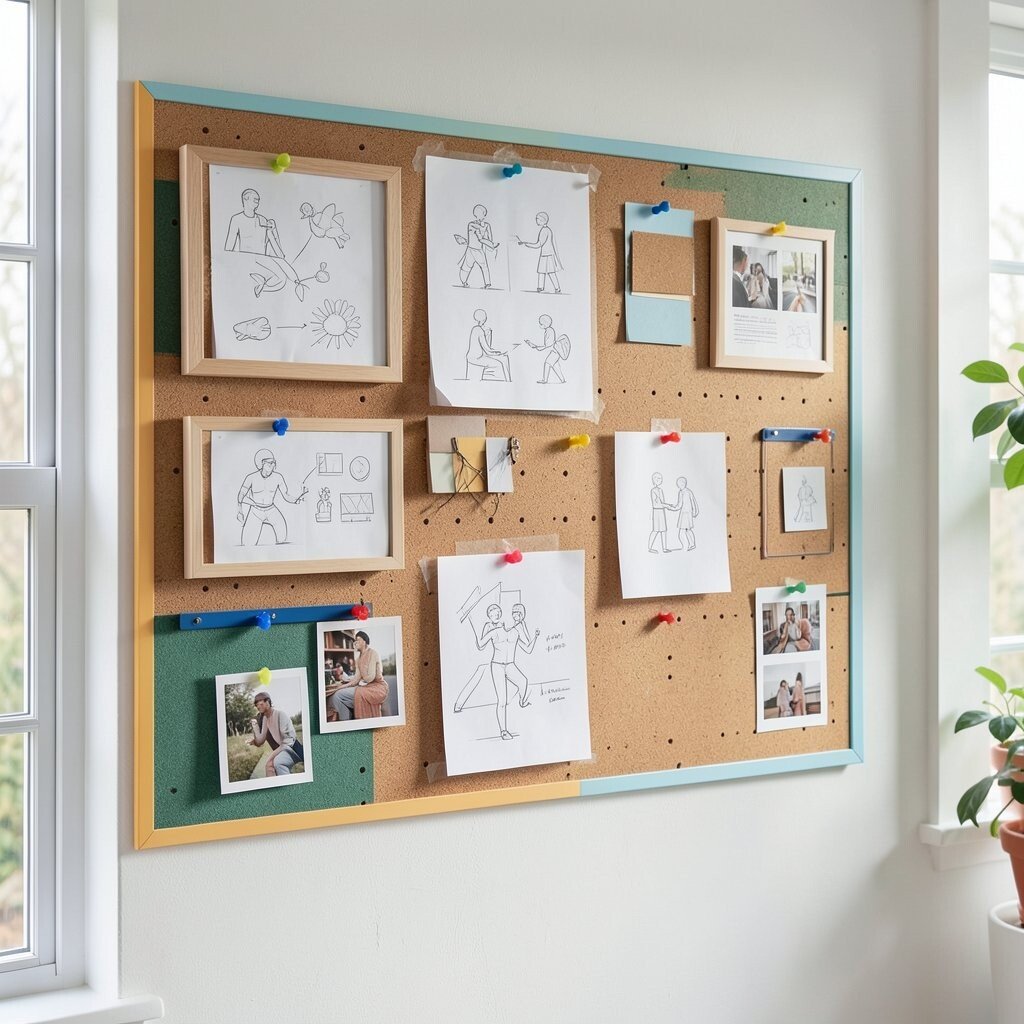
A changeable project wall keeps your current ideas front and center. You can pin up sketches, swatches, notes, and progress photos in one active space.
This setup is great because it grows with your work and never feels stuck. It also helps you see what is working and what still needs care. Many creative people like pegboards, clip rails, and cork panels because they are useful, neat, and easy to update.
Make the wall fit your style with colored clips, painted frames, or a border that matches your room. If you want a low-cost version, use cardboard backing, tape, or simple push pins. A wall like this can make your ideas feel alive every single day.