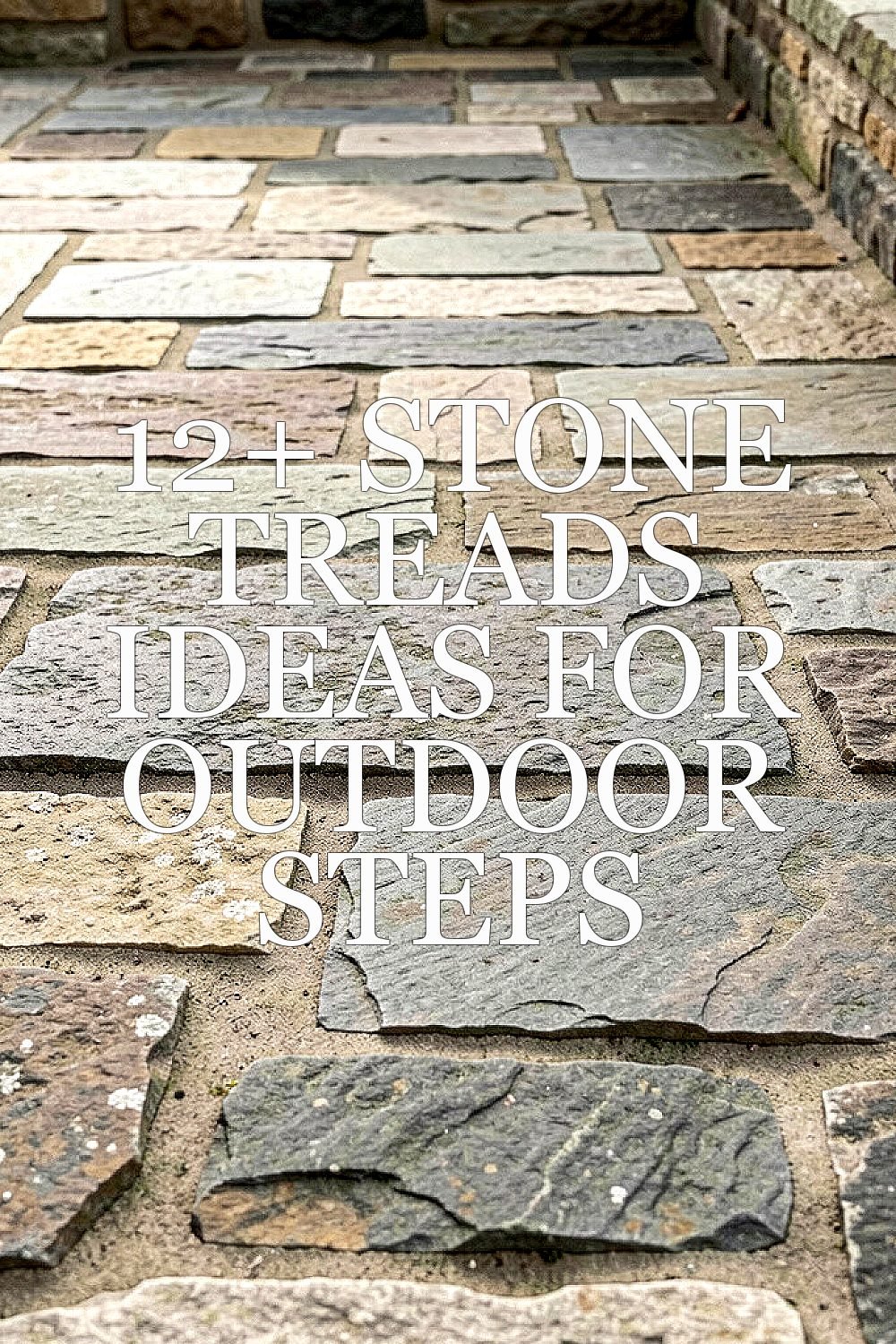
Outdoor steps can look warm, steady, and inviting. The right stone treads help them feel safer too.
1. Coastal Limestone With Soft Edges
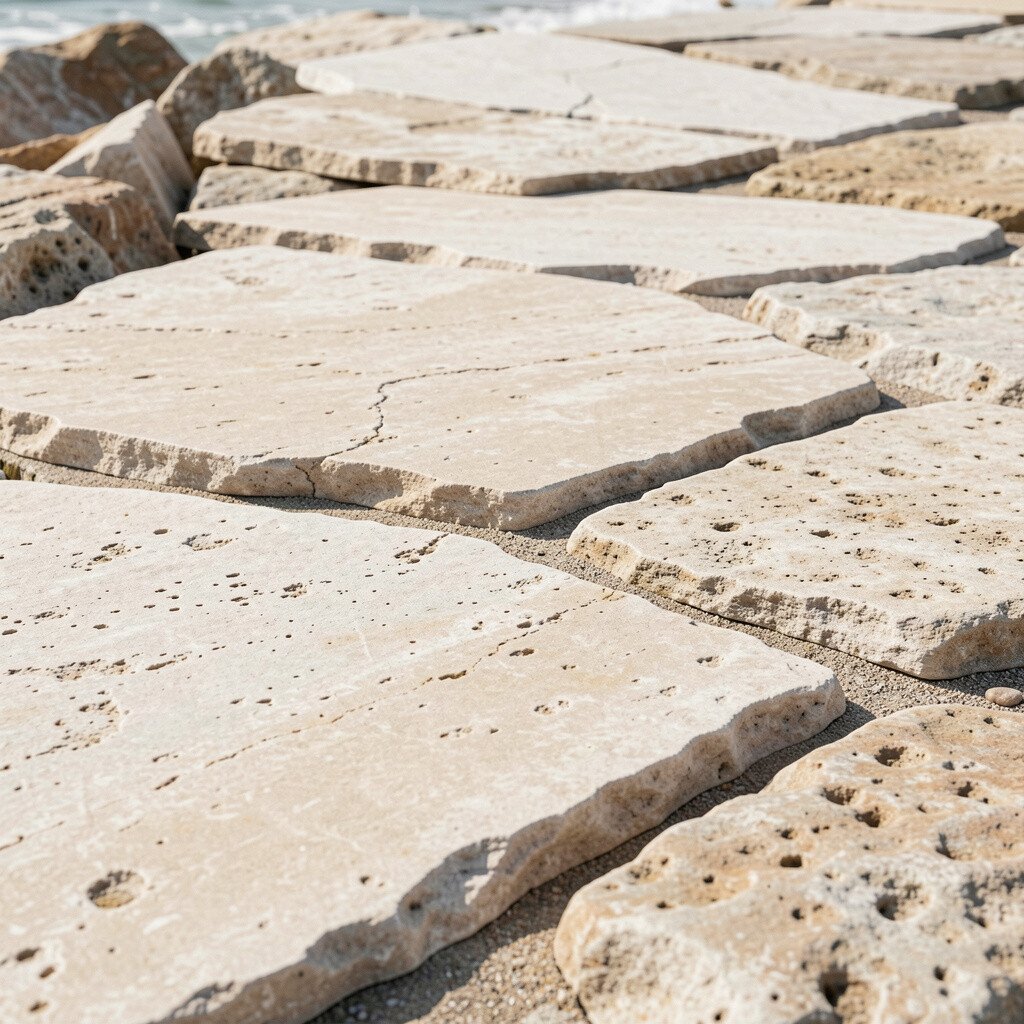
Picture pale limestone treads with lightly rounded edges, like they were shaped by waves over time. They pair beautifully with light wood fencing or white-painted railings.
Choose a finish that resists scuffs while still looking natural, such as honed stone. For safer footing, make the tread noses slightly textured and ensure the risers have consistent height. Sweep and rinse regularly, and re-check for loose mortar after heavy rain.
2. Basalt Strip Inserts For Modern Contrast
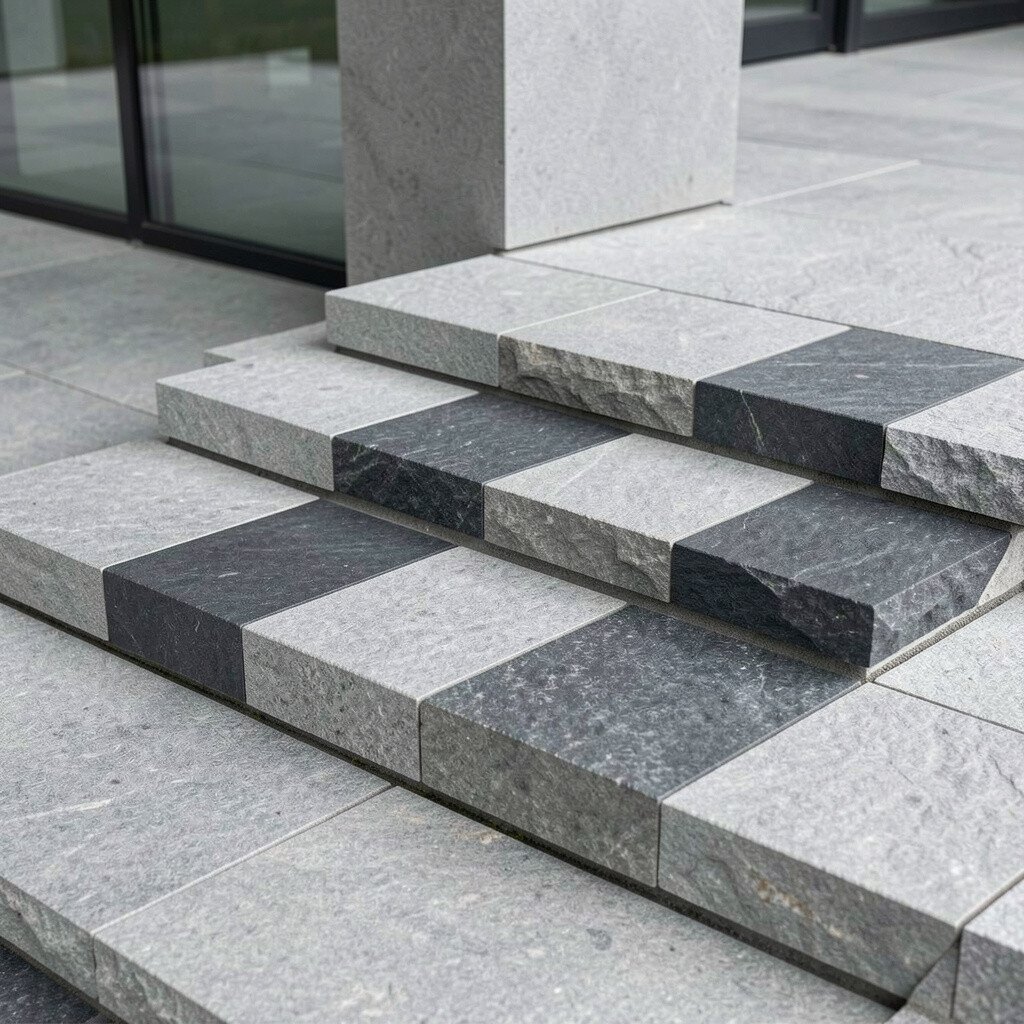
Imagine dark basalt strips set into each tread, creating a sleek rhythm as you step up. The look feels modern, especially when the surrounding stone is lighter.
Opt for thin, durable inlays that won’t lift, and plan for clean alignment from step to step. A textured strip can guide your shoes, which helps on mornings when surfaces are slightly damp. Keep the joints tight, and use a grout mix made for outdoor freeze-thaw conditions.
To personalize, vary the strip width between lower and upper steps for subtle style. This approach can cost less than replacing every tread with full dark stone, because you’re using high-contrast material only where it matters.
3. Rustic Fieldstone With Hand-Set Variation
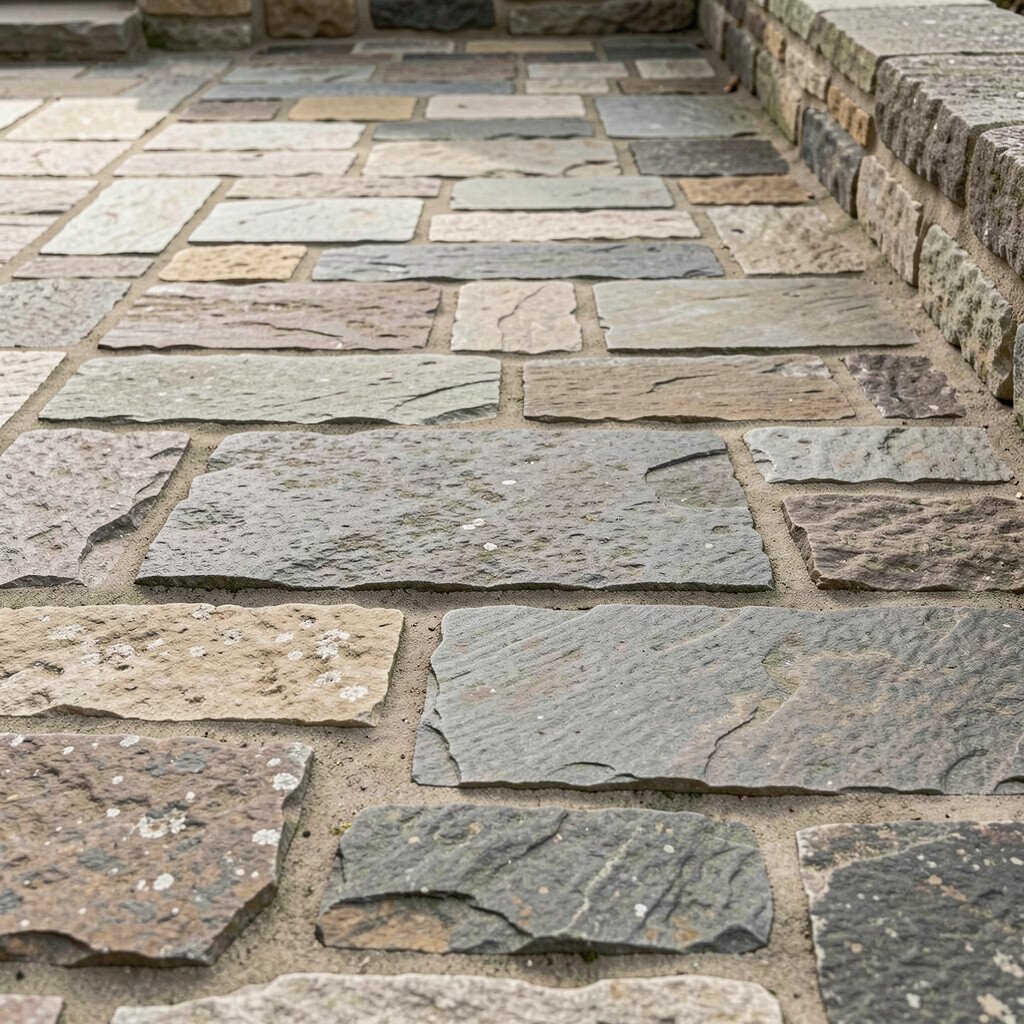
Think of uneven, charming fieldstone pieces fitted together so each step has its own story. The texture shows up clearly in side light, making the stairs look alive.
Use stones with similar thickness so the treads stay level, and set them over a solid, well-drained base. Rough stone improves traction, which is a big deal for outdoor entryways. Seal the stone lightly if you want easier cleaning and fewer stains.
For practical comfort, add a contrasting band on the tread edge so your eye can track each step. This style often feels more budget-friendly because you may source local stone and reuse salvaged pieces when they’re still structurally sound.
If you’re aiming for the current look of natural landscapes, keep the mortar color close to the stone so the steps blend in.
4. Slate Treads With Gentle Grey Bands
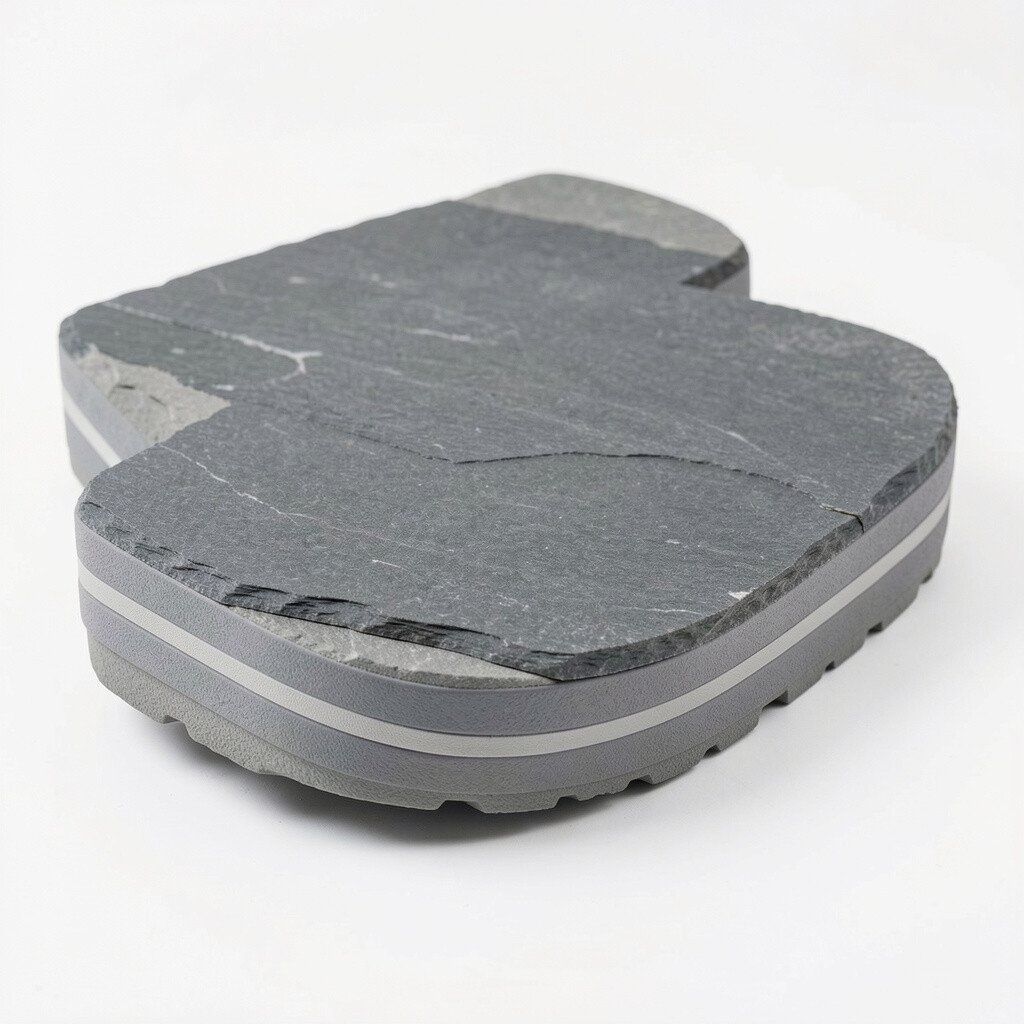
Picture slate treads in calm grey tones, each piece split to keep that layered look. The grey bands feel neat and quiet, even with colorful plants nearby.
Go for a honed or brushed finish to reduce glare and improve grip. Keep the bands aligned across all steps so the staircase looks intentional. When cutting slate, wear the right gear and plan extra time because edges can chip if you rush.
5. Warm Travertine For Mediterranean Appeal
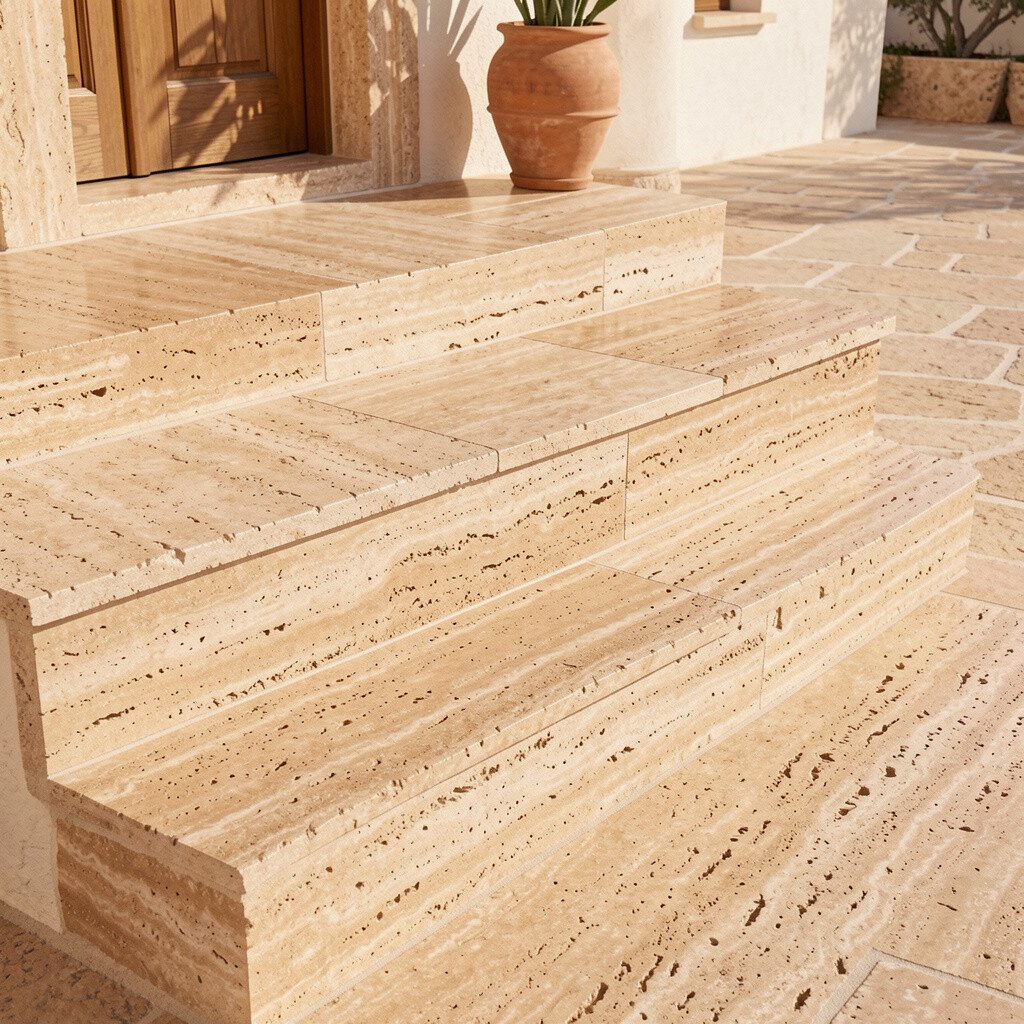
Warm travertine treads can look like sunlit stone, with soft speckles and creamy undertones. They make outdoor steps feel welcoming and a little luxurious.
Choose treads with a filled or sealed surface to limit dirt in small pits. A slightly rough finish helps when it’s icy or wet. For best results, slope the base away from the wall and use outdoor-rated mortar.
Personalize by matching travertine tones to nearby pavers or outdoor furniture. This material can run mid to higher in price, but it often pays off through long-lasting beauty and a timeless look that stays in style.
6. Reclaimed Brick Border With Stone Center
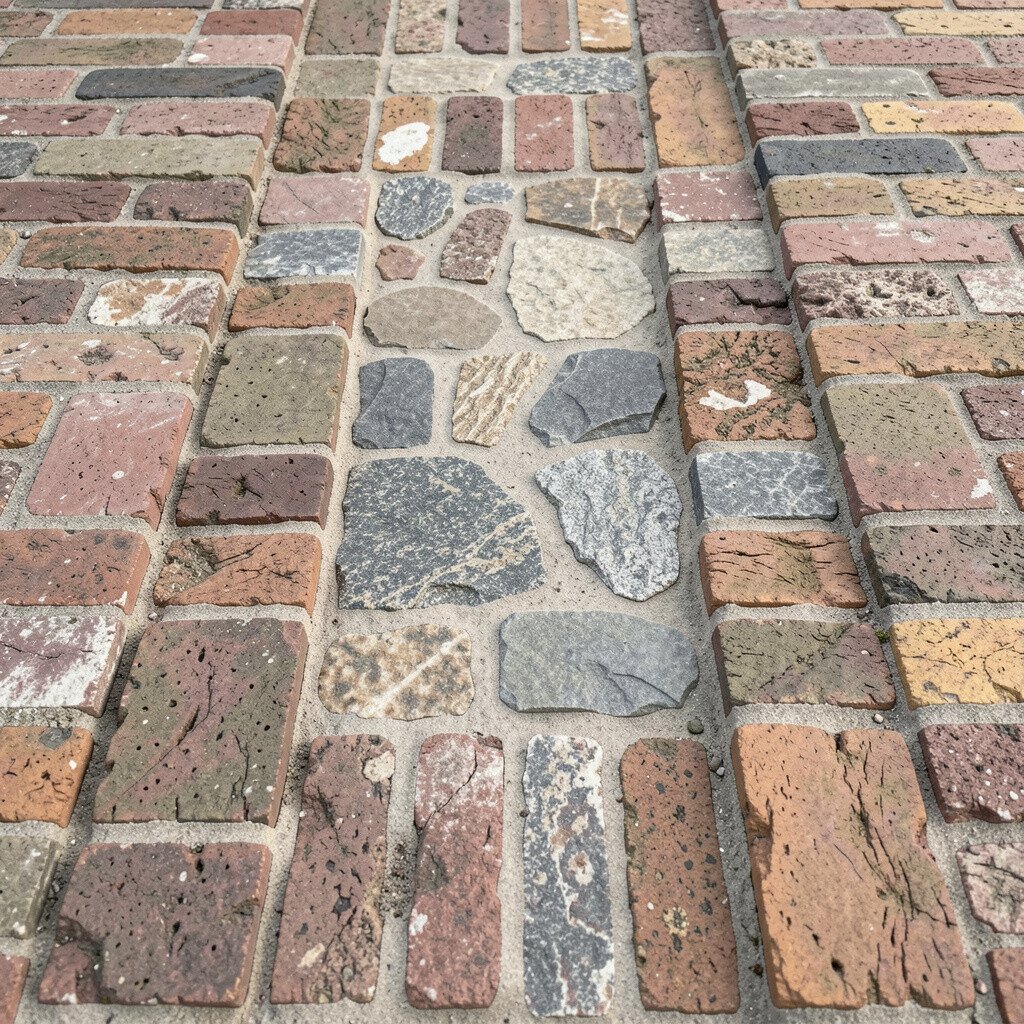
Visualize stone treads in the middle, edged by a narrow border of reclaimed brick. The mix creates a cozy, historic feel without making the steps look heavy.
Use stone for traction and brick for warmth, then keep the heights consistent so shoes don’t catch. Seal both materials based on their type, because outdoor brick can absorb moisture that later freezes. For cleaning, a soft brush and gentle cleaner usually keeps the brick edge looking bright.
This combo is unique because it blends modern safety with a classic charm. If you want to control cost, source reclaimed brick cheaply and spend more on the stone pieces that actually get foot traffic.
Right now, many homeowners lean toward mixed-material textures that look curated rather than uniform, and this design fits that trend well.
7. Smooth River Stone Boards With Non-Slip Topcoat
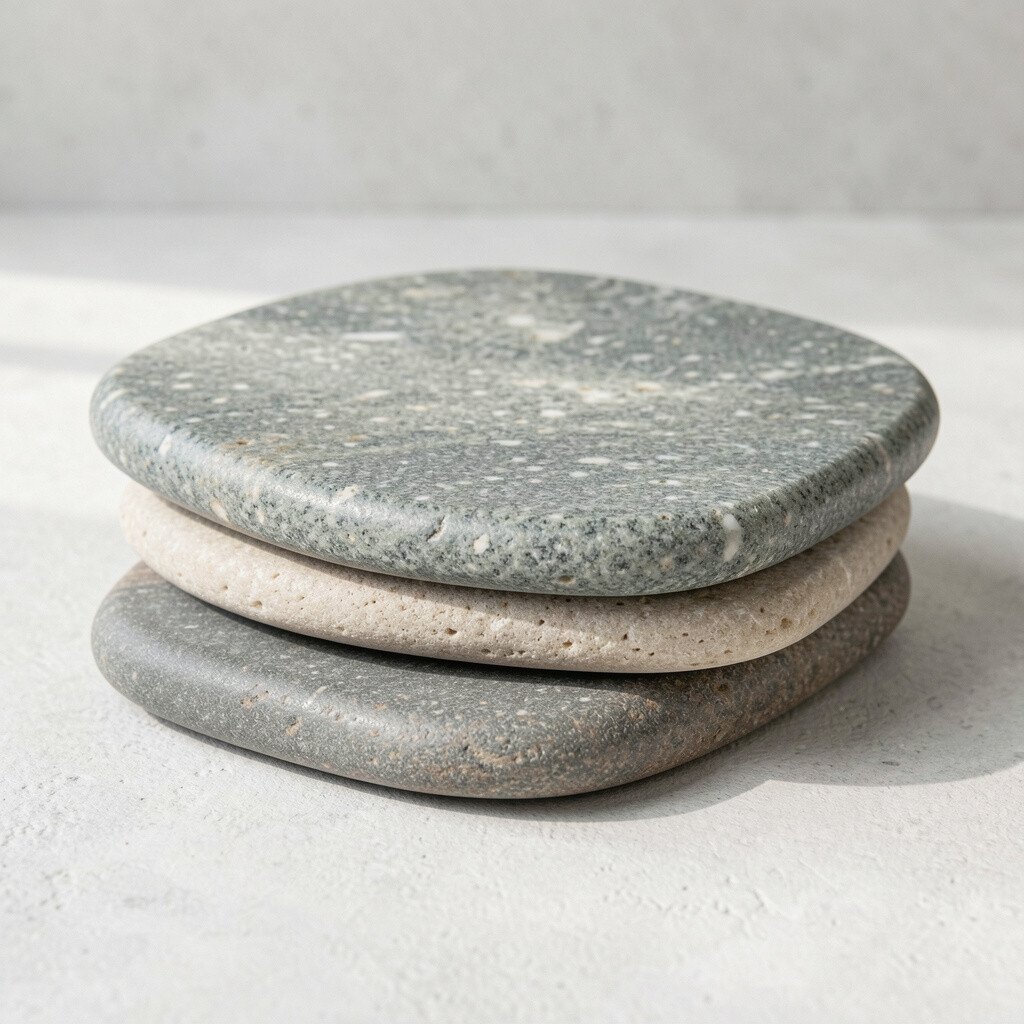
Imagine river stone pressed into a board so each tread shows rounded shapes under a clear finish. It looks like a mini shoreline every time you step up.
To make it practical, choose a non-slip topcoat made for outdoor stone, since the smooth shapes can be slick. Install on a stable base, and avoid uneven gaps that can collect water and grit. Re-apply the topcoat when the surface starts feeling less grippy.
Personalization is easy by picking river stones in different color ranges, like greys, creams, and muted blues. This can be a creative DIY-friendly path, though long-term upkeep depends on how well you maintain the coating.
8. Granite Treads With Flamed Texture
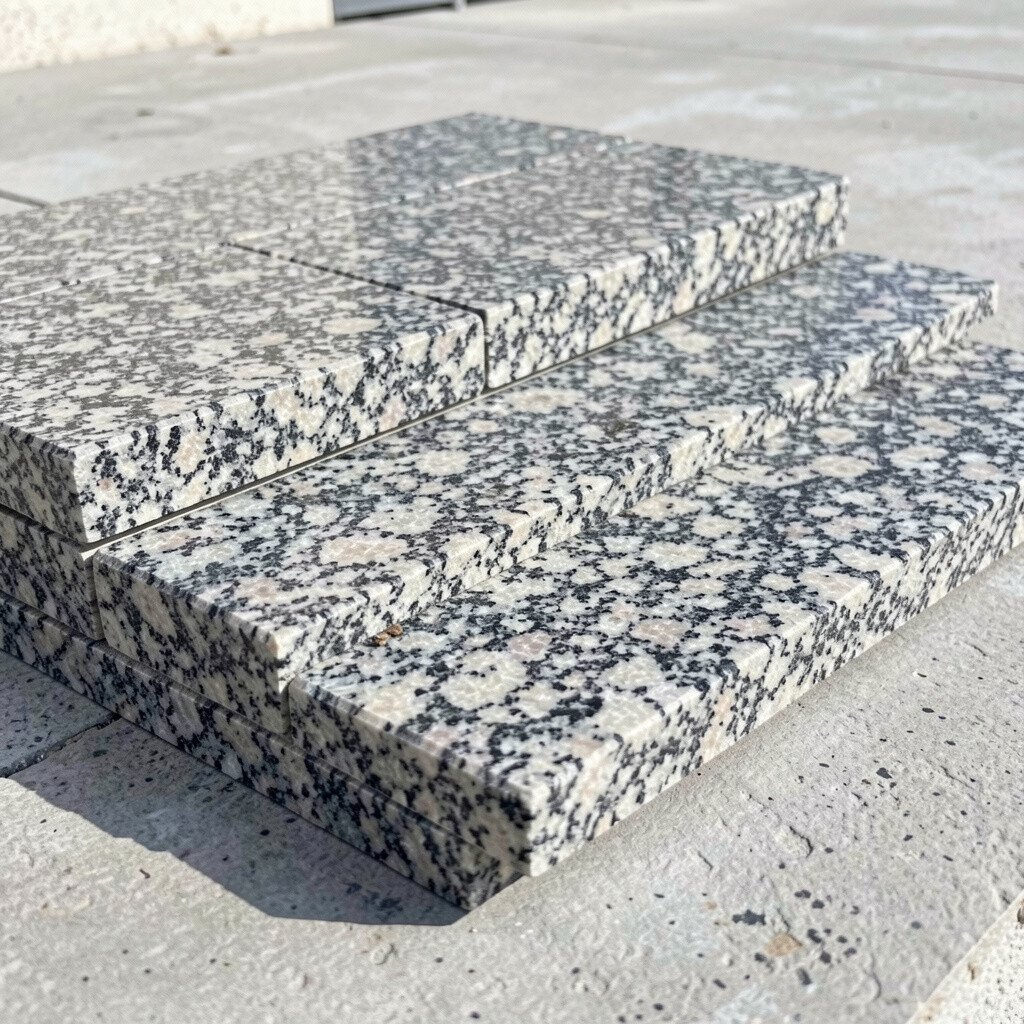
Flamed granite has a lively, rough surface that looks bold and feels tough underfoot. In daylight, it has tiny highlights that make the steps stand out.
Choose granite thickness that matches your risers, and double-check measurements before installation. The rough texture improves traction in rain, and granite typically holds up well against wear. Plan for a professional install if you’re dealing with heavy slabs, because granite is difficult to handle safely.
For personalization, pair the granite with a simple metal handrail for a clean, modern curb appeal. Granite tends to be higher cost, but it can last for decades with minimal maintenance.
9. Light Sandstone With Carved Grip Lines
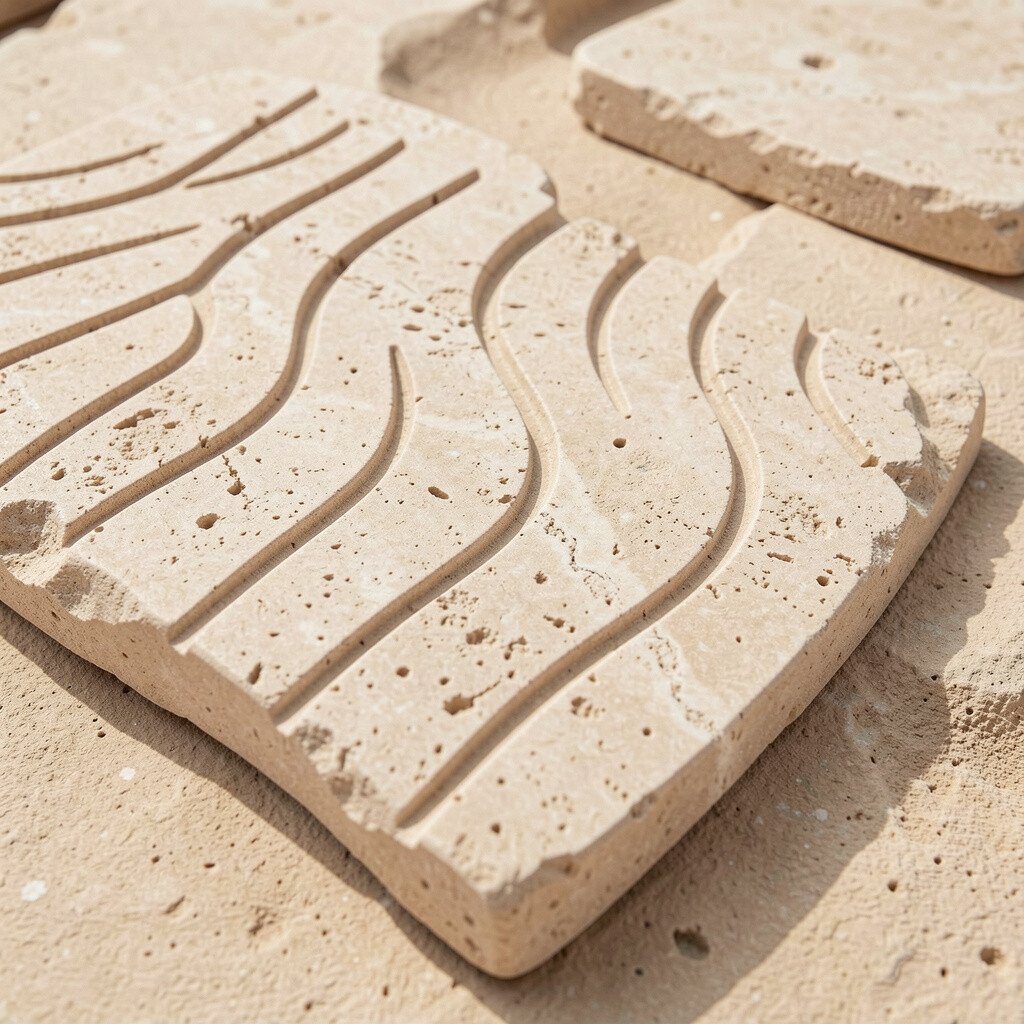
Picture pale sandstone treads with carved grip lines that catch shadows at the edge of each step. The look is subtle, but the safety gain is noticeable.
Use a stain-resistant sealer so the lighter color stays fresh and doesn’t soak up grime. Create shallow grooves on the tread face and keep the lines aligned so you maintain consistent footing. If you live somewhere that freezes often, ensure proper drainage so water doesn’t sit under the treads.
To personalize, consider matching the grip line style to your home’s other textures, like decorative stonework or front walkway pavers. This design can be a smart balance of cost and style because sandstone can sometimes be more affordable than granite while still feeling upscale.
Current outdoor design leans toward functional details, and this tread idea delivers both looks and grip without adding clutter.
10. Mixed Height Tread Tiles For Stair-Step Rhythm
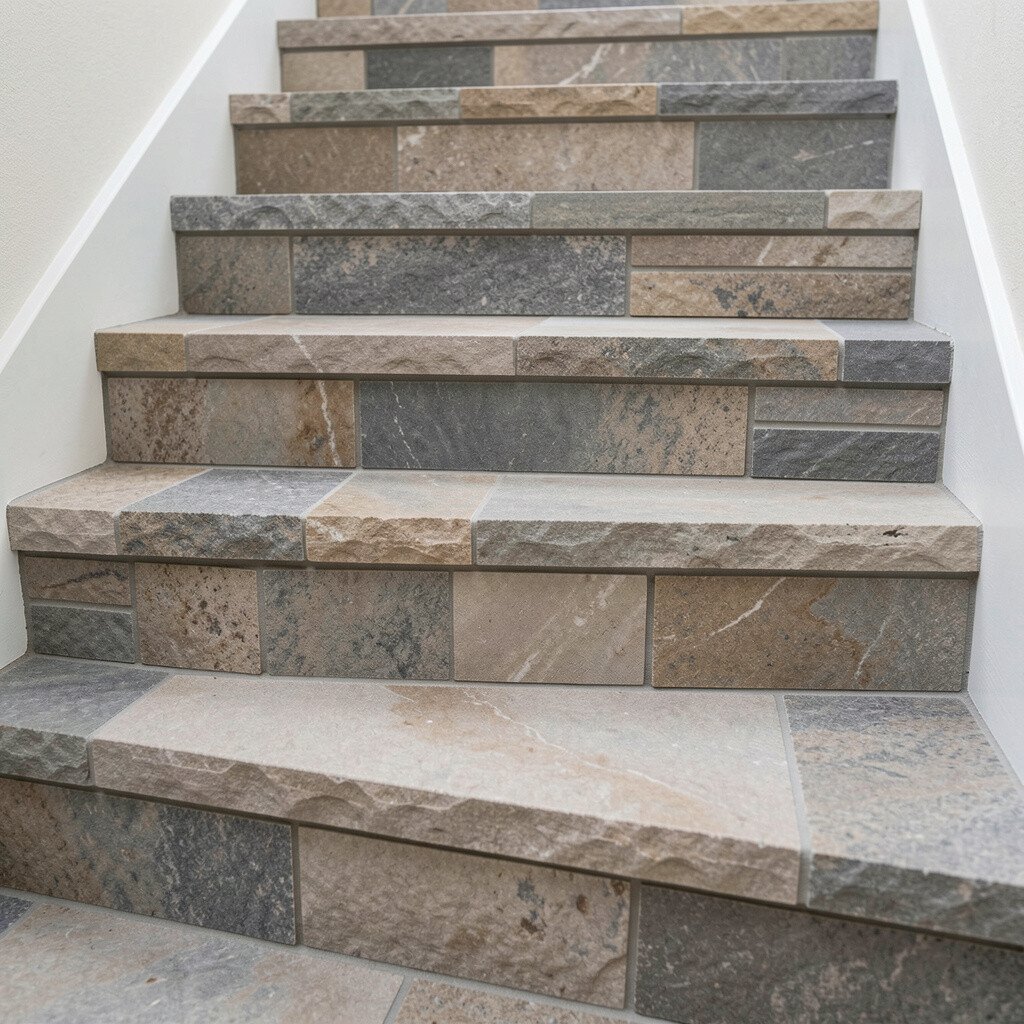
Imagine small stone tile treads where each step has a slightly different pattern scale, giving a playful rhythm. From the porch, your eye reads the staircase like a design feature.
Keep the tiles set in a weatherproof system and use a flexible outdoor adhesive so nothing loosens as temperatures change. Consider a non-slip additive in the finish or choose textured tiles to prevent skidding. For longevity, allow time for curing before you use the steps heavily.
Personalize the pattern by selecting stones in a gradient, such as warm creams at the bottom moving to deeper browns near the top. This can be budget-smart because you can use smaller pieces and tailor quantities to your exact stair dimensions.
11. Limestone With Dark Mortar Joints For Defined Edges
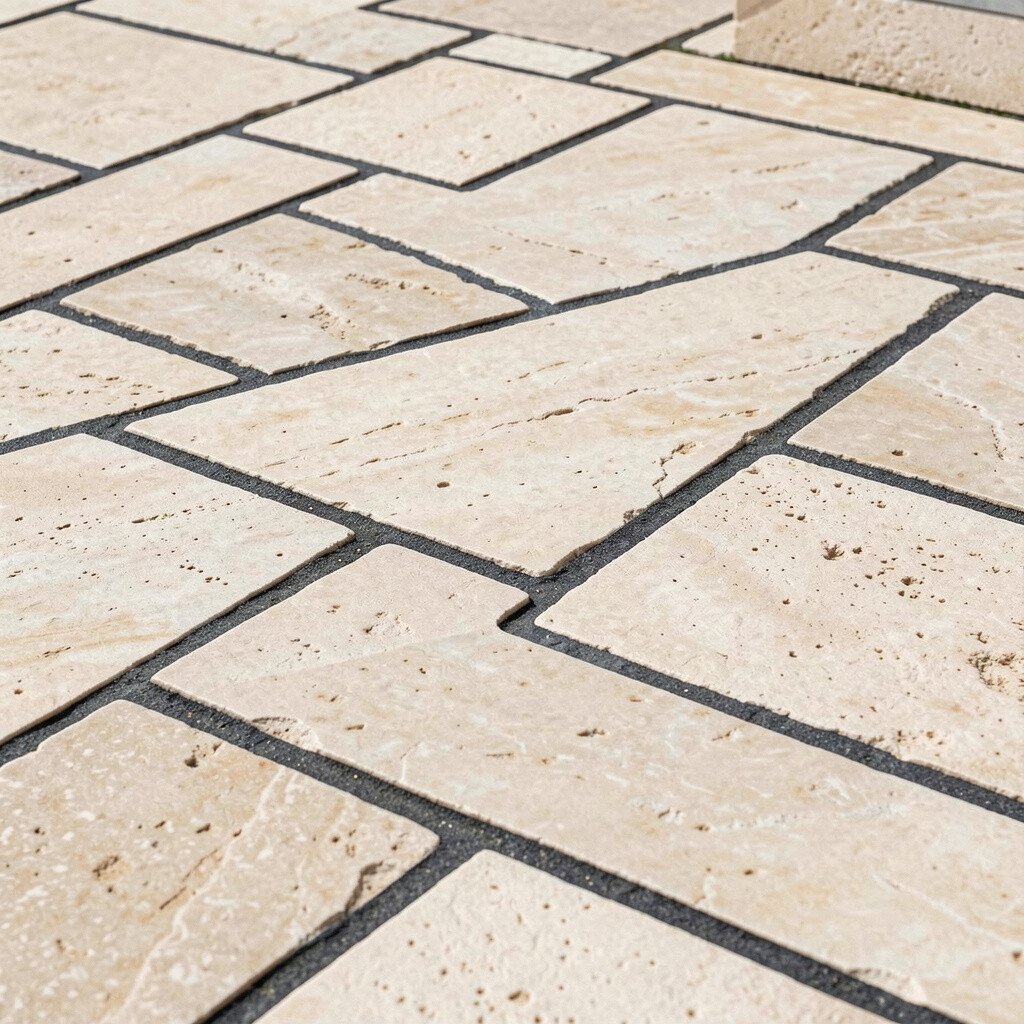
Picture limestone treads where dark mortar lines outline each surface like a sketch. The contrast makes the steps look crisp and well planned, even when the stone is light.
Use a mortar color formulated for outdoor exposure and choose a sealant that helps resist staining. Dark joints do two things at once: they emphasize shape and help hide minor variations in stone tone. For practical care, sweep often and rinse after pollen season so the mortar stays clean.
To personalize, match the mortar shade to your porch columns, walkway borders, or downspout color. This idea can cost about the same as standard stone installs, with the biggest variable being the quality of the sealant you choose.
12. Stacked Stone Retaining-Style Treads
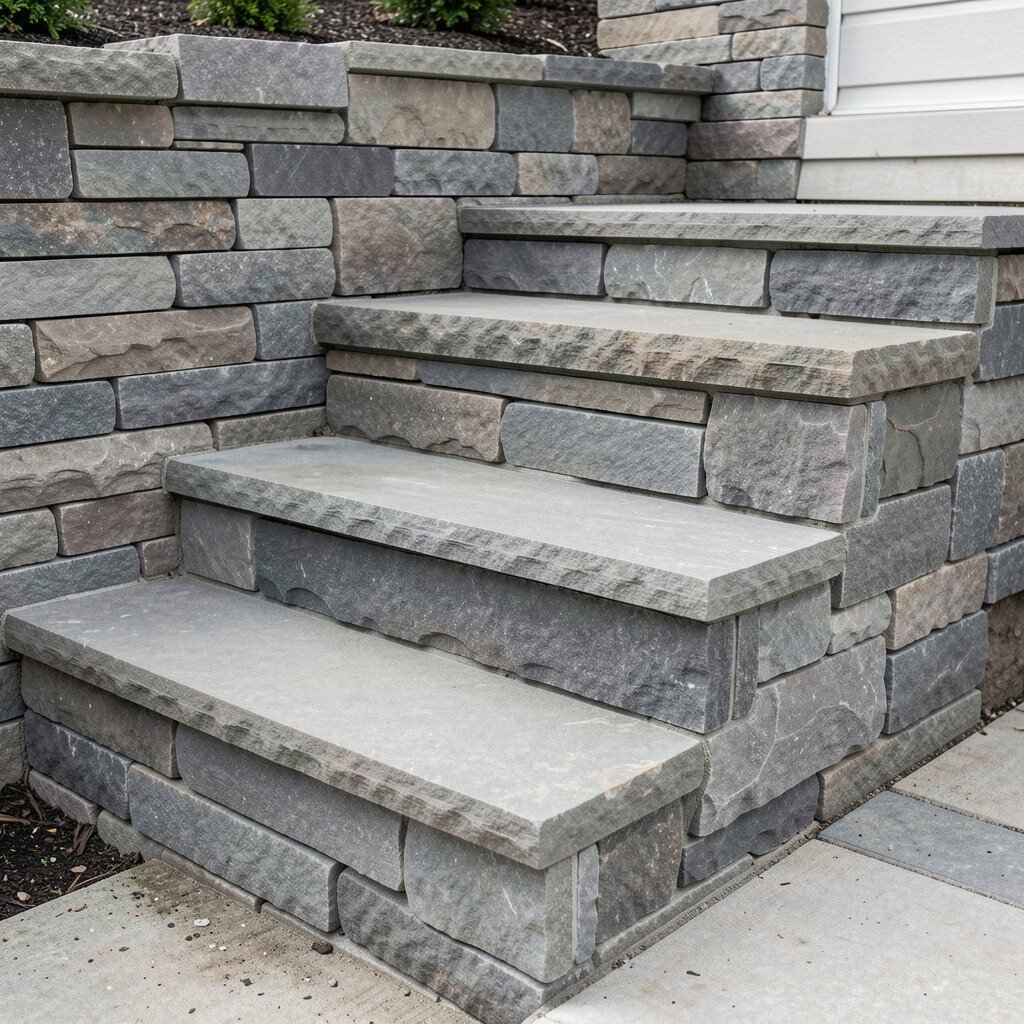
Think of stacked stone blocks arranged like mini retaining wall sections across each tread. The raised texture feels strong and makes the steps look architect-like.
Plan the layout carefully so the stacked look lines up with each riser, and use a secure base that prevents shifting. Stacked stone textures provide great grip, which helps when shoes are wet or when leaves cover the ground. Be mindful of drainage around the sides so water doesn’t push against the structure.
Personalization is built in because stacked stone comes in many colors, from grey and charcoal to warm earth tones. This can be a good value when you find stone that matches your existing landscape hardscape, reducing the need for extra materials.
Right now, people enjoy bold, sculptural outdoor features, and this tread style delivers that vibe without turning the stairs into a clunky mess.
13. Patterned Stone Mosaic With Border Rail Emphasis
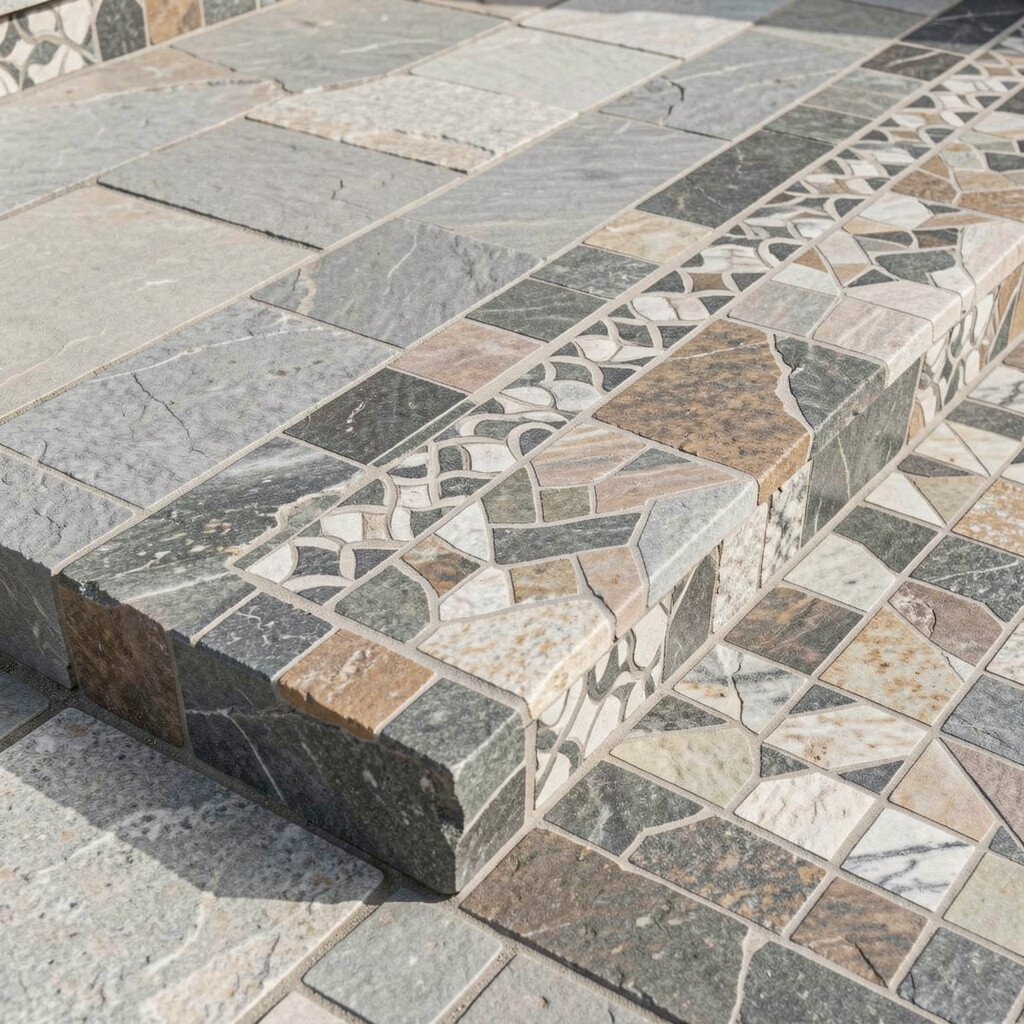
Imagine a mosaic of small stones across each tread, framed by a clean border that lines up with the handrail. The front entry becomes a focal point, and every step feels like part of the design.
Choose small pieces that fit snugly and use grout made for outdoor use, since freeze-thaw can crack weak mortar. A slightly textured top finish helps the mosaic stay safe when it’s damp. For personalization, pick a theme like coastal speckles, earthy swirls, or simple geometric bands.
Cost depends on how complex the mosaic pattern is, but you can keep it realistic by using a simple repeat and saving detailed designs for the most visible step. If you want a modern trend look, use a monochrome palette with one accent tone near the border.
To keep maintenance easy, seal the stone and grout after installation, then clean with gentle methods so the colors stay rich.