Support poles can make your spaces feel sturdier and smarter. A few thoughtful details can also make them look great.
From quick DIY fixes to custom-built systems, the right pole helps you get better results. Keep reading for practical ways to use them in everyday projects.
1. DIY Shelf-Under-Deck Support Poles
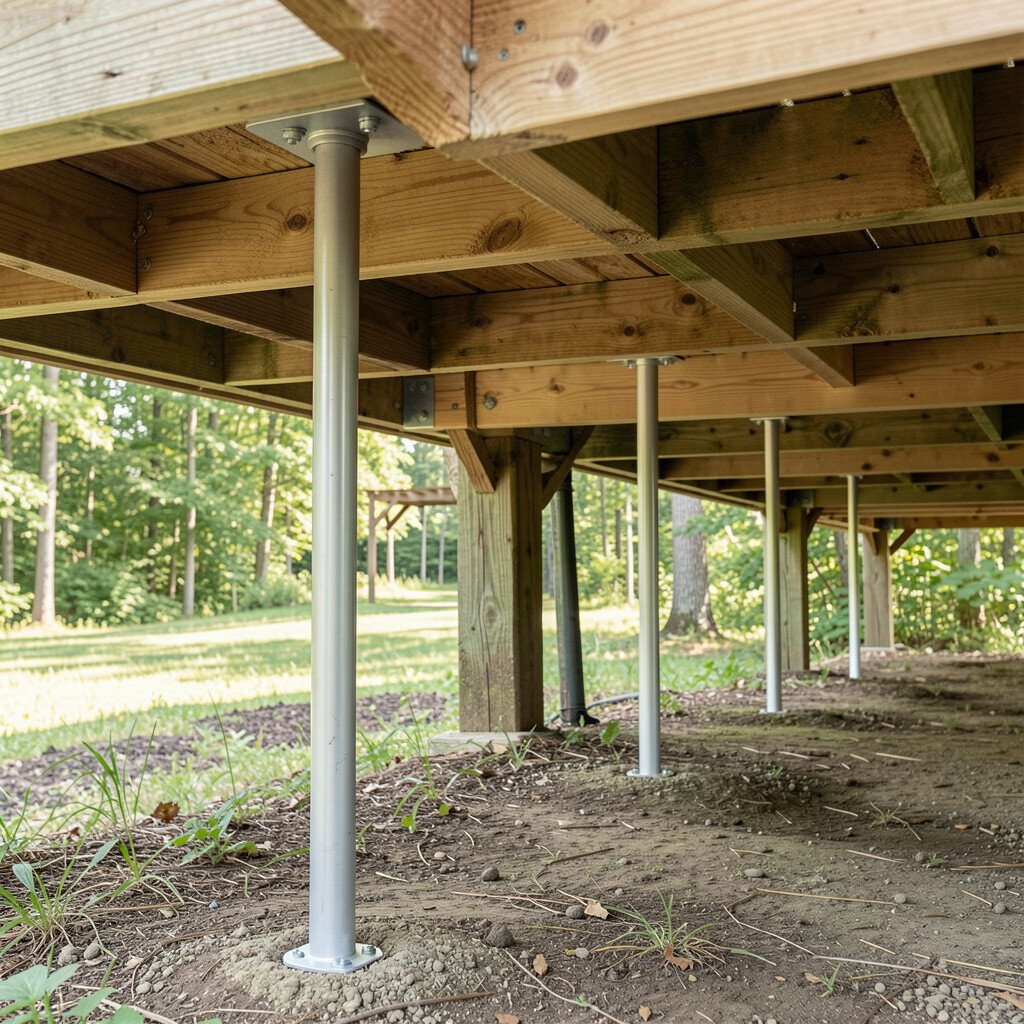
When you add support poles under a deck or raised platform, your stored items feel safer right away. You’ll often see sagging boards stop moving and the whole area looks more even.
Use a pressure-treated post base and check local rules for ground contact. Measure spacing so each pole carries load without crowding the space, and drill pilot holes before you drive screws. For a clean look, wrap the visible portion with trim or paint it to match the deck color.
2. Adjustable Closet Rod Poles for Odd Corners
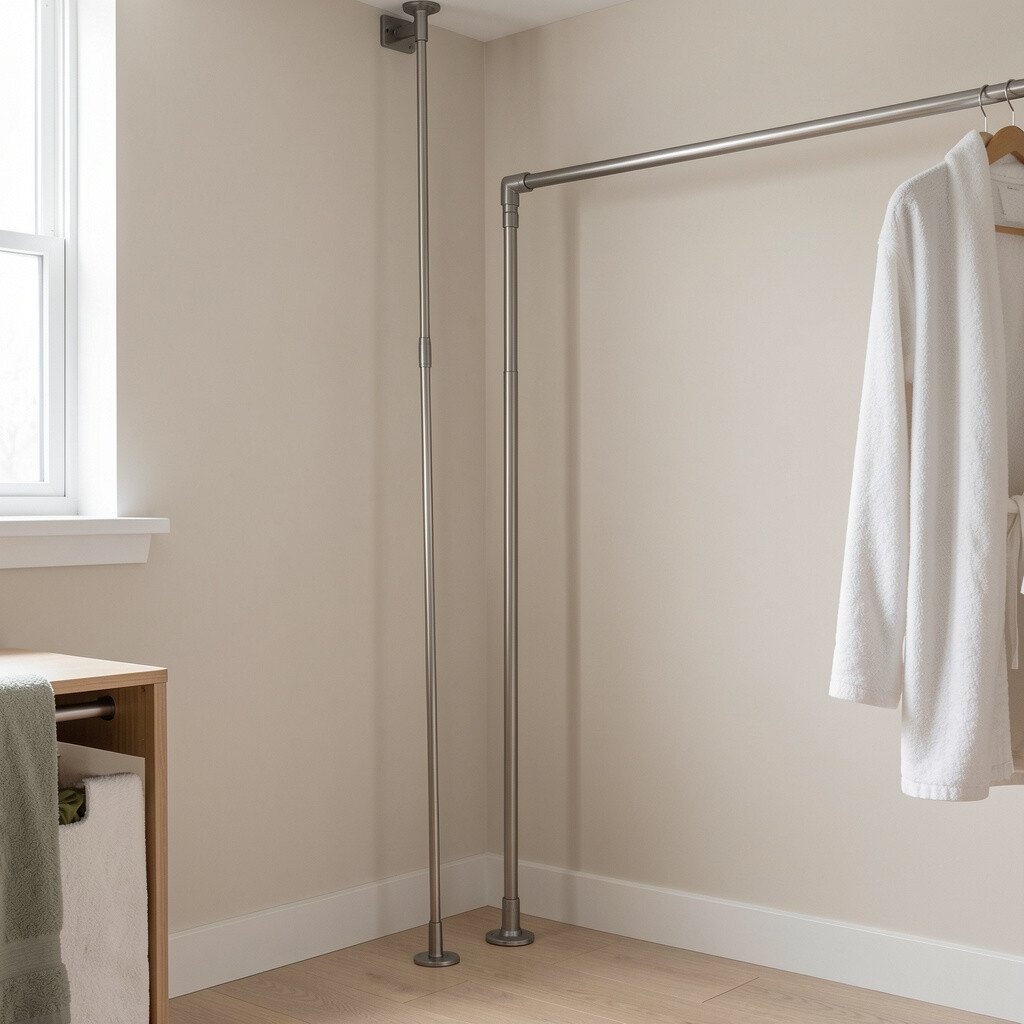
Sometimes a closet corner looks useless, but an adjustable support pole can change that fast. You can visually frame the area with straight lines and give hanging space a neat, built-in feel.
Install a heavy-duty adjustable pole system and set height for short coats, shirts, or long dresses. If you have renters or family members who change their needs often, the adjustability becomes a real everyday benefit. To keep it from wobbling, anchor the pole into studs and add a simple level check before tightening.
For personalization, paint the pole the same tone as the closet trim so it blends in. Cost stays manageable because adjustable kits often replace the need for custom carpentry. A current trend is using slimmer hardware with clean finishes, so consider a matte black or brushed look if it matches your room style.
3. Corner Pergola Poles With Decorative Bases
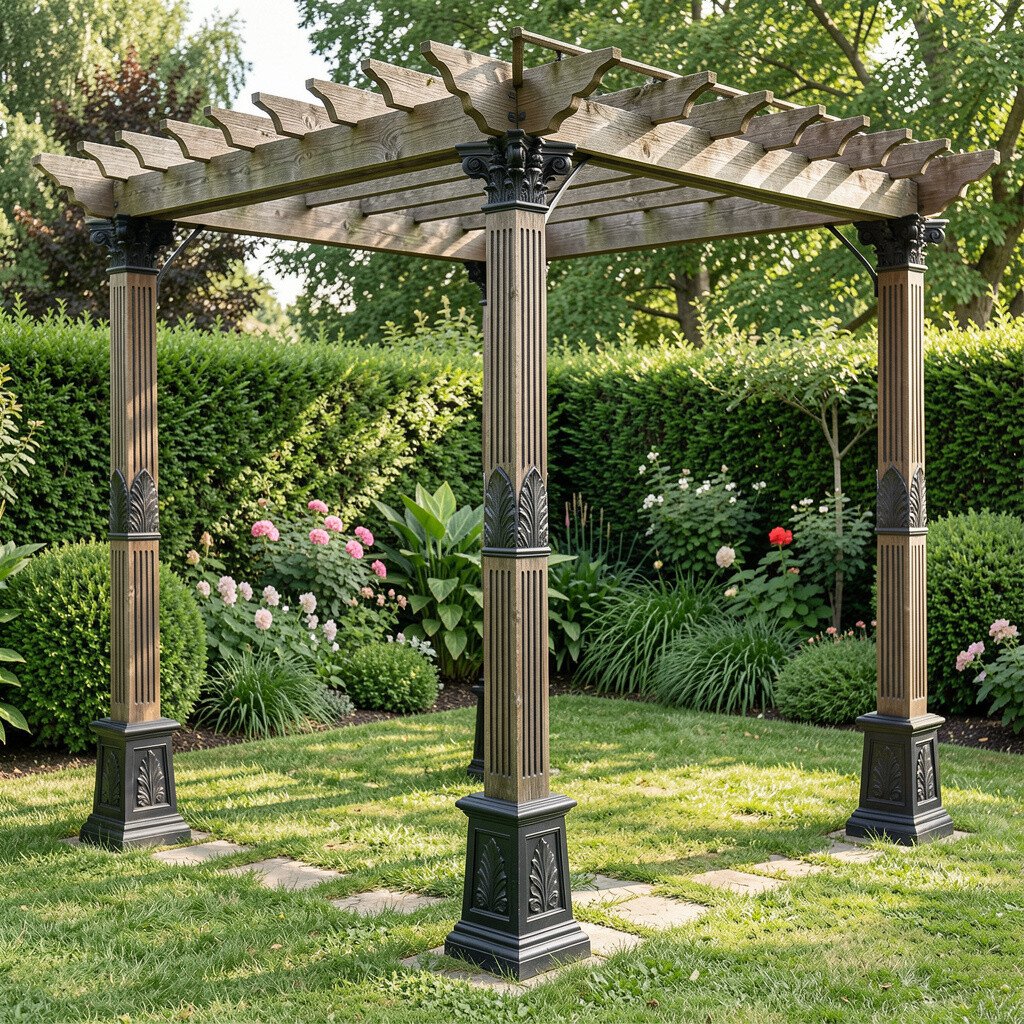
A pergola can feel cozy when its corner poles look intentional. You’ll notice how the structure frames the yard and creates a calm “room” outside.
Build with sturdy poles and add decorative bases that widen at the bottom. That small visual change helps the whole project look more finished and can also improve stability by distributing pressure. Keep the tops level, and use post caps to help shed water.
Personalize the look by choosing fluted or simple square shapes based on your home style. While materials can cost more than basic poles, you can save money by using fewer, stronger supports instead of many weaker ones. Many homeowners now blend pergolas with lighting along the beams, so think about where you might route small power lines.
If you want a budget-friendly boost, stain rather than paint for a rich wood tone. Before you commit, check whether your plan needs engineered sizing for high winds in your region.
4. Low-Profile Support Poles for Garage Shelving
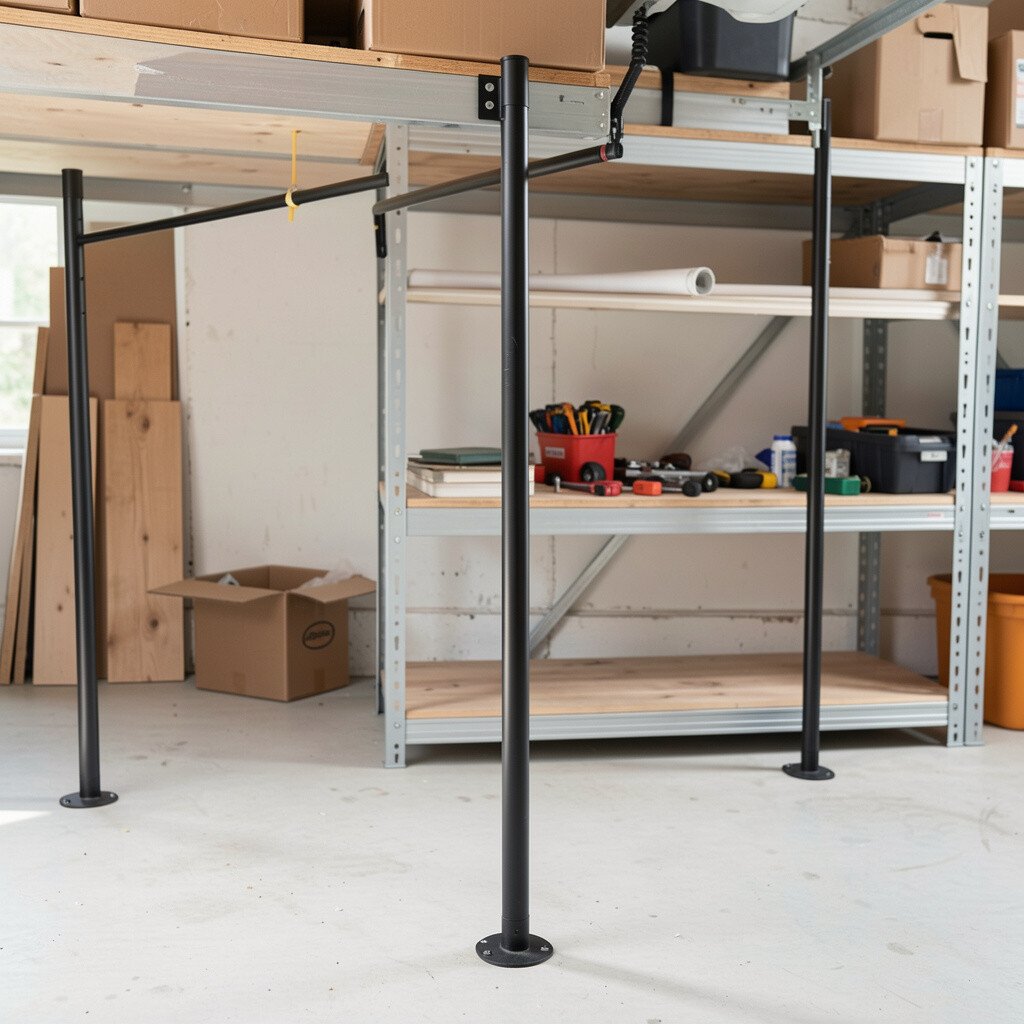
Garage shelves are where items pile up, and that weight needs steady support. Slim support poles keep the shelves from bowing while staying out of the way when you drive in.
Install poles at the shelf ends and in the center when spans get wide. Use shelf brackets that match your pole style, and fasten into studs or solid framing so the whole system feels firm. For a practical upgrade, add a rubber base pad on the bottom to reduce vibration when you move boxes.
5. Masonry Wall Support Poles With Anchored Brackets
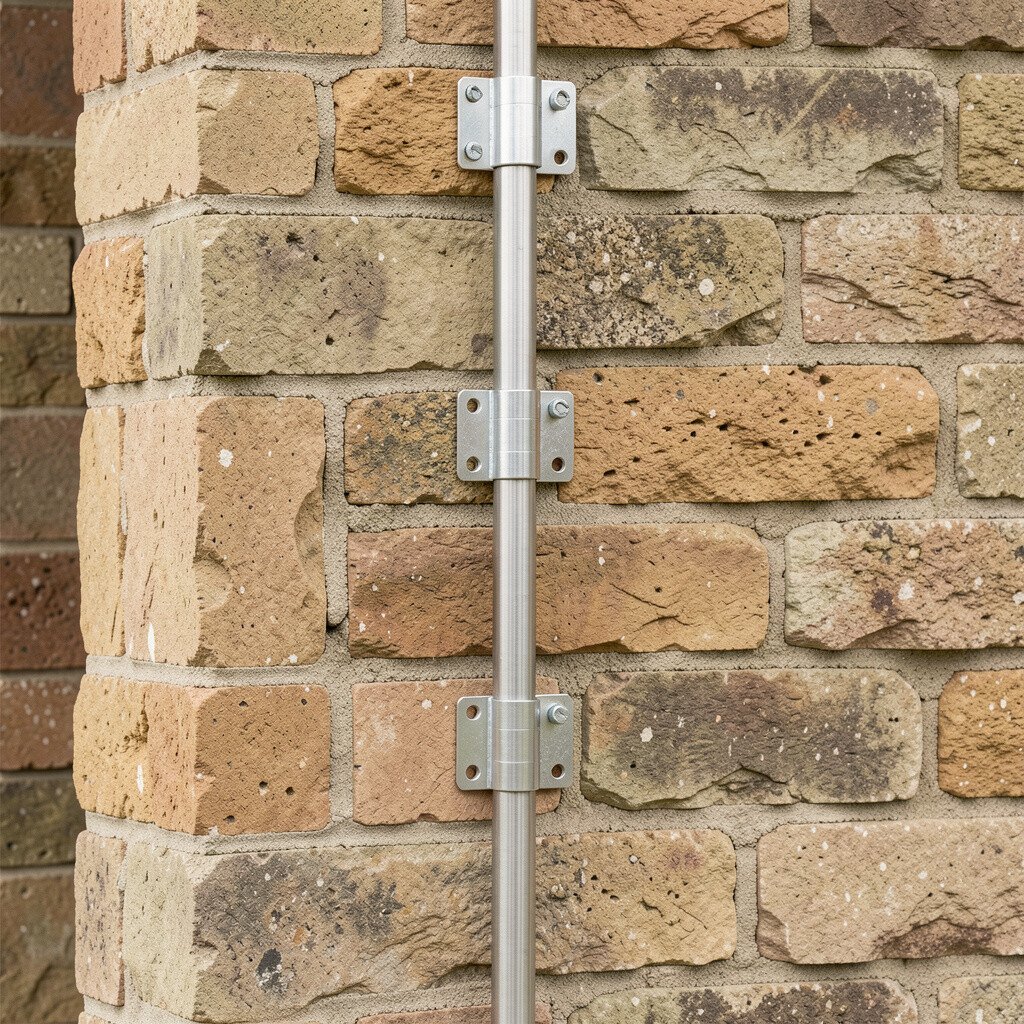
If you have brick or stone walls, you can still use support poles safely. The best setups look clean because anchored brackets hide the bulky parts.
Choose anchors rated for your masonry type and drill with care to avoid cracking. Then align the pole so the load points downward, which helps the hardware do its job. Visually, you can create a tidy grid by repeating the same bracket spacing across the wall.
For personalization, match bracket color to your shelves or tool pegboard. Costs vary based on anchor grade, so plan for stronger anchors if your load is heavy. A current trend in functional storage is using “industrial but neat” finishes, so matte hardware plus warm wood shelves can look modern without feeling cold.
6. Support Poles for a DIY Plant Canopy
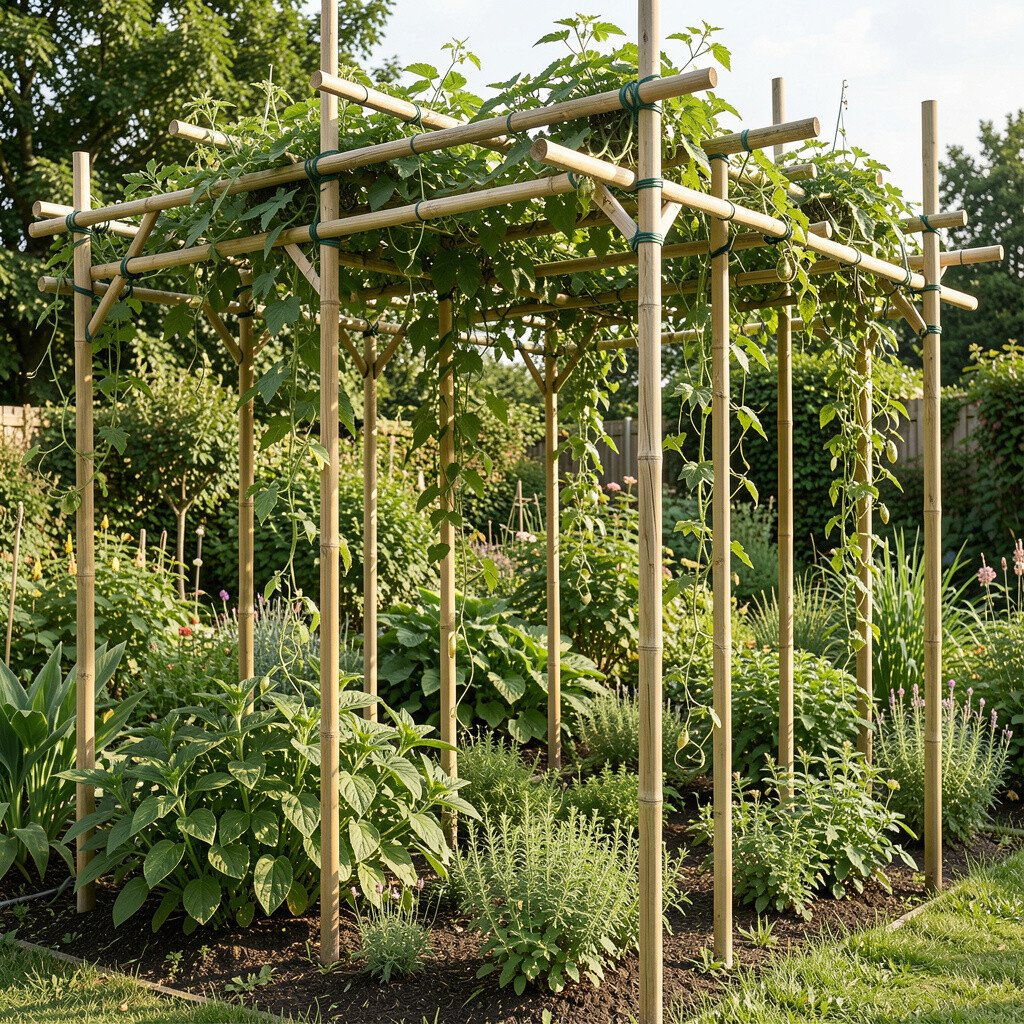
Plant shelves and canopies look amazing when they hold steady, especially as plants grow. Support poles help you keep tiers level, so the sunlight and water flow feel consistent.
Build a simple frame using poles and add crossbars that line up with your pots. Use adjustable couplers if you want to change the height later, since many gardeners upgrade over time. For a clear visual, paint poles a light color so the greenery stands out.
You can also route small cable ties along the poles to manage grow lights and timers. If you’re cost-conscious, start with one small canopy section and expand it later once you know your plant needs.
7. Supporting a Basement Workbench With Industrial Poles
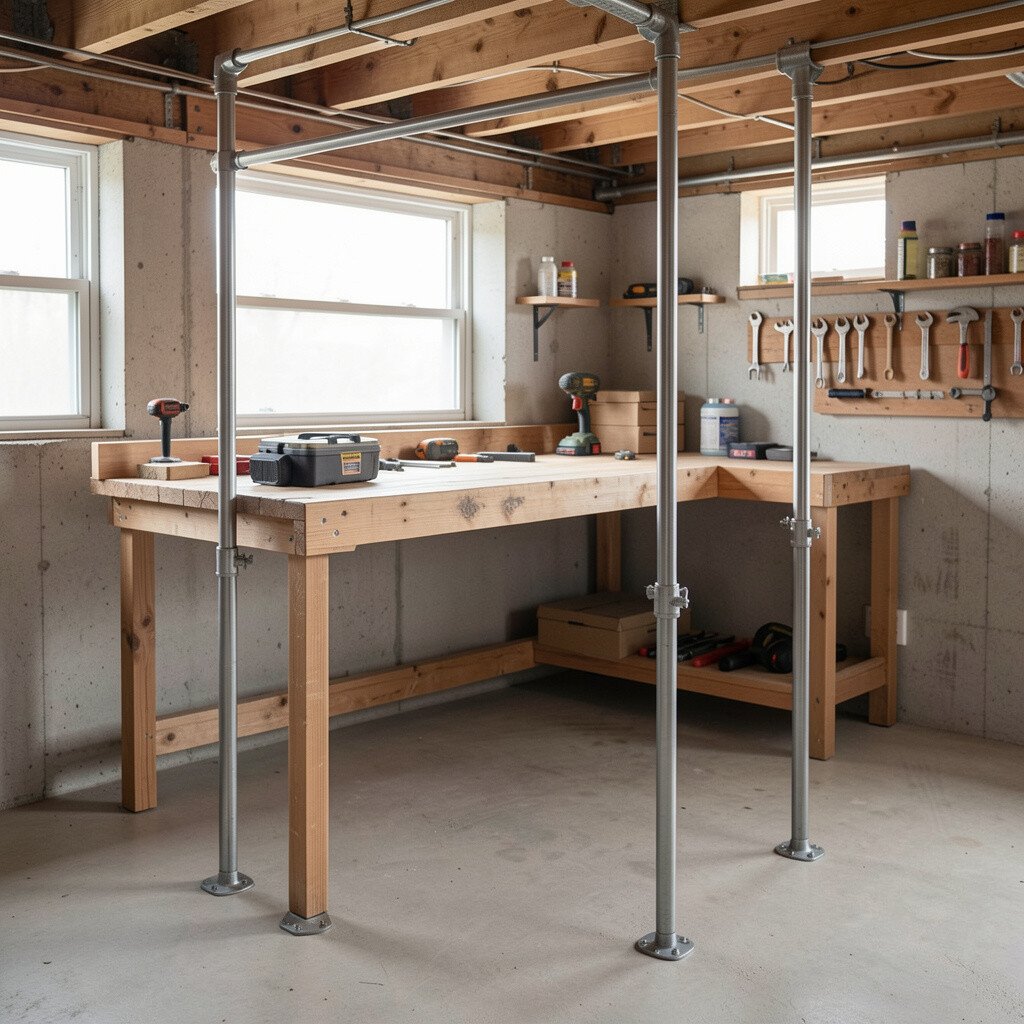
A basement workbench gets better when the legs don’t flex. With the right support poles, you’ll see the tabletop stay flatter, which makes cutting and building feel easier.
Use thick poles and metal brackets designed for shop use. Anchor the base so it won’t shift, then check level across the surface. For practical tips, add a sacrificial top layer so scratches don’t ruin the work surface.
Personalize by choosing a finish that matches your tools, like dark powder coat or a simple clear coat over wood. Costs can rise with premium steel, but you can stretch your budget by reusing a sturdy tabletop while investing in the support hardware. Many makers now like mixed materials, so pairing metal poles with a reclaimed wood top gives a warm look.
If you plan to store heavy items nearby, place additional support poles under the shelf area too.
8. Sliding Pantry Counter Poles for Stiffening Frames
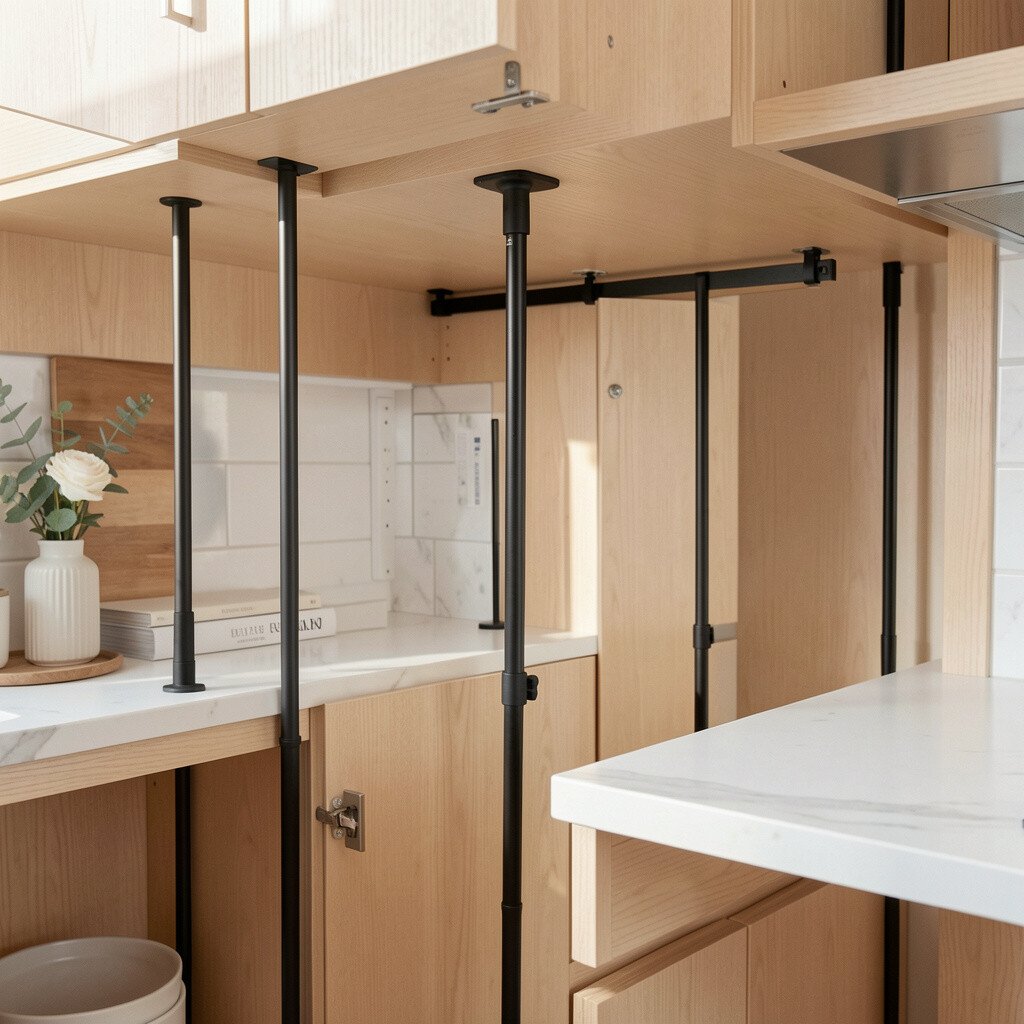
A pantry counter frame can twist when doors slide or shelves pull out. Support poles add a rigid “spine” so the whole pantry system feels smooth.
Install poles inside the cabinet frame, not in the open face, for a cleaner look. Tighten everything after you confirm the door tracks are aligned. If you want a low-cost path, use square tubing and simple bracket plates that you can screw into studs.
9. Support Poles for a Laundry Drying Rack System
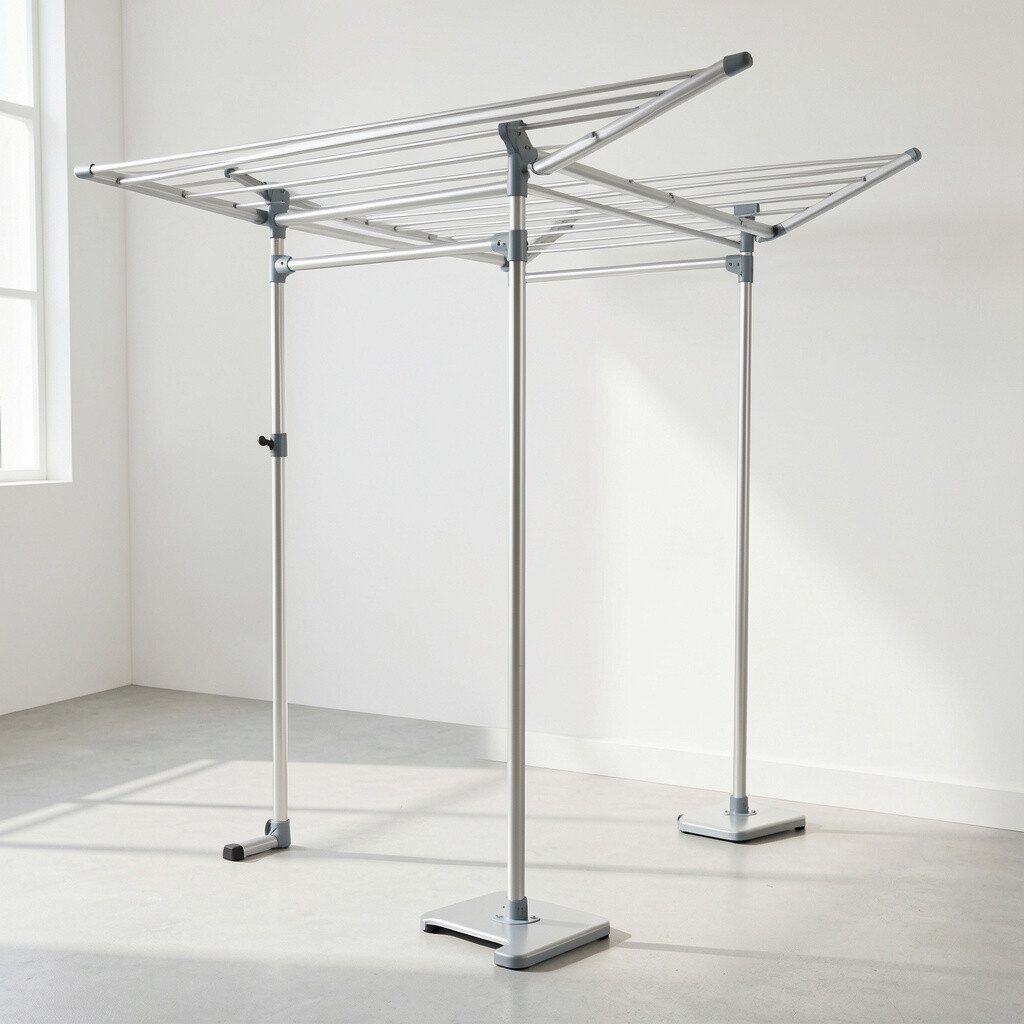
Drying racks can collapse when the room gets busy, and that’s frustrating. Support poles keep the rack steady, so the clothes hang evenly and don’t drag.
Set up poles at the corners and add a crossbar where the rack rests. Use hooks or adjustable brackets so you can fold the rack away when it’s not needed. Visually, a pole system can look like a neat frame, turning a daily chore into something you can be proud of.
For personalization, match the pole color to your laundry room tile trim. Costs are usually reasonable because racks and hardware are widely available, but choose strong poles if you dry bulky items like towels. A current trend is using ceiling or wall-mounted drying stations to free floor space, so think about how your poles can support a top-hanging design.
10. Balcony Planter Support Poles With Water-Safe Covers
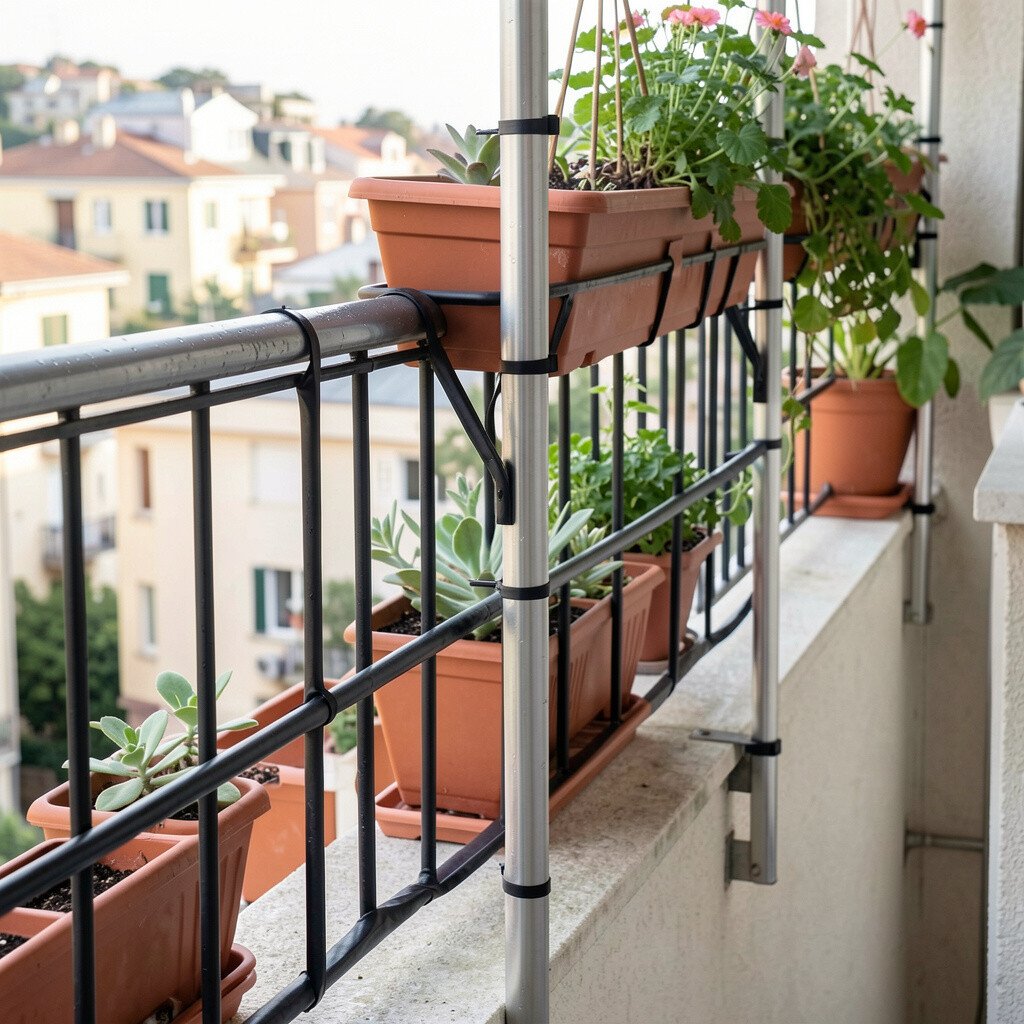
Planters on a balcony look better when the supports are firm and rust-resistant. When your poles stay dry and protected, the whole setup looks cleaner for longer.
Use corrosion-resistant poles and add water-safe covers for the areas that might collect runoff. Place poles at stable points and avoid overloading railing-mounted systems without proper hardware. For practical tips, create drainage channels under planters and keep soil from touching the pole directly.
11. Support Poles for a Home Gym Mirror Wall
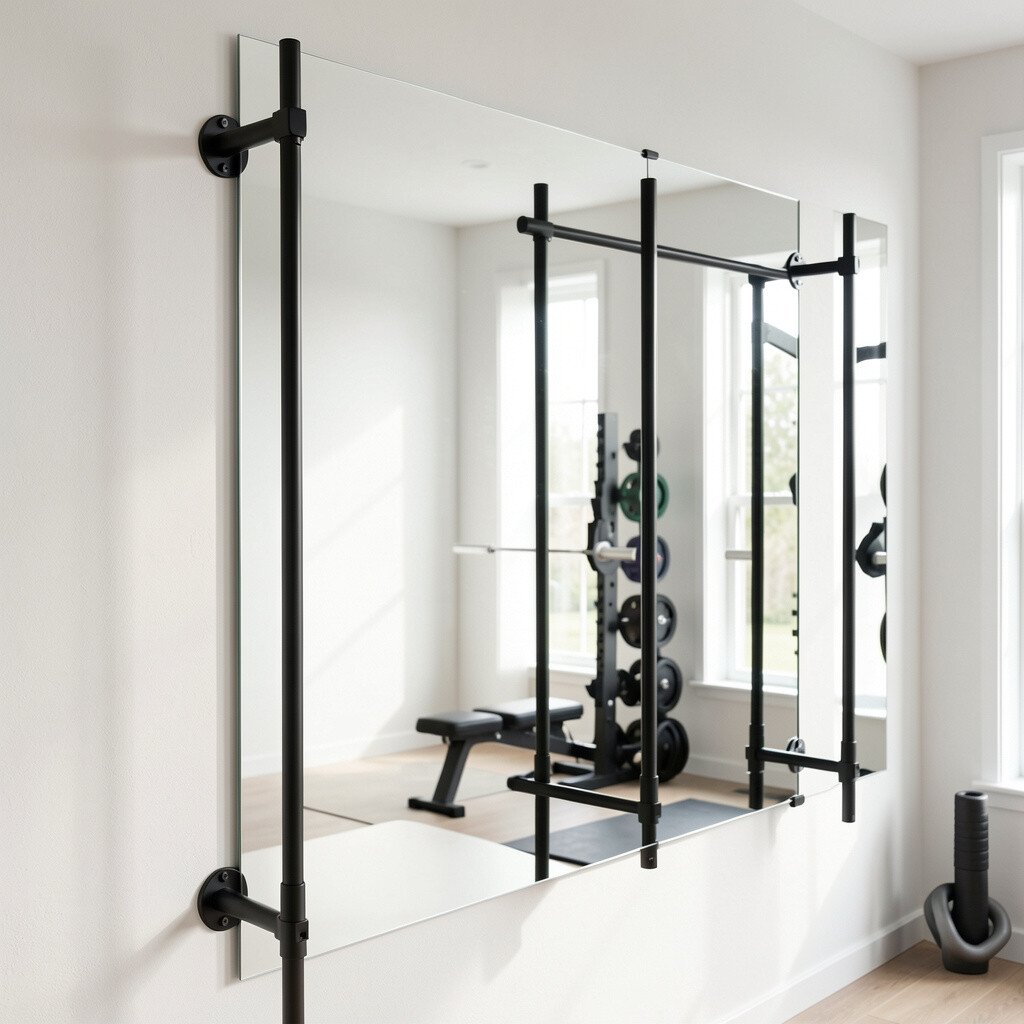
A mirror wall feels high-end, but it needs solid mounting. Support poles can help carry load so the mirror stays aligned during workouts.
Use sturdy poles behind the mirror frame or along the edges where the weight transfers. Fasten to studs and use shims to get perfect alignment. Visually, a straight, plumb mirror makes your whole gym look larger, which is a real morale boost.
To personalize, choose a frame style that matches your equipment colors. Costs depend on mirror size, so invest in strong mounting hardware first, then upgrade the frame details later. Many people now prefer warm lighting behind mirrors, so plan cable routing while the poles are already in place.
12. Outdoor Lighting Poles With Motion-Friendly Placement
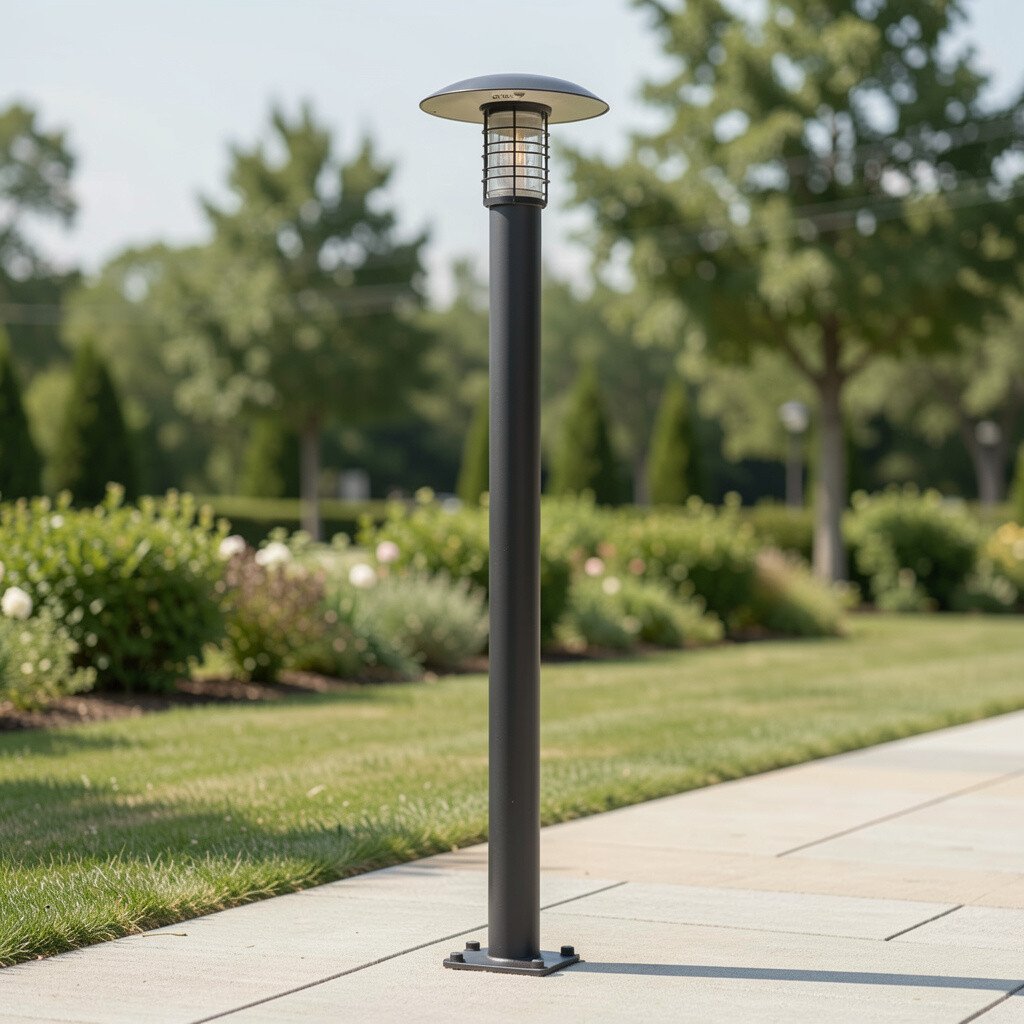
Outdoor lights feel safer when the poles are positioned with care. Support poles can hold fixtures steady so the beam doesn’t flicker and the walkway looks inviting.
Install poles near entry paths and steps, then aim fixtures to reduce glare while improving visibility. Use weather-rated wiring and keep connections protected inside junction boxes. A practical tip is to map where you walk at night before drilling anything so you don’t end up with a light pointed at a window.
Personalize by choosing pole height and fixture style that matches your home. Costs can be moderate because you might reuse some existing electrical runs, but use quality materials for long outdoor life. A current trend is combining motion sensors with warm, dimmable bulbs, so consider poles that can hide small sensor hardware.
13. Support Poles for a DIY Storage Loft Ladder Area
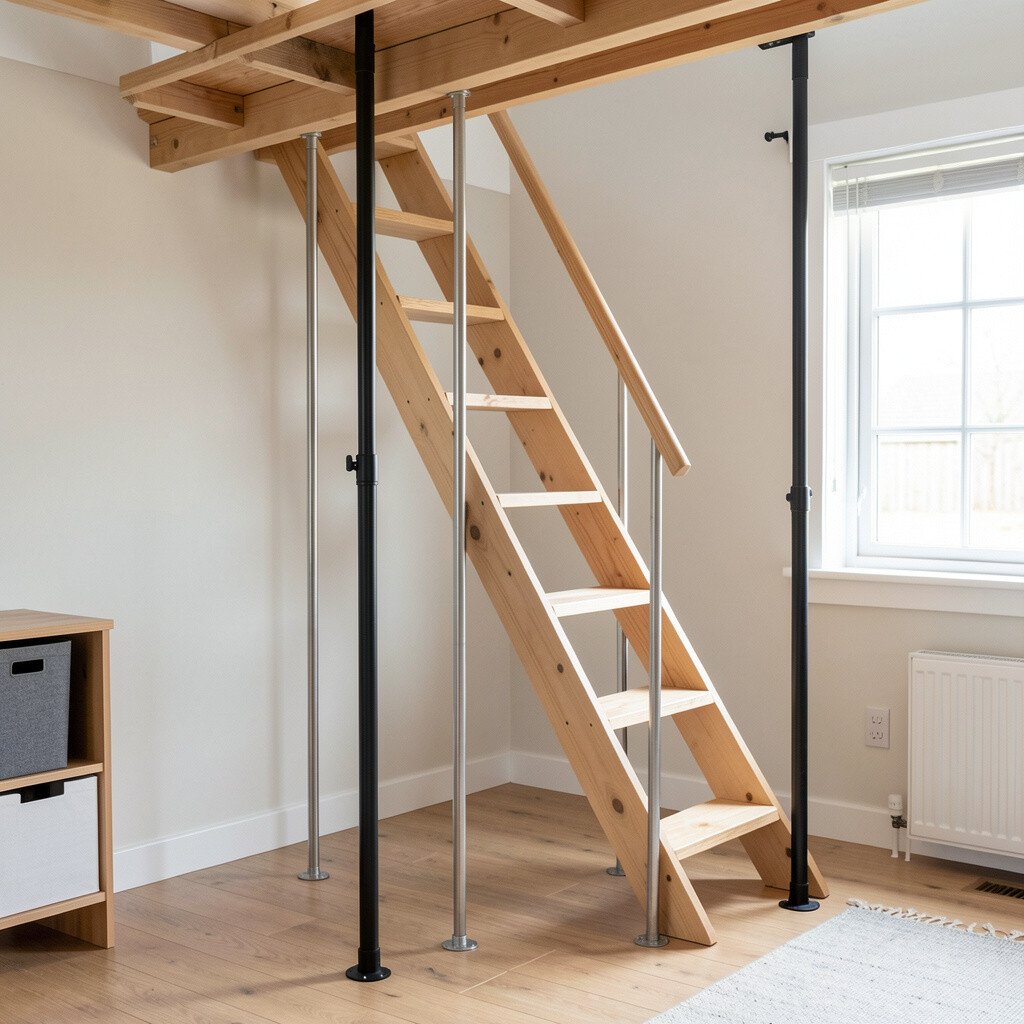
A loft area is tempting to fill fast, and gravity will test your setup. Support poles help you keep the ladder landing and loft framing rigid, so everything feels secure.
Place poles near the loft edges and wherever the load concentrates, like above the ladder attachment zone. Use solid fasteners and verify measurements so doors and stairs don’t fight the frame. Visually, strong poles make the loft look intentional instead of improvised.
For personalization, add a decorative beam cover that matches your ceiling style. Costs can be controlled by using standard pole sizes and cutting trim to fit. Many homeowners now design lofts with open shelving beneath, so think about how the poles will also support those shelves.
If you plan heavy storage, consider adding extra cross-bracing to reduce sway.
14. Support Poles for a Storm Shelter Entry Frame
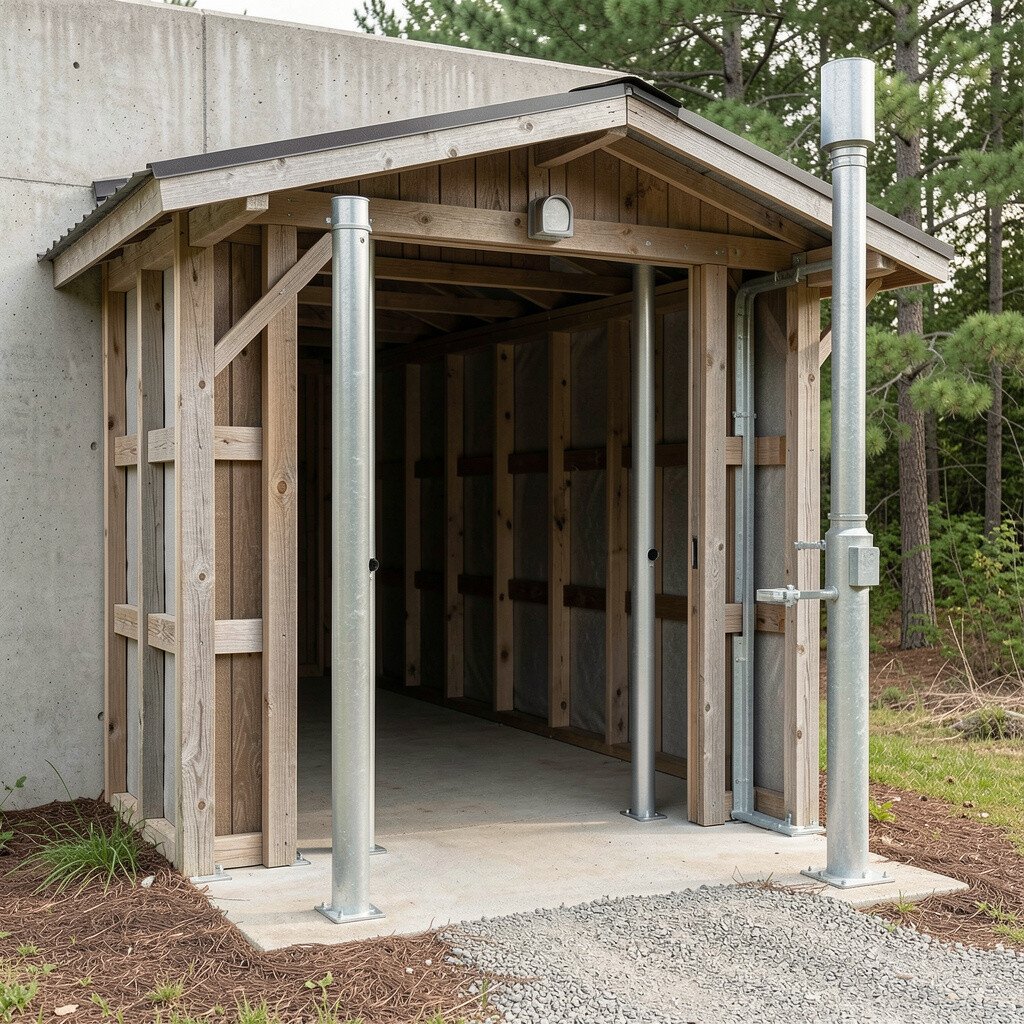
A storm shelter should feel dependable, and that starts with a sturdy entry frame. Support poles can reinforce doorways and keep the opening square, even after heavy use.
Use poles with strong connections to the floor and nearby framing. Ensure the frame doesn’t interfere with door swing and that seals still close properly. For practical tips, check alignment after installation and again after the first temperature changes.
15. Vertical Support Poles for a Removable Window Garden
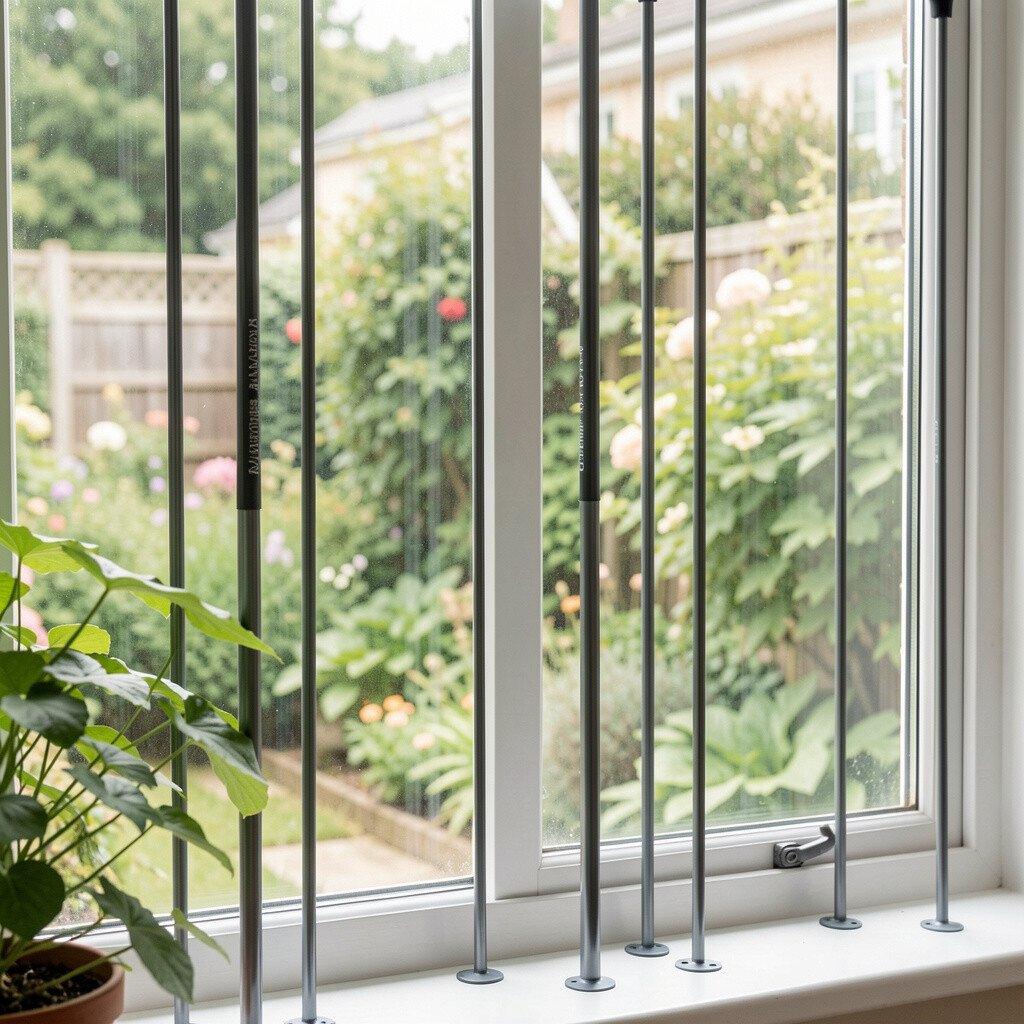
Window gardens are charming, but mounting matters. Support poles help hold weight and keep planters stable so they don’t tip when you water them.
Create a removable system with quick brackets so you can take the garden down during storms or cold weeks. Use lightweight, durable poles designed for vertical loads, and add a drip tray that catches runoff. Visually, a slim pole frame can look like modern wall art while still doing real work.
Personalize with planter colors and a consistent spacing rhythm that matches your windows. Costs depend on planter size, but using fewer, stronger supports often saves money compared to multiple weak points. A current trend is using compact, modular plant walls indoors, so you can design this to match your living space style.
16. Support Poles for a Small Workshop Counter With Drawers
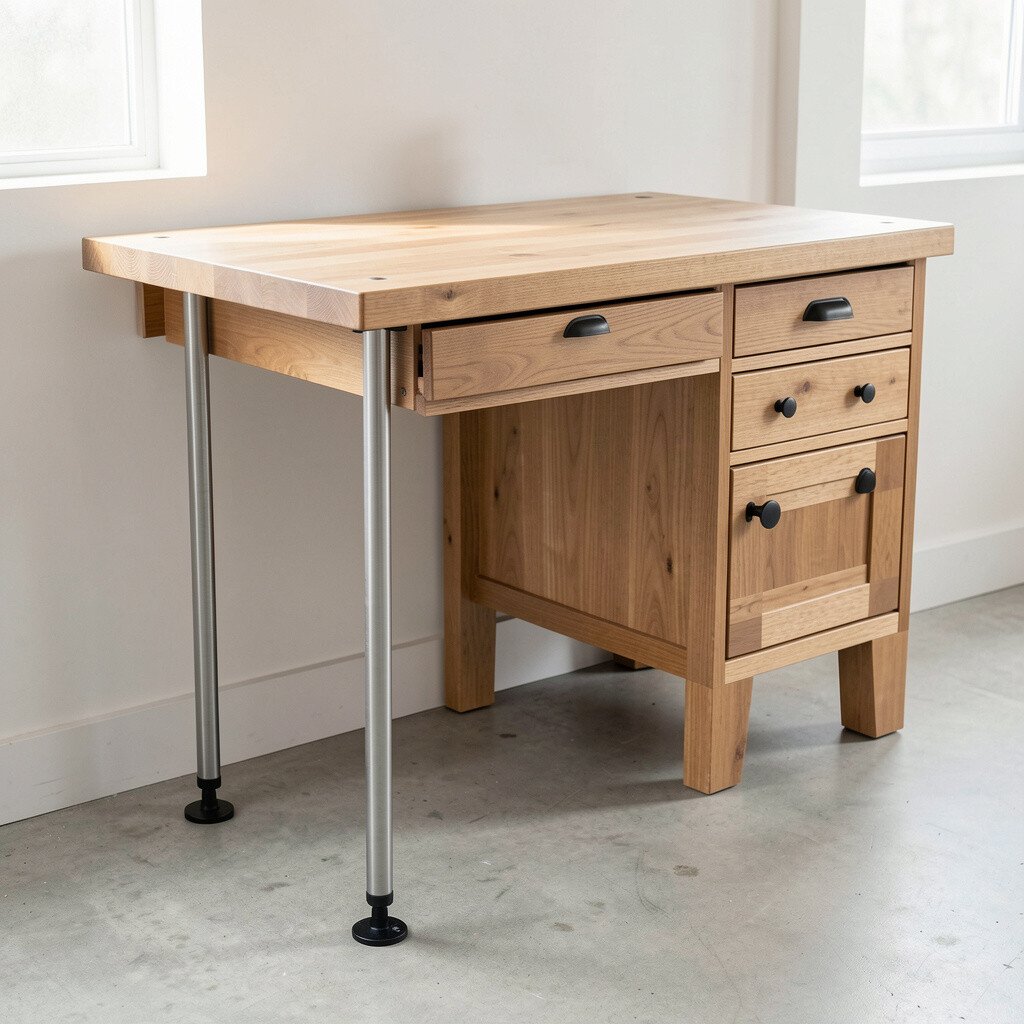
A drawer cabinet feels solid when its countertop stays supported. Support poles keep the counter from sagging and help the drawer slides work smoothly.
Mount poles under the cabinet corners and add a center support if your top spans a wider gap. Use metal angle brackets and strong screws for long-term stability. For personalization, choose a countertop finish like laminate, butcher block, or a sealed plywood top that fits your budget.
Costs can stay reasonable if you build the base from simple framing and invest mainly in hardware. Many workshops now use compact layouts, so plan where tools will sit while the poles are still accessible. A tip that helps a lot is labeling drawer sizes before you install everything so you organize faster.
If you expect heavy loads like power tools, avoid thin shelving material and use thicker support members.
17. Support Poles for a DIY Wall-Mounted Bike Rack
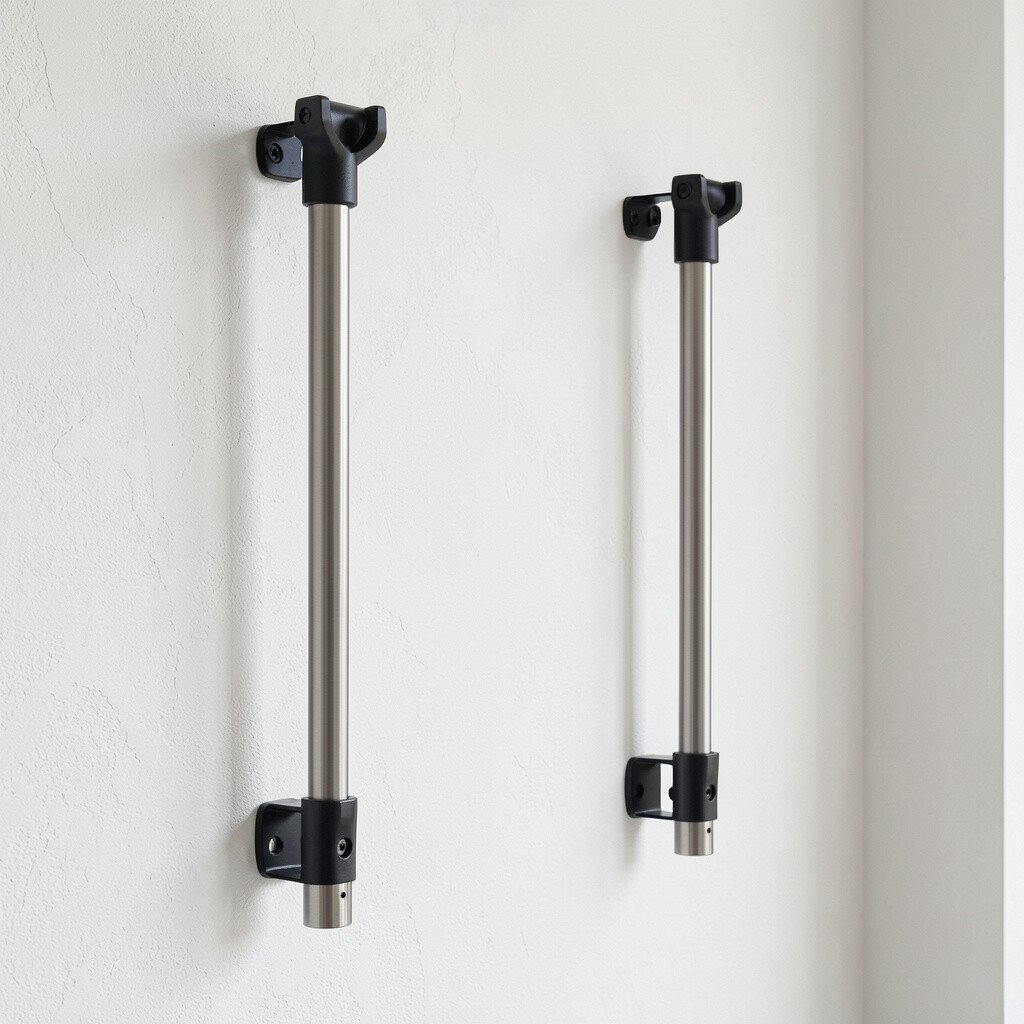
Bikes look great on a wall when the rack doesn’t wobble. Support poles can provide extra stiffness so you can lift and park your bike with confidence.
Place poles at key points behind studs and add padded contact points to protect paint. A practical tip is to set the pole positions using a bike test fit so you can adjust the height for handlebars and seat size. Visually, a clean vertical support design can look modern and tidy, especially with matching hardware finishes.
Personalize by aligning bikes in a consistent angle or spacing pattern. Cost considerations are usually simple because bike racks need strong mounting more than expensive materials. Current trends include “vertical storage” and minimalist brackets, so consider a slim pole profile that doesn’t dominate the wall.
18. Support Poles for a Pergola Shade Sail Frame
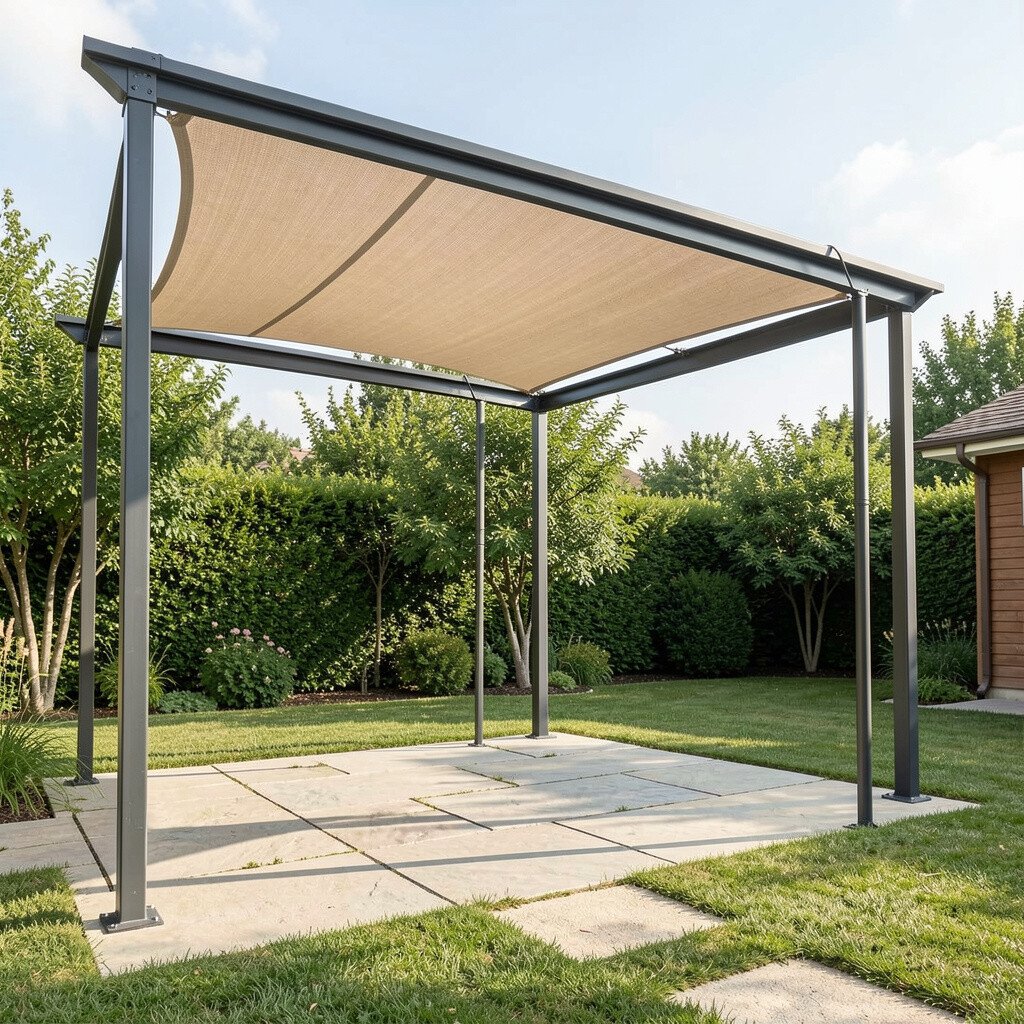
A shade sail can sag if it isn’t supported well, and that can make it look messy. Support poles create tension and keep the sail lines crisp and attractive.
Install poles at corners and use tensioning hardware so you can fine-tune the sail over time. For practical tips, think about seasonal sun angles and adjust your tension before peak weather. Use rust-resistant hardware and check fasteners after storms to keep the system safe.
Personalize the look with color that matches patio cushions and outdoor rugs. Costs can vary, but you may save money by using a simple pole frame and renting or reusing the sail for longer. Many homeowners now choose adjustable shade systems that roll or re-tension, so build your pole points to make that easier.
19. Support Poles for a DIY Mail Station and Shelf
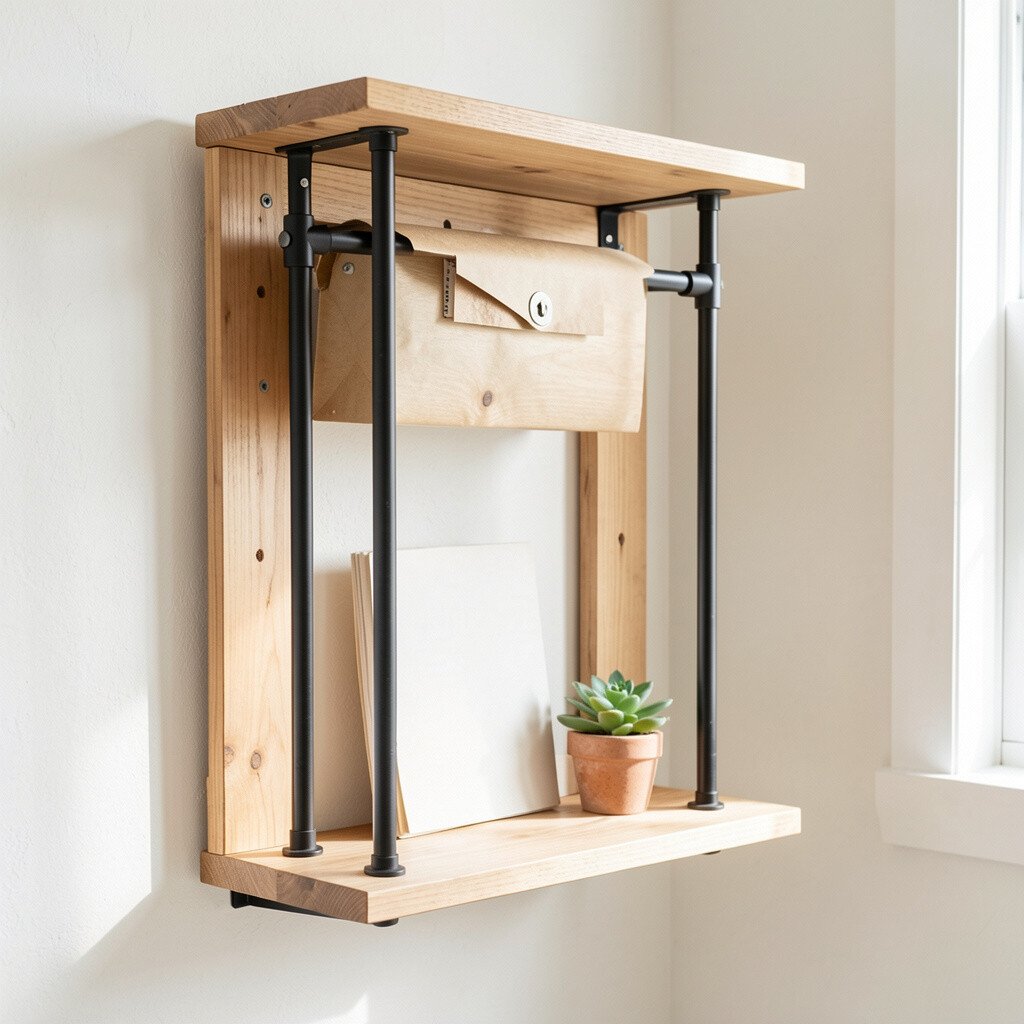
A mail station is small, but it makes daily life smoother. Support poles help keep shelves level so letters and packages stack without sliding around.
Build a compact frame with poles at the corners and add a shallow ledge for keys. Use smooth edges and paint the poles a color that blends with your entryway walls. For practical tips, add a label-free organization style like hooks for bags and a tray for receipts.
Costs are often budget-friendly because this project can use scrap lumber and standard pole hardware. Personalize by matching finishes to your door handles and light fixtures. A current trend is creating “drop zones” near entrances that combine storage and style, so consider a clean, open design that looks welcoming.
Take measurements with a few items you actually use, like envelopes and small boxes, so the shelf size feels right.
20. Painted Steel Support Poles for a Custom Room Divider
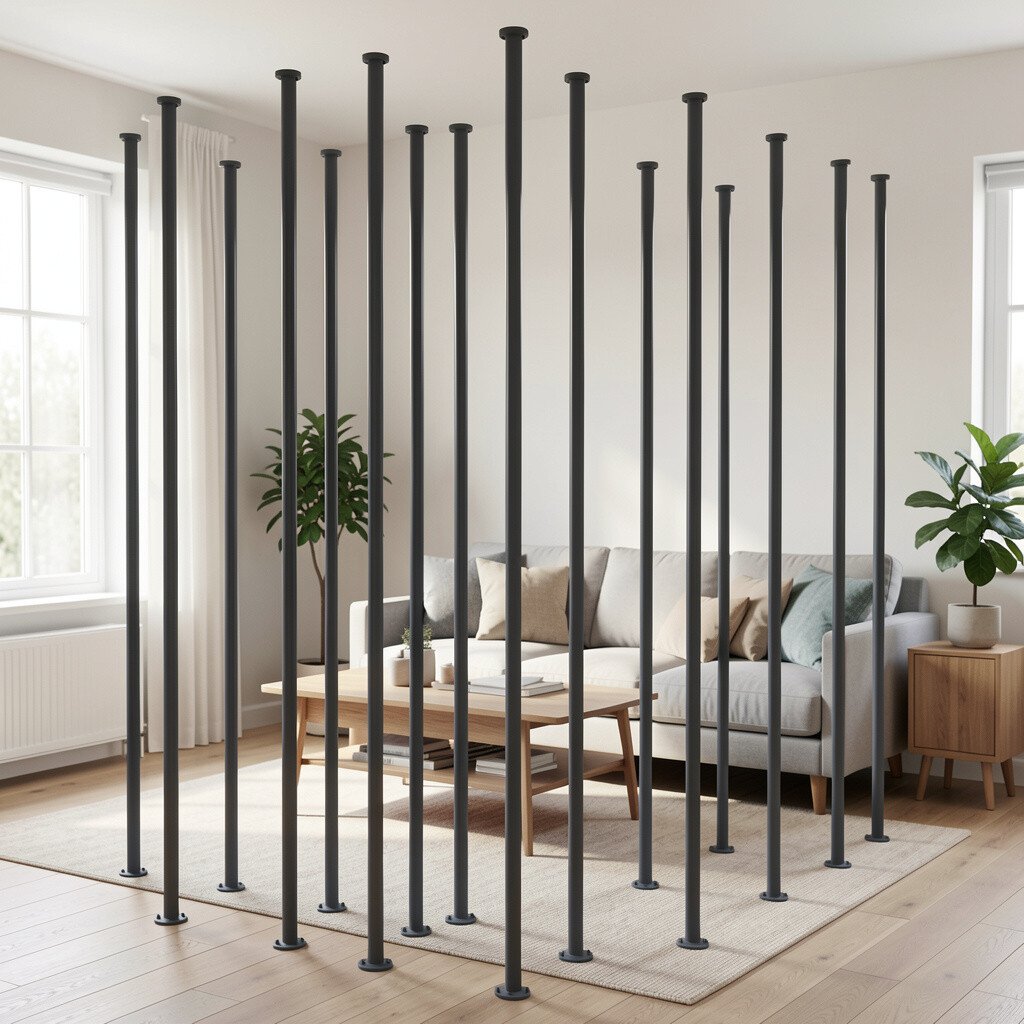
Room dividers can feel flimsy unless they have strong supports. Painted steel support poles create a stable frame that makes the divider look like real built-in furniture.
Choose a divider style that matches your home, like an open lattice or a grid that lets light travel. Secure poles to the floor and, if possible, to nearby framing for extra rigidity. For personalization, paint the poles in a bold accent color or keep them neutral for a calmer look.
Cost considerations are worth planning, since steel and paint supplies add up, but you can save money by using fewer poles and focusing on sturdy base connections. A current trend in interiors is mixing industrial metal with soft textiles, so pair your divider frame with curtains or plant stands. For practical tips, sand and prime the steel well before painting so the finish stays smooth and durable.
If you want it to move, design the base with locking feet so it can shift locations without losing stability.