The kitchen never really rests. Heat, noise, and motion fill the air from dawn until close.
Small changes can make a giant difference. Smart habits can also trim waste and keep service smooth.
1. Switch To High-Efficiency Cooking Equipment
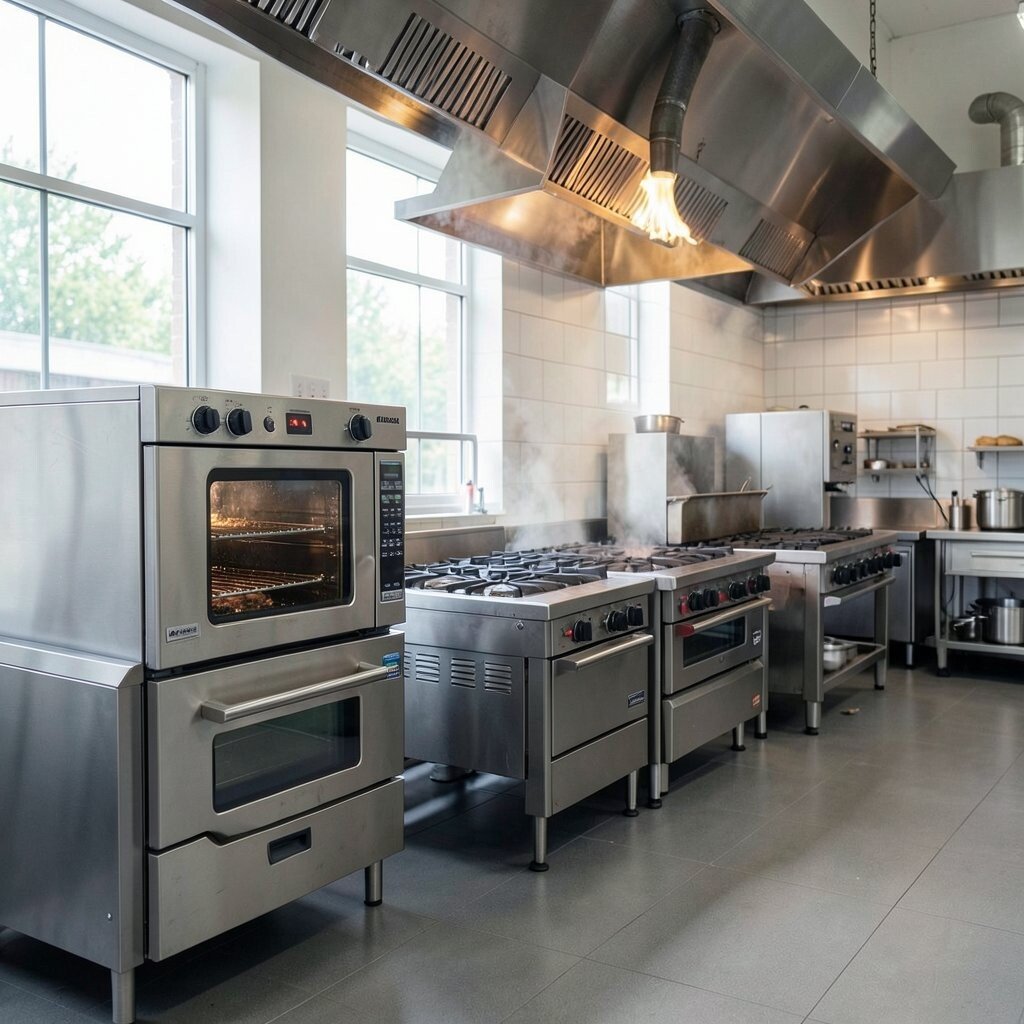
Old ovens, fryers, and ranges can burn more power than they should. Newer high-efficiency models often look sleek and clean, with tighter seals and better controls.
These upgrades can lower utility bills and reduce heat in the kitchen. They also help food cook in a steadier way, which makes service feel calmer during rush hours. If the budget feels tight, start with the machines that run the most each day.
2. Use Smart Kitchen Layouts
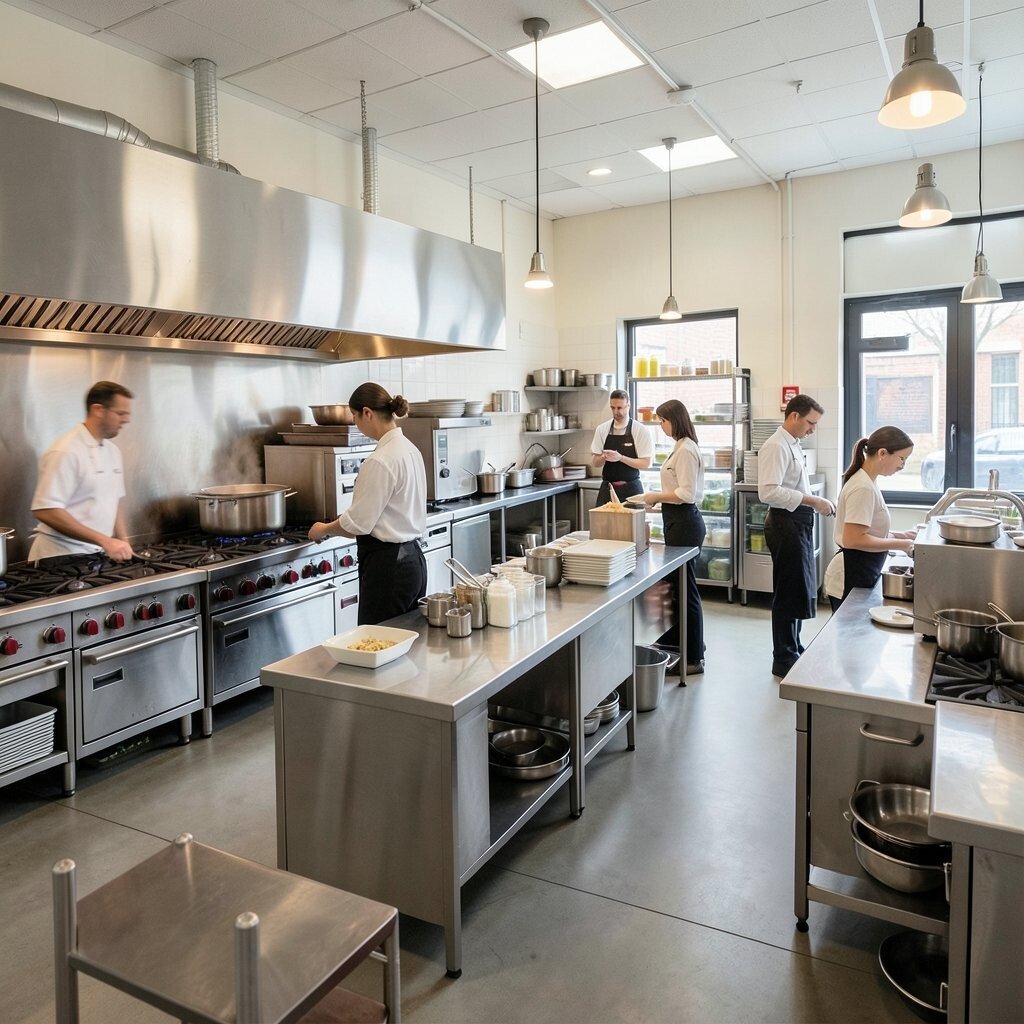
A well-planned kitchen saves energy before a single burner turns on. When hot stations, prep tables, and cold storage sit in the right spots, workers move less and equipment works less hard.
This can create a more open, easy-to-read space that looks neat and professional. A good layout also cuts extra steps, which helps staff stay fresh during long shifts. For a personal touch, arrange stations around your menu style so the flow matches your cooking habits.
Trends in kitchen design now focus on compact work zones and clear traffic paths. That can be a smart choice for busy restaurants that want comfort and lower energy use together.
3. Keep Equipment Clean And Well-Maintained
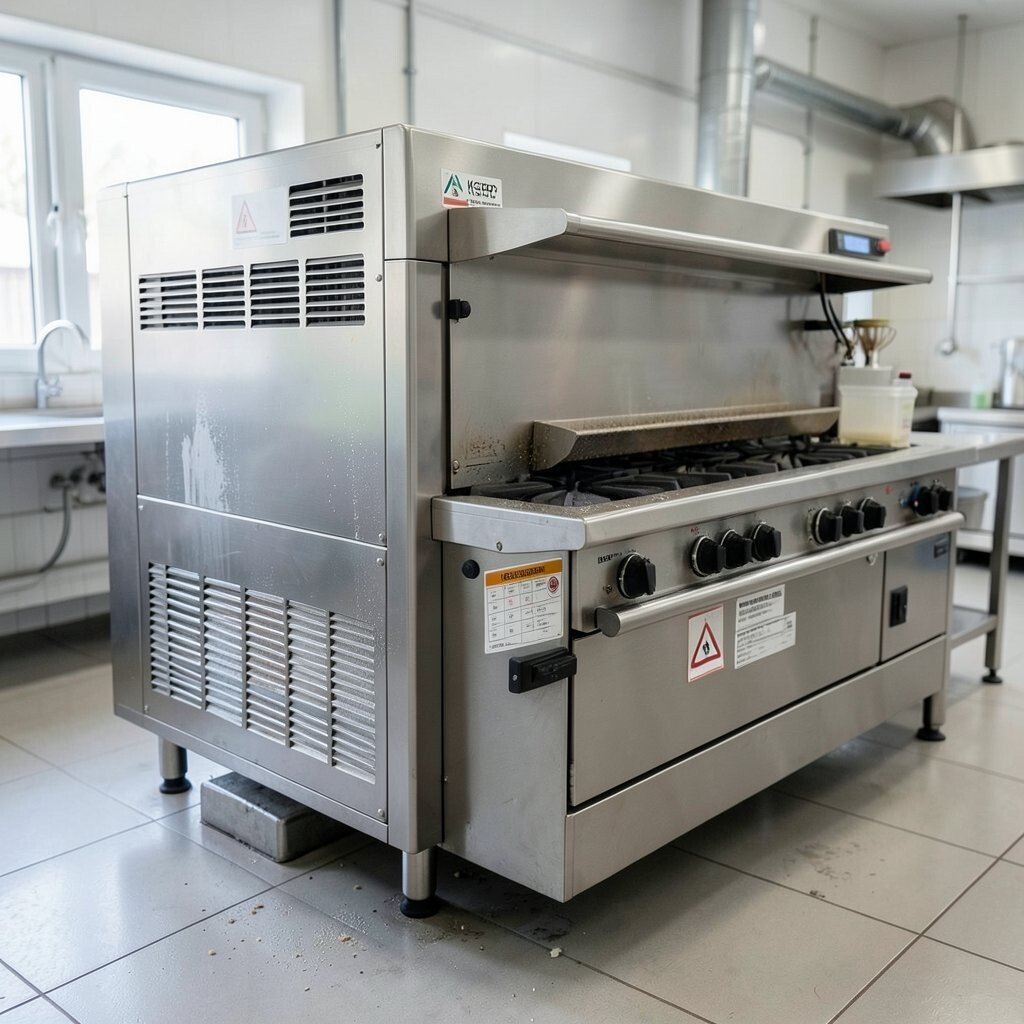
Grease, dust, and crumbs can make machines work harder than needed. Clean vents, coils, burners, and gaskets often to keep everything running smoothly.
A spotless machine usually looks brighter and more inviting too. Regular care can prevent surprise repairs and help equipment last longer, which saves money over time. Make a simple maintenance chart that fits your team’s routine so the work feels easy to follow.
Many kitchens now use digital reminders for cleaning and service checks. That trend can help managers stay on track without adding stress.
4. Choose Energy-Saving Lighting
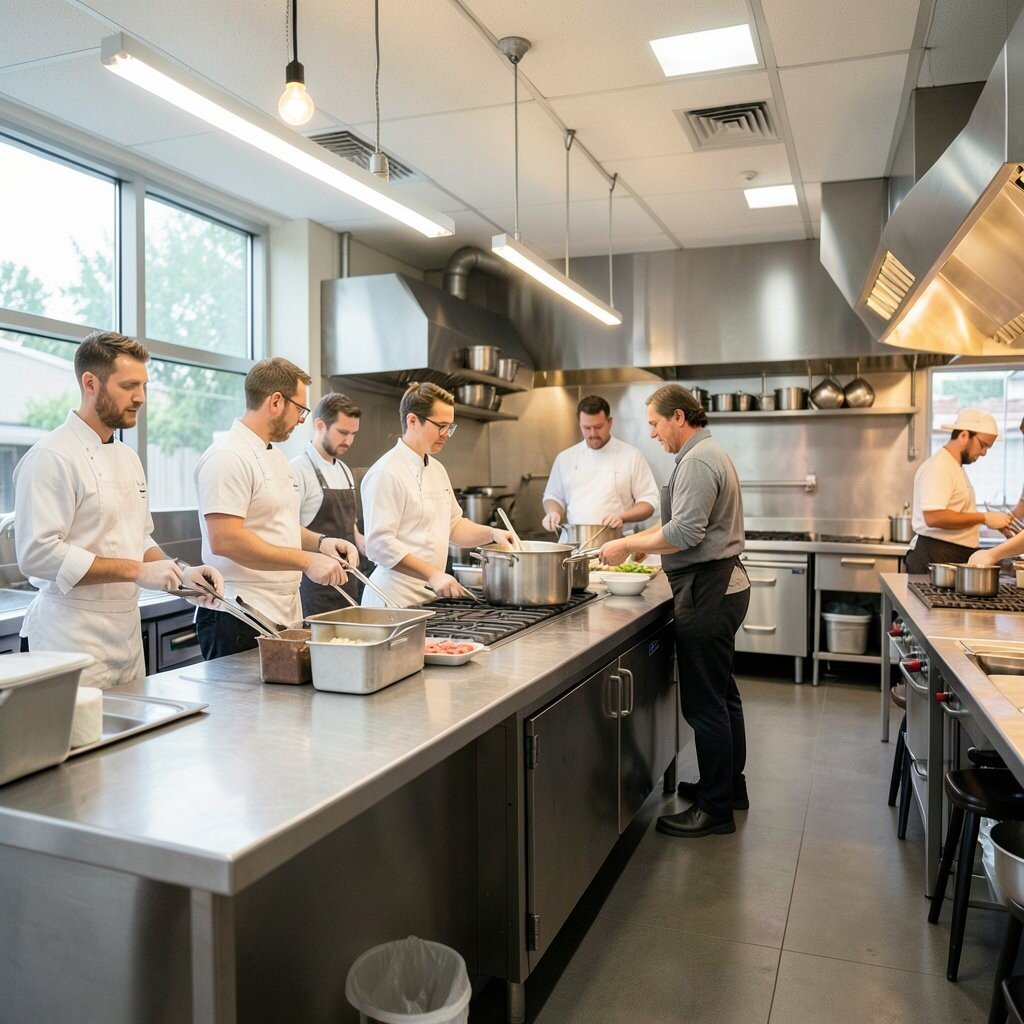
Bright LED lights can make a kitchen feel sharp and clear without using much power. They also give off less heat, which helps the room stay cooler during busy hours.
That cooler feel can make staff more comfortable and may even lower the load on air systems. Replace old bulbs in the busiest areas first if you want a low-cost start. For a unique look, use warm lighting in dining-adjacent prep spaces and cooler lighting where precision matters.
5. Cook With Lids, Covers, And Proper Pan Sizes
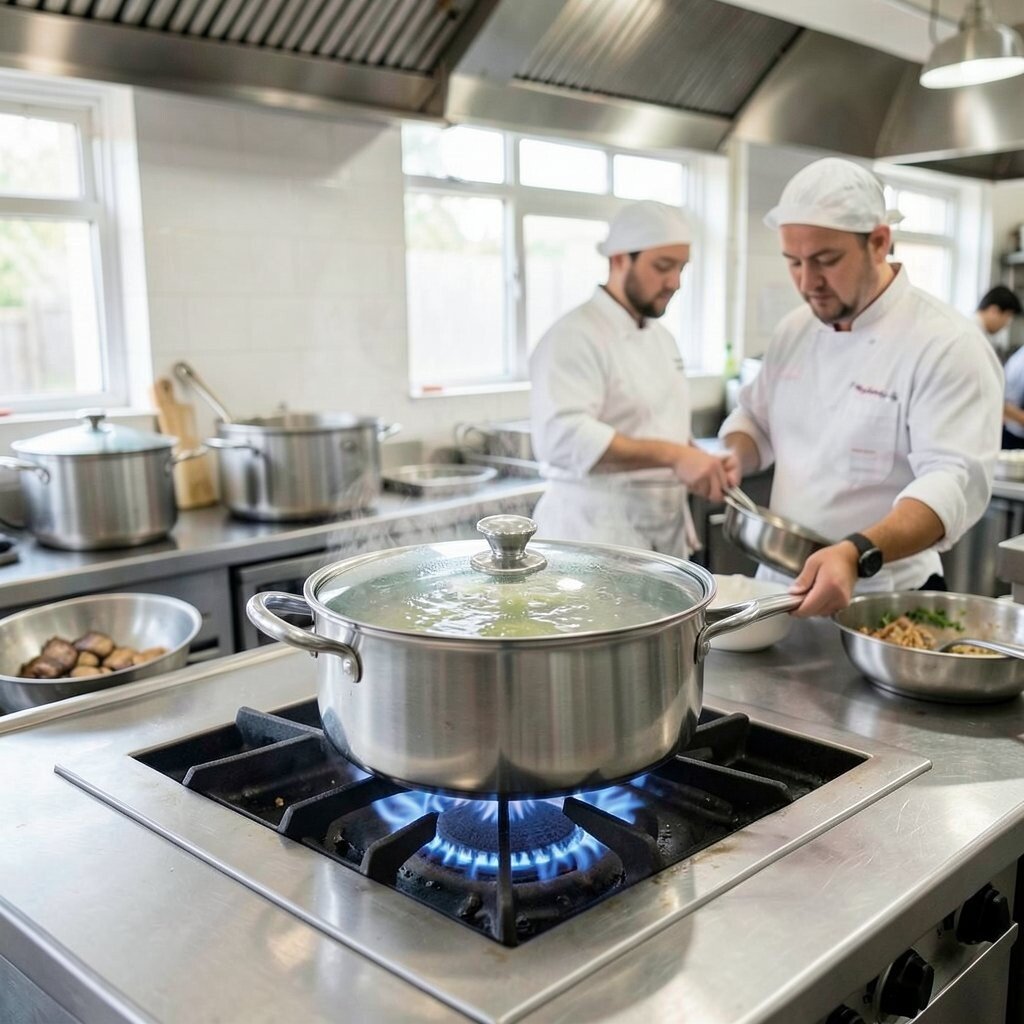
Simple cooking habits can save more energy than many people expect. A covered pot traps heat, so water boils faster and sauces simmer with less fuel.
Matching pan size to the burner also helps heat land where it belongs. That means less wasted energy and better cooking control, especially during steady meal prep. Train the team to grab the right lid and pan every time, and the savings can add up fast.
This practice costs almost nothing, which makes it one of the easiest upgrades in the kitchen. It is a small habit with a very big payoff.
6. Set Up Smart Refrigeration Habits
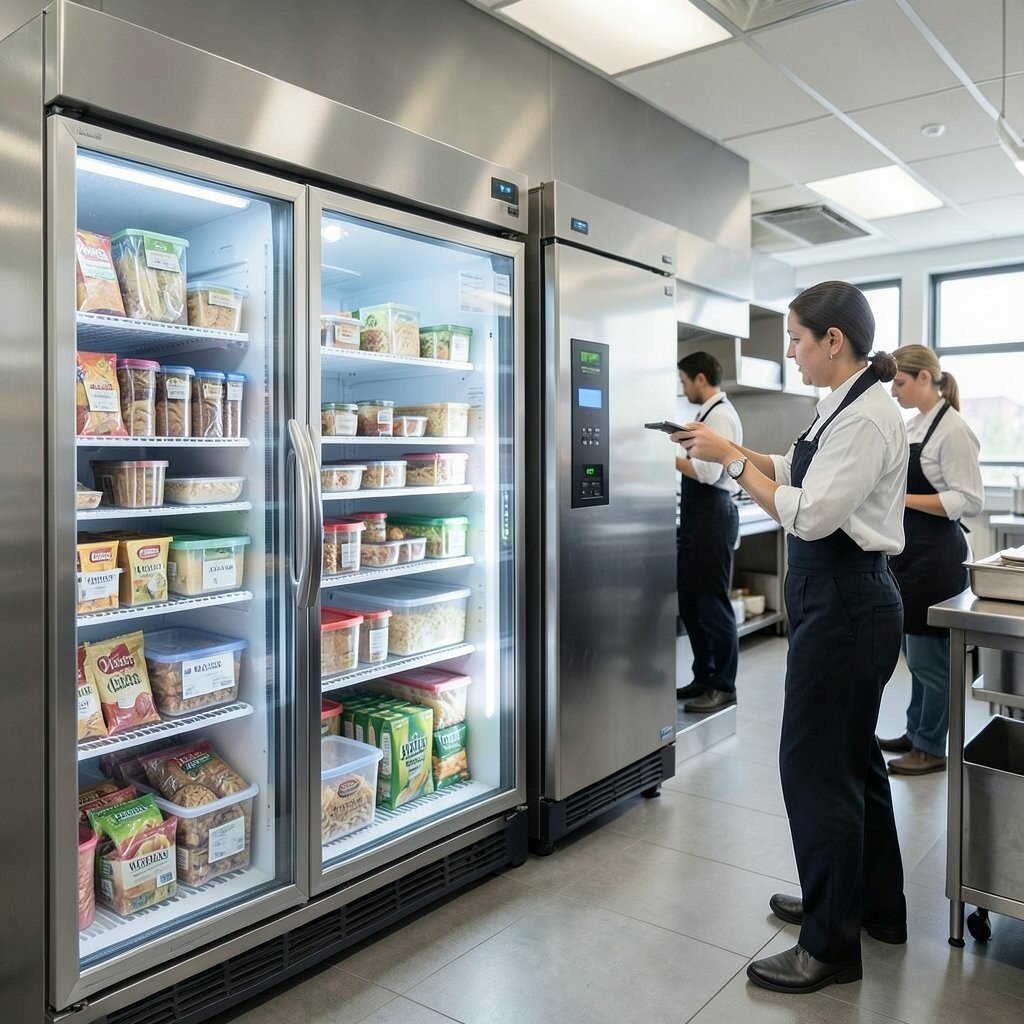
Cold storage can quietly use a lot of power all day long. Keep fridge doors closed, check seals often, and avoid placing hot food inside before it cools a bit.
When shelves are arranged well, staff can find items quickly and open the door for less time. That simple change helps temperature stay steady and can protect food quality too. Use clear bins and labels so the inside looks tidy and easy to scan.
Many kitchens now use smart temperature monitors, and that trend is growing fast. These tools can warn you early if something goes wrong, which may prevent costly spoilage.
7. Install Water-Saving Dishwashing Systems
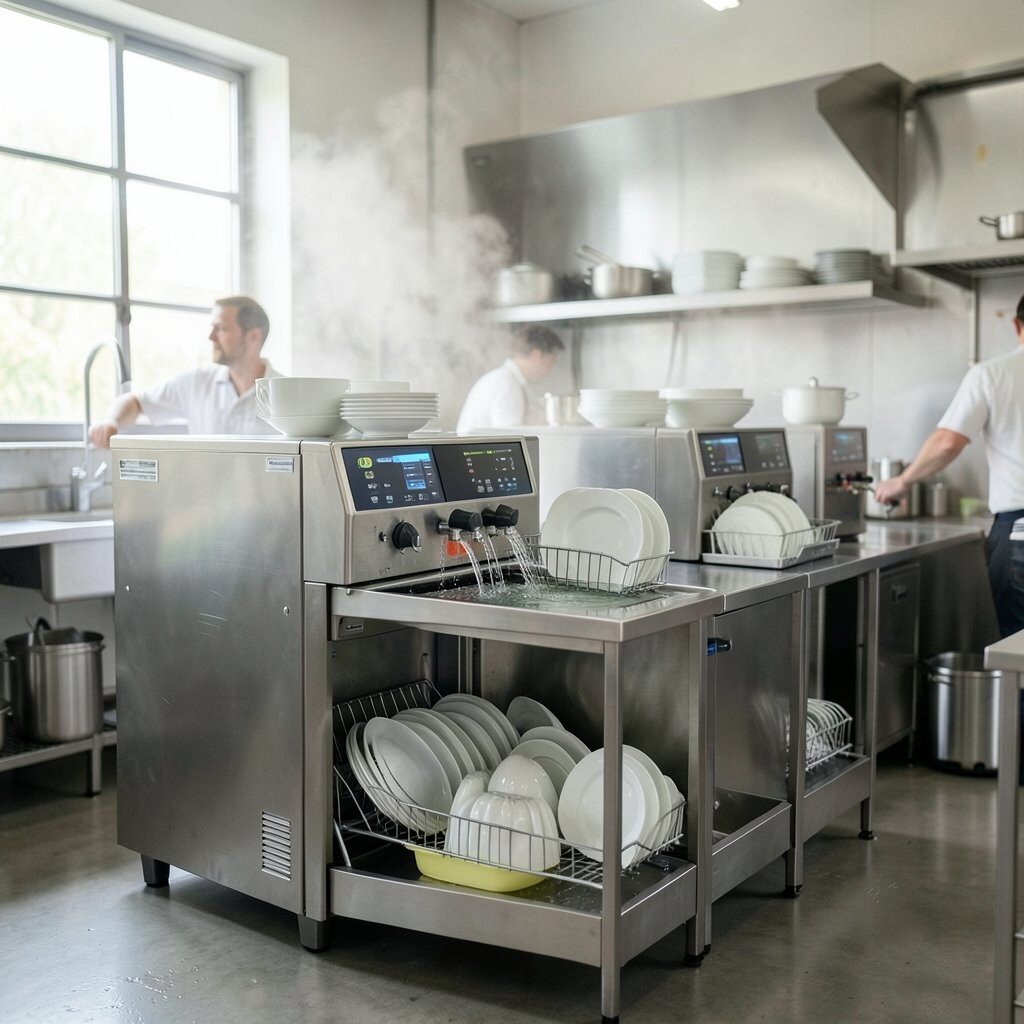
Dishwashing can use both water and energy at a fast pace. High-efficiency washers and low-flow pre-rinse spray valves can cut waste while still getting dishes clean and shiny.
The dish area often looks steamy and busy, so better tools can make it feel less chaotic. A cleaner system can also shorten wash cycles and reduce labor strain. If you need to personalize the setup, choose models that fit your dish volume instead of buying more machine than you need.
Upfront costs may be higher, but many kitchens see steady savings over time. That makes the choice practical as well as green.
8. Use Induction Cooking Where It Fits
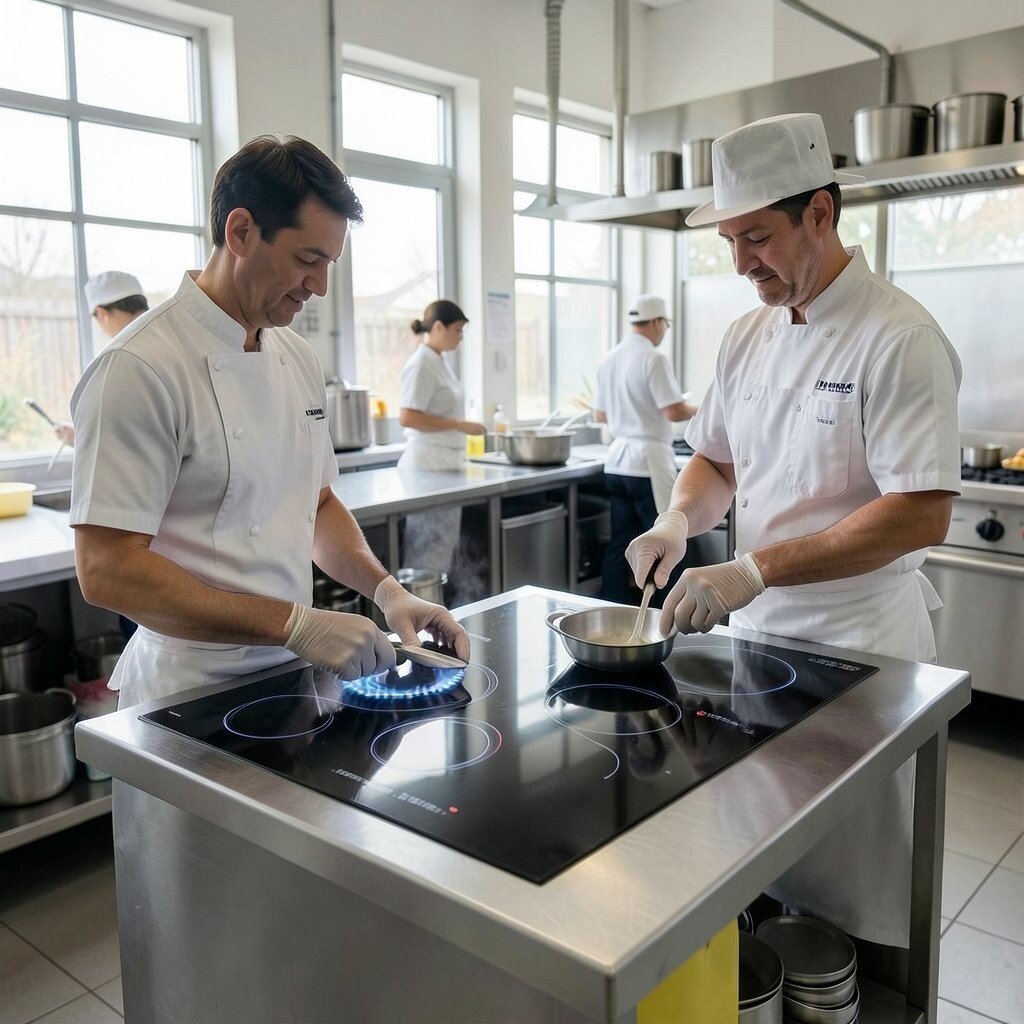
Induction cooktops heat pans fast and send less warmth into the room. They often have a smooth black surface that looks modern and polished.
Because the heat goes straight to the pan, energy use can stay lower than with many gas or electric options. Staff may also enjoy the cooler work area during long shifts. Start with one or two stations if a full switch feels too large for the budget.
Induction is a strong trend in many professional kitchens right now. It suits places that want speed, control, and a cleaner feel all at once.
9. Train Staff To Use Energy Wisely
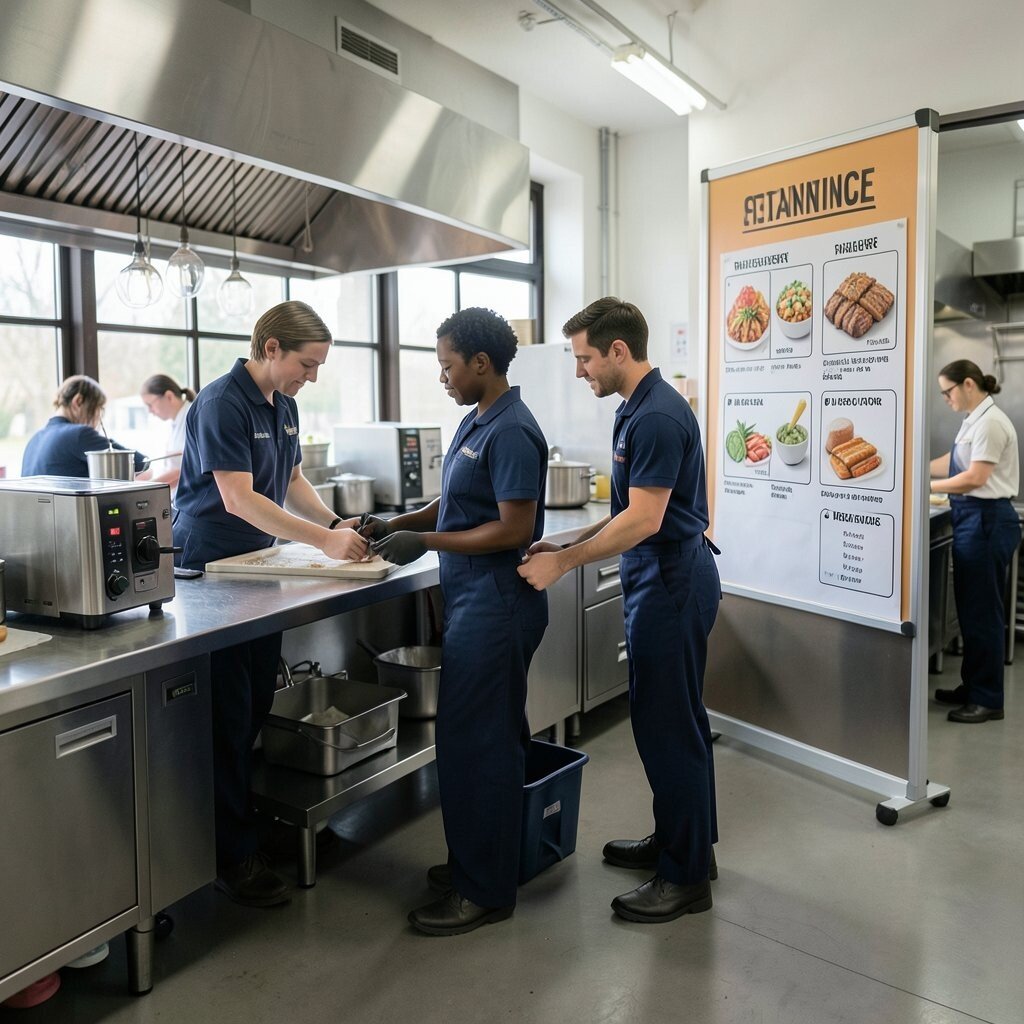
People shape energy use more than any machine does. When staff know how to shut off idle equipment, close doors, and preheat only when needed, waste drops fast.
A friendly training board near the line can keep reminders visible every day. Short lessons during shift meetings work well because they feel simple and easy to remember. You can even make the tips match your menu, so the advice feels personal and useful.
This habit costs very little, which makes it a strong choice for kitchens of any size. The best part is that good habits can spread from one worker to the next.
10. Use Programmable Thermostats And Timers
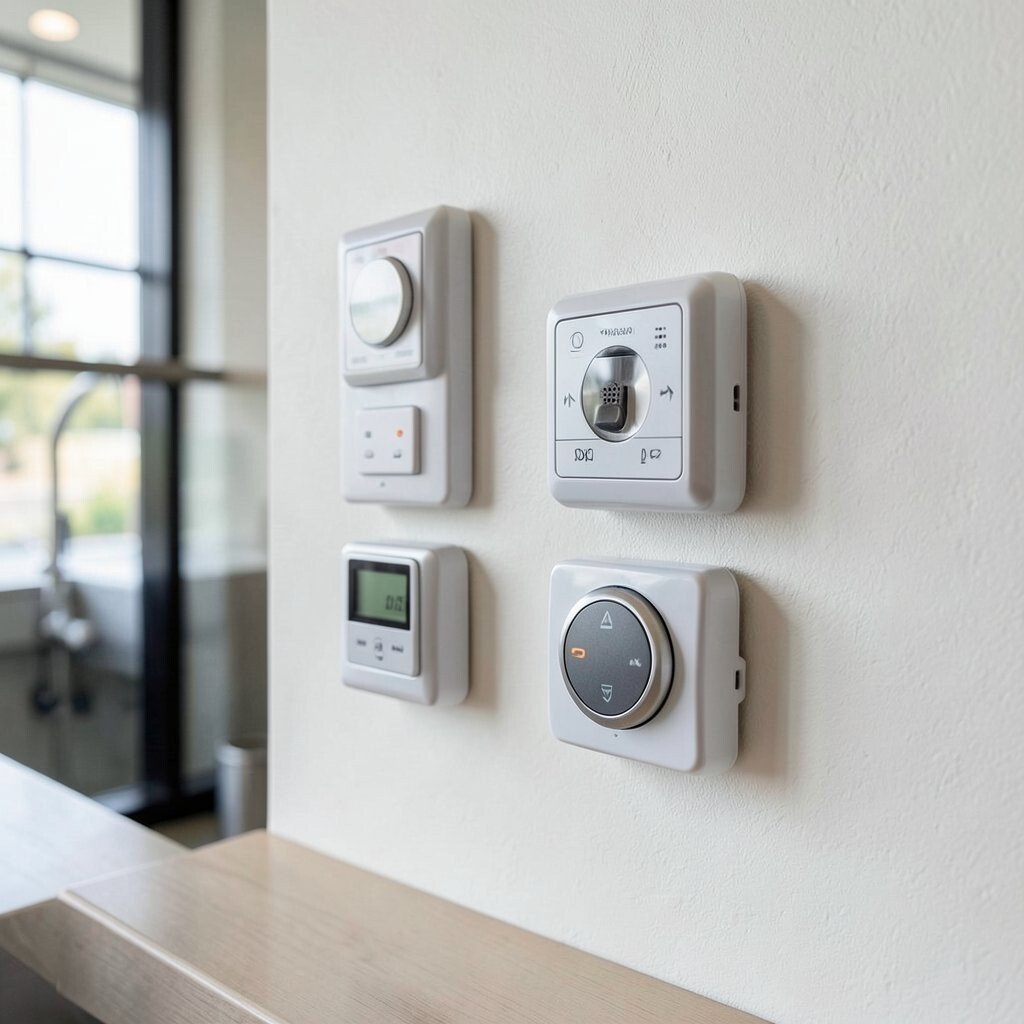
Heating and cooling systems do not need to run the same way all day. Programmable controls let you match energy use to real kitchen hours, which can save a lot over time.
A tidy wall display can make these controls feel easy instead of confusing. Timers also help with ovens, lights, and exhaust fans, so nothing stays on by mistake. If your schedule changes often, choose settings that can be adjusted with a few quick taps.
Many restaurants now like app-connected controls because they are simple to check. That trend gives managers more control without adding extra work.
11. Improve Ventilation Without Overworking The System
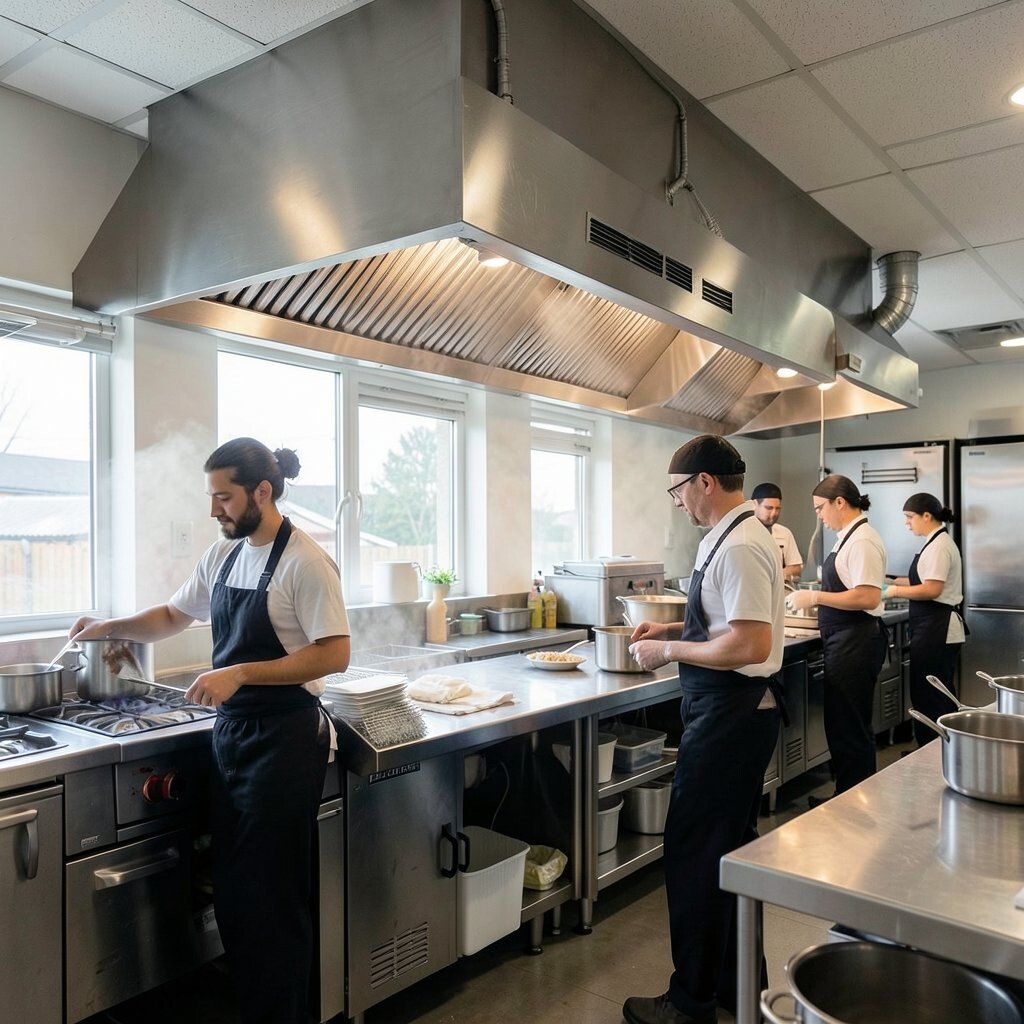
Good airflow keeps a kitchen safer and more pleasant. But fans and hoods that run too hard can waste power and pull out too much cooled air.
Clean filters and balanced settings help ventilation work the right way. The room can feel less smoky and more comfortable, which helps staff stay focused. For a low-cost step, inspect hood systems often and fix problems before they grow bigger.
Some kitchens now use demand-controlled ventilation, which adjusts fan speed based on activity. That smarter approach can fit modern energy goals very well.
12. Buy Local And Seasonal Ingredients
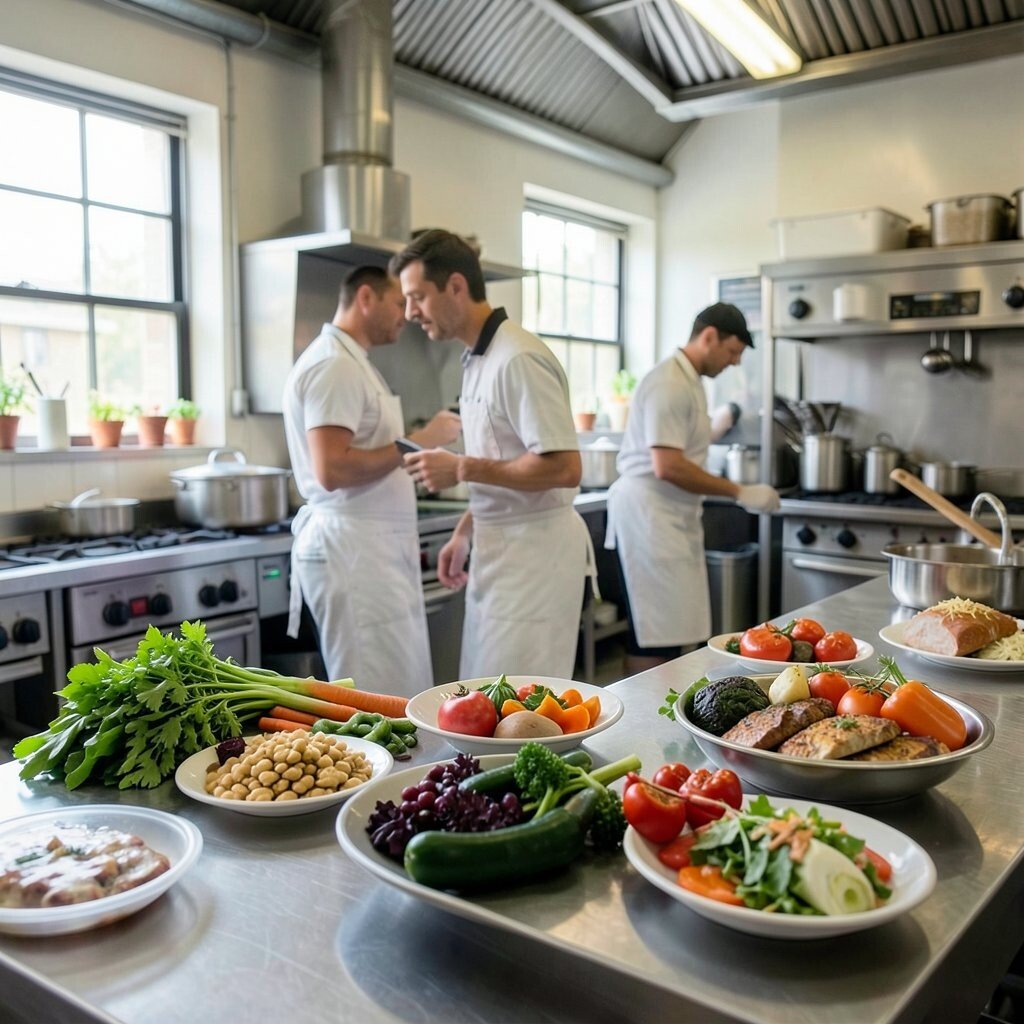
Food choices can affect energy use in surprising ways. Local and seasonal ingredients may need less transport, less storage, and less long-term refrigeration.
Fresh produce also brings bright color to the kitchen and to the plate. Menus built around the season can feel special and unique, which guests often enjoy. Try rotating a few dishes through the year so the menu stays lively without adding waste.
Some local items may cost more at certain times, so planning matters. Still, better freshness and lower storage needs can help balance the budget.
13. Reduce Food Waste With Better Prep Planning
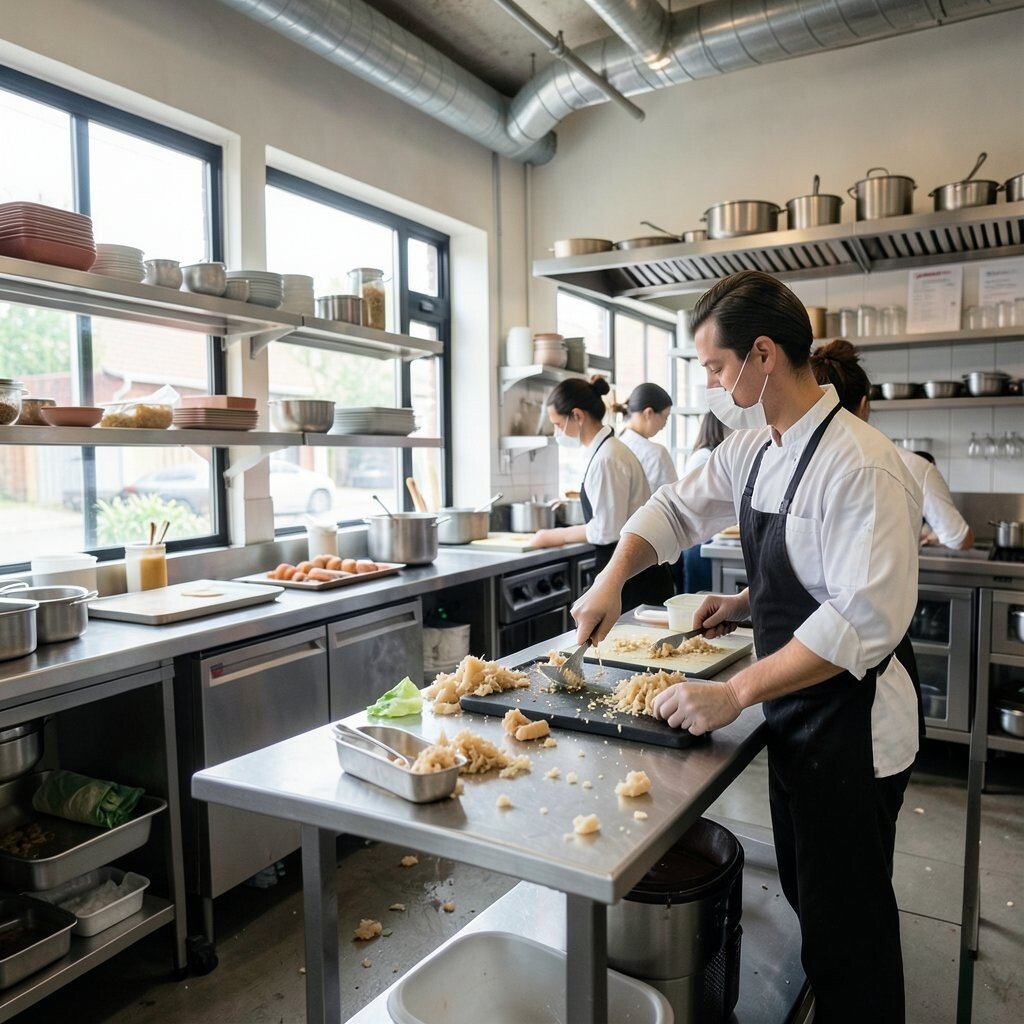
Throwing away food wastes the energy used to grow, move, chill, and cook it. Careful prep sheets, tighter portion control, and smart storage can keep more food in use.
When prep is organized well, shelves and counters look cleaner and less crowded. Staff can see what they have, which makes it easier to use ingredients before they spoil. A simple idea is to build specials around items that need to move fast.
This practice is both green and money-saving, which makes it a favorite in many modern kitchens. It also gives chefs more room to get creative with daily menus.
14. Add Heat Recovery Systems
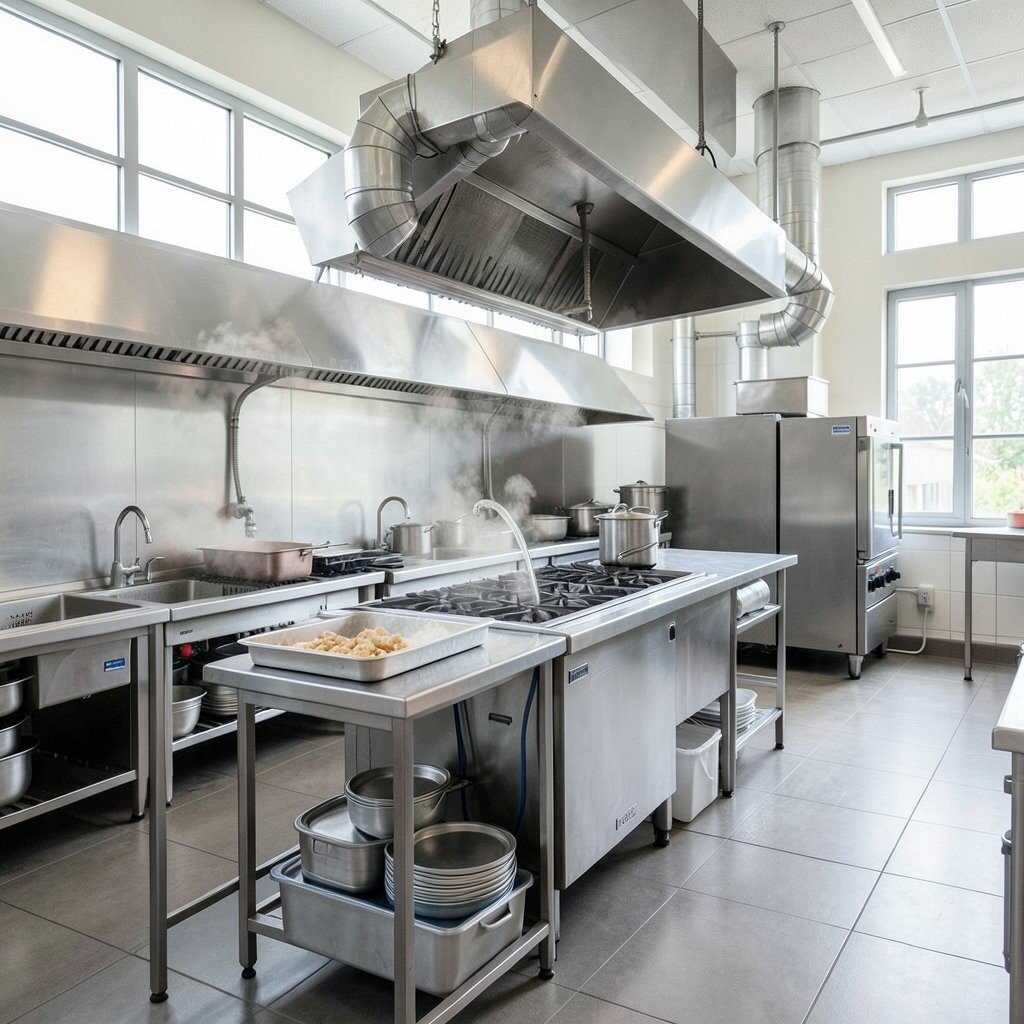
Some kitchens let hot air or warm water go to waste. Heat recovery systems catch some of that energy and use it again for water heating or other tasks.
The equipment may sit quietly out of sight, but the savings can be real. This can lower fuel use and support a more efficient whole-building design. If the upfront price feels high, ask for an energy review to see where the biggest gains may come from.
Heat recovery is gaining attention in larger foodservice spaces. It fits well with a modern push toward smarter, lower-waste operations.
15. Choose Reusable And Durable Kitchen Tools
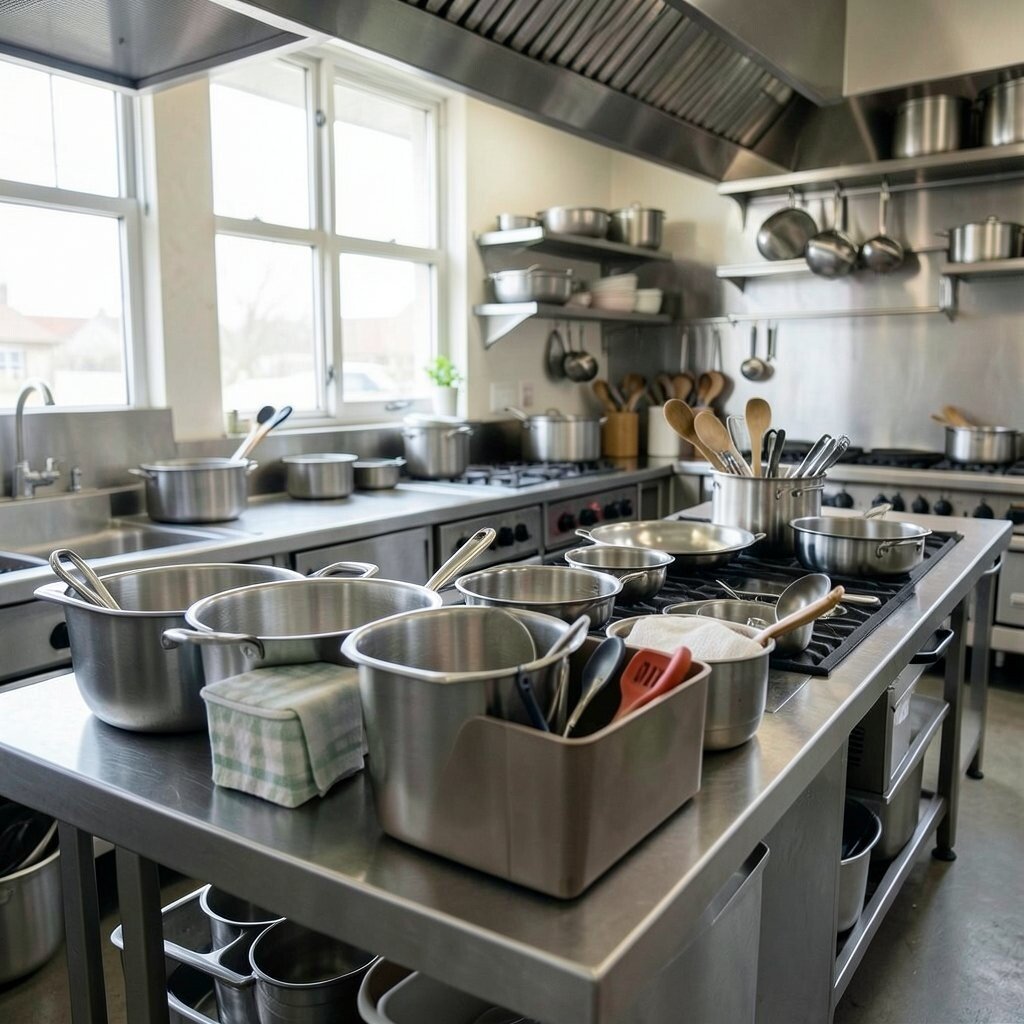
Disposable tools may seem cheap at first, but they often add up fast. Strong reusable pans, storage bins, cloth towels, and long-lasting utensils can cut waste and lower buying costs over time.
A kitchen filled with sturdy tools can look organized and dependable. Better tools also stand up to heavy use, which means fewer replacements and less downtime. Pick items that match your style of service so the setup feels personal and practical.
More kitchens now favor durable goods as part of a wider sustainability trend. That shift supports both the planet and the bottom line.
16. Track Energy Use And Set Clear Goals
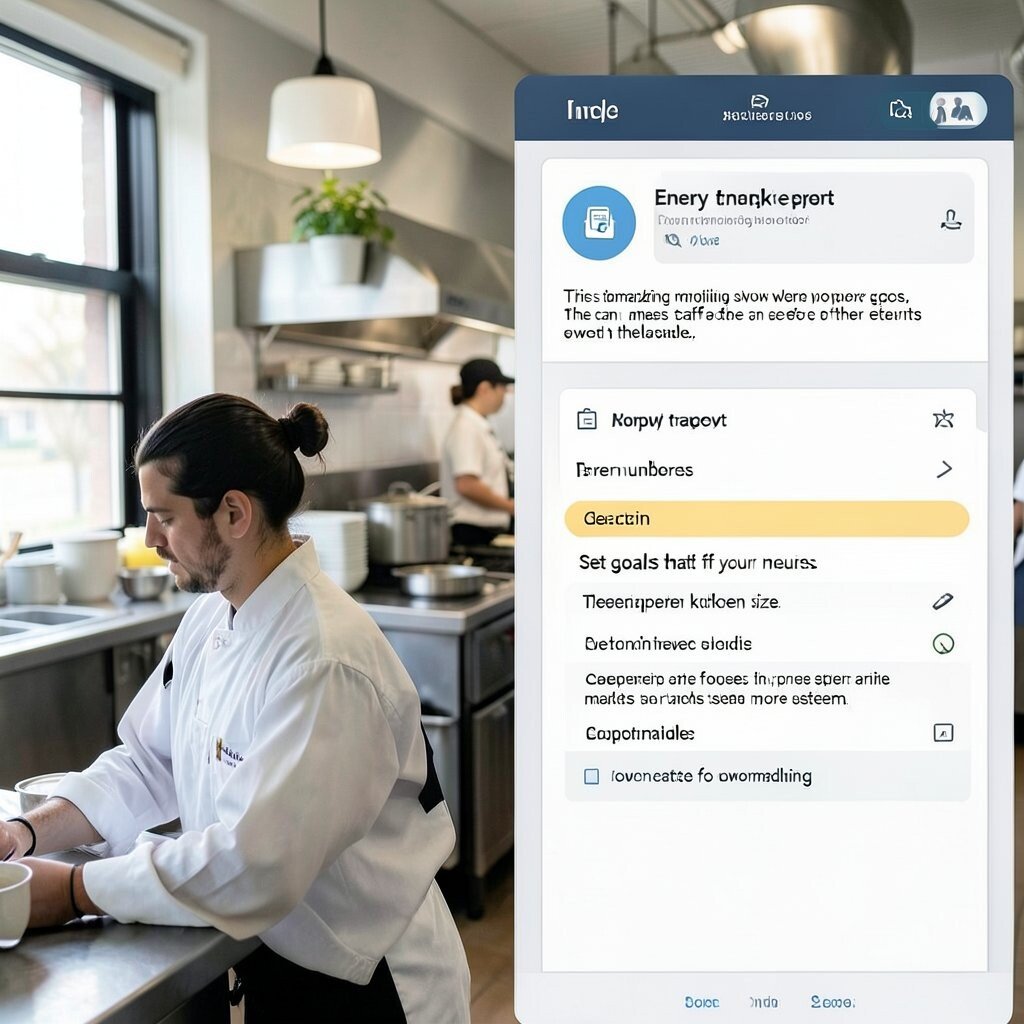
You cannot improve what you do not measure. Energy tracking shows where power goes, which makes it easier to spot waste and fix weak spots.
A simple dashboard or monthly report can turn numbers into clear action. This can feel motivating because staff can see the effect of their efforts in a real way. Set goals that fit your kitchen size, then celebrate each step forward with the team.
Personalizing goals to your menu, hours, and equipment mix makes them more useful. That kind of focus helps sustainability feel practical instead of overwhelming.