Small homes can hold big dreams. The right layout can make family life feel calm, cozy, and kind to the planet.
1. Open-Heart Family Studio
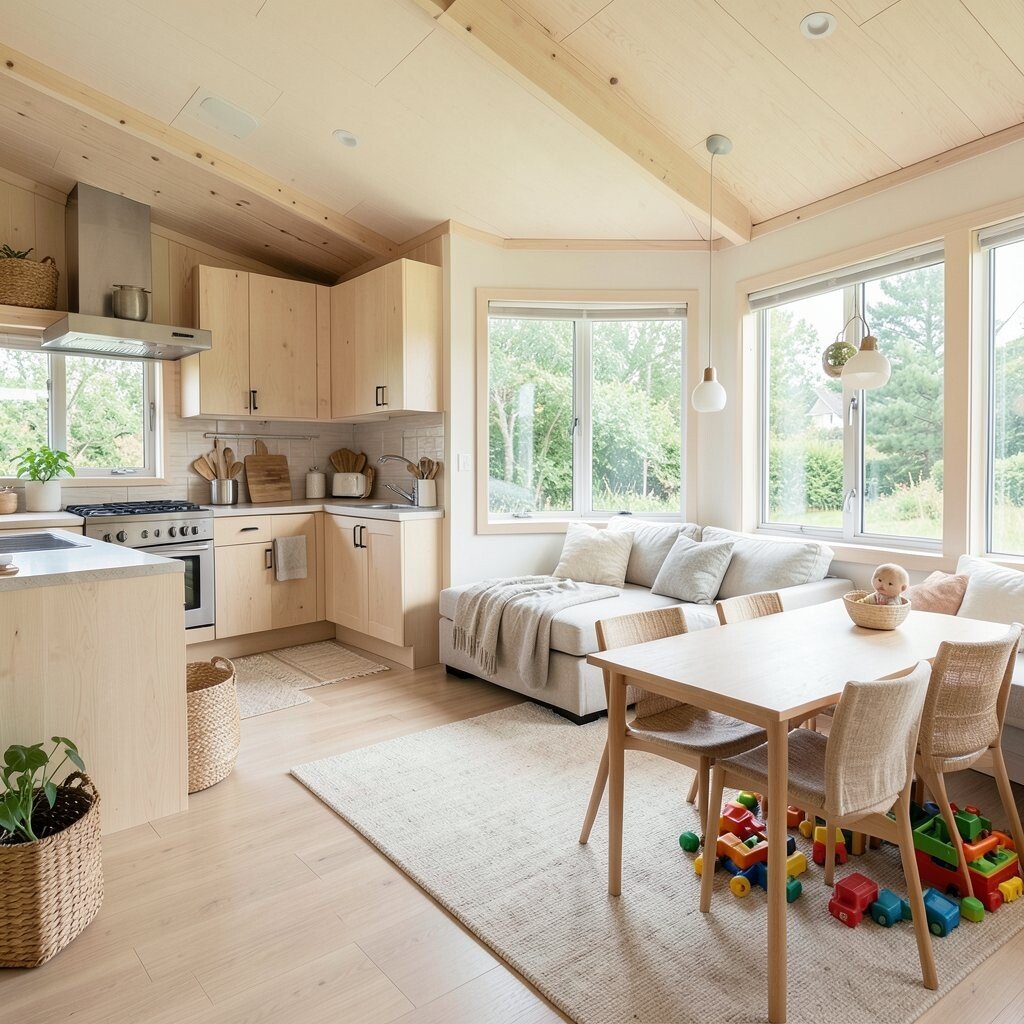
This layout feels bright and airy, with one large shared room that holds the kitchen, living area, and sleeping space in a smooth flow. Wide windows, light wood, and soft colors help the home feel larger than it is.
Families love this style because it keeps everyone close and makes daily life simple. It can cost less to build since fewer walls and doors are needed, and that can also mean less material waste. Add fold-down beds, a slim dining table, and baskets for toys to make the room work hard without feeling crowded.
2. Loft-Plus-Play Layout
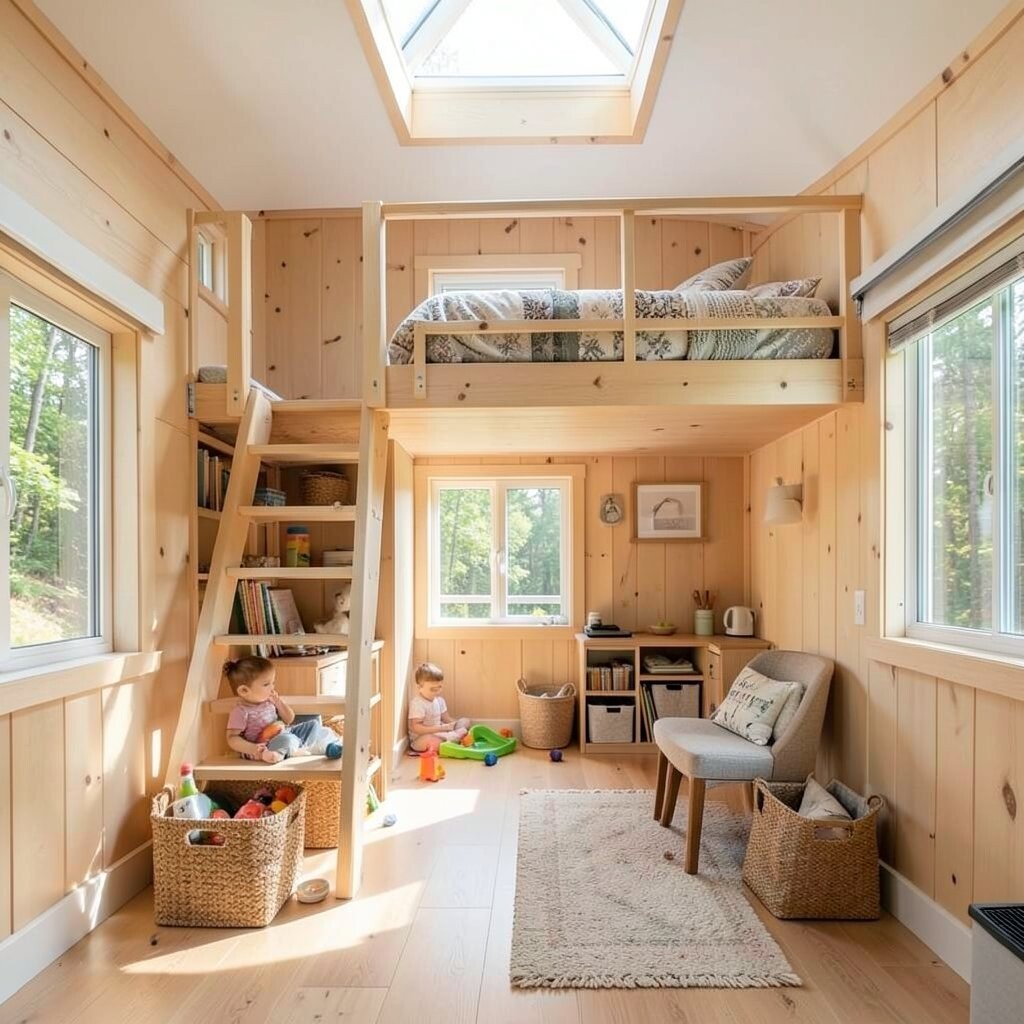
Here, the sleeping area sits up high in a loft while the main floor stays open for play, meals, and work. The look is fun and modern, with ladder steps, railings, and a clear path below.
This setup gives kids a place to play and adults a place to breathe, which can help busy days feel less messy. It is a smart choice for families who want a tidy floor plan and a lower building cost than a full second bedroom. Soft storage bins, built-in shelves, and a reading nook under the loft can make the space feel personal and warm.
Many tiny house builders now like lofts with better headroom and safer stair storage, since families want comfort as much as style. If you have young children, a wide stair ladder may work better than a steep climb. A skylight above the loft can bring in sunshine and make bedtime feel peaceful.
3. Split-Zone Nature Nest
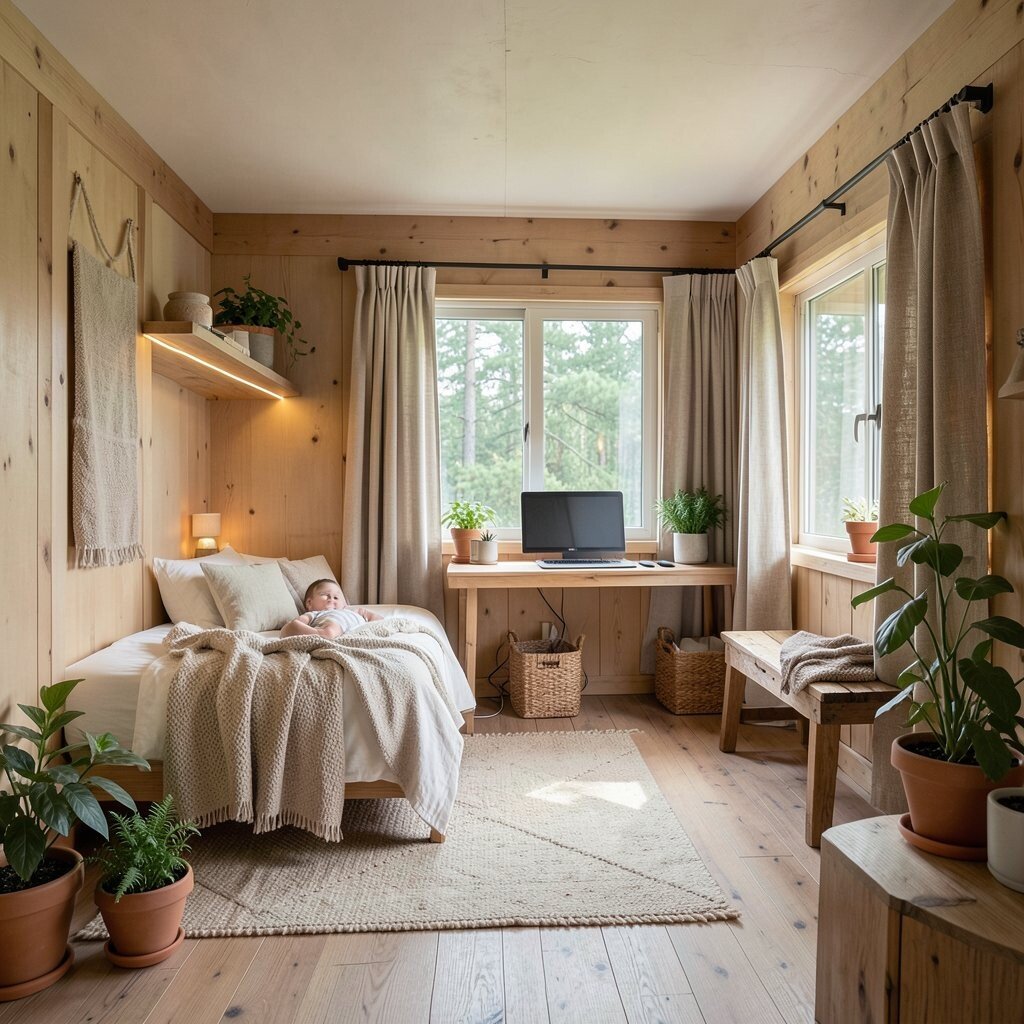
This layout uses gentle room zones instead of full walls, so the home feels open but still organized. A low shelf, curtain, or half wall can separate sleep, work, and play areas while keeping the space bright.
The visual effect is soft and calm, almost like a little cabin tucked into a forest. It helps families keep noise down and makes it easier for everyone to focus on their own task. For a personal touch, choose natural fabrics, potted herbs, and furniture that can move when needs change.
Because it avoids heavy framing, this plan can be friendly to both the budget and the environment. It also supports current design trends that favor flexible living and simple, natural materials. Add a small bench by the window, and the whole room can feel like a quiet retreat.
Families who work from home may like this layout because one corner can become a desk space without taking over the whole house. A sliding curtain can hide clutter fast when guests arrive. Low-energy LED lights and reclaimed wood can keep the style earth-friendly too.
4. Side-by-Side Sleep Cabin
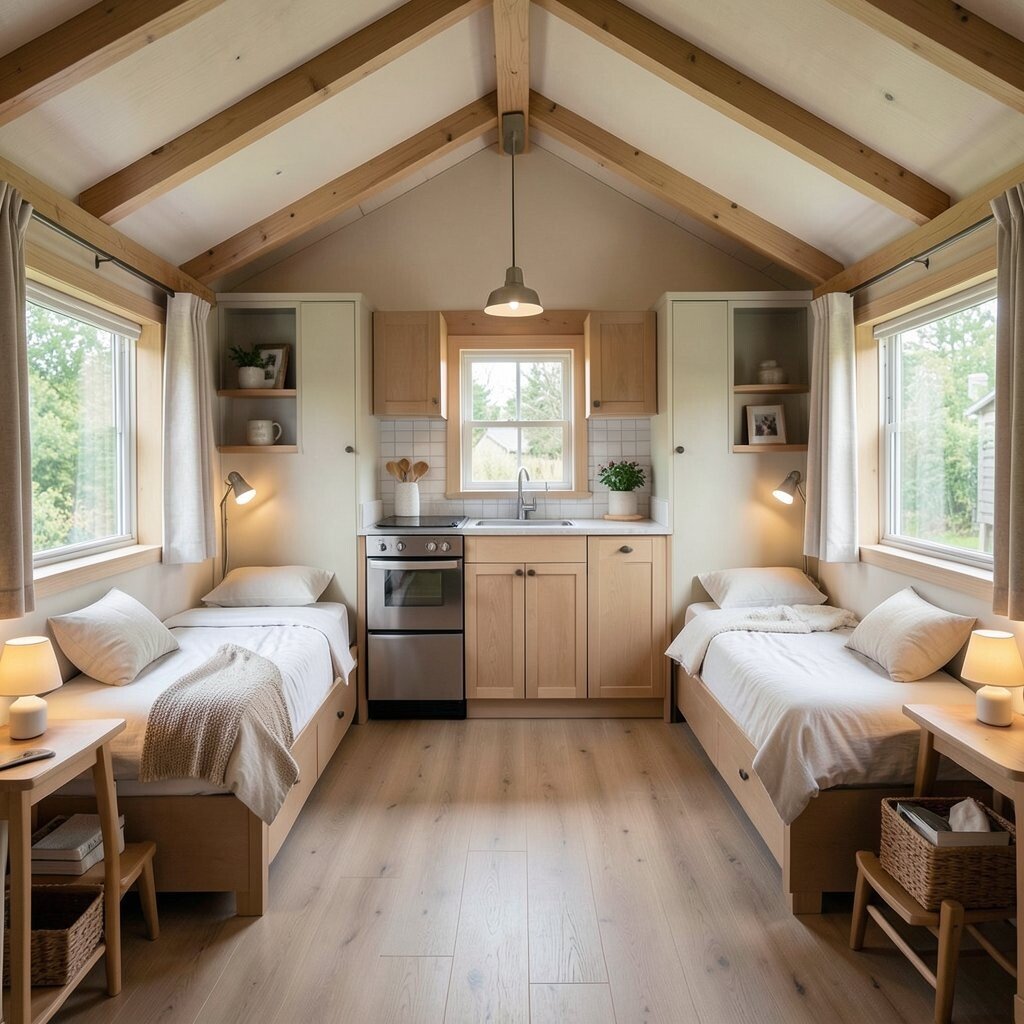
Two sleeping zones sit on opposite sides of the house, with the kitchen and living area in the center. This gives the home a balanced look and helps each family member have a little privacy.
It works well for parents who want a calm sleeping spot away from kid noise. The cost can stay reasonable if the rooms are small and simple, and the middle area can serve many jobs at once. Try matching bedside shelves, soft curtains, and shared reading lamps to make both sides feel connected.
5. Porch-First Social Layout

This layout puts a roomy porch right at the front, almost like an outdoor living room. Inside, the home stays compact, while the porch becomes a place for meals, crafts, and slow mornings.
It is a lovely fit for families who enjoy fresh air and want more usable space without a bigger indoor footprint. The porch can also help shade the house, which may lower cooling needs in warm weather. Add weather-safe cushions, hanging plants, and a foldable table to make the space feel welcoming.
Porch-first plans are popular in eco-friendly tiny homes because they support outdoor living and reduce the need for extra indoor square footage. They can cost less than a larger enclosed room while still giving kids room to spread out. A screened porch is a smart upgrade if bugs or rain are common in your area.
6. Kitchen-Centered Hearth Plan
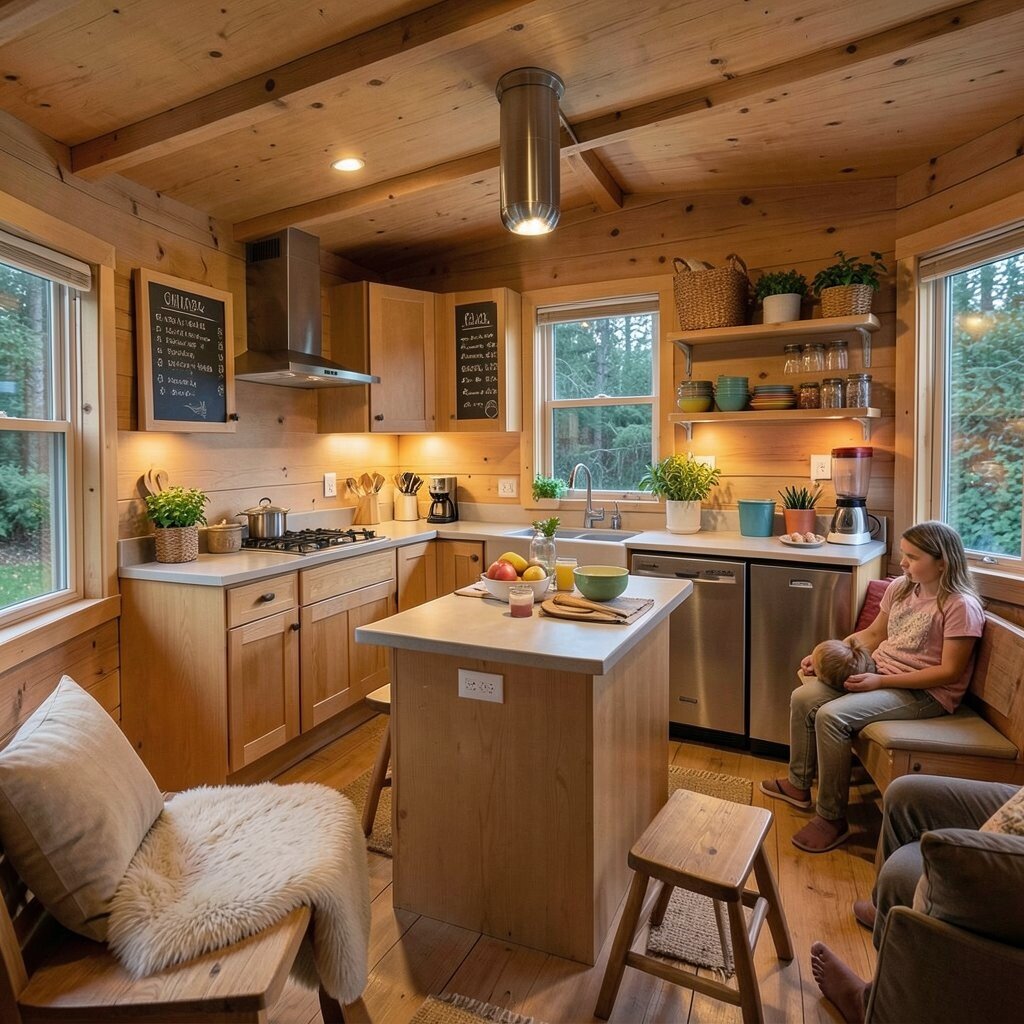
In this layout, the kitchen sits at the heart of the home, with seating and sleeping areas arranged around it. The result feels warm and social, like a tiny cottage built for shared meals and easy talk.
Families who cook often may love this plan because it keeps food prep close to everyone else. It can also make good use of one strong vent, one water line, and simple cabinet runs, which may help control cost. Choose durable counters, compost bins, and open shelves so the room stays neat and useful.
A kitchen-centered design fits the current trend of home cooking and family gathering in one shared place. It can be personalized with a chalkboard menu, colorful dishware, or a small herb wall near the sink. If you want a cozy feel, use warm lights and wood finishes that glow at night.
This plan also makes snack time easier because everything is close by. A bench seat under a window can turn breakfast into a sweet daily habit. For eco-conscious families, an energy-saving fridge and a water filter can be smart upgrades.
7. Bunkroom Adventure Layout
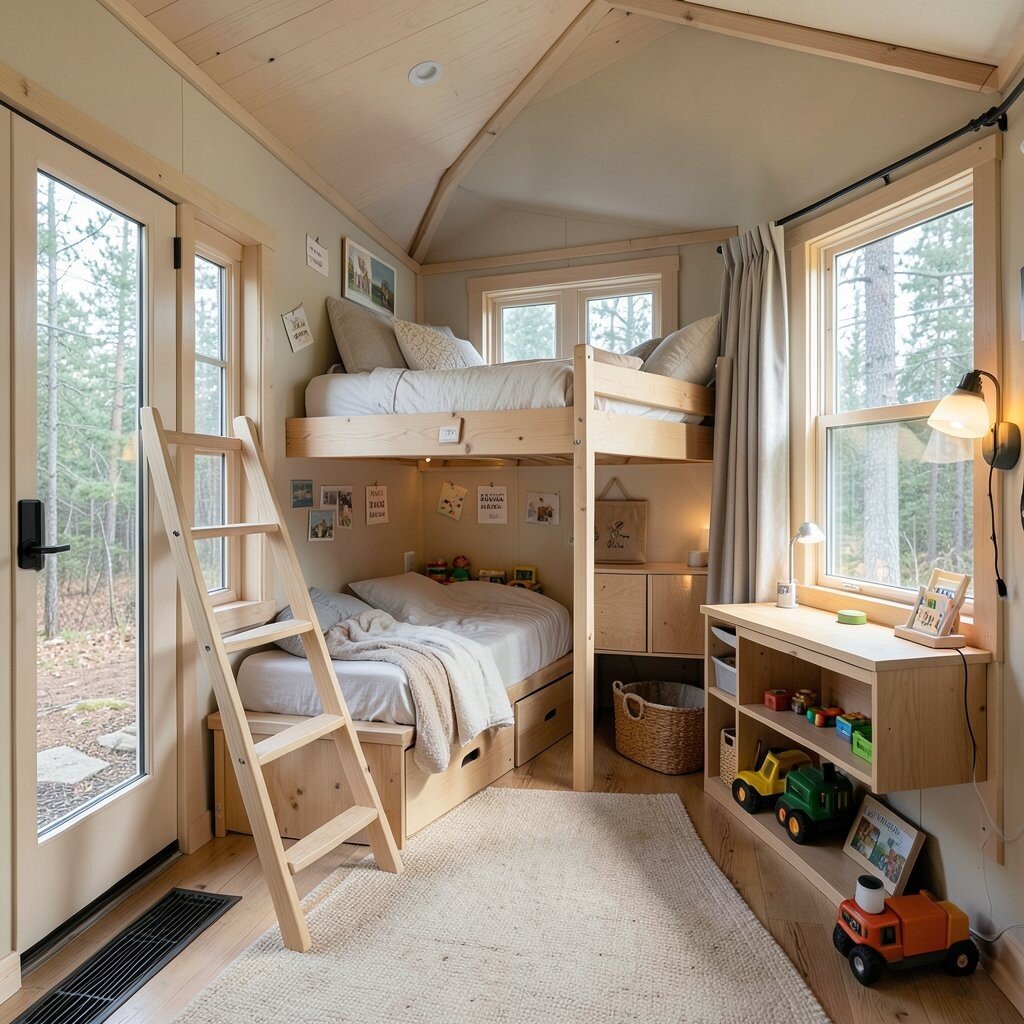
This layout gives children a built-in bunkroom, often tucked into one end of the tiny house. It looks playful and neat, with ladder steps, cubby shelves, and a snug sleeping cave feel.
The main benefit is that kids get their own space without needing a full extra bedroom. That can keep the floor plan small and the cost lower while still making family life easier. Add name tags, soft lights, and storage pockets so each child feels proud of their spot.
Parents can make the bunkroom more flexible by adding a fold-out desk or a reading ledge. Many families like this idea because it supports sleep routines and keeps toys from spreading everywhere. Natural cotton bedding and low-VOC paint can make the room healthier too.
This style fits well with the trend of kid-focused tiny homes that balance fun and order. It also works best when the ceiling is tall enough for safe movement. A curtain or pocket door can help block noise during naps.
8. Work-and-Wonder Loft Combo
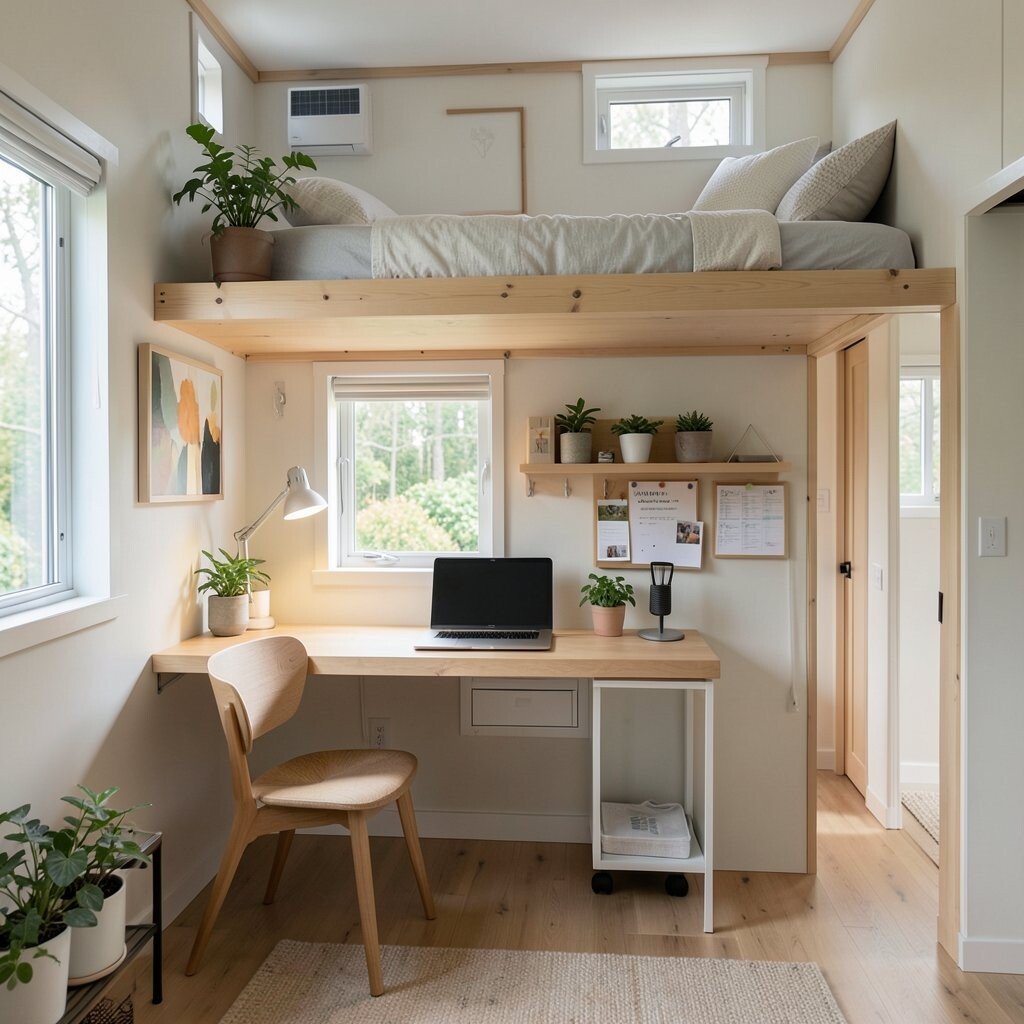
This plan combines a home office with a loft sleeping area, making it useful for parents who work from home. The look is tidy and smart, with a desk below and a quiet bed above.
It saves space by stacking jobs in one zone, which is a great trick in a tiny home. The lower level can stay bright with a window and simple shelves, while the loft feels private and calm. Use a slim chair, wall hooks, and a laptop shelf to keep the office clean.
Families can personalize this layout with art, plants, and a pinboard for school notes or schedules. It may cost a bit more if you want built-in storage, but the added function can be worth it. A solar-powered desk lamp is a nice eco-friendly touch for evening work.
This layout matches the growing trend of remote work and home learning under one roof. A quiet nook like this can help adults stay focused while kids do homework nearby. If needed, a sliding screen can turn the office into a private spot fast.
9. Garden-Edge Courtyard Plan
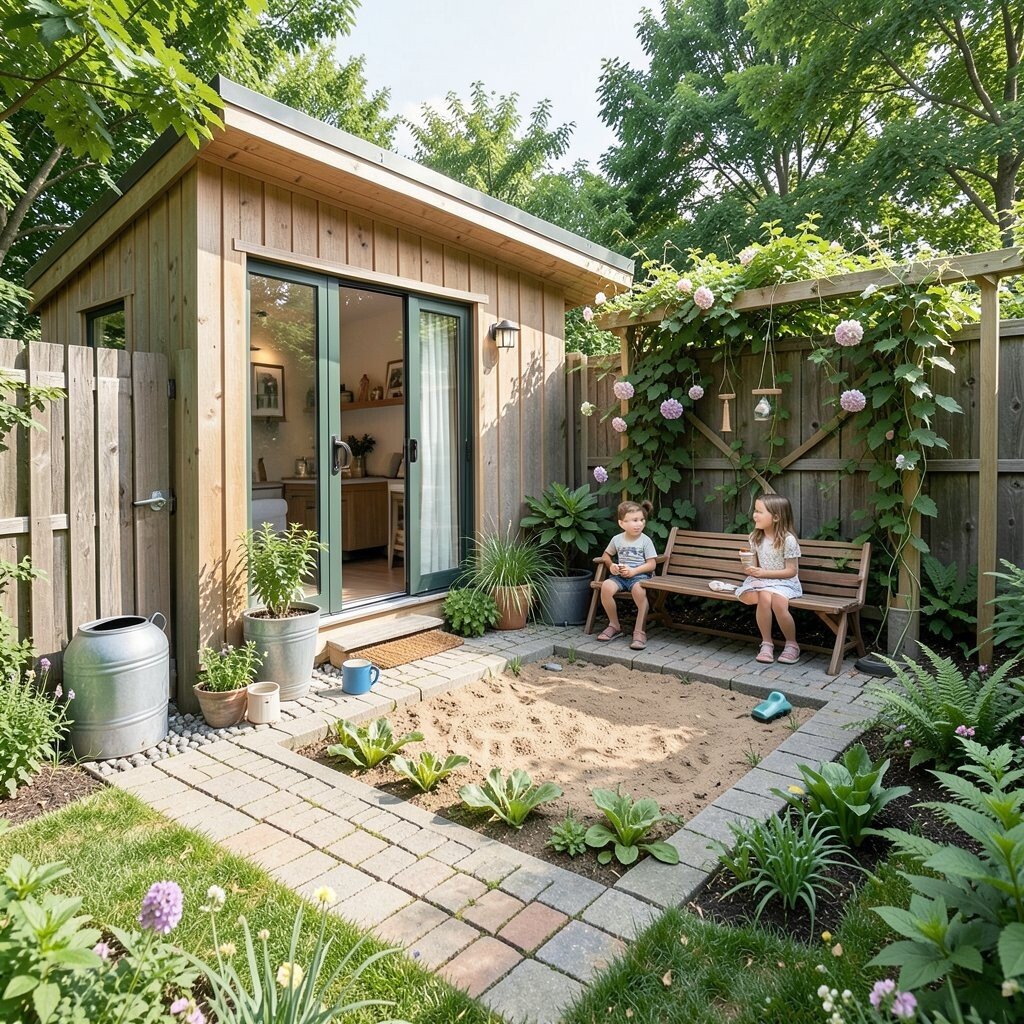
This layout wraps the home around a tiny courtyard or garden pocket, so nature feels close all day. From the outside, it can look like a little shelter hugging a green heart.
The courtyard gives kids a safe place to play and gives adults a place to sit with tea or watch the stars. It can also help with light, air flow, and a stronger bond to the land around the home. Recycled pavers, rain barrels, and native plants can keep the yard low-cost and low-maintenance.
Families can shape the courtyard to fit their own needs, from a sand play spot to a veggie patch. The home may cost more than a very simple box plan, but the outdoor living space can add a lot of value. Use a small gate, wind chimes, and a foldable bench to make the area feel special.
This design fits current green trends that mix indoor comfort with outdoor living. It is a great choice for families who want more fresh air without leaving home. A trellis with climbing beans or flowers can make the whole place feel alive.
10. Dual-Entry Flex Layout
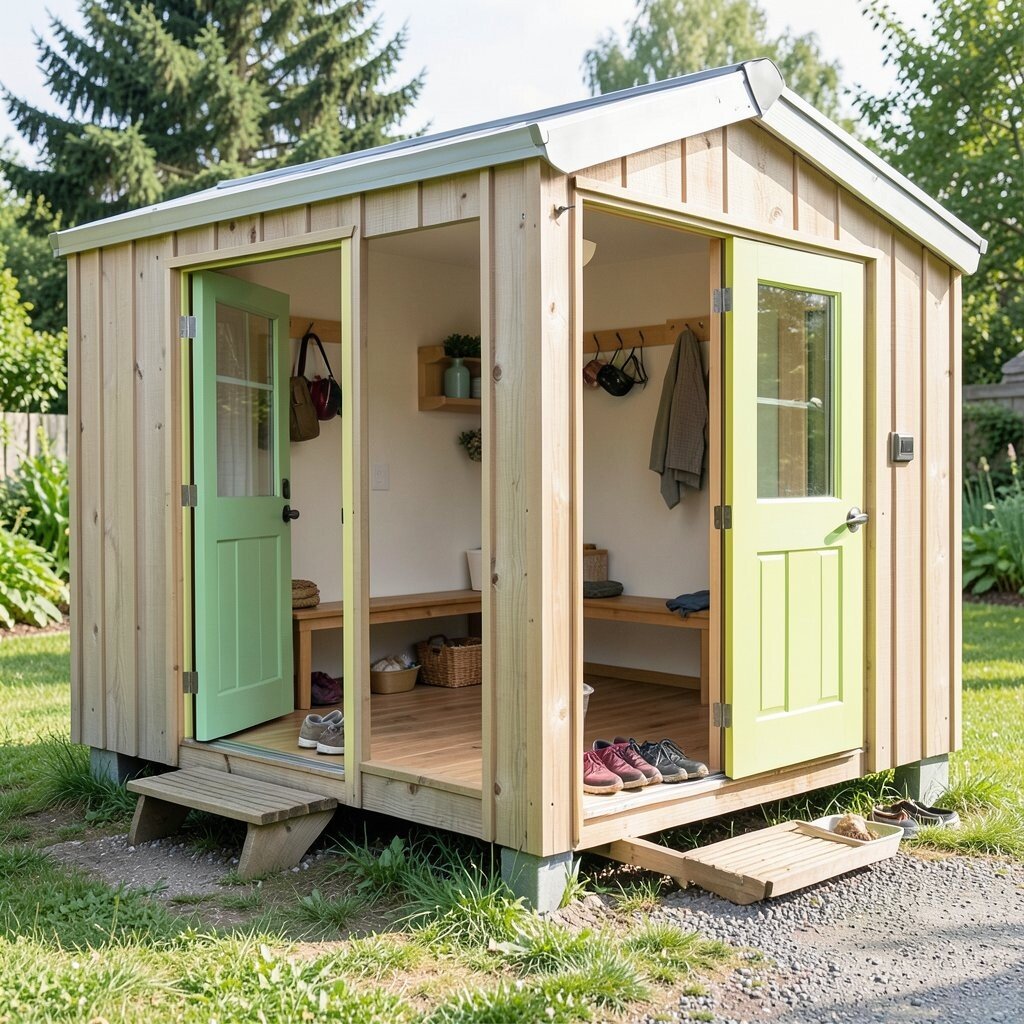
Two doors give this tiny house a smart, flexible feel, with one entry for daily life and another for garden or utility use. The inside often has a simple, open path that makes cleaning and moving easy.
This layout is useful for muddy shoes, bikes, groceries, and school bags, since one entrance can act like a drop zone. It can also help families keep the main room neater, which is a big plus in a small home. Add hooks, a bench, and shoe trays near the side door for a practical touch.
Because the plan stays simple, it can be kinder to the budget than a more complex design. It also supports sustainable living by making it easier to sort recycling, bring in garden harvests, or store outdoor gear. A bright color on one door can give the home a cheerful personality.
Many families like this setup because it feels ready for busy days and changing weather. It can work well on a small lot where one side faces a path and the other faces a yard. If you want a more custom feel, use different door styles to mark each use.
11. Convertible Dining Den
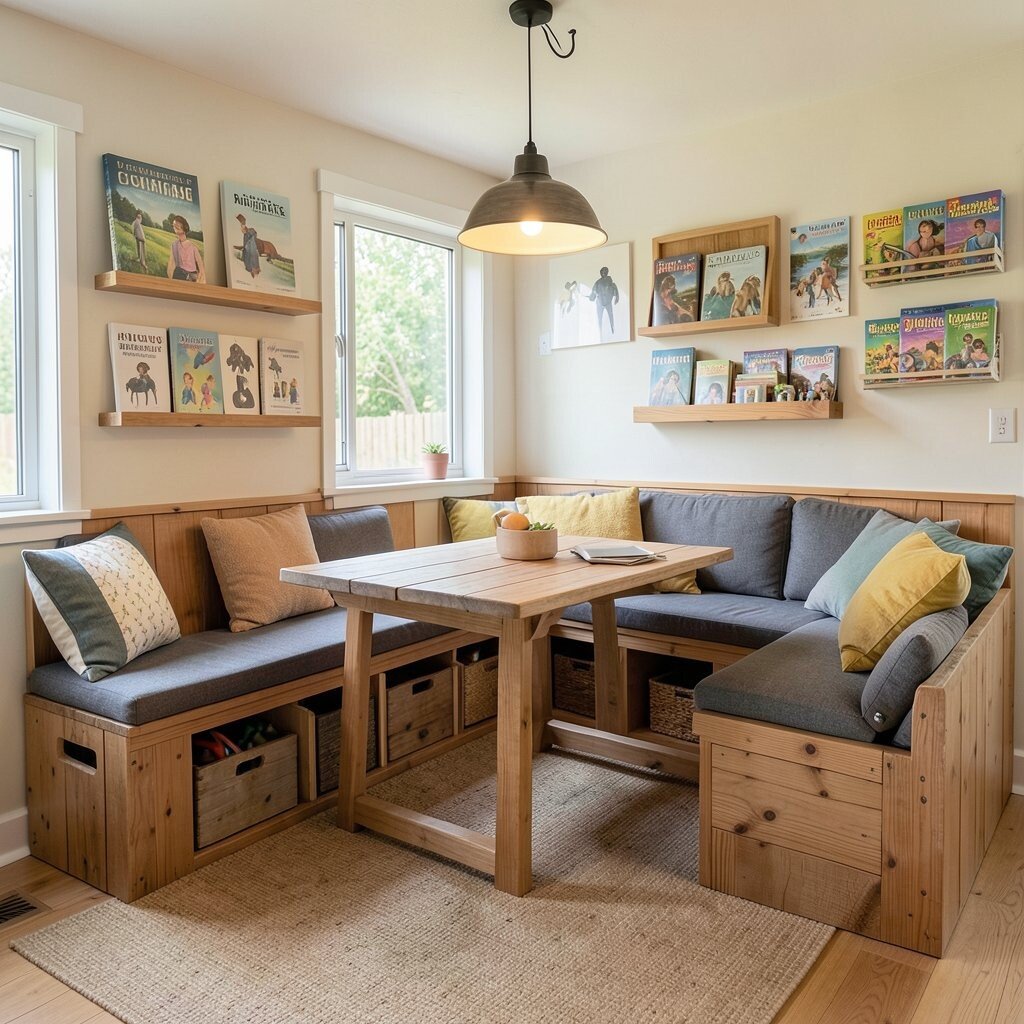
In this layout, the dining space changes into a homework spot, craft table, or extra sleeping area. The room often has a drop-leaf table, built-in bench, and hidden storage under the seats.
This is a clever choice for families who need one room to do many jobs. It can save money because one strong table can replace several separate pieces of furniture. Soft cushions, warm wood, and a hanging light can make the area feel like the heart of the home.
Personal touches matter here, so try a table finish that matches your family style or a bench cushion in a favorite color. The room can also stay eco-friendly if you choose secondhand furniture or pieces made from recycled wood. A wall rack for art supplies or board games can keep the space ready for fun.
This layout follows the current trend of multipurpose rooms that change through the day. It is especially handy for families with school-age children who need a place to read and eat. When guests visit, the dining den can shift fast and still look neat.
12. Rain-Ready Utility Core
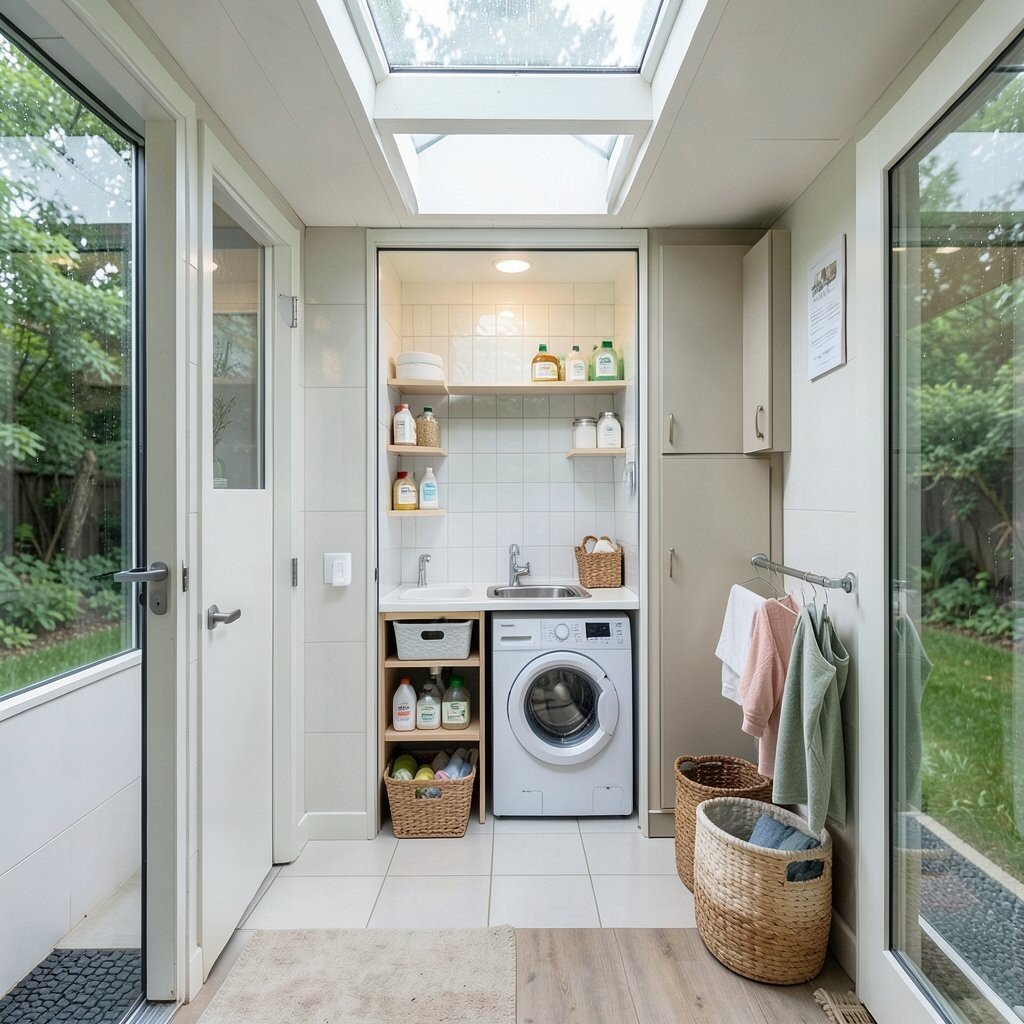
This design places the bathroom, laundry, and storage in one compact core, leaving the rest of the house open and flexible. The look is clean and modern, with a strong center and lighter spaces around it.
Families may enjoy this plan because it keeps wet and messy tasks in one spot. That can help protect the rest of the home and make cleaning easier, which saves time and stress. It may also reduce plumbing costs since the water systems stay close together.
To make the core feel less plain, use pretty tile, bright handles, or a skylight above the bath area. Many eco-conscious builders like this layout because it supports water-saving fixtures and smart utility planning. A laundry shelf for soap jars and cloth bags can add charm and order.
The utility core can be personalized with labels, baskets, and family routines that fit your day. It works well in rainy places or homes with active kids who need quick wash-up zones. A small drying rack nearby can help cut energy use and keep clothes fresh.
13. Stair-Storage Smart Home
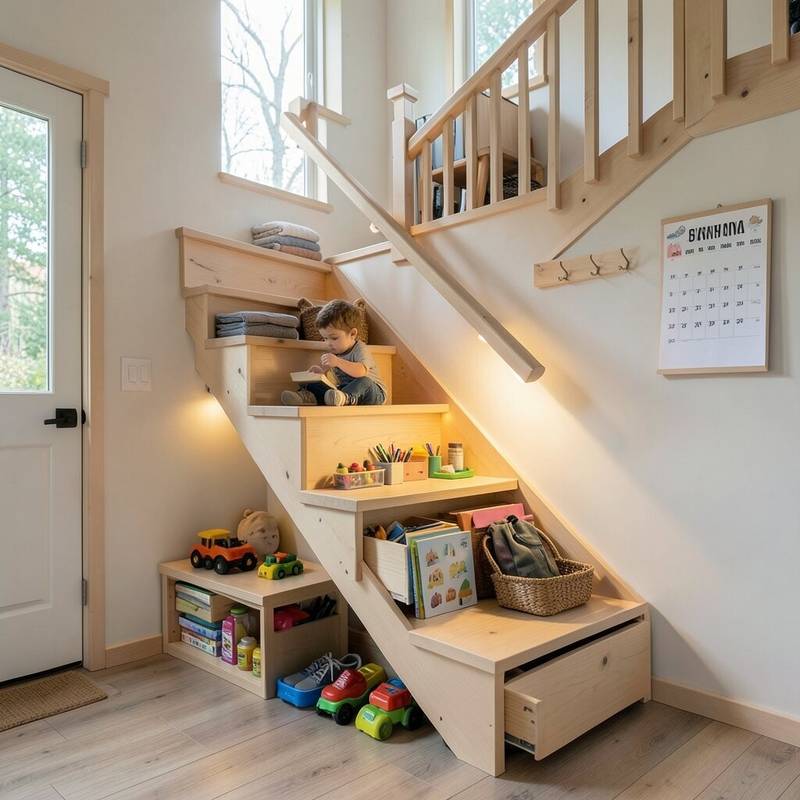
This layout turns the stairs into storage, with drawers, cabinets, or cubbies built into each step. The home often feels sleek and tidy, with every inch working hard.
Families like this idea because it cuts clutter and makes room for toys, shoes, books, and blankets. It can be a smart way to save money on extra furniture, though custom carpentry may raise the build price a bit. Use the stair fronts for hidden storage and the nearby wall for hooks or a family calendar.
The visual style is neat and modern, and it can feel very satisfying in a small home. This design is popular in tiny house trends because it uses space in a clever, low-waste way. Add soft stair lighting for safety and a cozy glow at night.
Children often enjoy opening their own little drawers, which can make cleanup easier. Parents can personalize each step for a different purpose, like art supplies, pantry items, or outdoor gear. If the stairs lead to a loft, a strong handrail and wide steps are smart choices.
14. Sunroom Sleep Swap Layout
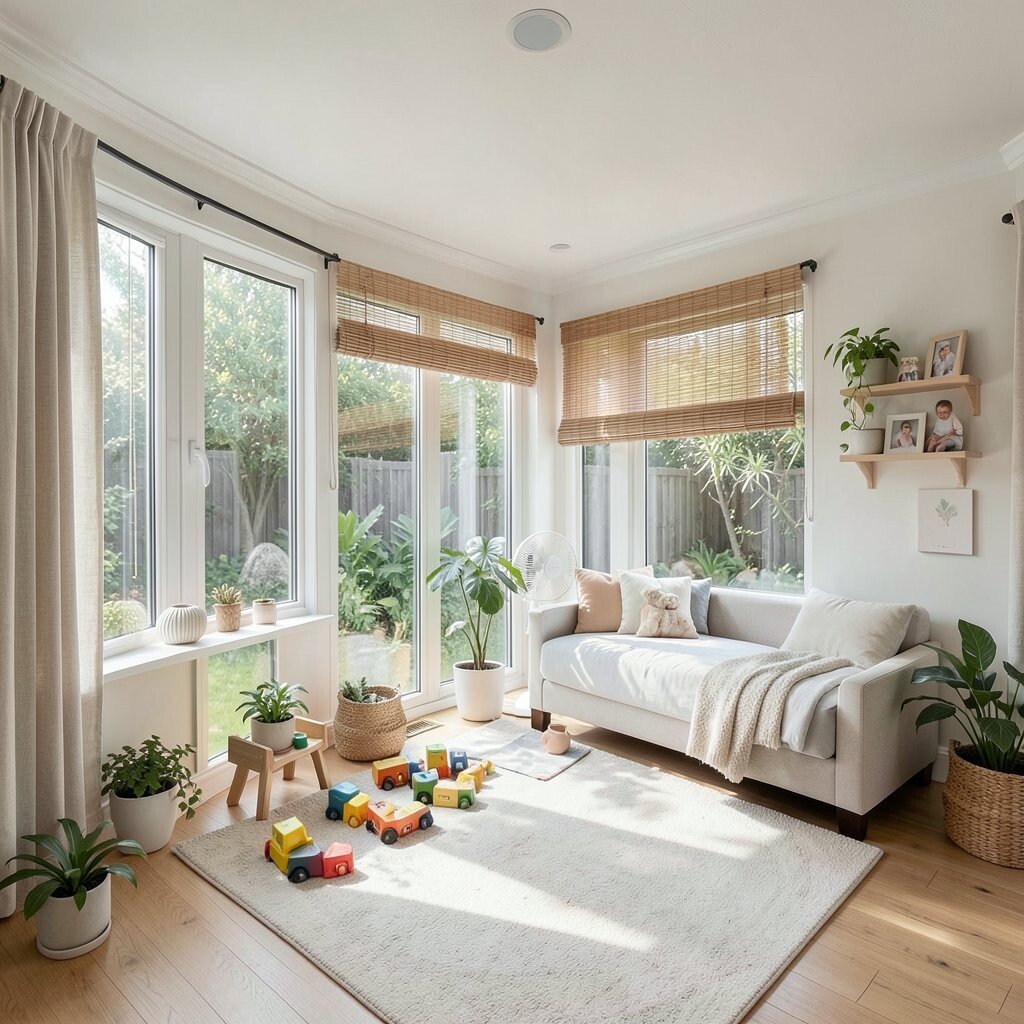
This layout gives the home a bright sunroom that can serve as a play area by day and a sleep space by night. Large windows and light curtains make the room feel open, fresh, and cheerful.
Families who love morning light may find this plan extra appealing. It can also cut down on the need for electric lighting during the day, which is good for both the budget and the planet. Choose shade screens, washable cushions, and a fold-away bed so the room can change with ease.
The sunroom can become a favorite place for plants, puzzles, and quiet time. It feels special because it brings the outdoors in without needing a huge house. A soft rug, bamboo blinds, and a small fan can help the room stay comfy through the seasons.
This layout fits the current love for bright, wellness-focused homes that feel calm and full of life. It can be personalized with a plant shelf, family photos, or a small art wall. If you want a lower build cost, keep the frame simple and let the windows do the visual work.