The right shoes can help your feet and your mood feel better. These runner ideas reuse materials that would otherwise take up space.
You’ll find practical ways to craft, personalize, and wear them while keeping an eye on comfort and cost.
1. Denim Patchwork Trainer
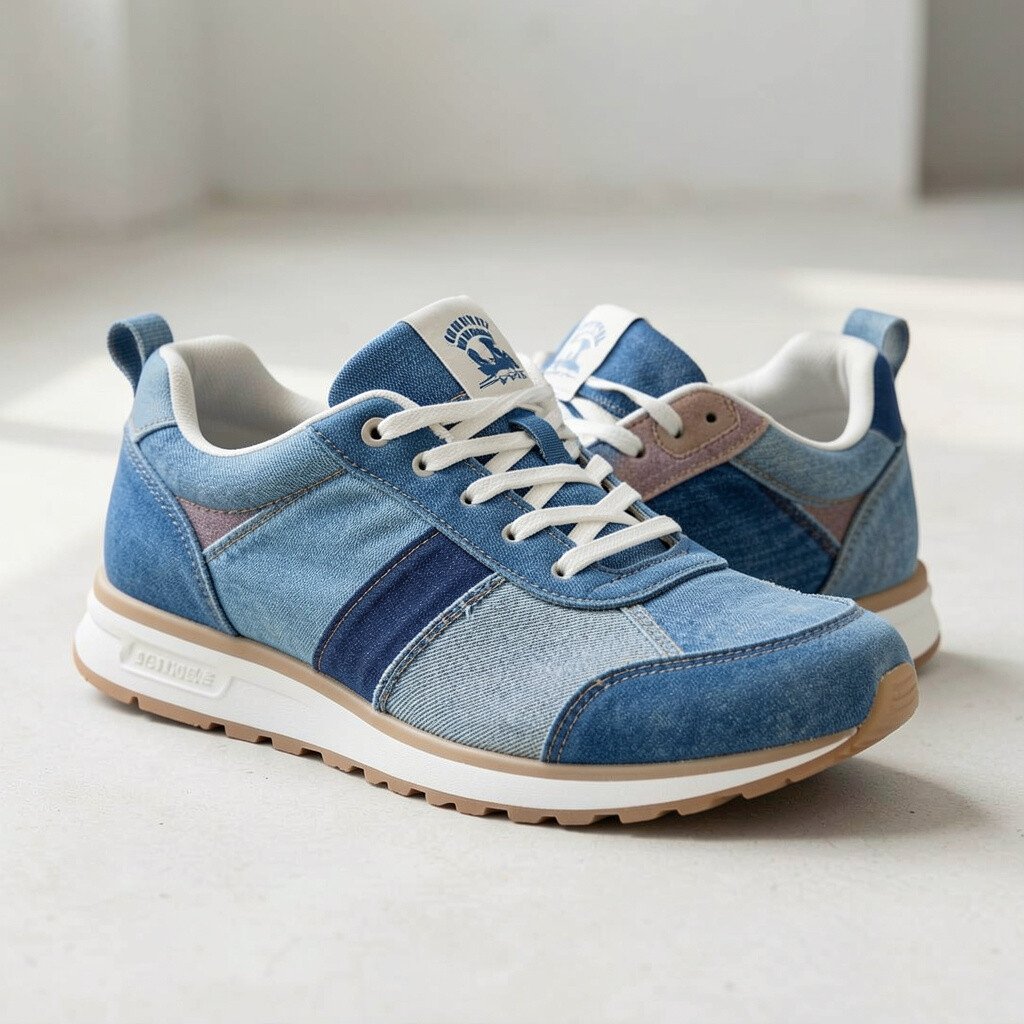
Grab old jeans and cut out sturdy denim squares, then stitch or glue them into a patchwork upper. The look is rugged and cozy, like a favorite jacket, and the texture helps with grip while walking.
Pair the denim with a recycled rubber sole from worn sandals for more bounce. For comfort, pad the inside with fabric scraps and keep the seams flat. When you personalize, match patch colors to your everyday outfit so the shoes feel intentional rather than random.
2. Upcycled Tire-Rubber Traction Runner
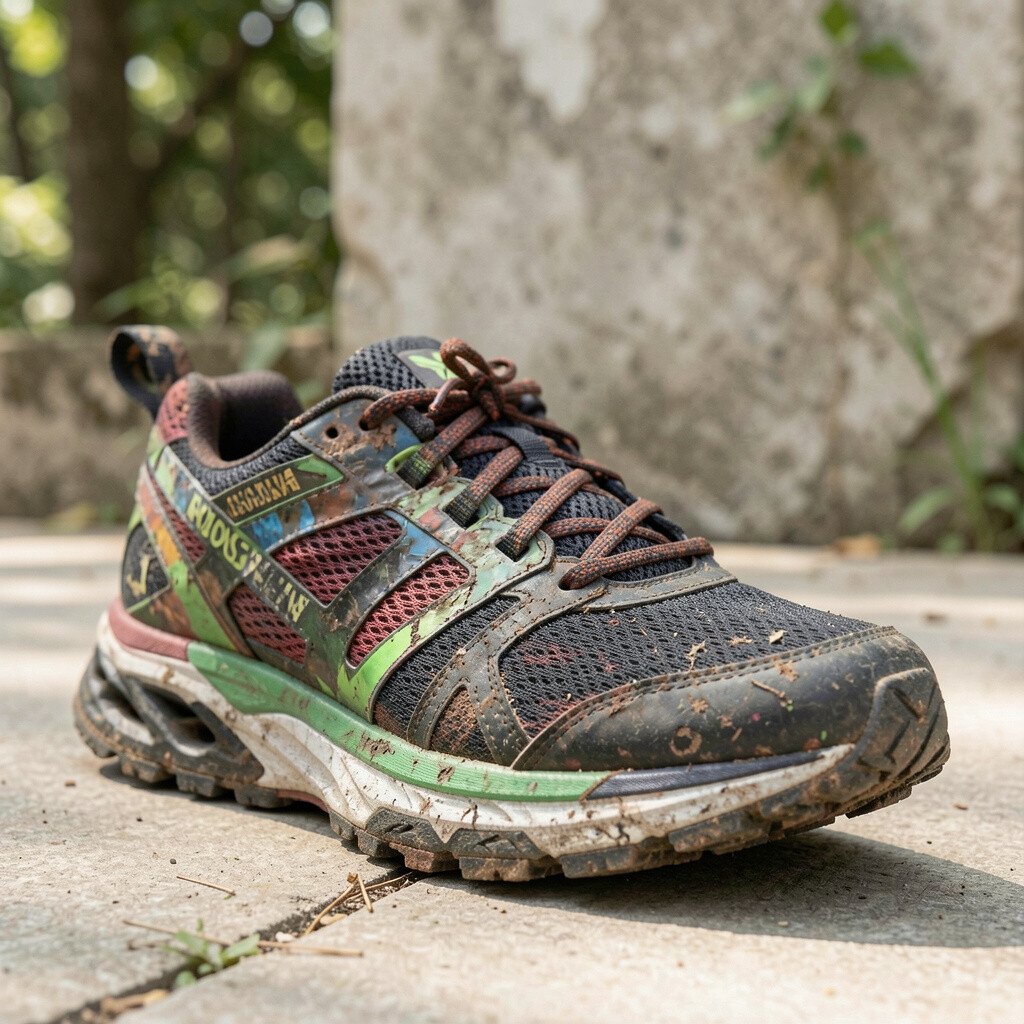
Slice tread from discarded bike or tire rubber and shape it into a sole that grips even on dusty sidewalks. You’ll see dark swirls and ridges underfoot, and that pattern feels like a tiny road map.
Use a thin recycled foam or cork sheet above the rubber so your steps land softly. Trim edges carefully and rough up the surface for stronger glue contact. For practical training, rotate two pairs if you can, because rubber soles can pick up grit fast.
To keep costs down, look for free tire scraps at repair shops or community bike groups. Personalize by stamping your initials into the tread with a heated metal tool, then seal it with a clear, flexible coating.
3. Bottle-Cap Mosaic Slip-On
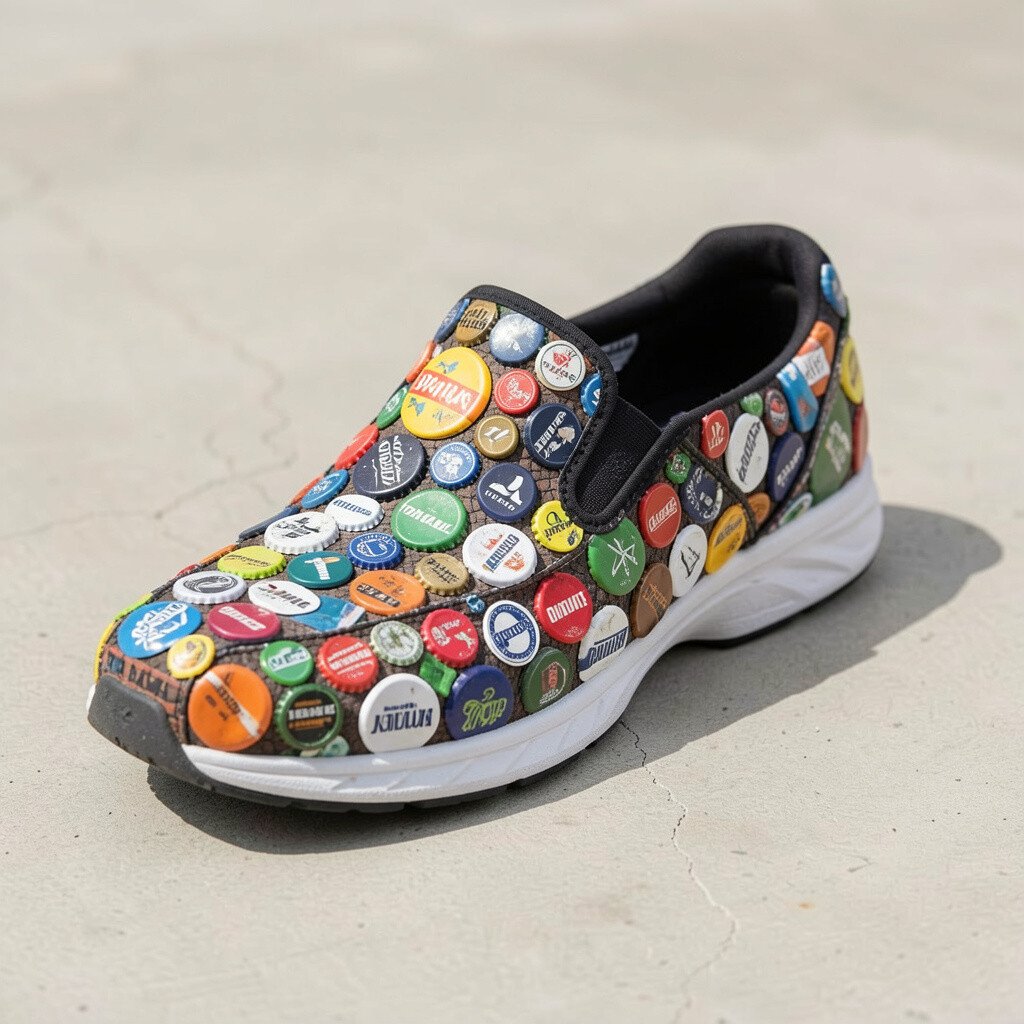
Collect bottle caps, clean them well, and arrange them into a mosaic that forms a lightweight slip-on upper. The tiny metallic dots create a bright, speckled shine that catches sunlight with every step.
Start with a base of old canvas or scrap fabric, then glue caps in tight rows for stability. Use a recycled insole or folded fabric padding so your foot stays supported. If caps feel sharp, file the edges and cover the top with a thin rubber layer.
For a personalization twist, group caps by color like a gradient from dark to bright. This style is great for casual walking and cool-weather errands, especially when you want something that stands out.
If you’re worried about cost, reuse caps you already have and borrow a friend’s saved stash. During wear, keep an eye on loose pieces and press them back down quickly.
4. Rope-Sole Sailcloth Runner
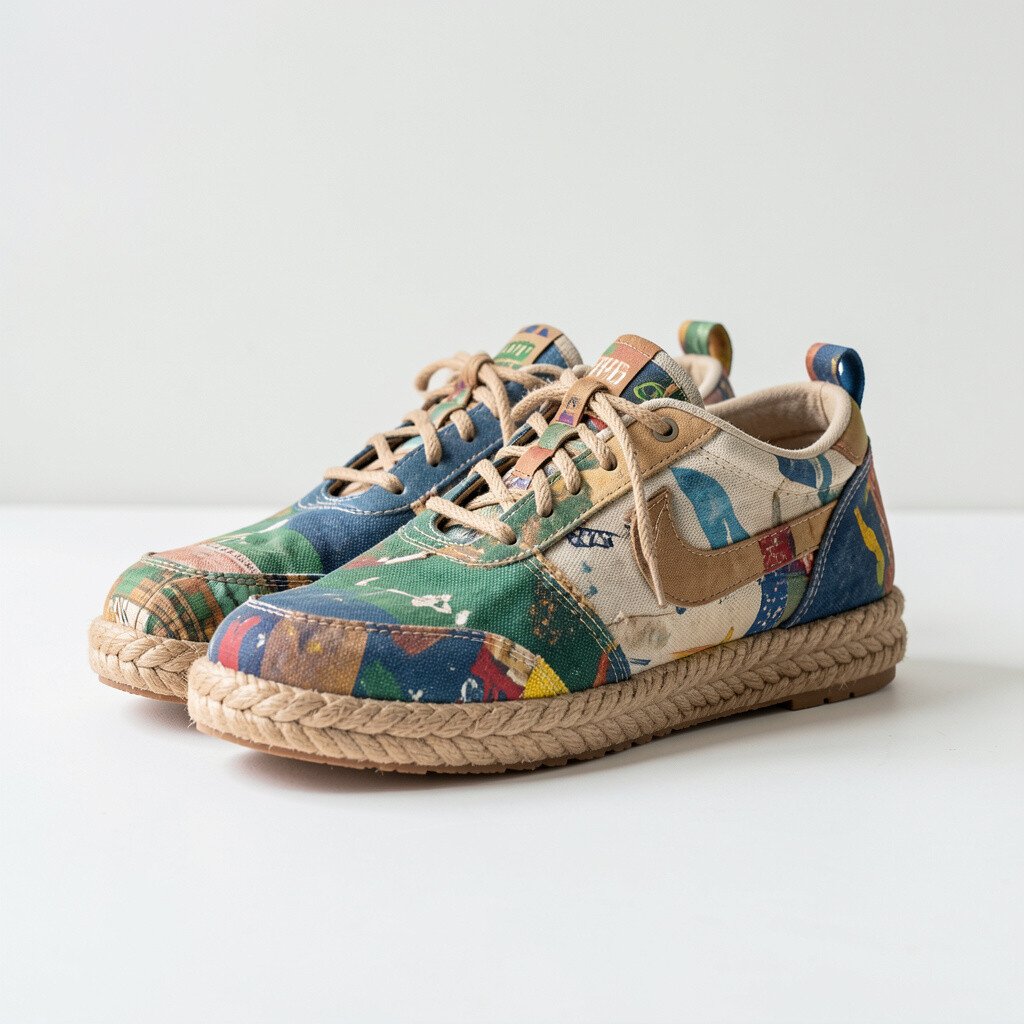
Use thick rope as a wrap-around outsole and stitch it into a breathable sailcloth upper. When you look down, you’ll notice neat braided lines that look strong and nautical.
For comfort, insert a recycled cork or foam midlayer between upper and rope. Seal rope ends and knots so they don’t fray, and add a simple strap from scrap webbing to hold the foot.
5. Old-Keychain Leather Lace Runner
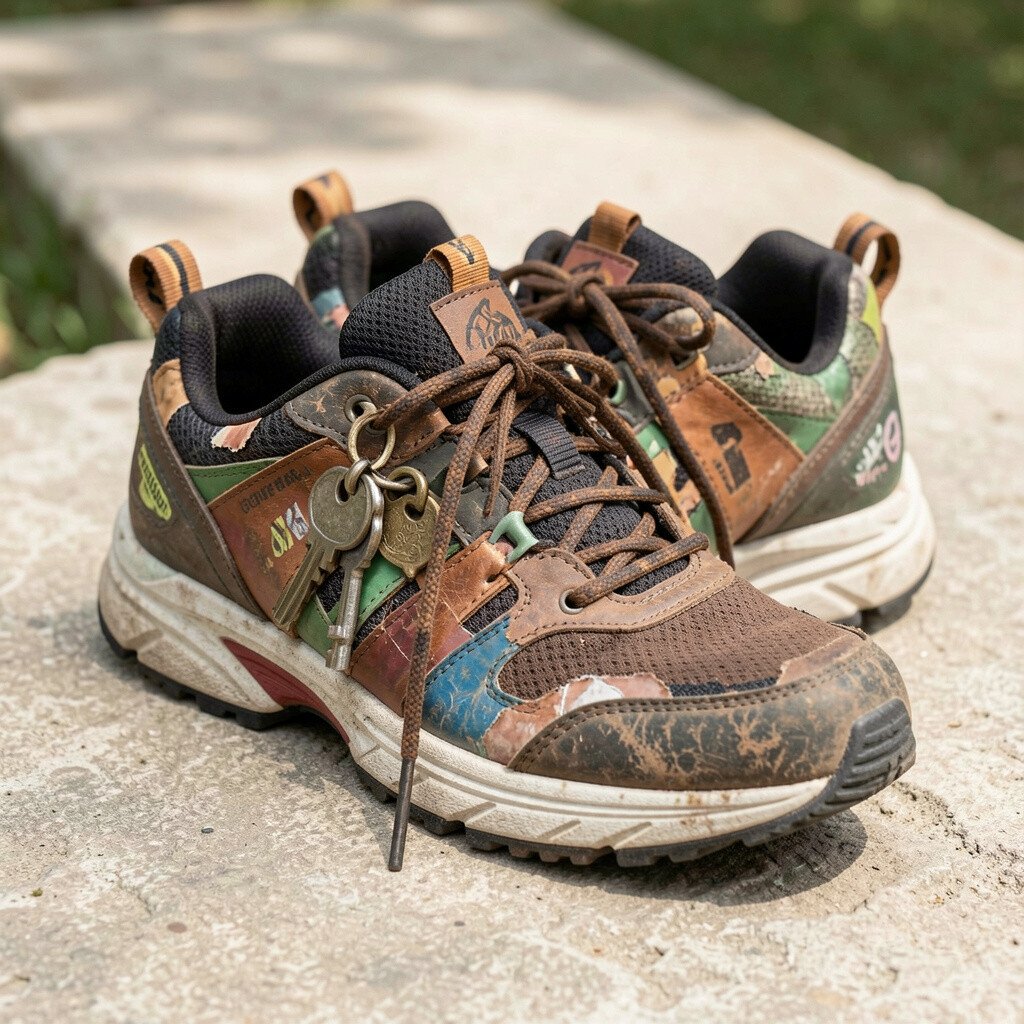
Turn worn leather scraps into a runner upper and replace the laces with loops cut from old keychain straps. The result looks smart and playful, with small hardware details that glint when you move.
Glue or stitch leather panels over a fabric base so the shoe stays flexible. Use a recycled rubber sheet for a thin outsole that lasts through regular trips to the store.
For personalization, punch patterns like tiny stars or curved chevrons so the shoe feels like your own design. If you want a better fit, measure your foot and adjust strap length before you glue anything permanently.
6. Magazine Page Knit Sneaker
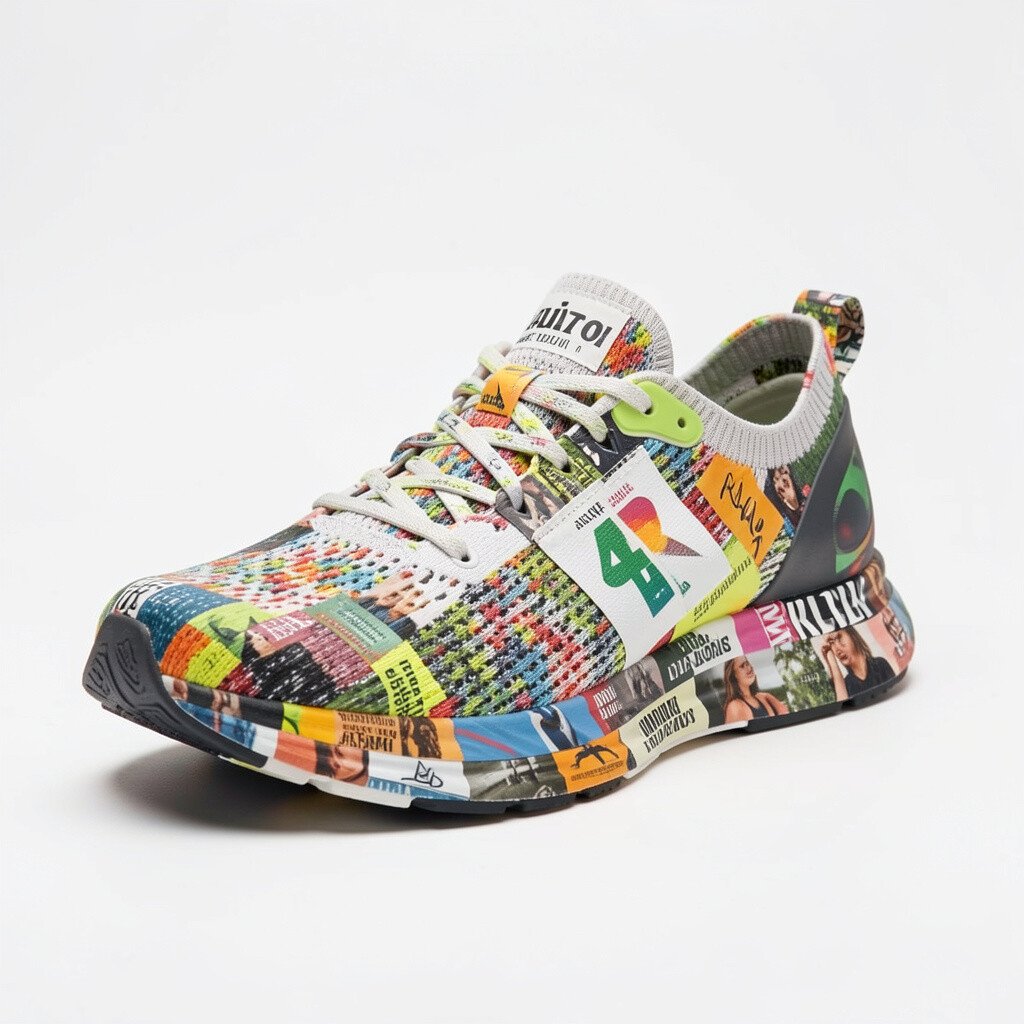
Cut magazine pages into narrow strips, coat them with a protective binder, and weave them into a knit-like upper. It looks surprising and artistic, like a scrapbook you can actually wear, and the colors shift as you walk.
Let the woven layer dry fully, then reinforce the underside with thin fabric scraps. Add a recycled insole for cushioning and use a flexible sole from an old shoe you no longer wear.
To keep it practical, keep the shoe away from heavy rain and wipe it gently with a dry cloth. Personalize by choosing pages with your favorite covers, photos, or band posters.
7. Cardboard-Molded Lightweight Trainer
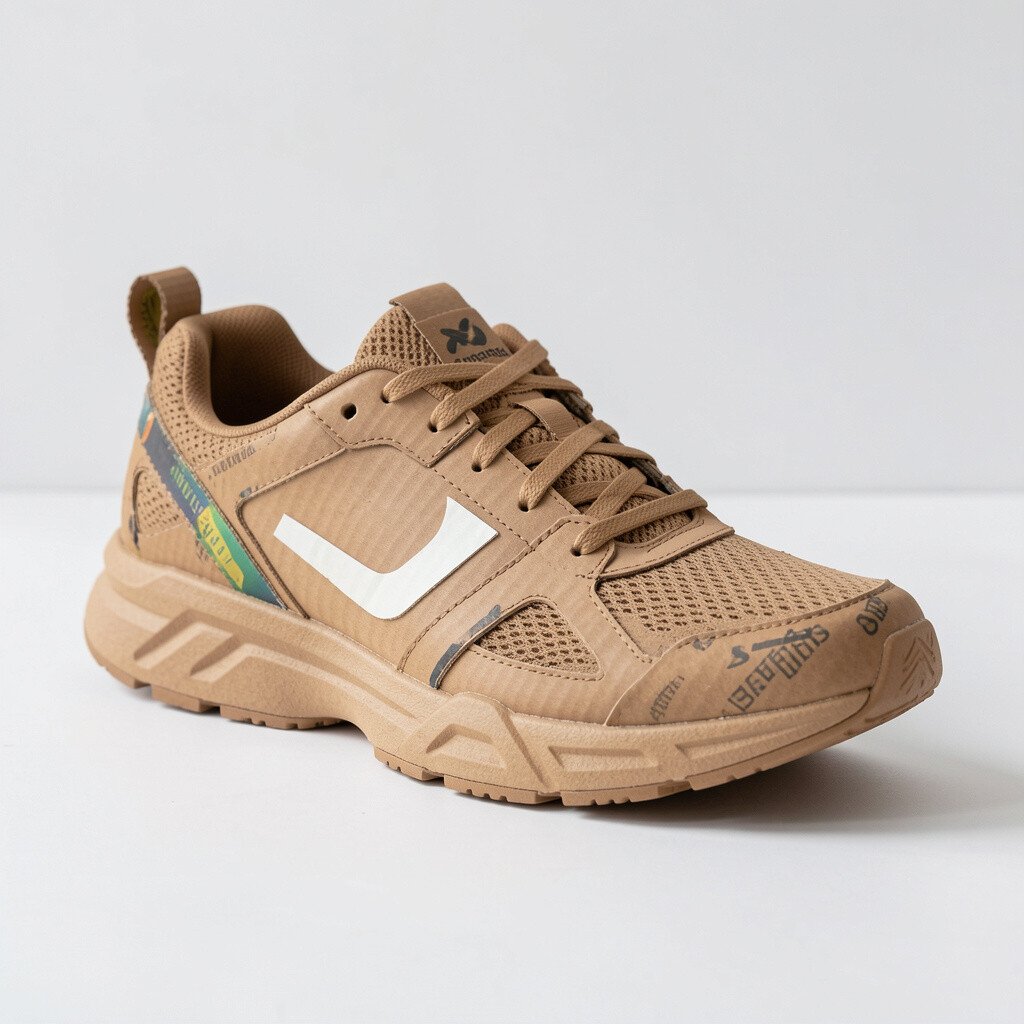
Press soaked cardboard into a shoe-shaped mold, then layer it until it feels firm. The surface looks like layered paper ridges, and it can feel light when you get the thickness right.
Seal the cardboard with a flexible sealant and add a recycled textile lining so it doesn’t scratch your foot. Use a rubber outsole from foam slippers or old sandals for real outdoor wear.
8. Aluminum Can Side-Stripe Runner
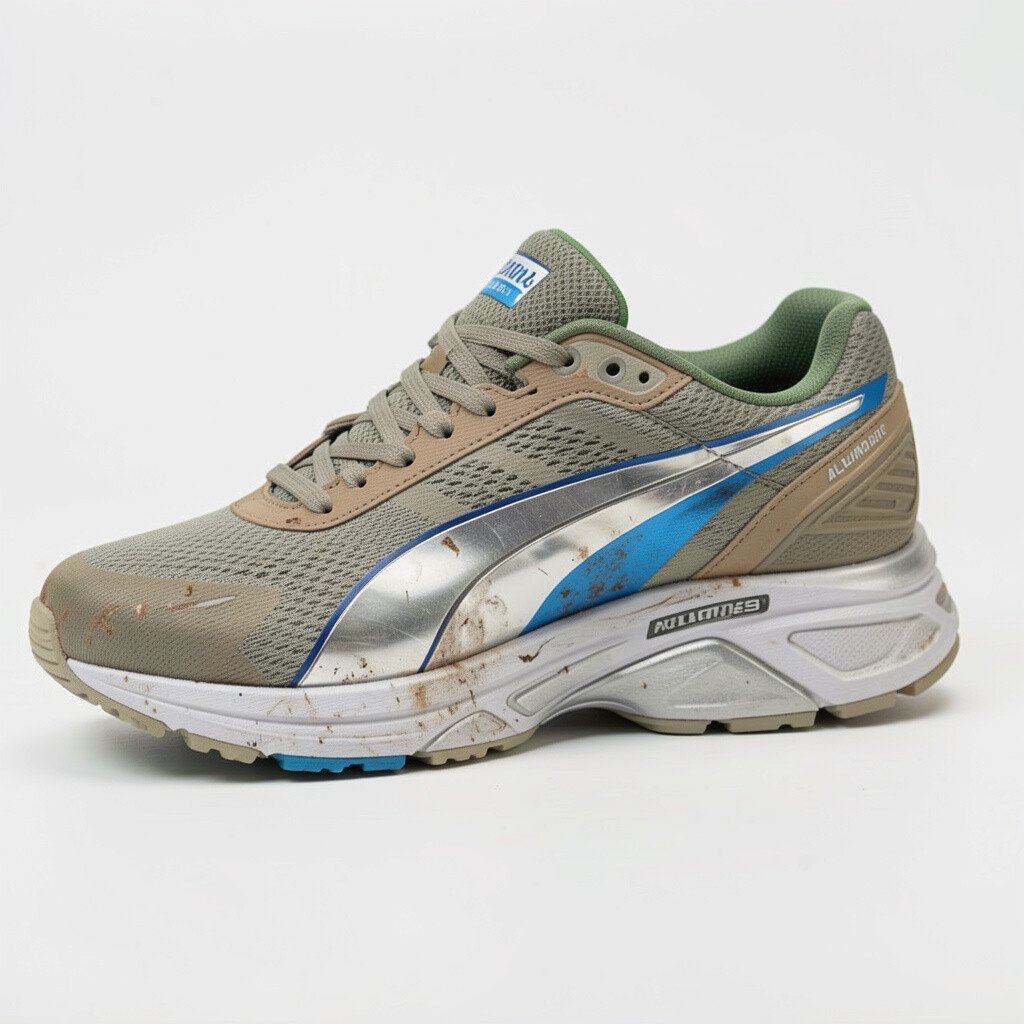
Flatten clean aluminum drink cans and cut them into side stripes or heel accents. You’ll see crisp metallic highlights that look modern and sleek, especially against fabric uppers.
Attach the stripes over canvas or scrap leather using strong adhesive and stitch-through reinforcement where possible. Pair with a cushioned insole and a durable sole so the accents stay secure.
For personalization, bend small shapes into your favorite patterns, like waves or geometric steps. Cost stays low if you start saving cans now and trade with neighbors for extra types.
9. Sock-Cragged Patch Comfort Runner
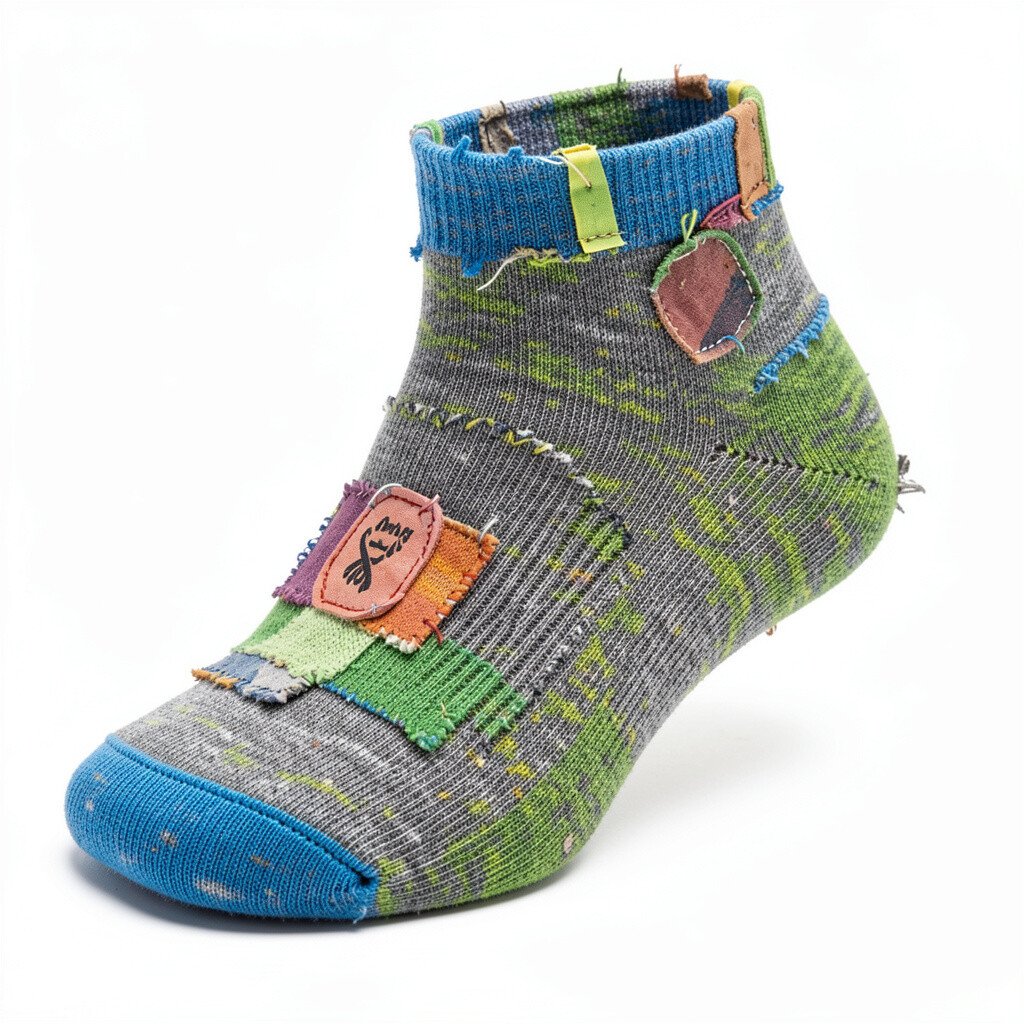
Collect old socks with good elasticity, cut them into panels, and combine them into a soft, stretchy upper. The look is cozy and handmade, with color blocks that feel like your laundry pile but in a good way.
Stitch the panels to a thin fabric base and reinforce high-stress spots at the toe and heel. Add a recycled foam insole and a simple rubber sole so the shoe can handle daily walking.
To personalize, mix heel colors with the sock patterns you already love, like stripes or tiny prints. For comfort, make sure the seams sit on the outside so your foot stays happy.
10. Fabric Scraps Slip-Loop Runner
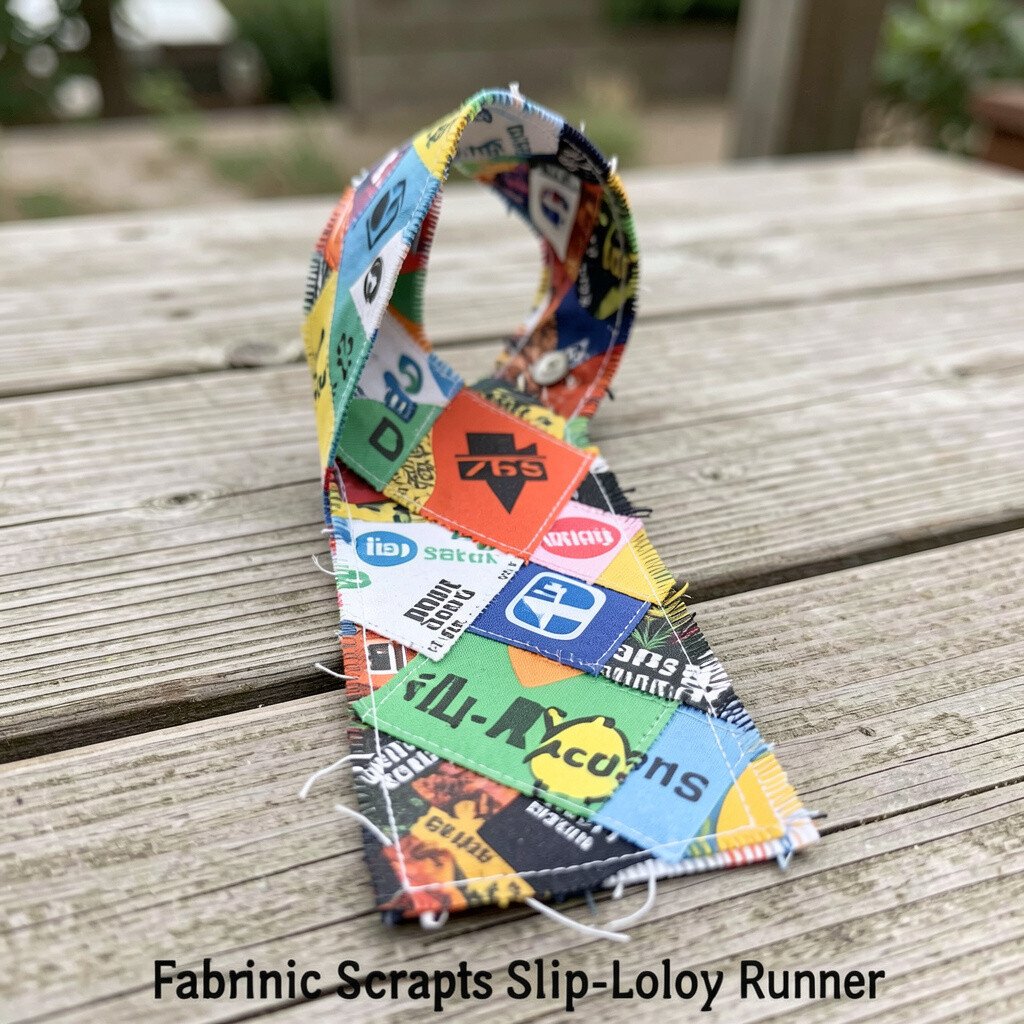
Create a slip-on runner by braiding fabric scraps into a strap network that holds your foot gently. The visual pattern looks woven and airy, and it gives your shoe a casual, friendly vibe.
Attach the braid to an old sole and add a recycled lining to prevent rubbing. This is a great project if you enjoy fast adjustments because straps are easy to retie.
For practical wear, keep your sole grippy and check it after long walks. Personalize with braid colors that match your track pants or favorite hoodie.
When thinking about cost, use what you already have and focus spending on a durable outsole. A secondhand shoe base can make the project feel cheap but still strong.
11. Coffee-Bag Canvas Runner
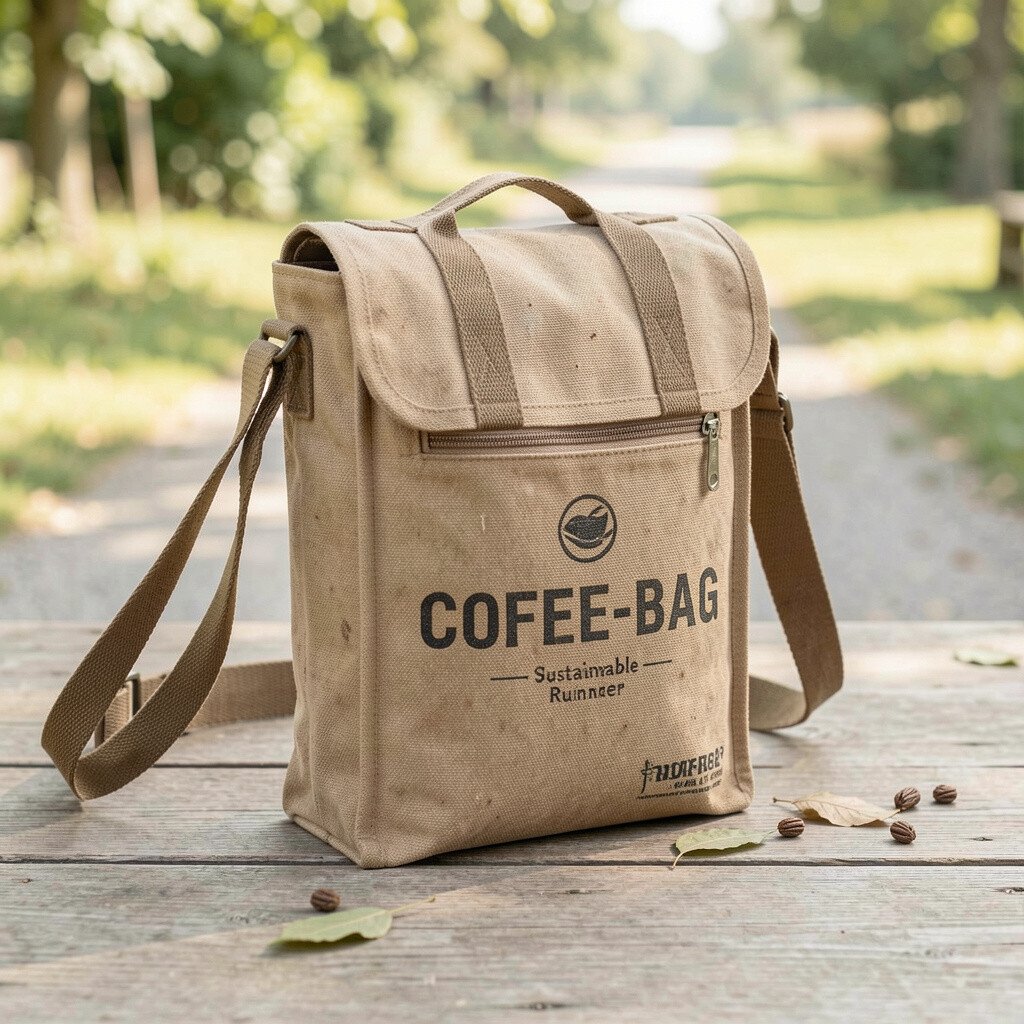
Flatten used coffee bags into sturdy fabric panels and sew them into a breathable upper. You’ll notice a slightly textured look with printed marks that feel earthy and cool.
Because coffee-bag fabric can be stiff, soften it with gentle washing and line the inside with recycled cotton. Add a rubber sole from old shoes and stitch carefully around edges.
For personalization, keep the original print for a bold statement or cut clean shapes for a quieter style. This idea fits current tastes for upcycled textures, especially for people who like natural tones.
12. Seaweed Fiber and Recycled Rubber Runner
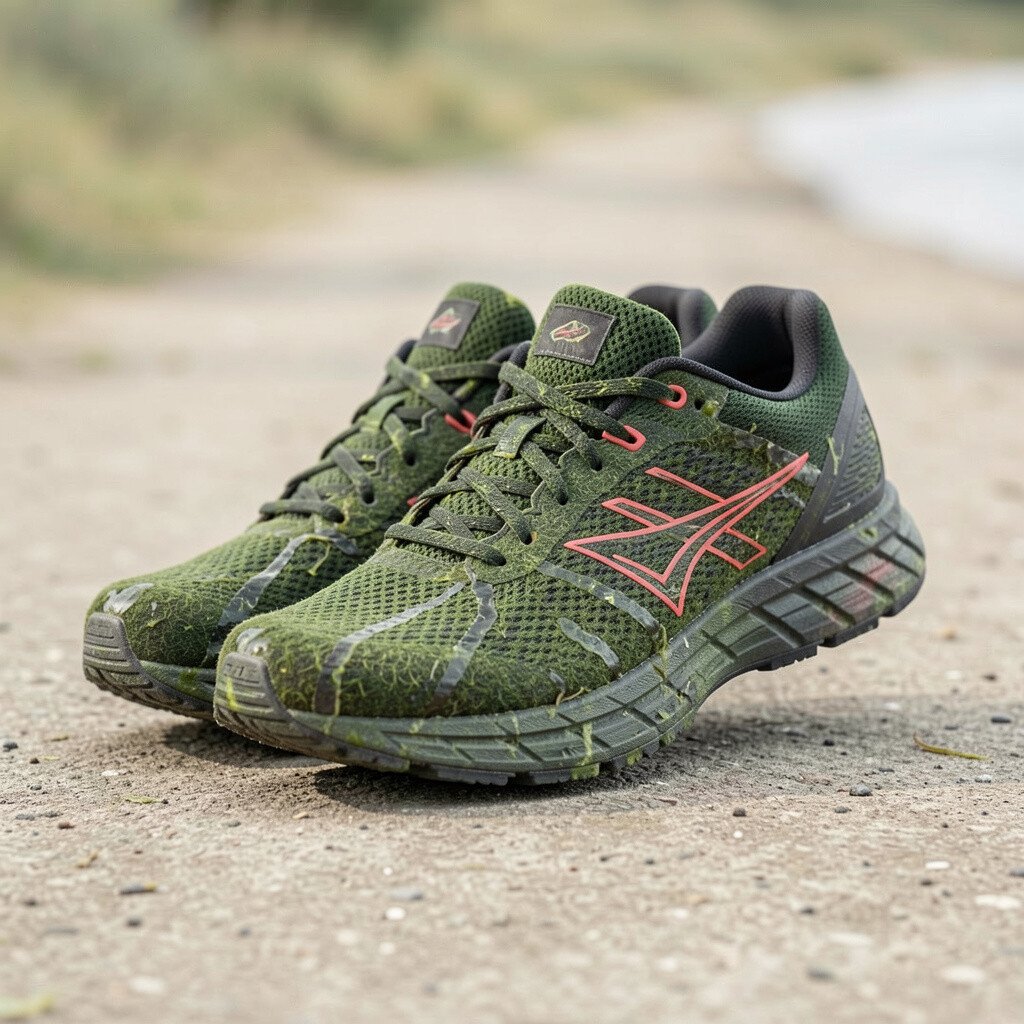
If you can find seaweed fiber mats, cut them into upper shapes and combine them with recycled rubber soles. The surface looks lightly speckled and fresh, like dried coast air, and it feels comfortable for longer walks.
Seal any rough edges and add a recycled insole for cushion. This runner works well when you want something that feels breathable and stays light.
For personalization, stitch contrasting thread colors in simple lines along the sides. Cost can vary depending on what you can source, so start with local makers or online community swaps.
13. Broken Skate Deck Heel Runner
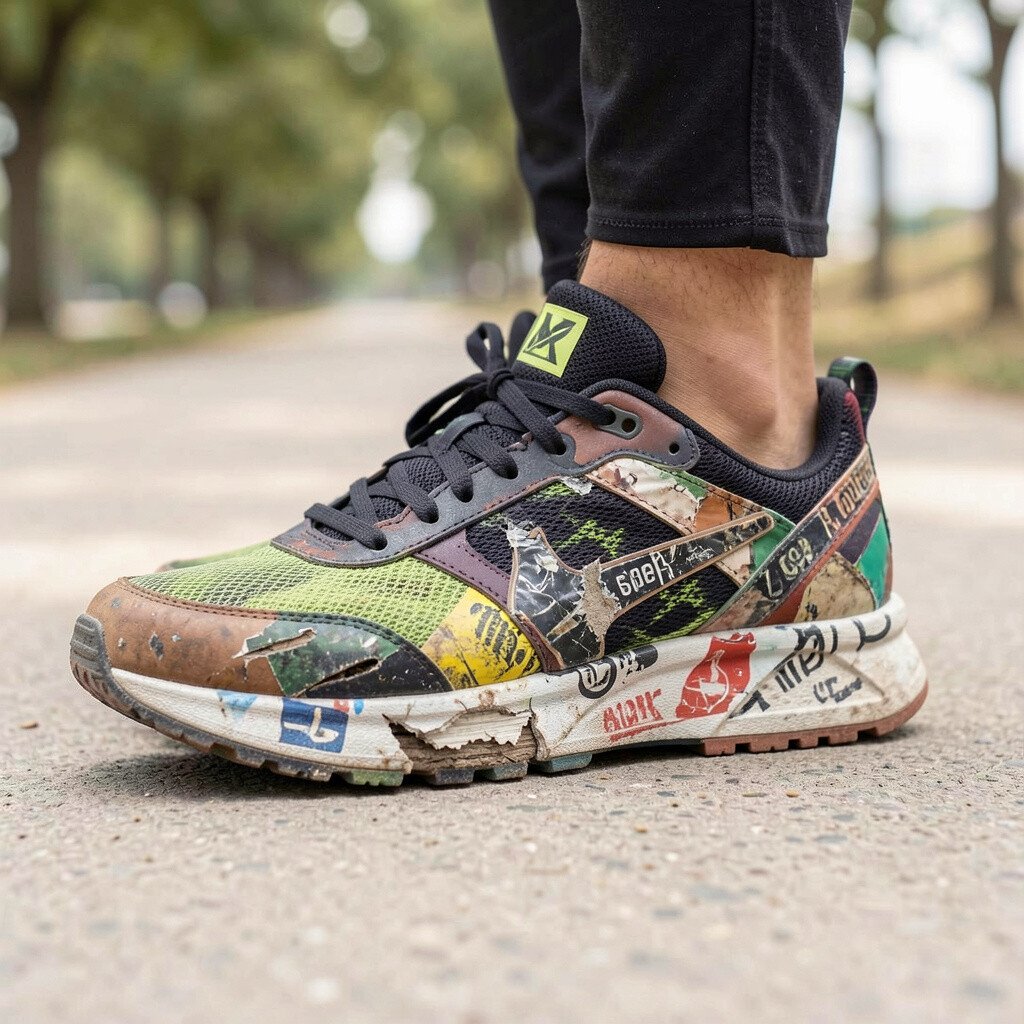
Use broken skateboard deck pieces for heel plates and add softer fabric uppers for the rest of the shoe. The deck wood carries visible layers and grip-tape marks that look bold and sporty.
Attach deck pieces with strong adhesive and reinforce with straps so they don’t shift. Pair with a recycled foam midsole for shock absorption during brisk walks.
For practical tips, sand edges smooth and check bolts or loose grain areas. Personalize with paint made for shoes or a clear coat to keep the grain looking sharp.
14. Yarn-Wrapped Bottle Stand Runner
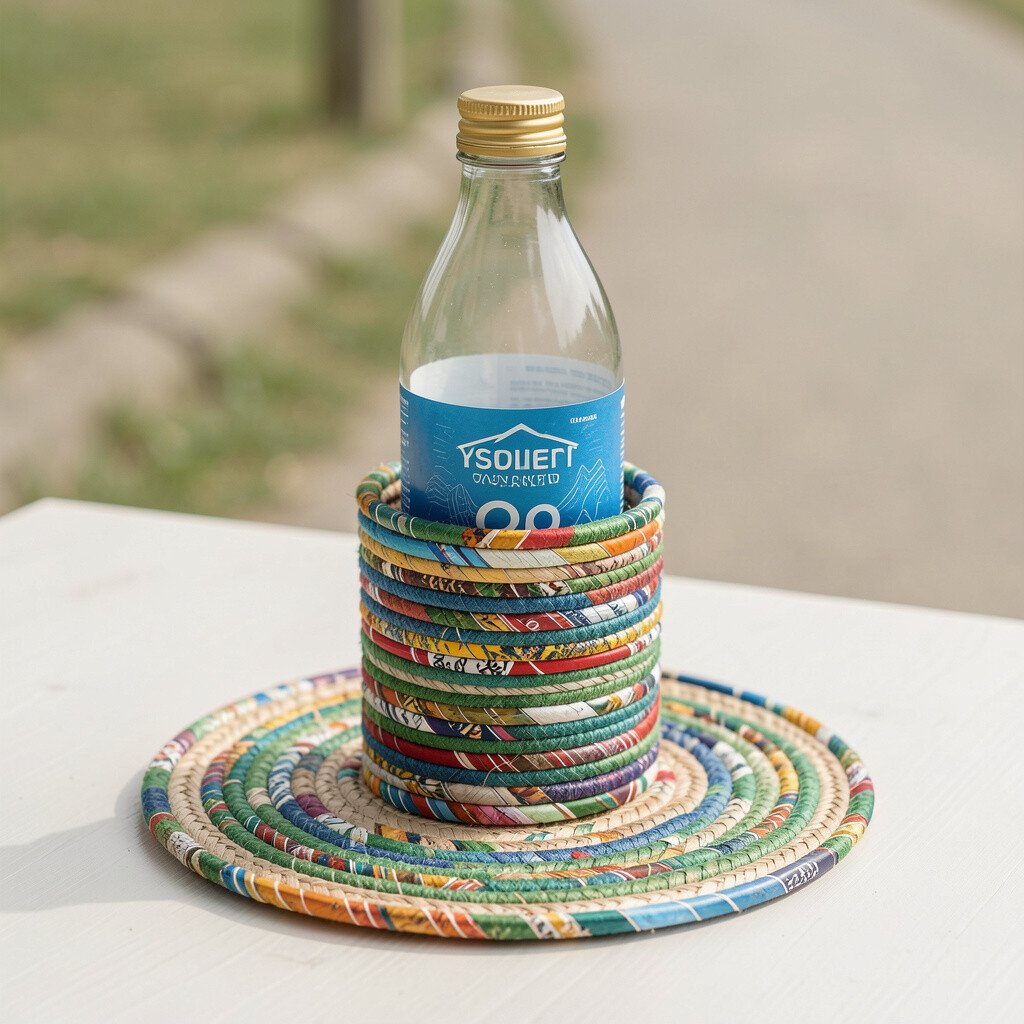
Wrap old yarn and twine around bottle or can-shaped forms to create a textured upper that’s light and springy. The yarn surface looks like a craft project you can wear, and the texture helps your foot grip from the inside.
Secure the yarn with recycled fabric ties and add a recycled sole for outdoor durability. Make the opening wide enough to slide in easily, then tighten with a simple lace string.
This style is great for cool weather and indoor walking, where you want comfort and warmth. Personalize by choosing yarn colors based on your favorite outfit palette.
15. Newspaper Rolled Tube Upper Runner
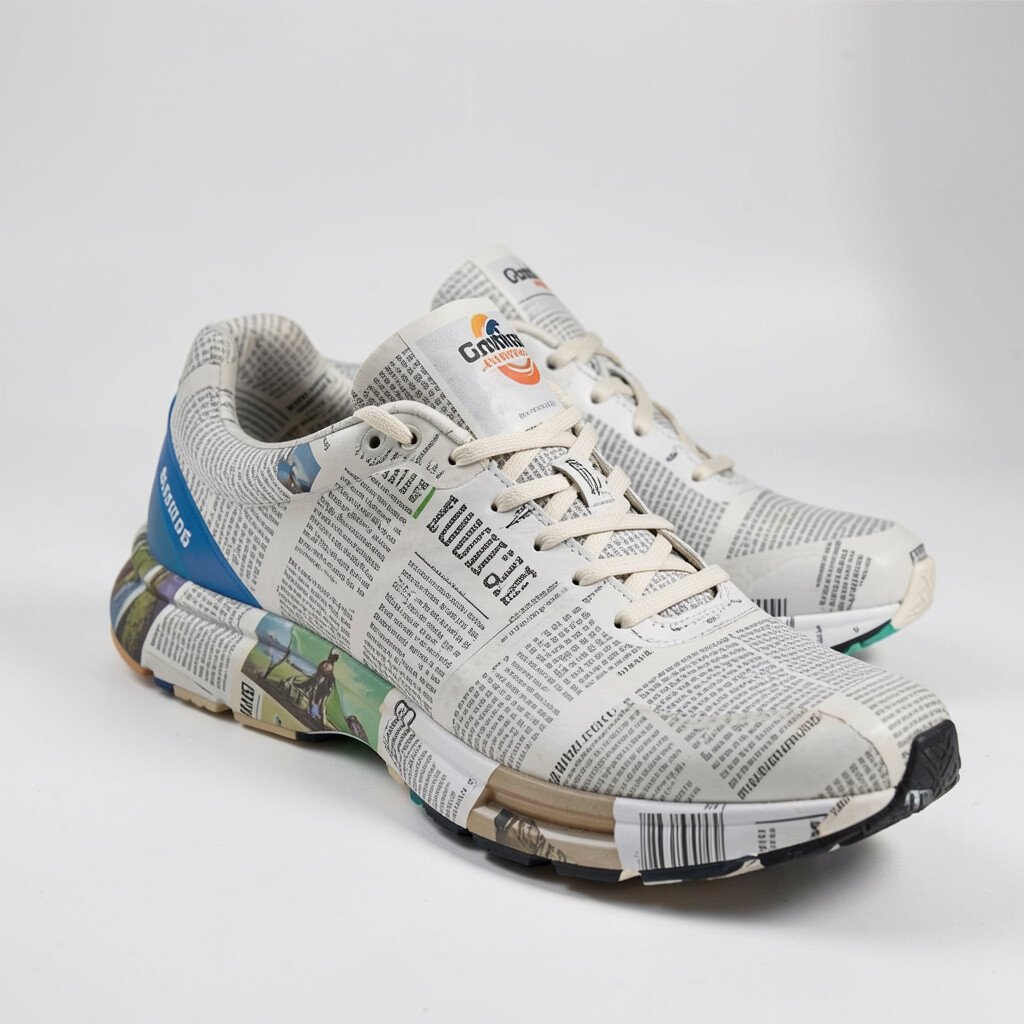
Roll newspaper strips tightly, seal them, and braid the tubes into a supportive upper. The visual effect feels like woven paper baskets, with spiraled lines that look crisp and artistic.
Coat the braids with a flexible sealant so they can handle normal wear. Use a recycled rubber sole and a fabric lining to keep the inside soft.
For personalization, vary tube colors by using sections with different print. Cost stays low because newspapers are usually free or cheap, and the main spending goes to sealant and soles.
16. Fabric Belt Strapped Park Runner
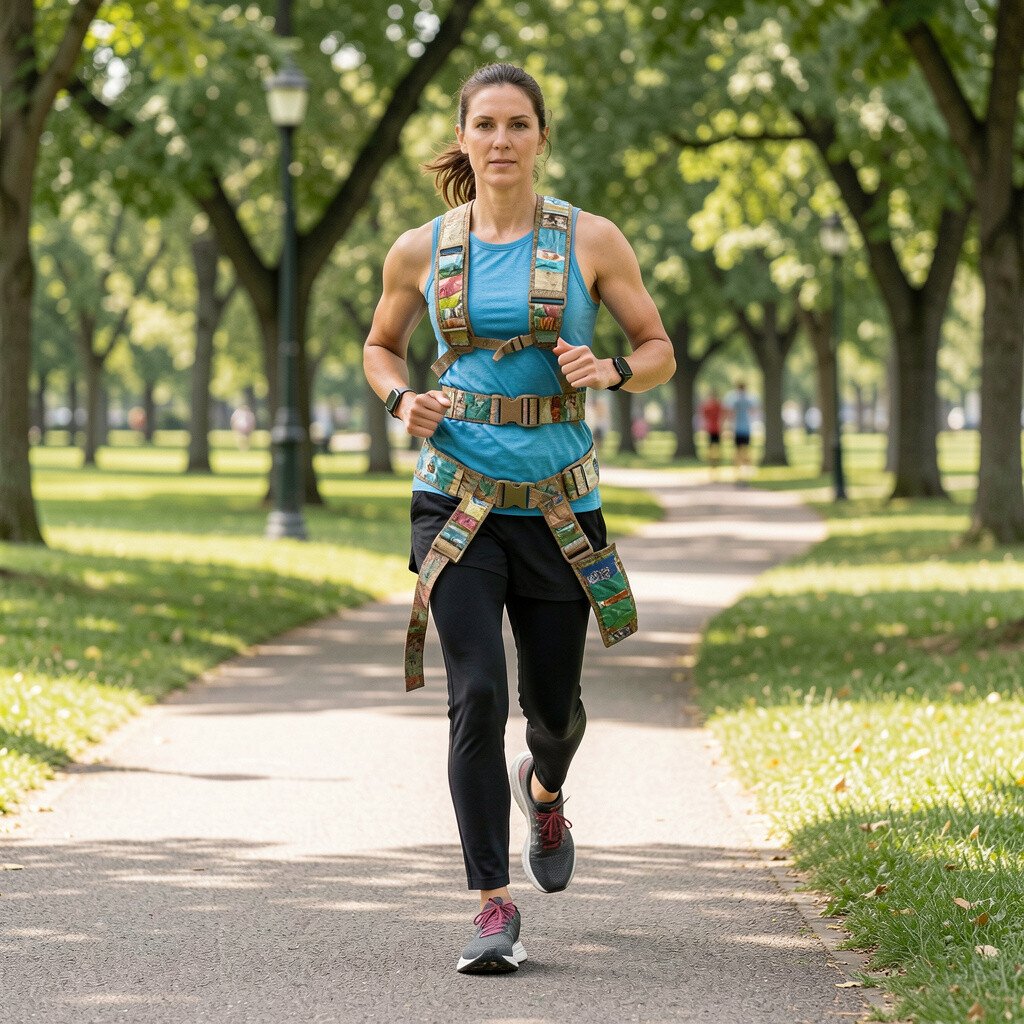
Cut old fabric belts into straps and build a runner upper that wraps like a supportive harness. The look is sporty and bold, with adjustable bands that hug your foot.
Use a recycled outsole and add an inner lining to reduce friction points. This design shines for uneven paths because straps let you tighten where you need it most.
Personalize with decorative patches and stitched initials on the outside. For a practical fit, measure your foot length and make sure straps close without bunching.
If cost is a concern, reuse belt hardware from old bags and spend on a solid outsole only. Many people already have extra straps at home, so the project stays budget-friendly.
17. Foam Packaging Tile Runner
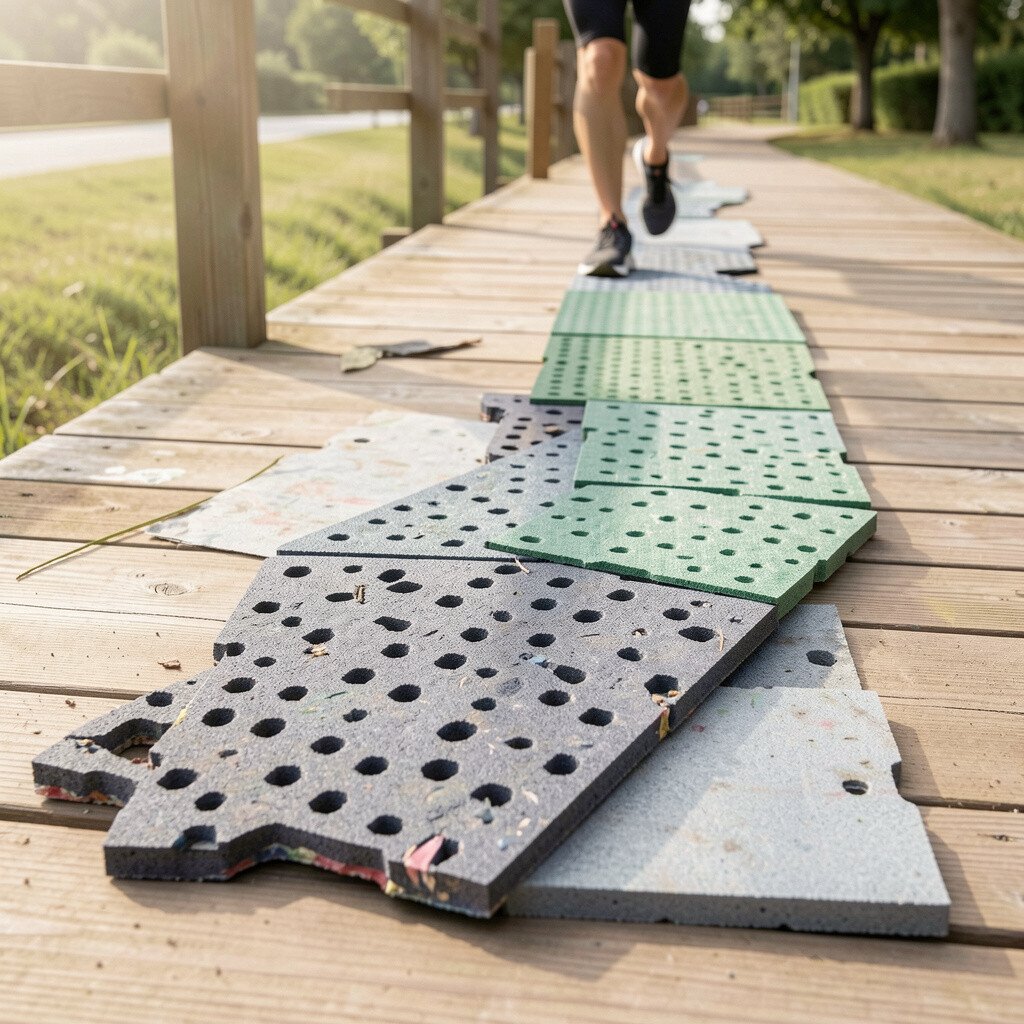
Cut protective foam packaging into tread and midsole sections, then cover them with fabric for a cleaner look. The runner looks chunky at first, but once covered it can feel surprisingly comfy and supportive.
Sand rough foam edges and test flexibility before gluing everything together. Use recycled rubber for the outer tread so it holds up on sidewalks.
18. Old Book Cover Patch Runner
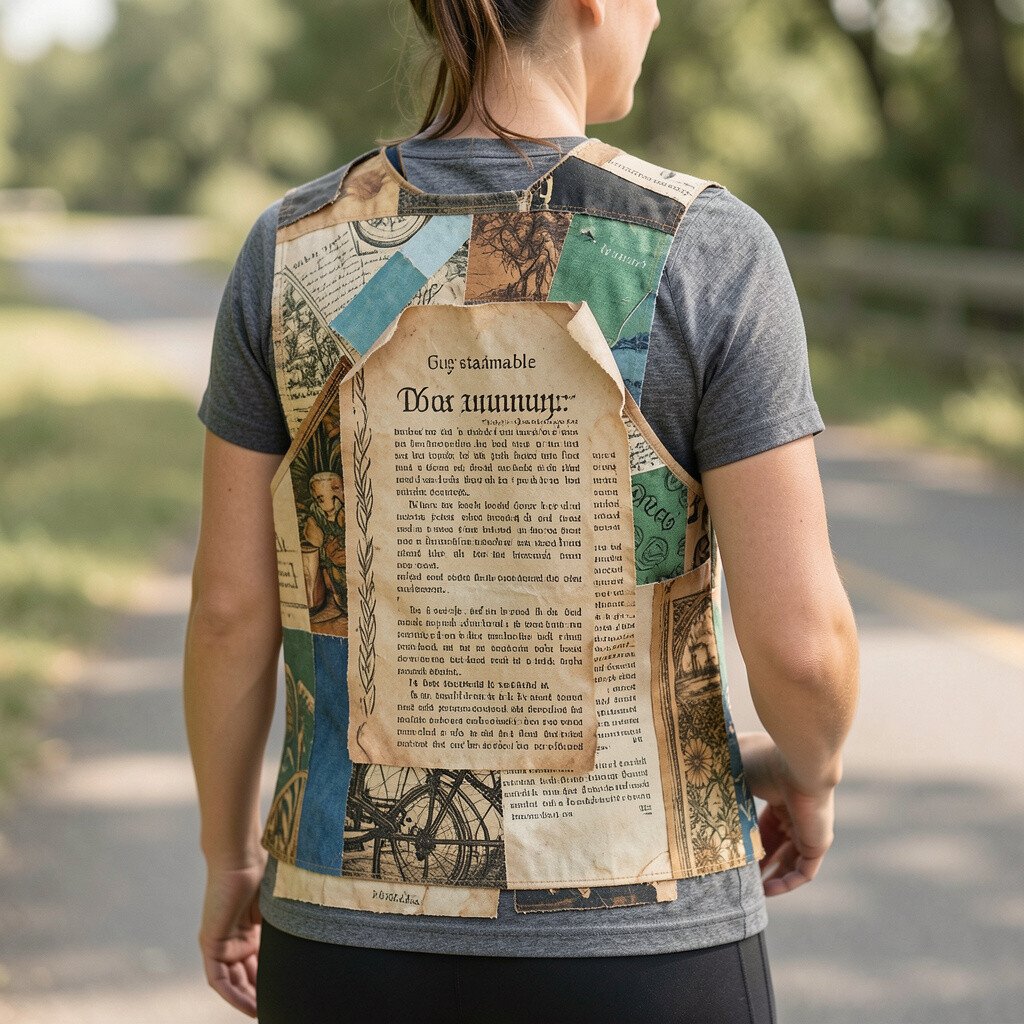
Use vintage or damaged book covers as outer panels, then stitch them onto a fabric base. The visual style feels like wearable art, with classic colors and paper-like details that show personality.
Because book materials can tear, reinforce them with a backing layer and add a protective clear coating. Pair with a flexible sole and a padded insole so the shoe stays wearable.
For personalization, choose covers that match a theme, like poetry, science, or travel. Cost is usually low if you source books from thrift stores or your own shelves.
19. Sachet and Bag Tag Lace Runner
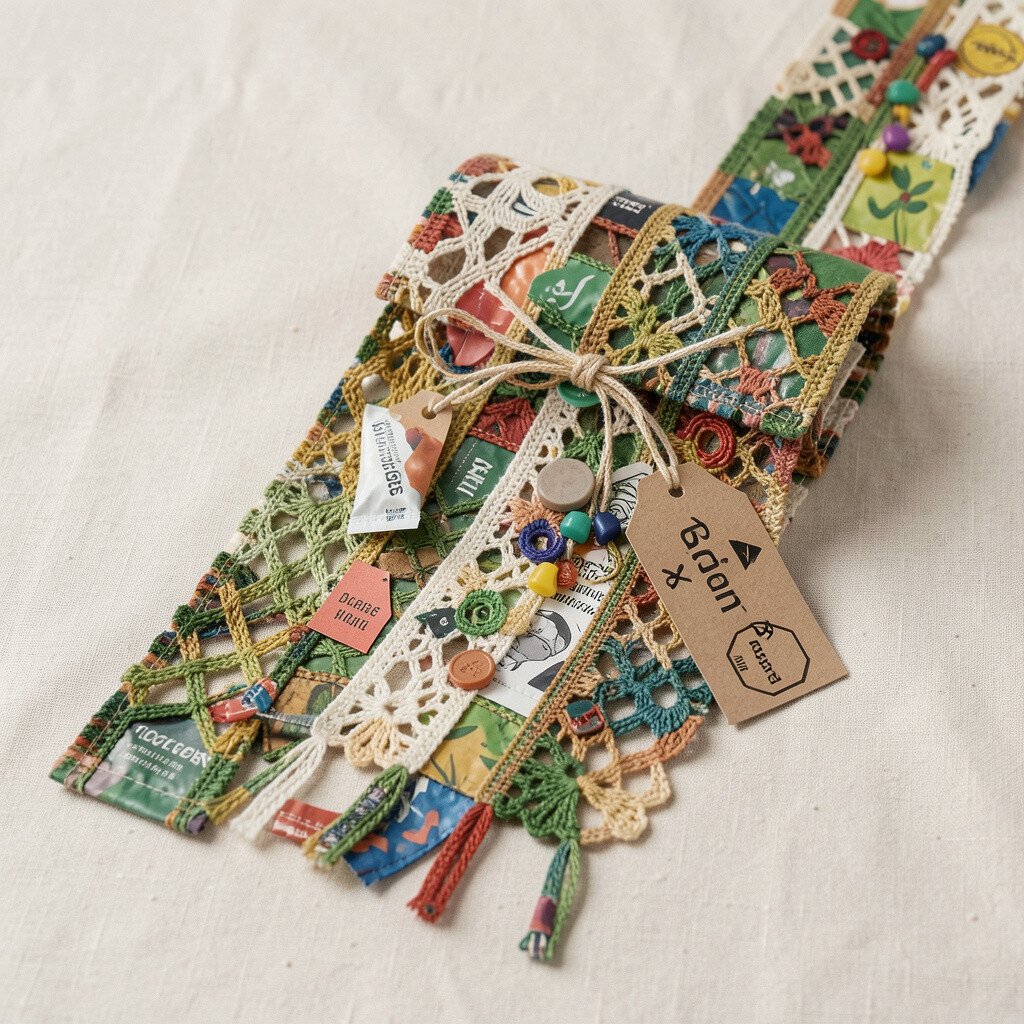
Save snack or bread bags and cut them into long strips, then braid them into laces and tie them across a recycled base. The runner looks bright and playful, and the strips create a glossy, wind-catching effect.
For durability, choose thicker bag materials and seal lace ends so they don’t unravel. Add an inner pad made from old cloth to prevent slipping inside.
Personalize by mixing colors by flavor labels, which makes the shoe feel like a running mood board. Cost stays minimal because you can collect materials while cooking and shopping.
As a practical tip, replace laces sooner than you would with new ones, since reused plastics can stretch over time.
20. Fiber Rope and Denim Toe Cap Runner
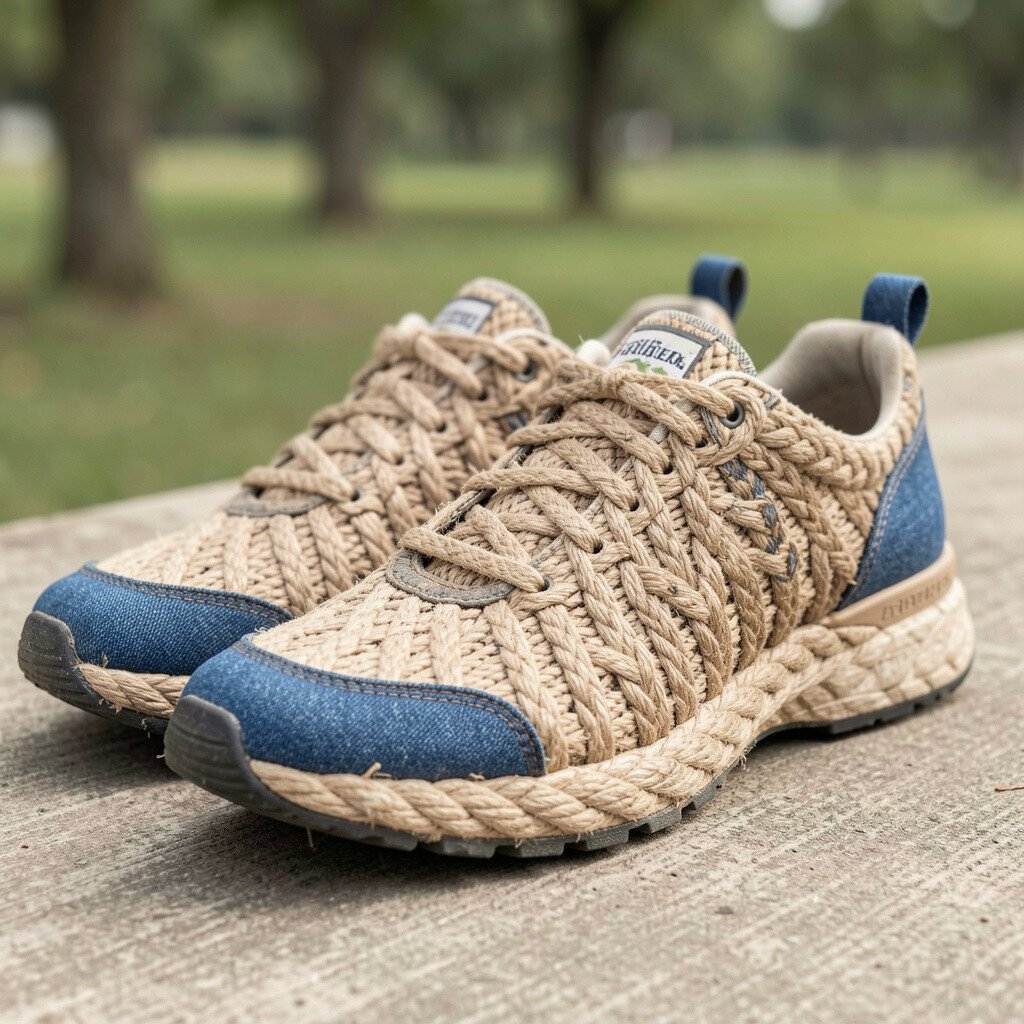
Build a runner with rope uppers and a denim toe cap for extra protection. You’ll see rope coils on the top and sturdy denim at the front, which makes the shoe feel tough and practical.
Line the rope area with recycled cotton so it doesn’t rub, and use a recycled rubber sole to keep it stable. Stitch denim neatly and reinforce the sides where your foot bends.
This works well for people who like sturdy, outdoor vibes and want shoes that feel ready for messy sidewalks. Personalize by dyeing the rope using safe, simple color methods and matching denim shades.
21. Vintage Scarf Ribbon Runner
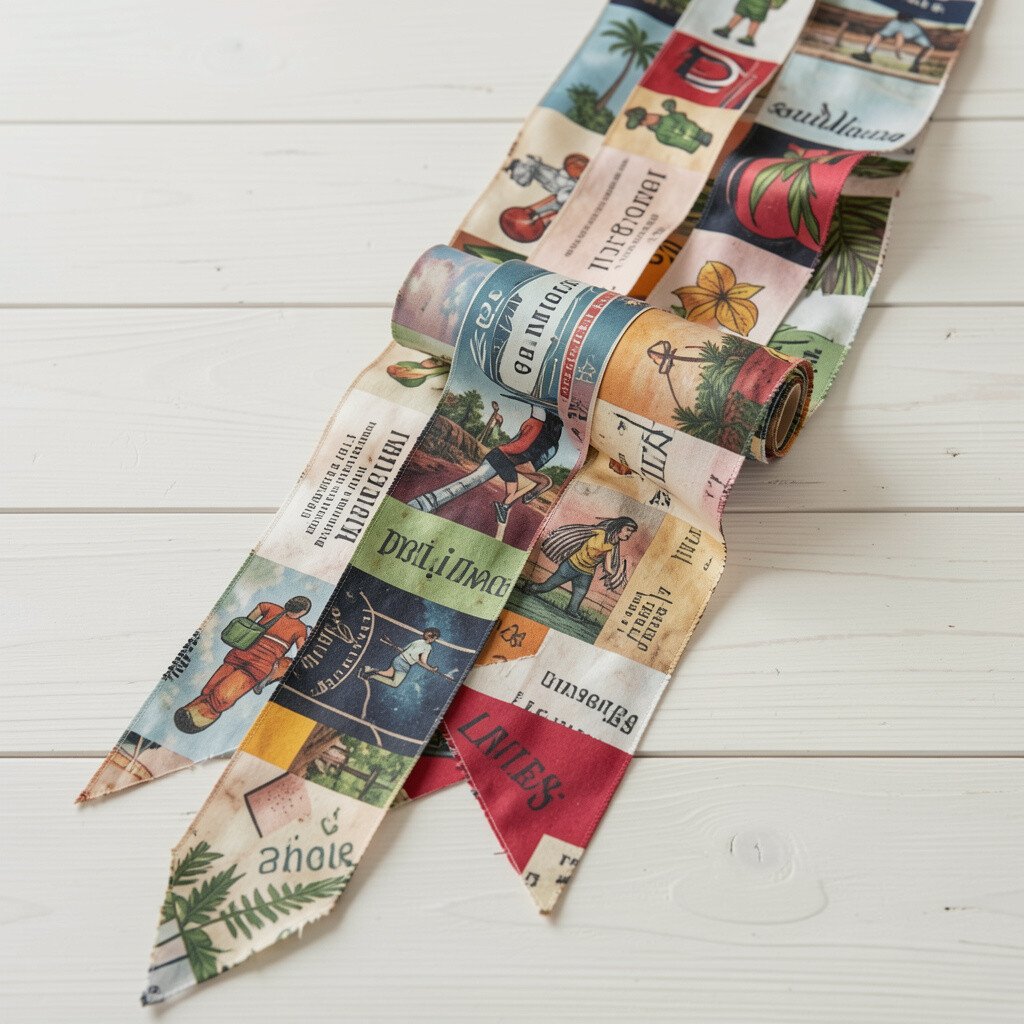
Cut a vintage scarf into ribbon strips and weave them into a soft upper over a recycled sole. The visual effect is elegant and airy, with patterns that look like they were made for movement.
To keep it practical, use a breathable lining and reinforce seams with extra stitching. This runner feels great for casual jogging in parks and for walking when you want comfort that looks stylish.
22. Mixed-Mesh Rain-Ready Runner From Bags and Fabric
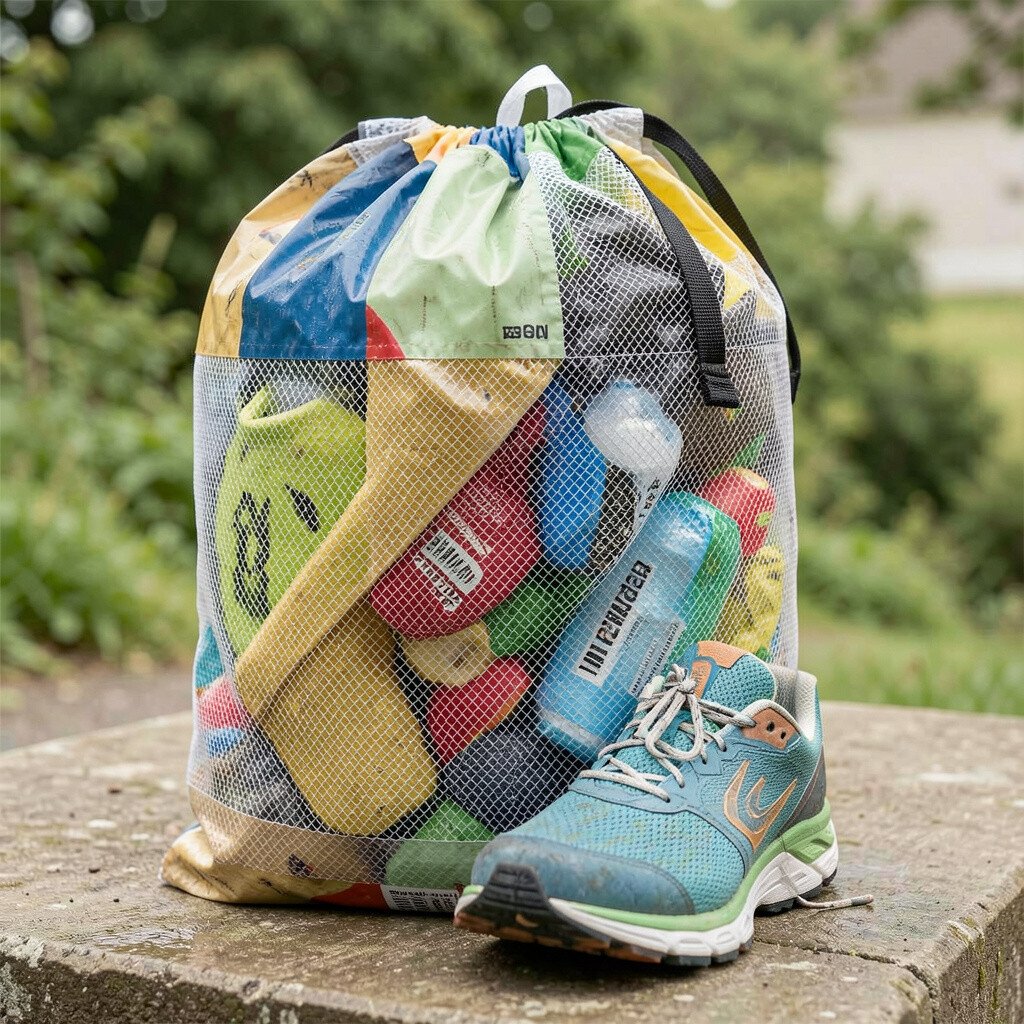
Create a rain-ready runner by layering mesh-like fabric scraps with waterproof recycled bag material. The upper will look like a patchwork net, and the pattern helps water move away instead of pooling.
Use a recycled midsole and add drainage-friendly holes near the toe to speed drying. For comfort, line the inside with soft fabric and keep seams protected with thin tape or binding scraps.
Personalize with reflective threads or shiny bag strips so you stay visible during early or late walks. Cost stays controlled because most materials can be collected through household recycling and thrift scouting.
When you build for weather, test on a short walk first and adjust fit so the upper doesn’t rub when damp. If a patch lifts, you can replace just that section instead of starting over.