The road can be kinder to the planet when you pack smarter choices. Small habits add up to big clean-air wins.
Start with what you can control today, then build from there without feeling stuck. Even when travel plans get messy, greener options still exist.
1. Fly Smarter With Fewer, Fuller Trips

Picking flights that share fewer takeoffs can cut your emissions a lot. You’ll also spend less time in airport loops, which feels like a real treat.
If you must fly, aim for fuller flights and avoid short hopping that adds extra climbs. Look for routes with fewer connections when possible, and choose airlines that report modern fleet upgrades.
2. Choose Trains And Buses For The Scenic Parts

When you swap planes for trains, your ride can feel like a moving postcard. Fields, cities, and coastlines slide by with a calm rhythm that helps you notice more.
Trains and buses often use less fuel per passenger than flying, especially on regional routes. Plan your schedule around departures that match your day, and bring a light snack so you stay comfortable.
For practicality, check local operators and use apps that show real-time times. If you travel at off-peak hours, prices can be friendlier, which makes low-carbon choices easier on your wallet.
3. Pack A Lighter Bag To Reduce Extra Fuel
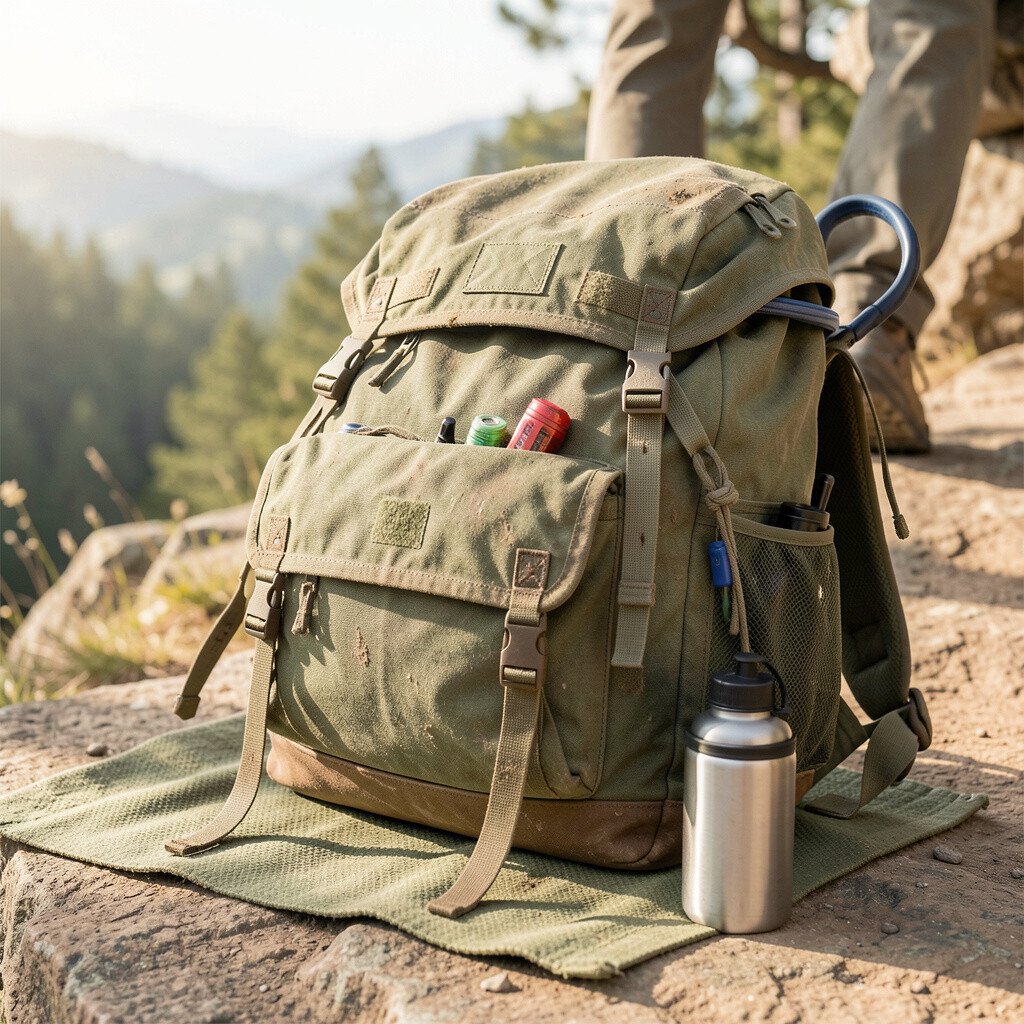
A lighter suitcase feels easy in your hands and easier on your legs. You’ll move through stations faster, and the whole trip feels less stressful.
Carrying less weight can reduce emissions because transport vehicles burn fuel partly to haul mass. Try weighing your bag at home, then remove anything you can wear twice or skip entirely.
4. Stay Longer In One Place Instead Of Constant Moving

Slow travel makes every place feel deeper instead of rushed. You’ll start to recognize streets, markets, and the best spots for morning coffee.
Less moving usually means fewer rides and fewer carbon-heavy transitions. Pick a home base, then take day trips by bus, train, or bike so the overall footprint stays lower.
5. Go Direct When You Can, Even If It Costs A Bit More

Direct routes can mean fewer rebookings, fewer delays, and fewer extra takeoff cycles. It’s the kind of convenience you really notice when you’re tired.
Even a small change in routing can lower emissions, because fewer segments usually means less fuel. If prices differ, compare total costs like baggage fees and transit time so the “cheaper” option doesn’t quietly cost more.
Try a simple personalization move by setting a comfort threshold for travel time. If you’re the type who hates long days, direct flights often work out best for both your mood and your planning.
6. Travel By Public Transit Once You Arrive

City buses and trains can feel like part of the local rhythm. You might pass street art, small stores, and views you would never catch from a car.
Using public transit reduces emissions compared with taxis for many trips. It also helps you avoid parking stress, which can cut wasted time and impulse spending.
7. Walk And Bike Short Distances Like It’s Part Of The Fun
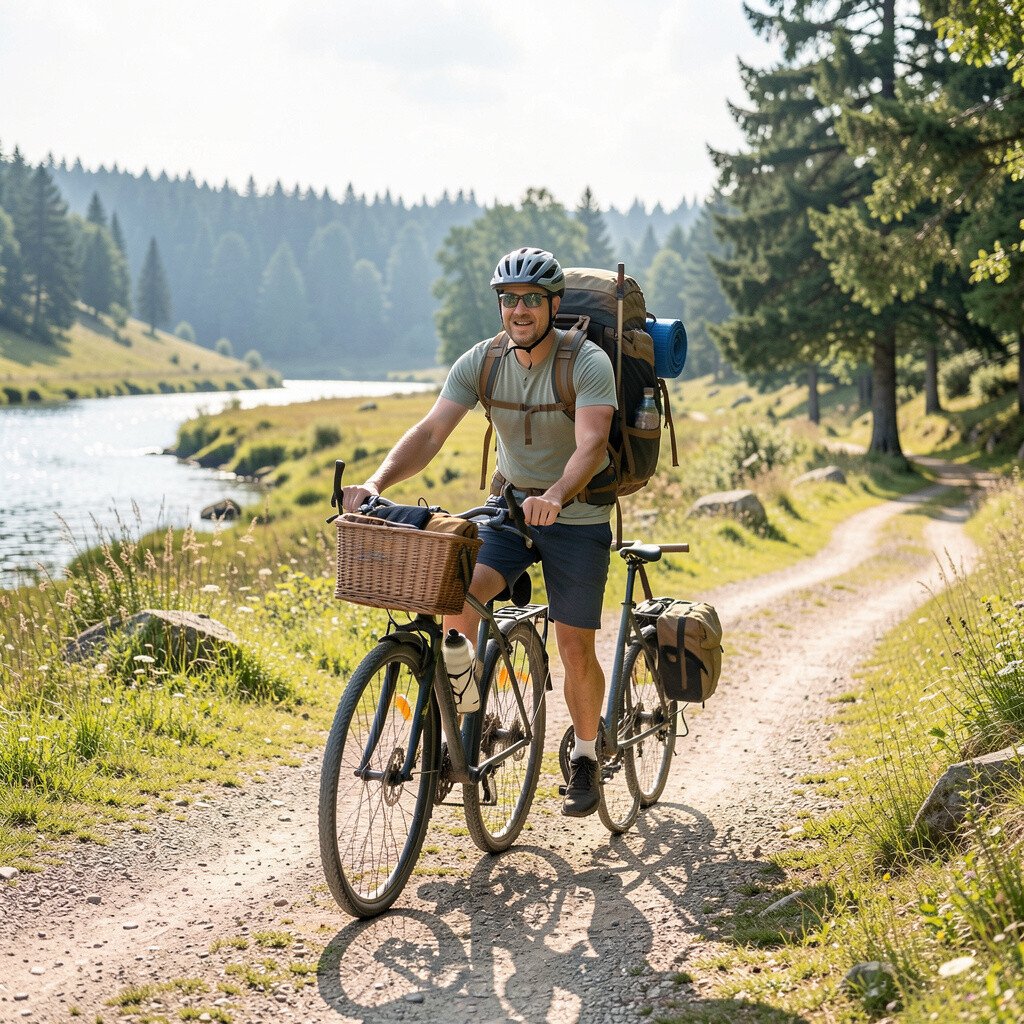
There’s something joyful about moving under your own power. You get fresh air, quicker shortcuts, and the freedom to stop when something catches your eye.
Short trips by bike or on foot usually create very little carbon. If you’re worried about safety, choose well-lit routes and wear comfortable shoes you already trust.
For personalization, match your pace to your trip style. If you love photos, plan a route with scenic stops; if you hate hills, pick a flatter neighborhood loop.
8. Pick Green Stays With Real-World Practices

Some hotels and guesthouses are serious about energy use and it shows in small details. You might notice efficient lighting, refill stations, and the way spaces stay cool without constant blasting.
Staying in places with better efficiency can cut emissions from heating, cooling, and electricity. Look for clear information about renewable power, water saving, and waste reduction, then choose what fits your comfort level.
9. Use Refillable Water Bottles And Skip Single-Use Drinks
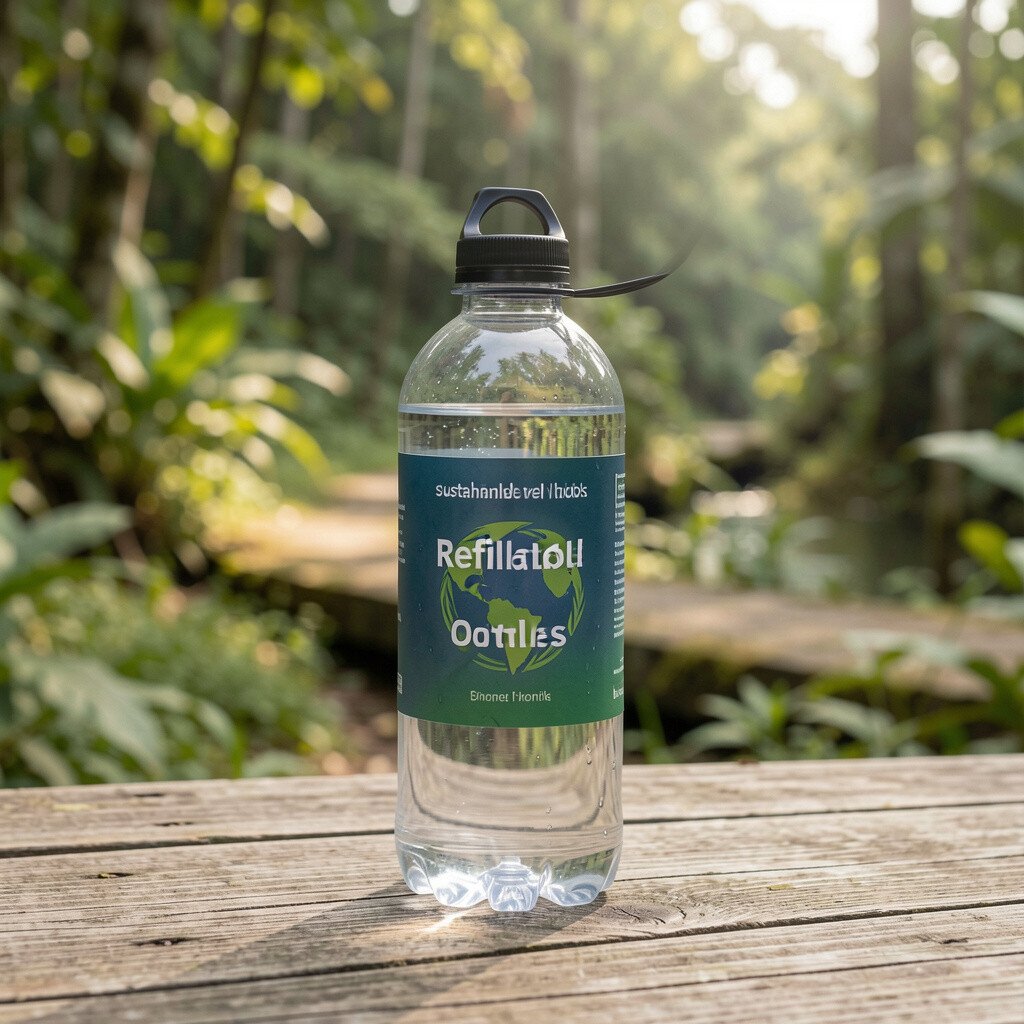
A reusable bottle can become your travel sidekick fast. It sits in your bag, and you get to hydrate without constant purchases.
Skipping single-use plastic reduces waste and the emissions tied to producing and shipping bottled drinks. Fill up at airports and public fountains when you can, and keep a small bottle in your day bag for easy access.
If tap water tastes new, try a simple personalization trick by carrying a tiny flavor drop or using an activated filter. It keeps things easy while you still avoid the throwaway option.
10. Bring A Small Filter For Water Access Anywhere
A compact water filter feels empowering when you land in a place with different rules. You’ll spend less time hunting for bottles and more time enjoying your surroundings.
Filtering water can reduce packaging waste and help you avoid buying lots of single-use items. Consider the local water situation and your daily plans, since some filters handle different risks better.
11. Eat Local Foods To Cut Transport Emissions
Local meals taste like the place you’re standing in. A market visit can lead you to bright fruits, warm bread, and recipes you never planned to try.
Choosing local and seasonal foods can reduce emissions from long-distance shipping. It can also support regional farmers, which adds a meaningful connection to your trip.
For personalization, ask what’s in season and build your meals around that. You can still enjoy variety by mixing a few local staples with one or two foods you already love from home.
12. Prefer Plant-Rich Meals When You Can

Plant-rich meals can be filling, colorful, and surprisingly comforting. You may find yourself craving lentils, beans, and veggie stews even after the trip ends.
Food choices affect your carbon footprint, and plant-forward meals often have lower emissions than heavy meat-based plates. Try a simple routine like choosing beans or vegetable dishes at least once each day.
13. Waste Less By Buying Food That Fits Your Appetite
When you buy only what you’ll eat, your trash bag stays lighter. It also helps you avoid the “mystery leftovers” problem that happens at the end of a day.
Reducing food waste lowers emissions from disposal and from the production that went into what you didn’t finish. Shop in smaller amounts, especially at street markets, and keep an eye on portion sizes.
For personalization, set a mini plan for snacks and meals so you’re not guessing. If you’re traveling with family, share dishes so everyone tastes more without buying too much.
14. Choose Eco-Friendly Tours With Local Guides

Good tours feel personal, not packaged. A local guide can point out stories and details that never show up on a glossy brochure.
Tour operators who manage groups wisely can reduce impacts from transport and energy use. Also, local guides keep money in the area, which strengthens the community you’re visiting.
15. Limit Souvenir Purchases And Choose Experiences Instead
It’s tempting to grab every pretty item, but your suitcase will eventually tell the truth. Fewer purchases make your trip lighter and your home easier to live in.
Buying less can cut emissions linked to production, shipping, and packaging. If you want something lasting, try experiences like a cooking class, a museum membership for later, or a guided walk.
For personalization, pick one souvenir theme, such as art from local makers or a single practical item you’ll use. This keeps your choices thoughtful without feeling restrictive.
16. Bring Reusable Utensils And A Small Bag For Stops

Reusable cutlery and a small carry pouch can save you from last-minute plastic. You’ll feel ready when you grab street food or pick up a snack on the go.
Skipping disposable items reduces waste and cuts emissions from producing and distributing single-use products. Keep the kit in your day bag so you don’t forget it when plans change.
17. Choose Travel Insurance Carefully To Avoid Replacements

Travel insurance can feel boring until you need it. Then it becomes a safety net that prevents expensive, wasteful reroutes or replacements.
Being covered helps you avoid buying last-minute gear or new bookings due to preventable problems. Read the fine print so you know what you’re getting, and focus on policies that fit your activities.
For cost considerations, compare a few providers and check coverage for transport delays, medical care, and theft. A policy that matches your actual trip style can be more affordable than a broad plan that you won’t use.
18. Create A “Greener Route” Plan Before You Book

Planning ahead can make your choices feel calm instead of stressful. Once your route makes sense, greener options feel like the obvious next step.
A thoughtful itinerary reduces unnecessary backtracking, which cuts transport emissions. Build a route around geography, cluster activities, and keep day trips near your base.
19. Use Offline Maps And Digital Tickets To Save Power
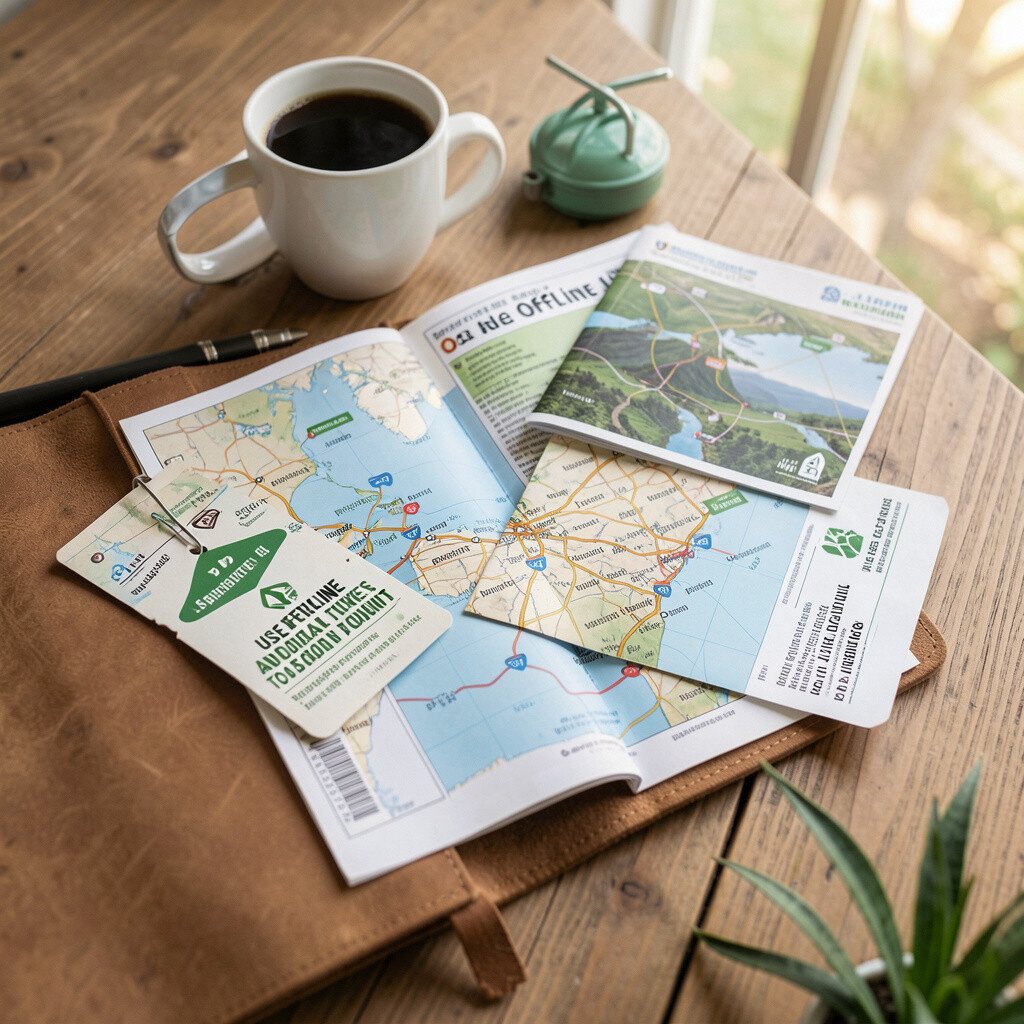
Offline maps make travel smoother, even when signal drops. You can zoom in, check routes, and stay confident without burning data all day.
Using efficient phone settings and downloading maps can reduce extra energy use from constant network searches. Consider lowering screen brightness, using dark mode, and carrying a portable charger if you rely on navigation.
For personalization, decide your tech comfort level. If you prefer minimal screen time, print key documents or save screenshots ahead of travel days.
20. Respect Local Weather With Smart Clothing Choices
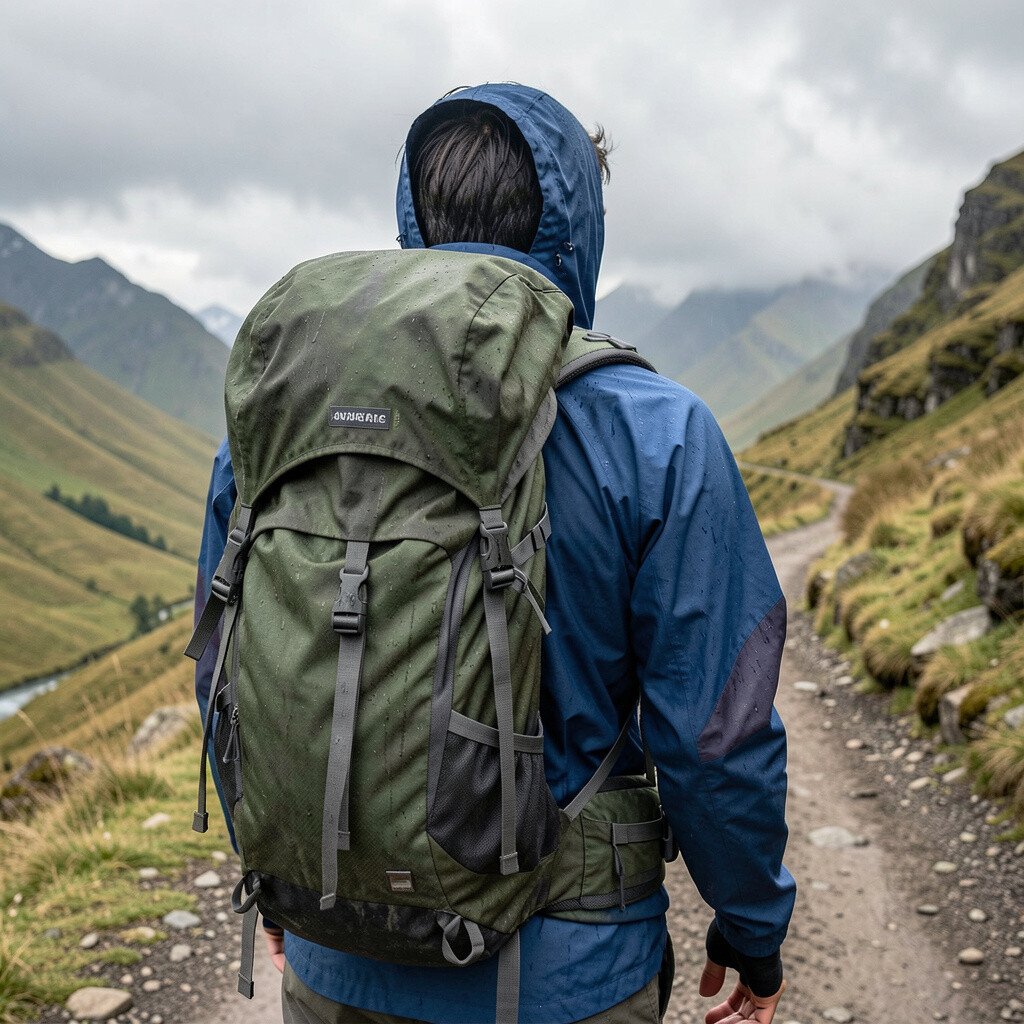
Right clothing makes travel feel better instantly. Layers keep you warm on cool mornings and help you cool down when the day surprises you.
Smarter packing can reduce the need to buy replacement clothing, which saves money and lowers emissions. Choose versatile pieces that mix easily, and stick to fabrics that dry fast so you can wash less often.
Look at current trends too, since lightweight “travel capsule” wardrobes have become popular. Buying one good layer can last for years, which improves your long-term cost picture and reduces repeated purchases.
21. Support Carbon-Cautious Dining And Coffee Habits

Coffee culture can be part of your day in a low-impact way. You might choose a café that uses efficient machines and serves drinks in returnable cups.
Reducing packaging from takeout cups and straws lowers waste and can cut emissions. Bring your own cup or ask for a ceramic option when offered.
22. Track Your Footprint Lightly, Then Adjust What Matters

Keepsight into your impact can make choices feel clearer without guilt. When you see what affects your total, you can steer your trip with confidence.
Tracking can help you spot the biggest levers, such as long flights or frequent short hops. Then you can personalize improvements, like choosing one less flight segment, staying longer, or using transit more often.
For practical use, estimate emissions with reputable calculators and review the results before final booking. If you’re trying to manage cost, focus on changes that lower both emissions and total travel spending, such as fewer segments and smarter local transport.