The road ahead looks brighter when you plan with care. Small choices can make a big difference for places and people you visit.
1. Pack Light to Save Fuel and Stress
When your bag is light, your whole trip feels easier from the first bus ride to the last stair climb. You will notice less strain on your body and more energy for enjoying the sights.
Choose versatile clothes that mix and match, and stick to breathable fabrics that dry fast. If you can, carry only what you truly use and leave room for souvenirs that fit the same “small and useful” rule. Using a lighter load also helps keep transport smoother, which is great for trains, ferries, and crowded airports.
2. Choose Trains, Buses, and Shared Rides

On many routes, buses and trains can be a calmer, greener way to travel. The windows feel like moving postcards, with city lights and fields sliding by in a steady rhythm.
Look for networks that connect cities without too many transfers, then compare travel times and comfort. Shared rides like carpools or shuttle services help fill seats that would otherwise go empty, which can reduce overall emissions per passenger. If you drive, consider renting a fuel-efficient car for the segment where public options are limited, not for the entire journey.
For current trends, many apps now show real-time departure details and greener route options right in the booking flow. That means you can plan smarter without extra research time. If your destination has good local transit, schedule your days around it so you rely less on taxis.
3. Stay Longer to Shrink Your Travel Footprint

A trip with fewer check-ins feels more relaxed and more personal. You start to notice the same café staff each morning, and your neighborhood map becomes familiar.
Plan to spend more days in one area before moving again, especially when routes are long. By cutting down on frequent journeys, you reduce the transport impacts and also save money on bookings and repeat tickets. A slower pace often means you can walk more, eat locally without rushing, and catch small events you would miss on a tight schedule.
Personalize it by choosing an area with a mix of parks, markets, and transit. Then make your plan flexible around weather, music, and local routines. If you worry about boredom, schedule a few “anchor” activities and leave the rest open for spontaneous stops.
4. Pick Eco-Certified Stays and Ask Simple Questions

Walking into a well-run eco stay can feel like stepping into a calmer corner of the world. You might notice natural light, tidy shared spaces, and clear recycling bins placed where they actually get used.
Look for credible sustainability certifications, or check for practical signs like water-saving fixtures, efficient heating, and clean refill options for soaps or shampoo. If you are unsure, ask the front desk how the property handles waste and energy, and whether they support local staff and suppliers. Staying in places that prioritize responsible operations can help protect local resources while also giving you a more comfortable stay.
5. Eat Seasonal Food and Reduce Food Waste
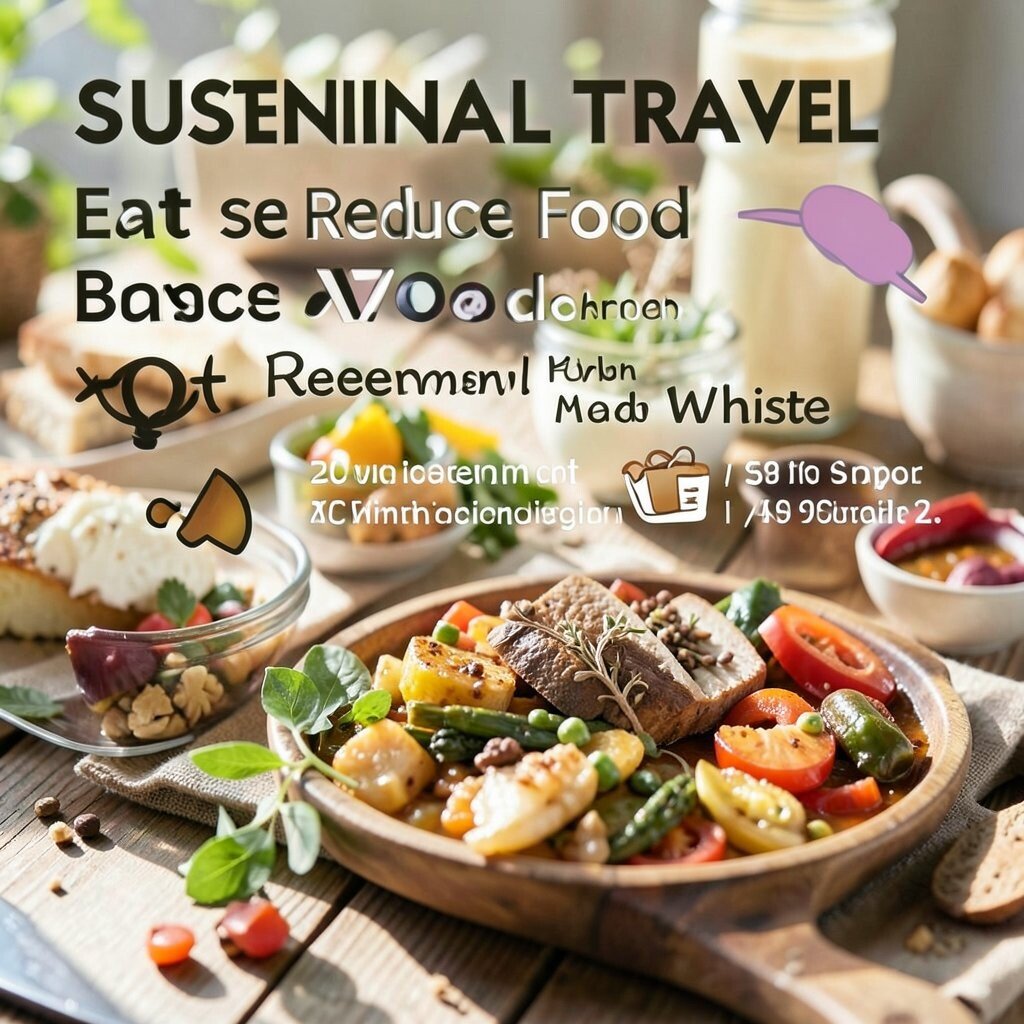
There is something special about tasting what a place is growing right now. Seasonal dishes often show up colorful on the plate, with fresh greens, ripe fruit, and warm grains that smell like home.
Choose meals from local markets and follow what is available, then build your plan around that. This supports farmers and reduces the need for long-distance shipping, while also helping you avoid expensive, out-of-season options. When you order, take smaller portions first and go back for more if you are still hungry.
If you want a personalization hook, learn a couple of local phrases for allergies or preferred cooking styles. It can help you eat confidently and reduce the chance of wasting food you cannot use. Many restaurants now offer clear ingredient info and portion sizes, so you can plan with less guesswork and fewer regrets.
6. Bring a Reusable Bottle, Cup, and Bags
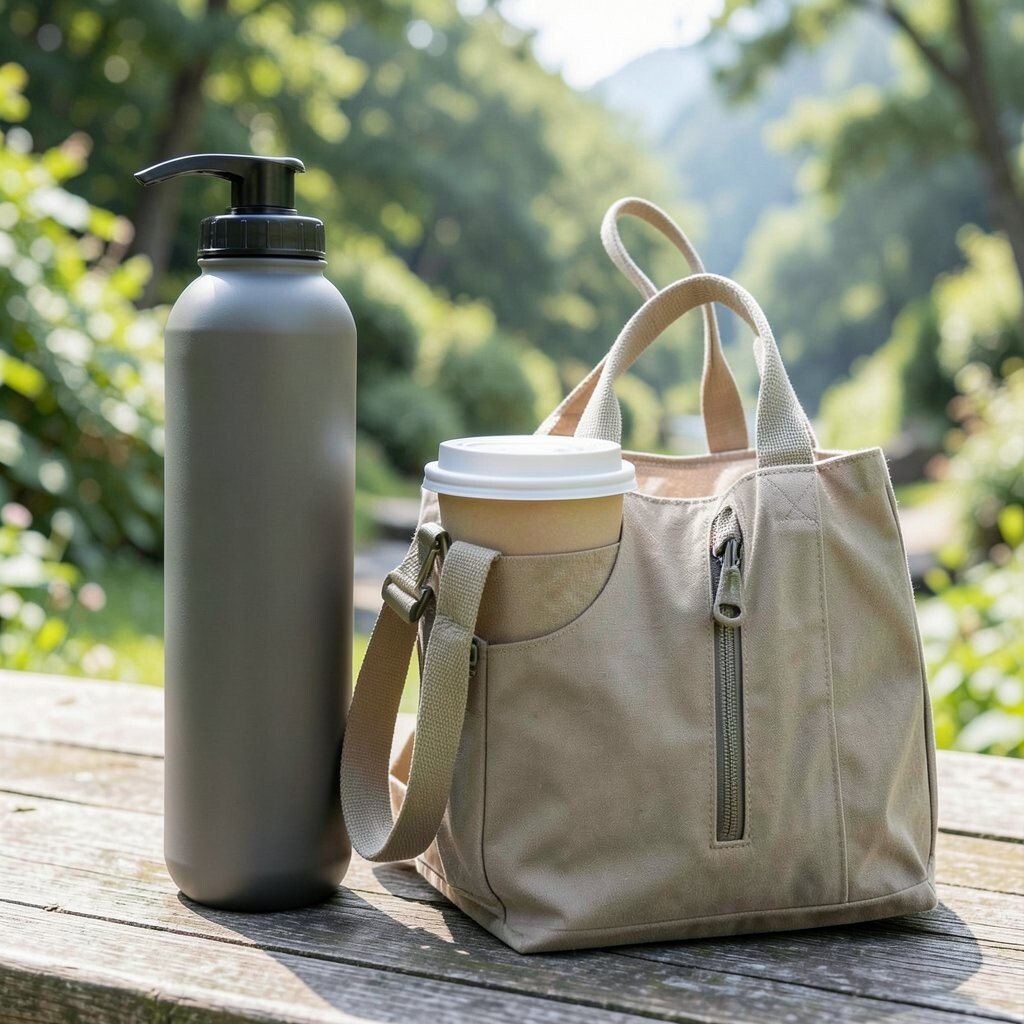
Picture your travel day moving smoothly as you refill your bottle at fountains and return to your bag of essentials in seconds. The best part is how normal it starts to feel, like you brought the habits that keep you comfortable.
Carry a reusable water bottle and refill it often to avoid constant single-use plastic. Add a compact cup for coffee or tea and bring a small set of reusable shopping bags for markets. This keeps your day organized and cuts waste at the same time, which benefits both the destination and your budget.
7. Respect Wildlife with Quiet Observation

You can enjoy nature without interrupting it, and the difference shows in how wildlife behaves. From a safe distance, you may spot birds gliding over a river or deer moving through tall grass like slow dancers.
Stay on marked paths, keep a respectful distance, and avoid loud noises that can stress animals. If you take photos, use zoom instead of getting closer, and never feed wildlife to “make it friendly.” This protects animals and also keeps you safer, which is a real advantage on hikes and beach walks.
For uniqueness, choose one low-impact activity like a early-morning walk where you listen more than you chase. Many guides now offer quiet observation tours that focus on tracking and storytelling rather than touching or feeding. Bring binoculars if you already use them at home, and you will likely feel extra connected without extra cost.
8. Use Eco-Friendly Toiletries and Refill Where Possible

Small bathroom items can create big waste, so it helps to pack smart from the start. When your kit is simple, you spend less time digging in pockets and more time enjoying the day.
Bring solid toiletries like shampoo bars or travel soaps, and use refillable containers when a refill station is available. Choose products with minimal plastic packaging and consider buying refills at your destination instead of carrying everything. You will often find local makers selling refill-friendly options in bigger cities and tourist hubs.
9. Plan Your Sightseeing for Lower Crowds
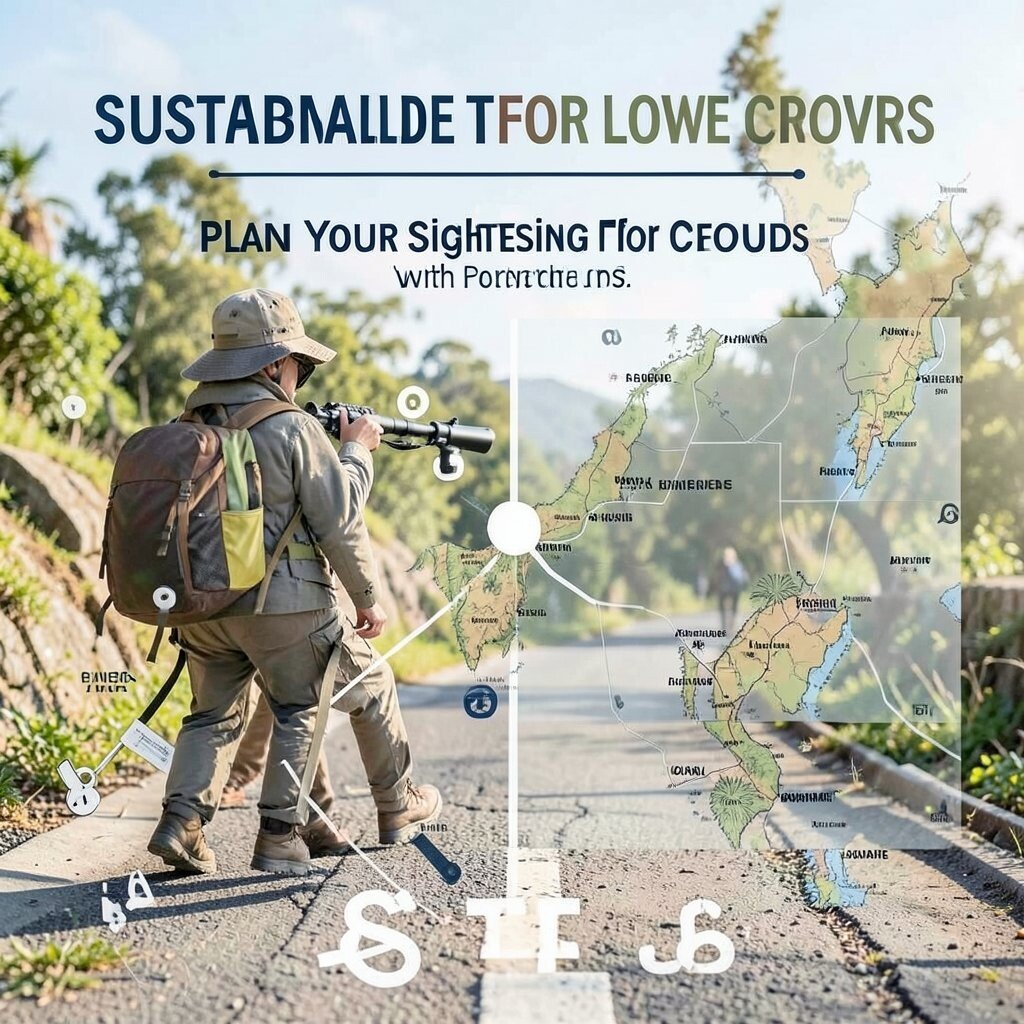
Some places feel like they breathe when you visit at the right time. Early mornings can show bright rooftops and quiet streets, while afternoons bring calmer waves of foot traffic.
Check local crowd patterns and aim for popular spots earlier in the day or on less busy weekdays. Choose timed entry tickets when they exist, because they help manage the flow and keep spaces comfortable. This can also save you money by reducing last-minute purchases and missed entries that lead to wasted days.
Make it personal by pairing busy landmarks with nearby quiet experiences like parks, libraries, or small museums. That way you still get the “big moment” photos but you also enjoy slower walks. Current travel trends lean toward wellness and micro-adventures, so building your day around short, relaxed segments fits right in.
10. Support Local Businesses Over Big Chains
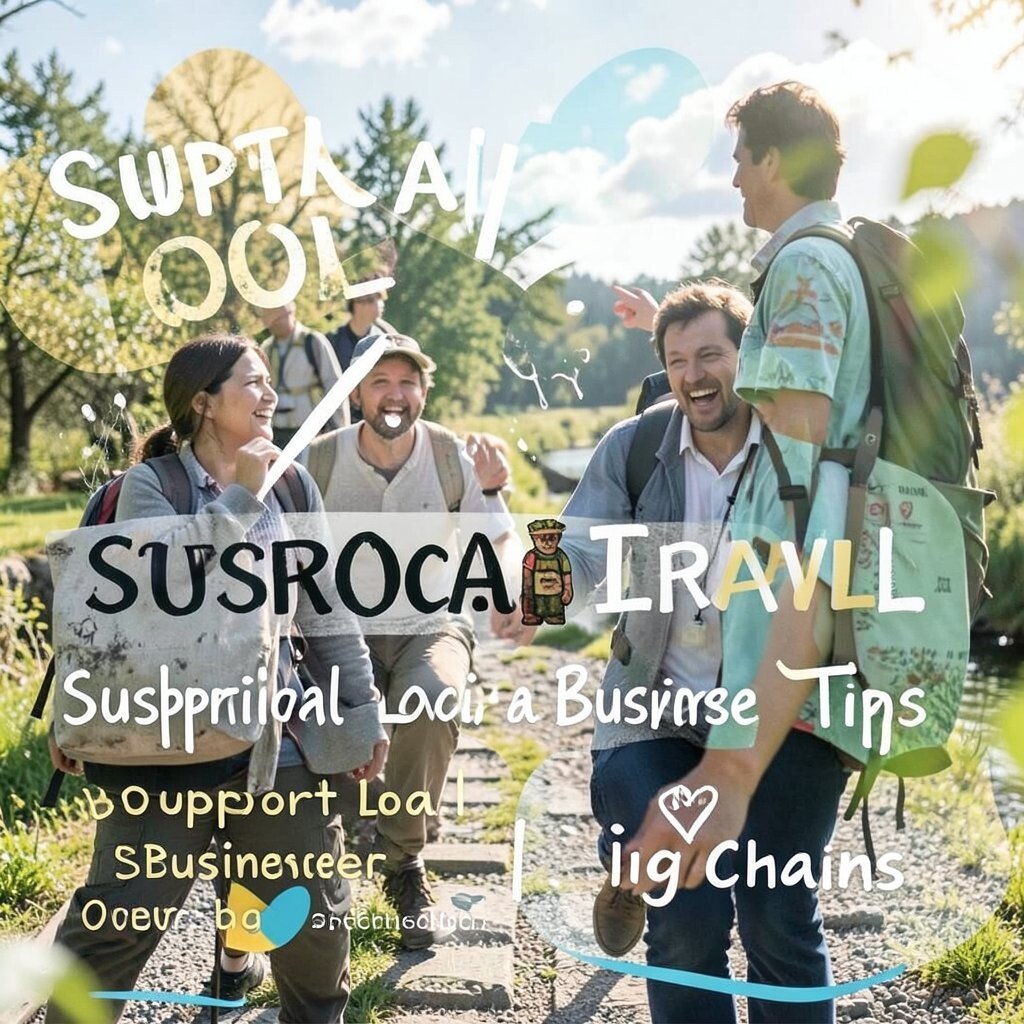
A local shop has its own rhythm, from the sound of cutting herbs to the warm smell of fresh bread. When you buy from people in the neighborhood, you can feel the place’s character in small details.
Choose family-run restaurants, local guides, and community markets whenever they match your interests. You may pay a bit more sometimes, but you also gain better stories, fresher ingredients, and a stronger connection to the area. Many towns now highlight local makers on their official tourism sites, which makes finding them easier.
Personalize your support by picking one business per day that feels meaningful to you, like a bookstore or a craft stall. If you budget carefully, even one paid activity plus a simple meal can help you stay within your spending plan. You can also ask how local workers are involved, which makes your choice feel thoughtful rather than random.
11. Keep Your Energy Use Low and Your Habits Consistent

In many stays, the smallest habits make the biggest difference. Turning off lights when you leave, using climate controls gently, and taking shorter showers can add up across many travelers.
Look for energy-saving features like smart thermostats or efficient fans, then use them instead of running everything at full power. If your stay offers laundry, consider washing less frequently and using full loads, which saves both water and time. These choices help the place you are visiting and can also lower your personal energy-related costs in some settings.
12. Choose Responsible Tours and Skip Harmful Activities

A good tour can feel like a friendly lesson wrapped in real-world details. You may hear stories in a local voice while walking past murals, old stones, and living neighborhoods.
Select tours with ethical guidelines, clear group sizes, and a focus on learning rather than spectacle. Avoid activities that involve captive or mistreated animals, unsafe rides, or disrespectful behavior in cultural sites. If something feels uncomfortable in your gut, trust that feeling and look for another option that aligns with your values.
For practical planning, read recent traveler notes and check whether the tour includes guides who know the area and respect community rules. Many operators now publish sustainability policies, and you can compare them before paying. Personalize the experience by choosing a tour that matches your curiosity, like a food route, a nature walk, or a craft workshop led by local artisans.
13. Track Your Spending and Choose Sustainable Within Your Budget

Good sustainability is not only about what you do, but also about how you pay for it. When your trip costs fit your plan, you feel less rushed and more able to make thoughtful choices.
Compare costs of transport, stays, and activities while looking at value, not just the lowest price. Sometimes a slightly higher ticket for a train or a well-located stay saves money on taxis and extra transit rides later. If you use local transit passes or group tickets, you often get cleaner logistics and fewer impulse buys.
For personalization, set a simple “flex pot” for one or two sustainable splurges like a guided nature walk or a local cooking class. The rest can stay budget-friendly with markets, public parks, and walking routes. Current travel trends emphasize cost-aware planning, so many people now use live fare tools and flexible booking windows to find greener options without overspending.