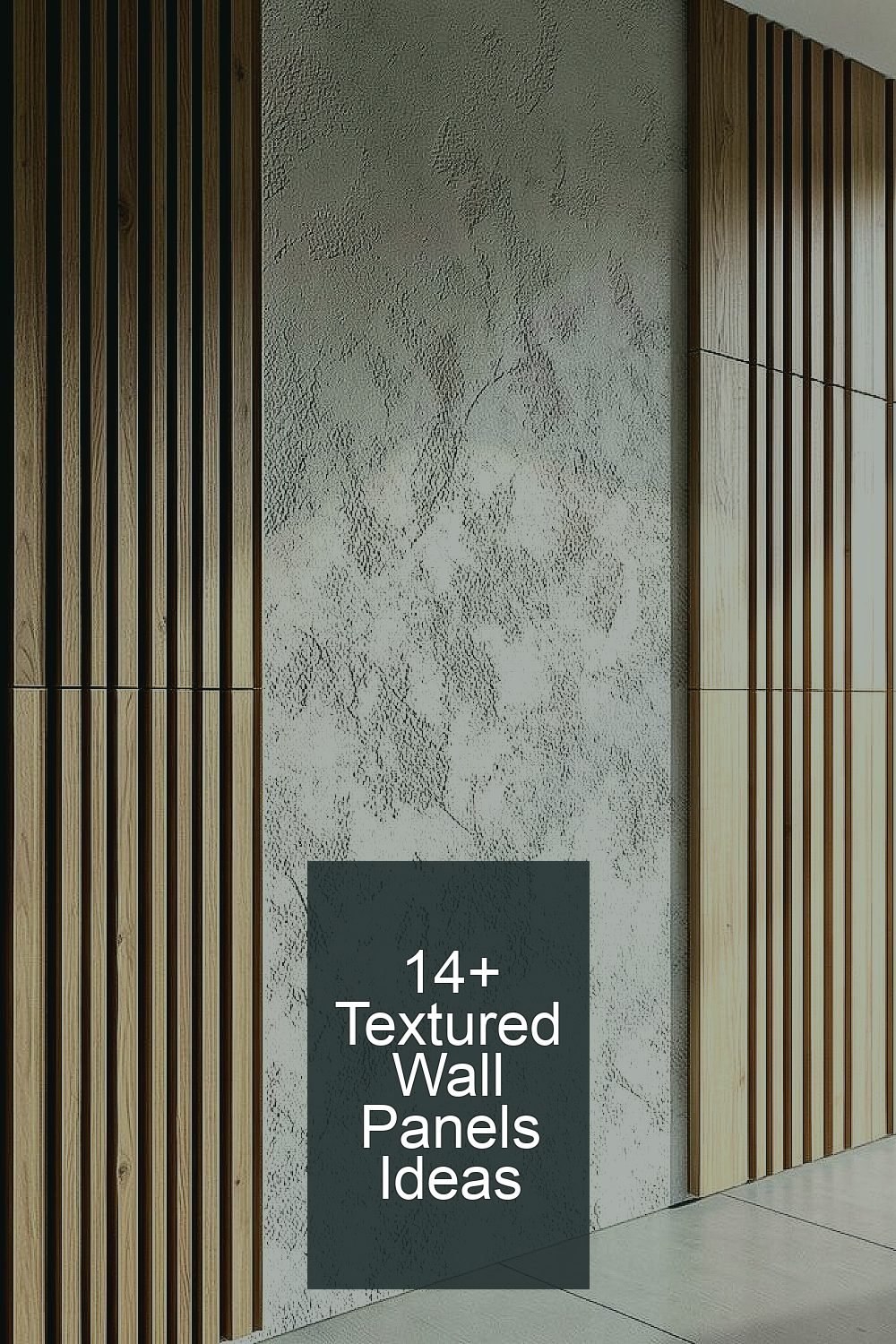
Plain walls can feel tired long before your furniture does. With the right texture, your room can look styled and comfortable in a single step.
You do not need to start over to get a fresh look, either. Textured wall panels bring depth, warmth, and personality while staying surprisingly practical.
1. Geometric 3D Panels for Instant Depth

Imagine walking into a room where light catches the wall in soft angles. The pattern rises and falls like tiny waves, so the space looks fuller even before you add decor.
Choose a simple geometric repeat so the look stays clean. For a practical win, install panels on one main wall only, then let artwork and shelving sit naturally around the texture.
When you pick a finish, think about how it will feel in everyday life. Matte surfaces hide scuffs better than shiny ones, which helps a lot in busy areas.
2. Wooden Slat Panels for Warm, Modern Calm
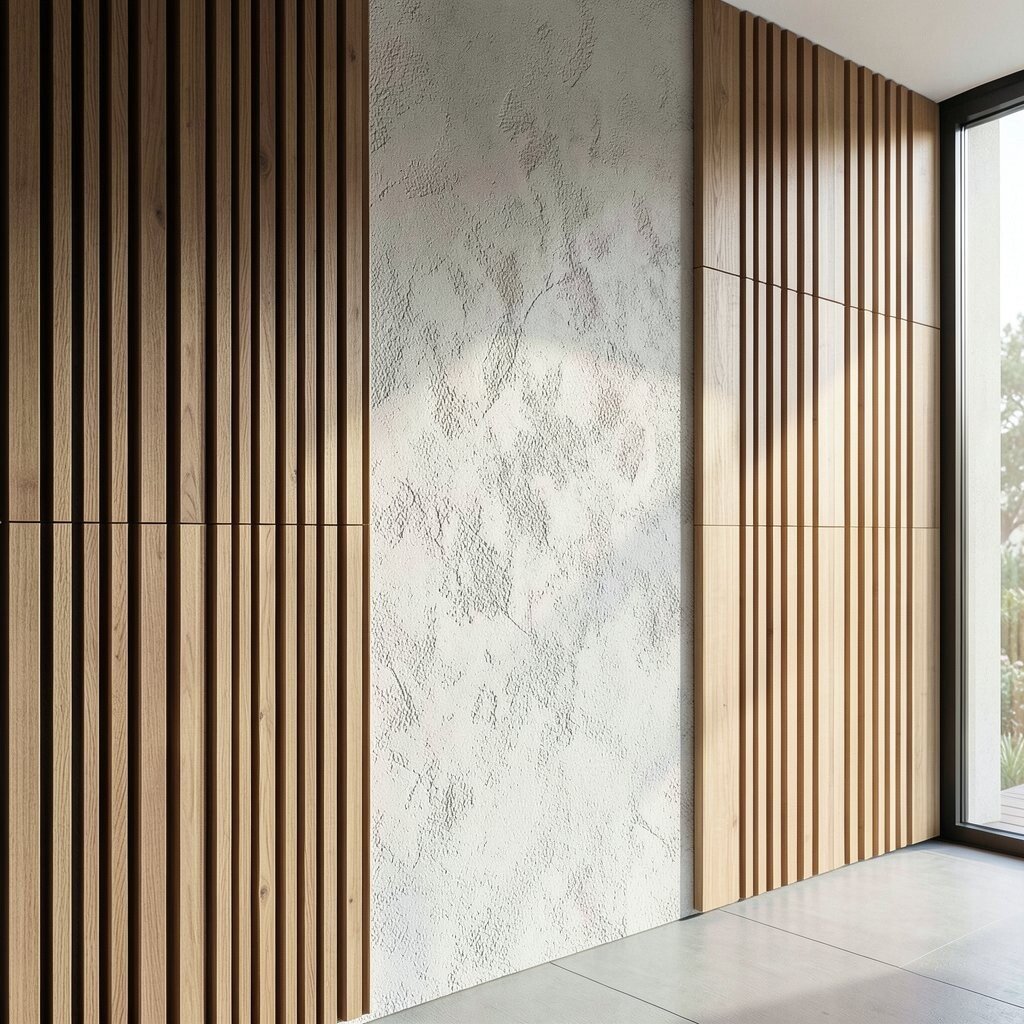
Wooden slats add that cozy feeling you get from natural materials. Vertical or horizontal lines frame the room and guide your eye across the space.
To keep it actionable, measure first and plan the spacing so the slats line up with outlets or window trims. You can also stain the wood to match your floors, or leave it light for an airy vibe.
For cost control, consider using panels on the lower half of the wall and pairing them with smooth upper paint. This creates a big visual effect without covering every inch.
3. Cork Texture Panels for a Soft, Cozy Look
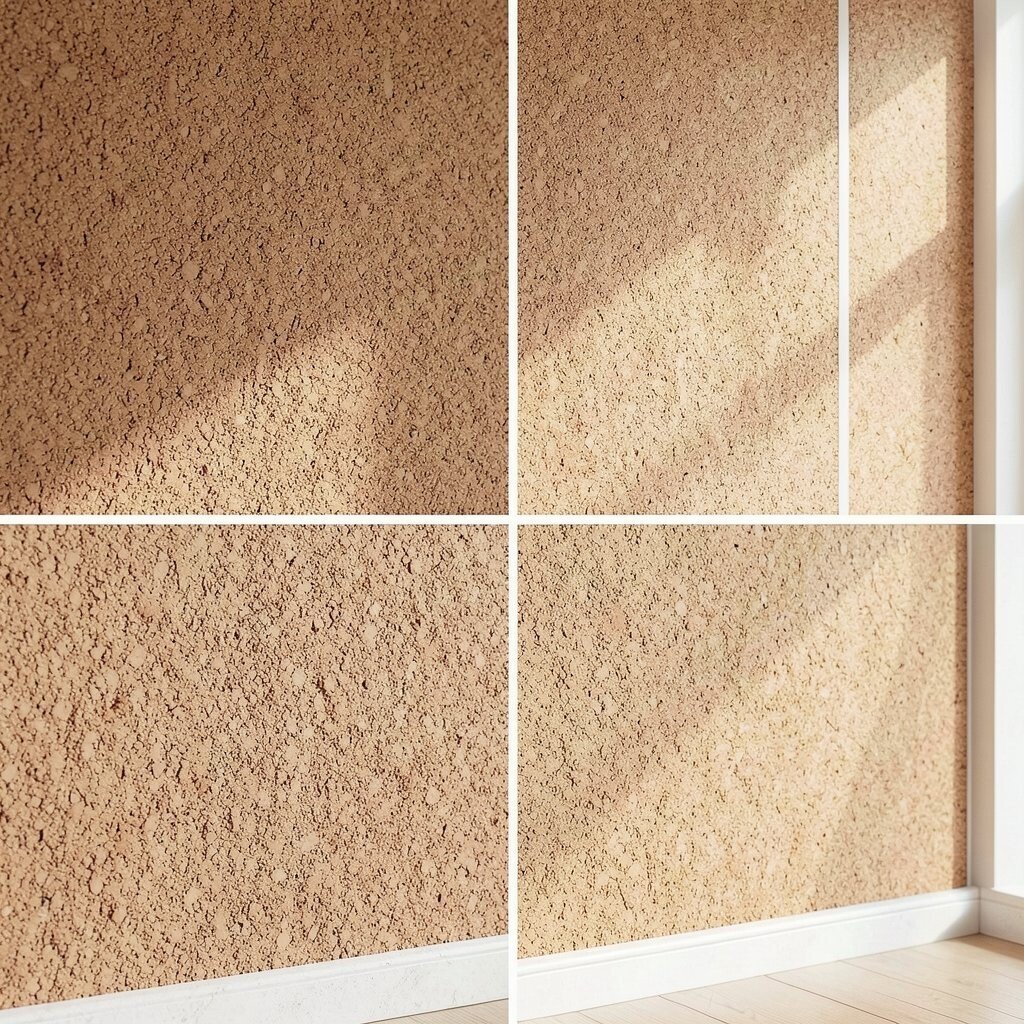
Cork brings a gentle, speckled texture that feels warm and grounded. It gives your walls a lived-in look, even in a brand-new room.
One of the nicest perks is how it can help reduce echoes. That means living rooms and bedrooms feel calmer, especially if you have hard floors and lots of windows.
Pick cork panels in neutral tones like honey, sand, or oatmeal. Then seal them if needed so the surface stays easy to wipe, which helps with everyday messes.
To personalize, mix cork with a small painted accent zone or add a corkboard-style panel for pins. You can keep it subtle by matching the color family to your existing decor.
4. Linen-Finish Fabric Panels for a Relaxed Feel
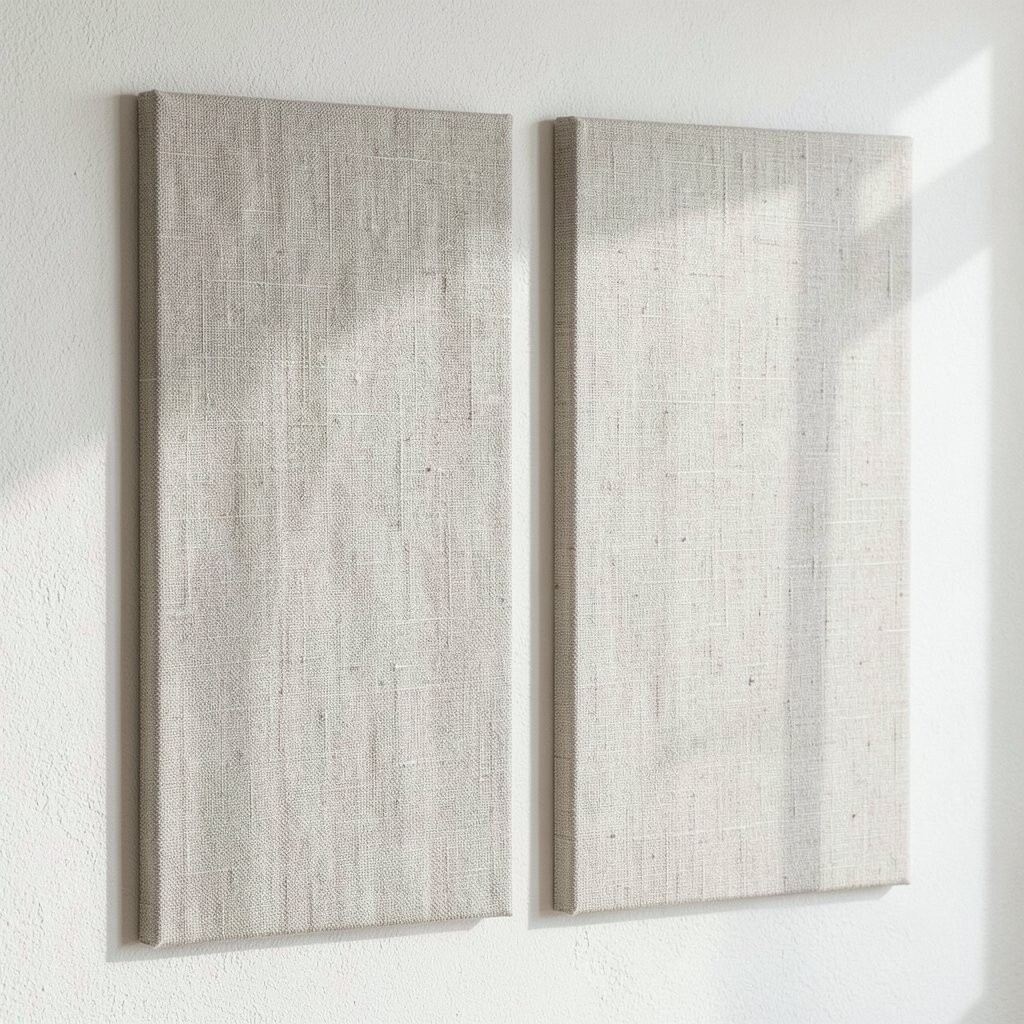
Fabric panels add texture that looks soft and comforting. When light falls on the weave, the wall seems to breathe and shift in tone through the day.
They are a smart choice for bedrooms, reading nooks, and home offices. Plus, the fabric look can make a room feel more upscale without needing heavy furniture.
For a practical approach, choose removable panels where possible so you can clean them. If full installation feels like too much, try covering just one corner or the wall behind your bed.
5. Brick-Style Panels for a Bold, Stylish Edge

Brick-textured panels give that classic industrial vibe without the mess of real masonry. The wall instantly looks architectural, like it belongs in a loft or a creative studio.
Pick a color that matches your room’s warm or cool undertones. Whitewashed brick feels fresh and bright, while darker brick adds drama and depth.
To keep it from overpowering, balance the texture with smooth surfaces like a solid sofa, a calm rug, or simple curtains. This makes the wall a feature instead of a distraction.
For cost considerations, look for lightweight panels designed for easy mounting. They can cut labor time and reduce the chance of needing extra repairs compared with heavy materials.
6. 3D Wave Panels for a Calm, Spa-Like Mood
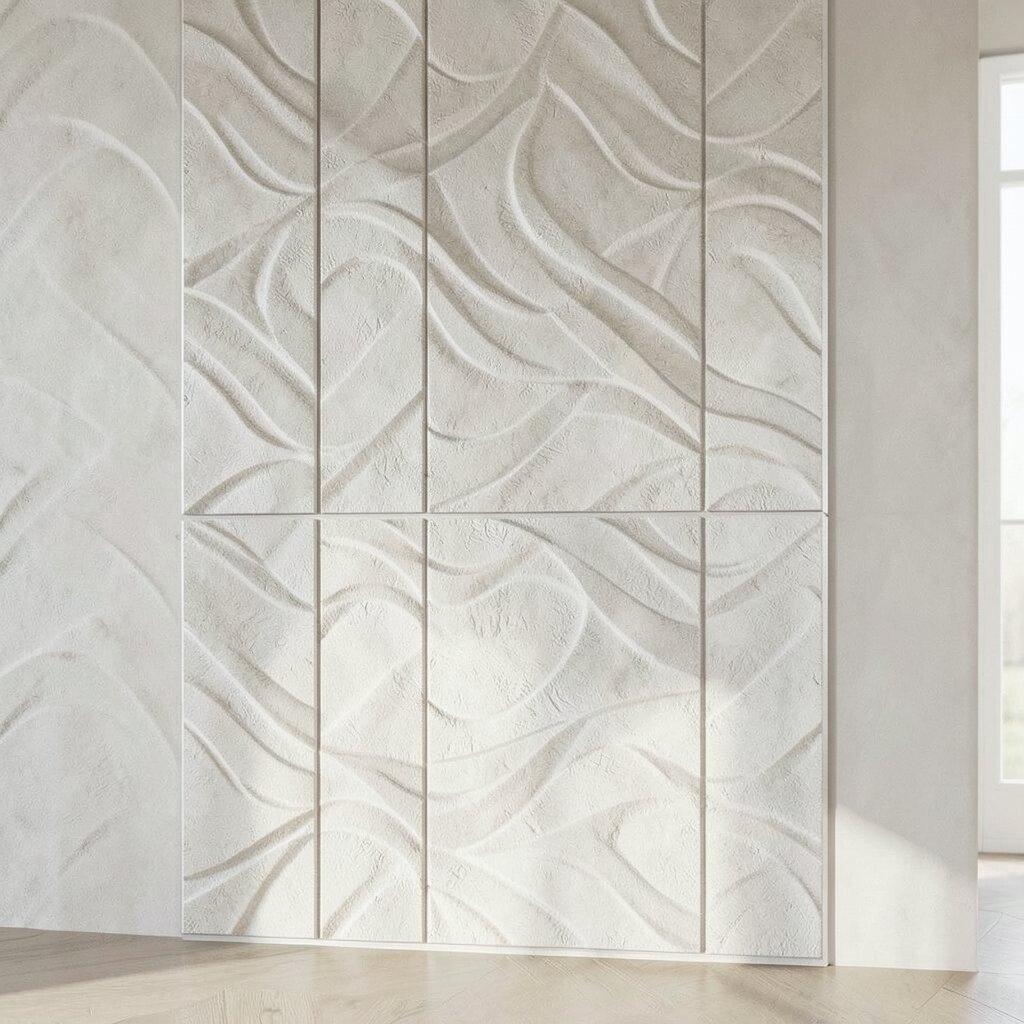
Wave textures feel soothing because they mimic natural motion. Even when the wall is still, the pattern creates a gentle rhythm that looks serene.
You can style waves in many directions, which helps you tailor the vibe. Try vertical waves for height, horizontal waves for steadiness, or a curved accent section for a spa-style focal point.
Pair the panels with soft lighting, like warm bulbs or wall sconces, to highlight the shadows. If you want a practical tip, use the wave wall behind a vanity or a reading chair where light and texture will matter most.
7. Stone Look Panels for Classic Strength
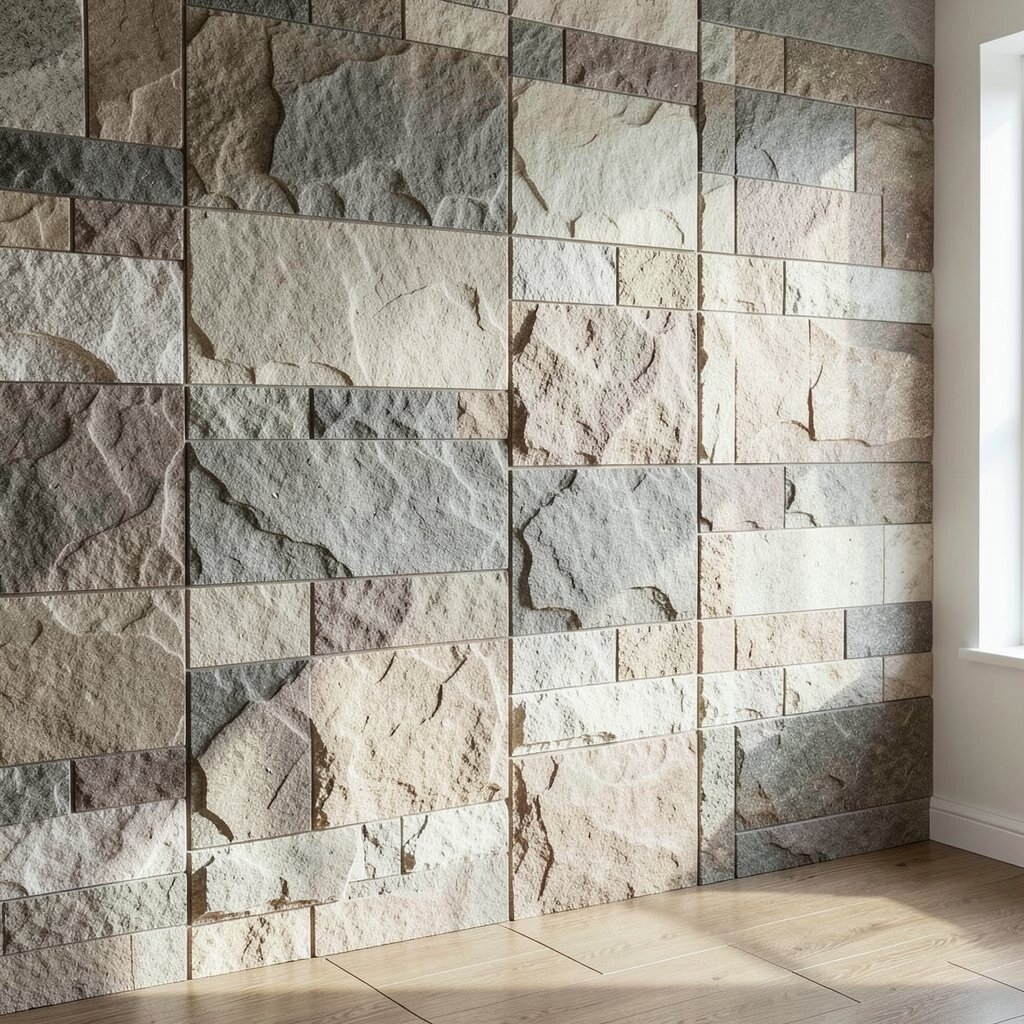
Stone-textured panels give a sturdy, timeless look that feels grounded. The surface can resemble slate, river rock, or cut stone, adding realism without heavy construction.
This style works well when you want your room to feel more formal or dramatic. It also pairs nicely with metal accents like brushed nickel or matte black frames.
For personalization, choose a stone tone that matches your countertops or your fireplace surround. Small matching cues make the whole room feel planned instead of accidental.
To keep maintenance easy, check that the panel finish is sealed or wipe-friendly. That matters in entryways and kitchens where walls take more scuffs and splashes.
8. Fluted Panels for a Sleek, Tailored Look
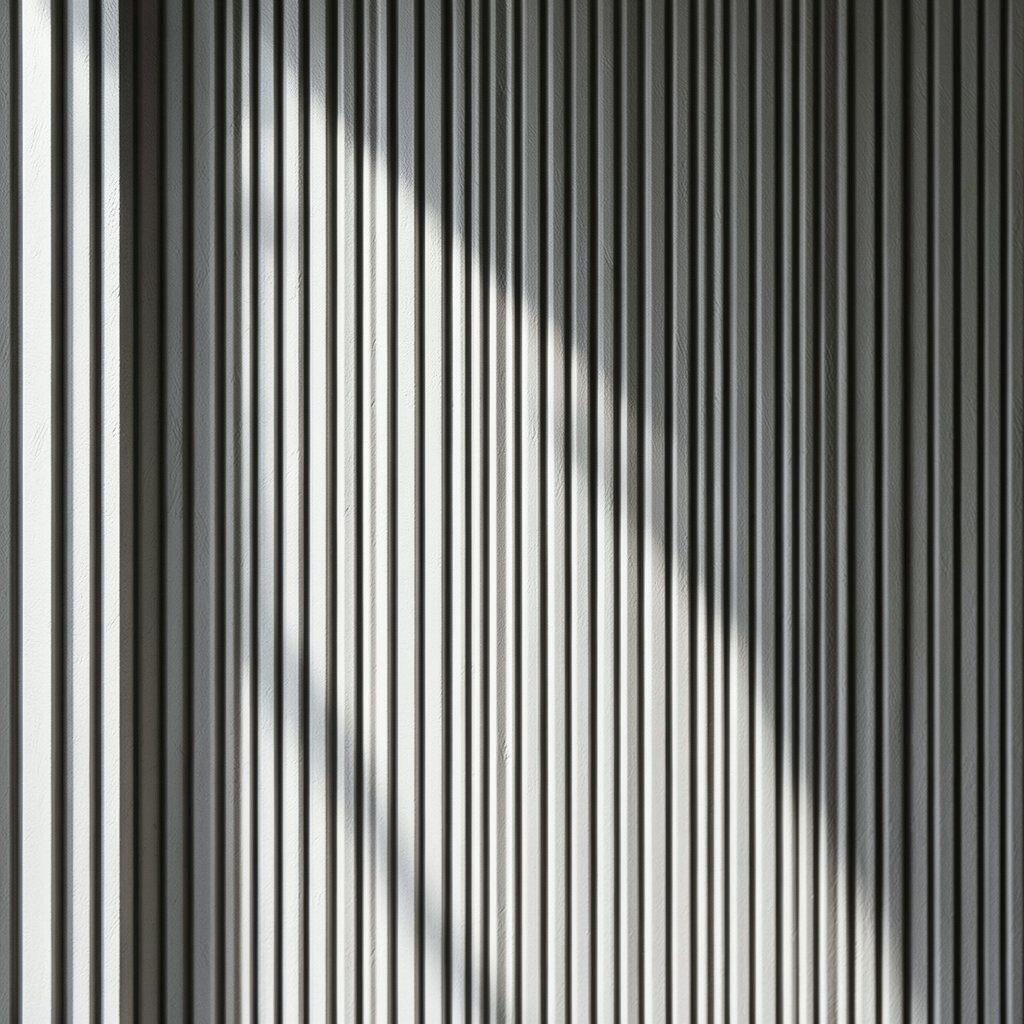
Fluted textures look crisp and designed, almost like you hired a custom builder. The repeating grooves create sharp shadows that feel modern and clean.
Install fluted panels behind a console table, a TV, or a dining area for a polished backdrop. Because the lines are structured, they look especially great with minimal decor and neutral colors.
If you want an easy personalization move, paint the fluted panels a bold color while keeping your furniture simple. Deep green, warm charcoal, or soft blush can add character without adding clutter.
For cost considerations, consider pre-primed panels so you can paint quickly and evenly. This often reduces materials and makes touch-ups faster later.
9. Popcorn or Plaster Texture Panels for Vintage Charm

Plaster-like texture brings a nostalgic, old-world vibe that looks rich and artistic. The uneven surface creates tiny variations that feel full of history.
This option is great if you want your room to feel creative and warm instead of perfectly smooth. It also hides small wall flaws, which is a practical bonus if your drywall is not perfectly even.
To personalize, decide whether you want a subtle off-white plaster look or a deeper, earthy tone. Then style the wall with antiques, curved furniture, or textured rugs to lean into the vintage mood.
When planning your project, make sure the panels are meant for your wall conditions. If humidity is a concern, choose a material that resists moisture where needed.
10. Geometric Fabric Backdrops for Soft Contrast
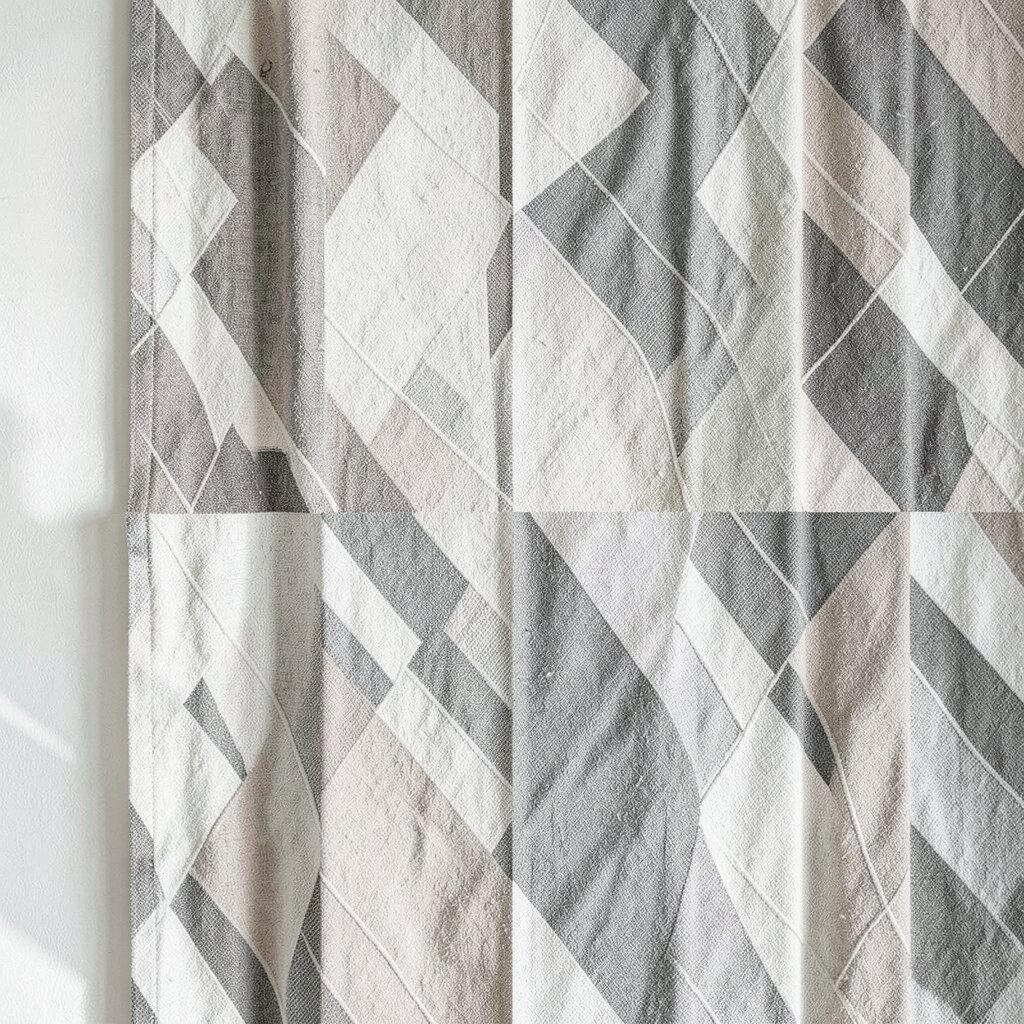
Some panel collections look like fabric stretched with a pattern that catches light gently. The result is a textured backdrop that feels cozy, not harsh.
You can use this style to soften a room that already has hard surfaces. For example, a fabric-textured wall behind a bed or sofa can calm the whole look.
For practicality, measure and plan the placement around outlets, switches, and vents. If you prefer to change decor later, select neutral fabric tones that pair with many color palettes.
Personalize by adding simple frames, a gallery shelf, or a single large art piece. The texture will make your art feel more intentional, even with minimal styling.
11. 3D Foam or Lightweight Panels for Budget-Friendly Impact
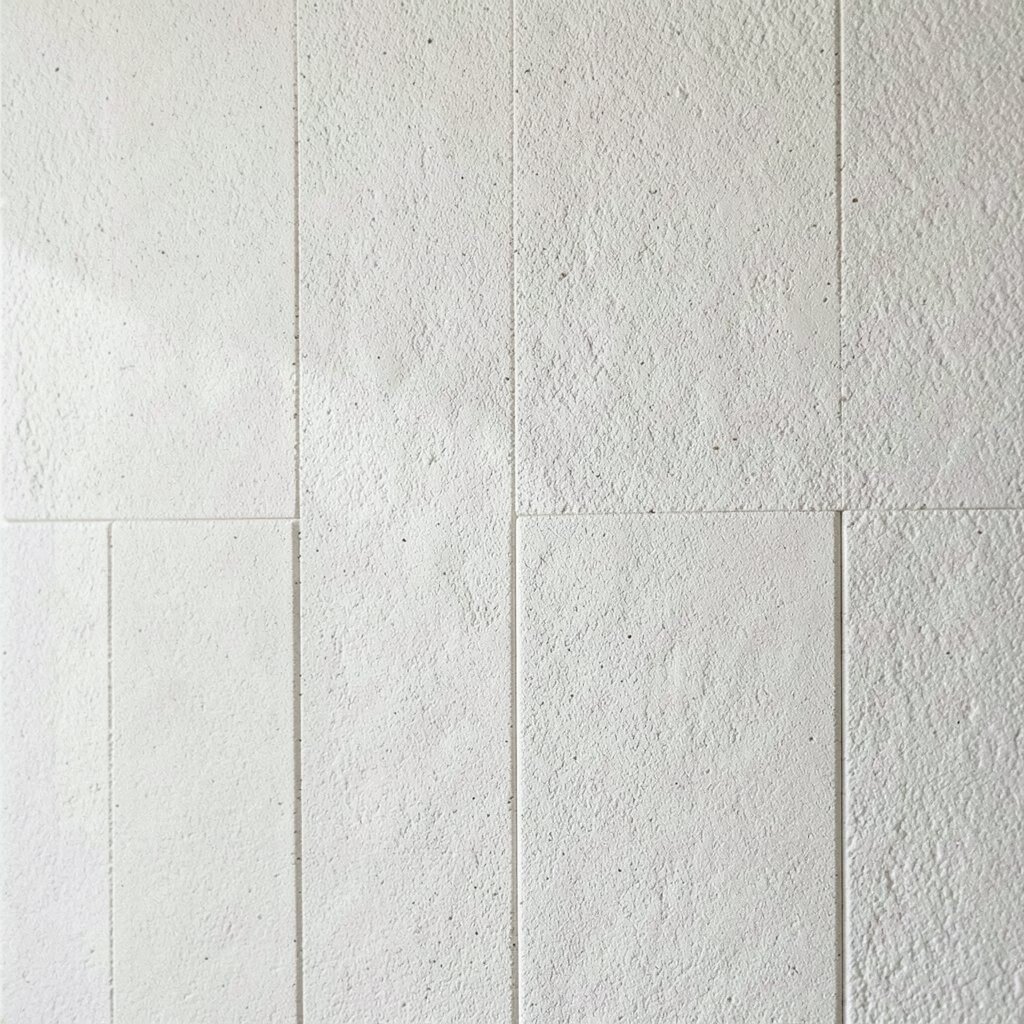
Lightweight 3D panels can create a dramatic look without the heavy price tag. They are perfect for renters or anyone who wants to update quickly.
Look for panels made to be painted, so you can match your room’s current color. A fresh coat can make even a basic pattern feel custom.
For a practical tip, start with a simple design like a grid or small repeating blocks. You will get depth while keeping the installation easier and the layout more forgiving.
If you are worried about cost, compare panel coverage per box and include paint and supplies in your budget. Choosing a slightly larger coverage item can save money even if the upfront price looks higher.
12. Metal Textured Panels for a Luxe Industrial Spark
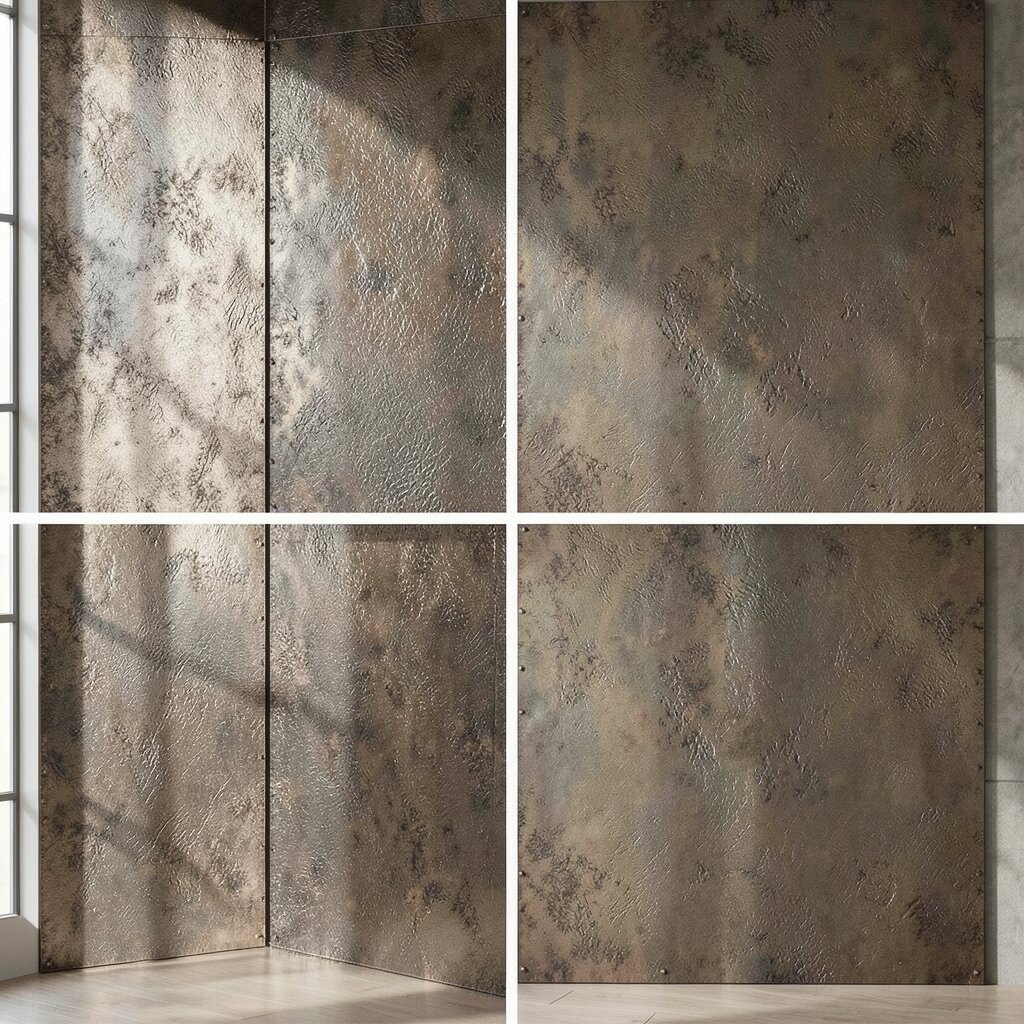
Metal texture brings shine and attitude, especially when the surface is brushed or hammered. It can look glamorous while still feeling strong and modern.
Use it carefully so it feels like a statement, not a wall of clutter. A single feature wall behind a bar cart, a desk, or a fireplace mantel can be enough to bring that luxe vibe.
Personalize by choosing warm metals like bronze tones or cooler ones like steel gray. Then add soft lighting so the texture glows instead of reflecting too brightly.
For cost considerations, metal panels can be pricey, so consider smaller areas or partial-height installs. Pair them with affordable, neutral paneling in the rest of the wall for balance.
13. Woven Cane or Rattan Panels for Breezy Texture
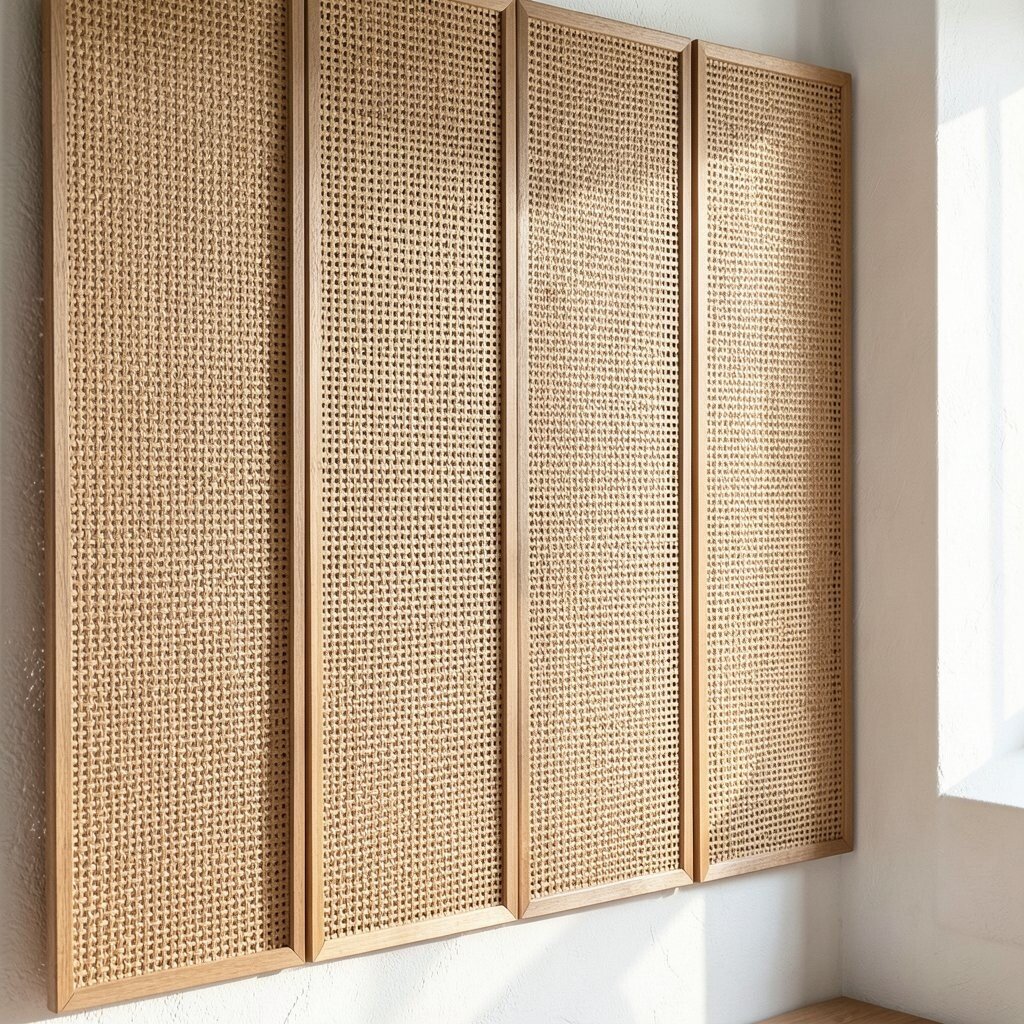
Woven cane and rattan textures add a breezy, natural texture that feels relaxed. The wall looks light and artistic, like it belongs in a sunlit coastal home.
This style is especially nice for spaces where you want warmth without dark heaviness. It also works well with plants, warm wood, and soft fabrics.
To keep it practical, choose panels designed for indoor use and check how they handle dust. Regular gentle vacuuming or a soft brush can keep the texture looking fresh.
Personalize by pairing the woven panels with a simple neutral paint around the edges. Clean borders make the woven texture look intentional and tidy.
14. Accent Panel Frames for High-End Looking Styling
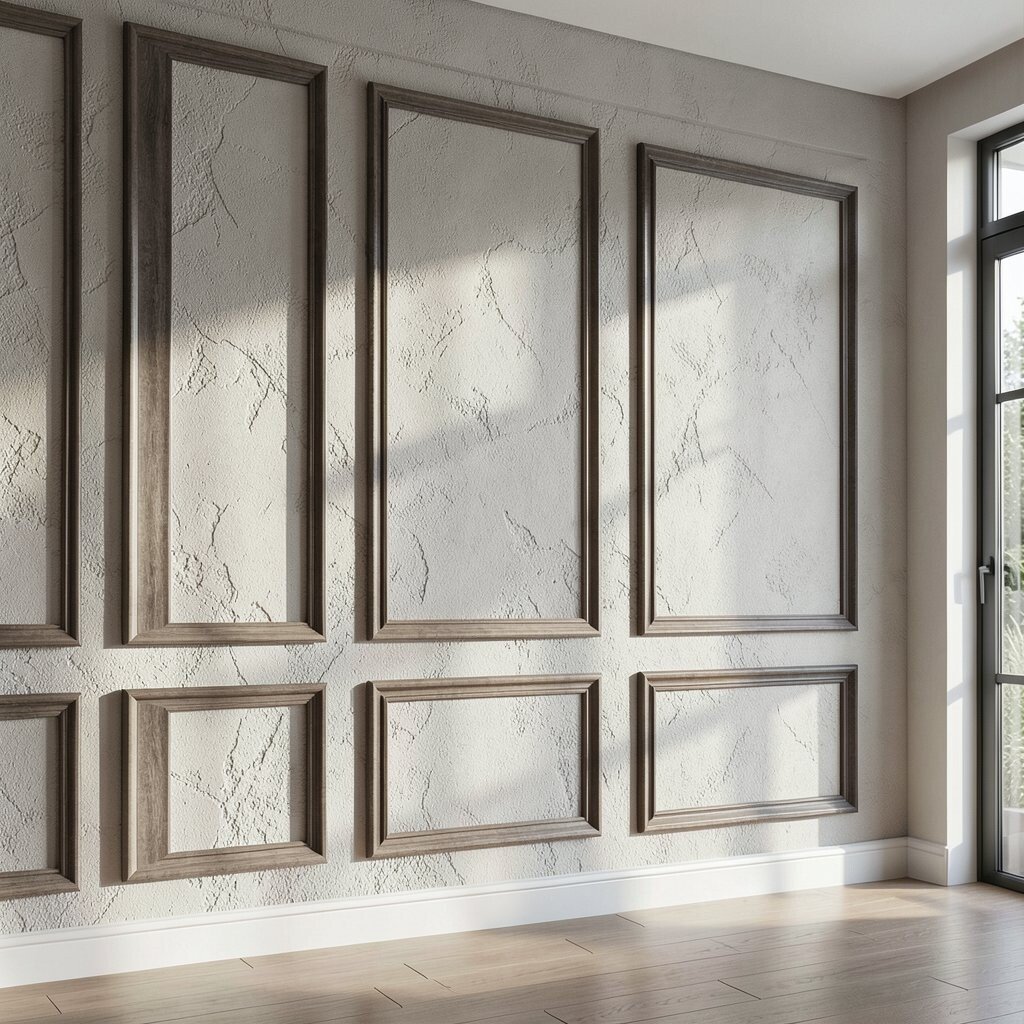
Instead of covering an entire wall with texture, you can use textured panels inside framed sections. The framed layout gives a custom, built-in feel that looks expensive.
Try a grid of smaller framed openings, or do a single bold frame behind a headboard. This approach keeps the texture as a feature while leaving space for paint and decor.
For personalization, match the frame color to your trim or furniture legs. A contrasting frame color can also look striking, like crisp white frames with warm textured inserts.
In terms of cost, framed accents can stretch your budget because you use less textured material. You also reduce the risk of overcommitting to a look you are not fully sure about.
15. Ombre Textured Panels for Artistic Color Depth
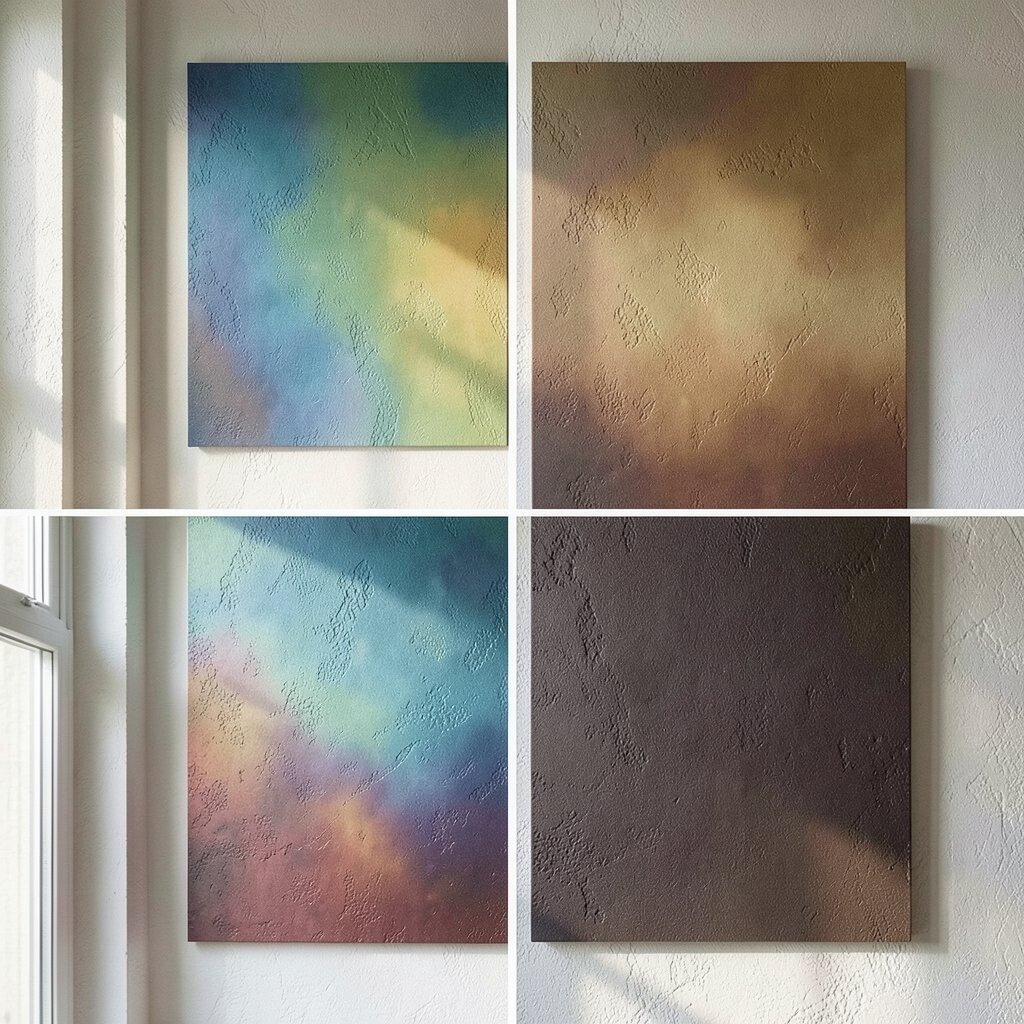
Ombre texture brings a painted gradient combined with surface relief. The wall looks like color is moving, and the texture makes the gradient feel richer.
This idea works when you want your wall to feel like art. It is also a great way to bring multiple tones into one place without adding lots of separate colors.
To make it actionable, choose an ombre direction that supports your room layout. Going darker toward the floor can feel cozy, while going darker upward can add a lifted, dramatic look.
For cost considerations, look for panels that come pre-finished to avoid extra labor. If you prefer DIY, choose a textured panel surface that takes paint well and plan for multiple coats.