Wall color can change a room faster than almost anything else. The tricky part is knowing what really matters before the paint goes on.
1. The light in your room can make one color look like many colors
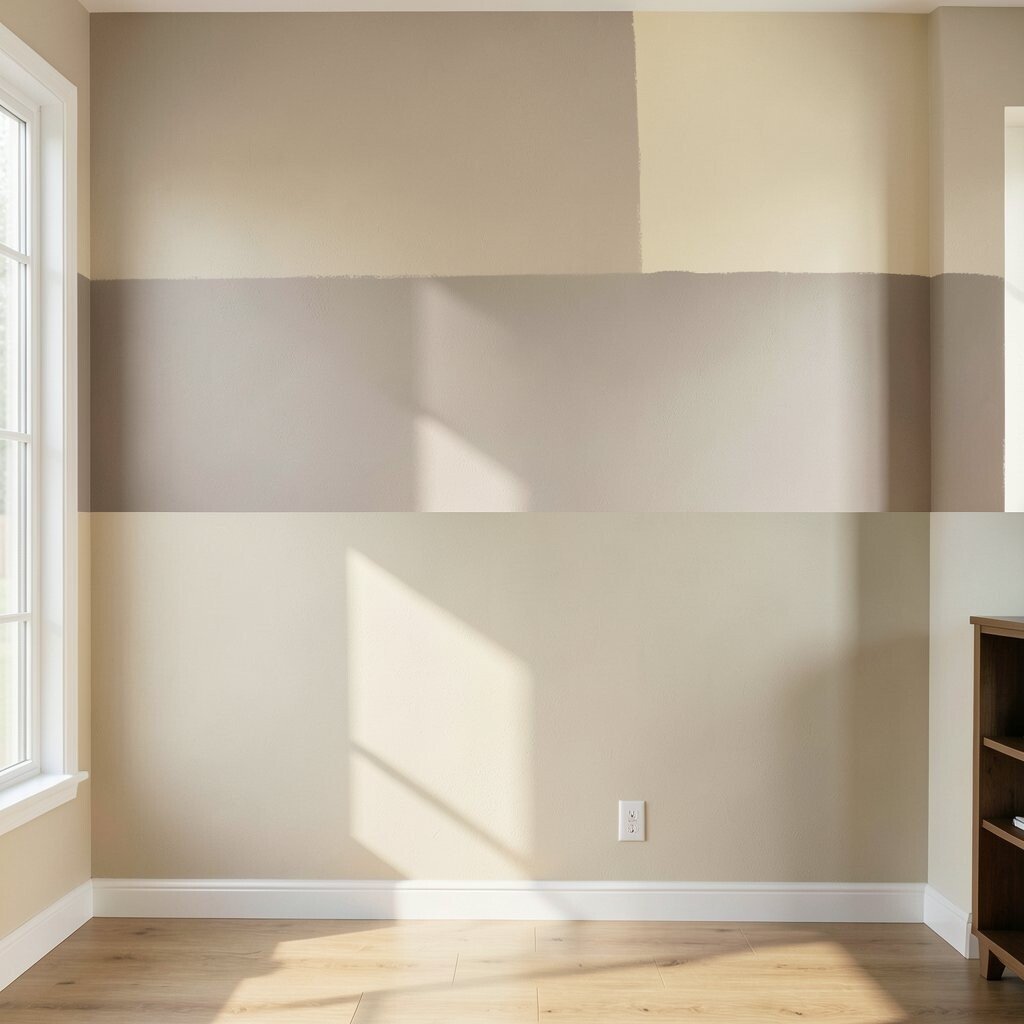
Sunlight, shade, and lamp light all change how paint looks on the wall. A soft beige can feel warm in the morning and dull at night.
This is why a color chip in the store can fool you at home. Paint a test patch on more than one wall and watch it at different times of day. That simple step can save money, time, and a lot of regret.
2. Small rooms do not always need light colors

Many people think tiny rooms must be painted white, but that is not the only choice. A deep blue, green, or charcoal can make a small room feel cozy and special.
The trick is to match the color with the room’s purpose. A quiet reading nook may feel lovely in a rich shade, while a busy playroom may need something brighter. If you want a room to feel larger, lighter colors help, but a bold wall can give a tiny space real personality.
Paint is also one of the cheapest ways to change a room, so you can try a daring look without spending a lot. A unique color can make the room feel custom made instead of plain.
3. Your floor, furniture, and curtains matter more than you think
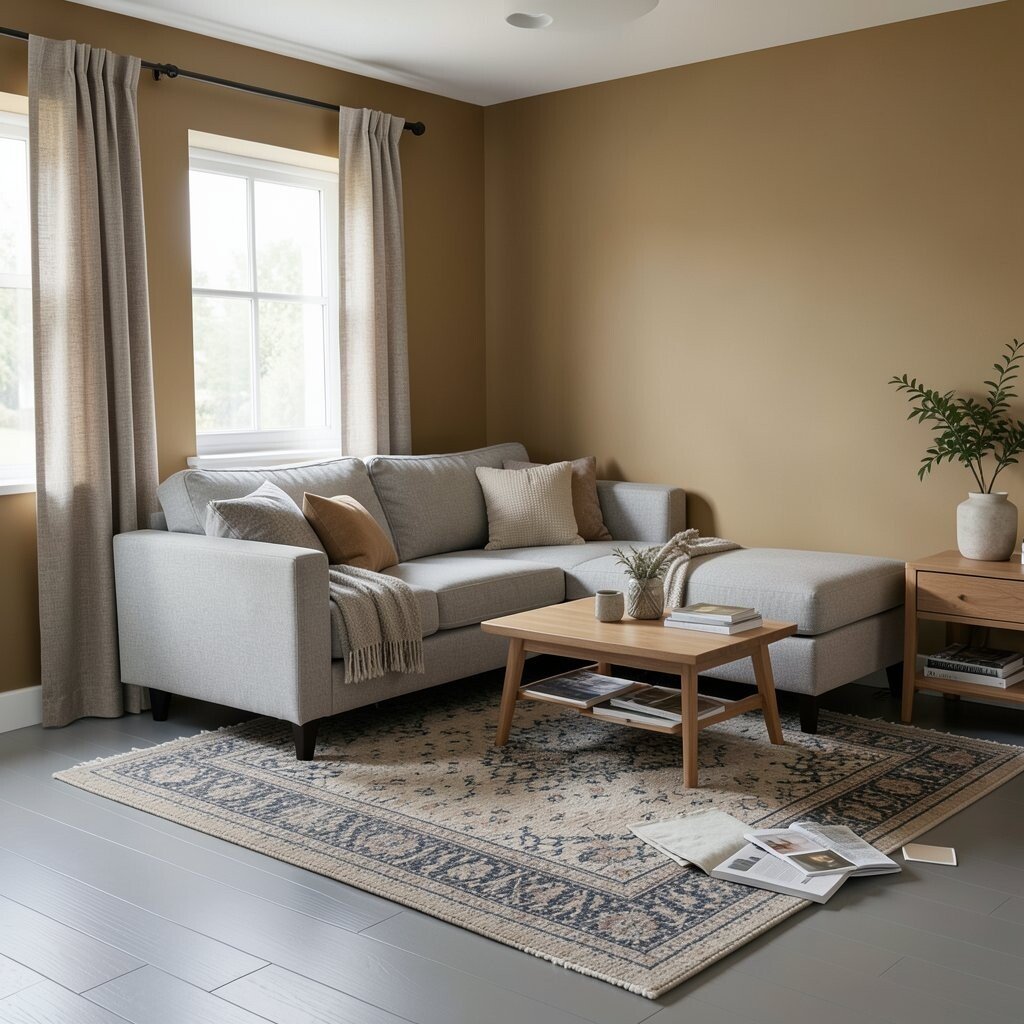
Wall color does not stand alone. It has to work with wood, fabric, rugs, and all the things already in the room.
A warm wall with cool gray floors may feel slightly off, even if each piece looks nice by itself. Bring home paint samples and place them near your sofa, bed, or rug so you can see the full picture. This helps you avoid buying a color that fights with the rest of the room.
When the colors work together, the room feels calm and polished. That harmony can make even simple furniture look more stylish.
It also helps you spend smarter, because you may not need to replace other items just to make the paint work.
4. The finish can change the whole mood
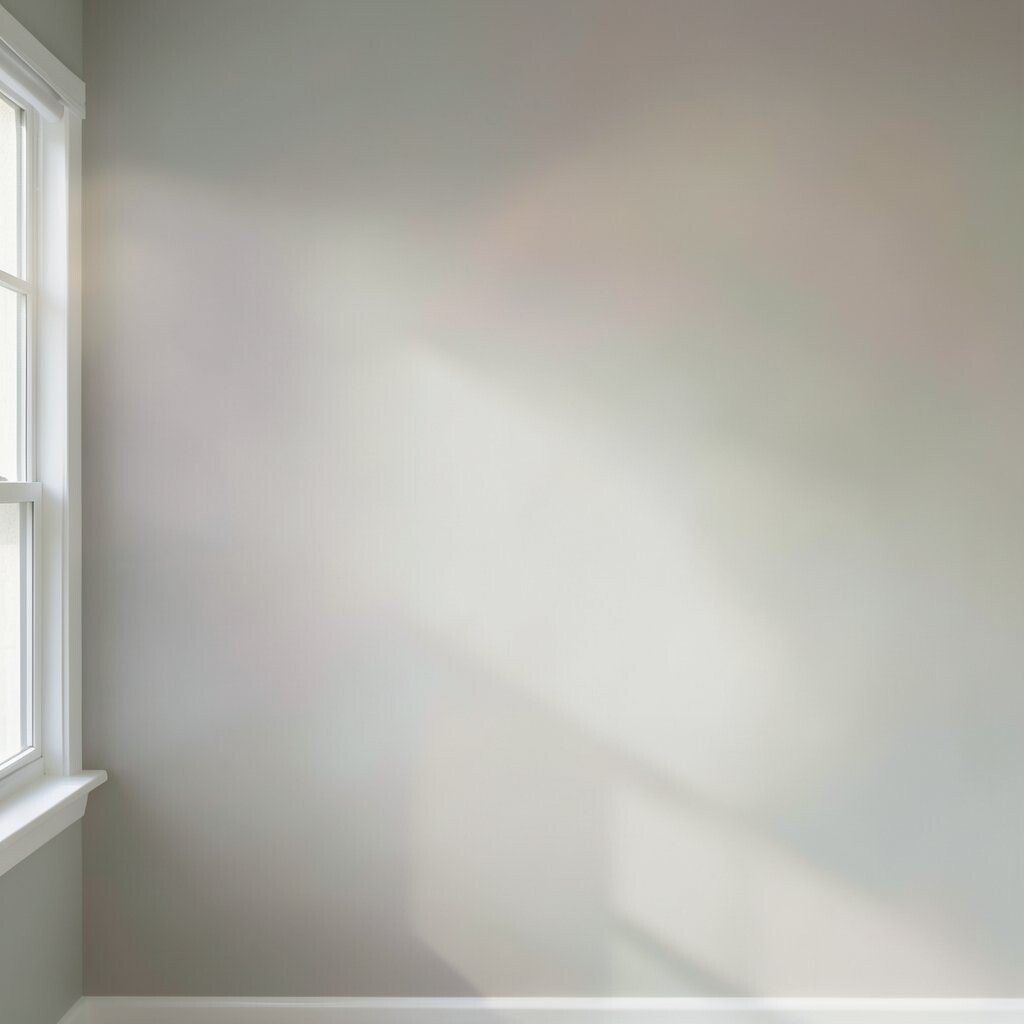
People often talk about color and forget about shine. Flat paint feels soft and quiet, while satin and eggshell give a gentle glow.
A glossy finish can make a bold color feel fresh and modern. It can also show wall marks more easily, so it is not always the best pick for busy spaces.
For bedrooms, a softer finish often feels restful. For halls and kids’ rooms, a finish that wipes clean can be worth the extra cost.
5. Trends are fun, but your wall should still feel like you
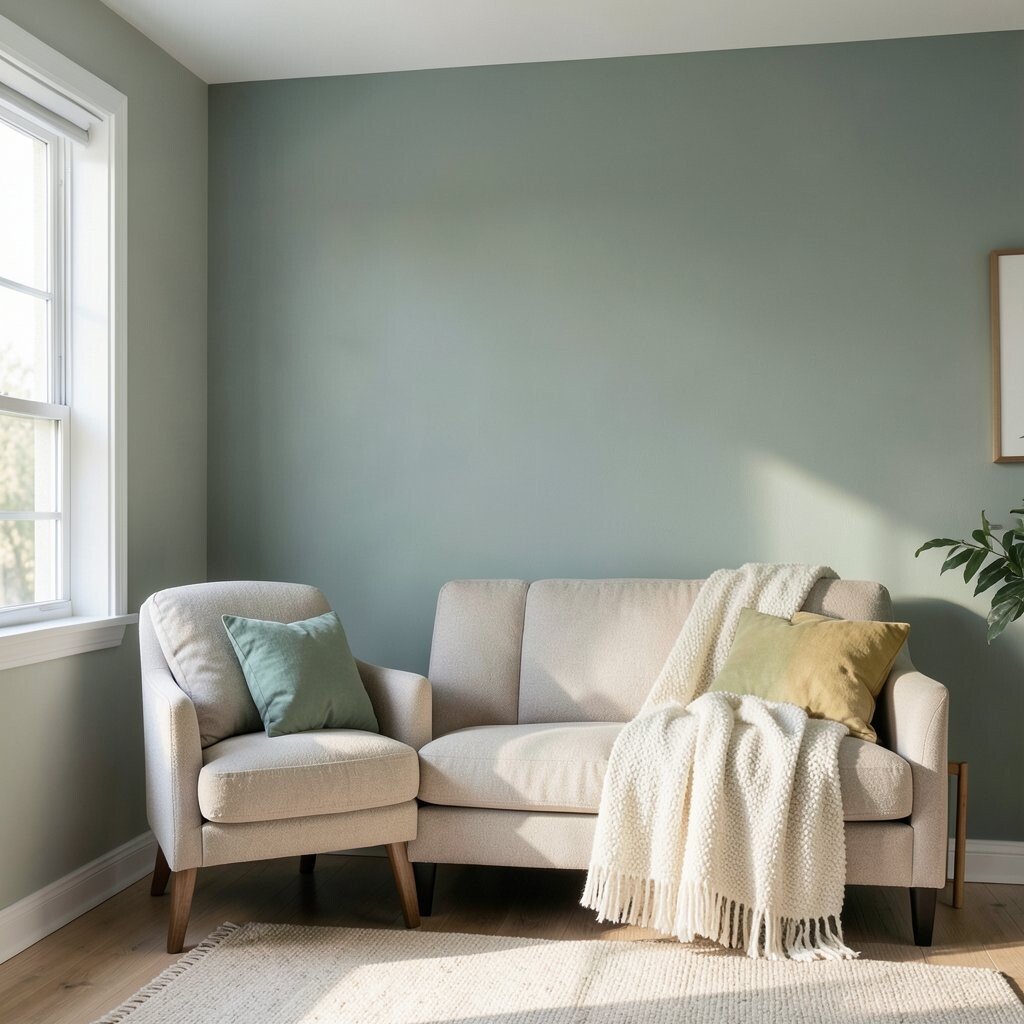
Current color trends can be exciting, especially when social media is full of pretty rooms. Earth tones, soft greens, and dusty blues are popular because they feel calm and natural.
But a trendy shade only works if it fits your taste and your home. If you love bright coral or golden yellow, that can be your perfect choice even if it is not everywhere right now.
Personal style matters more than fashion. A room you truly like will stay beautiful long after the trend has moved on.
6. Paint samples can lie in a tiny square
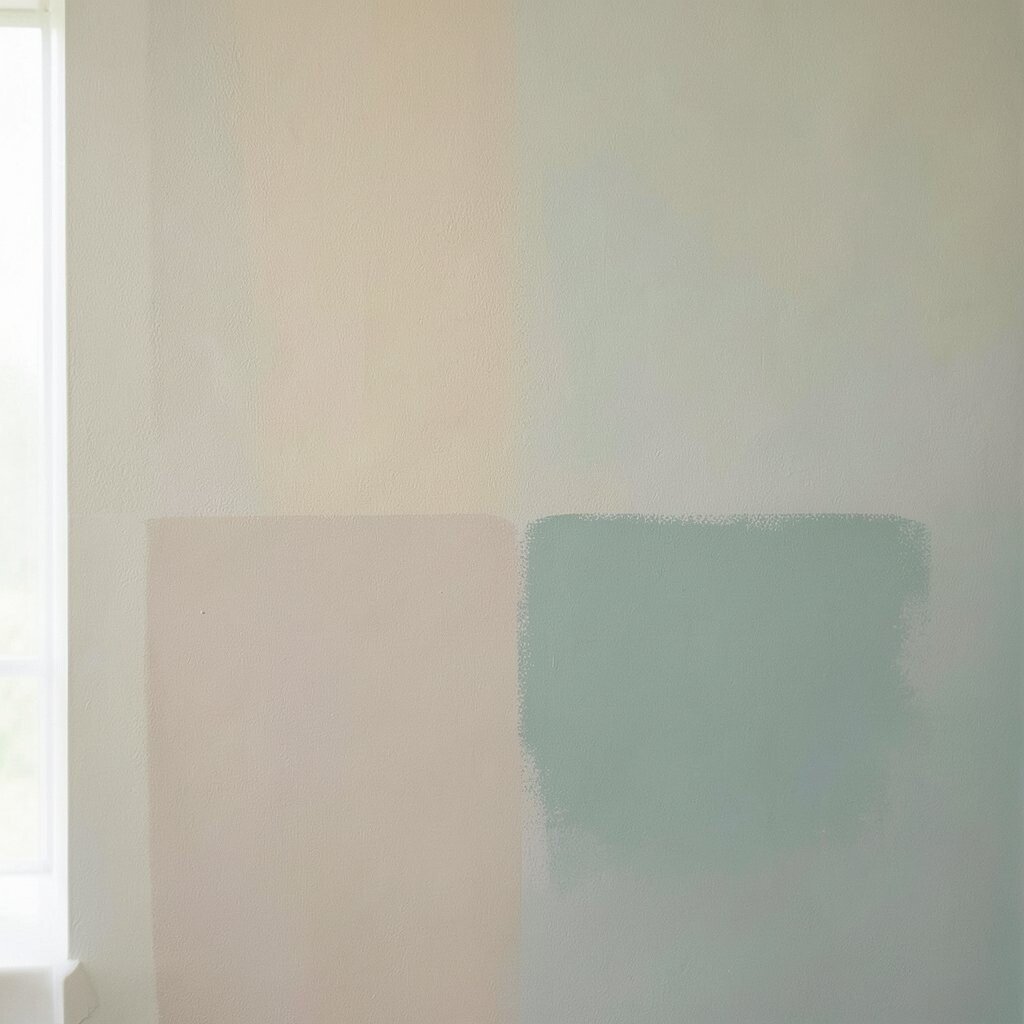
A small sample card does not tell the full story. A color that looks gentle on paper can turn strong and loud on a big wall.
That is why larger test swatches are so helpful. Paint a few sample spots and leave them for a day or two so you can see how the color behaves. This can keep you from buying gallons of the wrong shade.
Testing also helps you compare similar colors side by side. You may find one version feels warmer, cleaner, or more peaceful than the others.
That little bit of patience can save both money and frustration.
7. Warm colors and cool colors send very different messages
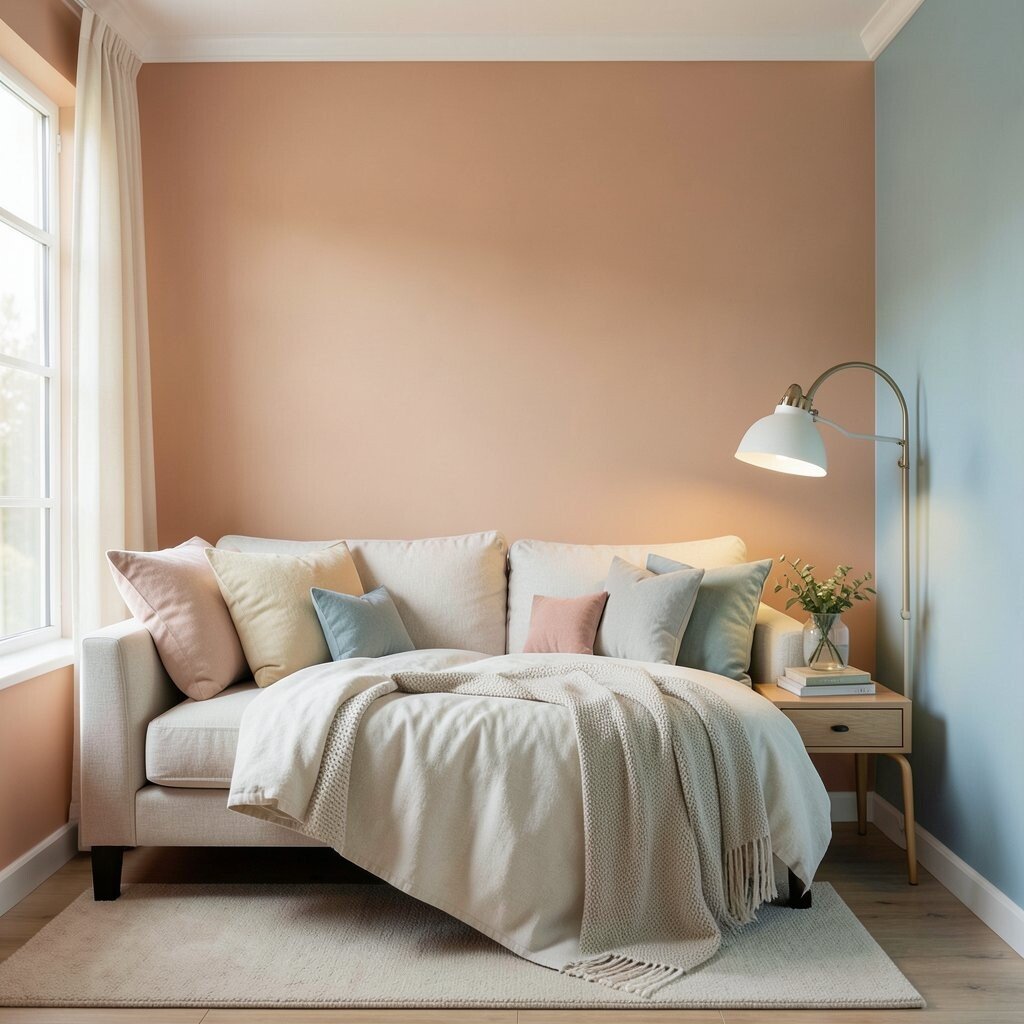
Warm colors like cream, peach, and soft terracotta can make a room feel friendly and snug. Cool colors like blue, sage, and gray often feel calm and airy.
The best choice depends on how you want the room to feel. A family room may benefit from warmth, while a bedroom might feel better with a cooler tone.
Think about the mood before you think about the shade. That makes the room feel more personal and helps the color do real work, not just sit on the wall.
Warm and cool colors can also change how expensive a room feels. The right tone can make a simple space look thoughtfully designed.
8. White is not one color
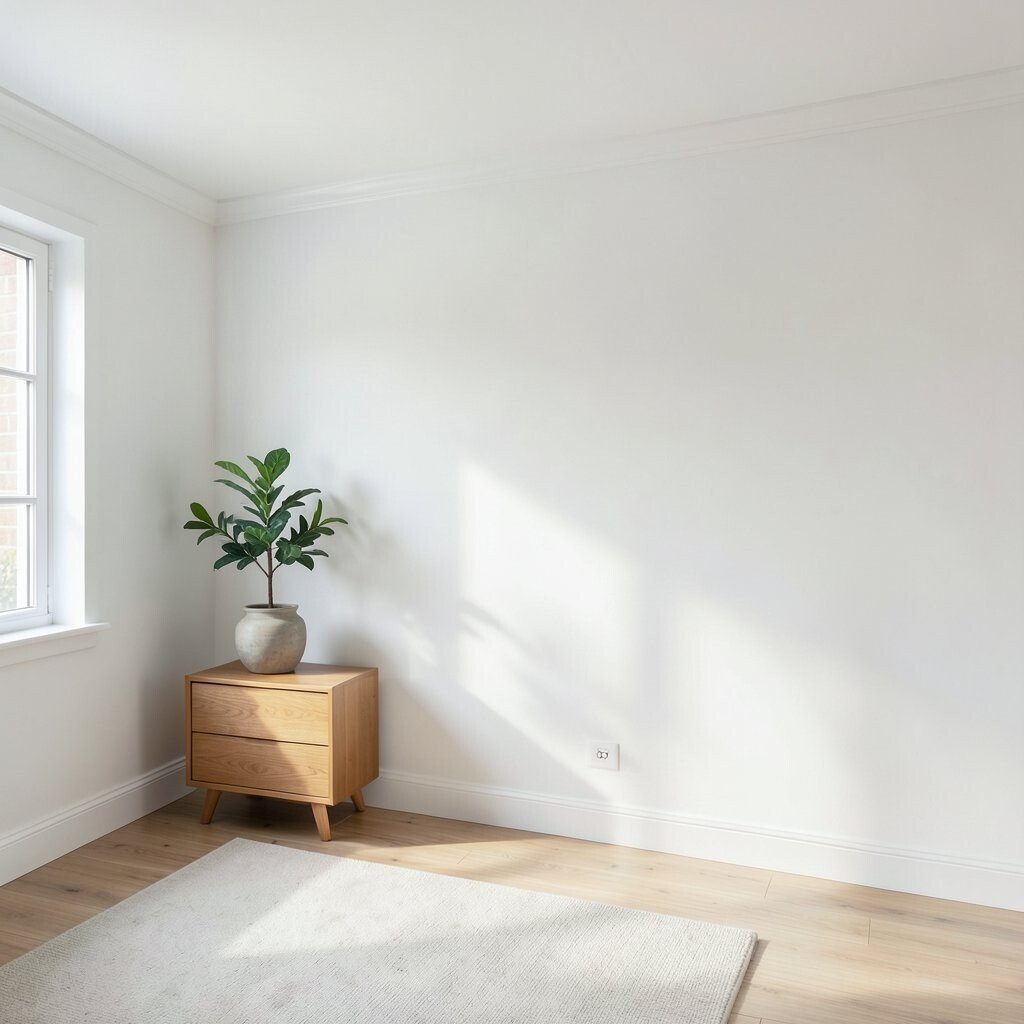
White may sound easy, but it can be one of the hardest colors to choose. Some whites look creamy and soft, while others feel crisp, bright, or even a little blue.
If the wrong white is used, the room can look cold or dingy. That is why it helps to compare whites next to your trim, ceiling, and furniture. A warm white often works well with natural wood, while a cooler white can suit modern rooms.
White walls can be beautiful, but they need care. They show marks more quickly, so they may cost more in cleaning and touch-ups over time.
9. Dark walls can make a room feel richer, not smaller
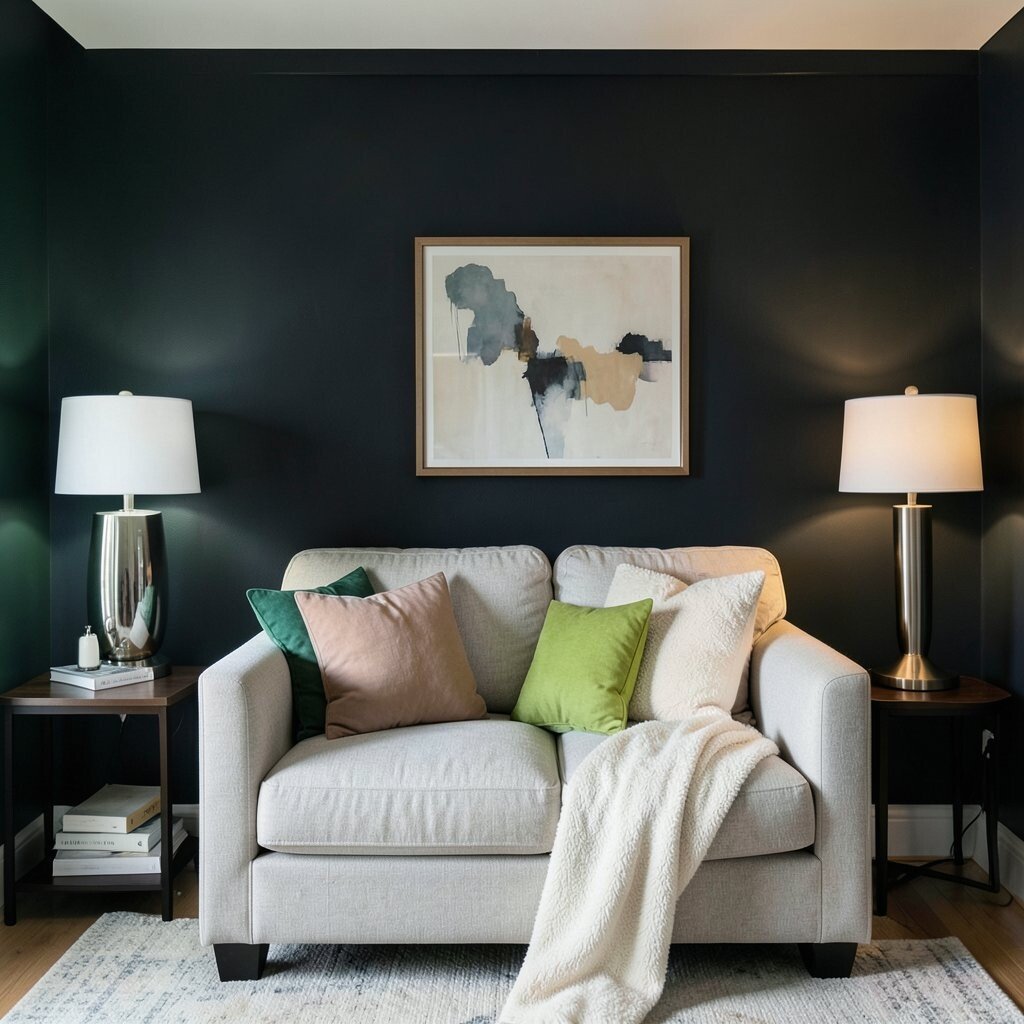
Dark paint has a strong look that many people avoid too soon. A deep green, navy, or brown can make a room feel elegant and calm.
These colors can also hide scuffs better than pale shades. That makes them useful in hallways, dining rooms, and other busy places. Add lighter art, bright pillows, or shiny lamps to keep the space from feeling heavy.
Dark walls often feel unique because they are less common than safe neutrals. If you want a room with real character, this can be a smart and stylish path.
They can also be a good budget choice since they often need fewer decorative extras to make the room feel finished.
10. The ceiling and trim can make or break the wall color

Wall color looks different when it meets bright trim or a colored ceiling. A soft wall may seem sharper next to brilliant white molding.
Some rooms look best when the trim stays clean and simple. Other rooms feel more special when the ceiling gets a pale tint or the trim matches the wall in a subtle way. These small choices can give the room a custom look without a huge cost.
If the room feels plain, the trim may be the missing piece. It frames the wall like a picture frame and helps the color stand out.
11. Natural materials can shift your color choice in a good way
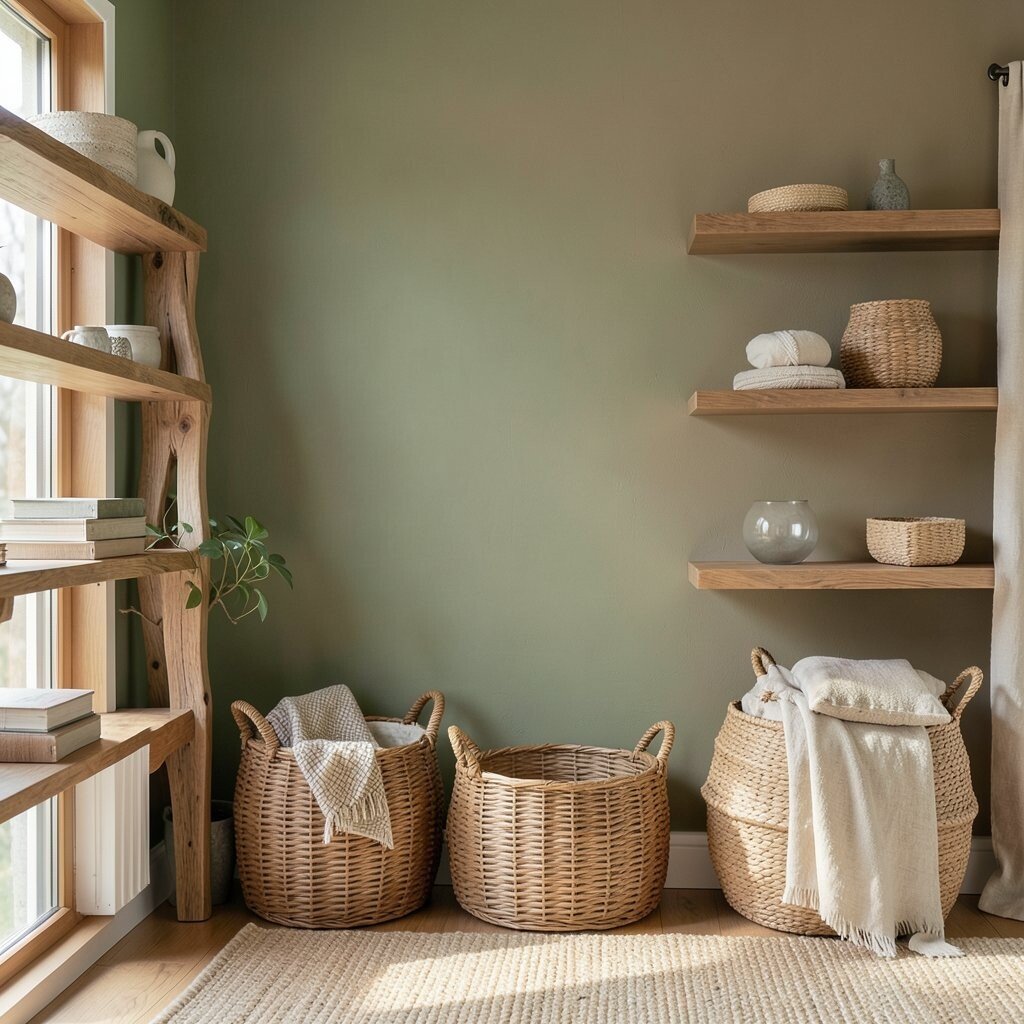
Wood, stone, wicker, and linen all bring texture to a room. Those materials can soften a bold wall or warm up a pale one.
A green wall beside oak shelves can feel earthy and calm. A clay-colored wall near woven baskets may feel cozy and handmade. This is a great chance to make the room feel personal instead of copied from a catalog.
When natural textures are part of the room, trendy colors often feel more lasting. The room gains a layered look that does not depend on one perfect shade alone.
That can save money too, because the room may need fewer extra decorations.
12. Color can change how clean a room feels
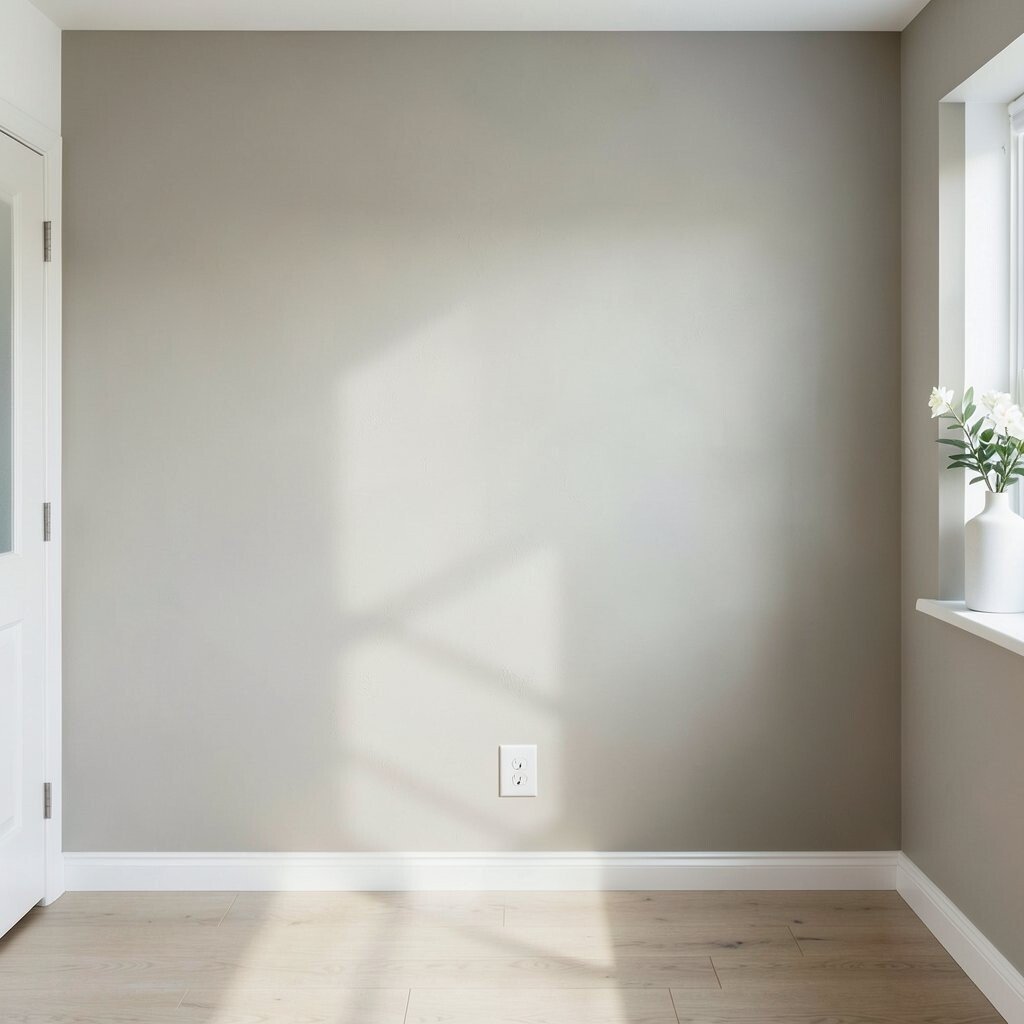
Some colors make dust, smudges, and fingerprints stand out fast. Others hide little marks and keep the room looking neat longer.
This matters a lot in kitchens, kids’ rooms, and busy hallways. Mid-tone colors and washable finishes often make life easier. If you want less upkeep, avoid ultra-bright whites or very deep matte shades in high-traffic spaces.
A color that stays tidy-looking can feel more relaxing day after day. That practical benefit is easy to miss until you are wiping walls every week.
Choosing a smarter shade can also help you avoid repainting too soon, which keeps costs lower over time.
13. The same color can feel different in every room
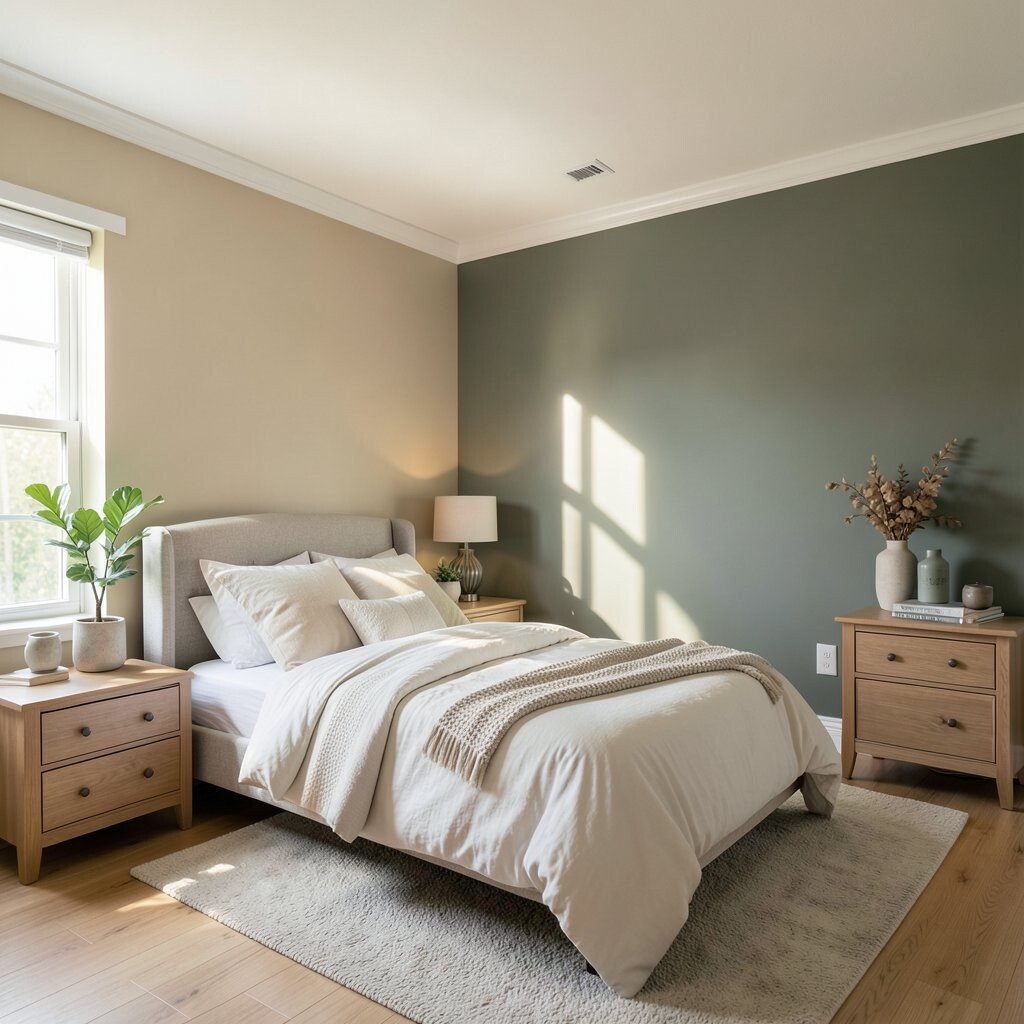
One paint color does not act the same in every space. A sunny room can make it cheerful, while a dim room can make it muddy.
Room size, window direction, and even the height of the ceiling all play a part. That is why a color that works in one bedroom may fail in another. Think of the room as its own little world instead of copying a shade from somewhere else.
This is where personalization really shines. You can make the same color feel softer, richer, or brighter just by changing the lights and decor around it.
That flexibility is one reason paint is such a powerful design tool.
14. Bold color is easier to live with when you plan the rest of the room
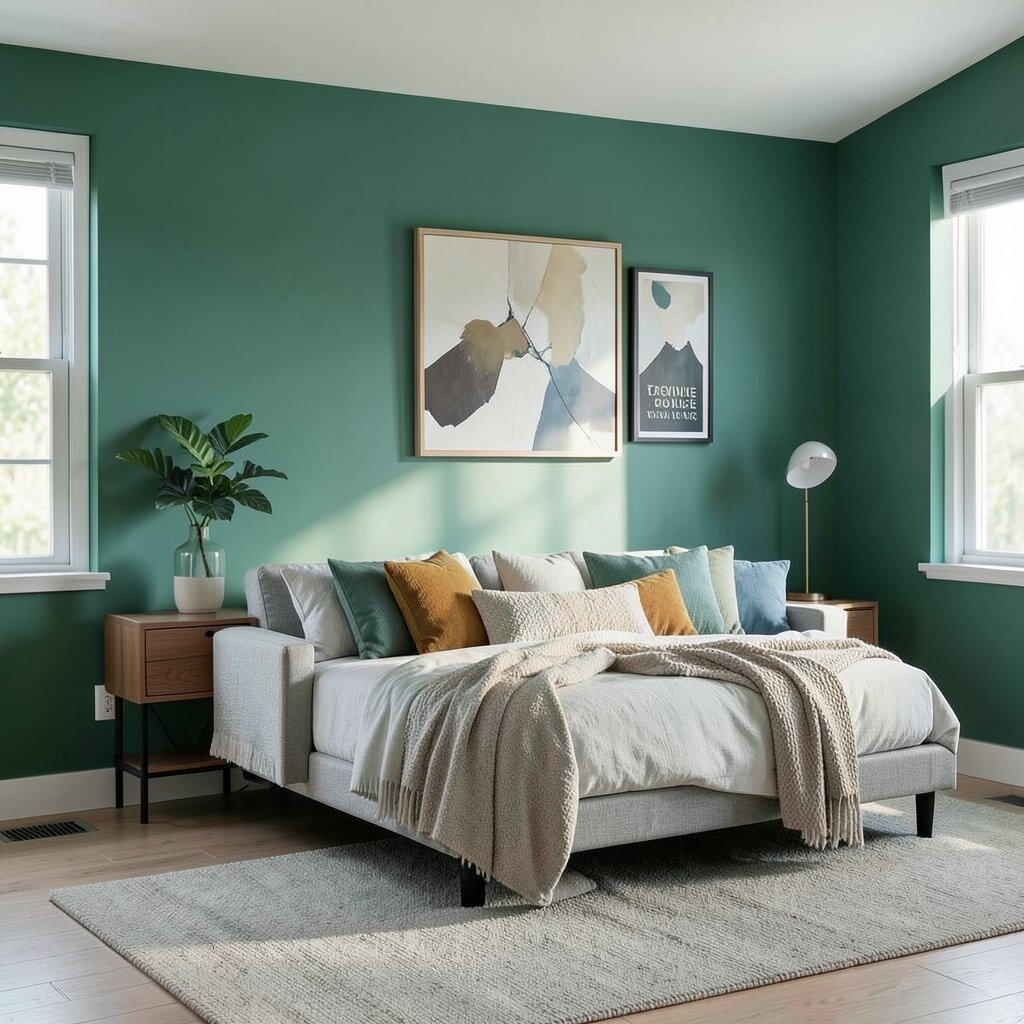
A strong wall color can feel exciting, but it needs support. If the wall is bright, the furniture and art should help balance the space.
Simple shapes, calm fabrics, and a few matching accents can keep the room from feeling noisy. This makes the bold color look chosen on purpose, not random. It also helps the room feel more polished without a big shopping trip.
If you are nervous, start with one accent wall or a smaller room. That way you can enjoy the drama without giving up comfort.
It is a smart way to try something fresh while keeping the project affordable.
15. Paint can affect how you feel more than you expect
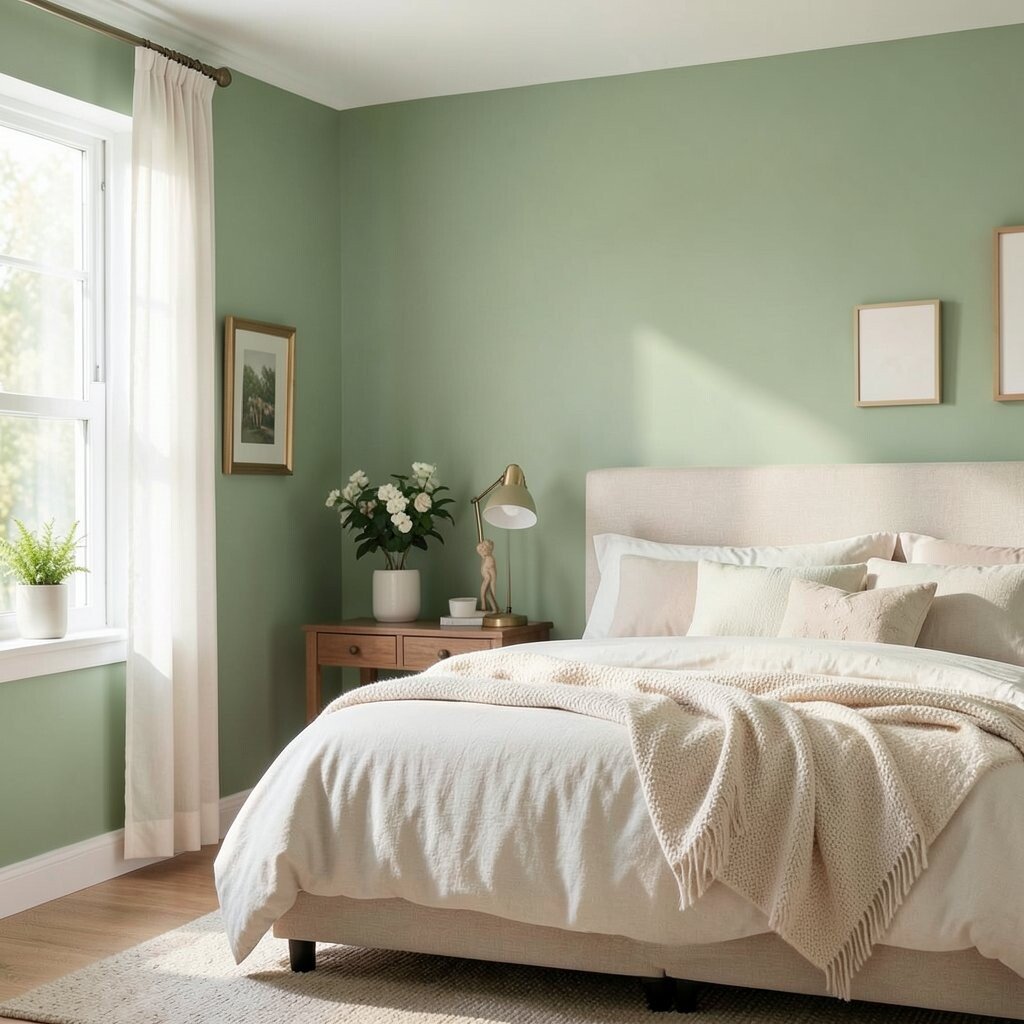
Color has a quiet power over mood. Soft greens may feel restful, warm beiges may feel safe, and sunny shades may feel cheerful.
That is why bedroom paint should not be chosen too quickly. Think about how you want to feel when you wake up, read, work, or rest in the room. A good wall color can support those moments in a gentle way.
Personal taste matters here, but so does daily life. The best rooms often balance beauty with comfort so the color feels good every single day.
16. The cheapest color is not always the best value
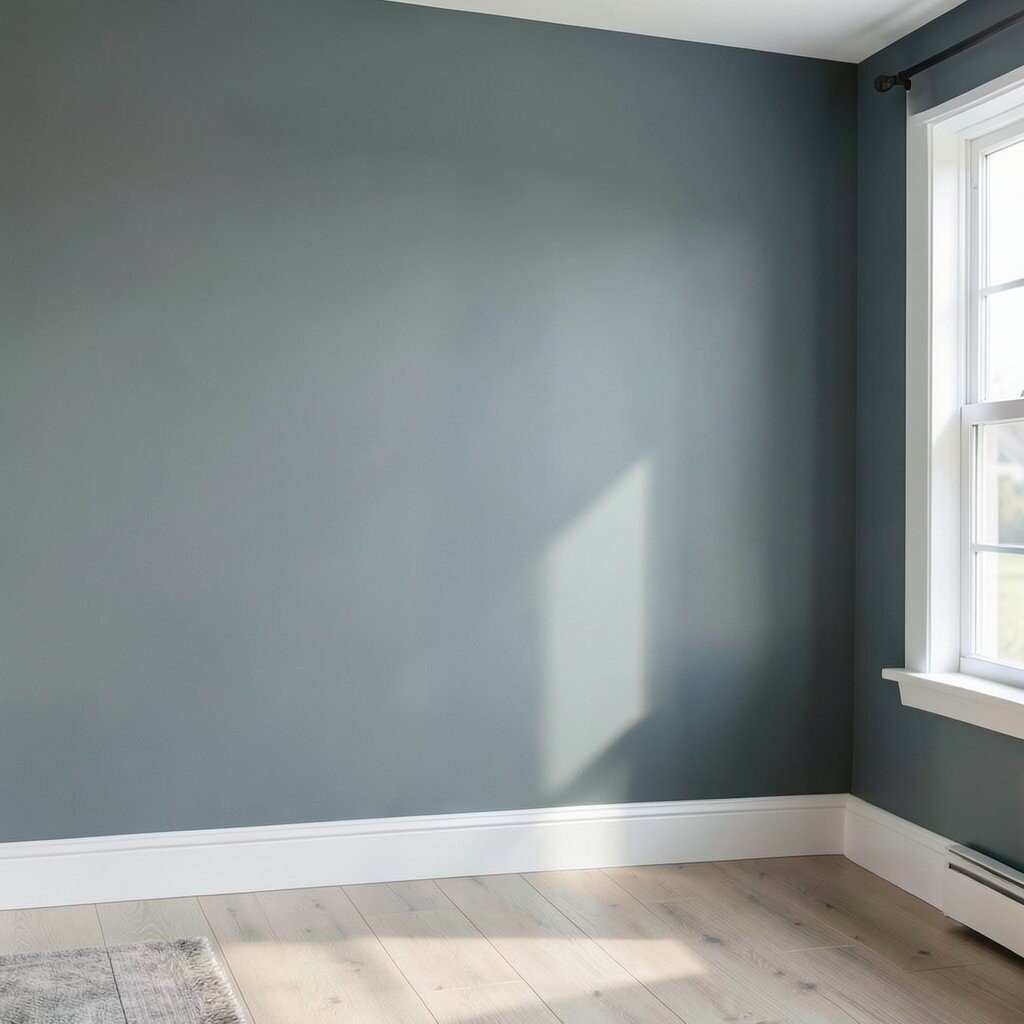
A low paint price can look nice at first, but cheap paint may need more coats. That means more time, more labor, and sometimes more cans.
Better paint often covers more smoothly and lasts longer. It may cost more upfront, yet it can save money by reducing touch-ups and repainting. If you want a unique color, good paint also helps the shade look richer and more even.
Think of paint as part of the whole room plan, not just a quick purchase. A smart choice can give you a beautiful wall, a cleaner look, and fewer headaches later.
When the color, finish, and quality all work together, the room feels finished in a way that is hard to fake.