
Plaster walls have a quiet charm that many people notice right away. They can also hide more surprises than most folks expect.
1. Plaster walls feel richer than plain drywall
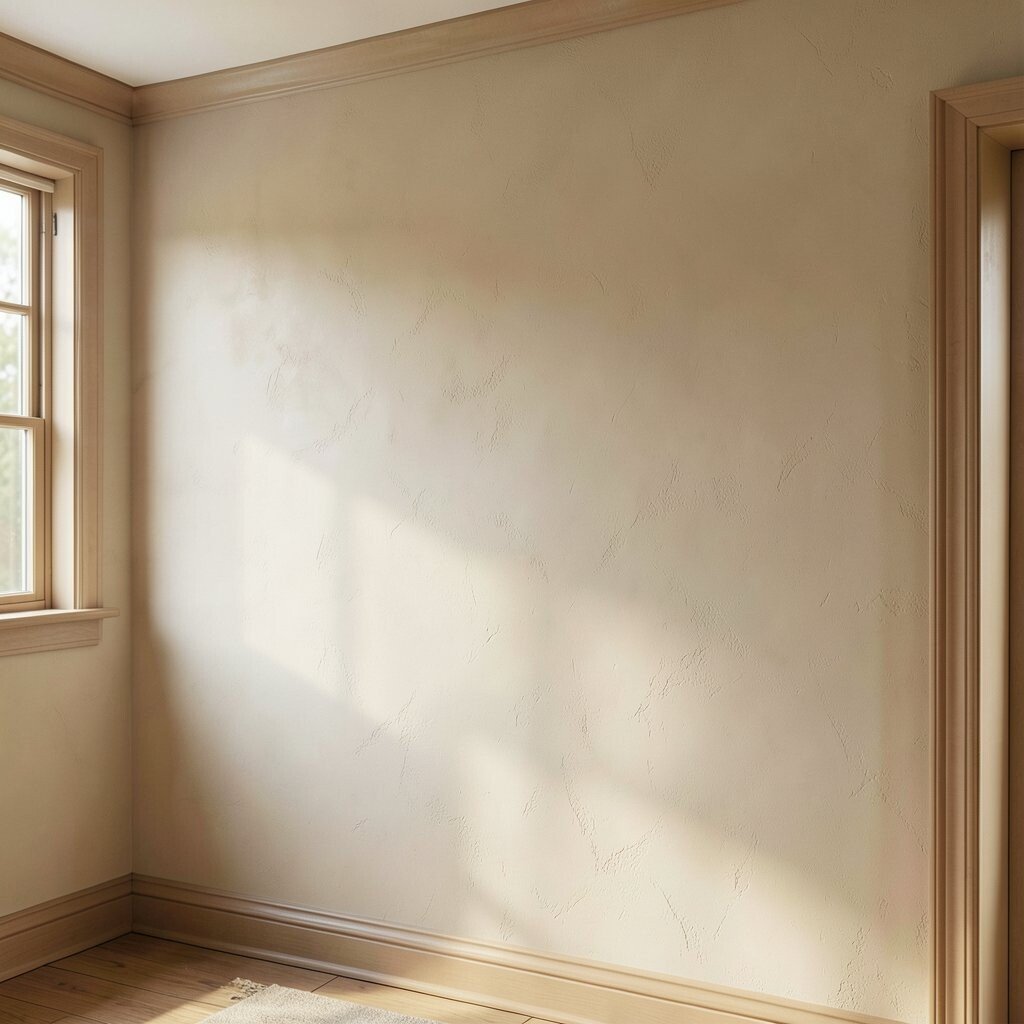
Plaster has a solid, old-world look that makes a room feel special. The surface can catch light in soft ways, so the wall looks full of life.
Many people like plaster because it feels sturdy and calm at the same time. It can also help a home stand out, since the finish has a handmade look that flat drywall often cannot copy. If you want a cozy style, warm paint colors and simple trim can make it feel even more personal.
2. Small cracks do not always mean big trouble
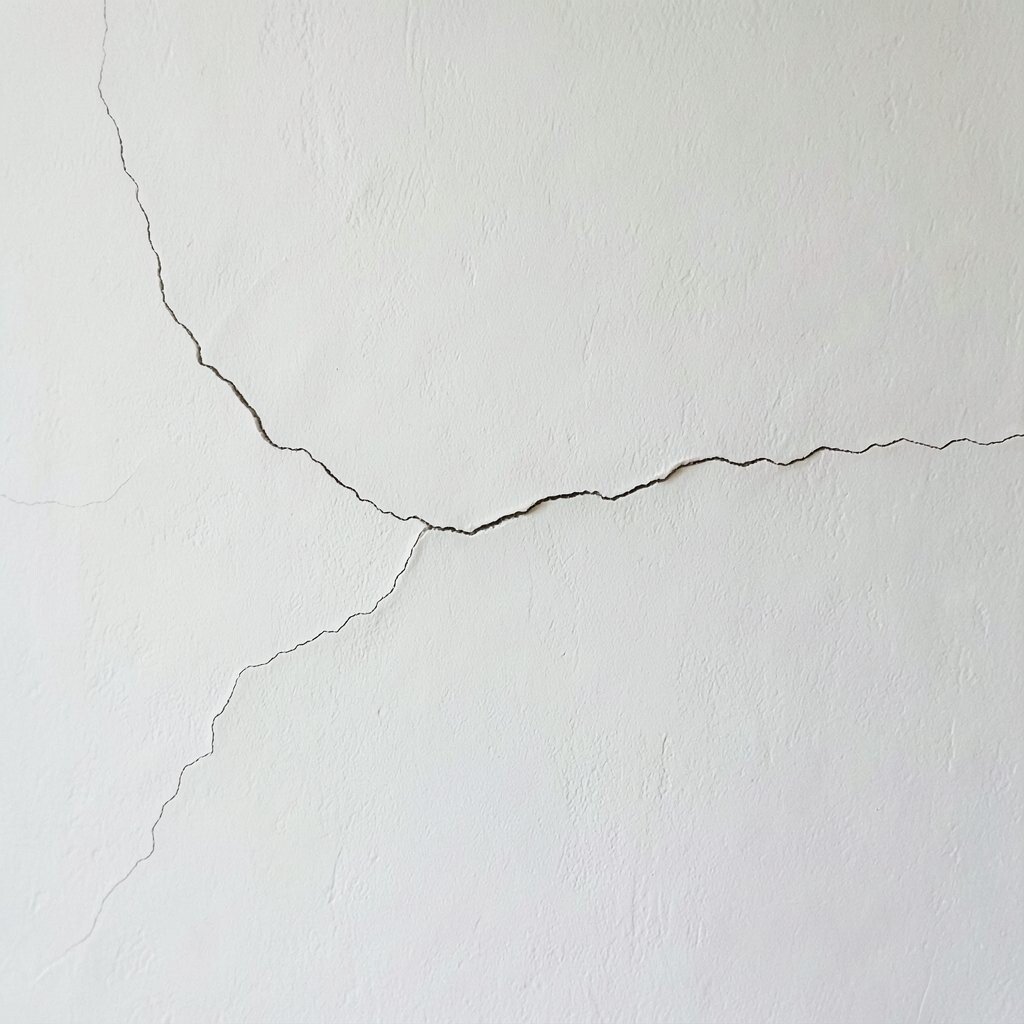
Hairline cracks can show up as plaster gets older and settles. They often look worse than they really are.
A thin crack may just need a little patch and fresh paint. Still, it is smart to check if the crack grows, because larger movement can point to a deeper issue. For a neat look, use a fine filler, sand gently, and paint the whole area so the repair blends in.
People often keep plaster because it can be repaired instead of fully replaced. That can save money compared with tearing out whole walls. In homes with vintage style, small touch-ups help keep the original charm while keeping the room easy to live in.
3. The surface can hide tiny art-like textures
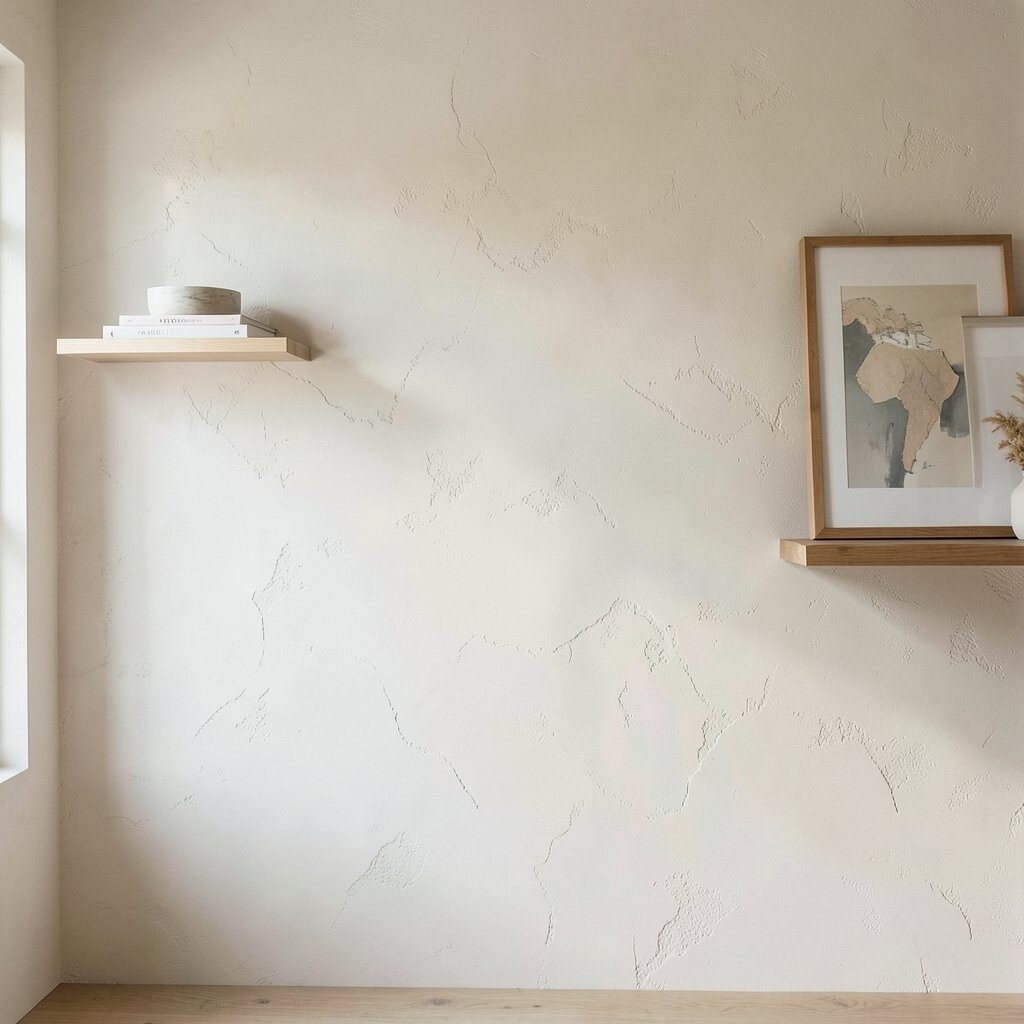
Plaster is rarely perfectly flat, and that is part of its beauty. You may see soft waves, tiny marks, or gentle shadows across the wall.
These little details give the room personality without needing extra decoration. They can make a plain space feel warm and lived-in, almost like the wall has its own story.
If you like a cleaner look, a smooth finish coat and careful sanding can reduce the bumps. If you like character, leave some texture on purpose and pair it with simple shelves or framed art. Current design trends often favor these natural, handmade finishes because they feel less stiff than machine-made walls.
4. Moisture is plaster’s sneaky enemy
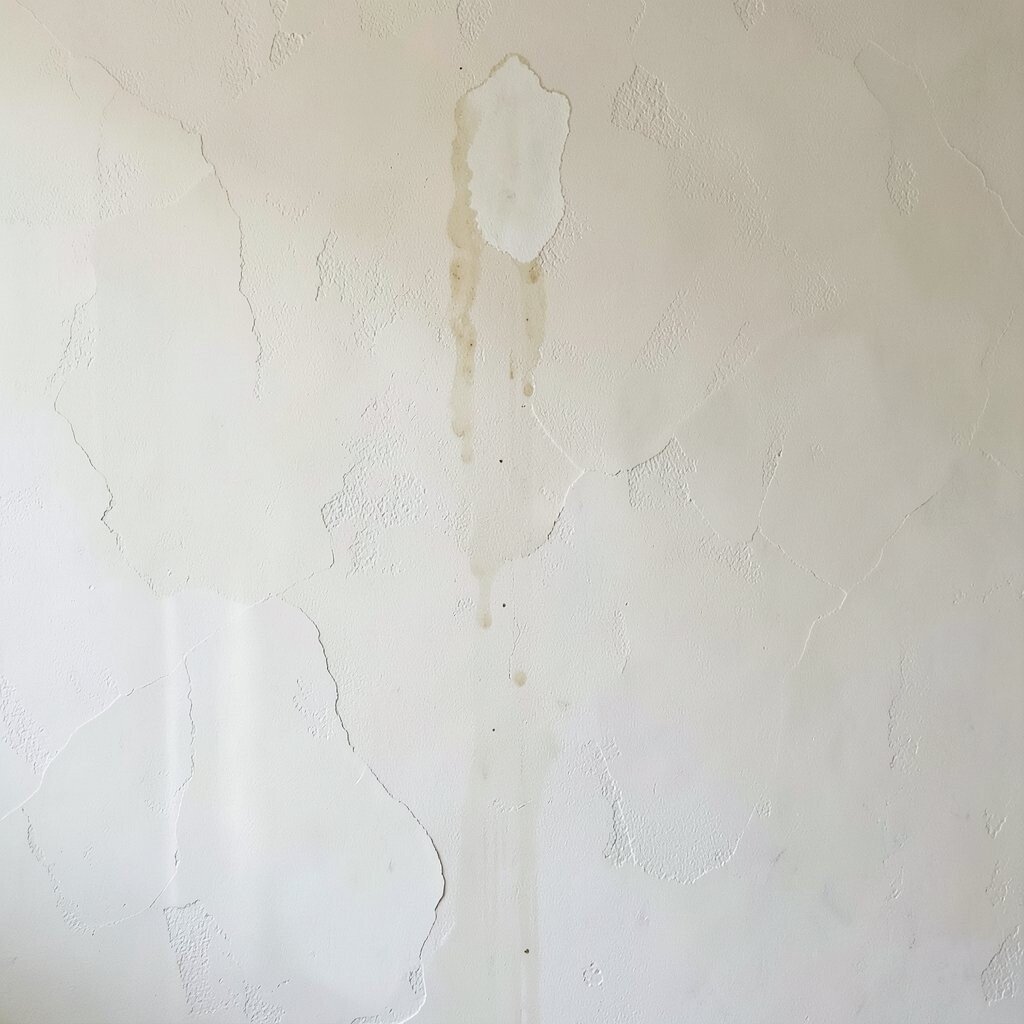
Water can make plaster stain, soften, or break apart. A wet spot near a wall or ceiling should never be ignored.
Bathrooms, kitchens, and outside walls need extra care because they deal with more damp air. Good airflow, quick leak fixes, and the right primer can help protect the surface.
When plaster stays dry, it can last a very long time and keep its handsome look. If a repair is needed, the cost depends on how deep the damage goes and how much drying time is required. A simple paint color update can make a repaired area blend in and feel fresh again.
5. Old plaster can be stronger than it looks
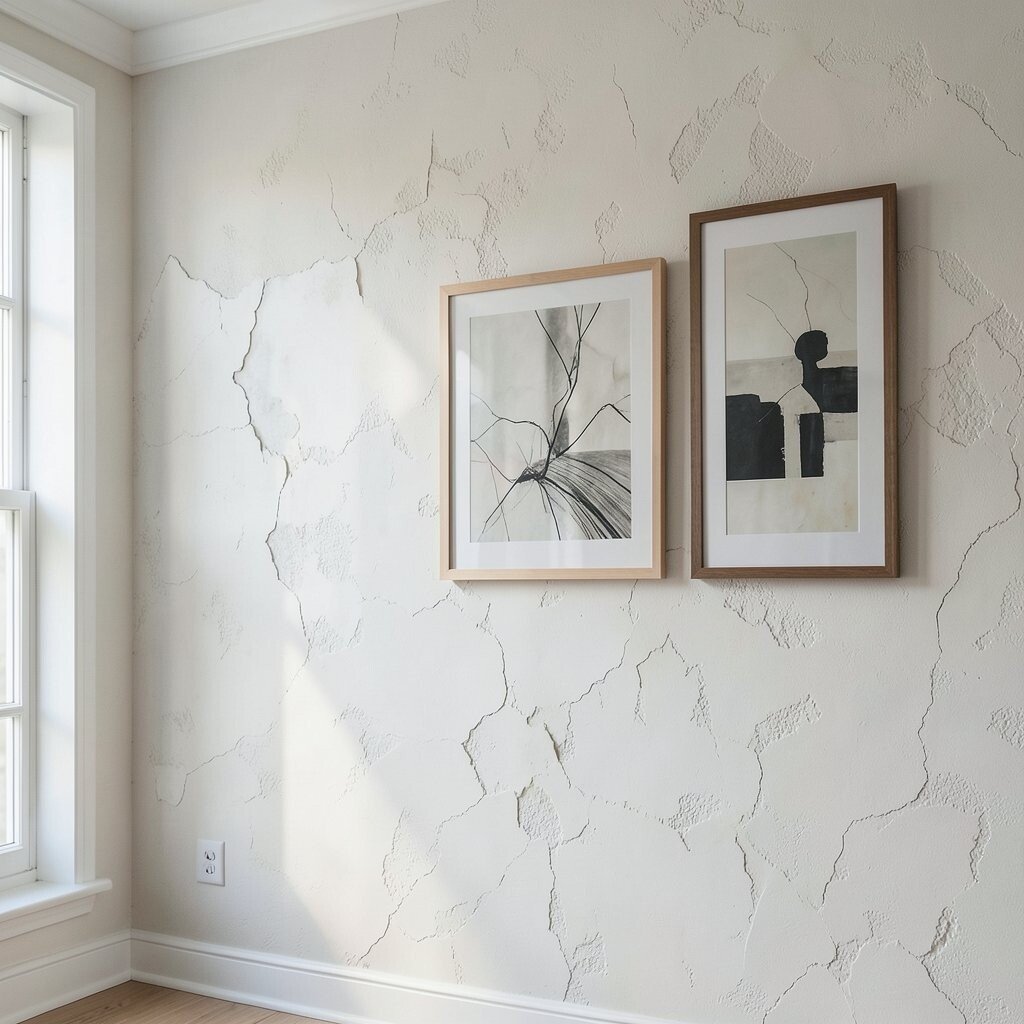
Many older plaster walls were built with care and can still hold up well today. They often feel dense and solid when you tap them lightly.
That strength can help with sound control, so rooms may feel quieter. It can also give hanging pictures a more secure feel when the right fastener is used.
Because plaster is thick, repairs may take more skill than a quick wall patch. That can raise labor costs, but the finished look is often worth it. For a personal touch, many homeowners keep the original wall and add modern art, making the old and new feel balanced.
6. Hanging things takes a little more thought
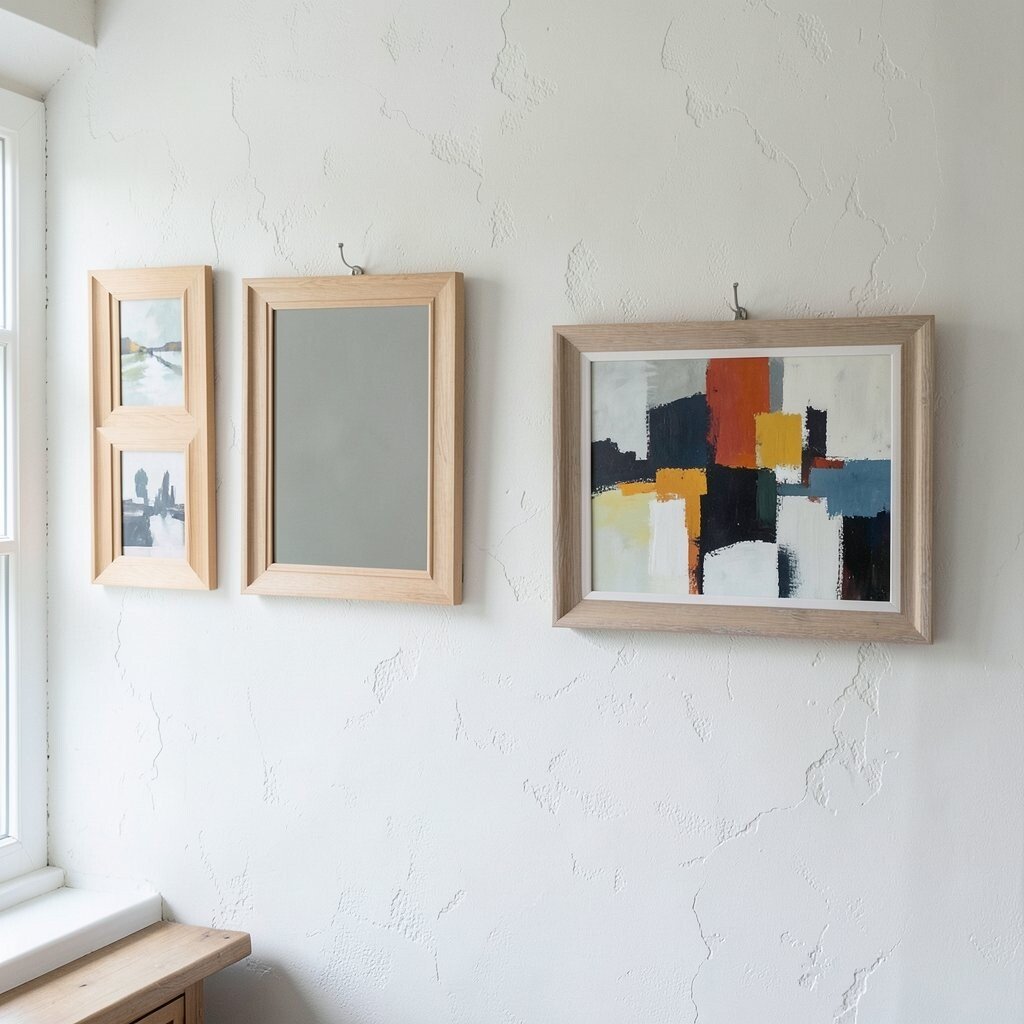
Plaster walls can chip if you use the wrong nail or screw. They need a gentle hand and the right tools.
Light frames can go up with small picture hooks, while heavier pieces may need anchors or screws into studs. It helps to mark your spots first so you do not make extra holes.
Many people use this as a chance to plan a better wall layout before hanging anything. A neat row of frames, a mirror, or a single bold painting can make the room feel custom-made. If you are watching your budget, using the right hanger the first time can save you from repair work later.
7. Plaster gives better sound control than many walls
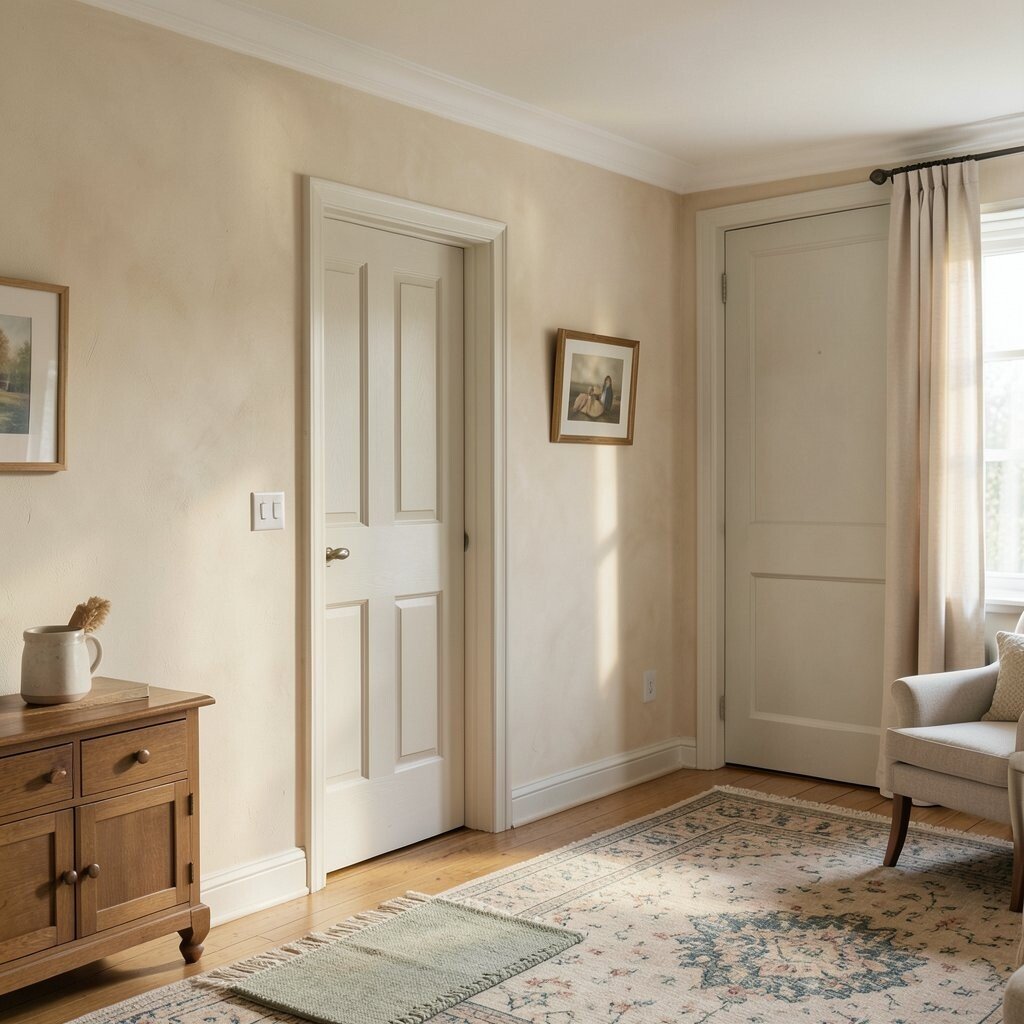
The thick material can soften noise and make rooms feel peaceful. That is one reason many people love it in bedrooms, halls, and older homes.
It can help block the echo that sometimes happens in newer houses. A room with plaster often feels more settled and calm, even when the house is busy.
To make the most of this, keep doors snug and add rugs or curtains if you want even more quiet. Soft colors and warm lighting also match the calm feel of plaster. This mix is popular right now in homes that aim for a cozy, low-stress look.
8. Repair work can be messy but worth it
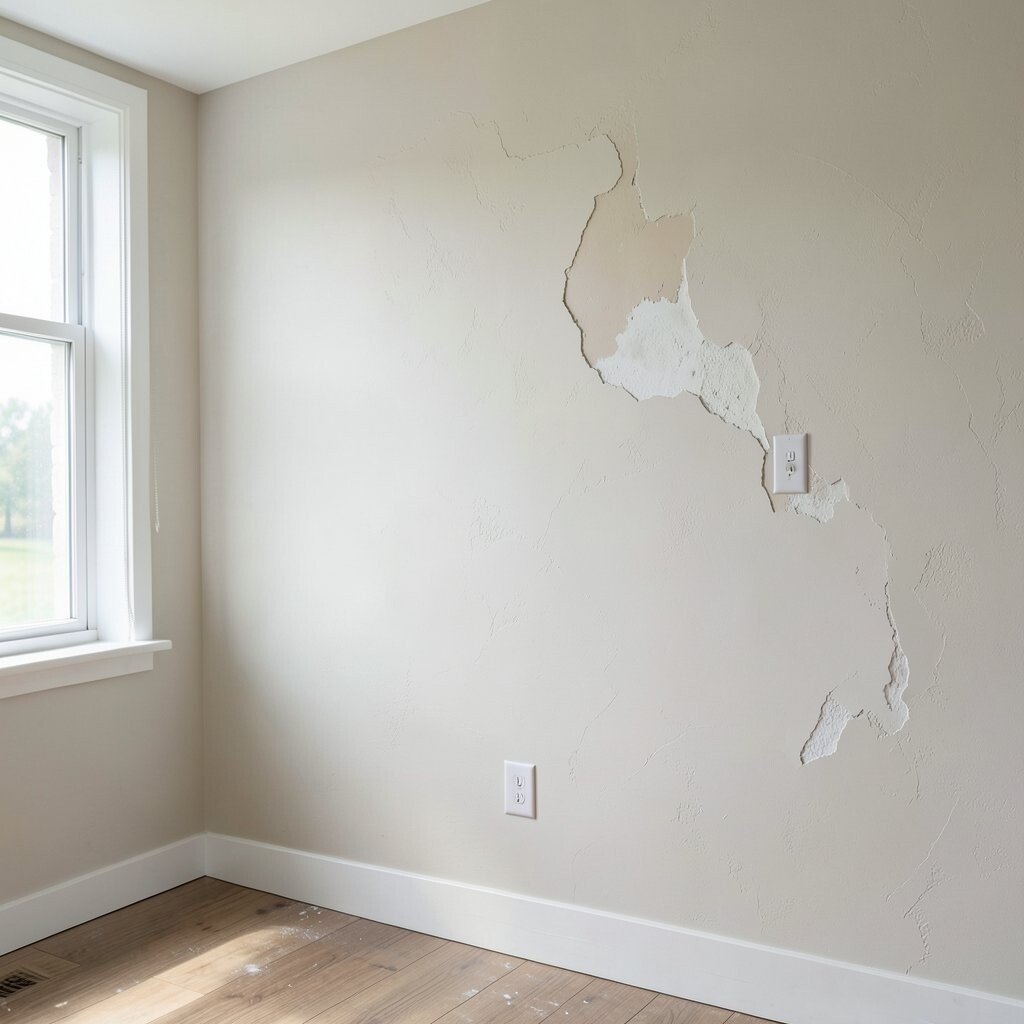
Fixing plaster is not always a quick wipe-and-go job. Dust, chips, and drying time can make the work feel slow.
Still, a good repair can bring back a wall’s beauty and strength. When done well, the patch can blend in so nicely that most people will never notice it.
If you plan ahead, you can cover furniture, tape edges, and keep the room clean. The cost may be lower than replacing the whole wall, especially if the damage is small. Many homeowners like to paint the whole wall afterward so the finish looks even and fresh.
9. Paint choice matters more than people think
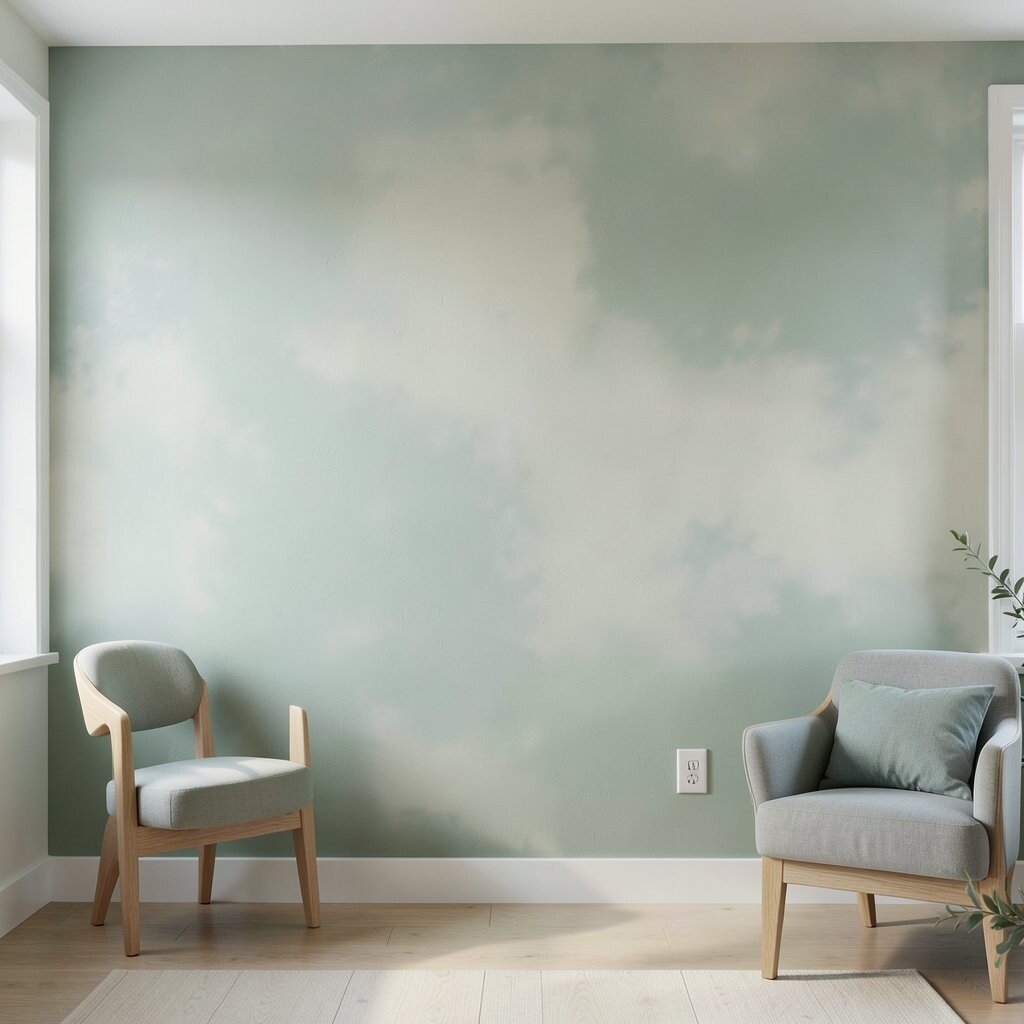
Plaster can soak up paint in a different way than drywall. The wrong paint may look dull or patchy.
A good primer helps the color sit evenly and keeps the wall looking smooth. Matte and soft-sheen finishes often work well because they suit the gentle texture.
For a more personal style, try muted greens, warm whites, or dusty blues that match the wall’s natural feel. Bold colors can work too, especially in a room with simple furniture and clean lines. If you are thinking about cost, primer and quality paint can help you avoid doing the job twice.
10. Not all plaster walls are the same
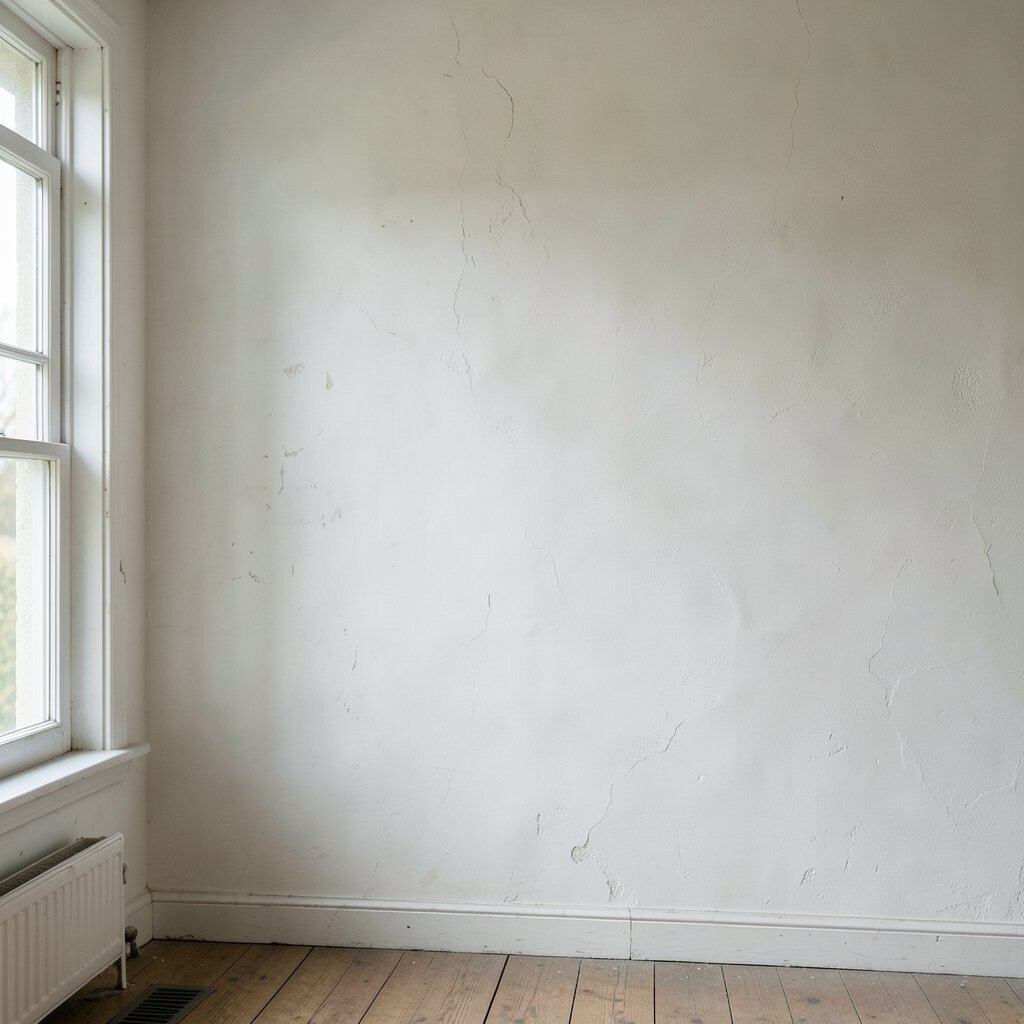
Some plaster walls are very old, while others are newer and made with different methods. That means the feel, look, and repair needs can change a lot from home to home.
One wall may be hard and smooth, while another may be softer or more crumbly. This is why a careful check before any repair is so helpful.
Knowing the type of wall can guide your tools and materials. It can also help you plan your budget, since some walls need special care or matching materials. People who love original home details often keep the wall style as-is because it gives the room a one-of-a-kind character.
11. The right patch can save the original look
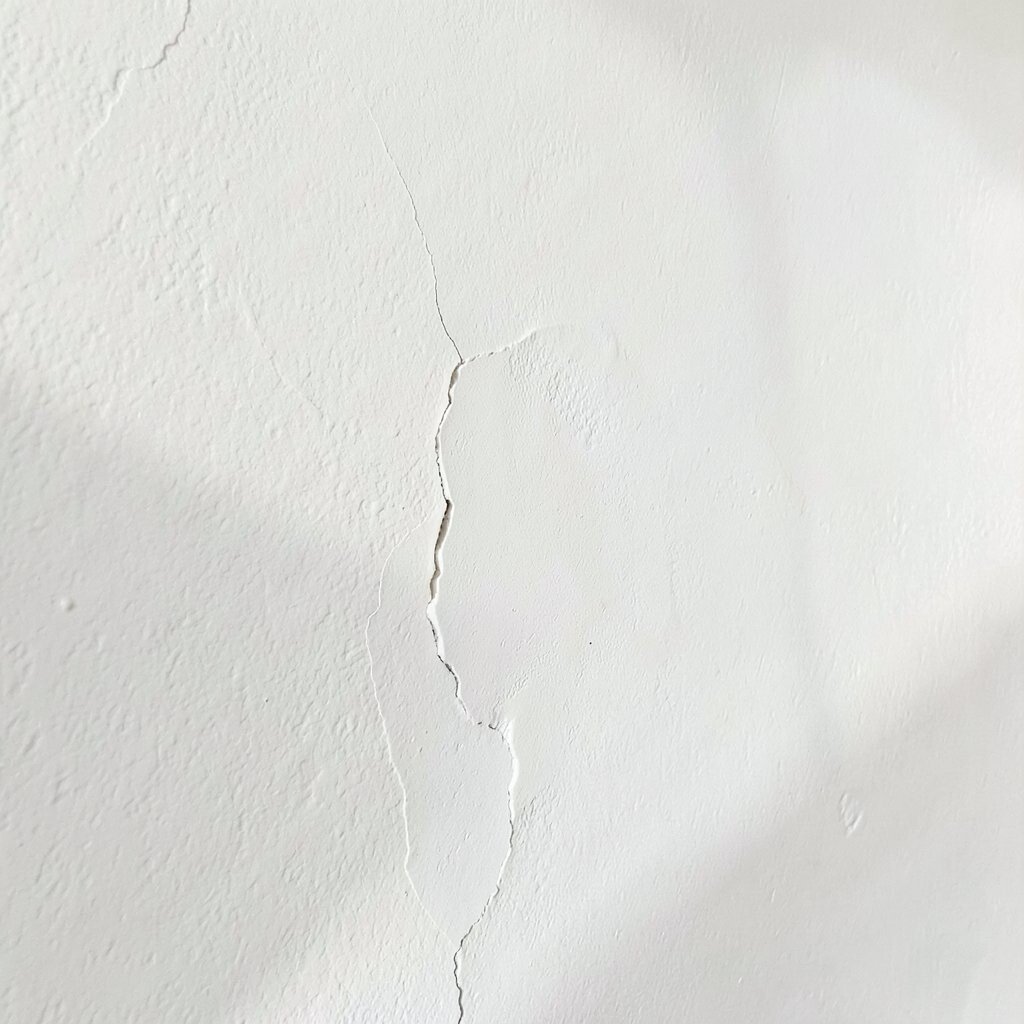
When a small area breaks, a proper patch can keep the wall’s charm. A sloppy repair can stand out like a bright sticker on an old book.
Matching the texture and color takes patience, but it pays off. The goal is to make the wall look whole again without losing its special feel.
If you are doing it yourself, test the patch in a hidden spot first. That can help you choose the right finish and avoid extra cost from mistakes. Many people also like to add a fresh coat of paint only where needed, which keeps the room looking neat without changing everything.
12. Plaster walls can feel cool in summer and cozy in winter
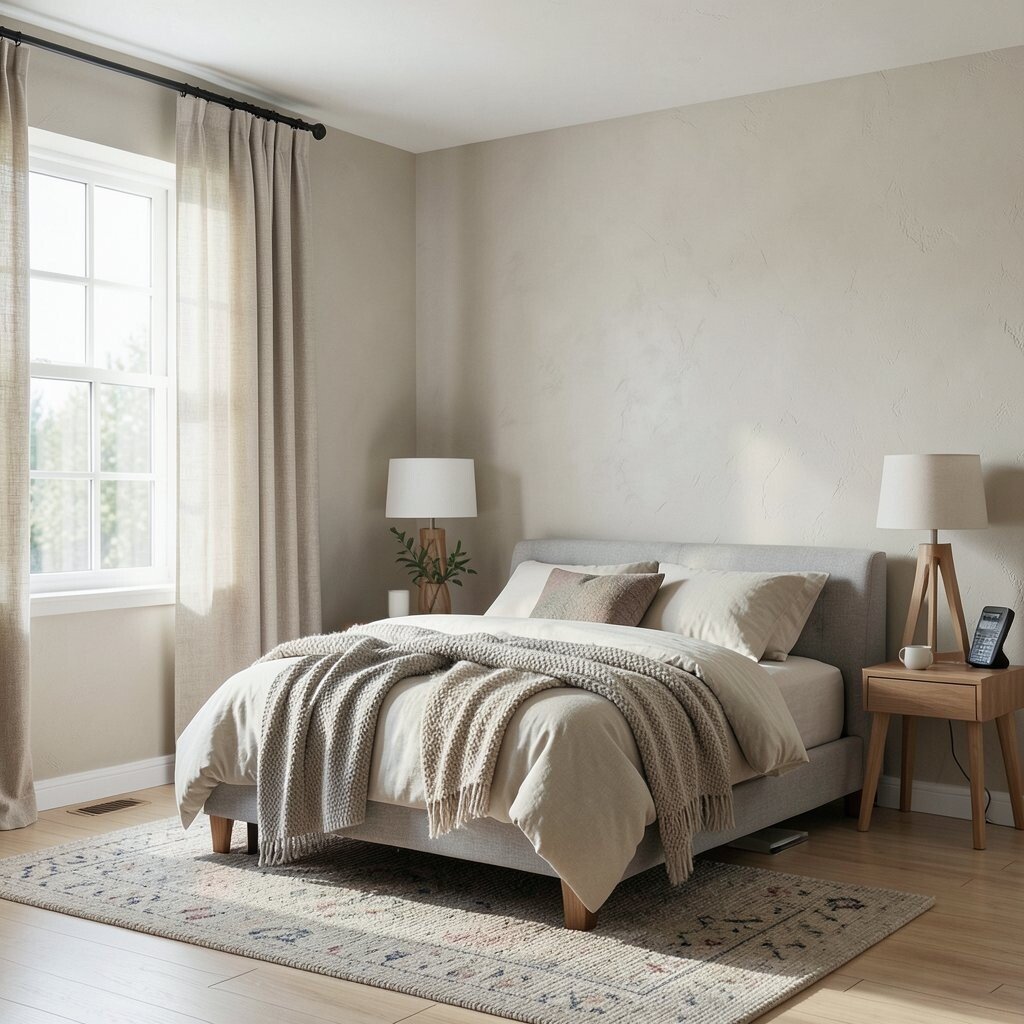
The thick material can help a room feel more balanced through the seasons. It does not heat up or cool down as fast as some lighter wall types.
That can make the home feel steadier and more comfortable. It is a small comfort, but many people notice it once they live with plaster for a while.
Pairing plaster with curtains, rugs, and layered bedding can make the whole room feel even better. If you want a modern touch, mix the old wall with clean furniture and simple lamps. This style is popular because it feels both classic and current at the same time.
13. Crumbling edges need quick attention
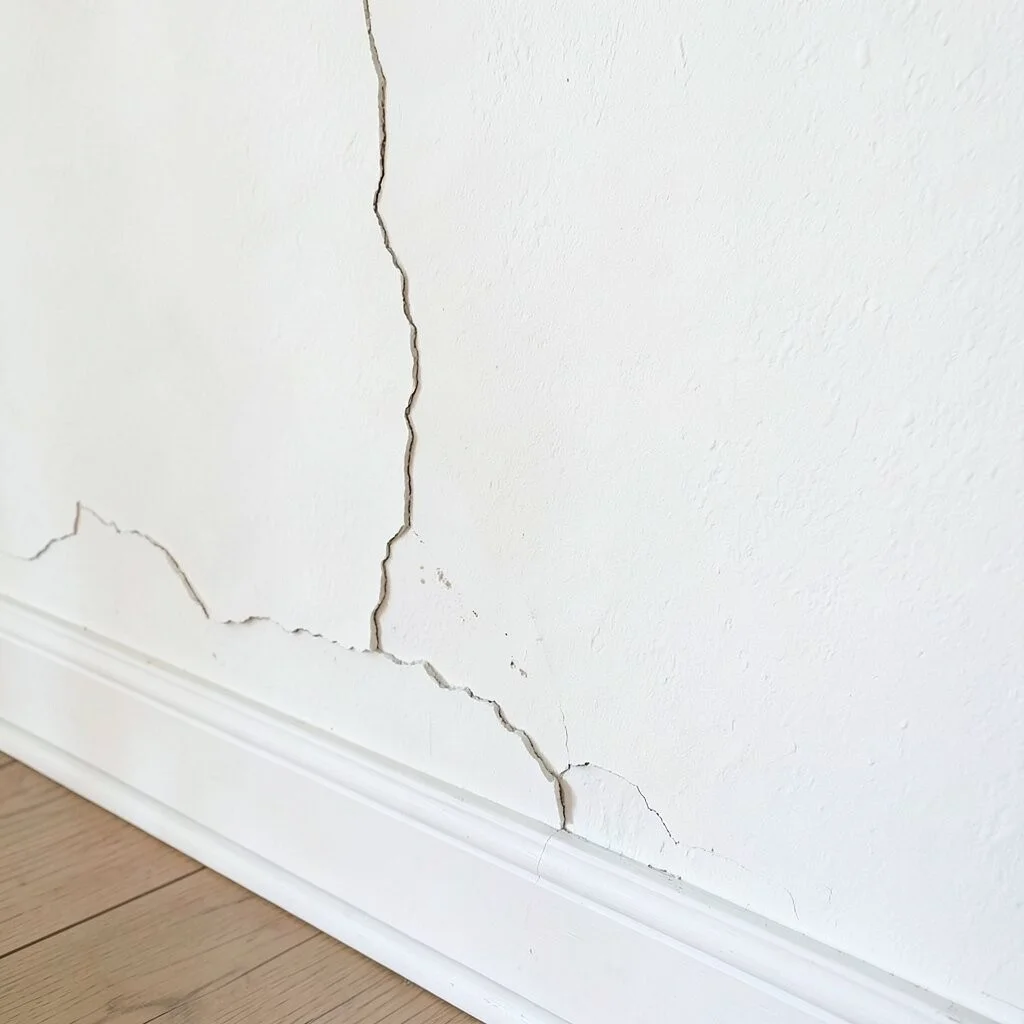
Loose edges can spread if they are left alone too long. What starts as a tiny flake may turn into a bigger repair job.
It is best to brush away loose bits and check the area soon after you notice it. A small fix now can protect the wall and keep the damage from growing.
For a tidy result, use the right bonding product and let each layer dry fully. This may cost less than waiting for a larger section to fail. Many homeowners also choose to touch up nearby trim so the whole wall area looks fresh and cared for.
14. Plaster can make art and decor look better
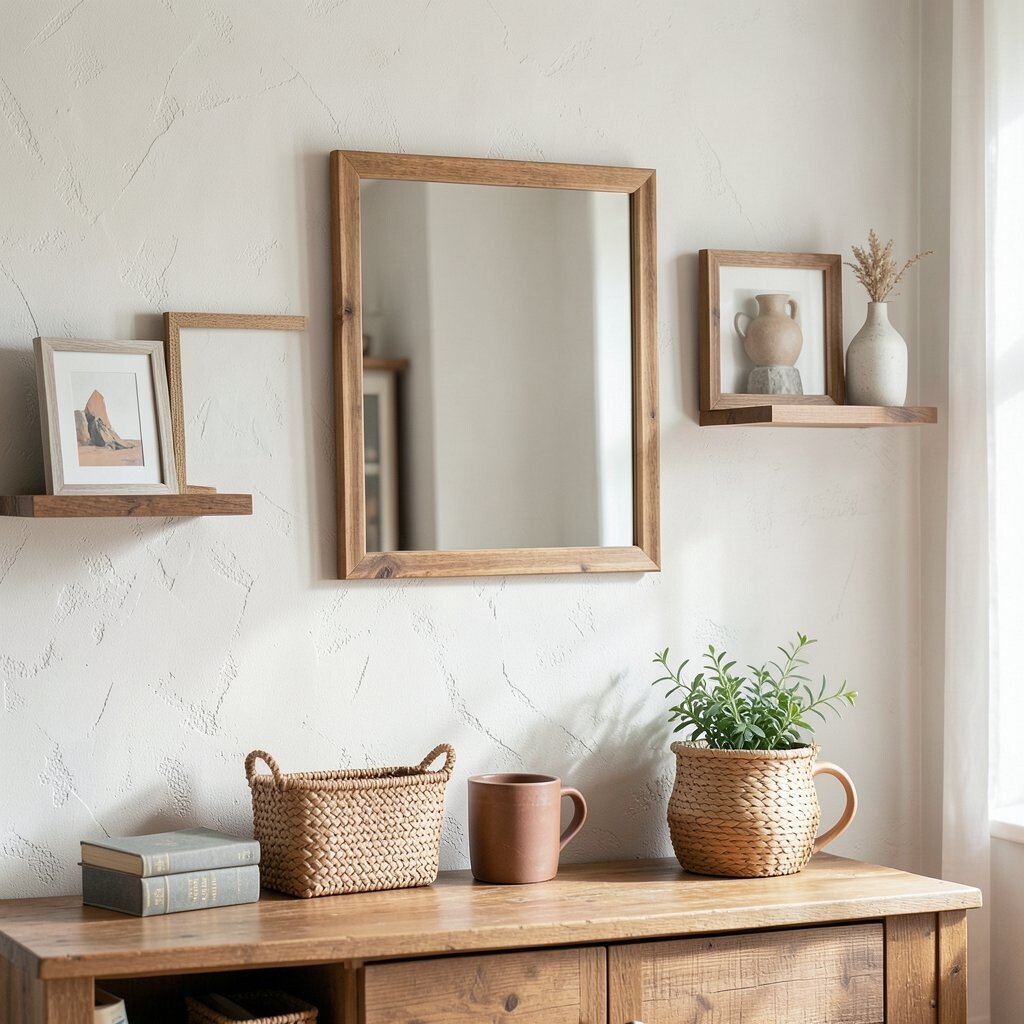
The soft texture behind a frame can make pictures and shelves stand out. It gives a room a nice backdrop without stealing attention.
Because the surface has depth, even simple decor can look more special. A plain mirror, a woven basket, or a small plant can feel more stylish against plaster.
If you want a more personal room, use decor that fits the wall’s mood instead of fighting it. Earthy colors, wood frames, and handmade pieces work very well. Cost-wise, this is helpful because you may need less decor to make the room feel finished.
15. DIY fixes can work, but patience matters
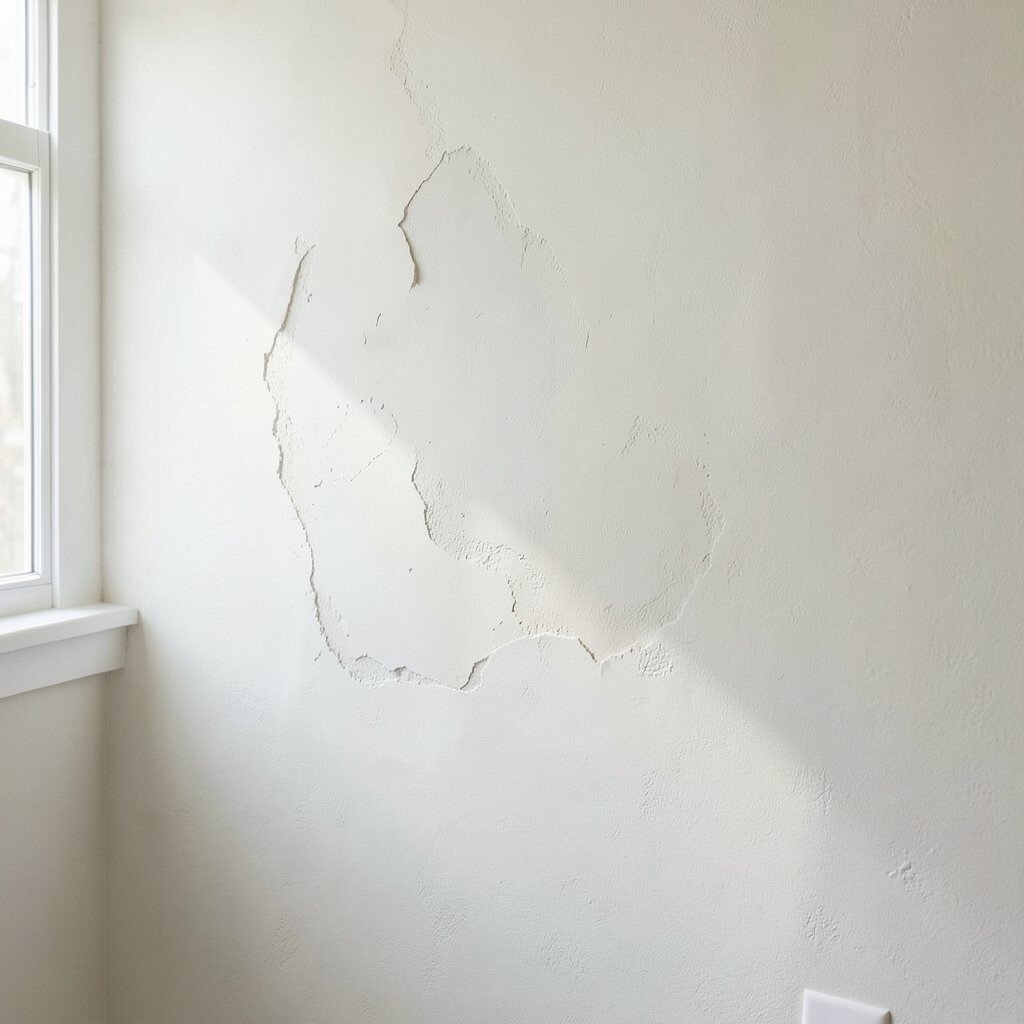
Many plaster repairs are possible for careful homeowners. The trick is to go slowly and not rush the drying steps.
Good prep makes a huge difference, from cleaning the wall to covering nearby surfaces. If you skip steps, the patch may show or fail sooner.
When in doubt, start with a small area and see how the material behaves. That can keep the cost lower while you learn what the wall needs. For a stylish result, finish with paint that matches the rest of the room so the repair disappears into the background.
16. The wall’s age is part of its charm
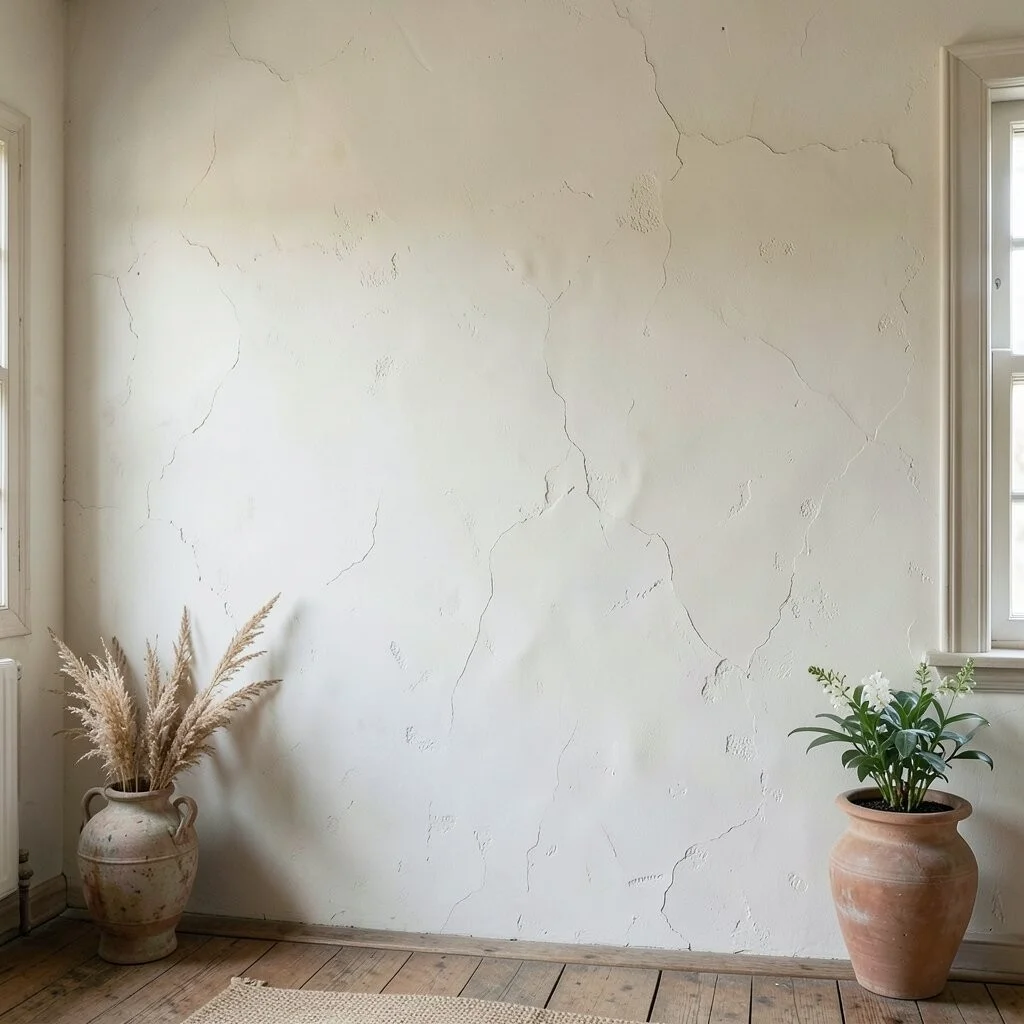
Older plaster walls carry a lived-in beauty that newer walls often lack. Tiny marks, soft curves, and slight shifts can feel warm instead of perfect.
That aged look is one reason people keep plaster instead of covering it up. It gives a home a sense of history and makes the space feel honest.
If you want to honor that character, keep repairs gentle and choose colors that suit the wall’s quiet style. A careful mix of old details and fresh decor can make the room feel personal and current. Many people find that this blend costs less than a full remodel while giving the home a much richer feel.