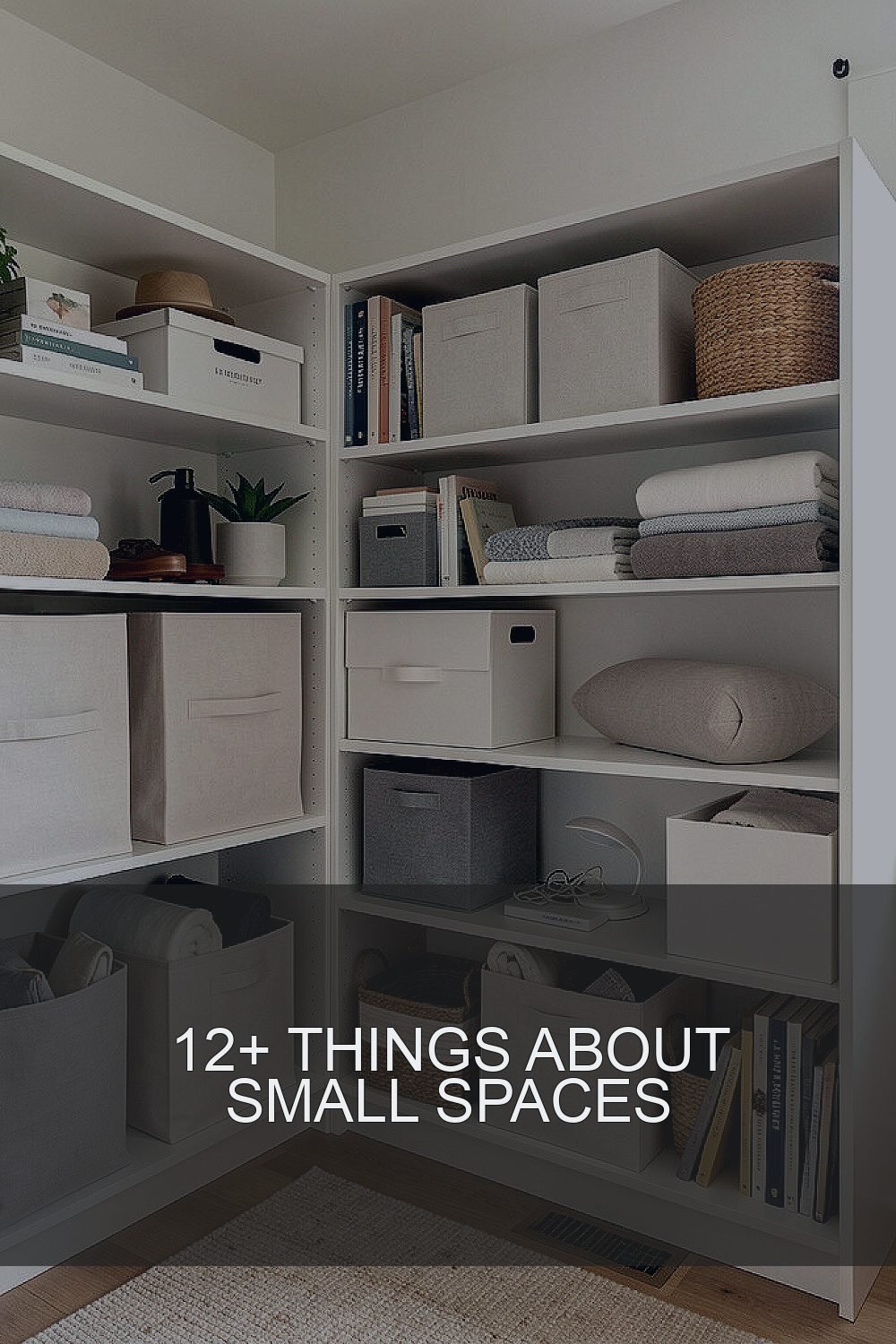
Your small space can feel cozy or chaotic depending on how you live in it. The tricky part is that the real fixes are usually invisible at first glance.
Here are the practical, sometimes surprising things that help most people get more comfort, better flow, and a home that actually feels like them.
1. You Need Three Zones, Not One Room
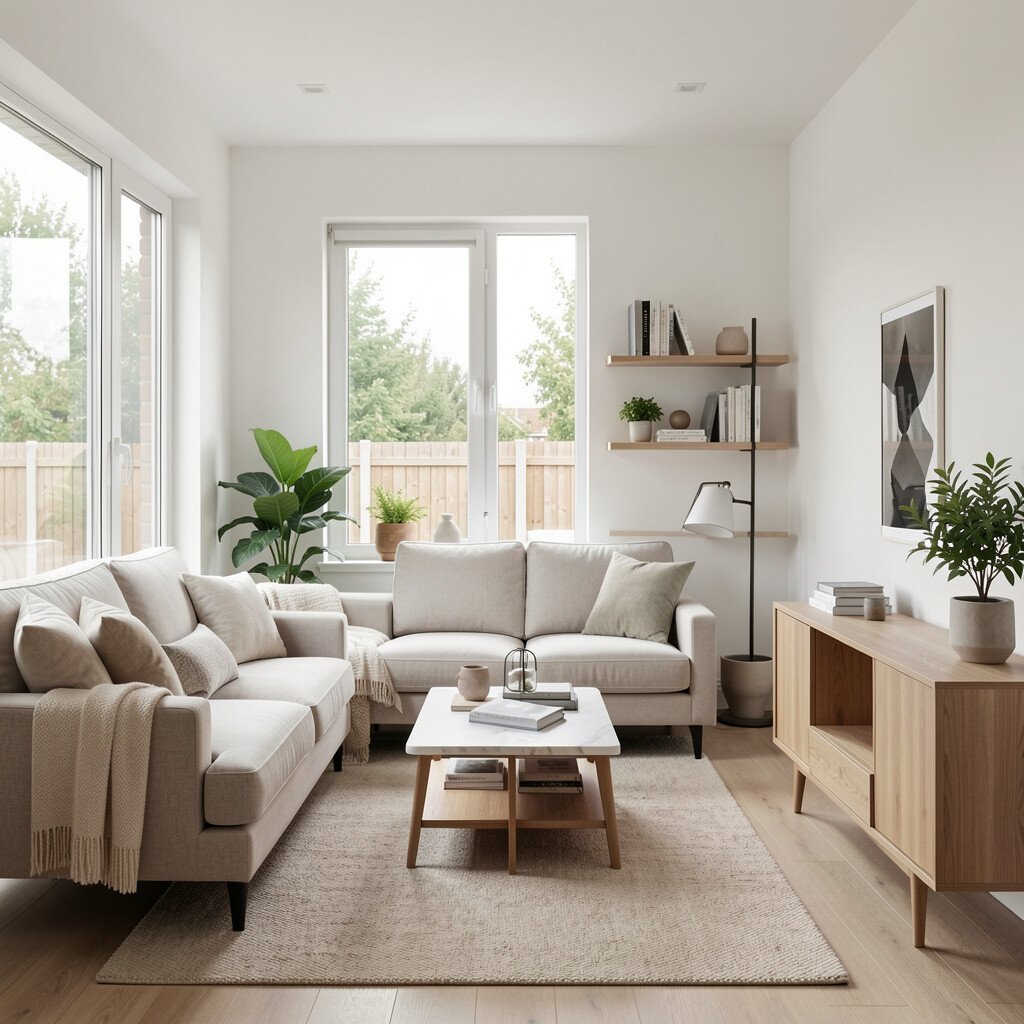
Small spaces work best when you treat them like a set of mini neighborhoods. Even if you only have one main room, you can create a sleep corner, a work corner, and a reset corner.
Picture a soft chair near a lamp that instantly signals downtime, while your desk sits where your eyes naturally drop when you start a task. A clearly defined zone reduces mental clutter, so you stop negotiating with your environment all day. Try using a rug, a bookshelf, or even a thin curtain to make boundaries feel real without building walls.
2. The Best Storage Plan Starts With What You Use Daily

People often buy storage first, then figure out where things go later, which can lead to wasted space. Start by taking a quick look at what you grab every day and placing it within easy reach.
Think about how your hands move in the morning: keys, a mug, skincare, cables, a notebook, and whatever you always hunt for. When those items live near their routine spots, you save time and reduce that stressful “where is it” loop.
Go one step further by sorting daily items into small trays or baskets, so everything has a home. This approach also helps you see what you truly need, which usually saves money because you buy less and keep what makes life easier.
3. Furniture Placement Is a Layout Skill, Not a Shopping Problem

You can have a perfect budget and still end up with a room that feels off. A surprising number of small-space issues come from where furniture sits, not from what it costs.
Try pulling your main piece slightly away from the wall to test how light and movement behave. If you can create a clear walkway, you’ll feel calmer, and the room will look bigger even when the square footage stays the same.
Many people are now using “floating” setups, like a sofa that’s not fully anchored to one side, paired with a slim console or narrow cabinet. It’s a current design move that looks modern, keeps pathways open, and helps you swap layouts as your needs change.
Measure once, but test placement with painter’s tape first so the room can be rearranged without regret.
4. Your Walls Are Part of Your Floor Plan
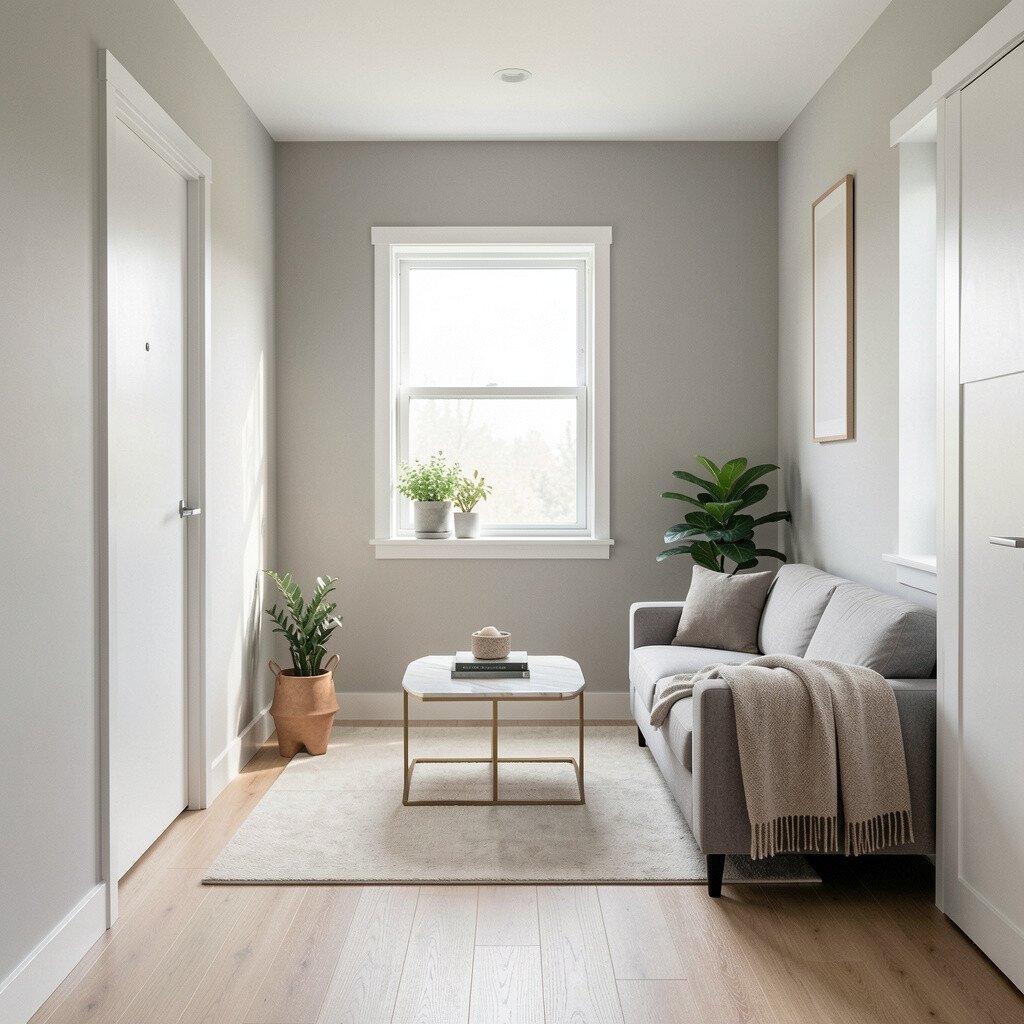
In a small home, vertical space is like quiet extra real estate. Shelving, hooks, peg boards, and wall-mounted organizers can free up your surfaces fast.
Imagine a row of floating shelves holding everyday books and a few favorite objects, so your room looks intentional instead of stuffed. When you choose wall storage that matches your style, your home starts to feel custom and unique rather than generic.
5. Light Isn’t Just Brightness, It’s Mood Control
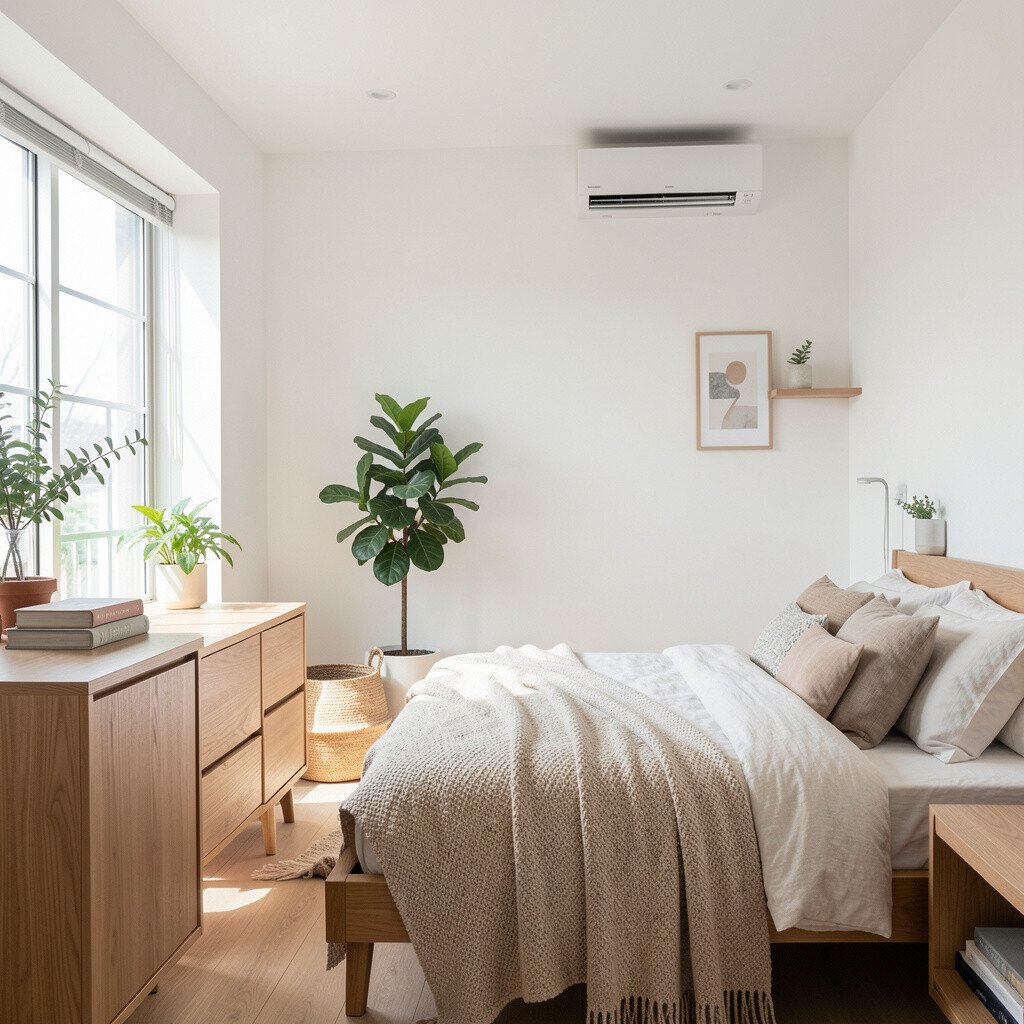
Many small rooms feel cramped because the lighting is harsh or all from one direction. You can change the whole vibe by mixing light sources and aiming them thoughtfully.
Use a floor lamp for a warm glow, a small desk lamp for tasks, and ambient lighting for evenings. This layered approach makes the room feel calmer and helps your eyes relax, which is especially helpful in tight spaces.
Right now, people are leaning into warm LED tones, dimmable switches, and hidden lighting like LED strips under shelves. These are practical trends because they create visual depth, and they often save energy over time.
6. Curtains Can Make a Space Feel Taller Instantly
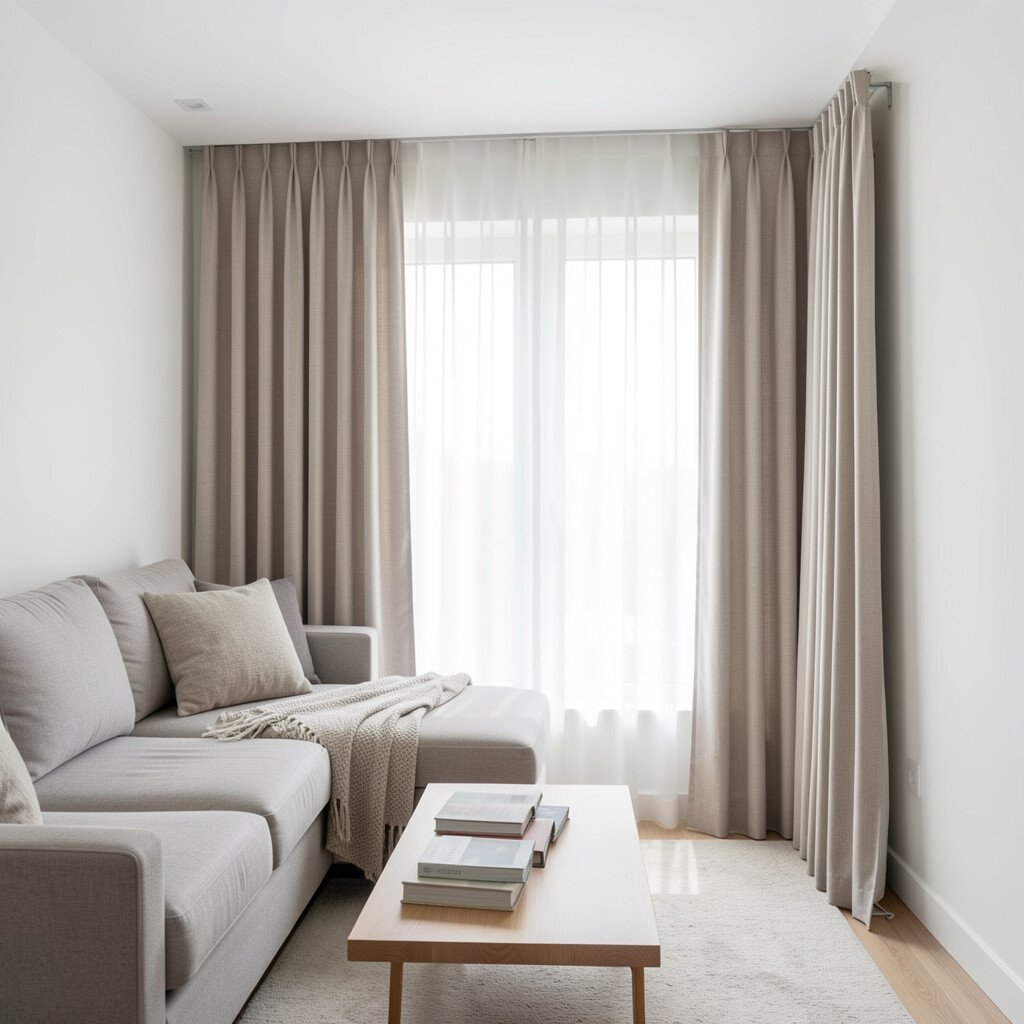
If your curtains stop at the window sill, your room can visually “shrink.” Hang them higher and let them extend wider so the sight lines stretch upward.
When fabric floats from high to low, the room looks taller and more elegant, even with simple furnishings. Pair this with a light color or a subtle pattern and you’ll get softness without heaviness.
You can also use sheer layers for daytime and thicker panels for evenings, which gives you privacy control while keeping the room bright. This is a budget-friendly change that also adds personalization because you can choose textures you love.
7. Mirrors Work Best When They Reflect Something Worth Seeing

Mirrors are famous for making rooms feel bigger, but they only help if they show a good view. Put them across from a window, a tidy shelf, or a piece of art you genuinely enjoy.
Picture a mirror that catches the light and bounces it onto your desk, turning a dull corner into a bright work nook. When you reflect something beautiful, the space feels richer instead of randomly doubled.
8. The “Pretty” Things Need a Real Landing Spot

It’s easy to treat small items like decor until they start taking over every surface. If you love candles, mail, jewelry, or small collections, you’ll want designated landing zones for them.
Consider a small tray by the door for daily essentials, or a shallow drawer insert for jewelry that keeps it from spreading out. When your favorite objects have a calm home, the room stays tidy and still feels personal.
Many minimalist trends are shifting toward “organized personality,” where you display what you love but store the rest. That balance keeps your space cozy and prevents daily mess from stacking up.
9. Your Doorway Reveals More Than You Think
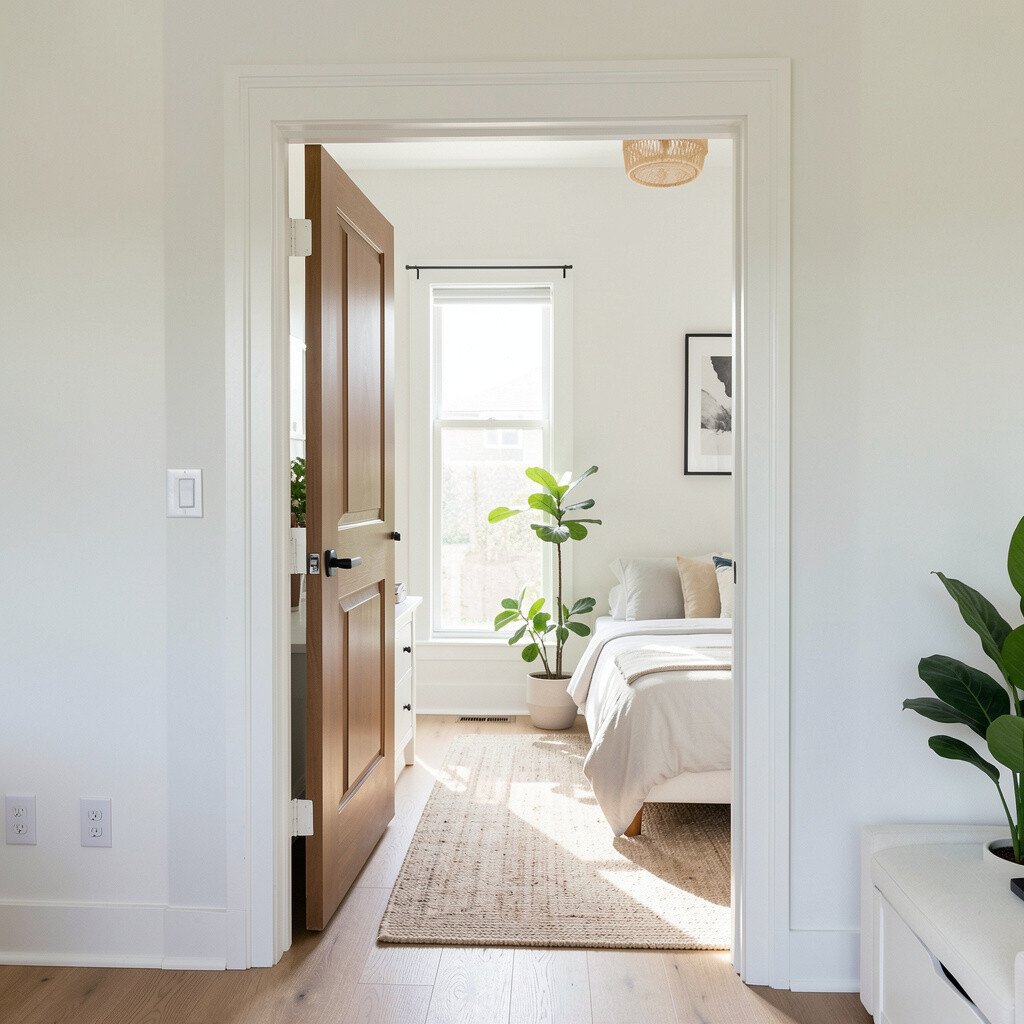
Doorways are small-space magic because they shape the first impression and the path through the home. If your hallway is narrow, even minor obstacles can make it feel stressful.
Keep the area just inside the door clear, and use wall hooks, a slim shoe area, or a narrow console so things don’t spill onto the floor. A tidy entry reduces daily friction, and it makes your home feel welcoming the moment you step in.
Try a bench with hidden storage or a slim cabinet, since today’s designs often focus on multi-use pieces. Even a small investment can prevent clutter from migrating into every room.
If you share the space with roommates or family, a shared charging station near the entrance can also cut down on “phone chaos.”
10. Multi-Use Furniture Is Great, But Multi-Use Layouts Are Better
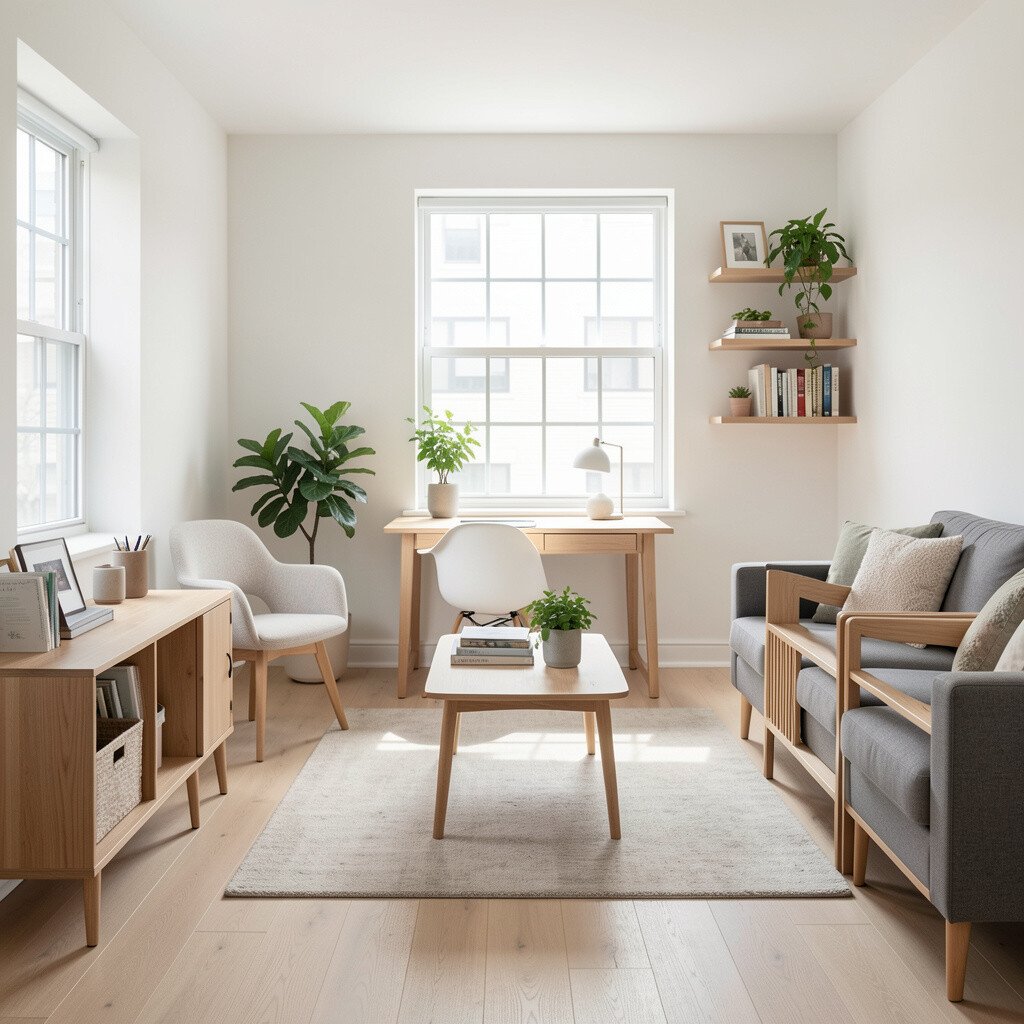
A sofa bed or a folding table can be helpful, but the best results happen when the whole layout supports change. Think about how your day shifts and how your furniture can follow those needs.
For example, a coffee table that turns into a workspace can make movie night and weekday work feel natural. When you plan where items move during the day, you reduce the effort it takes to “switch modes.”
11. Color Choices Can Either Expand or Squeeze Your Room
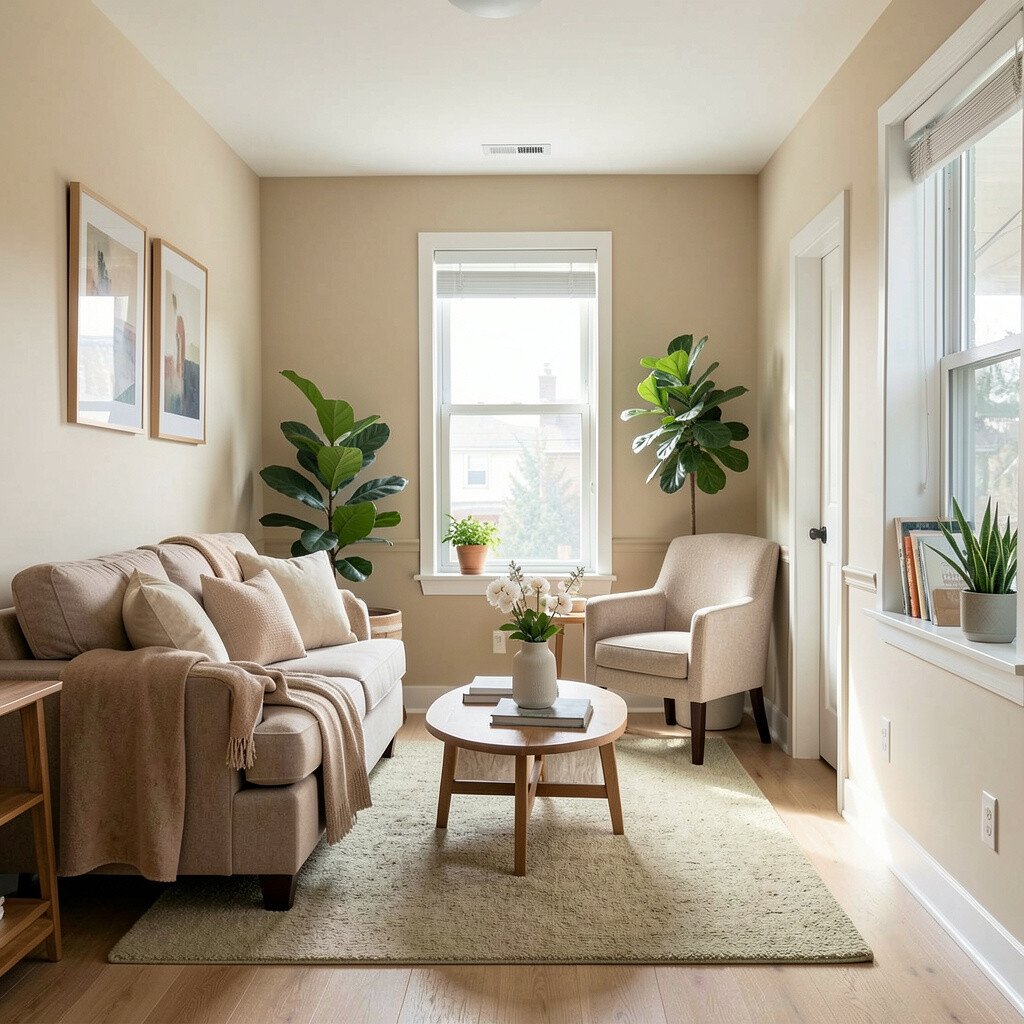
Color doesn’t just decorate, it guides your eyes and changes how space feels. Light neutrals can make a room feel open, while dark colors can create cozy drama when used with care.
Try pairing a lighter base with one deeper accent, like a soft teal pillow set or a warm wood sideboard. When the contrast is intentional, the room looks designed rather than cramped.
Current trends are leaning into warm whites, muted earth tones, and textured finishes like linen blends and matte ceramics. These choices look timeless, feel inviting, and usually hide minor scuffs better than glossy surfaces.
If you rent and can’t repaint, a removable wallpaper panel behind a desk or a few color-rich textiles can still deliver the same effect.
12. You’ll Want Quiet Rules for Clutter, Not More Bins
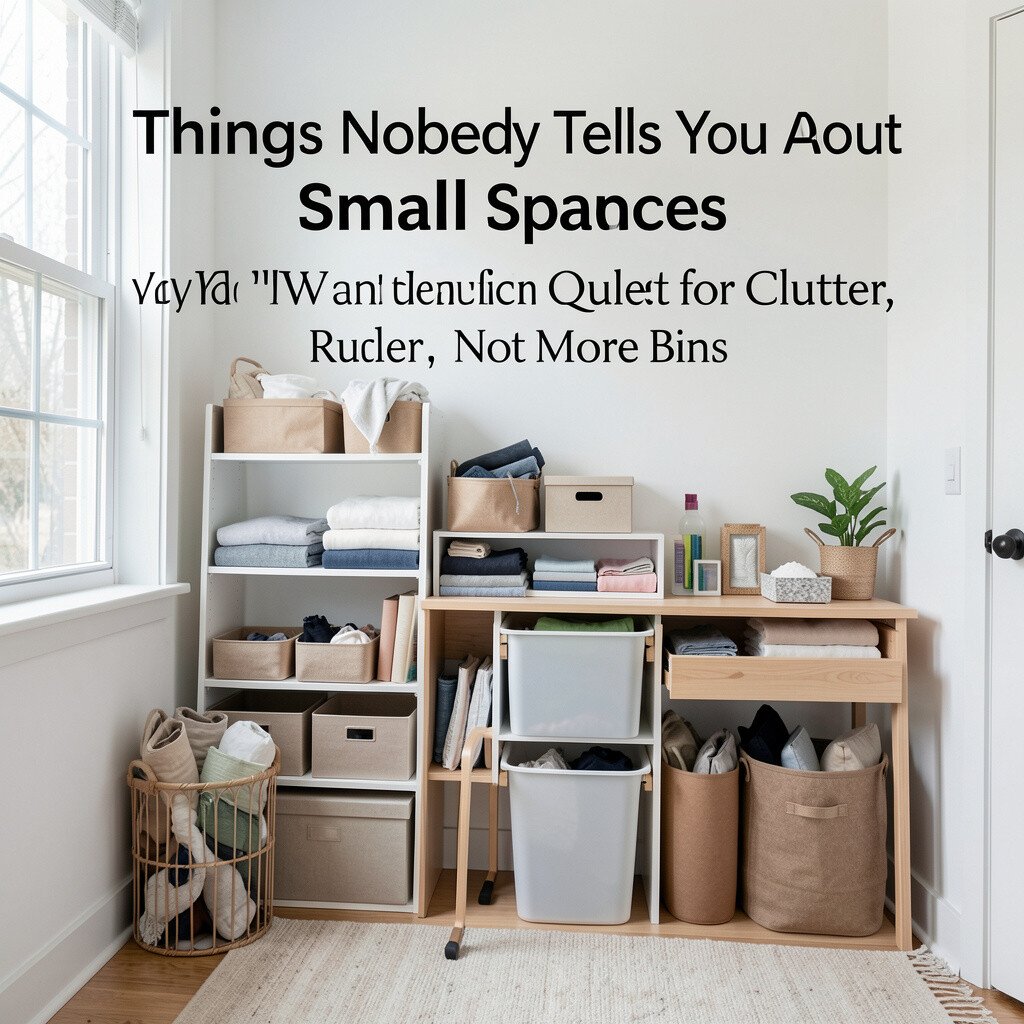
Small spaces don’t fail because of lack of storage, they fail because clutter has no rules. It grows when every item gets handled but nothing gets returned.
Create simple habits like doing a quick reset at the end of the day or keeping a trash and donation bag in one consistent spot. When you do this, you stop waiting for “cleaning time,” and your space stays easier to live in.
Many people now use systems that fit daily life, like a five-minute tidy routine and a “one in, one out” mindset for duplicates. It’s a cost-smart approach too because it prevents you from buying replacements when you already have the item somewhere.
13. Make It Personal With One Signature Moment
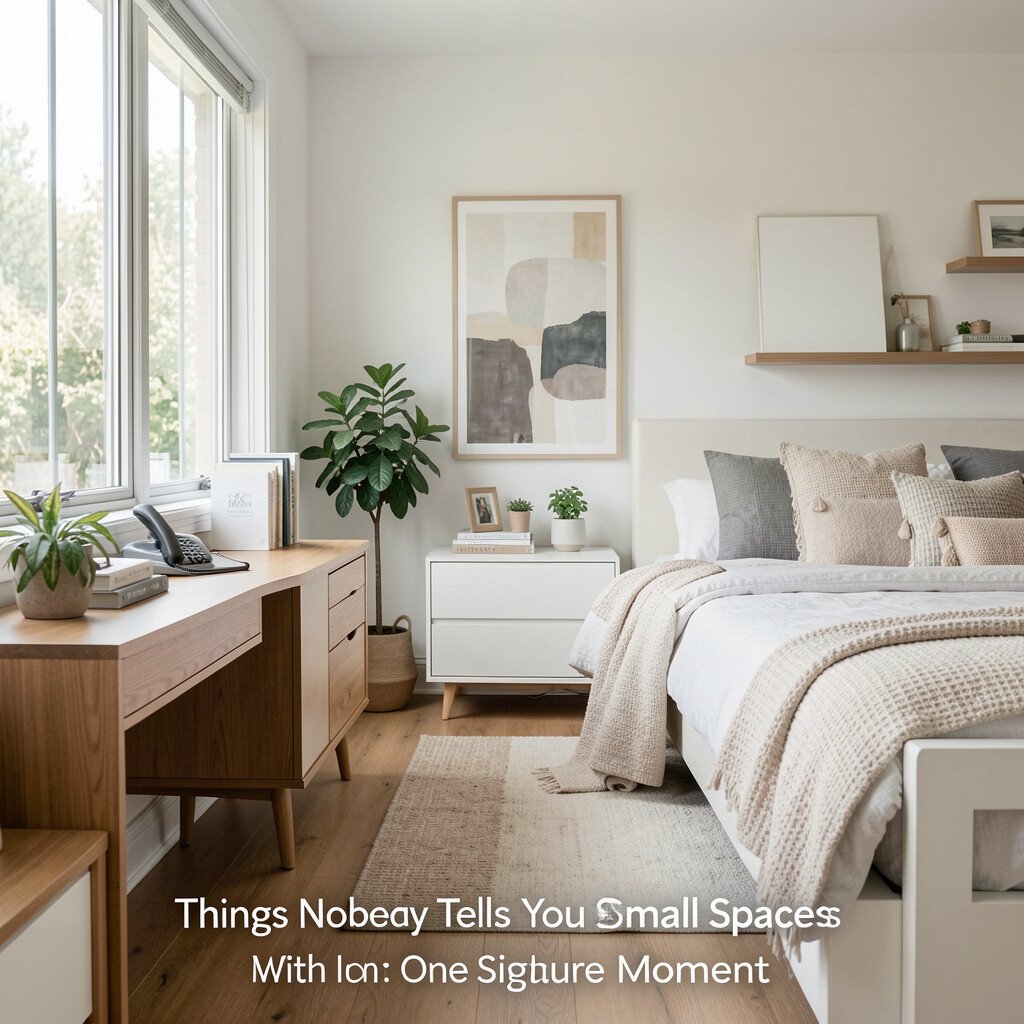
A small home can still feel like a real home, and it usually comes from one standout choice. Pick one signature moment that makes you smile, like a gallery wall, a favorite chair, or a bold piece of art.
Imagine stepping into your space and seeing that one highlight right away, whether it’s a framed print above a console or a small plant corner glowing with indirect light. That focal point gives the room a story, so it feels intentional even if everything else is simple.
Go for personalization that fits your budget, such as thrifted frames, handmade textiles, or a custom shelf arrangement. If you’re curious about what’s popular now, natural materials, layered textures, and slightly playful decor are trending because they add warmth without visual clutter.
When your signature moment is easy to maintain, you’ll keep enjoying it, and the whole space will feel more you, every day.