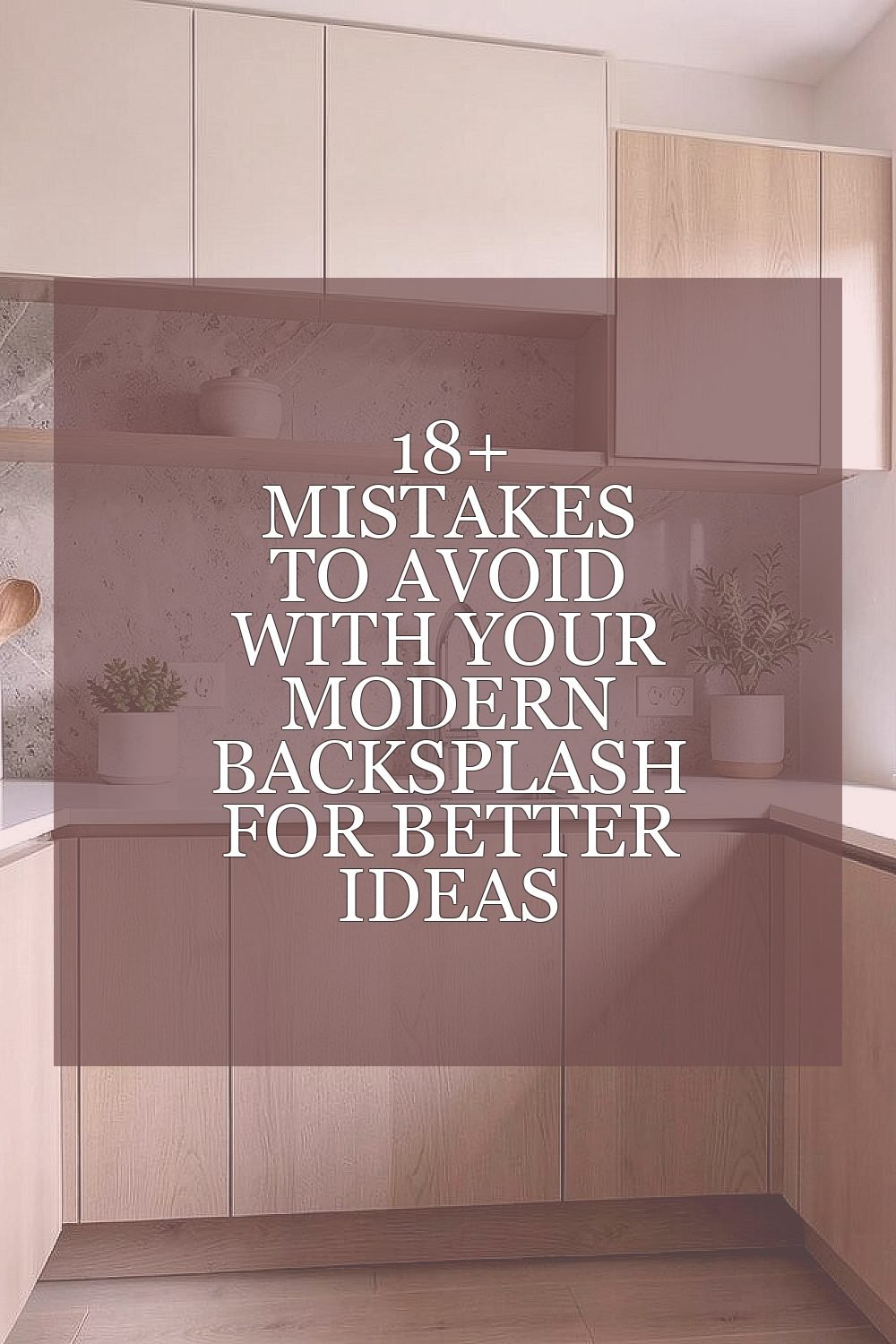
A modern backsplash can do more than protect a wall. It can set the whole mood of your kitchen with style and shine.
Small choices can make a big difference in how it looks and feels. The right plan can save money, add charm, and make the space feel fresh for years.
1. Picking a Style That Fights the Rest of the Room

A backsplash can look bold and beautiful on its own, but it still needs to work with your cabinets, counters, and floors. When the colors and textures clash, the wall can feel busy instead of polished.
Try to match the feel of the room, not just one sample chip. A smooth glass strip can feel clean and bright, while matte stone can feel warm and calm, and each one brings a different kind of charm.
2. Forgetting How Much Light the Wall Gets

Light changes everything, especially on a backsplash with shine or color. A tile that looks soft in the store may glare near a sunny window or look dull under dim lights.
Stand in the kitchen at different times of day before you choose. This helps you avoid a costly surprise and makes it easier to pick a finish that stays lovely from morning to night.
Many people now like soft reflective surfaces because they help small rooms feel open. If your kitchen is dark, a lighter tile with a gentle sheen can bring in more glow and make the whole wall feel more alive.
3. Choosing Busy Patterns That Make the Space Feel Smaller
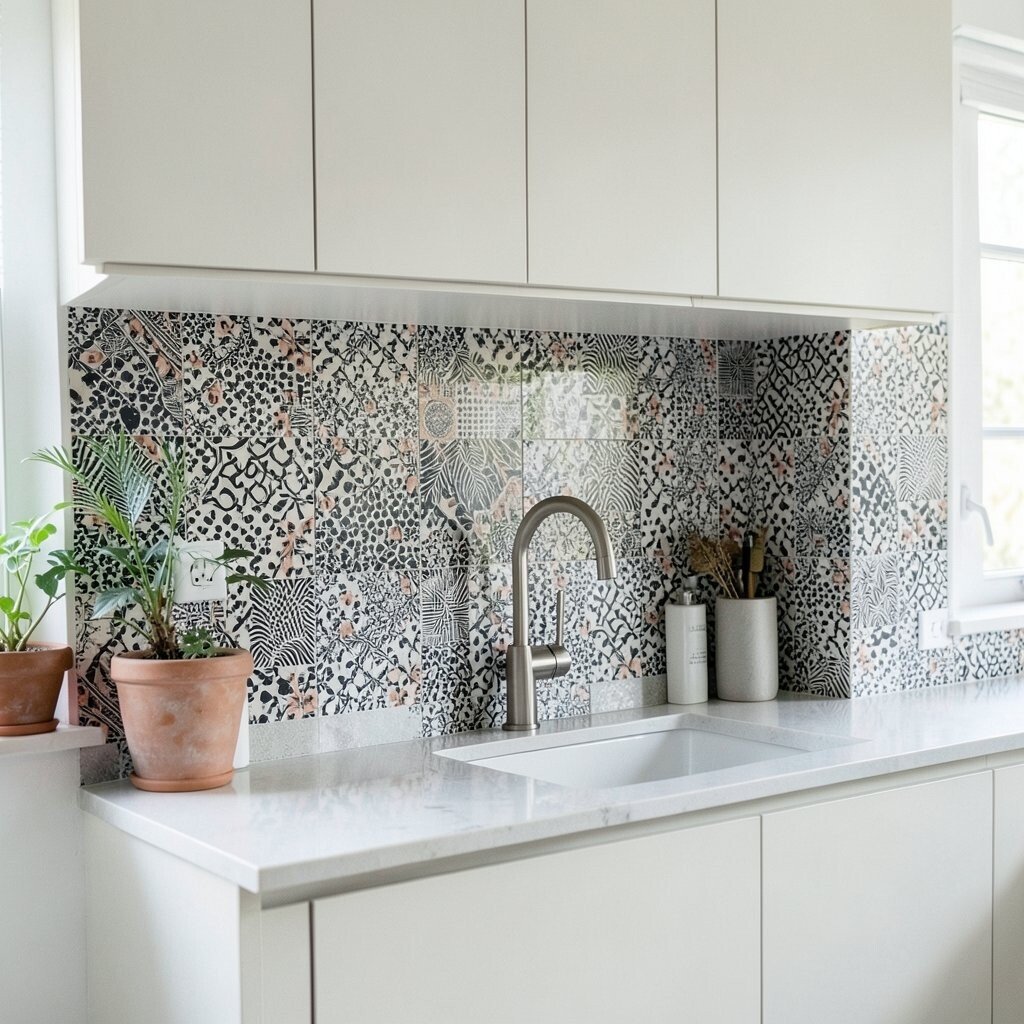
Bold pattern can be fun, but too much of it can crowd the room. When every inch has movement, the eye has nowhere to rest and the kitchen can feel tighter than it really is.
Balance is the key here, and a simple counter can help a patterned backsplash shine. If you want a personal touch, use one striking section behind the range and keep the rest more calm so the design feels special without taking over.
Some of the most current looks use pattern in small doses, which keeps the space fresh and easy to live with. This also helps with cost because you can spend more on one feature area and less on the full wall.
4. Ignoring Grout Color and Grout Width
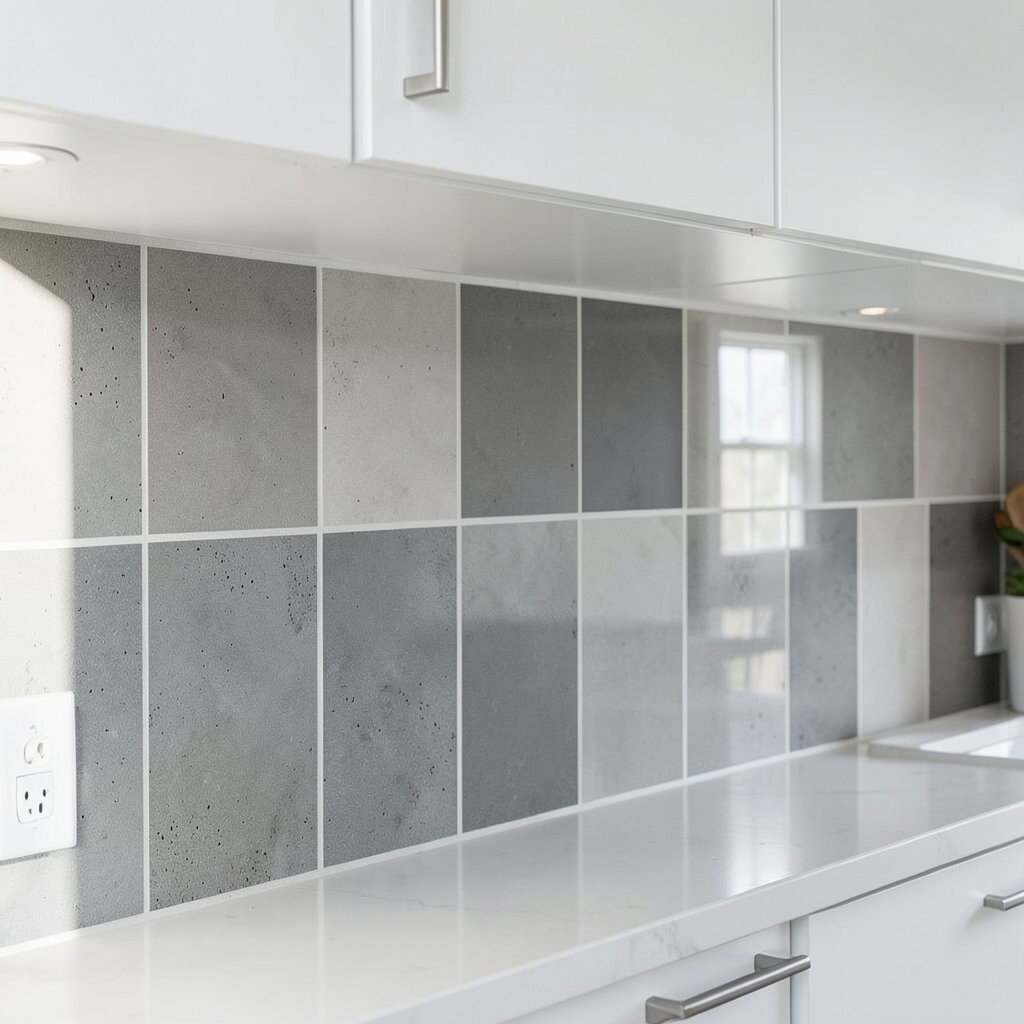
Grout may seem like a small detail, but it can change the whole look of a backsplash. Wide grout lines can make a tile feel more rustic, while narrow lines can create a crisp, modern feel.
The wrong grout color can either hide the tile or break up a smooth design. For a cleaner look, many people now choose grout that blends in, which also makes the wall easier on the eyes and often easier to keep neat.
5. Picking Materials That Are Hard to Clean

A backsplash should look good, but it should also stand up to splashes, steam, and cooking mess. Tiny grooves and rough edges can trap grease and dust, which makes daily cleaning feel like a chore.
Think about your real cooking habits before you fall for a pretty finish. A glossy ceramic or sealed stone can bring style without too much fuss, and that can save both time and extra care products over the long run.
Families often like surfaces that wipe clean fast because they stay bright with less work. If you love a unique handmade look, choose a style with simple shapes so the charm stays visible without creating too many spots to scrub.
6. Measuring Too Quickly and Missing Key Areas
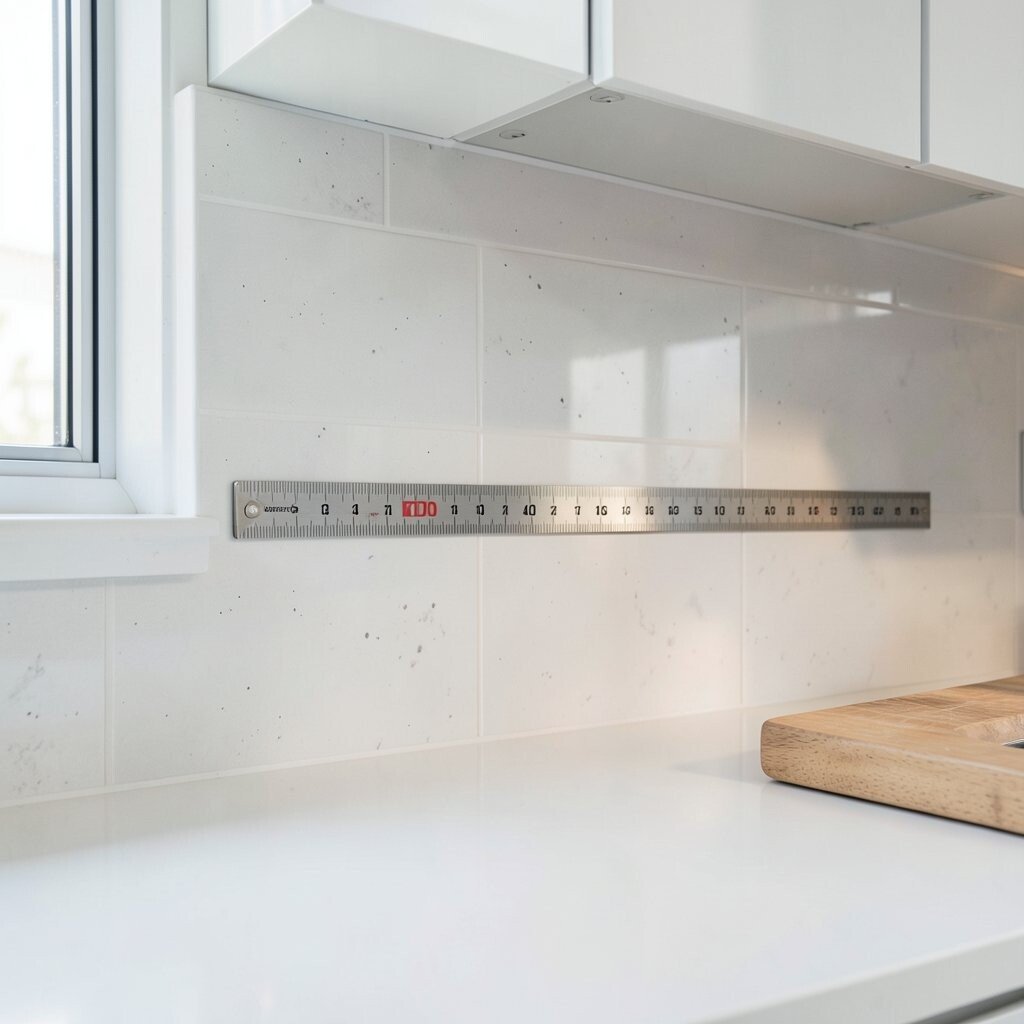
A backsplash that looks perfect on paper can fail if the measurements are off. Outlets, windows, corners, and range hoods can all change the way tile fits across the wall.
Slow and careful measuring can keep waste down and lower the total cost of the project. It also helps you plan for a cleaner finish, which means fewer odd cuts and a smoother look from edge to edge.
Before buying, walk the wall with tape in hand and mark every change in shape. That little bit of care can make a plain design feel tailored, and it can also help you decide where a special tile accent would fit best.
7. Forgetting That Small Kitchens Need Visual Breathing Room
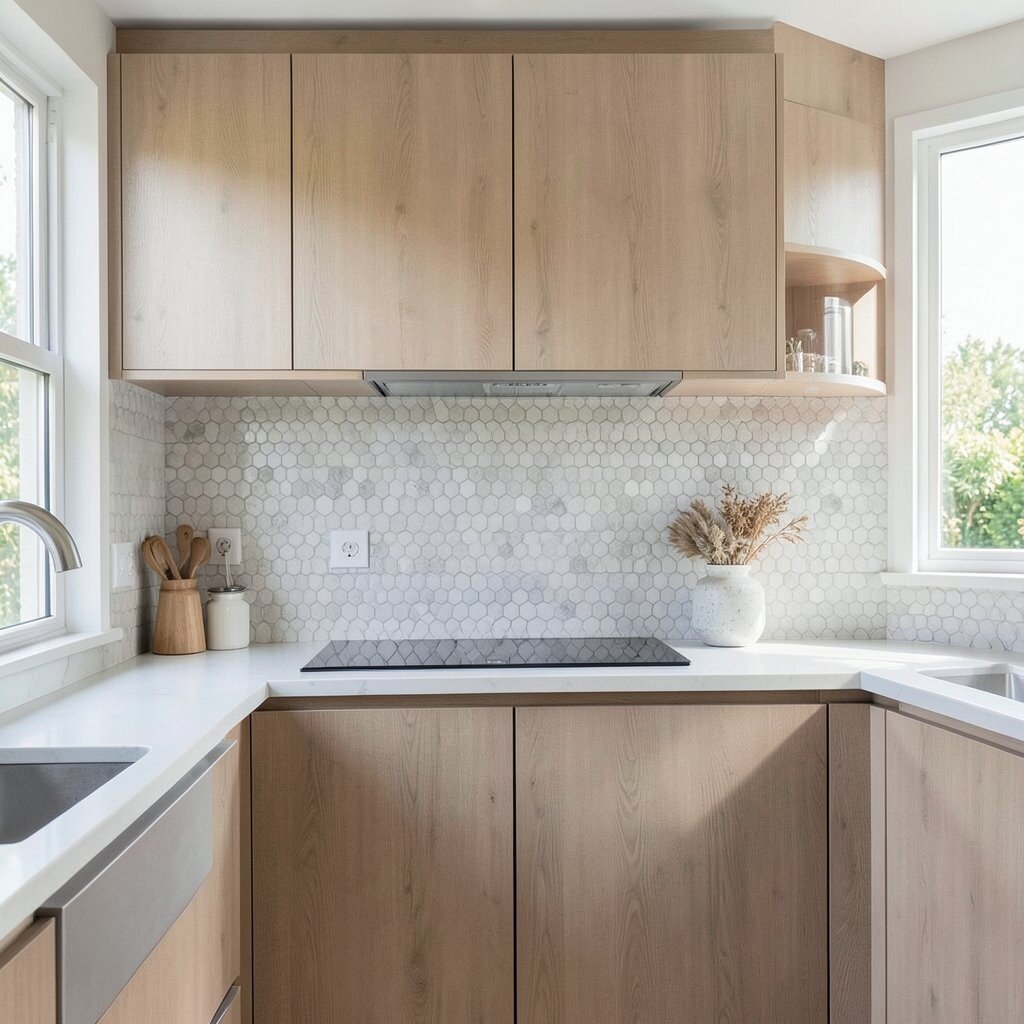
In a tight kitchen, a heavy backsplash can make the wall feel crowded. Large dark shapes, thick patterns, and too many color changes can shrink the room in a way that feels harsh.
Soft tones, longer lines, and a bit of shine can help the space open up. A simple layout can still feel unique if you use a fresh shape like slim rectangles or stacked tiles that give the eye an easy path to follow.
8. Not Thinking About the Countertop First
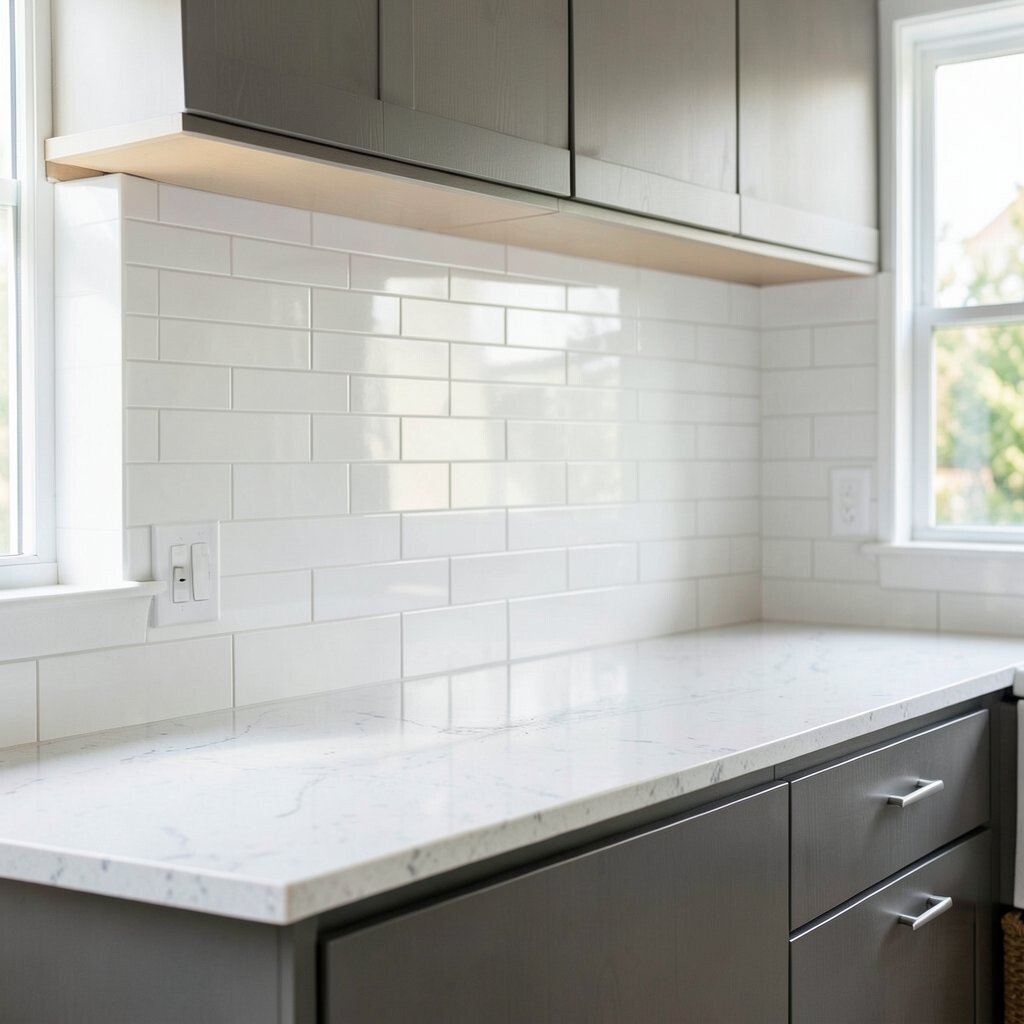
The backsplash and countertop should speak the same design language. If the counter has strong veins or loud color, the wall tile needs to support it instead of fighting for attention.
When both surfaces are busy, the room can feel restless and less expensive than it really was. A calm backsplash can be a smart choice here because it lets the countertop stand out while still adding texture and depth.
Many modern kitchens now pair stone counters with simple tile for a clean, rich feel. That mix gives you room to add your own touch with cabinet hardware, open shelves, or a single strip of special tile near the stove.
9. Overlooking the Height of the Backsplash

The height of the backsplash changes the whole wall story. A short strip can feel neat and old-fashioned, while a taller run can feel sleek and more current.
Think about how the tile stops near shelves, windows, or cabinets so the finish looks planned. Going a little higher may cost more, but it can also make the room feel more complete and give you extra protection where you need it most.
For a personal touch, some people now carry tile all the way to the ceiling on one feature wall. That choice can make the room feel taller and create a strong modern look without needing many extra colors.
10. Choosing Trends Without Checking Longevity

Trendy tile can be exciting, and it often looks amazing in photos. The trouble comes when the style feels tired before the rest of the kitchen does, which can lead to another update sooner than you want.
Pick trend pieces with care and use them in ways that are easy to swap later. A classic base with one fresh detail can still feel current, and it gives you a safer way to enjoy the look without a huge future cost.
At the moment, soft earthy shades, handmade edges, and gentle texture are popular because they feel warm and calm. Those looks can age well since they bring personality without shouting for attention.
11. Skipping Samples in the Actual Kitchen

Tile samples can look very different under your own lights. A color that seemed warm in the store may turn gray at home, while a glossy finish might feel brighter than expected.
Bring samples into the room and set them near the sink, stove, and window. This simple step can help you avoid a poor match and save money by keeping you from buying tile that does not fit the space.
Place the sample beside cabinet doors and countertop scraps so you can see the full picture. The right piece should feel like it belongs, and it should also add a bit of character instead of looking like an afterthought.
12. Making the Space Too Matchy-Matchy

A backsplash that copies every other finish in the kitchen can feel flat. When the wall, counters, and cabinets all look the same, the room may lose some of its spark and charm.
A little contrast can bring the design to life. If the cabinets are plain, a tile with light texture or a soft handmade shape can add depth, while still keeping the room easy to live in and easy to refresh later.
People often like a backsplash that feels like a small piece of art. That kind of uniqueness makes the kitchen feel personal, and it can be done without spending a lot if you use the special look in just one well-chosen section.
13. Forgetting How the Backsplash Will Look With Hardware
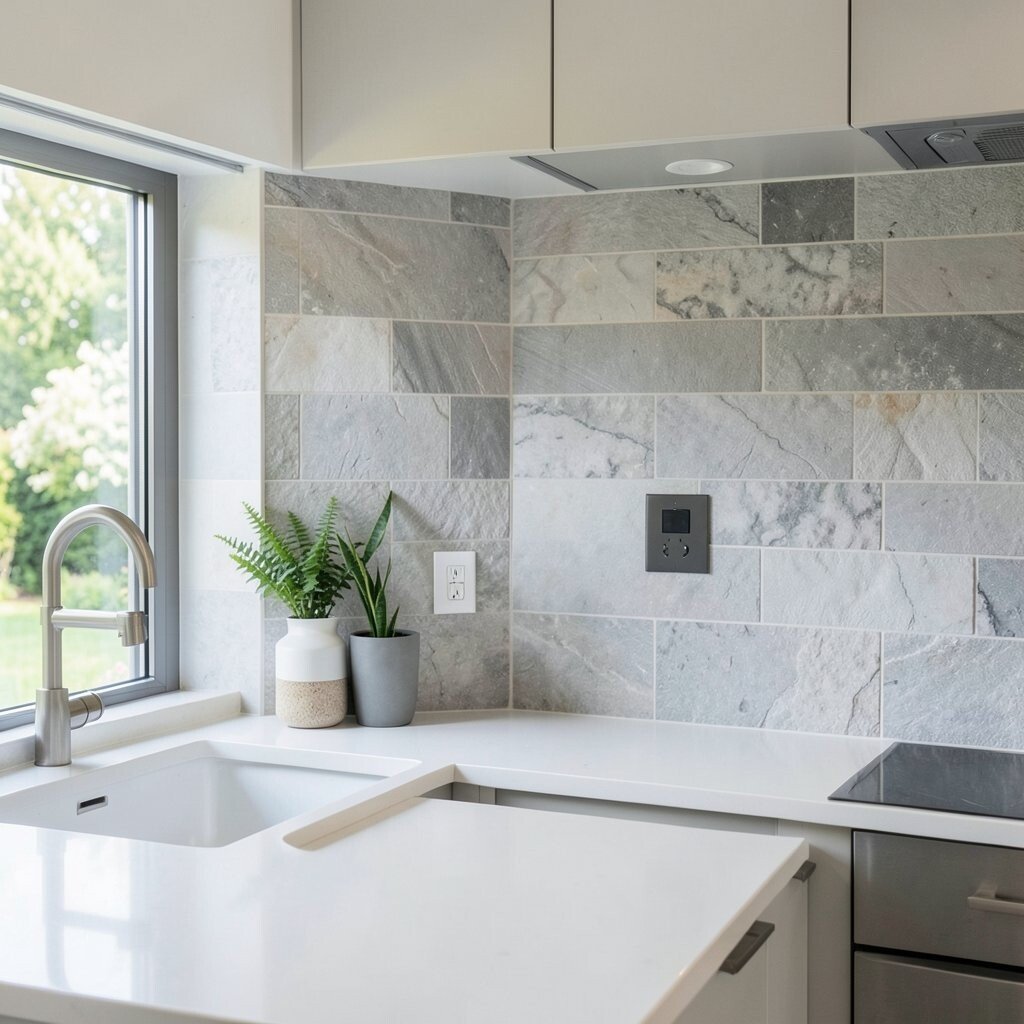
Cabinet handles, faucets, and lighting all show up in the same visual field as the backsplash. If the finishes fight each other, the room can feel unsettled even when each piece looks good alone.
Warm metals often work well with stone or earthy tile, while cooler metals can sharpen a sleek glass wall. Matching the mood of these details can make the whole room feel more polished and can help the backsplash shine in a quieter, smarter way.
Look at the full kitchen as one picture before you decide. That makes it easier to choose a backsplash that feels custom, and it can also help you spend on fewer, better accents instead of many small fixes.
14. Using the Wrong Size Tile for the Wall

Tile size changes the rhythm of the room. Very tiny pieces can feel busy, while very large pieces may make a small wall look too plain if the scale is off.
Choose a size that fits the room and the style you want. In a modern kitchen, long slim tiles often feel fresh and neat, and they can create a clean line that makes the space look wider.
There is also a cost side to this choice because some sizes need more labor or more careful cutting. A well-matched size can cut down waste, and it can give you a cleaner finish that looks more expensive than it was.
15. Forgetting That Texture Matters as Much as Color

Color gets most of the attention, but texture can do the real magic. A smooth surface bounces light in one way, while a ribbed or handmade surface adds shadow and depth that make the wall feel alive.
Texture also helps a backsplash feel special without needing bright color. That can be useful if you want a quiet room that still has character, and it is a smart way to keep the design modern without making it too loud.
Many current kitchens use soft texture because it adds warmth and feels less stiff than a flat wall. This kind of finish can make the room more welcoming and can work well with simple shelves, plants, or small art pieces.
16. Not Planning for Wear Near the Stove and Sink

The areas near heat and water need extra thought. If the material is too delicate, it may stain, crack, or wear down faster than the rest of the wall.
Choose a backsplash that can handle busy spots without much stress. That can keep repair costs lower and help the kitchen stay pretty even after a lot of cooking, washing, and steam from daily use.
A stronger finish near the stove can still look stylish if you keep the shape simple. Some people like to use a slightly different tile in that zone, which adds a subtle bit of uniqueness and makes the wall feel intentionally designed.
17. Choosing a Color That Feels Too Loud for Daily Life
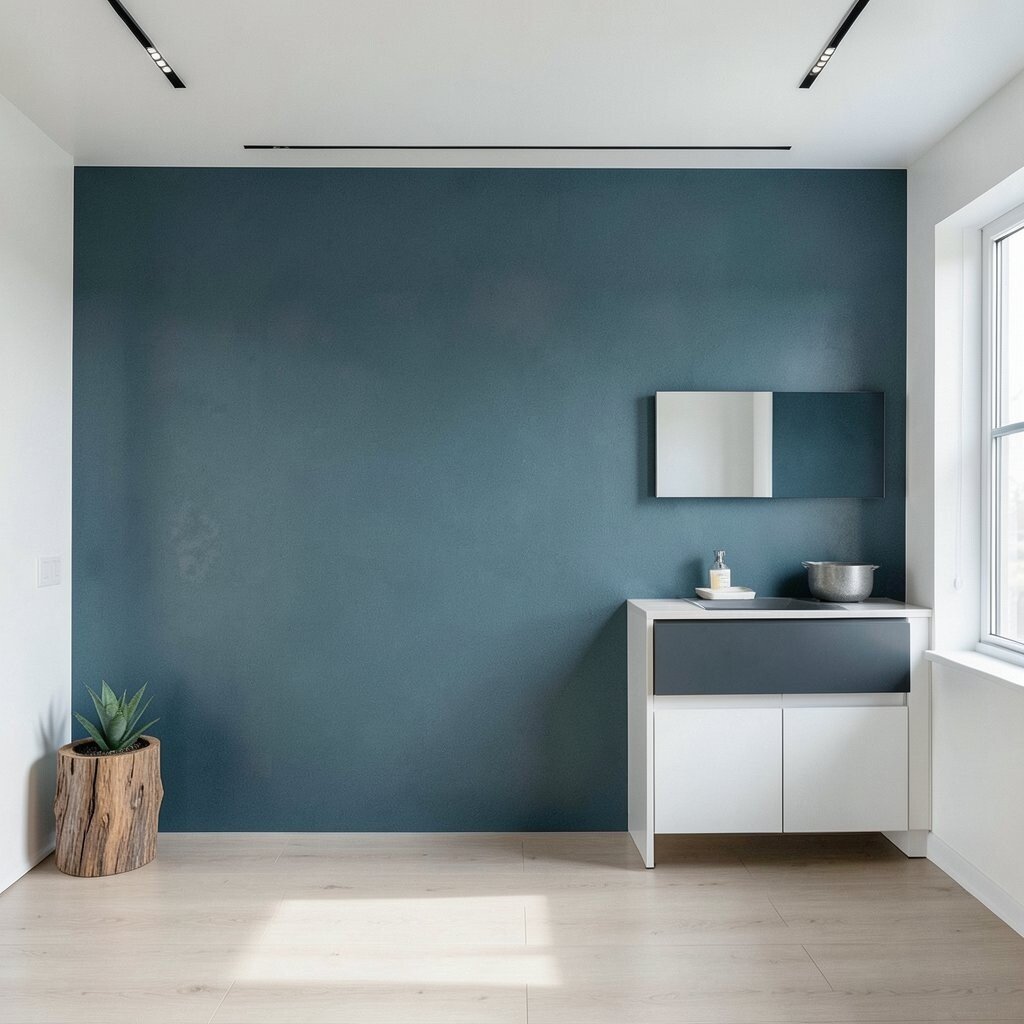
Bright color can be fun at first, but it may become tiring if you see it every day. A very strong shade can make the kitchen feel smaller, busier, or harder to relax in after a while.
Soft color can still feel rich and personal, especially when paired with good shape and texture. This choice often brings better long-term value because it is easier to live with, easier to update around, and less likely to feel dated soon.
If you love bold color, try using it in a narrow band or a small feature zone. That gives you the fun of a statement piece while keeping the rest of the room calm and easy on the eyes.
18. Leaving Installation Details to Chance
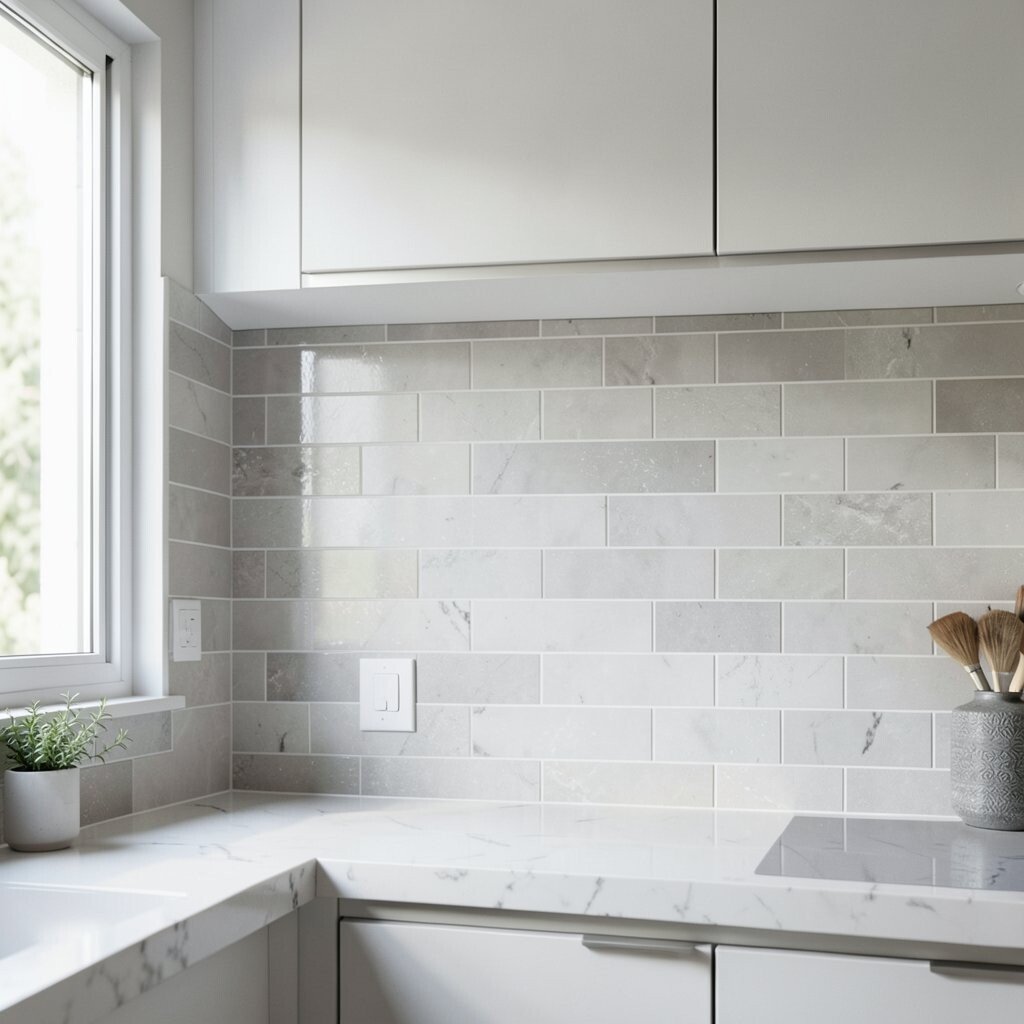
Even the best tile can look messy if the installation is rushed. Uneven lines, poor spacing, and sloppy corners can make a modern backsplash lose its clean feel right away.
Take time to check edge trim, outlet cuts, and corner transitions before the work starts. Careful planning can save money by preventing fixes later, and it can make the final look feel crisp and well made.
Many homeowners are choosing neat finishing strips and slim borders because they help the wall look complete. These details may seem small, but they add polish and can make an ordinary tile choice feel much more special.
19. Forgetting to Make It Feel Like Yours
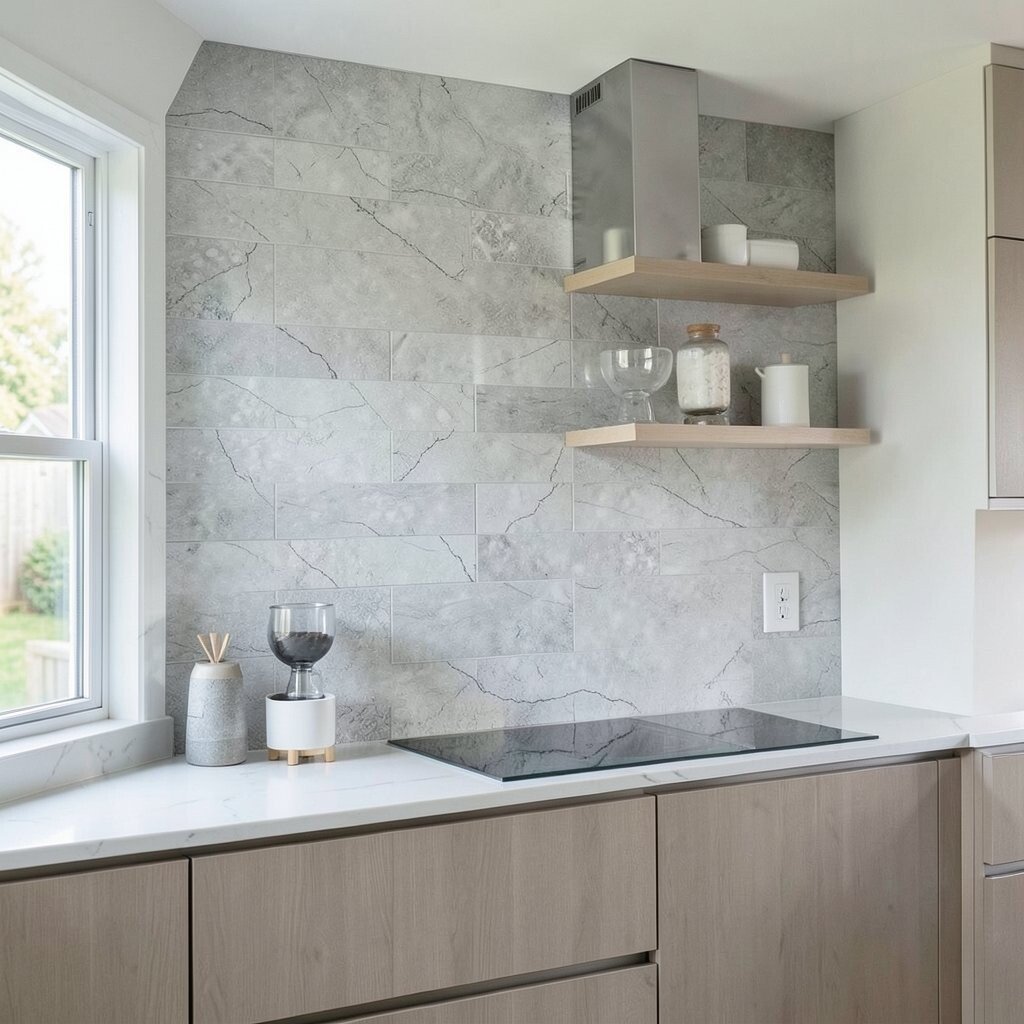
A modern backsplash should be stylish, but it should also feel tied to the people who live there. If the wall looks like a copy of every showroom display, it may never feel warm or personal.
Bring in one detail that tells your story, like a favorite color, a handmade tile, or a shape that reminds you of a place you love. That touch can make the space feel unique without needing a huge budget, and it often becomes the part guests notice first.
The best designs mix beauty with real life, so the kitchen feels useful, inviting, and a little special every day. When the backsplash fits your habits, your taste, and your room, it gives the whole kitchen a brighter and more lasting charm.