Home doors do a lot more than open and close. The wrong choice can make a room feel dull, busy, or dated very fast.
1. Picking a Door Style That Fights the House
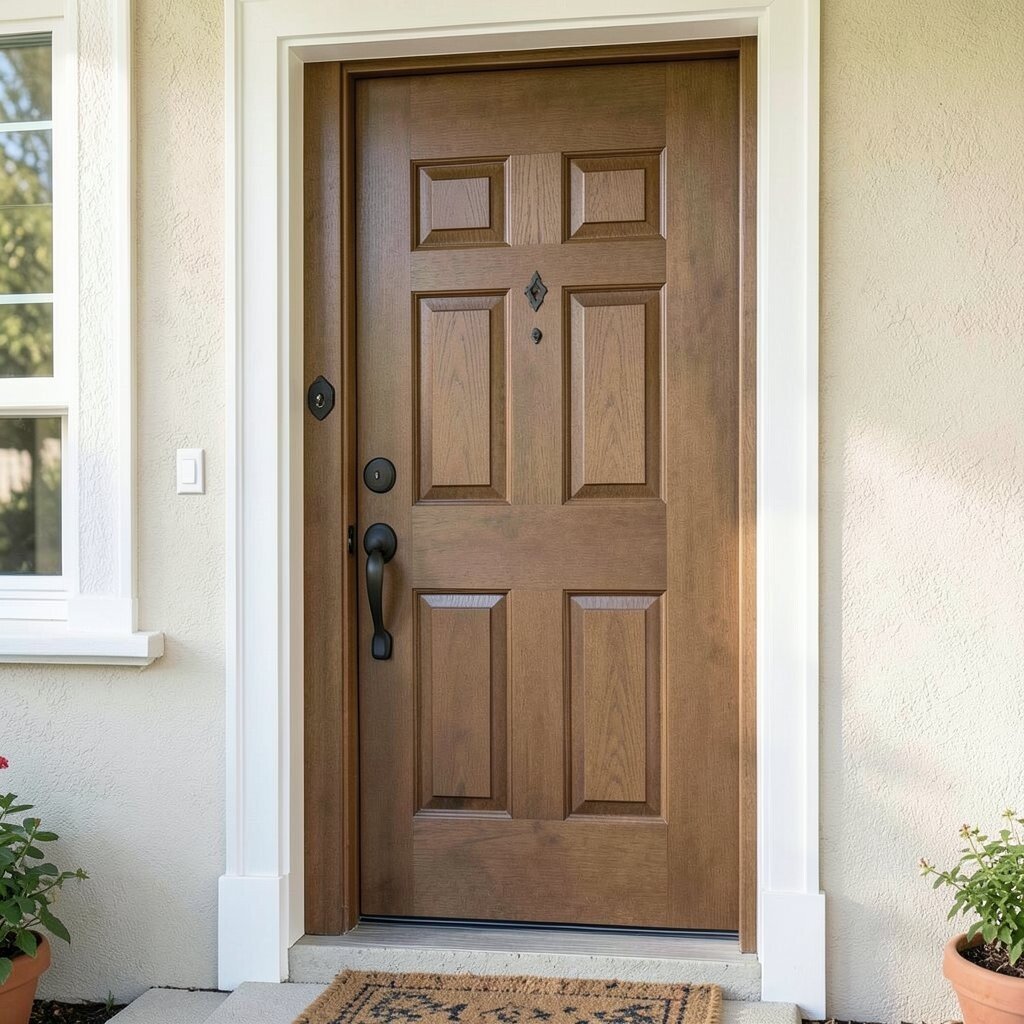
A door should look like it belongs with the rest of the home, not like it came from a different story. When a sleek modern door sits in a cozy cottage, the whole front or hallway can feel off.
Take a slow look at the lines, colors, and mood of your house before you buy. Matching the door style to the home brings a calm, polished look and can save money by keeping you from making a rushed mistake.
2. Ignoring the Scale of the Door
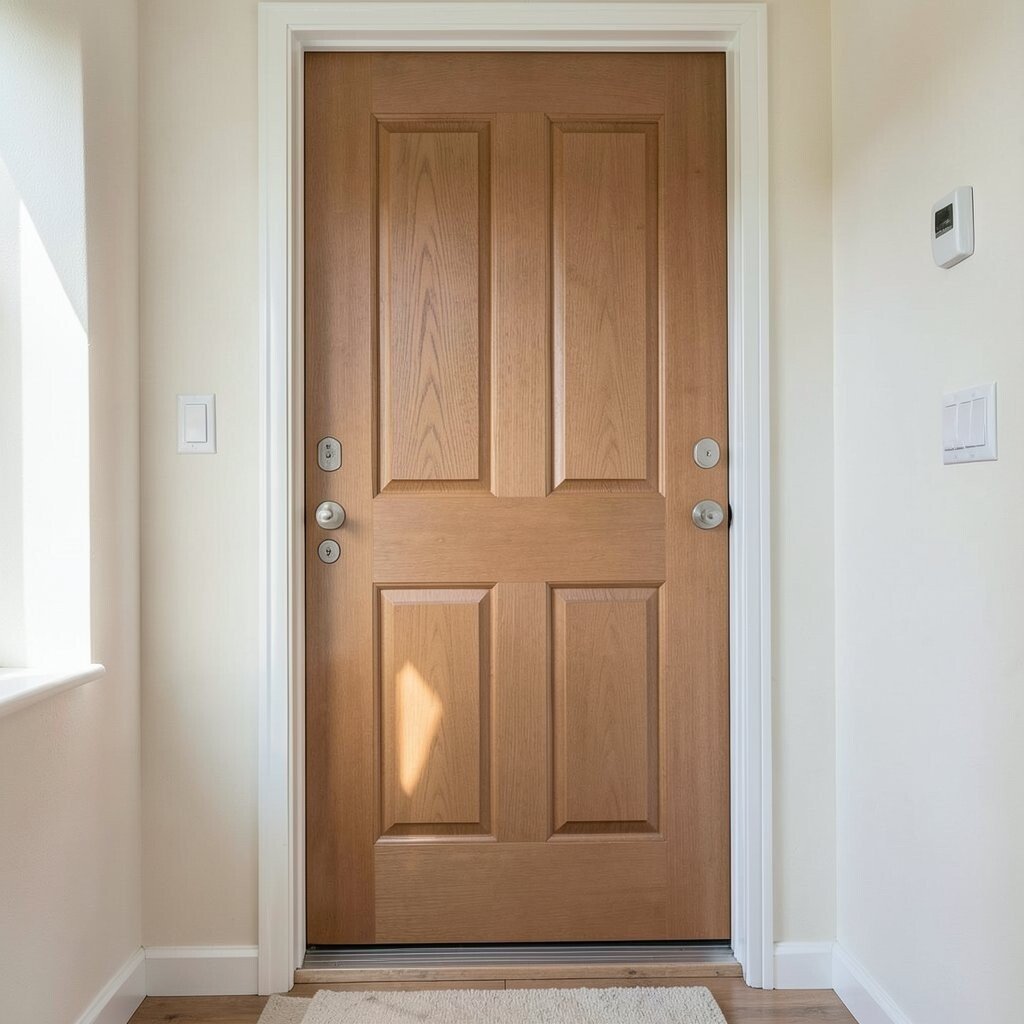
A door that feels too small can make a room look cramped, while one that feels too large can seem heavy and awkward. The eye notices size right away, even if people do not know why the space feels strange.
Think about ceiling height, wall width, and nearby windows before choosing. A well-sized door feels balanced, and that balance is one reason some homes look clean and expensive even with simple materials.
Many current homes use wider doors to create an open look without changing the whole layout. If a full replacement is not in the budget, paint and trim can help a standard door feel more fitting.
3. Choosing a Color That Clashes

Color can make a door feel friendly and bright, or it can make it stand out in a bad way. A strong red or deep black may look great in one home but harsh in another.
Try holding color samples near floors, walls, and trim so you can see how they work together. The right color can highlight trim details, add personality, and give the entry a fresh feel without a big cost.
Soft greens, warm whites, and deep browns are still popular because they feel easy to live with. If you want a bolder look, use it on one door and keep the rest of the room quieter.
4. Forgetting About Natural Light
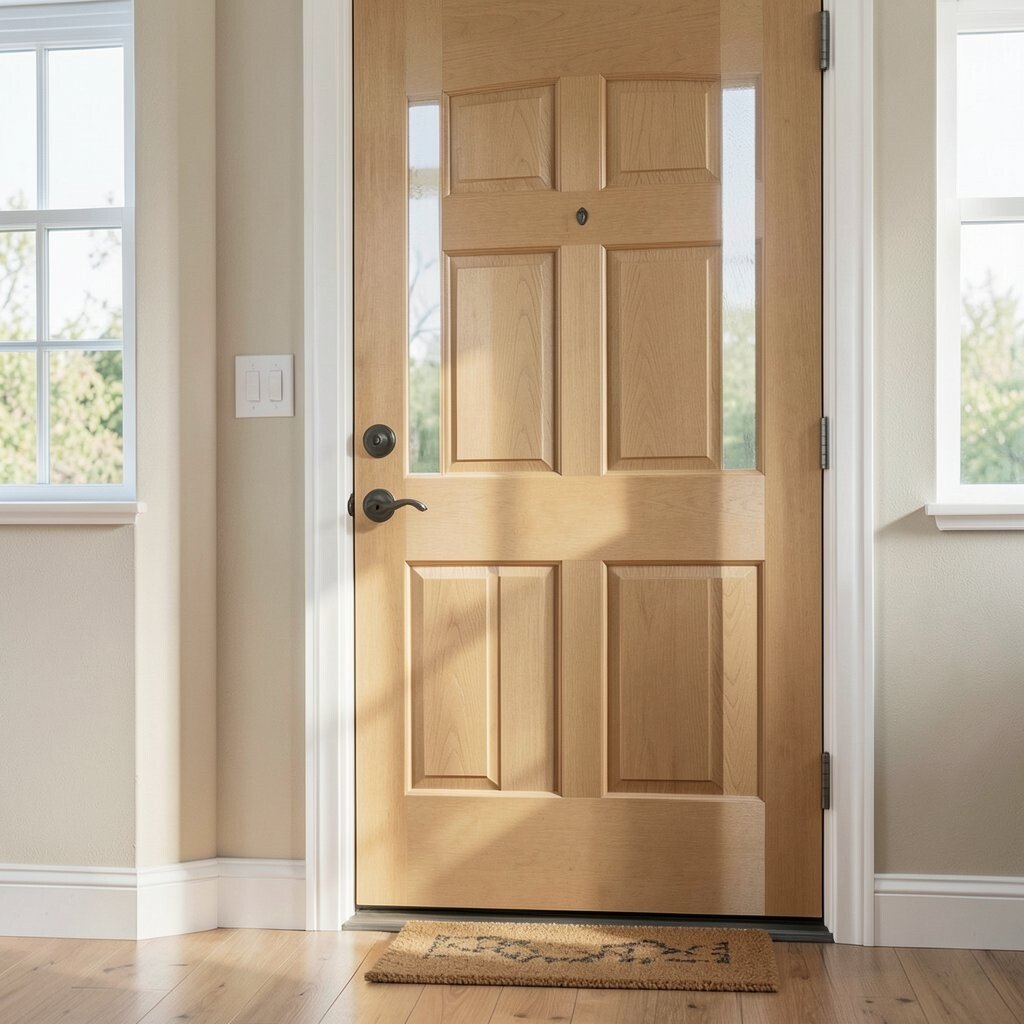
Dark hallways and shaded entries can make a heavy door look even heavier. In bright areas, the same door might look crisp and stylish instead of closed in.
Check how sunlight moves through the space during the day before settling on a finish or glass style. Glass panels, lighter colors, and slim frame details can make a room feel more open and can be a smart choice when you want style without a full remodel.
5. Overlooking the Door Material
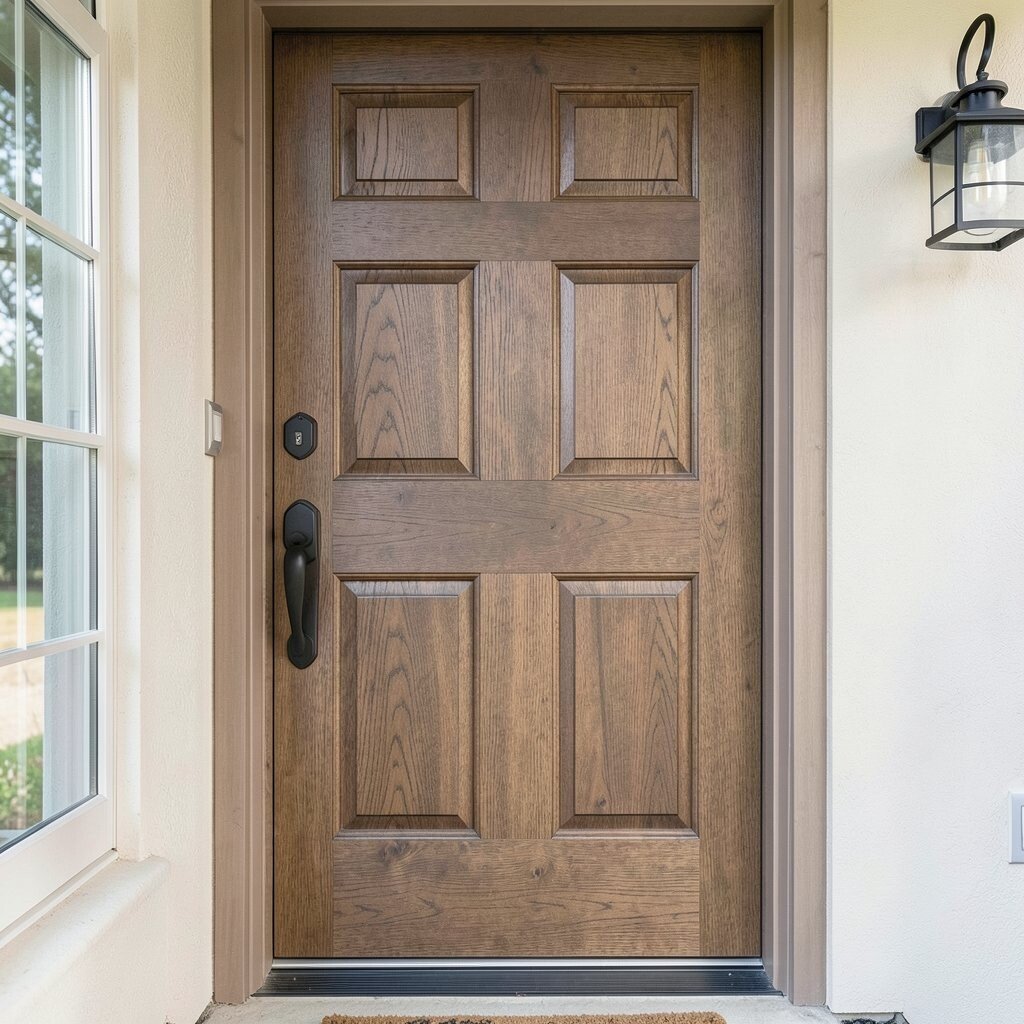
The material changes how a door looks, feels, and ages. A solid wood door feels rich and warm, while steel or fiberglass can give a cleaner look with less upkeep.
Match the material to your daily life, not just your wish list. Some options cost more at first but hold up better over time, which can make them a better value for busy homes.
Textured finishes are getting more attention because they add depth without making the design too busy. If you like a unique look, wood grain or subtle panel texture can bring life to a plain entry.
6. Picking Hardware Too Quickly
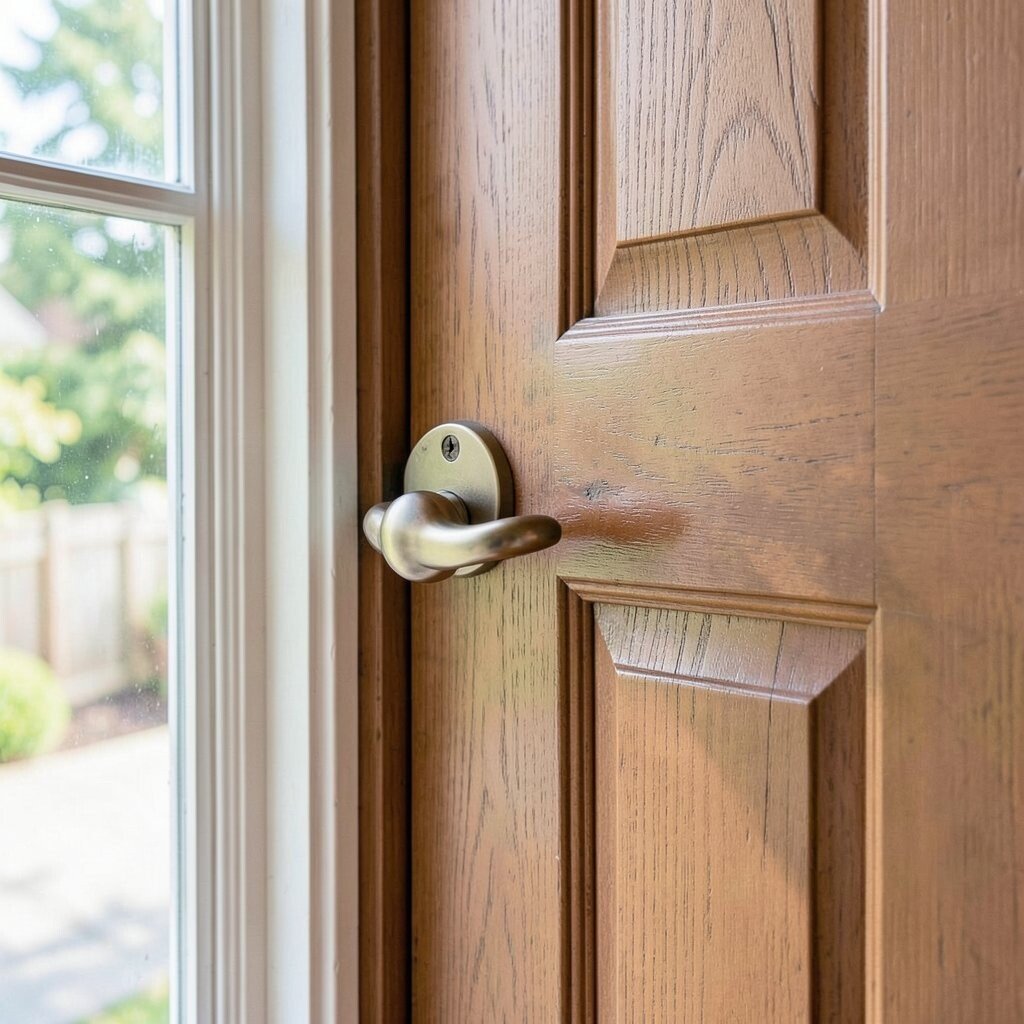
Door handles, knobs, and hinges are small, but they change the whole look. Shiny hardware can feel modern, while aged brass or matte black can make a door seem more stylish and planned.
Choose hardware that fits the door shape and the rest of the room. Good hardware is worth the extra money because it feels better to use and can help the door look finished instead of plain.
Mixed metal looks are popular now, but they work best when they feel calm and controlled. A simple pull or lever can make a big visual difference without asking for a full design overhaul.
7. Forgetting the Room’s Function
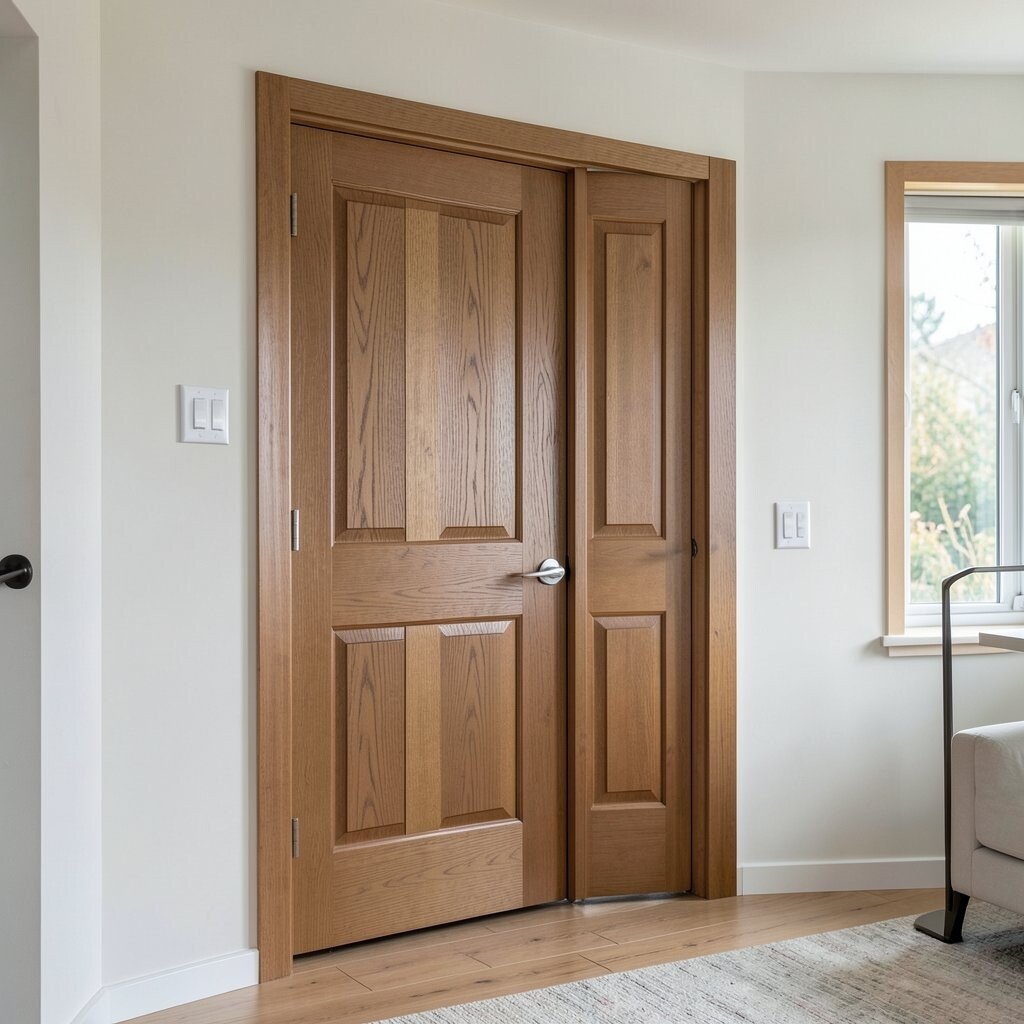
A bedroom door, bathroom door, and front door all have different jobs. A pretty door that blocks movement, noise, or privacy can become annoying fast.
Think about how the room is used every day before you choose a design. Frosted glass, solid panels, or better sound control can improve comfort, and that kind of practical choice often feels more valuable than a flashy look.
If the room needs privacy, a full glass door may not be the best fit even if it looks bright and stylish. A simple door with clean lines can still feel unique when paired with the right finish and trim.
8. Skipping the Trim and Frame
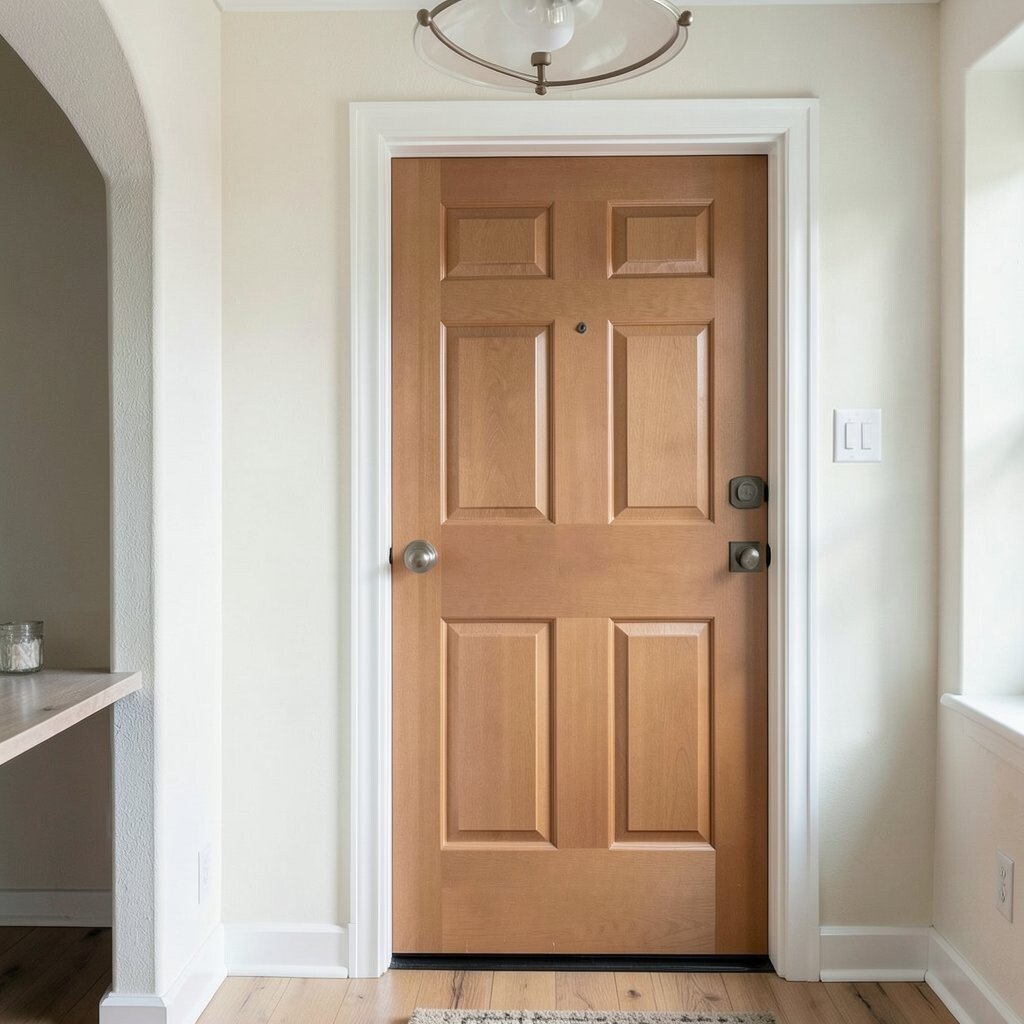
The door may be the star, but the frame and trim set the stage. If they are worn, too thin, or the wrong color, the door can look unfinished no matter how nice it is.
Fresh trim can make an older doorway feel crisp and cared for. It is often a lower-cost way to improve the look of a space, and it can help a basic door seem more custom.
Some newer homes use wider trim for a bold, clean line that feels current. In older homes, simple matching trim can keep the look calm and classic.
9. Choosing a Finish That Is Hard to Live With
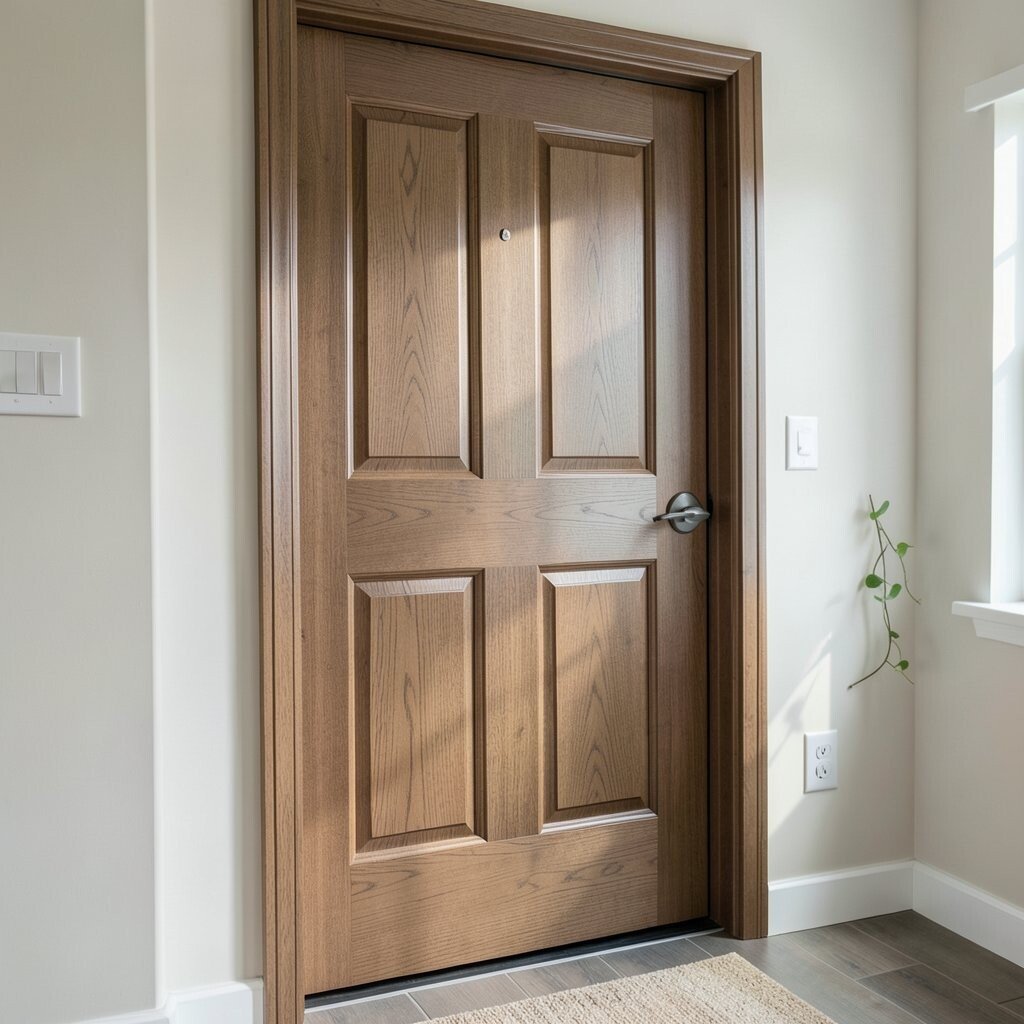
High-gloss finishes can look rich, but they also show marks and scratches more easily. A flat finish may hide flaws better, yet it can sometimes feel less lively in strong light.
Pick a finish that fits how much traffic the door gets each day. Easy-care finishes can save time and money on upkeep, and they help the door stay attractive for longer.
Matte black, soft satin, and natural wood stains are popular because they balance style and use. The best finish is the one that looks good both up close and from across the room.
10. Making the Door Too Trendy
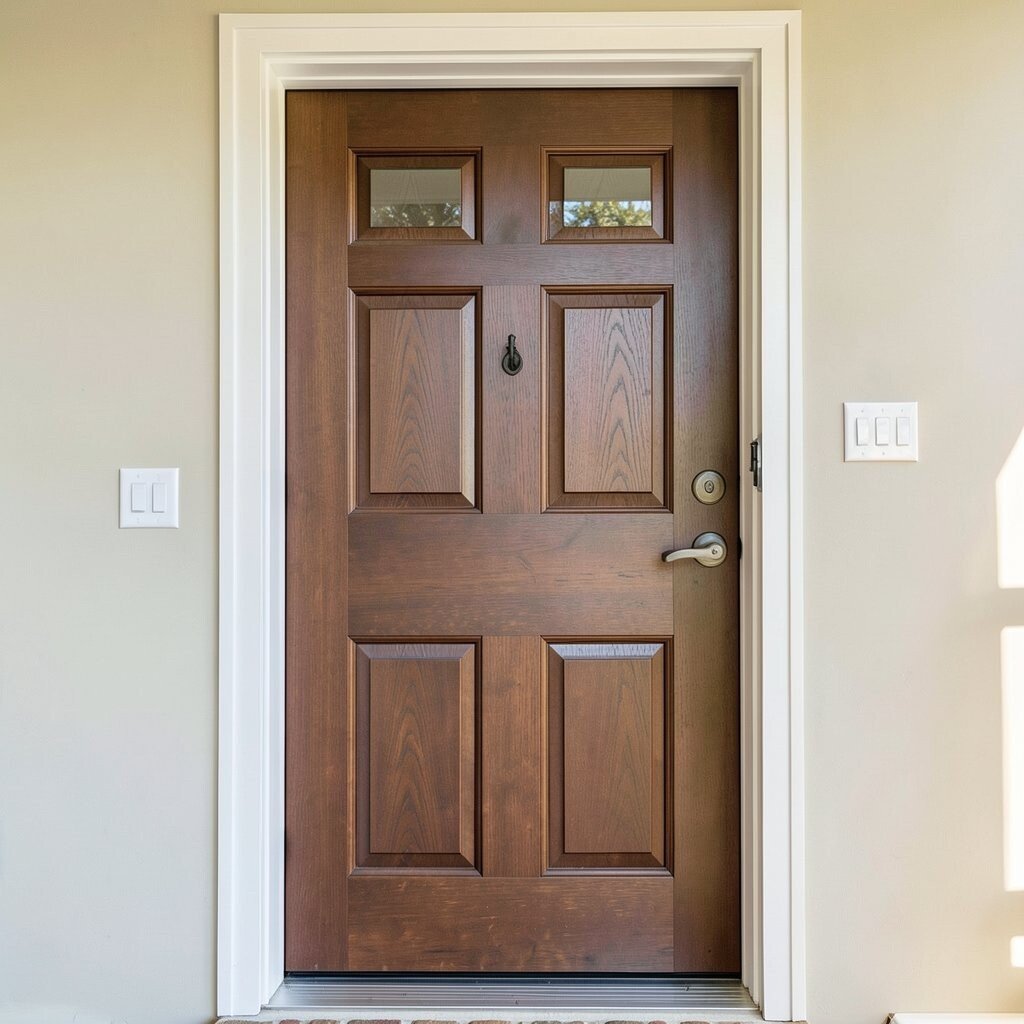
It is fun to follow a trend, but a door is not easy to swap out every season. A loud style that feels fresh now may look tired much sooner than you want.
Choose a look that feels current without being too tied to one moment. That approach protects your budget and gives your home a look that stays pleasant for years.
You can still add trend through smaller parts like handles, paint, or glass details. This gives you a unique look while keeping the main door more flexible and timeless.
11. Ignoring Privacy Needs
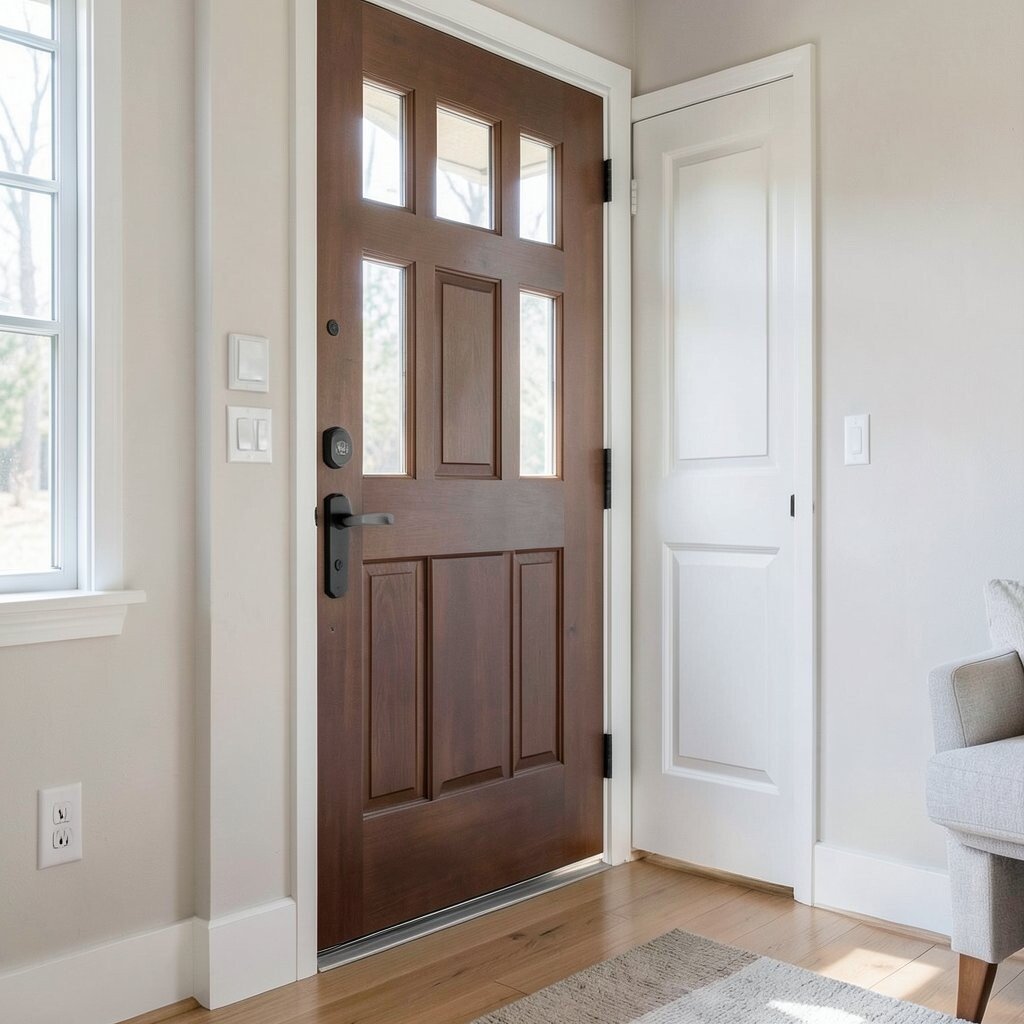
Some doors need to keep noise out and protect private spaces. A beautiful glass door in the wrong room can leave you feeling exposed instead of relaxed.
Look at the room’s purpose before choosing clear panels or open designs. Solid doors, frosted glass, or textured inserts can give privacy and still look stylish, which is a smart middle ground for many homes.
For bathrooms, bedrooms, and work spaces, privacy often matters more than a trendy look. The good news is that many privacy-focused designs now come in cleaner shapes that still feel bright and modern.
12. Forgetting How the Door Opens
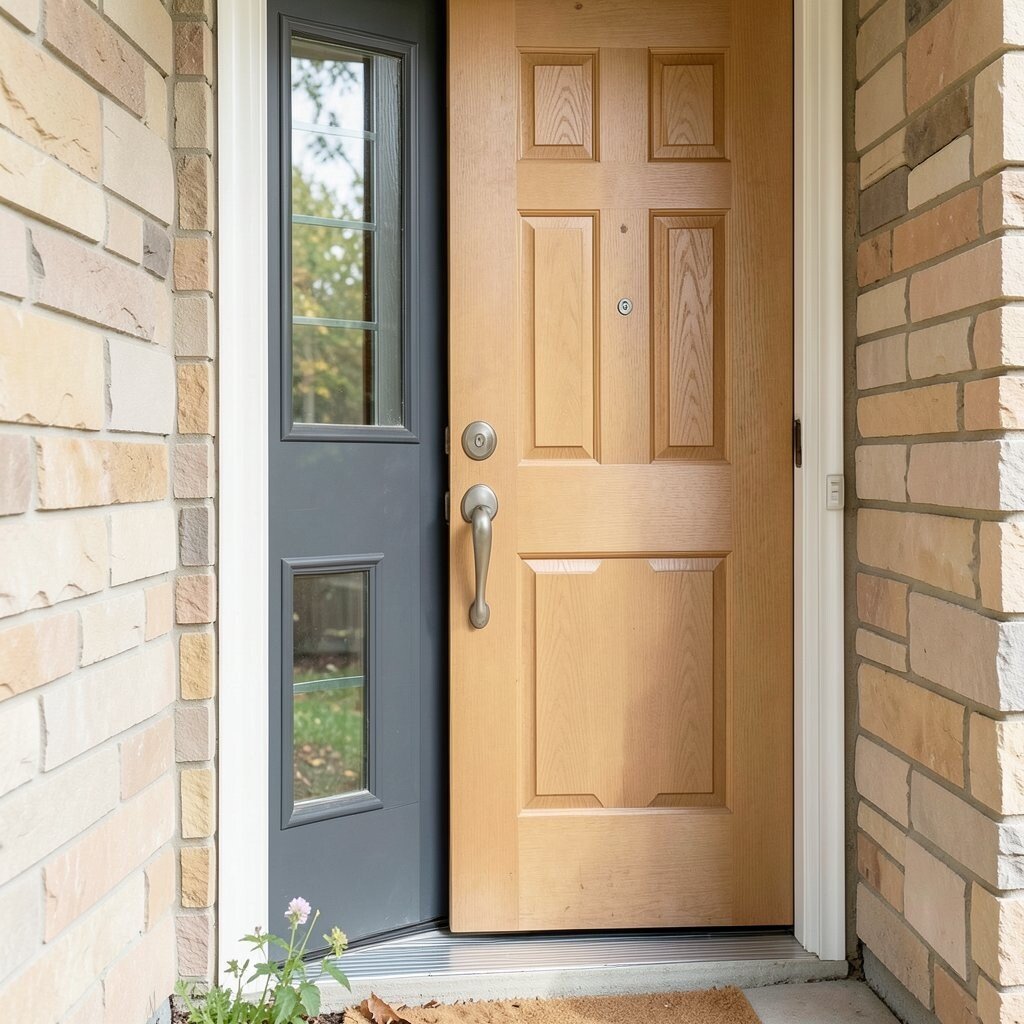
A door can look perfect on paper and still cause daily trouble if it swings the wrong way. It may block furniture, bump walls, or make a narrow hallway feel even tighter.
Check the swing direction and walking space before you buy. A smart opening plan makes the room easier to use, and that kind of comfort is worth more than a door that only looks good in pictures.
Pocket doors and sliding styles are popular in tight spaces because they save room and look neat. They can cost more to install, but they often pay back in better flow and a cleaner feel.
13. Choosing Glass Without Thinking It Through
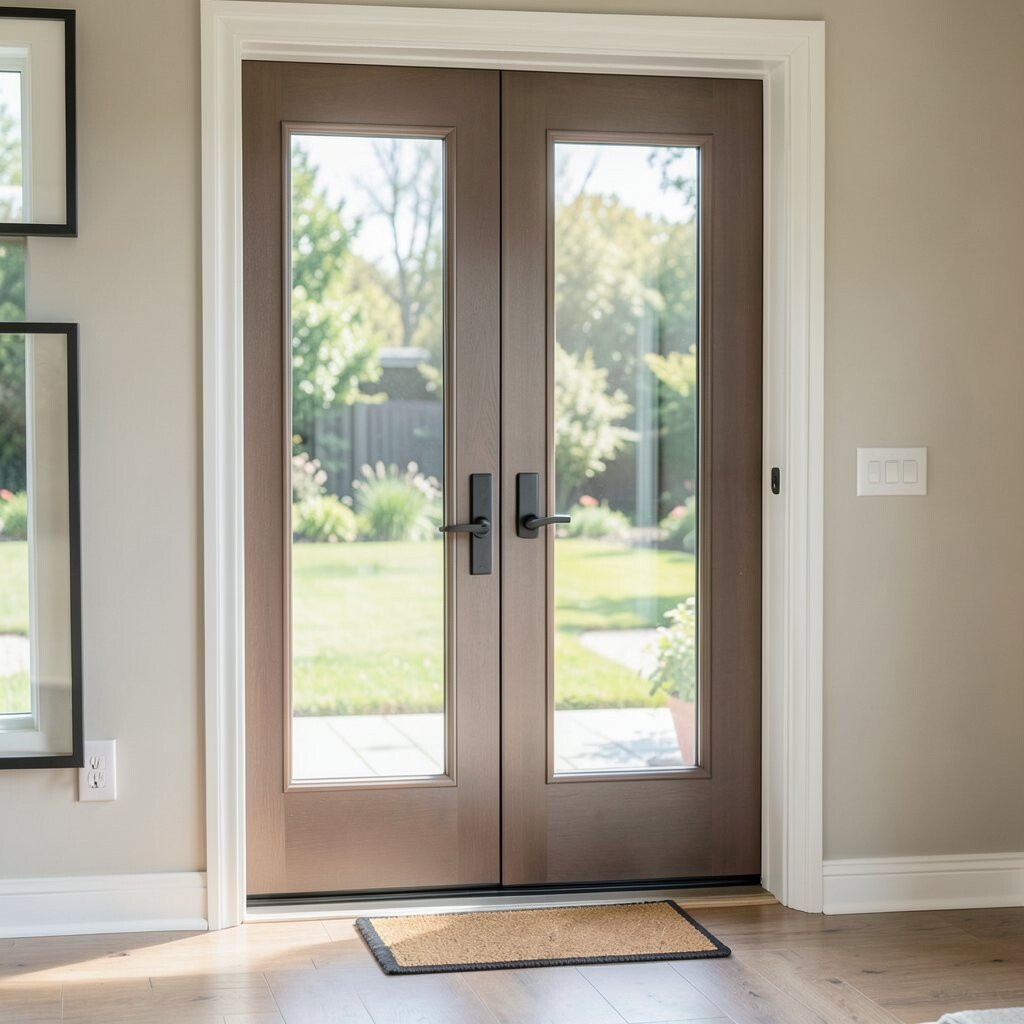
Glass doors can feel airy and bright, but they are not right for every space. Clear glass can show clutter, while very dark glass can make a room feel closed in.
Pick the glass style based on light, privacy, and daily use. Frosted or ribbed glass often gives a nicer balance, and it can make a doorway feel special without making the room hard to live in.
Decorative glass is having a moment because it adds pattern and softness at the same time. If you want a unique look, this can be a lovely place to spend a little extra.
14. Forgetting the Rest of the Interior
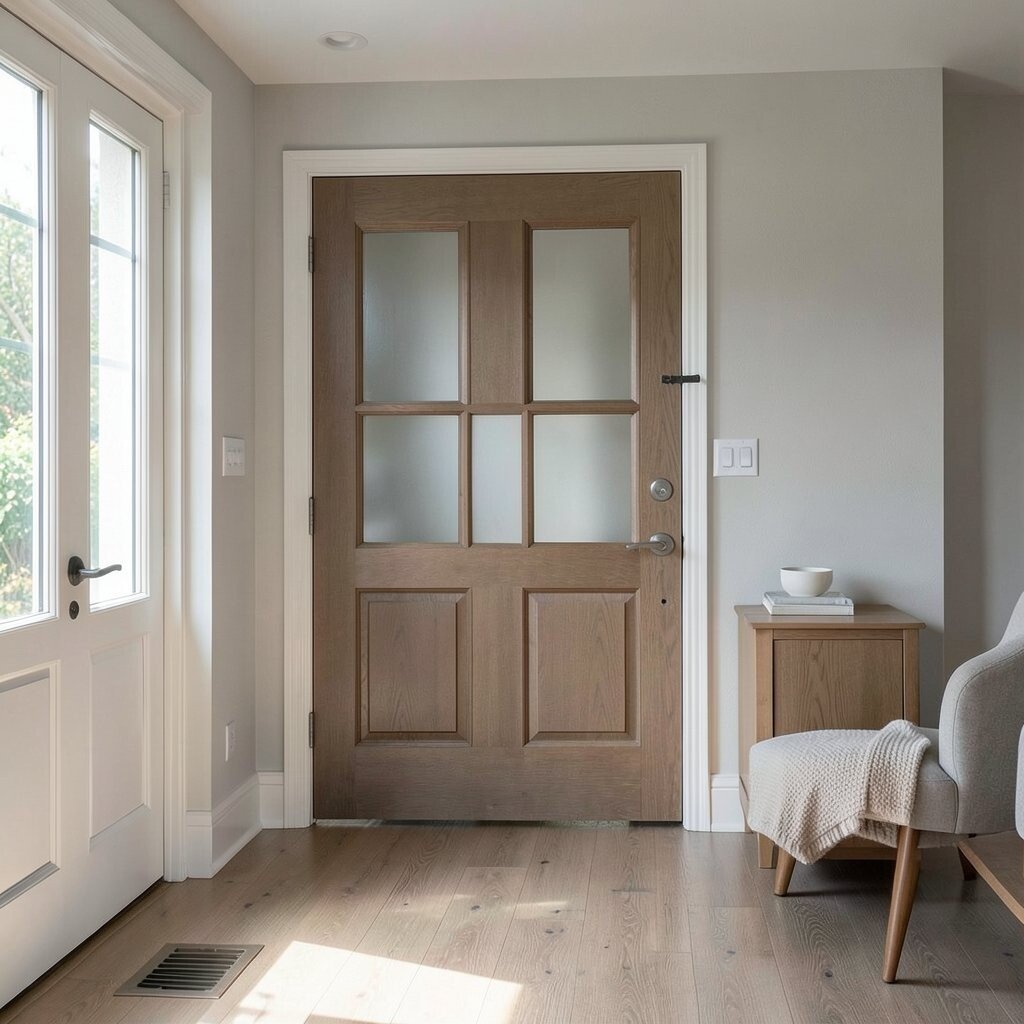
A door should work with floors, cabinets, and wall color, not fight them. If the room has warm oak floors and a cool gray door, the mix may feel uneasy.
Walk around the room and look at all the main finishes together before making your choice. When the door supports the whole space, even a simple design can look thoughtful and high quality.
Using repeat colors or repeat metal finishes helps the room feel pulled together. That kind of visual connection is one of the easiest ways to make a home look more polished without spending a lot.
15. Going Too Plain
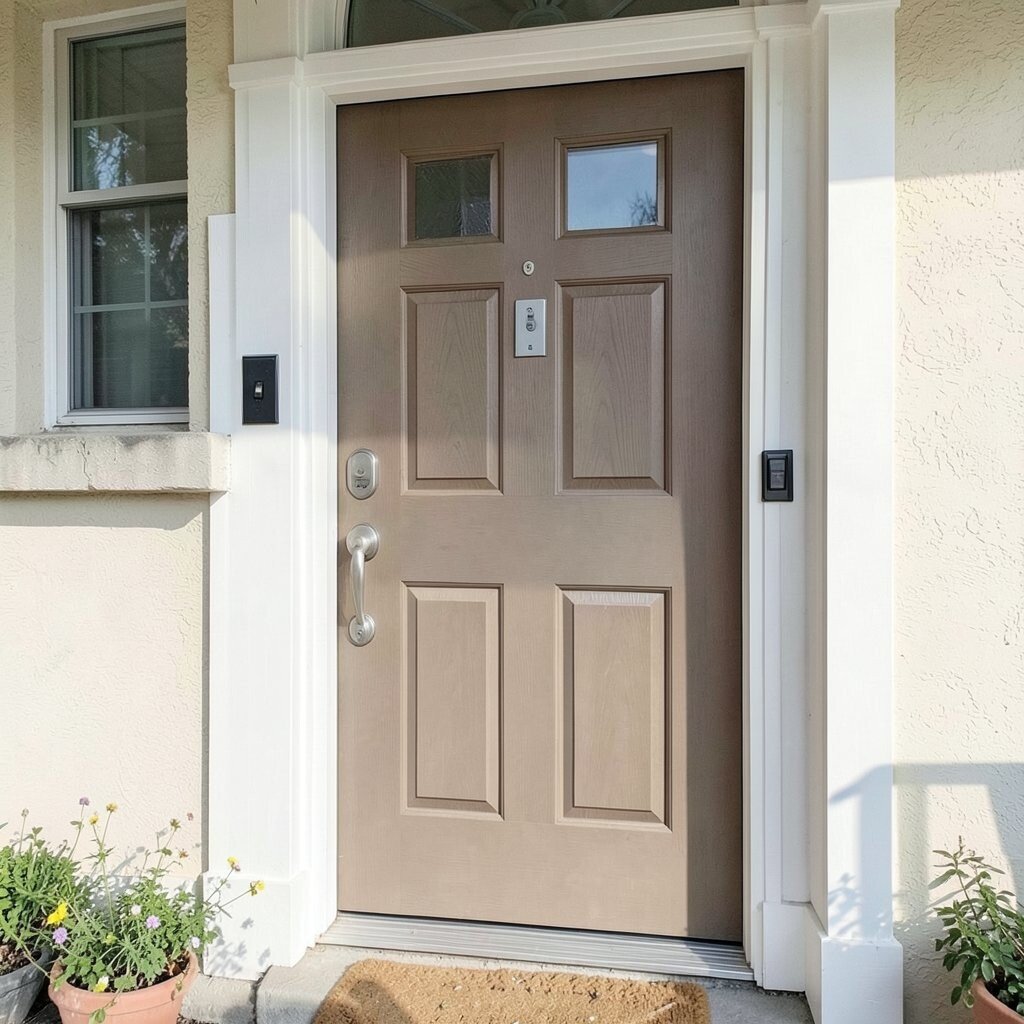
A door that is too plain can disappear into the wall and make the room feel flat. Even a nice shape can lose its charm if there is no detail to catch the eye.
Consider panels, grooves, glass inserts, or subtle molding to add interest. Small details can create a unique look without making the space feel busy, and they often cost less than a full custom design.
Many homeowners now like quiet texture instead of loud decoration. That style feels fresh because it gives the door depth while keeping the room calm and easy to decorate.
16. Adding Too Much Detail
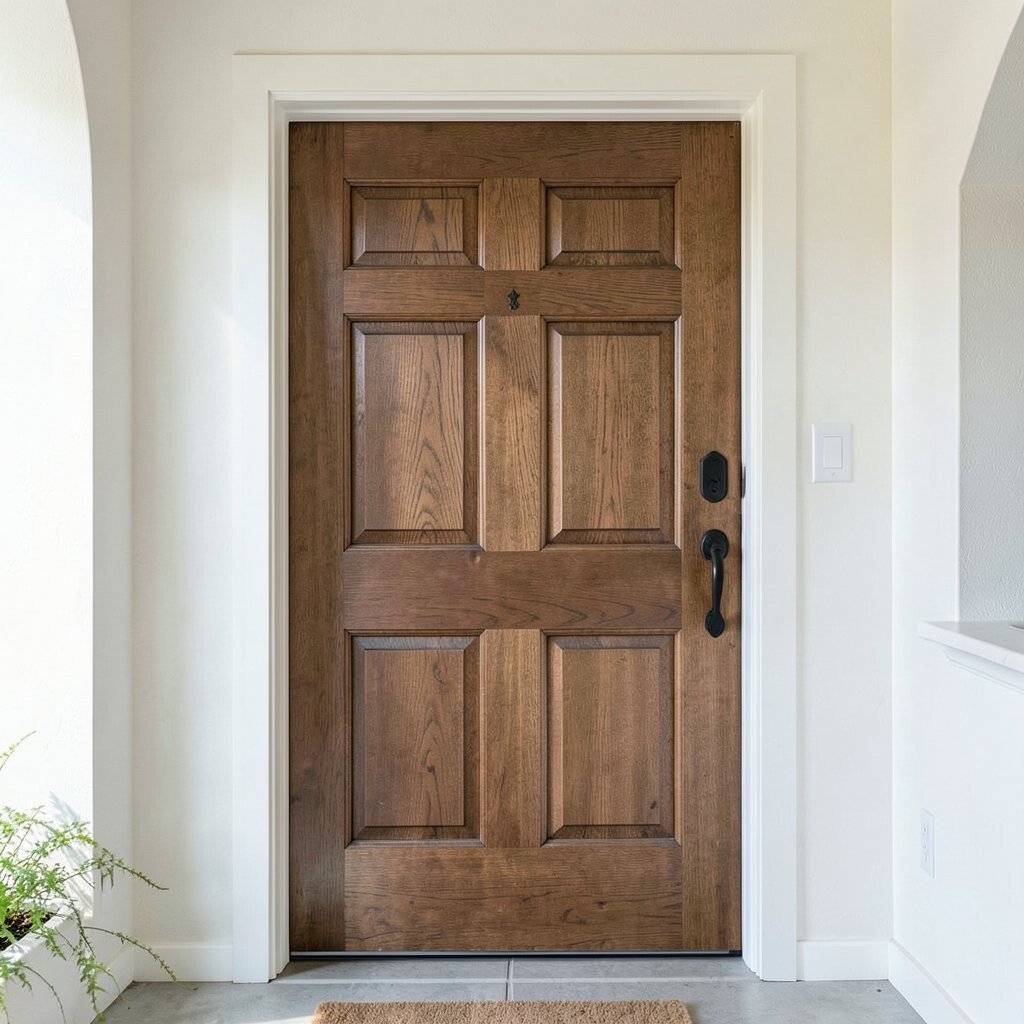
On the other side, too many panels, carvings, or fancy shapes can make a door feel heavy and crowded. When everything is trying to stand out, nothing looks special.
Keep the room style in mind and choose detail with care. A cleaner door often gives a better look in modern homes, and it is easier to match with future furniture or paint changes.
If you want character, use one strong detail instead of many small ones. That single choice can bring charm and still leave the room feeling calm.
17. Not Thinking About Maintenance
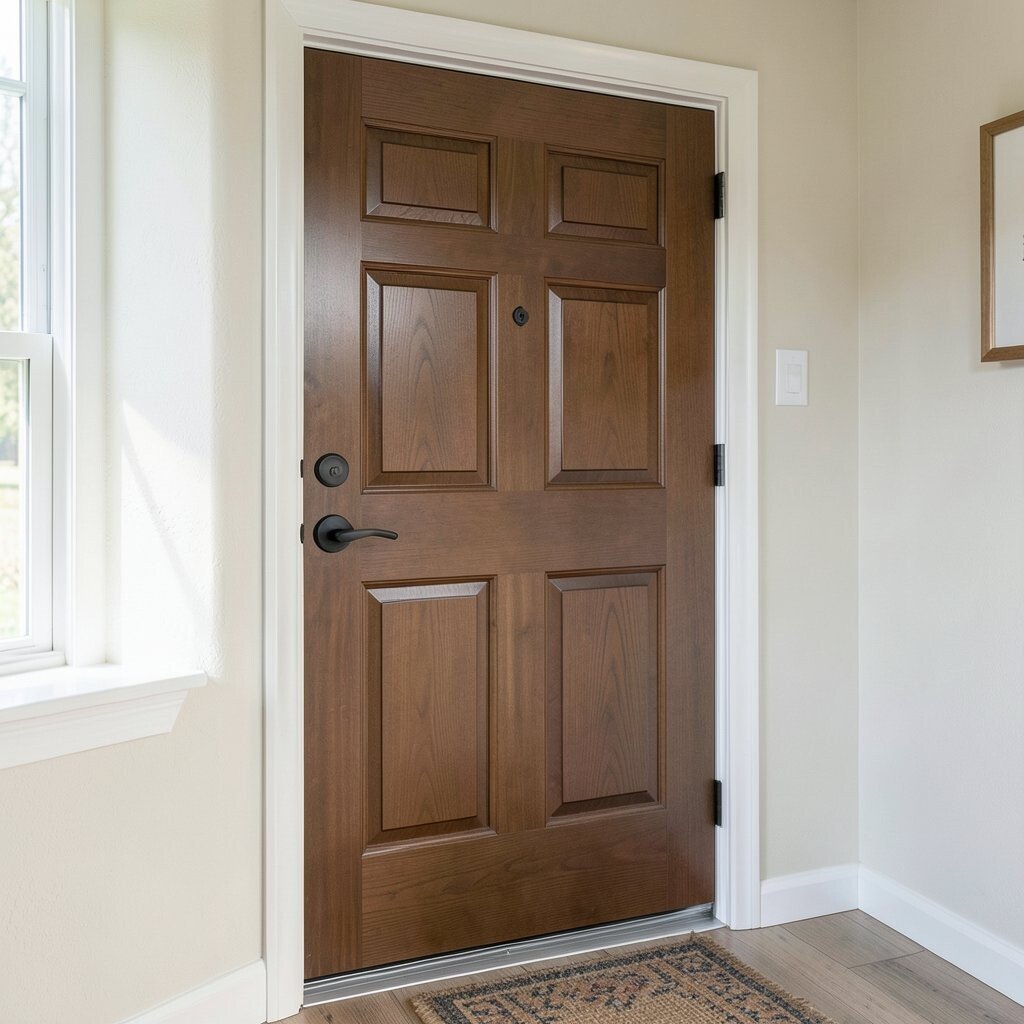
Some doors look wonderful on day one but ask for a lot of care later. Deep grooves, delicate finishes, and soft materials may need more cleaning or repair than you expect.
Be honest about how much time you want to spend on upkeep. A lower-maintenance door can save money over time and keep your home looking neat with less work.
Busy families often do best with durable surfaces that wipe clean fast. That practical choice does not have to look boring, since many durable finishes now come in rich colors and warm wood tones.
18. Forgetting About Security

A front door should look welcoming and also help the home feel safe. Thin materials or weak locks can leave you with a door that looks nice but does not do its main job well.
Check the strength of the frame, lock, and core before making a final choice. Stronger doors can cost more, yet they often feel worth it because they bring peace of mind and a more solid look.
Many newer security doors are designed with cleaner lines so they do not look bulky. That makes it easier to keep a stylish entry while still getting the protection you want.
19. Choosing a Door That Is Hard to Clean
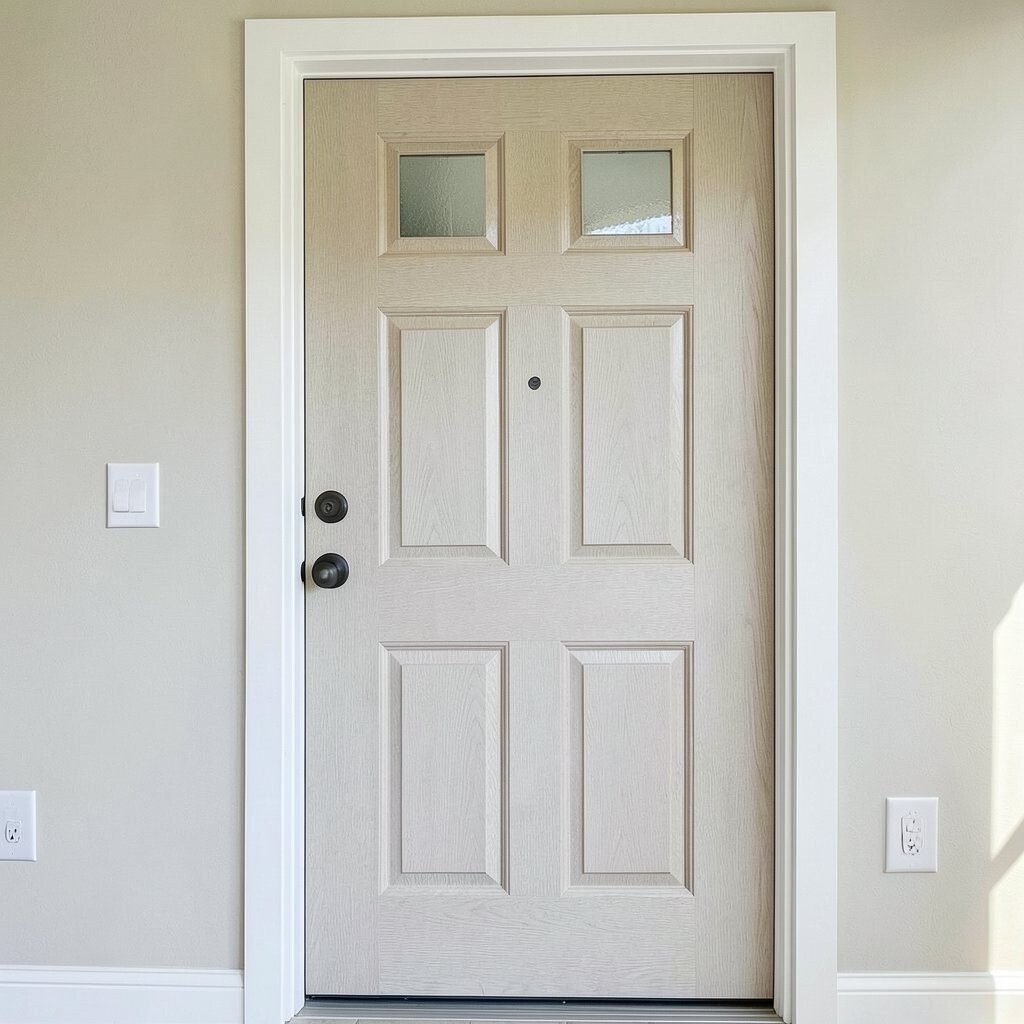
Fingerprints, dust, and pet marks can show up fast on some doors. A fancy finish can lose its charm if it needs constant wiping to stay nice.
Think about who uses the door most and how often it gets touched. Smooth, durable surfaces can be a smart buy because they keep their good looks with less effort and fewer cleaning products.
Families with kids often prefer finishes that hide marks and clean up fast. That kind of choice may not seem glamorous at first, but it helps the whole home feel more cared for every day.
20. Ignoring the Front Door’s First Impression
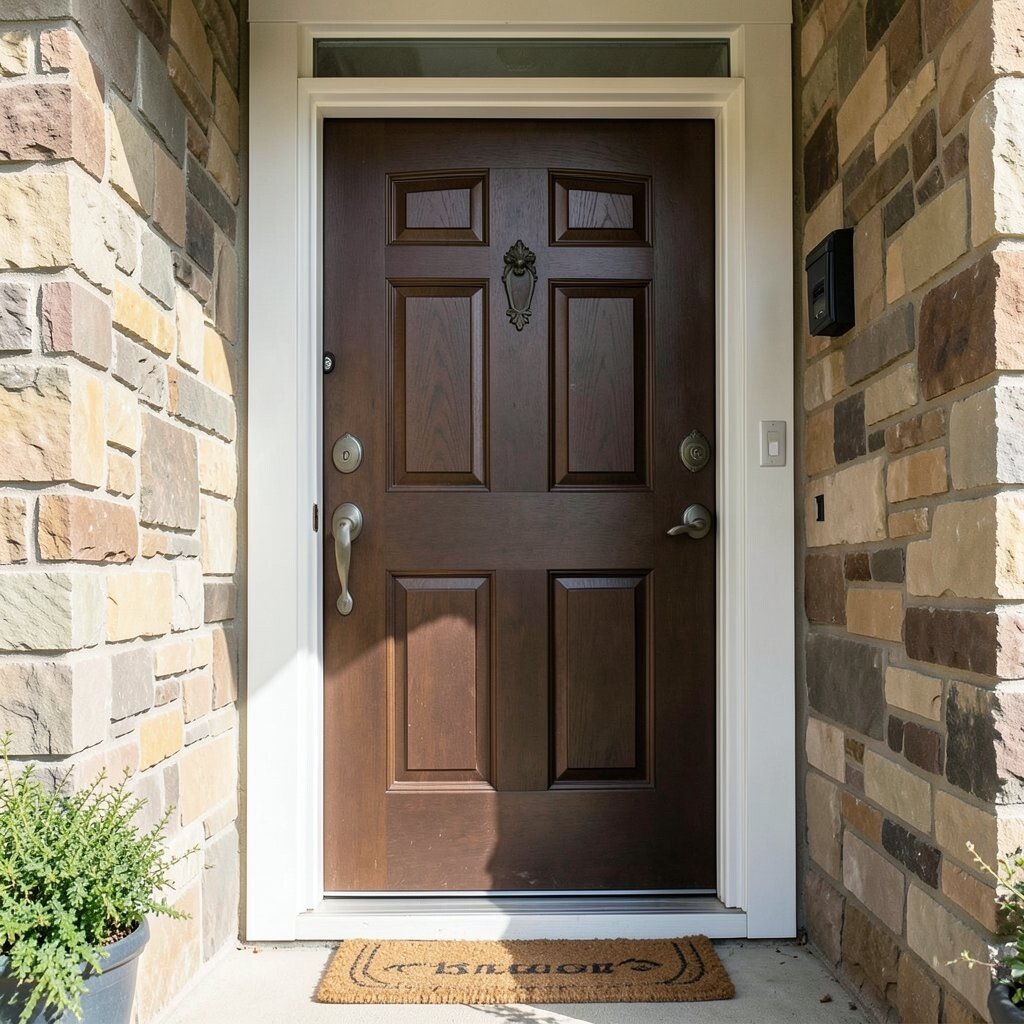
The front door sets the mood before anyone steps inside. A faded, cracked, or tired-looking door can make the whole home feel older than it is.
Pay attention to paint, hardware, and the small details around the entry. A fresh front door can raise curb appeal in a big way, and it is often one of the best places to spend a modest budget.
Bold colors, clear glass sidelights, and clean modern shapes are all popular right now. The best choice is the one that feels welcoming and matches the personality of the house.
21. Forgetting the Power of Custom Touches
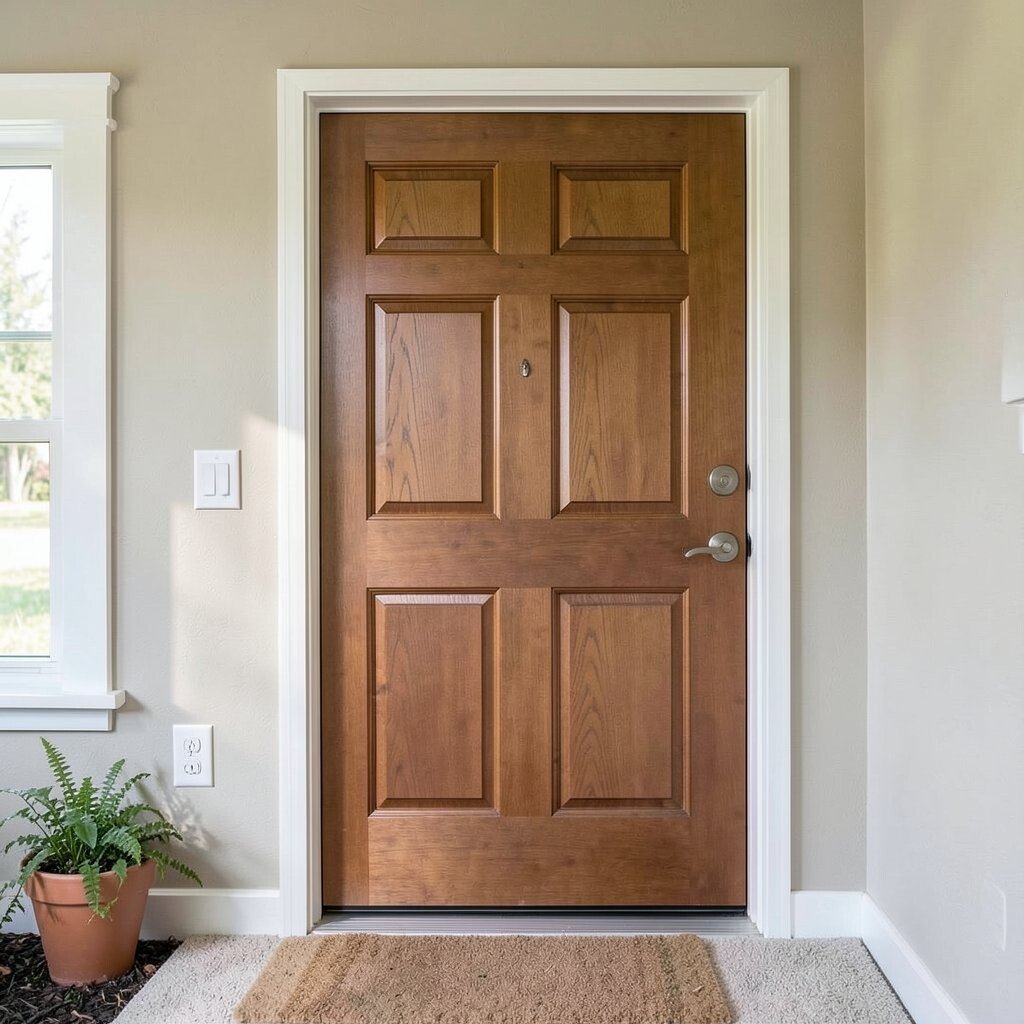
Standard doors can work well, but they sometimes miss a chance to show personality. A tiny change in color, panel shape, or handle style can make a door feel much more special.
Use custom touches where they matter most, especially on doors people see every day. These small details can make a room feel unique without pushing the cost too high.
Even simple homes can feel more personal with one thoughtful detail repeated in the door design. When that detail matches the rest of the space, the look feels easy and natural instead of forced.
22. Rushing the Final Choice
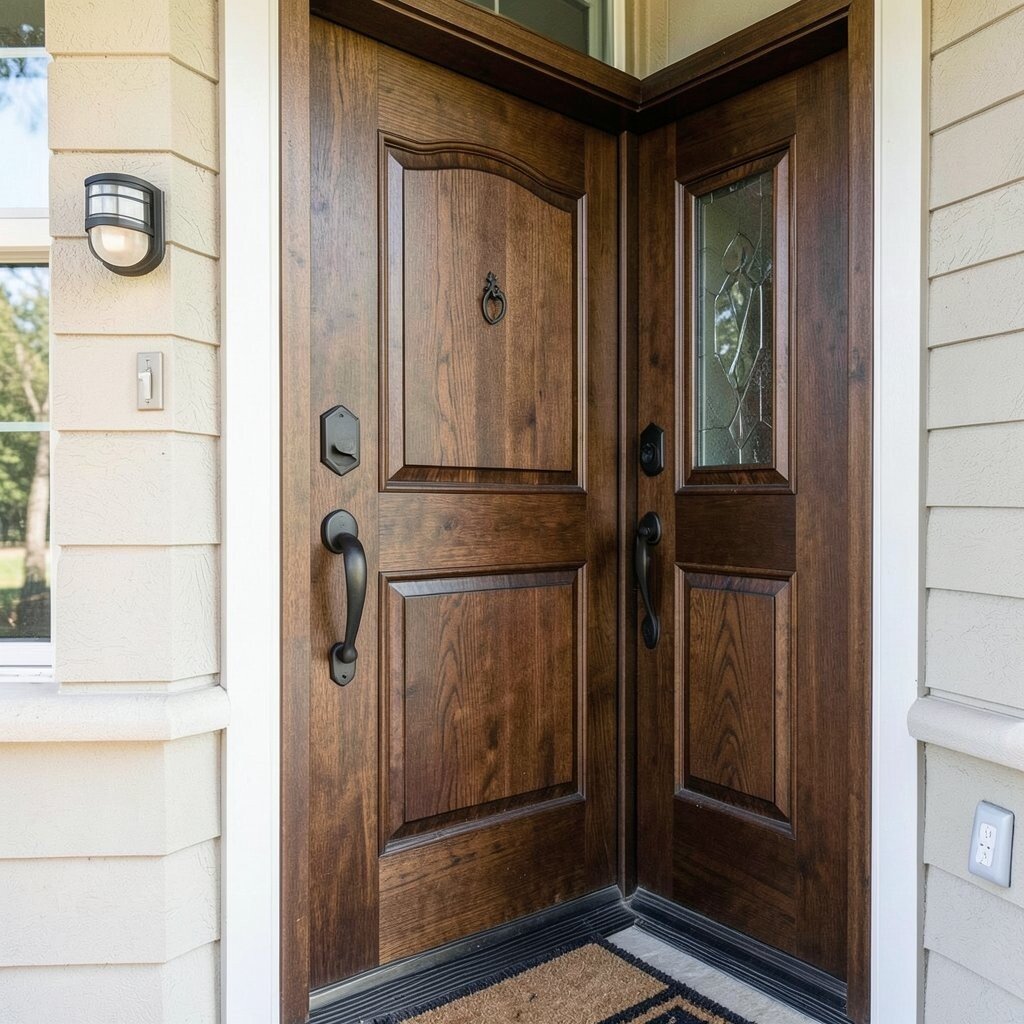
It is easy to get excited and buy the first door that looks good in a store. That rush can lead to problems with size, style, color, and comfort once the door is actually in your home.
Take time to compare a few options, hold samples in the space, and picture the door from different angles. A careful choice often gives the best look, the best value, and fewer regrets later.
The right door should feel good every time you walk past it. When you choose with care, the room looks more balanced, the style feels more personal, and the whole home gains a smoother, more finished feel.