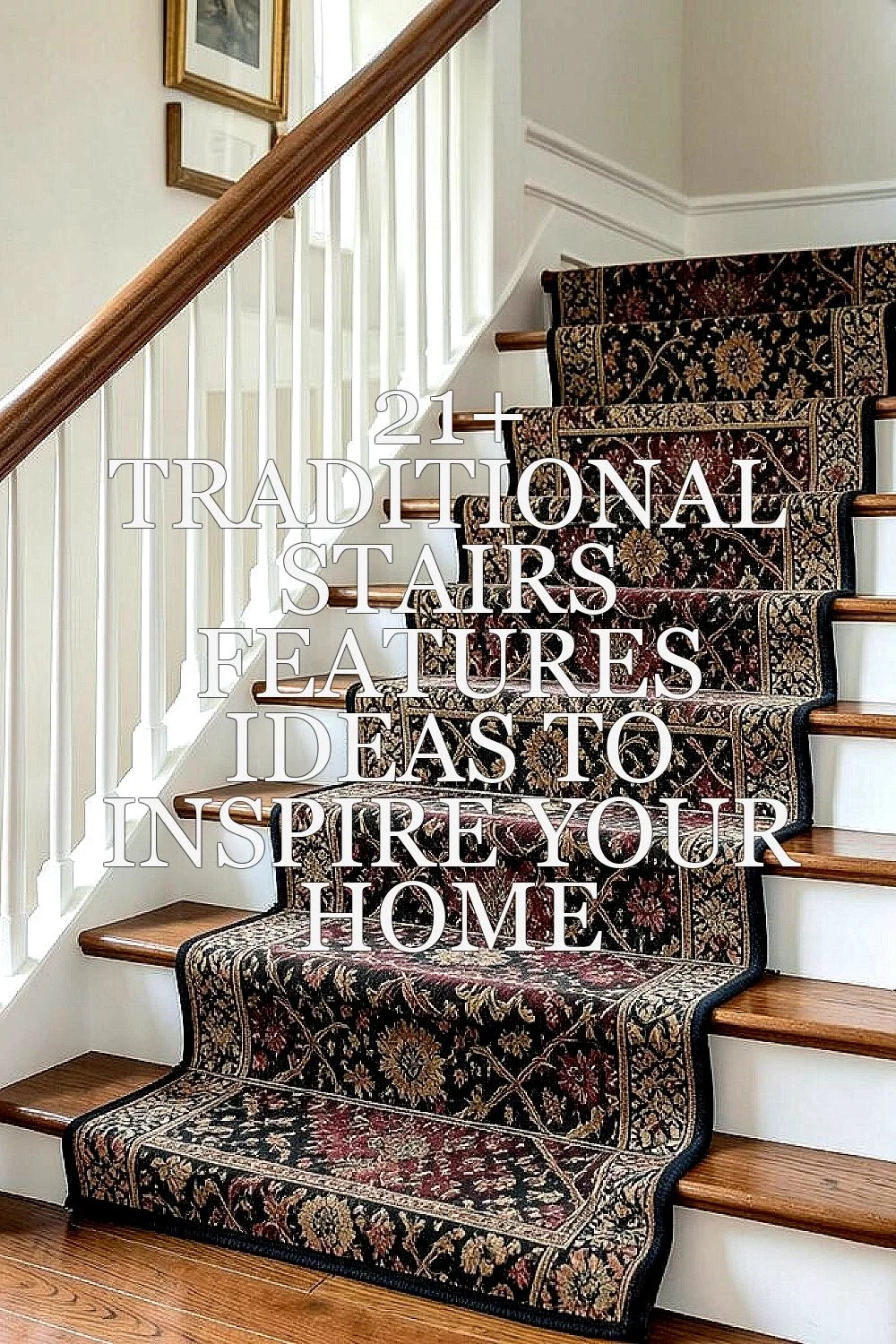
Stairs are the quiet workhorse of a home, yet they can also be the prettiest path you see every day. With a few thoughtful details, a traditional staircase can feel welcoming, personal, and even a little special.
When you plan the look, you can balance comfort, safety, and charm without spending your whole budget all at once. The best part is that traditional style gives you plenty of classic options that still feel fresh.
1. Ornate Balusters with Classic Turnings
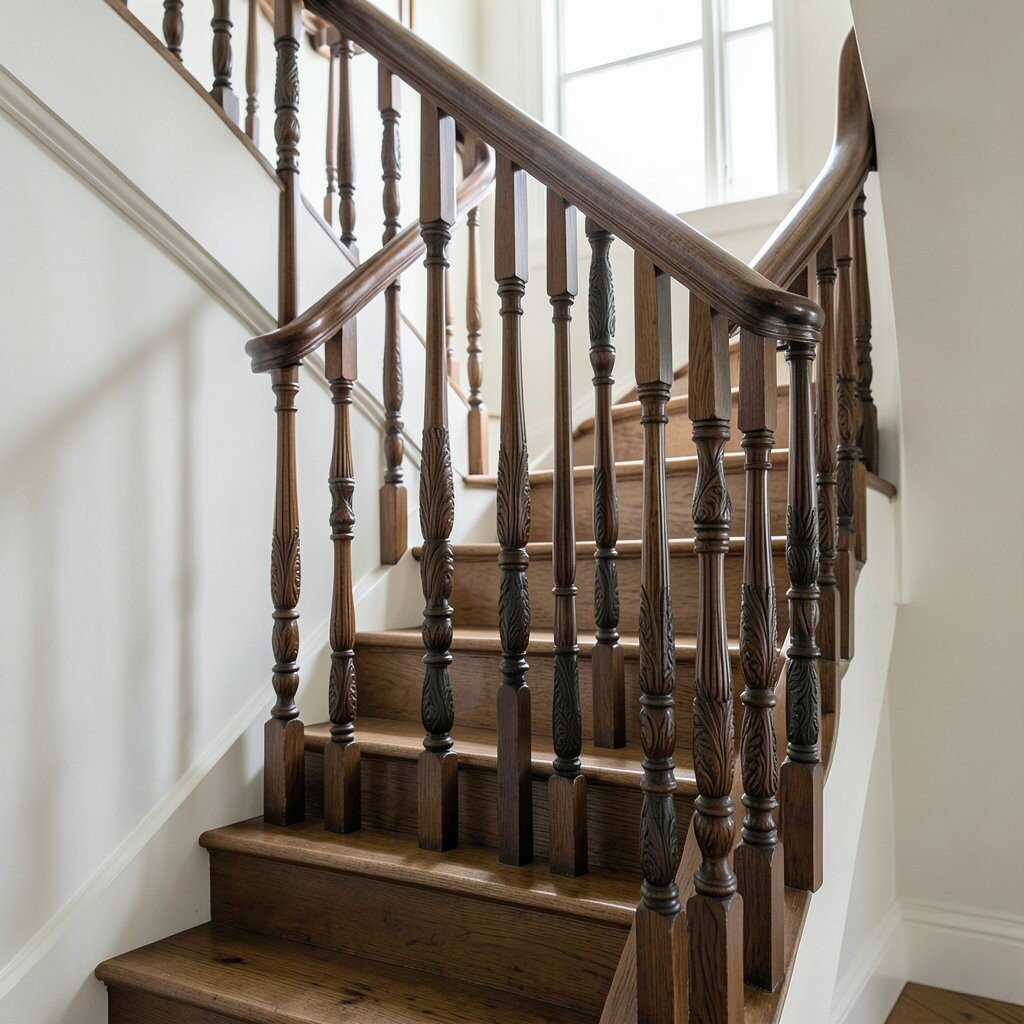
Imagine running your hand along turned wood balusters that catch warm light like honeyed caramel. The pattern feels timeless, and the staircase instantly looks more handcrafted.
Traditional balusters can add visual rhythm from the bottom landing to the top hall. They also offer a satisfying sense of structure, making the space feel safer and more deliberate.
2. Rich Hardwood Treads for Everyday Comfort

Picture stepping onto smooth hardwood treads that look polished but still feel homey underfoot. A traditional stair with warm grain can make even rushed mornings feel calmer.
Hardwood treads help reduce the hollow feel many staircases get when surfaces are too thin or hollow. They can also hide minor wear, especially if you choose a finish that holds up to foot traffic.
To keep them looking great, choose a durable topcoat and keep entry mats at the base. If you want personalization without changing the whole stair, add a slightly darker stain only on the tread edges for a subtle framing effect.
3. A Statement Stair Runner in Traditional Patterns
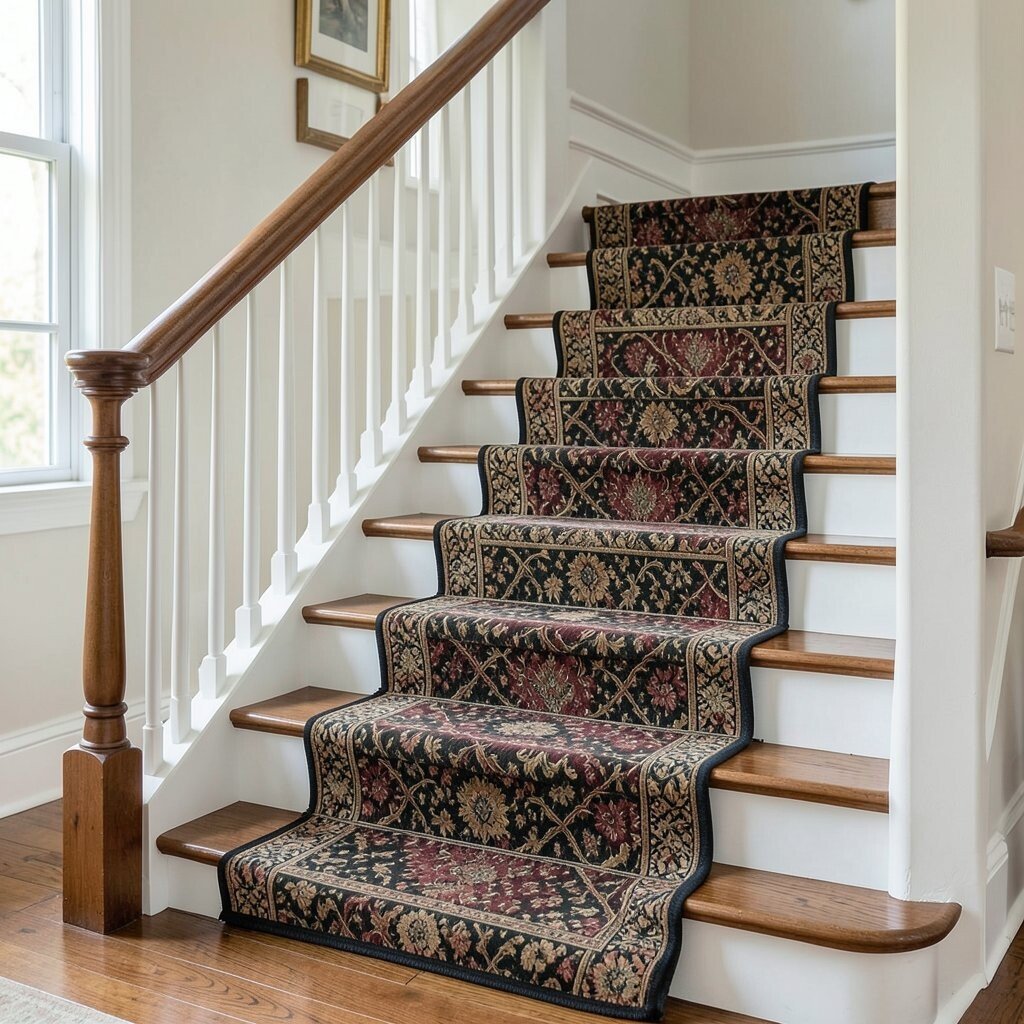
Think of a stair runner that softens sound and adds color like a classic rug in a hallway. A traditional pattern, like a subtle medallion or repeating border, can guide your eye up the stairs.
Runners improve grip, which is helpful for families, kids, or anyone who moves a little slower. They also protect the treads, which can save you from refinishing sooner.
For cost control, measure carefully and reuse a runner cut from an existing rug or choose a custom size within a standard width. If you prefer a coordinated look, match the runner tones to curtains, artwork frames, or a nearby cabinet finish.
To keep it practical, pick a material that feels good underfoot and won’t shed too much. A runner with a low pile or durable weave often looks traditional and stays tidy longer.
4. Wainscoting Along the Stair Wall
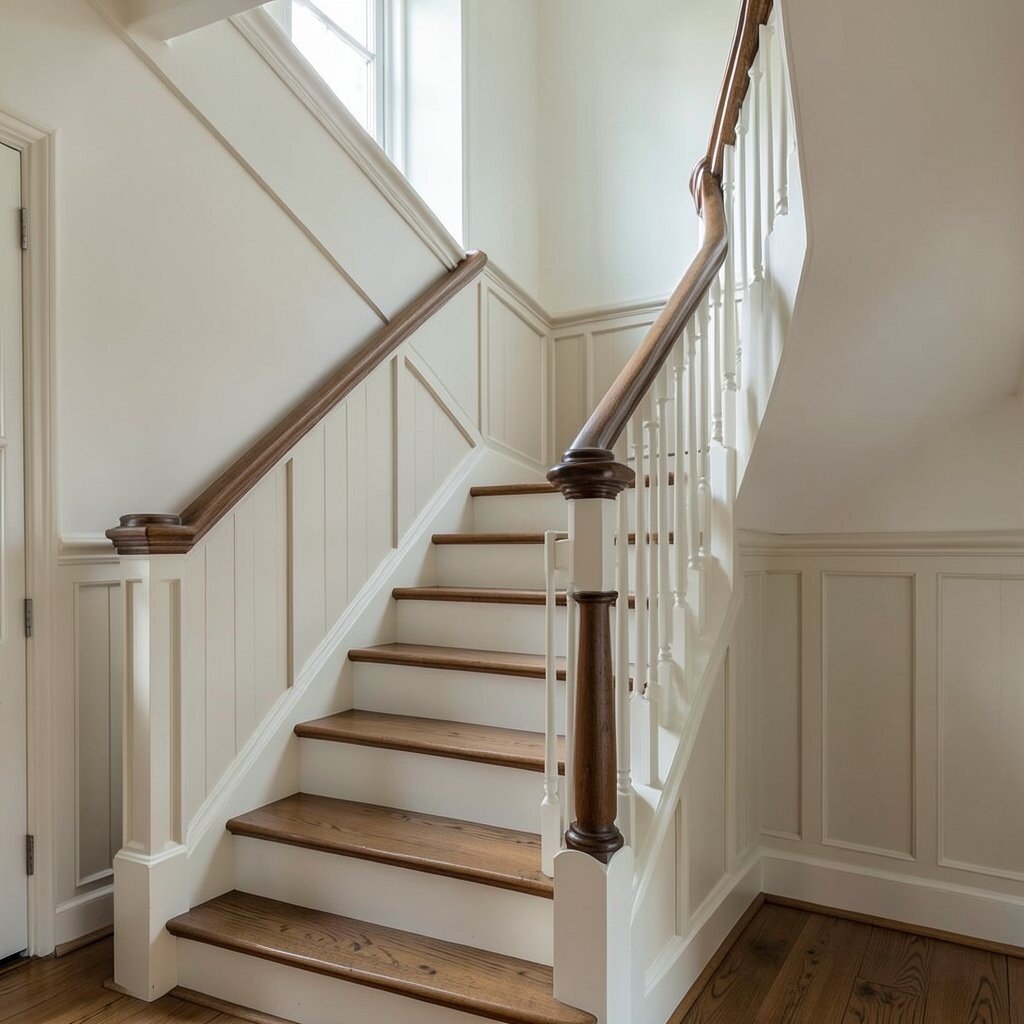
A staircase wall with traditional wainscoting feels cozy and finished, like a room dressed for a special day. Raised panels add texture that makes blank walls look intentional.
This feature can also help protect the wall from scuffs that happen when bags brush past. If you match the wood tone to trim, the whole stair area looks naturally connected.
5. Handrail Shapes that Feel Elegant Yet Firm
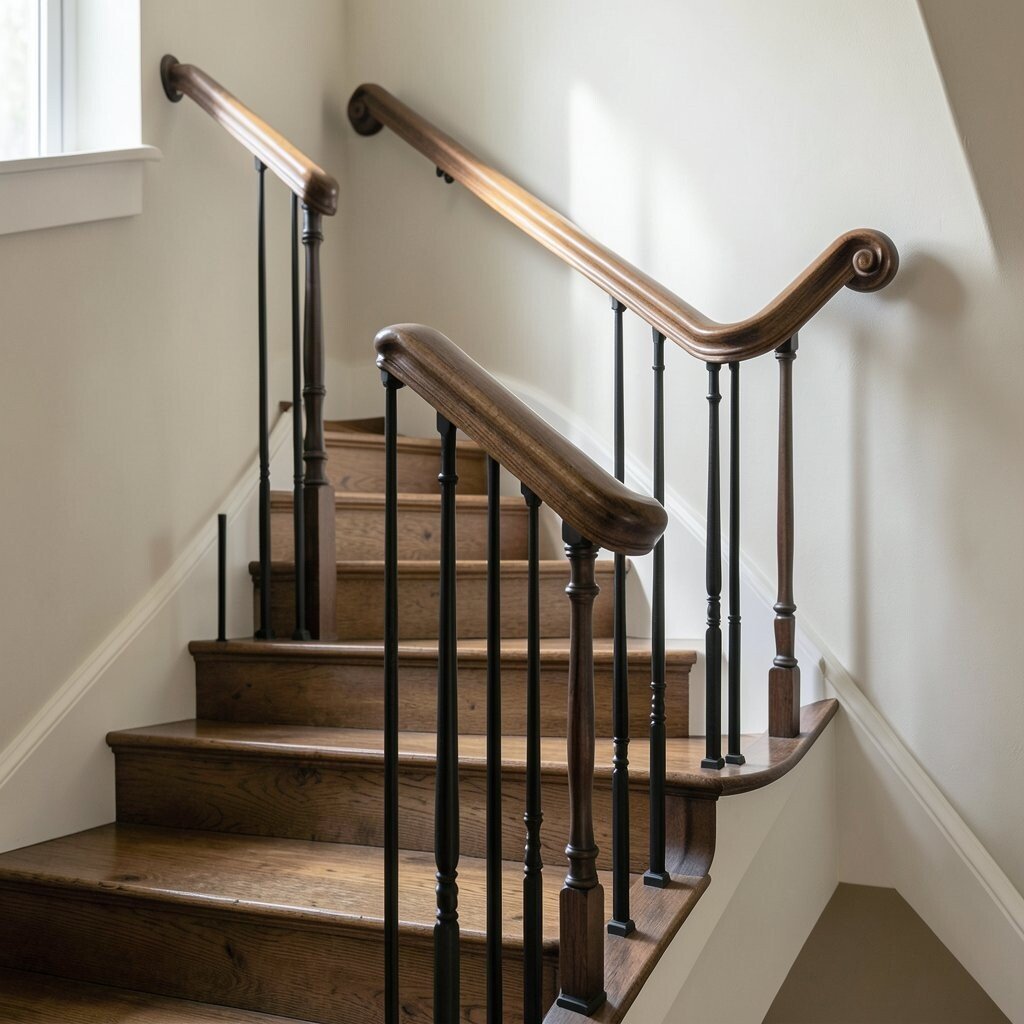
Notice how a comfortably curved handrail invites you to grip and move with confidence. Traditional rail profiles often look graceful, even from a distance.
A good handrail improves safety because it gives your body a steady point of contact. It also makes the staircase feel more welcoming, especially at night.
Choose a handrail diameter that feels easy to hold and consider a satin finish to reduce glare. If you want a personal touch, align the rail style with cabinet pulls or door knobs already in your home.
6. Turned Newel Posts as the Focal Point
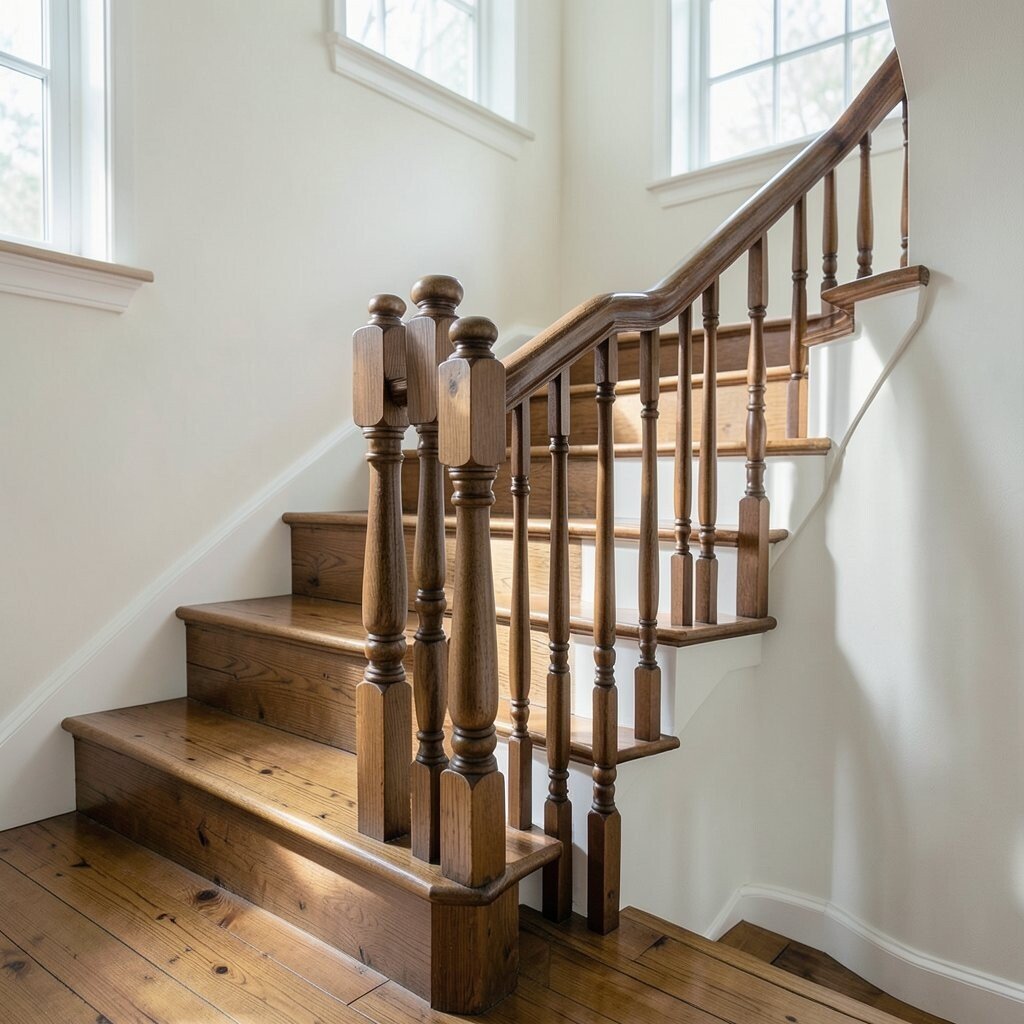
At the bottom or top of the stairs, a newel post can act like the centerpiece of a stage. When it has classic turnings or a bold carved shape, the entire staircase gains personality.
A strong newel post also strengthens the structure visually and practically, tying the railing system together. It draws the eye upward, which makes the stair feel taller and more dramatic.
7. Traditional Claw Feet or Decorative Foot Spindles
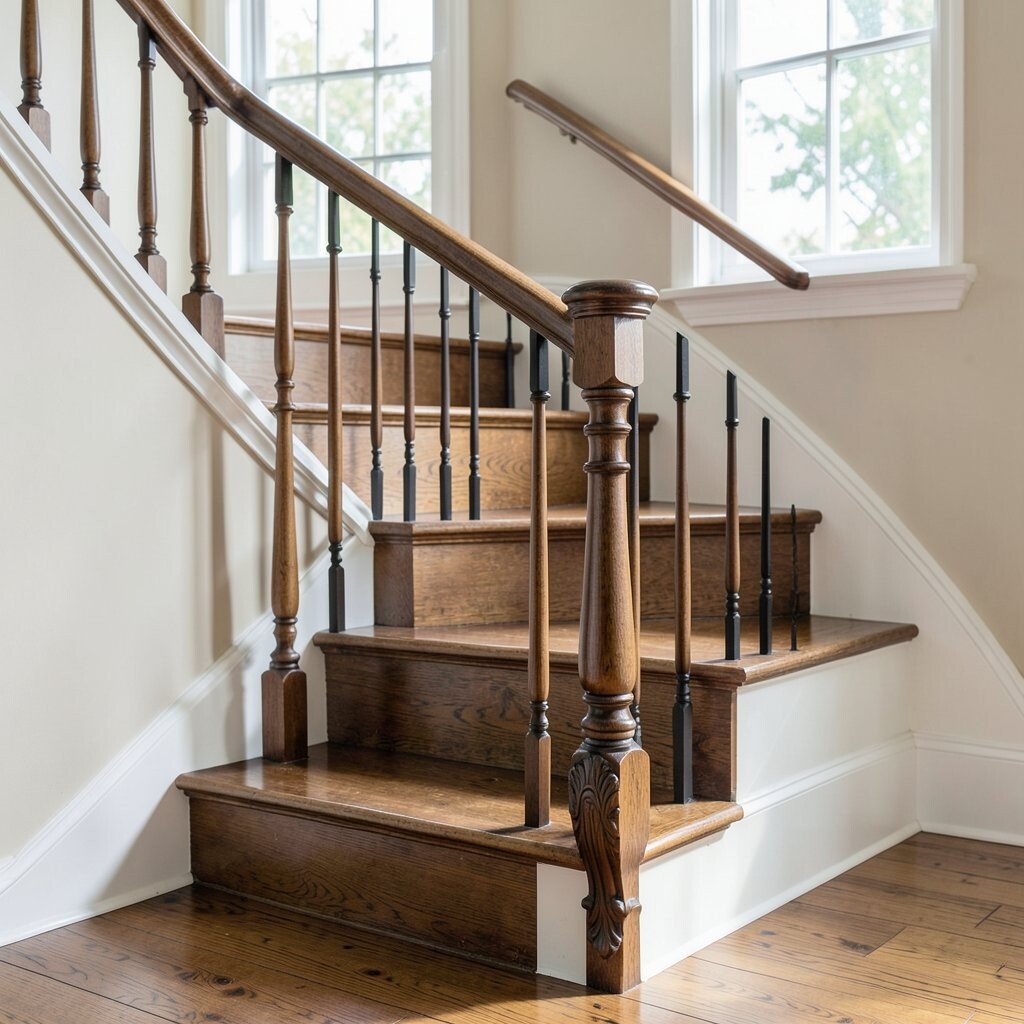
Small decorative touches at the base of posts or spindles can make a traditional stair feel styled, not just built. Even a simple carved base can add a refined look.
These details can help a plain corner feel intentional by giving the staircase a clear “start” point. For a practical approach, make sure the base pieces are secured well so they withstand daily contact.
If you are working with an existing stair, you can sometimes swap out only the lower elements. Matching the finish to your floor or trim keeps the look cohesive without a full renovation.
8. Timeless Step Lighting in Warm Finishes
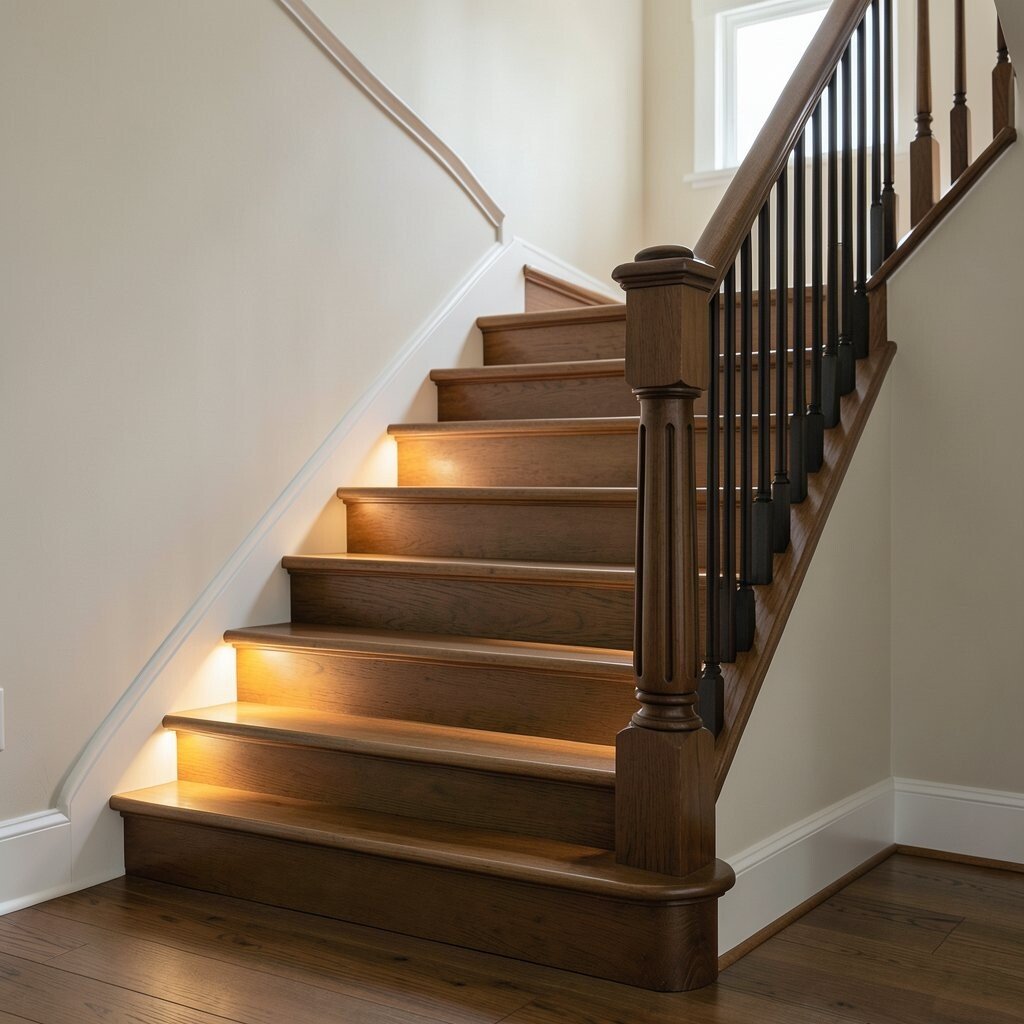
Soft lighting along steps creates a gentle glow that looks classic and feels comforting. Warm white bulbs can make wood look richer and help visitors feel at ease.
Good stair lighting improves safety because it reduces shadows and helps you see each tread clearly. Consider discreet fixtures that stay in the background while still doing their job.
9. Subtle Staircase Paneling with Raised Molding
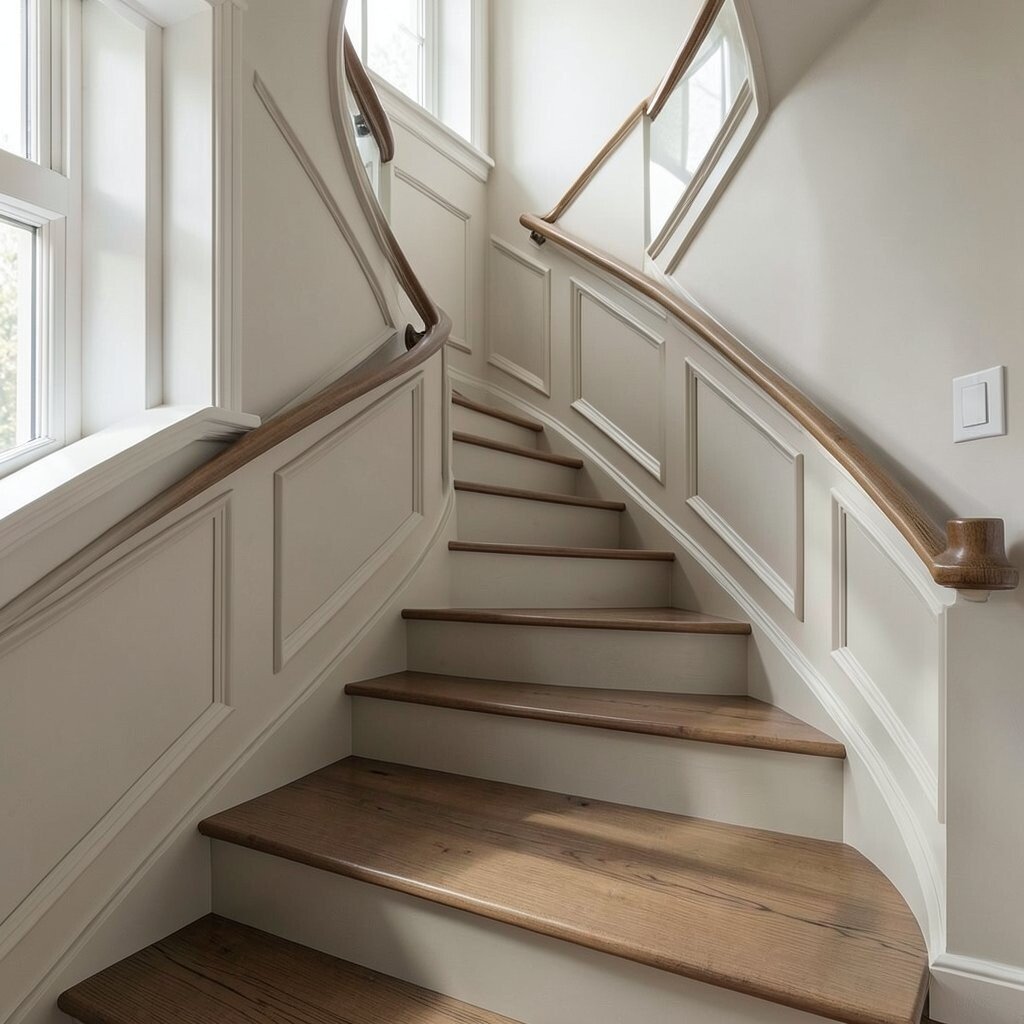
Paneling on the stair stringer can turn a plain side into a decorative frame. Raised molding details give the area depth, especially in homes with traditional trim.
This look can hide minor imperfections in older stairs and make the whole run feel upgraded. It also adds a sense of craftsmanship, which is exactly what traditional style is about.
For a budget-friendly route, add trim pieces over existing surfaces instead of replacing everything. Paint the paneling in a color that complements the wall, then coordinate the molding with baseboards.
To keep it simple, choose one molding profile and repeat it consistently. Consistency is what makes traditional details feel elegant rather than busy.
10. Classic Winding Stairway Color Pairings
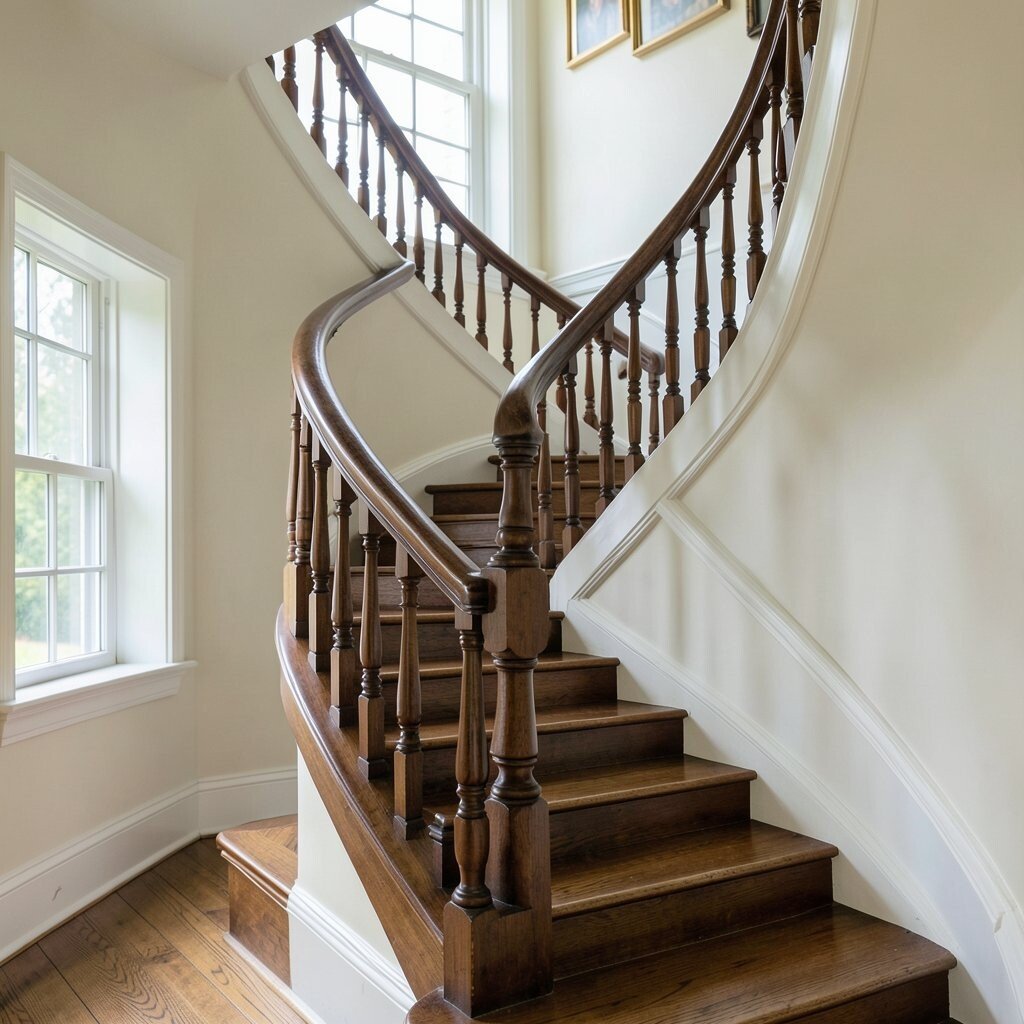
Color choices can make traditional stairs feel cohesive from hall to landing. Warm whites, soft creams, and deep wood stains create a natural, old-world mood.
When you pick a color pairing, it can also make the staircase visually match the rest of the home. If your trim is already painted, you can stain the treads and paint the rail for a balanced look.
11. Staircase Accent Wallpaper on the Landing
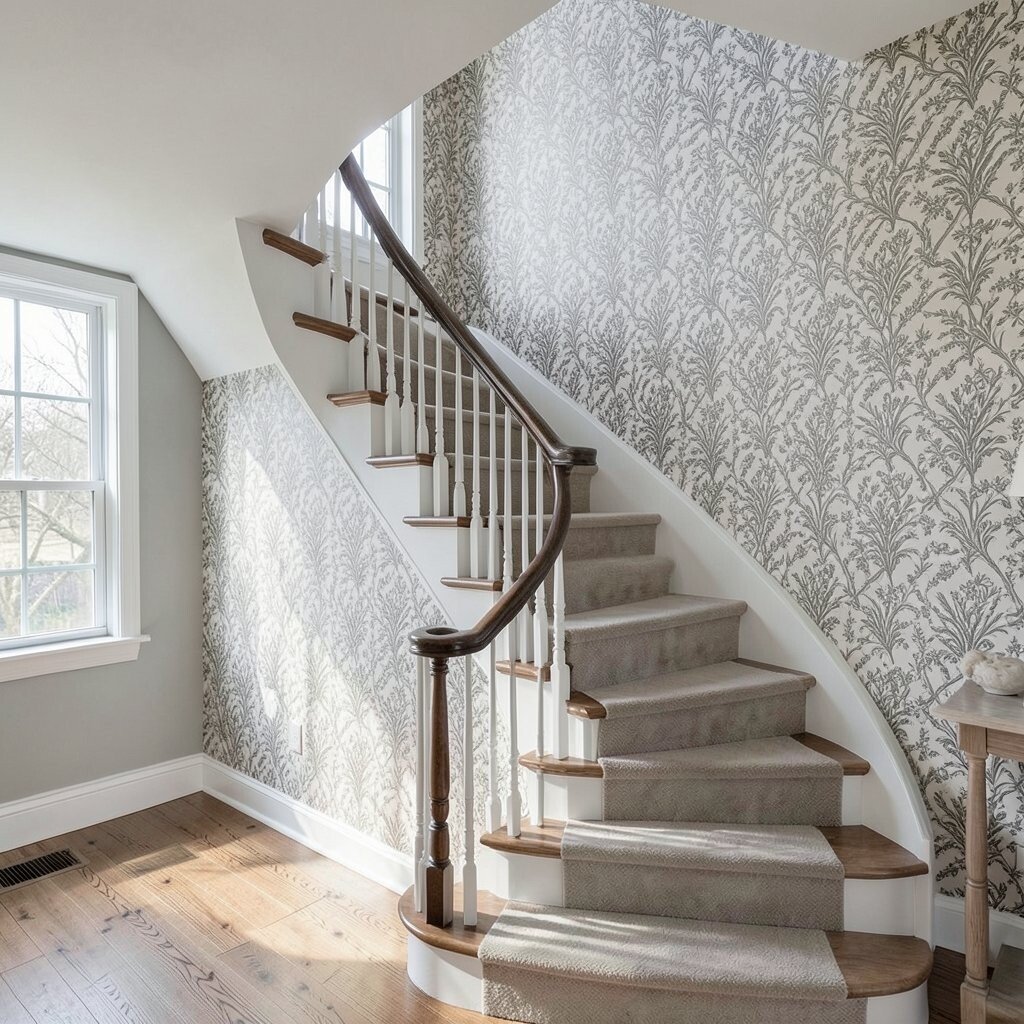
A landing is small, so wallpaper can make a big impact without overwhelming the space. Traditional motifs like damask, subtle florals, or tiny scrolls can add charm right where your eyes pause.
Wallpaper can also be a clever way to personalize the home while keeping the main staircase simple. It turns a plain wall into a memory-making spot for photos and everyday moments.
To keep maintenance easy, choose a vinyl or scrubbable wallpaper and use a smooth wall surface. If cost matters, cover only the landing wall or the narrow band around a window or door.
12. Traditional Carpet Ties and Grippers for a Clean Fit
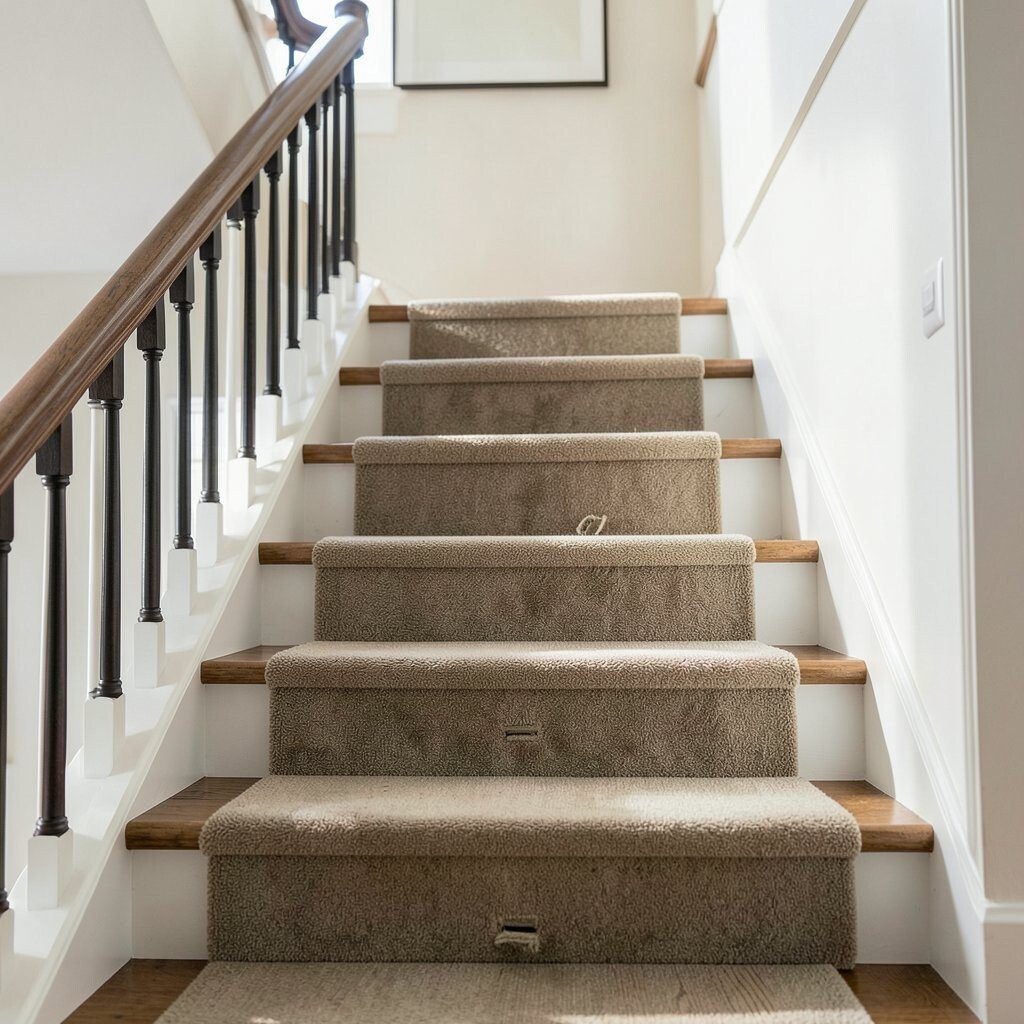
A runner looks better when it sits neatly, and the finishing touches make the difference. Carpet grippers and decorative ties can keep fabric from shifting and curling.
This helps safety by keeping the runner stable underfoot. It also keeps the staircase looking tidy, which makes traditional style feel well cared for.
13. Built-In Storage Under the Stairs with Old-World Style
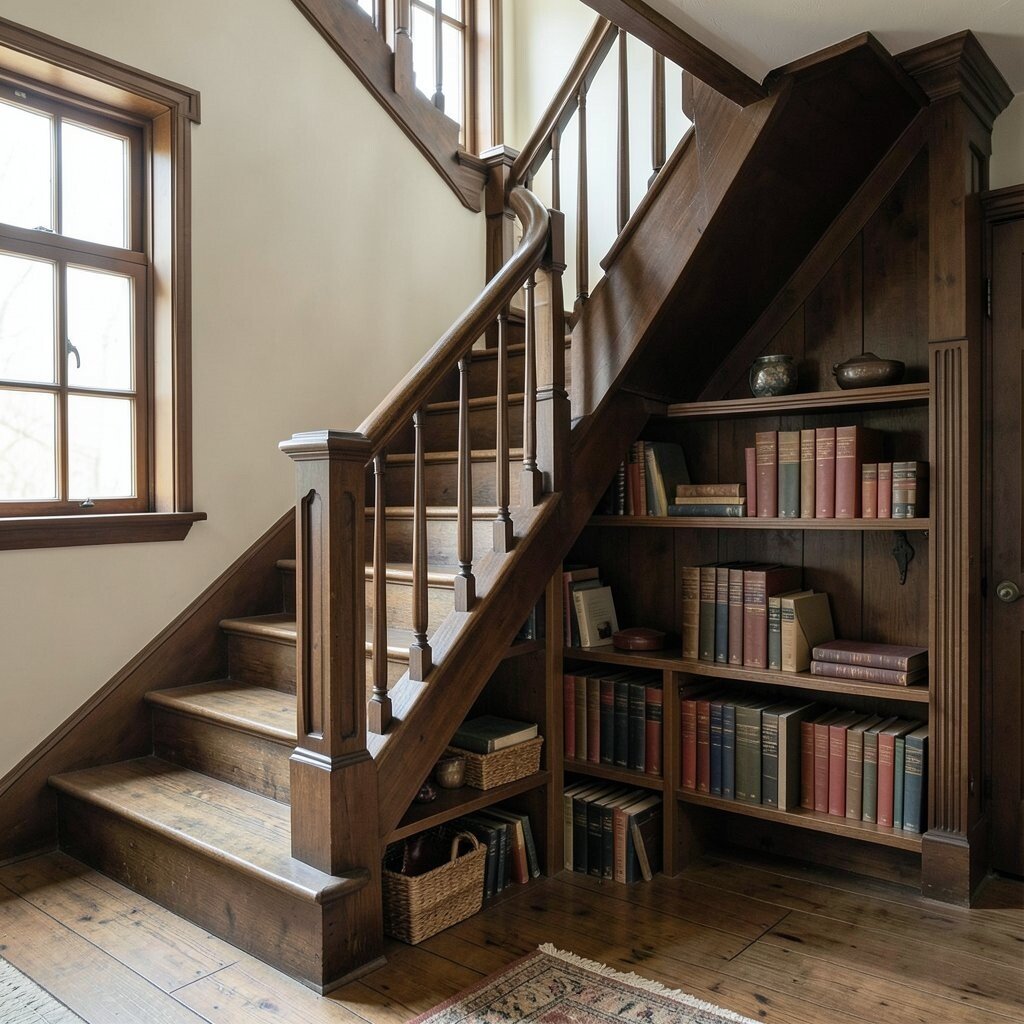
Storage under the stairs can hide clutter while preserving the traditional feel of the home. Built-in cabinets with paneled doors can look as if they belong there from the beginning.
That extra storage reduces mess in hallways, which makes the whole floorplan feel calmer. Consider using baskets inside for shoes, umbrellas, or seasonal items for a practical setup.
To control costs, match the storage finish to existing trim rather than choosing a brand-new style. You can also start with basic shelves and add doors later when your budget allows.
Personalization can come through hardware, such as brass knobs or antique-style pulls that echo other fixtures in the house.
14. Stair Stringer Detailing with Decorative Modest Trim
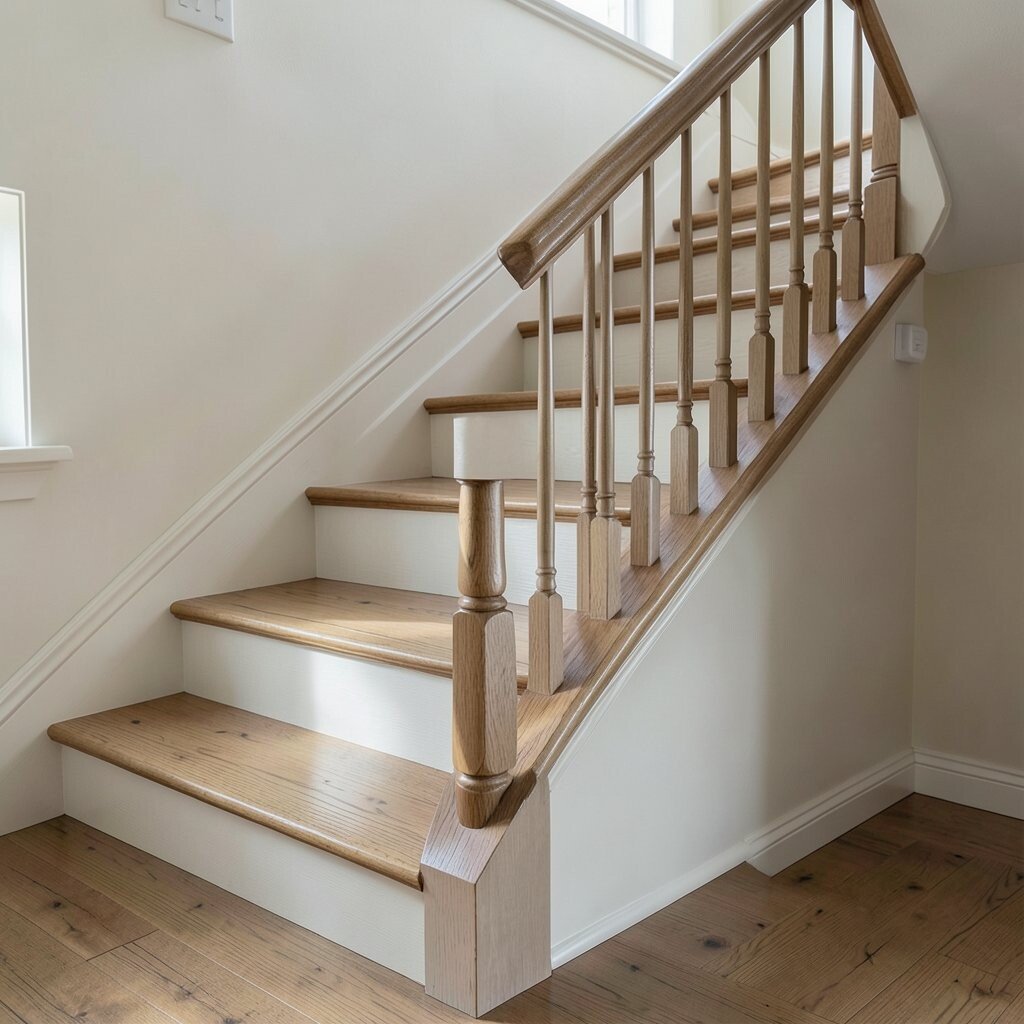
The stair stringer often gets overlooked, but it can be where traditional charm really shows. Adding modest trim lines creates a tailored, finished edge.
Detailing along the stringer can make a staircase look more custom, even when you are using existing materials. It can also help the staircase blend into wall panels or nearby molding.
15. Crafted Corner Blocks at Post Connections

Corner blocks where the rail meets the post can add a classic, finished look. They act like small ornaments that help the staircase read as thoughtful design instead of a simple railing.
These blocks also help strengthen the visual connection between pieces, so everything looks aligned. If you choose the right profile, they can match crown molding or other architectural features.
For practical planning, take clear measurements and confirm the block shape works with your railing layout. To stay within budget, consider resin or wood composite blocks that are easy to install and still look elegant.
16. Decorative Scrollwork Panels on Side Walls
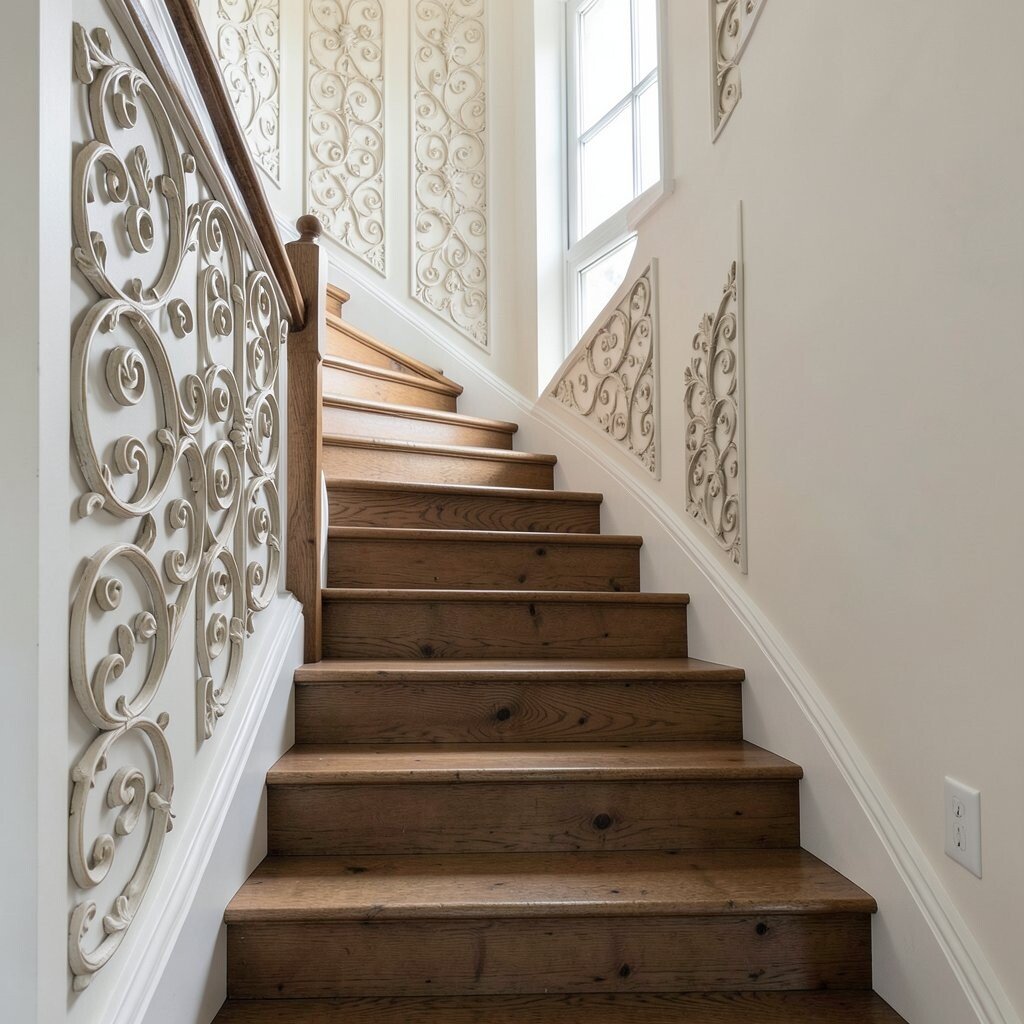
Scrollwork panels on the stair side can bring traditional romance without needing a full remodel. When they are sized correctly, they add movement and softness to otherwise straight lines.
They make the staircase feel unique and can become a signature feature that guests talk about. Scroll details also work well with classic color palettes like sage, cream, or warm gray.
To keep the look wearable, balance ornate elements with simple handrail and clean paint colors. If budget is tight, focus scrollwork on one side panel or the landing area for a strong focal effect.
17. Traditional Staircase Hinged Gates for Safety
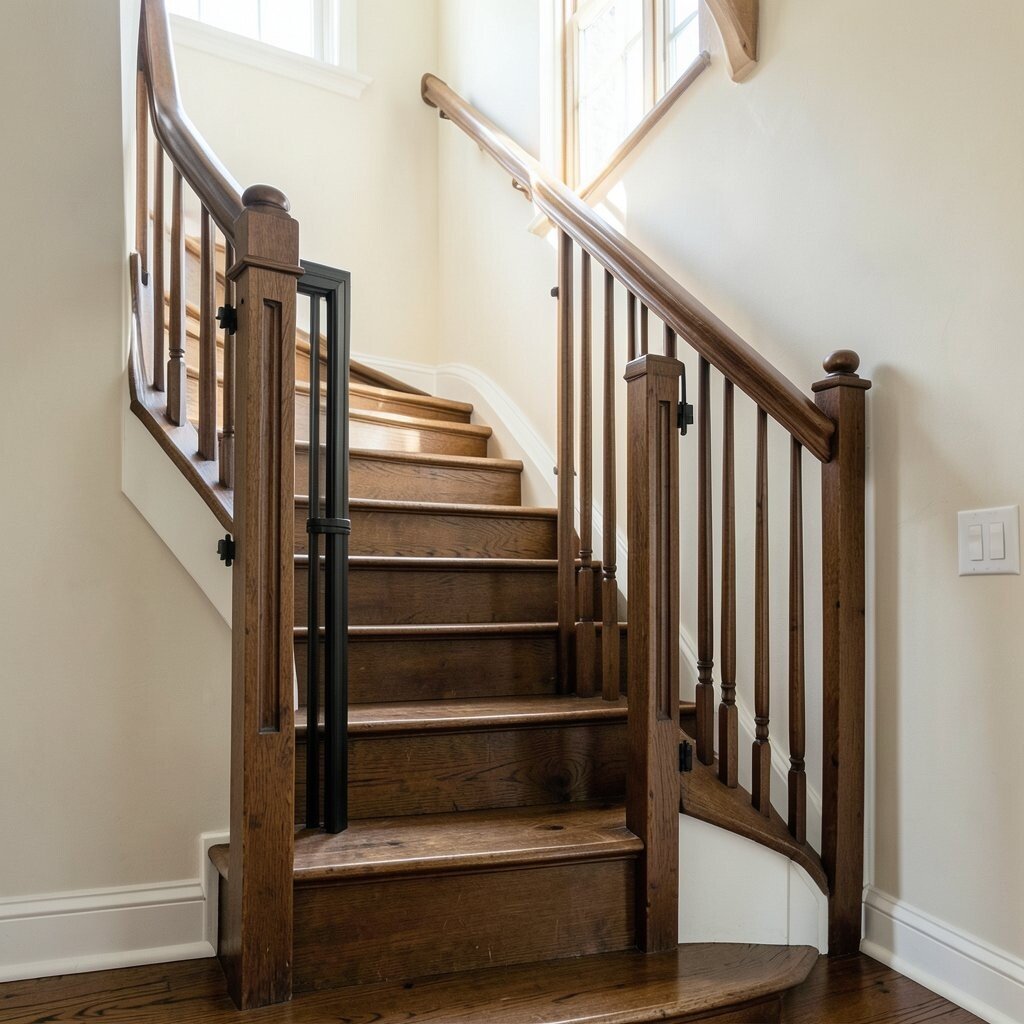
If you have young children, a traditional safety gate can still look stylish. A classic wood gate with a simple latch can blend into the staircase rather than standing out.
A gate improves safety by preventing unsupervised access to the stairs. It also gives you peace of mind during busy days when you are juggling everything at once.
For personalization, choose finishes that match the handrail and balusters. For cost consideration, consider a gate designed for your specific stair opening so you avoid extra adjustments.
When installed correctly, it stays sturdy and useful without changing the overall traditional style.
18. Antique-Inspired Hardware for Rails and Doors Nearby

Small hardware choices can make a traditional stair feel more complete. Finials, brackets, and nearby door handles can share a matching metal tone like brushed bronze or aged brass.
Coordinated hardware helps the space feel designed, which is a huge part of traditional charm. It also makes the staircase look polished in daily life because every touchpoint feels consistent.
19. Balanced Staircase Paint Colors with Trim-First Planning
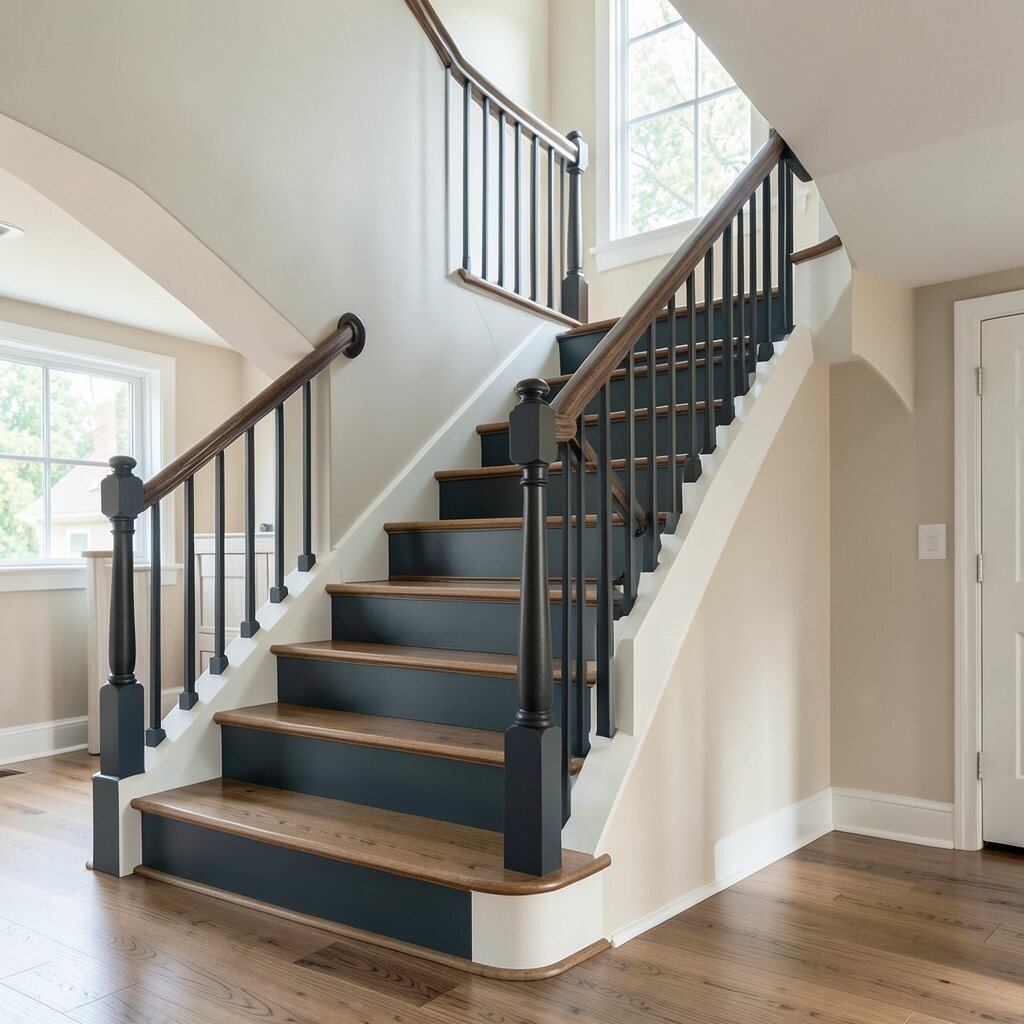
Painting stairs can be intimidating, but careful planning makes it feel manageable. Traditional stair walls often look best when trim is crisp and stair components are matched in tone.
Paint can also protect wood and keep worn spots from looking tired. If your home has classic crown molding, mirror that color on the stairs so the whole floor feels connected.
To budget wisely, focus on painting the risers and walls while keeping the treads protected. Use high-quality primer and a finish that handles foot traffic and cleaning.
For personalization, try a slightly richer shade on the risers to add depth while still staying traditional.
20. Traditional Landing Columns or Half-Wall Dividers
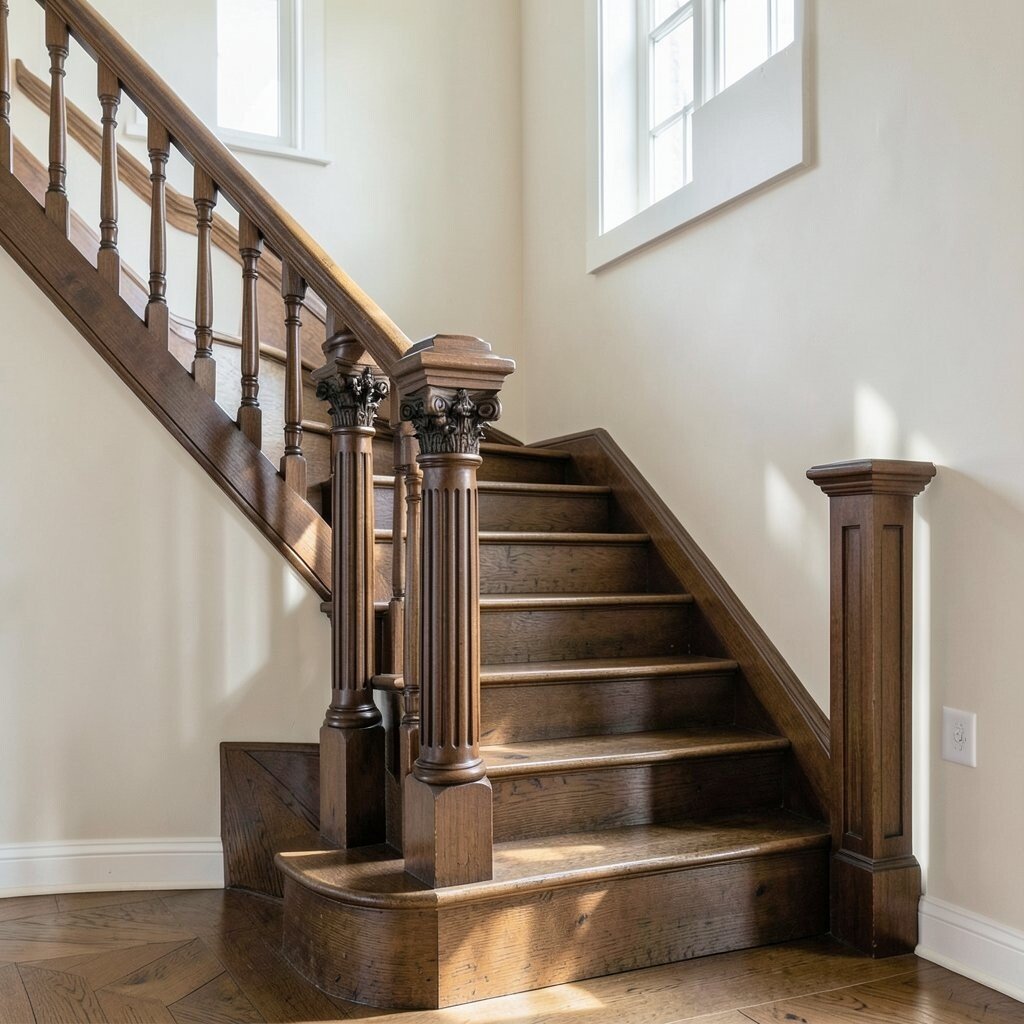
If your staircase opens to a living area, a half-wall divider or column can help define the space. Traditional columns with fluting or panel details can make the landing feel more architectural.
This type of feature can improve layout by creating a clear visual boundary. It can also reduce the sense of openness that some people find distracting, especially in homes with lots of sightlines.
For practical tips, use measurements carefully and confirm code requirements for guard height. Cost can be managed by building a divider first and later adding decorative trim or columns when funds allow.
21. Custom Stair Tread Shapes with Decorative Nosing
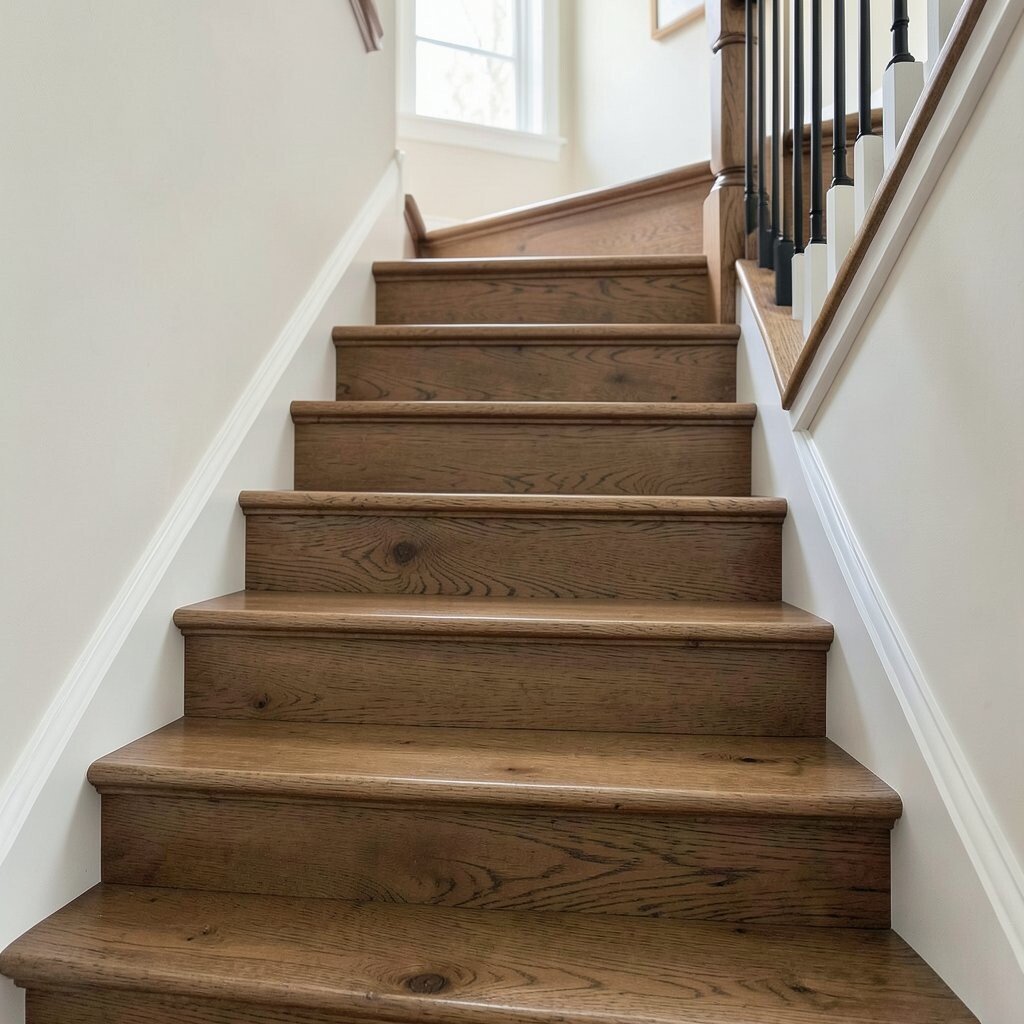
Tread nosing can add an old-fashioned elegance, especially when it is shaped with intention. A gentle profile or a decorative edge makes each step look like it was made by a craftsman.
This feature improves comfort because the tread shape can guide your foot naturally. It can also protect the edge of the tread from chipping and daily scuffs.
If you are customizing, choose a profile that matches your existing trim so it feels cohesive. Cost considerations matter here, so compare solid wood options with durable composites that mimic wood grain closely.
For personalization, blend stain tones across the nosing so the treads look deep and rich without looking overly dark.
22. Keep the Look Updated with Traditional Style in Modern Ways
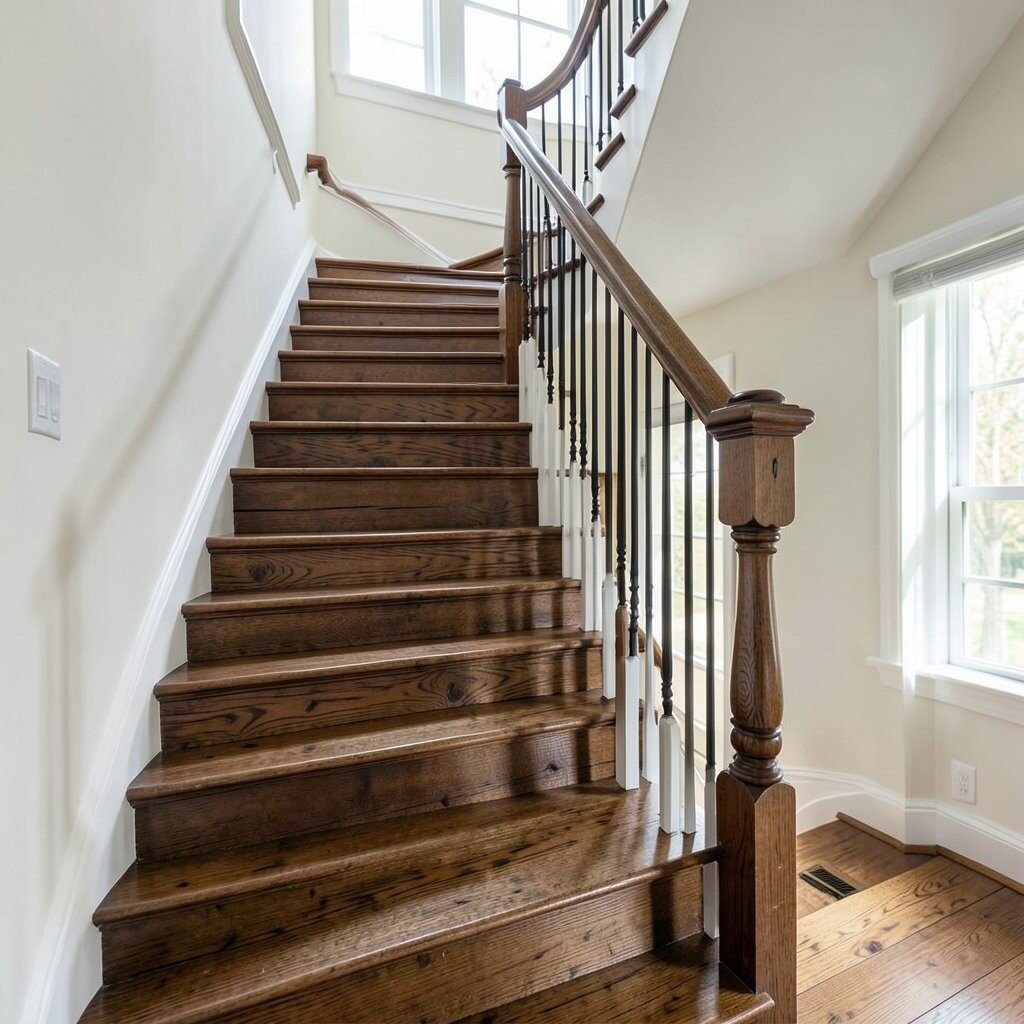
Traditional stairs can still feel current when you keep the shapes classic and update the details. Many homeowners now favor clean lines, warm neutrals, and practical materials that look traditional.
That trend supports longevity, because modern finishes often resist scuffs and fading better than older coatings. You get a classic look with fewer touch-ups, which is a comfort for busy lives.
To personalize while following the trend, mix one modern element, like sleek lighting or low-shedding runner fabric, with classic woodwork and hardware. When budgeting, prioritize the items people touch and see most often, then add smaller upgrades as your comfort and funds grow.
A well-planned traditional staircase can feel both familiar and fresh, which is exactly the sweet spot most people want at home.