
The right handrail can feel like quiet help that’s always within reach. The best designs also match daily habits, lighting, and how a home really moves.
Below are practical ideas that balance safety, comfort, and everyday style. Each one includes real ways to picture it in your space and make it work for the person using it.
1. Soft-Grip Textured Rail for Calm, Steady Holds
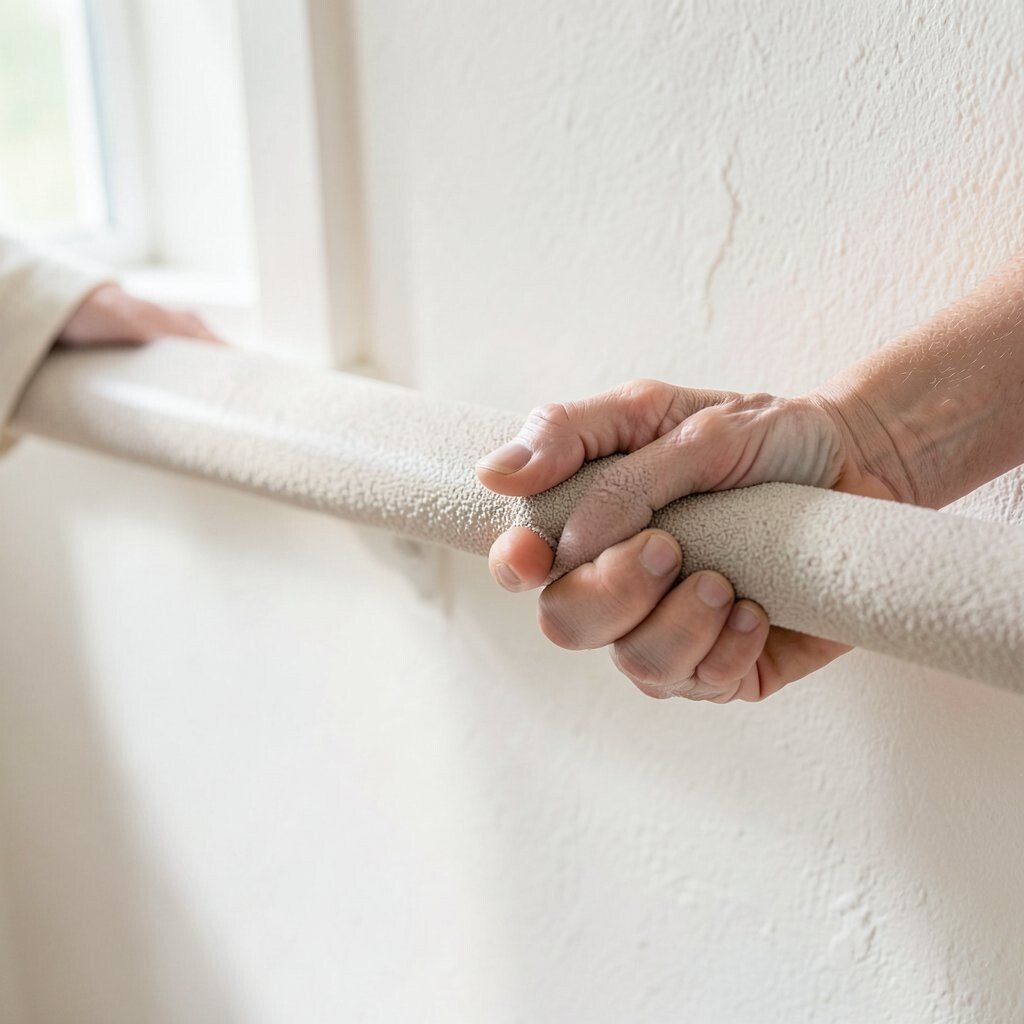
Imagine a wall handrail with a gentle, textured surface that helps hands keep contact even when palms feel a little dry. You can picture it as a warm strip that looks simple but feels reassuring every time it’s used.
Texture reduces the “slip feeling” during turns, while a slightly rounded profile keeps fingers from catching on sharp edges. Choose a finish that wipes clean and feels comfortable, especially near kitchens and bathrooms where splashes happen more often.
2. Curved Rail That Matches Natural Posture

Some people naturally reach in an arc rather than a straight line, especially when standing from a chair or shifting weight. A gently curved wall rail can guide that movement instead of fighting it.
Curves can help the handrail feel like part of the body’s routine, which often improves confidence. Pair the curve with a comfortable diameter and check reach distance at different heights so it supports both daily standing and careful walking.
If you want it to look neat, choose a curve style that follows the wall trim or doorway edge so the rail feels built-in. That visual harmony can make the rail less noticeable and more welcoming.
3. Low-Back Height Rail for Safer Chair and Toilet Transfers
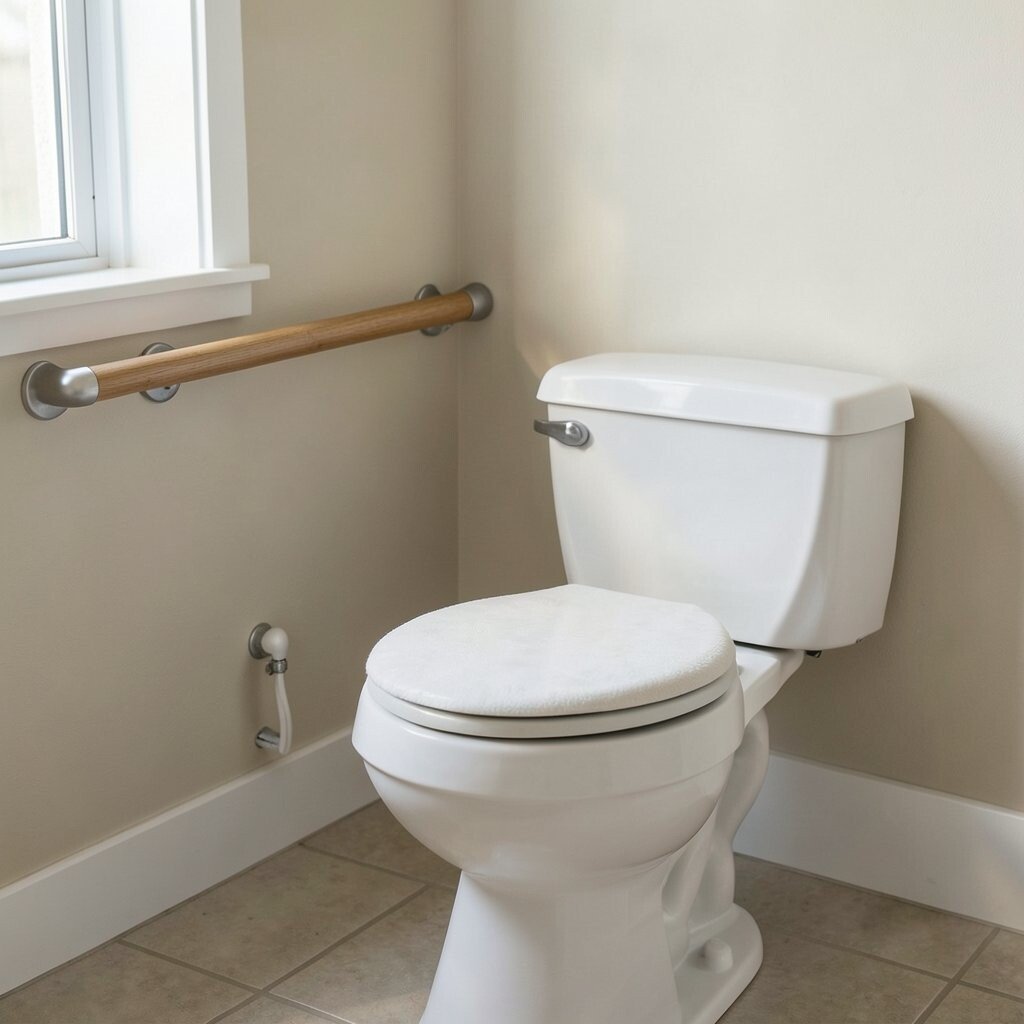
Think about the moment someone pulls forward to stand, then steadies their steps. A rail placed at a supportive, lower height can make that transition feel smoother.
When the rail lines up with the most common grip point, the person can use it for leverage without stretching too far. It also helps during bathroom visits because the body can rely on nearby support while feet reposition.
Measure where the hand naturally lands when standing, then adjust for comfort rather than guesswork. Use sturdy wall anchors and consider a smooth finish that’s easy to clean, since this spot gets frequent use.
For personalization, you can align the rail with the side of the dominant hand so the grip feels automatic. Keep the area around the rail clear so clothing, slippers, or mobility aids do not snag.
4. Double Rail Layout for Independence and Backup Support
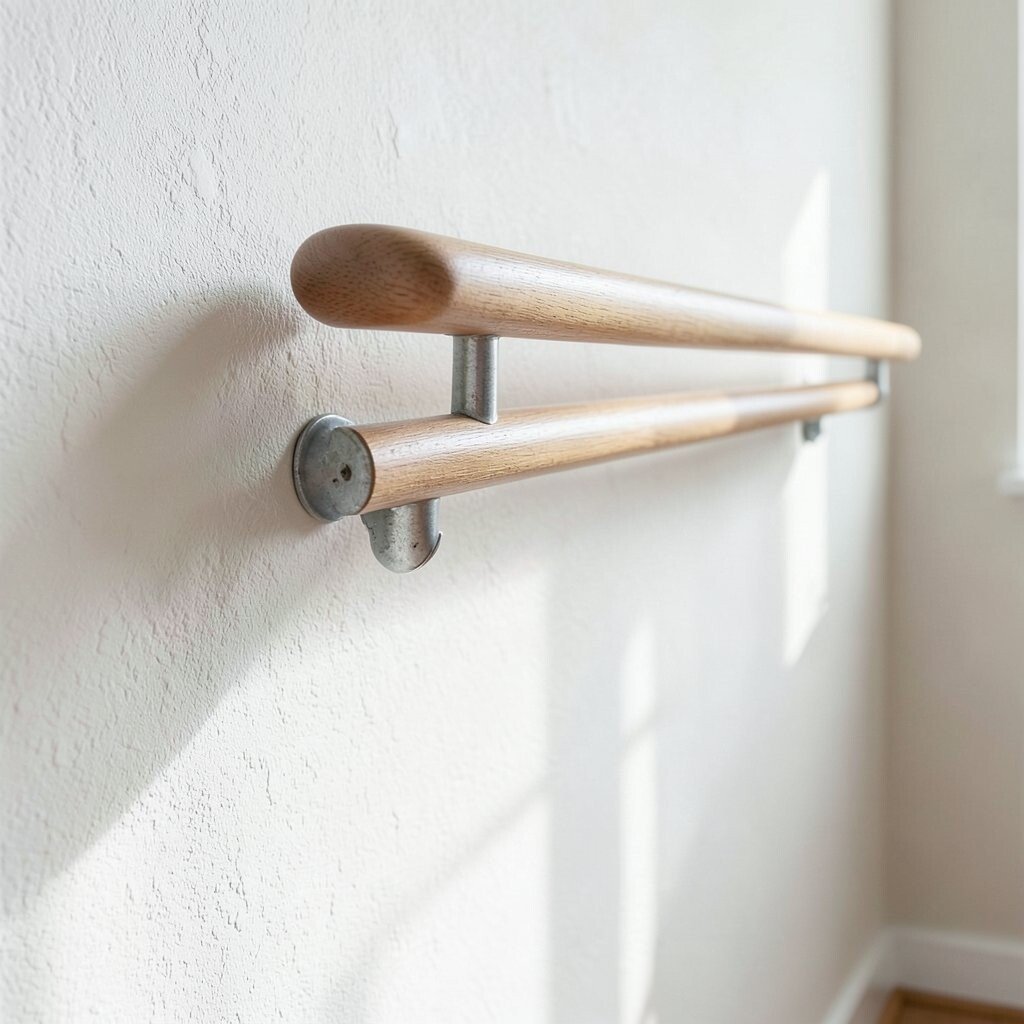
Picture a wall with two rails spaced for different grip styles, like one slightly higher and one slightly lower. That setup can feel like having a reliable backup when balance needs extra help.
A dual rail can support different stages of movement, such as rising up slowly and then settling into steady steps. It can also help when two hands are needed to regain control during careful turns.
To make it practical, install the rails where they don’t block door movement or where a walker might pass. If the room layout changes often, consider how the rails might affect reaching for light switches or grabbing towels.
5. Extendable End Handles for Better Leverage at Corners
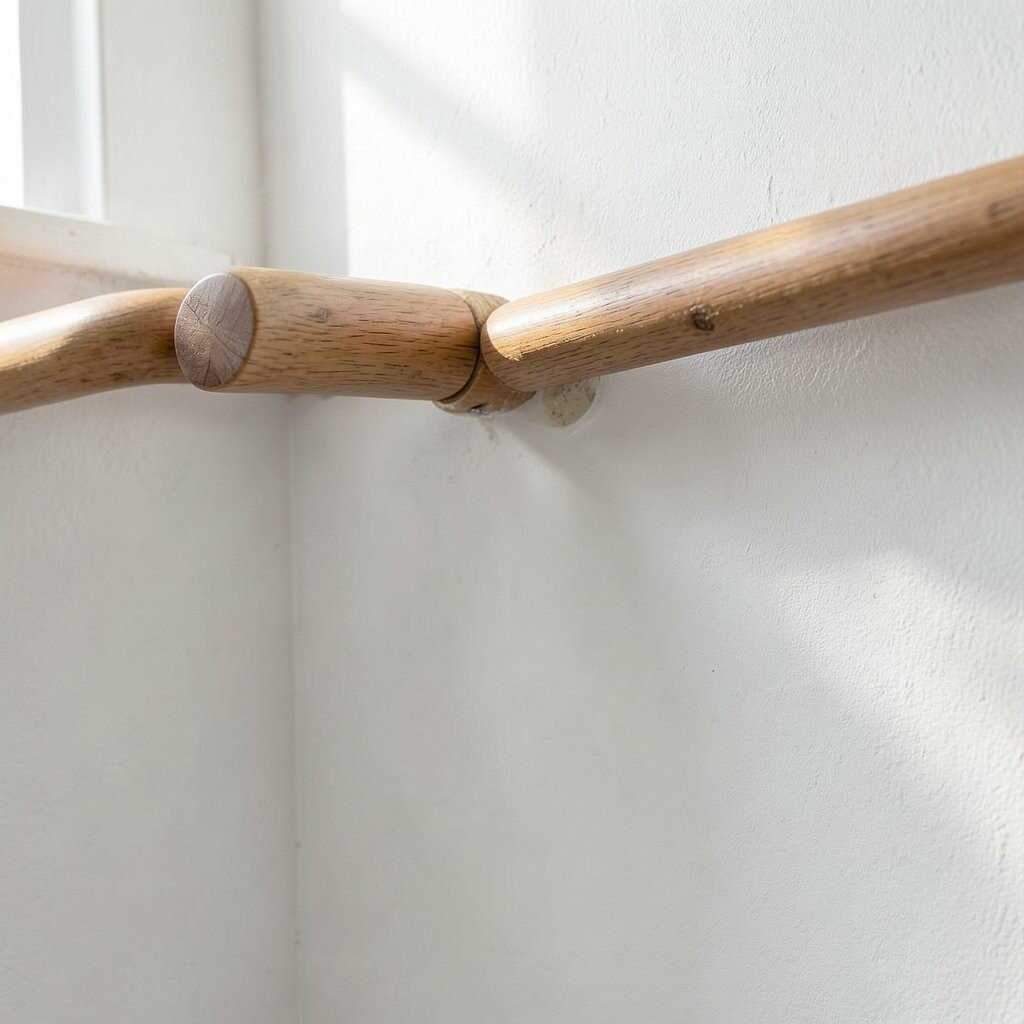
Some homes have tight spots near hallways or stair-adjacent areas where hands need one more moment of control. Extending the rail ends into small handles can give that extra leverage.
Those end pieces help during slow pivoting, like when turning toward the bathroom or adjusting posture near a doorway. Look for designs that stay firmly anchored and avoid sharp end caps that can catch clothing or skin.
For a clean look, match the handle finish with other bathroom fixtures, such as towel bars or faucets. Cost can vary depending on whether you buy a kit or hire a installer, so check total quotes for the rail, fasteners, and labor before committing.
6. Warm Wood-Look Rail with Hidden Grip Technology

Warm, wood-look surfaces can make a handrail feel less clinical and more homey. You can picture a rail that blends into the wall like a design element rather than medical equipment.
Even if it looks like wood, the surface should still offer reliable grip for wet or slightly slippery days. Choose a rail that wipes clean easily so it stays attractive even with daily use.
To personalize the style, match the tone to your existing flooring or cabinet colors. This idea also fits current trends toward “human-first” home finishes that reduce the feeling of disability aids.
7. Sleek Satin Metal Rail for Modern, Low-Visual-Clutter Homes
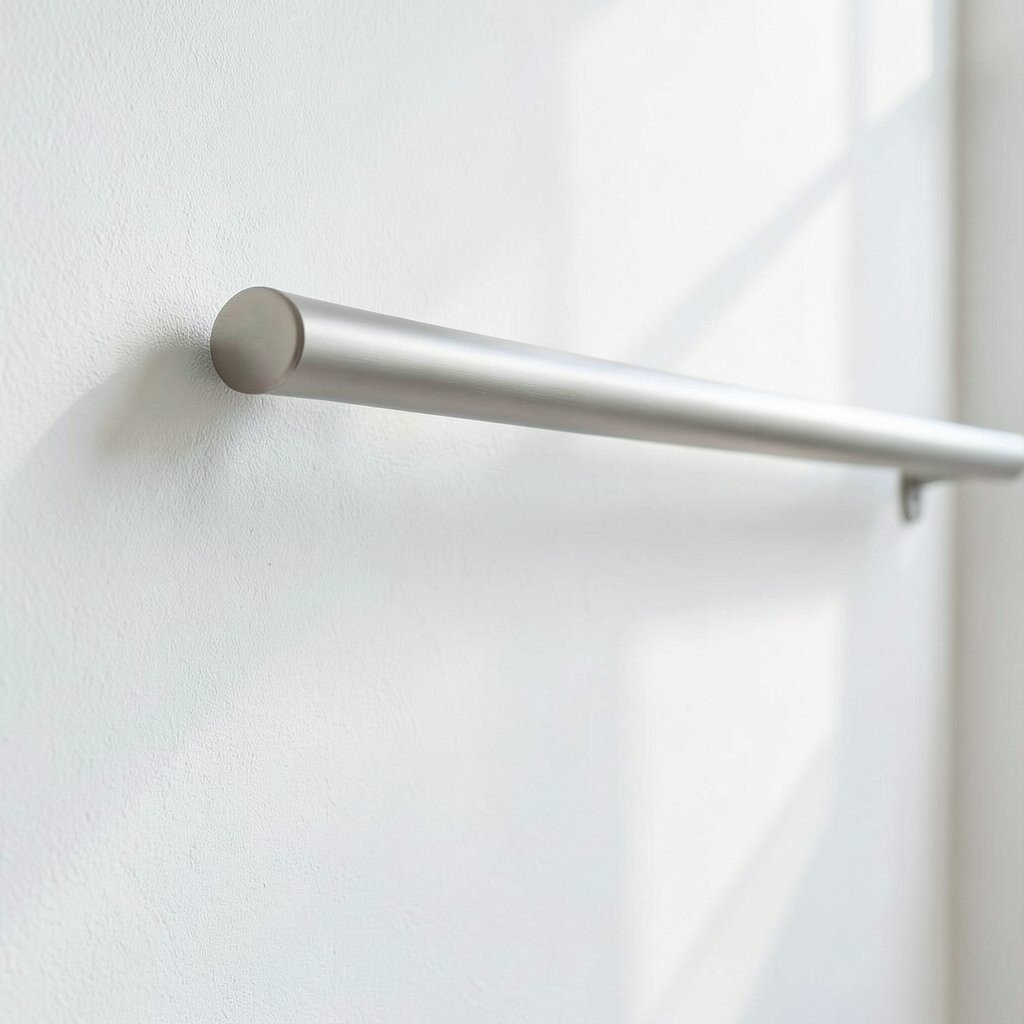
A satin metal wall handrail can look crisp and calm, especially in bright hallways. It’s the kind of design that feels tidy and doesn’t grab attention at every angle.
Smooth metal finishes can still be very safe when paired with a secure anchor system and a slightly rounded shape. It’s also helpful for people who prefer straightforward surfaces and dislike overly textured grips.
Keep cleaning simple by using gentle cleaners that won’t dull the satin sheen. If you’re updating a space, this style often fits right in with modern cabinet hardware and lighting fixtures.
8. Non-Slip Rubber-Coated Rail for Wet Zones
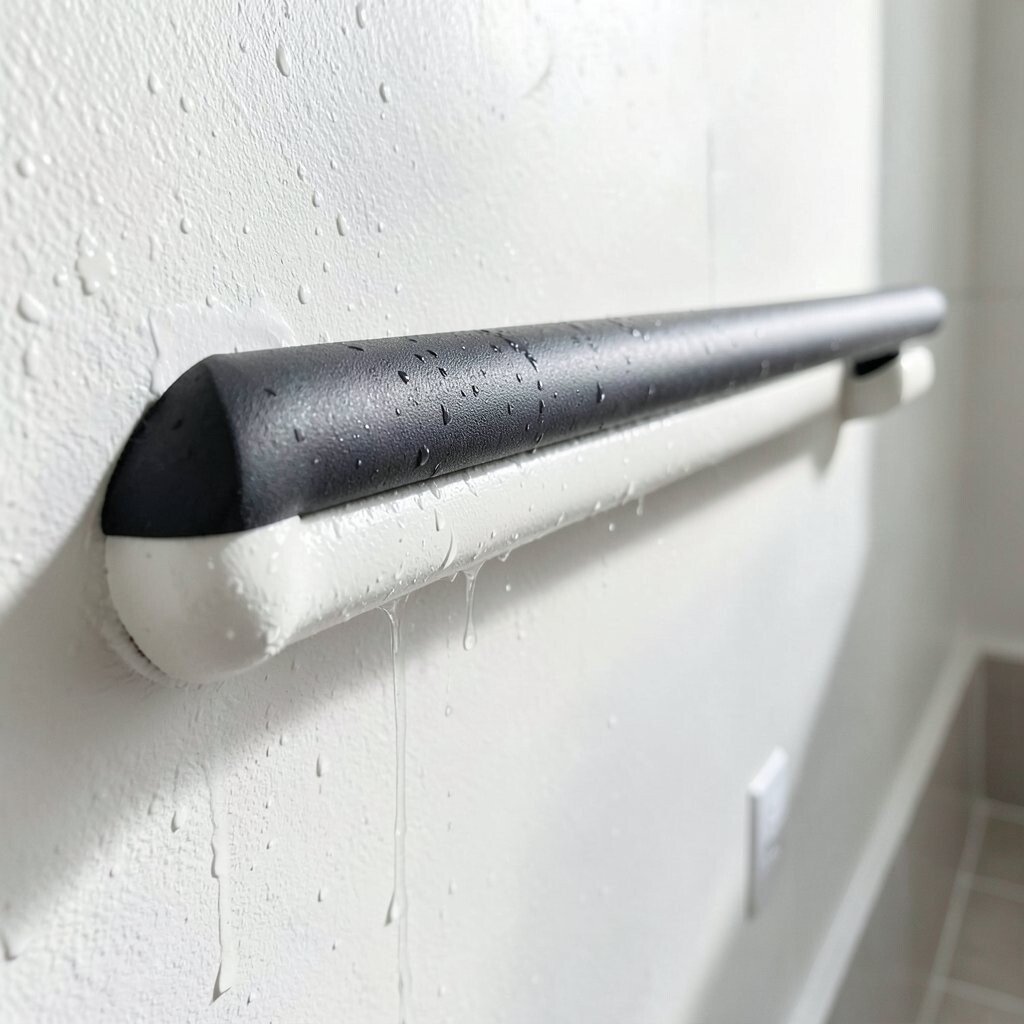
In shower areas and near sinks, a non-slip rubber-coated handrail can feel like steady ground. You can almost picture it offering extra comfort when water makes everything slick.
Rubber coatings improve grip and reduce the chance of sliding when hands are wet. Choose a durable option that resists wear and doesn’t peel over time, and make sure it’s rated for bathroom use.
Install with proper spacing so water can drain and the rail doesn’t trap grime. This can be a smart choice for families because it balances safety with an everyday feel.
9. Corner-to-Wall Transition Rail for Tight Turns
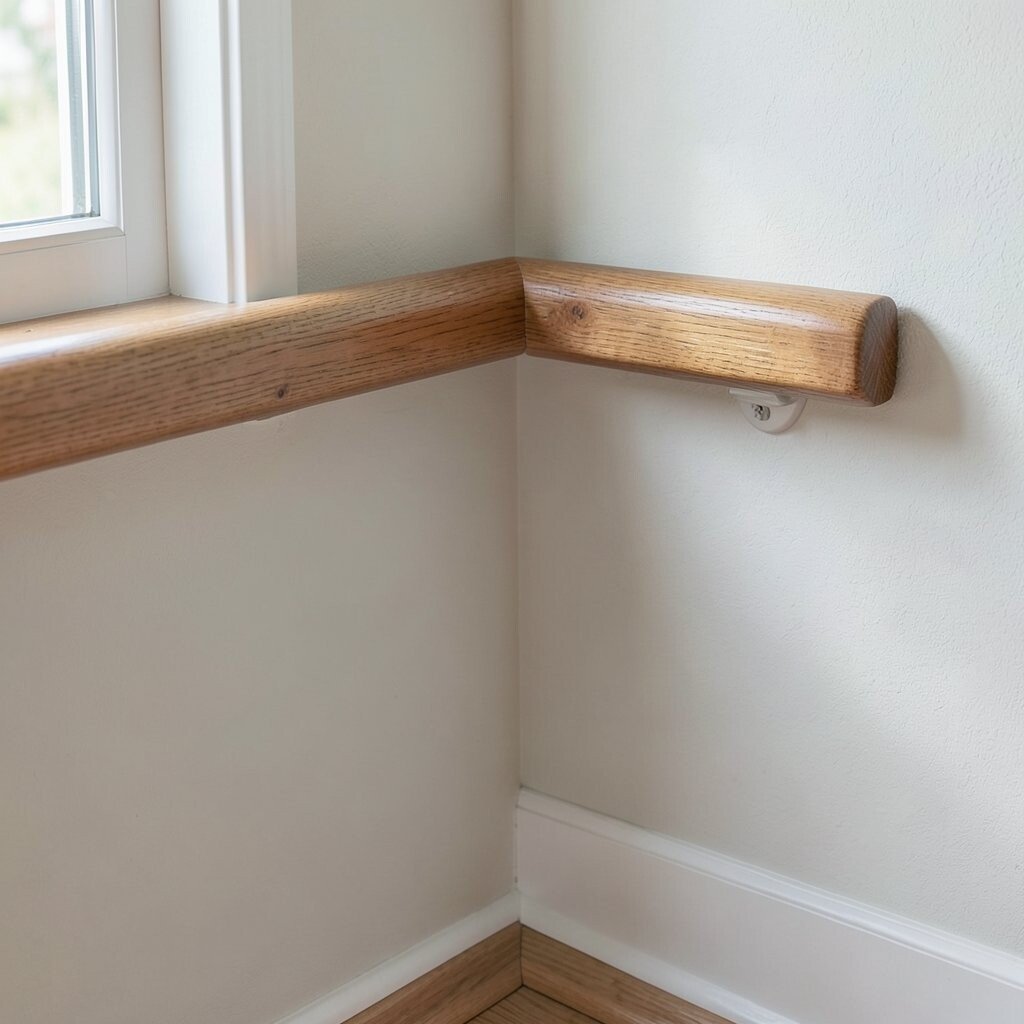
Some hallways force careful, small steps when someone turns a corner. A transition rail that connects the wall direction to the next surface can guide the movement like a gentle path.
When the rail follows the turn, it can reduce the “gap” where hands search for support. Place it so the person can keep a consistent grip instead of starting and stopping mid-turn.
To personalize, consider adding a slight angle that matches the person’s usual pivot. Cost can be manageable because corner transition kits are often less complex than fully custom rails, but still plan for solid anchors and careful alignment.
Before installation, test the planned route with a gentle reach from standing positions so the rail feels intuitive. That small check can prevent frustration and help ensure the rail is used every day.
10. Handrail Near Stairs or Step Areas with Bright Visibility
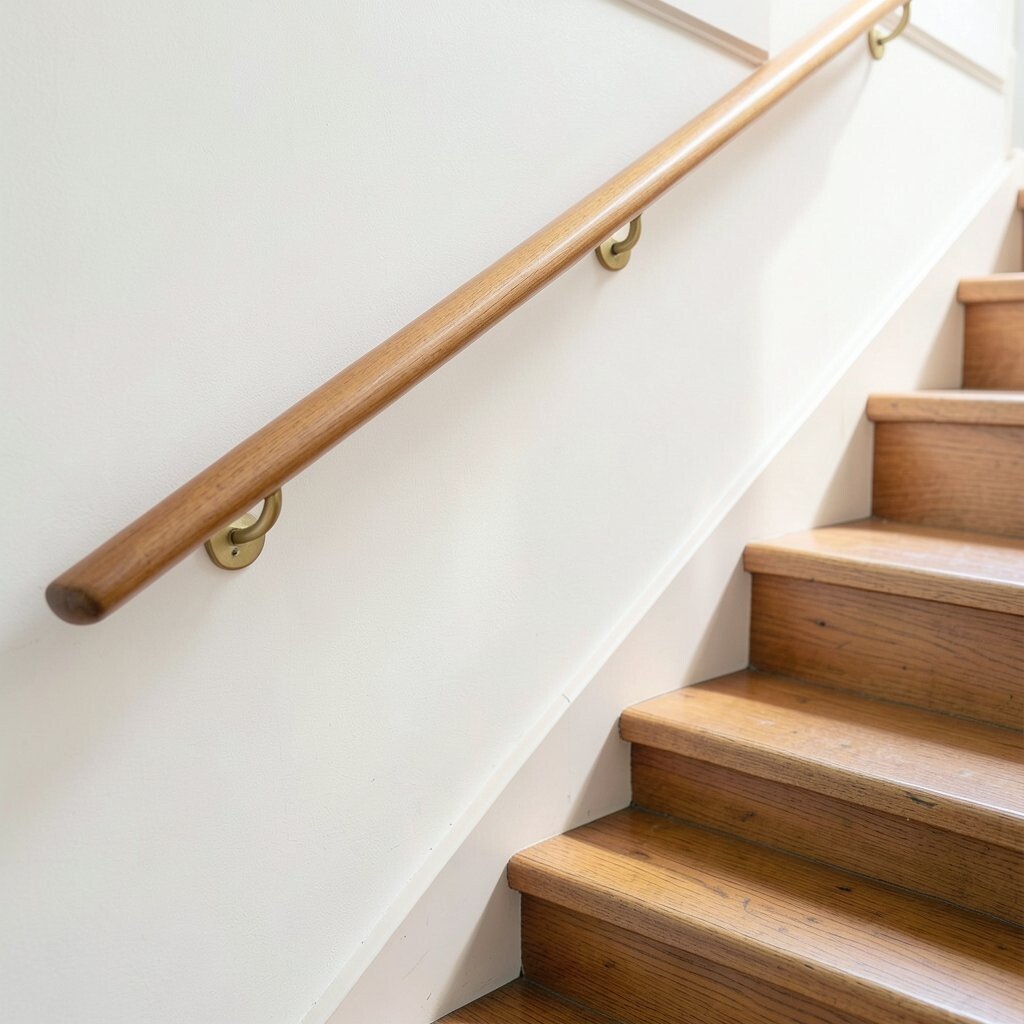
When light changes in stair zones, people can feel less steady even if they know the route well. A wall handrail placed near steps can become a visible, reliable cue during transitions.
Visibility matters, so choose a finish that stands out against the wall or matches a high-contrast decor scheme. Adding good lighting along the stair path also helps, and together they can reduce missteps.
Consider a rail that continues far enough to support the first step and steady the last one. Families often find that the right length makes the rail feel less “partial” and more like a dependable guide.
11. Momentum-Friendly Rail for Slow Walking and Stopping
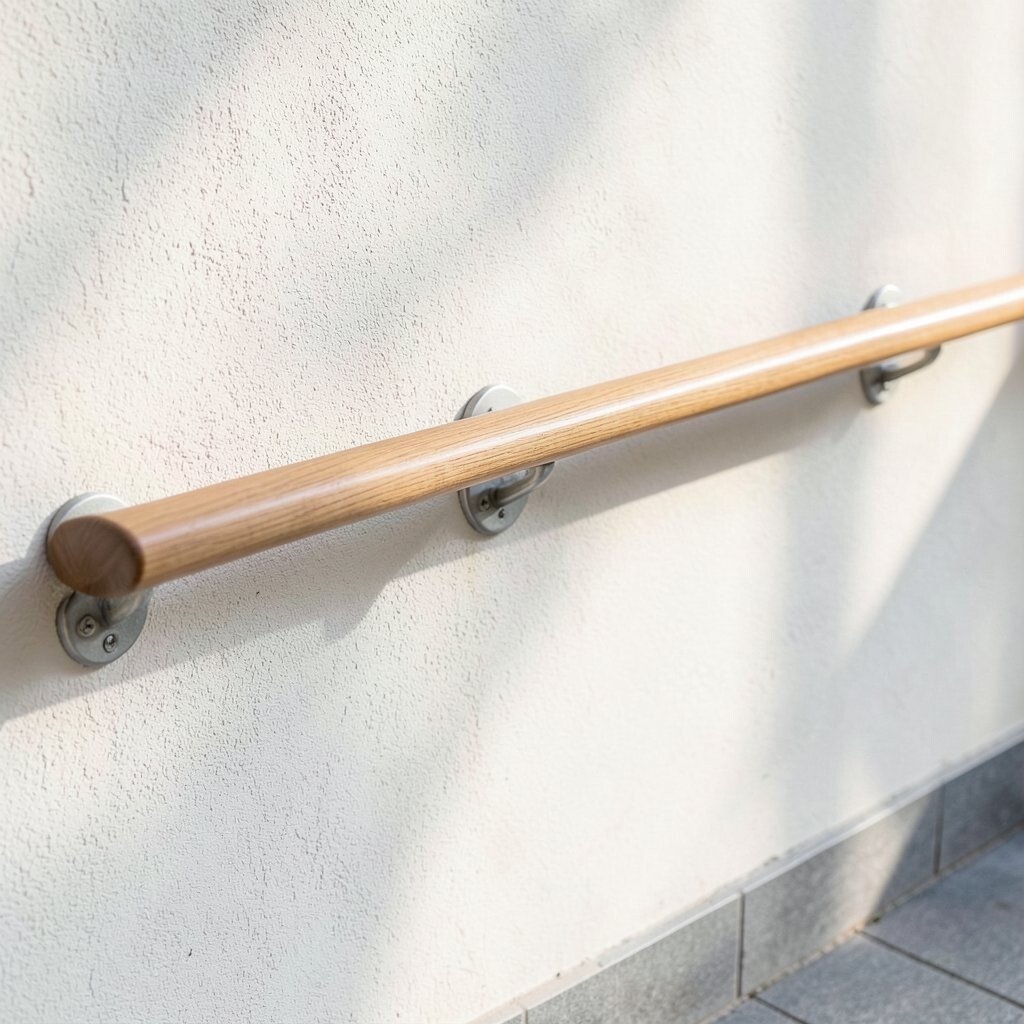
Many people don’t need constant gripping, but they do need support right when they slow down. A momentum-friendly wall rail can be positioned where stopping and starting happen most often.
Think about spots where someone pauses, such as beside a kitchen counter or at the end of a hallway. If the rail is near that pause point, it supports balance while the body resets weight.
Choose a placement that doesn’t force stretching, and make sure it’s at the height that feels natural. This idea can feel less intrusive than placing rails everywhere, keeping the look cleaner and more personal.
If you’re working with a budget, prioritize the highest-impact locations first. Then, expand only when daily routines show where more support is truly needed.
12. Magnetic Accessories Rail for Towels, Bags, and Daily Tools

A wall handrail can do more than support a hand during walking. Some designs allow small magnetic accessories that keep daily items within easy reach.
When towels, comfort items, or small personal tools hang nearby, the person spends less time reaching or twisting. That can reduce strain and make movement feel more controlled.
Choose accessory options that hold securely and don’t rattle when bumped. Look for quality magnets and attachments that won’t loosen over time, especially with frequent bathroom use.
For personalization, match the accessory colors to the room so the rail looks coordinated, not cluttered. This can also follow current home organization trends that blend function with simple visual styling.
13. Handrail with Comfort Corners That Avoid Skin Snags
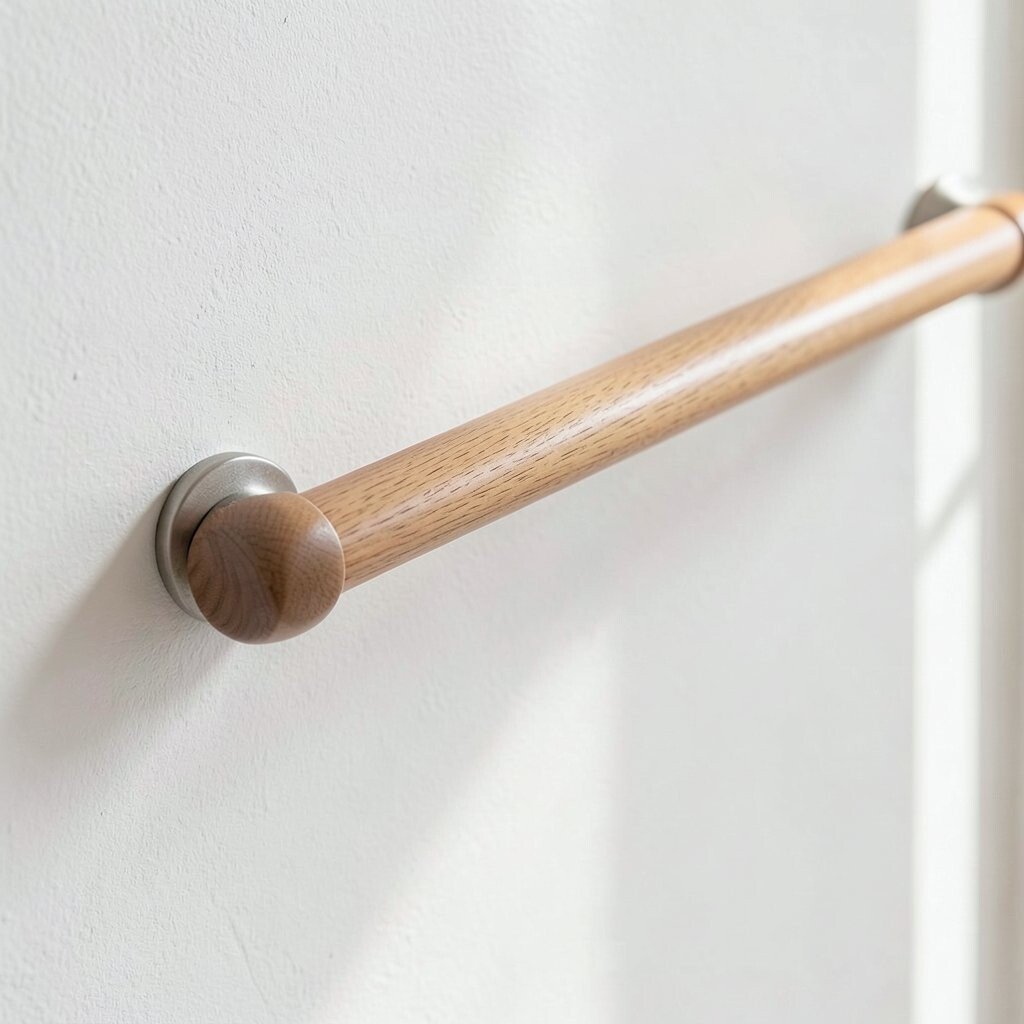
Small details can change everything when hands brush the rail while moving. Comfort-corner designs round off meeting points so skin and fabric are less likely to catch.
Rounded corners feel more forgiving when someone grips, slips slightly, or adjusts their hold. Look for smooth transitions where the rail changes direction so there are no abrupt edges.
To make it actionable, inspect the rail under different lighting to ensure it doesn’t have rough seams. A well-made finish can still feel modern, even in older homes, because quality lines look tidy.
14. Rail Placement Strategy That Works with Mobility Aids
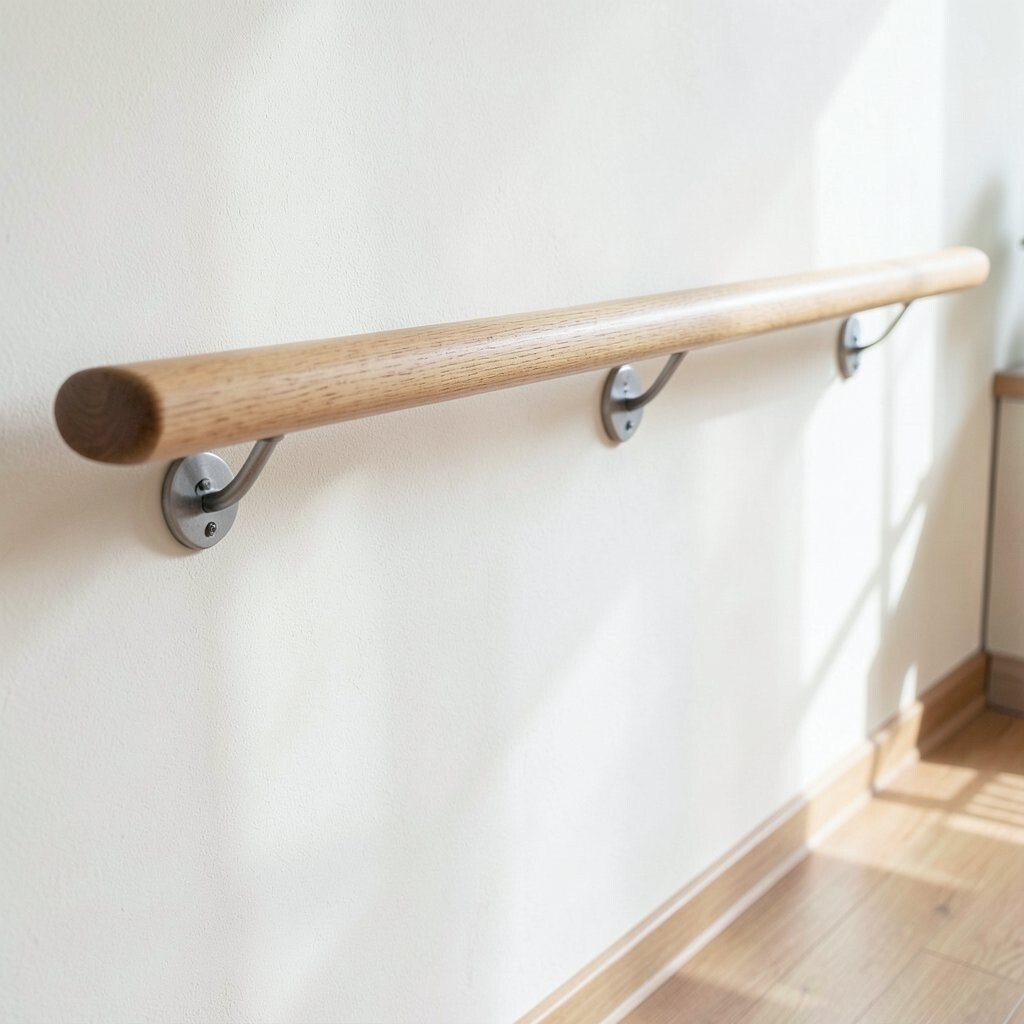
Mobility aids like walkers and rollators change how a room “moves,” even when the person is careful. A smart rail placement strategy can support the hand without colliding with the equipment.
Keep clearance so the mobility aid wheels and frame can pass close by without bumping. If possible, measure the typical path used between rooms and place the rail where it supports without blocking.
For personalization, observe how the person actually turns and where their hand reaches while guiding the aid. This can help you fine-tune the height and location so the rail feels like it was made for that routine.
15. Portable or Semi-Permanent Rail for Rental-Friendly Flexibility

Not every home allows permanent changes, and not every family wants a long project. A portable or semi-permanent wall handrail option can give support without lasting disruption.
These rails can be moved to a better location if needs change, such as during recovery after surgery or as seasons shift. You still want reliable support, so choose designs that install firmly and follow the manufacturer weight limits.
Budget thinking matters here because rental-friendly rails can cost more upfront, but they may save money on repairs or professional modifications. Check whether installation is allowed by your lease and whether you need permission before mounting.
To personalize, keep the finish similar to existing hardware so it doesn’t look out of place. When the rail looks like part of the home, it’s more likely to be used confidently.
16. Color-Matched Rail That Blends with the Home’s Style
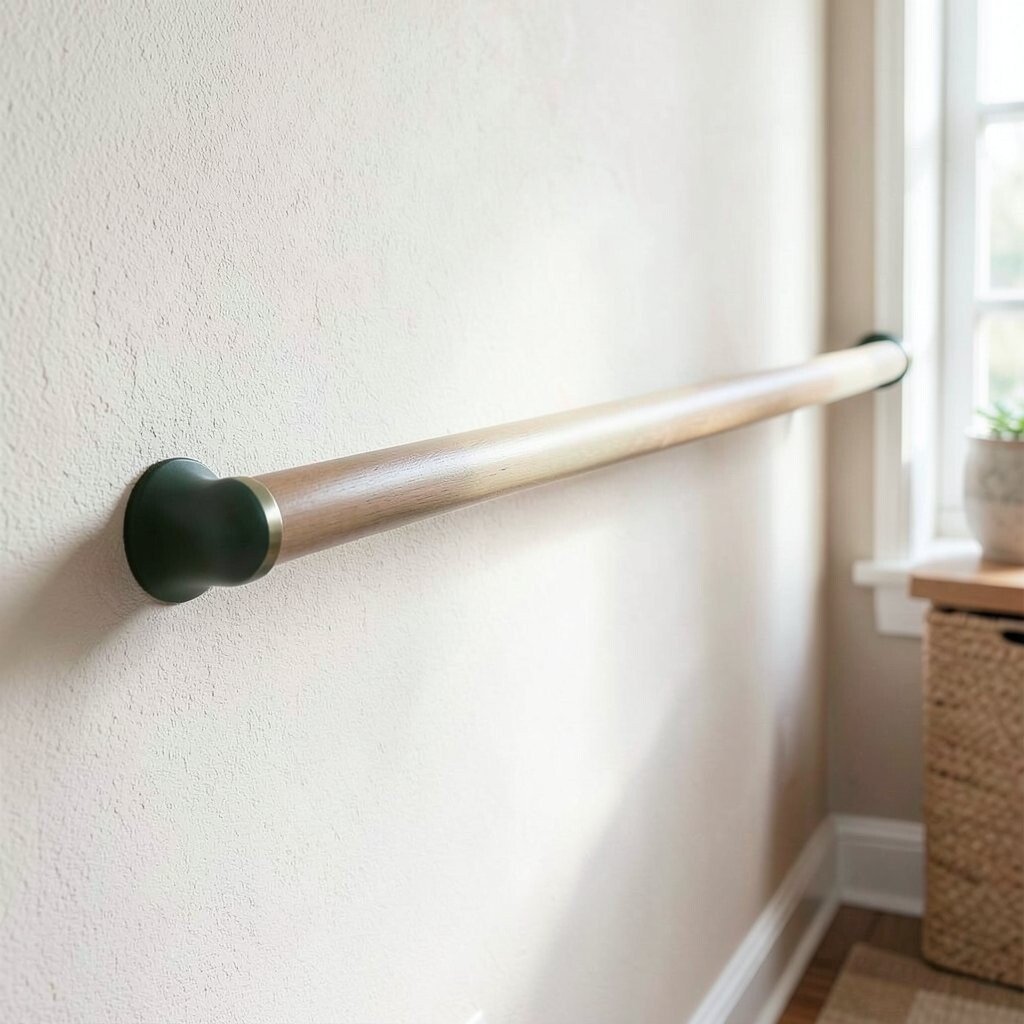
A handrail can either stand out loudly or blend into the room like it belongs. Color-matched rail ideas help it feel calm and normal, which can increase acceptance and daily use.
Choose a finish that matches wall paint undertones or pairs with existing fixtures like faucets, knobs, and towel bars. When the rail blends, it becomes less of a “medical reminder” and more of a helpful accessory.
For practical tips, test small finish samples if possible and consider how the color looks at morning and evening lighting. Cost considerations also matter because premium finishes may cost more, but they can reduce the need for extra decor changes later.
This idea fits today’s trend toward cohesive, design-forward accessibility upgrades. When support looks intentional, families often feel happier living with it every day.