The room feels calmer when the floor sounds softer. Tiny upgrades under your flooring can make a big difference in how the whole home feels.
You’ll notice it in the way footsteps land, how warmth holds, and how comfortably everyday life moves from room to room.
1. Quilt-Like Foam Under Carpet
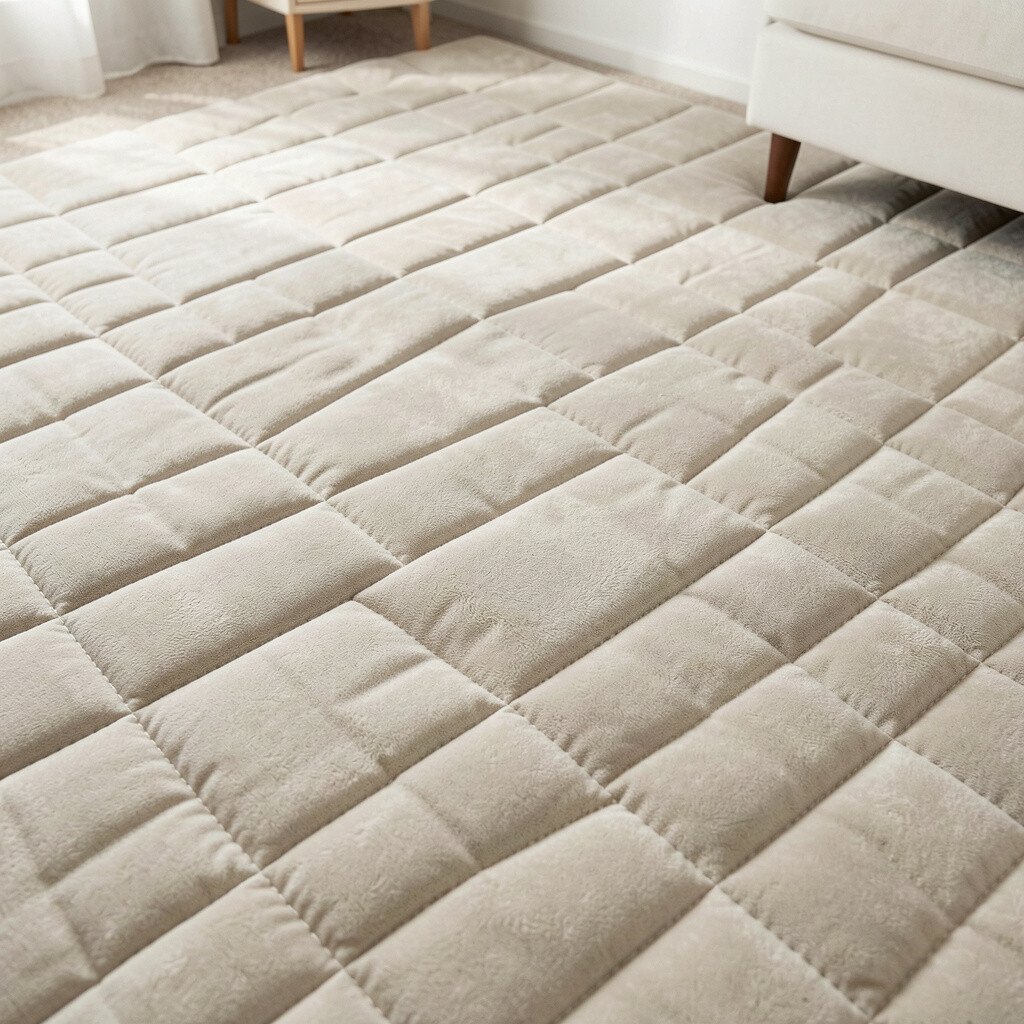
Imagine stepping onto a floor that feels like a gentle cushion. A quilt-like foam underlay can make a carpet feel plusher while reducing the echo of footsteps.
Choose a medium to high-density foam so it supports wear and doesn’t flatten too fast. Look for options that include moisture management so small damp spots don’t turn into bigger problems later. For personalization, match the underlay thickness to the room’s use, like thicker support for living areas and lighter support for guest rooms.
2. Cork That Sways Quietly Underfoot
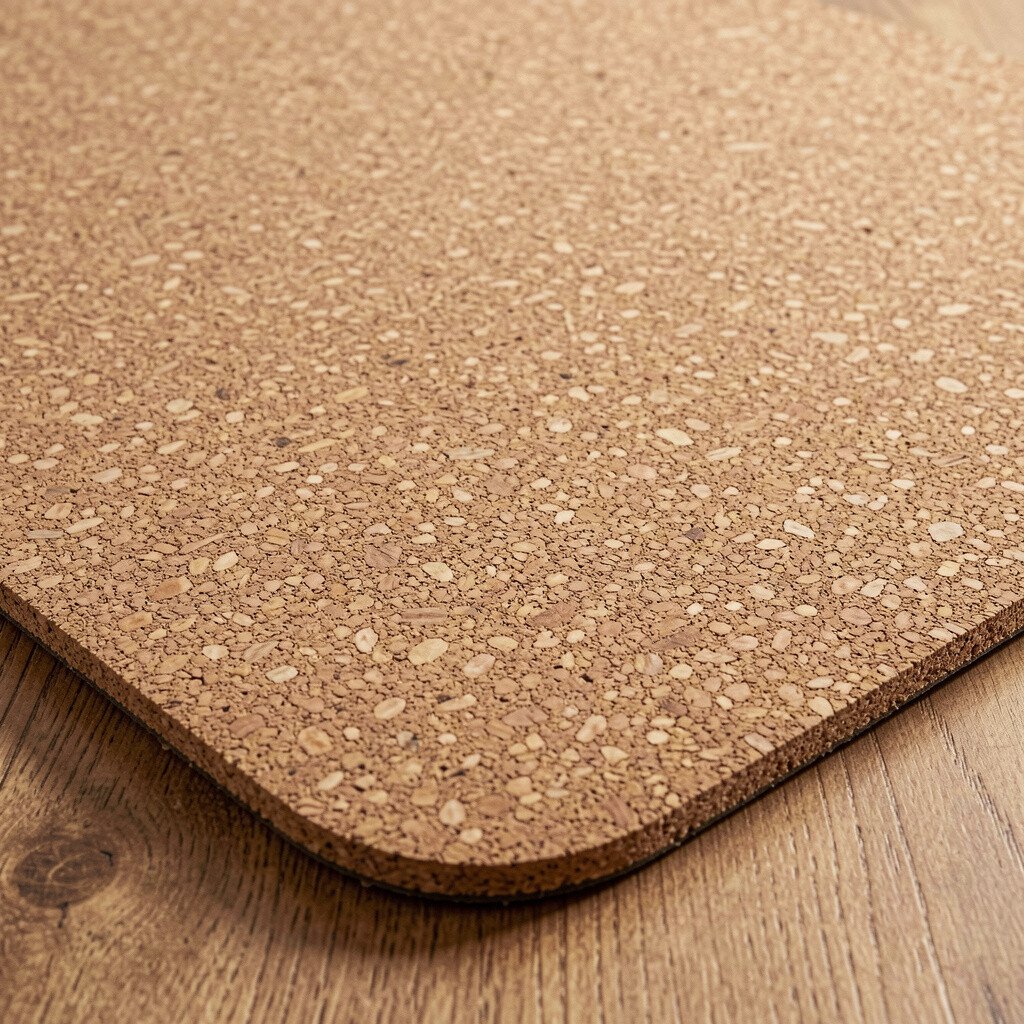
Cork underlay brings a warm, natural vibe beneath your flooring. When you walk across it, the sound turns softer and steadier instead of sharp and hollow.
It also has great insulation value, which helps rooms feel cozier in cooler months. For practical results, confirm your flooring type is compatible and use the recommended tape or edges to keep everything snug. To personalize, pair cork underlay with neutral carpets or textured rugs so the whole space feels calm and earthy.
If you’re weighing cost, cork can be mid-range to higher, but its comfort and quiet feel often make it worth the extra planning. A current trend is leaning toward natural materials, and cork fits right into that cozy, earth-minded style. Keep an eye on thickness too, since a slightly thicker layer can improve comfort without taking up too much height.
3. Memory-Foam Pads for Soft Seating Zones
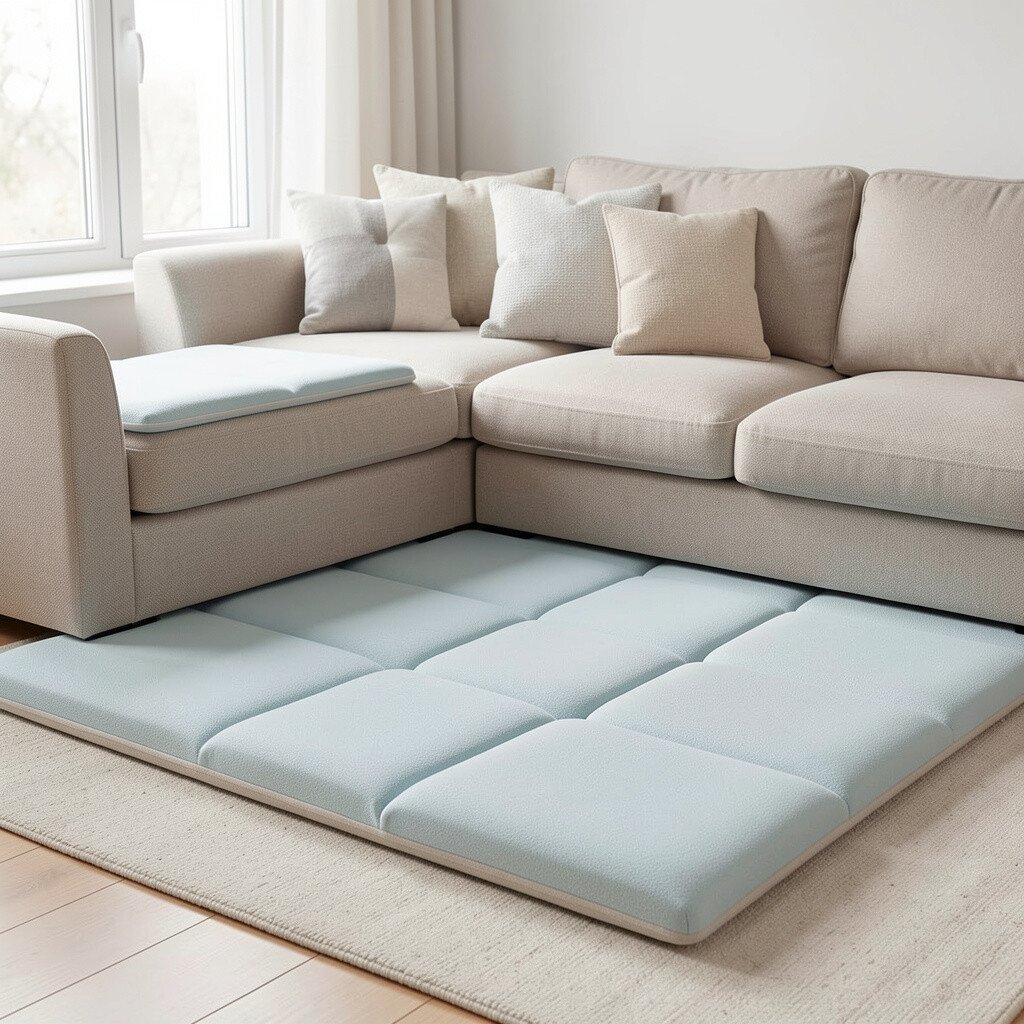
Some rooms have favorite spots that beg you to linger. Memory-foam style underlay beneath carpet turns those seating zones into a more forgiving landing.
The visual difference is subtle at first, but you’ll feel it when you kneel, sit, or shift your weight. Comfort improves because the underlay returns energy slowly, which reduces pressure points over time.
Use this idea in areas like reading nooks, play corners, or bedrooms where comfort matters most. If you want a tailored feel, choose a pad thickness that matches the room’s traffic and the carpet pile height. For cost control, focus memory-foam underlay on one or two high-comfort rooms rather than the entire home.
To keep installation practical, follow the subfloor prep steps closely, since uneven surfaces can make any underlay feel less supportive. Many homeowners now mix firmness levels, using softer layers where people sit and slightly firmer layers where furniture rolls. That approach keeps the home cozy without turning every room into a too-soft trampoline.
4. Rubber Underlayment for Bounce and Quiet
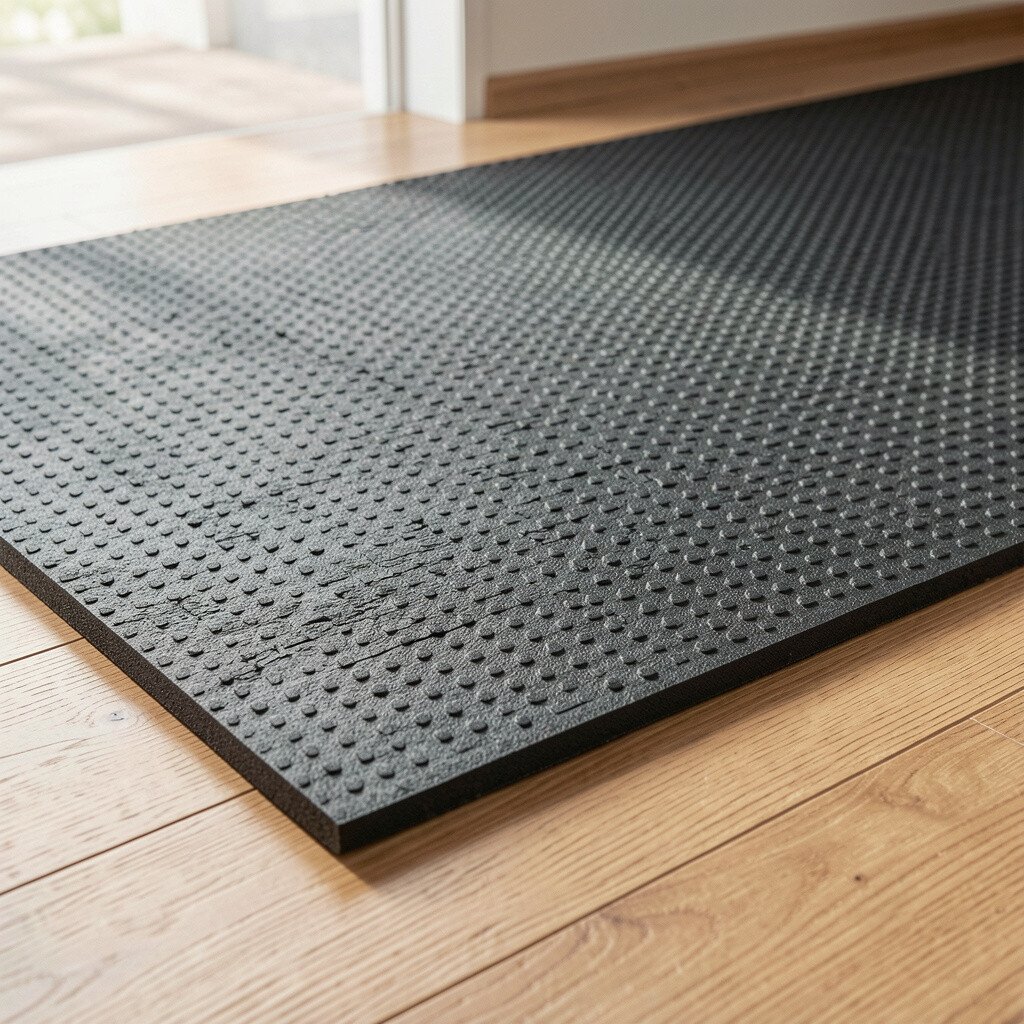
Rubber underlayment has a bouncy, grounded feel that makes floors sound calmer. It’s especially helpful if your home has active footsteps or echo-prone hallways.
Pair it with vinyl or laminate when you want a quieter walk and better comfort under chairs. For a practical setup, keep the edges sealed and install on a clean, smooth subfloor so it can perform as intended. Many people like this option because it handles daily wear well and stays resilient over time.
5. Felt Underlay for Vintage-Style Warmth
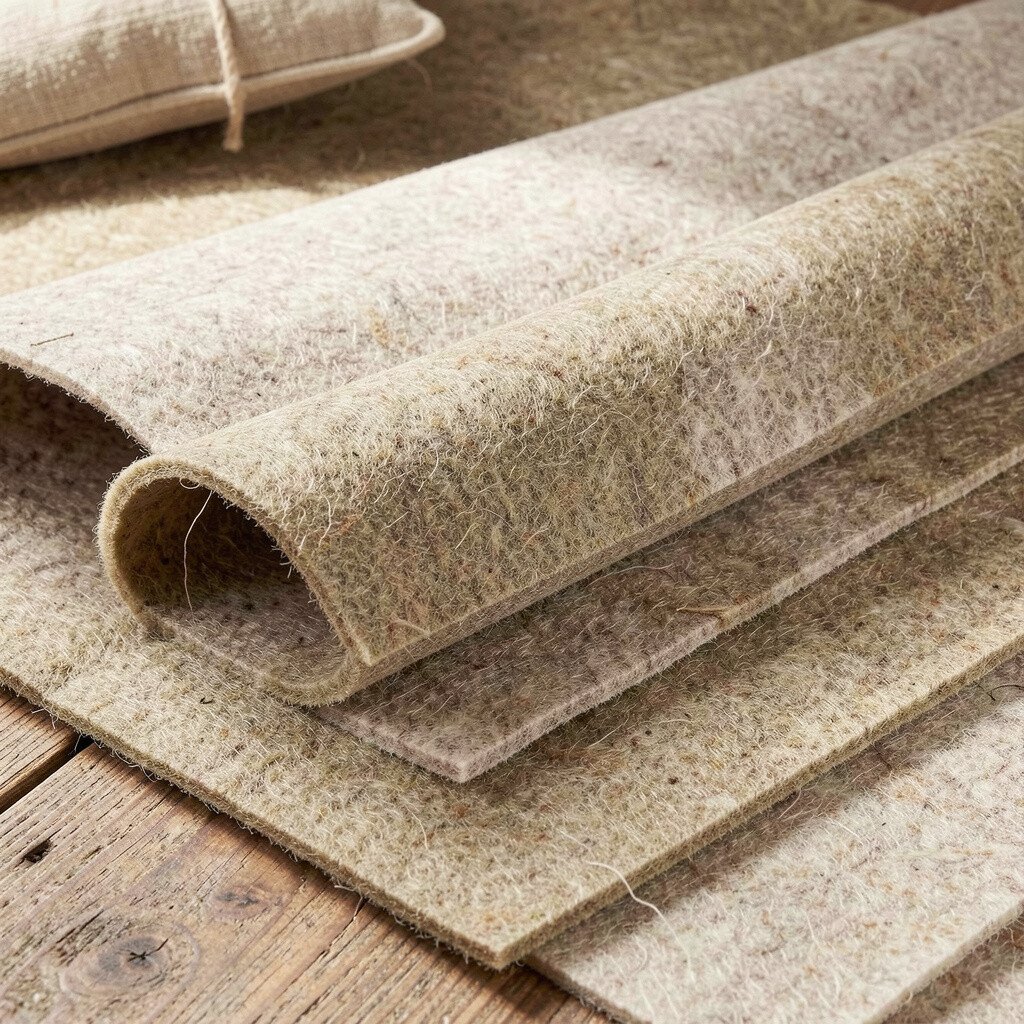
Felt underlay adds a cozy, slightly old-world warmth to your flooring feel. The walking sound becomes gentler, which makes rooms feel more inviting.
Choose felt thickness based on how soft you want the floor to feel, especially if you’re going for a heritage look. You can also personalize the vibe by pairing it with classic patterns, like warm-toned carpets or textured area rugs.
For practical tips, ensure the subfloor is dry and stable, since felt works best when the base isn’t shifting. Felt can be a good mid-range choice when compared with luxury alternatives, depending on the brand and performance rating. A current trend is mixing modern comfort with timeless style, and felt underlay fits that look beautifully.
6. Heat-Reflective Underlay for Toasty Floors

Warmth underfoot is one of the fastest ways to make a home feel cozy. Heat-reflective underlay helps keep floor warmth from slipping away, so you get more comfort from your heating system.
You’ll notice this most on cold mornings near exterior walls or rooms above unheated spaces. For practical setup, follow the heating manufacturer’s guidance so the reflective layer is placed correctly and safely.
If you like personalization, pair this underlay with a room layout that supports warmth, like rugs that don’t block heat too much. Cost varies by product quality, but using reflective layers can reduce how much you need to run heating. Many homeowners are choosing energy-smart materials lately, and this is one of the most comfort-friendly upgrades to consider.
7. Soundproof Padding for Busy House Energy
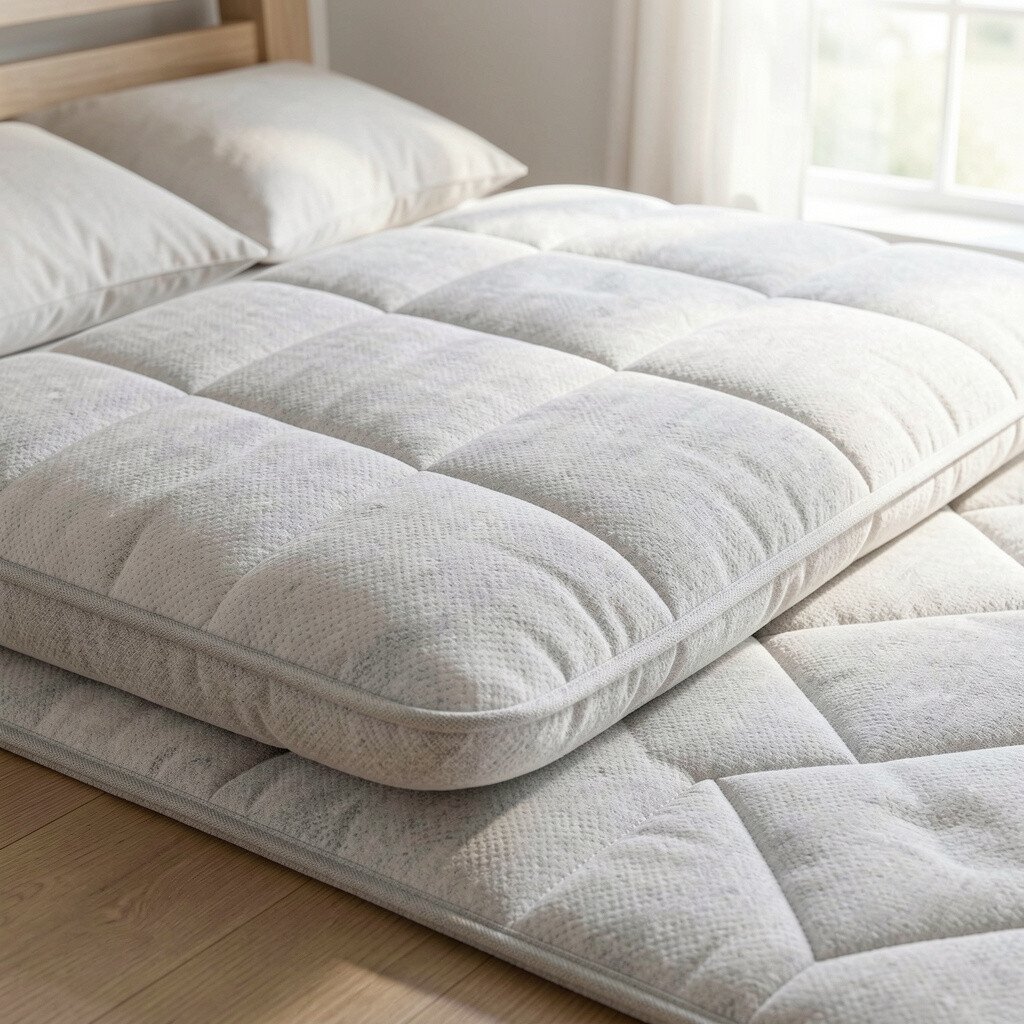
If your home feels noisy, you’re not imagining it. Soundproof padding helps reduce the clatter that travels through floors, so the house feels calmer day to day.
It can be a great fit for multi-level homes, especially near bedrooms and home offices. For best results, make sure the product is designed for your flooring type and that installation includes a tight fit at edges and seams.
Try personalizing by placing sound-focused underlay under carpet in bedrooms and quiet zones, while keeping more standard padding in living rooms. When thinking cost, compare the price per square foot and look for packages that include accessories like tape or edge trim. A current trend is prioritizing quiet living spaces, and softer floors are an easy step in that direction.
You’ll often feel the difference immediately when you walk, and the background noise drops, making conversations and TV sound less sharp. Just remember that subfloor quality matters, so spend time on leveling and clean prep before you install.
8. Thickness Zoning for Comfort Where You Need It
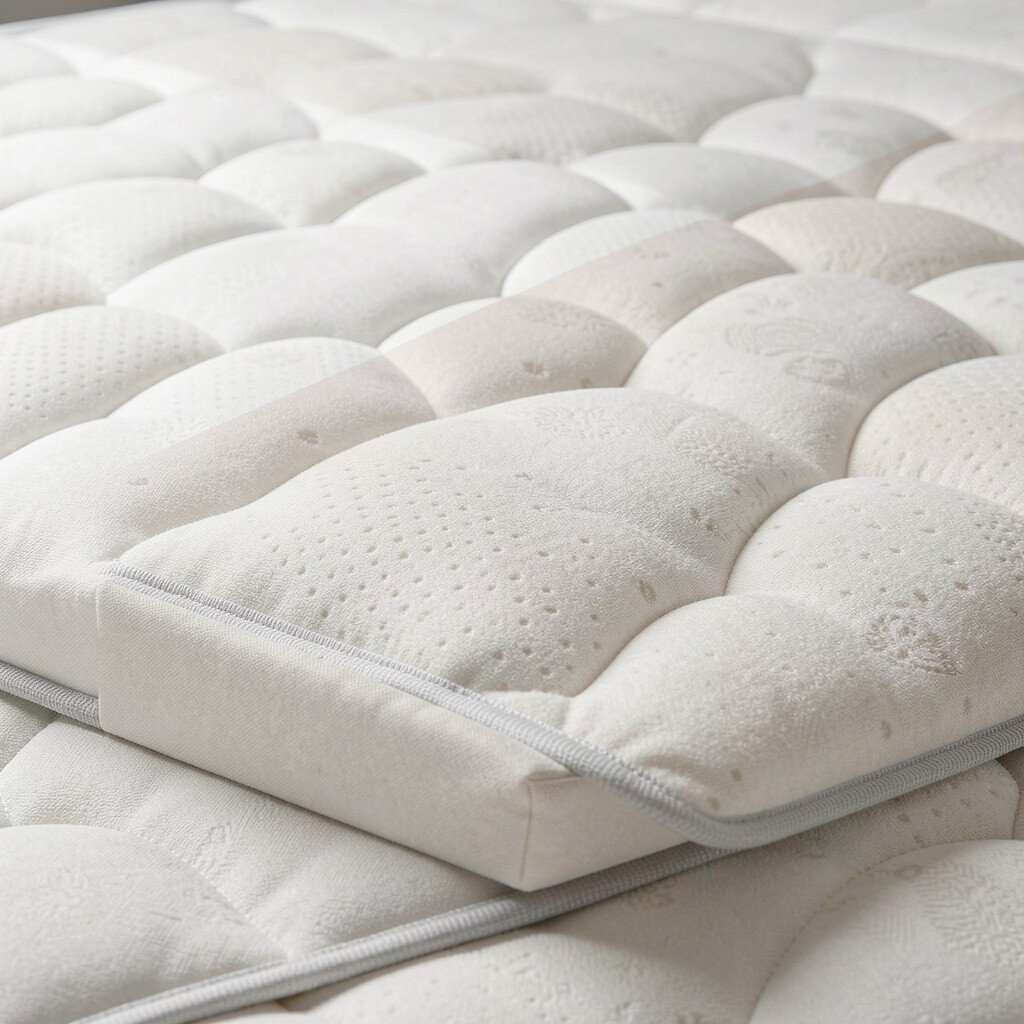
Not every corner deserves the same level of softness. Comfort zoning uses different underlay thickness choices across the home so you get just the right feel for each room.
Imagine a hallway that stays steady and a bedroom that feels cushier when you wake up. Choose slightly thicker padding in places where people stand and sit longer, like bedrooms and living areas.
For a practical tip, measure carefully and confirm that floor height changes won’t cause door clearance issues. If you want to personalize, coordinate thicker comfort with the rug style you plan to use, such as plush rugs that match the underfoot feel. Cost can stay under control since you’re not paying for the thickest padding everywhere.
9. Eco-Friendly Foam with Low Odor Focus
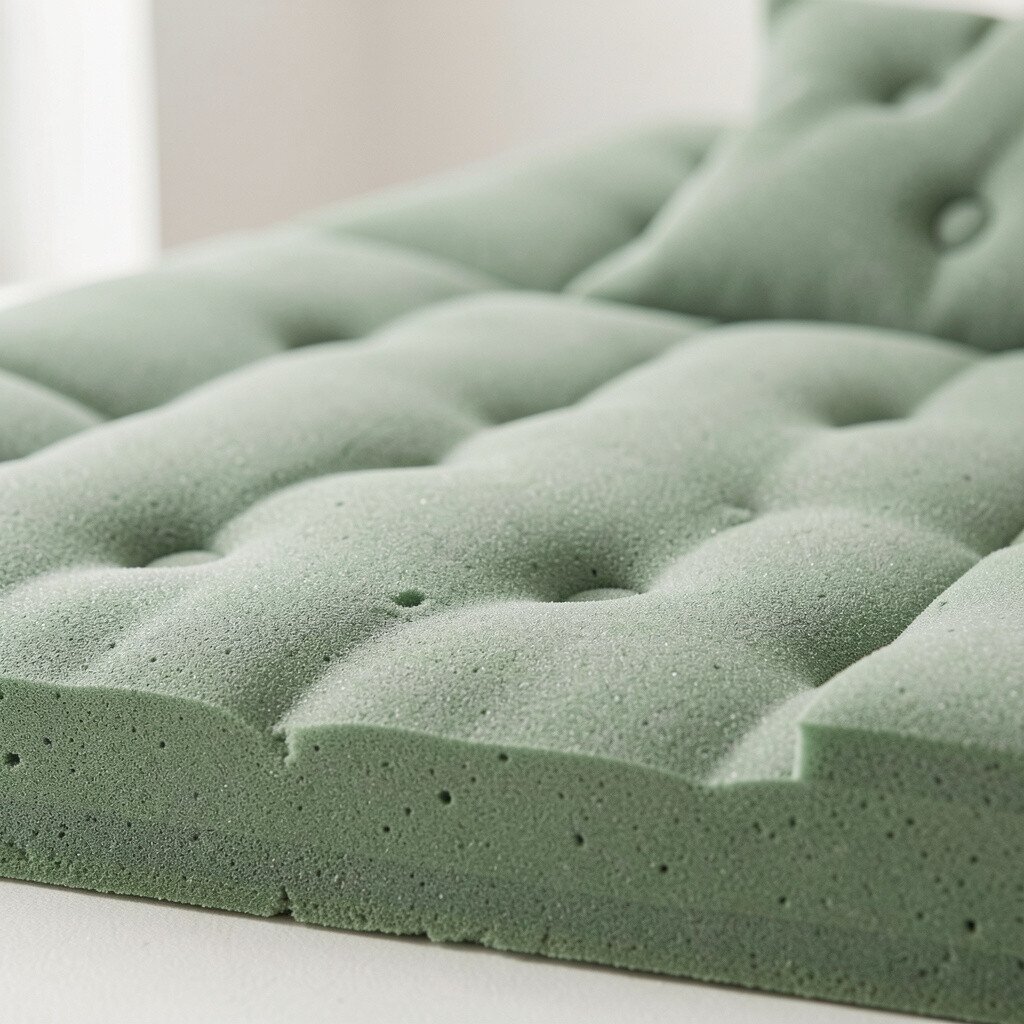
Cozy doesn’t have to mean strong smells. Eco-friendly foam underlay can support comfort while reducing the chance of lingering odors during the first weeks after installation.
You’ll appreciate the fresh feel when you step into newly refreshed rooms. For practical shopping, look for certifications and ventilation guidance from the manufacturer so you install with confidence.
To personalize, choose colors and textures for your flooring above that match the calm, natural direction you want. If you’re thinking about budget, eco options sometimes cost more, but they can be a smart choice when you’re doing renovations in rooms you use often. A current trend is healthier home materials, and low-odor installation is one of the things people mention again and again.
Keep your timeline smooth by planning for curing and airflow, especially in colder months when windows might stay shut longer.
10. Layered Underlay for Maximum Plush Without Sag
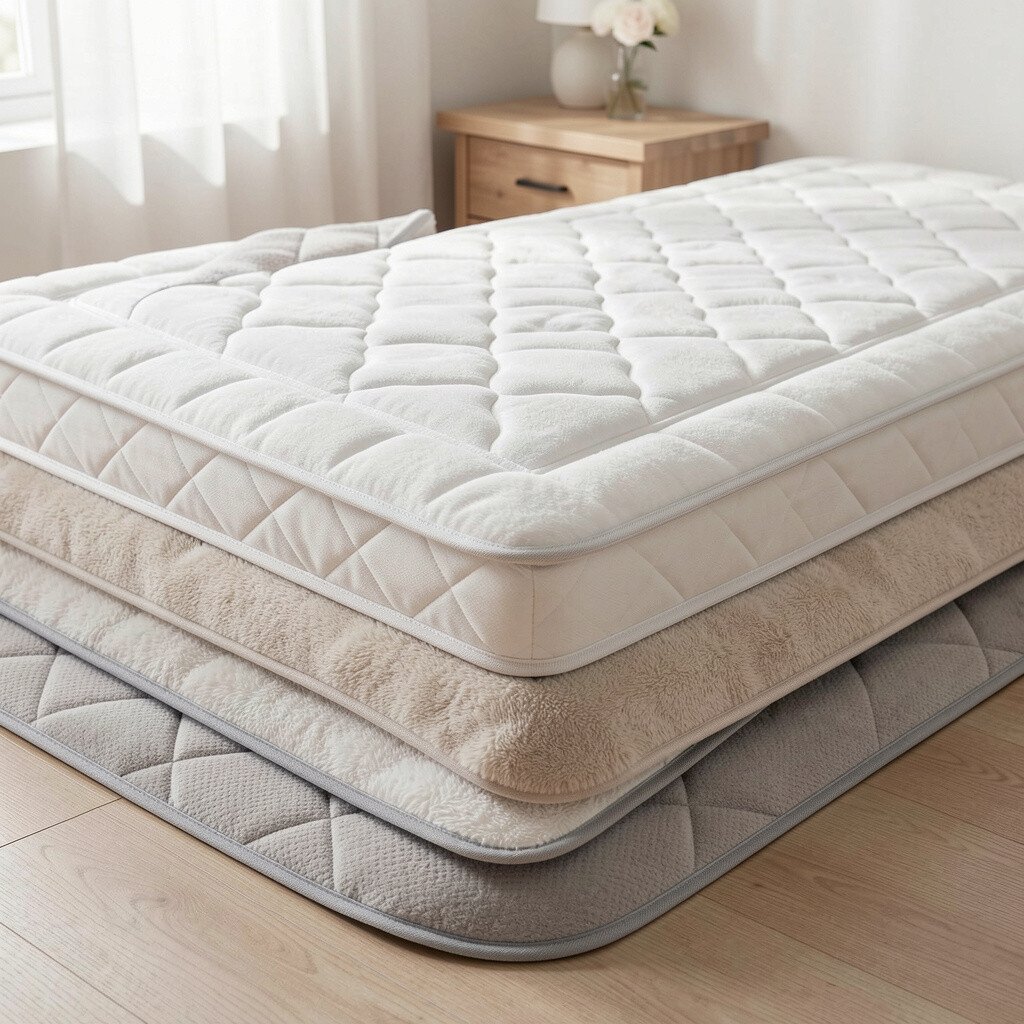
Plush floors are wonderful, but nobody wants sagging over time. Layered underlay helps you get softness while keeping structure, so the floor still feels supportive.
Instead of relying on one thick product, you can combine layers that work together, like a supportive base plus a comfortable top layer. This can help balance comfort and durability, especially for carpeted areas.
For practical tips, follow the manufacturer’s guidance on maximum total thickness and stacking order. Personalize the feel by choosing a softer top layer for bedrooms and a slightly firmer setup for high-traffic zones. Cost considerations are important here, so price out each layer option and make sure the combined cost still fits your renovation plan.
11. Anti-Slip Underpadding for Rugs and Roll-Out Comfort
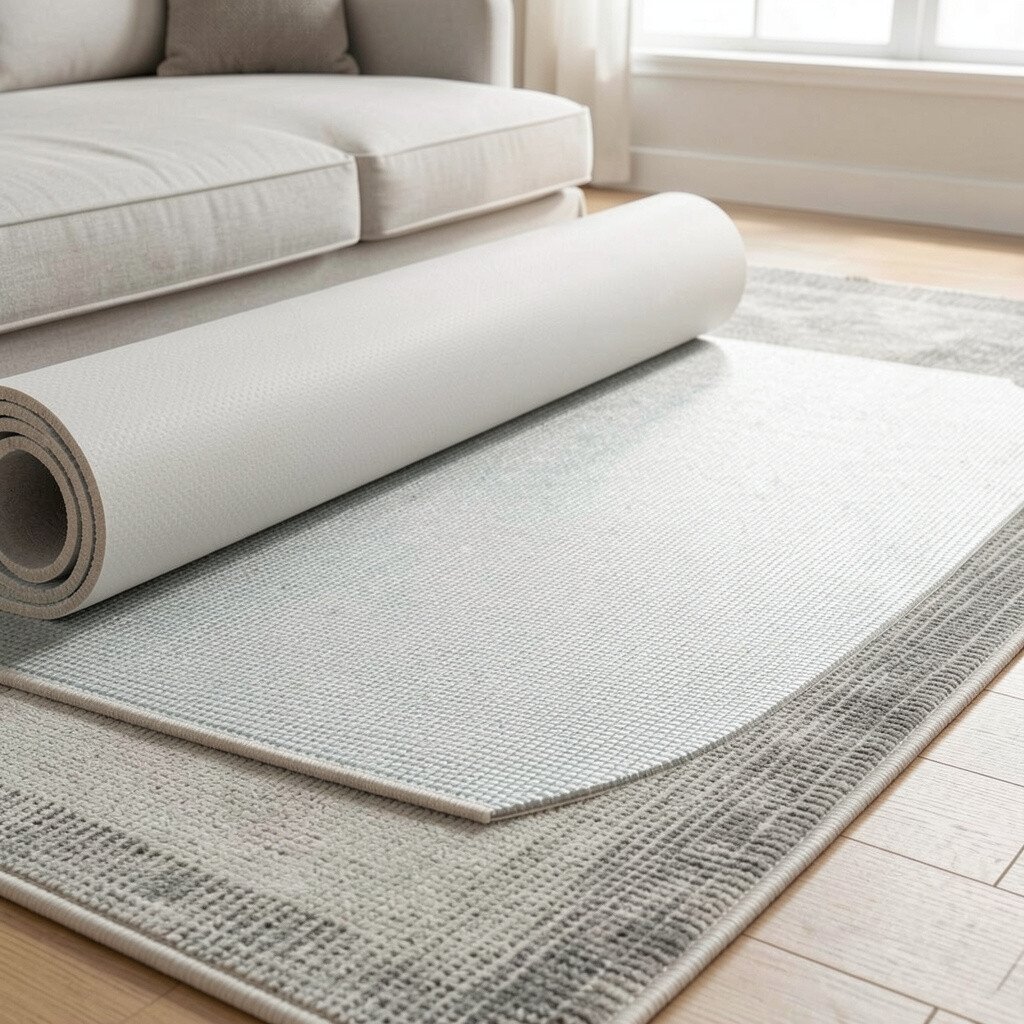
Even if your floor feels great, rugs can sometimes shift and interrupt the calm. Anti-slip underpadding helps rugs stay put, which makes a cozy room feel safer and more polished.
You’ll notice a smoother experience when you walk around, because there’s less sliding and bunching. For practical results, measure rug edges and choose an underlay that matches the rug size and thickness so it doesn’t create an uneven bump.
Personalize the look by using underpadding that keeps textures flat, letting the rug pattern shine instead of curling at the corners. If you’re thinking about cost, this approach can be budget-friendly because you can upgrade one area at a time. Many people now treat underlay like part of the style, not just a hidden tool, choosing options that work beautifully under both modern and vintage rugs.
To make it last, vacuum gently and follow care instructions, since friction and moisture can wear down certain grips over time.
12. Brushed Subfloor Padding for Smoother Transitions
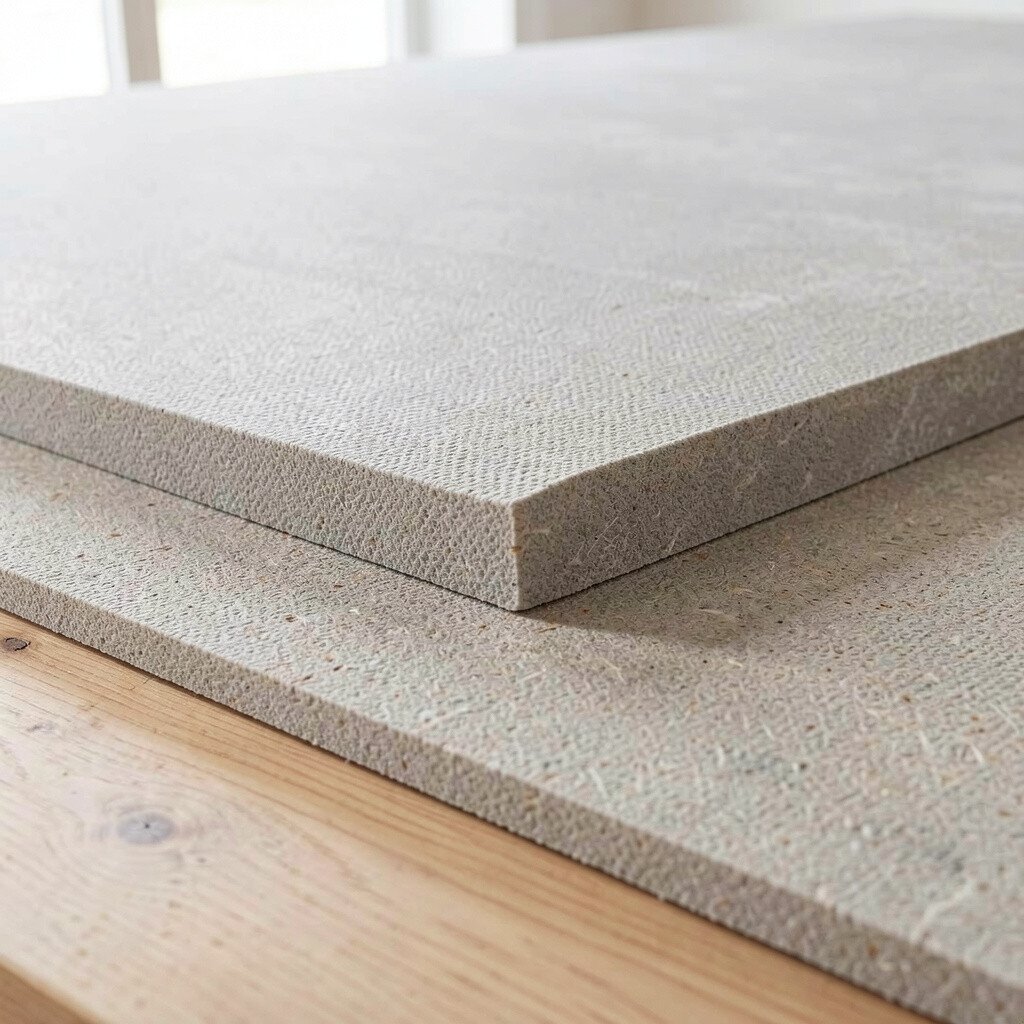
Sometimes the floor feels uneven in a way you can’t quite name. Brushed or leveling-friendly subfloor padding can smooth out small bumps, helping rooms feel more even when you walk.
Visually, everything looks straighter and cleaner, especially at doorways where transitions catch your eye. Comfort improves because your feet land more steadily, and furniture glides feel easier.
For practical tips, check your subfloor condition before choosing padding and fix any major issues first. Personalize by planning transitions between rooms, like using slightly different comfort levels near entryways, bedrooms, or areas with thicker rugs. Cost considerations matter here, so weigh the price of padding against the value of reducing future adjustments.
This idea fits current trends toward careful preparation, since many cozy-home updates focus on making the base feel right before adding style above. When installation is done with care, you get that satisfying “solid” feeling under every step, and the whole home feels more put together.