Some sculptures feel like they’re talking back to your room. When they’re staged well, they turn everyday corners into small moments of wonder.
The right display can make even a simple piece look intentional and alive. With a few smart choices, you can match your style, protect your art, and keep your space feeling fresh.
1. Floating Wall Plinth for a Gallery Feel

A floating wall plinth gives a clean, modern stage for your sculpture. Light catches the edges, and the piece looks like it’s hovering just above your wall.
Hang it so the sculpture sits at eye level, then step back to check the sightline from the doorway. Use a strong mounting system rated for the sculpture’s weight, and consider a thin wall spacer so cables or anchors don’t press against the back of the art. For a softer look, paint the plinth the same color as the wall or in a warm tone that echoes nearby decor.
2. Oversized Floor Pedestal With a Soft Rug Anchor
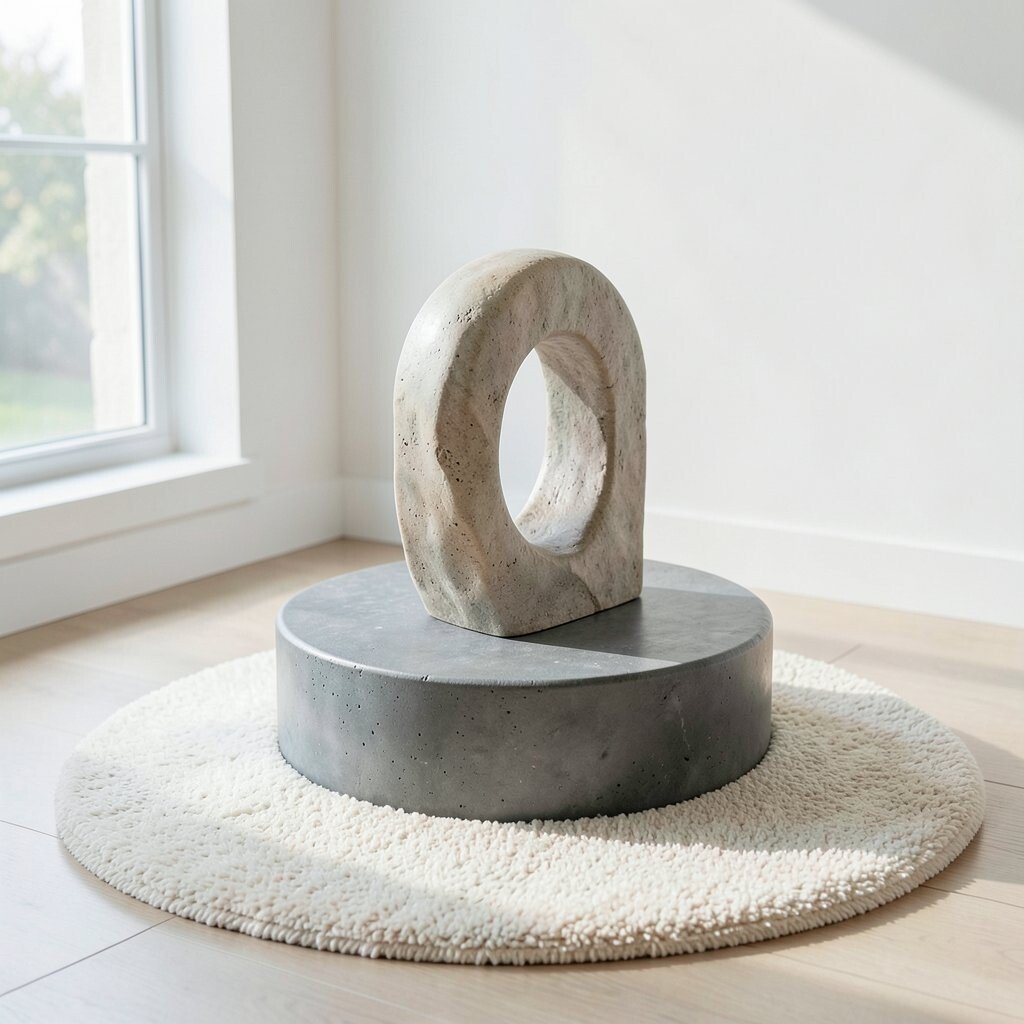
An oversized pedestal can make a bold sculpture feel grounded and calm. Pair it with a rug under the base, and the whole setup looks styled rather than accidental.
Choose a pedestal height that lets the sculpture’s tallest point feel supported, not cramped. If your sculpture has a carved underside, tilt it slightly toward the room’s main seating area for a more intimate view. When you rotate seasonal decor, swap the rug texture or color while keeping the pedestal consistent for an easy refresh.
Keep in mind dust control, because floor displays collect more particles than wall displays. A quick microfiber wipe once a week helps, and a simple clear cover can protect delicate materials from sunlight and drafts.
3. Leaning Sculpture Shelf on a Bookshelf Edge
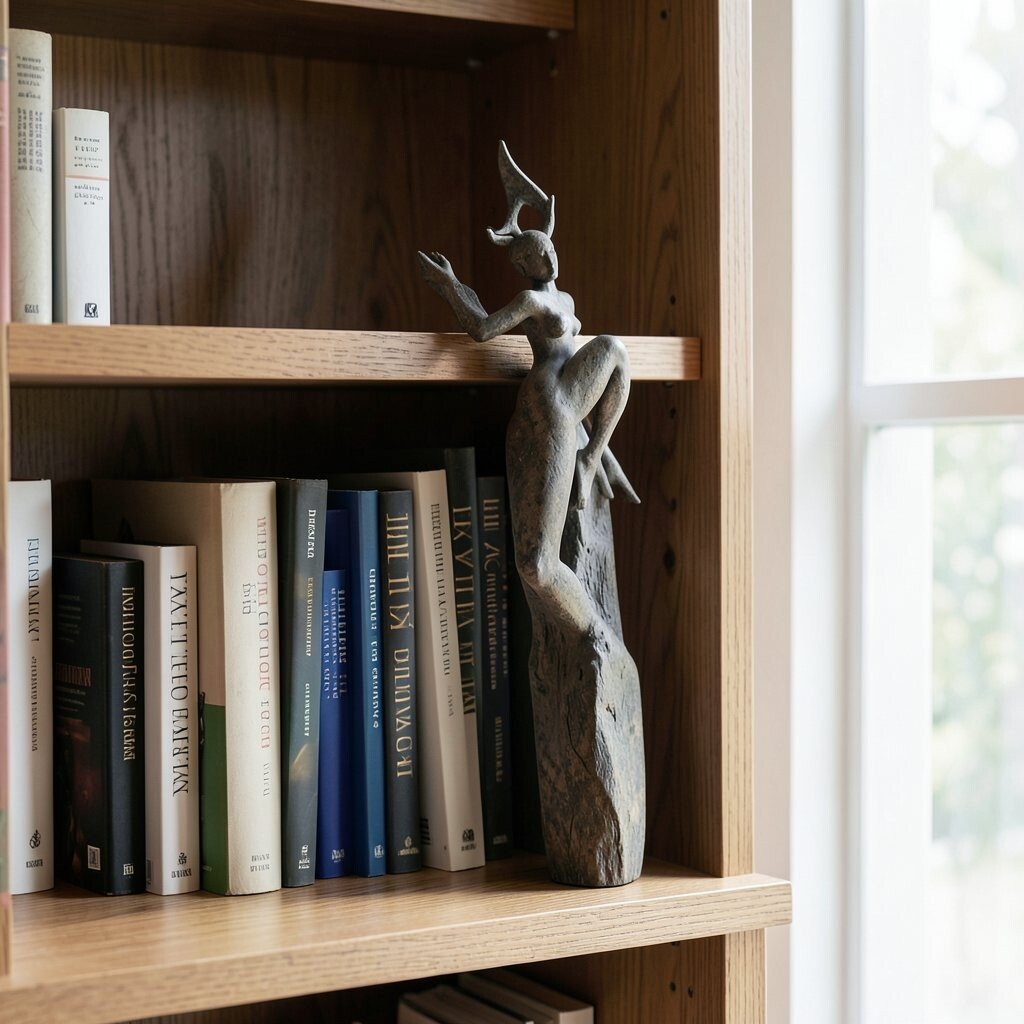
A leaning shelf turns sculpture into part of the room’s everyday story. You can place a small piece angled outward so it feels casual yet designed.
This works especially well for modern forms, slender stone shapes, and wooden figures that look good from multiple angles. Use a shelf lip or a discreet stop block so the sculpture never shifts. After that, style the surrounding books or objects with one repeated color so the sculpture looks like it belongs.
If you want it to feel more personal, add a tiny framed photo nearby or a small ceramic dish that shares the same glaze tone. Keep the scale balanced by leaving some open space around the piece, so it can breathe visually.
4. Window-Side Shadow Display for Natural Light Drama
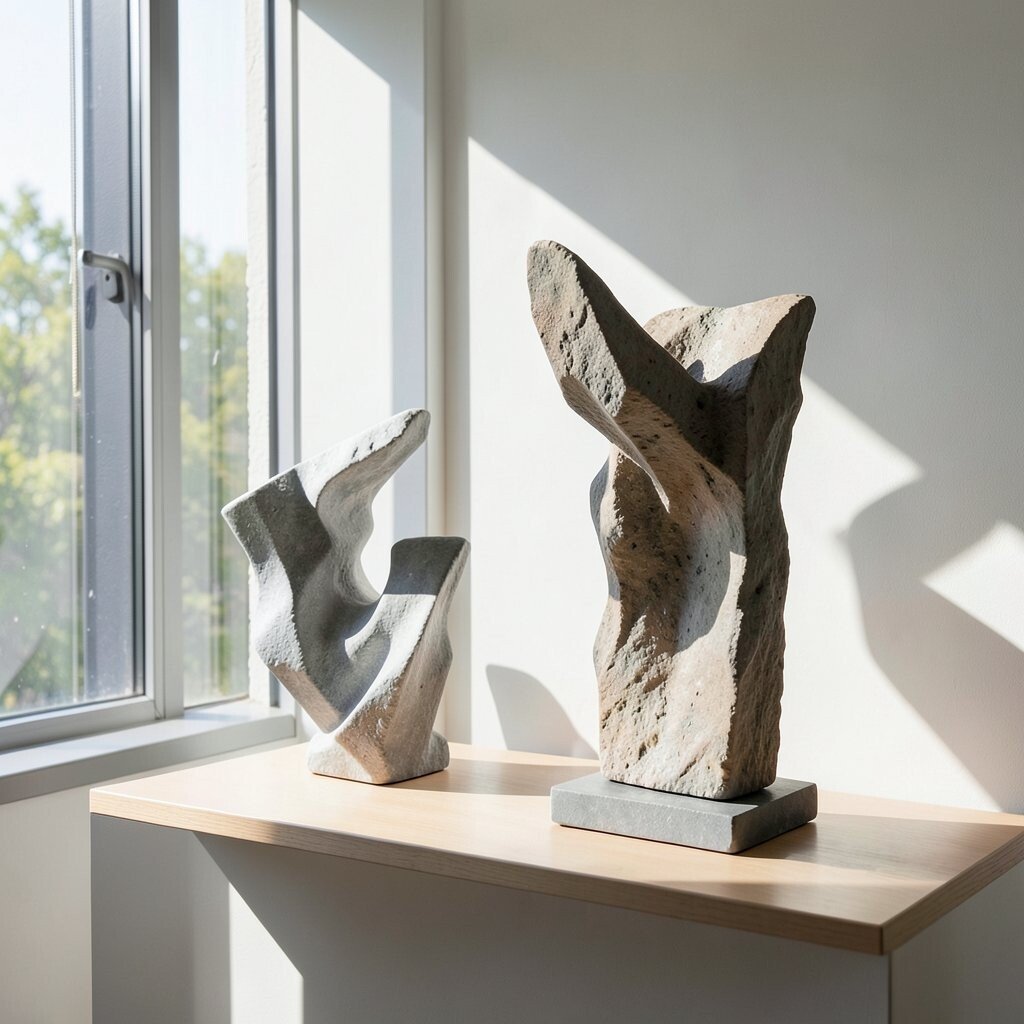
Placing a sculpture near a window creates a living backdrop through changing light. Shadows stretch and soften throughout the day, making the piece look different even when it doesn’t move.
Use a matte base when possible so the sculpture doesn’t glare, especially if it has polished surfaces. Rotate the sculpture every couple of weeks so uneven sun exposure doesn’t fade or dry out finishes. If your sculpture is sensitive, use sheer curtains or place it slightly deeper in the room to control brightness.
5. Tabletop Rotation Tray With Artist-Style Staging

A rotation tray is a fun way to keep display settings flexible. Think of a shallow turntable or a smooth lazy Susan that lets you change the view with a quick spin.
Style the surrounding surface with matching heights, like a small book stack under one corner or a slim candle holder near the back edge. For a practical approach, keep a microfiber cloth beside the tray so cleanup takes seconds. When you buy new pieces, try them on the tray first before committing to a long-term home.
This setup also helps you test balance and scale in real life, not just in your mind. It’s a great way to personalize a space without spending much, since many trays cost less than a full display unit.
6. Corner Statement Plinth With Two-Sided Viewing
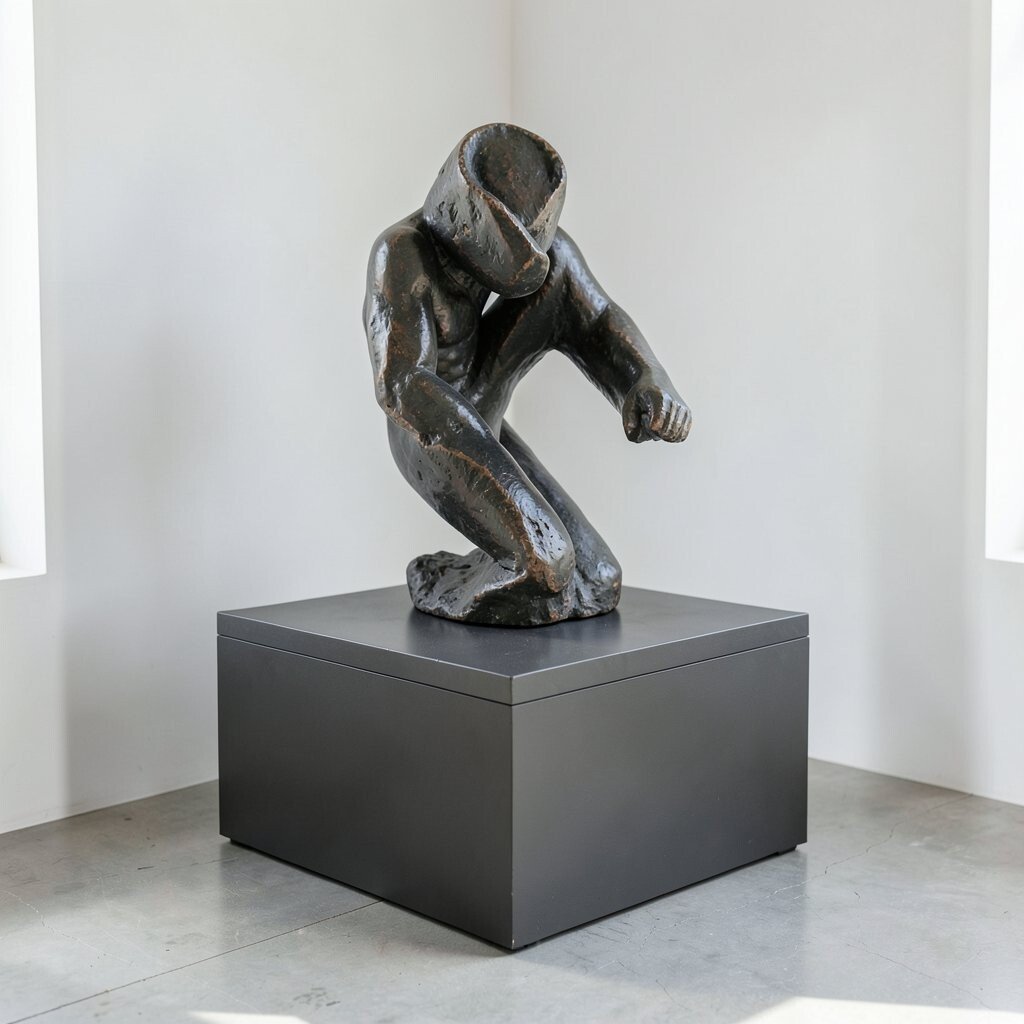
Corners often feel tricky, but they’re perfect for sculptures that look great from two directions. A corner plinth can frame the sculpture like a mini stage between the walls.
Use a sculptural stand that sits slightly forward so the piece doesn’t hide when you walk by. If you have a narrow corner, choose a slimmer profile and keep the sculpture height tall enough to read from across the room. A subtle benefit is that corners keep the sculpture safe from bumps, since people don’t usually pass directly through that space.
7. Hearth-Like Display Using a Low Ledge and Candle Glow

A low ledge that echoes a hearth makes a sculpture feel warm and welcoming. Even without an actual fireplace, the glow from candles or small lanterns can create a cozy mood.
Style the sculpture as the “center” of the ledge, then add one grounding element like a smooth stone or a wide wooden tray. Keep flame safety in mind by using battery candles if you want a carefree setup. If your sculpture is fragile, avoid heat and direct flicker by choosing a LED option and keeping the display distance steady.
8. Stair-Step Pedestal Display for a Story-Like Layout
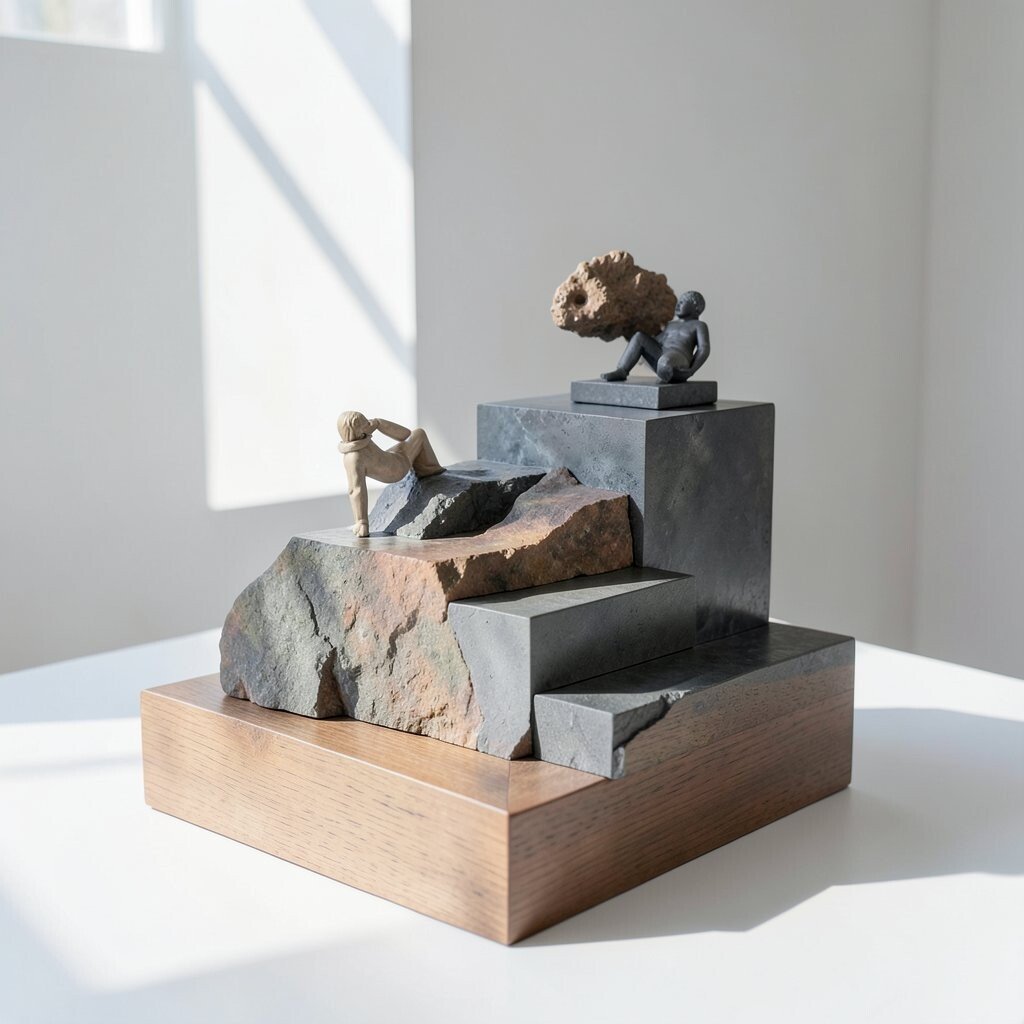
Stair-step displays let you build a rhythm across a hallway or entry. When sculptures sit on different height levels, your space feels like it’s guiding people forward.
Choose one dominant piece as the “main chapter,” then add smaller companions that share a material or color family. This makes the grouping look intentional instead of random. Wipe steps regularly, because dust gathers in lines, and use felt pads under bases to protect finishes.
If you like change, swap one sculpture per season while keeping the step positions the same for an easy visual rhythm. Small updates like a new patina-friendly finish or fresh flowers in a shared palette keep the display feeling current.
9. Floating Shelf With a Backing Wall of Textured Plaster
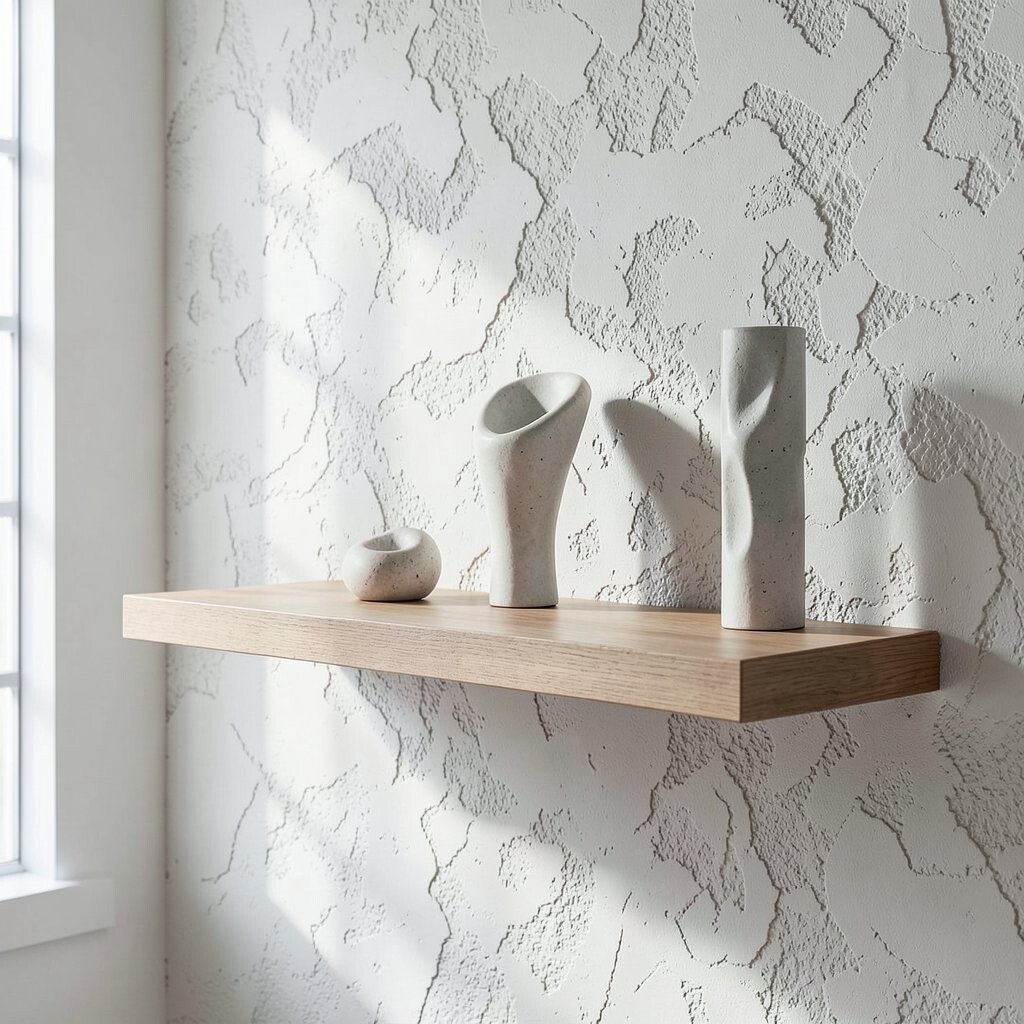
A textured plaster backing makes sculpture details feel louder and more alive. The surface adds depth, so shadows and highlights from the sculpture show up in a satisfying way.
Try a neutral texture like warm gray or soft sand if you want the sculpture to stay the star. Secure the shelf with proper anchors, then keep the space between sculpture and backing wall just wide enough to prevent rubbing. If you’re on a budget, use a peel-and-stick textured panel for a temporary styling test before committing.
This trend of tactile wall backdrops is popular right now because it helps art look richer without needing a huge remodel. Once you install it, you can personalize the display by layering in a small framed print that matches the texture color.
10. Acrylic Lucite Stand for Light, Air, and Clean Lines
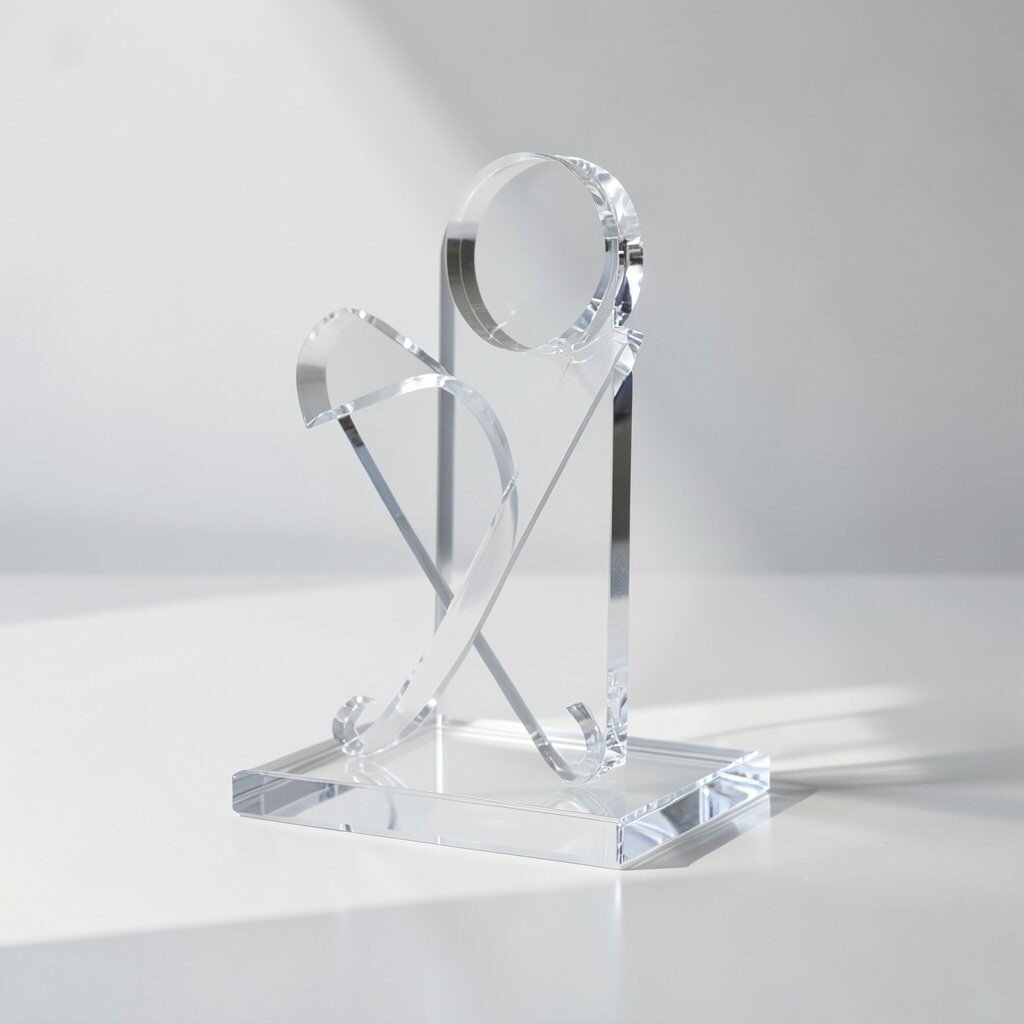
An acrylic stand gives sculptures a weightless look. The clear material blends into the background, so attention stays on form rather than hardware.
A bonus is that acrylic stands are easy to wipe, which is great if you like keeping your space tidy. Choose a thickness that matches the sculpture’s scale, and place it on a surface that won’t scratch, like a cork or felt mat. For color play, try a stand that has a slight tint, such as warm clear, and see how it affects shadows.
11. Small Plinth Gallery With Multiple Mini Sculptures
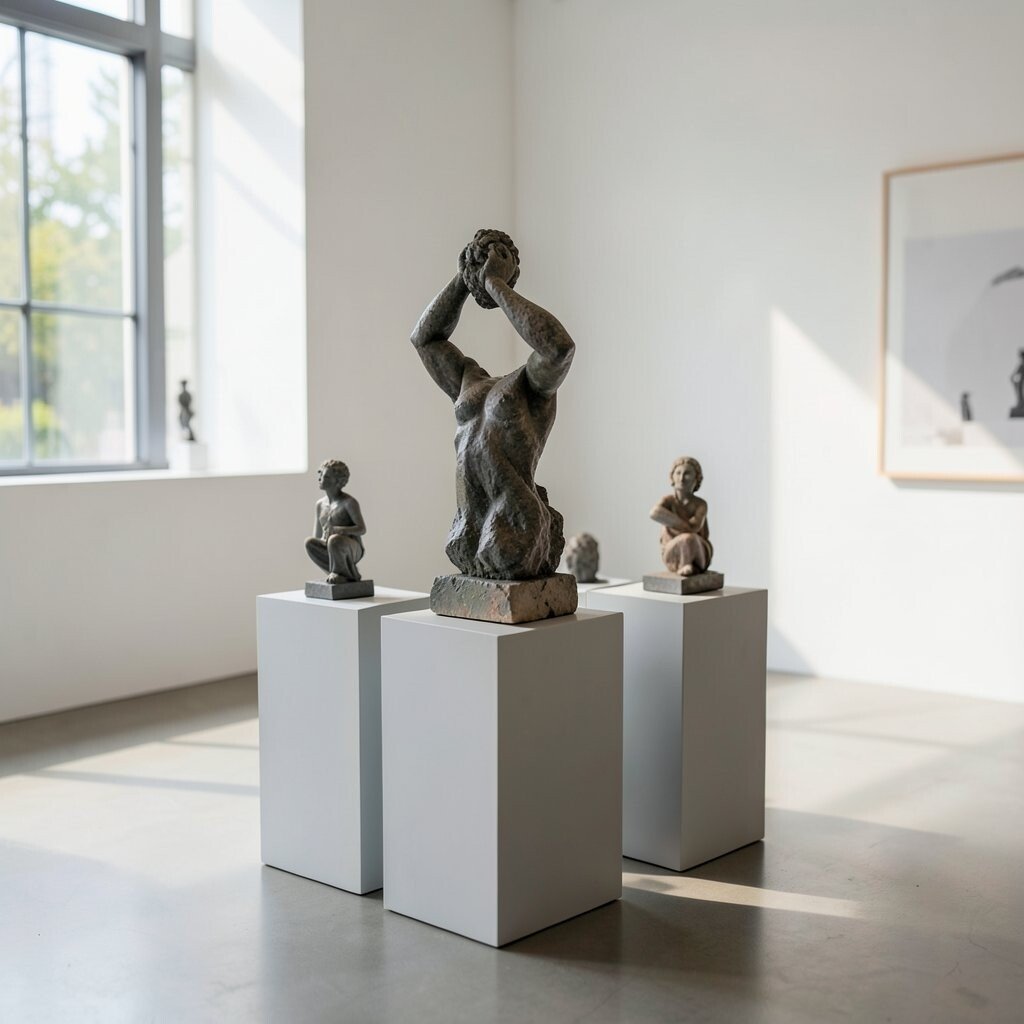
Instead of one big piece, a cluster of mini sculptures can feel like a private gallery. You can arrange them in a way that creates movement, like a slow wave of forms.
Use consistent plinth sizes or consistent heights so the group looks cohesive. Keep different materials balanced by pairing shiny textures with matte ones, which helps each piece stand out. When you rotate pieces, take a quick photo from eye level to see whether the spacing still looks right.
This kind of display is unique because it turns collecting into a living hobby. It also makes cost considerations easier, since small sculptures often fit a wider budget and can be added over time without a big upgrade.
12. Mirror-Backed Display for Double the Visual Impact

A mirror-backed display creates a “two-way” look that can make a room feel brighter. When the sculpture reflects, it adds depth and lets details show from more angles.
Choose a mirror size that fits the sculpture footprint, and keep the sculpture slightly in front of the mirror so the reflection doesn’t look flat. Clean the mirror often, because fingerprints and dust will show clearly. If you worry about too much shine, select a softly reflective surface and use warm bulbs to keep the light flattering.
13. Hanging Sculpture Display Using a Ceiling Rail System
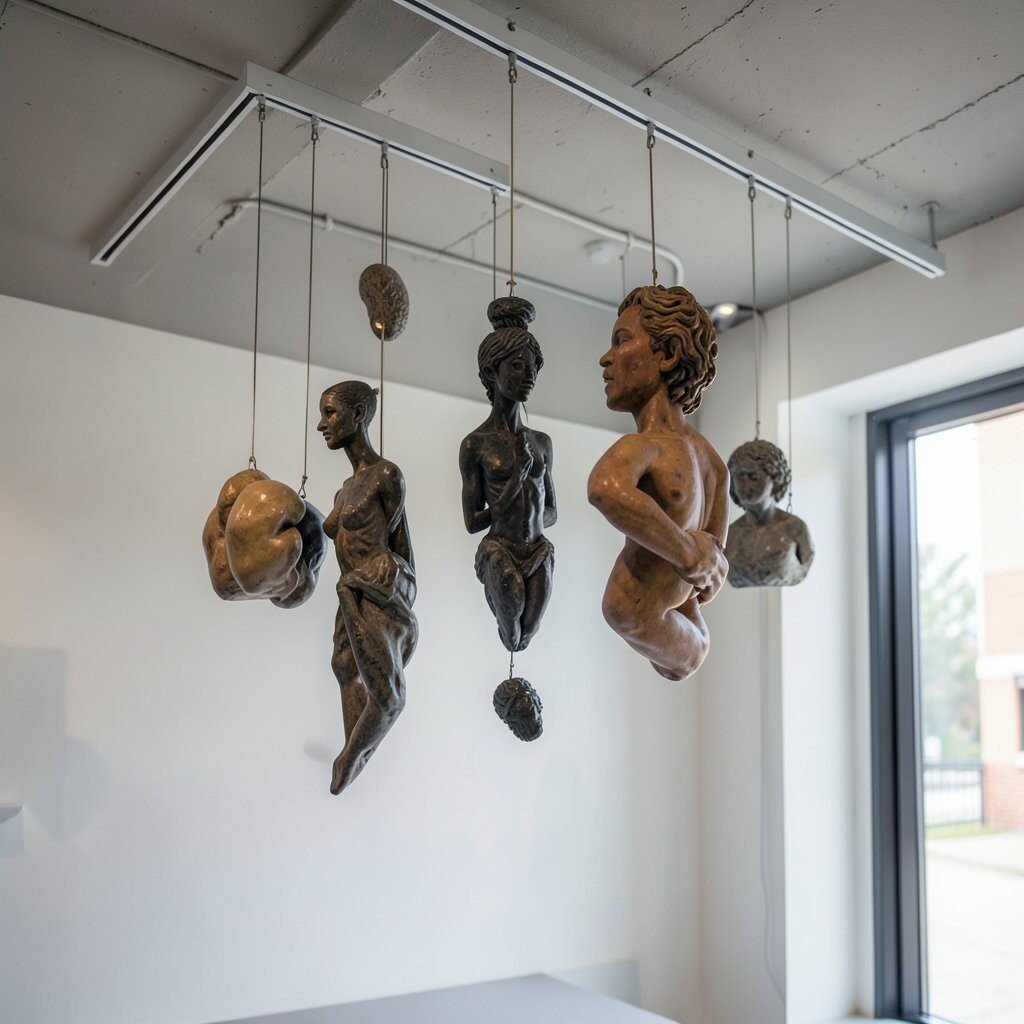
Ceiling rail systems can turn hanging sculptures into a floating focal point. This is especially stunning for lightweight abstract forms, mobile-like pieces, or small metal works.
Set the height so the sculpture hangs safely away from foot traffic and won’t snag when you move furniture. Use a few spacing checks with a tape measure, then stand in the room to confirm it doesn’t feel too low or too high. For personalization, swap hanging pieces by season, and keep one small charm or bead detail as your signature theme.
This approach is practical because it allows adjustment without building new structures each time. It’s also a current trend in modern interiors, where flexibility matters as much as style.
14. Bookcase Shadow Box With a Curated Interior Scene
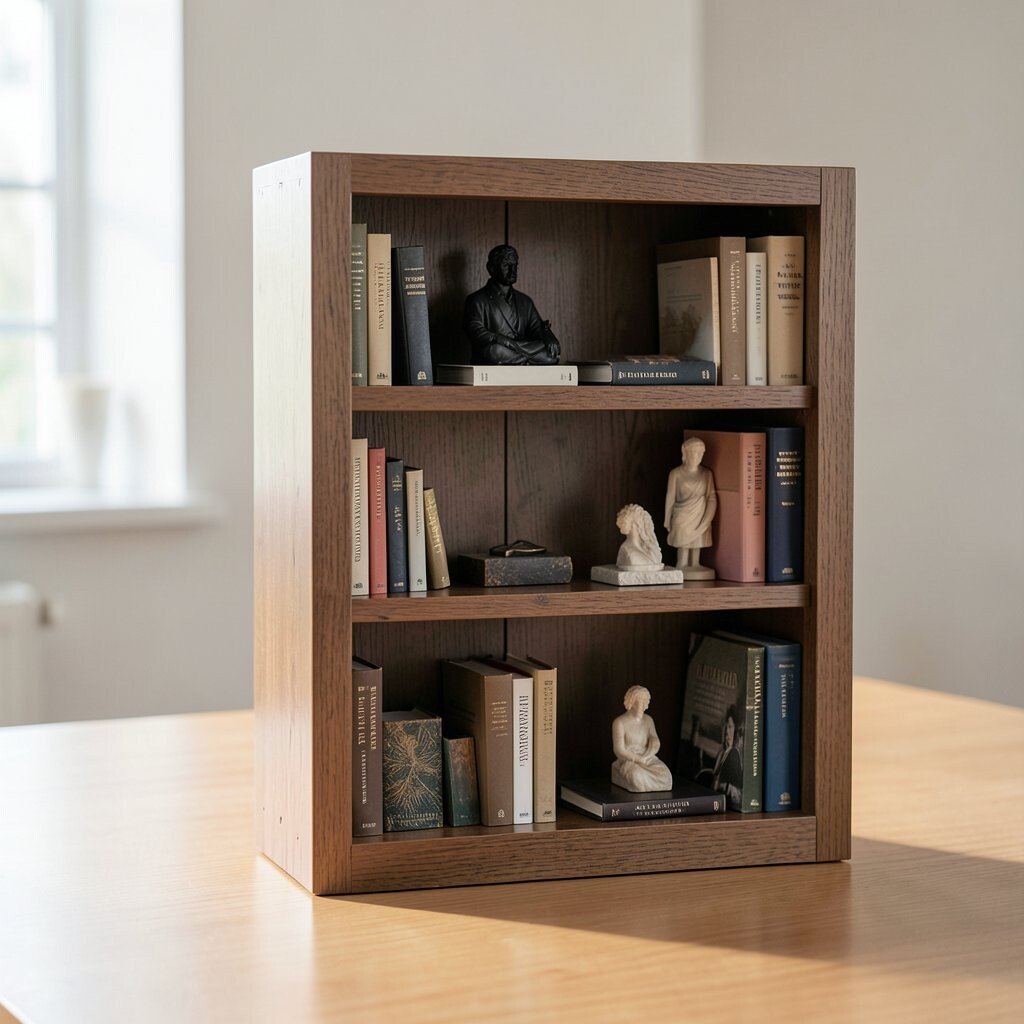
A shadow box inside a bookcase can feel like stepping into a tiny museum. It frames the sculpture and creates a protected home for the piece.
Line the back with dark fabric or a soft paper backdrop so the sculpture pops. Add one accessory like a small plant, a smooth pebble, or a miniature arch that relates to the sculpture’s mood. Keep it simple so the sculpture remains the main character, and place a small breathable cover nearby for dust protection.
If you want a cost-conscious upgrade, use a thrifted frame turned into a display enclosure. With a bit of careful measuring, you can personalize the interior colors without buying expensive shelving inserts.
15. Plinth on a Turntable for Motion-Like Engagement

A turntable display invites people to look more than once. Even a gentle rotation makes the sculpture feel like it’s part of a performance.
If your turntable is manual, a simple spin every few days keeps things fresh and gives you a chance to check the piece for stability. Choose a turntable surface that supports the sculpture’s base without wobbling, and use felt pads to prevent scratches. For an electrified version, test the power setup safely and hide cords behind the furniture when possible.
This setup is unique because it adds interaction without asking you to constantly rearrange. It also helps with personalization, since you can pair each rotation period with a mood, like a warm lamp for evenings or bright daylight for mornings.
16. Raised Floor Display With a DIY Wooden Framework

A raised floor display gives sculptures a “standing altar” feeling. A simple wooden framework can lift the piece and make it clearly intentional.
Sand and seal the wood so it resists dust and moisture, then add a protective liner where the sculpture base touches. Keep the framework level and stable, and avoid heavy lifting if you’re repositioning often. The practical benefit is that the sculpture gets a buffer from floor-level grime.
For personalization, stain the wood in a tone that matches your furniture or choose a contrasting color for a bold look. This is often a cost-friendly option because many people already have basic tools, and it lets you tailor dimensions to your exact space.
17. Outdoor-Inspired Display With a Gravel Tray Indoors

Indoor gravel trays bring a natural, outdoorsy mood into your space. The textured base makes stone and metal sculptures look more connected to the world outside.
Use a shallow tray with a liner underneath so the gravel stays tidy and doesn’t scatter. Choose gravel size that won’t scratch delicate bases, and consider a thin felt disk under the sculpture itself if needed. The benefit is that the tray can act as a visual texture partner, adding depth without crowding your room.
This display feels unique because it blends sculpture styling with landscape-like texture. For personalization, pick gravel colors that match your color palette, like warm beige or cool gray, and refresh the look by rinsing or swapping the tray occasionally.
18. Rotating Wall Grid With Magnetic Accent Plates
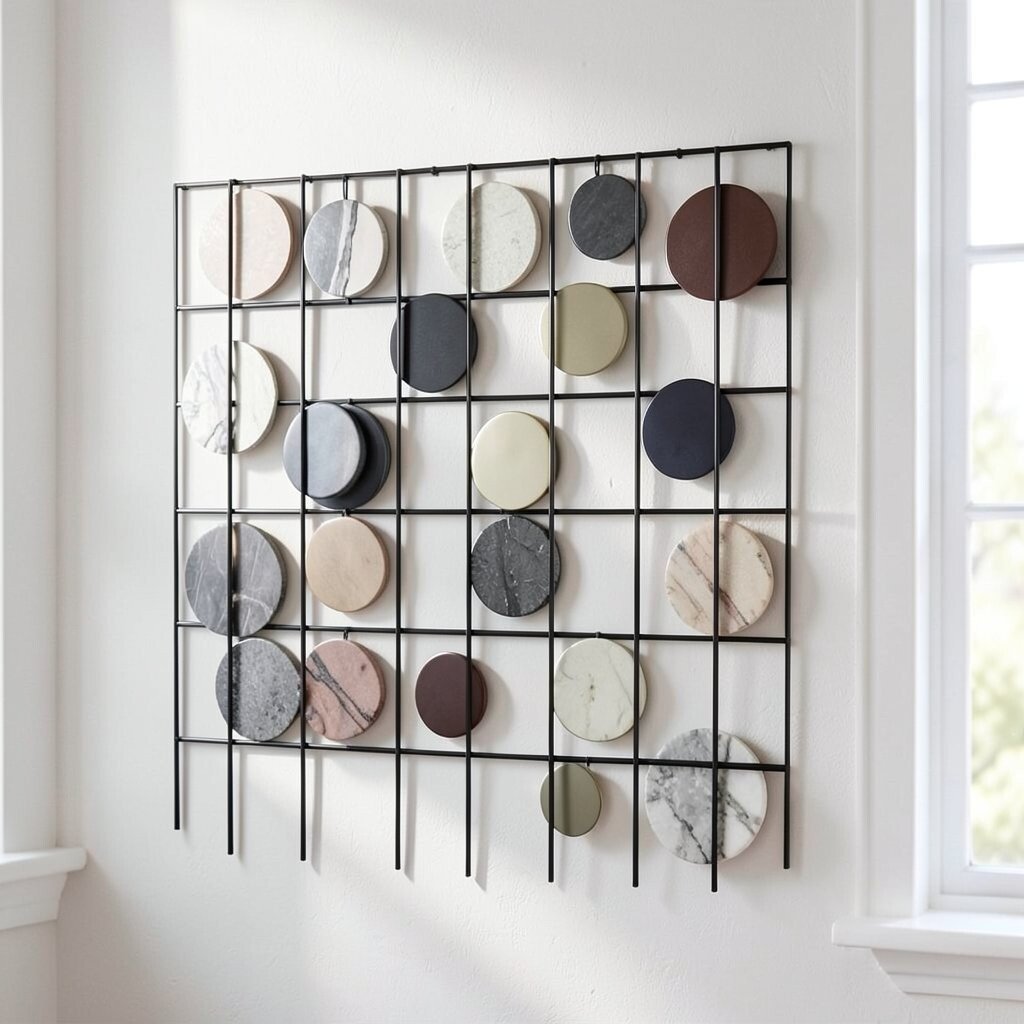
A wall grid with magnetic accent plates makes your sculpture display feel like a flexible system. You can adjust placement often without drilling new holes.
Mount the grid securely, then attach plates in a neat pattern that supports your sculpture bases. Use spacers so objects sit evenly, and check weight limits so everything stays safe. This setup is practical because it encourages experimentation, and it keeps future purchases easy to incorporate.
Current styling trends favor modular interiors, and a grid system is a modern way to achieve that look. For personalization, keep one repeating element across your pieces, like a specific plate finish or a consistent height line, so the whole wall feels like one curated composition.