The right vintage outfit feels like a small story you can wear. It also makes getting dressed feel calmer and more personal.
When you learn a few smart habits, vintage stops feeling risky and starts feeling effortless. You will notice your style improving in a way that feels real, not forced.
1. Build Your Personal Style Map

Start by noticing what already looks good on you, even if it is not “vintage.” Look at your favorite colors, the shapes that flatter you, and the fabrics that feel comfortable when you move.
Next, gather a few vintage pieces that match your map, like a soft cardigan in your favorite tone or a skirt with the right length. When your closet has a clear pattern, you will choose faster and feel more confident. You will also waste less time chasing trends that do not fit your life.
2. Master Fit Before Fancy Details
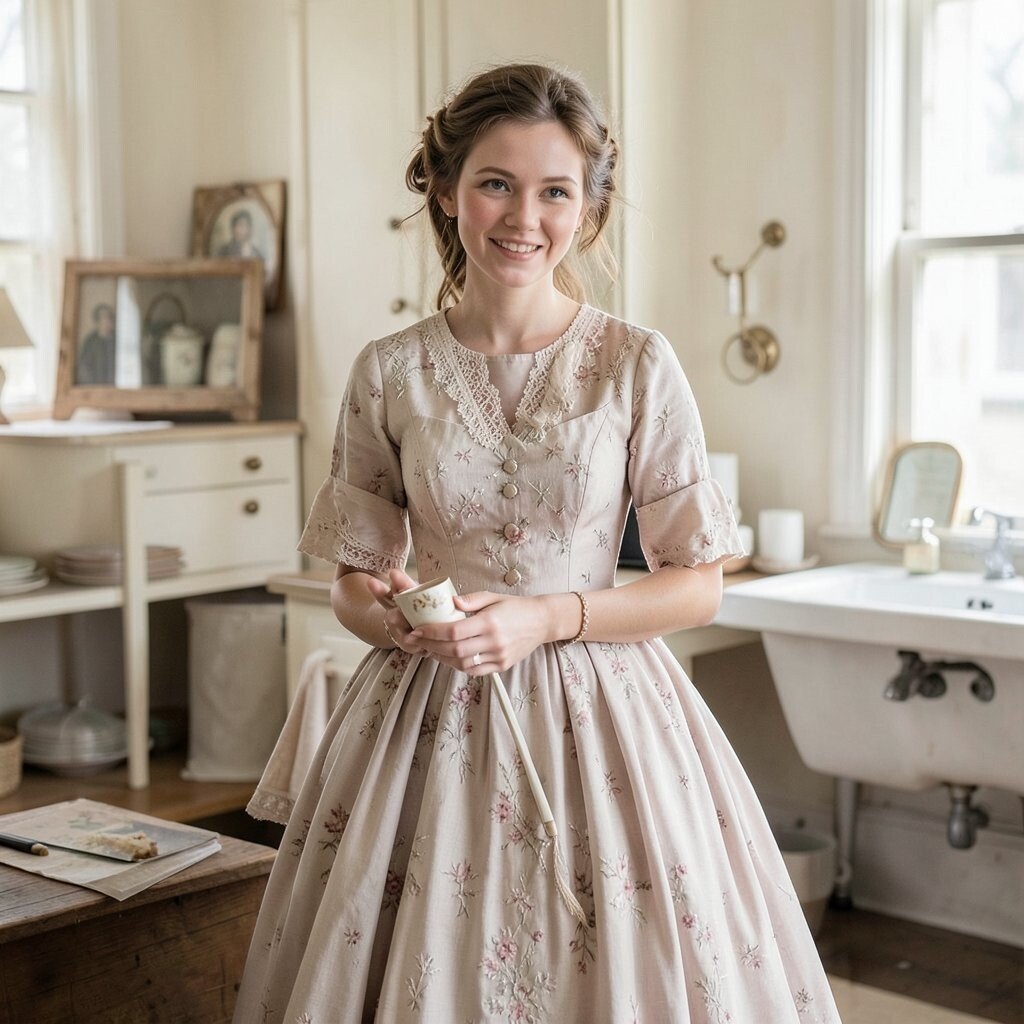
Vintage clothes can look gorgeous from a distance, but fit is the real secret to comfort and confidence. Check shoulder seams, waist placement, and how fabric behaves around your arms and hips.
If something is nearly right, small changes can make it feel custom. A simple hem or a slight waist adjustment can upgrade the whole look. This is one of the best ways to benefit from vintage uniqueness without losing wearability.
When you try items on, move like you live in them by sitting, reaching, and walking. You will spot issues early instead of after you get home. That practical attention usually saves money because you are less likely to buy the wrong thing.
3. Learn Fabric Logic Like a Pro

Different vintage fabrics wear in different ways, and knowing that helps you pick pieces you will love. Look for natural fibers such as wool, cotton, silk, and linen when you want breathability and that classic drape.
Pay attention to how the fabric sounds and feels, because texture tells you a lot. Woven materials often hold shape better, while jersey knits stretch and move like modern basics. This small skill makes shopping feel less like guessing and more like reading a book you enjoy.
For personalization, match fabric to your day, like a linen blouse for hot weather or a wool coat for cooler evenings. You will feel the difference right away, and your outfits will look intentional. Even when you budget carefully, picking the right fabric can make one piece last for years.
Current trends also favor quiet texture, like tweed-like weaves and soft knit sets, so vintage fabrics fit right in. When the fabric is strong, styling becomes easier. You will spend less time fixing problems and more time showing off what you love.
4. Treat Color Like a Styling Tool
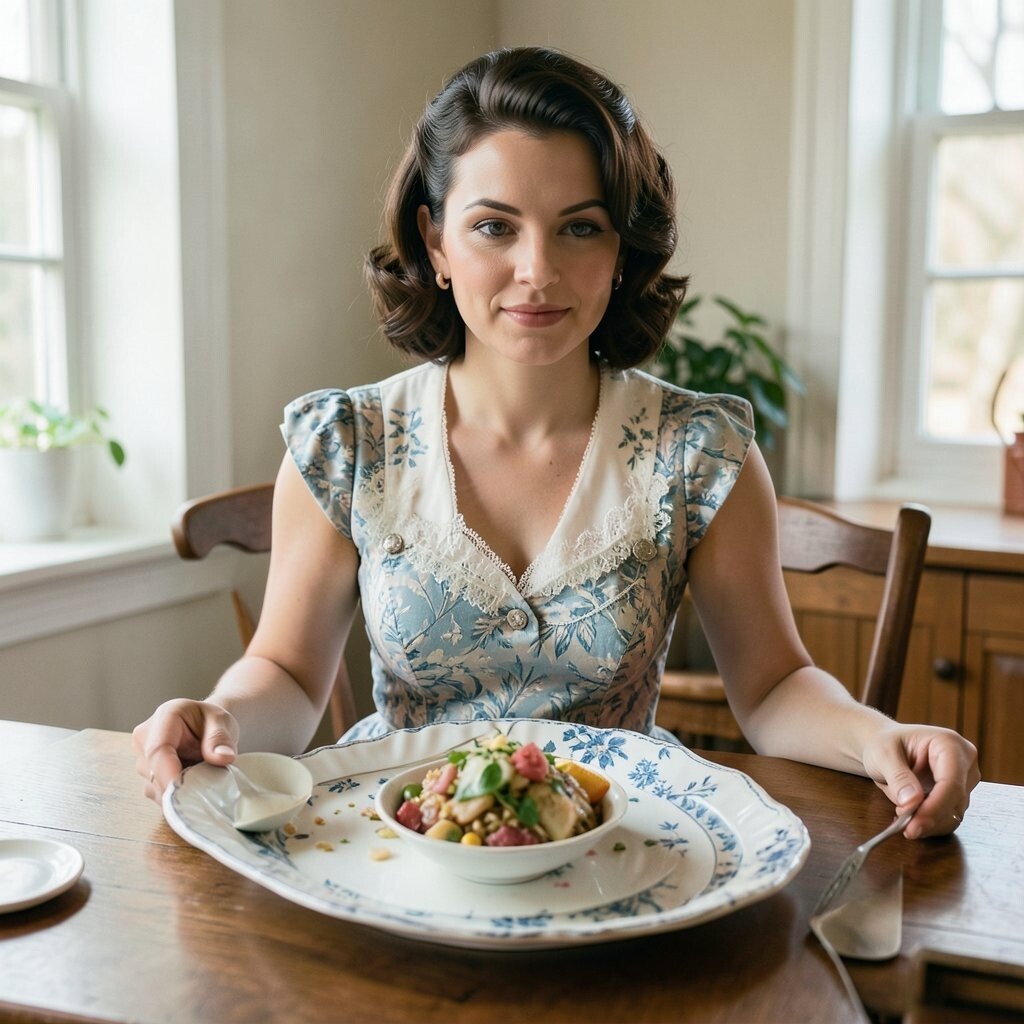
Vintage color can be richer than many new clothes, especially with dyed wool and printed cotton. Think about warm creams, deep burgundy, and muted greens that look soft and grown-up.
Try building outfits around one strong color and one neutral, like a jewel-toned sweater paired with a natural skirt. When colors match your skin and hair tones, you will look more awake without trying so hard. You also get a unique look that feels different from fast, trend-chasing outfits.
5. Look for “Wear Signs” That Matter
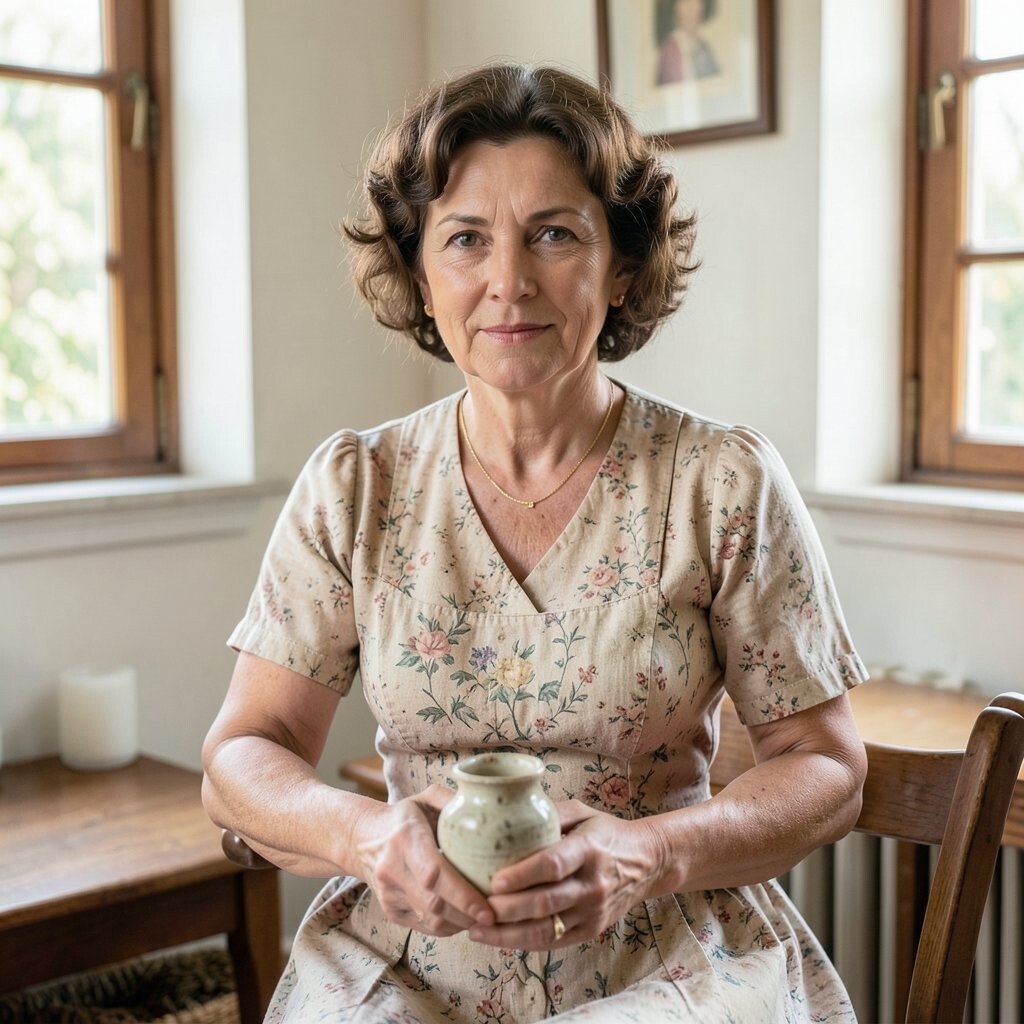
Not all wear is bad, and some gentle aging is part of vintage charm. You want signs like softened seams, natural patina, and fabric that looks lived-in, not broken.
Check for stains near cuffs, collars, and hems, because those areas collect daily life. Look at buttons and zippers, since small hardware fixes can be easier than fabric repairs. When you focus on the right wear signs, you can buy with confidence and lower overall cost.
For practical styling, vintage pieces that already show character often hide minor flaws while still looking beautiful. That means you can dress more freely without worrying about being perfect. It also helps you enjoy the uniqueness of vintage, not just the label.
6. Build Outfits With Repeats
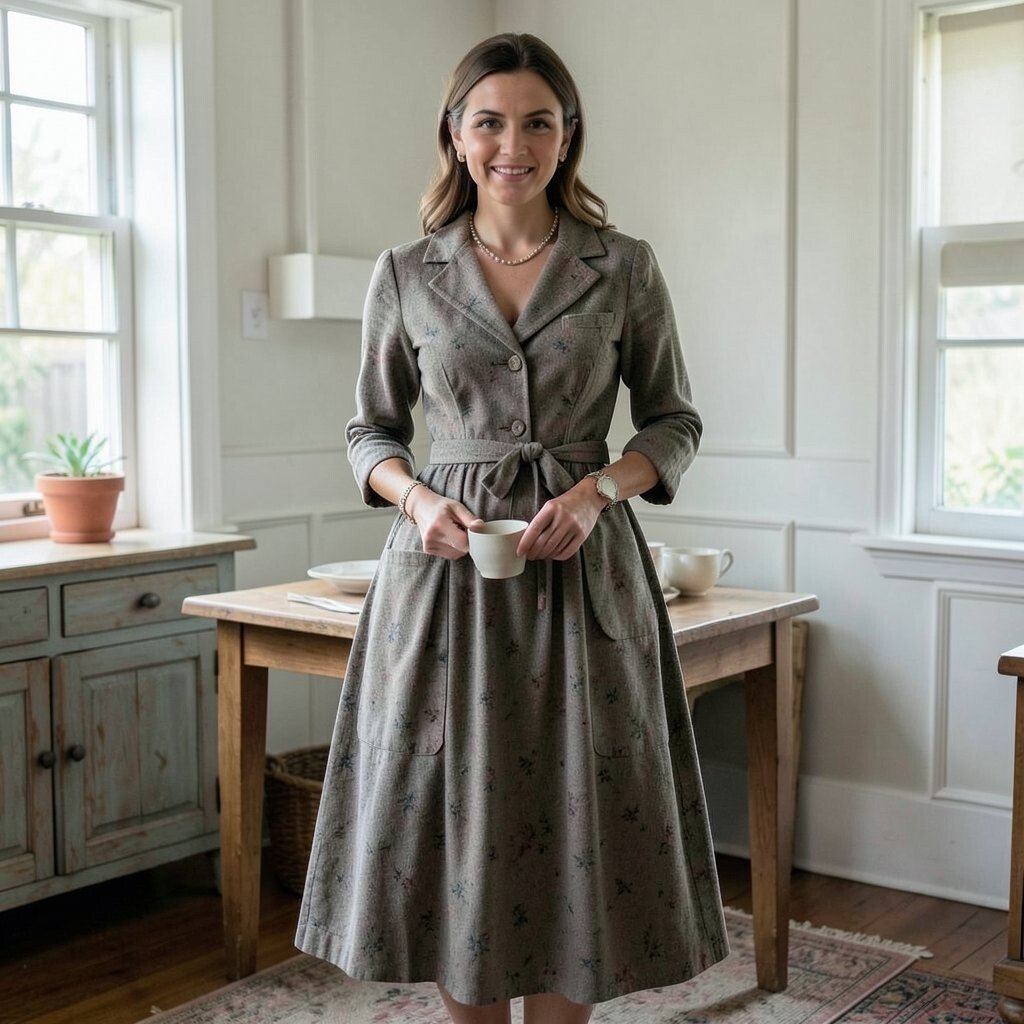
Repeating a few shapes and colors creates an easy “signature” style. Choose one or two silhouettes you love, such as a high-waist trouser or a classic wrap dress, then rotate them often.
That repetition makes getting dressed feel simple, because your brain already knows what works. It also helps you mix modern items with vintage ones without it feeling random. The result is a cohesive wardrobe that looks curated, not accidental.
When you find a great vintage piece, style it with what you already own to save money. If it fits your personal style map, you can keep repeating the formula with different textures and prints. This kind of planning keeps your closet exciting while staying realistic.
7. Pair Vintage With One Modern Anchor

A vintage outfit gets even better when one item feels current. Think of a clean white sneaker, a simple modern belt, or a lightweight contemporary jacket.
This anchor helps the vintage pieces feel fresh instead of costume-like. You get visual balance, and your outfit stays comfortable for today’s routines. It is also a smart cost move because you can buy modern basics to make vintage clothing easier to wear.
8. Use the Power of Layering
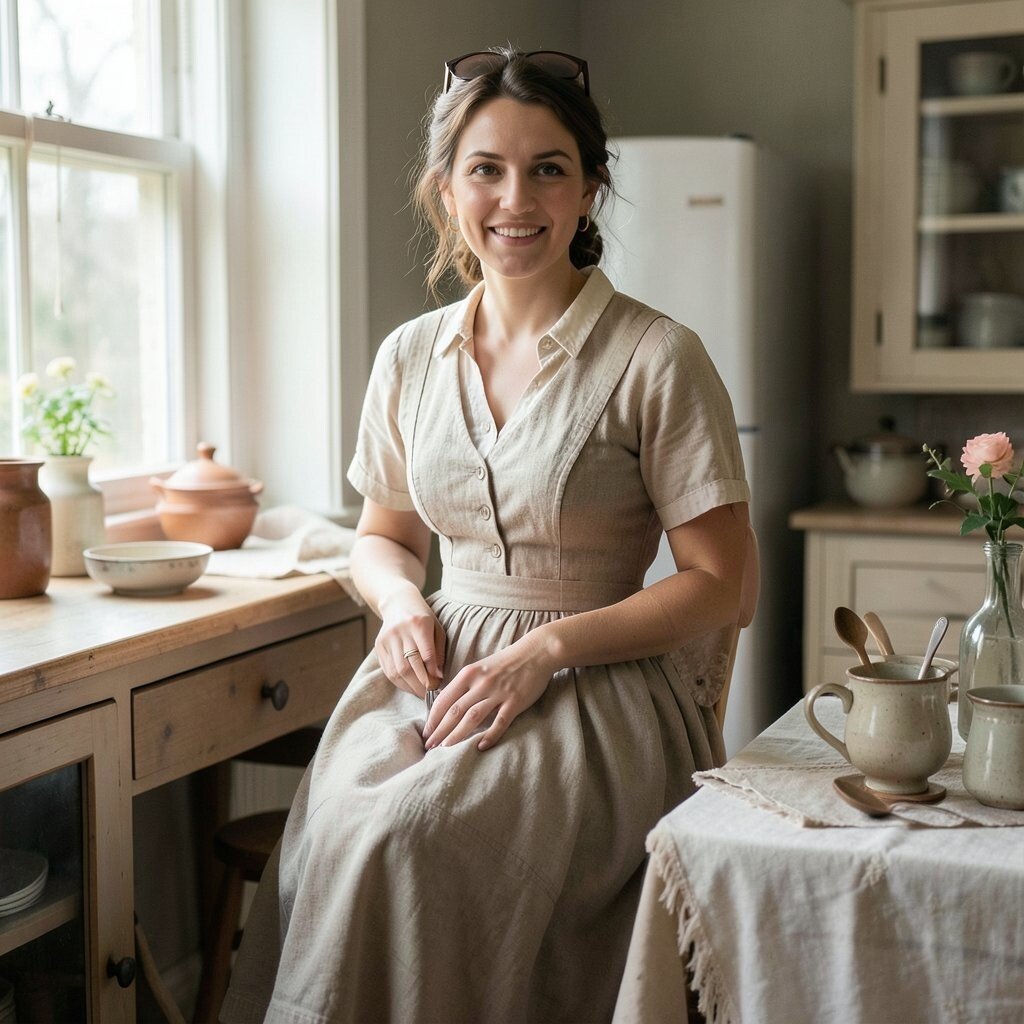
Layering is where vintage magic really shows up, because you can combine eras with ease. Try a collared shirt under a sweater, or a fitted waistcoat over a longer dress.
Vintage layers add depth, making your outfit look richer even when the pieces are simple. You will also enjoy practical benefits like temperature control throughout the day. For personalization, mix a patterned layer with a solid one so your look feels intentional, not cluttered.
9. Choose Vintage Accessories Like Finishing Touches
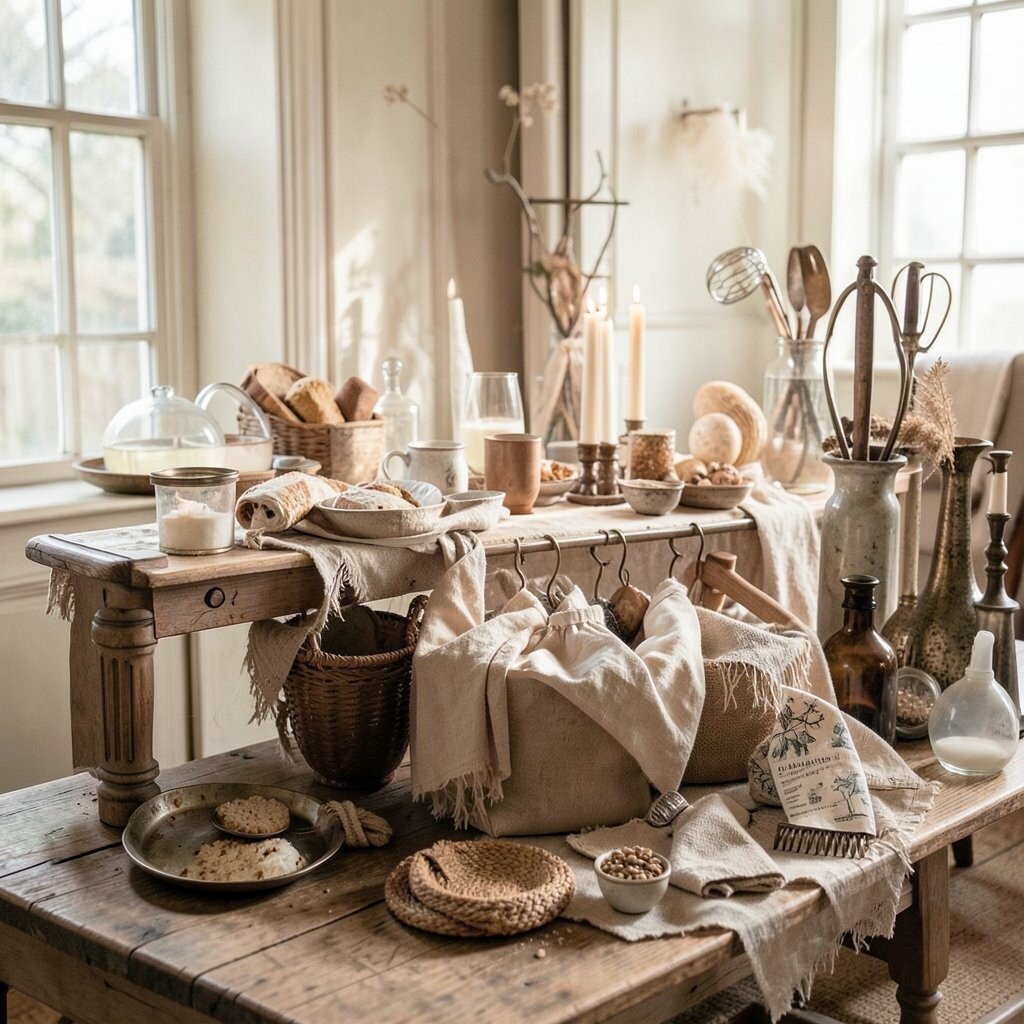
Accessories are often the easiest way to add vintage charm without changing your whole wardrobe. Look for leather gloves, structured handbags, scarves, and vintage jewelry that matches your daily rhythm.
When you pick accessories that echo your style map, everything feels more “you.” A small brooch on a coat collar can instantly make an outfit look unique. It can also be budget-friendly because one accessory can upgrade many outfits.
Try experimenting with scale, like a bold pendant with a simple top, or tiny earrings that feel delicate but confident. Current trends also love vintage-inspired jewelry stacks, so your finds can feel right on trend while still being truly one-of-a-kind. You will look styled even on days when you feel low energy.
For cost considerations, focus on pieces that match well and do not require repairs. If you find a bag in great condition, it can become your daily favorite and lower the need for frequent replacements.
10. Shop With a Season Plan
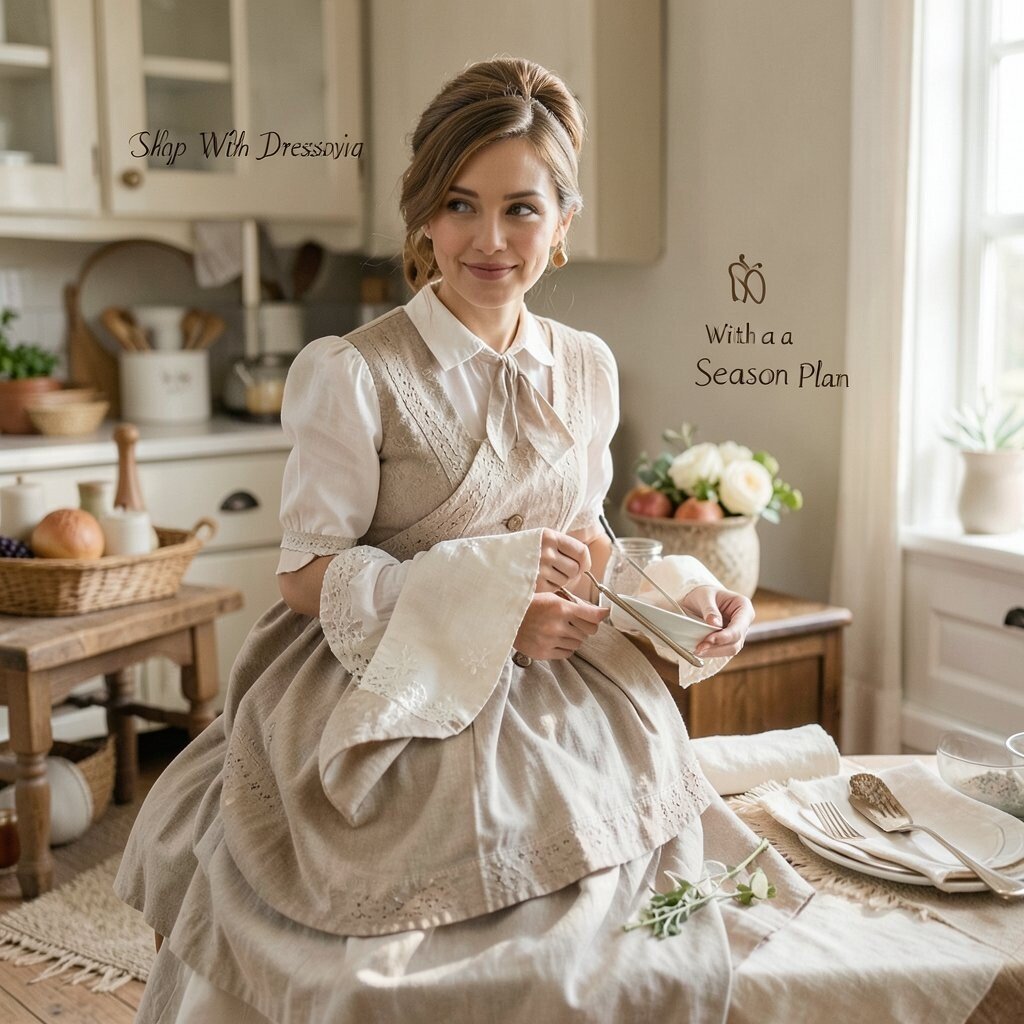
Season shopping makes vintage easier because you can focus on clothing that actually fits your current climate. In colder months, prioritize coats, knits, and scarves, then save lighter items for warmer weeks.
When you shop by season, you are less likely to buy something that looks cute but never gets worn. This also helps your budget, because you can find versatile pieces that work immediately. The benefits show up fast when your outfits feel practical and comfortable.
If you want personalization, keep a list of the one “missing” item you want each season, like a vintage cardigan or a summer skirt. This gives your search direction without turning it into stress. Over time, you will build a wardrobe that feels complete and uniquely yours.
11. Check Construction Details for Hidden Quality

Vintage quality often lives in the seams, linings, and finishing. Inspect hems, underarms, and collar edges to see how carefully the garment was made.
Look at things like lining fabric and whether it feels sturdy rather than thin. Strong construction usually means the piece will hold up better and look great longer. This is one of the most useful secrets for cost, because better quality reduces the need for constant replacements.
For uniqueness, construction can also add style, like thoughtful darts, interesting button placement, or a well-shaped collar. When you notice those details, you start choosing pieces that feel special even when the print is subtle. Your outfits will look quietly expensive without needing an expensive budget.
Try pairing a well-made vintage jacket with basics so the craftsmanship becomes the main event. You will feel the difference when the garment fits well and moves smoothly.
12. Learn Common Vintage Lengths and Proportions
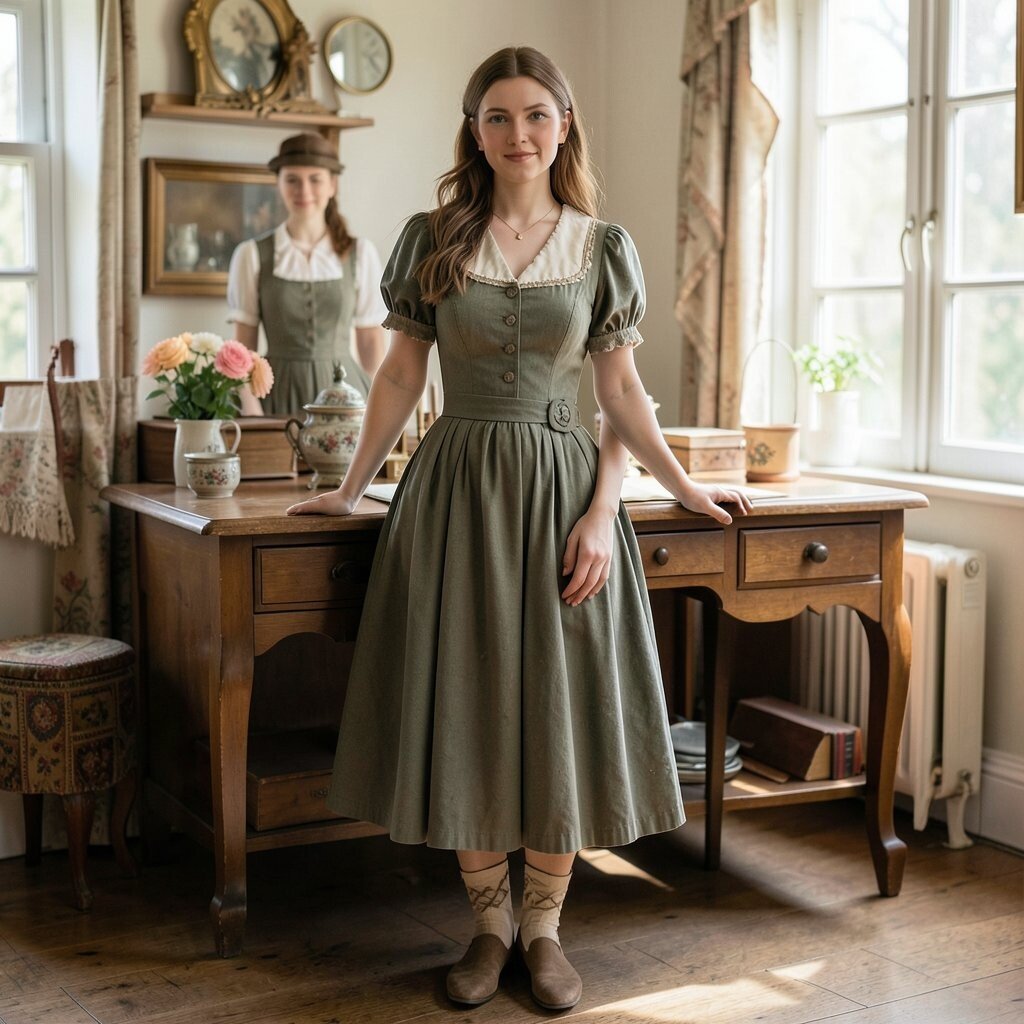
Vintage proportions can differ from modern patterns, and understanding them makes shopping far less frustrating. Skirts may hit a different spot on the leg, and jacket lengths may end higher or lower than you expect.
When you learn how lengths typically fall, you will style with intention instead of guesswork. For example, a longer jacket can elongate your frame, while a cropped sweater can highlight your waist. That helps your visual balance and makes outfits look polished.
13. Style Prints With Simple Rules
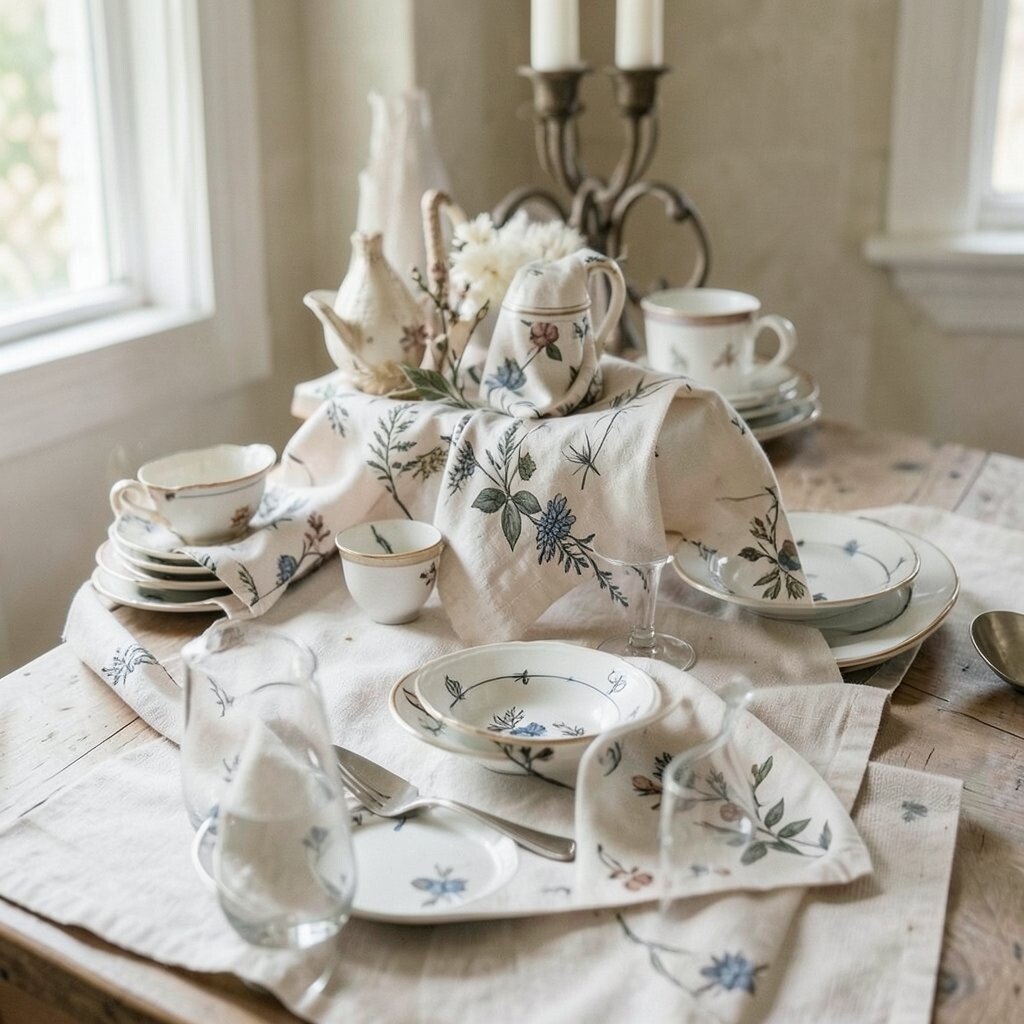
Prints can look intimidating, but vintage patterns often behave beautifully with simple styling. Start by picking one print as the main focus, then keep the rest of your outfit calm.
Try pairing a vintage floral blouse with solid pants, or a striped dress with plain shoes and minimal jewelry. This approach creates a clear look and gives your print room to shine. It also makes personalization easier, because you can match the print to a color in your closet.
For trends, muted vintage prints fit right into current tastes for soft, wearable color stories. When prints are balanced, your outfit looks current without feeling like a copy. You also reduce cost because fewer pieces are needed to make the outfit feel finished.
14. Care for Vintage Like It’s a Favorite Record
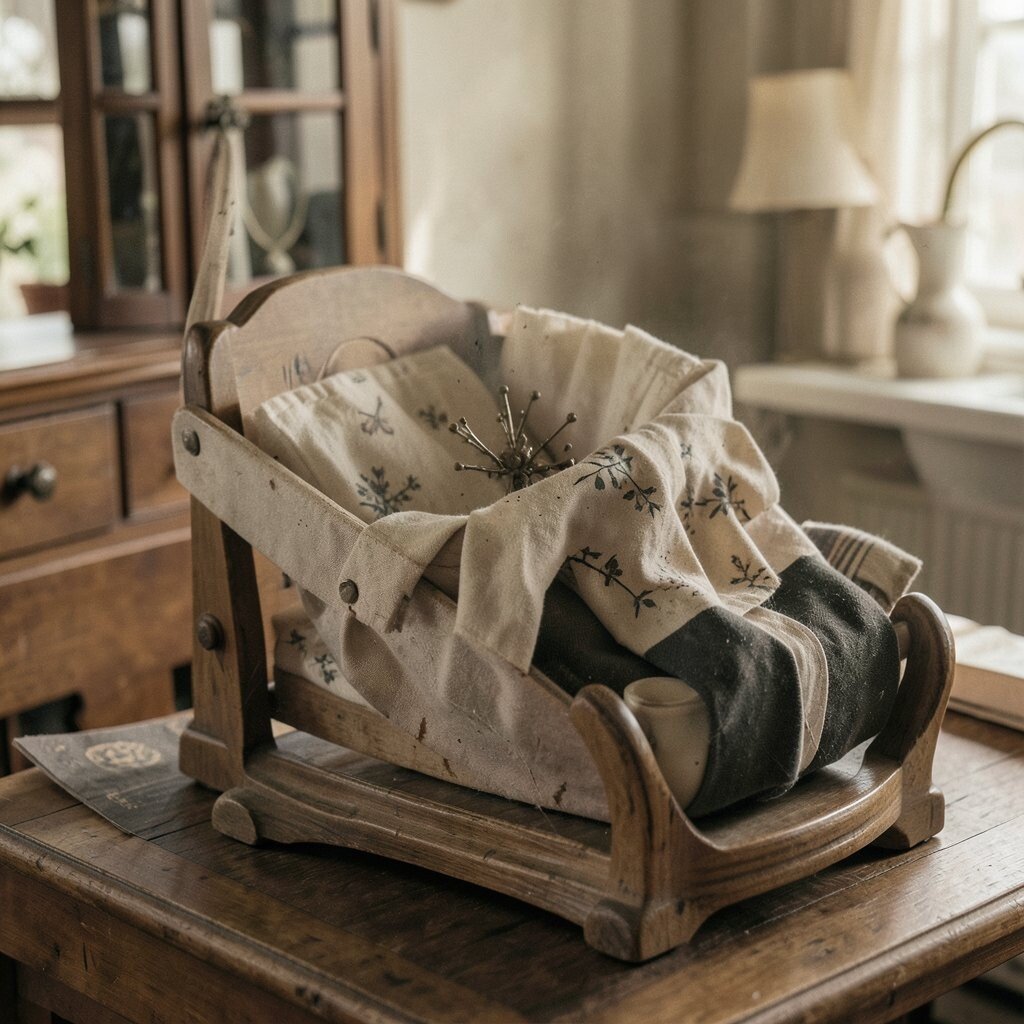
Vintage clothes often need gentler care to stay beautiful, so treat them with respect. Read the fabric and follow safe cleaning methods, especially for wool, silk, and delicate cotton.
Many vintage items benefit from air drying and simple storage that prevents stretching. Use padded hangers for coats and knits, and store structured items so they keep shape. These habits protect your investment and keep the look crisp over time.
15. Use Tailoring to Make It Truly Yours
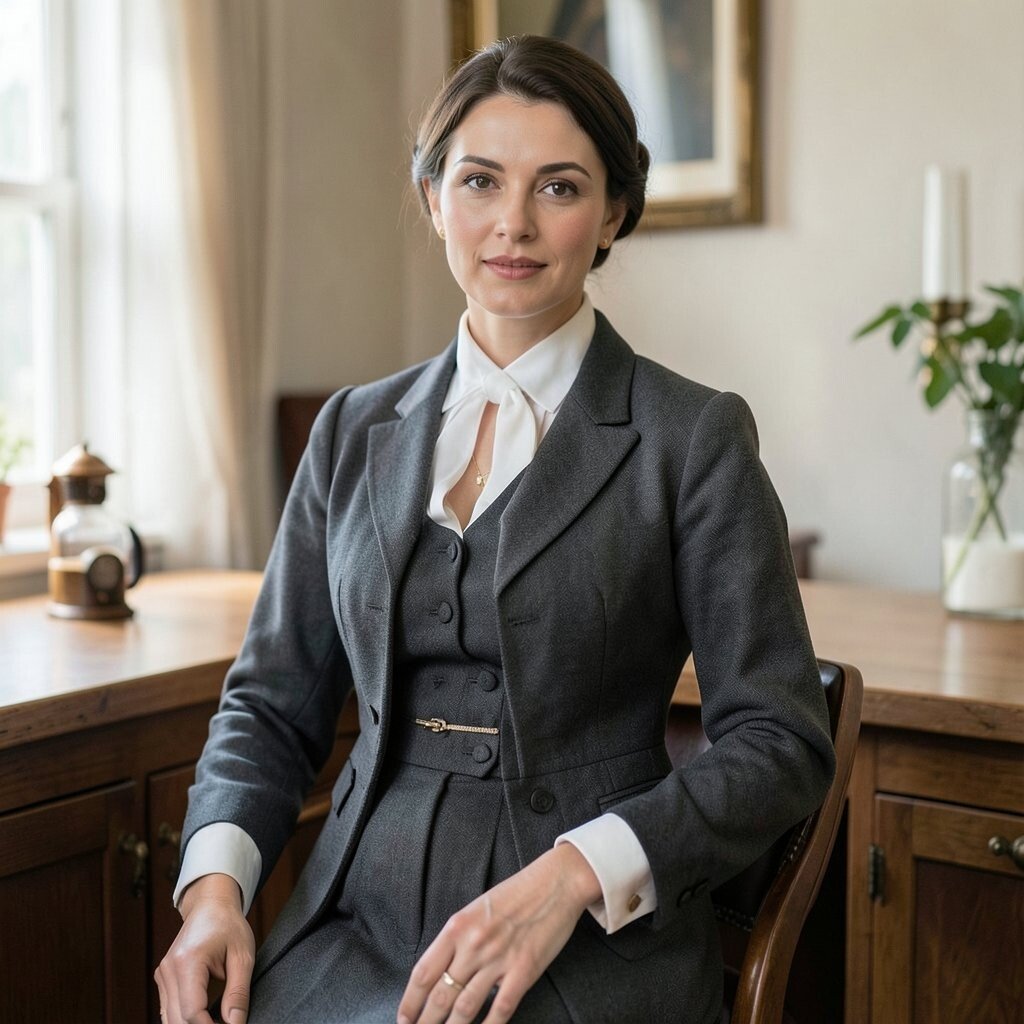
Tailoring is one of the biggest secrets for making vintage look modern and flattering. Even small adjustments can change how the whole outfit feels on your body.
Consider hem length, sleeve fit, and waist shaping, because those areas strongly affect comfort and style. When a piece fits your posture and movement, you feel confident immediately. This personalization turns a thrifted find into something that looks like it belongs in your life.
For cost considerations, start with a small alteration instead of a full remake. Many tailors can do quick fixes, and those minor changes can make the difference between “maybe” and “wear all the time.” You end up spending smart and enjoying your unique finds more.
16. Keep a “Try Again” Attitude for Vintage Finds
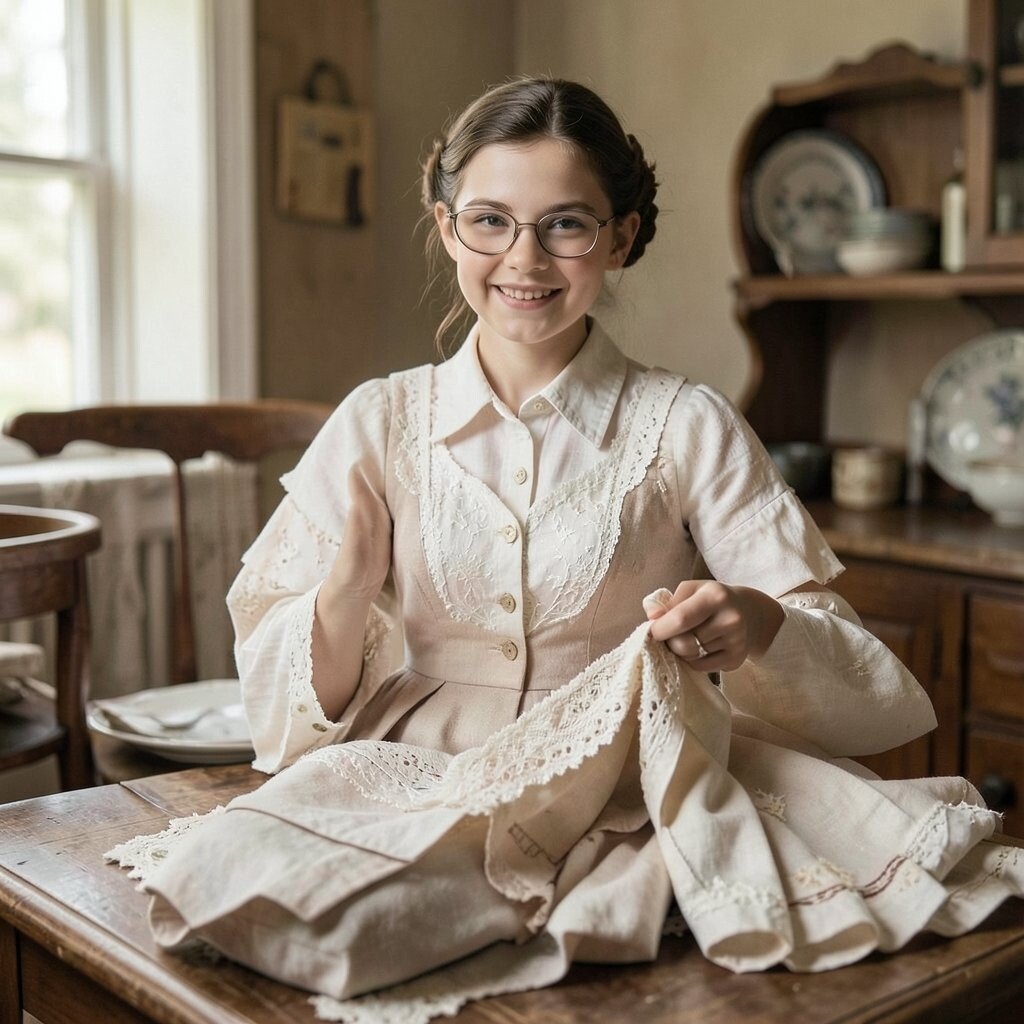
Vintage shopping often takes patience, and that patience is part of the fun. If you leave the store empty-handed, it does not mean you failed, it means your best piece is still on the way.
Save photos of outfits you like and compare them with what you find, so you learn your tastes over time. This helps you stay open to different silhouettes while still staying true to your style map. Your wardrobe becomes more personal as you repeat what works and let go of what does not.
When trends shift, your vintage essentials keep their value because they fit your body and reflect your uniqueness. The benefits show up in daily life when you have outfits that feel like you, not like an outfit you borrowed. Over time, your collection grows into something that looks effortless and intentional.
For practical momentum, set a simple routine such as checking one source per week or sorting your finds as soon as you get them home. That keeps your decisions clear and your closet ready. You will enjoy vintage more because it starts feeling like a habit, not a big project.