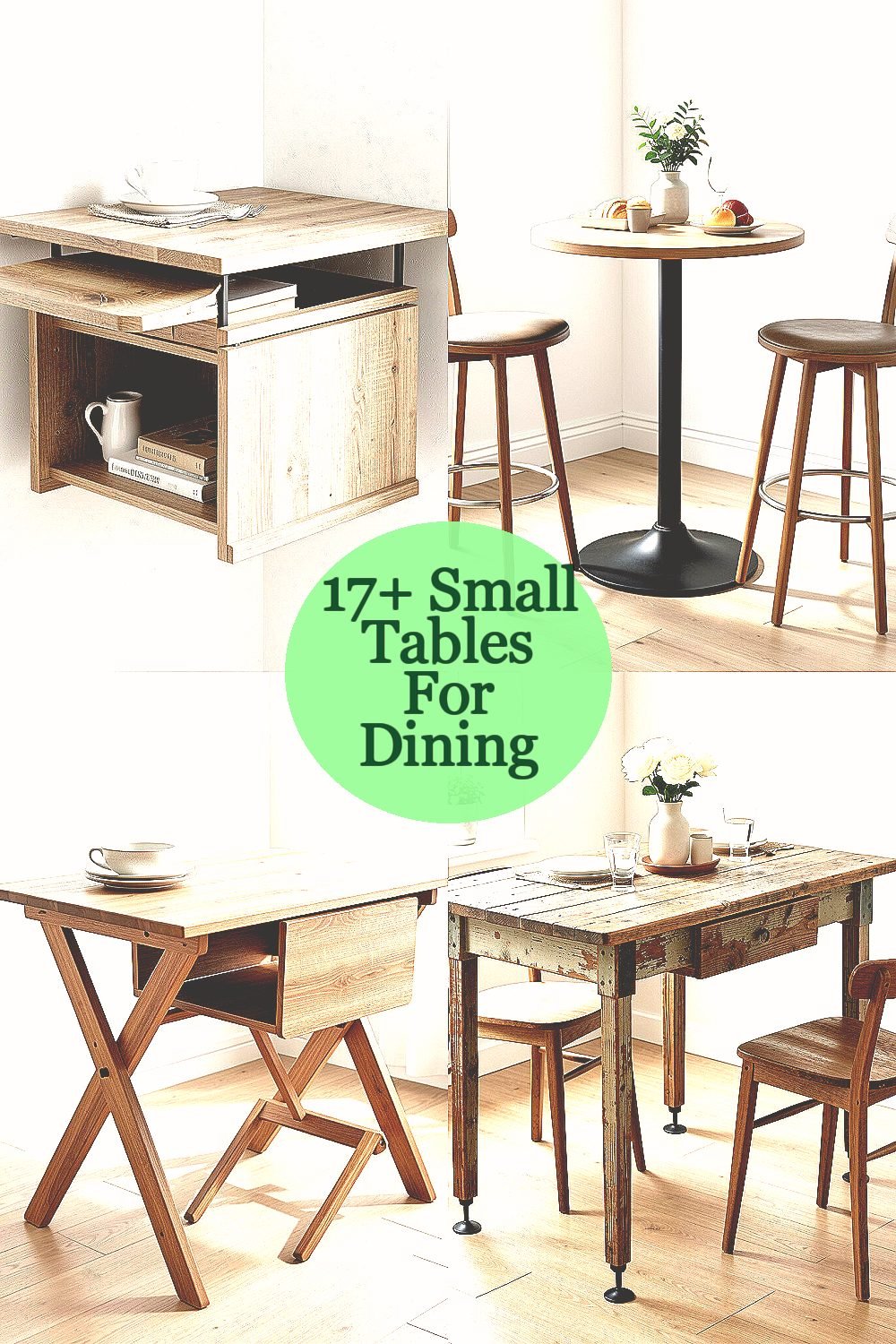
A small dining area can feel bigger when the right table matches your rhythm. The trick is choosing pieces that look good, work hard, and fit your life.
With the right size, style, and layout, meals become cozy instead of cramped. You’ll be surprised how quickly comfort shows up when your table feels just right.
1. Wall-Mounted Drop-Leaf Table With Hidden Storage
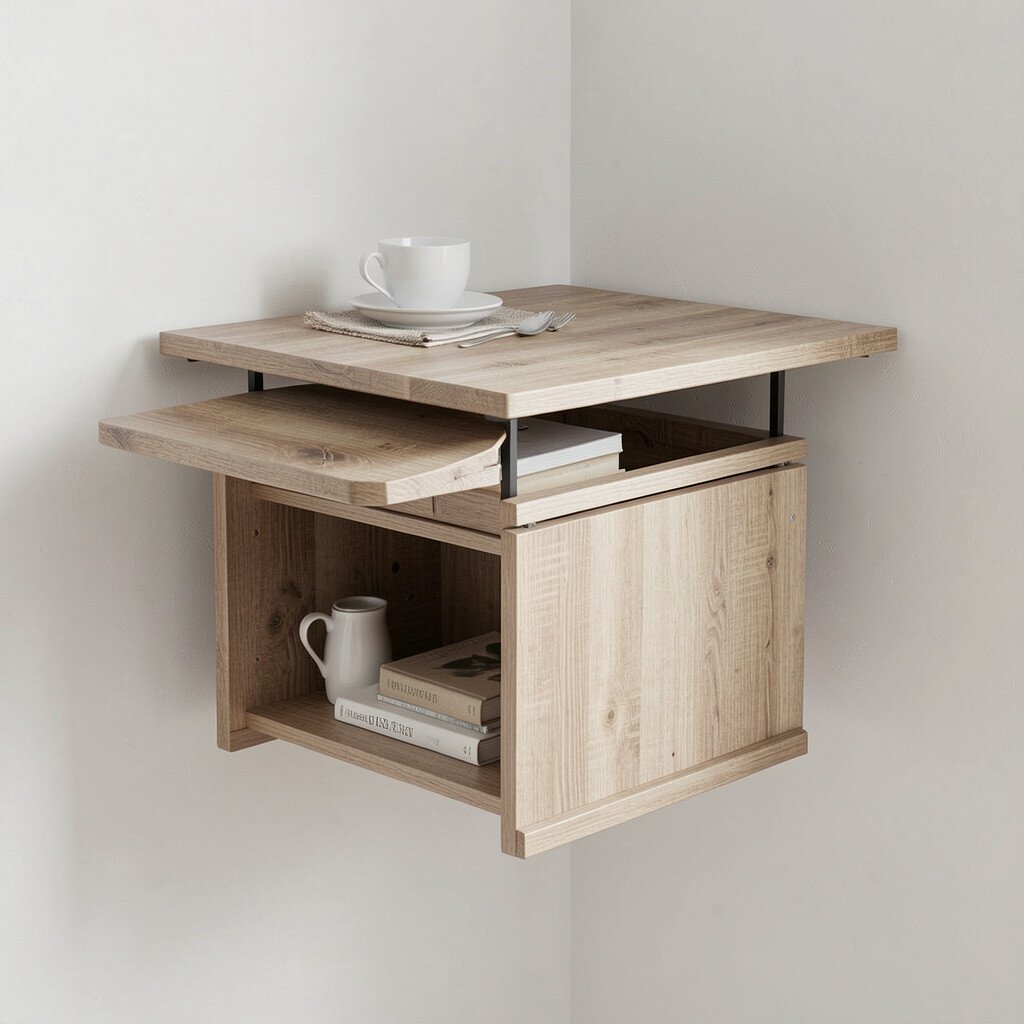
Picture a slim frame that hugs the wall, then swings out like a friendly secret when it’s time to eat. When the leaves fold down, the space stays open for daily traffic and small workouts.
This kind of table is great for compact rooms because it uses vertical space without taking over your floor. Some versions include a shallow shelf, pull-out tray, or built-in compartments for coasters, napkins, and everyday items. For practical setup, mount it at a height that matches your chair seats and test the swing so nothing bumps against cabinets or curtains.
2. Round Counter-Height Bistro Table With a Narrow Footprint
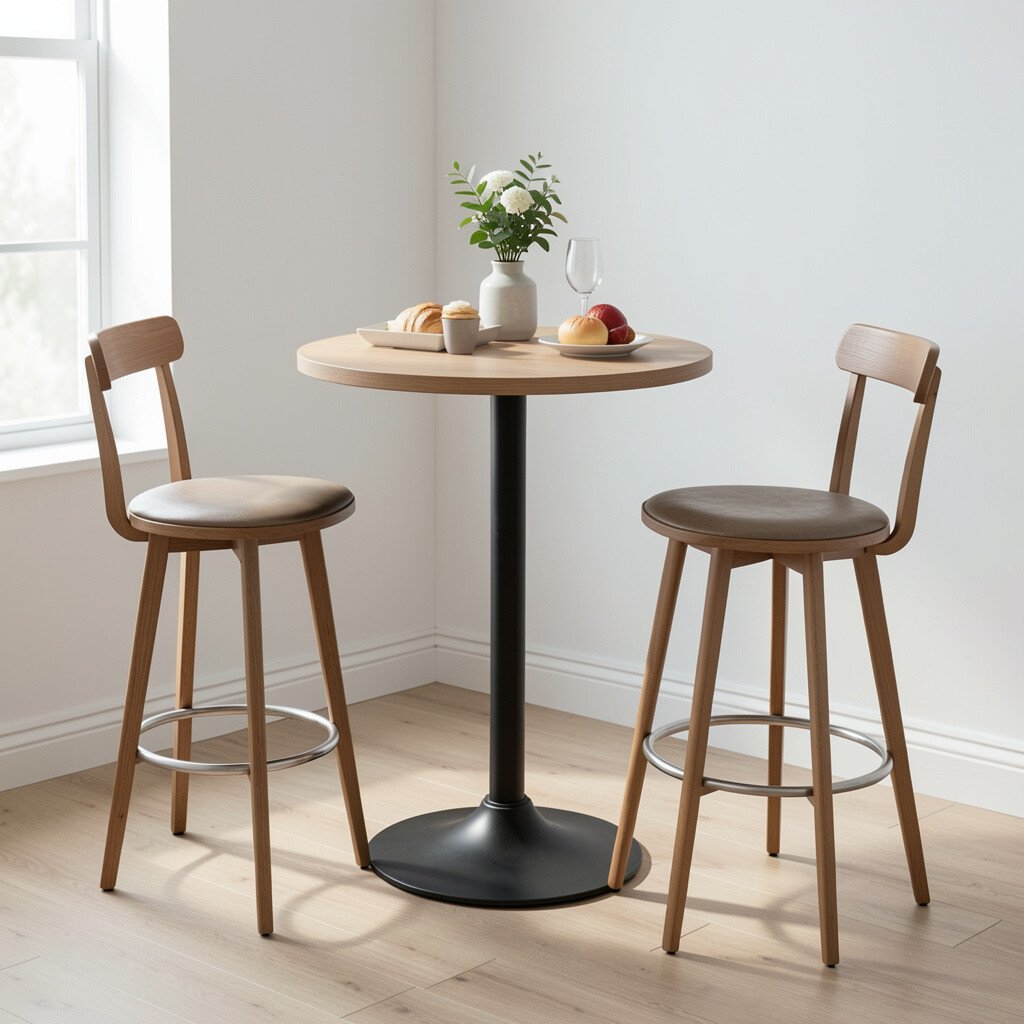
A round tabletop softens the look of tight spaces, and a counter height can make everyday dining feel a bit more stylish. Imagine a warm wood top with a clean metal base that takes up less visual clutter than a bulky rectangle.
Because round shapes help people sit closer without sharp corners, conversations flow easier. You can also pair it with two stools that tuck in when you’re not using them. For personalization, choose a finish that matches your kitchen accents, like matte black for modern interiors or honey oak for a classic vibe.
For cost considerations, round bistro tables often range widely, so check whether the base is solid metal and the top is real wood veneer or laminate. A slightly thicker top can feel sturdier without needing a larger table. If you want a current trend, look for pedestal bases with slim legs and subtle curves that feel light on the eyes.
3. Narrow Trestle Table With a Fold-Under Leaf
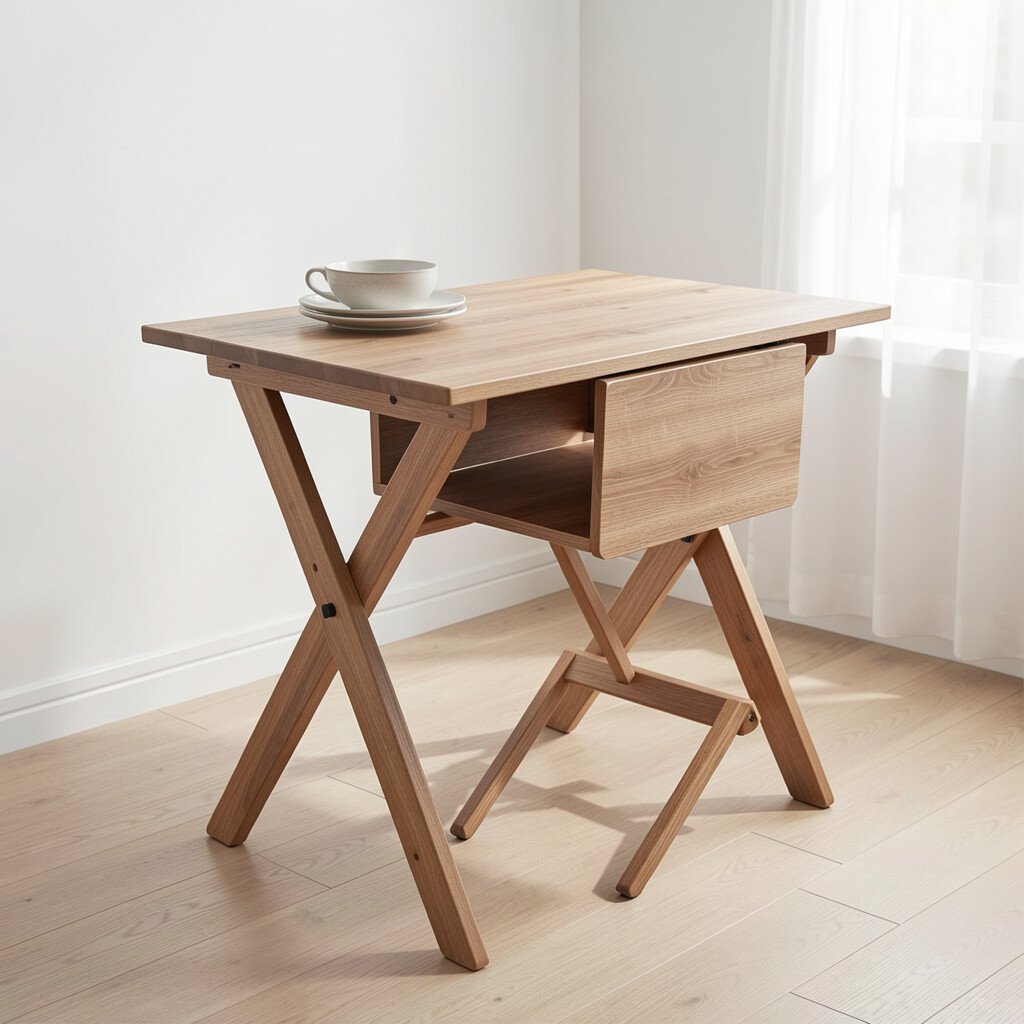
This table looks like a classic workhorse but adapts to your space with clever folding parts. Visualize a slim trestle base with a leaf that tucks underneath, giving you more floor space between meals.
The folded mode is especially helpful in studio apartments where dining happens in waves, like breakfast at one end of the day and dinner later. A trestle base can also add stability, so your legs have room and your place settings stay level. If you plan to host friends, set the extra leaf only when people arrive and store chairs nearby to keep the room calm.
To personalize, paint the trestle in a contrasting color, or stain the top for a “handmade” feel. From a cost standpoint, choosing a table with a simple mechanism usually costs less than elaborate sliding systems. When you shop, check alignment of the leaf so it locks securely and doesn’t wobble during everyday use.
Pair it with lightweight dining chairs so the set feels airy rather than heavy. If you love a modern look, consider a butcher-block top with a matte powder-coated base.
4. Repurposed Door Table With Adjustable Legs
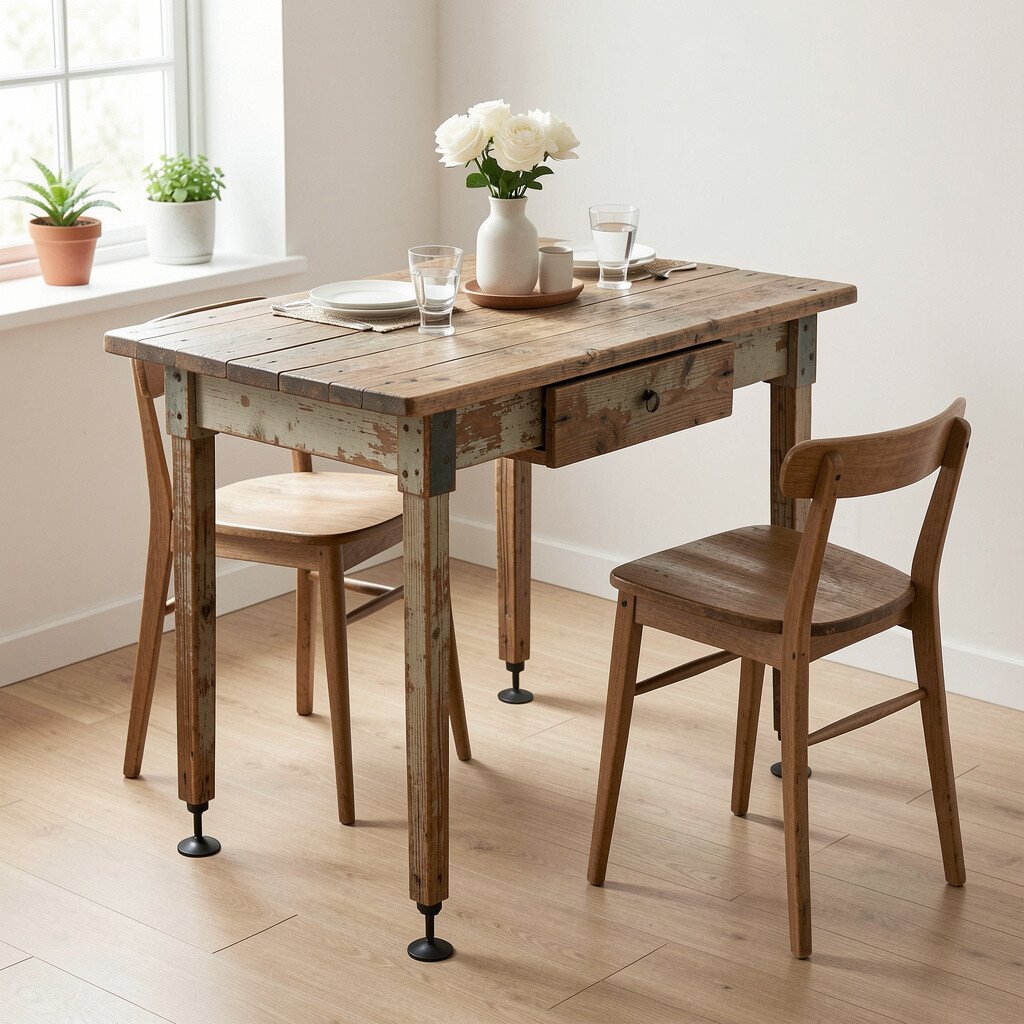
Think of a vintage door laid flat to become a table top, complete with natural grain and small character marks. It can look rustic and artsy at the same time, especially when the legs are slim and modern.
This option is unique because it turns something old into something you’ll use every day. Adjustable legs are practical for uneven floors, which matters in older buildings or renovated spaces. For practical tips, seal the surface well and use felt pads under your chairs so the table stays scratch-free.
5. Small Marble-Effect Tile Table With a Curved Rim
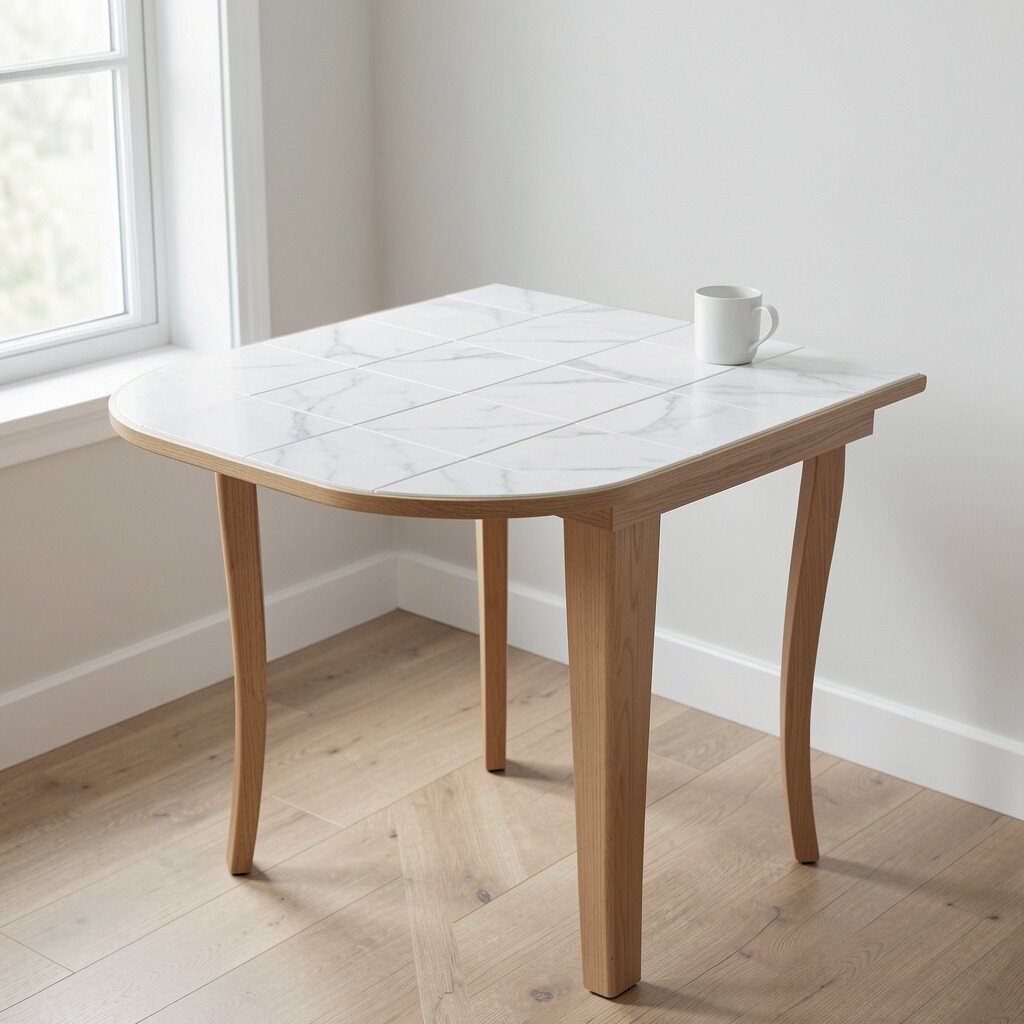
Imagine a compact table that feels like a tiny centerpiece, with a smooth top that reflects light in a calm way. A curved rim can make the piece look more elegant and less bulky in a narrow dining corner.
Small marble-effect finishes are a current favorite because they give a luxe feel without needing a huge slab. The practical benefit is that tile-like surfaces are usually easy to wipe down, which is helpful for everyday meals. For personalization, choose warm white tones for a bright look or soft gray for a modern mood.
On the cost side, this style often sits between budget and mid-range, so you can check for sturdy framing underneath. If you want a longer life, look for a solid base and a top that feels firmly bonded. When you buy, measure your chair clearance so diners can slide in comfortably.
6. Slim Console Table Styled as a Dining Setup
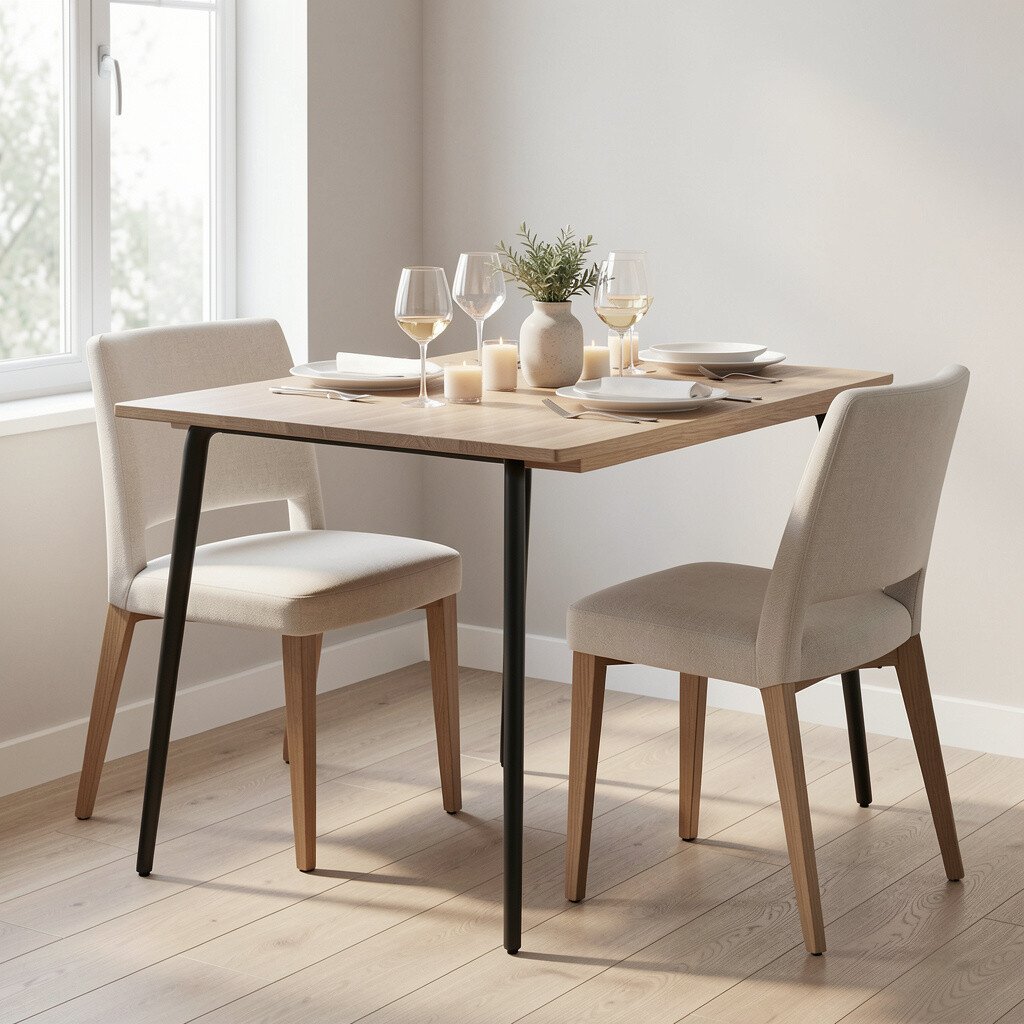
A console table can become your dining spot by adding the right chairs and a comfortable tabletop setup. Picture a narrow frame with a decorative shelf, positioned against a wall so the room stays open.
This approach is practical because it uses furniture you may already own, or lets you buy a slim piece that fits your home. The benefit is easy storage below for baskets, wine racks, or extra linens. For personalization, add a runner-style placemat that anchors the look and makes the small space feel intentional.
7. Expandable Round Table With Slide-Out Center Section
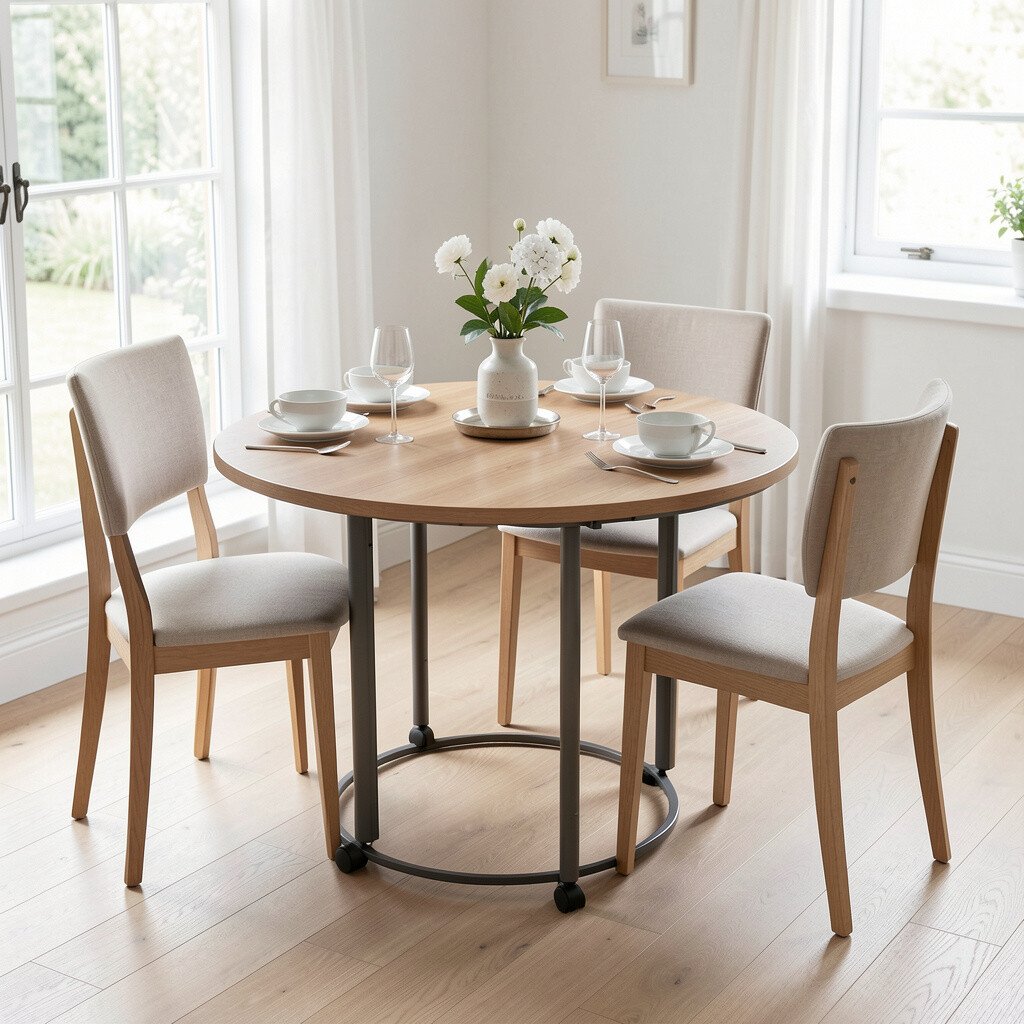
Some compact dining spaces need flexibility, and a round expandable table can be a perfect match. Visualize a smooth round top that stays tidy most days, then grows when you have guests.
The big benefit is that you get a small everyday footprint without giving up hosting capacity. A slide-out center section keeps things simple and can feel more stable than some folding designs. For practical tips, store serving items nearby so you can expand, set the table, and welcome people without stress.
8. Glass-Top Table With Sleek Metal Legs
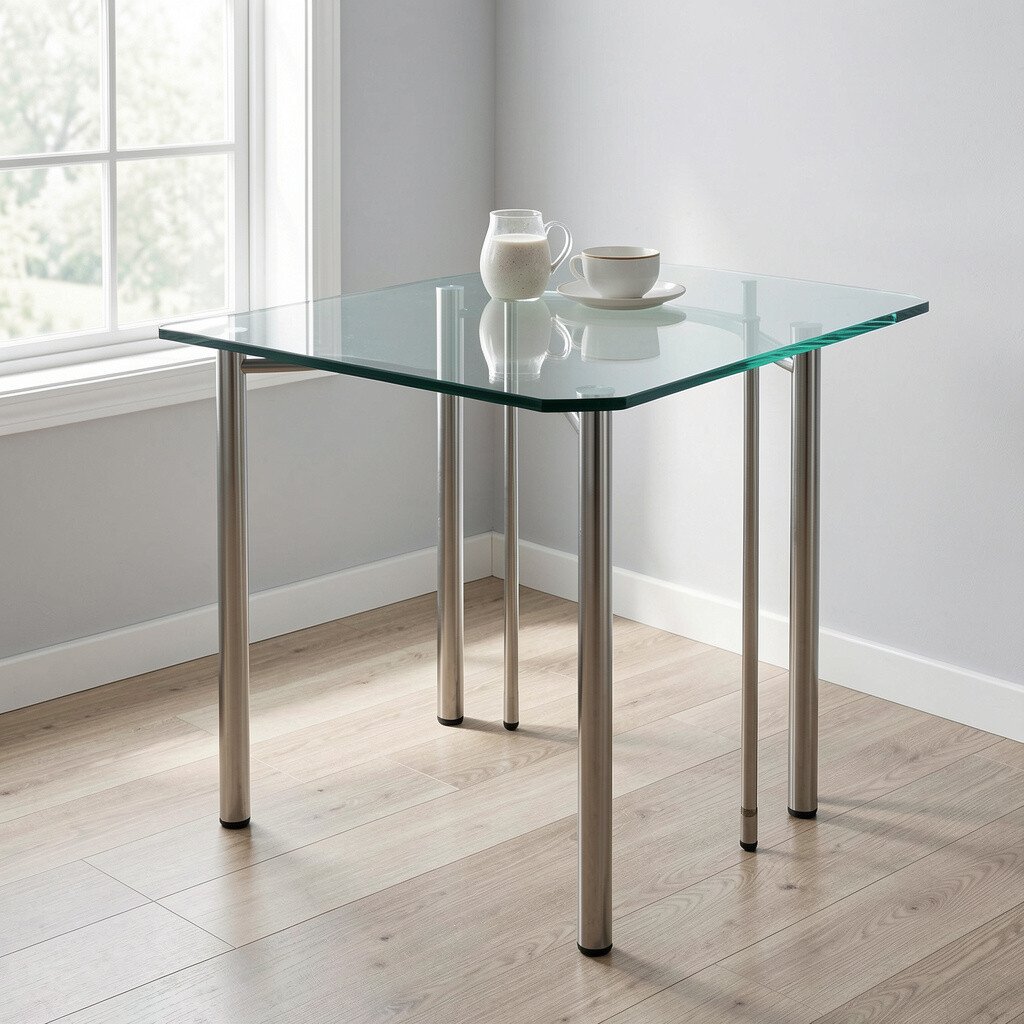
A glass-top dining table can make a tiny room feel airy because it lets light pass through. Imagine a clear surface with slim metal legs that visually “disappears” around your chairs.
This is a great option if your dining area already has cabinets or darker walls. The benefit is that the space feels less crowded, and it pairs easily with many chair styles. For personalization, choose metal color accents that echo your lighting, like brushed brass or cool chrome.
For everyday practicality, use coasters and placemats to protect the surface and reduce noise from cutlery. Cost can vary based on glass thickness, so check for sturdy construction rather than only style photos. A current trend is pairing clear or translucent surfaces with cozy textiles, like cushioned chairs and soft lighting.
Before you buy, measure chair height carefully so people sit comfortably at the table edge. If you’re sensitive to fingerprints, look for tempered glass and finishes that are easier to clean.
9. Folding Wall-to-Floor Table With a Wood Slat Top
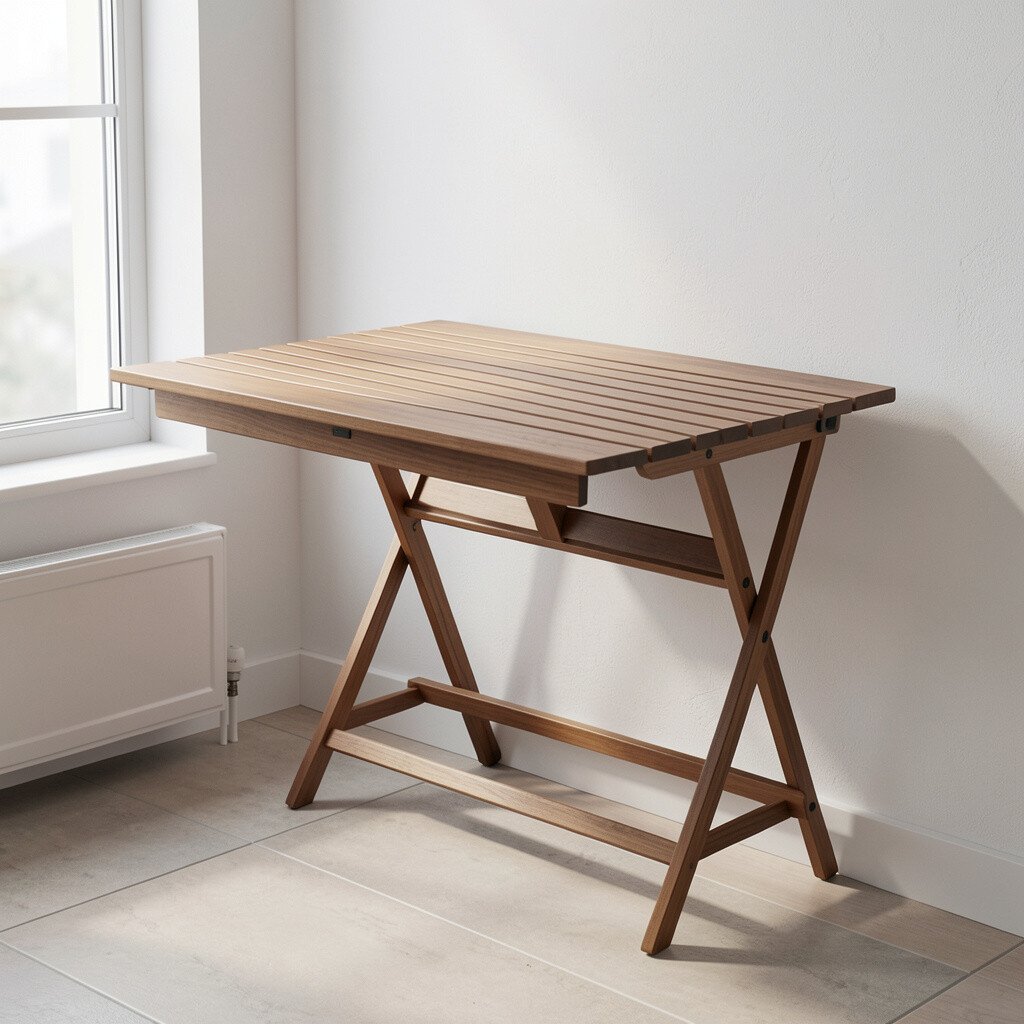
This table style looks like a simple work surface that cleverly hides away until you need it. Picture wood slats on top for texture, paired with hinges that fold smoothly without taking over the room.
The practical benefit is maximum flexibility for studio living, small apartments, and multipurpose spaces. When folded, it keeps the floor open for movement, cleaning, or kids’ play areas. For personalization, choose a wood tone that matches your floors, or stain it a shade deeper to create contrast.
10. Corner Table With Angled Sides for Two
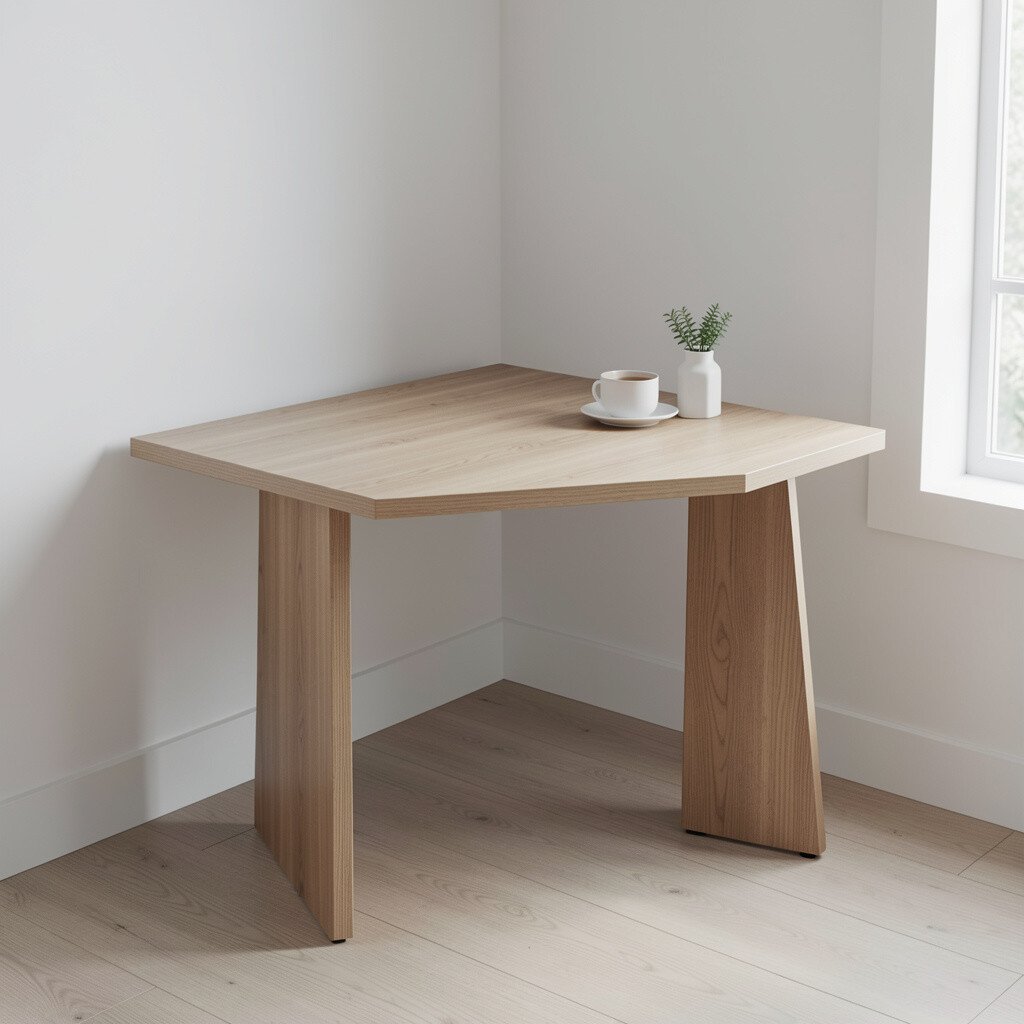
An angled corner table can help you use space that usually goes unused. Imagine a compact shape that fits snugly into the room’s inside corner while leaving a clear path through the rest of the area.
This design is unique because it doesn’t fight your layout, it follows it. The benefit is a cozy “dining nook” feeling, even in a small apartment. For practical tips, place it so chair backs don’t block doorways and check that the tabletop edge doesn’t press into tight walls.
For personalization, add a small pendant light or wall sconce above the corner to make the spot feel special. Cost considerations depend on build quality, so look for a sturdy frame that can handle daily use. A current trend is making corners feel intentional with warm lighting, layered textiles, and slim, matching accessories.
11. Pedestal Table With Removable Leaf for Flexible Seating
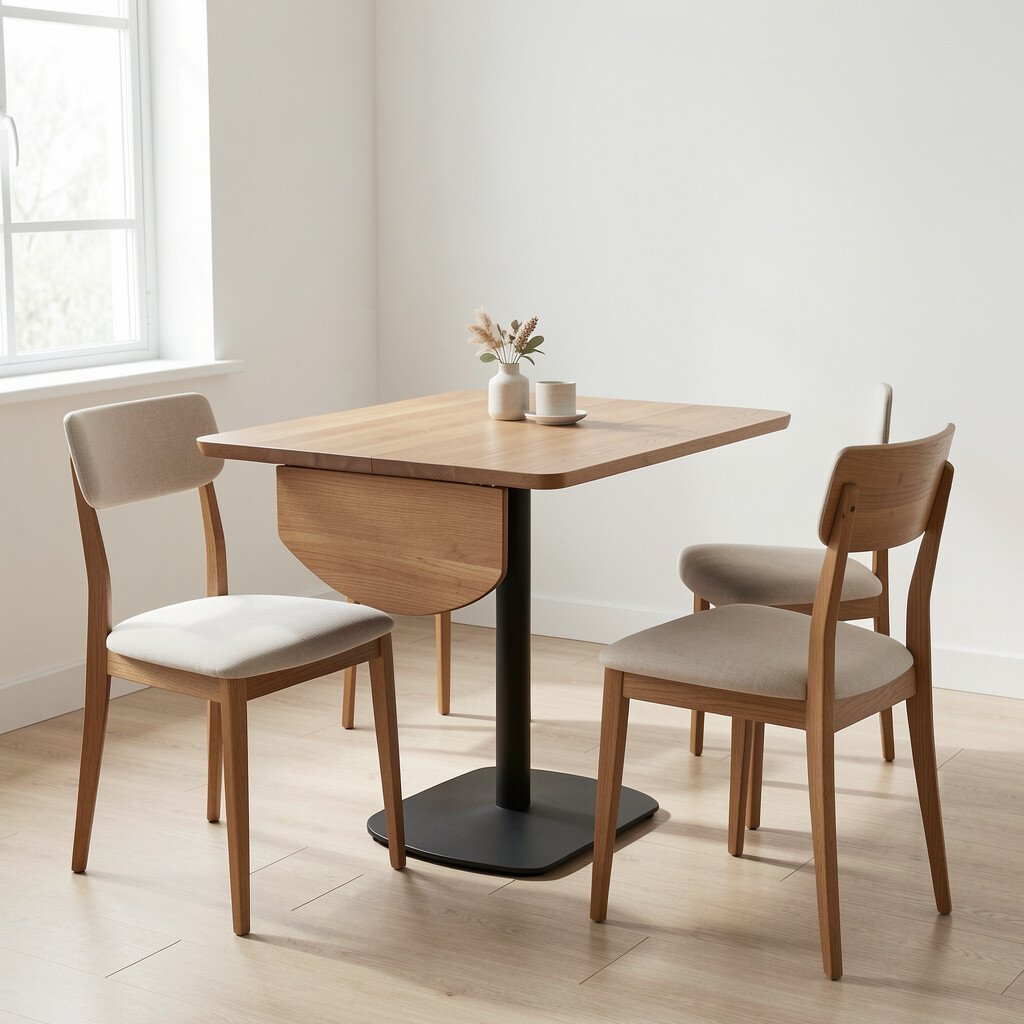
Pedestal bases make chairs feel less cramped because you don’t have to work around legs. Visualize a compact round pedestal table where an extra leaf can pop in when you need more surface.
The main benefit is stability with easy movement, since pedestal designs often keep the center clear. For practical tips, keep a small set of serving trays so you can spread food quickly without crowding. Personalization is easy with a tabletop finish that matches your kitchen, like walnut tones or painted pastels.
When thinking about cost, removable leaves can add complexity, so check the hinge or locking system for smooth operation. A high-quality mechanism usually prevents wobble and makes expansion feel effortless. If you love current interior trends, choose a pedestal shape with soft curves and a matte finish.
12. Stackable Dining Table for Rotating Layouts
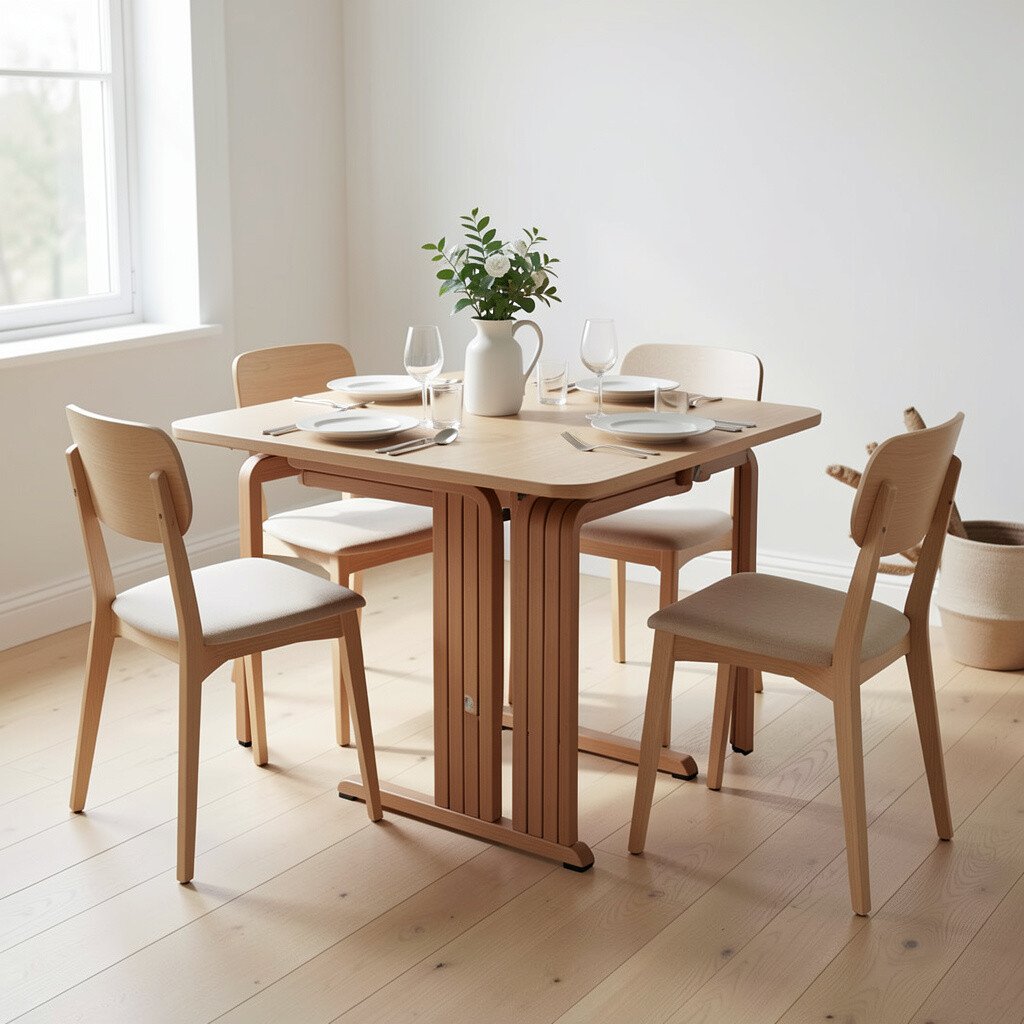
This concept is playful and practical, especially when your dining area changes by season or schedule. Imagine a compact table top that can stack or nest when not in use, letting you rearrange quickly.
The benefit is you can keep the dining space flexible without permanent bulk. If you like hosting game nights or meal prep days, a stackable setup helps you move from calm to active in minutes. For practical tips, choose pieces with protective felt or rubber feet so stacked surfaces don’t scratch.
For personalization, coordinate the table with chairs in matching colors or mix textures for a modern, layered look. Cost considerations matter here, since hardware quality affects how smooth it feels to stack and retrieve. Look for current trends in modular furniture that support changing room needs without major renovations.
Before buying, measure the storage location and make sure stacked height still fits through your doorways. That little detail saves a lot of frustration later.
13. Farmhouse-Style Slat Bench Table With Matching Seats
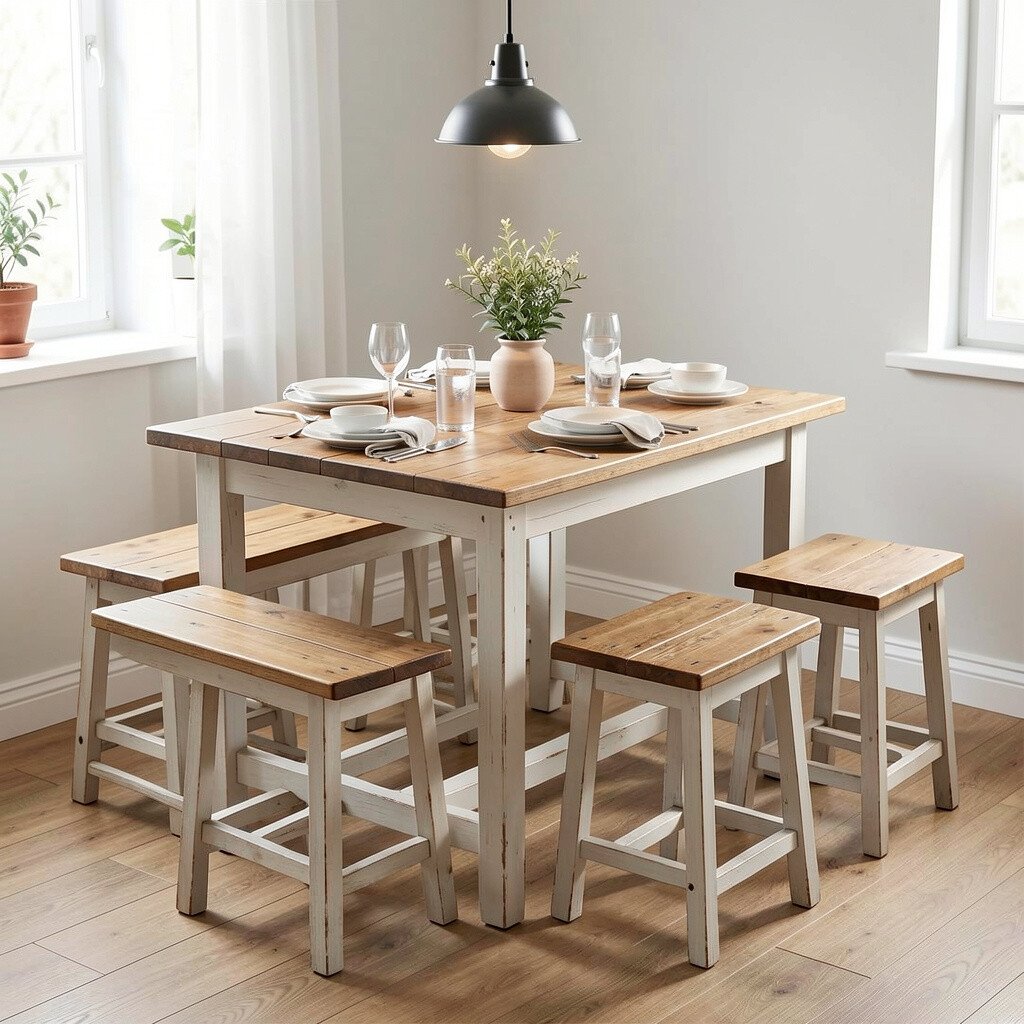
Instead of separate chairs, a small slat bench table creates a friendly, lived-in dining corner. Picture a narrow farmhouse top paired with bench seating so you can slide in close without needing extra space for chair legs.
This is a unique option because the seating is integrated, which makes the whole setup feel cohesive and compact. The benefit is that bench seating often allows more people to fit than four standalone chairs in tight rooms. For practical tips, choose a bench with a comfortable height and add seat cushions that are easy to remove for cleaning.
Personalization ideas include painting the base a soft color and keeping the top natural wood for warmth. In terms of cost, bench setups can be either budget-friendly or premium depending on materials, so compare build quality rather than only price tags. A current trend is mixing rustic textures with simple, modern lighting for a balanced look.
If you want flexibility, use two benches and one small chair as overflow seating. That keeps the layout adaptable while still feeling tidy.
14. Boomerang-Shaped Table for a Soft Modern Look
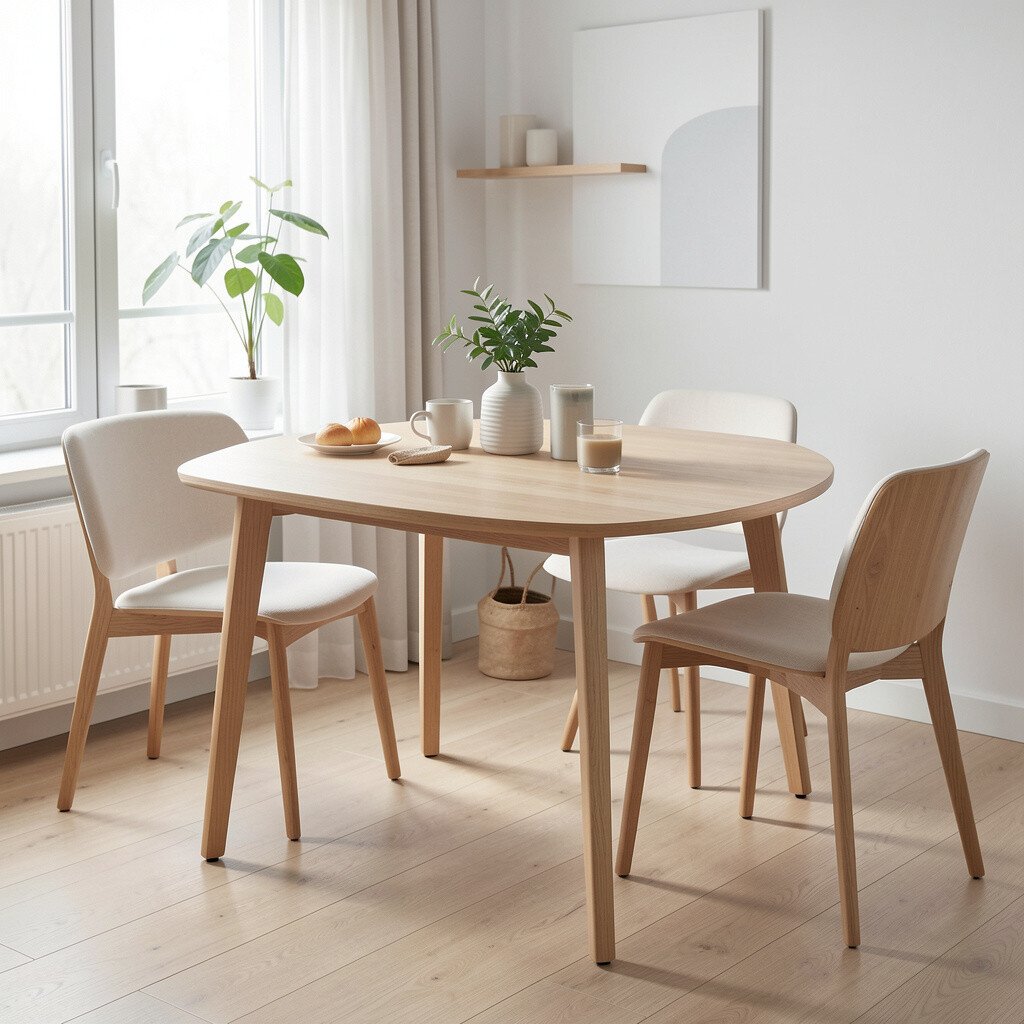
A boomerang-shaped table is unusual in the best way, turning your dining spot into a stylish design feature. Imagine a curved edge that invites people to sit close while still giving you room to walk around the perimeter.
This layout can be great for compact spaces because it uses negative space cleverly and reduces the feeling of “straight-line” tightness. The benefit is a cozy dining rhythm, especially for couples or small families. For practical tips, pair it with chairs that have slimmer profiles so the curved shape doesn’t feel crowded.
15. Mid-Century Drop-Leaf Table With Tapered Legs
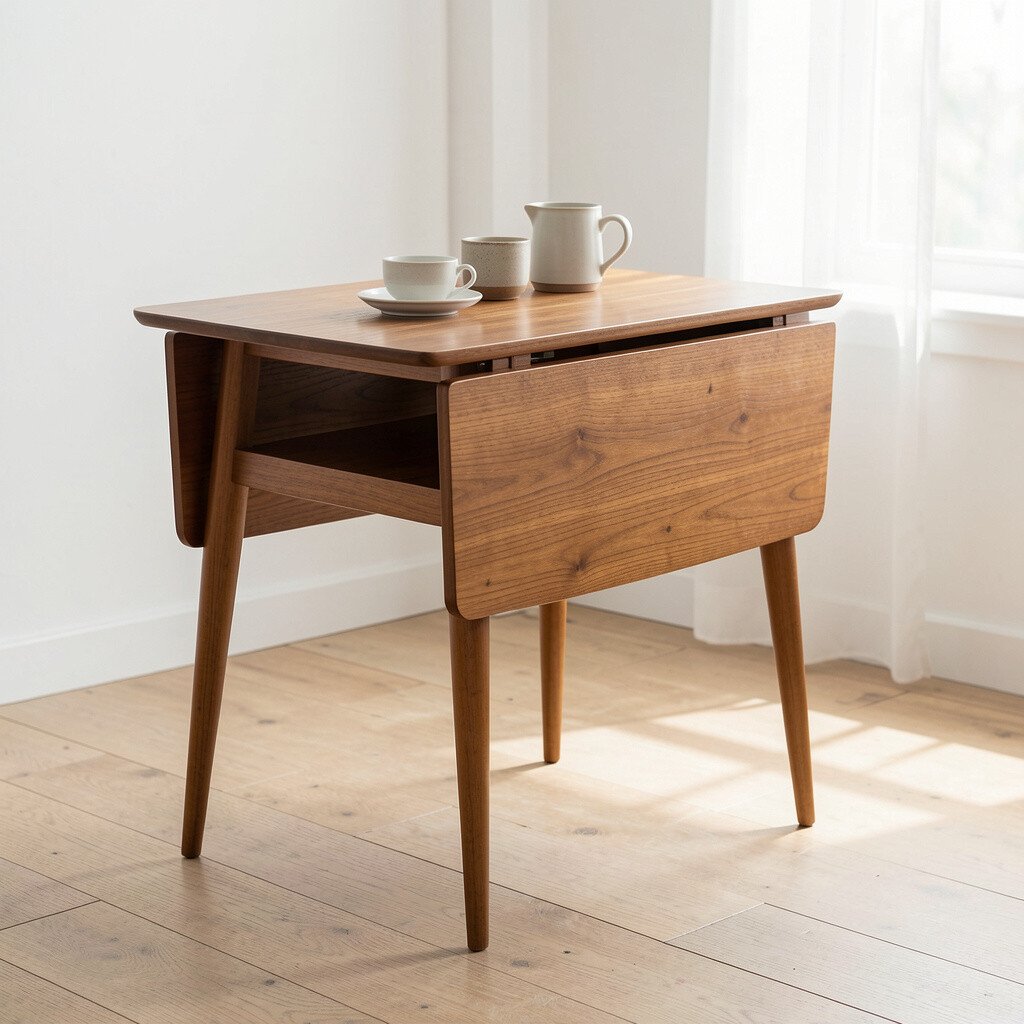
Mid-century furniture has a way of making small rooms feel classy and calm. Visualize a drop-leaf table with tapered legs and a warm wood finish that looks timeless even when it’s compact.
The benefit is style plus function, since drop leaves let you choose between everyday dining and a larger setup. For practical tips, keep the leaves folded up when you’re not using the table so the area stays open. Personalization can be as simple as swapping out hardware, like choosing new knobs for a unique touch.
Cost considerations depend on whether the piece is solid wood or veneer, so check how heavy the top feels and how clean the joinery looks. A current trend is pairing mid-century tables with modern lighting, like sculptural pendants and soft, warm bulbs. That mix can make a small dining nook feel curated without needing a full makeover.
Make sure your chair height aligns with the table edge so elbows feel comfortable and meals don’t require awkward posture.
16. Fold-Out Bar Table With Integrated Wine Rack
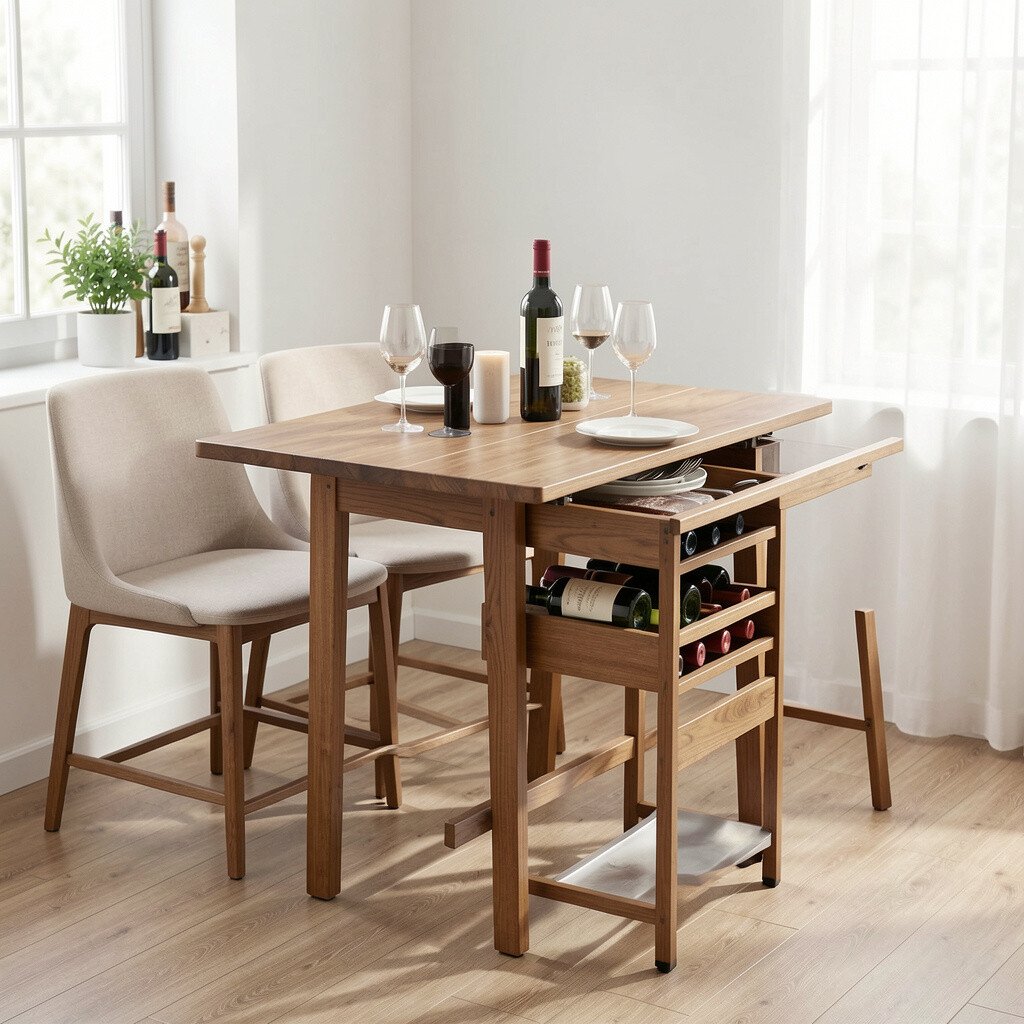
A fold-out bar table gives you a quick dining surface with a neat place for wine and glassware. Imagine a compact piece that swings out, while a slim rack stores bottles and makes the whole corner look intentional.
The practical benefit is that it works for small kitchens and dining nooks where you want function without extra clutter. When folded away, it can keep walkways clear, which matters in tight apartments. For personalization, match the rack finish to your cabinet handles or use a warm wood tone to soften the look.
On cost, integrated racks can raise the price, so check whether the rack is sturdy and well-secured. A current trend is “small luxury” storage, where dining tools are stylish and easy to grab. If you love entertaining, you’ll appreciate how quickly you can set up drinks and plates.
For daily use, keep a small tray of essentials on the table when it’s open, like salt, pepper, and folded napkins. It reduces clutter and makes cleanup faster.
17. Small Cast-Iron Base Table With Removable Top
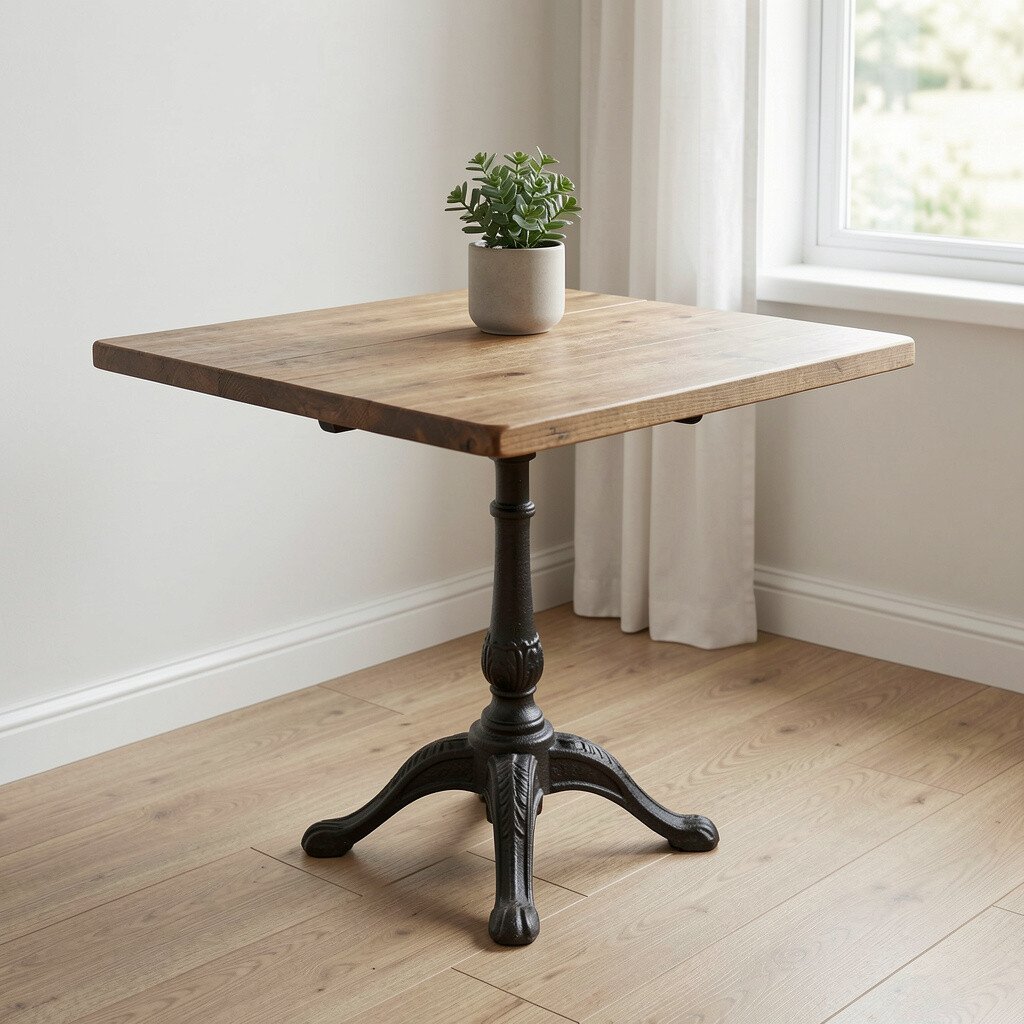
Cast-iron bases feel sturdy and grounded, and a removable top makes maintenance and storage easier. Visualize a compact table that can handle busy meals, with a top that lifts off for cleaning or seasonal styling.
This is unique because it combines durability with flexibility, which is helpful when you want a long-lasting piece. The benefit is stability, especially if your dining area gets frequent use or has uneven floors. For practical tips, use leveling pads and confirm the top locks securely so you don’t deal with wobble over time.
Personalization ideas include painting the iron base in a color that matches your accessories, like deep green or classic black. Cost considerations may be higher because of the materials, but the longevity can make it a smart investment. A current trend is choosing sturdy, industrial-inspired furniture while keeping the rest of the room soft with textiles.
18. Customizable Modular Table With Swappable Top Inserts
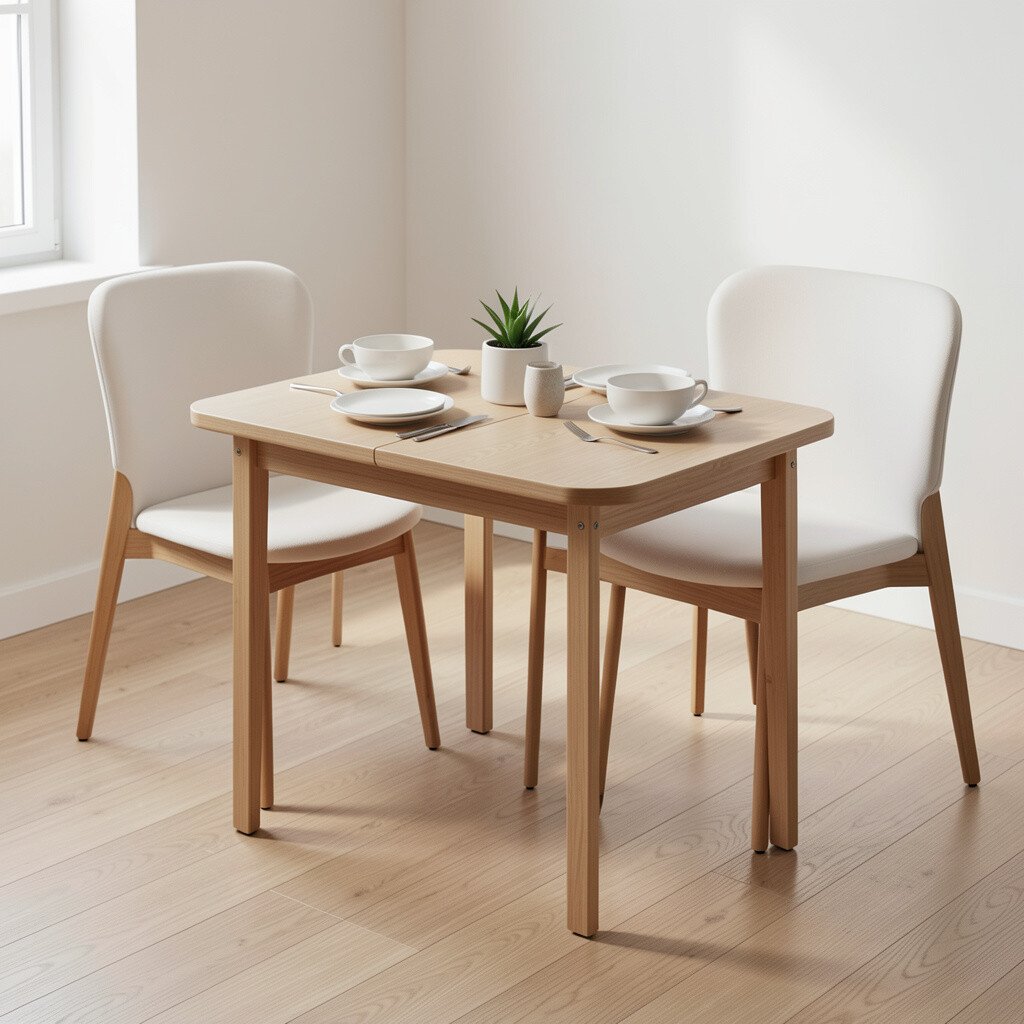
A modular table can grow with your needs, and swappable inserts keep the look fresh. Picture a compact base with a few different top styles, like a wood insert for cozy meals and a smoother insert for quick wipe-downs.
The benefit is personalization that goes beyond paint, since you can change the feel without replacing the whole table. It’s also practical for people who like meal prep, craft evenings, or different dining moods. For practical tips, check that insert edges align cleanly so plates don’t tip and the surface feels even.
Cost considerations depend on how many inserts you choose, so start with one top and add more later. This fits the current trend of flexible home goods that adapt to routines instead of locking you into one setup forever. If you want a unique style, pick inserts with patterns, different wood grains, or subtle textures that match your chairs and lighting.
Measure your space, then test how the table sits with your chair angles. When it feels effortless to pull out and slide in, you’ll actually use it more often, and that’s the real win.