The best vacation moodboard doesn’t just look pretty. It helps you feel the trip before you book it.
When you build one page at a time, your ideas start lining up like a perfectly packed suitcase.
1. Postcard Mix of Colors and Textures
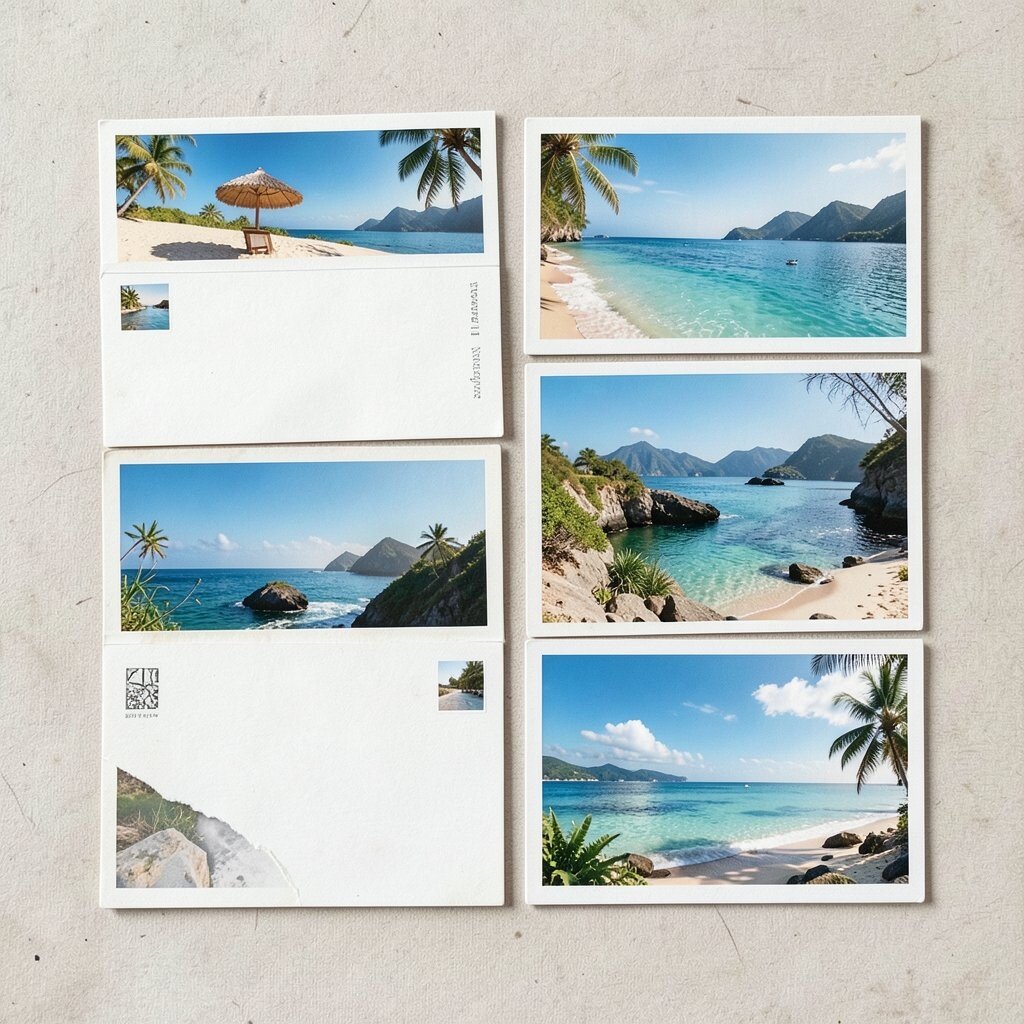
Pick a stack of postcards, magazine tear-outs, or even screenshots, then sort them by color families and surface textures. Let the board become a patchwork of sun-warmed sand, sea-glass blues, and leafy greens.
Use close-up shots of fabric, stone, or patterned walls to add depth beyond scenery. This makes your moodboard feel real, not just scenic, so it becomes easier to choose outfits, decor, and photo styles. If you want a simple rule, match every bold color with one calming texture like linen, matte paper, or soft cotton.
2. Morning Light and Coffee Ritual Frames
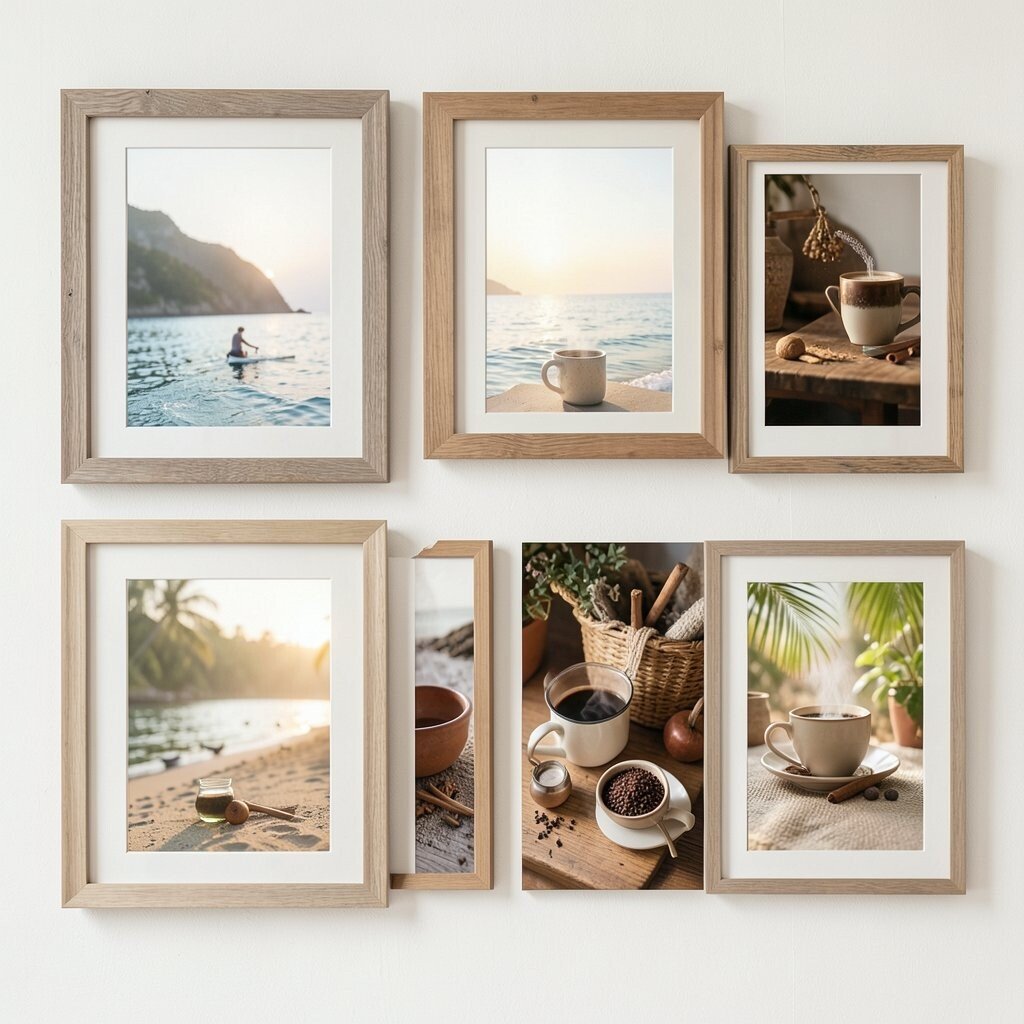
Gather images that show first-light moments: a balcony with steam drifting from a mug, a warm window glow, or sunrise silhouettes on a dock. Add one or two lifestyle photos where the mood feels slow and cozy.
These frames help you plan for comfort, not just sightseeing, because the board keeps your daily rhythm in mind. Pair the visuals with practical details like the color of your breakfast bowl, the style of your travel kettle, or the type of notebook you’ll bring. A great board reduces guesswork when you’re packing or deciding how to start each day.
To keep costs friendly, look for free stock photos, then replace the final details with phone pictures taken in your own kitchen. Personalize it by choosing a favorite mug shape and color so your board feels tied to your real life, not someone else’s. Try using warmer tones for trips that feel quiet, and brighter tones for places with lively mornings.
3. Map Margins and Route-Inspired Layouts
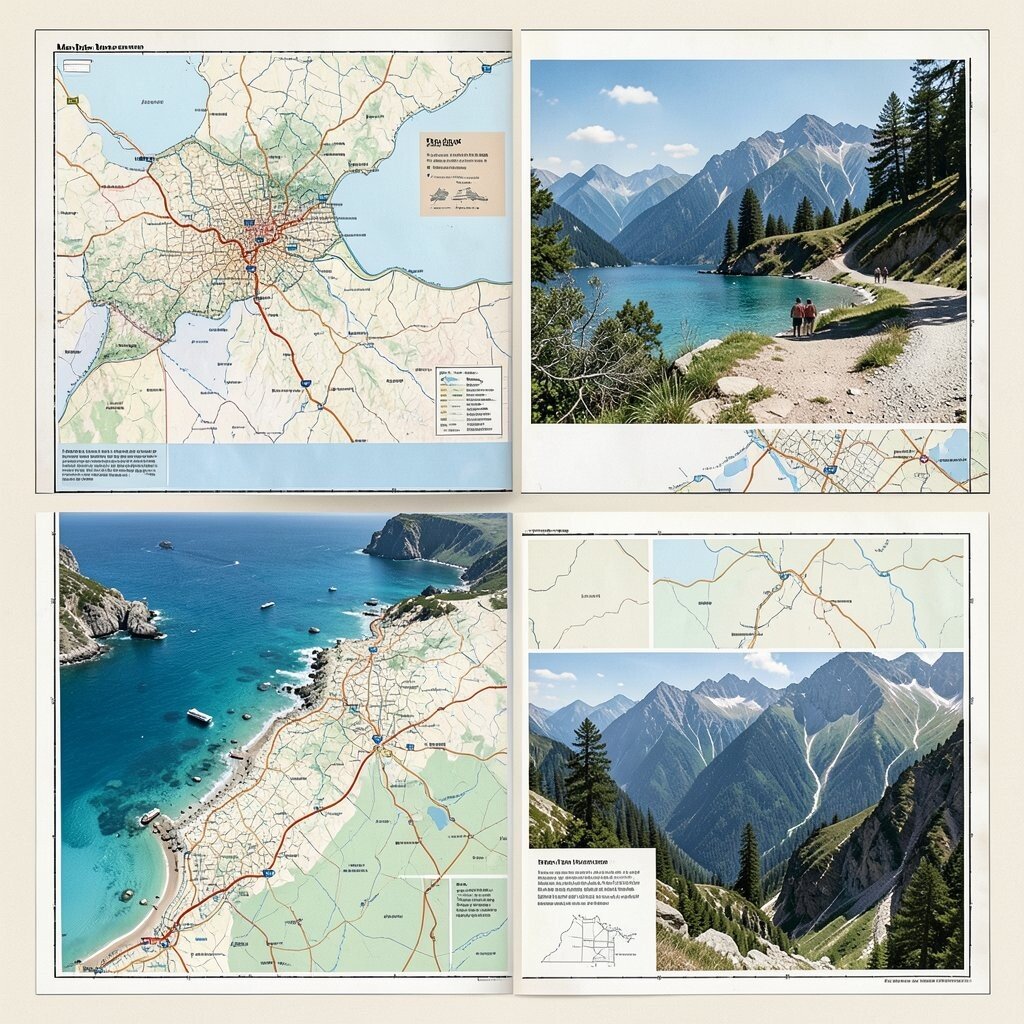
Start with a real map or a simple grid layout, then place tiny images along imagined routes. Think ferry lines, winding roads, train windows, and the way a city looks from above.
Route layouts bring focus, which makes your vacation planning feel organized without losing the fun. Use small markers like curved lines or dashed paths to show where you’ll stop for views, meals, or photos. When you build your moodboard this way, you’ll notice which neighborhoods match your style and which ones feel like a different mood entirely.
Add a few personalization cues like a favorite song mood, the kind of street you love, or the view you always photograph. For practical planning, include photos of places you’d actually sit, like outdoor cafes or viewpoint benches, so your board links aesthetics with real breaks. If you want to save money, use a printed map from home and cut out only a handful of key visuals instead of filling the whole page.
Current travel trends often lean toward walkable itineraries and local food clusters, so reflect that with images of side streets and market aisles. This keeps your route feeling modern and grounded. It also makes it easier to book smaller experiences instead of only big attractions.
4. Coastal Wind, Rope, and Sailor-Style Details
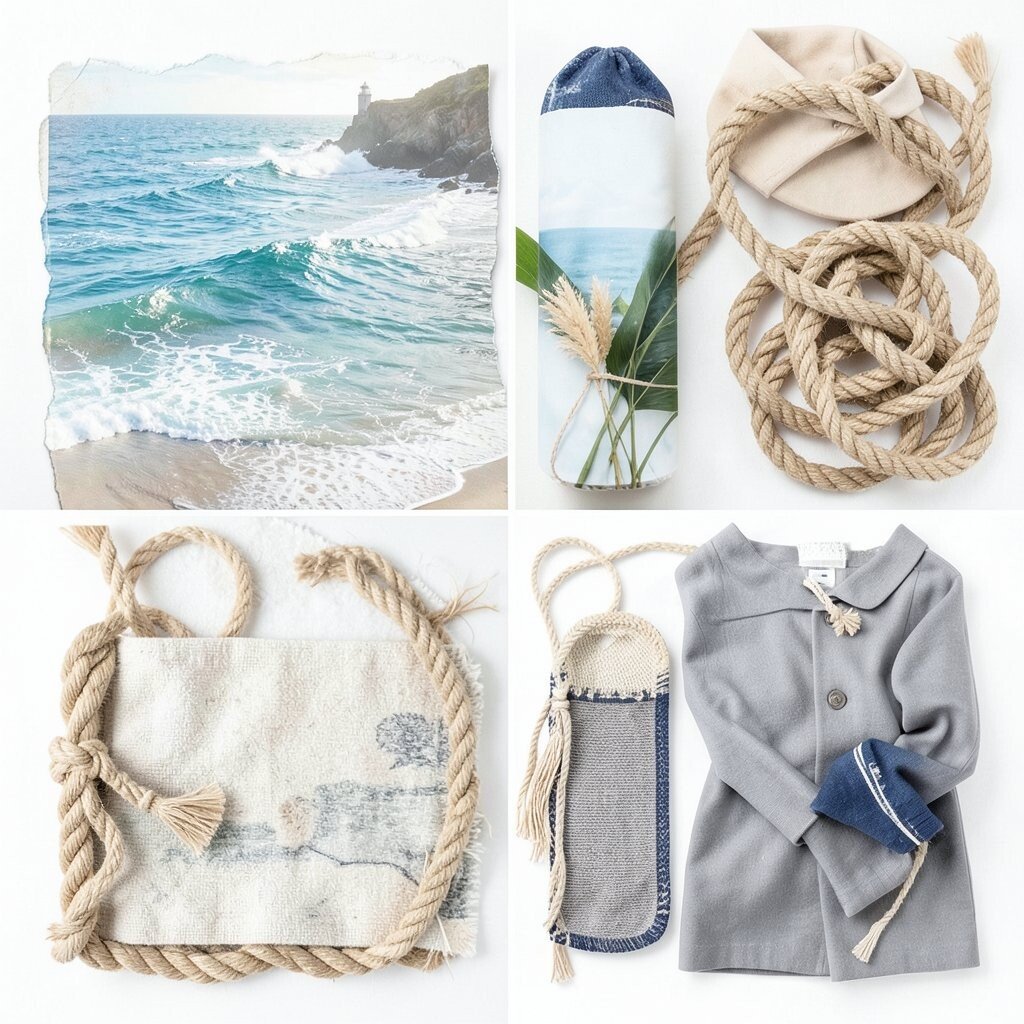
Choose visuals that capture the feeling of wind and sea air: knotted rope, sail textures, driftwood colors, and striped fabric. Add a few wide horizon shots so your board has breathing space.
Texture-led boards are great for choosing souvenirs and packing accessories, because they point you toward items that match the trip’s feel. Look for practical items like a lightweight scarf, a canvas tote, or sunglasses with a classic frame shape. This helps your vacation look cohesive in photos, even when you’re just heading to the beach.
5. Desert Stillness and Sunset Gradient Studies
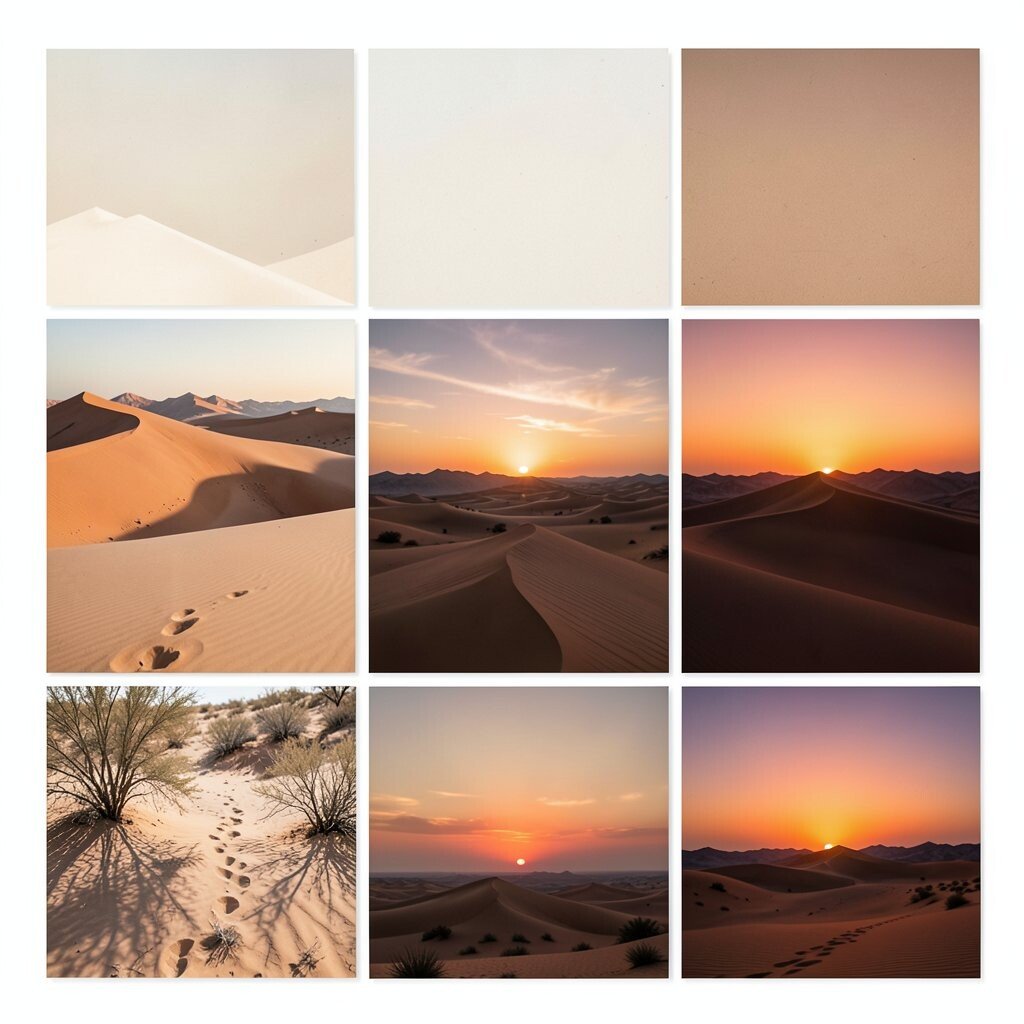
Collect images of dunes, rocky mesas, and sunset skies with clear color transitions. Build your moodboard like a gradient, moving from pale sand to warm orange to deep purple.
This kind of board encourages comfort planning, since desert trips often mean big temperature swings and strong light. Consider practical visuals for hydration, breathable fabrics, and shade-friendly essentials, like a hat with a wide brim. When your board includes these real-life needs, you’ll feel calmer and more ready once you arrive.
To keep it unique, include one unexpected element such as a patterned tile from a local building or a close-up photo of desert flowers. Add personalization by picking a sunset palette you love and matching it to your outfit colors, nail colors, or even phone wallpaper. Cost-wise, you can print a few gradient images from free sources and then add your own photos later to make it truly yours.
6. City Nights in Film Grain and Neon Glow
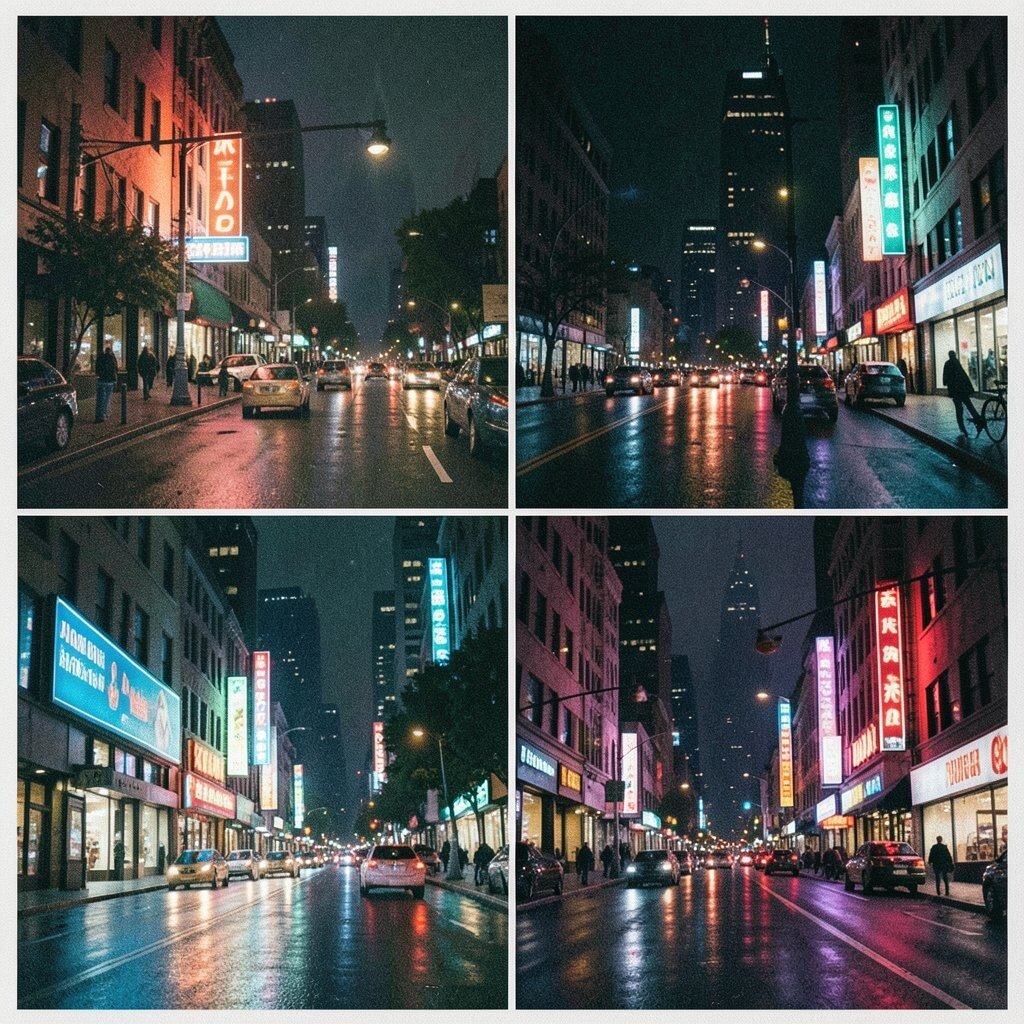
Use nighttime photography that feels cinematic, with film grain, neon reflections, and street-level shadows. Add images of food stalls, subway signs, and late-night storefront light.
Dark, moody moodboards help you plan for atmosphere, especially if you love nights that stretch longer than expected. Aim for practical choices like comfortable shoes, a light layer for cool evenings, and a small crossbody bag for easy movement. When your board focuses on night scenes, you’ll naturally choose outfits and photo angles that match.
Personalize the glow by selecting one color you associate with fun, like electric blue or warm magenta, and let it echo across your images. For current trends, many travelers are leaning into “night walk” itineraries and photo routes, so include visuals of lit streets and scenic underpasses. If you’re keeping costs low, use your own nighttime shots from your town as stand-ins until you can add the real trip photos.
To make the board actionable, pin down where you’d want to stand for the perfect reflection shot. Your planning becomes easier when you already know the vibe you’re chasing.
7. Mountain Lodge Comfort and Wool-Textile Warmth
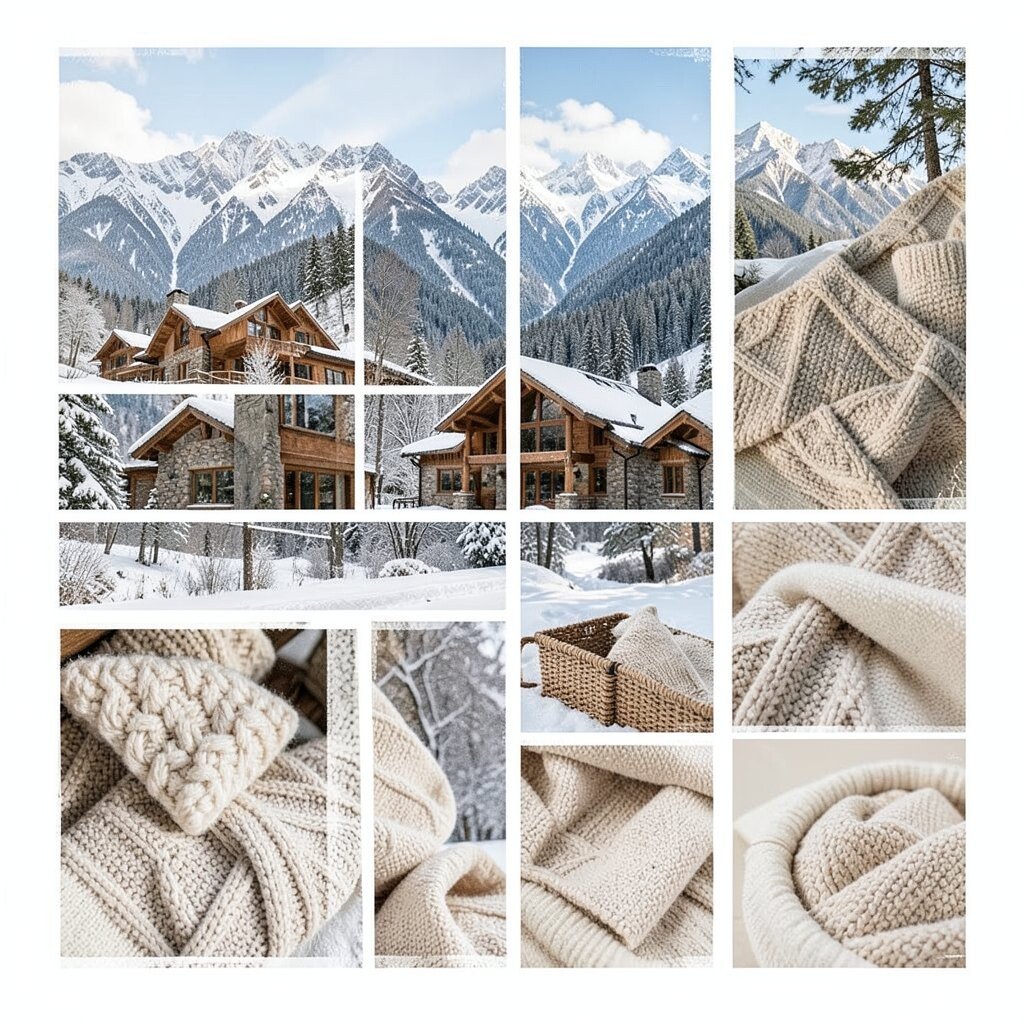
Build a board around cozy cabin images, wool textures, hot drinks, and window scenes with snowy branches. Add warm lighting details like lanterns, candles, or soft table lamps.
This moodboard is especially helpful for planning layers, because mountains are all about temperature changes. Include practical visuals for gloves, a puffy jacket, and moisture-wicking base layers, even if you only have a couple images. When you see the warmth theme clearly, it becomes easier to pack without overthinking.
For uniqueness, add one “winter craft” detail such as knitted patterns, wood grain close-ups, or a leather-bound journal. Personalize it by choosing a scent you love for winter comfort, then reflect it with images that match the vibe, like vanilla warmth or cedar notes. Cost considerations are friendly here because many lodge images can be found for free, and you can replace them later with your own cabin moments.
8. Tropical Green Canopy and Jungle Canopy Prints
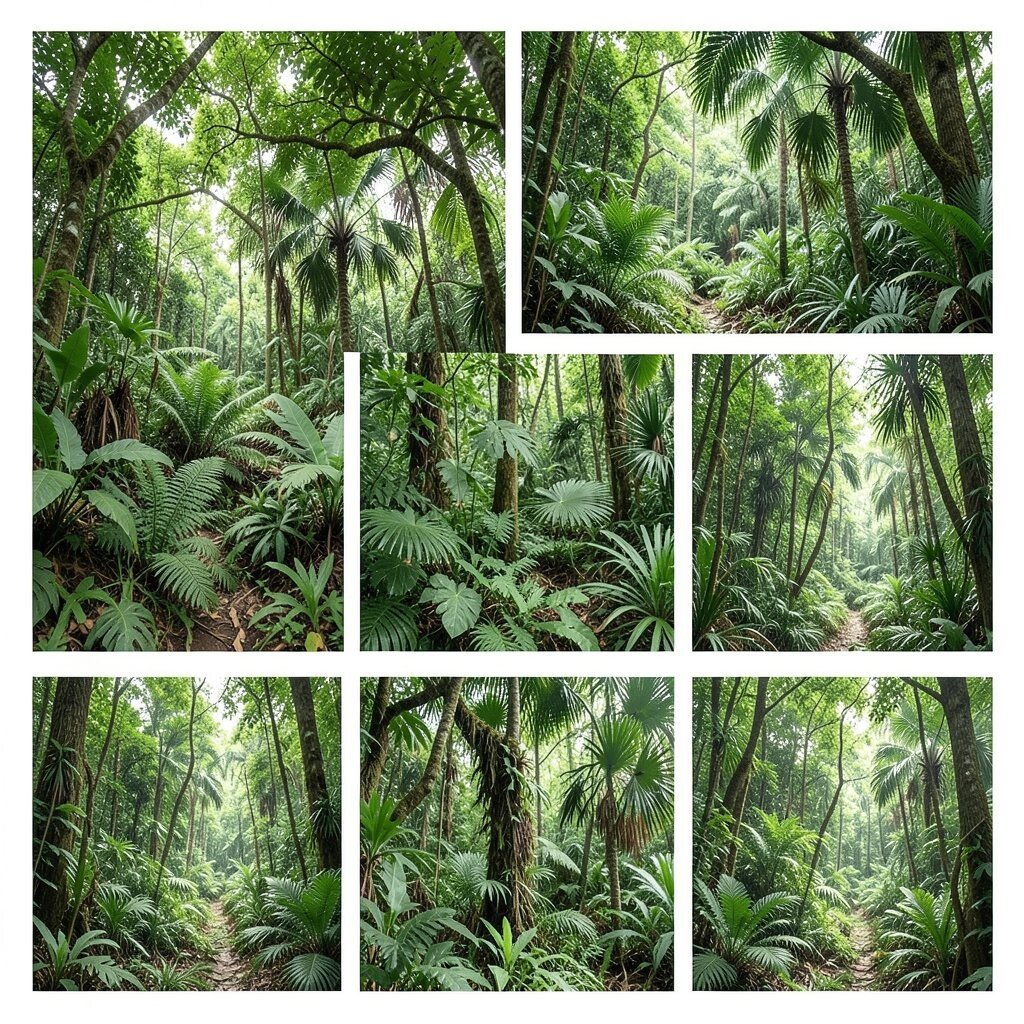
Collect images of lush leaves, rain-splashed paths, and bright birds that feel energetic. Add close-ups of plant textures, like leaf veins and mossy stones, to give the board a fresh, tactile feel.
Green-focused moodboards work well for personalization because they guide outfit choices toward breathable fabrics and earthy accessories. They also help you plan practical items like bug-friendly clothing colors and a light rain layer. When your visuals match the environment, your photos and gear feel like they belong together.
9. Lake Days in Glassy Reflections and Linen Calm
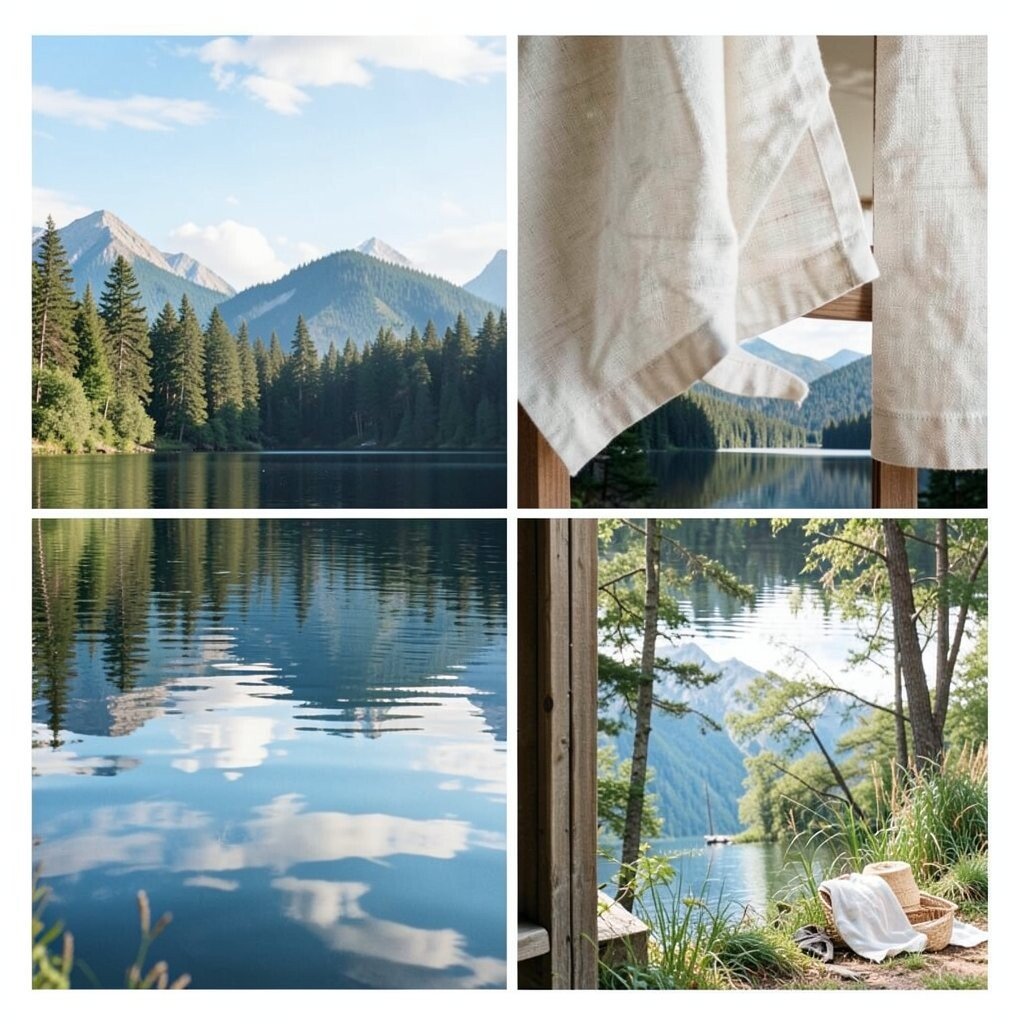
Choose images where the water looks like a mirror, then pair them with soft linen textures and simple, bright palettes. Include visuals of dock chairs, paddle boards, and quiet reading corners.
This moodboard supports slow vacation planning, where you build time for rest instead of rushing between stops. Add practical details like a compact towel, a dry bag, and lightweight sandals so you’re ready for both sun and shade. When you picture the calm reflection theme, it becomes easier to choose a schedule that feels balanced.
To make it unique, mix in one small pop of color from a lake sign, a colorful life jacket, or a local market basket. Personalize by choosing the kind of calm you like, such as airy and bright or deeper and moody, then let that guide the tone of every photo. Cost-wise, you can create a similar look with inexpensive prints and a few fabric textures pulled from your own home.
10. Heritage Architecture, Tiles, and Pattern Play
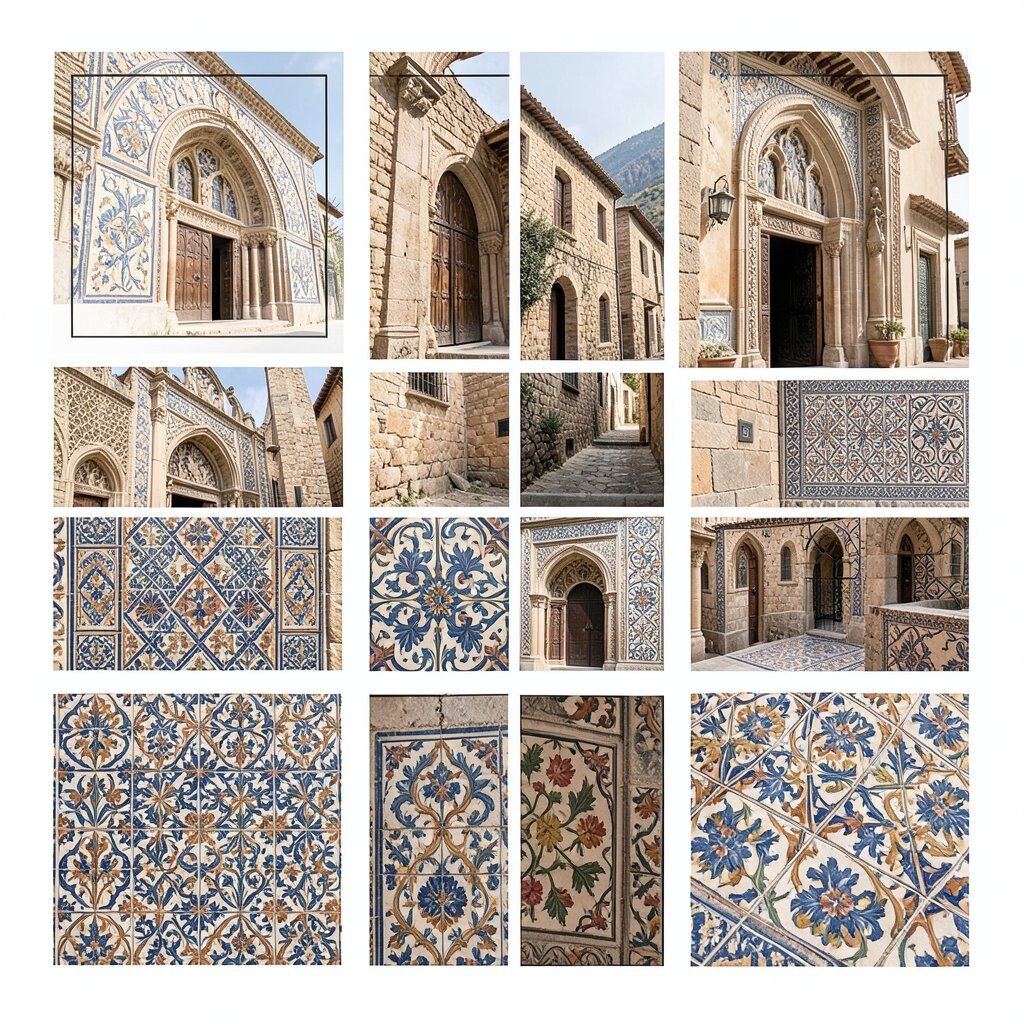
Focus on what you see when you look up: arches, tilework, doorways, and patterned walls. Collect close-ups of ceramics, stone carvings, and painted textures that show local craft.
This helps you plan a photography style that goes beyond wide shots, which makes your trip feel more personal. Include practical ideas like comfortable walking shoes and a small bag for souvenirs, because pattern-hunting often turns into browsing. When your moodboard highlights details, you’ll notice them everywhere, even in places you didn’t plan.
Add uniqueness by combining patterns that shouldn’t match, like combining a bold tile with a simple linen background. Personalize by picking one recurring shape you love, such as hexagons or arches, then selecting visuals that repeat it. If you’re watching costs, print a few pattern samples and leave space for your own photos to fill in later.
11. Food Market Scents and Colorful Plate Moments
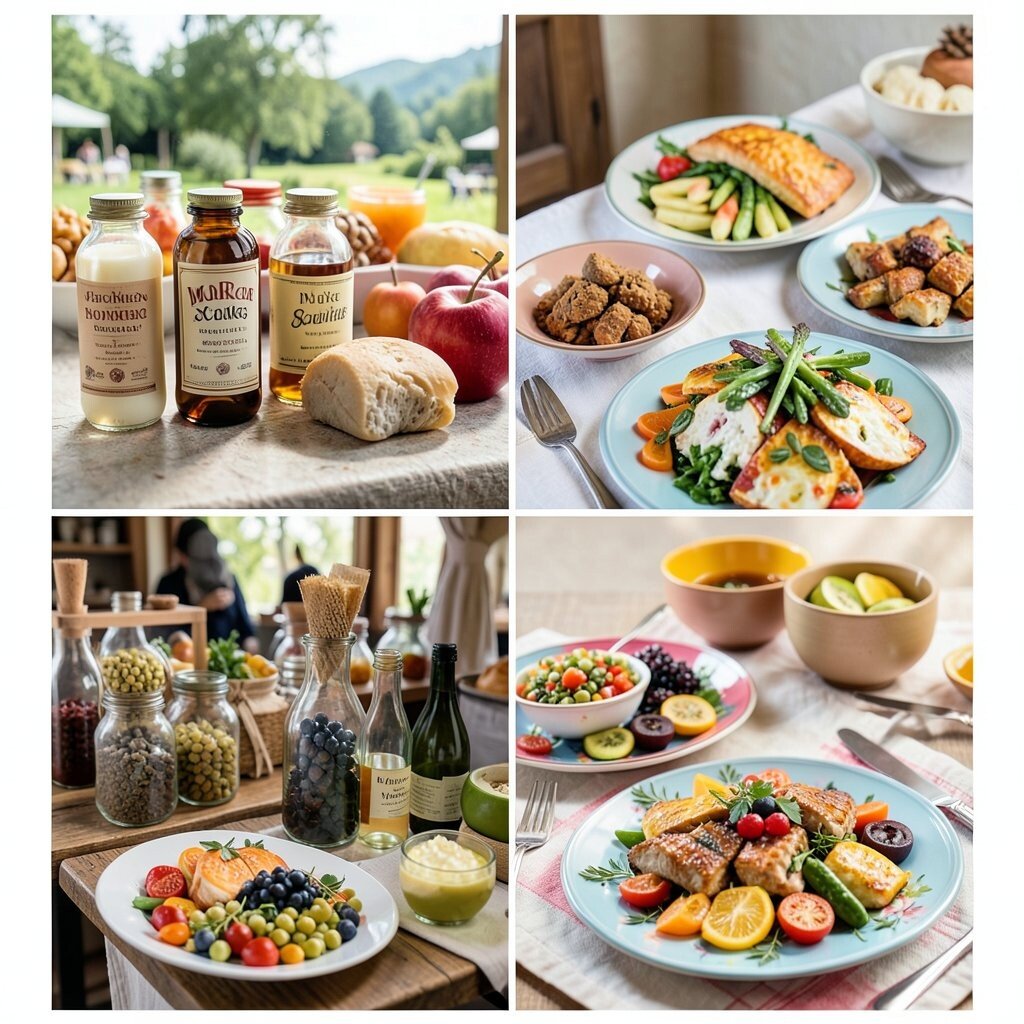
Build your moodboard around market stalls, handwritten menus, and close-ups of ingredients. Add images of citrus, spice colors, fresh bread, and the little textures that make food look alive.
This kind of board is great for creating an itinerary that includes breaks, because you’ll naturally want to time your day around meals. To keep it practical, add visuals for drink refills, snack containers, or a compact tote for carrying goodies. When food is part of the mood, your photos and purchases feel connected, not random.
Make it unique by adding one “comfort flavor” theme, like sweet fruit mornings or smoky street bites at night. Personalize by choosing a few must-try items and matching them to the colors on your board, like red chili or green herbs. For cost considerations, start with free image sources and then add real photos from the first market you visit so the board grows with your trip.
Current travel trends often highlight local markets and small-batch treats, so include visuals of stalls and communal tables for a modern feel. This also helps you find authentic spots that are often near where locals actually hang out.
12. Memory Capsules With Tickets, Scans, and Ephemera
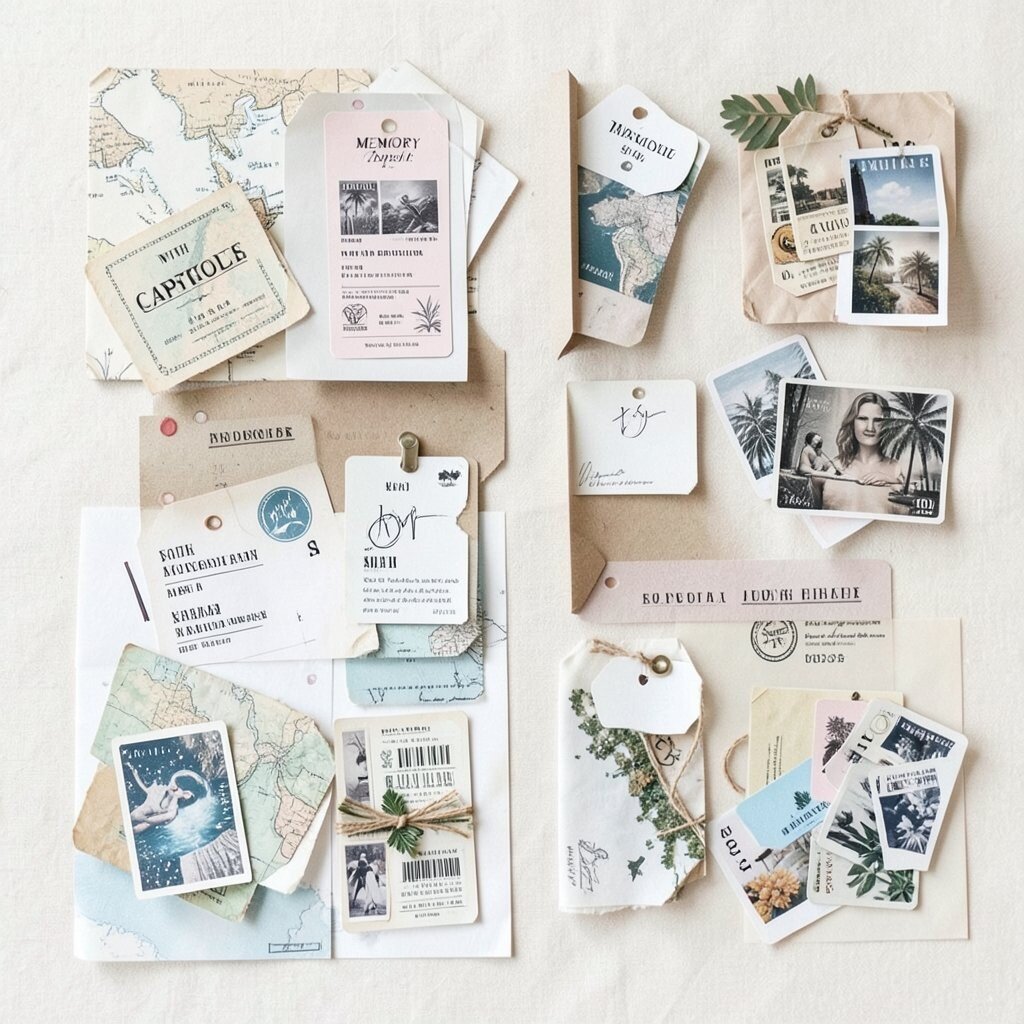
Plan a moodboard that includes the “after” feeling by adding images of tickets, postcards, museum labels, and receipts in soft, tidy layouts. Let the board look like a scrapbook with intention, mixing practical proof with design.
This approach benefits your planning because it nudges you to choose experiences that create keepable moments. Add practical visuals for a small envelope pouch, a travel journal, and a photo-printing plan so you can assemble memories without scrambling. When you think in capsules, you’ll also prioritize places that offer something to hold, like guided tours, craft workshops, or local classes.
For personalization, include your own handwriting style by using a few lines of text from your notes or a favorite quote typed in a simple font. Keep costs reasonable by scanning cheap items at home and printing only the ones you truly love. Uniqueness comes from mixing formal travel keepsakes with playful ones, like a tiny map tear or a sticker you collect only on days that felt perfect.
To match what’s popular right now, lean into minimal, clean layouts with small photo clusters and airy spacing, which makes the ephemera look stylish in pictures. It also keeps the board from feeling cluttered when you add more later.