The best vacation photos feel like little postcards from your own life. They turn ordinary moments into pictures you can revisit anytime.
You don’t need expensive gear to make images that look alive. With a few fresh habits, your visual stories will start to look more personal, more playful, and more you.
1. Photograph the First Light of a New Place
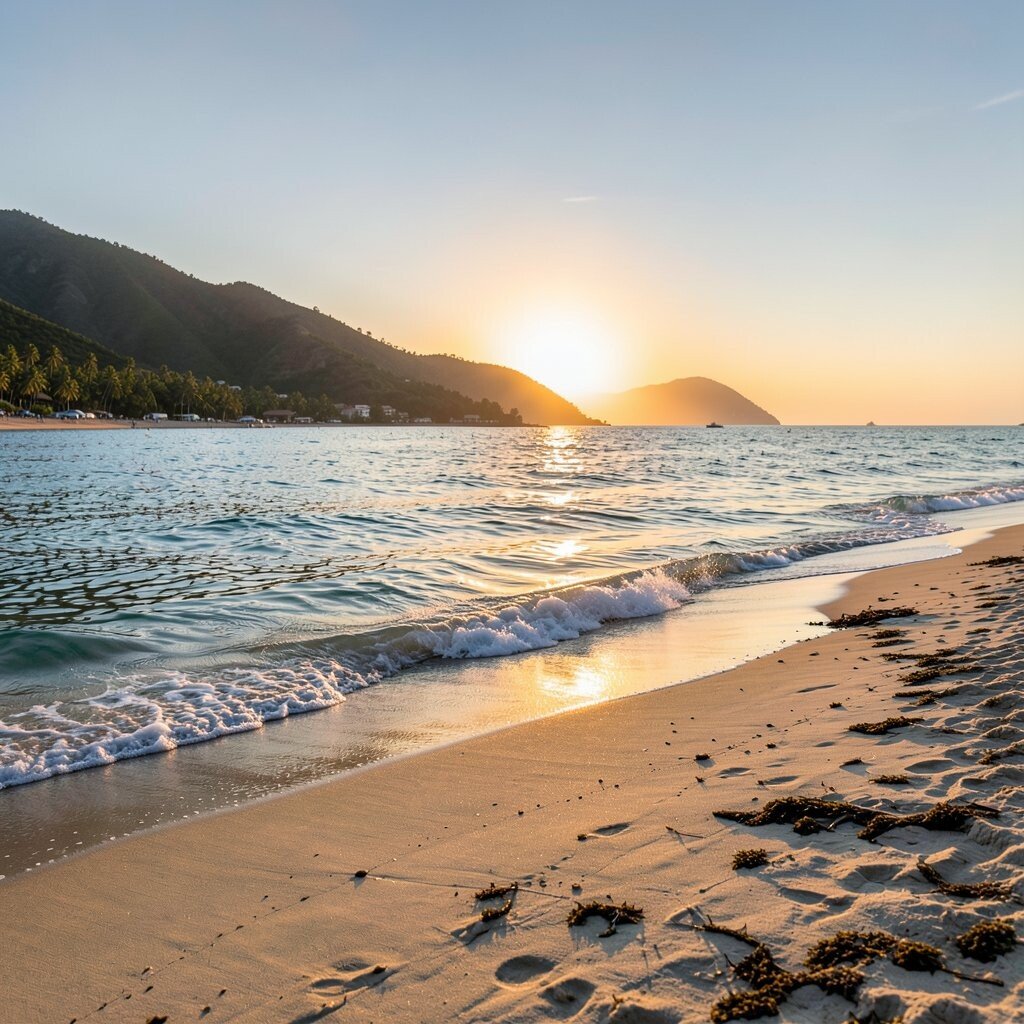
When you wake up early, notice how the light changes everything. Golden sun touches rooftops, waves, and street corners in a way that feels warm and quiet.
Start with one simple subject each morning, like a doorway, a window, or a bridge. Early light helps colors look softer and reduces harsh shadows, which makes your photos feel gentle. Try using low ISO and steady support, like leaning on a railing, to keep details crisp.
2. Build a Street-Level Story With Small Signs
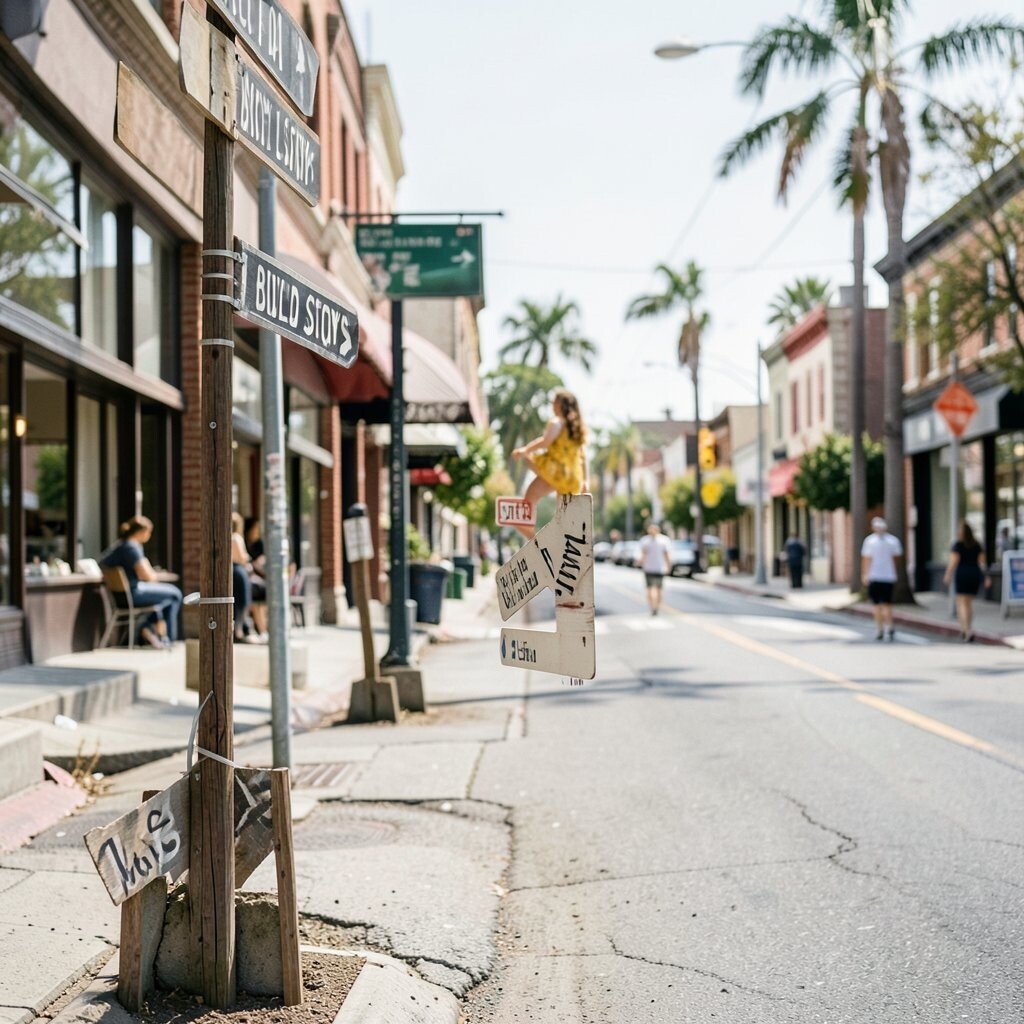
Look for tiny details along sidewalks and in market rows. A handwritten price tag, a faded poster, or a worn step can carry a whole mood.
Include your feet carefully in the frame or place the sign near the edge for a strong sense of place. This approach gives your photos uniqueness because it shows what visitors might miss. Keep it practical by photographing in good light and saving extra shots so you can choose later.
For personalization, focus on the language you actually see, even if you only recognize a few words. If you travel on a budget, use your phone and tap to lock focus on the text. A clean crop later can make the sign feel like the main character.
3. Turn Your Camera Into a “Weather Reporter”
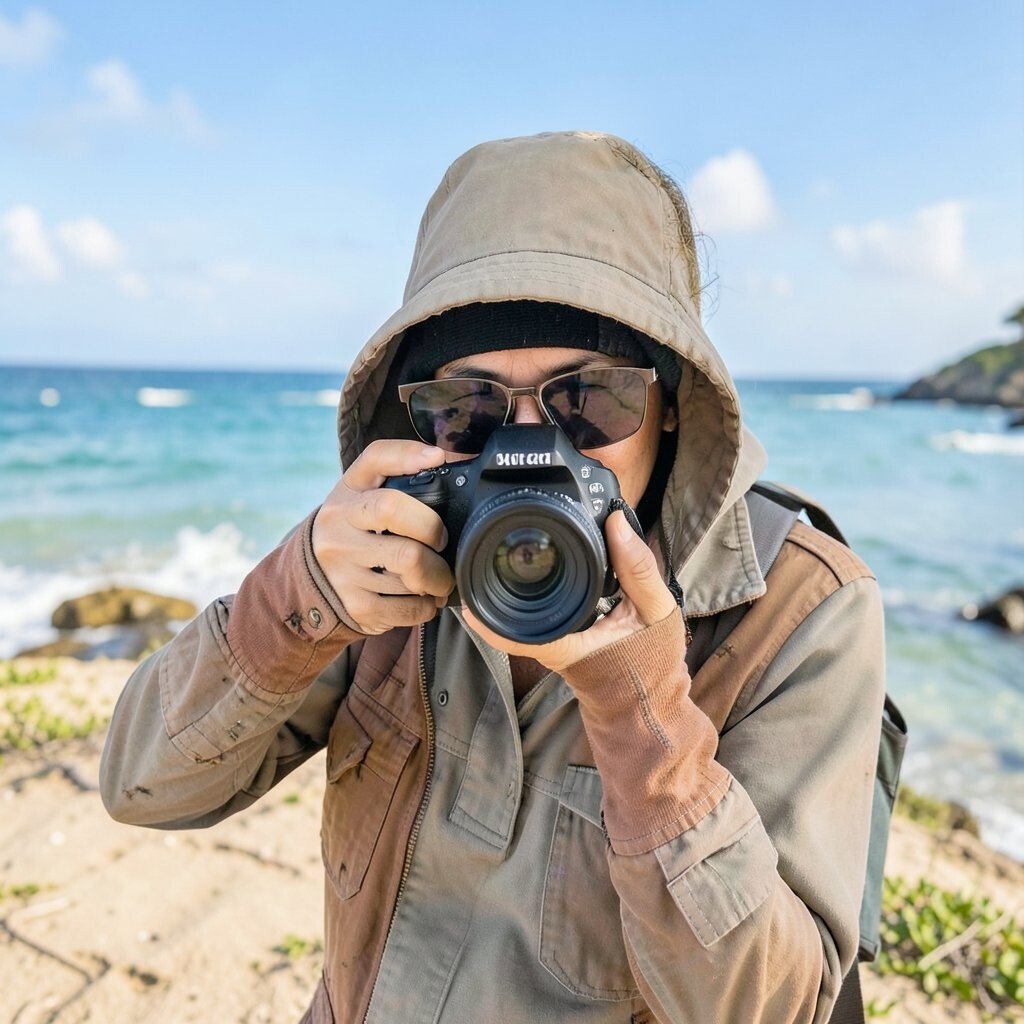
Weather changes your vacation story more than you might think. Clouds can add drama, rain can create reflections, and clear skies can feel bright and free.
Photograph the same scene in different conditions when you can. A shoreline shot before and after clouds roll in will show movement and emotion in a way that still feels honest. Protect your gear by using a lightweight rain cover or a simple plastic bag around the camera.
To keep cost low, rely on what’s already happening outside instead of renting special gear. Current trends favor moody skies and natural color, so lean into the atmosphere you get. Try shooting in burst mode when wind or waves move fast.
4. Capture One Familiar Object in Every Location

Bring one small item that travels with you, like a scarf, a keychain, or a reusable water bottle. Photograph it in different places so your story links together.
That one object becomes your personal thread across cities, beaches, and mountain roads. It also helps you plan quickly because you always know what to look for in the frame. Use simple composition, like placing the object near a landmark, so your images feel intentional without extra work.
5. Photograph Reflections Like They Are Secret Windows
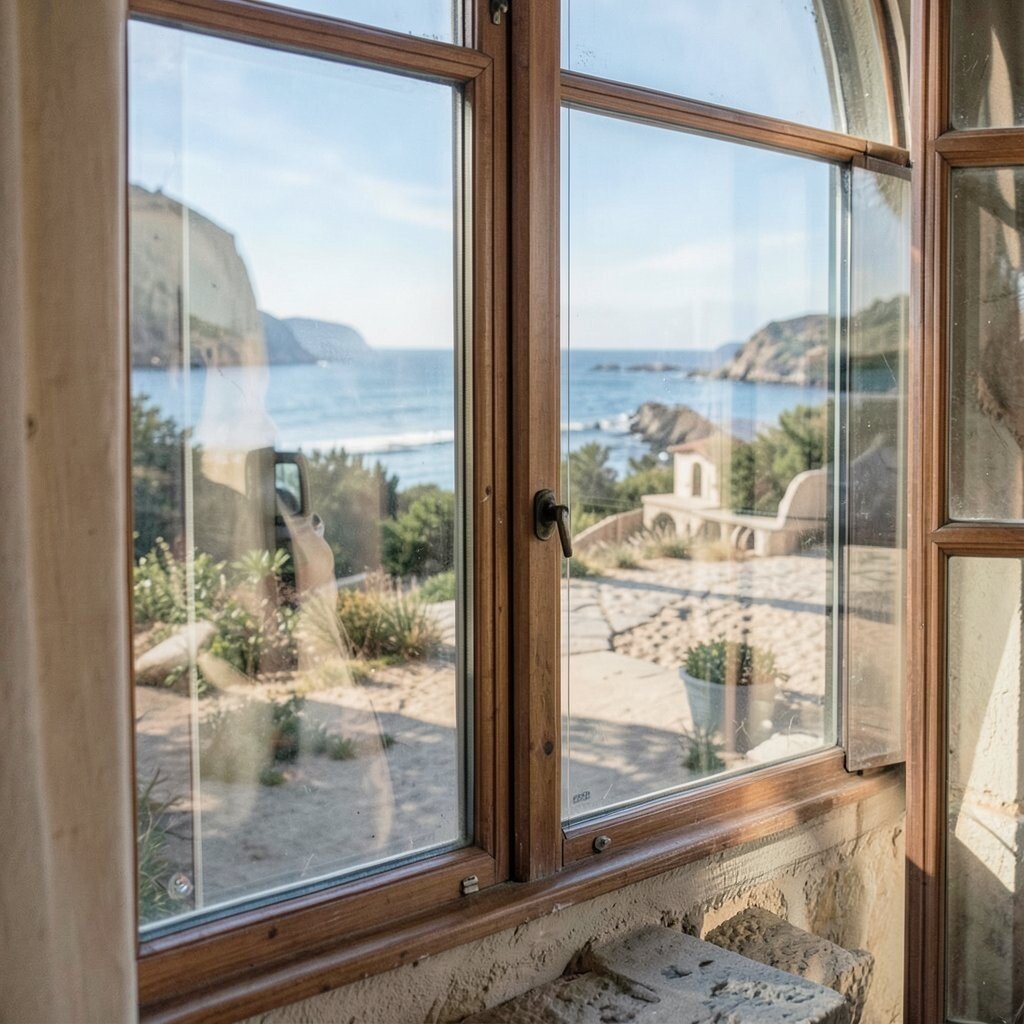
Reflections can make photos look dreamy and a bit mysterious. Think about puddles, car windows, shop glass, and calm water.
Get low and tilt your phone or camera so the reflection takes center stage. This gives your photos visual depth and makes everyday scenes feel unique. If the reflection is messy, wait for a moment when the surface calms down.
For practical results, clean your lens before shooting, because smudges show up fast in shiny surfaces. Keep an eye on current trends that favor “surreal realism,” where the world looks slightly doubled. Editing later can help, but aim for a strong frame first.
6. Use Foreground Objects to Add Depth
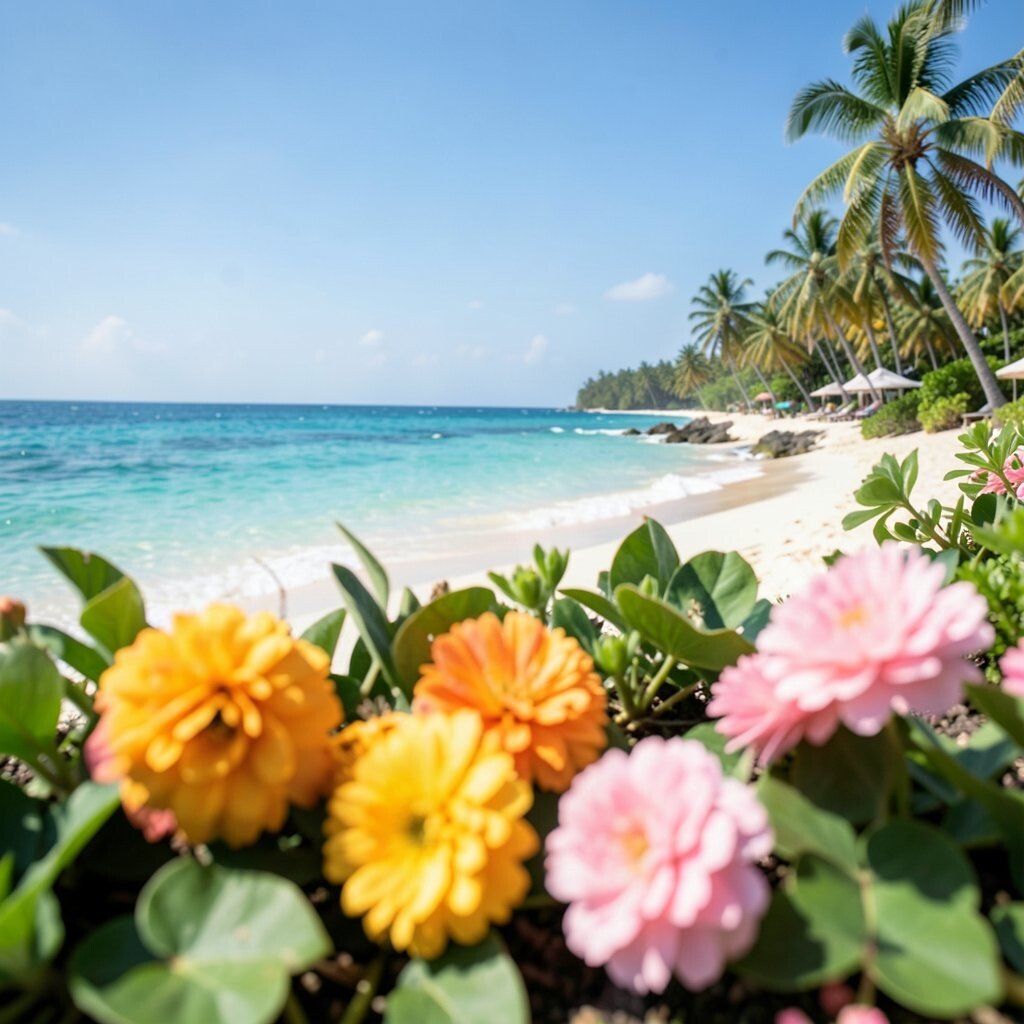
Make your vacation images look more three-dimensional by adding something in the front. A palm leaf, a balcony railing, or a row of street trees can frame the main subject.
This technique also guides the viewer’s eyes where you want them to go. It feels more cinematic because the scene gains layers, not just a flat snapshot. To keep it easy, try the rule of thumb of placing the foreground object about a hand’s width from the camera.
7. Photograph Food Stories Without Overdoing It
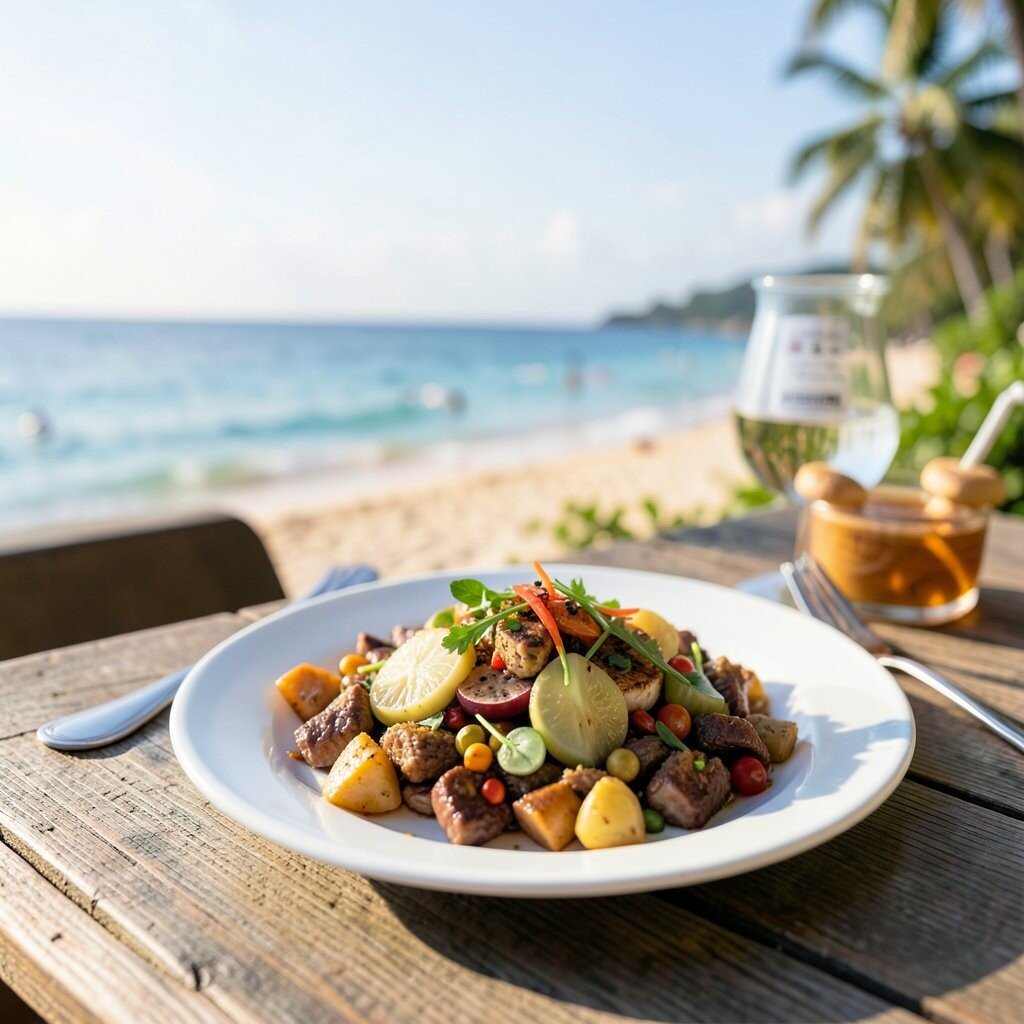
Food is part of travel memory, and photos can preserve the flavors you can’t taste forever. Capture the steam from noodles, the shine of fruit, or the crumbs on a table.
Instead of only shooting perfectly plated dishes, photograph the moment before you eat. A torn bread piece, a spoon resting near a bowl, or hands sharing a snack tells a more human story. Use natural light near windows, and avoid flash so the colors stay warm and real.
For budget care, ask for the dish when it looks ready, not when the restaurant first sets it out. This also reduces wasted time and helps you catch the best texture. If you like personalization, photograph one signature ingredient from each place, like olives, spices, or local bread.
8. Create a “Same Pose, Different Place” Series

Stand in one repeatable pose across your trip, like holding a hat to your heart or stretching your arms wide. The point is not to match perfectly, but to build a consistent visual pattern.
This makes your vacation album feel connected and fun to flip through. It also helps you overcome decision fatigue because you already know what you will photograph next. Ask a friend for help using a short timer, or use a tripod at a low height for stability.
9. Photograph Night Markets and City Glow
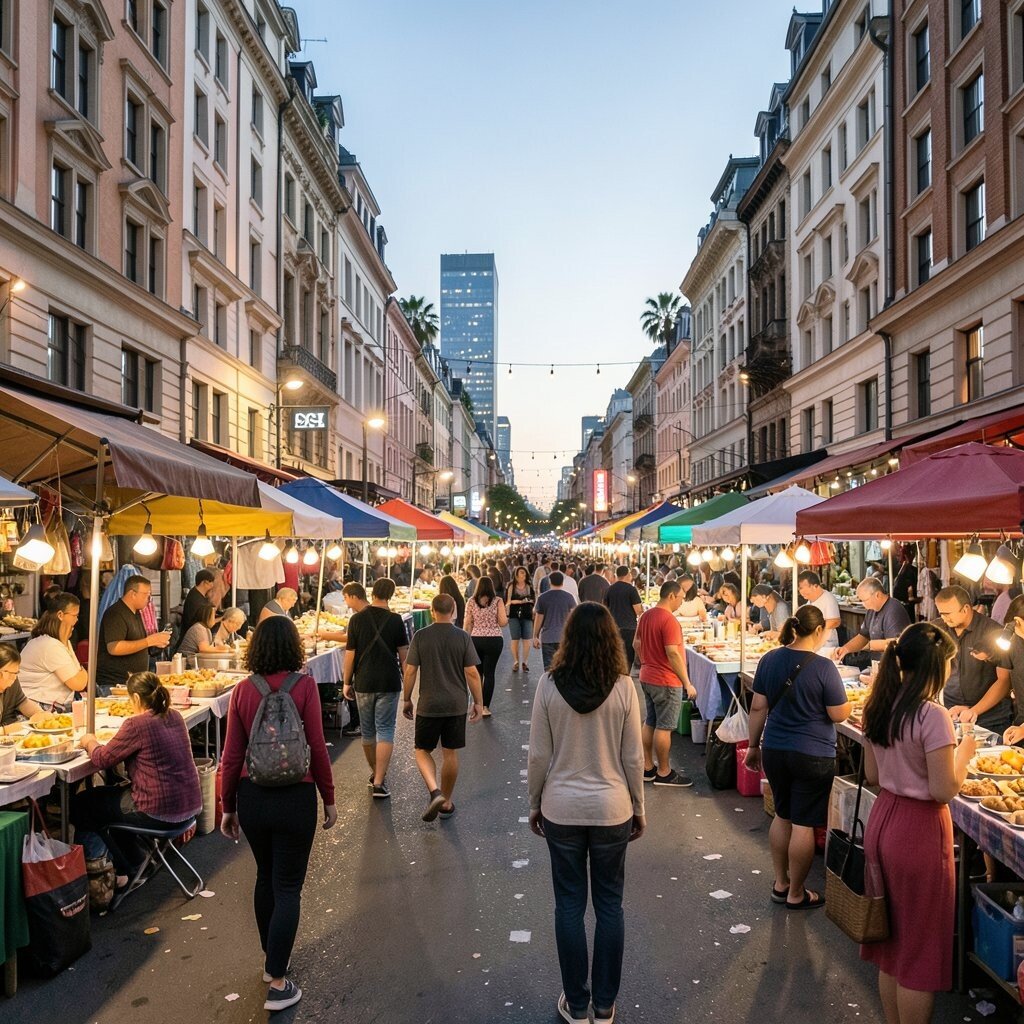
Night scenes can look magical, but they also offer lots of creative control. Neon signs, lantern strings, and passing headlights create color trails that feel alive.
Use steady support and shoot multiple frames so you can pick the best one. Long exposures can work well for lights, but keep your settings simple if you’re using a phone. Move your feet carefully because crowds can bounce you around, and your best shots often happen in calm gaps.
Current trends love saturated city colors and lively street textures, so lean into that mood. For cost considerations, you usually won’t need extra purchases, since the street already provides lights. Editing can reduce noise, but avoid over-smoothing so the scene stays real.
10. Photograph Hands Doing What Hands Know
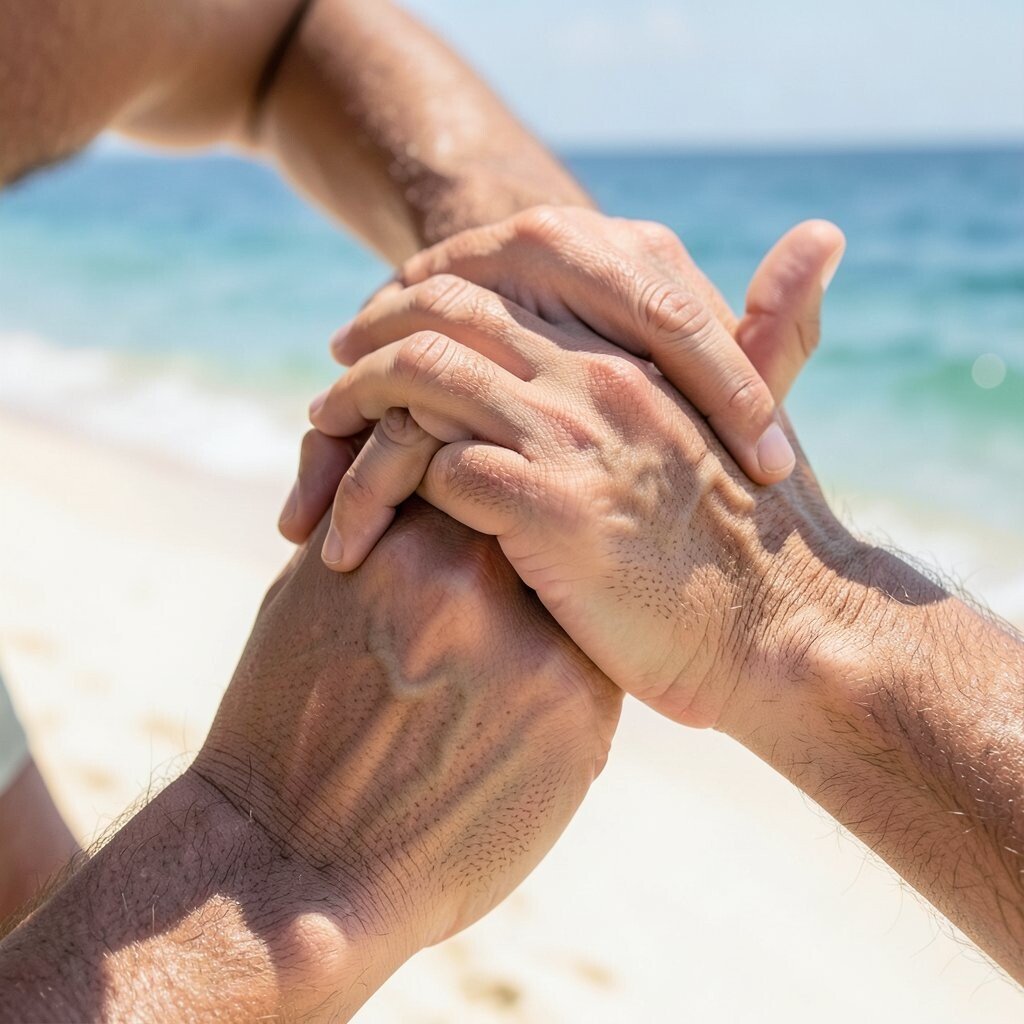
Instead of only photographing landscapes, capture the people who make the day happen. Hands can show carving, tying a shoe at a viewpoint, pouring coffee, or holding a fishing line.
This idea adds uniqueness because it turns your images into mini stories about daily life. It’s also a respectful way to include locals without forcing posed faces. Keep practical framing by focusing on hands and cutting out distractions with a tight crop.
11. Make a Mini Collection of Doorways and Windows
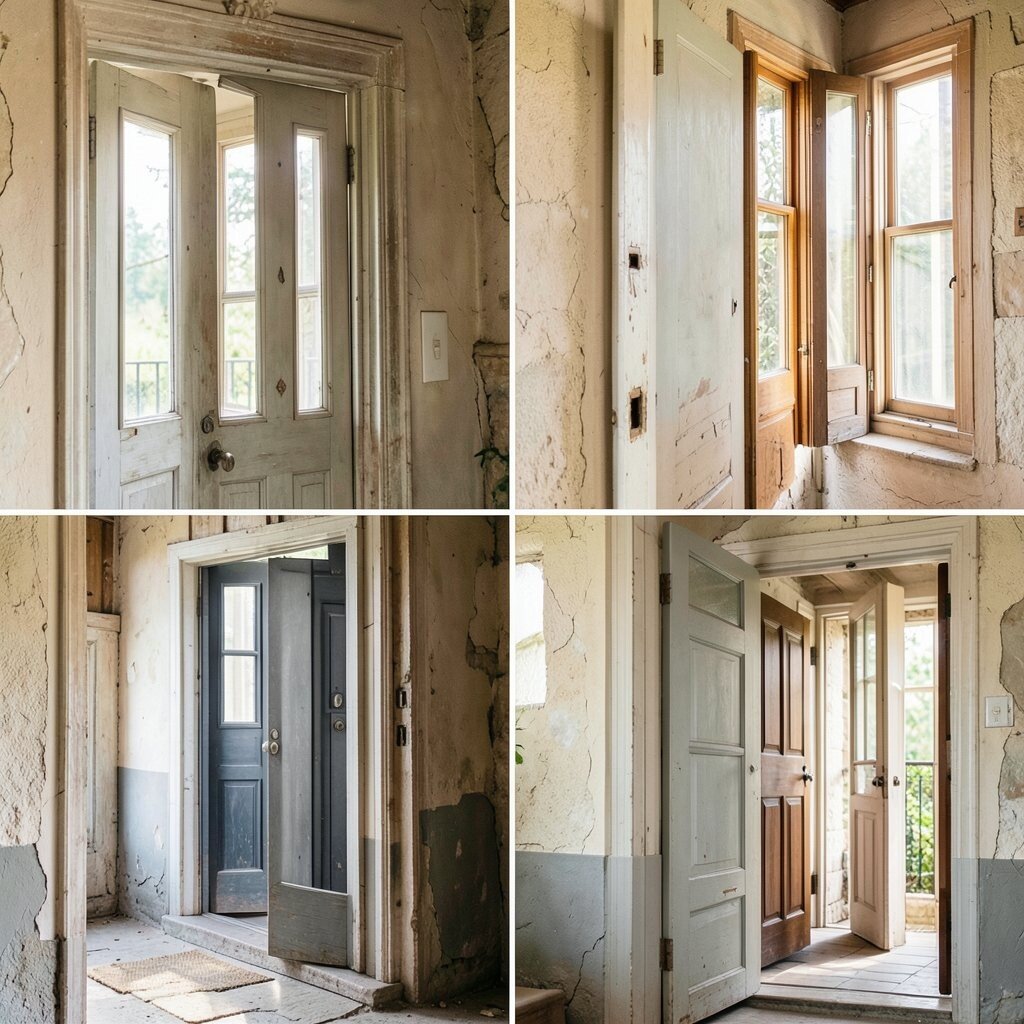
Doorways and windows are full of personality, from bold paint to simple wood grain. They can look like frames inside your larger vacation world.
Photograph them at different angles, and don’t be afraid to include steps, mats, and curtains. This benefits your album because it creates a coherent theme, even if you move between places. For tips, watch lines and keep verticals straight by holding your camera level or using a perspective correction in editing.
To personalize, pick a color you love and then photograph doorways that match it. If you want to travel light, your phone is enough since texture and color do the heavy lifting. Keep an eye out for signs of age, like peeling paint, because those details often tell the best story.
12. Photograph Waves Like They Are Motion Paint
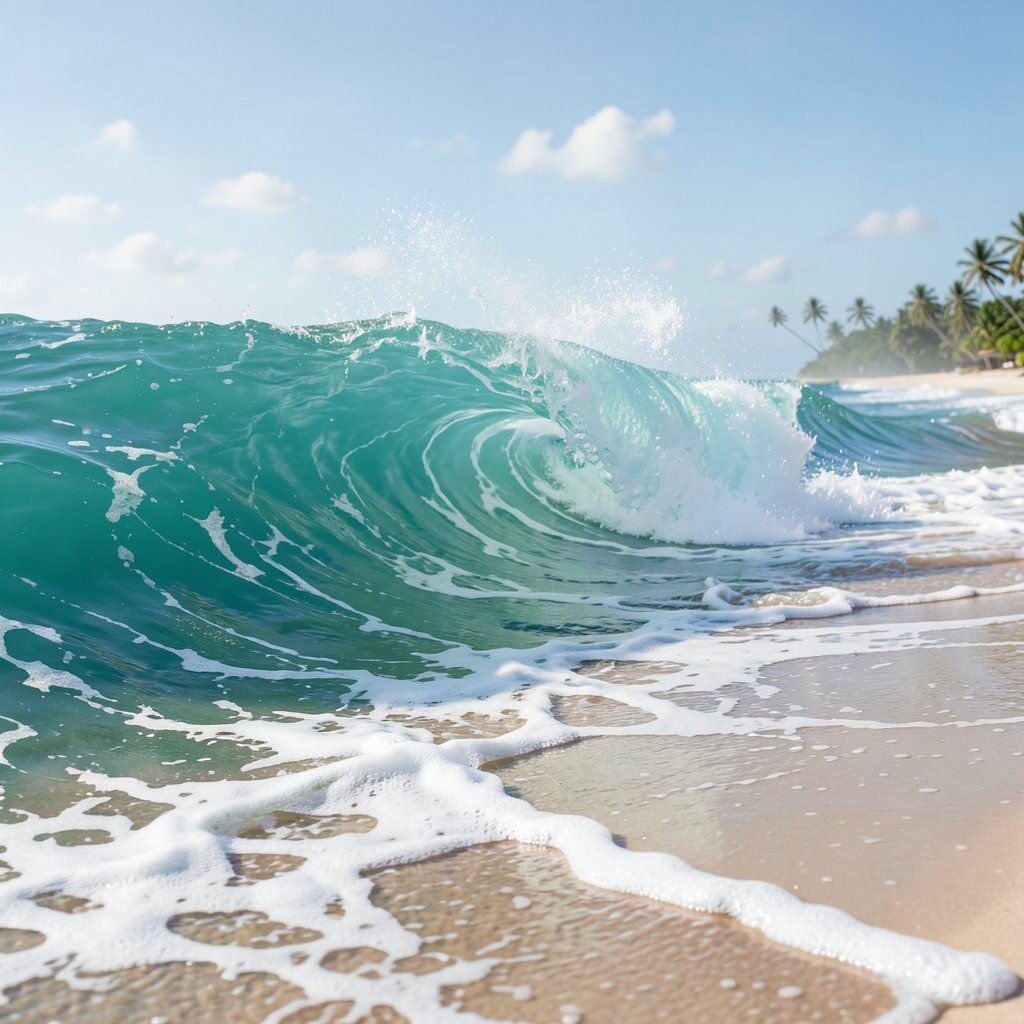
Water is perfect for learning how shutter speed changes the look of a scene. Each wave can feel like brush strokes when you time it right.
Try a slower shutter for a silky wave look, or use a faster shutter to freeze droplets. This creates uniqueness because your photos will show a signature style rather than generic shoreline images. Use a stable grip, and if you’re near surf, keep your distance and protect your gear from spray.
For cost considerations, you don’t need special accessories to start. Practicing on a calmer beach gives you better results, and the skills travel with you. Current trends favor both crisp ocean details and soft, painterly motion, so shoot both styles and compare.
13. Turn Parks and Trails Into a Mood Board

Trails and parks give you patterns, textures, and steady light as you walk. Take photos of leaves, tree trunks, benches, and footpaths that lead the eye.
This approach benefits your storytelling because nature scenes can express calm, adventure, and recovery. It’s also practical since you can shoot often without needing a big plan. Personalize by choosing a recurring element, like photographing only bridges or only signs of autumn colors.
14. Photograph Transportation Moments and Travel Details
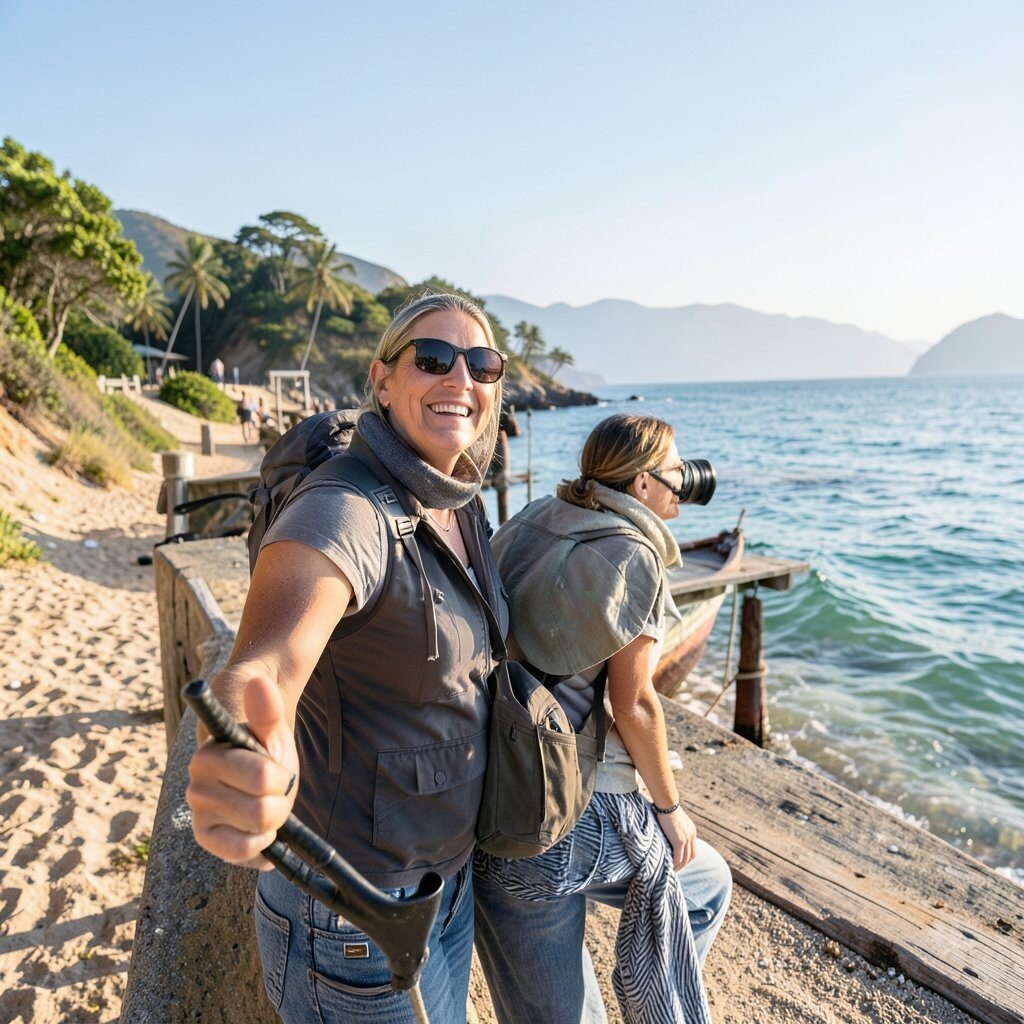
Transport is part of the vacation rhythm, and those tiny details can feel exciting. Capture the bus arrival, a train window view, a rental scooter parked beside a mural, or a ferry leaving the dock.
These images add uniqueness because they show your movement through the place, not just the destination. They also help you remember the feeling of waiting, boarding, and looking out the window. Keep practical tips in mind by shooting the departure moment and then a calmer interior shot when people settle.
15. Photograph Wildlife With Patience and Respect

Wildlife photography is powerful because it feels honest and unpredictable. A bird landing, a lizard on a rock, or a distant deer can turn a normal day into something unforgettable.
Stay calm, use a respectful distance, and let the animal choose its moment. This benefits your results because you’ll disturb less, and you’ll get natural behavior instead of stressed poses. For tips, use continuous autofocus if your camera supports it and shoot in short bursts.
To keep cost low, you can still get great shots with a phone’s zoom, or by cropping later for distant subjects. Current trends highlight natural behavior and documentary vibes, so aim for real moments over perfect staging. Personalize by photographing the same type of animal across different areas if you’re lucky enough to see them.
16. Make a “Color Map” of Your Trip
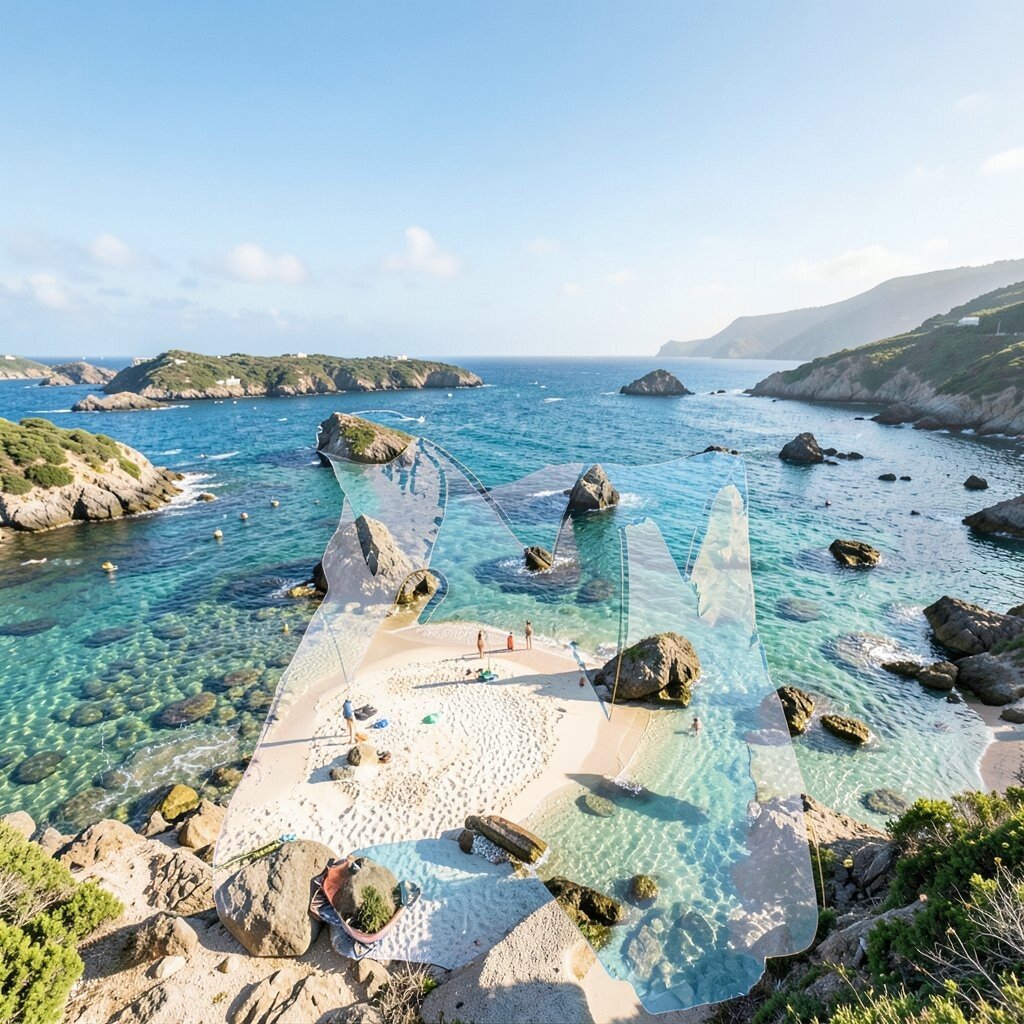
Pick a few colors you love and photograph spots that match them. Maybe it’s turquoise water, red signs, or lavender shadows under buildings.
This creates a visual map that makes your album feel cohesive. It also offers a fun challenge that keeps you noticing more as you travel. For practical tips, shoot in consistent light when you can, and use editing later to keep the palette steady across frames.
17. Photograph Souvenirs in a Way That Feels Like Art
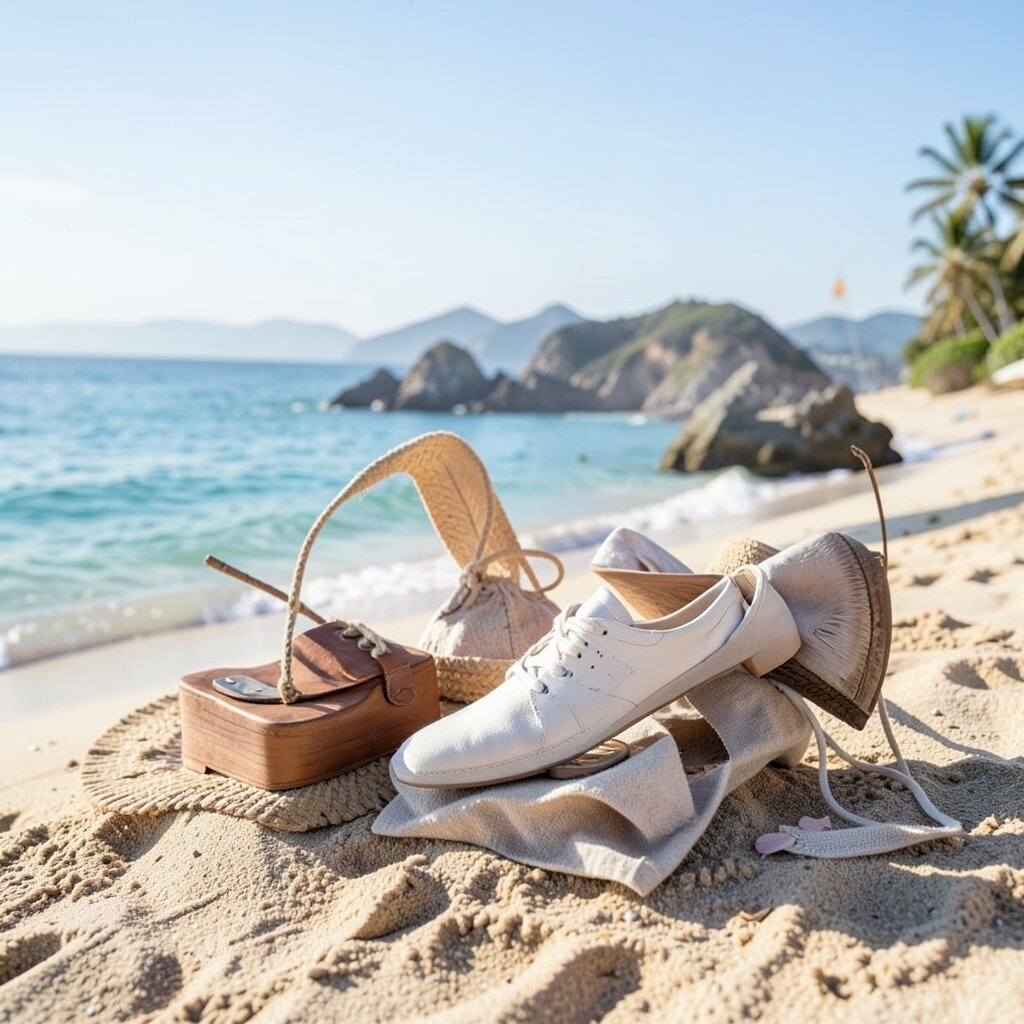
Souvenirs can look boring in photos if you just snap them on a table. Instead, photograph them as objects in a scene that matches where they came from.
Try placing a handmade item near the market wall, on a street corner, or next to the fabric shop where you bought it. This makes your photos feel unique because the memory stays attached to its original place. Keep cost considerations in mind by relying on your existing travel setup, like a window light or your hotel desk.
Personalize by arranging souvenirs by theme, like textures, colors, or materials. If you use a phone, try a slight shadow from your hand or bag to add depth without extra tools. Editing can remove clutter, but keep the edges of the object sharp so it looks valued.
18. Photograph Seasons Even When You Don’t Have “True” Seasons
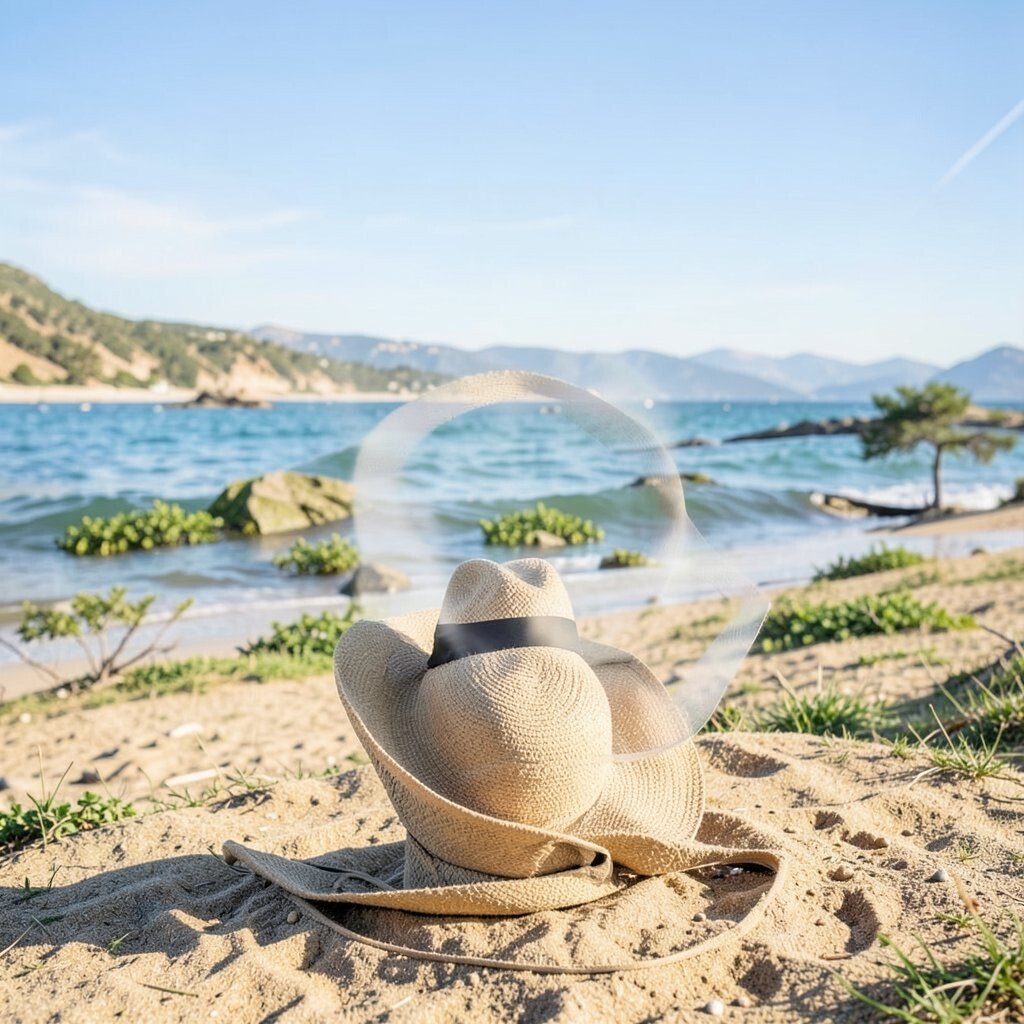
You might travel in a place that doesn’t match your home season, and that’s where the story gets interesting. Look for small signs like blossoms, heat shimmer, icy surfaces, or autumn leaves in shaded areas.
Capturing these cues helps viewers feel the time of year through your images. It also benefits your personal memory because you’ll connect the photos to the exact mood you felt then. Use practical timing by shooting early morning or late afternoon, when colors look richer and shadows add shape.
19. Turn Your Surroundings Into Framing With Natural Shapes
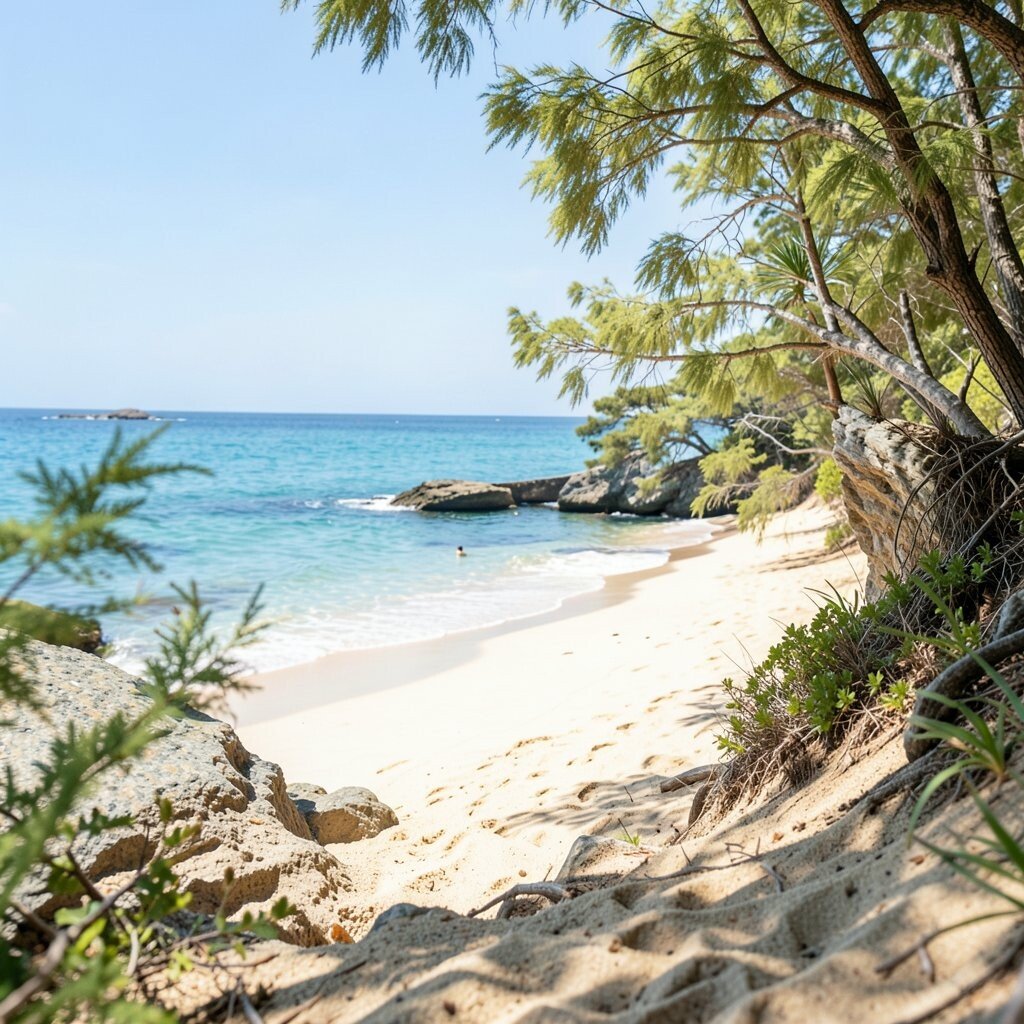
Look for natural frames like archways, tree branches, door openings, and rock cuts. When you place your subject inside these shapes, the photo feels like a window into a story.
This technique improves visual flow and adds uniqueness even when your subject is simple. It’s also easy because many places offer natural borders without you doing anything extra. For tips, keep the frame edges in view and avoid cutting important parts too tightly.
Personalize by choosing one shape you love, like circles from windows or triangles from mountain paths. If you edit, keep the framing consistent by adjusting crop and rotation together across a few related shots. Current trends often favor natural “aura” framing, and this is a clean way to get that look.
20. Photograph Your Trip’s Quiet Moments, Not Just the Big Views

Some of the most memorable vacation photos happen when you pause. Picture a quiet bench, a slow coffee sip, a shadow from a tree on pavement, or an empty street after a crowd moves on.
These moments add emotional depth and uniqueness because they show the pace of travel. They also help you avoid the common pattern of only photographing landmarks. For practical tips, keep your camera ready during waiting times, like line-ups, transit stops, and sunset breaks.
Cost considerations are simple here, since quiet moments often don’t require special tickets. Personalize by photographing one small ritual you repeat, like opening your notebook in the same way each day. Even simple scenes can become a beloved series when you keep the same mood in mind.
21. Create a Personal Editing Style Before You Leave
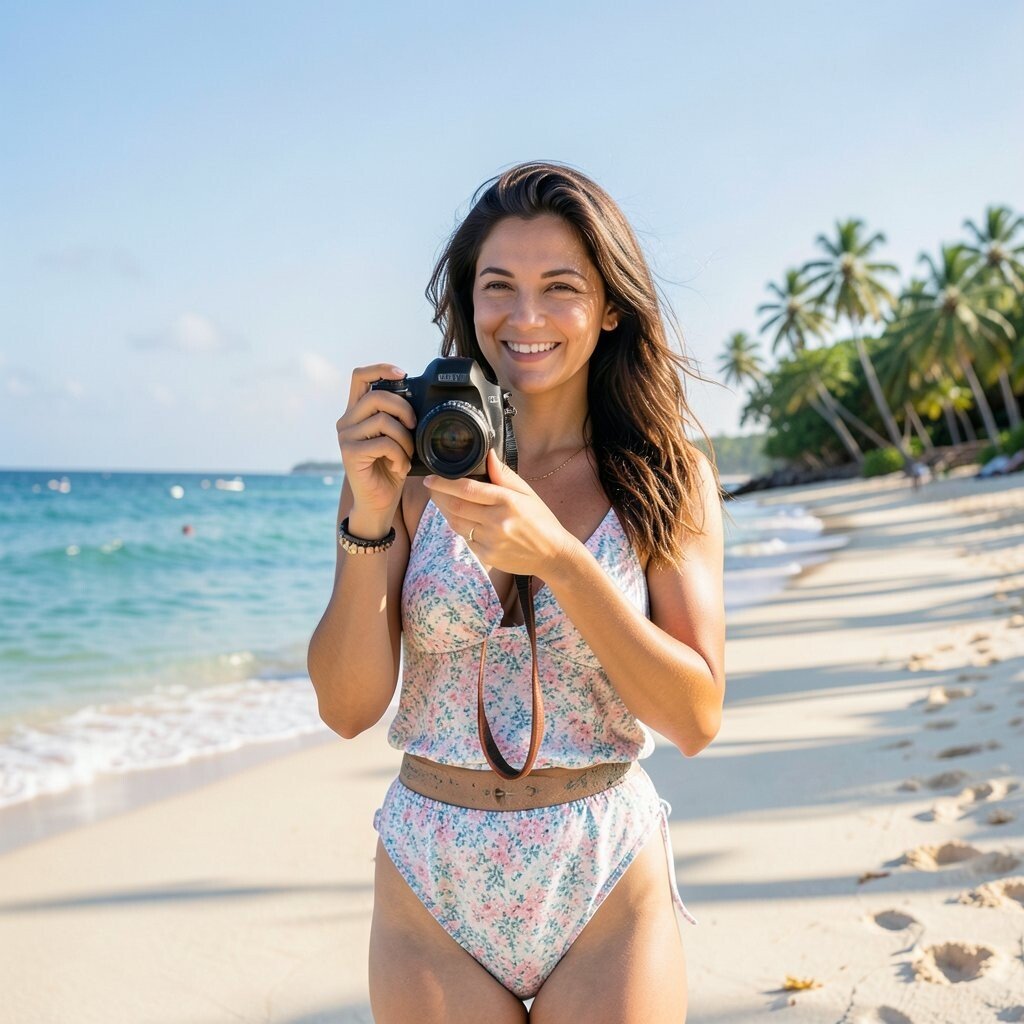
Your camera captures the scene, but your editing style turns it into your voice. Decide in advance if you like brighter colors, softer contrast, or film-like warmth.
This benefits your storytelling because it keeps your album consistent even when locations and lighting change a lot. It’s also practical to set your preferences early, since it speeds up editing later. For tips, adjust exposure first, then color balance, and finally add small sharpening only where you need it.
If you’re using a phone, try a couple of presets at home so you’re not guessing on vacation. Current trends often lean toward natural tones, gentle grain, and subtle highlight recovery, so you can match the mood without making photos look fake. Personalize by saving one “signature” look and applying it to a small set of related images, like night shots or beach mornings.