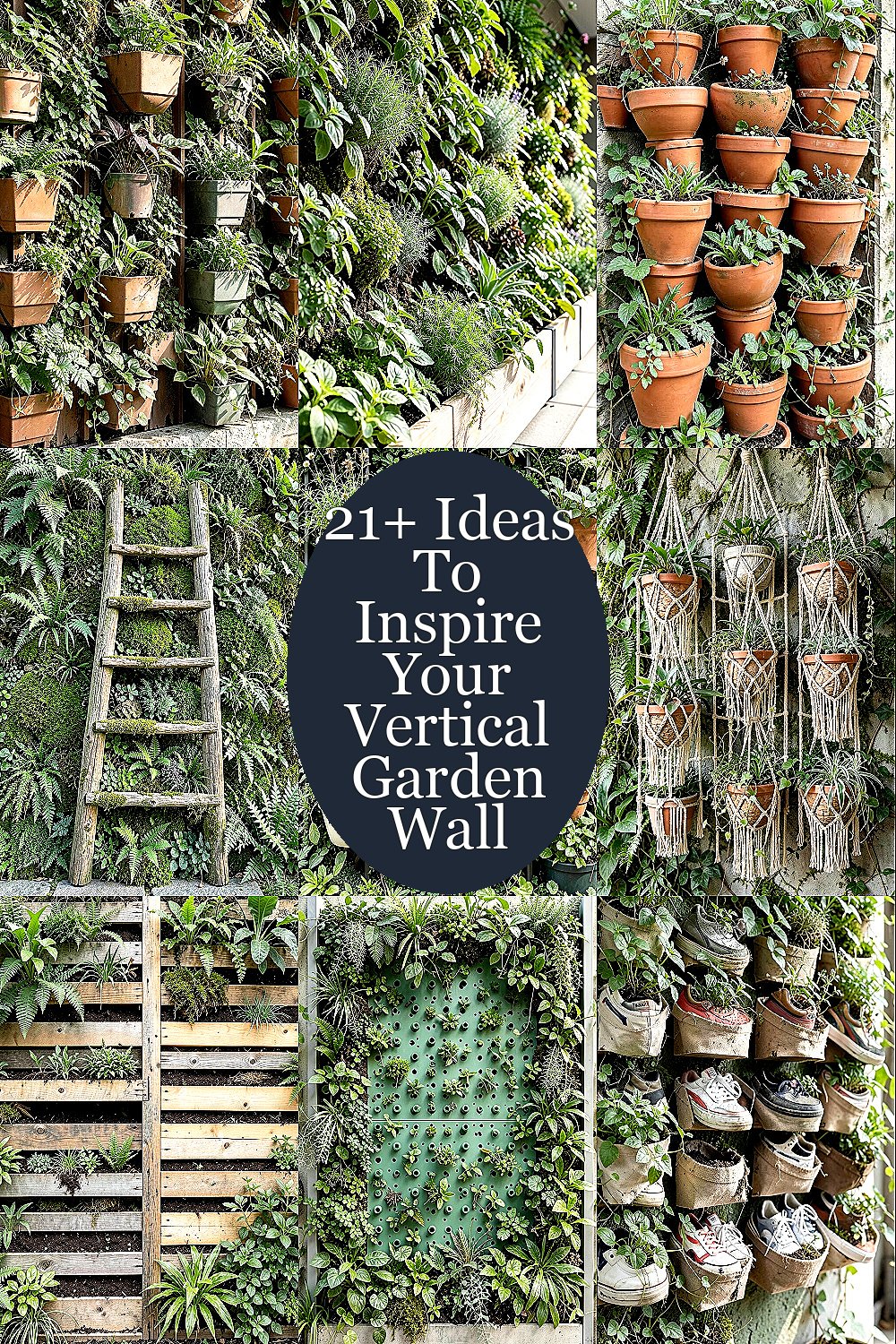
Picture a wall that feels like a living window. Small plants can turn a plain spot into a calm, green hangout.
1. Pocket-Style Planter Towers
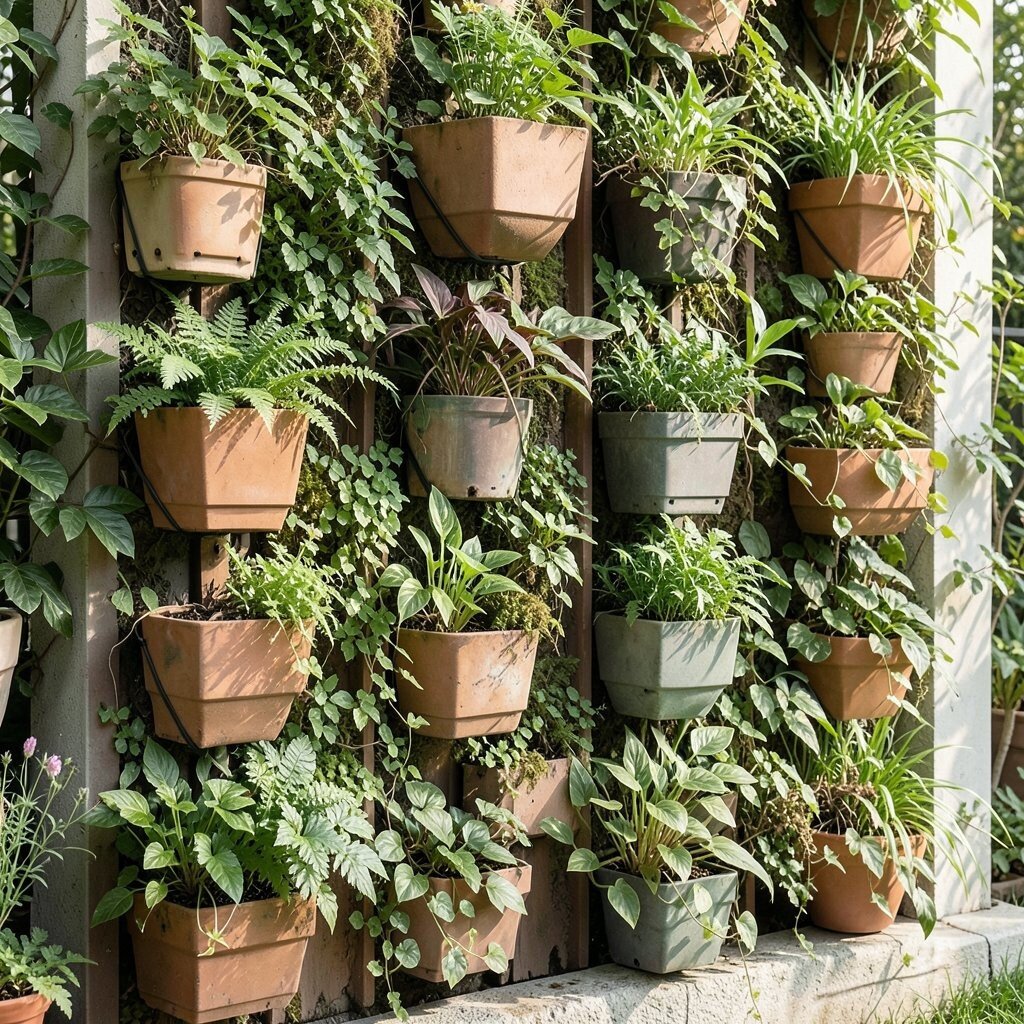
Think of pockets of soil stacked like a cozy shoe organizer, except each pocket holds a different green friend. You get a tidy look even when the plants are still small.
Choose pockets sized for the plants you want, like herbs near the top where light is strongest. Watering becomes easier because each pocket holds a small amount of mix, which helps prevent soggy roots. For a personal touch, rotate plant types by season, swapping fast growers for slower ones when the weather changes.
2. Living Herb Rail Along the Edge
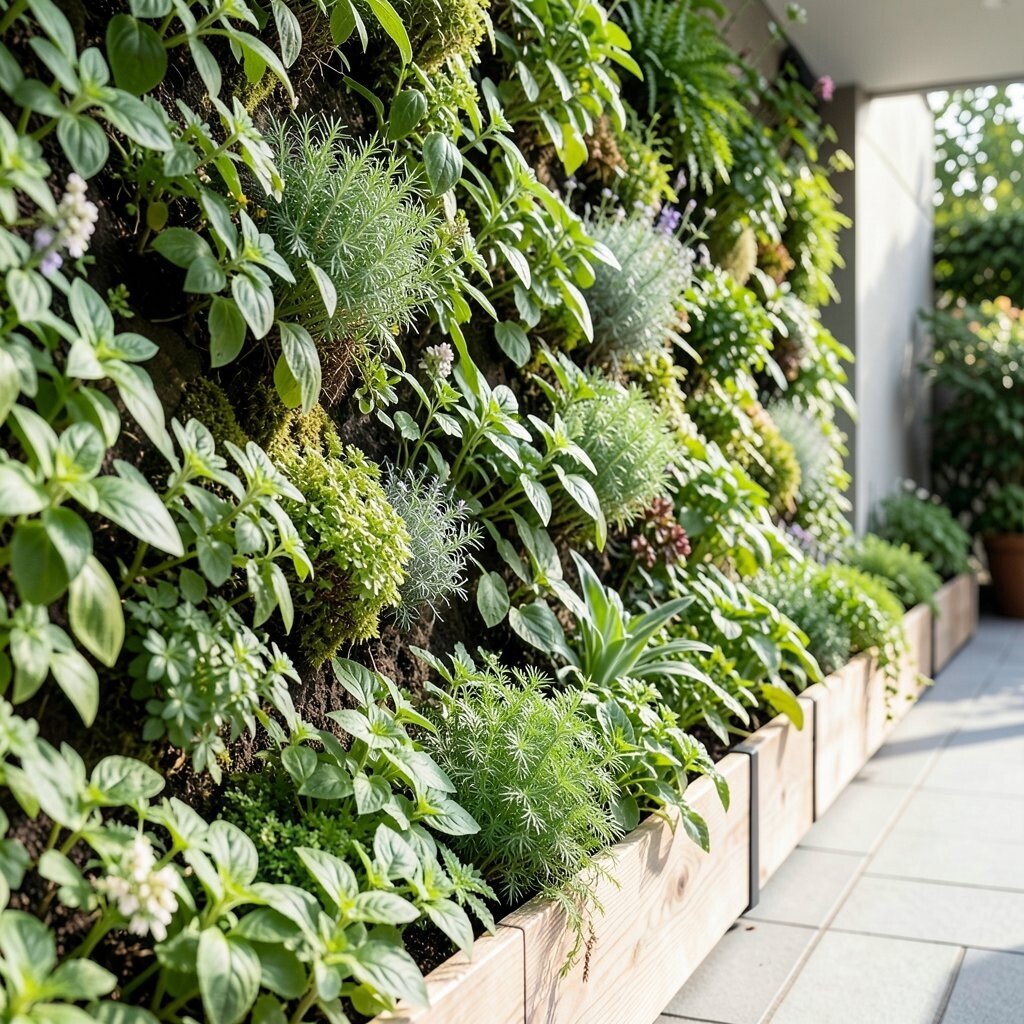
A narrow rail system looks neat and modern, and it turns your wall into a kitchen helper. Imagine snipping fresh basil or chives right where you pass by every day.
Plant hardy herbs that tolerate real life, like thyme, oregano, and parsley. Use a drip line or a simple hand-watering routine so roots stay consistent, especially in warmer months. For personalization, match leaf colors by mixing deep green with bright, chartreuse herbs.
Keep an eye on space since herbs spread, even when they look compact at first. If you’re trying to stay on budget, start with fewer pockets and add more later when you know what thrives.
3. Stackable Terracotta Wall Pots
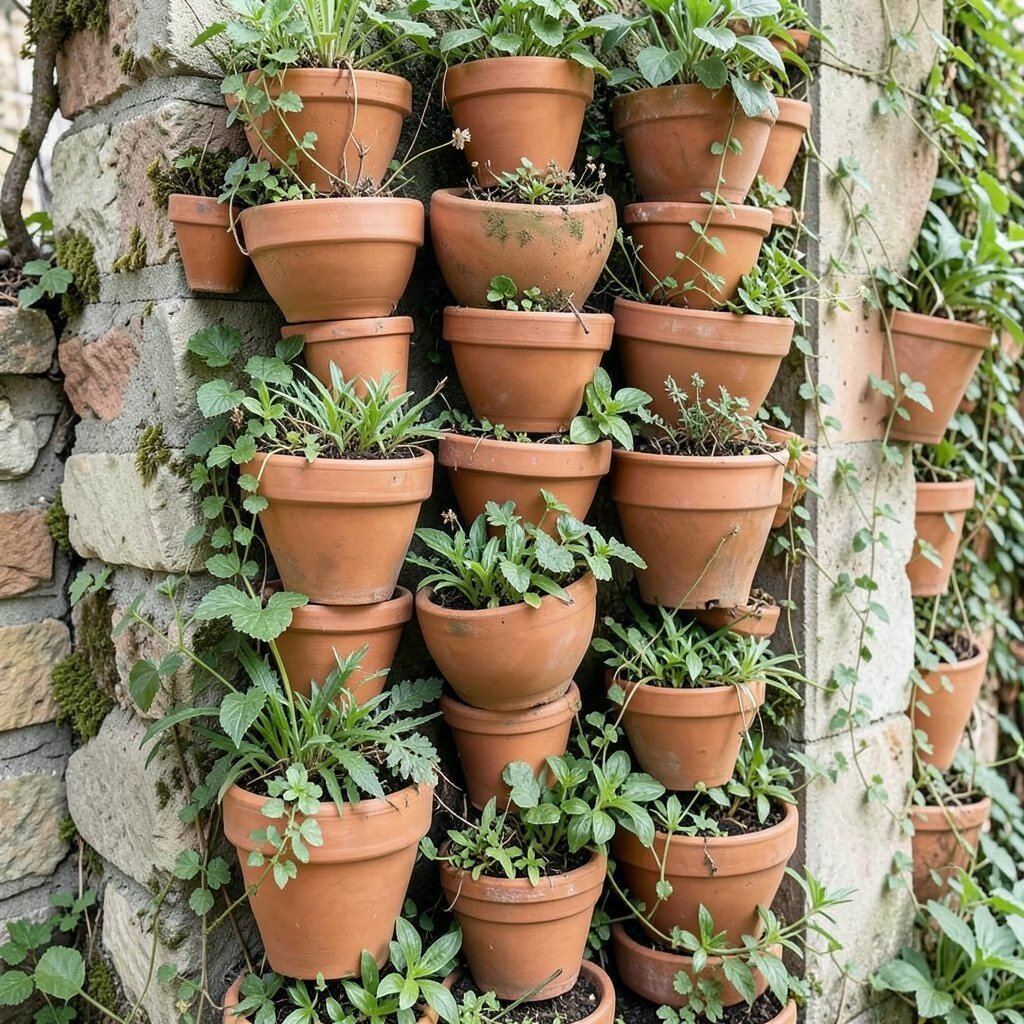
Terracotta brings a warm, earthy vibe that looks great with any outdoor style. When pots sit in a vertical arrangement, the wall turns into a mini hillside.
Because terracotta breathes, it can help keep soil from staying too wet. Use a lightweight potting mix and add a saucer or built-in drip tray if water runs down the wall. Personalize by painting a few pot exteriors in soft colors, like clay pink or sage green.
Keep costs lower by reusing pots you already own from old plantings. Drill drainage carefully and test the setup indoors first if you’re new to hanging arrangements.
4. Mossy Upcycled Ladder Garden
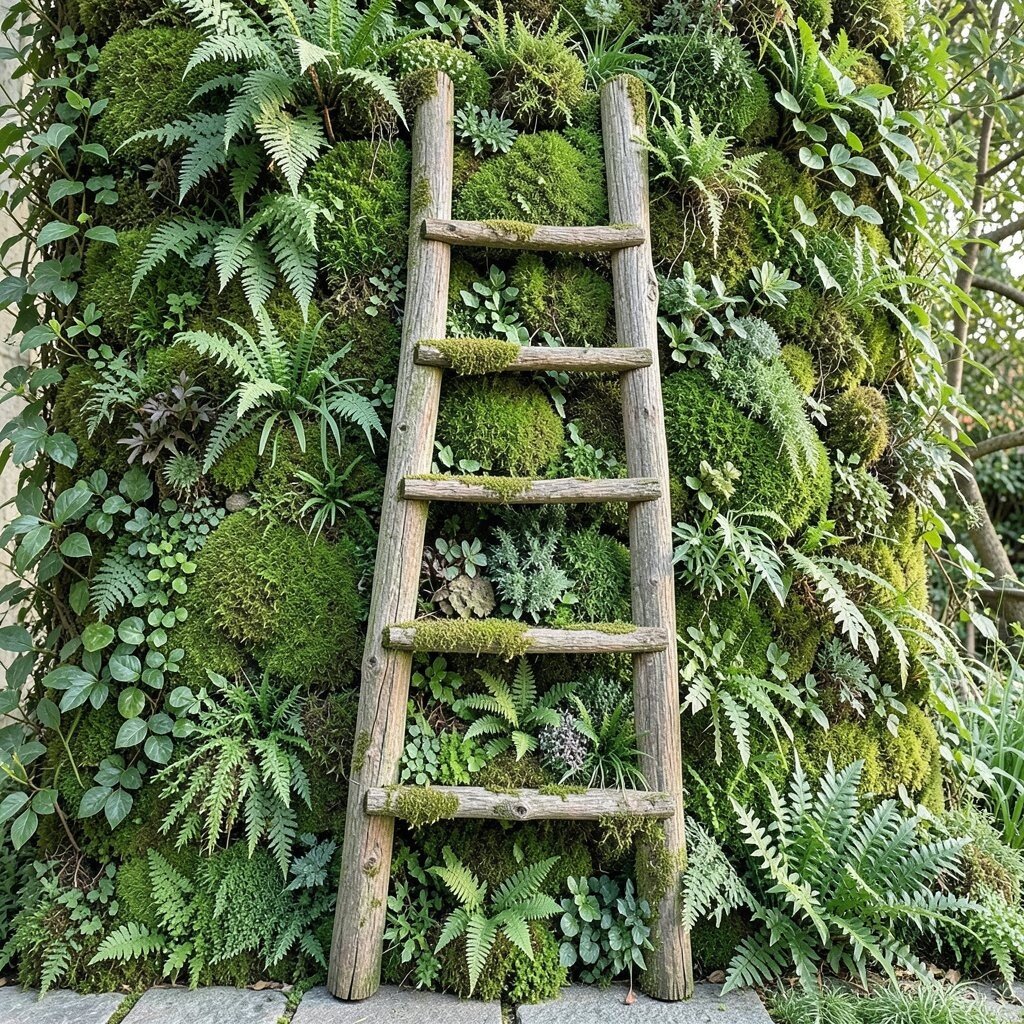
An old ladder leaning against a wall can become a lush display with shallow trays on the rungs. It looks rustic and charming, especially when mossy textures fill the gaps.
Line each rung with a planting container or a fabric pocket to hold soil without making a mess. Moss-like groundcovers and small ferns create a soft, velvety look that feels fresh after every watering. For personalization, tuck in small decorative rocks to match your home’s color palette.
5. Vertical Rain Gutter Planters
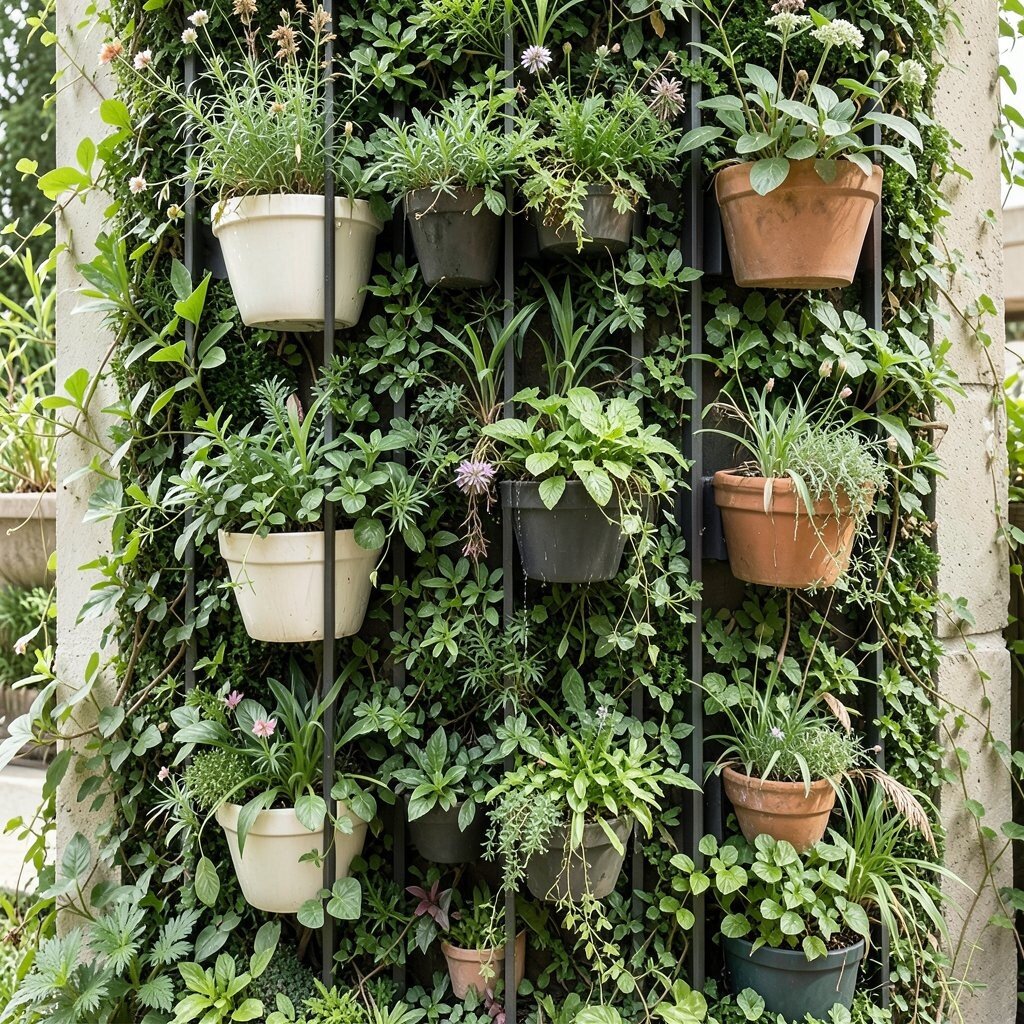
Rain gutters can become a sleek planting strip, especially along fences or balconies. The shape makes a clean channel for soil, and it gives the wall a tidy, designed feel.
Drill drainage holes and add a simple end cap so soil stays where it belongs. Choose plants that handle airflow, like succulents or hardy greens, because gutters can dry faster than regular pots. A smart personalization move is to label plants with small tags tied to the frame.
For cost considerations, you can find used gutters at salvage yards or hardware stores. Start with one section first, then expand once you see how your plants respond to your sun and watering routine.
6. Hanging Macramé Plant Grid
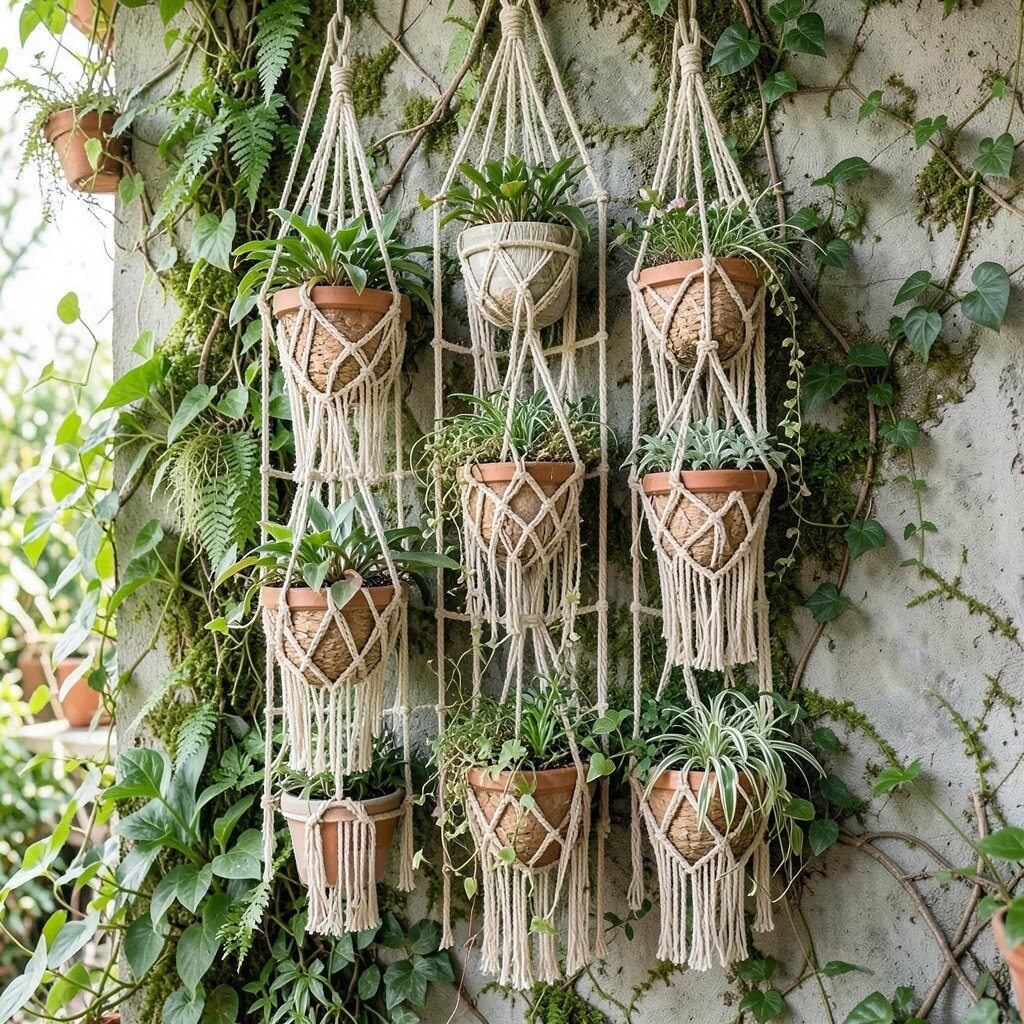
Macramé can turn a vertical garden into art you can see from across the room. The dangling pots create gentle movement when air flows by.
Pick lightweight pots and sturdy knots, since too much weight can pull your wall hooks out of place. Use a mix that drains well, like a cactus-friendly blend for succulents, or add extra perlite for airy roots. For personalization, combine pot sizes so the wall has a rhythm, with bigger plants anchoring the design.
7. Pallet Slat Wall With Soil-Filled Cells
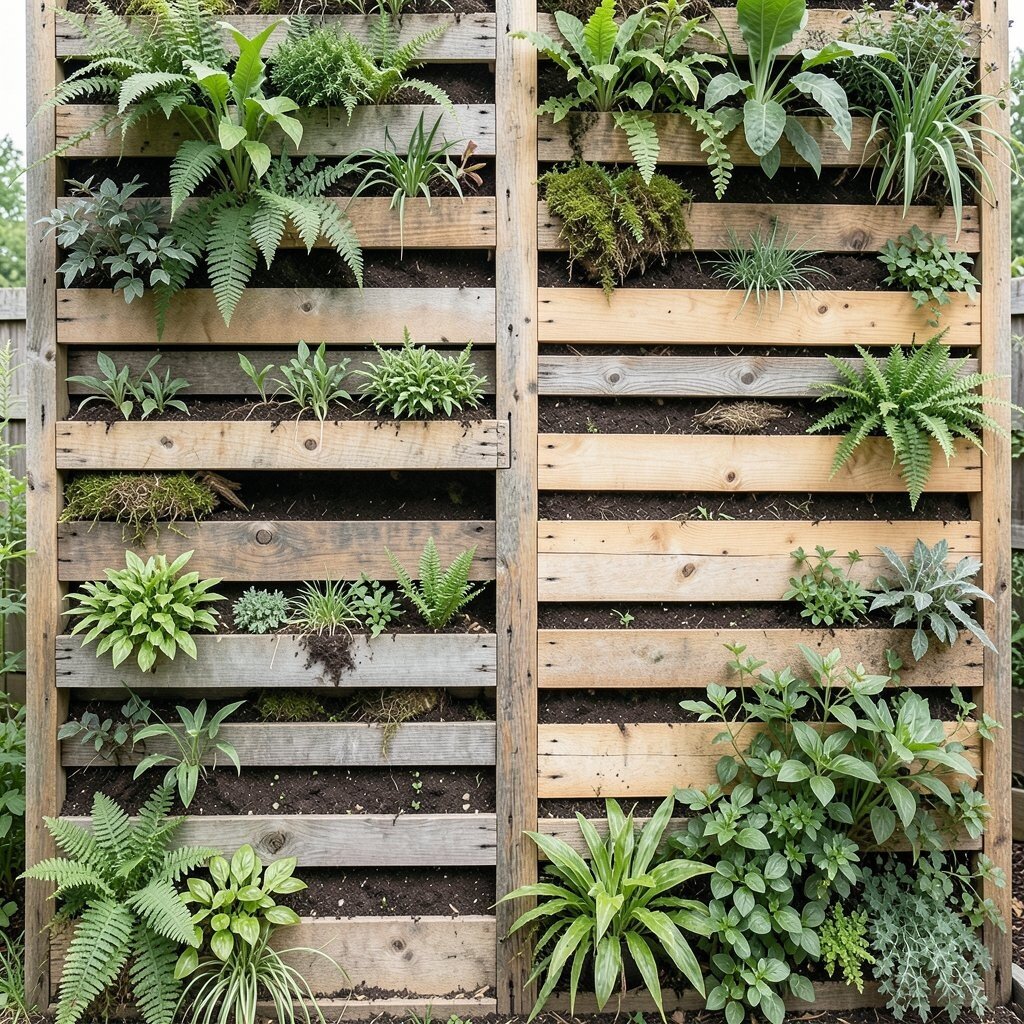
A wooden pallet adds character instantly, and the slats give plants a natural place to rest. When you tuck greenery into each opening, the wall looks full without needing fancy frames.
Sand rough spots, seal the wood if it’s outside, and line sections so soil doesn’t fall through. Choose plants by root depth, using shallow-rooted greens in shallower spaces and slightly deeper containers in wider areas. Personalize by arranging plants in bands of color, like a gradient from minty green to darker leafy tones.
To keep costs down, use pallets you can get for free or cheap, then invest money in good potting mix. If you want a clean look, add a backing sheet behind the pallet to hold moisture and reduce mess.
8. Vertical Hydroponic Wall Panel
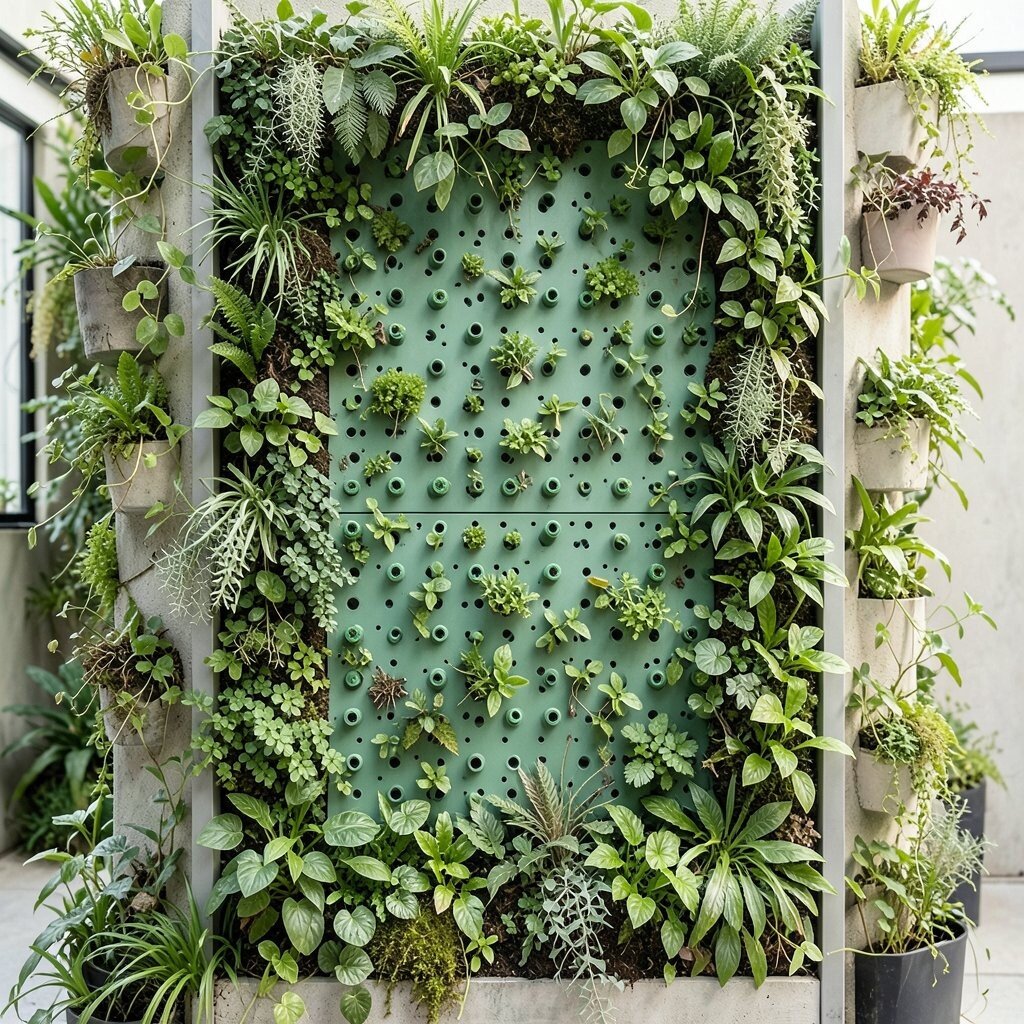
A hydroponic wall can look like a futuristic garden, with neat rows of plants growing in a structured system. The leaves often look extra crisp because nutrients are consistent.
This approach can reduce soil mess and may speed up growth for some plant types. Make sure your setup has the right light and a reliable water pump, because plants notice when things change. Personalize by choosing leafy greens or compact herbs so the wall stays tidy and easy to manage.
9. Repurposed Shoe Organizer Planting Pockets

A hanging shoe organizer is a simple way to try vertical gardening without buying many new parts. The pockets create a fun pattern of green blocks across the wall.
Use it indoors or in a sheltered outdoor spot, because fabric pockets can dry out quickly. Add lightweight potting mix and water carefully, aiming for even moisture rather than flooding. Personalize by choosing one plant family for a calm look, or mix textures like trailing vines and upright herbs for variety.
For cost considerations, this is one of the cheapest routes, since organizers are often found at thrift stores. Watch for wear over time and replace the organizer when pockets start to tear.
10. Bamboo Trellis With Climbing Vines
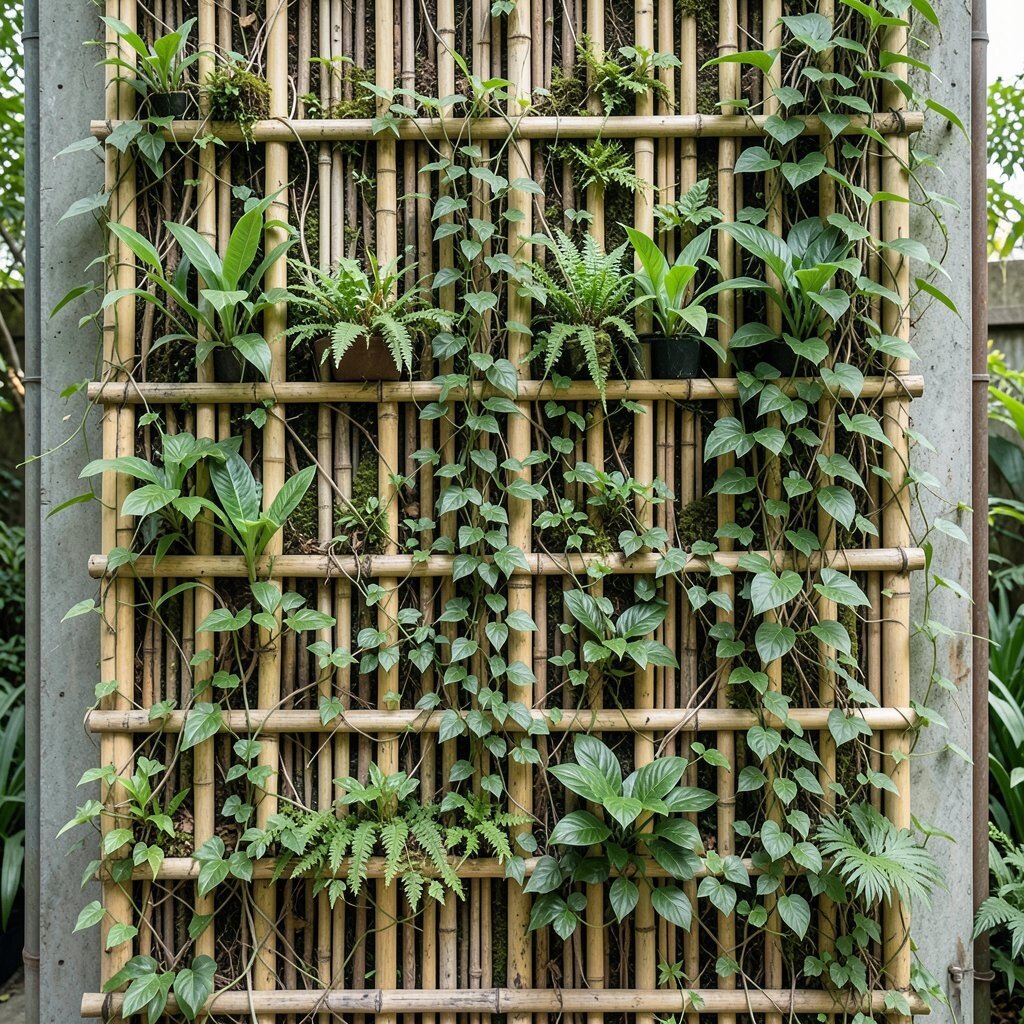
A bamboo trellis gives your wall structure, and vines bring a soft, flowing effect. The look feels natural, like a garden path that grew upward overnight.
Train climbers gently with ties, so stems follow the trellis instead of tangling. Choose plants that match your climate, such as sweet peas for cooler areas or ornamental vines for warmer spots. For personalization, mix a fragrant vine with one that has bright flowers so your wall feels special in more ways than one.
11. Tiered Step Shelf Planter Wall
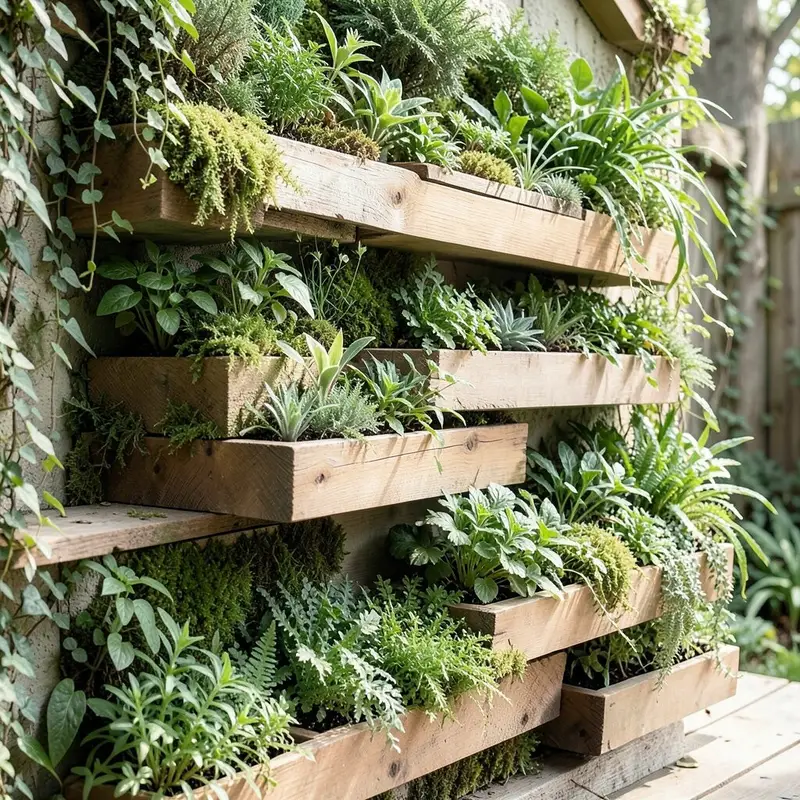
Step shelves turn planting into a mini display, like a layered art gallery for leaves. The tiers help sunlight reach each level more evenly than a flat wall layout.
Use weather-resistant shelves outdoors and add trays or liners so water doesn’t stain the wall. Place taller plants on the bottom for balance, then use medium plants above and small trailing plants at the top. Personalize by matching shelf color to your home style, like black metal for a modern look or white wood for a bright feel.
For cost considerations, you can start with inexpensive shelves and add planters gradually. A careful arrangement can help you avoid buying a full kit when you only need a simple, sturdy base.
12. Vertical Pallet Garden With Flowering Inserts
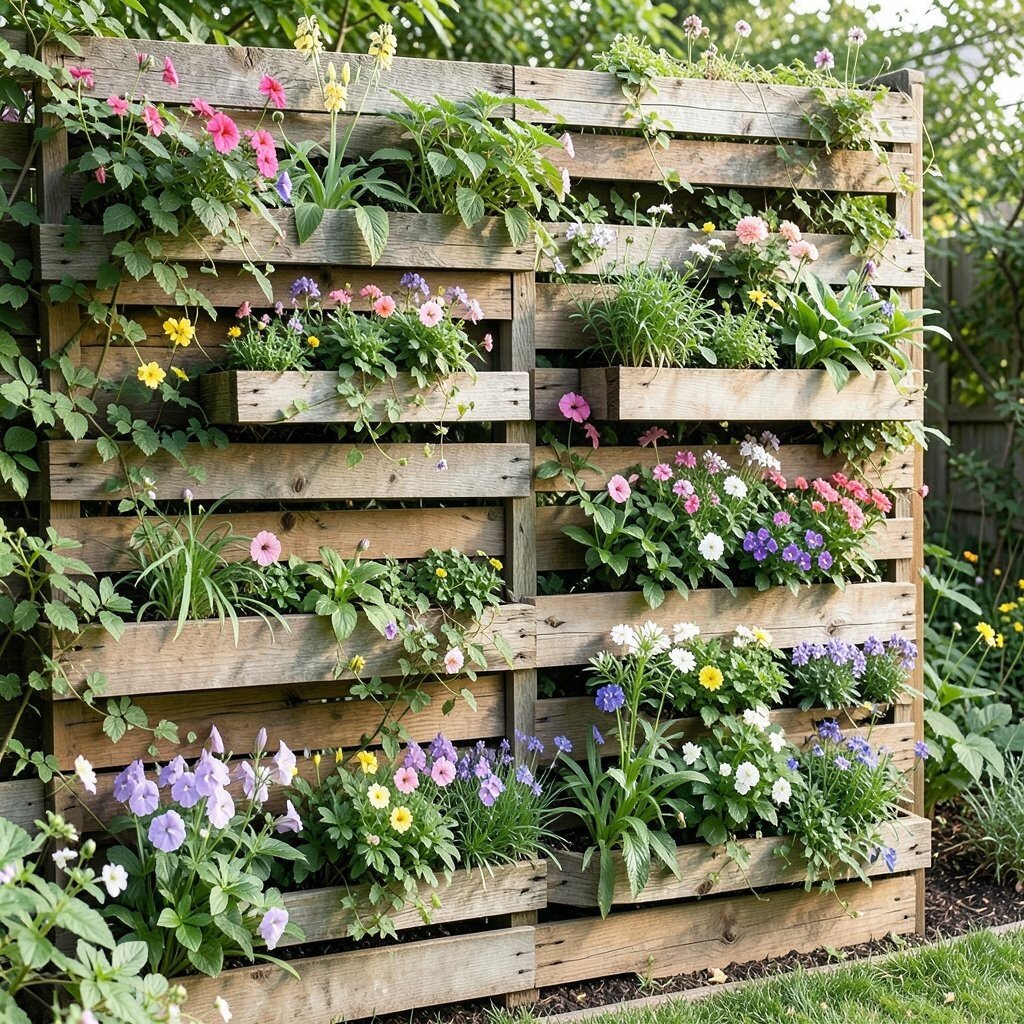
Instead of one type of planting pocket, add different inserts so your wall becomes a patchwork bouquet. Small flowering plants create pops of color that change as the seasons move.
Keep each insert connected to a good drainage path so water doesn’t collect in pockets. Choose plants that share similar light needs, because a mismatched mix often leads to uneven growth. Personalize by picking a color theme, like warm oranges and reds for energy or cool blues and purples for calm.
13. Trellis Squares With Pocket Fabric Liners
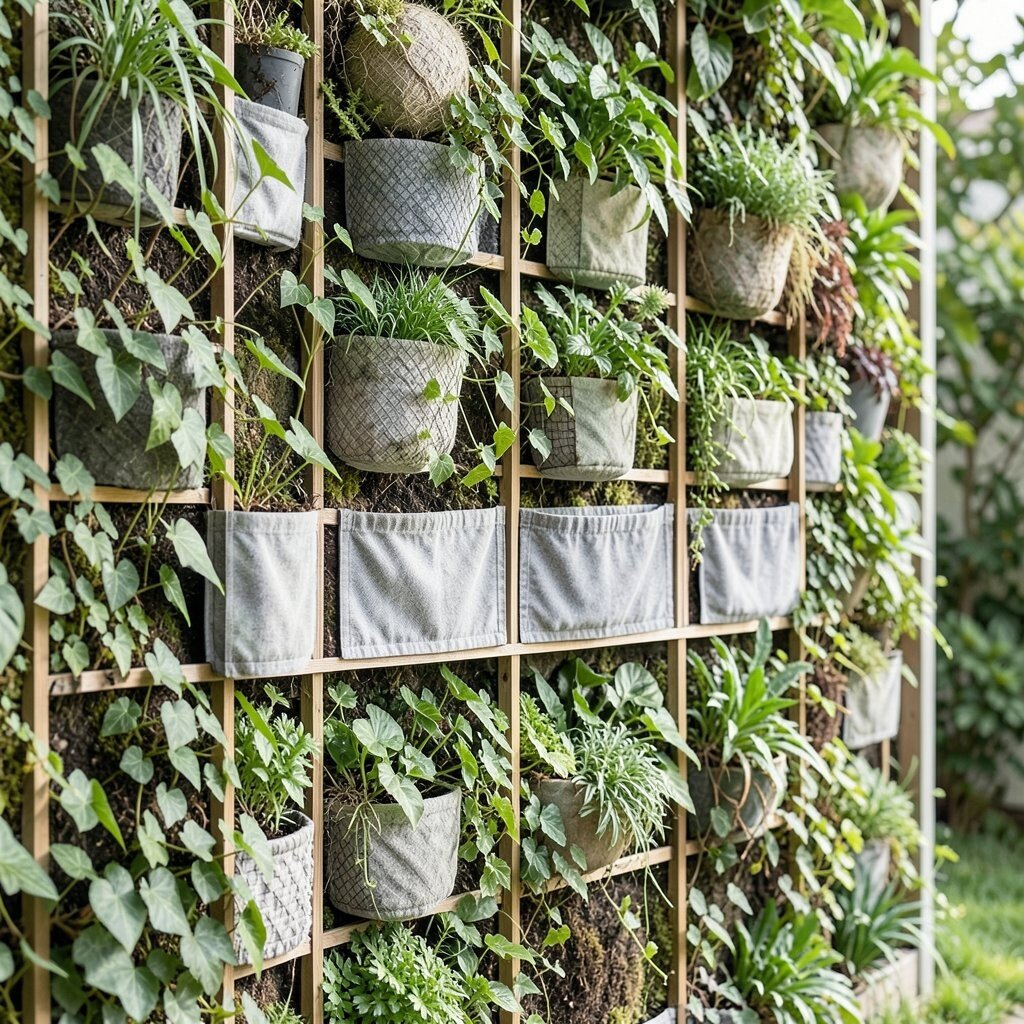
Fabric pocket liners make trellis walls feel cozy and soft, not rigid and bare. The pockets can hold soil and plants in neat squares across the vertical surface.
Attach the fabric securely to avoid sagging, then fill each pocket with a light potting mix. Use plants that thrive in vertical spaces, such as small lettuce starts, strawberry plants, or compact ornamental greens. Personalize by adding a pattern, like repeating strawberry pockets between trailing flowers for a steady rhythm.
For practical tips, water early in the day and check pockets that dry faster along the edges. If you’re budgeting, look for fabric garden kits on sale and upgrade pockets later if you want more volume.
14. Upcycled Plastic Bottle Wall Planters
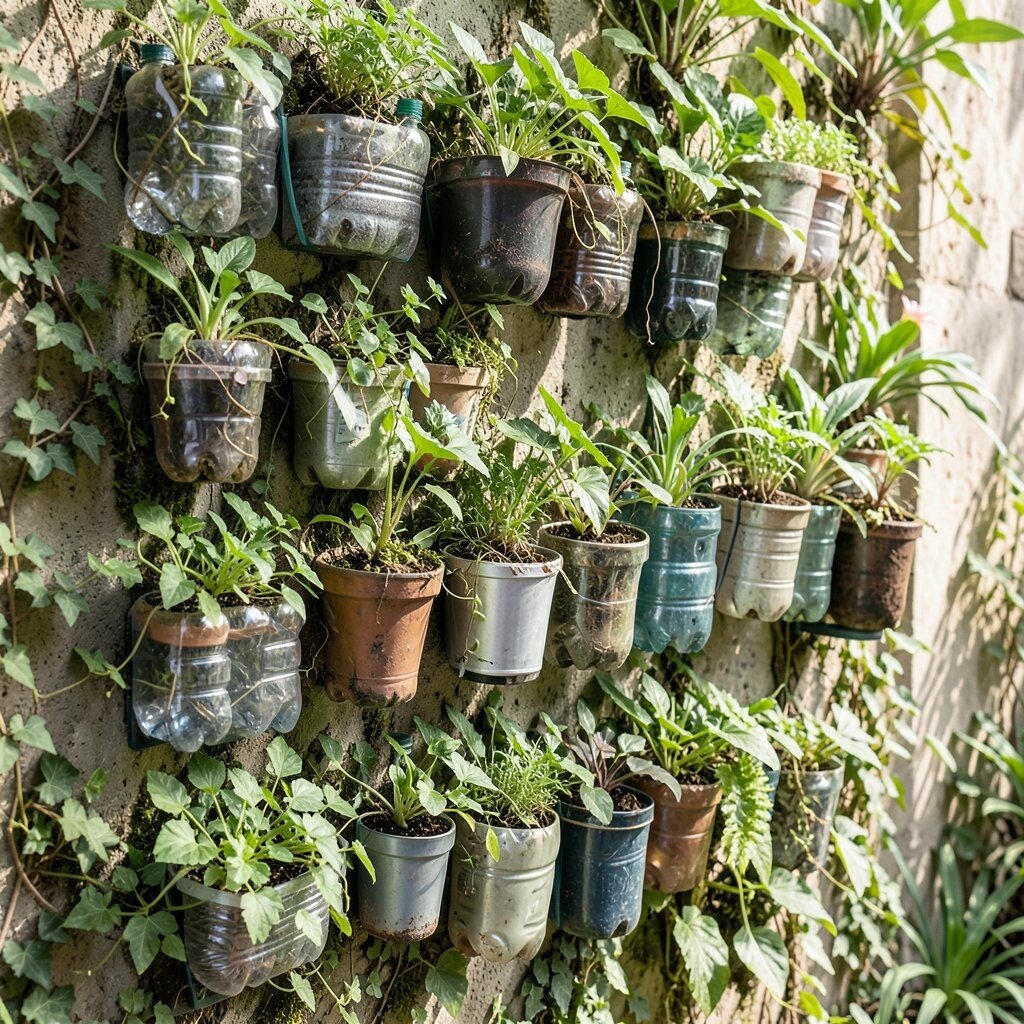
Plastic bottle planters can create a bright, playful wall full of tiny green surprises. When arranged in rows, they look surprisingly organized.
Cut bottles carefully, punch drainage holes, and secure bottles to a backing board or wire frame. Use a strong twine tie system so wind doesn’t knock them loose. Personalize with paint on the outside, and you can match colors to outdoor cushions or a garden sign.
15. Vertical Planter Boxes on a Fence Rail
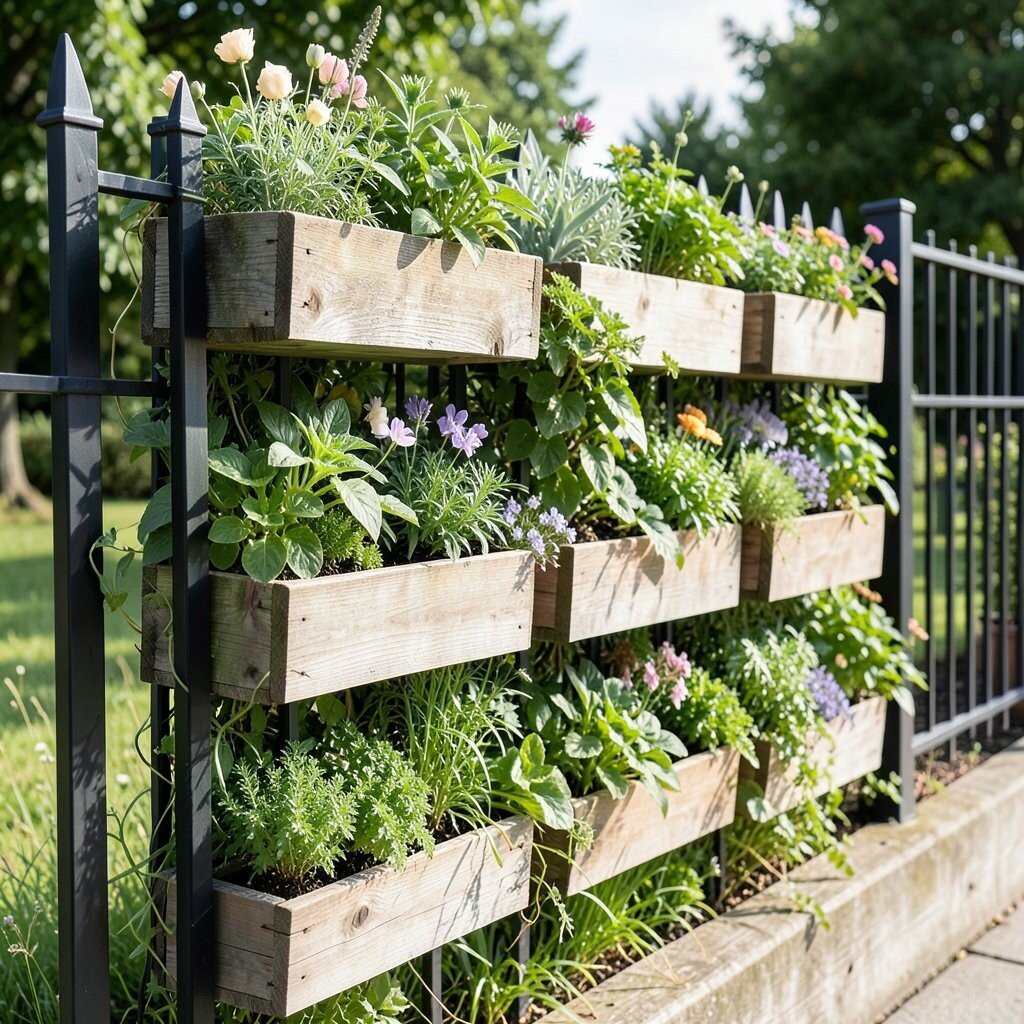
Attaching planter boxes to a fence rail makes your wall garden feel natural and integrated. It also keeps plants at an easy height for watering and pruning.
Use brackets that hold steady and allow for easy removal if you need to refresh soil. Choose plants based on how much sun your fence gets, because fence shadows can shift through the day. Personalize with a mix of textures, like spiky plants next to soft trailing ones, for visual balance.
For cost considerations, using existing fencing and adding a few boxes is often cheaper than building a full freestanding wall. Start small so you can learn your watering rhythm before committing to larger setups.
16. Stacked Cinder Block Plant Wall With Openings
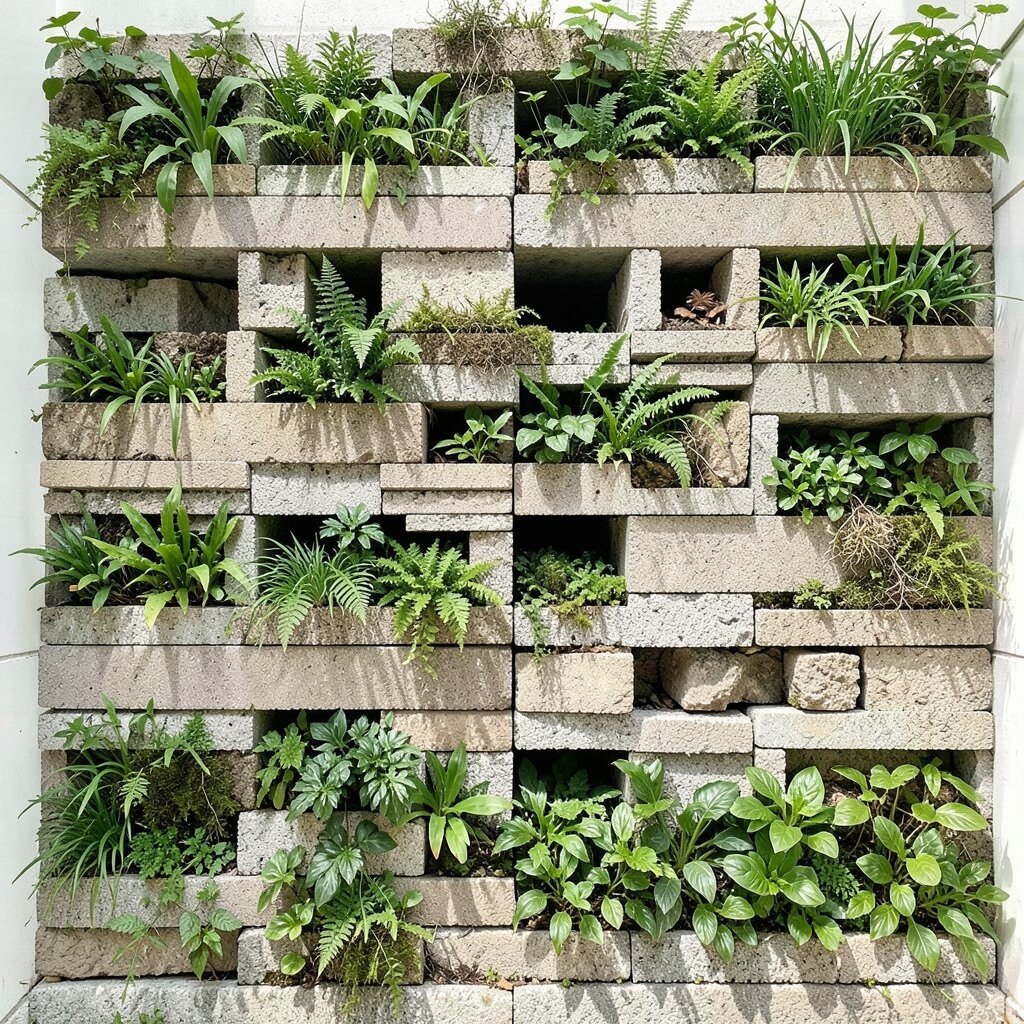
Cinder blocks make a bold, sturdy wall, and the openings naturally hold planters. It looks industrial, but the greenery softens the whole scene.
Seal sharp edges, then fill openings with soil and plant small varieties that fit the depth. Succulents, ornamental grasses, and shallow herbs can thrive when drainage is good. Personalize by spacing plants so some openings stay for seasonal swaps, like flowers in spring and hardy greens in fall.
17. Hanging Gutter Baskets With Trailing Vines
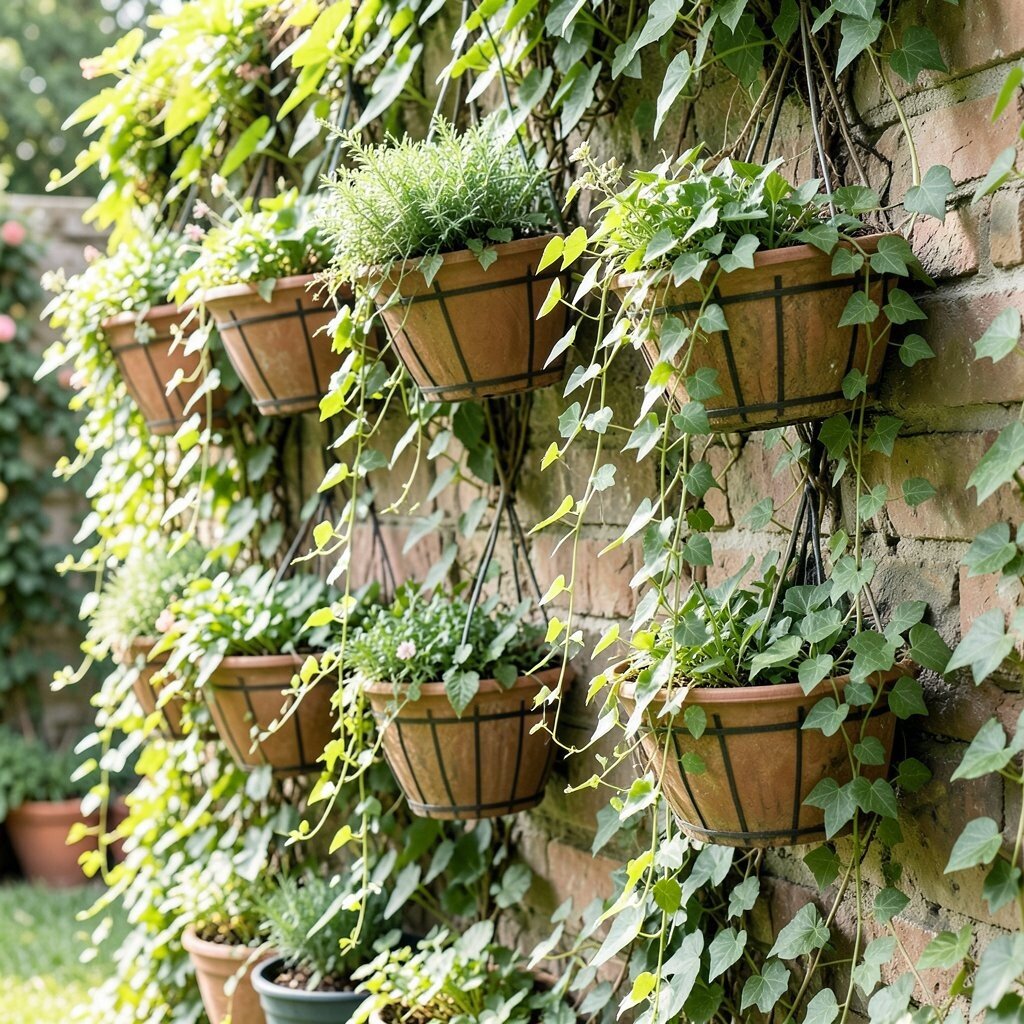
Baskets that hang like pendants can make a vertical wall feel airy and light. Trailing vines add movement, and the whole setup looks alive even when you’re not watering.
Use baskets with good drainage and keep soil light so water passes through instead of sitting. Add a trellis string line if you want vines to grow in a neat curtain. For personalization, combine one trailing plant with one upright plant in each basket so every “pendant” has its own mini look.
Practical tips matter here because hanging setups dry out faster. Check moisture with your finger before watering, especially during hot afternoons.
18. Seedling Wall in Reusable Containers
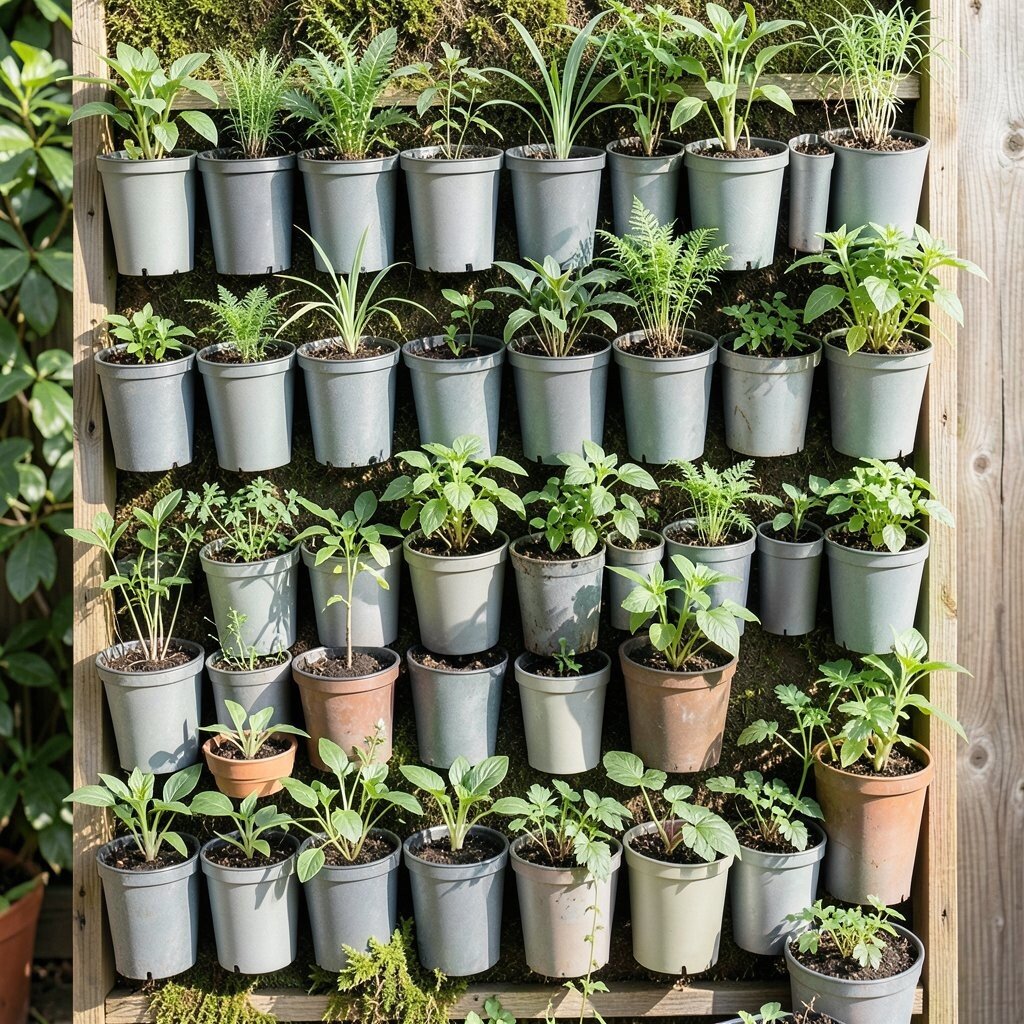
A seedling wall uses simple containers stacked in a vertical arrangement, which is great for starting plants indoors. When you move seedlings outside, the wall becomes a helpful system for the next cycle.
Choose containers with drainage holes and label them so you can track growth. This is a practical way to save money on starter plants, especially if you like gardening each season. Personalize by planting your favorite theme, like salsa-ready herbs, spring salad greens, or pollinator-friendly flowers.
19. Living Wall With Integrated Lighting for Night Charm
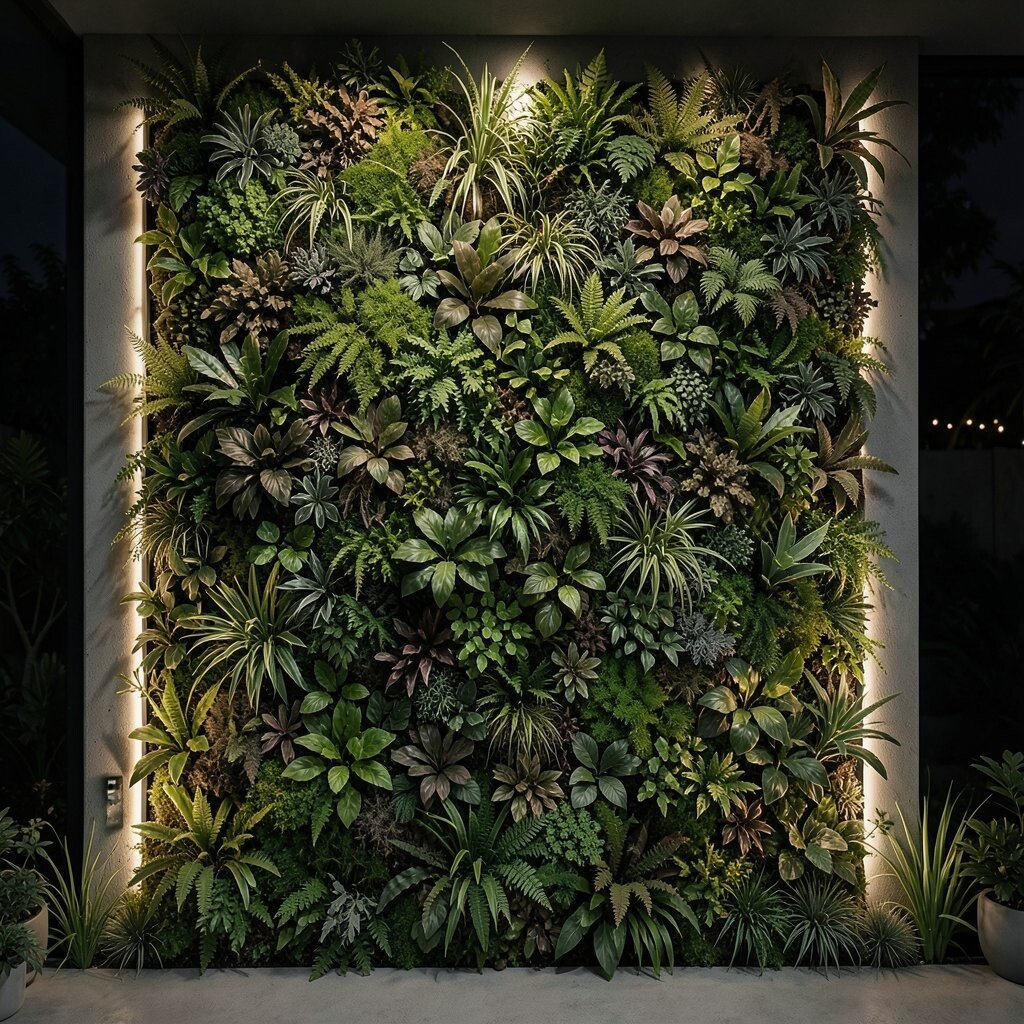
When you add soft lighting, the leaves glow and the wall feels magical at night. The plants look extra vivid, and the shadows create a calm, cozy mood.
Use low-heat LED grow lights and position them so each section gets enough brightness. Check that cords are safe and protected from water, especially for outdoor setups. Personalize by choosing warm or neutral light tones to match your patio vibe.
For cost considerations, start with a smaller lighting section and expand later. Even one well-placed light can make the whole wall feel more intentional.
20. Water-Saving Drip Lines for Consistent Growth

A drip system turns vertical gardening into a calmer routine because water goes right to the roots. The wall looks healthier when moisture stays steady, especially during dry spells.
Plan the drip layout before planting so tubes reach each pocket or container without kinks. Add a timer if you travel or forget watering, and adjust run time based on the sun exposure of each section. Personalize by choosing different plant types in zones, like moisture-loving ferns in shadier pockets and drought-tolerant succulents where the light hits hardest.
Cost considerations are worth thinking about, since drip kits can range from simple to advanced. A modest system can still make a big difference, and it often reduces water bills compared to frequent hand watering.
21. Color-Themed Planting for a Designed Look
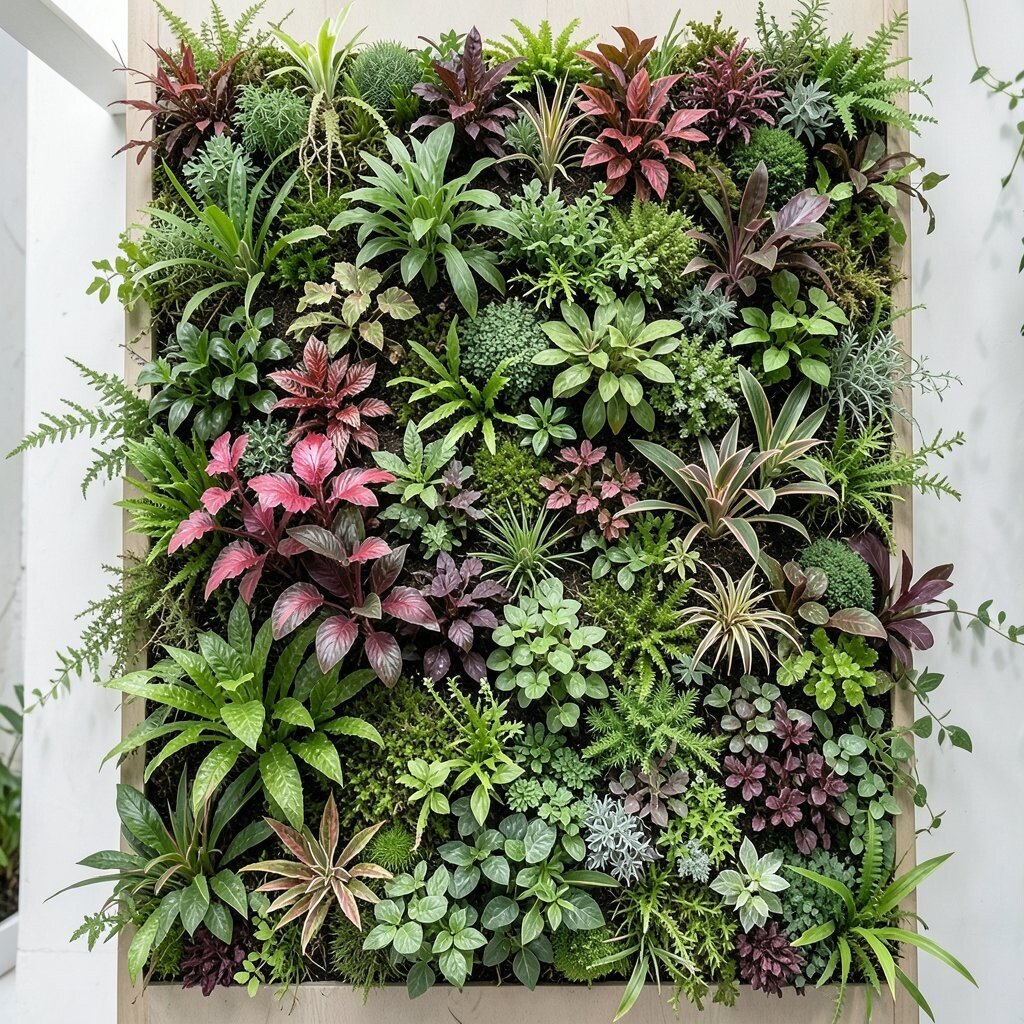
Even if your plants are different, you can make the wall look like a planned artwork by using color themes. When leaves and flowers repeat in certain tones, the whole wall feels cohesive.
Pick a color family, such as creamy whites and pale pinks, or deep greens with bright yellow accents. Choose plants that produce similar color vibes and keep them in groups across the wall so your eye can relax. Personalize by adding one “hero” plant in the center, like a standout flowering plant, then echo its colors in smaller pockets around it.
22. Seasonal Swap System With Removable Inserts
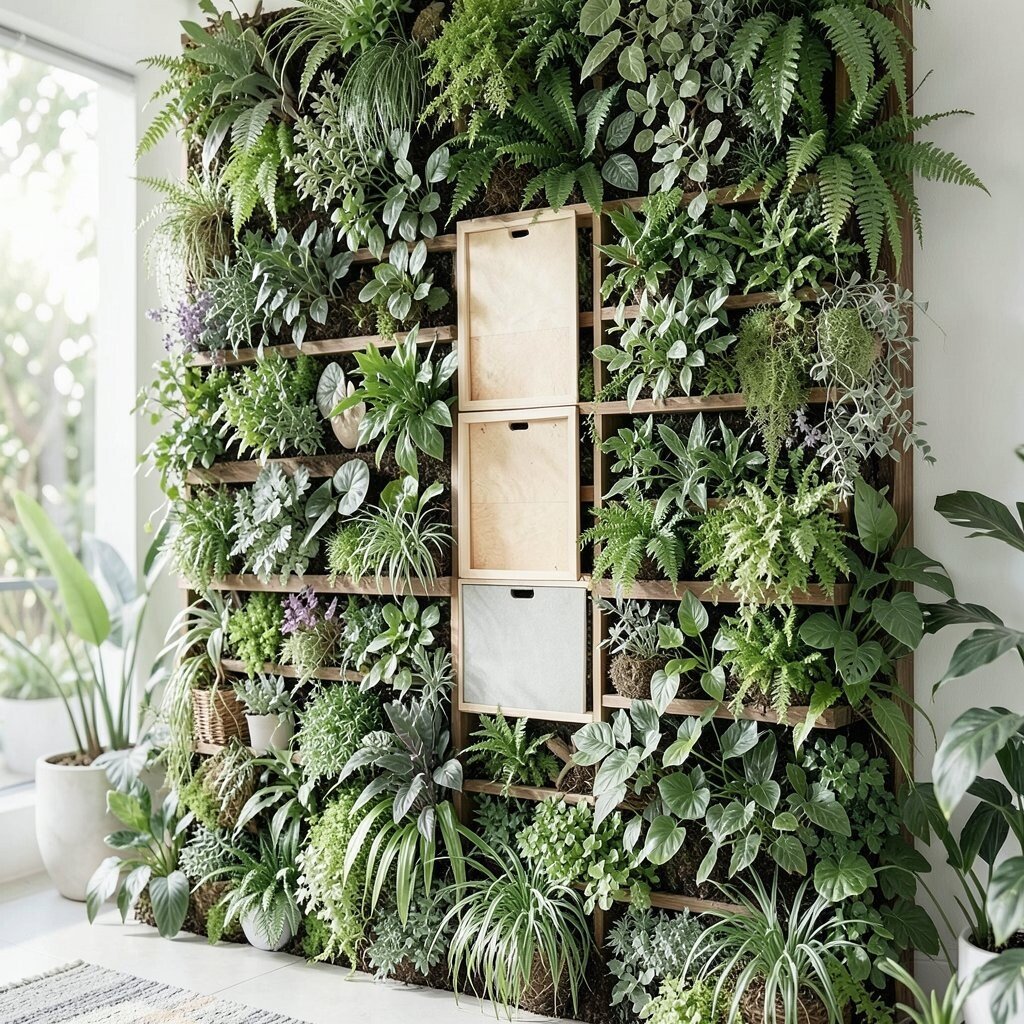
If you love variety, build your wall so plants can be swapped quickly. Removable inserts mean you can update the look for spring blooms, summer herbs, or winter hardy greens.
Use modular containers or trays that slide out, and keep a consistent watering approach so plants don’t get shocked when you replant. Personalize by keeping a starter set of your favorite varieties and rotating them based on what’s growing well in your area. For cost considerations, swapping plants from seed or cuttings can help you refresh the wall without buying everything new.
Practical tips include storing spare inserts indoors and keeping a small bag of potting mix nearby. Labeling inserts also makes it easy to recreate a look you loved the last time.