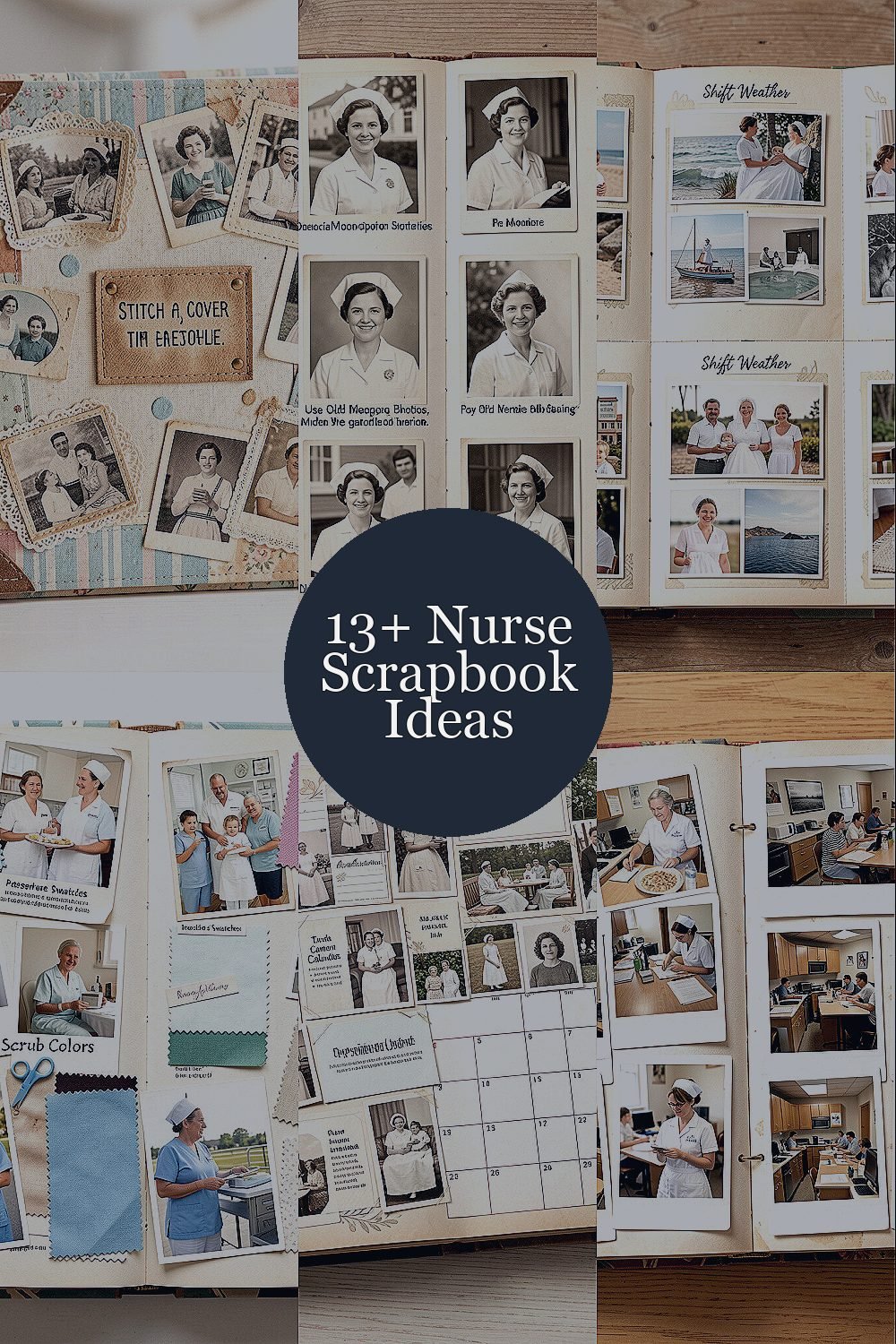
The past can feel warm when it sits between two covers. These ideas help you keep nurse life stories close, page by page.
1. Stitch a Cover That Looks Like a Time Capsule
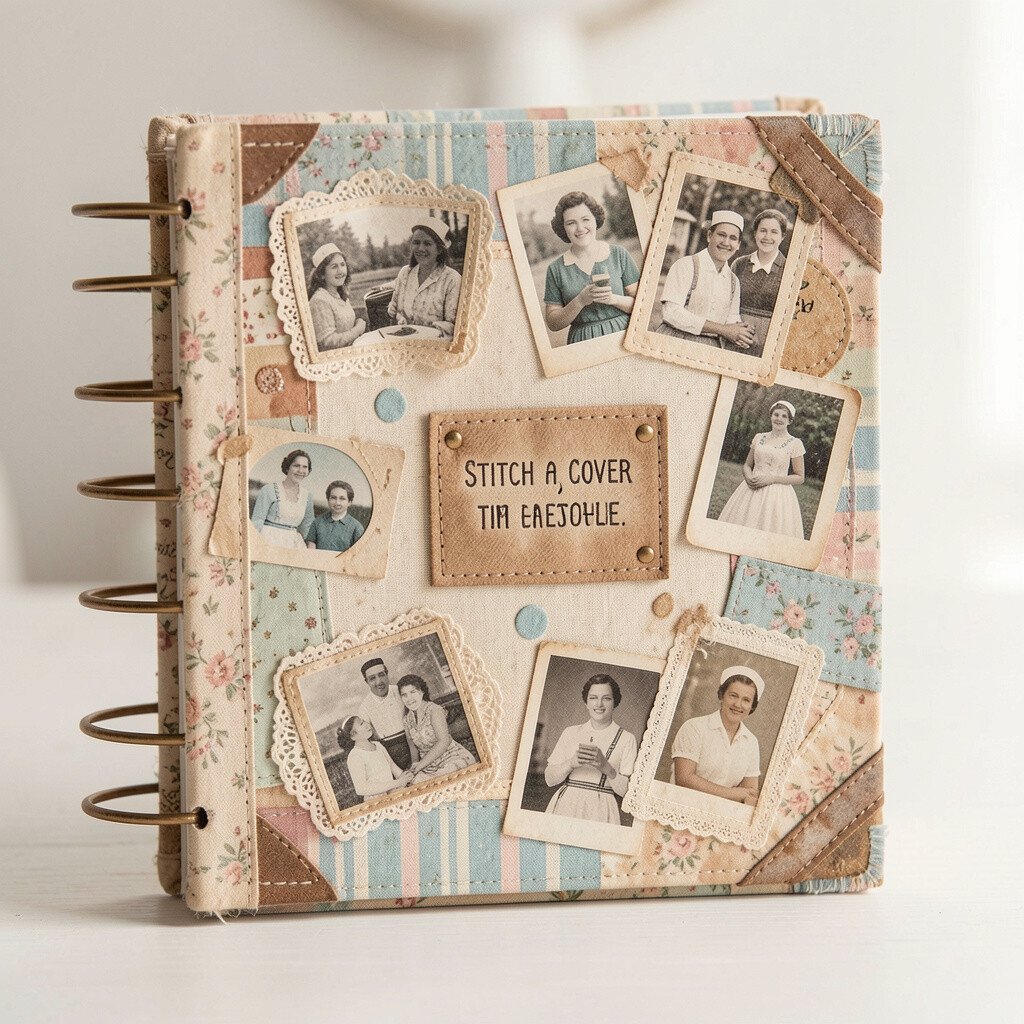
Choose a sturdy scrapbook and wrap it in fabric that reminds you of your work era, like faded cotton or soft canvas. Add a stitched panel with a gentle, hand-sewn look so it feels personal the moment someone opens it.
For a visual spark, place a small pocket on the front for a satin ribbon, a retired name badge photo, or a folded hospital letter. This kind of cover makes daily browsing easier because you instantly recognize your own story. It also helps you slow down and enjoy small details instead of rushing through your memories.
2. Use Old Badge Photos With Clean Caption Stories

Print a clear version of each nurse badge photo and gently place it into a page protector so it stays flat. Use neat handwriting for the caption so you can still read it years later.
Try adding the unit name, a favorite shift time, or the reason you felt proud that day. When you keep captions consistent, the scrapbook becomes easier to share with family and easier to search when you want a certain memory.
To keep costs low, use affordable photo paper and simple black ink pens. A modern twist is to add one or two tiny QR codes that link to a short family audio message, if you want a digital touch without replacing the paper feel.
3. Create a “Shift Weather” Page for Each Month
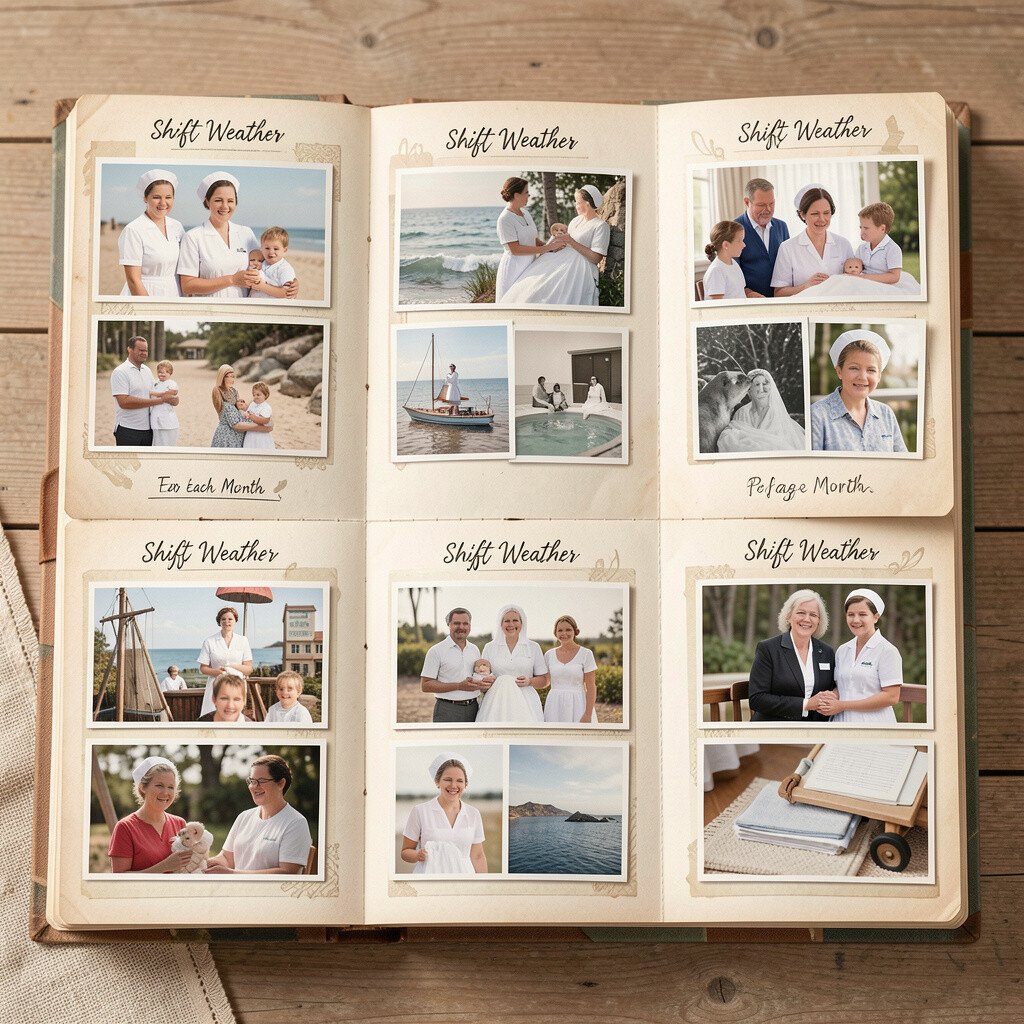
Pick one month and make a page that follows it like a gentle journal. Add a small strip of paper colored like the seasons, then tuck in ticket stubs or tiny notes from that time.
Write a few sentences about how the day felt, like quiet mornings or busy afternoons. The visual layout helps your brain sort memories by mood, which is a real benefit when you look back and feel calmer than you expected.
For practicality, use labeled corners on photo mats so items stay in place. Personalization is easy here too, since you can match colors to your favorite scrubs or the hallway lighting you remember most.
4. Preserve Scrub Colors and Fabric Swatches
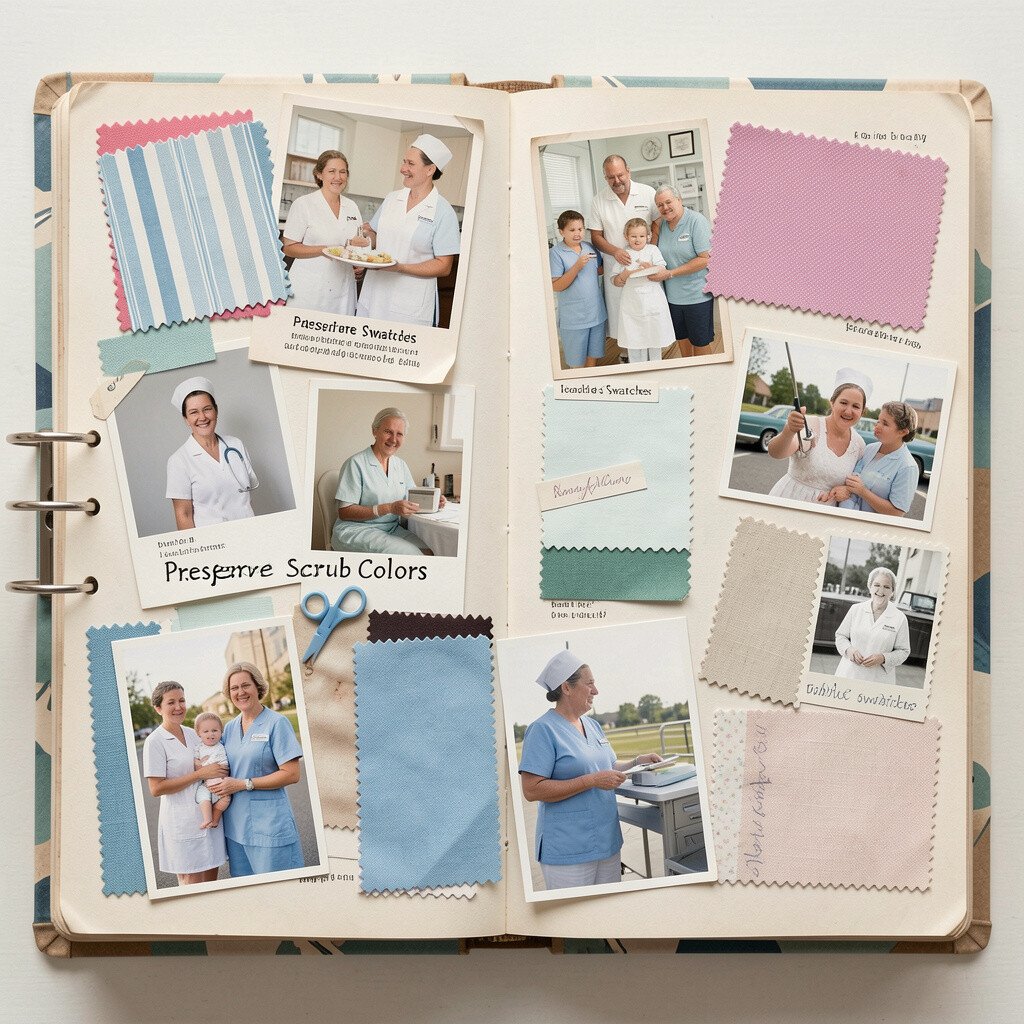
Collect tiny swatches from old scrub fabric if you still have it, or ask a friend for a small piece from a retired set. Place each swatch in a clear sleeve so it looks like a little display instead of a messy pile.
This gives you a unique visual timeline, because fabric tells stories that photos sometimes miss. It also helps you notice changes in materials over time, which is fun when you compare how the uniforms felt and fit.
5. Turn Appointment Cards Into a Calendar Collage
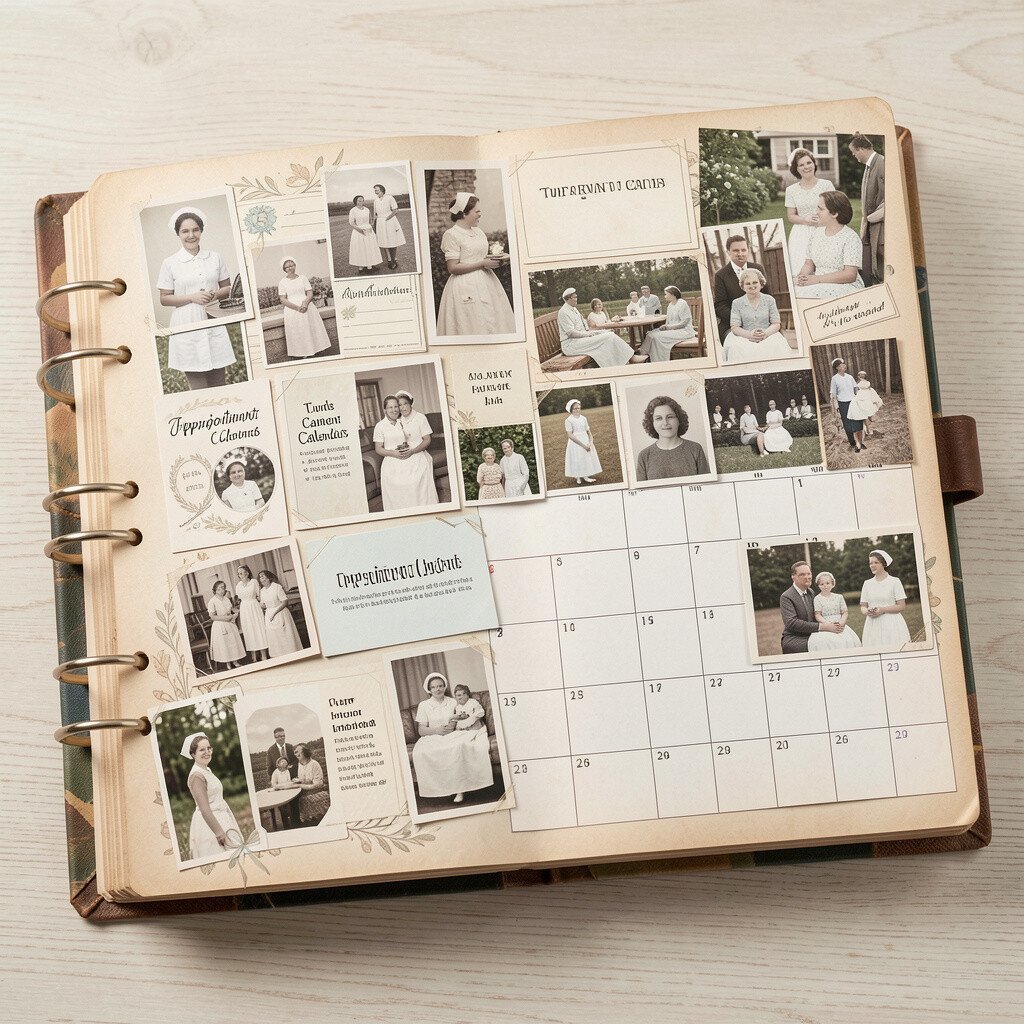
Gather appointment cards, discharge papers, or old clinic reminders, then cut them into neat shapes. Arrange them into a monthly grid so the page looks organized even if the contents are personal.
This collage style makes it simple to see patterns, like how often certain places showed up in your nurse life. Use glue sticks that dry clear, and trim edges with care so the page stays clean and sturdy.
For current trends, collage pages with layered paper are popular right now, especially when they mix old and new textures. Keep costs manageable by using what you already have and buying only a few matching decorative papers.
6. Add Polaroid-Style Moments From Break Rooms
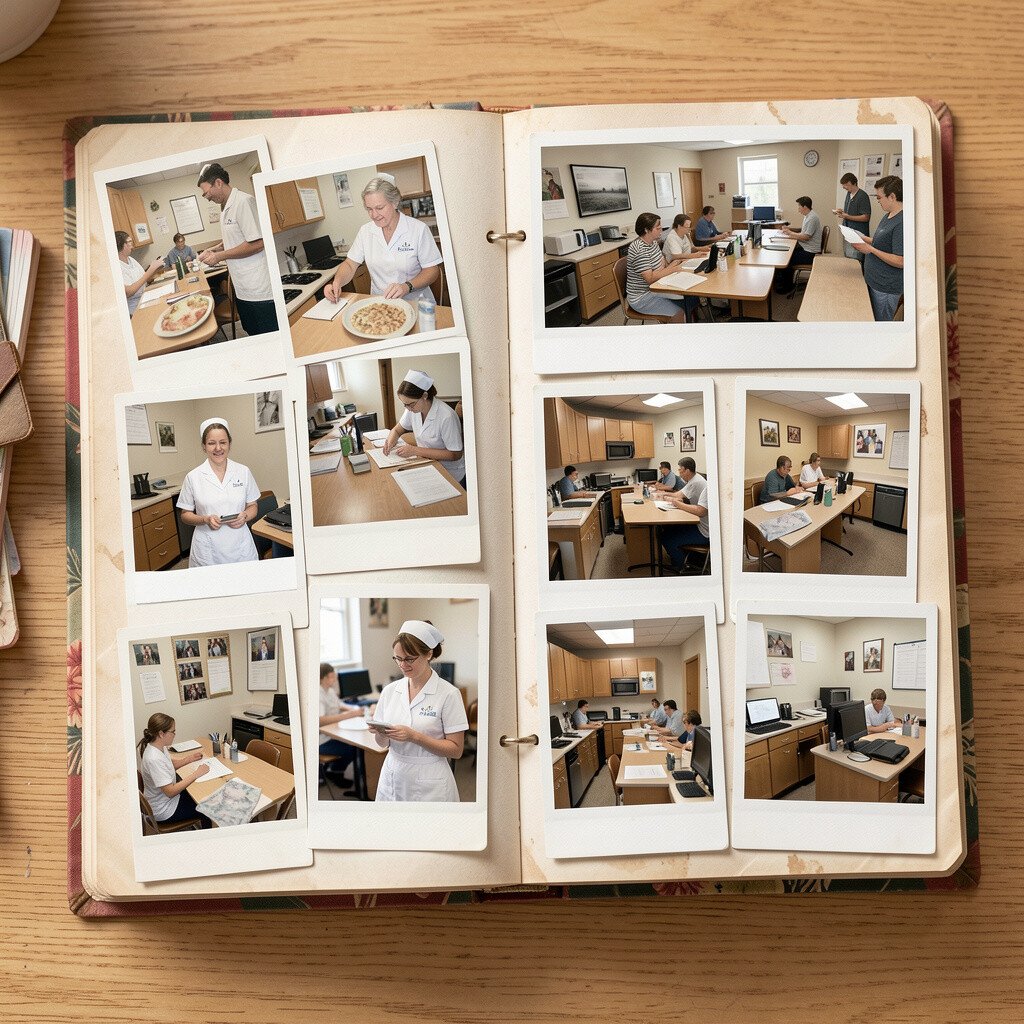
Choose a few candid photos from lunch breaks, check-ins, or hallway laughs, and print them with a white border for a Polaroid look. Tape them down with corners so you can rearrange later without damage.
Break-room photos feel special because they show the human side of nursing, not just the medical moments. They also boost your scrapbook’s uniqueness by capturing the small kindnesses that kept everyone going.
Try adding one short line about what you were drinking, wearing, or listening to on shift, since those details make the memory vivid. If you want to personalize further, include a tiny map of the break area with a sentence about your favorite spot.
7. Paste Handwritten Notes From Mentors and Friends
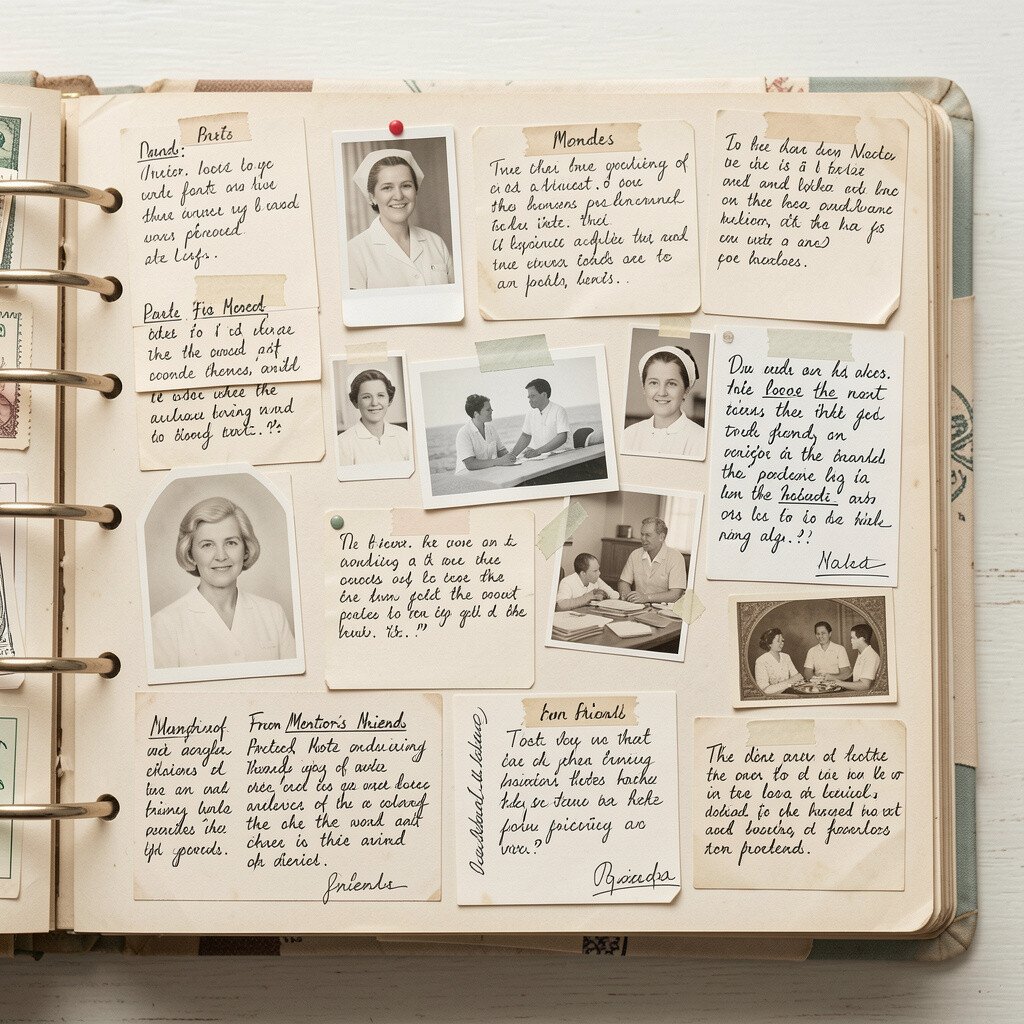
Gather handwritten notes, thank-you messages, or supportive notes from coworkers and family. Scan them if you want perfect readability, then print them and place them in chronological order.
This page becomes a source of comfort, because your handwriting and others’ words can pull you back to that exact feeling. It also acts like a living library of encouragement that you can reread when life is busy.
8. Build a “Tools I Loved” Page With Mini Captions

Pick a few items you kept, like a stethoscope tag, an old watch, or a pen that always worked. Place one small object per section so the page stays tidy and visually calm.
Write a short memory for each item, such as when you used it most or what it helped you do. This adds benefits beyond decoration because it reminds you of skills, patience, and steady hands.
To keep it practical, use foam squares or small adhesive dots so objects don’t sag. For cost considerations, you can replace bulky items with photos of the tools, then print a close-up so it still looks real.
9. Create a Thank-You Page for Patients and Families
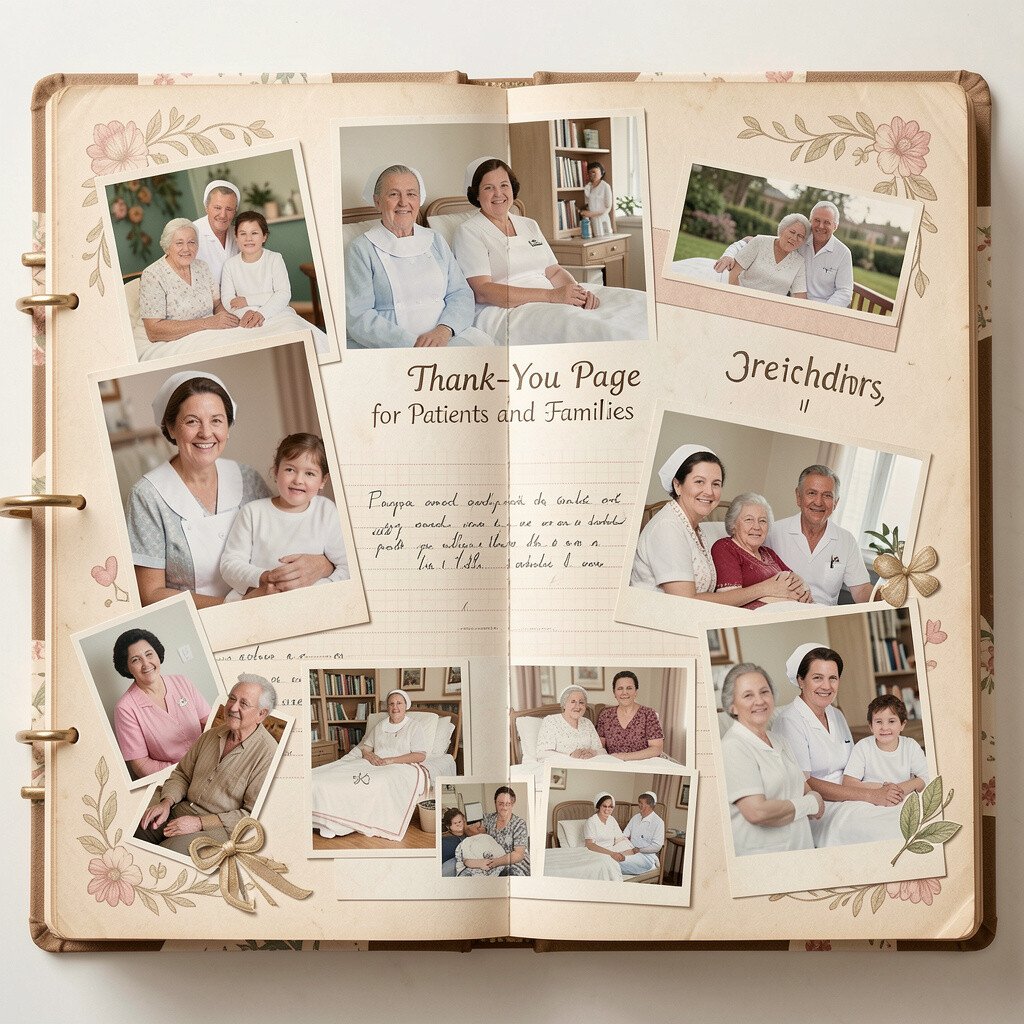
Use anonymous thank-you letters or general notes you can share safely, without revealing private details. Cut them into strips and layer them like a soft quilt behind a photo of your scrubs or a quiet room scene.
Even when the names change, the feeling stays, and that is a powerful benefit for your emotional well-being. The page also brings uniqueness because it shows your nursing heart in your own words, not just in official records.
Personalize this page by adding a small list of values you practiced, like listening carefully or explaining gently. If you want a current trend touch, use subtle washi tape in soothing colors to frame the letters like a gallery.
Keep the tone respectful and kind, since this scrapbook is meant to honor the people who trusted you.
10. Frame “Big Cases” With a Safe, Calm Story
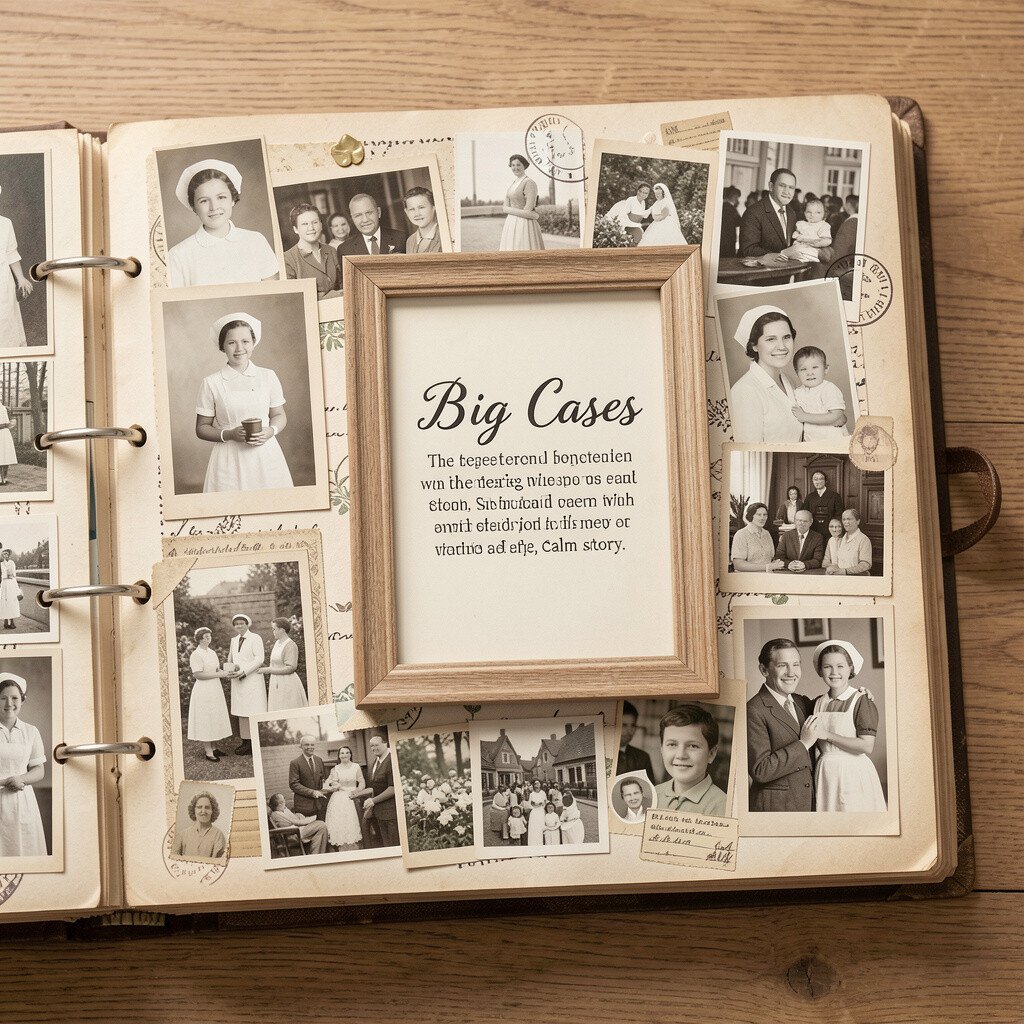
Choose a few moments that shaped you, then write a careful, simple story about what you learned. Use a calm format by focusing on teamwork and what you did next.
Visual storytelling helps your brain organize strong memories, which can be comforting rather than overwhelming. Add a photo of your unit or a generic image of a hallway to keep the page feeling grounded.
For practical tips, use a clear plastic pocket for clippings so you can remove or replace them later. Cost stays reasonable if you print one or two supporting images and rely on your own journaling for depth.
11. Make a “Soundtrack of Nursing” Page With Song Titles

Pick songs you associate with certain shifts and write them on a page with a simple layout. Add small icons like a music note, a radio, or a tiny headband doodle in pen.
This is a fun benefit because music turns memories into something you can feel again, not just see. It also makes the scrapbook unique since it shows your personal rhythm alongside patient care.
Personalize by including why each song fits, like “the one that helped me breathe during a long night.” To match current trends, use short, bold fonts in printed labels so the page looks modern while the content stays vintage.
12. Press Program Flier Corners and Event Tickets
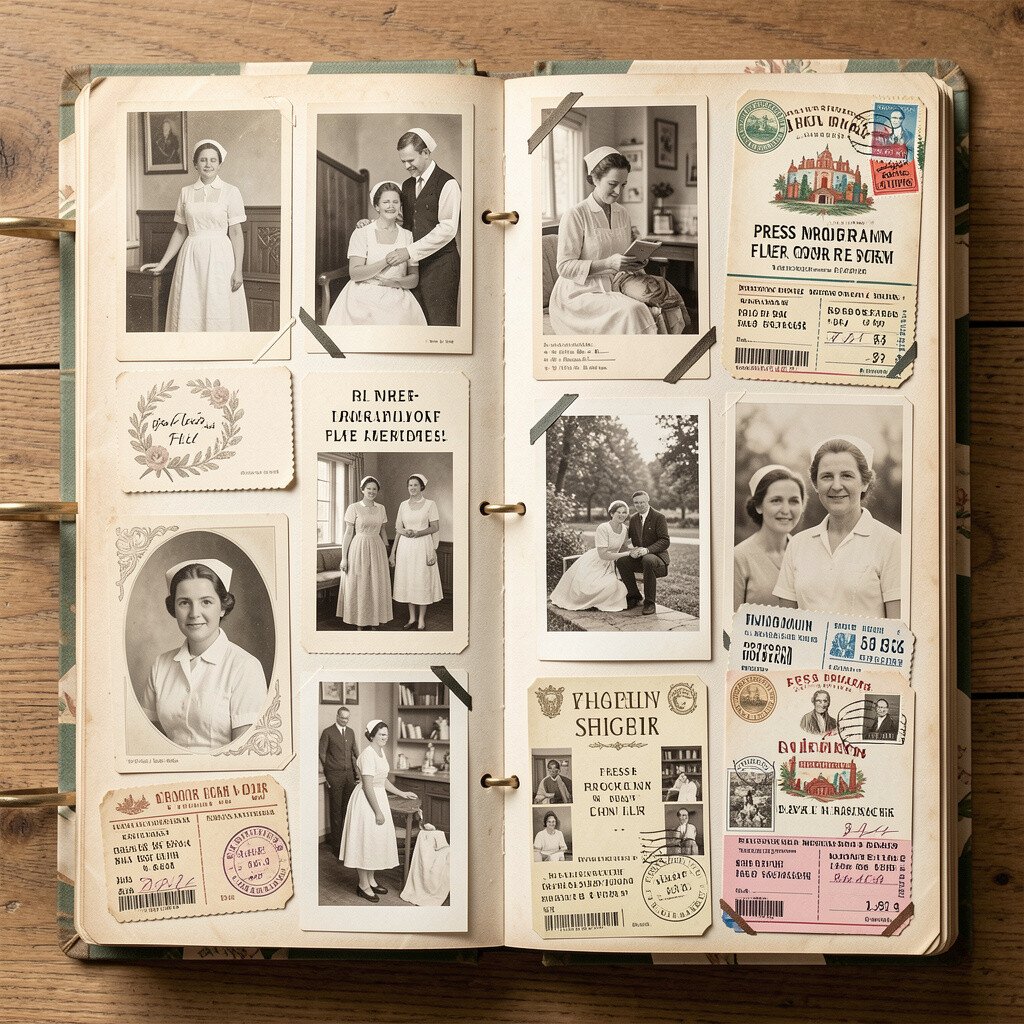
Save conference flyers, small event programs, and tickets from training days. Instead of gluing everything flat, keep a few corners raised with a tiny strip of tape for texture.
This method looks beautiful because the paper has movement, like it’s still part of that day. It also offers practical value since you can quickly spot which events mattered most to you.
13. Add a Scrapbook Pocket for a “Best Advice” Card

Create a card with advice you would tell a younger nurse, or a promise you made to yourself at work. Put it inside a pocket so you can swap cards whenever you feel like updating your mindset.
This adds a real benefit because the scrapbook becomes more than a record, it becomes a tool for your future. The pocket style also gives you uniqueness since it invites change instead of locking your memories in one rigid way.
For personalization ideas, include one line about self-care, one line about teamwork, and one line about learning. Keep costs low by using cardstock and one decorative pen, then cover it with clear laminate if you want extra durability.
14. Design a Yearly “Then and Now” Comparison Spread
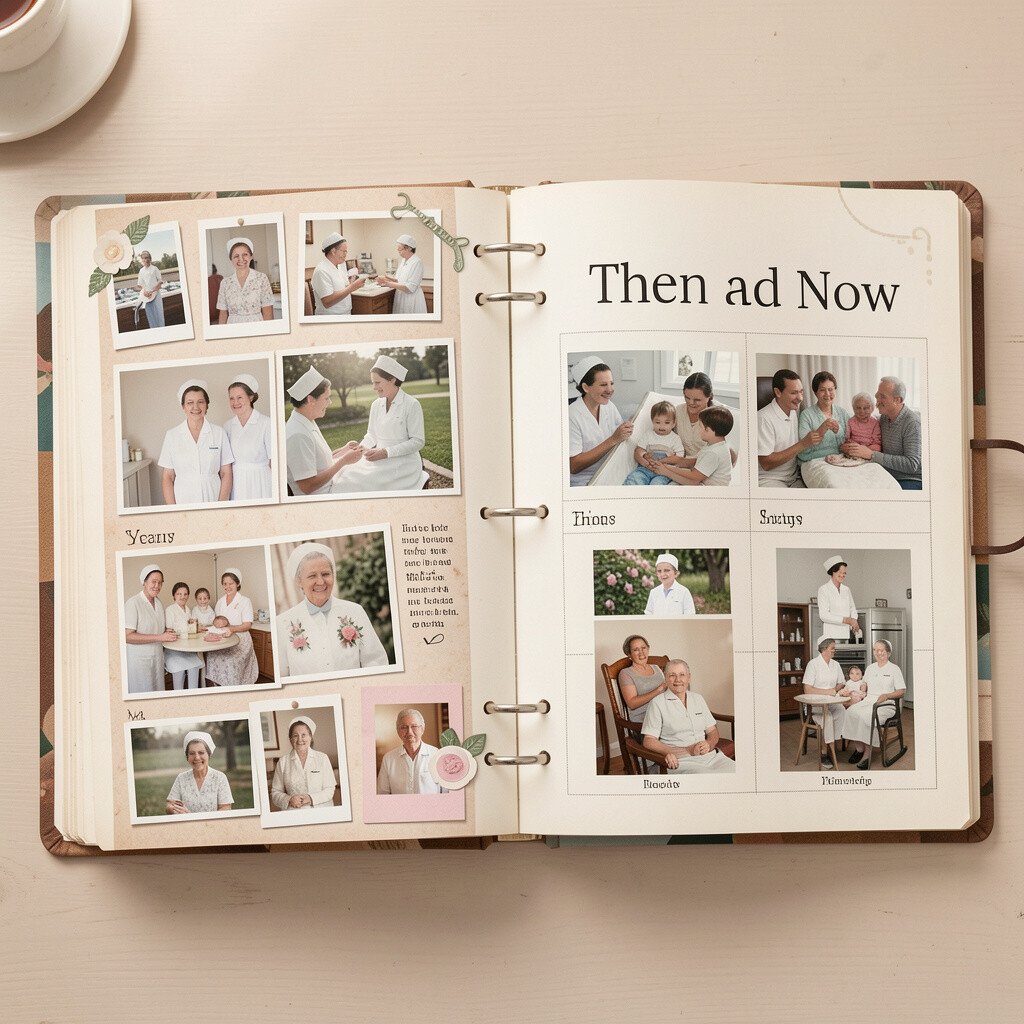
For each year, choose one photo from nursing life and one recent photo of yourself in a similar pose, like standing near the same doorway or holding a similar object. Match the framing so the two images feel connected, even if the world has changed.
This creates a visual timeline that feels both comforting and motivating. It’s also a unique way to track growth in your skills, your style, and how you care for others today.
To make it practical, use a consistent template so adding new years is easy. If you want a modern trend, add a small “color story” behind the images using paint swatches that reflect how you want that year to feel.
Consider costs by printing photos through a standard photo service and reusing the same page layout supplies each year.