
The right floor can make a small room feel bigger and brighter. Vinyl plank flooring is a friendly choice because it looks great and fits real life.
From cozy entryways to compact kitchens, the right style and layout can change how your whole home feels.
1. Warm Natural Wood-Look Planks

Picture soft, honey-toned planks running through your room like morning light. The grain looks real at a glance, but the surface stays easier to care for than many other flooring types.
Choose a lighter wood tone to bounce light and reduce visual heaviness. In a small space, consistent color helps the eye move smoothly from corner to corner, which makes the room feel more open.
2. Wide Planks That Make Walls Feel Longer
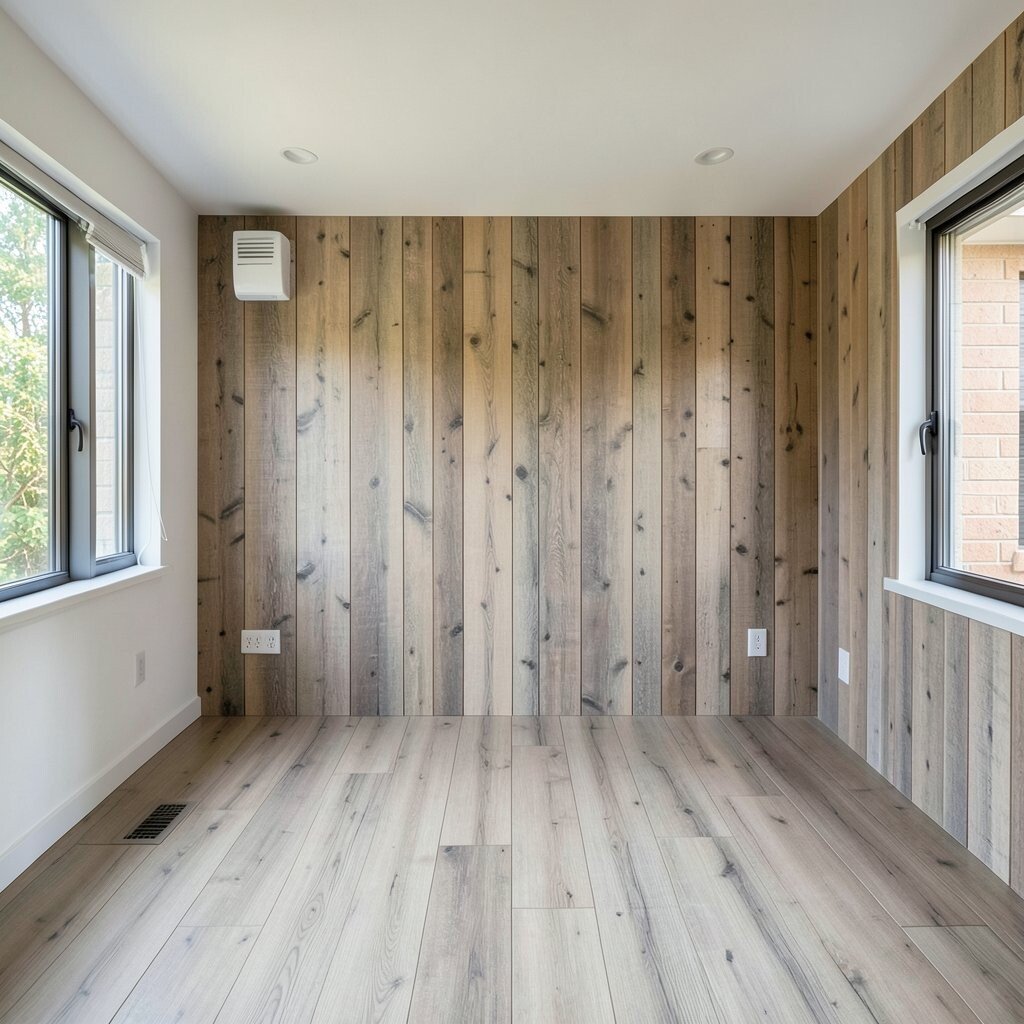
Wide vinyl planks can visually stretch a compact room. When the boards span more floor distance, fewer seams interrupt the view.
Pick planks with subtle variation so the pattern feels calm, not busy. Lay them parallel to the longest wall so the room naturally reads as longer and more spacious.
For the best look, keep transitions neat and use matching trim so nothing feels chopped up. If you rent or plan to move, look for click-lock styles that stay solid and make future changes simpler.
3. Light Gray With Cool, Clean Undertones

Light gray vinyl planks can bring a crisp, airy feel without looking sterile. Think of a modern loft vibe, but warmer and softer under your feet.
This shade works especially well with bright white walls and light curtains. It also pairs nicely with stainless fixtures and simple decor, so your room looks tidy even when it’s lived in.
To keep the floor from feeling too chilly, add a cozy rug with warm threads or tan accents. If you want personalization, match your cabinet hardware or picture frames to the same cool metal tone for a pulled-together look.
Many options at different price points exist, so compare the thickness and wear layer rather than only the color. A durable wear layer is often the best value in the long run, especially in kitchens or entry zones.
4. Textured Matte Finishes for Real-Life Comfort
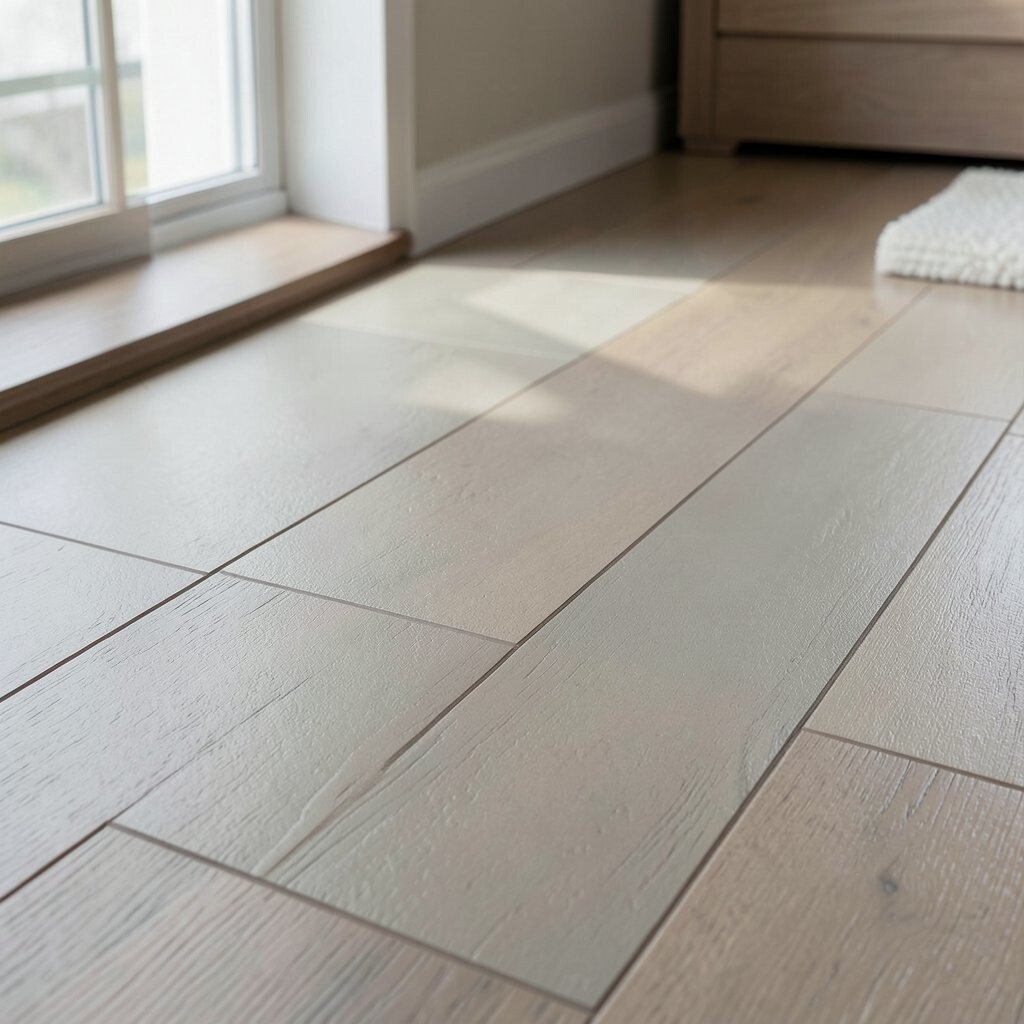
A matte vinyl plank finish can look like actual wood without mirror glare. When sunlight hits it, the surface stays soft and forgiving, which feels extra nice in small rooms.
Texture also helps hide everyday scuffs and light footprints. If your home gets busy, this kind of surface can reduce how often you feel the need to deep-clean.
Pair the texture with simple decor to avoid visual clutter. You can also add a low-pile rug that won’t fight the grain, making the whole space feel comfortable and cohesive.
Look for planks that specify scuff resistance and easy-care coatings. A slightly higher upfront cost can save time later when you’re maintaining a busy household.
5. Small-Batch Herringbone-Style Planks
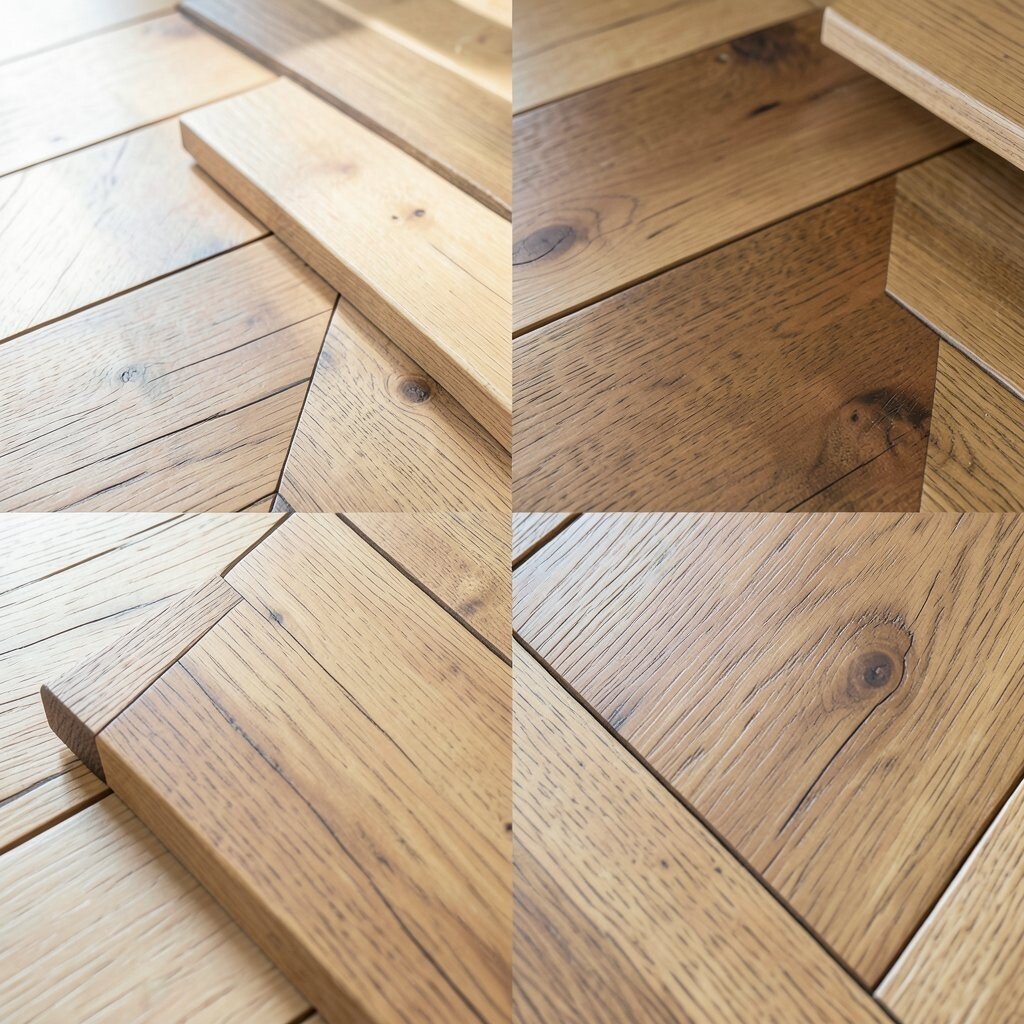
Even in a small room, a herringbone-inspired layout can add charm and movement. The pattern gives your floor a focal point, so the space feels styled rather than plain.
Choose a lighter herringbone or a neutral oak tone so the pattern brightens instead of crowds the room. For practical planning, measure carefully and confirm the planks work with your chosen layout so cuts stay tidy.
If you love personalization, match the pattern direction to how your furniture is arranged. For example, aim the angles toward a main window to make the space feel naturally guided by light.
6. Classic Bevel Edges for Extra Depth
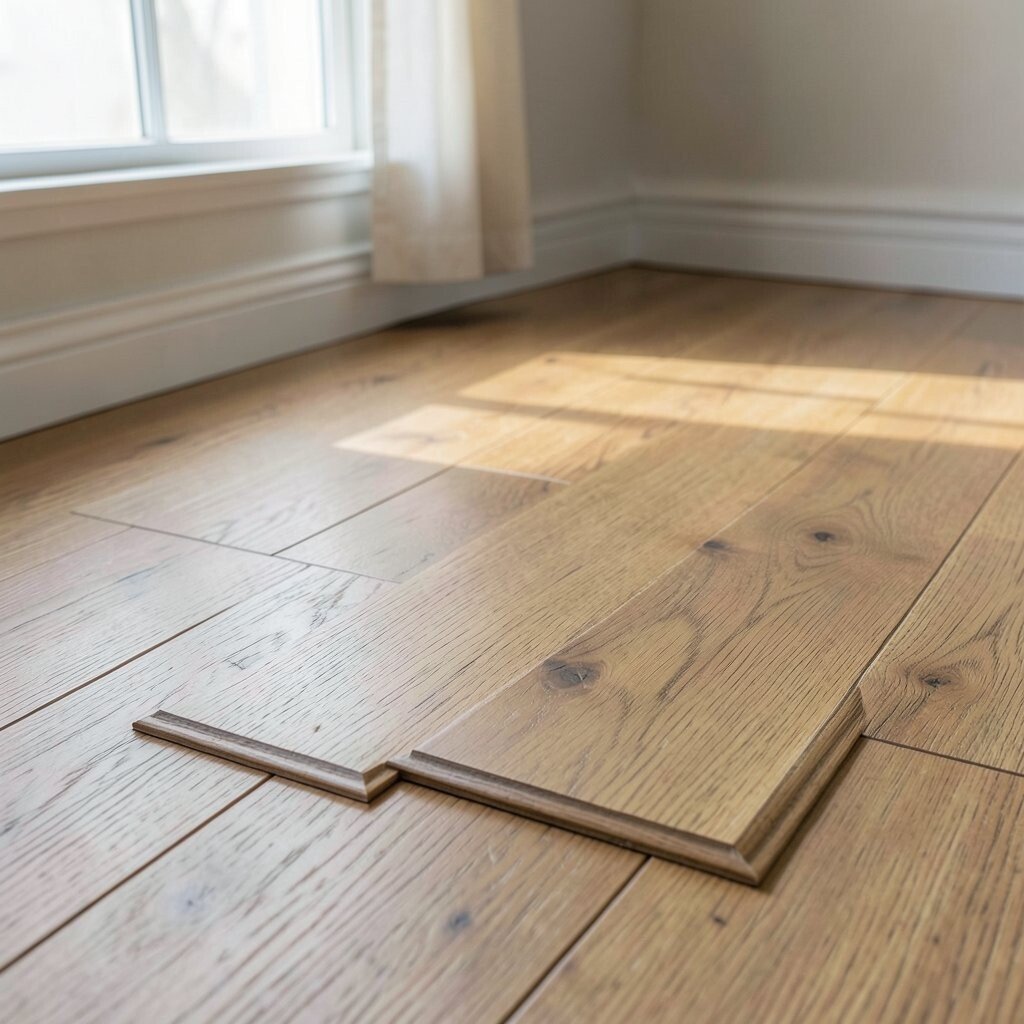
Beveled edges can add gentle shadows between planks, which makes floors look deeper. In a small space, that depth creates a more dimensional and expensive-looking result.
This effect is especially nice when your room gets overhead lighting rather than strong natural light. The subtle contrast helps the floor read as a real installation, not a flat surface.
To keep it bright, pair bevel-edged planks with light walls and a clean baseboard color. If you want to manage cost, you can upgrade the floor detail while keeping wall finishes simple and neutral.
7. Planks With Micro-Variance for a Calm Look

Micro-variance means the boards have tiny differences in tone, similar to real timber. The visual result is soft and natural, which is perfect for small rooms that already have lots going on.
This kind of look helps hide minor wear, since the floor isn’t one uniform color band. If you spill something, having a pattern that doesn’t show every contrast spot can feel more forgiving.
For personalization, keep your decor colors limited to two or three shades that echo the floor. That way, the room feels coordinated instead of scattered.
When comparing options, check for water resistance ratings and the best maintenance method. Vinyl performance depends a lot on top coatings and how it handles damp cleaning.
8. Gloss-Resistant Planks for Bright Rooms
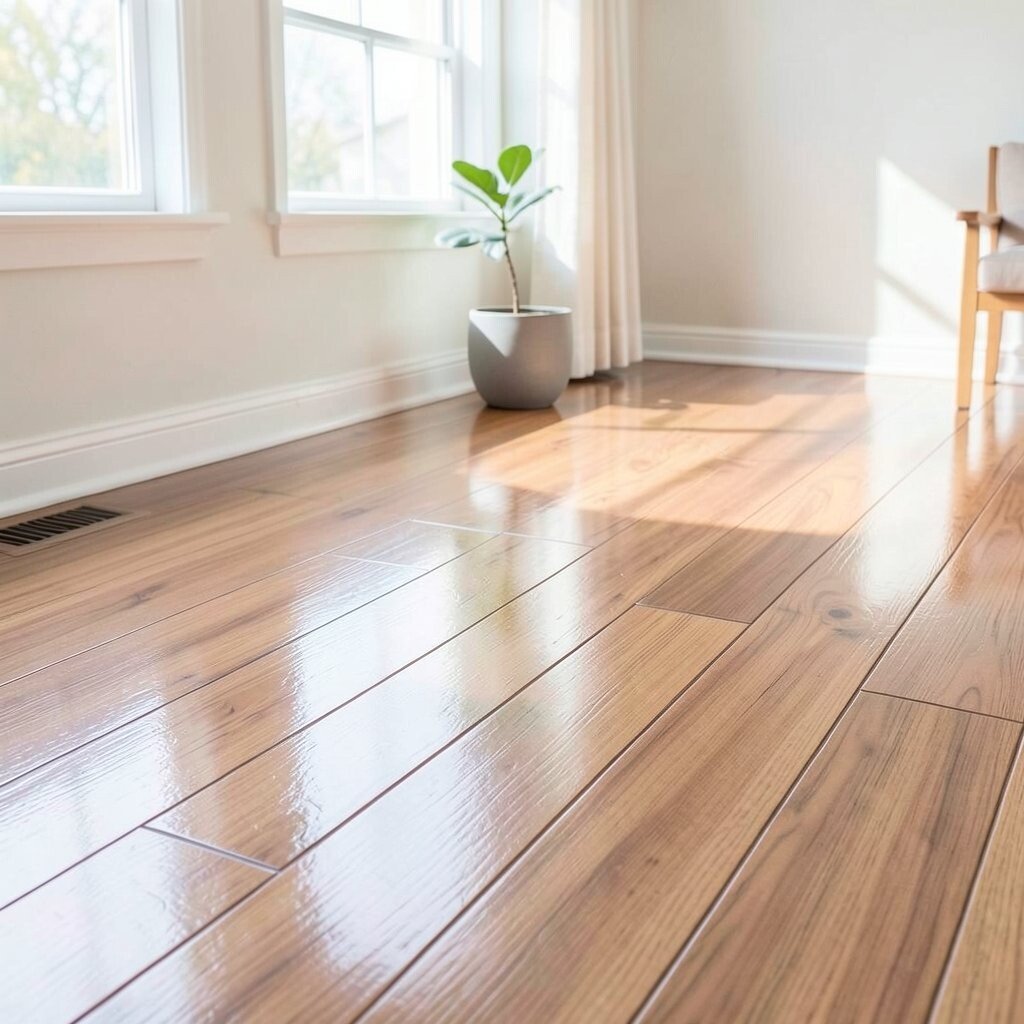
If your small space gets strong sunlight, gloss-resistant vinyl can keep glare under control. You get brightness without annoying reflections that make floors look patchy.
Look for planks described as matte, satin, or low-sheen so your room stays comfortable. Pair with sheer curtains or light blinds to let daylight spread across the floor evenly.
This approach makes the room feel fresh and open, especially in apartments where light is everything. Keep furniture legs slim and light-colored to avoid dark visual blocks across the floor.
9. Understated Waterproof Planks for Kitchens and Entryways
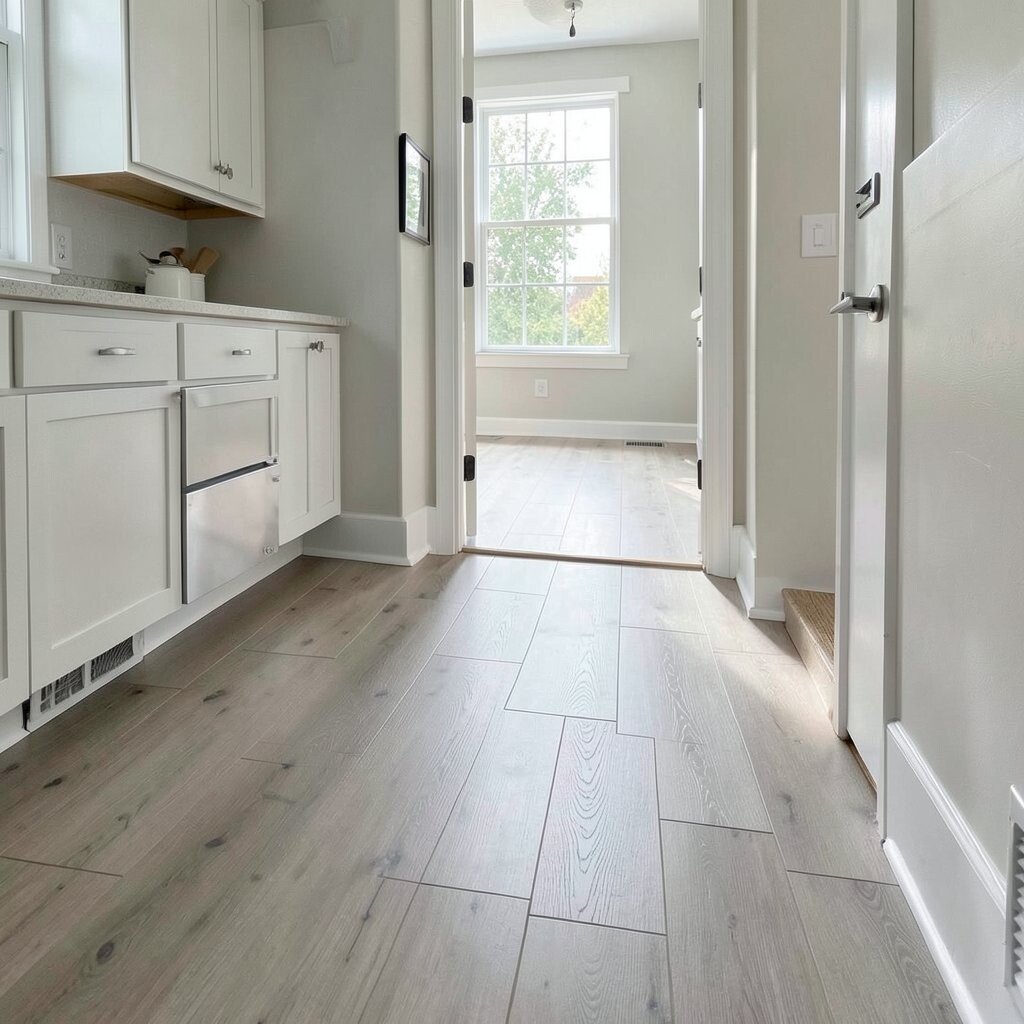
Waterproof vinyl plank ideas are practical because small spaces often get messy. A tidy, water-ready floor helps you handle wet shoes, tiny spills, and splash zones with less stress.
Choose a water-resistant or waterproof core if the area sees moisture. That small upgrade can be worth it when you’re trying to keep your home looking bright without constant worry.
For better results, use rugs near doors and place mats under sinks. Those small steps can extend the floor’s beauty and reduce how often you need to tackle stains.
10. Light Walnut Tones for Rich Brightness
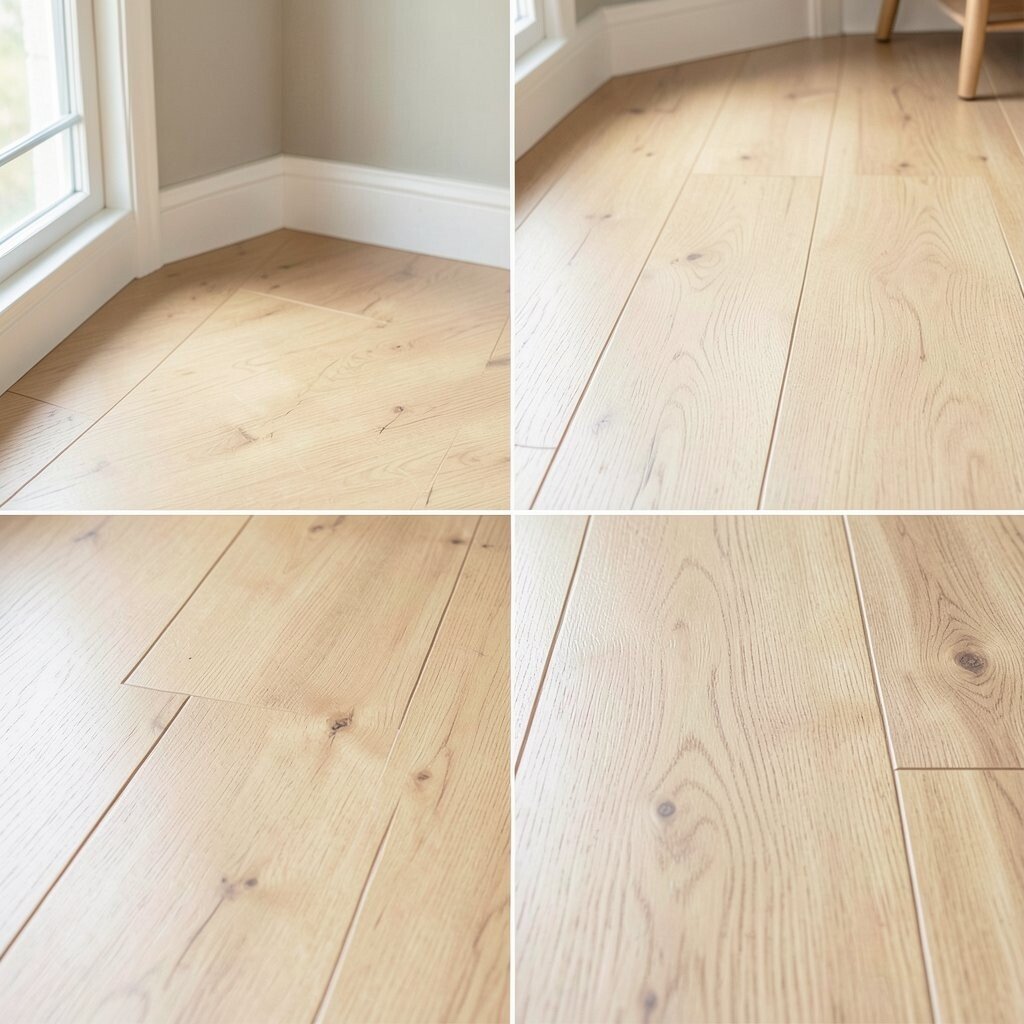
Light walnut tones bring warmth while still staying airy. The color feels inviting, like a sunlit wood table, and it flatters many decor styles.
Walnut hues can also make your room feel more cozy without turning it dark. If you like personalization, add warm brass or caramel accessories that echo the floor’s undertone.
When you’re planning cost, remember that mid-range vinyl can still look premium if the design is realistic. Compare plank length and wear layer rather than only brand names.
To keep the look bright, choose light curtains and avoid too-dark wall colors. A lighter backdrop helps the floor become the warm hero instead of the room feeling heavy.
11. Scandinavian-Style Pale Oak With Clean Lines
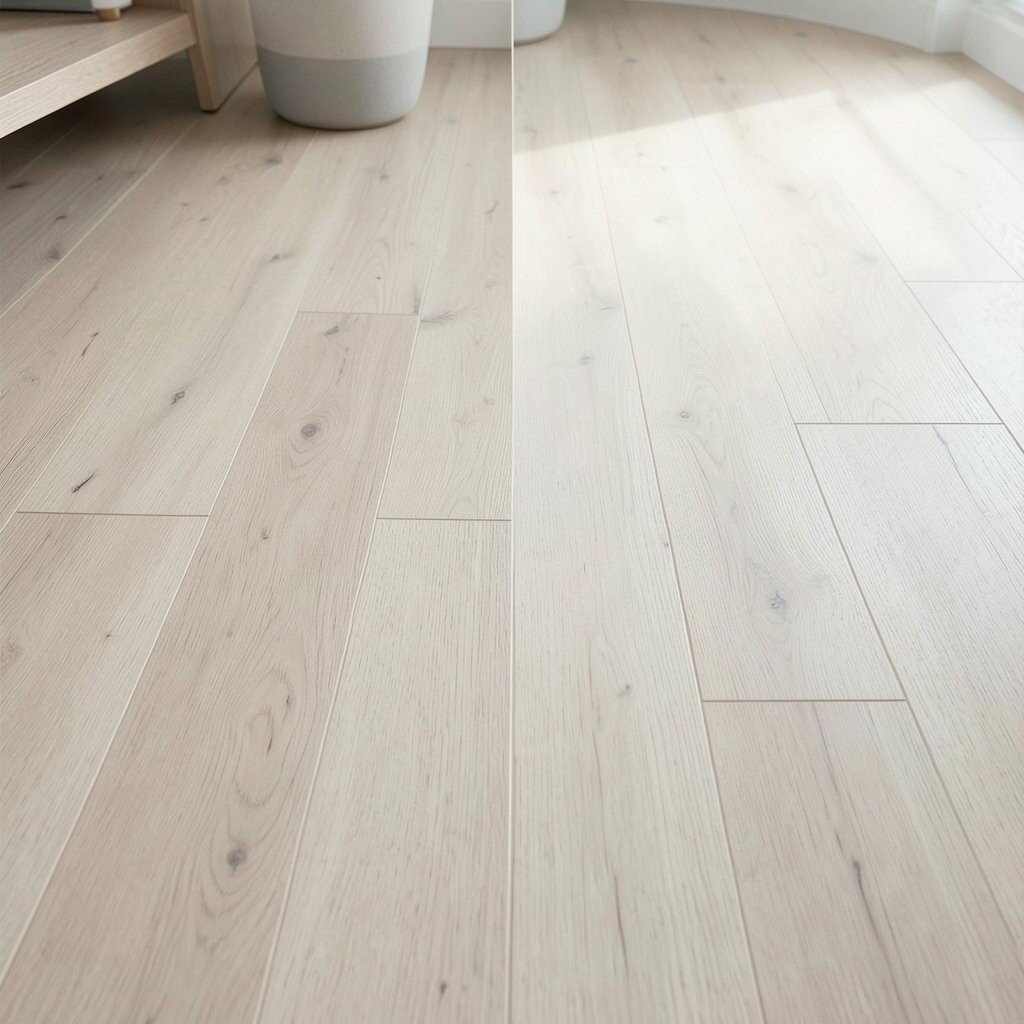
Pale oak planks are a go-to choice for small spaces because they look light and natural. The color stays close to cream, which makes the room feel calm and open.
Scandinavian-style floors also look great with simple furniture, like light wood chairs and minimal shelves. If you want your space to feel current, keep patterns on textiles gentle and let the floor do the work.
For practical tips, use felt pads on furniture and avoid dragging heavy items across the surface. That small habit helps maintain a smooth, bright look longer.
12. Brick-Pattern Vinyl for Unexpected Charm

Brick-pattern vinyl plank ideas can add character in a small entry or nook. The straight layout creates a lively rhythm, like a tidy backsplash, but on the floor.
This style works well when your walls are simple and you want the floor to carry the personality. Choose light stone-inspired colors so the pattern feels fresh instead of dark.
To keep it coordinated, match grout-like tones with your door hardware or light fixtures. Even small details, like the same warm neutral in your accessories, can make the whole space feel planned.
If you’re watching budget, brick-pattern designs may cost about the same as standard planks in many stores. Still, look for strong wear layers so the pattern remains crisp as the years pass.
13. Color-Blocked Borders With a Subtle Frame
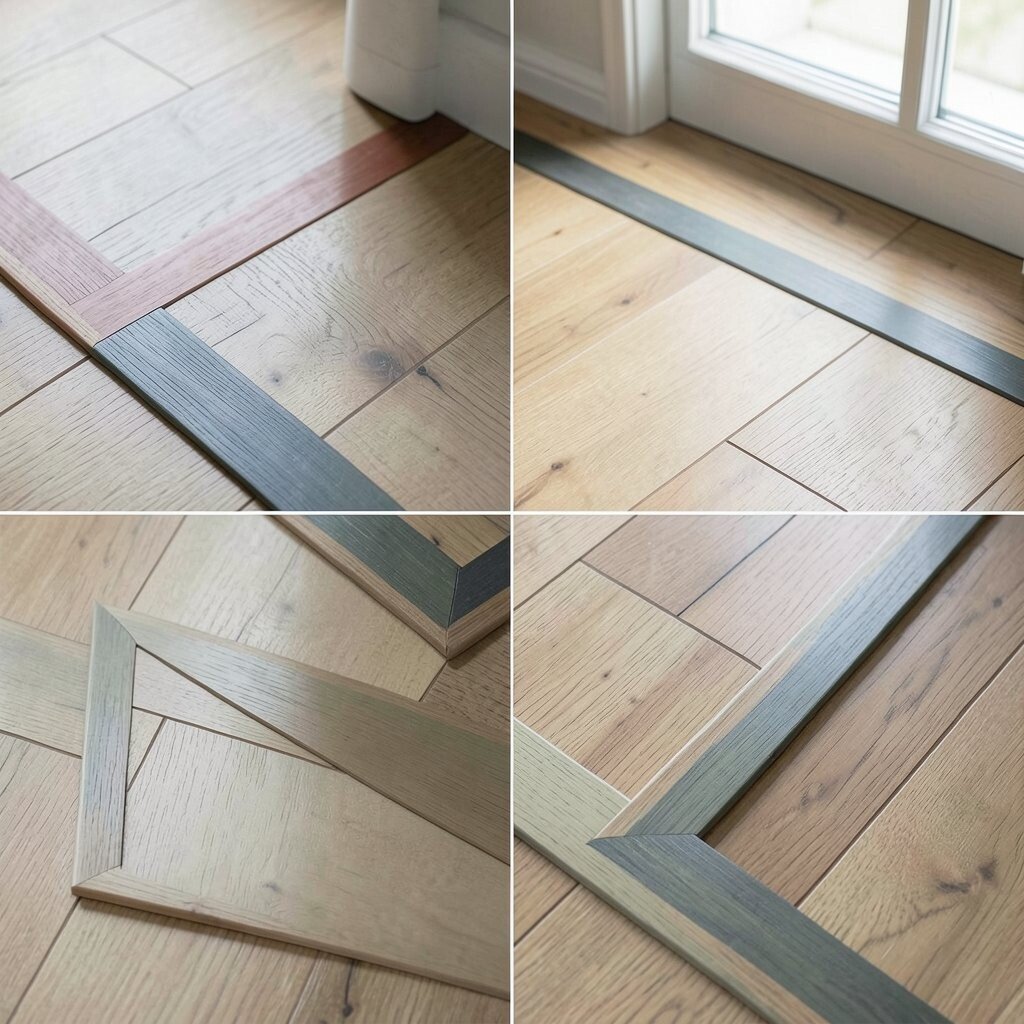
A subtle border around the room can make a small space feel designed, not accidental. Think of a light plank field framed by a slightly darker accent that resembles architectural trim.
This trick adds structure, which helps the eye understand the room’s shape. When the floor looks intentional, the space usually feels bigger and more inviting.
Keep the accent color close to the main tone so it stays bright. For a personalization boost, use your border idea to echo patterns you already like, such as a rug edge or curtain trim.
Cost considerations matter here because extra cuts and planning can affect labor. If you install yourself, use a scrap practice run to get confident and reduce wasted planks.
14. Mix-and-Match Tones for Zoning Without Walls

Mixing vinyl plank tones can help you zone a small open area without building walls. For example, use one lighter plank tone near the living area and a slightly warmer tone near the dining corner.
This approach makes each zone feel purposeful while keeping the overall look bright. The key is choosing tones that belong to the same family so the transition feels smooth.
To personalize, match the different tones to your existing furniture or cabinet finishes. Even one small piece, like a wooden frame or lamp base, can guide your palette choices.
For practical installation planning, confirm that your planks have compatible thickness and locking styles. If they don’t, you may need a transition strip, which can affect both look and cost.
15. Seam-Less-Looking Planks With Minimal Contrast Lines

Some vinyl planks are designed to look nearly seamless, with seams that don’t show much. In a small space, fewer visible lines can make the floor feel continuous and open.
Minimal contrast also means your floor stays forgiving when furniture shifts or when sunlight moves during the day. That can be a big benefit in rooms where you rearrange often.
Choose a color close to your wall trim so everything feels related. If you want extra brightness, keep baseboards light and keep the floor pattern gentle, not high-contrast.
When comparing price, pay attention to how planks handle expansion and contraction in your climate. A quality locking system can reduce minor gaps and help the floor look smooth for longer.
16. Smart Layout Tricks With Plank Direction and Lighting
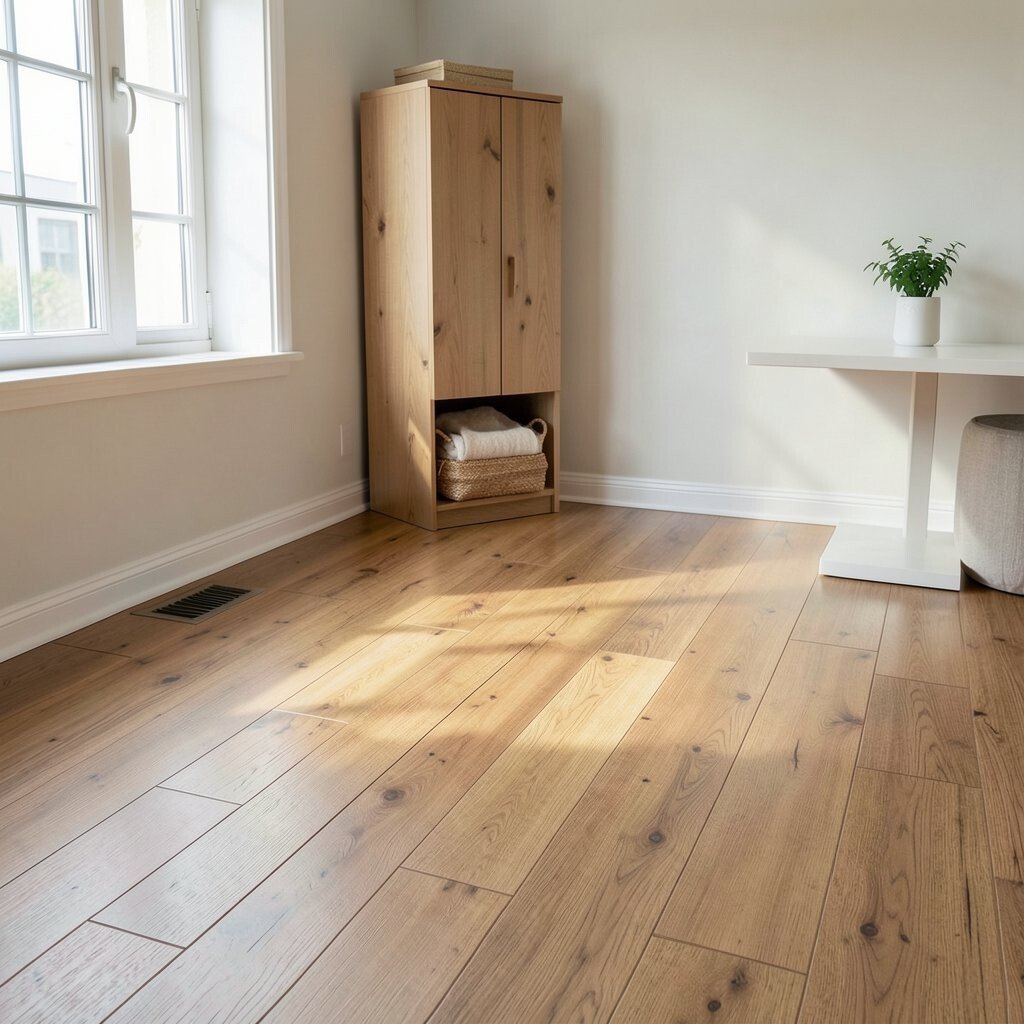
Layout and lighting can be just as important as color when you’re working with a small room. Try running planks lengthwise to match the direction your eye naturally travels across the space.
Planks placed with the longest lines toward a main window often feel brighter because light hits them more evenly. You can also plan seams so they land under furniture or along less noticeable paths.
For practical tips, dry-lay your pattern before committing and check how pieces align at doorways. This helps avoid awkward slivers near edges, which can make the floor look less polished.
Current trends keep moving toward realistic textures and larger-format planks, but the layout still makes the biggest difference in small rooms. If you want personalization, adjust the direction to echo your home’s rhythm, such as aligning with hallways or consistent furniture lines.
Cost can be managed by measuring carefully and selecting planks that waste less material for your square footage. When you plan well, you can get a brighter result without overspending on extra underlayment, trims, or replacement boards.