Walls can do more than hold up a room. They can shape light, hide clutter, and make a home feel calm.
With the right framework, even a simple wall project can look neat and feel smart.
1. Simple Stud Wall Framework
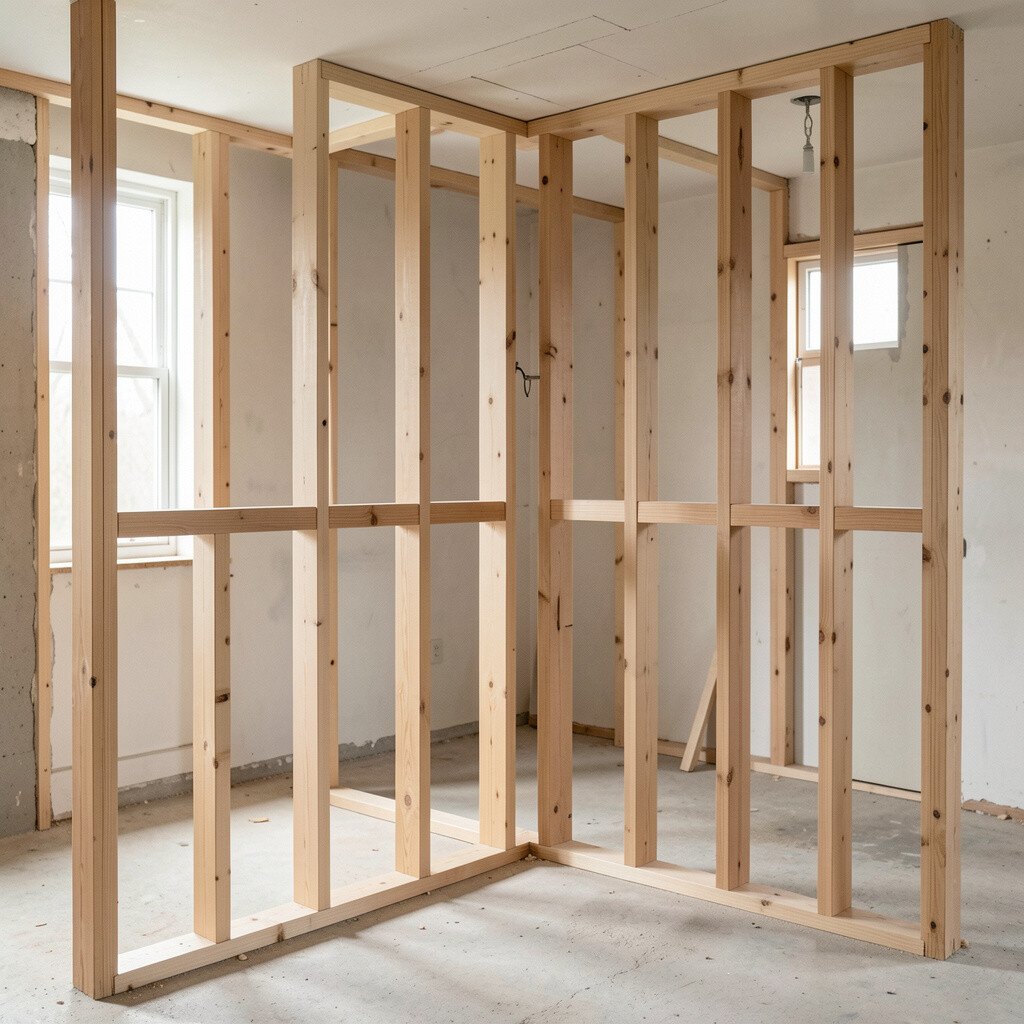
A simple stud wall looks clean and plain before the finish goes on, with straight vertical lines that are easy to picture in your head. It is a friendly choice for first-time builders because the parts are easy to find and the frame goes up without much fuss.
This style works well when you want a low-cost project that still feels solid and useful. You can paint it, add shelves, or hang art to make it fit your room, and many people like it because it keeps the budget under control while still giving a crisp result.
2. Half-Height Divider Framework
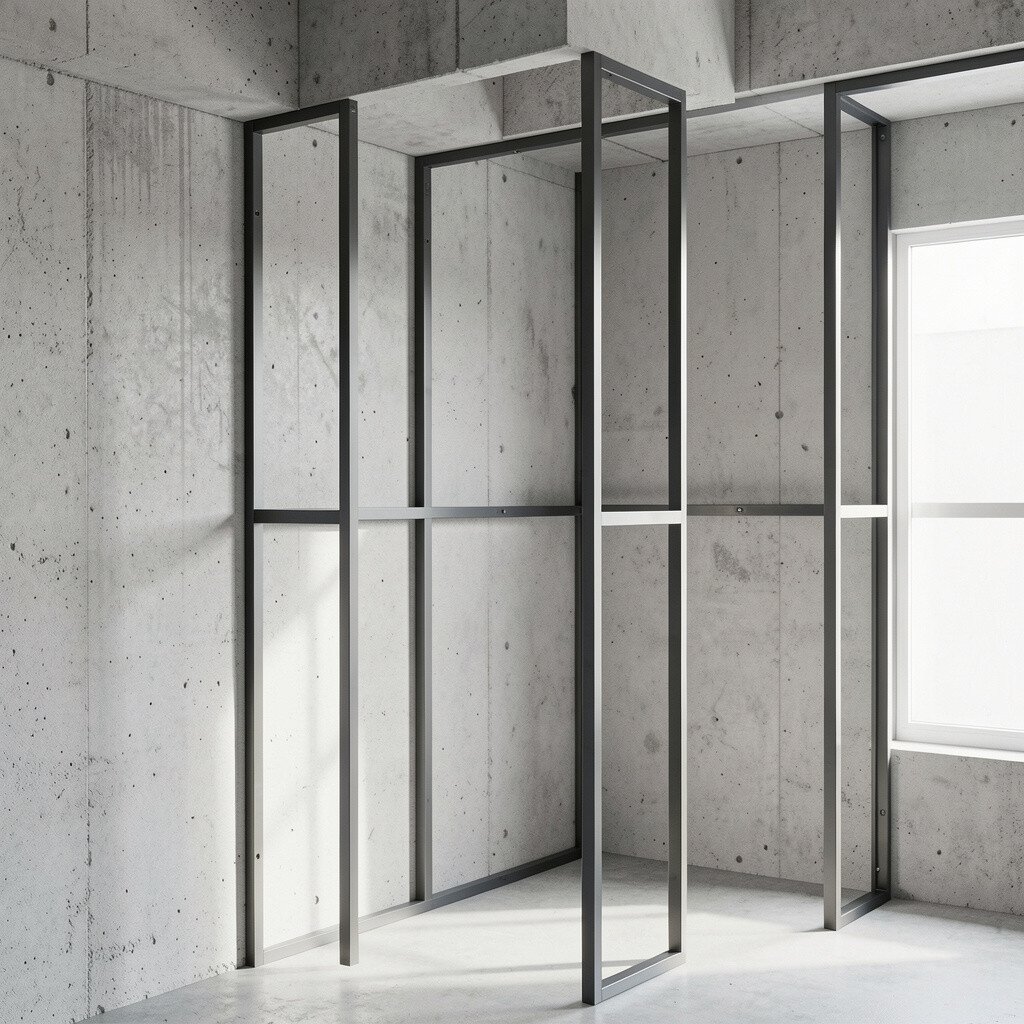
A half-height divider gives a room a softer look, like a calm line running across the space. It can separate a kitchen from a dining area or make a wide room feel more cozy without blocking light.
This framework is popular because it feels open and friendly, and it is often cheaper than a full wall since it uses less wood and fewer finish materials. You can top it with wood trim, a shelf, or a smooth cap, which makes it easy to match your style and add a small place for decor.
Many homeowners use this idea in modern homes because it fits well with open plans and still gives a bit of privacy. If you want more charm, try warm paint, beadboard, or a bold color that makes the divider stand out.
3. Corner Return Framework
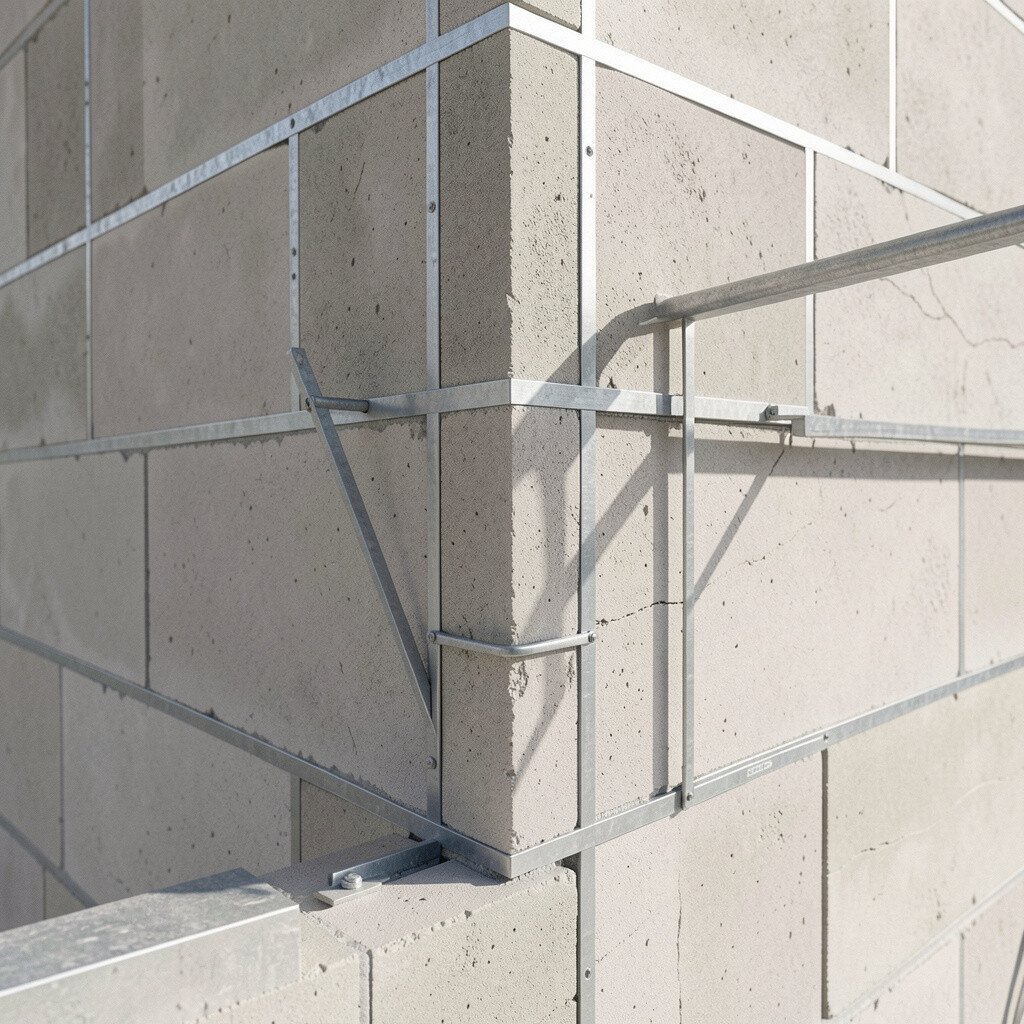
A corner return frame creates a neat edge where two walls meet, and it gives the space a sharp, finished look. The shape is simple, yet it makes a room feel more planned and less rough around the edges.
This build can be useful when you want to hide wiring, frame a doorway, or make a small nook feel like part of the house. It is a smart way to save money because the frame can be small, and you can choose materials that fit your needs instead of spending on a full rebuild.
People often like the tidy look because it helps furniture sit better against the wall. You can make it feel more personal with trim that matches your doors or by using a paint shade that blends with the rest of the room.
4. Open Shelf Wall Framework
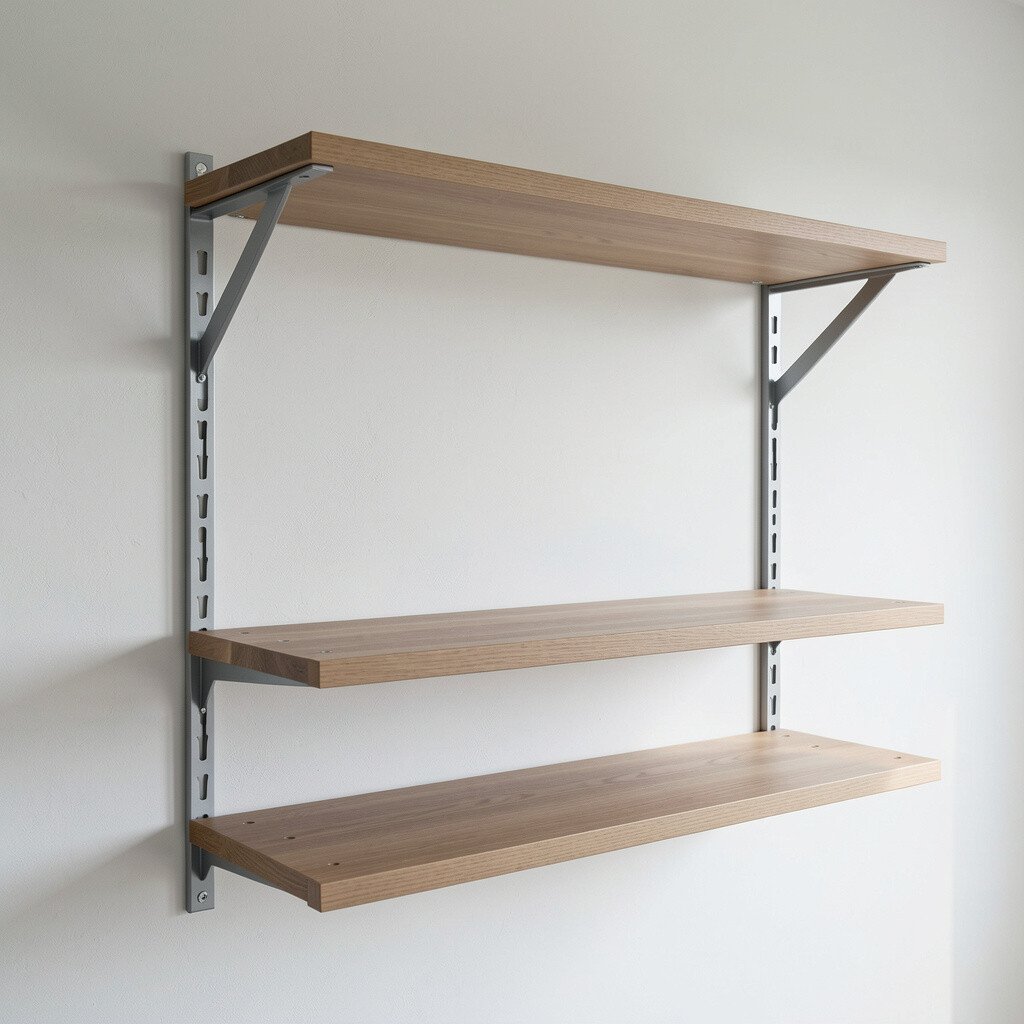
An open shelf wall framework looks light and airy, with rows of shelves built into a simple wall frame. It can turn an empty wall into a display for books, plants, baskets, or dishes, and the result feels both useful and cheerful.
This style is great when you want storage without a bulky cabinet look, and it can cost less than many closed systems. Make sure the frame is strong enough for the items you plan to store, and keep the shelves spaced in a way that fits your daily use.
5. Accent Panel Wall Framework
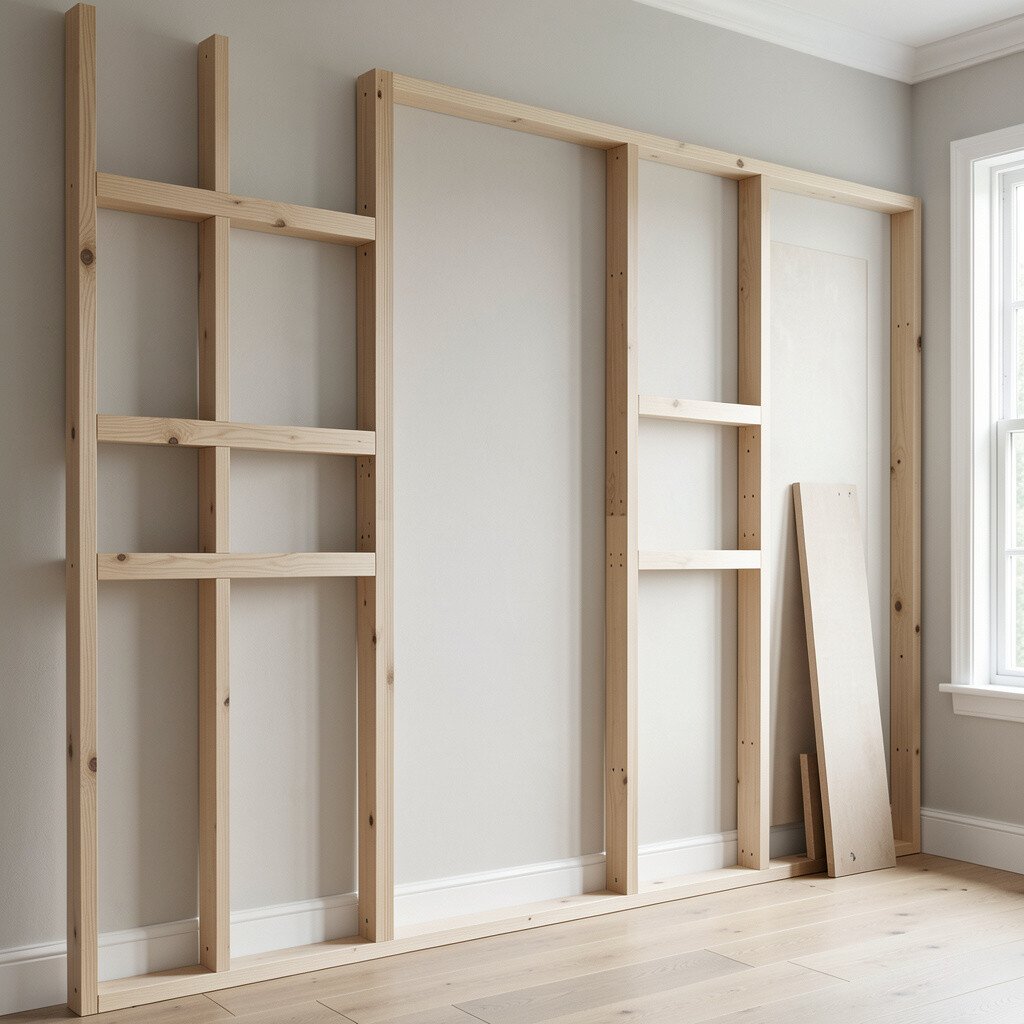
An accent panel wall can make a plain room feel lively, with raised shapes or flat sections that catch the eye. It adds texture and depth, so the wall does more than sit in the background.
This framework is a favorite in current home design because it works with paint, wallpaper, or wood stains, and it can fit many styles from classic to fresh and modern. You can keep it budget-friendly by using simple boards and smart layout choices, then finish it with a color that matches your room mood.
Some people like to use it behind a bed or sofa to make the wall feel special. The best part is that it can be as bold or quiet as you want, which makes it easy to make your own.
6. Sliding Panel Wall Framework
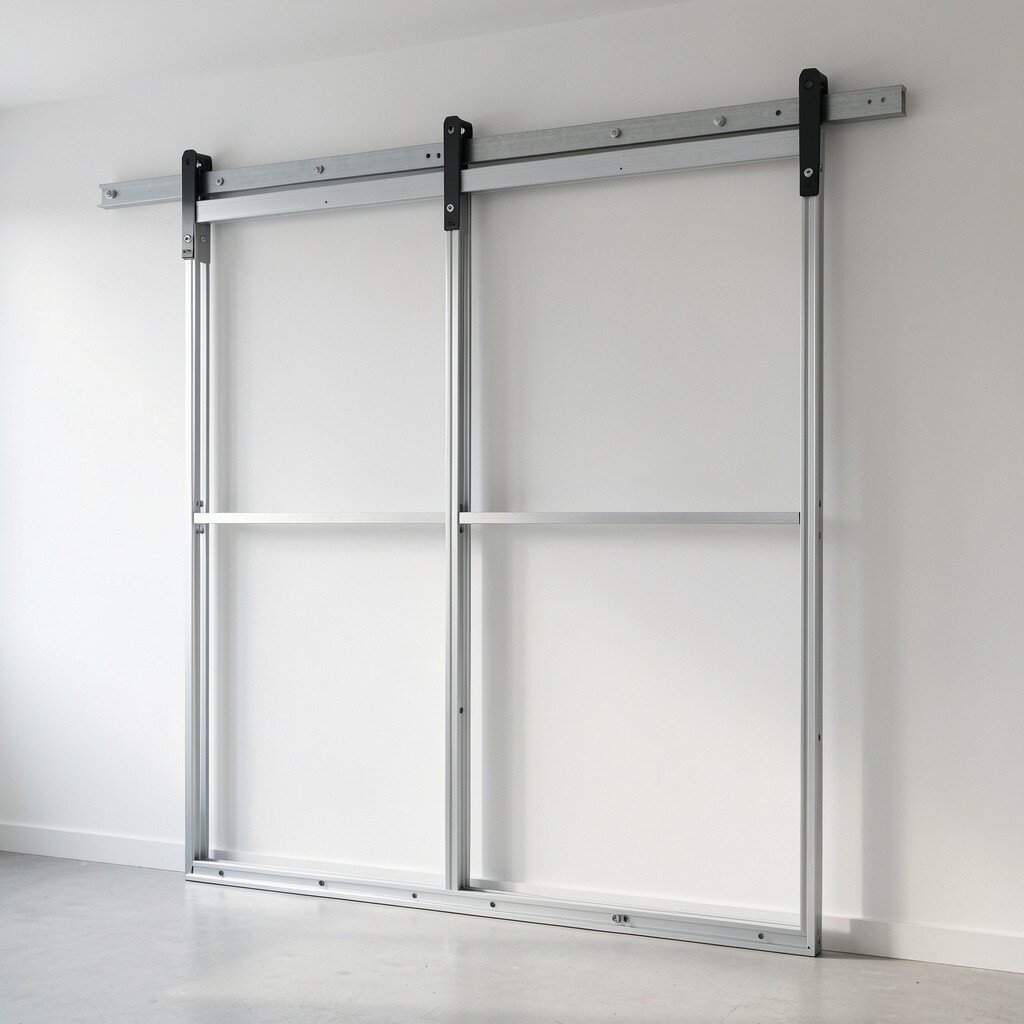
A sliding panel wall frame has a smooth, sleek feel, with panels that move to hide or show parts of a space. The look is neat and modern, and it can make a room feel flexible and clever.
This framework is handy when you want privacy sometimes but not all the time, such as in a studio or small office area. It may cost more than a basic wall because of the track and moving parts, yet it can save space and give you a lot of daily comfort.
People often choose simple wood, frosted panels, or painted surfaces so the wall feels calm and clean. If you want a custom touch, you can match the panel finish to nearby furniture and keep the whole room looking connected.
7. Pegboard Utility Wall Framework
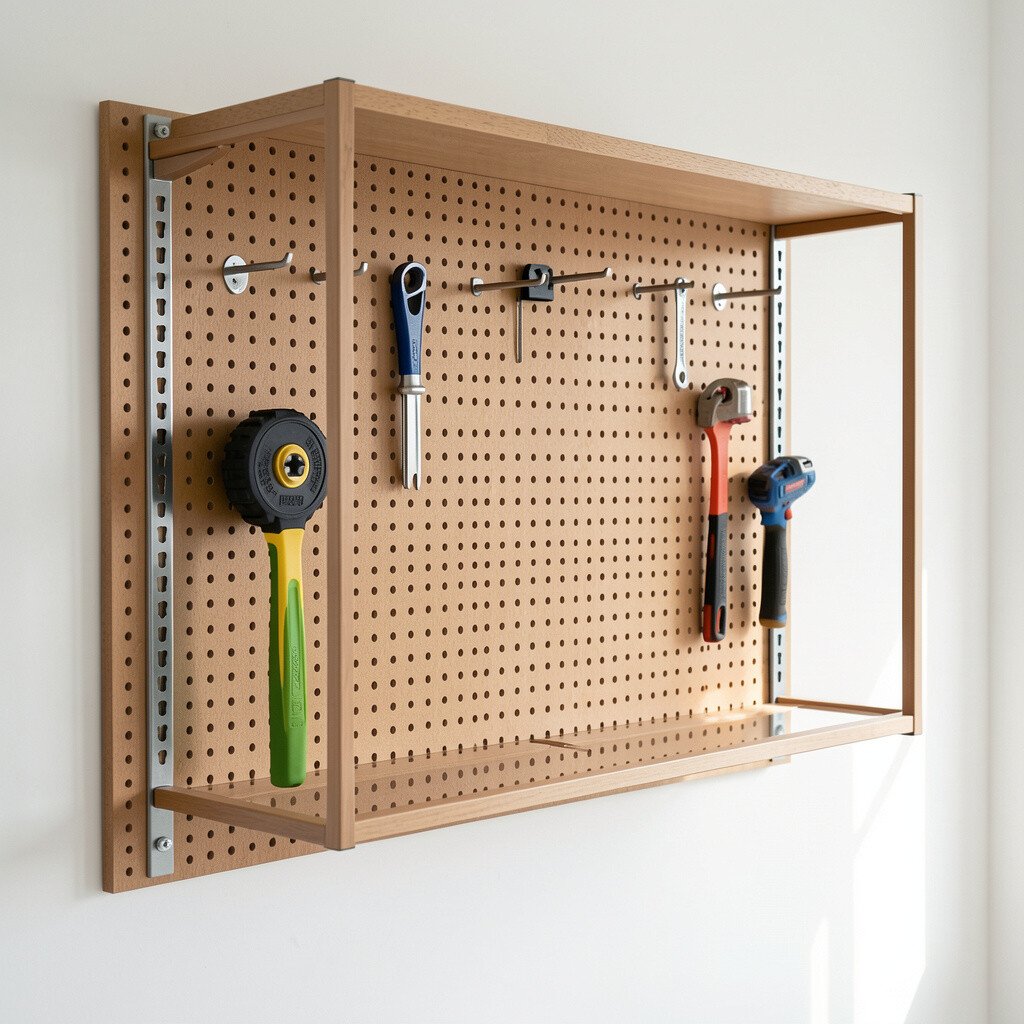
A pegboard utility wall has a neat, busy look that makes tools and supplies easy to see at a glance. It is a smart choice for garages, craft corners, and laundry rooms because it turns empty wall space into a handy work zone.
This idea can save money since pegboard is usually less costly than many built-in storage options. You can move hooks and baskets around whenever your needs change, which makes it useful for families, hobby rooms, and anyone who likes to keep things tidy.
It also fits well with today’s love of flexible spaces that do more than one job. Add a painted frame, a wood border, or matching bins to give it a more polished look and a bit of personality.
8. Shiplap Style Wall Framework
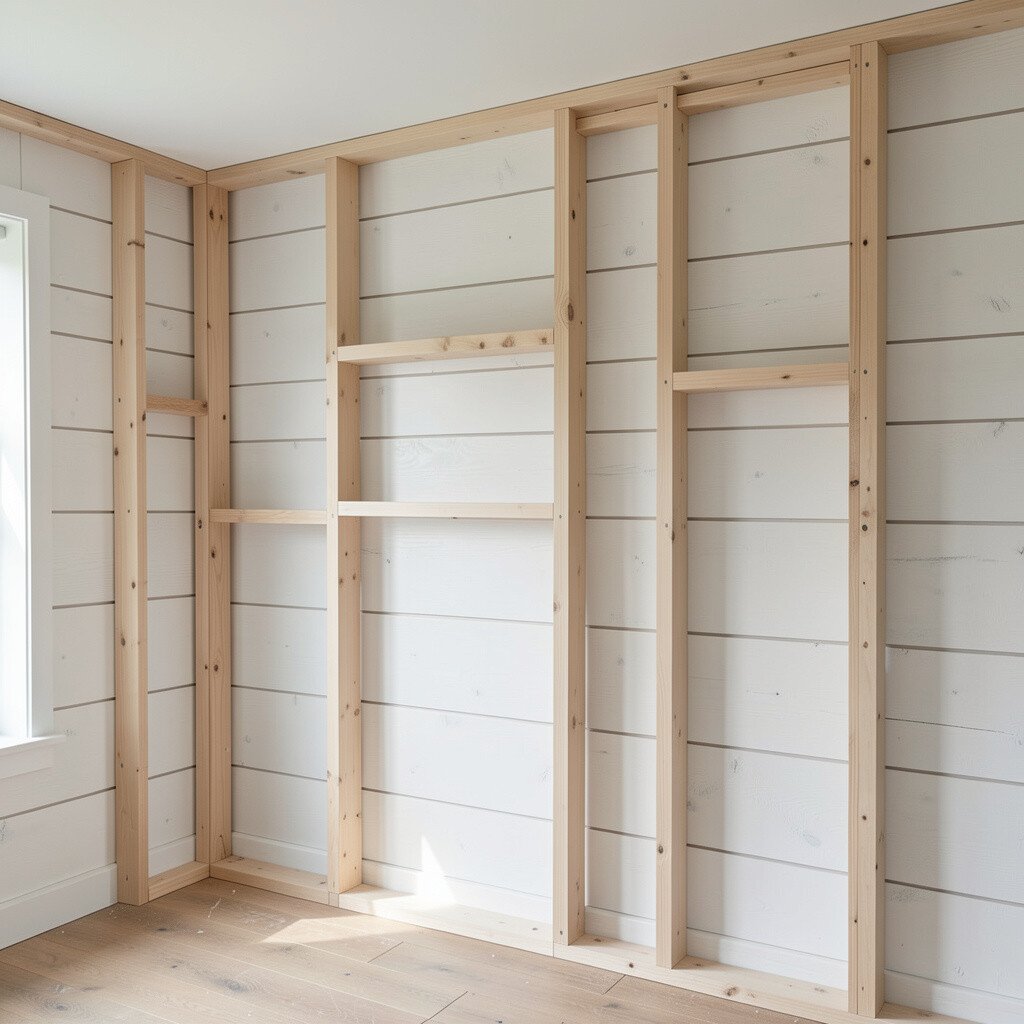
A shiplap wall has long boards that run in a neat pattern, creating a cozy, striped look. The lines add texture without making the room feel too busy, so the wall looks warm and calm at the same time.
This framework is often chosen for bedrooms, entryways, and living rooms because it feels inviting and easy to style. It can be built at a fair cost if you use simple boards and a basic paint finish, and it works nicely with soft colors or natural wood tones.
Many people like how it brings a little farmhouse charm without needing a full rustic theme. You can personalize it with wall art, sconces, or shelves so the surface feels like part of your home story.
9. Framed Grid Wall Framework
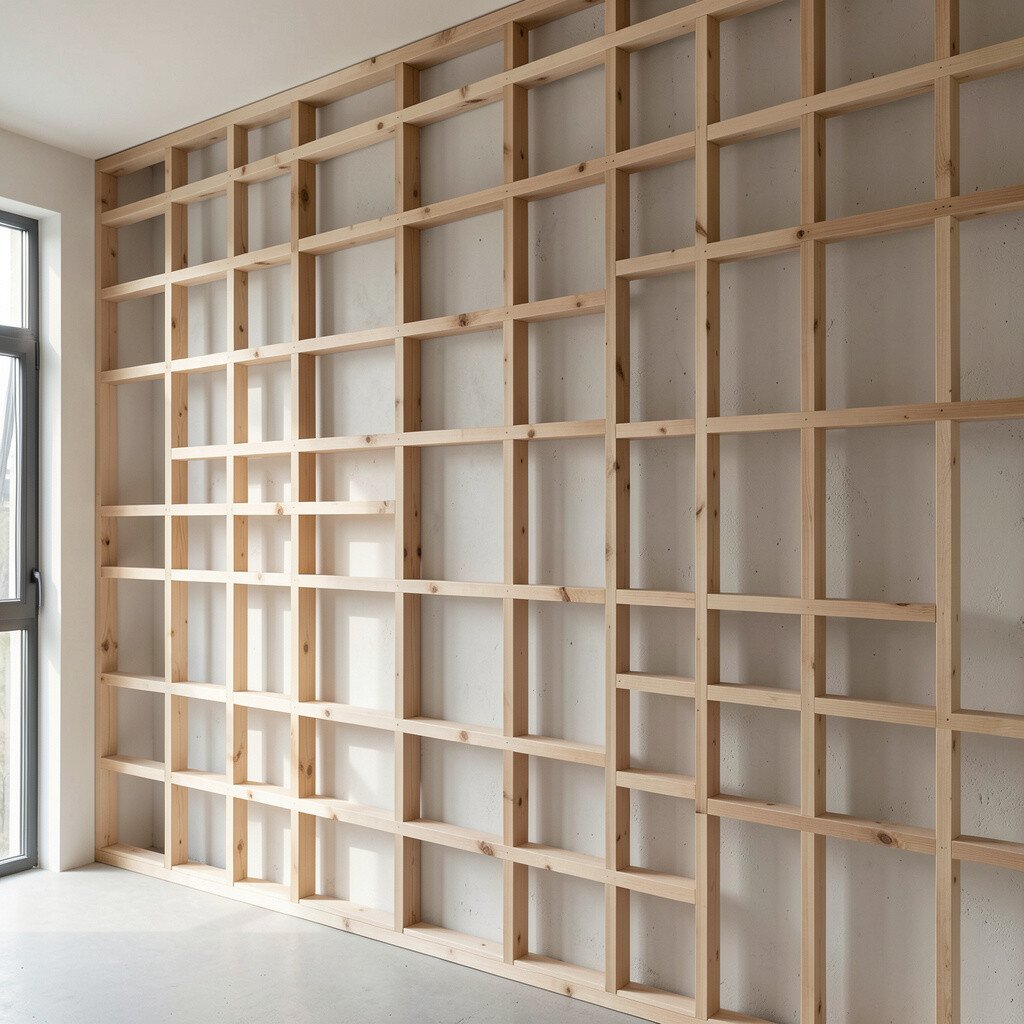
A framed grid wall looks crisp and stylish, with square or rectangular sections that create a tidy pattern. It gives a room a smart, tailored feel, almost like a suit made for the wall.
This framework is useful when you want a polished look that still feels simple to build. It can be done with modest materials, and the grid shape makes the wall stand out even before you add paint or decor.
It works well in hallways, dining rooms, or behind a desk where you want some visual order. If you want more personality, paint the grid one color and the wall another, or keep it all one soft shade for a quiet look.
10. Sound-Dampening Wall Framework
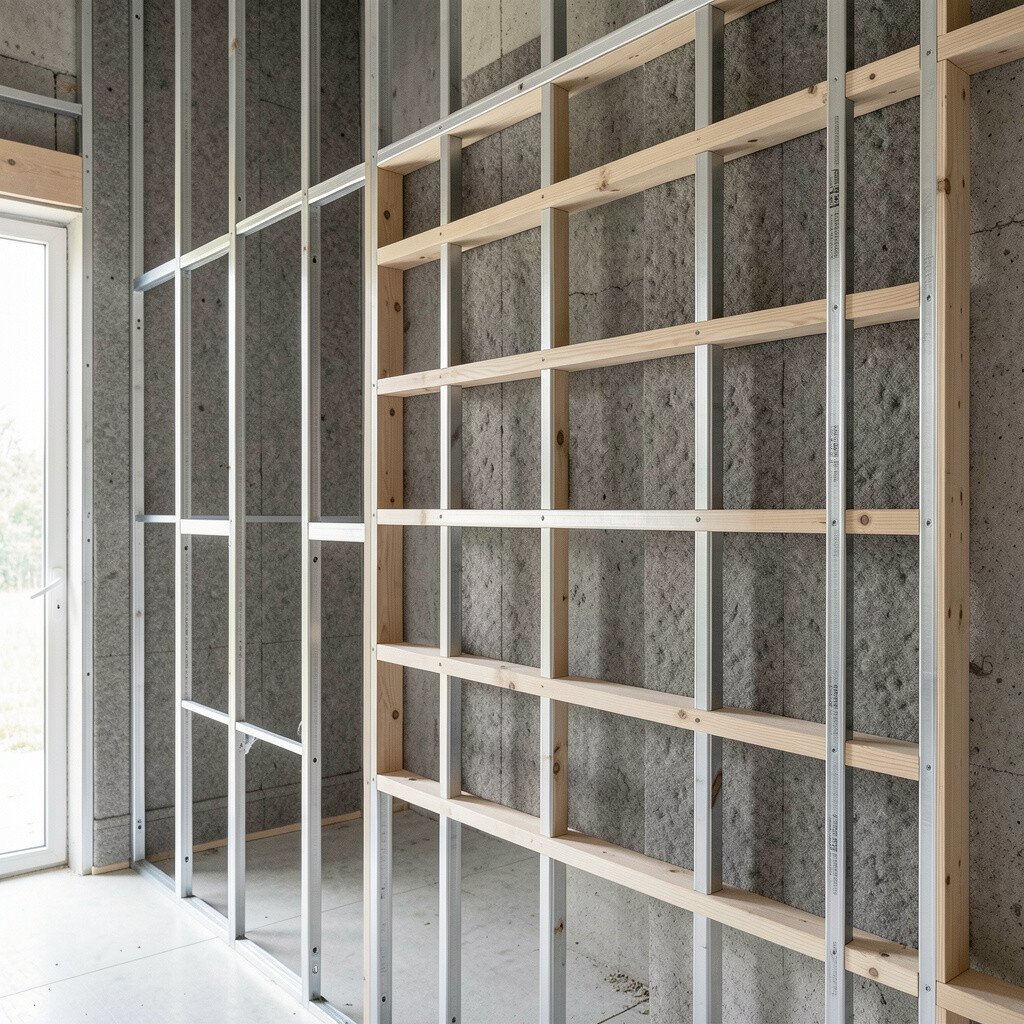
A sound-dampening wall frame has a thicker, fuller look because it is built to help reduce noise. It can make a bedroom, home office, or media room feel more peaceful, which is a big plus in busy homes.
This kind of wall is often worth the extra cost when privacy matters, and it can make the whole space feel more comfortable day and night. You can use panels, insulation, and layered finishes to improve the result, then cover it with the same paint or trim style used in the rest of the house.
People like it because it does a hidden job while still looking normal on the outside. If you want a more custom touch, you can add soft textures or muted colors that make the room feel extra calm.
11. Reclaimed Wood Wall Framework
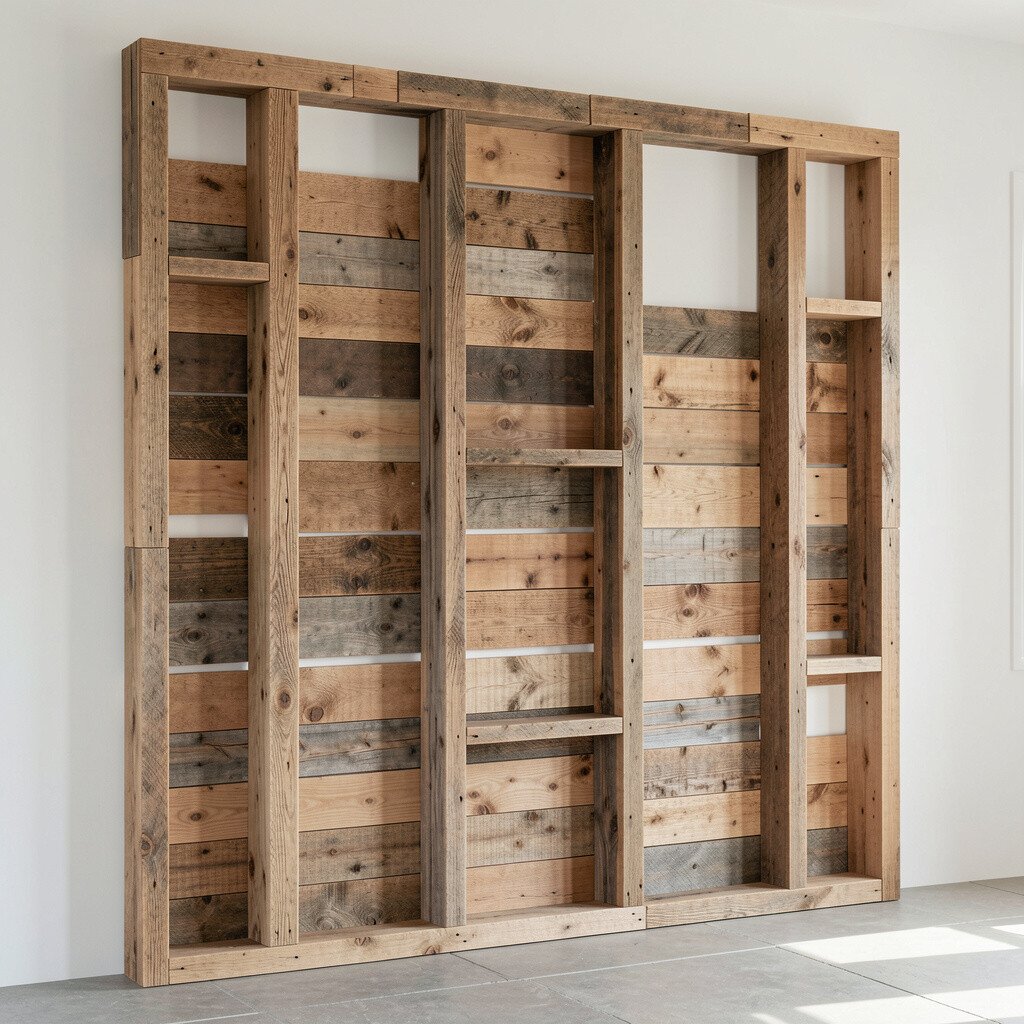
A reclaimed wood wall has a rich, lived-in look, with boards that carry marks, grain, and color changes. It can make a room feel warm and full of character, almost like it has a story to tell.
This framework often feels unique because no two boards look the same, and that natural mix gives it charm. It can also be a smart way to save money if you find good secondhand wood, though you should check that each piece is safe, dry, and ready to use.
Many homeowners use it behind a sofa, bed, or fireplace to create a strong focal point. You can keep the finish raw, stain it dark, or paint it lightly if you want a softer look that still feels special.
12. Built-In Niche Wall Framework
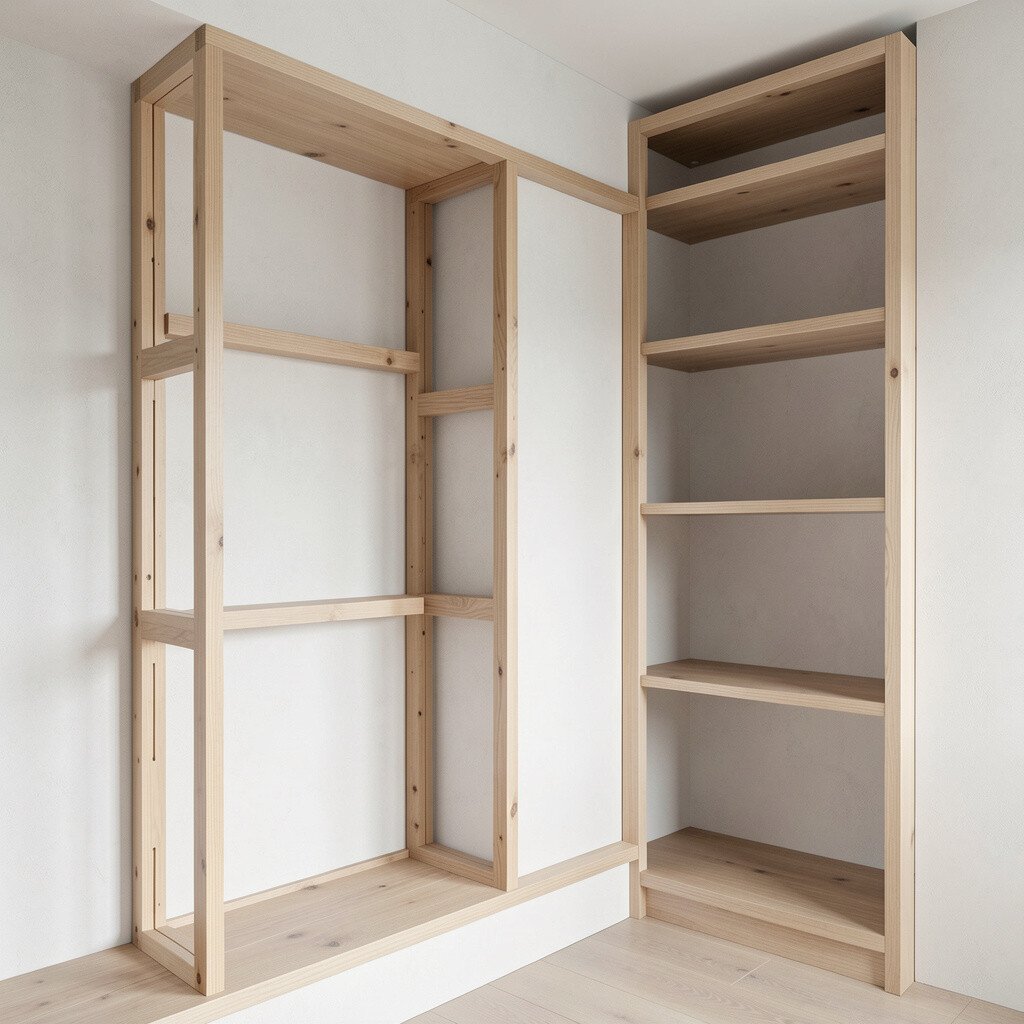
A built-in niche wall has cut-in spaces that feel neat and useful, like little homes inside the wall itself. The recessed areas can hold candles, books, plants, or daily items, and they give the room a custom feel.
This framework is great for making use of awkward wall spots and for adding storage without making the room feel crowded. It may take more planning and a higher budget than a basic frame, but the finished look often feels worth it because it seems made just for the space.
It fits current trends that favor clean lines and storage that blends into the wall. You can make the niches bold with paint, soft with lighting, or simple with matching trim so they feel like part of the room design.
13. Floating Wall Framework

A floating wall framework gives the room a light look, as if the wall is hovering with a small gap or shadow line. That effect can feel modern and elegant without needing a lot of decoration.
This style is useful when you want a clean feature wall that does not overpower the room. It can cost more than a plain frame because the details matter, but even small touches like hidden lighting or slim trim can make it feel high-end.
Many people use it in modern bedrooms, entry halls, or media spaces where a sleek mood fits well. You can make it your own with warm wood, soft white, or a deep color that gives the wall a calm but strong presence.
14. Raised Ledge Wall Framework

A raised ledge wall adds a thin shelf-like top that gives the wall a finished, layered look. The profile catches the eye in a gentle way, and it can make a room feel more settled and complete.
This framework is practical because the ledge can hold small decor pieces, framed photos, or seasonal items without needing a full shelf system. It is often a good middle-ground choice when you want a little extra style but do not want to spend much on a larger built-in.
You can keep the shape simple for a clean modern look or add trim for a more classic feel. Many homeowners like to paint the ledge the same color as the wall so it blends in, while others use contrast to make it pop.
15. Rustic Beam Wall Framework
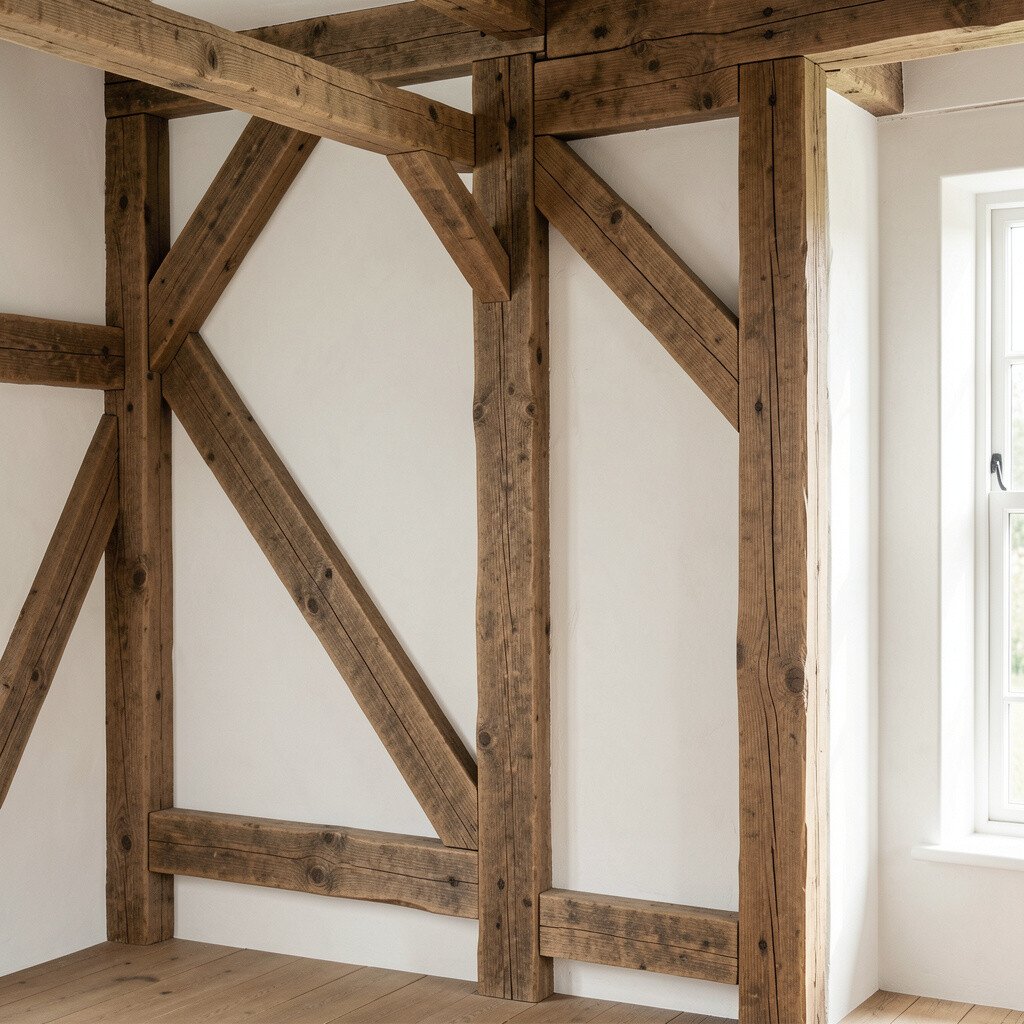
A rustic beam wall has strong lines and a bold face, often with thick wood that brings a cabin feel into the home. The look is cozy and sturdy, and it can make a plain room feel more welcoming right away.
This framework works well in living rooms, dens, and entryways where you want a bit of warmth and texture. Depending on the wood you choose, the price can stay modest or climb higher, so it helps to plan ahead and pick a finish that matches your budget.
People love the way it mixes well with soft fabrics, stone, and simple decor. If you want a more personal touch, you can keep the wood natural, distress it a little, or pair it with black metal details for a modern-rustic blend.
16. Tile-Clad Wall Framework
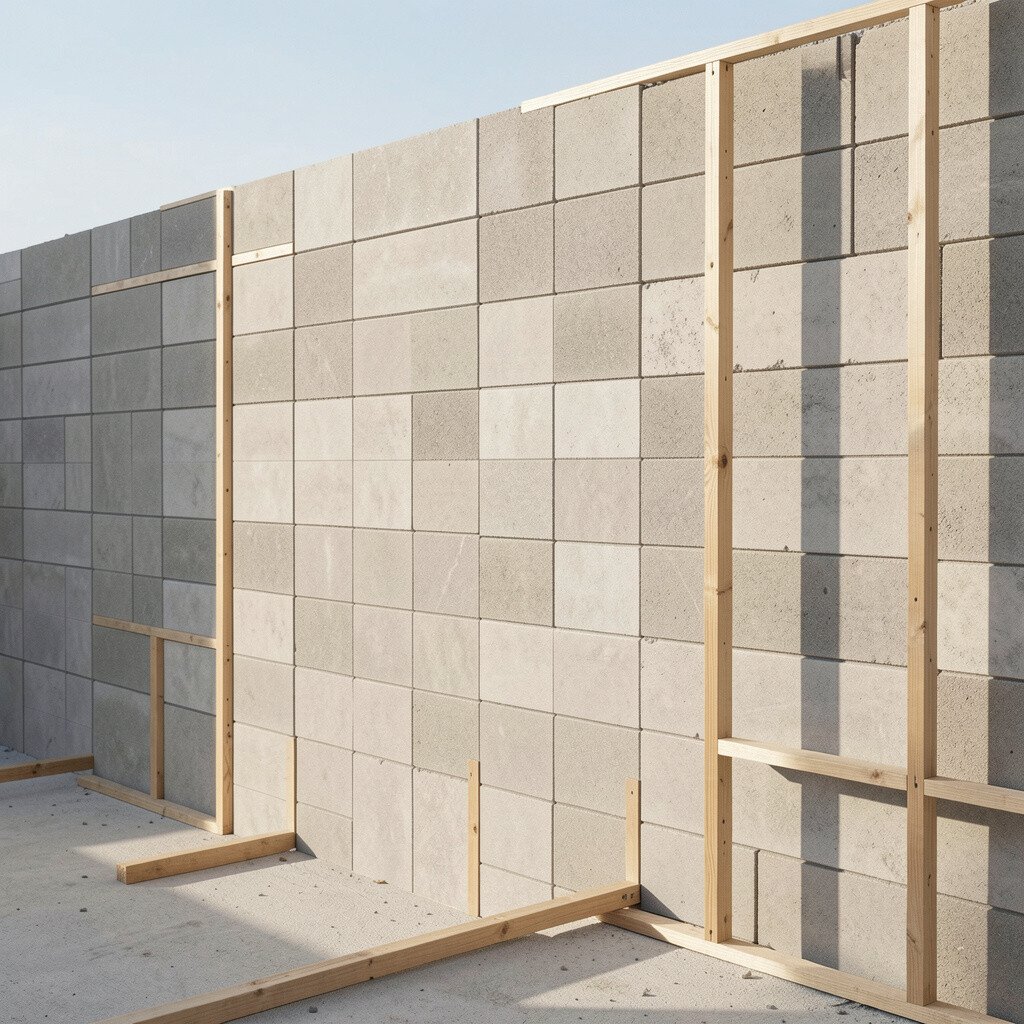
A tile-clad wall has a glossy, neat surface that can brighten a room and make it feel easy to clean. It often looks polished and fresh, which is why it works so well in kitchens, baths, and laundry areas.
This framework is a smart choice when moisture resistance matters, though the cost can be higher than simple drywall because of the tile work and careful setup. You can choose small tiles for detail, large tiles for a smoother look, or patterned tile if you want the wall to become the star of the room.
Current home styles often favor simple tile shapes with soft colors, since they feel calm and easy to live with. A good layout can also make a small room seem bigger, especially when grout lines stay light and the finish is kept tidy.
17. Garden Wall Framework
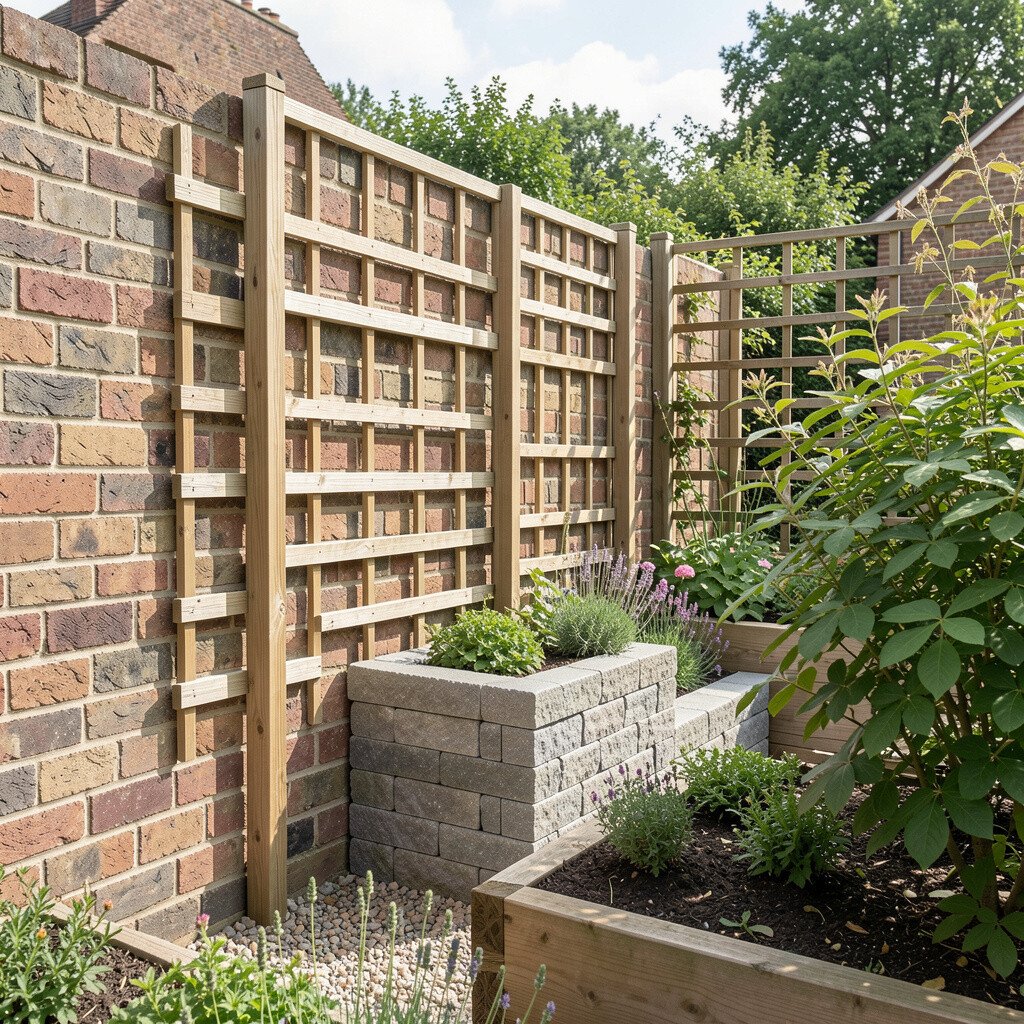
A garden wall framework brings greenery indoors or helps shape an outdoor living area with a fresh, natural look. It can hold planters, climbing plants, or small pockets of herbs, which makes the wall feel alive and cheerful.
This idea is popular because it adds beauty and function at the same time, and many people enjoy how it softens hard edges in a home or yard. The cost can vary a lot depending on the frame, planters, and watering setup, so it helps to start small and build over time.
You can make it fit your space by choosing plants that match your light and care level. If you want a trend-forward look, mix wood, metal, and leafy greens for a clean style that still feels warm.
18. Loft-Style Metal Wall Framework
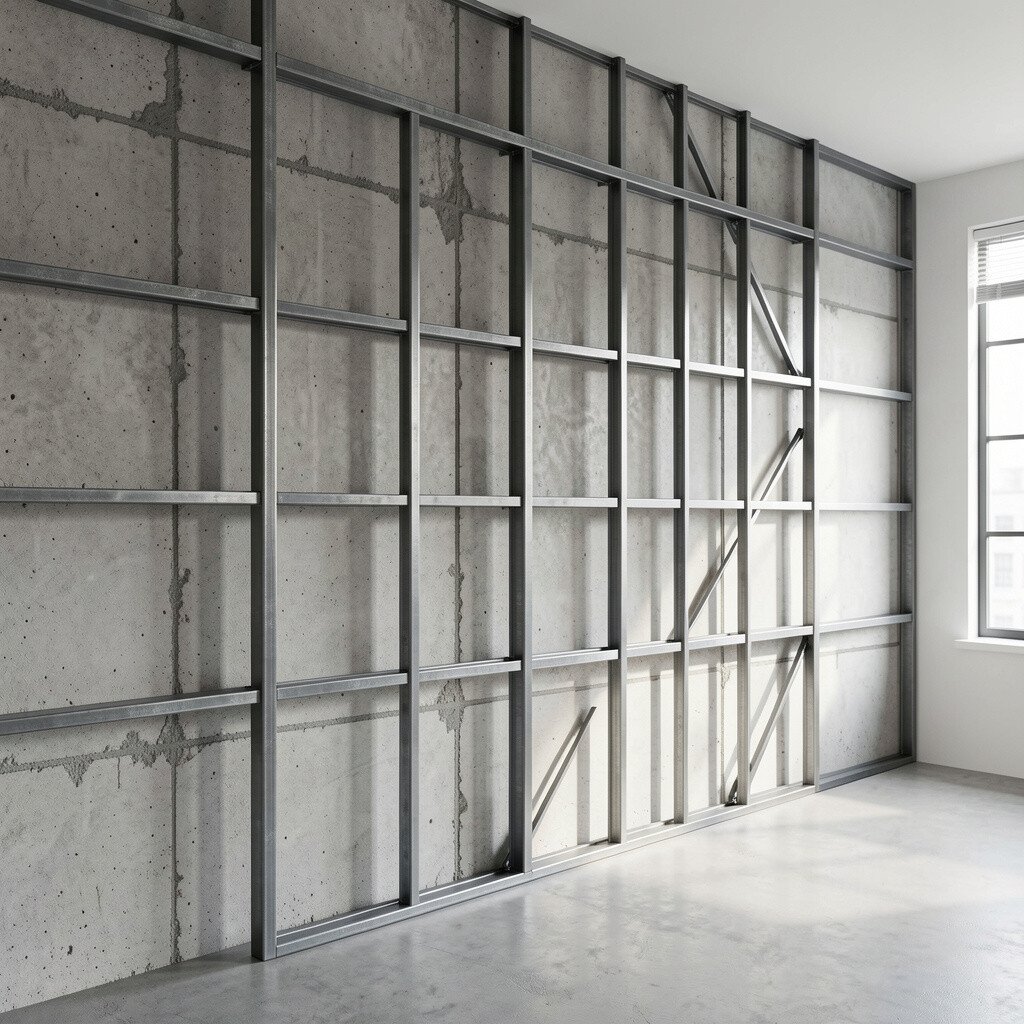
A loft-style metal wall framework gives off an urban feel, with slim lines and a strong shape that looks sharp and modern. The dark frame against light walls can be very eye-catching, almost like a sketch drawn in the air.
This style is often used in city homes and open layouts because it adds structure without making the room feel heavy. Metal can raise the budget a bit, but it also lasts well and can look sleek for years if it is cared for properly.
People like pairing it with wood, glass, or soft fabric to keep the space from feeling too hard. You can make it more personal by choosing matte black, brushed steel, or another finish that matches your furniture and light fixtures.
19. Hidden Door Wall Framework
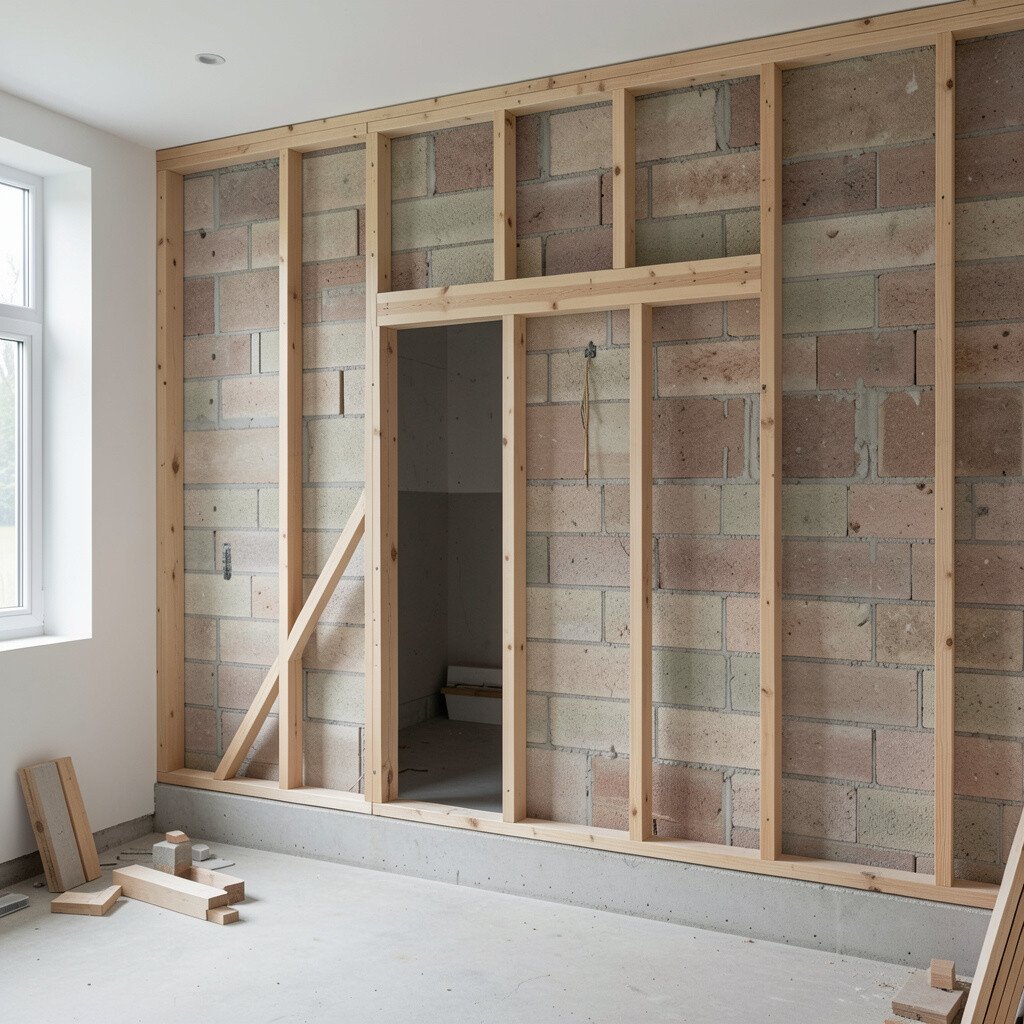
A hidden door wall framework makes a room feel secret and playful, with a panel that blends into the wall until you know where to look. The surface can stay smooth and quiet, which gives the whole area a clean and surprising look.
This framework is useful for home offices, storage rooms, and private spaces where you want the entrance to feel tucked away. It may cost more than a plain doorway because the frame and hardware need careful work, but the clever result often feels worth it.
Many homeowners enjoy how it keeps the room from looking cluttered. You can personalize it with matching paint, panel lines, or trim so the hidden door feels like a natural part of the wall rather than a separate piece.
20. Mixed-Material Feature Wall Framework
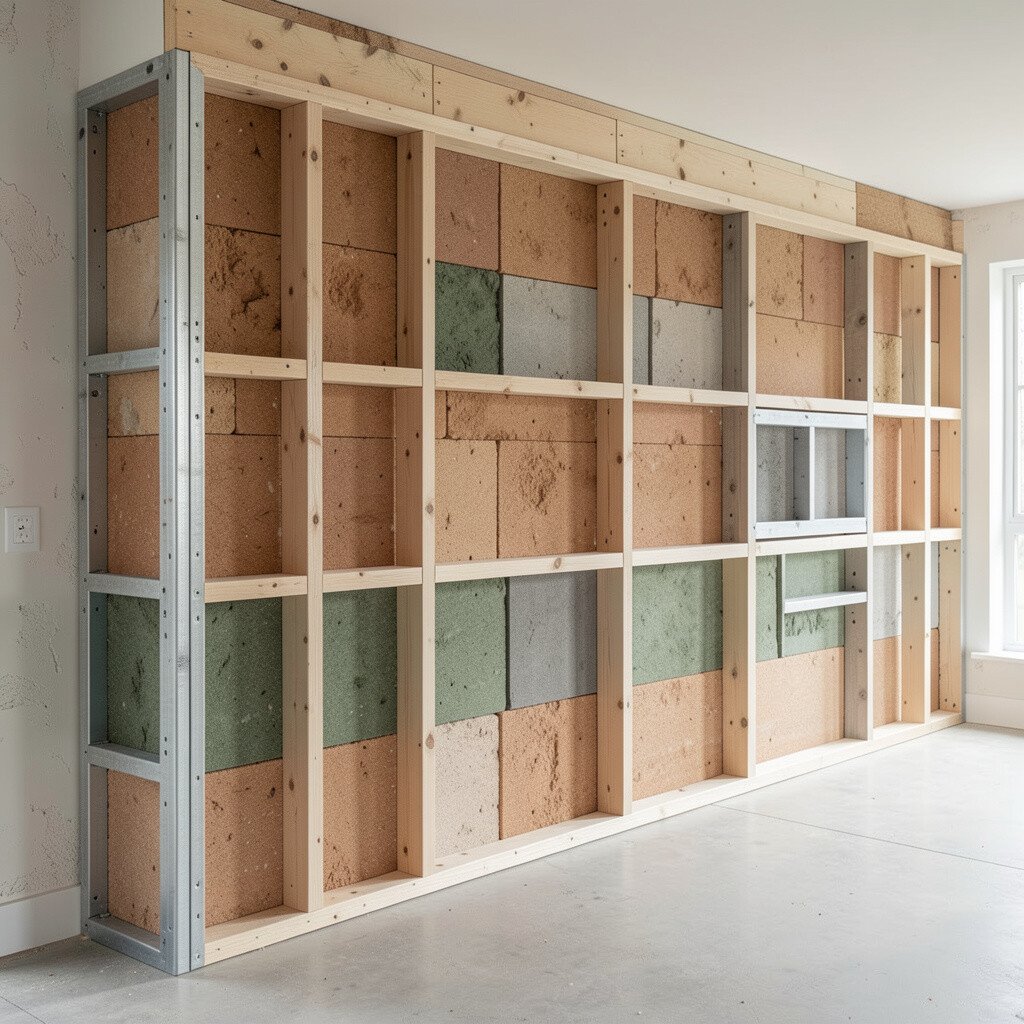
A mixed-material feature wall brings together two or more finishes, such as wood, paint, tile, or metal, for a rich layered look. The mix creates depth and makes the wall feel bold, modern, and full of life.
This framework stands out because it lets you build a one-of-a-kind focal point that fits your taste, and it can be adjusted to fit a modest or bigger budget. The trick is to keep the parts balanced, so the wall feels interesting without becoming too crowded or hard to clean.
It works well in rooms where you want a fresh design statement that still feels easy to live with. Try pairing one strong surface with one soft surface, and use colors that repeat in your furniture or art so the whole space feels connected.