The fastest way to feel lighter can be a change of scenery. When your day slows down, your mind often follows.
1. Forest Bathing Weekend

Step into a quiet patch of trees and let your senses lead. Notice the green shades shifting through the leaves as you breathe calmly.
Many people feel calmer after this kind of time outdoors because your body gets a break from constant noise. A practical way to start is to plan short walks at a comfortable pace and keep your phone on silent. If you want it to feel personal, choose a theme like “forest colors” and name what you see as you walk.
2. Sunrise Yoga on the Coast
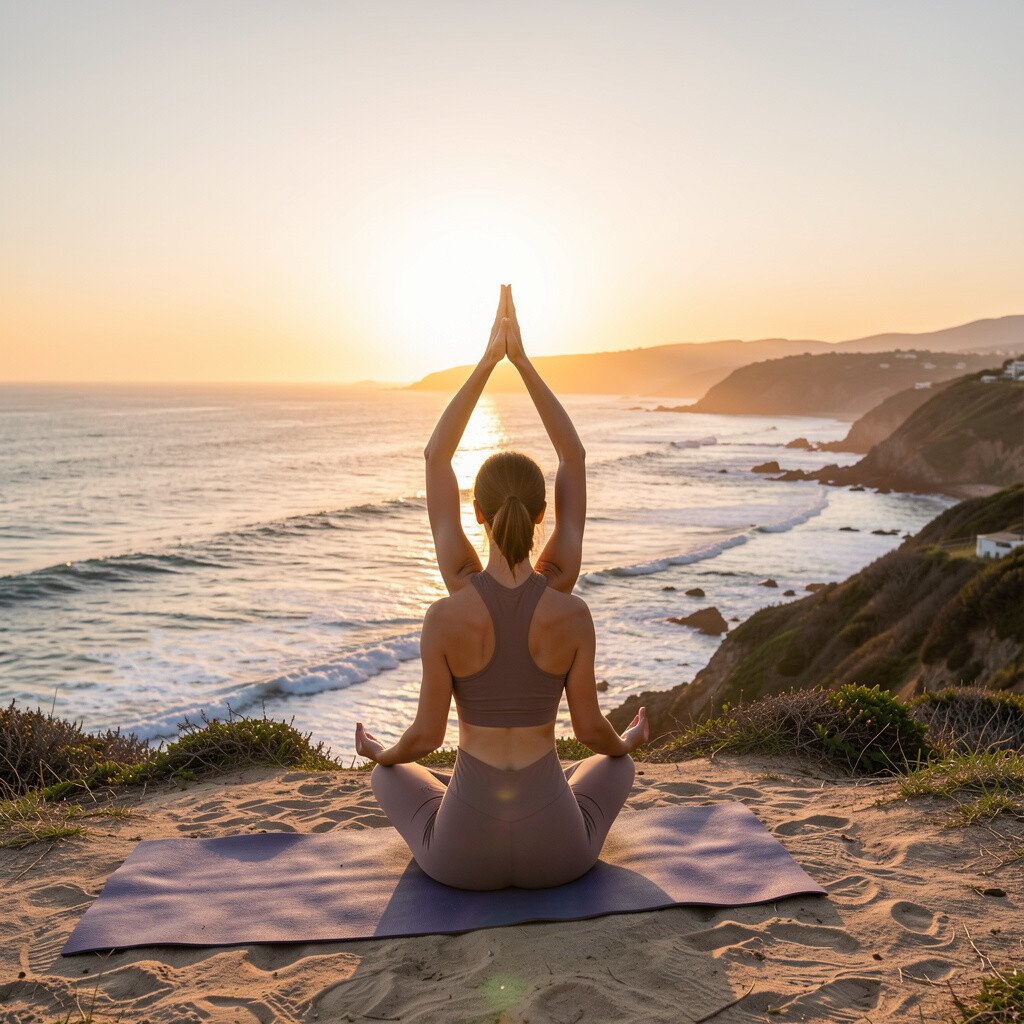
Picture the shoreline before the sun fully arrives, with soft light turning the water into moving silver. You stretch your body slowly while the air smells fresh and salty.
Yoga in the morning can help loosen tight muscles and settle anxious thoughts, especially when you pair movement with steady breathing. For a practical routine, arrive early, bring a small towel, and pick a spot where you can watch the horizon. If cost matters, look for community classes or practice at a public beach with a safe, respectful space for mats.
To make it unique, try a “sound practice” moment where you match your breath to waves for a few minutes. If you feel stiff, use shorter sessions and focus on gentle stretching instead of deep poses.
3. Tea Ceremony Mindfulness Retreat
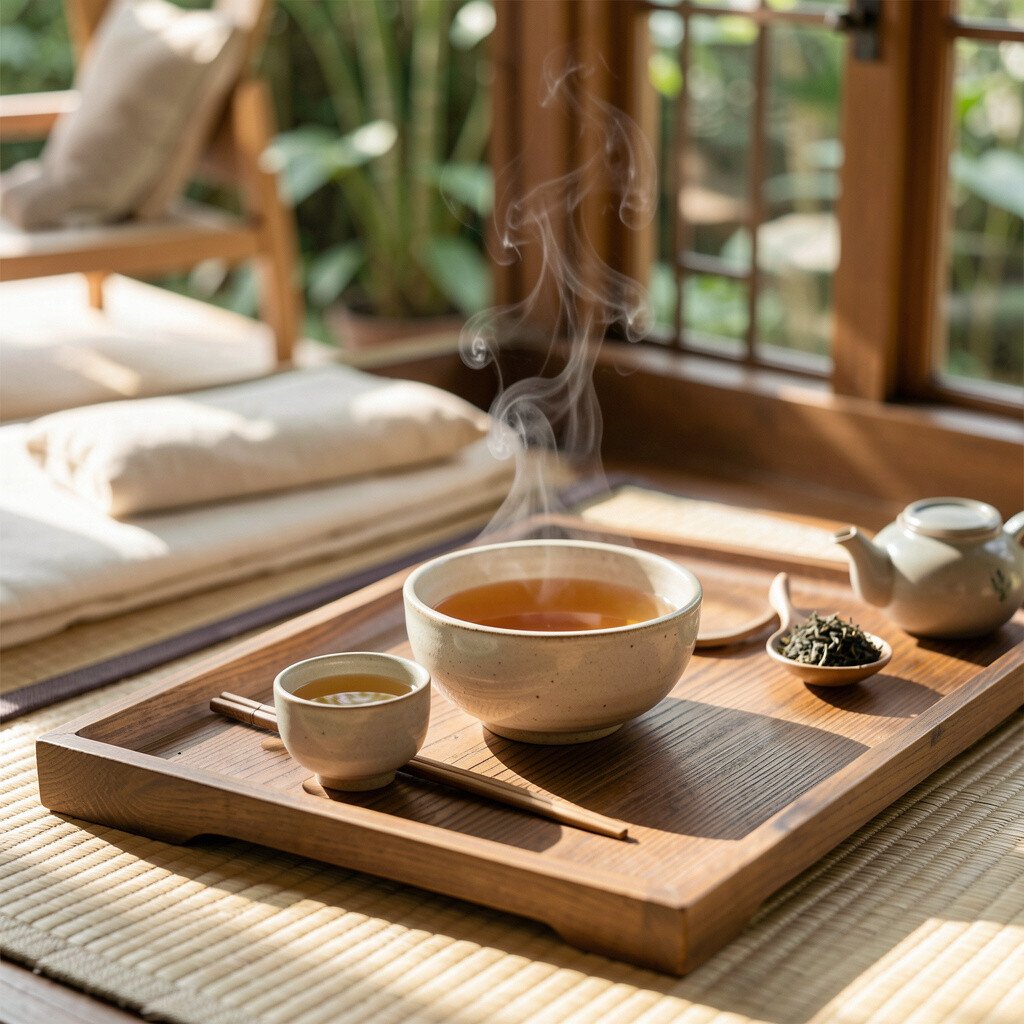
Imagine a warm room with simple objects, soft music, and steam drifting upward like a slow ribbon. You hold a small cup with both hands and notice every detail of the ritual.
Mindful tea time can support emotional balance because it slows your attention and lowers the rush your mind keeps. It’s practical to set a regular brewing schedule, even on retreat days, so the calm becomes familiar. You can personalize the experience by choosing a tea that fits your mood, like floral for a lighter feeling or earthy for grounding.
Try making your retreat sensory by preparing your space with a clean table, a timer, and a written intention for the day. Many people also like keeping a small journal for one sentence per cup, which helps you see patterns without getting overwhelmed.
4. Guided Breathwork in a Quiet Studio
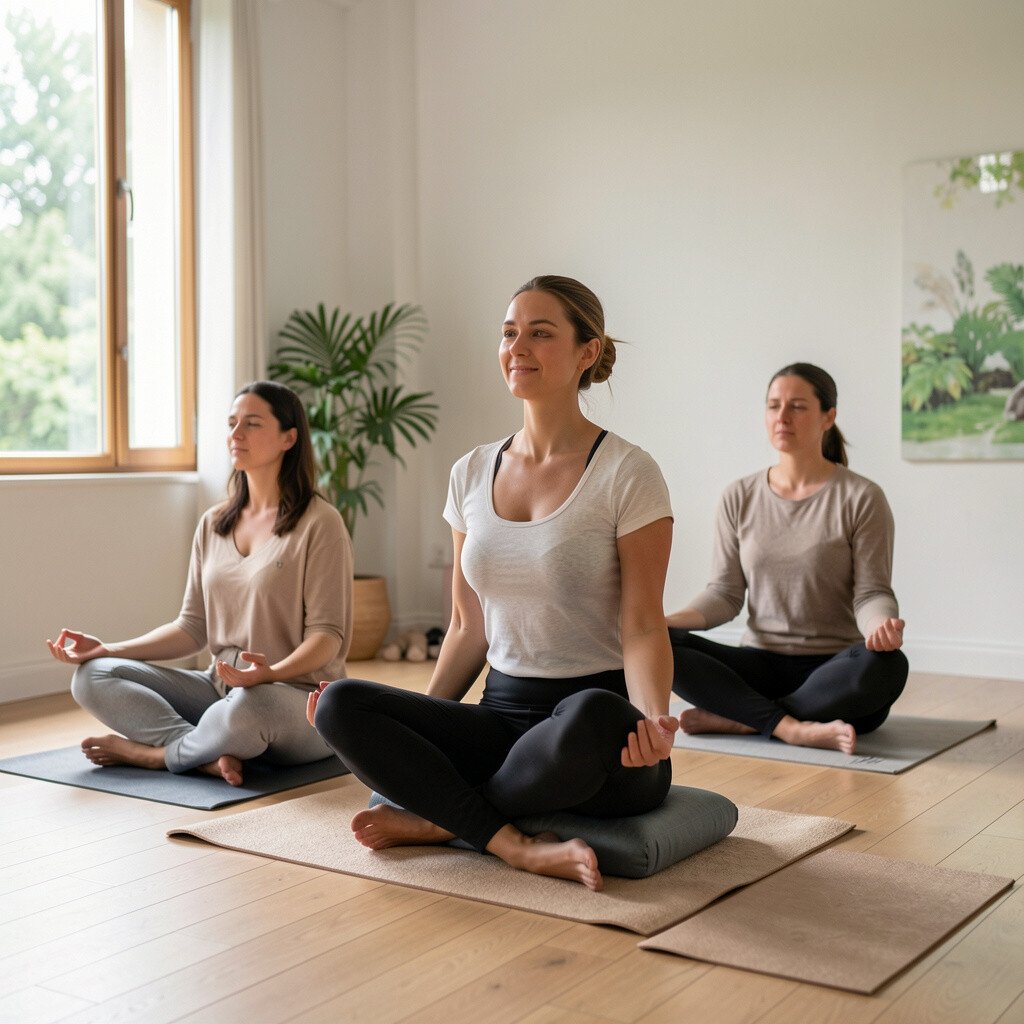
Close your eyes in a dim studio where the lighting is gentle and the room feels steady. A guide leads your breathing while you feel your body sink into the floor.
Breathwork retreats can help reset stress because slower breaths often calm the nervous system. Choose a class format that matches your comfort, bring water, and wear breathable clothing so you can focus. For personalization, pick a goal like “sleepy relief” or “morning energy,” then keep your practice aligned with that feeling.
5. Art Journaling and Color Therapy Retreat
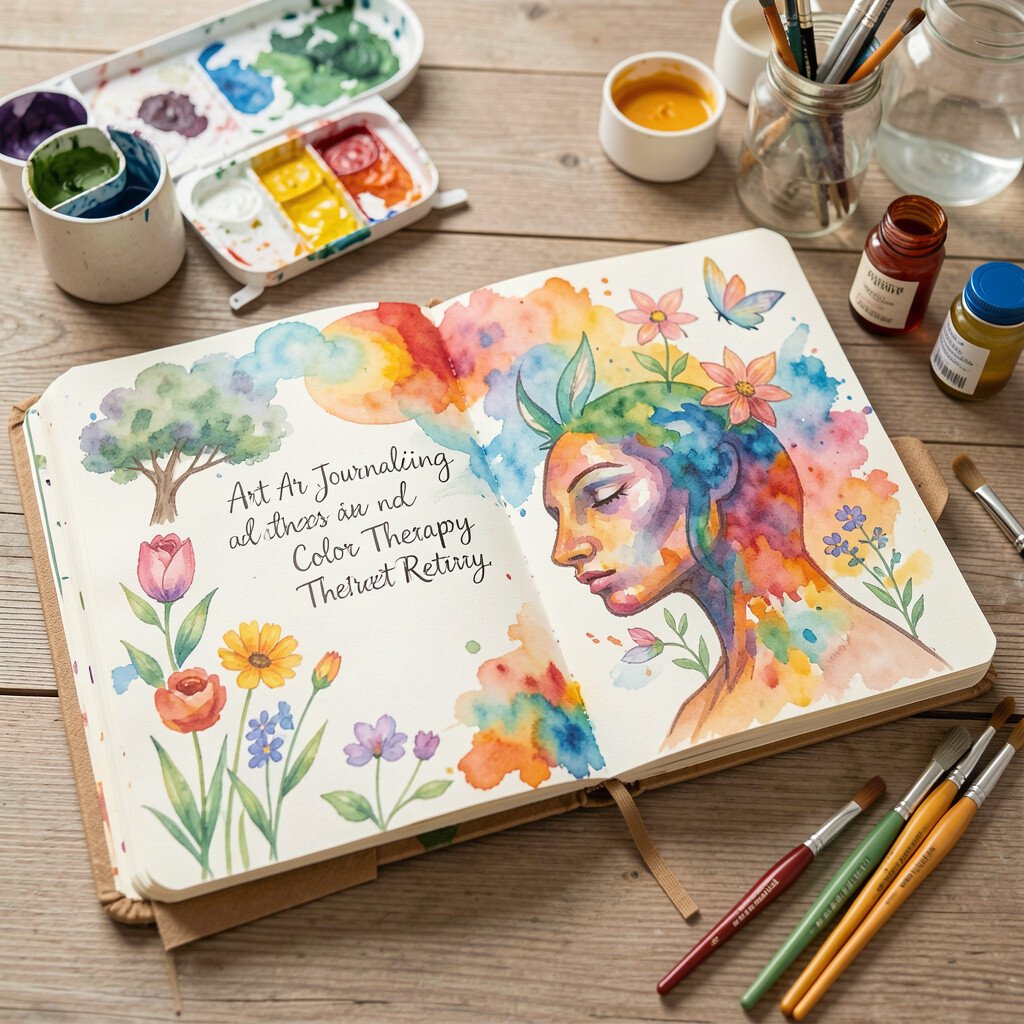
Set up a table with bright paper, washable markers, and a few inspiring images. As you draw, the room fills with quiet creativity and small bursts of joy.
Art journaling supports mental clarity because it turns feelings into shapes you can hold. It’s practical to bring prompts that guide you gently, such as drawing your mood as weather or sketching a safe place. To keep costs lower, use inexpensive supplies and focus on the process rather than the final page.
For uniqueness, schedule a “color check” session each morning where you choose colors that match what your body needs. If you’re worried about not being good at art, try collage instead, cutting shapes from old magazines.
6. Sound Healing With Singing Bowls
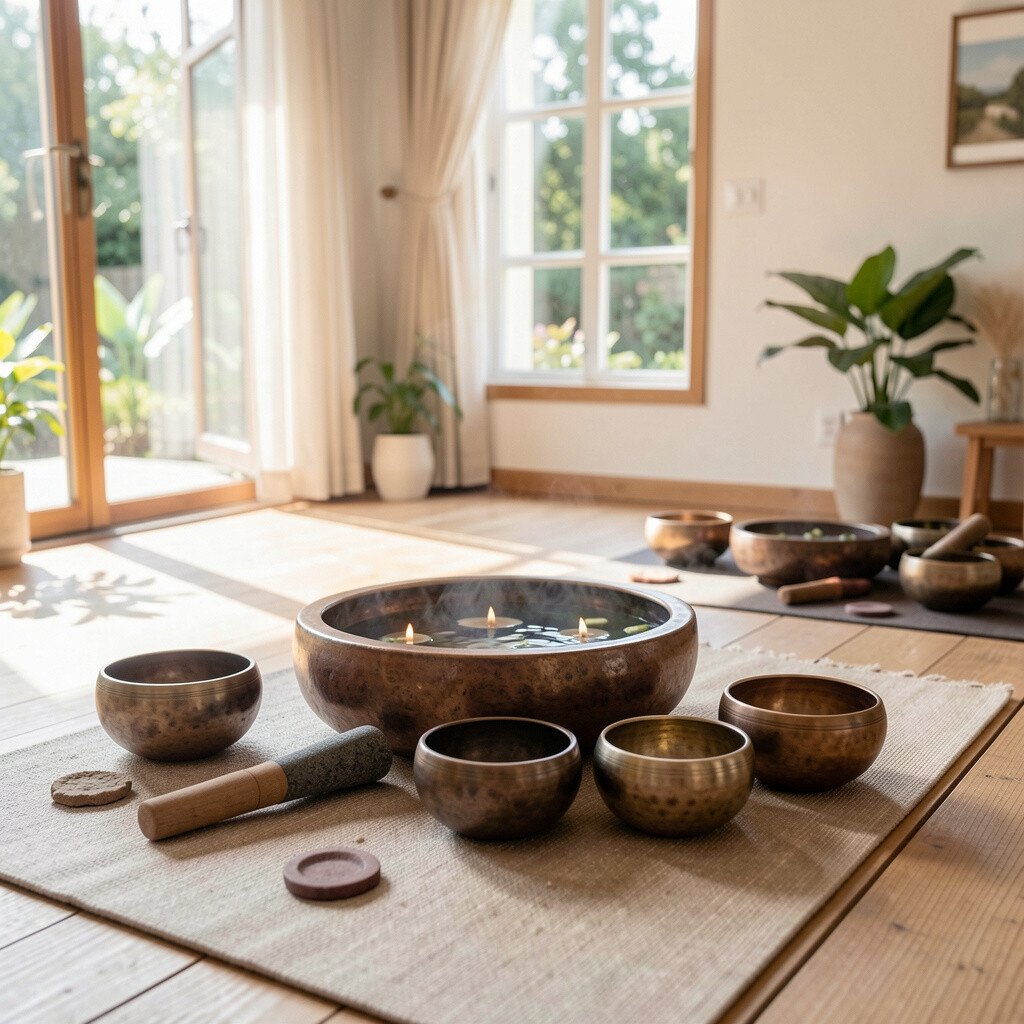
Picture soft vibrations in the air as you sit comfortably in a calming circle. Each tone seems to ripple through you, like gentle waves washing over the day’s stress.
Sound healing can offer relief by giving your mind something steady to follow. Keep it practical by arriving with a light snack beforehand and staying hydrated after. You can personalize the experience by asking what styles are used and choosing sessions that feel safe and comfortable for your ears.
If you want a cost-friendly option, look for community sound sessions at libraries, yoga spaces, or wellness centers. Many studios also offer sliding scale tickets, so check ahead and plan your budget early.
7. Digital Detox Cabin Getaway
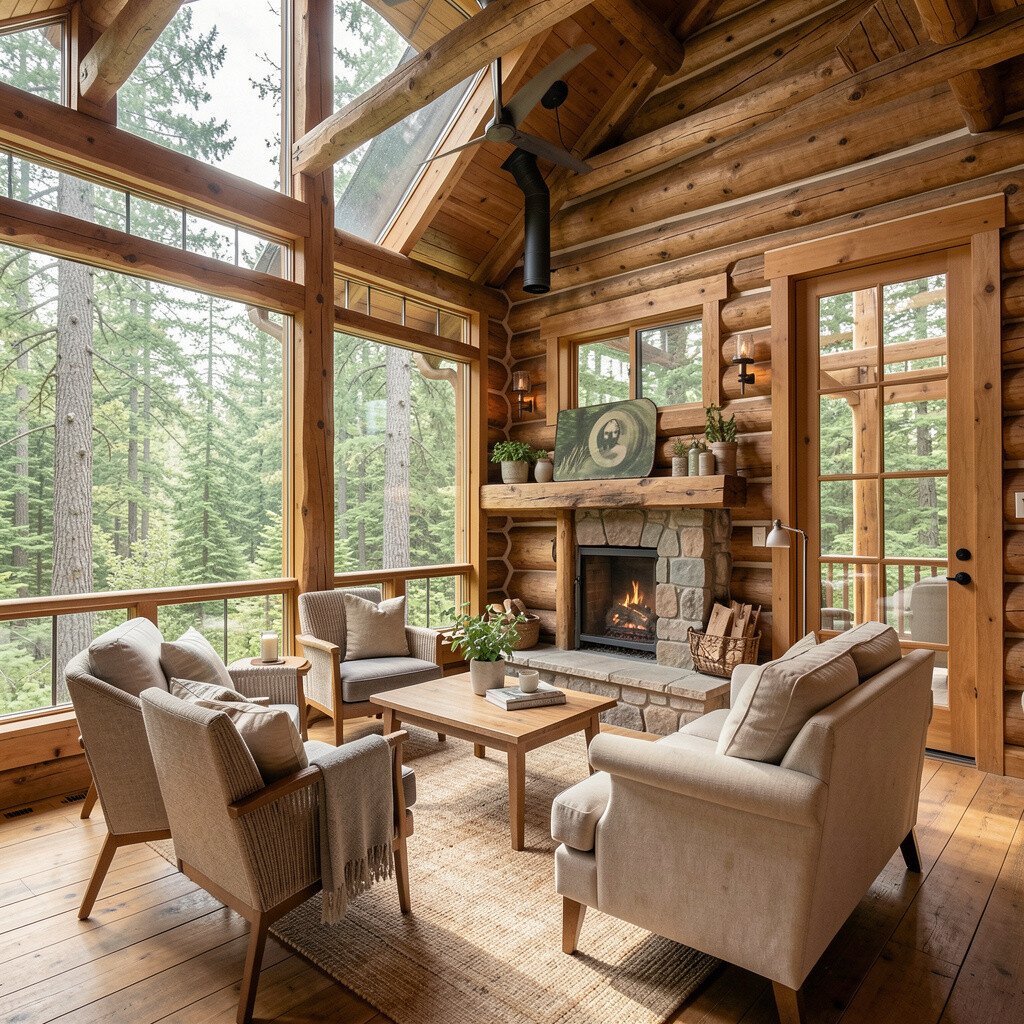
Imagine a small cabin with a warm blanket, a book nearby, and no buzzing notifications waiting. The quiet feels thick at first, then it starts to feel helpful and calm.
A digital detox can refresh your mind because constant screen input often keeps your thoughts scattered. For practicality, pack a basic schedule for the day, like reading time, a walk plan, and a bedtime routine. Personalization matters, so decide your limit before you go and tell friends the exact hours you’ll be unreachable.
Make it unique by replacing scrolling with activities that engage your senses, such as cooking a new recipe, taking nature photos, or doing a simple puzzle. If cost is a concern, consider a nearby cabin or a home retreat using a “device drop box” and a curated playlist of offline music.
8. Cooking Class for Nourishing Comfort Food
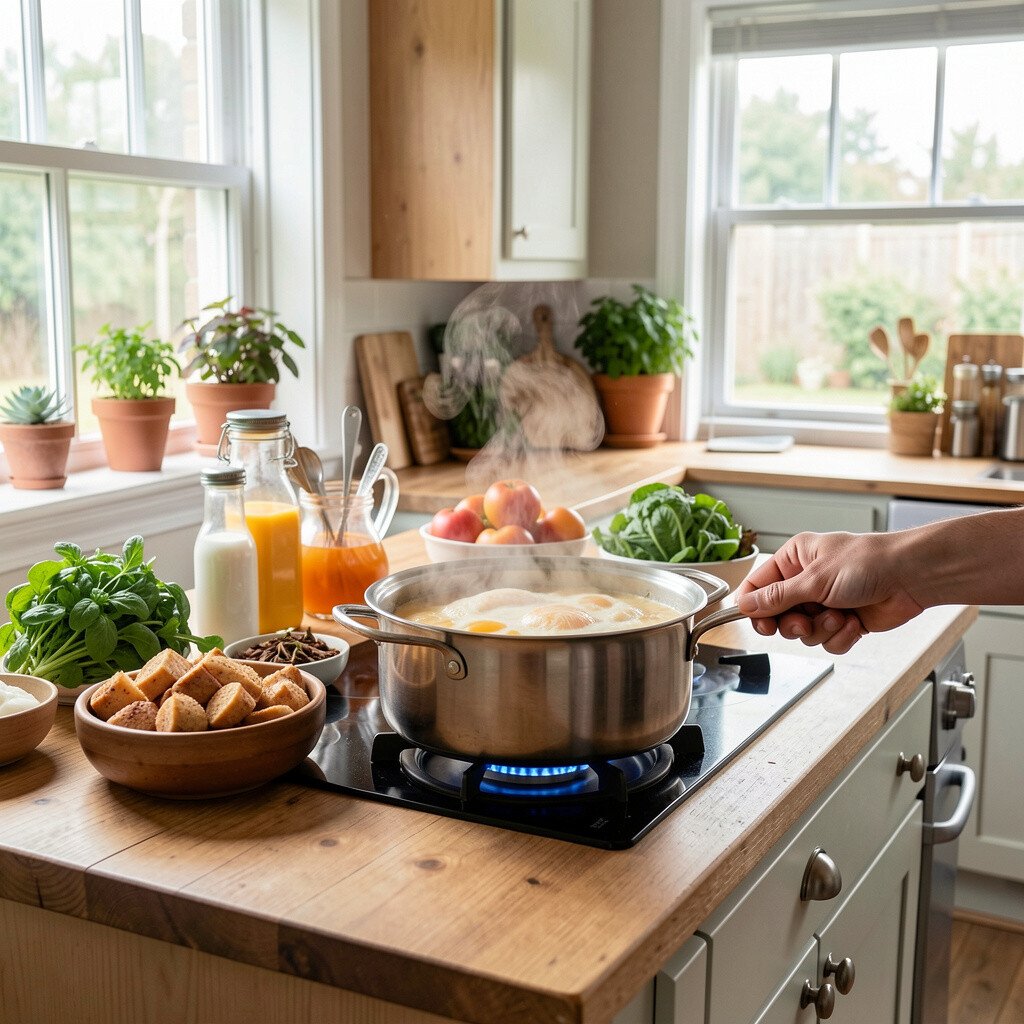
Walk into a kitchen that smells like garlic, herbs, and warm bread. You chop vegetables with steady hands while the class talks about simple, nourishing habits.
Cooking retreats can support mental health because hands-on tasks bring your focus back to the present. It’s practical to choose a few comfort recipes you can repeat at home, like a veggie soup, roasted tray dinner, or homemade yogurt bowl. Personalize the menu by sharing what flavors you love and what ingredients you need to avoid.
For uniqueness, ask the instructor to include one “mindful bite” moment where everyone eats slowly and describes texture and taste. If you’re watching your budget, look for local community classes and choose a weekday session that usually costs less than weekend options.
9. Mountain Hiking With Reflection Prompts
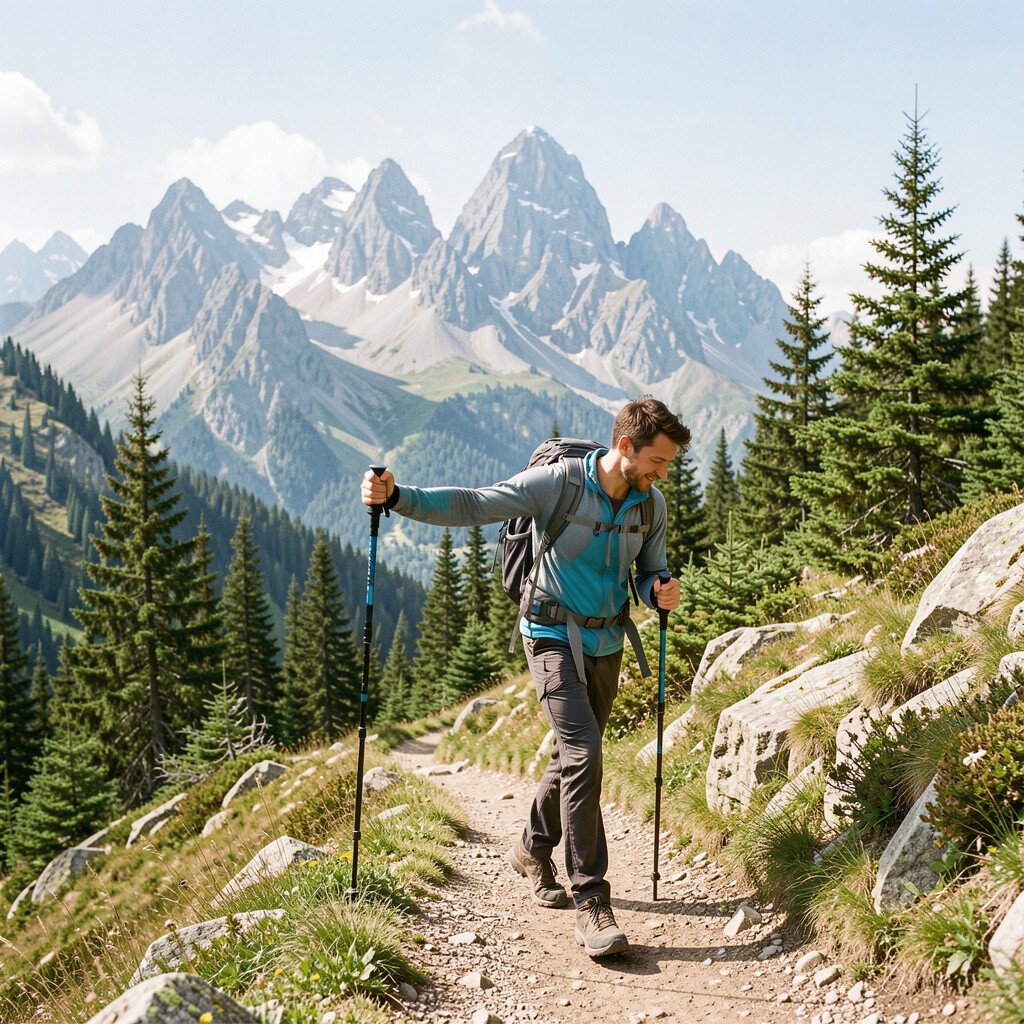
Picture a trail winding upward, with wild flowers bright against cool air. Each step feels real, and the view at the top makes your thoughts feel quieter.
Hiking retreats can reduce stress because your body moves and your mind gets a break from endless thinking. Make it practical by choosing a trail with clear markers and packing water, snacks, and a small layer for changing weather. Personalize your hike by bringing reflection prompts, like “What do I want more of this week?” and “What can wait?”
Uniqueness comes from turning the hike into a gentle conversation with yourself rather than a race. Consider a light journal and write a few lines only at the start and finish, so you don’t overthink.
10. Pilates and Mobility Recovery Retreat
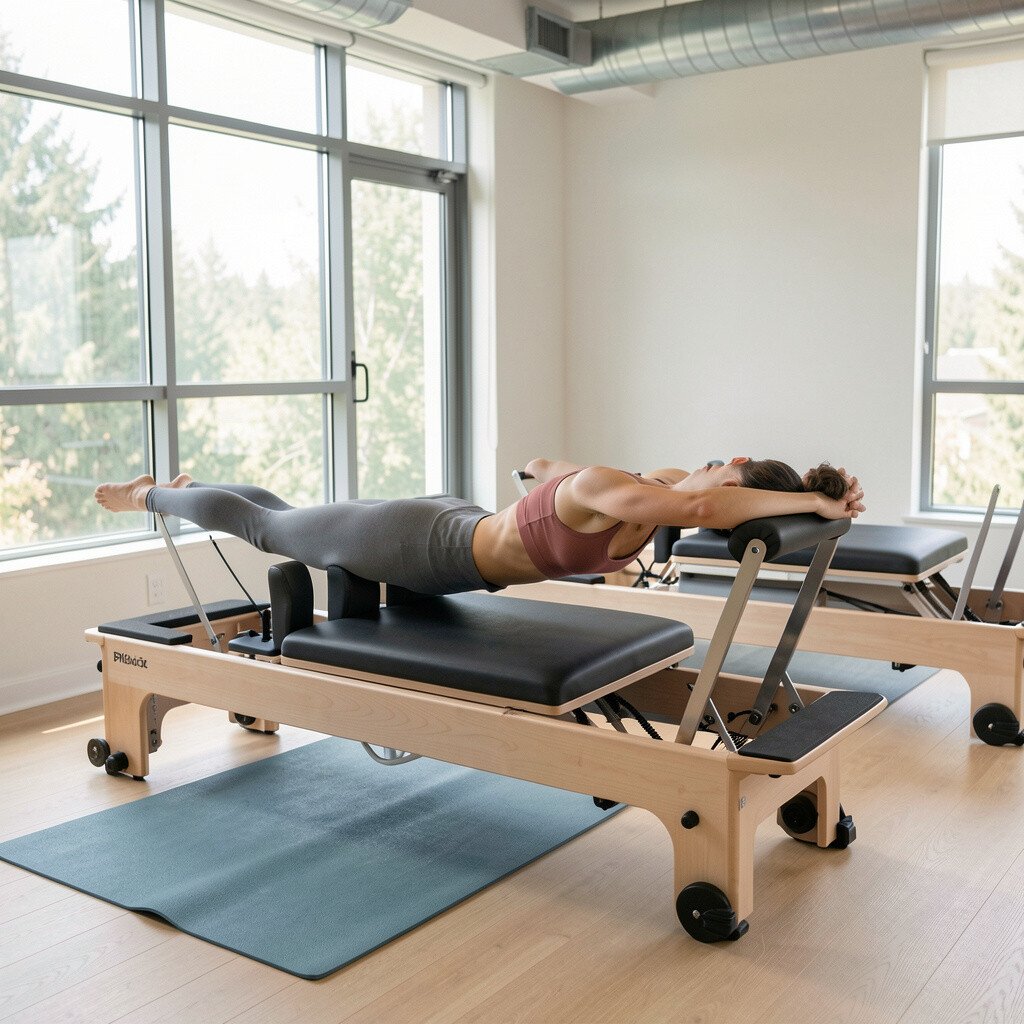
Imagine a bright room with smooth flooring, gentle music, and instructors guiding you with calm cues. You move slowly, feeling your body learn safer ways to carry weight.
Pilates and mobility sessions can refresh your mind because they build comfort in your posture and reduce body tension. Keep it practical by starting with beginner-friendly routines and adding rest breaks as needed. Personalize your plan by focusing on the areas you notice first, like hips, shoulders, or ankles.
If cost matters, search for studios that offer multi-session packages or discounted mat classes. A unique twist is to end each session with a short stretch you choose yourself, based on what feels best at that time.
11. Volunteer and Community Care Stay
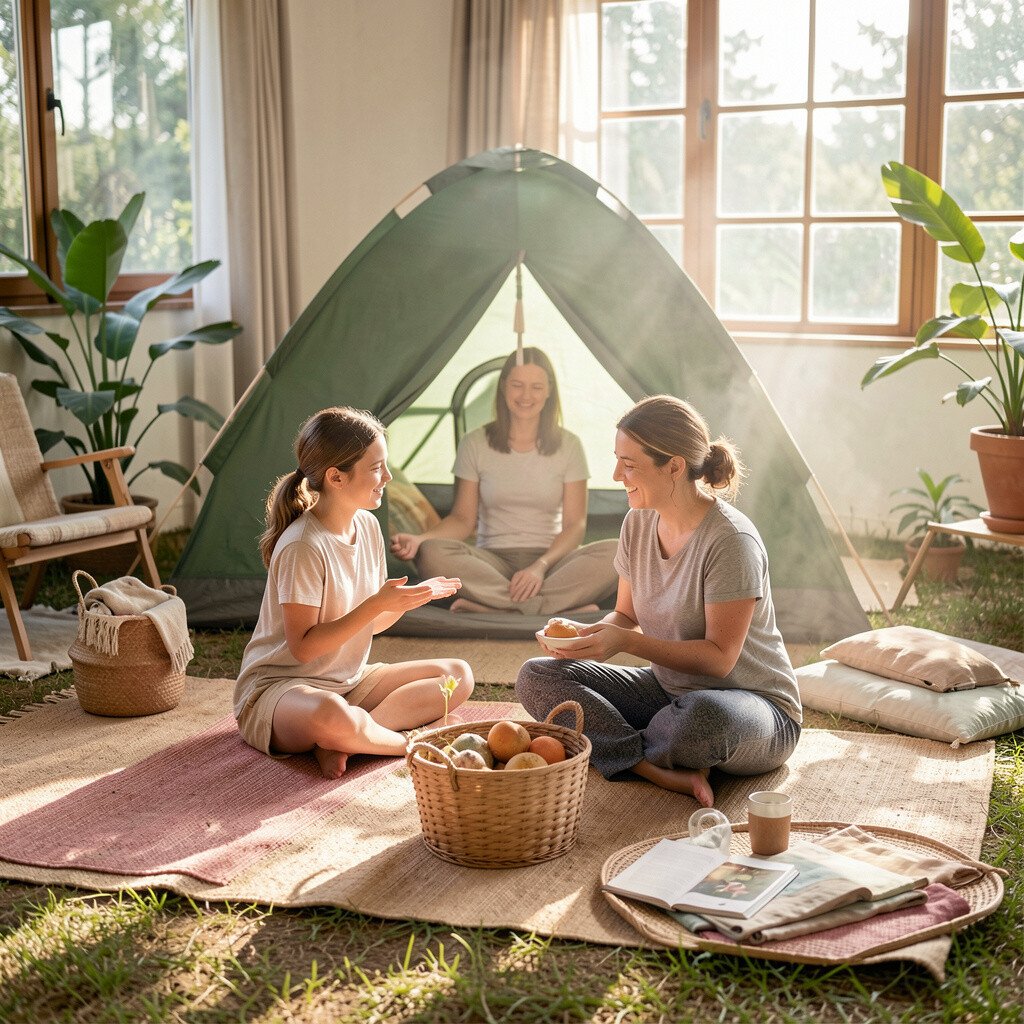
Picture yourself moving through a community space where kindness feels practical and real. You help with tasks that matter, and the day feels purposeful from start to finish.
Volunteering can support emotional well-being because it strengthens connection and gives your mind a meaningful job. For practical planning, choose a role that fits your energy, like sorting donations, assisting at an event, or helping serve meals. Personalization works best when you pick a cause you care about and set a realistic pace so you don’t burn out.
To make it unique, add a daily practice of writing one gratitude line and one lesson you noticed about people and yourself. Costs can stay low because many volunteer programs are affordable, but you should still budget for transportation and meals.
12. Sauna and Cold Water Contrast Ritual
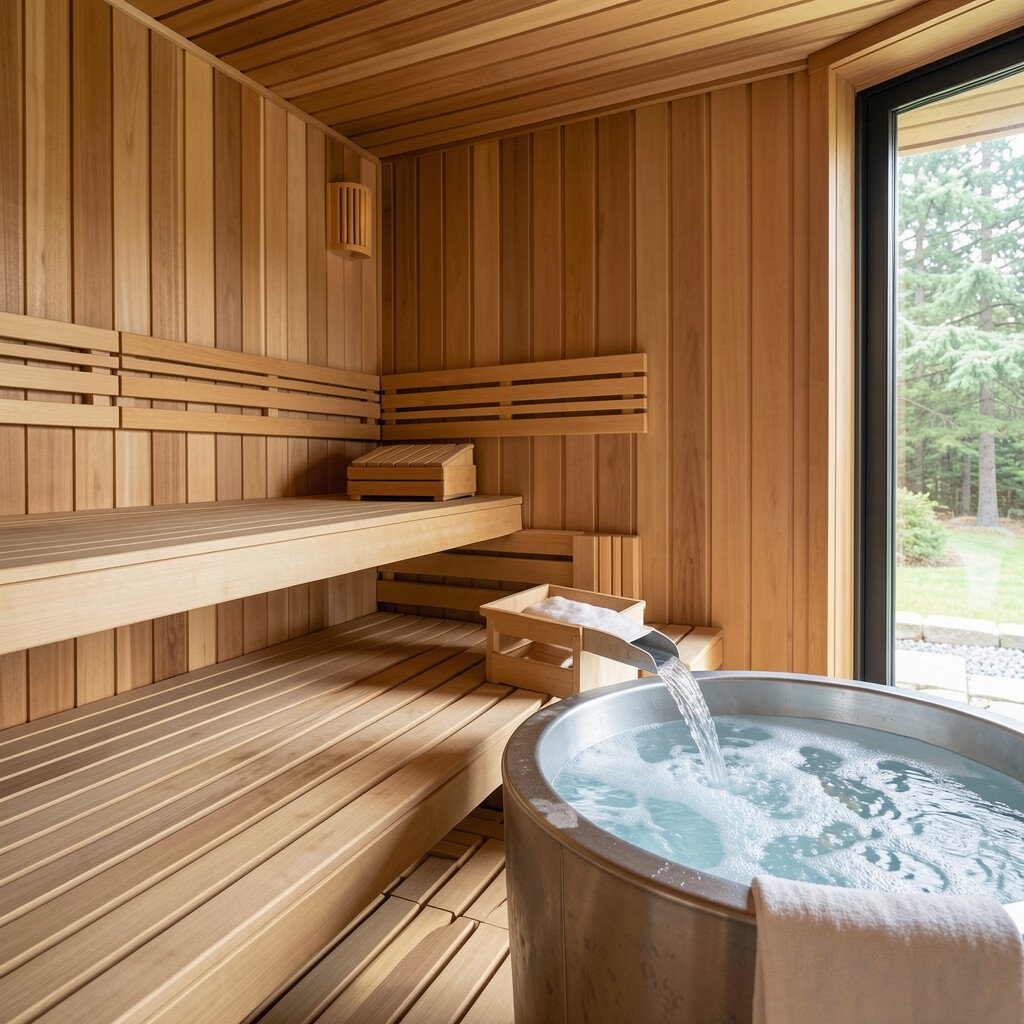
Imagine warm steam filling the air, your skin tingling as heat relaxes you. Then, stepping into cool water feels like a sharp reset that wakes your mind.
This kind of contrast ritual can feel invigorating and may help with how you experience stress, especially when it’s done safely and calmly. Keep it practical by checking local facility guidelines, taking short sessions at first, and staying hydrated. Personalization is key, so listen to your body and stop if you feel dizzy or unwell.
Uniqueness comes from pairing the ritual with breath counting, like breathing slowly during warmth and letting your exhale lengthen in cold water. If cost matters, look for community spa days or wellness centers that offer membership trials.
13. Luxury Spa Day With a Home-Style Plan

Picture a serene spa space with warm towels, soft lighting, and the quiet sound of water. A full-body massage makes your shoulders drop, and your thoughts become less loud.
A spa day can refresh your mind by giving your body recovery time and your mind time to rest. Keep it practical by booking treatments that match your needs, like a deep stretch session or a facial that helps you feel grounded. Personalize the experience by telling the staff about your goals, such as tension relief, better sleep, or relaxation for anxious days.
If you want it to be budget-friendly, choose a shorter service and build the rest at home with a warm shower, gentle skincare, and a quiet evening routine. Many spas also have seasonal packages, so check offers ahead of time.
14. Overnight Book Nook Retreat With Reading Seasons
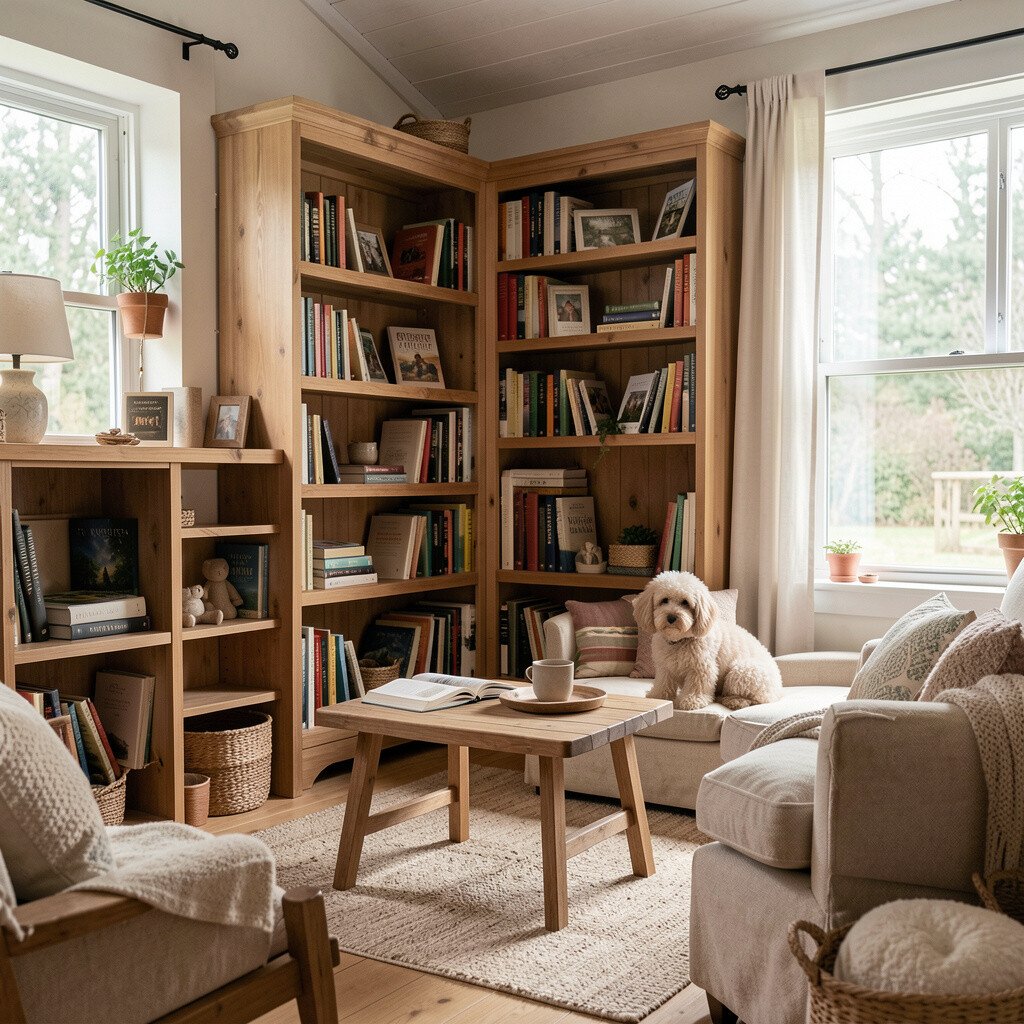
Imagine a small room or cozy corner where books are piled neatly and a warm lamp glows. You settle in with a blanket and choose pages like they are taking care of you.
Reading retreats can calm your mind because stories gently hold your attention while your thoughts unclench. Keep it practical by picking a few books or chapters ahead, setting a comfortable reading schedule, and adding breaks for tea. Personalize it by choosing genres that match your mood, like uplifting fiction for light feelings or reflective essays for deeper clarity.
For uniqueness, try a “reading season” plan where you alternate between fiction and something practical, then note what each type does to your mood. If cost is a concern, borrow books from a library or swap with friends to keep your budget steady.
15. River Float and Gentle Movement Reset
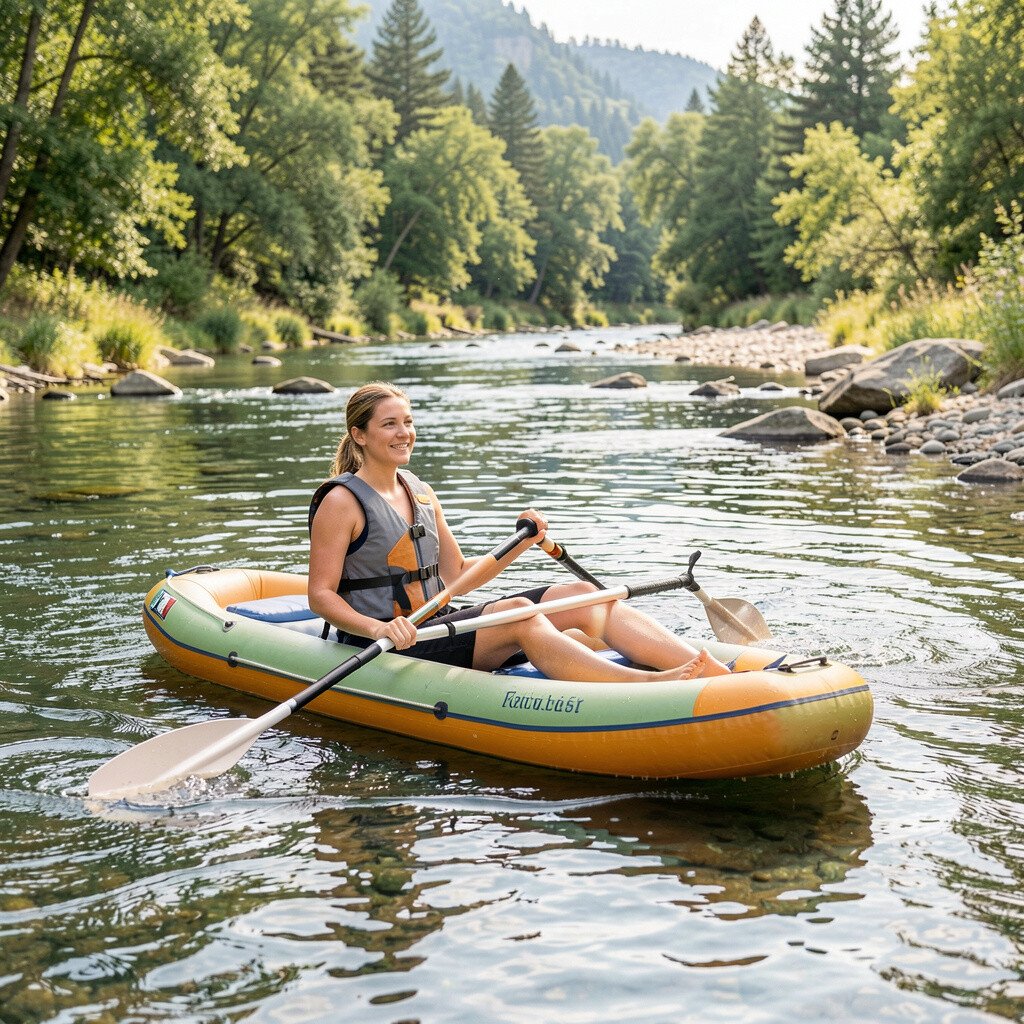
Picture a slow river, with sunlight flickering on the surface as you move with the current. Your body feels buoyant, and your mind starts to slow into the rhythm of water.
A river float retreat can refresh your mind because being still and present reduces mental clutter. For practical planning, choose safe water areas, wear a secure flotation device if needed, and pack sunscreen and a small towel. Personalize your day by adding gentle stretches on land before and after the float, focusing on hips, hamstrings, and back comfort.
Uniqueness comes from pairing the float with a simple grounding practice, like counting five things you can hear and smell. If costs are a concern, consider a local guided trip or a DIY float plan with friends while following safety rules.
16. Home Wellness Retreat for Busy Weeks
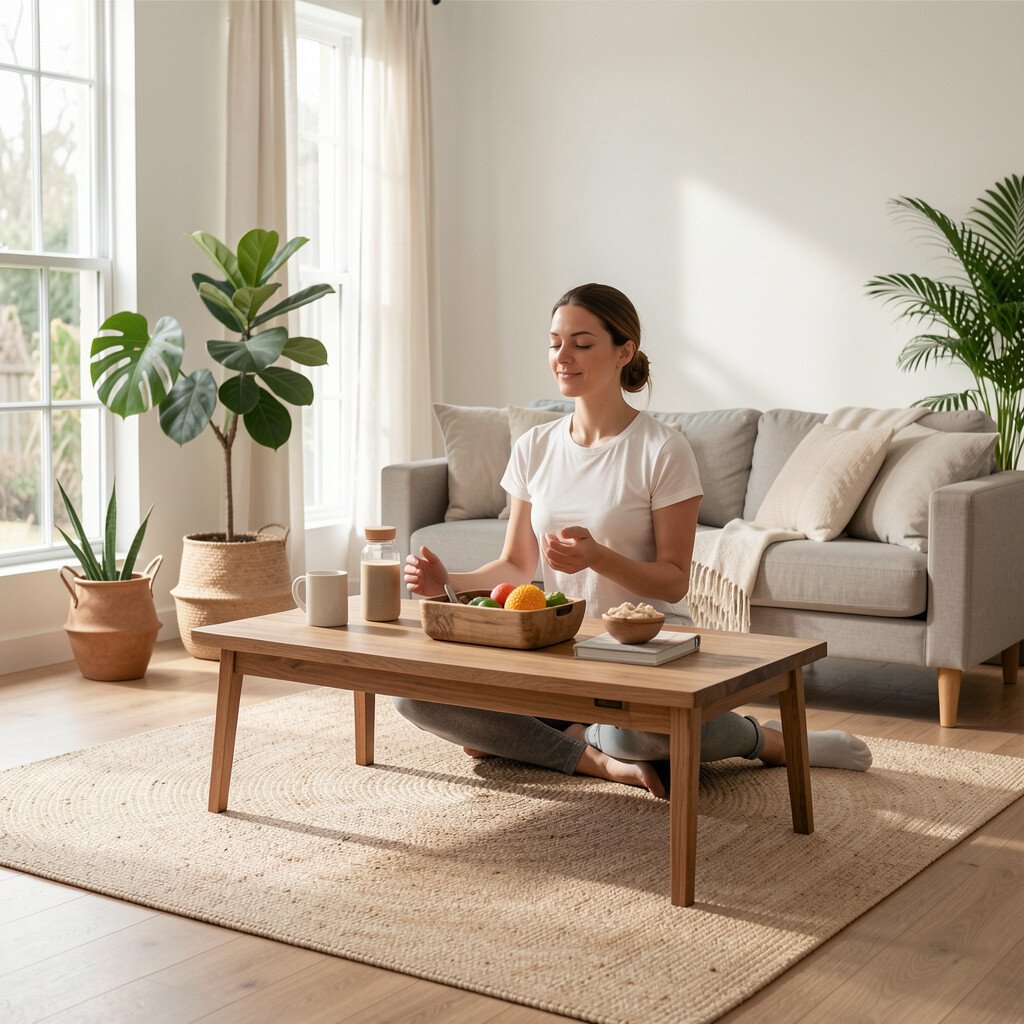
Imagine your own space feeling like a fresh haven, even if you’re staying home. Lights dim softly, your table is clear, and the day feels calmer just because you planned it.
A home retreat can refresh your mind by changing your routine without requiring travel, which is great for busy schedules. Keep it practical by choosing a few fixed anchors, like a morning breath routine, a short walk, and an evening wind-down ritual. Personalize everything based on your reality, including what time you can wake up and what kind of rest you actually enjoy.
For uniqueness, set up a “gratitude plus movement” corner with a small mat, a journal, and a playlist you love. Costs stay manageable because you can use what you already have, and if you need supplies, buy only one item that will help you keep the habit going.