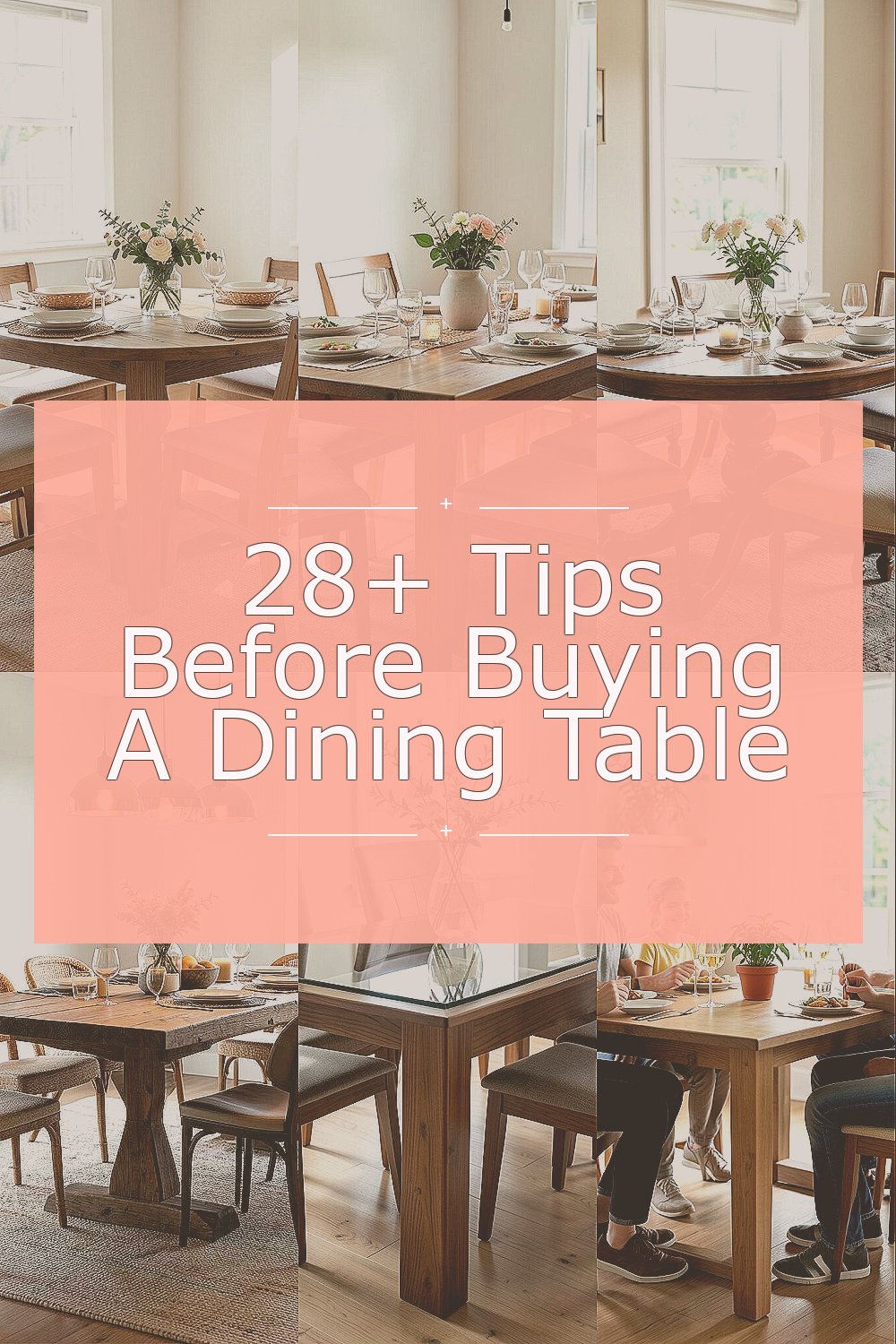
A dining table can change the feel of a room fast. The right one can make daily meals feel special.
1. Measure Your Space First
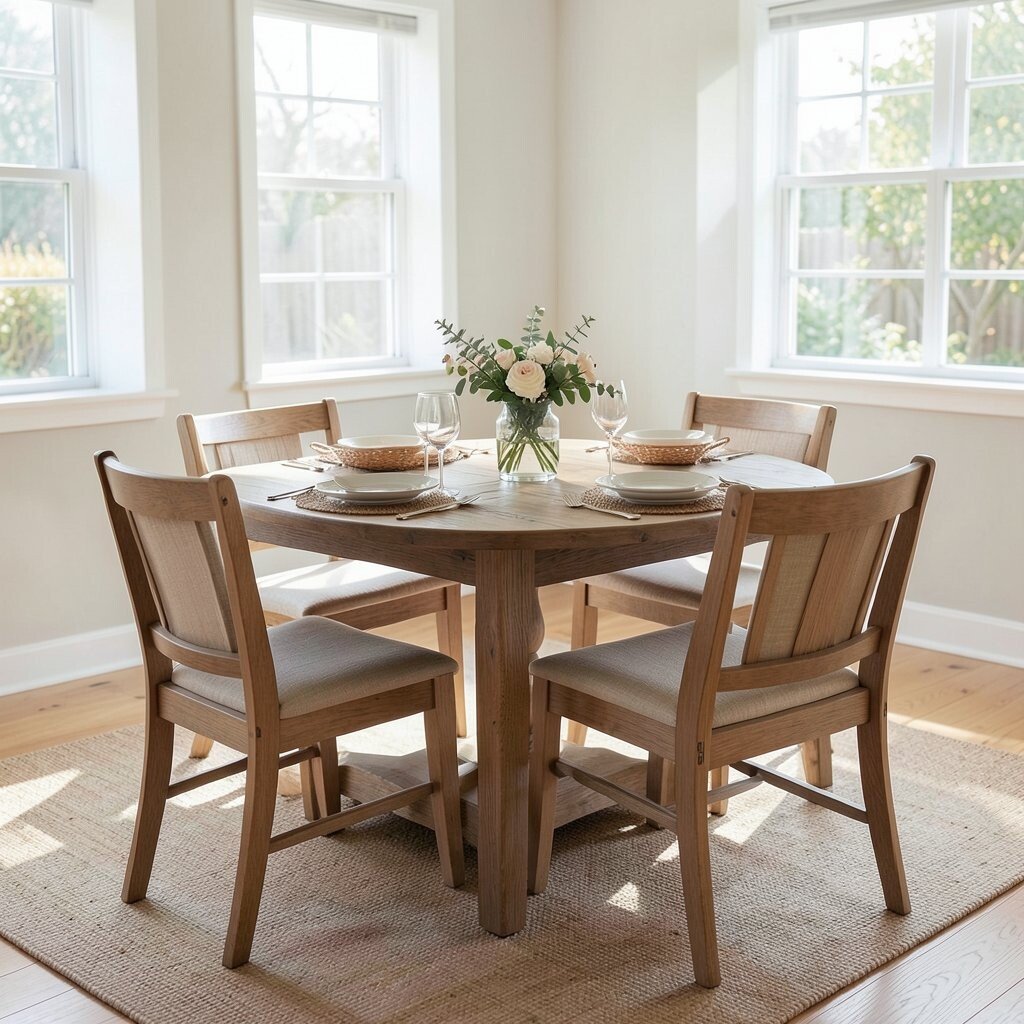
Before you fall in love with a table, check the room size. A table that looks perfect in a store can feel huge at home.
Leave room for chairs and walking space all around it. A good rule is to keep enough space so people can sit down without bumping walls or cabinets. If your room is tight, a round or oval table may feel softer and easier to move around.
2. Think About How Many People Use It
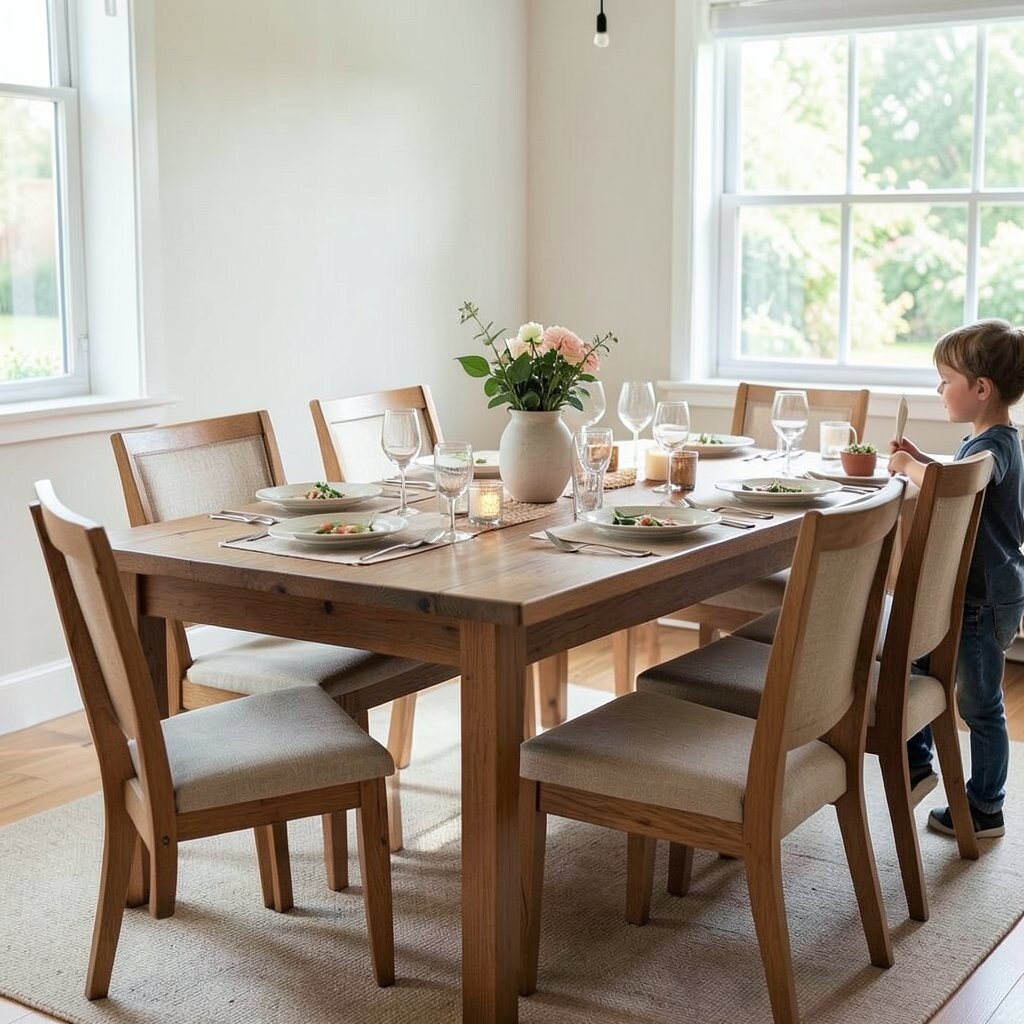
Start with your real daily life, not just holiday meals. A table for two can look sweet, but it may feel too small when friends come over.
If your family grows, plan ahead a little. An extendable table can be a smart pick because it stays neat on normal days and opens up when needed.
Think about guests, homework, game nights, and craft time too. A dining table often does more than hold dinner plates, so extra room can be a big help.
3. Pick the Right Shape
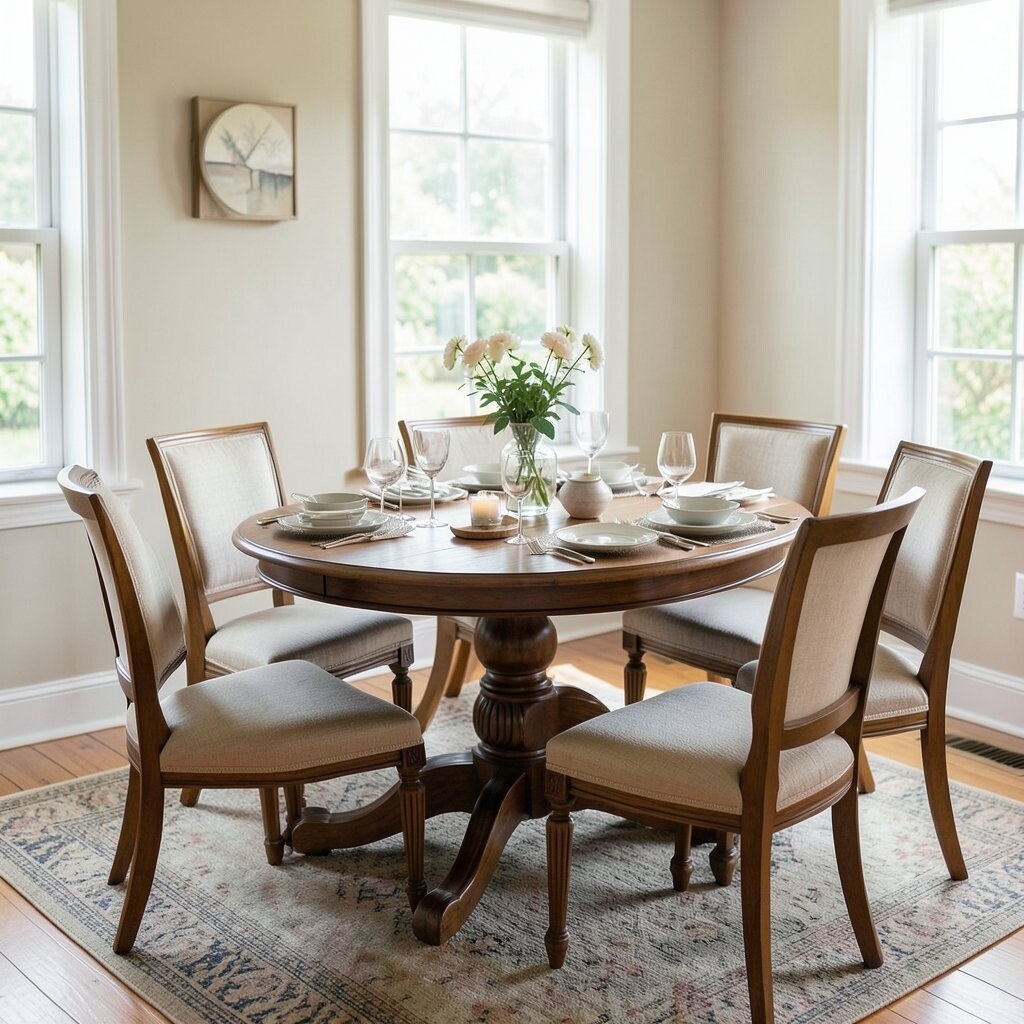
The shape changes both the look and the feel of the room. Round tables feel friendly and cozy, while rectangular ones often look more classic.
Square tables can work well in small spaces with a balanced layout. Oval tables give you soft edges and still offer a long surface for serving dishes.
Try to match the shape to the room and the way you use it. A unique shape can make the space feel fresh, and that can be a fun style choice.
4. Match the Table to Your Style
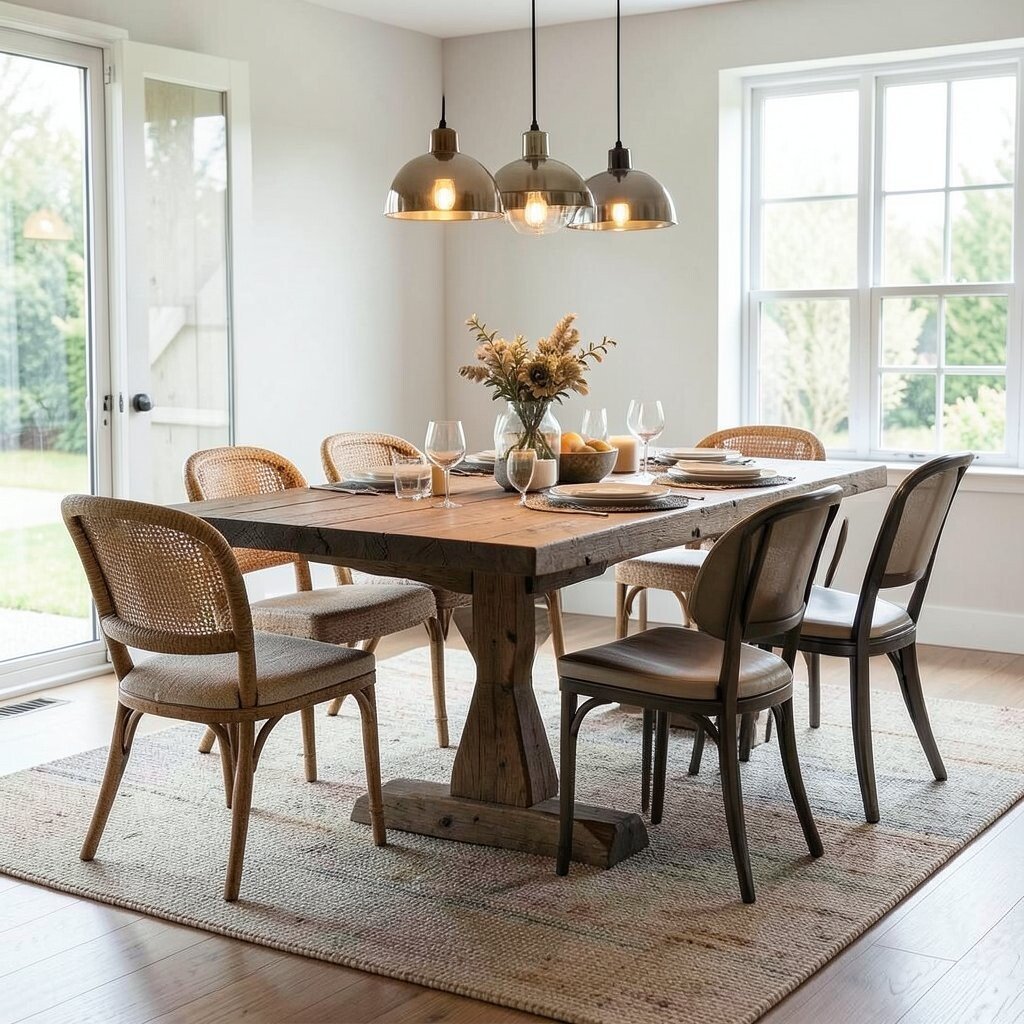
A dining table should fit the mood of your home. Some tables look warm and rustic, while others feel clean and modern.
Wood brings a cozy, natural look, and glass can make a room feel lighter. Metal or mixed-material tables can add a bold touch if you want something less common.
Think about the chairs, lights, and rug too. When the pieces work together, the whole room feels thoughtful and personal.
5. Choose a Material That Fits Your Life
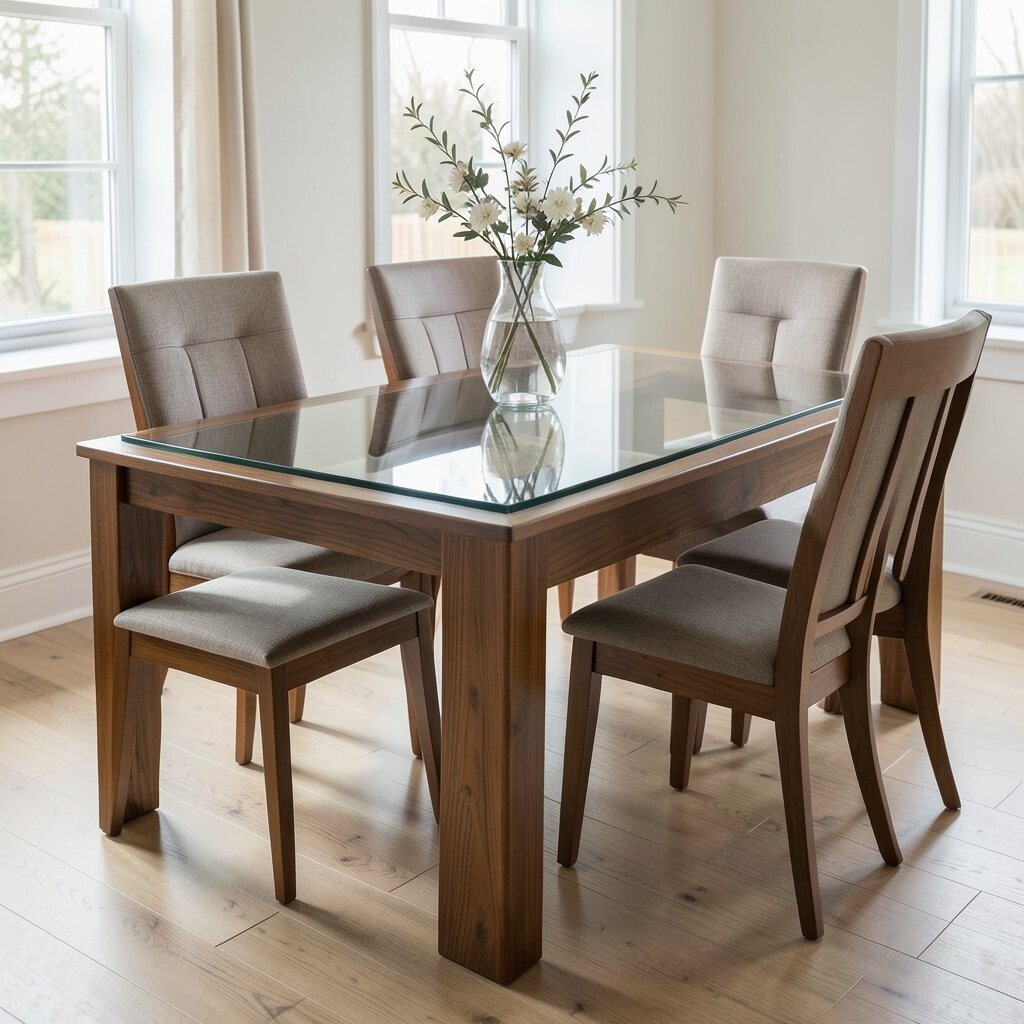
Different materials bring different benefits. Solid wood feels strong and classic, while veneer can cost less and still look nice.
Glass tops can make a room seem open, but they may show smudges fast. Stone and marble can look rich and special, yet they may need more care and a bigger budget.
For busy homes, easy-clean surfaces can save time. If you want a table that feels one of a kind, look for grain patterns, mixed finishes, or handmade details.
6. Check Table Height and Comfort
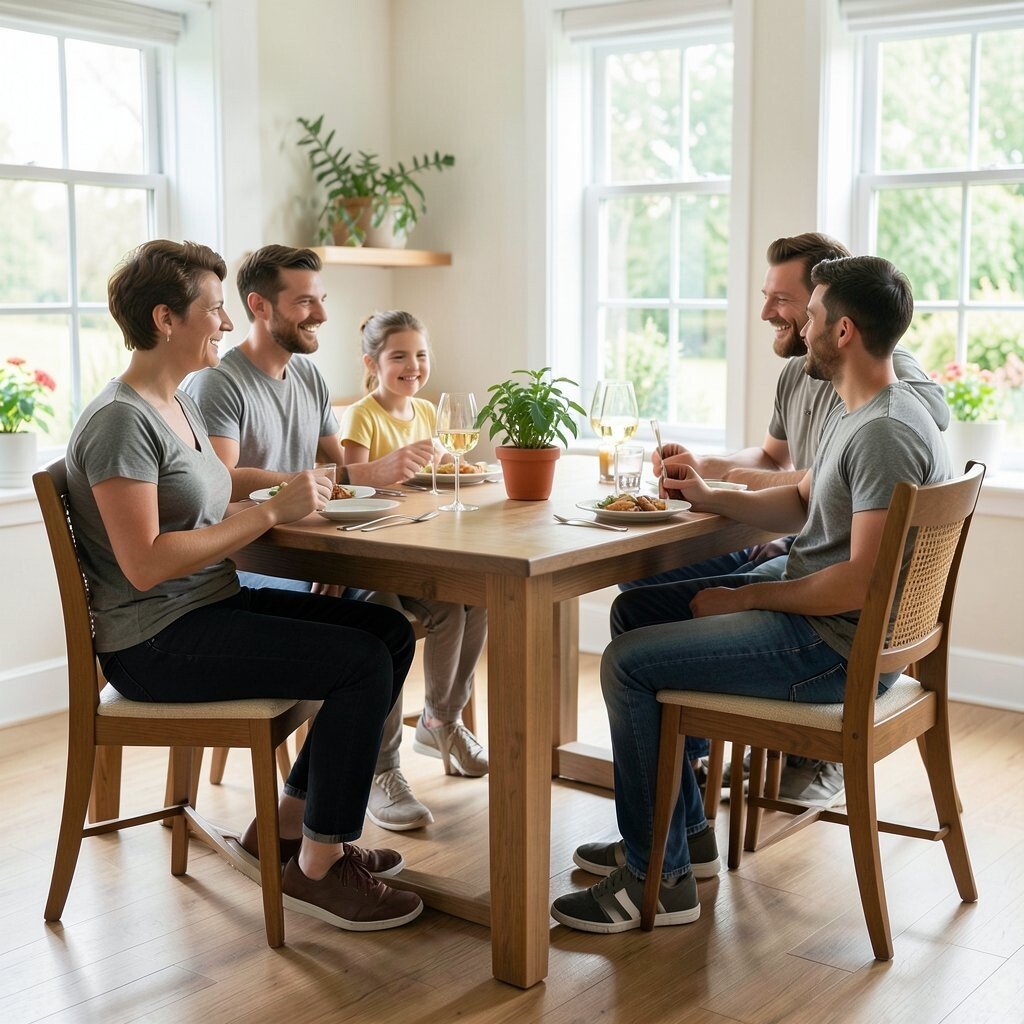
A table should feel good to sit at, not just look pretty. If it is too tall or too short, meals can feel awkward fast.
Most dining tables work best with standard dining chairs, but not all sets match perfectly. Sit down if you can and make sure your knees have space and your arms rest easily.
Comfort matters for long dinners, school work, and family chats. A table that feels right helps people stay longer and enjoy the room more.
7. Look at the Base Design
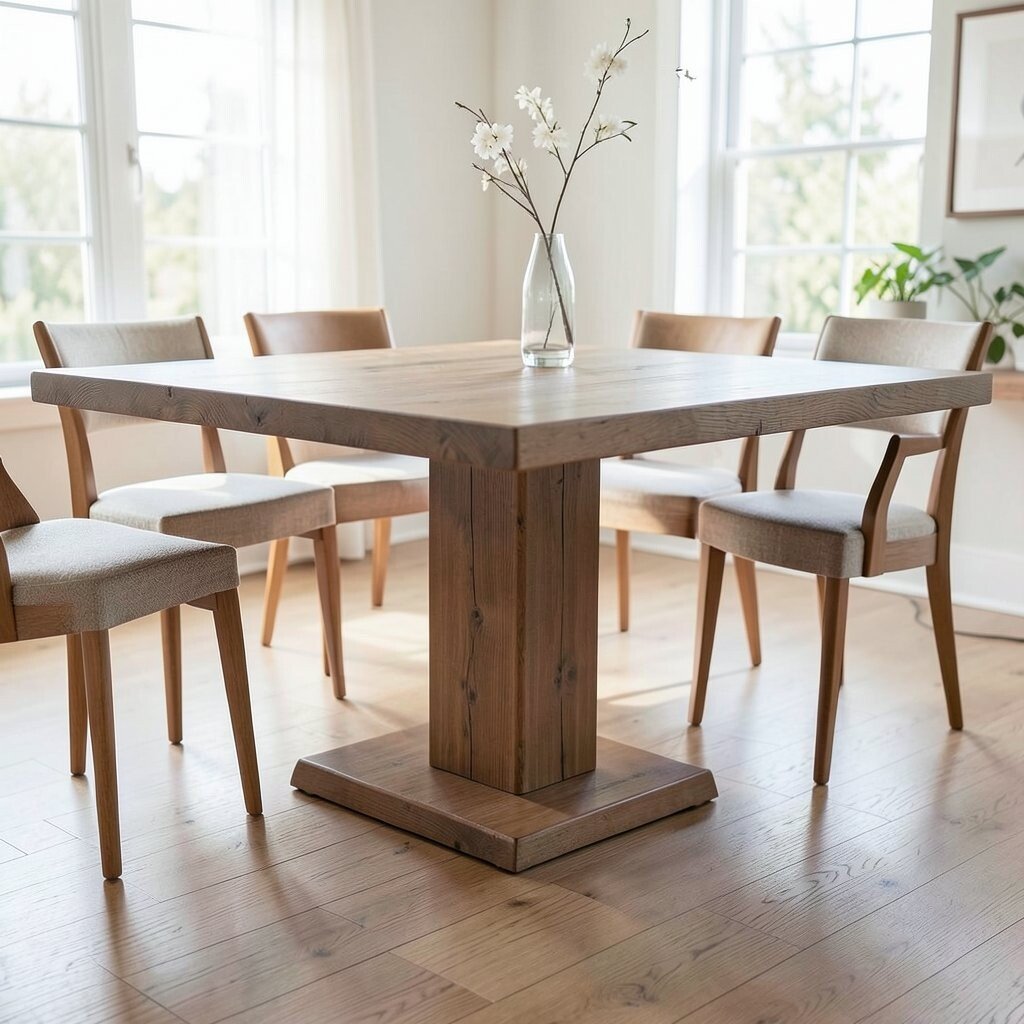
The base is not just for support; it changes the whole style. A pedestal base can feel airy, while four legs may look simple and familiar.
Some bases leave more legroom, which is great for crowded seats. Others make the table feel bold and sculptural, almost like art.
Think about where chairs will slide in. A strong base can be unique and stylish, but it still needs to leave space for real life.
8. Decide on a Color That Works Long Term
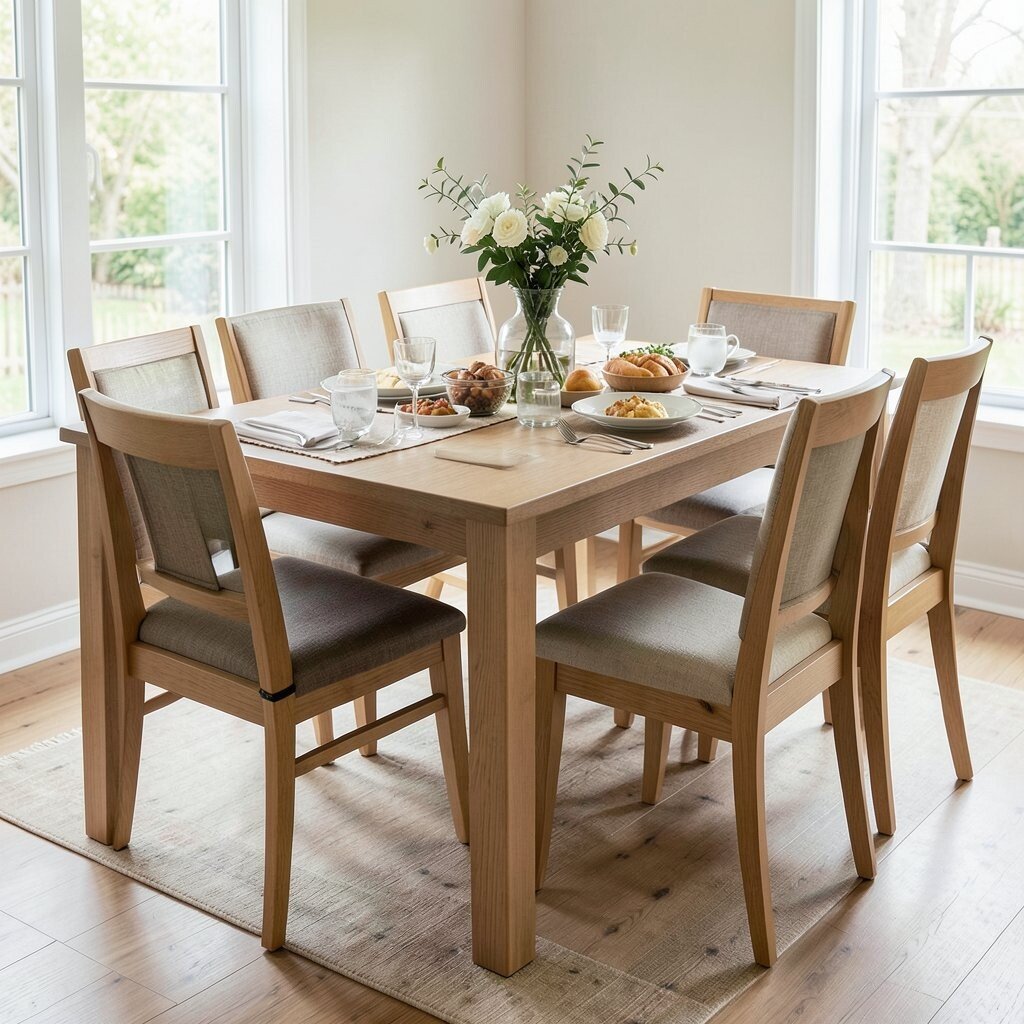
Color can make a dining table feel warm, bright, dark, or calm. Light wood can feel fresh, while deep brown or black can look rich and grounded.
If your home style changes often, a neutral table may be the safest pick. A bold color can be exciting, but it should still work with your walls, floor, and chairs.
Try to picture the table with food, dishes, and everyday clutter. A smart color choice can hide wear better and keep the room looking neat.
9. Think About Everyday Cleaning
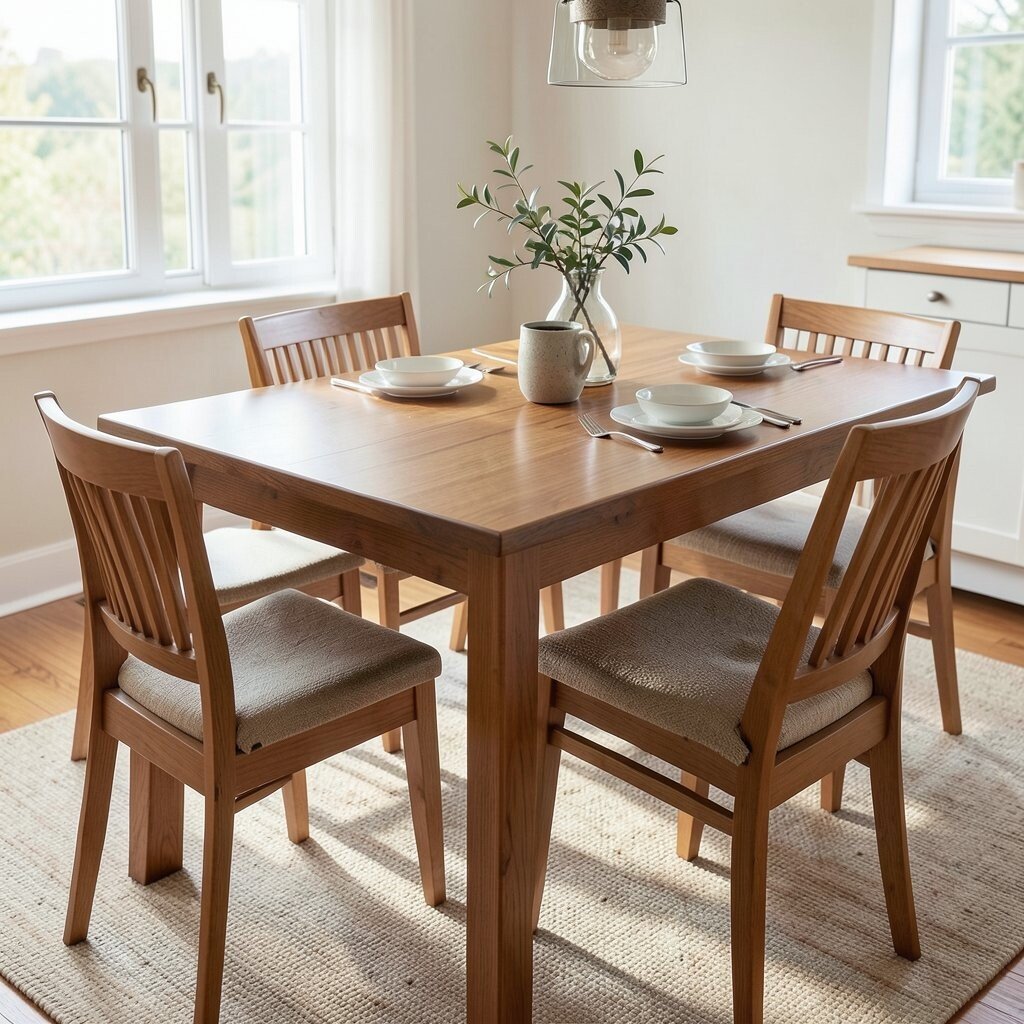
A beautiful table should also be easy to care for. If cleaning feels hard, you may stop enjoying the table as much.
Wipeable finishes are helpful for families with kids, pets, or messy eaters. Smooth surfaces can save time, while textured ones may need a little more attention.
Ask how the table handles spills, heat, and scratches. A practical choice can still look stylish, and that mix is often worth the cost.
10. Pay Attention to Durability
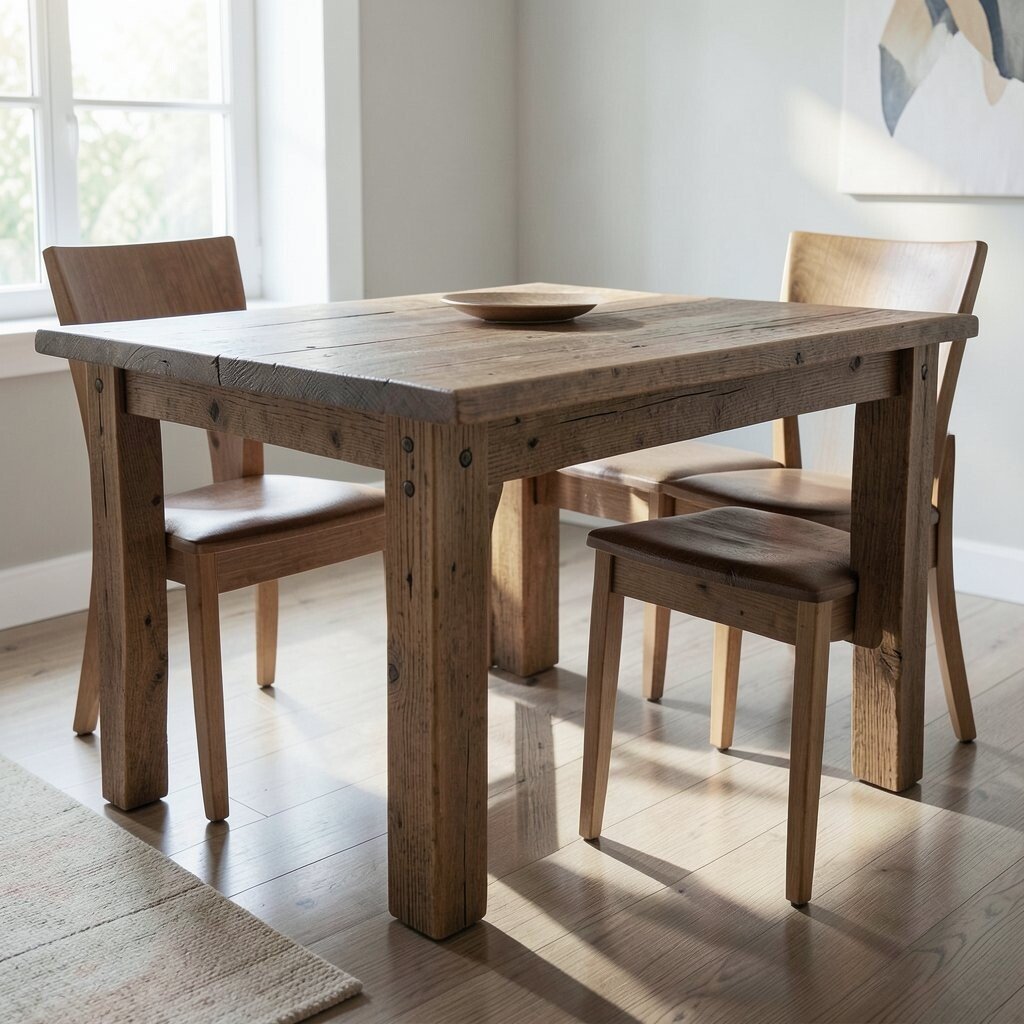
Some tables look great on day one but wear out too fast. A sturdy table can handle daily use and still stay handsome.
Check the joints, legs, and top for solid construction. Heavier pieces often feel more stable, though weight alone does not tell the whole story.
If you want a table for many years, durability should matter as much as style. Paying more up front can sometimes save money later.
11. Know Your Budget Before Shopping
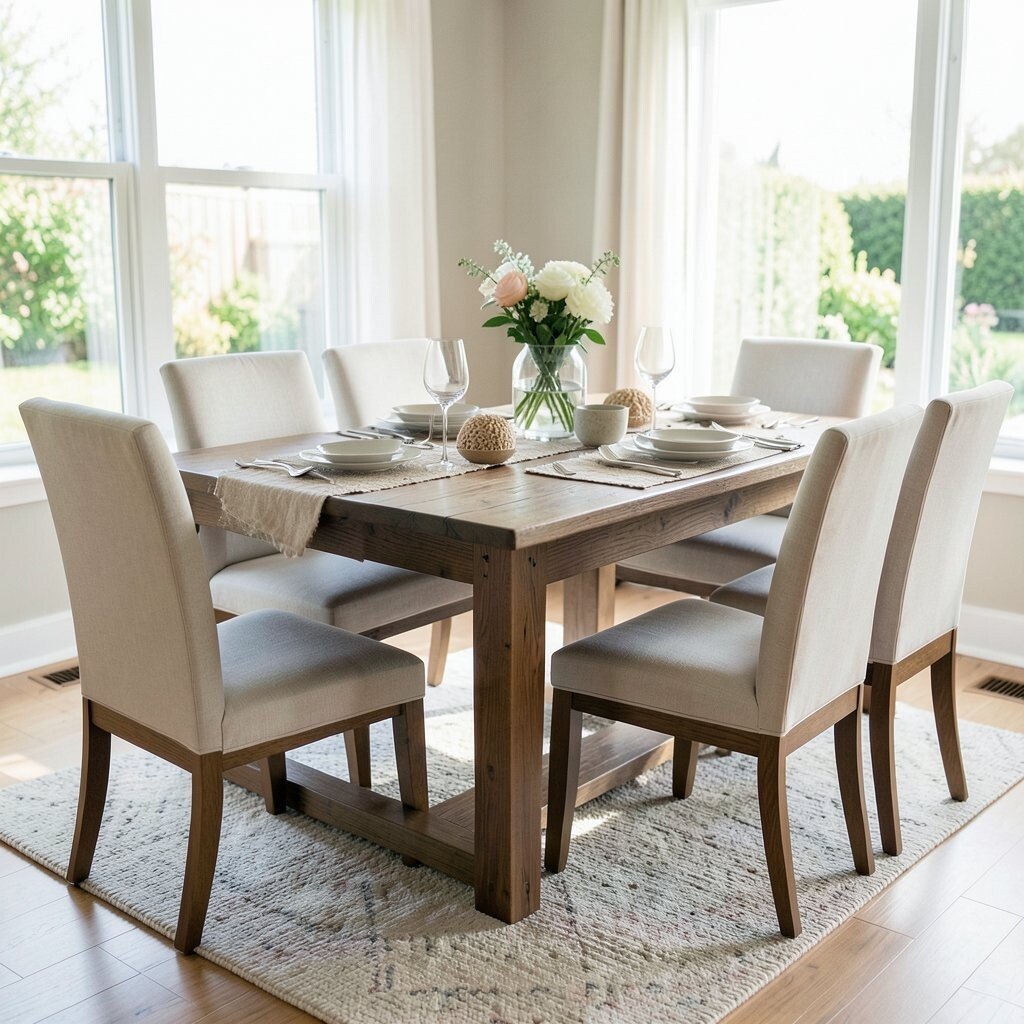
It is easy to get pulled in by a pretty table with a high price tag. Setting a budget first helps you stay calm and focused.
Remember that the table is only one part of the total cost. Chairs, delivery, assembly, and care products can add up fast.
Look for the best value, not just the lowest price. A table that fits your home and lasts longer often feels like a better deal.
12. Think About Expandable Options
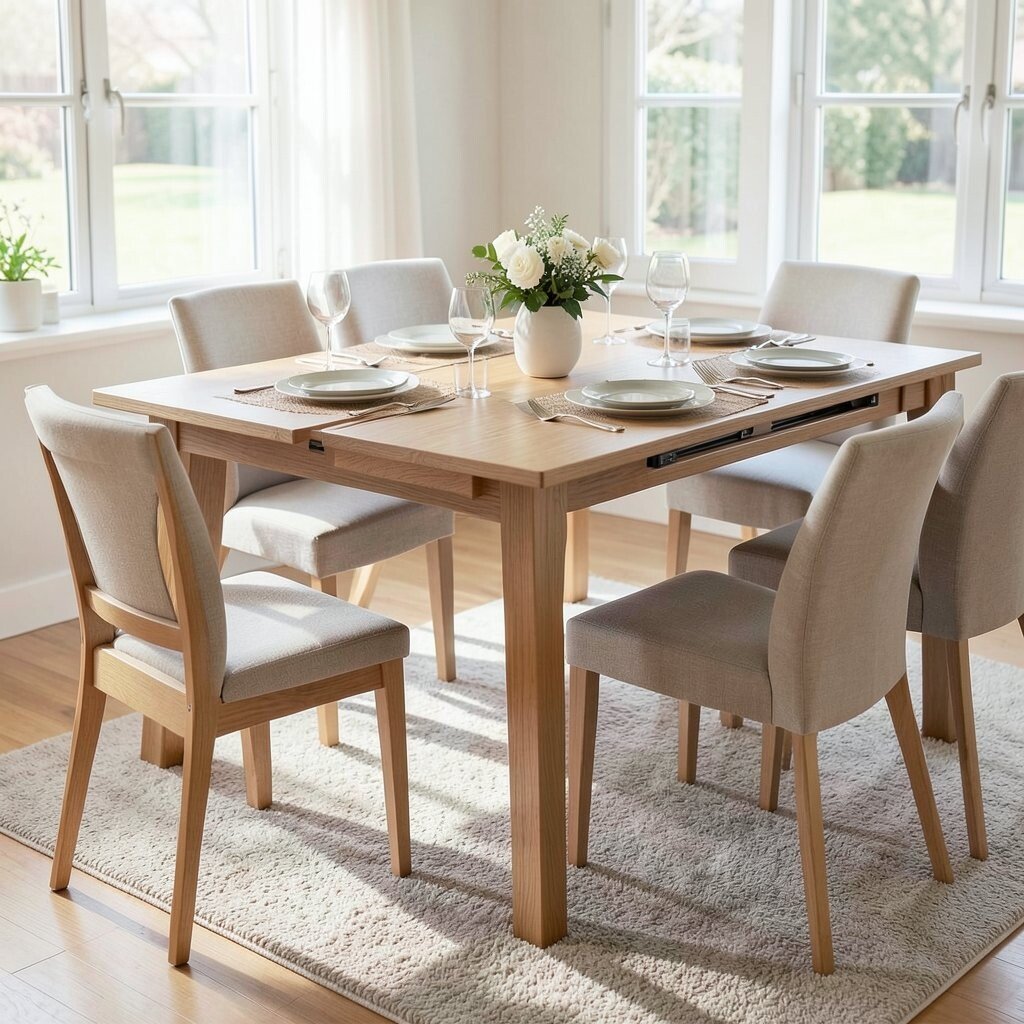
Extendable tables are popular for a good reason. They give you flexibility without taking over the room every day.
Some use leaves that store inside, while others add pieces when needed. That can be great for holidays, birthdays, or surprise visitors.
Check how easy it is to open and close the table. A clever design can feel modern and useful at the same time.
These tables can cost more than fixed ones, but the extra space may be worth it. If your life changes often, this kind of table can be a smart fit.
13. Make Sure It Fits Your Chairs
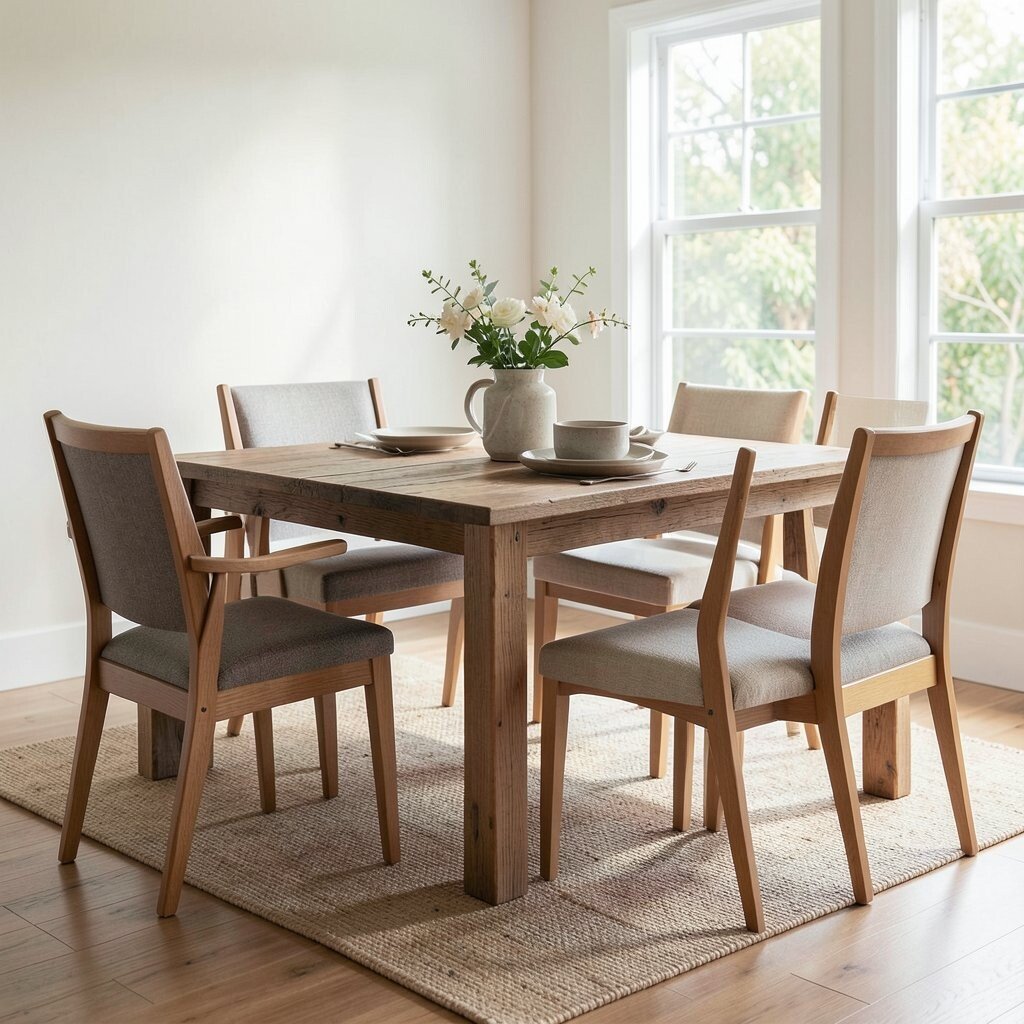
A table and chairs should look like friends, not strangers. The seat height and table height need to work together.
Chairs with arms may need more room than simple ones. If you already own chairs, bring the measurements with you before buying a table.
Mixing chair styles can add personality and make the room feel fresh. Just keep the colors or shapes tied together so the set still feels balanced.
14. Think About the Room’s Light
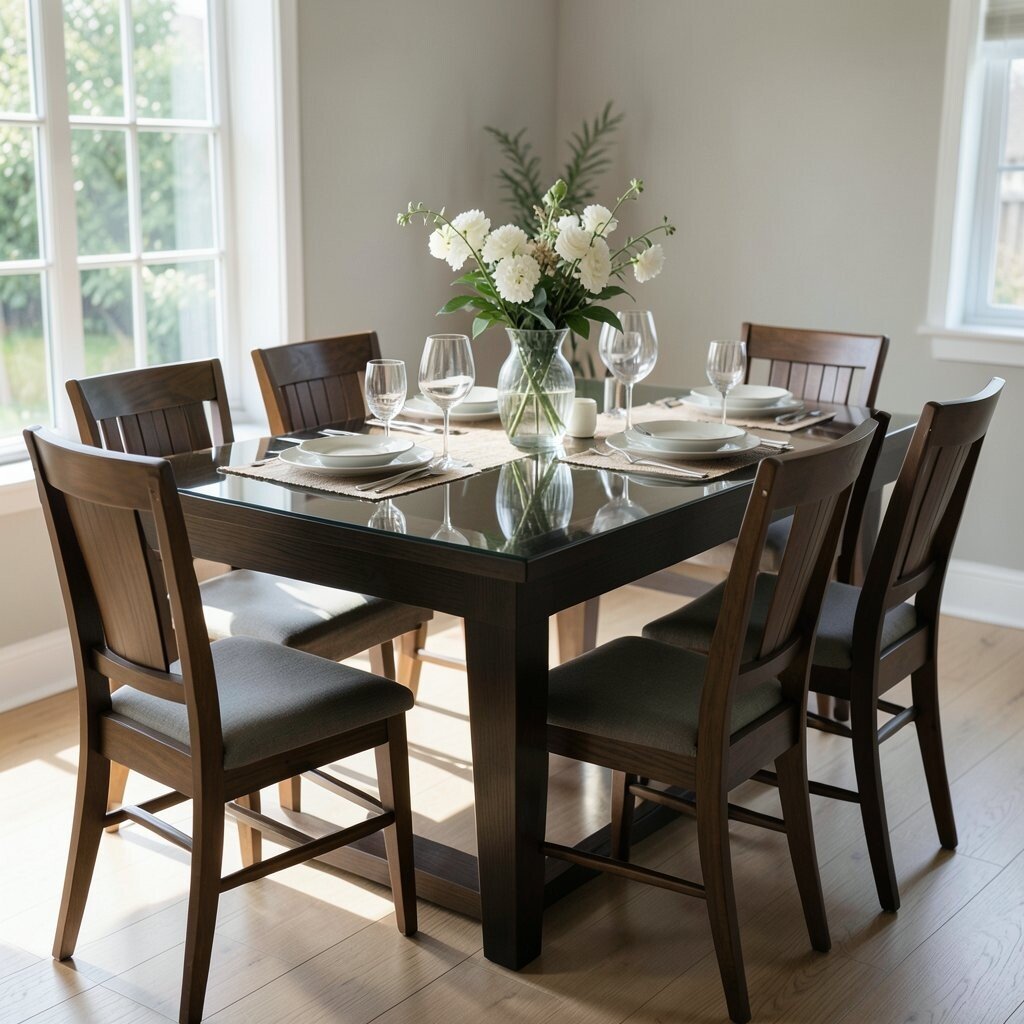
Light can change how a table looks during the day. A dark table in a dim room may feel heavy, while a light one may brighten things up.
If your dining area gets lots of sun, some finishes may fade over time. Glass and shiny surfaces can also show glare from windows and lamps.
Try to picture the table under your real lighting, not just store lights. A table that works with the light can make meals feel softer and more inviting.
15. Check if It Works for More Than Meals
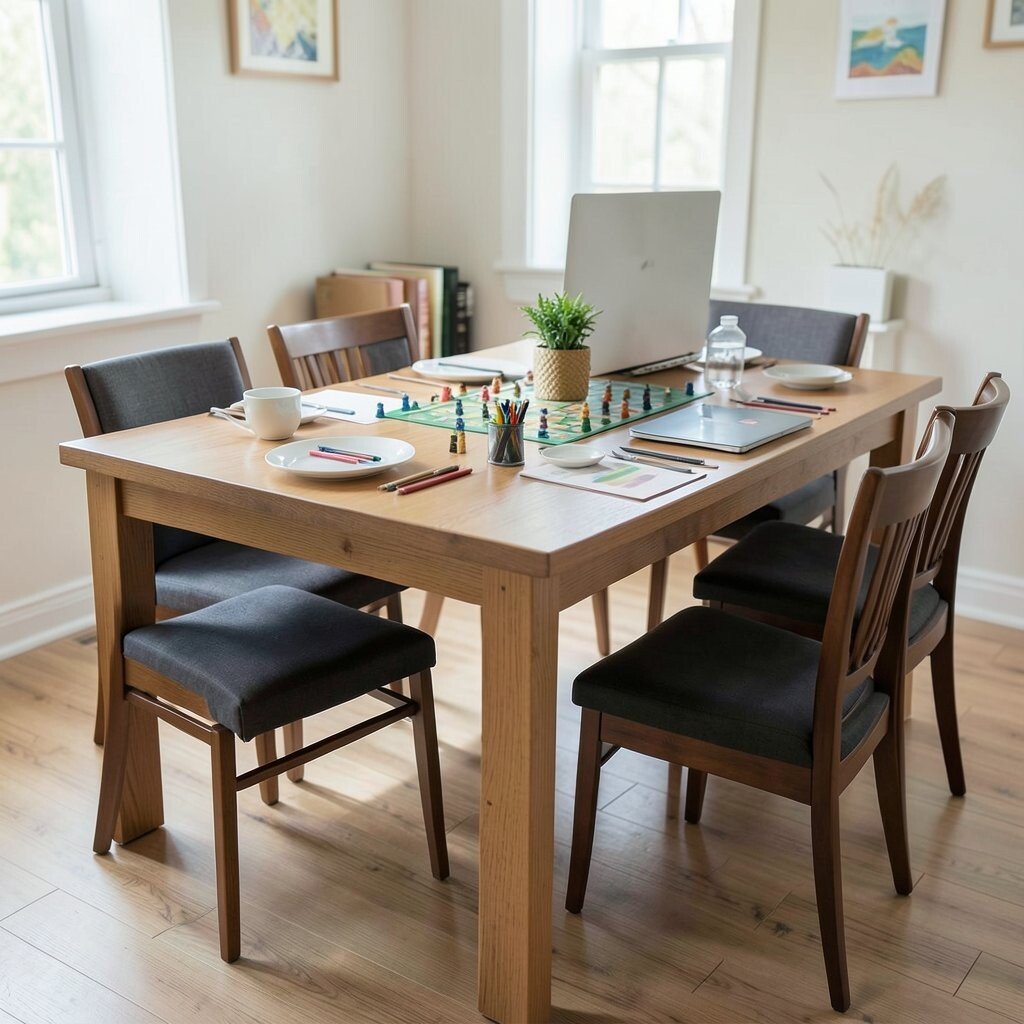
Many dining tables do more than hold dinner plates. They can become homework spots, game tables, puzzle places, and work-from-home desks.
If your table will do many jobs, pick one with a surface that can handle them. A scratch-resistant top may be helpful if pens, laptops, or art supplies will live there.
Think about how often the room changes use during the week. A flexible table can make a home feel more useful without adding extra furniture.
16. Look for a Style That Feels Fresh
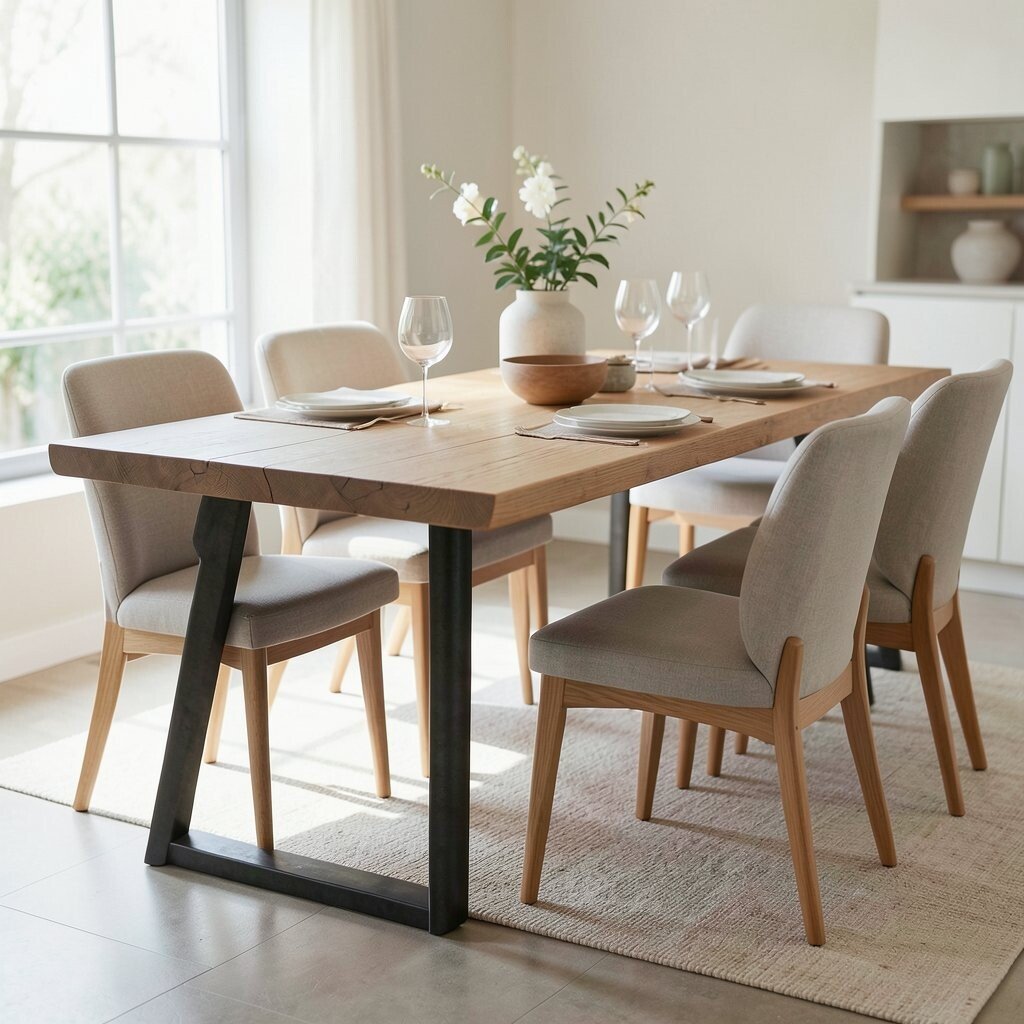
Some current trends lean toward soft shapes, natural wood, and calm colors. These looks feel warm and easy to live with.
People also like mixed materials, such as wood with metal or stone with dark legs. That mix can make a table stand out without feeling too loud.
Trendy does not have to mean short-lived. If you choose a style that also fits your taste, it can stay lovely for years.
17. Check the Edge Style
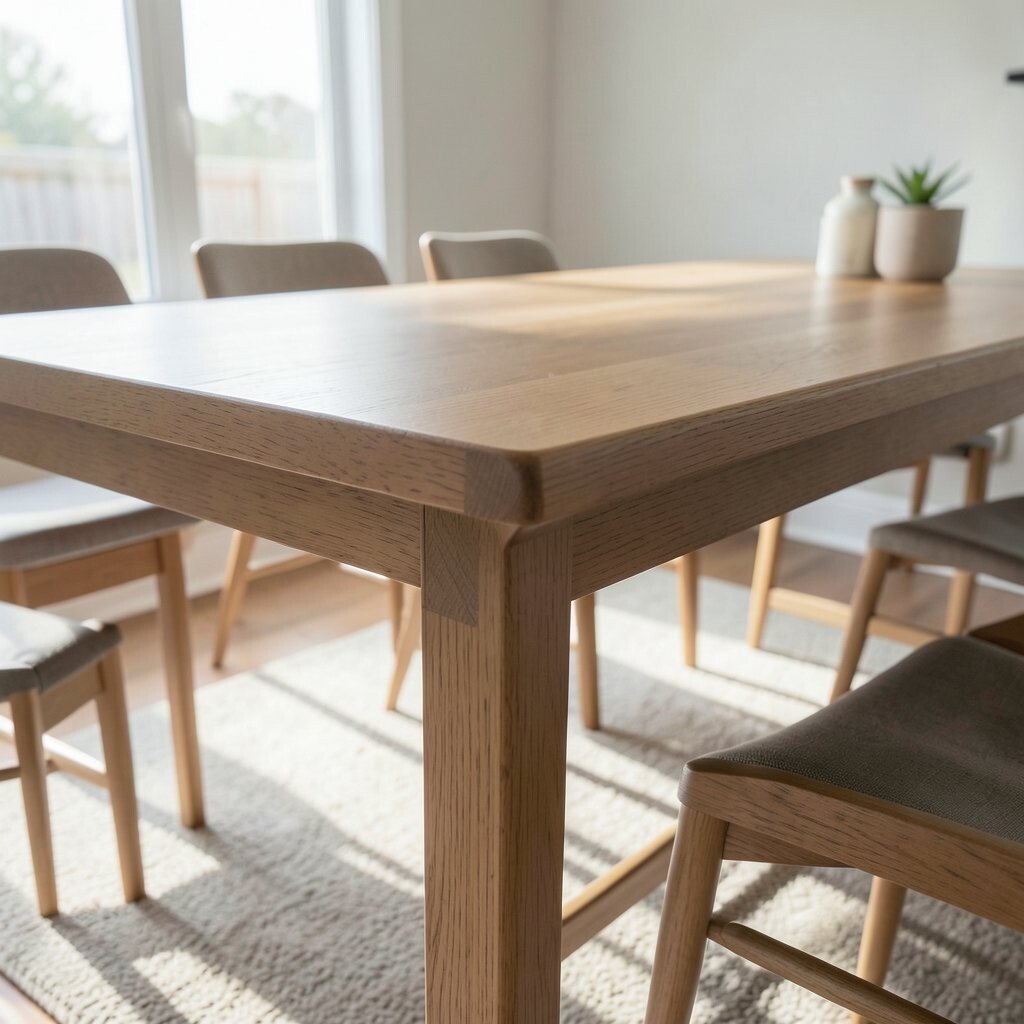
The edge of the table changes both safety and style. Rounded edges feel softer and can be easier on busy homes with kids.
Sharp edges can look crisp and modern, but they may feel less forgiving in tight spaces. A beveled edge or soft curve can give you a nice middle ground.
Edge details can also make a table feel more special. Small design touches often give a piece its own personality.
18. Think About Storage Nearby
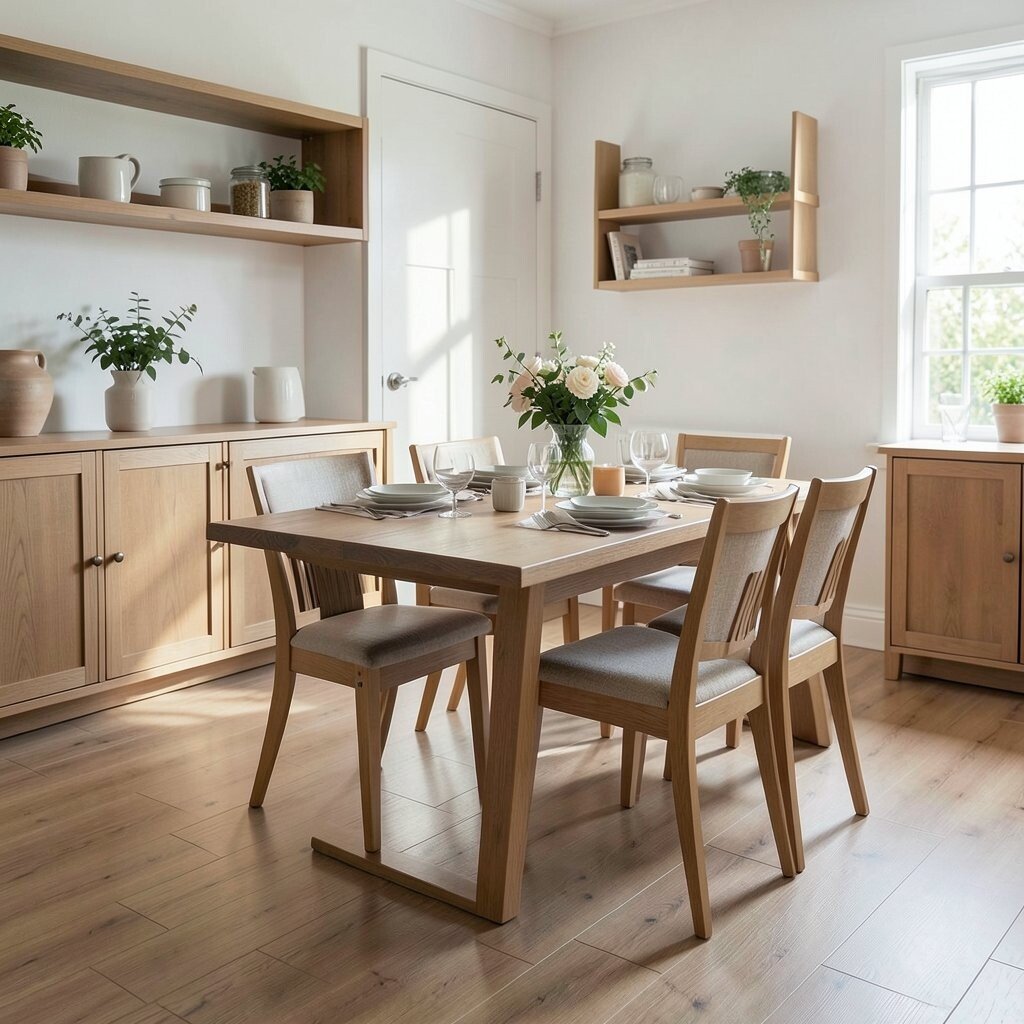
Your dining table does not live alone in the room. Sideboards, shelves, and cabinets can change how the table fits and functions.
If storage is close by, you may want a table with a slimmer shape. That can help keep the room open and easy to move through.
Good storage nearby also makes hosting simpler. When dishes, napkins, and serving pieces are close, the whole dining area feels more useful.
19. Test the Surface Feel
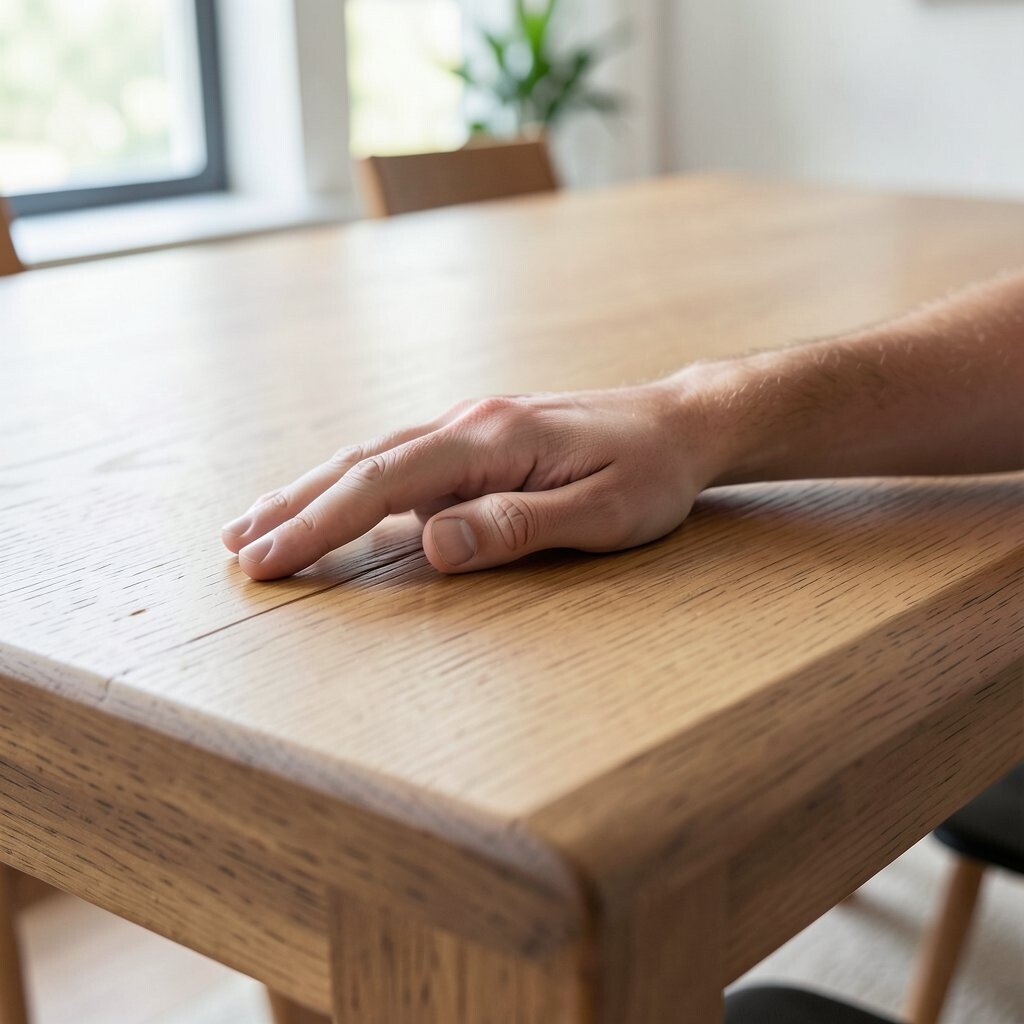
The feel of the tabletop matters more than many people think. A smooth surface can feel elegant, while a rough one may feel more casual and earthy.
Run your hand across the finish if you can. You may notice marks, seams, or texture that are not obvious from a photo.
That small detail can affect daily life in a big way. A table should feel pleasant every time you set down a cup or plate.
20. Ask About Assembly
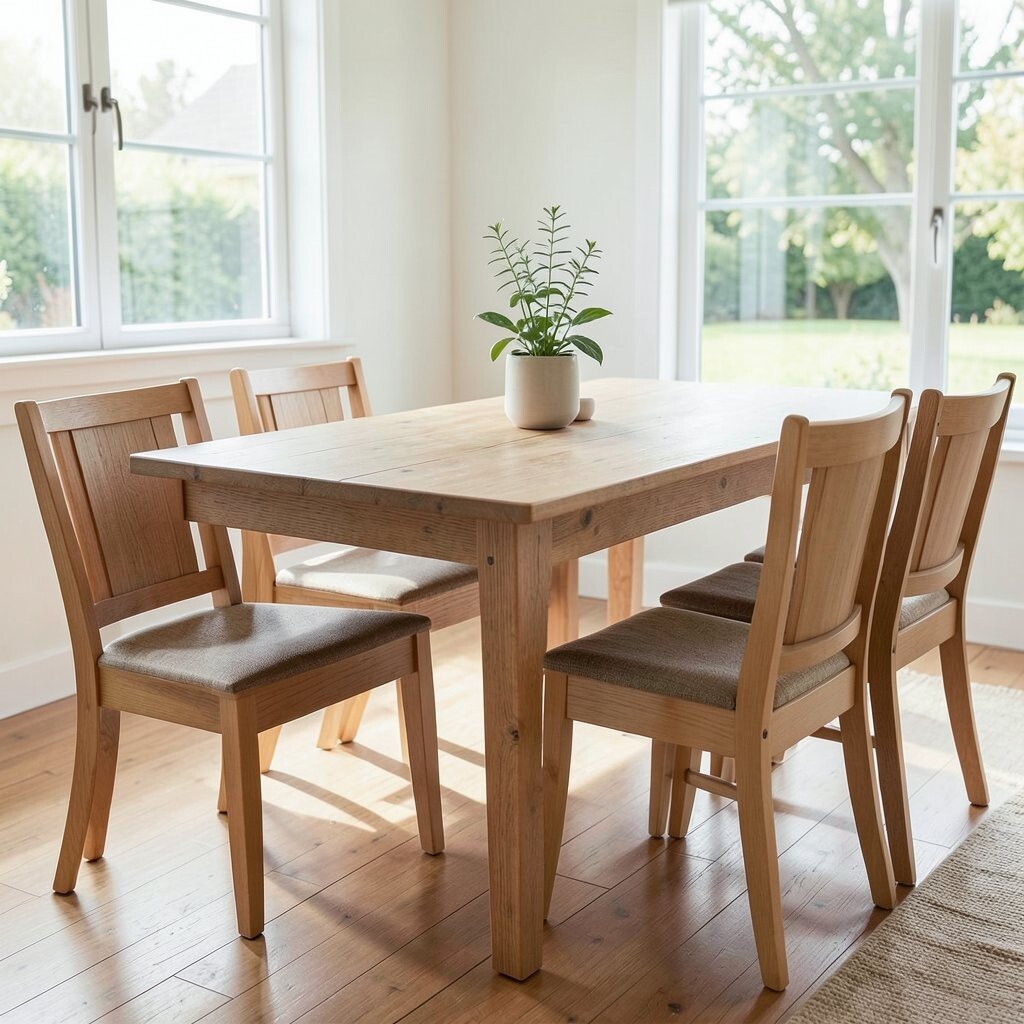
Some tables arrive ready to use, and others need work. Assembly can be easy or tricky, depending on the design.
If you do not enjoy tools and tiny parts, check this before buying. Delivery with setup may cost more, but it can save time and stress.
Read the instructions if possible or ask how many people are needed. A table that is simple to build can make the whole buying process feel smoother.
21. Think About Noise and Stability
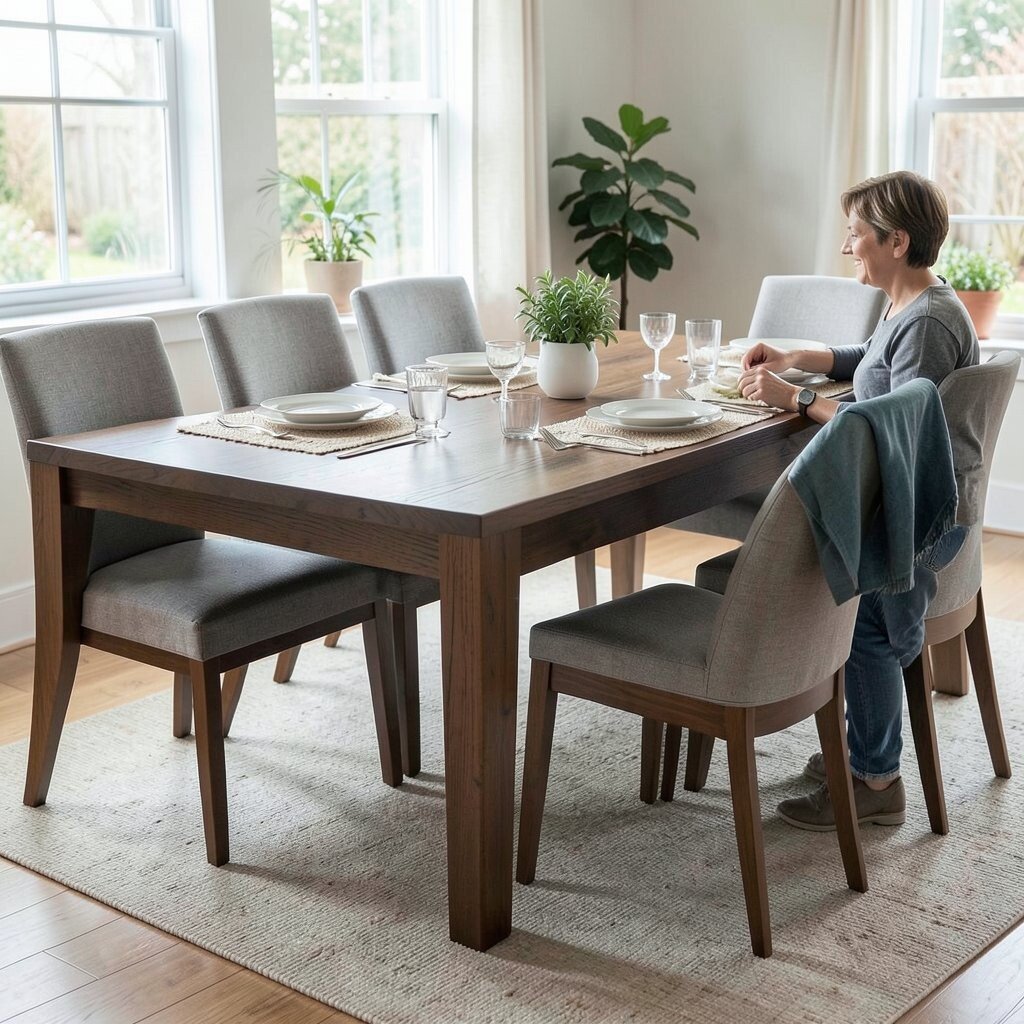
A dining table should feel steady when people lean on it. Wobbly legs or loose parts can be annoying and unsafe.
Some materials also make more sound than others. Glass and certain hard surfaces can feel louder when plates or cups touch them.
If your home is active, stability matters a lot. A solid table gives meals a calm, comfortable feeling.
22. Consider the Table’s Shape in Photos and in Real Life
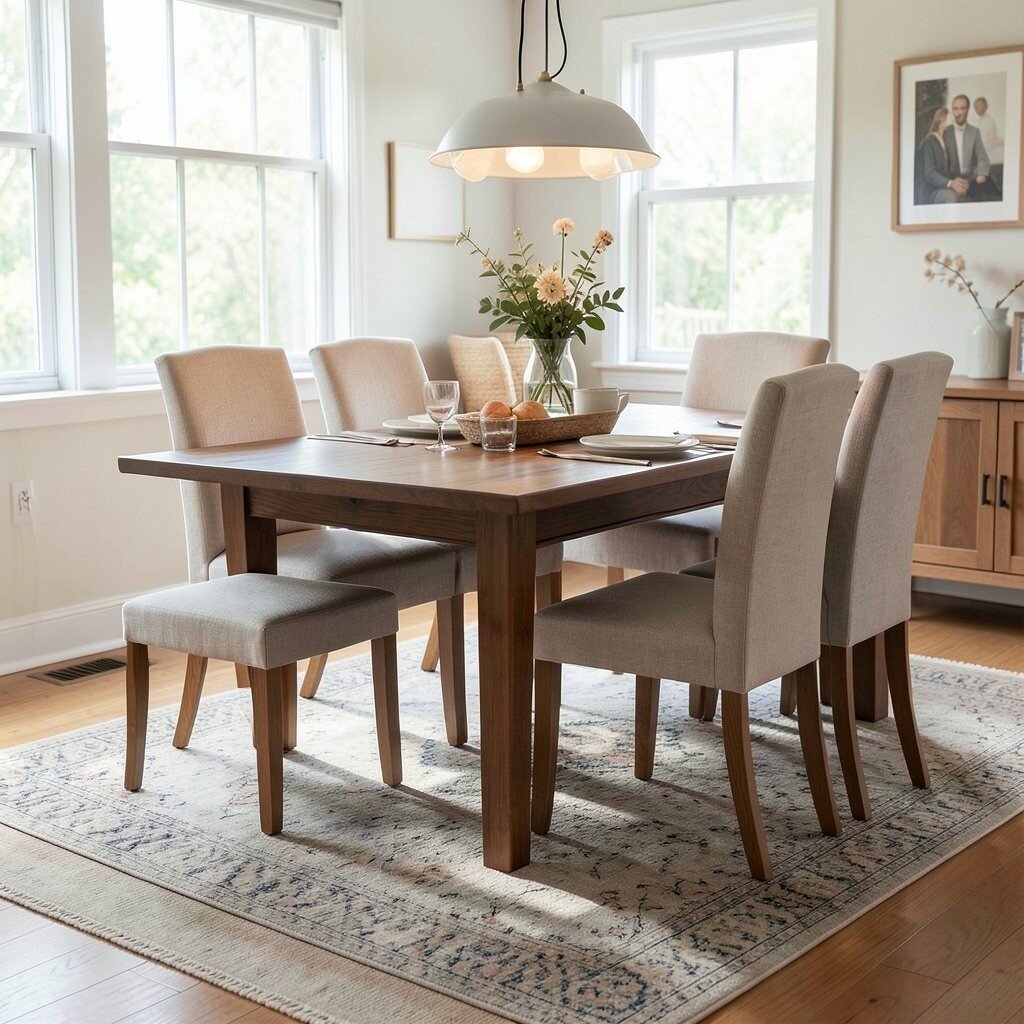
Online pictures can be helpful, but they do not tell the whole story. A table may look smaller, larger, warmer, or darker once it reaches your home.
Try to read reviews and look for real customer photos. Those images can show true color, scale, and finish in everyday rooms.
If possible, compare the table with objects you know well, like a chair or rug. That makes it easier to imagine the real size and style.
23. Choose a Finish That Matches Your Routine
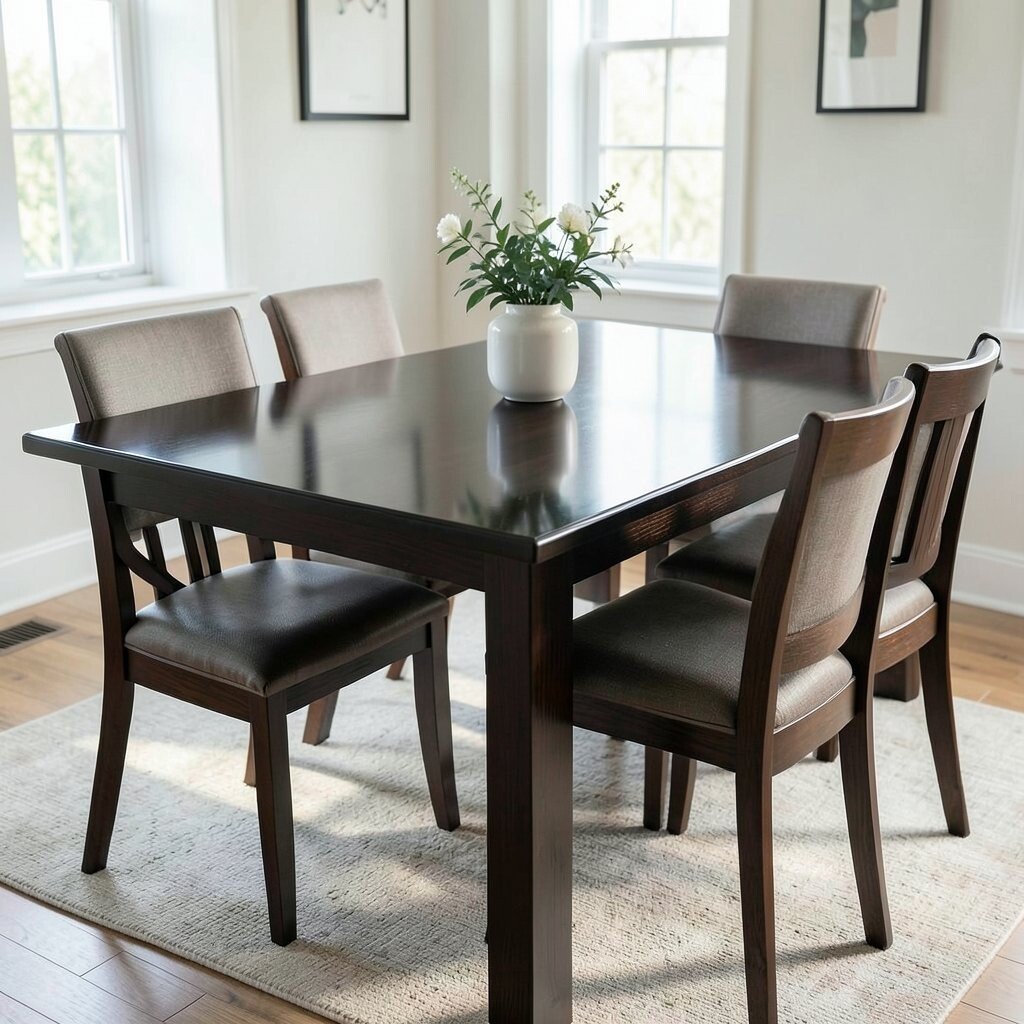
Some finishes are made to look shiny and polished, while others stay soft and matte. Matte finishes can hide fingerprints better, which is handy in busy homes.
Glossy tops can feel fancy and bright, but they may need more wiping. Dark finishes can look dramatic, yet dust may show more clearly.
Think about how much time you want to spend on care. The best finish is the one that fits your habits and still looks lovely.
24. Think About Family Needs
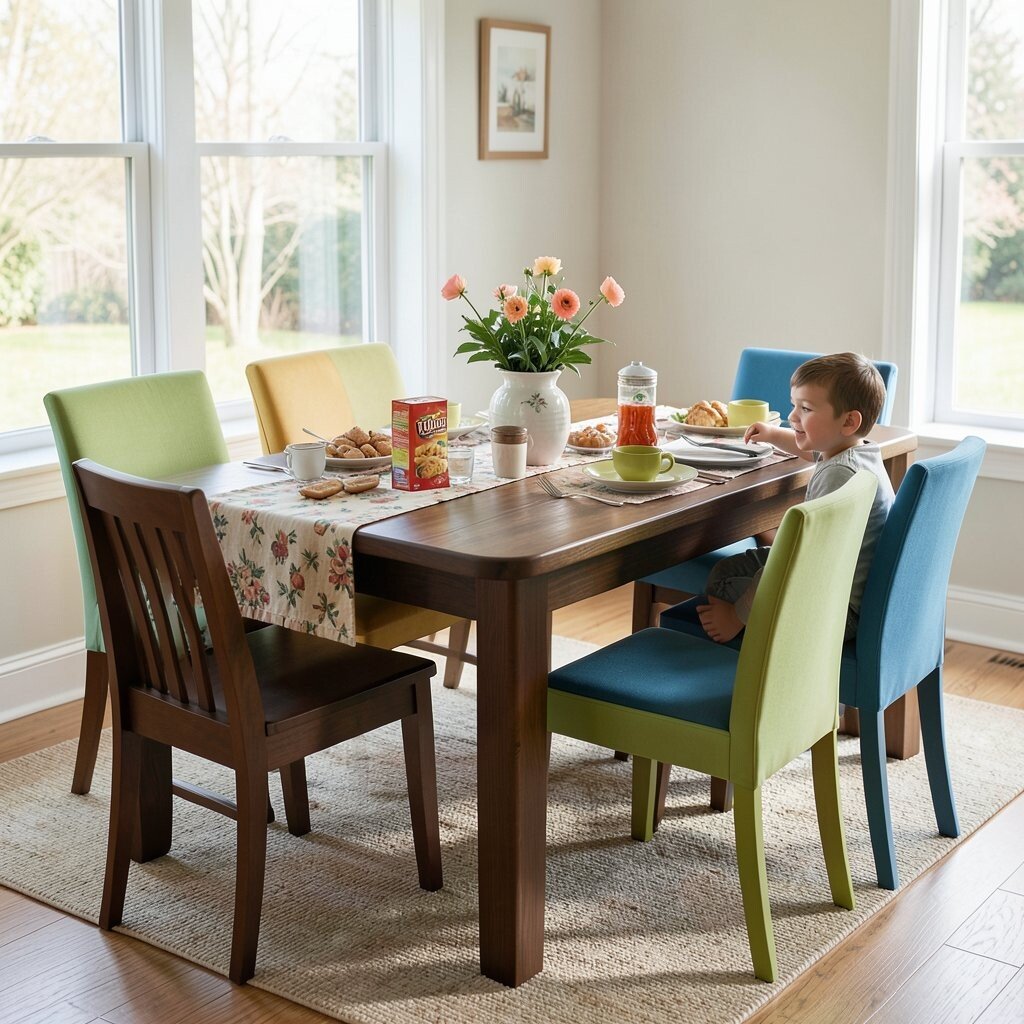
Families with young kids may want rounded corners and strong surfaces. That can help make the table feel safer and easier to live with.
If older kids or teens use the room, a larger top may help with snacks, schoolwork, and devices. A table that fits family life can become the heart of the home.
Personal touches matter too. A runner, centerpiece, or colorful chairs can make the table feel more like your own.
25. Make Room for Style Changes Later
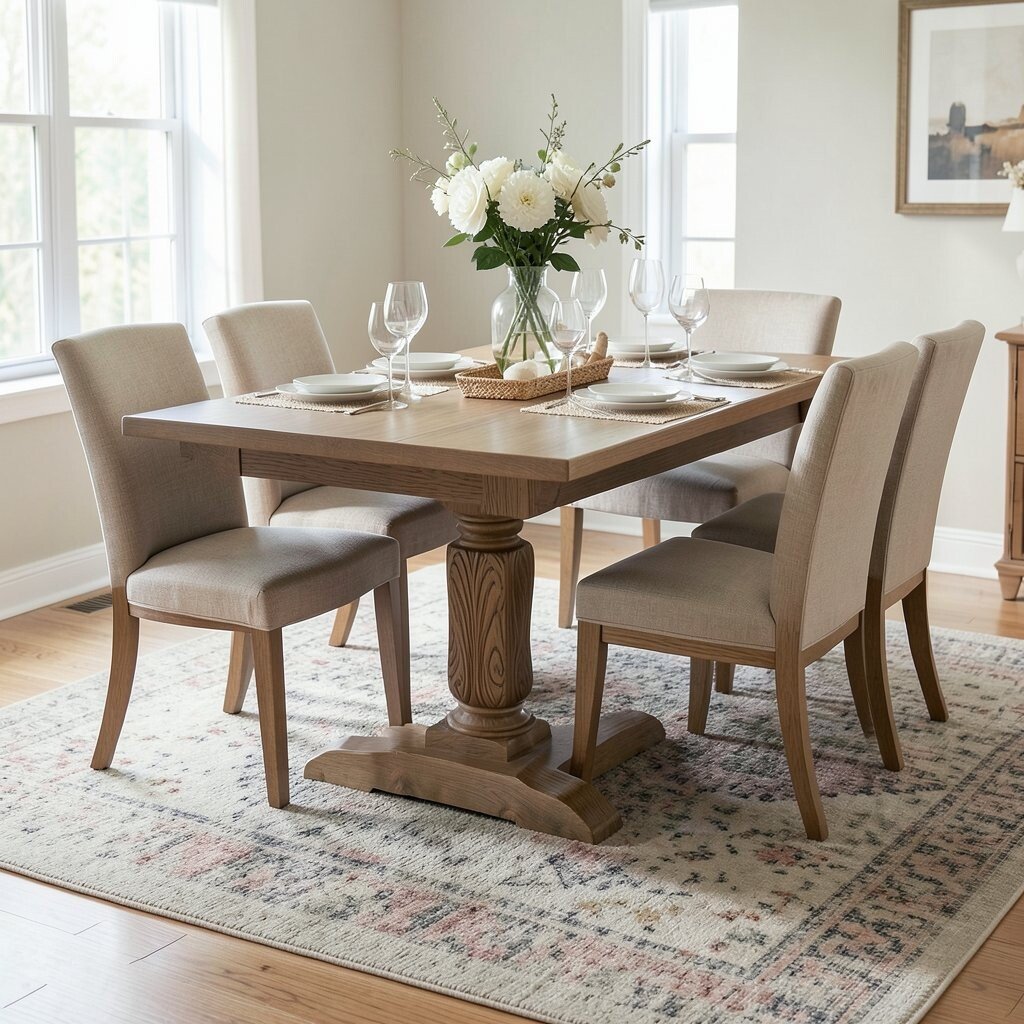
Your taste may shift over time, and that is normal. A table with a simple shape can make future decorating easier.
Neutral tables work well with many chair styles, rugs, and wall colors. That gives you more freedom if you like changing the room now and then.
Still, a little uniqueness can help the table feel special today. A carved leg, mixed finish, or unusual base can give it charm without locking you into one look.
26. Pay Attention to Weight
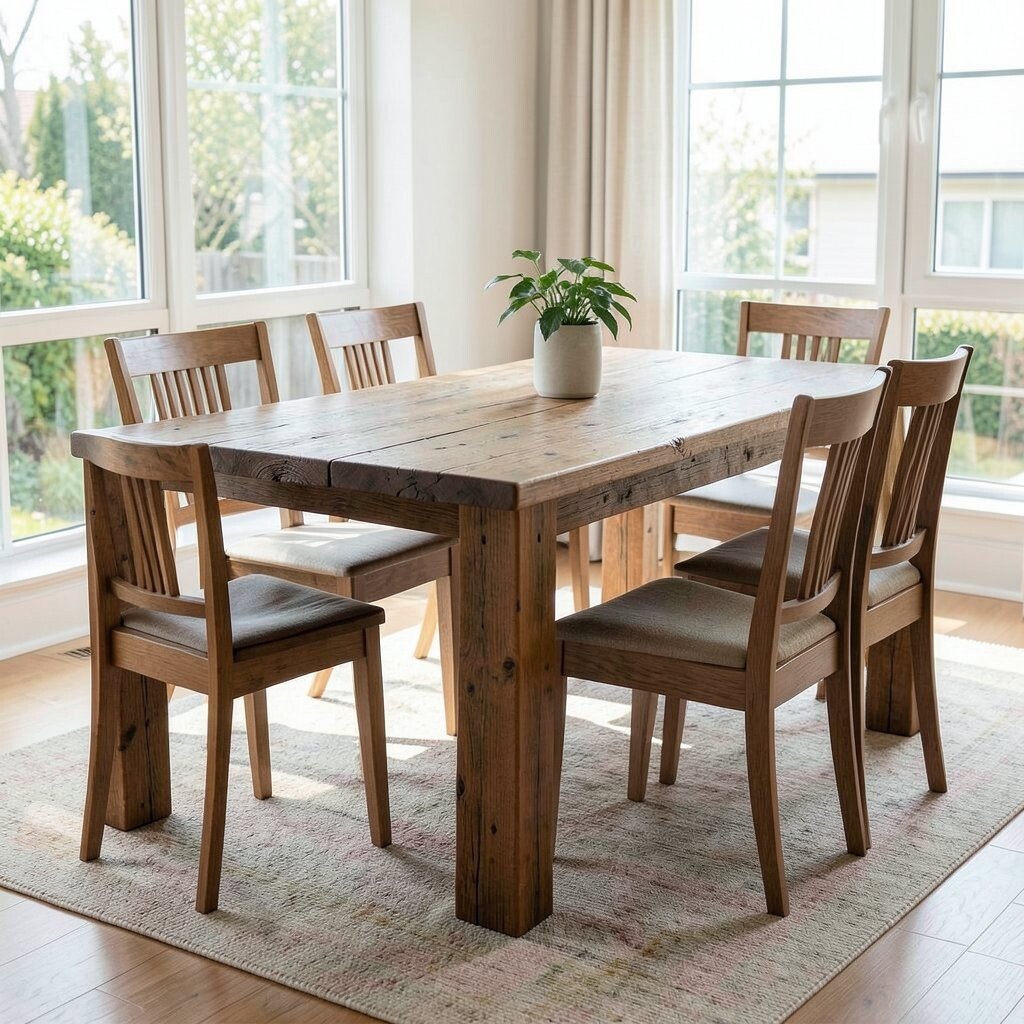
Heavy tables often feel sturdy and well made. They can be harder to move, though, which matters if you like changing the room often.
Lighter tables can be easier to shift, but they may not feel as solid. Think about who will move the furniture and how often that will happen.
If you live in an apartment or small home, weight can affect delivery and setup too. A table that is easy to handle may save a lot of trouble.
27. Check for Hidden Features
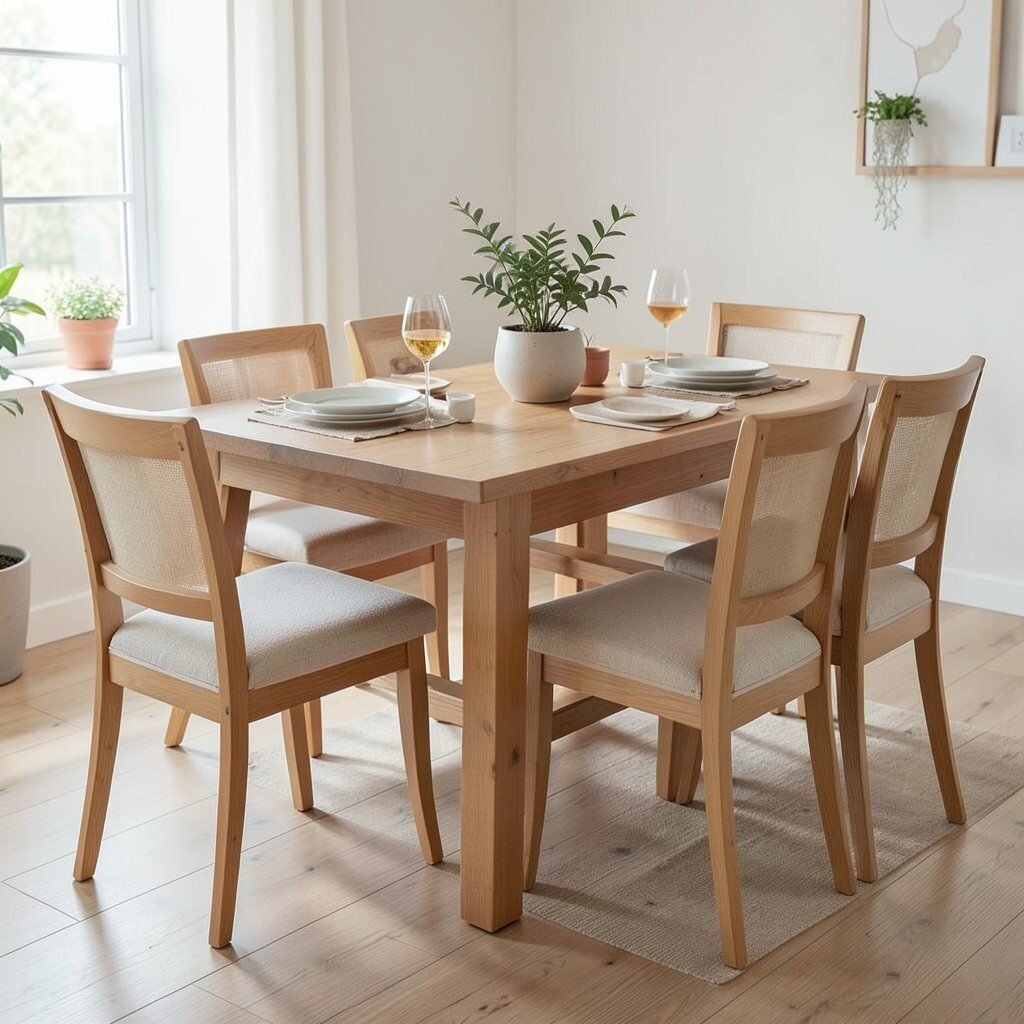
Some tables come with clever extras that make life easier. Hidden leaves, storage shelves, or easy-open parts can add real value.
These features can be especially useful in small homes. A table that does more than one job can help you use your space better.
Just make sure the extras are simple enough to use often. A smart feature is only useful if it feels easy and natural.
28. Think About Long-Term Value
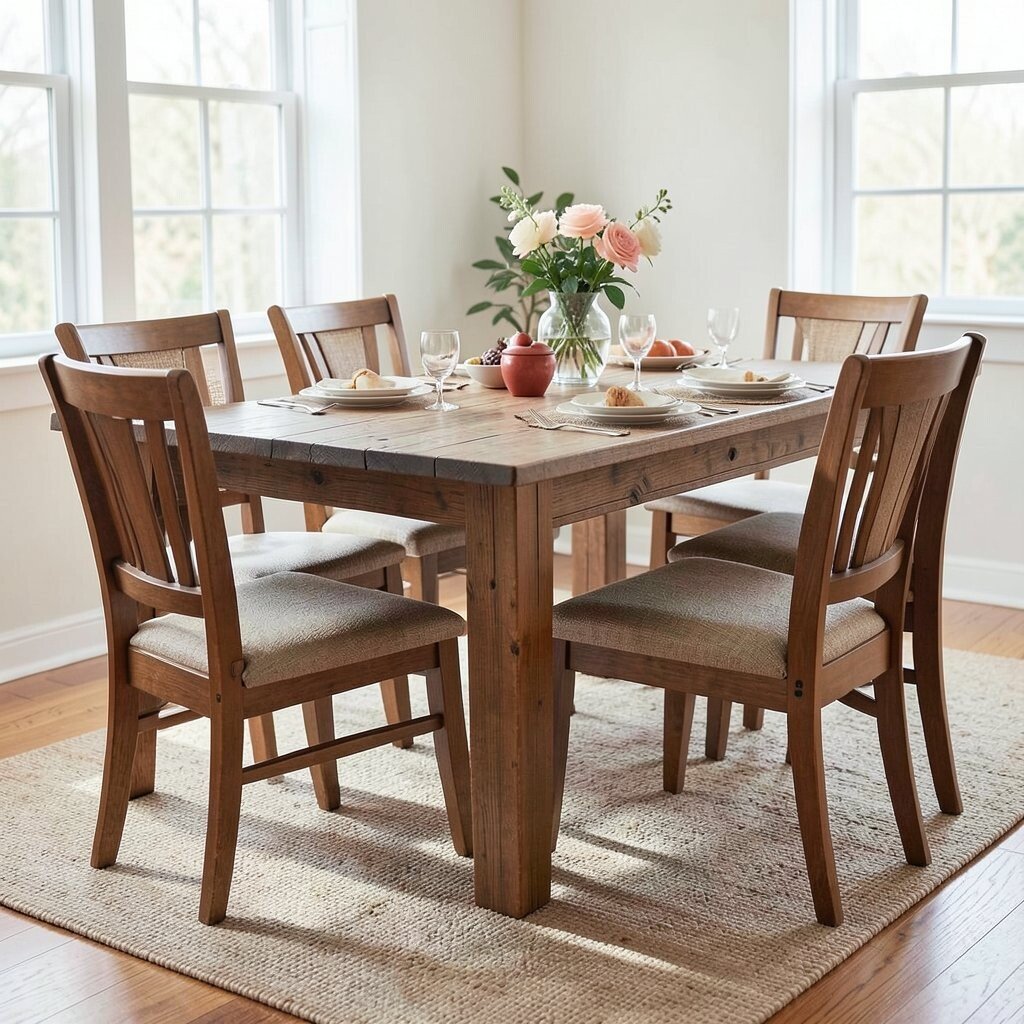
A dining table is often a big purchase, so it should last. Good value comes from a mix of style, strength, and comfort.
Sometimes a higher price means better materials and better build quality. Other times, a mid-range table gives you most of what you want for less money.
Ask yourself how the table will age in your home. A piece that still looks good after years of meals, homework, and holidays is worth a lot.
29. Choose the Table That Feels Like Home
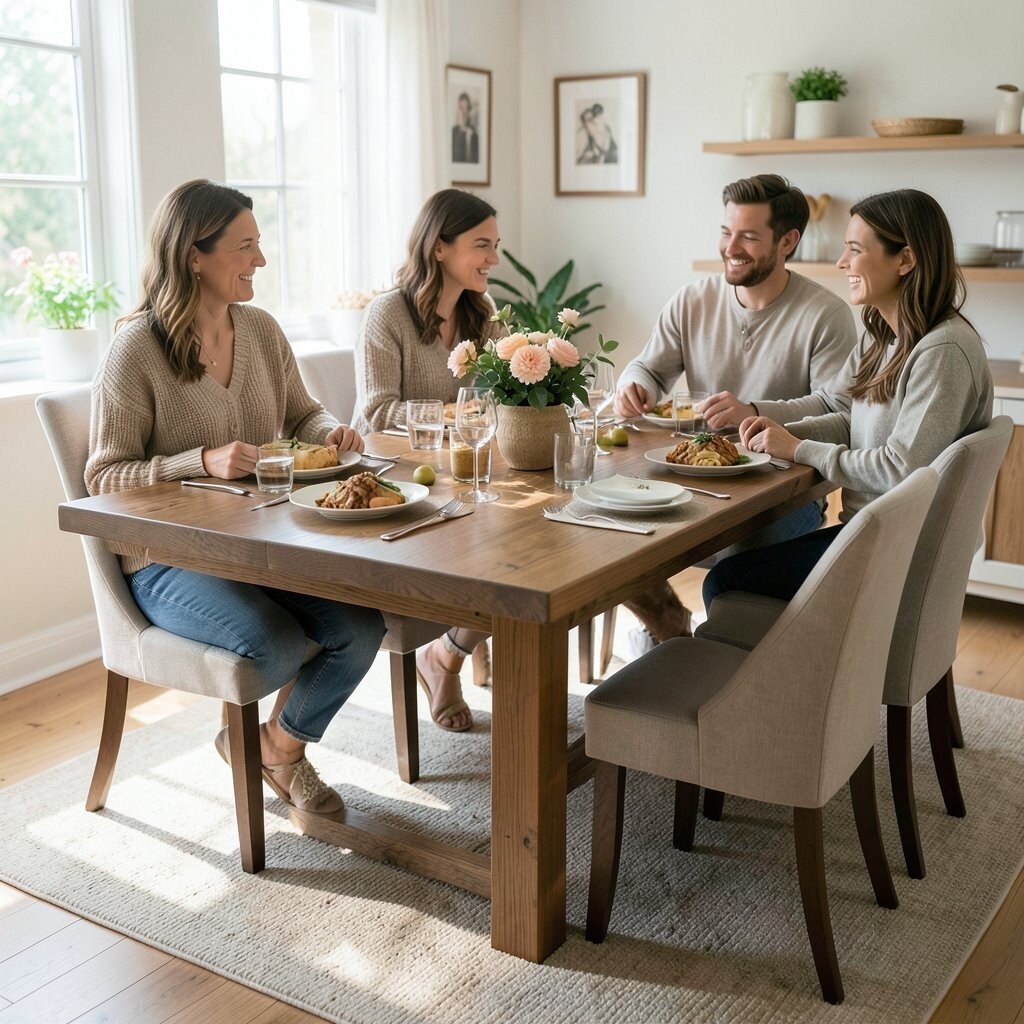
At the end of the search, the best table is the one that fits your life and your eye. It should look good, feel right, and work for the way you live.
Picture your favorite meals, your daily routines, and the people who will gather around it. If the table makes that picture feel warm and easy, you are on the right path.
Trust your taste, but keep the practical details in mind too. A dining table that blends beauty, comfort, and value can become one of the most loved pieces in the house.